Bundt cakes have a special magic that makes even beginner bakers feel like professionals. There’s something deeply satisfying about turning out a cake that looks like it came from a fancy bakery, complete with beautiful ridges and curves, without needing any complicated frosting techniques or decorating skills. The Bundt pan does the heavy lifting for you—the shape itself is the decoration. If you’re new to baking or just looking to expand your cake repertoire without the stress, these ten beautifully simple Bundt cakes are designed to build your confidence while delivering results that will impress everyone at the table. Each of these recipes focuses on straightforward techniques, forgiving ingredients, and stunning visual appeal that comes naturally from the pan’s design.
Table of Contents
- 1. Classic Vanilla Pound Cake with Simple Glaze
- Why Beginners Love It
- What You Need to Know
- 2. Lemon Pound Cake with Bright Citrus Glaze
- What Makes It Special
- Step-by-Step Confidence Builders
- 3. Chocolate Bundt Cake with Ganache Drizzle
- The Secret to Moist Chocolate Cake
- Easy Ganache Technique
- 4. Strawberry Bundt Cake with Fresh Fruit
- Preparing Strawberries for Baking
- Visual Impact With Minimal Work
- 5. Pumpkin Bundt Cake with Maple Glaze
- Why Pumpkin Cake Is Forgiving
- Easy Maple Glaze
- 6. Blueberry Coffee Cake with Streusel Topping
- Making Streusel (It’s Easier Than It Sounds)
- Building Your Coffee Cake
- 7. Apple Cider Bundt Cake with Cinnamon Glaze
- The Magic of Apple Cider
- Easy Cinnamon Glaze
- 8. Brown Butter Pound Cake with Praline Frosting
- Browning Butter (Easier Than It Sounds)
- Simple Praline Frosting
- 9. Coconut Bundt Cake with Lime Syrup
- Creating Tropical Flavor Easily
- Making Lime Syrup
- 10. Marble Bundt Cake with Vanilla Glaze
- Creating the Marble Effect
- Why This Works for Beginners
- Simple Vanilla Glaze
- Final Thoughts
1. Classic Vanilla Pound Cake with Simple Glaze
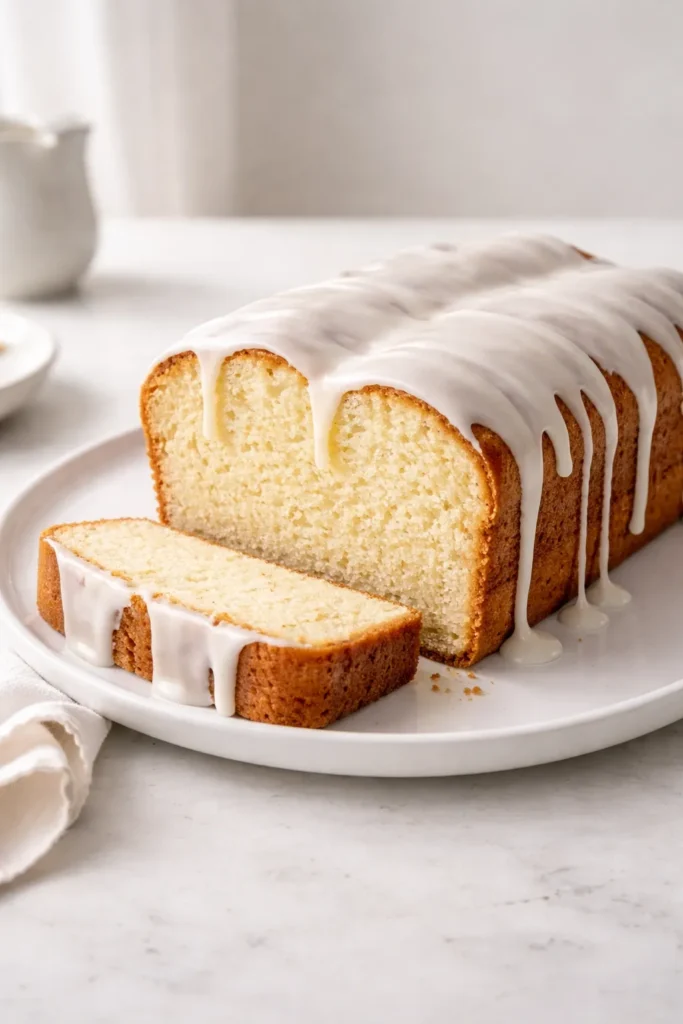
This is where many bakers start, and for good reason. A classic vanilla pound cake is as reliable as they come—the kind of cake that teaches you the fundamentals without overwhelming you with complicated steps. The beauty of this cake lies in its simplicity and its forgiving nature. Even if your technique isn’t perfect, pound cake tends to turn out moist and delicious because of the generous amount of butter in the batter.
Why Beginners Love It
Pound cake requires just basic creaming and mixing techniques. You beat butter and sugar together until fluffy (this is actually hard to mess up—just give it a full 3 to 4 minutes), then add eggs one at a time, and fold in flour carefully. The result is a dense, buttery cake with a fine, tender crumb that actually improves with time as the flavors meld.
What You Need to Know
- Measure your ingredients carefully, especially flour. Too much flour makes the cake dense in a bad way.
- Room-temperature ingredients blend more smoothly together, creating a lighter, more even texture.
- A simple powdered sugar glaze drizzled over the cooled cake transforms it into something elegant without any real effort.
- This cake actually tastes better the next day, making it perfect for advance baking.
Pro tip: Don’t skip the cooling time. Frosting or glazing a warm cake will cause it to crack and the glaze to slide right off. Let it cool completely in the pan (at least an hour) before turning it out.
2. Lemon Pound Cake with Bright Citrus Glaze
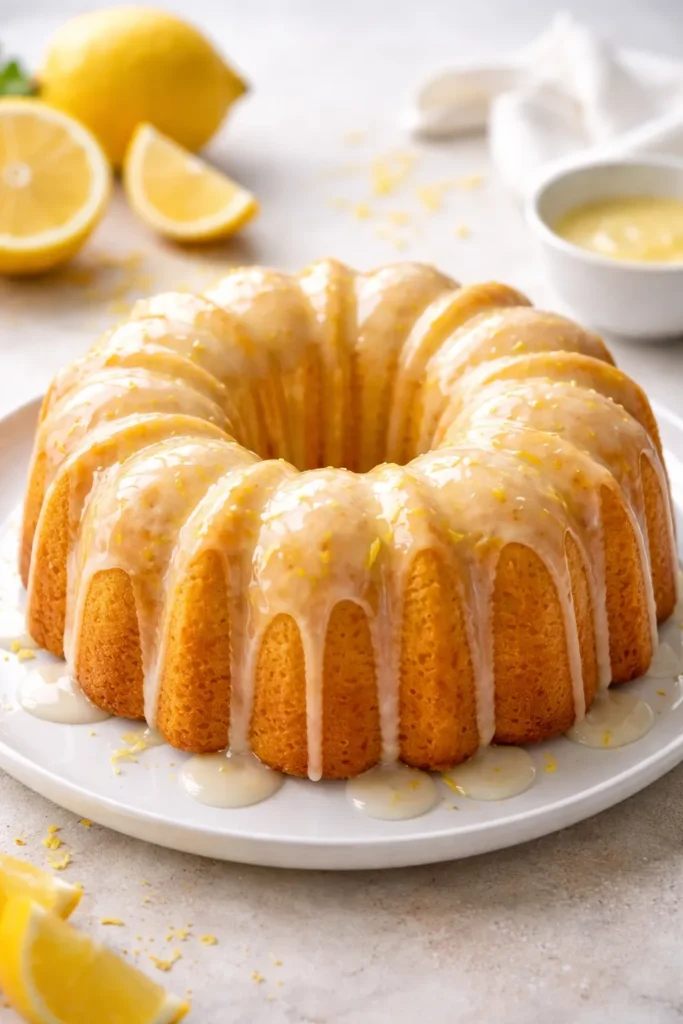
For those who want to step up slightly from plain vanilla, a lemon pound cake offers incredible flavor with barely more effort. The tartness of fresh lemon juice balances the rich butter perfectly, and the bright flavor makes this cake feel special enough for company while remaining accessible for beginners.
What Makes It Special
Fresh lemon zest is the secret weapon here. You’re zesting the peel into your batter, which releases aromatic oils and gives you that authentic lemon flavor without an artificial taste. The juice goes into both the batter and the glaze, creating layers of citrus flavor that feel sophisticated but require no special skills.
Step-by-Step Confidence Builders
- Use a box grater or microplane to zest your lemons directly over the sugar before creaming—this distributes the zest evenly through the batter.
- Juice your lemons by hand or with a citrus juicer. Fresh juice makes a noticeable difference compared to bottled.
- The glaze is just powdered sugar, lemon juice, and a splash of water whisked together until it’s pourable but not too thin.
- A thin glaze sets on the cake and looks professionally finished without requiring any piping or spreading skills.
The beauty of this cake is that even if you’re making it for the first time, the lemon flavor guarantees it tastes impressive. It’s nearly impossible to get wrong once you understand the basic ratio.
3. Chocolate Bundt Cake with Ganache Drizzle
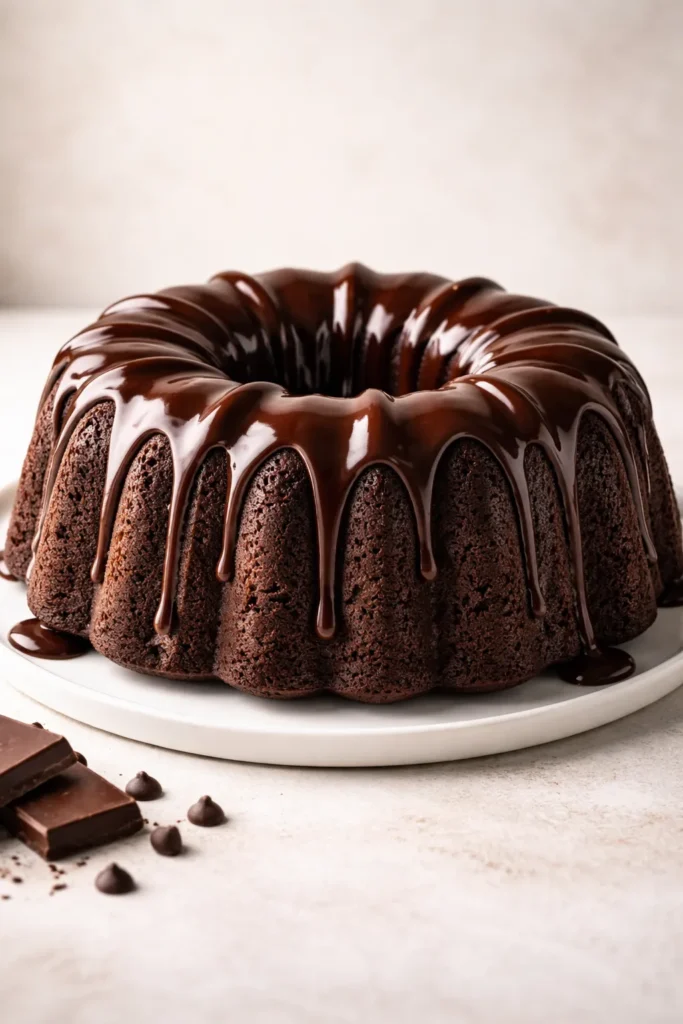
Chocolate lovers rejoice—a basic chocolate Bundt cake is just as beginner-friendly as vanilla, but infinitely more craveable. Rich, moist, and deeply chocolatey, this cake demonstrates that you don’t need complicated techniques to achieve a dessert that tastes like it came from a professional bakery.
The Secret to Moist Chocolate Cake
Many beginner bakers worry about dry cake, but chocolate cake has built-in moisture from both cocoa powder and often melted chocolate in the batter. The use of sour cream or buttermilk adds tanginess that enhances the chocolate flavor while keeping the crumb incredibly tender.
Easy Ganache Technique
- Chop semi-sweet or dark chocolate and pour hot cream over it. Let it sit for 30 seconds, then stir until glossy and smooth.
- A simple ganache glaze requires no cooking, no thermometer, and no special skills—just chocolate, cream, and patience while it sets.
- Pour the ganache over your cooled cake while it’s still warm, and gravity does the work of creating that stunning drip effect.
Chocolate cakes are more forgiving than you might think. A slight overbake is less noticeable in chocolate cake than in vanilla, and the dark color hides imperfect texture. This is the cake to build your confidence with chocolate baking.
4. Strawberry Bundt Cake with Fresh Fruit
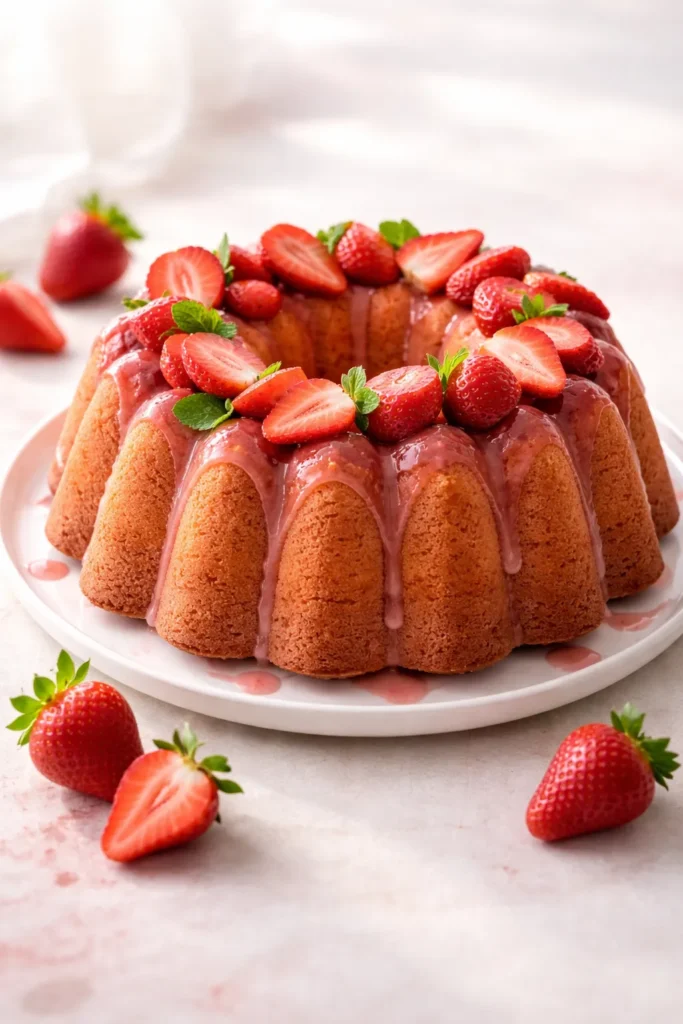
Spring and summer berries make this cake feel seasonally appropriate and naturally beautiful. Studded with fresh strawberries and topped with whipped cream, this cake looks like you spent hours decorating when it truly requires minimal effort beyond preparing the fruit.
Preparing Strawberries for Baking
Fresh strawberries need to be patted dry before folding into batter—excess moisture is the enemy here. Hulled and halved or quartered berries work beautifully. Some recipes dust them with a tiny bit of flour (or cornstarch) to keep them from sinking to the bottom of the pan, though this step isn’t strictly necessary.
Visual Impact With Minimal Work
- Layer fresh strawberries on the bottom of your prepared pan before pouring in the batter.
- As the cake bakes, the fruit creates a beautiful pattern on the outside that’s visible when you turn it out.
- A quick dusting of powdered sugar or a light whipped cream topping transforms it into an elegant dessert.
- No piping, no complicated frosting, no special decorating tools required.
This cake teaches you that visual appeal doesn’t require elaborate decoration. Sometimes the ingredients themselves, thoughtfully arranged, create all the beauty you need.
5. Pumpkin Bundt Cake with Maple Glaze
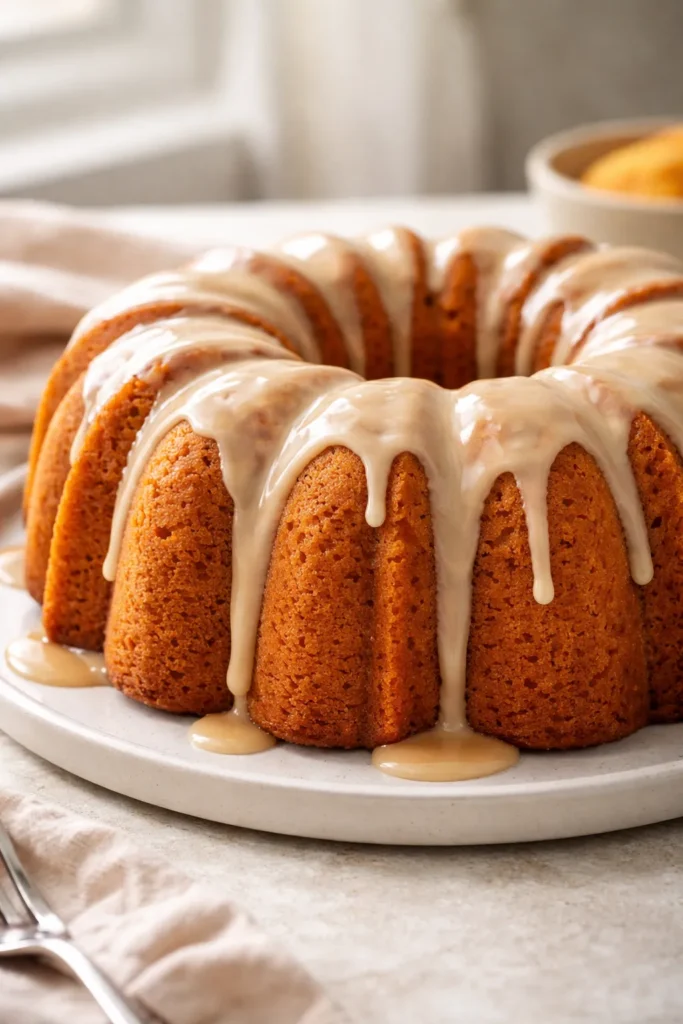
Warm spices and earthy pumpkin puree create a cake that feels like comfort and celebration in one. Even if you think pumpkin is seasonal, a pumpkin cake works beautifully any time of year and is particularly beginner-friendly because pumpkin puree keeps the cake incredibly moist.
Why Pumpkin Cake Is Forgiving
Pumpkin is basically foolproof. The moisture from canned pumpkin means you can bake this cake with confidence—it’s genuinely difficult to overbake it enough to create a dry result. The spices (cinnamon, nutmeg, ginger, cloves) are forgiving too; you can adjust the quantities slightly without ruining anything.
Easy Maple Glaze
- Combine powdered sugar with a few tablespoons of maple syrup and a splash of milk or cream.
- Whisk until smooth and pourable, then drizzle over the cooled cake.
- The maple flavor pairs so beautifully with pumpkin that people will assume you spent much more effort than you actually did.
Worth knowing: If you don’t have real maple syrup, a little vanilla extract and brown sugar whisked with powdered sugar creates a similar effect. The cake is delicious on its own, too, with no topping at all.
6. Blueberry Coffee Cake with Streusel Topping
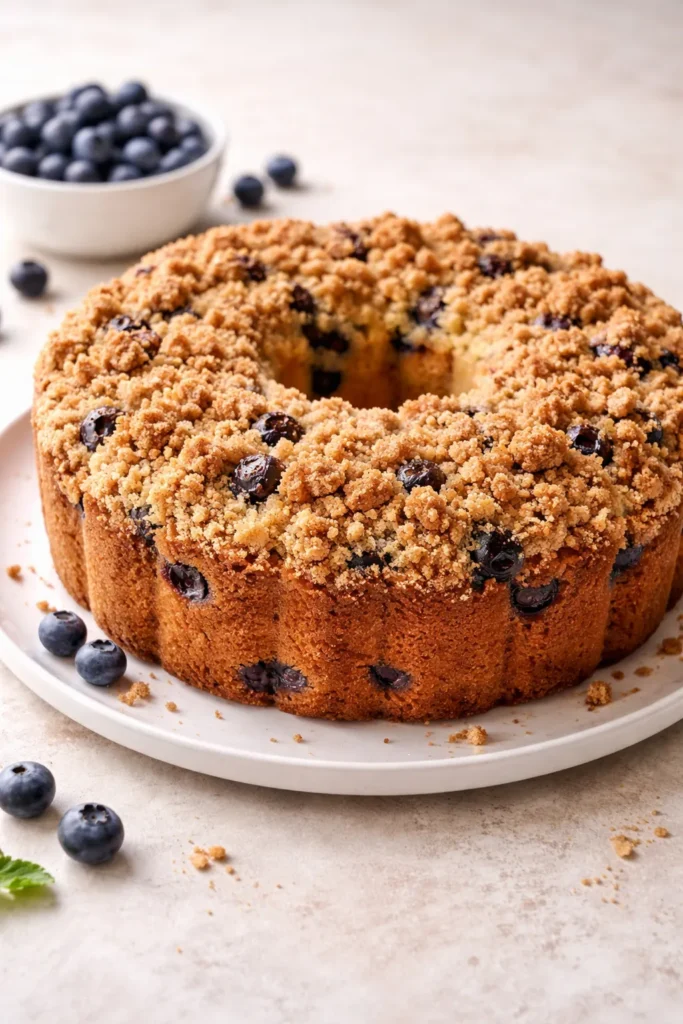
Coffee cakes occupy a magical space between breakfast and dessert, and a blueberry version is simple, wholesome, and absolutely delicious. The streusel topping—a simple crumb mixture—creates texture and visual interest without requiring you to master any fancy techniques.
Making Streusel (It’s Easier Than It Sounds)
Streusel is just butter, brown sugar, flour, and sometimes nuts, mixed together until it looks like wet sand. That’s literally it. You can make it with your fingers, a fork, or a pastry cutter. There’s no wrong way to do this.
Building Your Coffee Cake
- Pour half the batter into your prepared Bundt pan.
- Scatter fresh (or frozen) blueberries over the batter.
- Add the remaining batter carefully on top.
- Sprinkle the streusel mixture all over.
- The streusel sinks slightly as it bakes, distributing throughout the cake and creating pockets of cinnamon-sugar texture.
Blueberries release their juice during baking, creating natural flavor and moisture. This cake practically guarantees success because the berries are doing half the flavor work for you. It’s great warm with coffee in the morning or as an afternoon snack.
7. Apple Cider Bundt Cake with Cinnamon Glaze
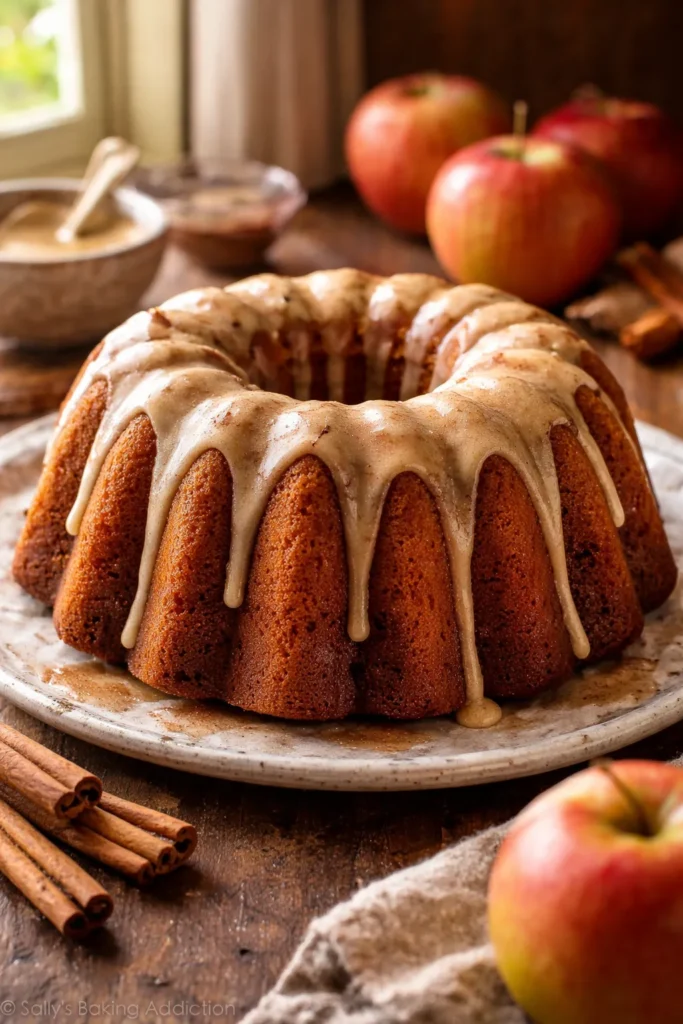
Apple cider concentrate or fresh apple cider transforms a basic cake into something with sophisticated, layered flavor. This cake feels seasonal and special, yet the technique remains beginner-friendly because you’re simply swapping one liquid for another in a standard recipe.
The Magic of Apple Cider
Apple cider adds natural sweetness, bright acidity, and complex flavor depth that makes people ask what your secret ingredient is. You can find it year-round (not just in fall), so this cake is never actually off-season, even if it feels most appropriate when the weather turns crisp.
Easy Cinnamon Glaze
- Combine powdered sugar, a pinch of ground cinnamon, a splash of milk, and a little vanilla.
- Whisk until smooth and pourable.
- The cinnamon glaze echoes the warm spices in the cake and looks beautiful cascading down the fluted sides.
Pro tip: If you can find apple cider concentrate or reduce fresh cider on the stovetop until it’s thick and syrupy, the flavor becomes even more intense and interesting. This is a detail that beginners often miss, but it takes your cake from good to genuinely impressive.
8. Brown Butter Pound Cake with Praline Frosting
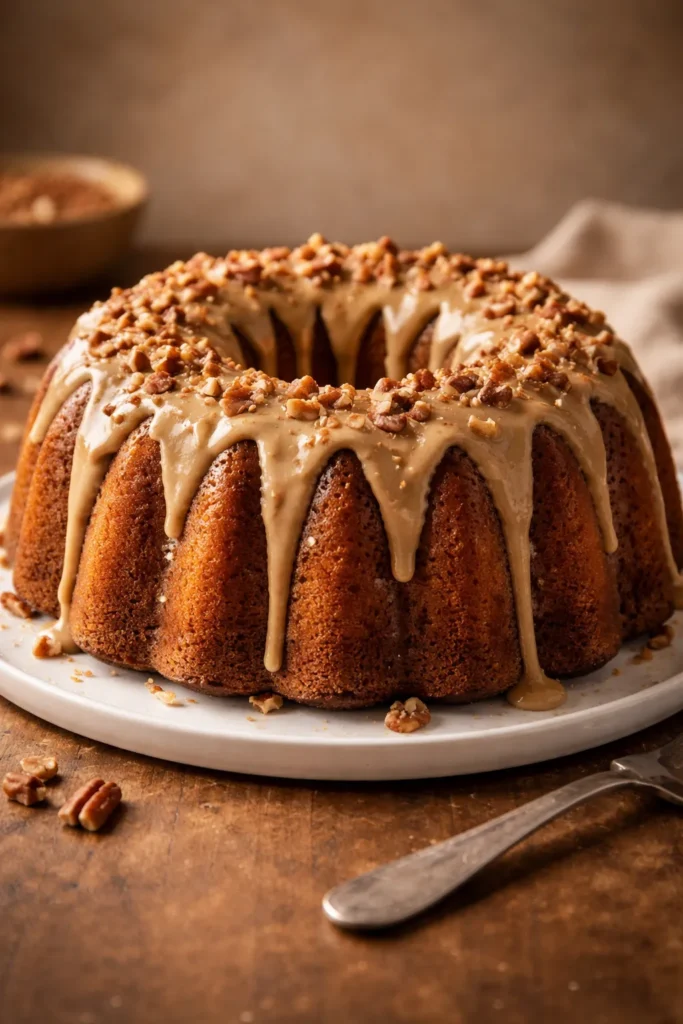
Brown butter is one of those techniques that sounds fancy but is completely achievable for beginners—and it transforms everything it touches into something nutty and sophisticated. Paired with a simple praline frosting, this cake feels like you’ve been baking for decades.
Browning Butter (Easier Than It Sounds)
Place butter in a saucepan over medium heat and let it melt, swirling occasionally. As it melts, the milk solids settle and eventually brown, releasing a nutty aroma. Once it smells toasty, pour it (including the browned bits) into a bowl to cool. That’s the whole process. It takes about 5 minutes.
Simple Praline Frosting
- Melt butter and brown sugar together, stirring until the sugar dissolves.
- Remove from heat, add powdered sugar, milk, and vanilla.
- Whisk until smooth and spreadable.
- The result tastes like caramelized pecans without any complicated candy-making.
This frosting is more forgiving than traditional buttercream because the brown sugar brings moisture and body. Even if you don’t get it perfectly smooth, it looks rustic and beautiful on a Bundt cake. The nutty brown butter flavor in the cake combined with the caramel-praline frosting creates something that tastes genuinely luxurious.
9. Coconut Bundt Cake with Lime Syrup
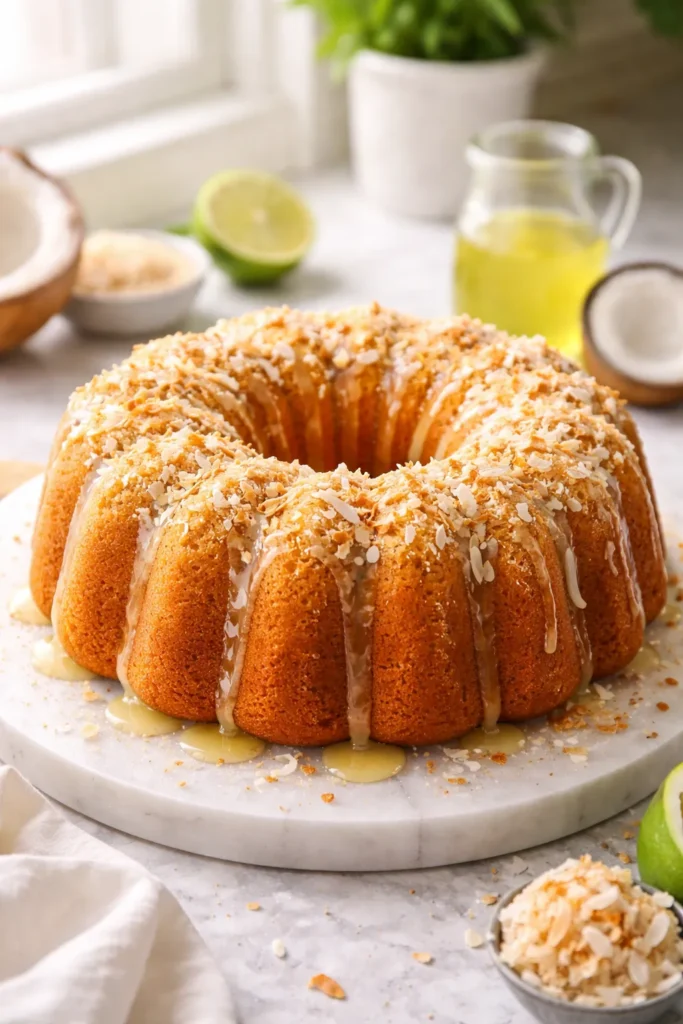
Tropical flavors make this cake feel like a mini vacation. Coconut cake with lime is light, refreshing, and beginner-friendly because coconut milk and coconut flakes (both shelf-stable) do most of the flavor work without requiring any advance technique or special equipment.
Creating Tropical Flavor Easily
Canned coconut cream or milk creates moisture and flavor simultaneously. The creamy richness from coconut eliminates the need for complicated frosting—a simple lime syrup brushed onto the warm cake is all you need.
Making Lime Syrup
- Combine equal parts granulated sugar and fresh lime juice (about ½ cup each).
- Heat gently, stirring, until the sugar dissolves completely.
- While the cake is still warm (but not hot), poke holes all over with a skewer.
- Slowly pour the syrup over the cake, allowing it to soak in.
- The syrup creates moistness and bright flavor without any actual cooking skill required.
Quick fact: Unsweetened shredded coconut toasted lightly in a dry pan (just 2-3 minutes) intensifies the coconut flavor dramatically. This single step makes the cake taste noticeably more sophisticated.
10. Marble Bundt Cake with Vanilla Glaze
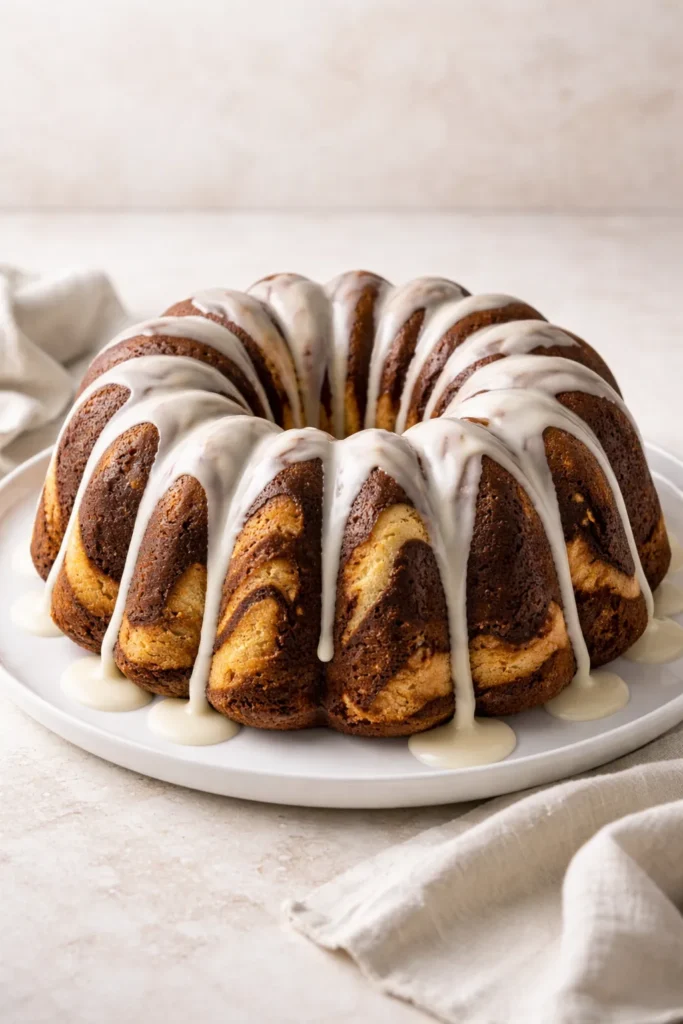
A marble cake appears fancy—those beautiful swirls of chocolate and vanilla create an impressive visual effect—but it’s actually one of the easiest techniques in baking. You’re simply pouring two different batters into the same pan and letting gravity do the swirling for you.
Creating the Marble Effect
Make a basic vanilla cake batter. Divide it in half. Stir melted chocolate into one half until combined. Pour half the vanilla batter into your prepared pan, then half the chocolate batter. Repeat with the remaining batters. Use a long wooden skewer or butter knife to swirl through the batters a few times. That’s genuinely all there is to marbling.
Why This Works for Beginners
- You’re not decorating the finished cake; you’re building the pattern directly into the batter.
- Even imperfectly swirled cakes look beautiful because the contrast between vanilla and chocolate is striking.
- The technique is impossible to truly mess up—even a casual swirl creates a pretty effect.
- You still get two distinct flavors in one cake, making it feel more sophisticated than it actually is.
Simple Vanilla Glaze
- Whisk powdered sugar with a little milk and vanilla extract until pourable.
- Drizzle over the cooled cake.
- The glaze pools in the grooves of the Bundt pan and makes the whole thing look bakery-professional.
Marble cake is the confidence-builder that convinces you that you can handle more advanced techniques. Once you’ve successfully marbled a cake, you realize that visual impressiveness doesn’t require complicated skills—just thoughtful combinations and patience.
Final Thoughts
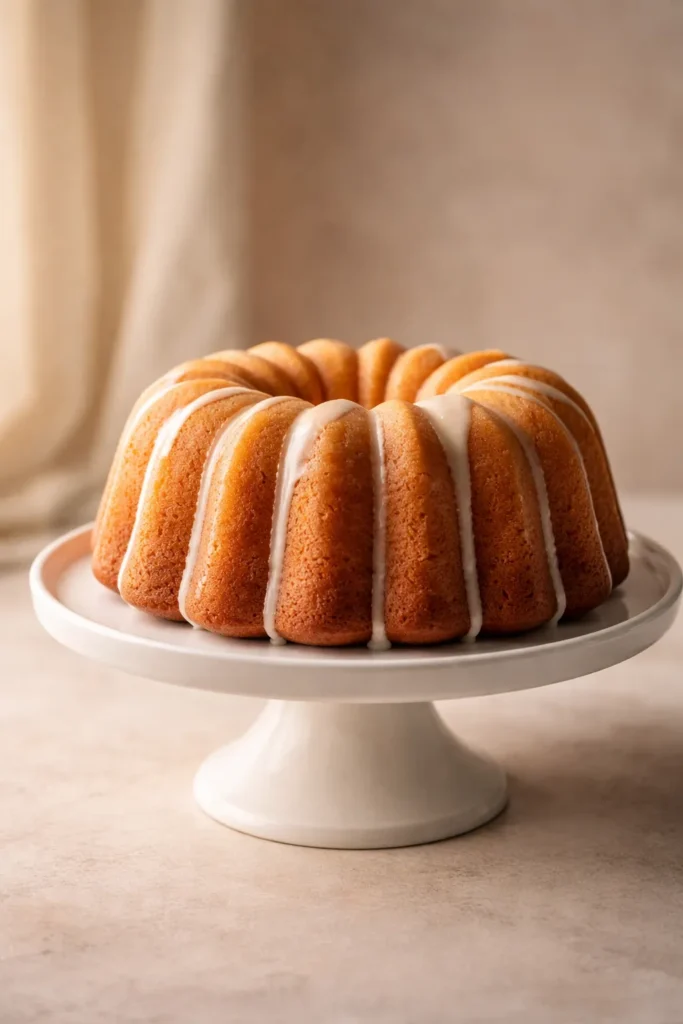
These ten Bundt cakes prove that you don’t need years of baking experience to create desserts that look like they came from a professional bakery. The Bundt pan is genuinely your secret weapon—its beautiful shape does the decorating work while you focus on mastering fundamental baking techniques like creaming butter and sugar, folding in dry ingredients gently, and understanding how moisture affects texture.
Start with whichever flavor calls to you most, and don’t worry about perfection. These cakes are forgiving by nature. You’ll discover that the most important skills in baking aren’t complicated tricks or elaborate decoration—they’re careful ingredient measurement, proper oven temperature, and patience while things cool. Once you’ve baked a couple of these successfully, you’ll feel confident enough to start experimenting with your own flavor combinations. The foundation is solid, and the results always look beautiful. That’s the real magic of baking with a Bundt pan.