There’s a common assumption that Japanese cooking is either sushi-bar-level technical or completely out of reach for a home cook without a decade of training and a pantry full of obscure ingredients. Both of those assumptions are wrong, and if they’ve been keeping you out of the kitchen, it’s time to let them go.
The truth is, the food most Japanese people actually eat every day — the meals made after work, packed into bento boxes, thrown together on a rainy Tuesday — is refreshingly simple. It relies on a handful of pantry staples (soy sauce, mirin, sake, dashi, miso) that you can find at any Asian grocery store or online, and on cooking techniques that any home cook can handle with confidence on a first attempt.
Sushi gets all the attention, but it’s not the soul of Japanese home cooking. The soul lives in a bowl of silky oyakodon, in a golden-crusted tonkatsu served with thinly shredded cabbage, in the sizzle of ginger pork hitting a hot pan. These are the dishes that Japanese mothers and grandmothers make, the ones that restaurants built entire menus around, the ones people crave when they’re homesick.
If you’ve been intimidated by Japanese cuisine, consider this your entry point. Every recipe on this list is genuinely achievable on a weeknight, and each one will give you a much deeper, more authentic picture of Japanese food than anything you’d order from a sushi menu.
Table of Contents
- 1. Oyakodon (Japanese Chicken and Egg Rice Bowl)
- What Makes It So Easy
- Key Ingredients and Tips
- 2. Tonkatsu (Deep-Fried Pork Cutlet)
- The Right Cut of Pork
- Making Tonkatsu at Home
- 3. Gyudon (Japanese Simmered Beef and Rice Bowl)
- The Broth Formula
- How to Serve It
- 4. Karaage (Japanese Fried Chicken)
- The Marinade Makes All the Difference
- Karaage Variations Worth Trying
- 5. Authentic Miso Soup Made From Scratch
- Choosing and Dissolving Miso
- Classic Add-In Combinations
- 6. Yakitori (Grilled Chicken Skewers With Tare Sauce)
- No Grill Required
- Making the Tare
- 7. Okonomiyaki (Japanese Savory Pancake)
- Toppings Are Non-Negotiable
- Osaka vs. Hiroshima Style
- 8. Shogayaki (Japanese Ginger Pork)
- Getting the Ginger Right
- The Marinade and Cooking Process
- 9. Japanese Hamburg Steak (Hambagu)
- Making the Patties
- The Sauce Options
- 10. Gyoza (Japanese Pan-Fried Dumplings)
- The Crispy Bottom Technique
- Folding Gyoza
- Building a Japanese Pantry for All of These Recipes
- Common Mistakes That Undercut Japanese Home Cooking
- Final Thoughts
1. Oyakodon (Japanese Chicken and Egg Rice Bowl)
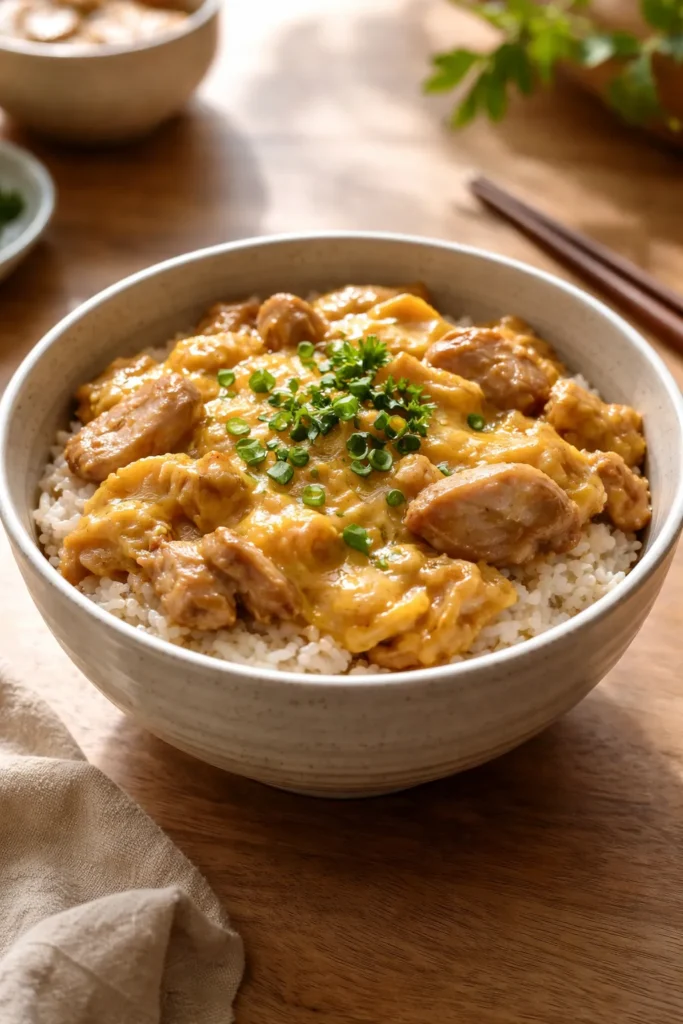
Oyakodon is one of those dishes that manages to feel both humble and deeply satisfying at the same time. The name literally means “parent and child rice bowl” — oya means parent (the chicken) and ko means child (the egg) — which is either charming or slightly morbid depending on your perspective. Either way, the dish is extraordinary.
Thinly sliced chicken thigh and softened onions are simmered in a sweet-savory dashi broth, then finished with lightly beaten eggs that are poured in at the last moment and cooked just until barely set — not fully scrambled, not fully solid, but somewhere silky and custardy in between. The whole thing goes over a bowl of steamed Japanese short-grain rice.
What Makes It So Easy
The entire cooking process takes about 15 minutes from pan to bowl. You don’t need any special equipment — just a wide skillet or a small sauté pan. The broth is a simple mixture of dashi (instant dashi granules work perfectly here), soy sauce, mirin, and a small amount of sugar. The only technique that requires any attention is the egg step: pour the beaten egg in a slow, circular motion over the simmering chicken, then put the lid on immediately and turn off the heat. Let residual heat finish the job. Pull it off too soon and it’s runny; leave it too long and you lose that signature silky texture.
Key Ingredients and Tips
- Chicken thighs over breast — they stay juicy even when cooked through, which breast meat does not
- Use bonito dashi (not vegetable or chicken broth) for the most authentic flavor
- Add the egg in two stages: pour in about two-thirds, wait 30 seconds, then add the rest for different textures in the same bowl
- A small amount of mitsuba or chopped green onion on top adds freshness and color
Worth knowing: Oyakodon is even better the second day, if you have leftovers — the rice soaks up the broth overnight and becomes incredibly flavorful when reheated.
2. Tonkatsu (Deep-Fried Pork Cutlet)
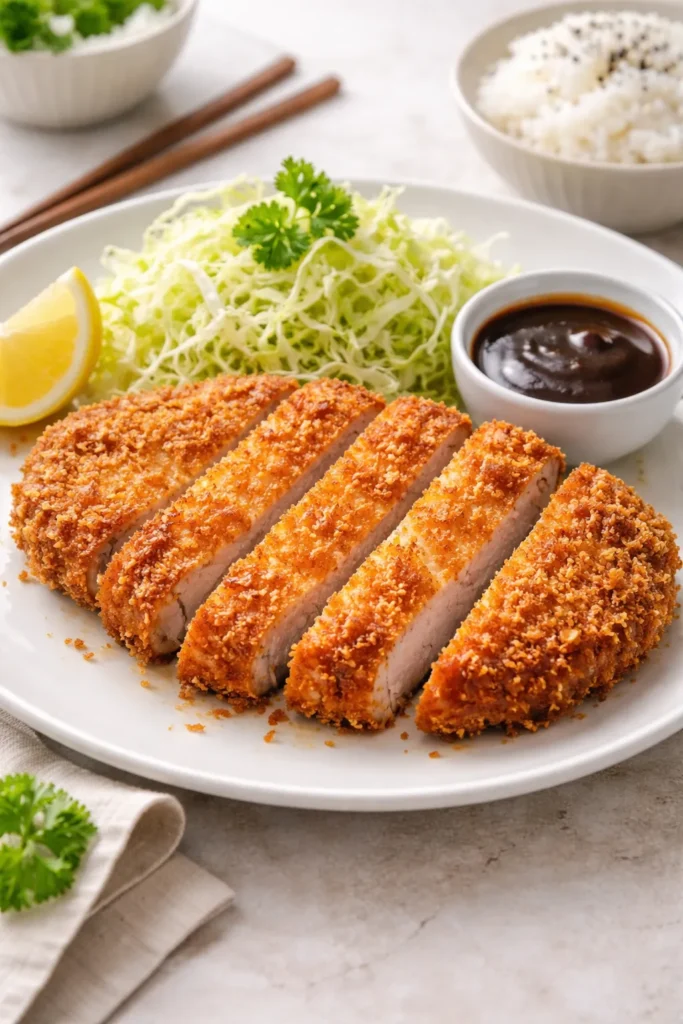
Tonkatsu is the Japanese answer to the Viennese schnitzel, and it’s arguably better. A thick pork loin or pork rib chop gets pounded to an even thickness, dredged in flour, dipped in beaten egg, then coated in a generous layer of panko breadcrumbs before being deep-fried to a shattering golden crust. It’s served with finely shredded raw cabbage, steamed rice, miso soup, and a thick, tangy tonkatsu sauce that tastes somewhere between Worcestershire and barbecue.
The panko coating is what makes tonkatsu genuinely different from other fried cutlets. Standard breadcrumbs pack down into a dense crust. Panko stays open and airy, creating a crust that’s lighter, crispier, and far more satisfying with each bite.
The Right Cut of Pork
The two classic choices are pork loin (rosu) and pork fillet (hire). Loin has more fat running along one edge, which keeps it juicy and flavorful. Fillet is leaner and more tender but dries out faster. For a first attempt, loin is the more forgiving option.
Before breading, score the fat cap on the edge of the chop with a knife every centimeter or so. This prevents the cutlet from curling upward in the oil due to the fat contracting faster than the meat.
Making Tonkatsu at Home
- Oil temperature matters: 340°F to 350°F (170–175°C) is the sweet spot. Too hot and the panko browns before the pork cooks through. Too cool and the crust soaks up oil instead of sealing.
- Fry for 3-4 minutes per side for a 1-inch thick cutlet
- Rest on a wire rack (not paper towels) so the bottom stays as crispy as the top
- Tonkatsu sauce is easy to make at home: combine Worcestershire sauce, ketchup, soy sauce, Dijon mustard, and a pinch of sugar
Pro tip: Make a double batch. Leftover tonkatsu becomes katsudon the next day — one of the best things you can do with yesterday’s dinner.
3. Gyudon (Japanese Simmered Beef and Rice Bowl)
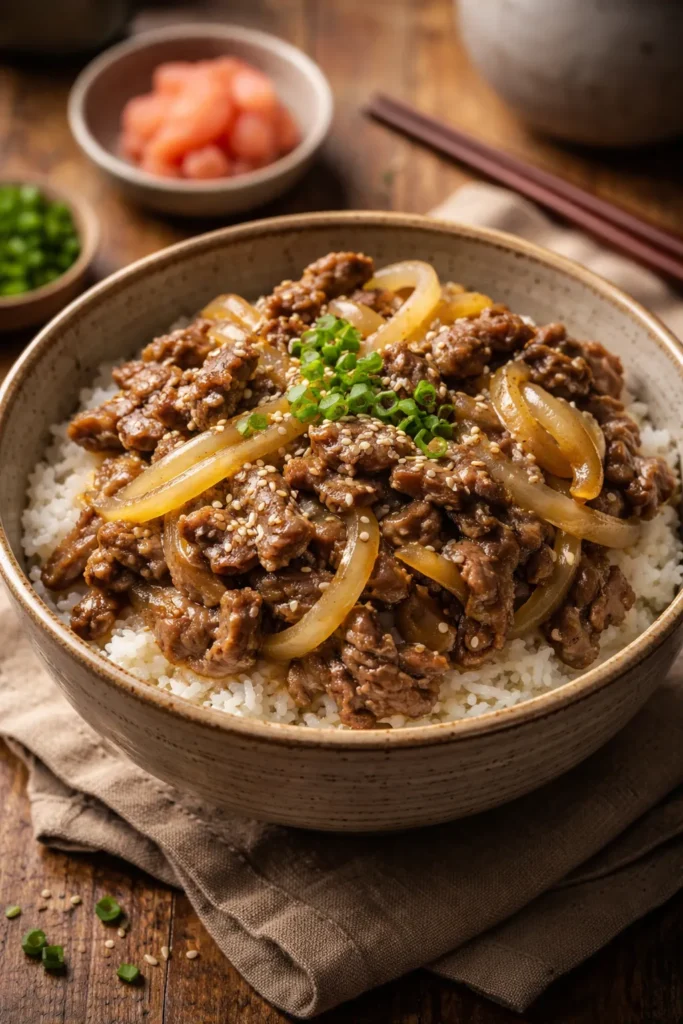
Gyudon is Japanese fast food in the best possible sense. Chains like Yoshinoya and Sukiya built entire empires around this one dish — thinly shaved beef and slivered onion simmered in a sweet, savory, deeply umami broth, piled generously over a bowl of steamed rice. It’s ready in under 20 minutes, uses only a handful of ingredients, and delivers a flavor depth that seems completely out of proportion to the effort involved.
The secret is in the beef itself. Japanese gyudon uses paper-thin slices of beef, typically ribeye or chuck, cut so thin they cook through in under two minutes of simmering. You can find pre-sliced beef for hot pot at most Asian grocery stores, or you can partially freeze a piece of chuck and slice it yourself on a mandoline or with a very sharp knife.
The Broth Formula
The broth is built from four ingredients in proportions worth memorizing:
- 3 tablespoons soy sauce
- 2 tablespoons mirin
- 1 tablespoon sake
- 1 cup dashi (or water with a teaspoon of instant dashi granules)
- A small amount of sugar — about 1 teaspoon — to round out the sweetness
Simmer the onion in this broth until translucent and soft, then add the beef in small batches so it doesn’t clump. The meat is done when it just loses its pink color — a matter of 60 to 90 seconds.
How to Serve It
Top the bowl with pickled red ginger (beni shoga), a soft-poached egg, or a drizzle of togarashi oil if you want some heat. A scattering of sliced green onions is non-negotiable. Serve with cold beer or green tea for the full izakaya-at-home experience.
4. Karaage (Japanese Fried Chicken)
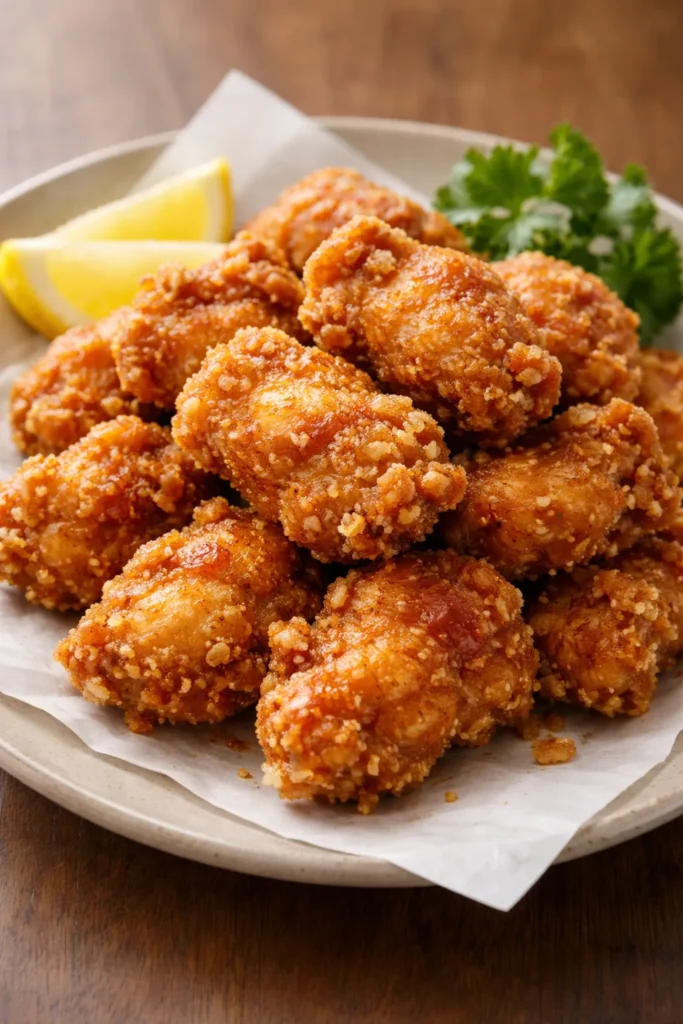
If you’ve had karaage even once, you already know why it appears on practically every menu in Japan — from convenience store hot cases to upscale izakayas. Boneless chicken thighs are marinated in a mixture of soy sauce, sake, freshly grated ginger, and garlic, then coated lightly in potato starch (not flour, not cornstarch — potato starch specifically) and fried twice for a crust that stays crispy even as it cools.
The double-fry method is what separates karaage from standard fried chicken. The first fry, at around 325°F (160°C) for about 3 minutes, cooks the chicken through. The second fry, at 375°F (190°C) for 60 to 90 seconds, drives moisture out of the crust and creates that iconic shattering exterior.
The Marinade Makes All the Difference
Don’t rush the marinade. The chicken needs at least 30 minutes to absorb the flavors, but one to two hours in the fridge delivers noticeably better results. The ginger and sake do double duty — they flavor the meat and tenderize it at the same time.
Karaage Variations Worth Trying
- Chicken nanban style: After frying, toss the pieces in a sweet-sour nanban vinegar sauce and serve with Japanese tartar sauce (mayo-based with finely chopped pickles, hard-boiled egg, and a squeeze of lemon)
- Kara-age with ponzu: Squeeze fresh lemon over the fried pieces and serve ponzu dipping sauce alongside
- Add toasted sesame seeds to the potato starch coating for extra nuttiness
Serve with Japanese Kewpie mayonnaise and lemon wedges. It sounds simple. It is simple. It’s also one of the most addictive things you’ll make in your kitchen.
5. Authentic Miso Soup Made From Scratch
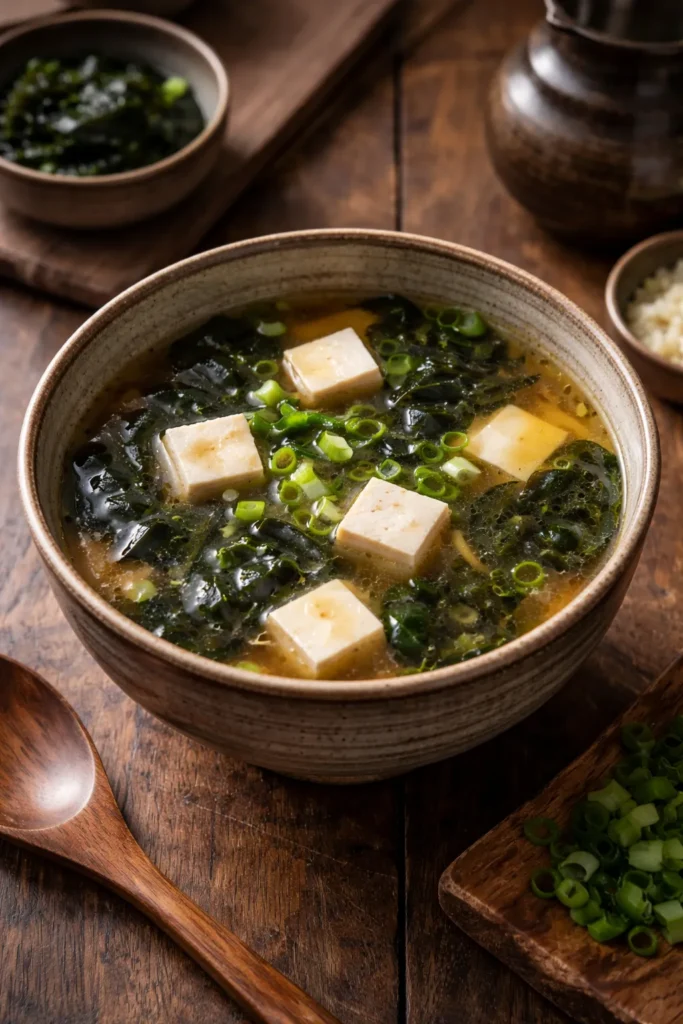
The miso soup most people encounter outside Japan — the thin, slightly flat liquid that comes in a small bowl alongside a bento — doesn’t do the dish any justice. Homemade miso soup, built on a proper dashi base, is a different thing entirely. It’s savory, warming, and complex in a way that powdered mixes simply can’t replicate.
Dashi is the foundation. It’s a Japanese stock made from two ingredients: kombu (dried kelp) and katsuobushi (dried, shaved bonito flakes). You steep kombu in cold water, bring it slowly to just below a boil, remove the kombu, add the bonito flakes, steep for three minutes, and strain. The resulting liquid is pale golden, subtly smoky, and carries a deep natural umami that you can taste the difference in immediately.
Choosing and Dissolving Miso
Never boil miso — the heat destroys the beneficial enzymes and dulls the flavor. Remove the pot from heat, ladle a small amount of warm dashi into a separate bowl, dissolve your miso completely in that liquid, then stir it back into the pot.
White miso (shiro) is sweeter and more delicate. Red miso (aka) is fermented longer and carries a stronger, more robust flavor. A blend of both — sometimes called awase miso — is what many Japanese households use daily.
Classic Add-In Combinations
- Silken tofu and wakame seaweed with sliced green onion
- Diced daikon and aburaage (thin fried tofu)
- Mushrooms (shiitake or enoki) and spinach
- Clams and green onion — a popular regional variation
Miso soup is not a side dish. It’s a complete flavoring system that makes every rice bowl, grilled fish, or pickled vegetable around it taste more cohesive and intentional.
6. Yakitori (Grilled Chicken Skewers With Tare Sauce)
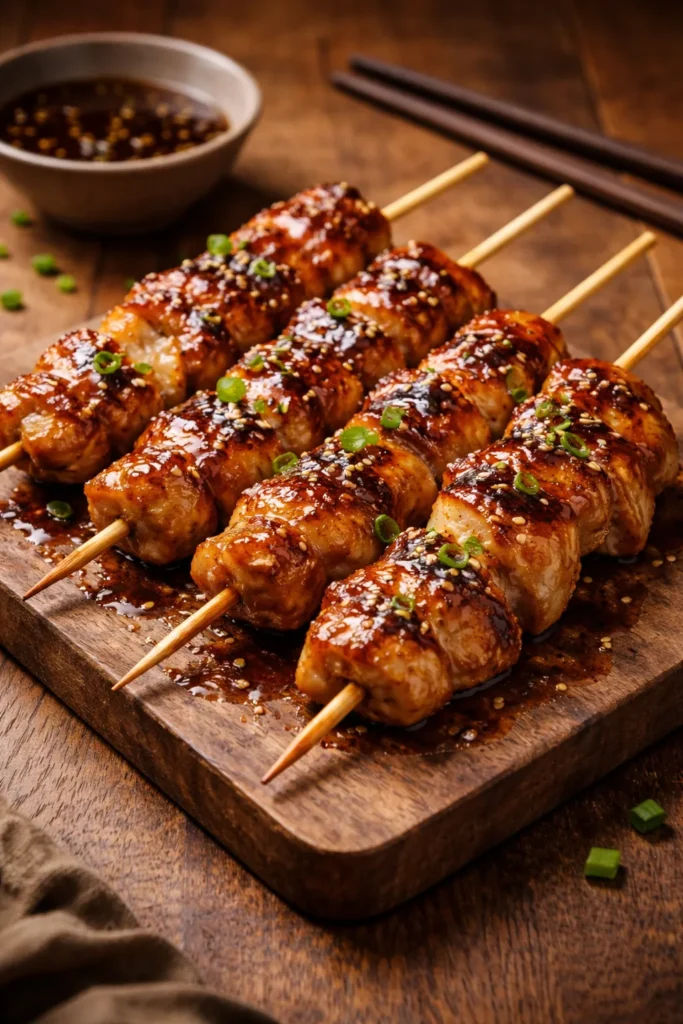
Yakitori translates as “grilled chicken,” but anyone who’s eaten it knows it’s so much more than that. The magic is in the tare — a thick, glossy, lacquer-like sauce made from soy sauce, mirin, sake, and sugar that’s been reduced slowly until it coats the back of a spoon and smells like everything good about Japanese cooking condensed into a single pan.
Traditionally, yakitori is cooked over binchotan charcoal, which burns at extreme heat and imparts a subtle smokiness to the meat. At home, a grill pan, a cast-iron skillet, or even a standard oven broiler will get you surprisingly close to the real thing.
No Grill Required
The frying pan method works brilliantly. Thread diced chicken thigh pieces onto soaked bamboo skewers, alternating with sections of green onion (negima style). Cook in a dry, very hot pan for about two minutes per side until nicely seared, then brush generously with tare, let the glaze caramelize for 30 seconds, flip, brush again, and repeat one more time.
Making the Tare
Combine equal parts soy sauce, mirin, and sake in a small saucepan with about half that volume of sugar. Bring to a simmer and reduce for 10 to 15 minutes until thickened to a consistency slightly thinner than honey. It keeps refrigerated for weeks.
Pro tip: Save the pan drippings from the skewers. Stir them into a bowl of rice with a small amount of tare for one of the best simple rice dishes you’ve had.
Classic parts to try beyond thigh meat: chicken meatballs (tsukune), chicken skin (kawa), and shishito peppers brushed with tare.
7. Okonomiyaki (Japanese Savory Pancake)
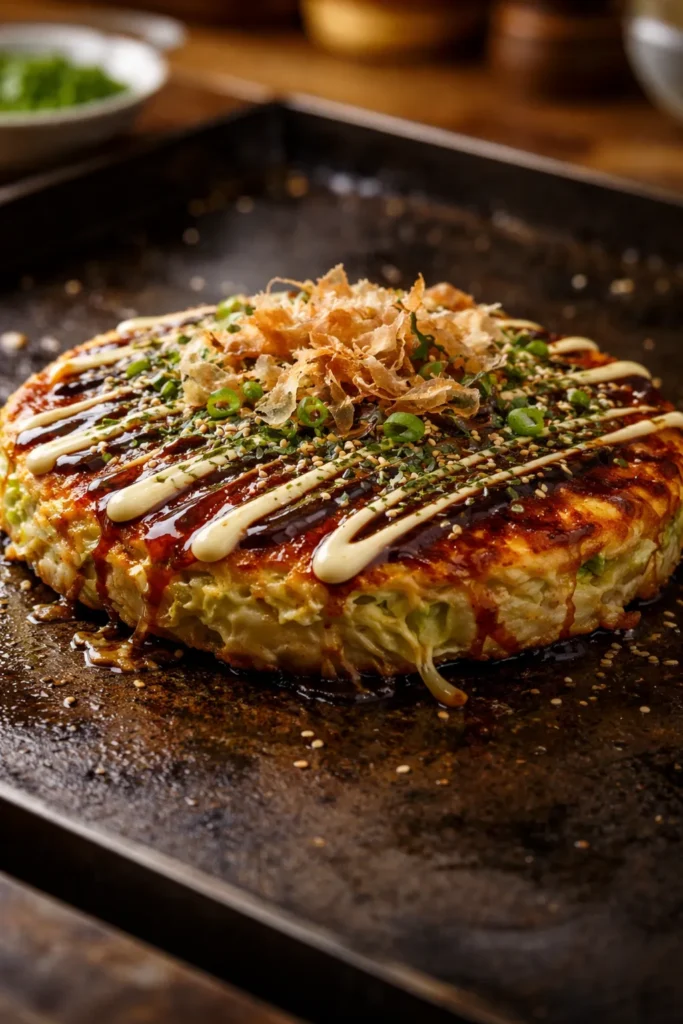
Okonomiyaki is proof that shredded cabbage and a simple batter can become something spectacular. The name means roughly “grilled however you like it,” which tells you everything about the dish’s spirit — it’s designed for improvisation, for using what’s in your fridge, for making something satisfying out of modest ingredients.
The base batter is a mixture of flour, dashi (or water), egg, and grated Japanese yam (nagaimo), which creates a texture that’s impossibly light and fluffy compared to regular pancake batter. You fold in roughly chopped cabbage and whatever mix-ins you want — thin-cut pork belly strips, shrimp, squid, green onion, pickled ginger — and cook it low and slow in a well-oiled pan.
Toppings Are Non-Negotiable
The topping combination is what makes okonomiyaki unmistakable:
- Okonomiyaki sauce (similar to a thickened Worcestershire-based sauce, or use Bull-Dog brand)
- Kewpie mayonnaise squeezed in thin zigzag lines across the sauce
- Ao nori (dried green seaweed flakes)
- Katsuobushi (bonito flakes) that wave dramatically in the heat rising off the pancake
Osaka vs. Hiroshima Style
The Osaka version mixes all ingredients directly into the batter. The Hiroshima style layers the components — cabbage, batter, noodles, egg — and is more complex to assemble but stunning when done right. Start with Osaka style. It’s more forgiving and delivers the full flavor experience with less technical pressure.
One thing to get right: don’t press the pancake down with your spatula while it cooks. The air trapped in that batter is what makes the interior soft and pillowy, and pressing it out is the most common mistake first-timers make.
8. Shogayaki (Japanese Ginger Pork)
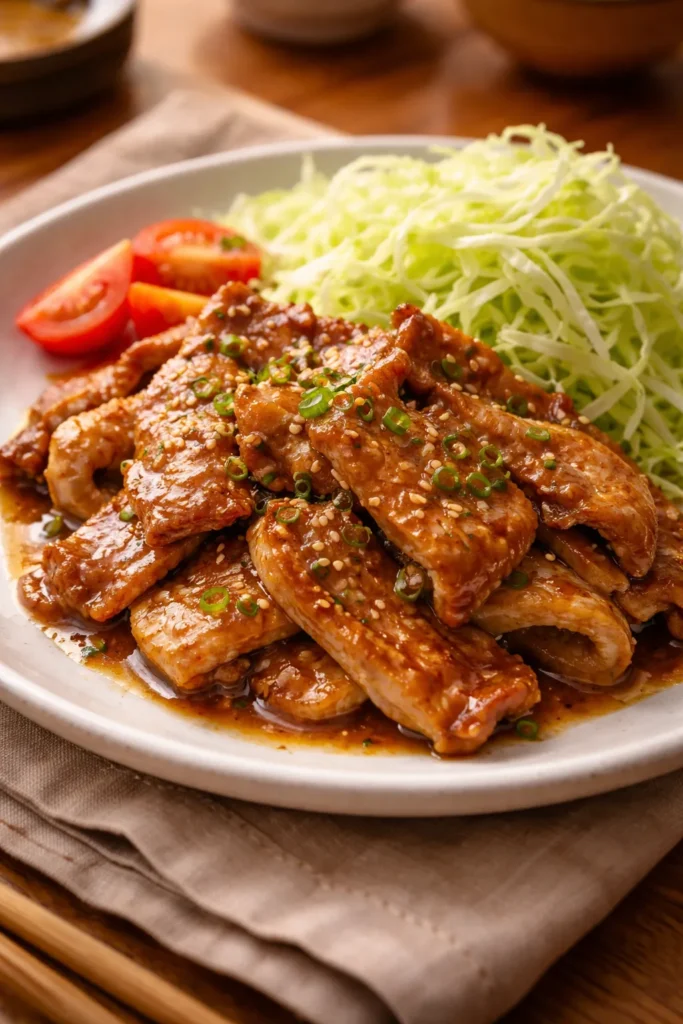
Shogayaki is one of those weeknight workhorses that experienced Japanese home cooks return to again and again because it delivers enormous flavor with almost no effort. Thinly sliced pork — loin or shoulder, sliced to about 3mm — is marinated briefly in freshly grated ginger, soy sauce, mirin, and sake, then seared quickly in a hot pan until caramelized and fragrant.
The result is deeply savory, slightly sweet, aggressively gingery, and pairs with steamed rice in a way that makes the combination feel almost inevitable. It’s typically served alongside a mound of thinly shredded raw cabbage — the plain, crunchy freshness of the cabbage is the perfect foil for the rich, sticky pork.
Getting the Ginger Right
Fresh ginger, grated on a microplane, is non-negotiable here. The flavor of ginger from a jar or pre-minced tube is fine for some applications, but shogayaki is built around ginger as the star ingredient. Use at least a thumb-sized piece per serving. Grate it finely enough that the fibers dissolve into the marinade.
The Marinade and Cooking Process
- Slice the pork paper-thin — partially freezing it for 30 minutes makes this easier
- Marinate for just 10 to 15 minutes (any longer and the salt in the soy sauce starts drawing moisture out)
- Cook in a very hot dry pan — no added oil needed because the pork has enough fat
- Don’t overcrowd the pan. Cook in batches. Overcrowding causes steaming instead of searing.
The sauce will reduce rapidly and caramelize in the pan. Pull the pork just before it looks fully done — residual heat finishes it.
Serve with rice, miso soup, and pickled cucumber for a complete teishoku-style meal that takes under 30 minutes start to finish.
9. Japanese Hamburg Steak (Hambagu)
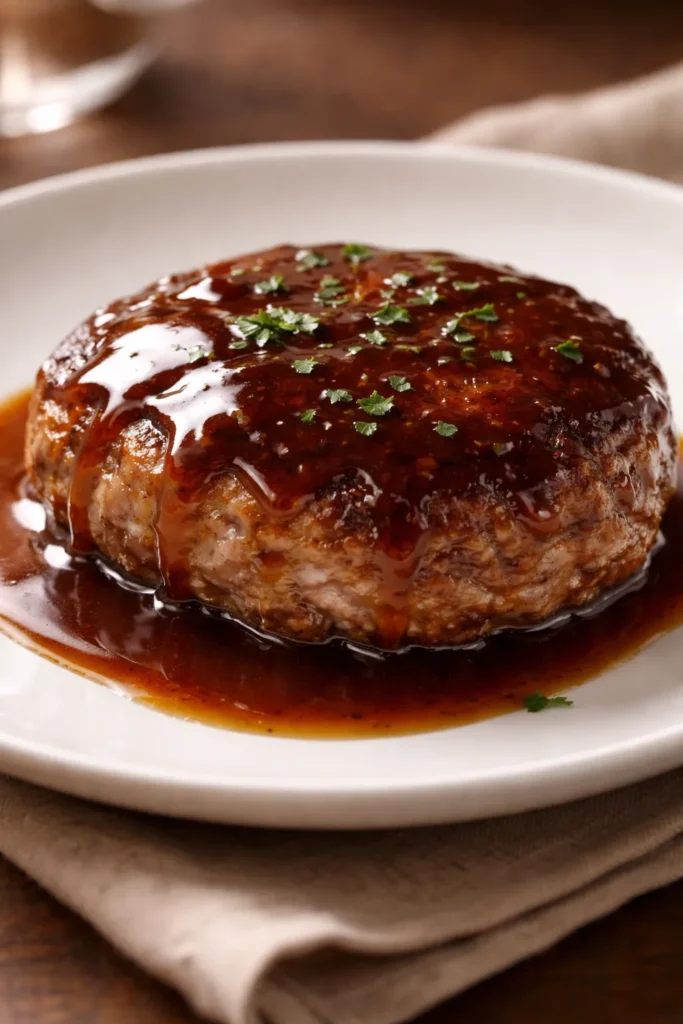
Hambagu — the Japanese hamburger steak — looks like a burger but eats like something entirely different. It’s closer to a Salisbury steak: a thick, hand-formed patty made from a blend of ground beef and ground pork, bound with panko breadcrumbs soaked in milk and sautéed onion, seasoned with nutmeg, salt, and pepper, and served with a rich sauce rather than on a bun.
The texture is the thing that surprises people who expect something dry or dense. The milk-soaked panko acts as a panade, keeping moisture locked into the patty as it cooks and creating an interior that’s almost impossibly juicy. The pork in the blend adds fat and richness that pure beef doesn’t achieve.
Making the Patties
The key step that most recipes skip: after mixing all the ingredients, knead the mixture by hand for 2-3 minutes until it becomes tacky and slightly sticky. This develops a bit of protein binding that holds the patty together during cooking and creates that characteristic “springy” Japanese hamburg texture.
Form patties slightly thicker than you think you need — they shrink during cooking. Press a small dimple in the center to prevent the middle from puffing up.
The Sauce Options
- Demi-glace style: Deglaze the pan with red wine, add store-bought demi-glace or a concentrated mushroom broth, reduce until glossy
- Wafu style: Soy sauce, grated daikon, ponzu, and a drizzle of sesame oil — lighter and more citrusy
- Japanese ketchup sauce: Equal parts ketchup and Worcestershire with butter stirred in at the end
Top with a fried egg, sunny-side up, for the classic yoshoku restaurant presentation. Serve over rice or with a simple vegetable salad alongside.
10. Gyoza (Japanese Pan-Fried Dumplings)
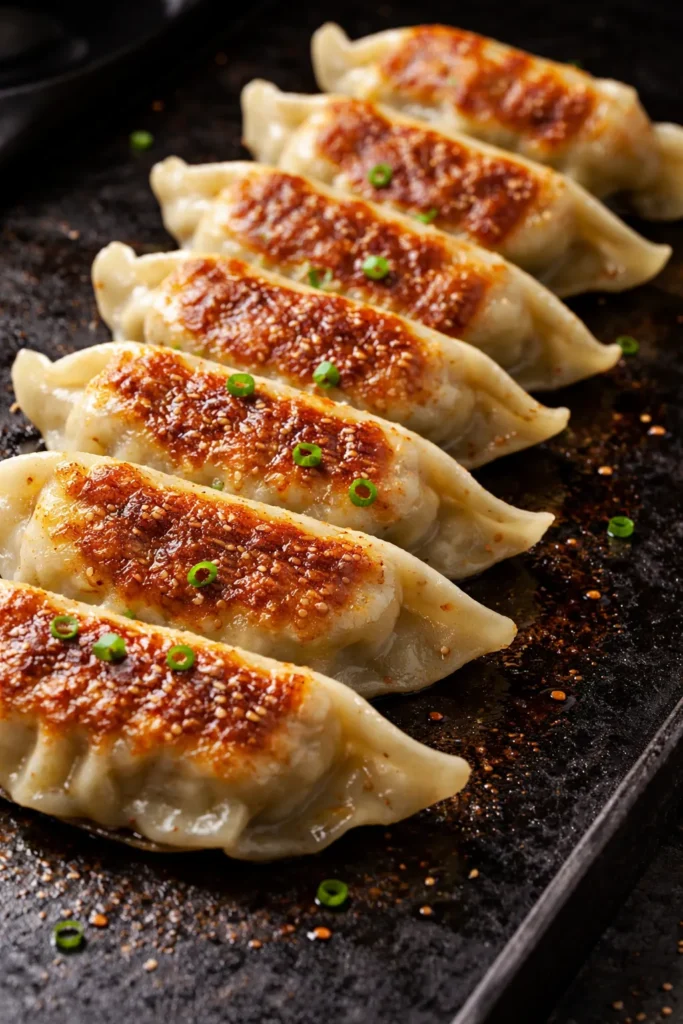
Gyoza are related to Chinese jiaozi but have developed their own distinct identity in Japan — thinner wrappers, a more garlicky filling, and a specific cooking technique that creates the crispy bottom crust that defines them. If you’ve only had the steamed variety, the pan-fried Japanese method is going to change your understanding of what a dumpling can be.
The filling is a mixture of ground pork, finely chopped and well-squeezed cabbage, garlic, ginger, sesame oil, soy sauce, and a small amount of oyster sauce. Getting as much moisture out of the cabbage as possible before mixing is critical — wet cabbage turns the filling soggy and makes wrappers tear.
The Crispy Bottom Technique
This is the defining move:
- Heat a tablespoon of oil in a non-stick pan over medium-high heat
- Place gyoza flat-side down and cook for 90 seconds until the bottoms are golden
- Add 3 tablespoons of water to the pan and immediately cover with a lid — the steam cooks the filling and the top of the wrapper
- After 3 minutes, remove the lid and let the water evaporate completely
- Once you hear the sizzling change from a wet hiss to a dry crackle, they’re ready
Folding Gyoza
The pleating looks intimidating but becomes fast with practice. Place a wrapper on your palm, add about a teaspoon of filling to the center, wet the edge with a fingertip dipped in water, fold one side up to meet the other, and pleat the front side toward the back in 5-6 small folds. The first dozen will be imperfect. By the third batch, you’ll be folding without looking.
The dipping sauce is three parts soy sauce, one part rice vinegar, with a drop of chili oil. That’s it. Anything more complicated and you’re masking the gyoza rather than complementing it.
Make a big batch and freeze them uncooked on a lined baking sheet. Cook them straight from frozen — just add an extra minute of steaming time.
Building a Japanese Pantry for All of These Recipes
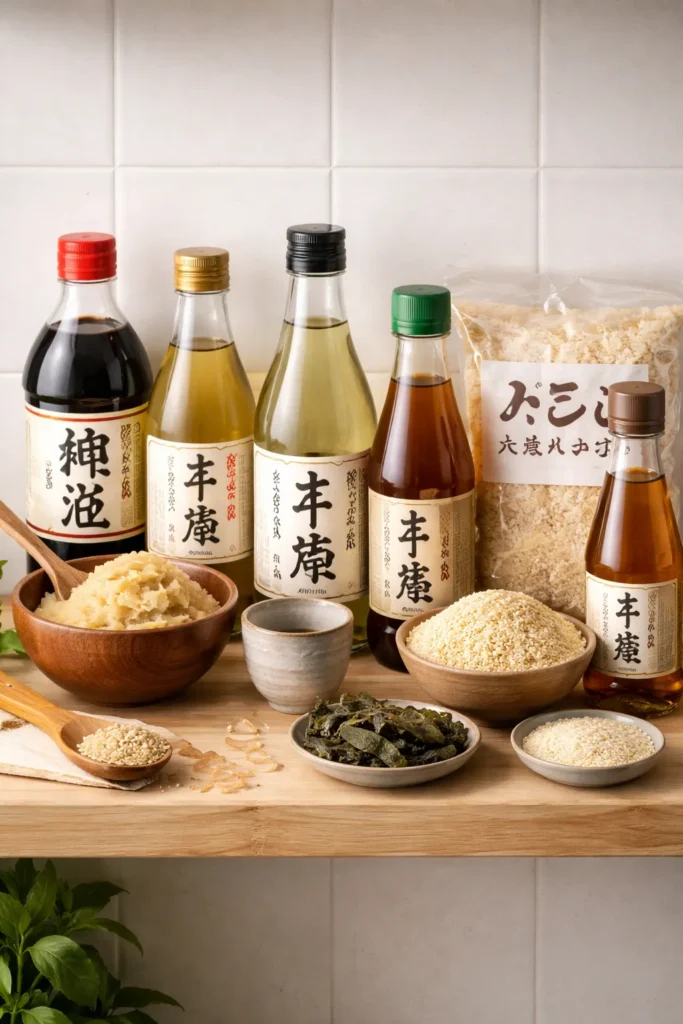
The beautiful thing about this list is that nearly every recipe draws from the same core set of ingredients. Once you stock these items, you’ll find that moving between Japanese dishes becomes almost effortless.
The non-negotiables:
- Soy sauce — use Japanese varieties like Kikkoman or Yamasa, not Chinese soy sauce, which has a different flavor profile
- Mirin — sweet rice wine for cooking; hon mirin is the real thing, not “mirin-style seasoning”
- Sake — any inexpensive drinking sake works for cooking; avoid “cooking sake” brands that contain added salt
- Dashi — instant granules (Hondashi) are used in most Japanese households and are a perfectly legitimate shortcut
- Miso paste — white, red, or a blend; refrigerate after opening
- Panko breadcrumbs — keep a bag on hand at all times
- Potato starch — for karaage and thickening; tapioca starch is an acceptable substitute
- Kewpie mayonnaise — the Japanese version made with egg yolks only; richer and more tangy than standard mayo
- Sesame oil — a small bottle lasts months and adds a distinctive nutty depth to dozens of dishes
With this pantry in place, you’re not just prepared to make the ten dishes above — you’re equipped to explore the wider world of Japanese home cooking with real confidence.
Common Mistakes That Undercut Japanese Home Cooking
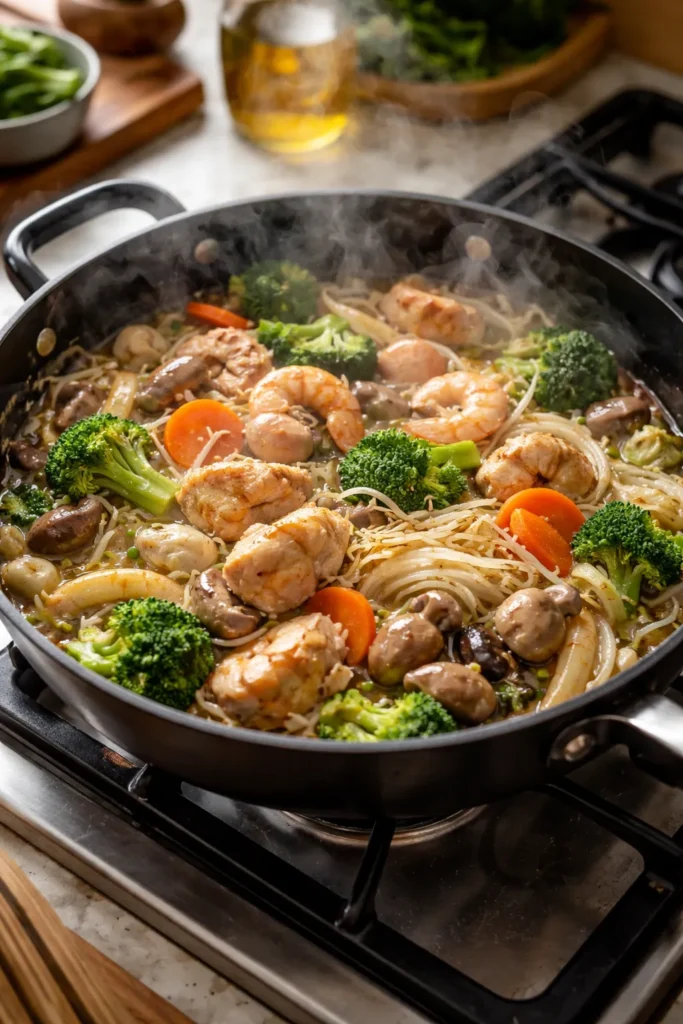
Even simple recipes go sideways when a few key habits aren’t in place. These are the missteps worth avoiding before you start.
Using cold rice: Almost every Japanese dish that involves rice requires freshly cooked, still-warm rice. Cold rice from the fridge has a hard, starchy texture that doesn’t absorb sauces properly. If you’re making leftover rice work for fried rice or gyudon, reheat it thoroughly first.
Overcrowding the pan: Seen across katsu, karaage, shogayaki, and gyoza — when you pack too much into a pan at once, the temperature drops and the food steams instead of searing. Cook in batches and be patient.
Skipping the dashi: Swapping dashi for water or regular chicken stock fundamentally changes the flavor of miso soup, oyakodon, and gyudon. Instant dashi granules take 30 seconds to prepare. Use them.
Boiling miso: As mentioned above — add miso at the end, off the heat, always. Boiling destroys both the flavor and the beneficial cultures in the paste.
Using too much soy sauce: Japanese cooking uses soy sauce for depth and seasoning, not as a dominant flavor. If your dish tastes primarily of soy sauce, you’ve added too much. The goal is balance between sweet (mirin, sugar), salty (soy sauce), and savory (dashi, sake).
Final Thoughts
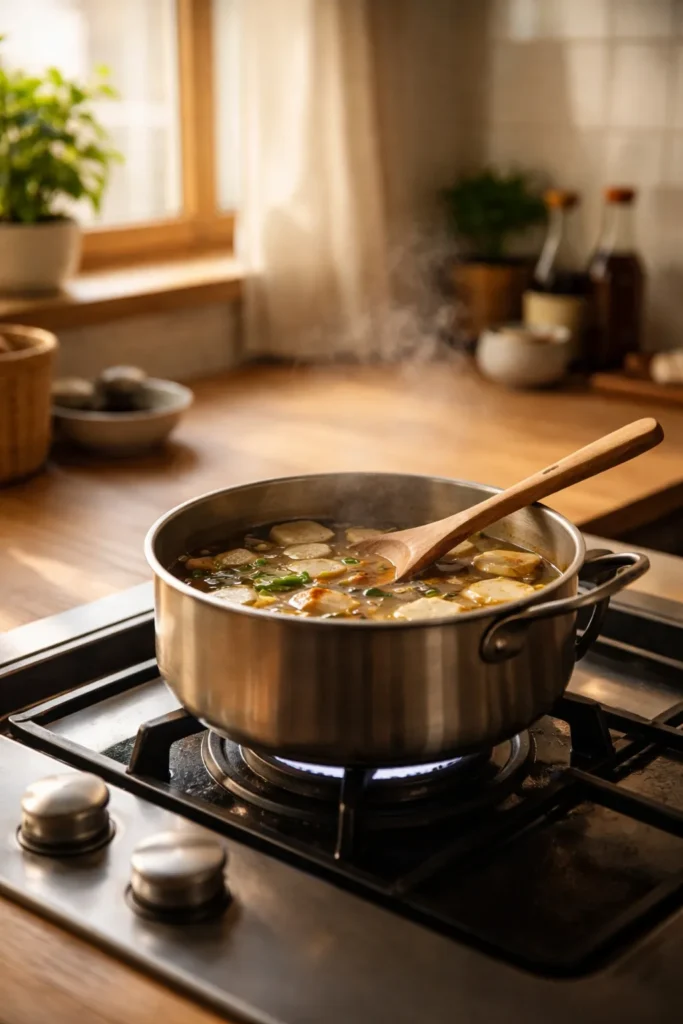
Japanese home cooking rewards the small things: a marinade rested overnight, oil held at the right temperature, eggs pulled off the heat thirty seconds before they look done. None of these are difficult — they just require a bit of attention.
Start with one dish that speaks to you. Oyakodon if you want something fast and comforting. Tonkatsu if you want to practice frying. Gyoza if you want a weekend project with a satisfying result. Each time you make one of these, the techniques become more instinctive and the pantry fills in naturally.
The deeper pleasure of learning to cook Japanese food at home isn’t replicating a restaurant — it’s understanding why the flavors work the way they do. Once you see the relationship between dashi, soy sauce, and mirin, you’ll recognize it across dozens of dishes and start improvising with real confidence.
Good food doesn’t require complexity. Most of the recipes above prove that point in under 30 minutes.