Picture this: it’s late afternoon, the kitchen feels like a furnace, you’ve been outside all day, and someone — probably you — has to figure out dinner. The last thing on earth you want to do is turn on the oven.
This is not a niche problem. When temperatures climb, cooking motivation drops hard. Your appetite changes, your energy flags, and standing over a hot stove for 45 minutes starts to feel genuinely unreasonable. The good news is that some of the most satisfying meals you’ll eat all summer require zero oven time, minimal stovetop work, and about 20 minutes from fridge to table.
What separates a truly great hot-weather dinner from a sad plate of crackers and cheese is flavor architecture — the right balance of acid, salt, fat, and freshness that makes a meal feel complete even without anything roasted or braised. The recipes below aren’t just salads with wishful thinking. They’re full dinners with real protein, bold sauces, and enough substance to actually satisfy you.
Each one leans on either no cooking at all or the absolute minimum — a quick toss in a pan, a pot of pasta boiled in the morning. You’ll find yourself making these on repeat through every hot spell, and honestly, probably well past it.
Table of Contents
- Why Hot Weather Kills Your Appetite (and How These Meals Fix That)
- The Real Goal: Maximum Flavor, Minimum Heat
- What to Keep Stocked for No-Cook Summers
- 1. Sesame Peanut Noodles with Cucumber and Scallions
- The Sauce That Makes This
- Building the Bowl
- 2. Rotisserie Chicken Banh Mi
- The Assembly
- Make It Work for a Crowd
- 3. Antipasto Chickpea Salad
- Why It Works So Well
- Serving Options
- 4. Vietnamese Rice Paper Rolls with Peanut Dipping Sauce
- Rolling Technique (Simpler Than It Looks)
- The Dipping Sauce Is Everything
- 5. Classic Gazpacho
- What Makes It Properly Good
- Serving
- 6. Thai Beef Salad
- The Dressing
- The Salad
- 7. Smashed Cucumber Salad with Dumplings and Peanut Sauce
- The Dumplings
- 8. Mediterranean Tuna and Chickpea Salad with Feta
- Why Oil-Packed Tuna Changes Everything
- How to Serve It
- 9. Creamy Avocado Chicken Pasta Salad
- The Avocado Dressing
- The Assembly
- 10. Poke Bowl with Soy-Sesame Dressing
- Building the Bowl
- The Sauce Options
- The Smarter Approach to Hot-Weather Cooking
- Keeping Your Kitchen Cool While You Cook
- Final Thoughts
Why Hot Weather Kills Your Appetite (and How These Meals Fix That)
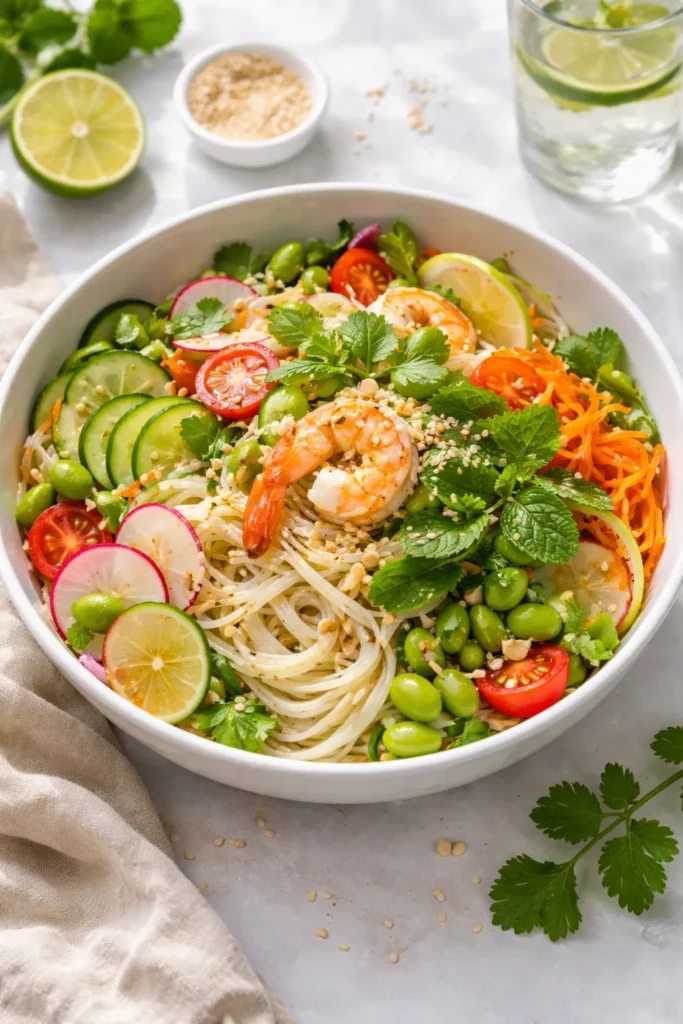
Heat genuinely changes the way your body responds to food. Your digestive system slows, your craving for heavy, fatty, or carb-dense meals drops, and your body starts sending signals that it wants something cold, acidic, and light. That’s not just a preference — it’s physiology.
The meals that work best on hot evenings share a few common threads: high acid content (think lime juice, rice vinegar, citrus dressings), fresh herbs that add brightness without weight, and cool or room-temperature proteins that don’t need reheating. Cold noodles dressed in a punchy sauce satisfy in a completely different way than a warm pasta bake, but they scratch the same itch.
Leaning into Asian-inspired cooking during summer isn’t accidental. Vietnamese, Thai, and Japanese food traditions evolved in genuinely hot climates, and those cuisines figured out centuries ago how to make meals that feel cooling, are packed with flavor, and come together without heating up the entire household. That’s a culinary advantage worth borrowing.
The Real Goal: Maximum Flavor, Minimum Heat
The sweet spot is a dinner that tastes like you put in real effort — layered, satisfying, complete — but didn’t require you to sweat over a stove for it. Every recipe below hits that mark. Some are fully no-cook. A few need 10-15 minutes of actual cooking, but either in the morning when it’s cooler or with such a small footprint (one pan, one pot) that it barely registers.
What to Keep Stocked for No-Cook Summers
Before getting into the recipes, a few pantry staples make all of this dramatically easier:
- Rotisserie chicken — the single most useful shortcut in hot-weather cooking
- Canned chickpeas, tuna, and cannellini beans — instant protein, no heat required
- Rice vermicelli noodles — soak in room-temperature water, no boiling needed
- Tahini, peanut butter, and soy sauce — the backbone of a dozen different sauces
- Good-quality rice paper wrappers — store indefinitely, assemble in minutes
- Jarred antipasto items (artichokes, olives, roasted peppers) — flavor without effort
1. Sesame Peanut Noodles with Cucumber and Scallions
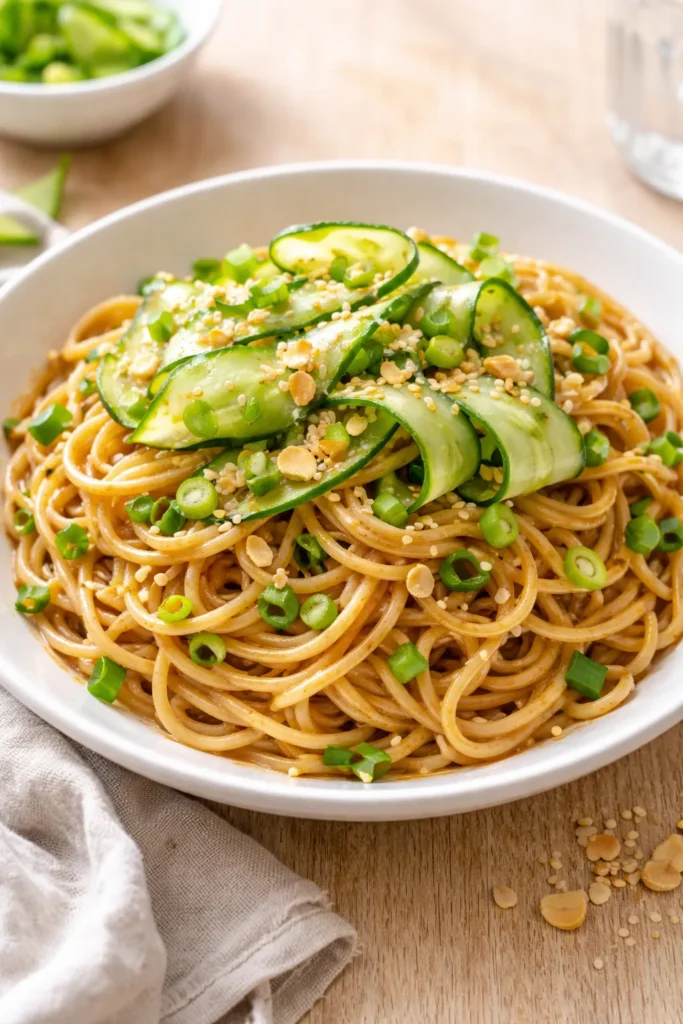
Few dishes earn a permanent spot on a summer rotation faster than a cold peanut noodle. The sauce does all the heavy lifting here — a deeply savory, nutty, slightly spicy dressing that coats every strand of noodle and clings to whatever vegetables you add alongside.
Cook the noodles in the morning, rinse them under cold water, toss with a little sesame oil to prevent clumping, and refrigerate. Come dinnertime, the actual assembly takes under five minutes.
The Sauce That Makes This
The peanut sauce comes together in one bowl with no heat: 3 tablespoons peanut butter, 2 tablespoons soy sauce, 1 tablespoon rice vinegar, 1 teaspoon sesame oil, 1 teaspoon honey, a thumb of grated ginger, and chili flakes or a drizzle of chili crisp to taste. Thin it with a tablespoon or two of water until it ribbons off a spoon. Taste it. Adjust. It should hit salty, nutty, tangy, and a little spicy all at once.
Building the Bowl
Toss the chilled noodles in the sauce, then pile on whatever you have: thinly sliced cucumber, shredded red cabbage, edamame, scallions, and chopped roasted peanuts for crunch. A handful of fresh cilantro or mint finishes it.
This keeps well in the fridge for two to three days, which makes it one of the most useful meal-prep options in the whole list. Take it to work, pack it for a picnic, or eat it straight from the container at midnight. No judgment.
Worth knowing: Soba noodles (buckwheat-based) work especially well here because they stay firm when cold rather than turning gluey like plain wheat noodles.
2. Rotisserie Chicken Banh Mi
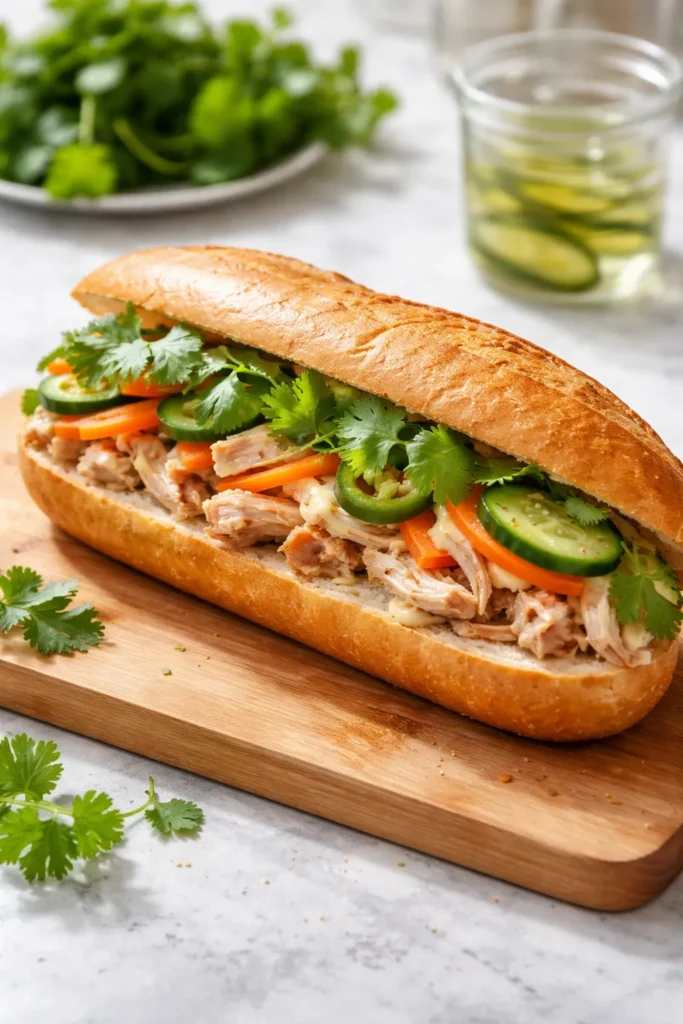
A store-bought rotisserie chicken is one of the great unsung heroes of hot-weather cooking, and the banh mi might be its highest calling. The combination of cool, pulled chicken with pickled vegetables, fresh herbs, and a sriracha mayo on a crispy baguette is genuinely one of the most satisfying quick dinners you can make.
Pickled vegetables are the key component — and they’re not as fiddly as they sound. Thinly sliced carrots and daikon (or just carrots if daikon isn’t around) soaked for 20 minutes in a mix of rice vinegar, sugar, and a pinch of salt do the job. The pickling is essential; it’s what cuts through the richness of the chicken and mayo and makes the whole thing taste fresh.
The Assembly
Split a French baguette or a soft hoagie roll. Spread both sides generously with a sriracha-mayo (mix equal parts sriracha and mayonnaise — that’s it). Layer in the shredded rotisserie chicken, the pickled vegetables, thin slices of cucumber, fresh jalapeño, and a pile of cilantro. That’s dinner. From fridge to plate in about 15 minutes.
Make It Work for a Crowd
This format is exceptional for feeding groups because everything can be prepped and set out separately, letting people build their own. Double or triple the pickled vegetables — they keep in the fridge for a week and work in salads, grain bowls, and noodle dishes throughout the week.
Pro tip: Warm the baguette briefly in a dry pan or toaster oven for 90 seconds if you want that contrast between crispy bread and cool fillings. Just enough warmth without heating up the whole kitchen.
3. Antipasto Chickpea Salad
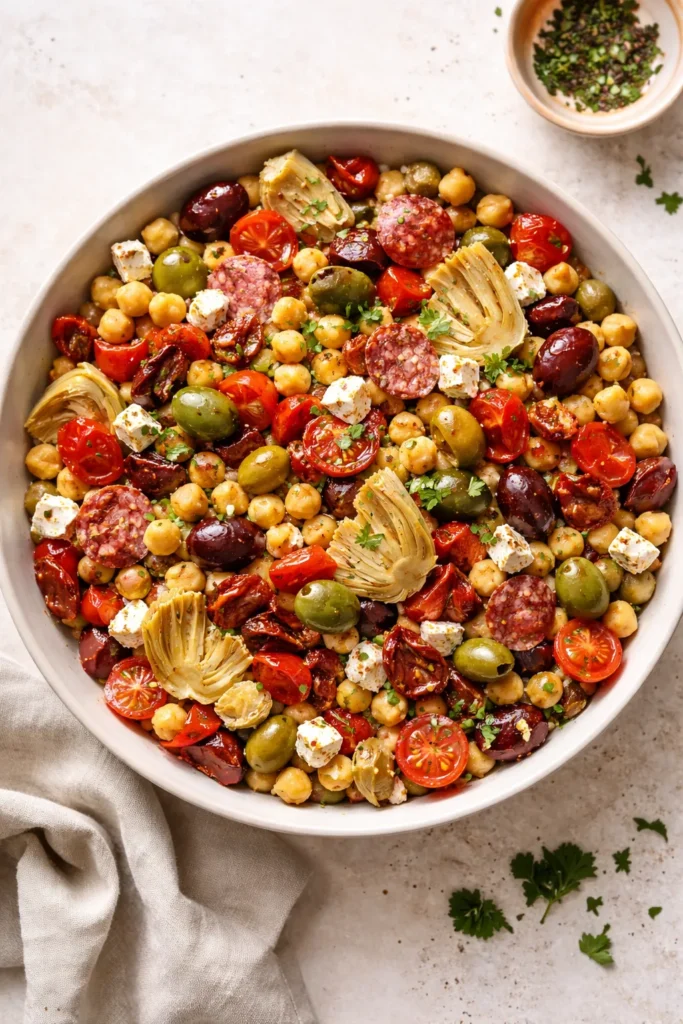
This one deserves way more attention than it gets. The concept is simple — you’re essentially taking an antipasto platter and turning it into a substantial salad — but the result is a deeply flavored, filling dinner that requires nothing more than opening jars and cans.
Start with two cans of chickpeas, drained and rinsed. Add jarred artichoke hearts (quartered), sliced sun-dried tomatoes in oil, pitted Kalamata olives, roasted red peppers, and cubes or crumbles of feta. Toss the whole thing in a quick red wine vinegar dressing with olive oil, dried oregano, garlic, salt, and black pepper.
Why It Works So Well
Chickpeas are the quiet MVP of no-cook dinners. They provide substantial protein and fiber without any cooking, they absorb dressing beautifully, and they hold up well in the fridge without going soggy. This salad actually improves after an hour of marinating — the chickpeas soak up the dressing and everything melds together in a way that a just-assembled salad doesn’t quite achieve.
Serving Options
Eat it on its own in a bowl. Pile it into pita pockets. Serve it over arugula for extra greens. Spoon it over toasted sourdough for something closer to a bruschetta situation. It works in every format and it’s filling enough to stand alone as a complete meal.
A half-cup of fresh basil torn in at the end transforms the whole thing. Don’t skip it if you have basil on hand.
Worth knowing: The jarred sun-dried tomatoes in oil are worth their weight here — that packing oil is flavor gold. Use a spoonful of it in the dressing instead of plain olive oil.
4. Vietnamese Rice Paper Rolls with Peanut Dipping Sauce
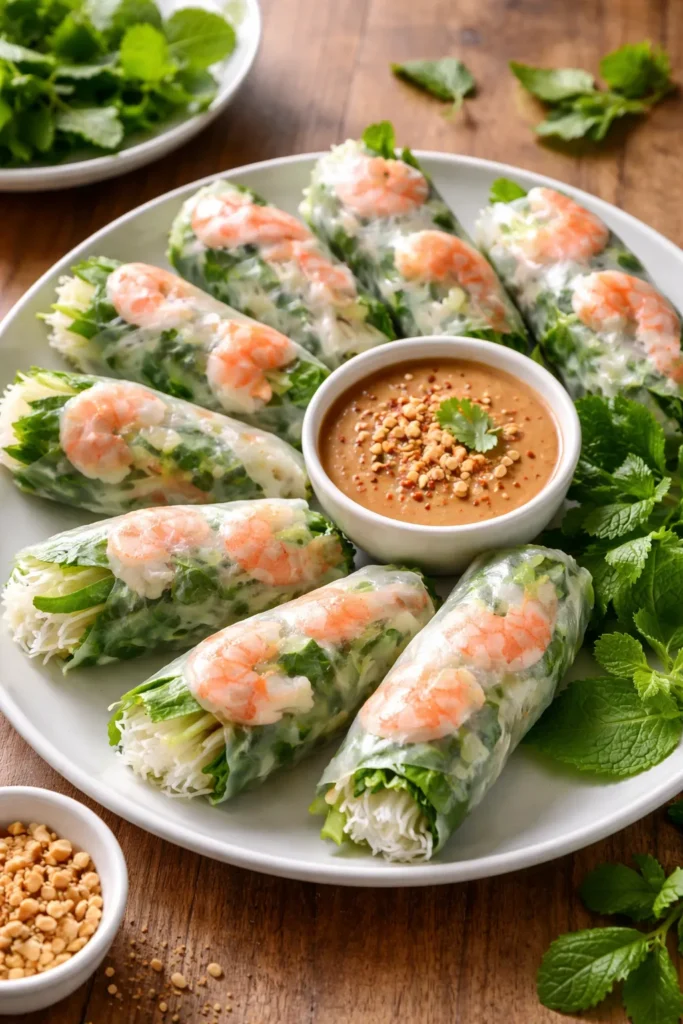
Rice paper rolls are the platonic ideal of hot-weather food. Completely no-cook, endlessly customizable, and genuinely fun to eat — especially when you set everything out and let people assemble their own.
The filling combinations are almost infinite, but a classic starting point: cooked prawns (the ready-to-eat kind from the seafood counter), rice vermicelli (soaked in room-temperature water for 20 minutes, no boiling), shredded butter lettuce, cucumber batons, mint, and grated carrot.
Rolling Technique (Simpler Than It Looks)
Fill a wide, shallow bowl with room-temperature water. Dip a rice paper wrapper for about 10-15 seconds until just pliable — it should still feel slightly firm when you lay it flat, because it continues to soften as you work. Place your fillings in a line across the bottom third of the wrapper, fold up the bottom edge, tuck in the sides like a burrito, and roll forward. It takes two or three tries to get the tension right, but after that it’s effortless.
The Dipping Sauce Is Everything
Combine peanut butter, hoisin sauce, lime juice, a touch of soy sauce, and a small splash of water to get the consistency right — it should be thick enough to coat the roll but thin enough to dip easily. Top with crushed roasted peanuts and a drizzle of chili oil.
This sauce also doubles as the base for the peanut noodles from item one. Make a big batch and use it across both recipes in the same week.
Pro tip: Set out all the fillings in separate bowls and let everyone build their own rolls at the table. It turns dinner into an activity, which is especially great if kids are involved — they’ll actually eat something they assembled themselves.
5. Classic Gazpacho
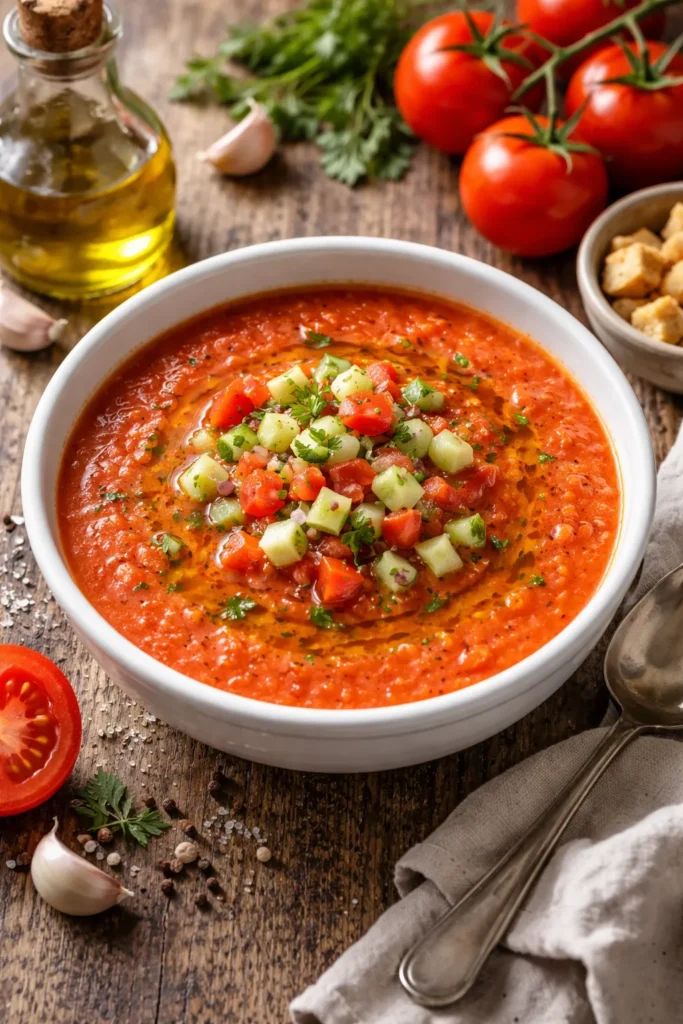
Gazpacho gets dismissed by people who haven’t tried a properly made version. Cold raw soup sounds wrong until you taste one that’s been made correctly — at which point it becomes one of the most refreshing, deeply flavored things you can put on a table in hot weather.
The difference between good gazpacho and forgettable gazpacho is one thing: time. The vegetables need to marinate before blending. Roughly chop ripe tomatoes, cucumber, red bell pepper, a small red onion, and a garlic clove. Toss everything with olive oil, sherry vinegar (or red wine vinegar), salt, and a pinch of cumin. Let it sit for at least 30 minutes — an hour is better. Then blend until smooth, adjust seasoning, and chill for at least another hour before serving.
What Makes It Properly Good
Ripe, in-season tomatoes make an enormous difference — this is not the time for pale, mealy supermarket tomatoes. The sweetness and acidity of a genuinely ripe tomato is what gives gazpacho its depth. If you can get tomatoes from a farmers’ market or grow your own, this recipe is where you’ll notice the payoff most.
A generous pour of good olive oil, both into the blender and drizzled over at serving, adds richness and rounds out the acidity. Don’t skip it.
Serving
Ladle into cold bowls. Top with diced cucumber, a drizzle of olive oil, and torn croutons or a few good-quality crackers for texture. Canned chickpeas scattered on top add protein and make it more dinner-worthy. Serve with crusty bread for dipping.
Worth knowing: Gazpacho is one of those rare dishes that tastes significantly better the next day. Make it the night before for zero effort at dinner the following evening.
6. Thai Beef Salad
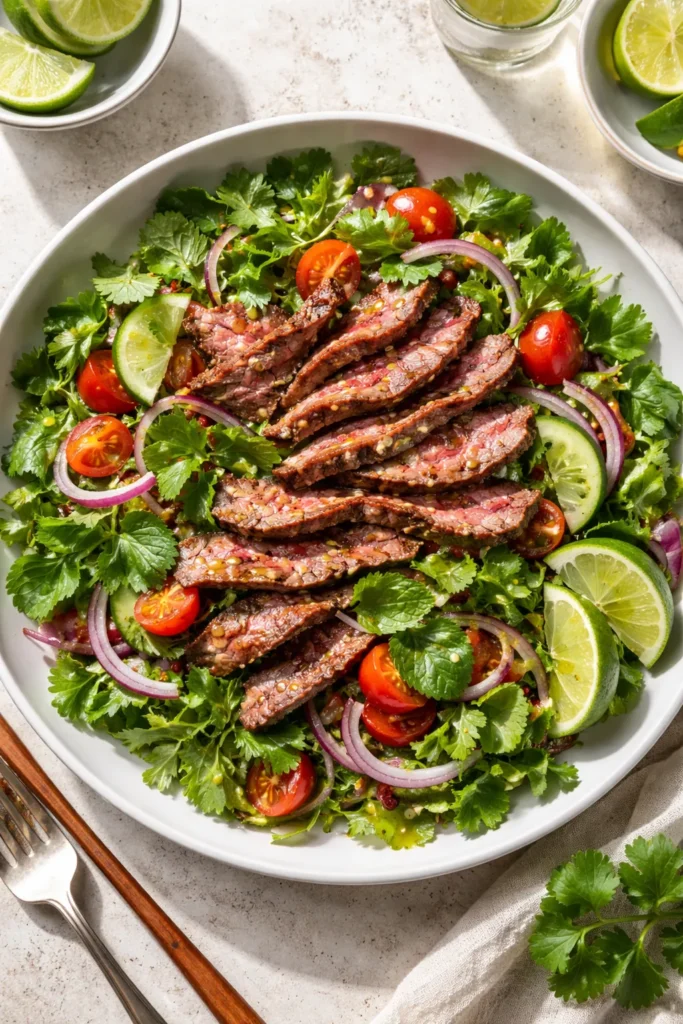
This is the dinner to make when you want something that feels genuinely impressive without spending more than 20 minutes in the kitchen. A Thai beef salad — yam neua — works on the same flavor logic as all great Thai food: the contrast between the char and richness of the beef, the sharp lime dressing, the fresh herbs, and the heat from chili creates something that’s bigger than the sum of its parts.
The beef is the one element that requires actual cooking, and it goes fast. A thin cut like sirloin or flank steak needs only 3-4 minutes per side on a very hot grill pan — you want a hard sear on the outside and pink in the middle. Rest it for 10 minutes, then slice thinly against the grain.
The Dressing
Combine fish sauce, lime juice, palm sugar or regular sugar, and fresh bird’s eye chili. Taste it — it should be sharp, salty, a little sweet, and hot. This is the backbone of the whole dish.
The Salad
Toss sliced beef with the dressing, then add shaved red onion, sliced cucumber, cherry tomatoes halved, and a handful each of fresh mint and cilantro. Torn Thai basil is worth tracking down if you can find it. The herbs are not garnish here — they’re a core ingredient. Use them generously.
Pro tip: Cook the steak in the morning when the kitchen is coolest. Slice it, store it separately from the dressing in the fridge, and assemble the salad at dinnertime. Everything comes together in under five minutes when you’re hungry and hot.
7. Smashed Cucumber Salad with Dumplings and Peanut Sauce
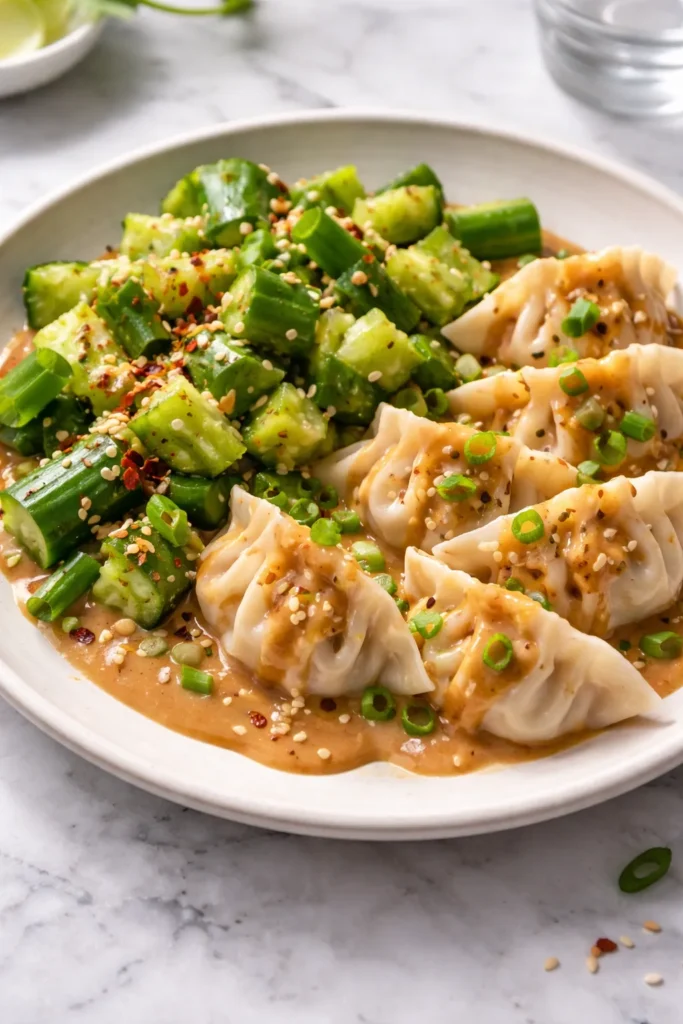
This one came from the NYT Cooking archives and it earns every bit of its cult following. The genius is combining two things — a cold smashed cucumber salad and store-bought frozen dumplings — into a complete meal that’s more satisfying than either element alone.
The cucumbers get smashed (not sliced) with the flat side of a knife, which creates irregular pieces with more surface area to absorb the dressing and gives a different, more interesting texture than a clean cut. Toss the smashed pieces with rice vinegar, soy sauce, sesame oil, a pinch of sugar, garlic, and chili flakes. Let them sit for at least 15 minutes.
The Dumplings
Cook store-bought frozen dumplings according to the package — either boiled, pan-fried, or steamed. The whole process takes about 8-10 minutes. This is the entire cooking component of the dish.
Arrange the chilled cucumber salad in a bowl or on a plate, sit the warm dumplings alongside or on top, and drizzle the peanut sauce over everything. Scatter sliced scallions and sesame seeds on top.
The contrast between the cool, tangy cucumber and the warm, doughy dumplings is genuinely excellent — the kind of combination that makes you pause and appreciate it.
Worth knowing: Gyoza or potstickers work beautifully here. Pork, chicken, shrimp, or vegetable — any filling works with the smashed cucumber and peanut sauce.
8. Mediterranean Tuna and Chickpea Salad with Feta
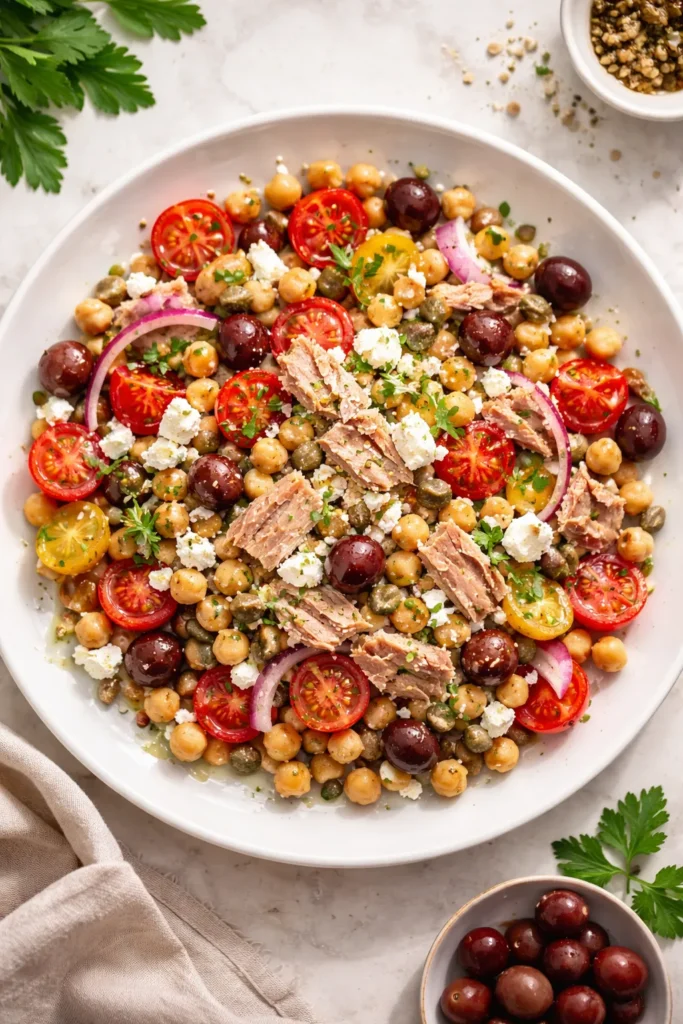
This is arguably the most pantry-friendly dinner on the entire list. Every component can come from tins and jars — no shopping trip required if you’ve kept a halfway-decent pantry — and it comes together in about seven minutes.
Start with one can of oil-packed tuna (not water-packed — the difference in flavor is significant) and one can of chickpeas. Add Kalamata olives, capers, finely diced red onion, and halved cherry tomatoes. For the dressing: olive oil, lemon juice, Dijon mustard, dried oregano, salt, and black pepper. Toss everything together and crumble feta generously over the top.
Why Oil-Packed Tuna Changes Everything
Water-packed tuna is fine for tuna melts. For a salad you’re eating as a main course with no heat to rescue it, oil-packed tuna from a good brand is in a completely different category — flakier, richer, and with a depth of flavor that makes the salad feel restaurant-quality rather than desk-lunch quality. Italian or Spanish packed tuna, when you can find it, is worth keeping in stock specifically for dishes like this.
How to Serve It
Eat it in bowls as-is. Stuff it into pita pockets with extra cucumber slices. Serve it over a bed of arugula, which wilts slightly under the dressed tuna in a way that’s really pleasant. Or plate it over thick-cut toast for a bruschetta-style dinner that feels more substantial.
Pro tip: Add a creamy feta dressing — blend feta, Greek yogurt, lemon juice, and olive oil until smooth — instead of the vinaigrette version for a richer, more luxurious take on the same salad.
9. Creamy Avocado Chicken Pasta Salad
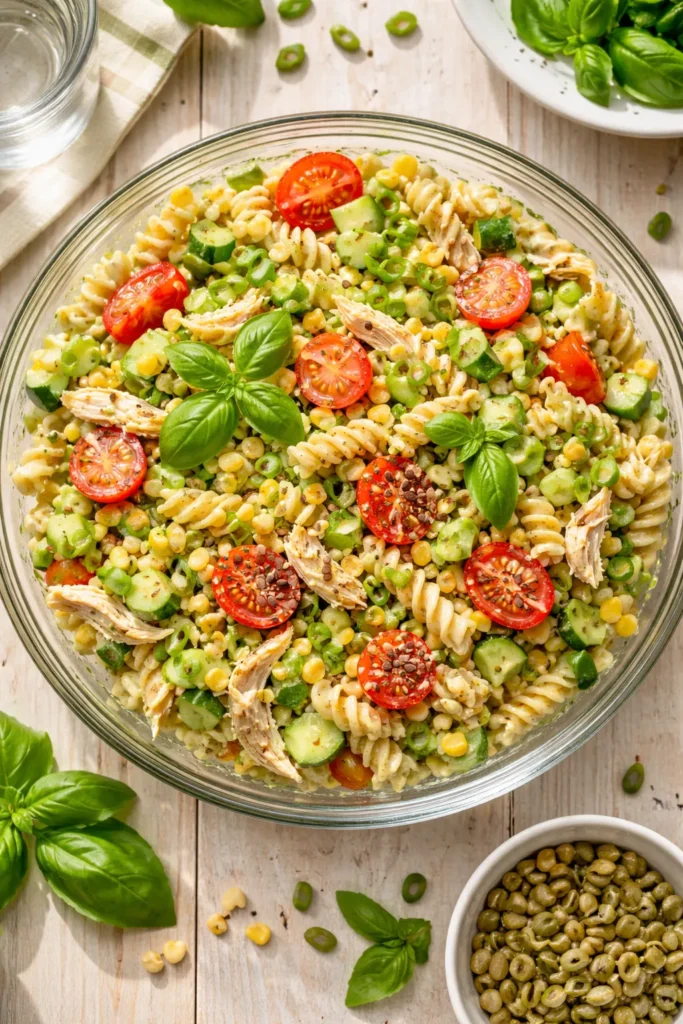
Pasta salad is the perfect hot-weather dinner because you cook the pasta once (in the morning, or the night before) and eat it cold without any reheating. This version skips the heavy mayo-based dressing entirely and goes for a creamy avocado dressing instead — lighter, more interesting, and with a freshness that the traditional version lacks.
Cook a medium pasta shape — rotini, farfalle, or orecchiette all work well. Rinse under cold water and toss with a little olive oil. Refrigerate until needed.
The Avocado Dressing
Blend one ripe avocado with Greek yogurt (about 3 tablespoons), lemon juice, a small garlic clove, olive oil, salt, and enough water to get a pourable consistency. It should be creamy and bright, tasting like a richer version of a green goddess dressing.
The Assembly
Toss the cold pasta in the avocado dressing. Add shredded rotisserie chicken, halved cherry tomatoes, diced cucumber, corn kernels (from a can or raw from the cob), and sliced scallions. Finish with fresh basil or parsley and a scattering of pepitas for crunch.
This salad is best eaten within a few hours of dressing because the avocado dressing can discolor. A squeeze of extra lemon juice helps slow the browning if you’re making it ahead.
Worth knowing: If avocados aren’t cooperating (those frustrating weeks when none seem to ripen properly), a blended tahini-lemon dressing works as a worthy substitute and gives the salad a completely different but equally good character.
10. Poke Bowl with Soy-Sesame Dressing
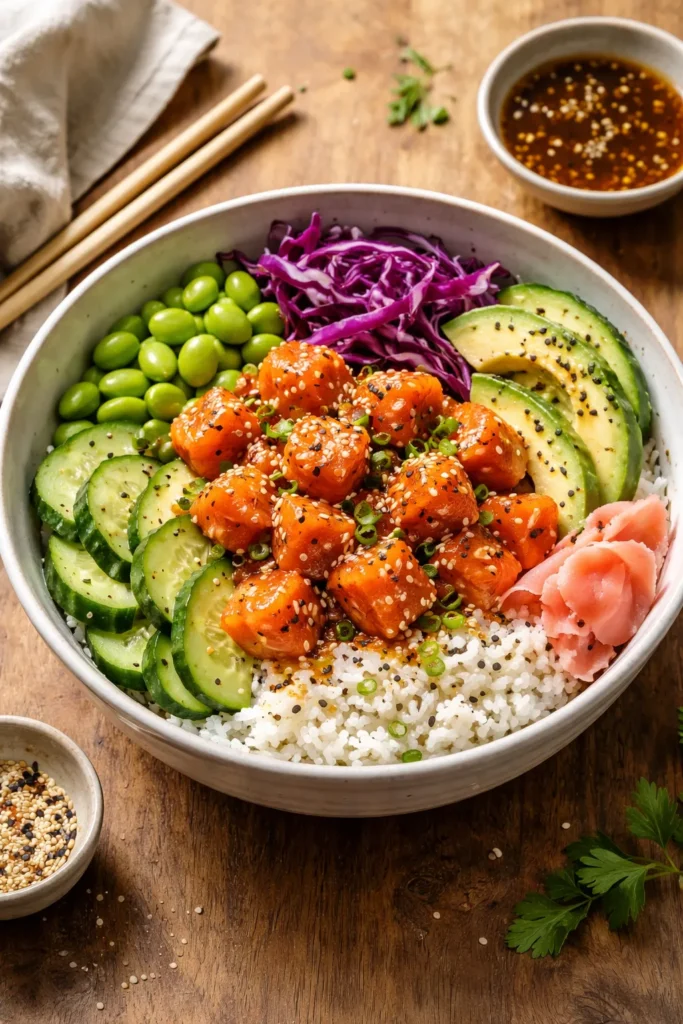
The poke bowl sits at an interesting crossroads: it’s genuinely easy to assemble, it’s satisfying in the way that rice-based meals always are, and it feels special enough to make a regular weeknight dinner feel like a treat. The main variable is the protein, and you have more flexibility here than the traditional raw-fish version suggests.
If you can access sashimi-grade tuna or salmon from a trusted fishmonger or Japanese grocery, that’s the classic protein — marinate cubed fish in soy sauce, sesame oil, a little rice vinegar, and a touch of honey for 15 minutes. If raw fish isn’t accessible or appealing, canned tuna with the same dressing works surprisingly well, or cooked edamame and avocado for a fully plant-based version.
Building the Bowl
The base is steamed rice — short-grain white rice is traditional, but brown rice or cauliflower rice work. Keep cooked rice in the freezer (sprinkle with a few drops of water before microwaving to revive it) so you’re not boiling a pot in a hot kitchen.
Pile the protein over the rice, then add: edamame, shredded red cabbage, sliced avocado, cucumber half-moons, pickled ginger, and sesame seeds. A drizzle of sriracha mayo (equal parts sriracha and mayo) over the top ties it together.
The Sauce Options
Beyond the basic soy-sesame marinade, a spicy gochujang dressing (gochujang, soy sauce, sesame oil, rice vinegar, honey) takes the bowl in a Korean-inspired direction that’s equally excellent. Ponzu — a citrus-soy sauce available at most Asian grocery stores — is another great option that adds a brightness the regular soy marinade doesn’t have.
Worth knowing: Everything in a poke bowl can be prepped and stored separately in the fridge. The rice reheats in 90 seconds. The toppings are already cold. This means dinner legitimately takes three minutes to assemble on the nights when even 10 minutes feels like too much.
The Smarter Approach to Hot-Weather Cooking
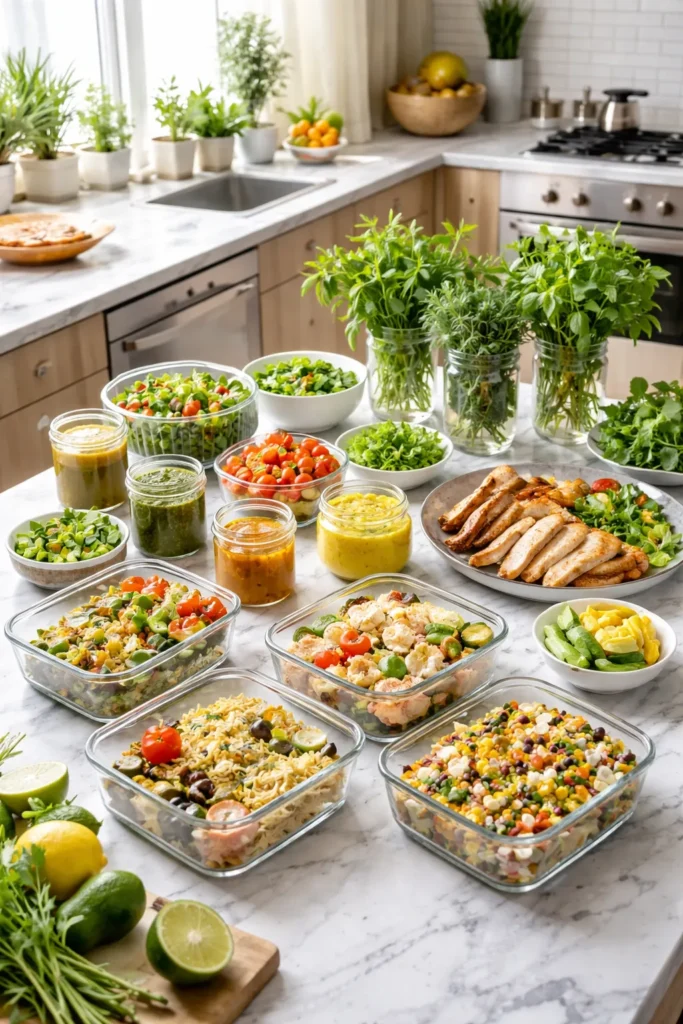
A few techniques separate the people who manage summer cooking gracefully from those who end up defeated at a drive-through by 6pm.
Cook once, eat twice (or three times). A batch of peanut noodle sauce made on Sunday works in bowls on Monday and as a dipping sauce for rice paper rolls on Wednesday. Shredded rotisserie chicken goes into banh mi on day one, pasta salad on day two, and a quick wrap on day three. Think in terms of components, not individual recipes.
Use your oven and stovetop strategically. If you do need to cook something — searing steak for the Thai beef salad, cooking pasta, toasting bread — do it in the morning between 7 and 9am when the temperature is lowest. Anything that can be prepped cold and assembled at dinner should be.
Acid is your best friend. The dishes that taste freshest and most satisfying on hot days are the ones with a clear, assertive acid note — lime juice, rice vinegar, lemon, sherry vinegar. When a dish feels flat or unsatisfying, a squeeze of citrus or a splash of vinegar is almost always the fix.
Fresh herbs are not optional. This sounds like a small thing, but a handful of mint, cilantro, or basil added at the end transforms a salad or noodle dish from something ordinary into something you’d pay for at a restaurant. Keep herbs in a glass of water in the fridge like cut flowers — they stay fresh for up to a week this way.
Keeping Your Kitchen Cool While You Cook
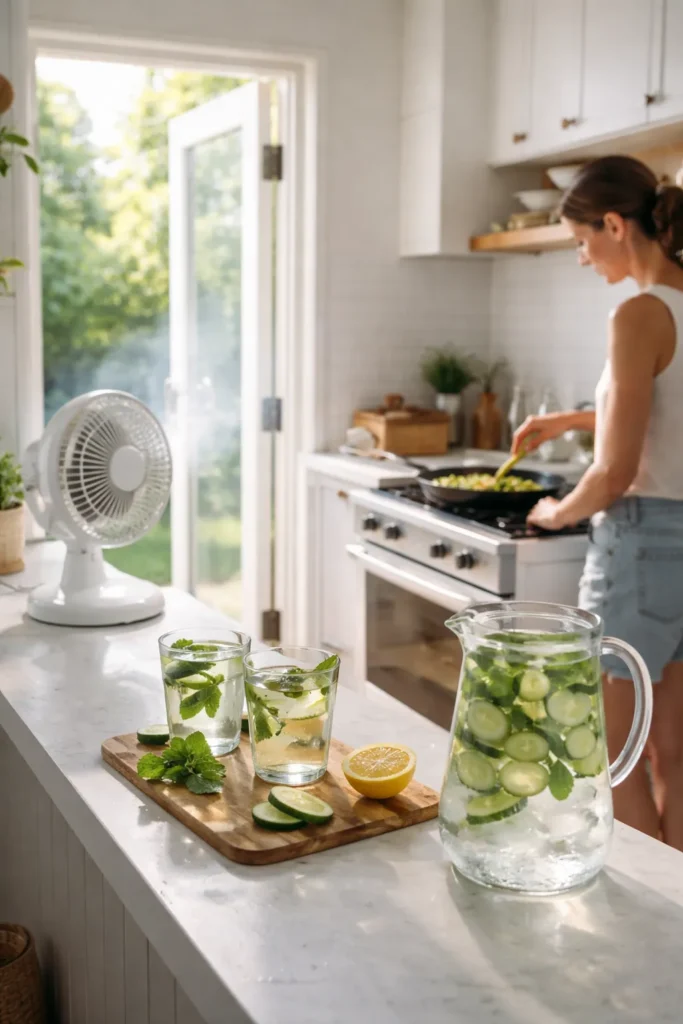
Even with no-cook and minimal-cook dinners, a few habits make a real difference in keeping your kitchen bearable through the hottest months.
Run your dishwasher and do laundry at night when ambient heat matters less. If you must use the stovetop, keep the cooking short and the fan running the whole time. A small fan pointed toward the door while you cook pulls hot air out of the kitchen faster than the overhead exhaust alone.
Batch-cooking components in the morning — cooking pasta, making sauces, boiling eggs — means you only deal with the heat once, and the actual assembly at dinnertime involves nothing warmer than your refrigerator door. It takes a shift in habit, but once you start cooking this way through hot spells, it becomes second nature.
A chilled pitcher of water with cucumber slices and mint on the counter while you’re assembling dinner makes the whole experience feel significantly more manageable. Small things matter when the thermometer is misbehaving.
Final Thoughts
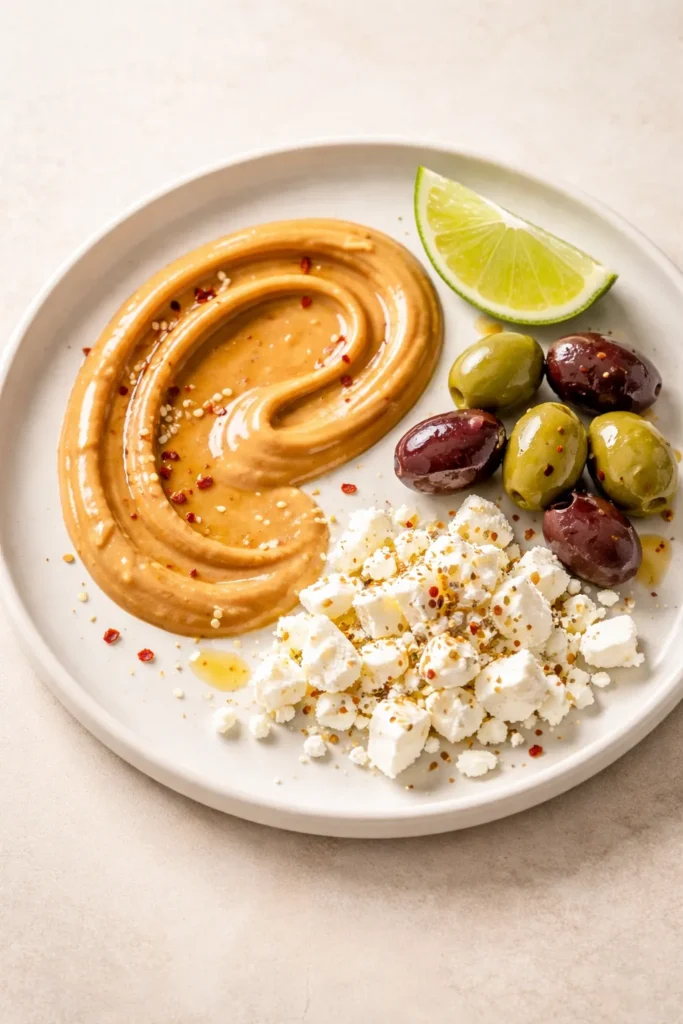
The through-line connecting all ten of these dinners is the same idea: flavor doesn’t require heat. A punchy peanut sauce, a sharp lime dressing, a briny handful of olives and feta — these do more work on a plate than a slow-roasted anything could on a summer evening.
Start with one or two that match what you already have in your pantry. The peanut noodles and the antipasto chickpea salad are the easiest entry points — both require almost no fresh shopping if your pantry is reasonably stocked. Once you’ve made them a couple of times and gotten comfortable with the flavor logic, the rest start to feel completely approachable.
The goal isn’t to survive summer cooking. It’s to eat better, more interesting food with less effort and less sweat. These ten dinners make that genuinely achievable on the hottest, most motivation-draining evenings of the year — and several of them are good enough that you’ll keep making them when it cools down too.