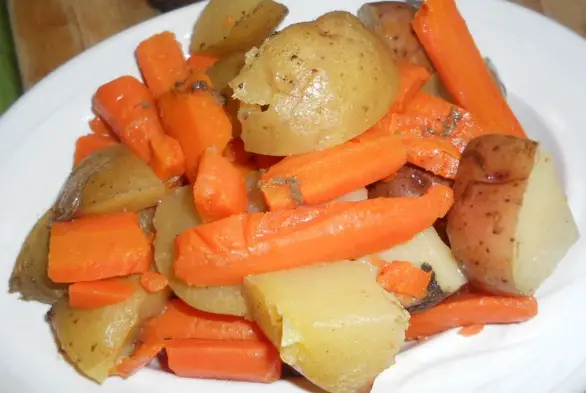
Picture this: you’re sitting beside a campfire as the sun drops behind the treeline, and dinner is already cooking itself inside a neat little parcel of heavy-duty foil nestled in the coals. No pots to scrub. No spatulas to track down. No elaborate cleanup after a long day on the trail. You tear open the packet, the steam rises, and the smell hits you — garlic, butter, something slightly caramelized — and dinner is served.
That’s the magic of foil packet cooking. And here’s the thing most people don’t realize until they’ve made a few: these aren’t just a camping trick. The same packets that work beautifully over a campfire or backyard grill cook just as well in a 375°F home oven on a Tuesday night. They’re genuinely one of the most flexible, low-effort, high-reward cooking methods out there, whether you’re deep in a state park or standing in your kitchen in pajamas.
What makes them work so well is simple physics. The sealed foil creates a mini steam oven around your ingredients. Moisture stays trapped inside, fat bastes the food from below, and everything cooks evenly without drying out. That steam environment means you can cook fish, chicken, sausage, and vegetables all at once without the proteins turning leathery or the vegetables going mushy — as long as you build the packet right.
The 10 recipes below cover the full range: hearty meat-and-potato dinners, a crowd-pleasing shrimp boil, a bright Mediterranean vegetarian option, a proper surf-and-turf moment, and even a campfire dessert that’ll make you look like a culinary genius with approximately four ingredients. Every single one works over campfire coals, on a gas or charcoal grill, and in a standard home oven — with adjusted timing noted for each method.
Table of Contents
- What Makes Foil Packet Cooking So Effective
- Campfire vs. Grill vs. Oven Timing
- The Double-Wrap Rule
- How to Fold and Seal a Foil Packet Properly
- 1. Classic Hamburger and Potato Hobo Dinner
- Building the Perfect Patty
- What to Know Before You Cook
- 2. Garlic Butter Shrimp Boil Packets
- The Garlic Butter That Makes It
- Quick Assembly Checklist
- 3. Honey Mustard Chicken with Green Beans and Potatoes
- The Marinade Worth Making
- Layering Order Matters
- 4. Garlic Butter Steak and Yukon Gold Potatoes
- The Garlic Butter Situation
- Key Details for Great Results
- 5. Teriyaki Chicken with Pineapple and Bell Peppers
- Making It Even Better
- Serving Ideas
- 6. Lemon-Dill Salmon with Asparagus
- Selecting the Right Salmon
- Building the Packet
- 7. Smoky Kielbasa with Corn and Bell Peppers
- The Honey Mustard Variation
- What Else Works Here
- 8. Greek Chickpea and Zucchini Packets
- Why Olive Oil Is Non-Negotiable Here
- Flavor Building Tips
- 9. Cheesy Bacon Breakfast Hash Brown Packets
- Prepping at Home
- The Cheese Timing Question
- 10. Campfire Banana Boats with Chocolate and Marshmallows
- Choosing the Right Banana
- Filling Combinations Beyond the Classic
- Tips for Prepping Foil Packets Before You Leave Home
- How to Tell When Your Foil Packet Is Done
- Final Thoughts
What Makes Foil Packet Cooking So Effective
Before jumping into the recipes, it’s worth understanding why this method works so well — because once you get it, you can improvise your own packets endlessly.
The sealed foil envelope traps steam generated from the moisture in your ingredients (plus any liquid or fat you add). That steam circulates around the food, cooking it gently and evenly. Think of it as a cross between braising and roasting: you get the tenderness of braising with just enough dry heat to caramelize the edges slightly.
Fat is non-negotiable. A drizzle of olive oil, a pat of butter, a splash of broth — without some form of fat or liquid, your food will stick to the foil and the bottom layer will scorch before the top cooks through. Most failures with foil packets trace back to this single oversight.
The other key factor is ingredient density. Dense ingredients like raw potatoes and thick carrots take significantly longer to cook than proteins like shrimp or fish. The smart workaround? Par-cook dense vegetables at home — boil cubed potatoes for 8 minutes, or roast root vegetables halfway — before assembling your packets. This one step eliminates the most common foil packet frustration: finding your meat perfectly cooked but your potatoes still crunchy in the middle.
Campfire vs. Grill vs. Oven Timing
The three methods deliver different results, and knowing the rough timing for each saves a lot of guesswork:
- Campfire coals: 20–40 minutes total, flipping once at the halfway point. Works best when coals are glowing orange, not actively flaming.
- Gas or charcoal grill: Start at medium-high (around 400°F) for 10 minutes, then reduce to medium-low for another 25–35 minutes.
- Home oven: Preheat to 375–400°F and cook for 35–50 minutes on a sheet pan, depending on what’s inside.
The Double-Wrap Rule
Always double-wrap your packets. A single layer of foil — even heavy-duty — can develop small tears when you flip it over coals or handle it with tongs. A second layer of foil wrapped perpendicular to the first one locks everything in, prevents steam from escaping, and protects the food from any direct flame contact.
How to Fold and Seal a Foil Packet Properly
Getting the fold right is genuinely half the battle. A poorly sealed packet leaks its moisture, the food steams unevenly, and you end up with a charred mess on the bottom. It’s a 30-second skill that makes every single recipe below work better.
Cut a piece of heavy-duty foil to roughly 18×30 inches. Place your ingredients in the center of the sheet, keeping the pile compact and leaving at least 4 inches of foil on every side. Bring the two long edges up and meet them over the center of the food. Fold that edge down in a series of small, tight folds — about half an inch each time — rolling the fold down toward the food and leaving a small pocket of air above the ingredients. That air pocket matters: it’s where the steam collects and circulates.
Once the long sides are sealed, fold each short end up and inward twice, crimping tightly. Then wrap the entire packet in a second sheet of foil in the opposite direction.
The packet should look like a puffy rectangle, not a flat envelope. If it’s flat and tight against the food, the steam has nowhere to go and you’ll get uneven cooking. A little slack in the foil means room for steam to do its job.
One optional upgrade worth borrowing from Julia Turshen’s approach: line the inside of the foil with a piece of parchment paper before adding your ingredients. The parchment keeps the food from direct aluminum contact and holds moisture even more effectively than foil alone.
1. Classic Hamburger and Potato Hobo Dinner
This is the original foil packet meal — the one that’s been showing up at campfires for generations, and for good reason. A seasoned ground beef patty sitting on a bed of diced potatoes, carrots, and onions, with cream of mushroom soup spooned over the top to create a savory gravy as it cooks. It’s unapologetically simple, deeply satisfying, and completely foolproof.
The genius move here is the mushroom soup. It sounds almost too easy, but that condensed soup melts into the vegetables and meat juices during cooking and creates a thick, clingy gravy that tastes like it simmered on a stove for an hour. You can substitute beef broth and a tablespoon of cornstarch if you’d rather skip the canned soup, and the result is lighter but still rich.
Building the Perfect Patty
Use 80/20 ground beef — the fat content is what keeps the patty moist during the long, humid cooking time. Leaner ground beef (90/10 or higher) tends to turn dry and grainy in a sealed packet. Mix the beef with a packet of dry onion soup mix before forming the patties — it seasons the meat all the way through and adds a deep savory undertone.
What to Know Before You Cook
- Par-boil the potatoes at home for 8 minutes so they finish cooking at the same rate as the beef
- Cut carrots into thin coins (no thicker than ¼ inch) so they soften properly in the cook time
- Internal temp target for beef: 160°F at the center of the patty
- This packet goes great with a squirt of ketchup or hot sauce cracked open right on top
Campfire: 30–40 minutes over hot coals, flipped once at 15–20 minutes
Grill: Medium heat for 10 minutes, then reduce to low for 40–50 minutes
Oven: 375°F for 40–45 minutes on a sheet pan
2. Garlic Butter Shrimp Boil Packets
A full low-country shrimp boil — shrimp, smoked andouille sausage, corn on the cob, and baby potatoes — compressed into individual foil packets and cooked in a pool of garlic butter. This one delivers every flavor note of a traditional boil without needing a 20-quart pot, a propane burner, or a picnic table covered in newspaper.
The key to making this work is par-boiling the baby potatoes before assembly (about 10 minutes in salted water at home) and cutting the corn into 2-inch rounds. Raw corn takes significantly longer to steam through foil than shrimp, so pre-boiling the cob for 5 minutes first ensures everything finishes simultaneously.
The Garlic Butter That Makes It
Don’t just drop a plain pat of butter on top. Mix softened butter with minced garlic (2 cloves per packet), Old Bay seasoning, a pinch of smoked paprika, and a splash of lemon juice before assembling. This compound butter melts into the packet juices and coats every ingredient as it cooks. Use about 2 tablespoons of this garlic butter per packet — it sounds generous, but that fat is doing double duty as both flavor and moisture.
Quick Assembly Checklist
- Raw shrimp: peeled, deveined, tail-on (tail-on shrimp look better and stay juicer)
- Andouille sausage sliced into ½-inch rounds — already cooked, so no food safety worries at camp
- Par-boiled baby potatoes, halved
- Corn cut into 2-inch rounds, pre-boiled
- Old Bay seasoning: be generous
- 2 tablespoons garlic butter per packet
- Finish with: fresh lemon wedge and extra hot sauce
Shrimp are done when they’ve turned opaque pink and curled into a loose C-shape. An overly tight curl means they’ve overcooked.
Campfire: 20–25 minutes over coals, flipped once
Grill: Medium heat, 25–30 minutes total
Oven: 375°F for 20–25 minutes (shrimp cook fast — check at 20)
3. Honey Mustard Chicken with Green Beans and Potatoes
This is the foil packet recipe that converts skeptics. The honey-mustard marinade caramelizes slightly against the foil, the chicken stays incredibly moist, and the green beans pick up every bit of the sauce that pools at the bottom. It’s bright, tangy, slightly sweet, and completely satisfying without being heavy.
Boneless, skinless chicken breasts work here, but chicken thighs are genuinely better for foil packet cooking. They have enough fat to stay juicy throughout the longer cook time, and they’re more forgiving if the packet sits over heat for an extra few minutes.
The Marinade Worth Making
Whisk together 3 tablespoons Dijon mustard, 2 tablespoons honey, 1 tablespoon olive oil, 1 clove minced garlic, ½ teaspoon smoked paprika, salt, and black pepper. That’s it. Marinate the chicken in this mixture for at least 2 hours — overnight is even better. The mustard acts as an emulsifier and helps the sauce cling to the chicken as it cooks.
Layering Order Matters
Always place potatoes on the bottom (closest to the heat source), chicken in the middle, and green beans on top. Potatoes need the most heat exposure. Green beans are already tender vegetables that need only gentle steaming, and placing them on top protects them from overcooking while they absorb the sauce dripping down from the chicken.
- Target temp for chicken thighs: 165°F at the thickest point
- Drizzle a little extra honey over the top before sealing — it caramelizes beautifully
- A sprinkle of crushed red pepper flakes adds a welcome kick
Campfire: 30–40 minutes, flipped once
Grill: Medium heat, 35–40 minutes total
Oven: 400°F for 35–40 minutes
4. Garlic Butter Steak and Yukon Gold Potatoes
Steak in a foil packet sounds like it shouldn’t work — steak is a high-heat, dry-heat protein, and the steamy environment inside foil is the opposite of a searing cast-iron pan. The trick is cutting the steak into 1-inch cubes or thick strips before assembling. Smaller pieces cook through more evenly in the moist heat, pick up more surface area contact with the garlic butter, and don’t need the crispy crust a whole steak requires to be satisfying.
Use flank steak, sirloin, or ribeye. Avoid lean cuts like eye of round — they turn tough without the fat to baste them from within. Cut against the grain before assembling for maximum tenderness.
The Garlic Butter Situation
This one calls for an assertive compound butter: 3 tablespoons softened unsalted butter, 3 cloves minced garlic, 1 teaspoon fresh thyme leaves (or ½ teaspoon dried), a squeeze of fresh lemon juice, salt, and cracked black pepper. Drop 1½ tablespoons of this mixture directly onto each steak portion before sealing. The butter melts and pools at the bottom, essentially basting the potatoes and steak the entire time they cook.
Key Details for Great Results
- Yukon Gold potatoes hold their shape better than russets and don’t turn mushy; cut them into ½-inch cubes and par-boil for 8 minutes at home
- Optional: add sliced mushrooms — they absorb the garlic butter and are extraordinary in this packet
- Steak is done at 140–145°F for medium — pull it slightly early since the food continues cooking inside the closed packet for a few minutes after you remove it from heat
- Finish with chopped fresh parsley and a squeeze of lemon directly over the open packet
Campfire: 25–35 minutes over coals, flipped once
Grill: Medium-high for 10 minutes, then medium for 20–25 more
Oven: 400°F for 30–35 minutes
5. Teriyaki Chicken with Pineapple and Bell Peppers
Sweet, savory, and unapologetically crowd-pleasing — this packet brings teriyaki takeout flavor to a campfire with almost no effort. Chunks of chicken sausage (or boneless chicken breast or thigh), sliced bell peppers in multiple colors, diced onion, pineapple chunks, and a generous pour of teriyaki sauce, all sealed up and steamed until the sauce cooks down into a sticky glaze.
Chicken sausage is the easiest protein choice here because it’s already fully cooked — you’re only heating it through and letting it absorb the teriyaki flavor. This eliminates any worry about undercooked poultry at the campsite, and because sausage has more seasoning baked in, the overall flavor is richer and more complex than plain chicken breast would be.
Making It Even Better
The pineapple isn’t just a sweet garnish — the bromelain enzymes in fresh pineapple tenderize the surrounding proteins, and the fruit’s acidity balances the sweetness of the teriyaki sauce. Use fresh pineapple chunks when you have them; canned works fine too, but drain most of the syrup first so the packet doesn’t become overly sweet.
Add a splash of pineapple juice (or the juice from the can) over the assembled ingredients before sealing. That liquid helps generate steam quickly and prevents the bottom layer from scorching before the packet comes up to temperature.
Serving Ideas
- Serve directly over white rice (cooked separately) or pre-cooked instant rice packed alongside
- Top with sesame seeds and sliced green onions
- A drizzle of sriracha over the open packet brightens the whole thing
Campfire: 20–30 minutes over coals, flipped once
Grill: Medium heat, 25–30 minutes
Oven: 375°F for 25–30 minutes
6. Lemon-Dill Salmon with Asparagus
This is the one to make when you want to feel like you’re eating well — because you genuinely are. A salmon fillet with asparagus spears, sliced lemon, fresh dill, garlic, and a pat of butter is one of the cleanest, most flavorful combinations in the foil packet world, and it comes together faster than almost any other recipe here.
Salmon is an exceptional candidate for foil packet cooking. Its high fat content means it stays moist and never dries out, even if you overshoot the cook time by a few minutes. The lemonsand dill classic pairing isn’t just traditional — the acid from the lemon breaks down the protein slightly during cooking, making the final texture silky and almost buttery without adding any extra fat.
Selecting the Right Salmon
Skin-on fillets hold together better during cooking. Place the fillet skin-side down on a bed of asparagus spears — the skin acts as a barrier between the fish and the foil, preventing sticking and adding a slight richness as the fat renders. Aim for fillets around 6 ounces each, about 1 inch thick. Thinner fillets (under ¾ inch) will overcook before the asparagus is done; thicker than 1½ inches and the opposite problem occurs.
Building the Packet
- Lay asparagus spears flat as the base, trimmed ends removed
- Place salmon fillet skin-side down on the asparagus
- Top with 2–3 thin lemon slices, 1 clove thinly sliced garlic, a few sprigs of fresh dill, salt, and cracked pepper
- Add 1 tablespoon of unsalted butter
- Salmon is perfectly cooked at an internal temperature of 125–130°F for a slightly translucent, silky center, or 140–145°F for fully opaque
Campfire: 15–20 minutes — watch this one closely, fish cooks fast
Grill: Medium heat, 18–22 minutes
Oven: 400°F for 15–18 minutes
7. Smoky Kielbasa with Corn and Bell Peppers
Simple, smoky, completely satisfying, and ready faster than almost any other recipe in this list — the kielbasa packet is the one to reach for when you’re tired, hungry, and not in the mood for anything complicated. Sliced kielbasa (or any smoked sausage), corn cut from the cob, diced bell peppers in two or three colors, sliced onion, a drizzle of olive oil, garlic, and Italian seasoning. That’s everything.
Because kielbasa is already fully cooked and smoked, you’re not cooking it from raw — you’re heating it through and letting the cut surfaces caramelize against the foil. That distinction matters for timing and for food safety peace of mind, especially if you’re managing a campfire meal for a group with kids.
The Honey Mustard Variation
A coating of honey mustard sauce on the sausage slices before assembly adds a sharp-sweet glaze that pairs beautifully with the smoky pork. Whisk together 2 tablespoons whole-grain Dijon mustard and 1 tablespoon honey, then toss the sliced kielbasa in this mixture before layering into the packet. The sauce caramelizes as it cooks and coats the corn and peppers too.
What Else Works Here
- Swap corn-on-the-cob rounds for frozen corn kernels if you want to skip the step of cutting and pre-boiling
- Add a handful of baby potatoes, halved and par-boiled, to make it a more filling meal
- Smoked paprika sprinkled over the top before sealing intensifies the smoky character
- Finish with fresh parsley and a dash of your favorite hot sauce
Campfire: 20–25 minutes, flipped once
Grill: Medium heat, 20–25 minutes
Oven: 375°F for 25–30 minutes
8. Greek Chickpea and Zucchini Packets
For a fully vegetarian foil packet that doesn’t feel like an afterthought, this Greek-inspired combination is the answer. Chickpeas, zucchini rounds, diced tomatoes, red onion, Kalamata olives, garlic, and a generous pour of olive oil and lemon juice — topped with crumbled feta after cooking. It’s bright, hearty, and satisfying in a way that most campfire vegetarian options simply aren’t.
Chickpeas are an ideal vegetarian protein for foil packets because they’re already cooked (canned) and need no heat to become edible — all you’re doing is warming them through and letting them absorb the surrounding flavors. This also means this packet has the shortest cook time on the list, making it a smart choice for camp mornings when you want a quick lunch or when you’re managing multiple packets for a group with varying dietary needs.
Why Olive Oil Is Non-Negotiable Here
This packet has no butter, no cream sauce, and no animal fat — so olive oil does all the heavy lifting. Use at least 2 tablespoons per packet. The oil prevents sticking, carries fat-soluble flavor compounds from the garlic and herbs, and gives the zucchini the slightly caramelized edge it needs to feel satisfying rather than bland. Drizzle it freely.
Flavor Building Tips
- Use 1 teaspoon of dried oregano and ½ teaspoon of smoked paprika per packet — these two spices do most of the flavor work
- Italian dressing (oil-and-vinegar based) makes an excellent all-in-one marinade: just pour 3–4 tablespoons over the assembled ingredients before sealing
- Add feta after opening — feta melted inside a sealed packet turns rubbery; crumbled cold on top after cooking is the move
- A squeeze of fresh lemon juice right before eating ties everything together
Campfire: 20–25 minutes, flipped once
Grill: Medium heat, 20–25 minutes
Oven: 375°F for 25–30 minutes
9. Cheesy Bacon Breakfast Hash Brown Packets
Foil packet cooking isn’t just for dinner. This breakfast packet — frozen shredded hash browns, crumbled bacon, diced onion, diced bell pepper, and a pile of shredded cheddar — is the reason to build your morning campfire earlier than you think you need to. It’s a full diner breakfast in a packet, and it requires almost no assembly work at camp if you prep the bacon and vegetables at home.
The key insight with hash brown packets is venting. Unlike protein-based packets that benefit from sealed steam, hash browns need some moisture to escape or they turn soggy. Before sealing the packet completely, fold the top but leave a small gap — about half an inch — at the top seam. The hash browns will crisp slightly on the bottom from the direct heat while the top steams to tenderness.
Prepping at Home
Cook the bacon at home, crumble it, and store it in a zip-top bag. Dice the peppers and onions and store them separately. At camp, all you’re doing is layering everything onto oiled foil and folding. This prep step, which takes about 10 minutes at home, turns a complex breakfast into a 5-minute assembly job at the campsite.
The Cheese Timing Question
Like the feta in the Greek packet, cheese timing matters here. If you seal cheddar inside a packet with moist vegetables, you get a steamed, stringy cheese situation rather than a proper melt. The better approach: crack open the packet in the last 5 minutes of cook time, add the shredded cheddar directly on top, and re-seal loosely to let the cheese melt from residual steam. Toppings like sour cream, sliced jalapeño, and green onions go on after the packet is opened and plated.
Campfire: 20–30 minutes over coals, no flip needed (vent the top)
Grill: Medium heat, 20–25 minutes
Oven: 400°F for 25–30 minutes
10. Campfire Banana Boats with Chocolate and Marshmallows
Every camping dessert list ends with banana boats because they’re genuinely, unimprovably good. A ripe banana, split lengthwise through the peel (leave the peel on — it becomes the cooking vessel), stuffed with chocolate chips, mini marshmallows, and crumbled graham crackers, then wrapped in foil and nestled in the coals for 8–10 minutes until the whole thing becomes a warm, gooey, barely-contained banana split. It’s a s’more and a banana split simultaneously, and it’s impossible to be unhappy while eating one.
The peel is doing important work here. Don’t peel the banana before assembling. The peel acts as a natural non-stick cooking vessel, holding the banana flesh in shape while the chocolate and marshmallows melt into it. Slice through the peel and the banana from top to bottom on one flat side, spread the cut open slightly, and stuff the fillings in. Wrap in foil, cook, and peel back the foil and the softened peel together to reveal the finished dessert inside.
Choosing the Right Banana
Use just-ripe bananas with yellow peels and minimal brown spots. Overripe bananas with heavy brown spotting will become mushy and lose their shape entirely inside the packet. Underripe yellow-green bananas won’t soften properly in the cook time and will taste starchy. A classic yellow banana in its prime hits the right texture every time.
Filling Combinations Beyond the Classic
The base combination of chocolate chips, mini marshmallows, and graham crackers is perfect, but there’s room to experiment:
- Peanut butter chips + chocolate chips + crushed pretzels (salty-sweet)
- White chocolate chips + dried cranberries + toasted coconut flakes
- Nutella spread into the cut + chopped hazelnuts + mini marshmallows
- Dark chocolate chips + sea salt flakes + crushed almonds
Campfire: 8–12 minutes in the coals — check at 8 minutes
Grill: Medium-low heat, 8–10 minutes
Oven: 375°F for 12–15 minutes on a sheet pan
Tips for Prepping Foil Packets Before You Leave Home
One of the most underrated advantages of foil packet cooking is how much work you can do in advance. Assembling complete packets at home and storing them flat in a cooler means zero prep at the campsite — you pull out the packet, put it on the coals, and walk away.
Assemble everything except acidic ingredients. Lemon juice, vinegar, tomato-based sauces, and pineapple juice will begin to break down proteins if they sit in contact for more than 2–3 hours. Pack these in small separate containers and pour them over the assembled packets right before cooking.
Store assembled packets seam-side up inside large zip-top bags as a secondary leak barrier. Lay them flat in the bottom of the cooler with ice packs underneath. This keeps the packets from getting crushed and protects against any foil tears leaking into the cooler.
A few more details worth knowing:
- Write each person’s name on their packet with a permanent marker — especially useful when you’re managing dietary restrictions or spice preferences across a group
- Par-cooking dense vegetables at home (potatoes, carrots, beets, hard squash) reduces campfire cook time by 15–20 minutes
- Keep raw meat packets away from vegetable-only packets in the cooler with a separate zip-top bag layer as barrier
- Bring more foil than you think you need — double-wrapping every packet adds up quickly
How to Tell When Your Foil Packet Is Done
The sealed foil makes checking doneness trickier than regular cooking, but not impossible. The first rule: open one test packet from the batch first, away from direct heat, using heat-resistant gloves or long tongs. Steam will rush out the moment you crack the seal — give it a second to release before putting your face near it.
An instant-read thermometer is the most reliable tool here. Target temperatures to keep in mind:
- Ground beef and pork: 160°F
- Chicken breast and thigh: 165°F
- Fish (salmon, cod, tilapia): 125–130°F for silky, 140–145°F for fully cooked
- Steak (medium doneness): 140–145°F
- Shrimp: Pink, opaque, and curled into a loose C-shape — no thermometer needed
If the first packet needs more time, re-seal it and return it to the heat for another 5–10 minutes. The beauty of this cooking method is that a few extra minutes rarely ruins anything — the steam environment is forgiving in a way that open-flame grilling simply isn’t.
Vegetables are done when a fork slides through the thickest piece without resistance. If potatoes still have any give when you press a fork into them, the packet goes back on the heat.
Final Thoughts
Foil packet cooking rewards preparation and punishes impulsiveness — but only slightly. Par-cook your dense vegetables at home, use enough fat inside each packet, double-wrap without exception, and you’ll find that every recipe in this list is far more approachable than it looks on paper.
The most important shift in thinking is recognizing that these aren’t just camping food. Every recipe above works on your weeknight dinner rotation just as well as it does beside a campfire. Sheet pan dinners get all the attention, but a foil packet gives you something a sheet pan doesn’t: complete self-contained steam cooking, per-person customization, and essentially no cleanup.
Start with the shrimp boil or the honey mustard chicken if you want something reliably crowd-pleasing. Graduate to the steak packet or the salmon once you’ve got the folding and timing dialed in. And make the banana boats regardless of your skill level, because no prior experience is required and they are, without question, the best possible way to end any meal cooked over fire.