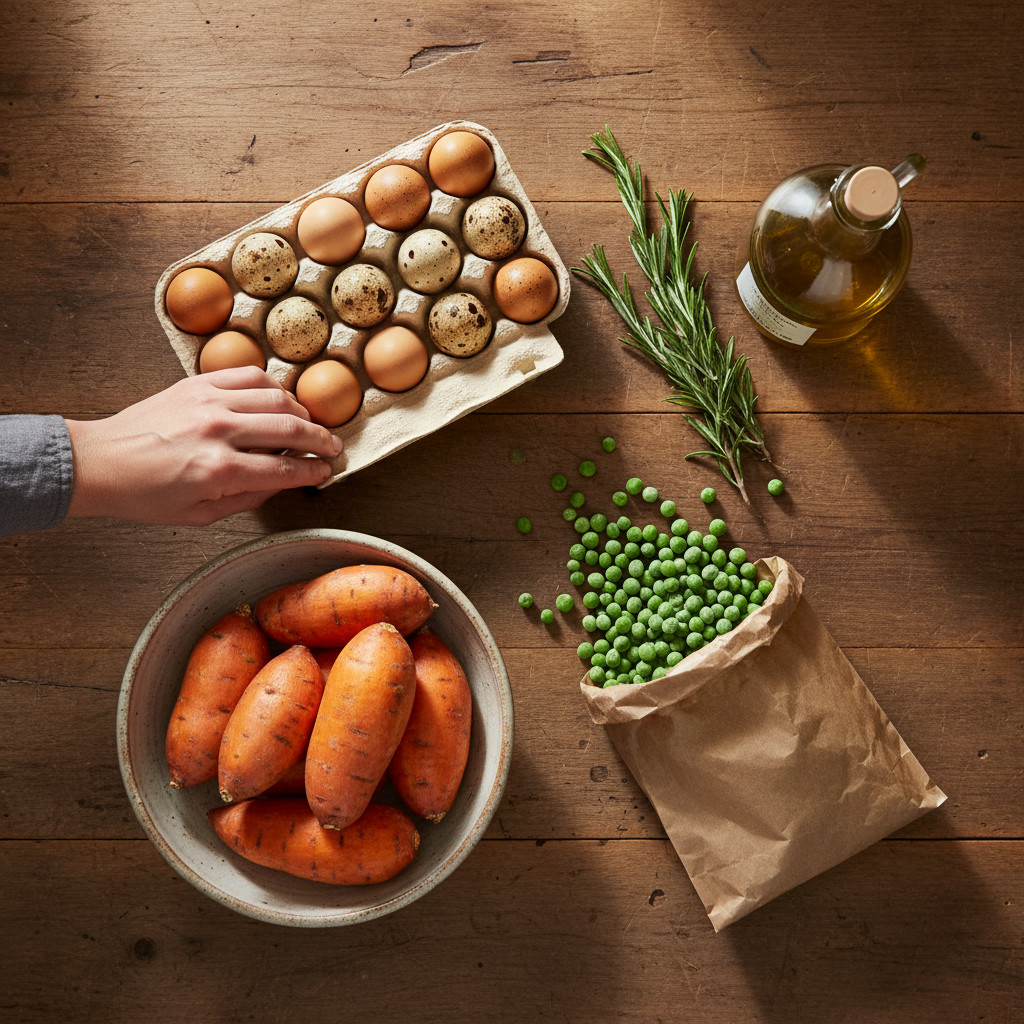
Getting enough protein on a plant-based diet is absolutely doable — but it does require thinking past the salad bowl. The good news? Plants are more protein-dense than most people give them credit for, and a well-built plant-based dinner can easily deliver 20, 30, even 35+ grams of protein per plate without any meat, poultry, or fish in sight.
The misconception that vegans and vegetarians are perpetually protein-deficient has been thoroughly disproven by nutrition research. Legumes, tofu, tempeh, edamame, quinoa, and nut-based sauces all deliver substantial protein — and when you combine them thoughtfully in a single meal, the numbers stack up fast. A block of super-firm tofu alone clocks in around 19 grams of protein per serving. A cup of lentils carries roughly 18 grams. Pair them with whole grains or seeds, and you’re looking at a genuinely muscle-fueling dinner.
What makes a plant-based dinner actually satisfying isn’t just the protein count on paper. It’s the texture, the depth of flavor, the combination of ingredients that makes you forget you’re eating something “healthy.” The ten dinners here aren’t afterthoughts — they’re bold, satisfying meals built from whole-food ingredients that happen to hit serious protein targets.
Whether you’re fully plant-based or just trying to eat fewer animal products a few nights a week, these dinners give you somewhere concrete to start. Every single one is weeknight-friendly, built around accessible ingredients, and designed to leave you genuinely full.
Table of Contents
- 1. Five-Spice Tofu Noodle Bowl with Almond Butter Sauce
- Why the Tofu Technique Matters
- How to Build the Bowl
- 2. Garlicky Quinoa and Lentils with Tofu Ricotta
- Making the Tofu Ricotta
- Texture Tips That Actually Change the Dish
- 3. Smashed Edamame Toast with Hemp Seeds
- What Goes Into the Mash
- Ways to Expand This Beyond Breakfast
- 4. Crispy Baked Falafel Bowl with Farro and Tzatziki
- Baking vs. Frying the Falafel
- Building the Bowl for Maximum Protein
- 5. Tempeh Burrito Bowl with Spiced Quinoa
- Cooking Tempeh the Right Way
- How to Assemble the Bowl
- 6. Smoky Lentil and Black Bean Chili
- The Smoked Paprika and Chipotle Combination
- Toppings That Add More Protein
- 7. Tofu and Vegetable Stir-Fry with Soba Noodles
- Building a Better Stir-Fry Sauce
- The Stir-Fry Sequence
- 8. African-Inspired Peanut Stew with Chickpeas
- The Peanut Butter Question
- Serving Suggestions
- 9. Vegetarian Lentil and Mushroom Stew
- Why Dried Mushrooms Are Worth the Pantry Space
- Protein Boosters to Add
- 10. Sweet Potato Black Bean Quinoa Bowl with Avocado-Lime Dressing
- Roasting the Sweet Potatoes Correctly
- Dressing Options and Protein Add-Ons
- Building a High-Protein Plant-Based Plate
- Final Thoughts
1. Five-Spice Tofu Noodle Bowl with Almond Butter Sauce
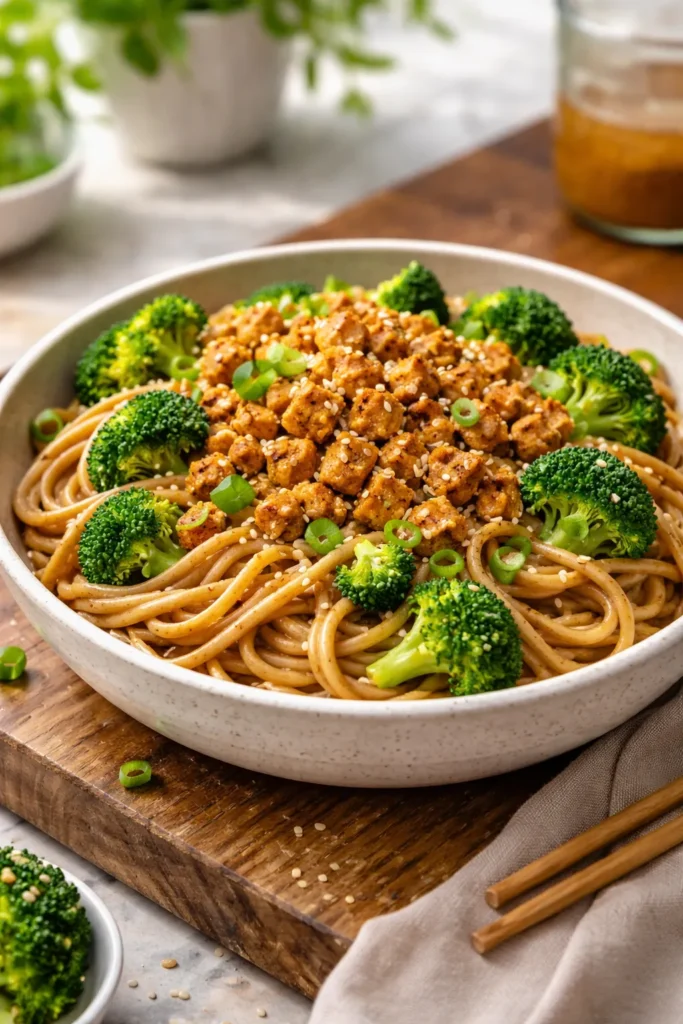
There’s something about a creamy, nutty noodle bowl that satisfies on a level most plant-based dinners can’t quite reach — and this one hits that mark with confidence. The secret weapon is Chinese five-spice powder, which brings warmth, complexity, and a faintly sweet-savory depth to the tofu crumbles that makes the whole dish feel like something you’d order at a good Asian fusion restaurant.
The protein profile here is genuinely impressive. A full serving delivers around 37 grams of protein, built from multiple sources working together. Super-firm tofu (also sold as high-protein tofu) contributes roughly 19 grams on its own and doesn’t require pressing — you crumble it straight into the pan. Whole wheat spaghetti adds another 7 grams, almond butter brings in 7 more, broccoli chips in at 2.5, and a sprinkle of sesame seeds finishes it off with an extra 1.5 grams.
Why the Tofu Technique Matters
The method for cooking the tofu here makes all the difference. You crumble it into blueberry-sized pieces, toss with spices, and then cook in a hot pan without touching for 2–3 minutes at a time. That resting time is what creates the browned, slightly crispy edges that give this dish its satisfying meaty texture. Stir it constantly and you’ll end up with soft, pale crumbles — not nearly as good.
How to Build the Bowl
- Use super-firm or high-protein tofu — it skips the pressing step and browns more aggressively
- Swap broccoli for snap peas, bok choy, or shredded cabbage if that’s what you have
- Peanut butter works perfectly in place of almond butter for a different but equally good flavor
- Double the sauce batch so your next bowl takes half the time
Worth knowing: Cook the pasta and broccoli simultaneously while the tofu is in the pan. Multitask aggressively here and this dinner is genuinely ready in under 20 minutes.
2. Garlicky Quinoa and Lentils with Tofu Ricotta
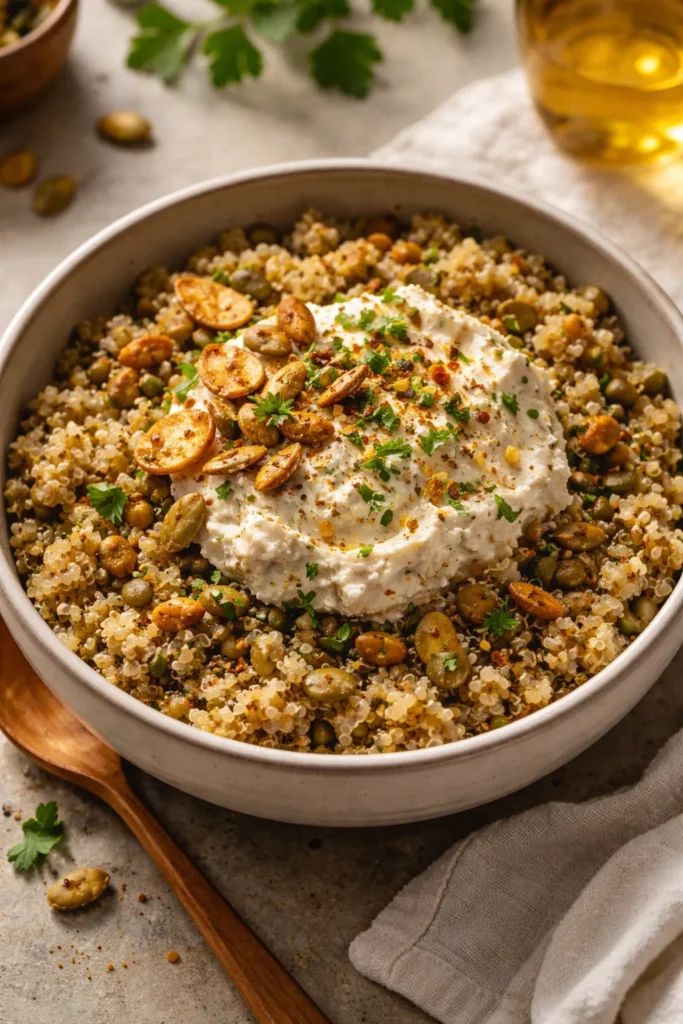
This bowl proves that humble ingredients — quinoa, lentils, and tofu — can produce something that feels special when the right flavors are applied. Olive oil–toasted garlic chips and coriander-spiced pepitas bring crunch, warmth, and bold aromatics that transform what could be a boring grain bowl into a deeply satisfying dinner.
The protein count comes in at around 33 grams per serving, drawn from four distinct sources. Quinoa contributes 8 grams — and among grains, it’s one of the few that provides all nine essential amino acids. Lentils bring another 10 grams. The tofu ricotta, made from crumbled extra-firm tofu blended with nutritional yeast and lemon, adds about 10 more grams, with the nutritional yeast itself contributing meaningfully to that total.
Making the Tofu Ricotta
The ricotta component is worth making in larger batches. Blend the tofu with nutritional yeast, garlic powder, lemon zest and juice, and a good drizzle of olive oil until creamy and smooth. It keeps well in the fridge for up to 5 days and works as a toast spread, pasta sauce base, or a simple dip. You’ll naturally find yourself putting it on everything once you have it on hand.
Texture Tips That Actually Change the Dish
- After cooking the quinoa, spread it on a sheet pan for 5 minutes — this prevents clumping and gives each grain a slightly firmer texture
- Pre-cooked refrigerated lentils work better than canned here — canned lentils can be too soft and soupy for a bowl format
- Top with pickled onions or sauerkraut for bright acidity that cuts through the richness of the tofu ricotta
The garlic chip and pepita topping is non-negotiable. It’s what turns this from “nutritious but beige” into something genuinely craveable.
3. Smashed Edamame Toast with Hemp Seeds
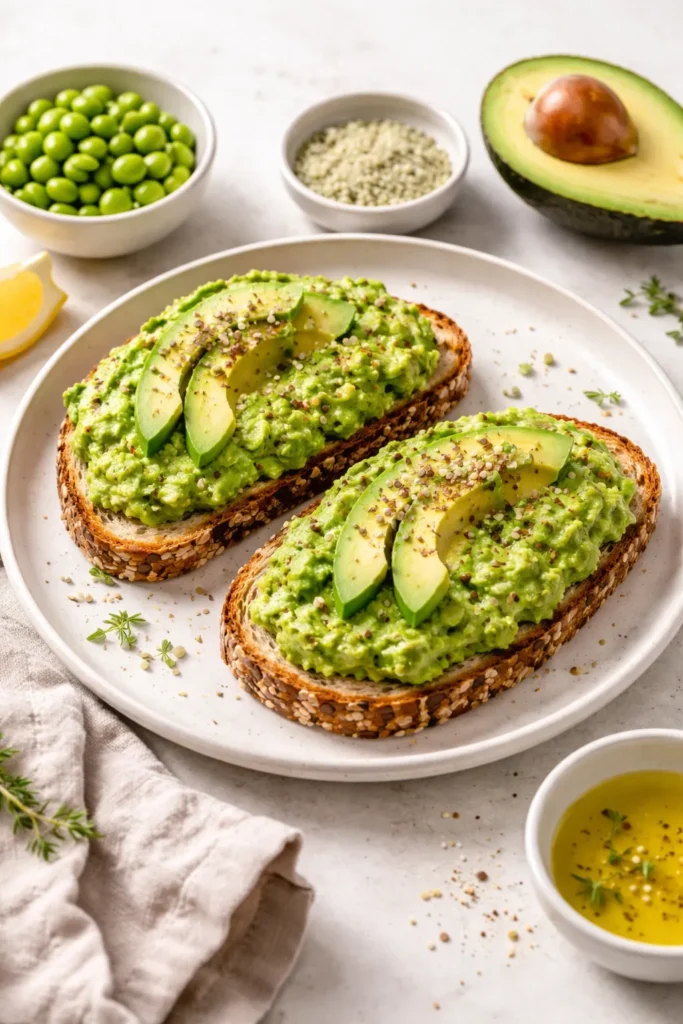
Smashed avocado toast had its moment, and it earned it — but smashed edamame toast does everything avocado toast does and then some, with a higher protein count and a flavor profile that’s genuinely more interesting. Creamy, garlicky, slightly spicy, with a citrus brightness from lime zest and juice, this spread is the kind of thing you’ll find yourself eating directly off the spoon before it even hits the bread.
One serving lands at around 31 grams of protein when served on two slices of seeded multigrain bread with a tablespoon and a half of hemp seeds on top. The edamame mash itself contributes roughly 10 grams per serving, tahini adds 3 more, and half an avocado rounds out the base. Two slices of high-quality sprouted bread (like Dave’s Killer Bread) bring in another 12 grams, and the hemp seeds finish with 5 grams.
What Goes Into the Mash
Everything goes into a food processor at once: tahini, defrosted edamame, half an avocado, soy sauce or tamari, raw garlic, serrano pepper, cilantro, sesame oil, and the zest and juice of a lime. Blend until chunky — not completely smooth. A little texture in the spread is the whole point.
Ways to Expand This Beyond Breakfast
- Works beautifully as a grain bowl topping or spread on a veggie-stuffed wrap
- Swirl it into a warm bowl of congee or spoon alongside roasted vegetables for dinner
- Stores in an airtight container for 7–10 days — the color fades but the flavor holds strong
The serrano pepper is adjustable. Use half for mild heat, the full pepper (with seeds) for genuine kick, or substitute a jalapeño if serranos are hard to find.
4. Crispy Baked Falafel Bowl with Farro and Tzatziki
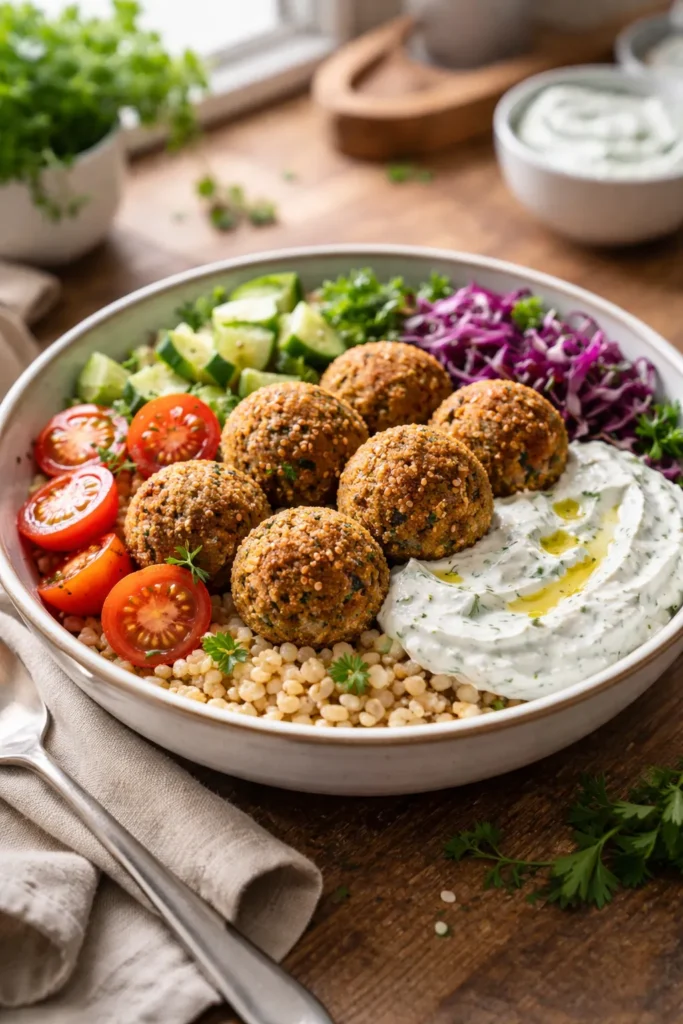
Falafel tends to get written off as street food — something you grab wrapped in pita, not something you’d build a protein-rich dinner around. But a proper baked falafel bowl, built on a base of hearty grains with a creamy sauce and fresh vegetables, is one of the most complete and satisfying plant-based meals you can make.
Chickpeas are the protein foundation here. A cup of cooked chickpeas delivers around 15 grams of protein, and with the addition of farro (a chewy ancient grain with about 7 grams of protein per cooked cup) and Greek yogurt–based tzatziki (for vegetarian versions), a single bowl can easily reach 25–30 grams of protein. For a fully vegan version, a tahini-lemon sauce substitutes seamlessly.
Baking vs. Frying the Falafel
Baking takes away the mess and keeps things lighter without sacrificing too much crunch — as long as you get two things right. First, your chickpeas need to be dried thoroughly before mixing. Wet chickpeas produce dense, gummy falafel. Second, the oven needs to be hot — 400°F (200°C) minimum — and the falafel should be flipped halfway through.
Building the Bowl for Maximum Protein
- Farro or quinoa base (both outperform white rice for protein)
- Baked cumin-and-coriander spiced falafel, at least 4–5 pieces per portion
- A fresh tomato-cucumber salad dressed simply with olive oil and lemon
- Generous tzatziki or tahini sauce — this is where additional protein comes from if using Greek yogurt
- Pickled red onions for acidity and color
Pro tip: Make a double batch of falafel and freeze half. They reheat from frozen at 375°F (190°C) in about 12 minutes and taste almost identical to fresh.
5. Tempeh Burrito Bowl with Spiced Quinoa
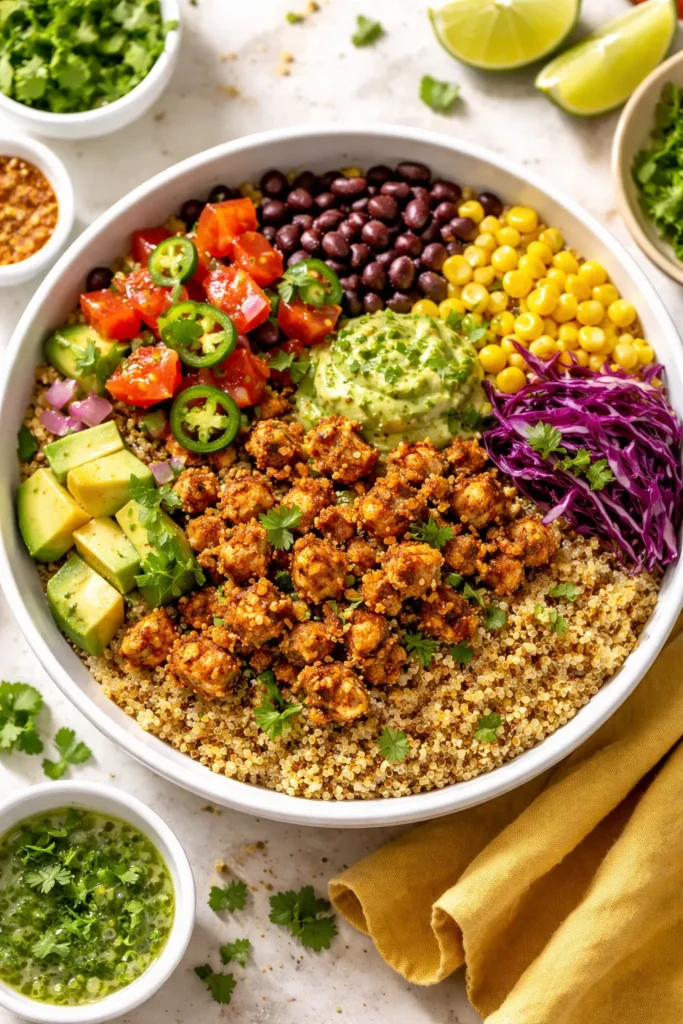
Tempeh is one of those ingredients that confuses people until they actually cook it well — and then it becomes a staple. Made from fermented soybeans pressed into a firm block, tempeh has a nuttier, earthier flavor than tofu and a firmer texture that holds up to high heat, bold spices, and aggressive seasoning.
Per 100g serving, tempeh delivers roughly 20 grams of protein. Crumble it into a burrito bowl with quinoa (another 8 grams per serving), black beans (about 15 grams per cooked cup), and a few well-chosen toppings, and you’re looking at a dinner plate that clears 35 grams of protein without trying particularly hard.
Cooking Tempeh the Right Way
Raw tempeh can taste slightly bitter, which is why many people don’t love it on their first try. Steaming for 10 minutes before cooking removes most of that bitterness. After steaming, crumble it into small pieces and cook in a dry or lightly oiled pan over medium-high heat with Mexican-inspired spices: smoked paprika, cumin, chili powder, garlic powder, and a pinch of cayenne. Cook until deeply browned and slightly crispy at the edges.
How to Assemble the Bowl
- Spiced quinoa or cilantro-lime brown rice as the base
- Tempeh crumbles cooked with taco-style spices
- Black beans or pinto beans, warmed with a touch of cumin
- Roasted sweet corn, fresh tomatoes, diced avocado
- Salsa, hot sauce, or a quick lime-tahini drizzle
One thing worth noting: tempeh absorbs marinades beautifully. If you have 30 minutes to spare, marinate the crumbled tempeh in soy sauce, lime juice, and a touch of maple syrup before cooking. The caramelization that results in the pan is worth every extra minute.
6. Smoky Lentil and Black Bean Chili
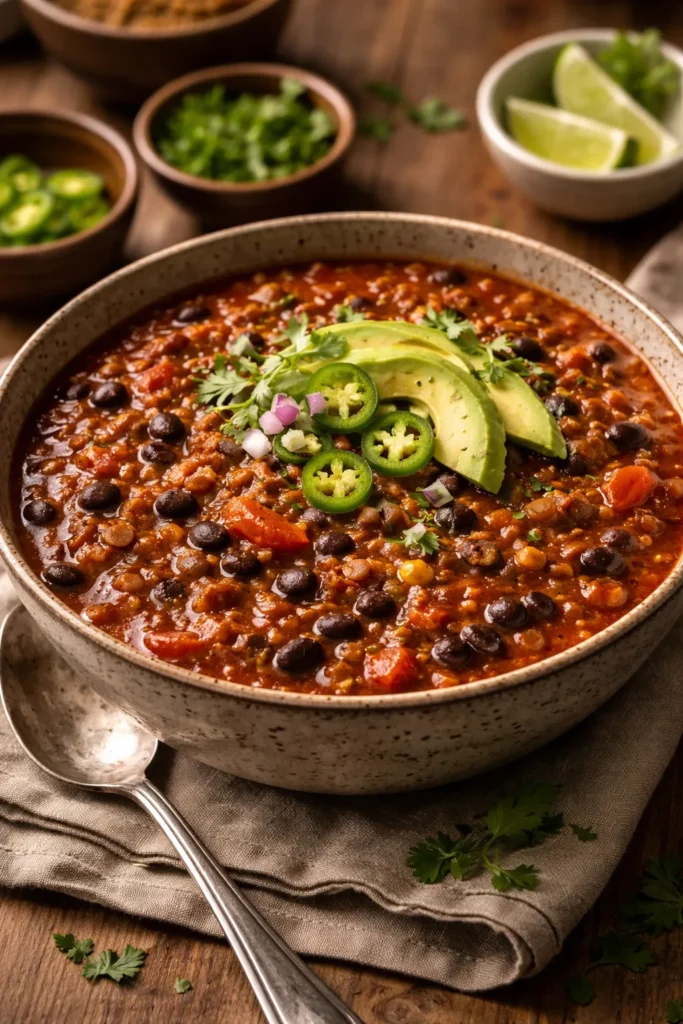
Chili might be the best argument for plant-based cooking that exists. It’s deeply satisfying, scales up effortlessly for meal prep, gets better the next day, and delivers serious protein without any effort to engineer a high-protein meal. Lentils and black beans do all the heavy lifting.
A well-made lentil and black bean chili can hit 28–30 grams of protein per serving. Brown or green lentils hold their shape better in chili than red lentils (which disintegrate into soup), contributing around 18 grams of protein per cooked cup. Black beans bring another 15 grams per cup. The flavor base — smoked paprika, cumin, chipotle in adobo, oregano, and fire-roasted tomatoes — is what makes this taste like real chili rather than a vegetable stew.
The Smoked Paprika and Chipotle Combination
This is the flavor combination that makes plant-based chili taste genuinely bold rather than just hearty. Smoked paprika adds a low, earthy smokiness that mimics the depth you’d get from rendered meat. Chipotle peppers in adobo sauce bring heat and a distinct woody char. Use one or two chipotles for moderate heat, three for genuinely spicy.
Toppings That Add More Protein
- A dollop of plain Greek yogurt or cashew cream (works as a sour cream substitute)
- Shredded plant-based cheese or regular cheese for vegetarian versions
- A sprinkle of roasted pumpkin seeds (pepitas) — 5 grams of protein per ounce
- Sliced avocado or guacamole for healthy fat
Meal prep note: This chili freezes well in individual portions for up to 3 months. Thaw overnight in the fridge and reheat gently on the stovetop with a splash of water or broth to loosen the texture.
7. Tofu and Vegetable Stir-Fry with Soba Noodles
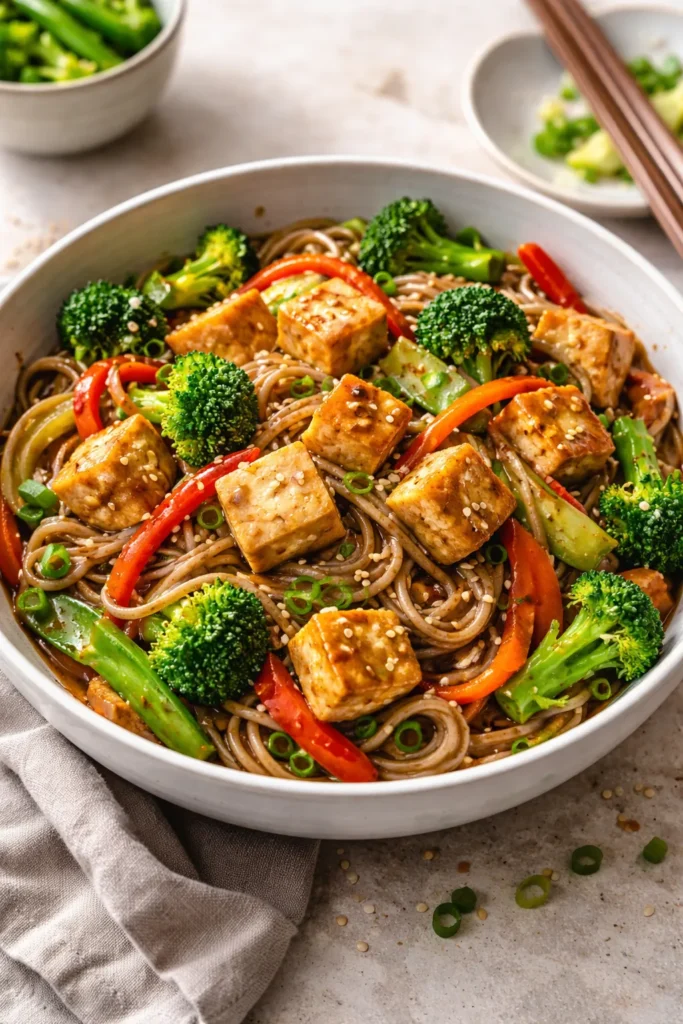
A good stir-fry moves fast — which is exactly why having the right tofu matters. Extra-firm or super-firm tofu, pressed and cut into cubes, achieves a golden, slightly crispy exterior in a hot pan when left undisturbed for 2–3 minutes per side. That texture is the difference between a stir-fry that feels satisfying and one that feels like an afterthought.
Soba noodles, made from buckwheat flour, are worth seeking out specifically because they’re meaningfully higher in protein than standard noodles — about 8 grams per serving compared to 4–5 grams for regular pasta. Combined with a full block of tofu (19 grams), edamame (10 grams per half-cup), and broccoli (2.5 grams), this bowl can hit 35+ grams of protein per serving with minimal planning.
Building a Better Stir-Fry Sauce
A well-balanced stir-fry sauce has four components: salty (soy sauce or tamari), sweet (maple syrup or honey), acidic (rice vinegar), and aromatic (fresh ginger, garlic, sesame oil). Start with a 2:1:1 ratio of soy sauce to sweetener to vinegar, then add aromatics to taste. Cornstarch dissolved in cold water, added at the end, thickens the sauce to that glossy, restaurant-style consistency.
The Stir-Fry Sequence
- Cook tofu first in a dry or lightly oiled pan until golden, then remove and set aside — don’t cook everything together or the tofu steams instead of sears
- Stir-fry vegetables in order of cooking time: dense vegetables (broccoli, carrots) first, soft ones (bok choy, snap peas) last
- Return tofu to the pan, add sauce, toss to coat, and serve immediately over rinsed soba noodles
The rinsing step for soba noodles is not optional. It removes excess starch and keeps the noodles from clumping together as they sit.
8. African-Inspired Peanut Stew with Chickpeas
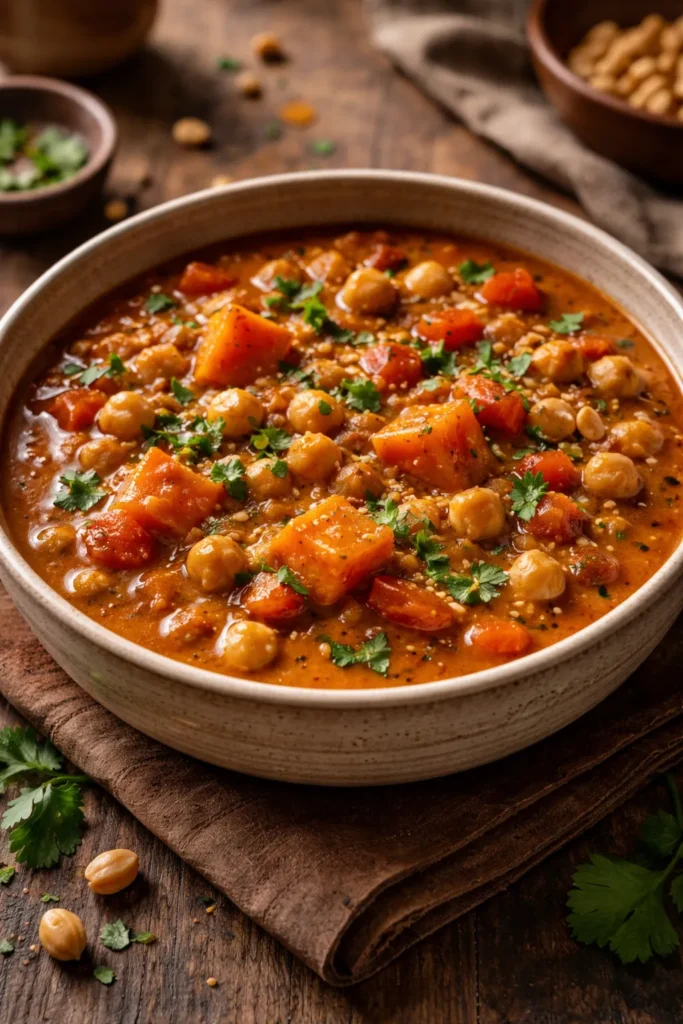
West African groundnut stew is one of those dishes that feels like it took hours but actually comes together in about 30 minutes. The peanut butter base gives it a richness and body that most plant-based stews can’t achieve with vegetables alone, and the combination of chickpeas, sweet potato, and tomato creates a flavor profile that manages to be bold, warming, and bright all at once.
Per serving, this stew delivers around 21 grams of protein — with chickpeas contributing 15 grams per cup and peanut butter adding roughly 8 grams per two-tablespoon serving. The sweet potato and tomato base fills out the bowl with vitamins, fiber, and natural sweetness that balances the richness of the peanuts.
The Peanut Butter Question
Natural peanut butter (just peanuts, no added oil or sugar) works best here because it incorporates cleanly into the broth without making things greasy or overly sweet. Stir it in after the liquid comes to a simmer — adding it too early, before there’s enough liquid in the pot, causes it to scorch on the bottom.
Serving Suggestions
- Over white or brown rice for a complete meal (brown rice adds another 5 grams of protein)
- With a small side of wilted greens — spinach or kale stirred in during the last 2 minutes of cooking
- A squeeze of fresh lime over the top brightens the whole bowl and cuts through the fat
Flavor note: A small piece of fresh ginger grated directly into the pot makes a noticeable difference. It adds brightness and warmth that dried ginger just doesn’t replicate.
9. Vegetarian Lentil and Mushroom Stew
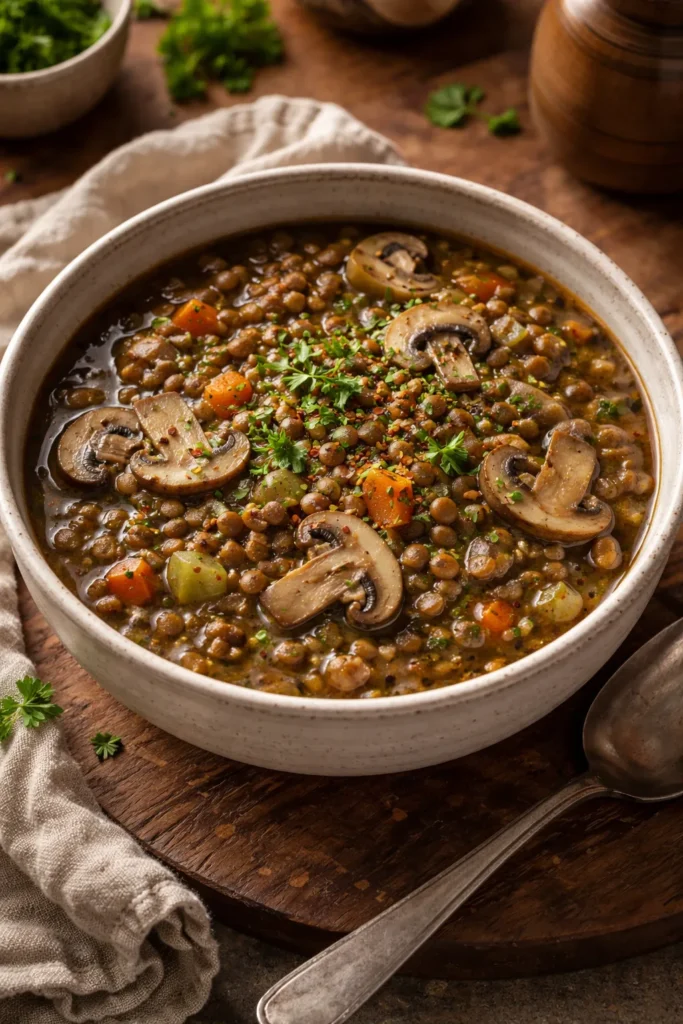
Mushrooms don’t bring huge protein numbers on their own, but what they do bring to a plant-based dinner is something almost impossible to replicate: genuine umami depth. When you combine dried and fresh mushrooms with earthy brown lentils, you get a stew that satisfies the same craving that a slow-braised meat dish would satisfy — that deep, savory richness that makes a bowl feel like dinner rather than a side dish.
Lentils carry this dish protein-wise. A generous serving of brown or green lentils delivers around 18 grams of protein, and when combined with harissa paste, herbs, and a good homemade or store-bought vegetable stock, the result is something deeply flavored and genuinely filling.
Why Dried Mushrooms Are Worth the Pantry Space
Adding a small handful of dried porcini or shiitake mushrooms to any lentil-based stew is a technique worth committing to permanently. Rehydrate them in hot water for 10 minutes, then add both the mushrooms and the soaking liquid (pour carefully to avoid the grit at the bottom) to the pot. That liquid is intensely flavored and adds a depth that fresh mushrooms can’t match.
Protein Boosters to Add
- Stir in a can of white beans during the last 5 minutes of cooking — they dissolve slightly, thickening the stew and adding another 10–15 grams of protein per serving
- Top with a dollop of Greek yogurt or a swirl of tahini
- Serve over farro or barley instead of plain white rice
The leftovers from this stew are genuinely better the next day. The lentils absorb more liquid overnight and the flavors deepen considerably. Make a big batch.
10. Sweet Potato Black Bean Quinoa Bowl with Avocado-Lime Dressing
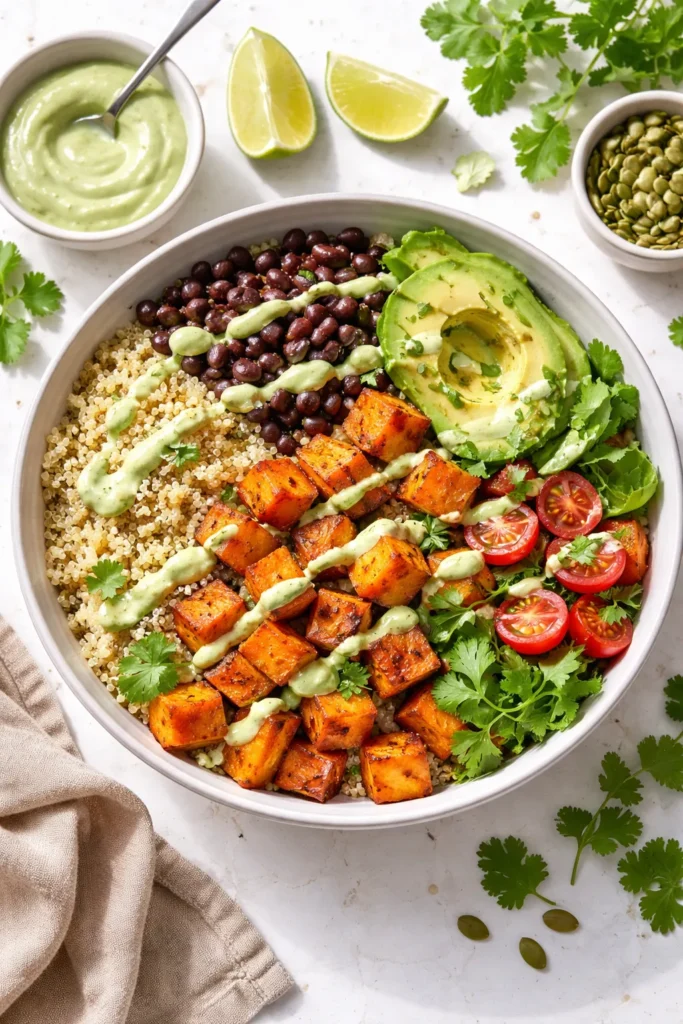
This bowl might be the most versatile entry on this list. It works as a weeknight dinner, scales well for meal prep, travels easily for packed lunches, and looks genuinely good on the plate — the contrast between golden roasted sweet potatoes, deep purple-black beans, and white quinoa is naturally appealing without any effort.
Protein-wise, a full bowl delivers around 25–28 grams. Quinoa brings 8 grams per cooked cup and is one of the only plant foods classified as a complete protein, meaning it contains all nine essential amino acids. Black beans contribute 15 grams per cooked cup. The avocado-lime dressing adds healthy fat and a small amount of additional protein if you blend in tahini or hemp seeds.
Roasting the Sweet Potatoes Correctly
The difference between good and great in this bowl comes down to how the sweet potatoes are roasted. Cut them into uniform 3/4-inch cubes, toss with olive oil, smoked paprika, cumin, garlic powder, salt, and pepper, and spread in a single layer on a sheet pan. Crowding the pan causes steaming rather than roasting — you want caramelization on the cut edges, not soft, wet cubes.
Roast at 425°F (220°C) for 25–30 minutes, flipping once at the halfway point. The edges should be caramel-brown and the insides completely tender.
Dressing Options and Protein Add-Ons
- Avocado-lime dressing: Blend one ripe avocado with the juice of one lime, a clove of garlic, a pinch of salt, and 2–3 tablespoons of water until smooth
- Add a tablespoon of hemp seeds to the dressing for an extra 3 grams of protein per serving
- Top with pickled red onions and fresh cilantro for color and acidity
- For even more protein, add a soft-boiled egg (vegetarian version) or a few spoonfuls of warmed black bean hummus
Make-ahead tip: Store the quinoa, roasted sweet potatoes, and black beans separately in the fridge for up to 4 days. Assemble bowls fresh each day — the dressing should always be made the day you’re eating it.
Building a High-Protein Plant-Based Plate
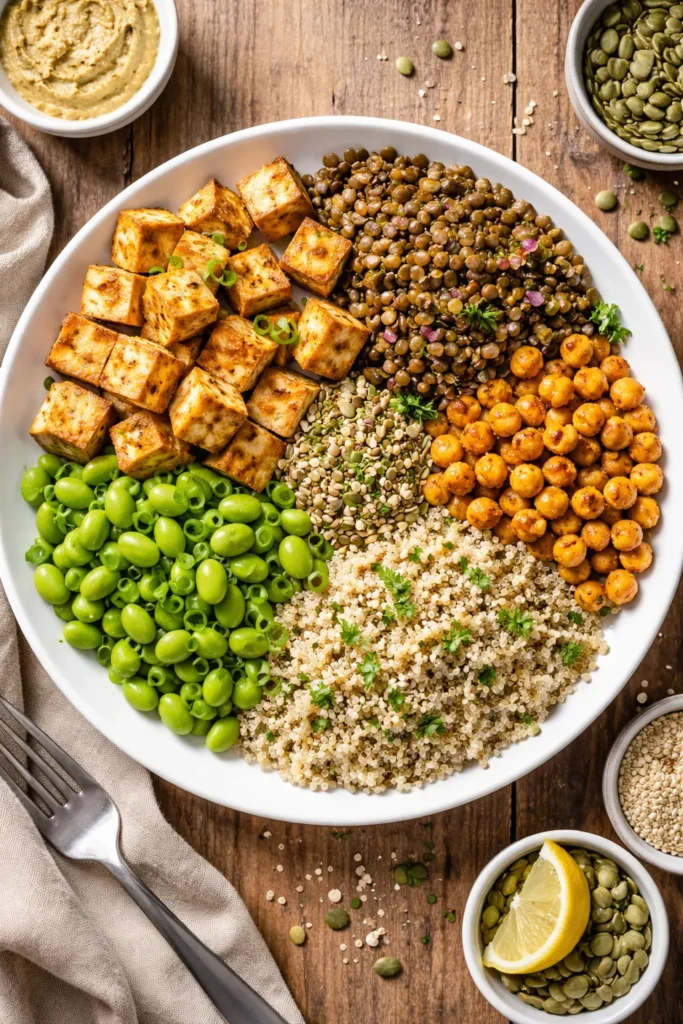
One pattern runs through every dinner on this list: multiple protein sources layered into a single bowl or plate. No single plant food will hit 30 grams on its own, but a block of tofu plus a cup of lentils plus a sprinkle of seeds absolutely will. That stacking principle is the key to eating plant-based and feeling genuinely fueled.
A few ingredients that appear in multiple dinners above — lentils, chickpeas, tofu, tempeh, quinoa, and edamame — are worth keeping stocked as pantry and fridge staples. With those six ingredients on hand, you can build a high-protein dinner on any night of the week with whatever vegetables happen to be in season or in your fridge.
Whole grains matter too. Swapping white rice for quinoa, farro, or whole wheat pasta in any of these meals instantly increases the protein count by 5–8 grams per serving. That’s a meaningful difference for minimal extra effort.
And finally, don’t underestimate the toppings. Hemp seeds, pepitas, tahini, nutritional yeast, and roasted chickpeas are all small additions that add texture, flavor, and a real boost of protein to any bowl or plate. Keep a few of them at the table like condiments — they’ll become a habit fast.
Final Thoughts
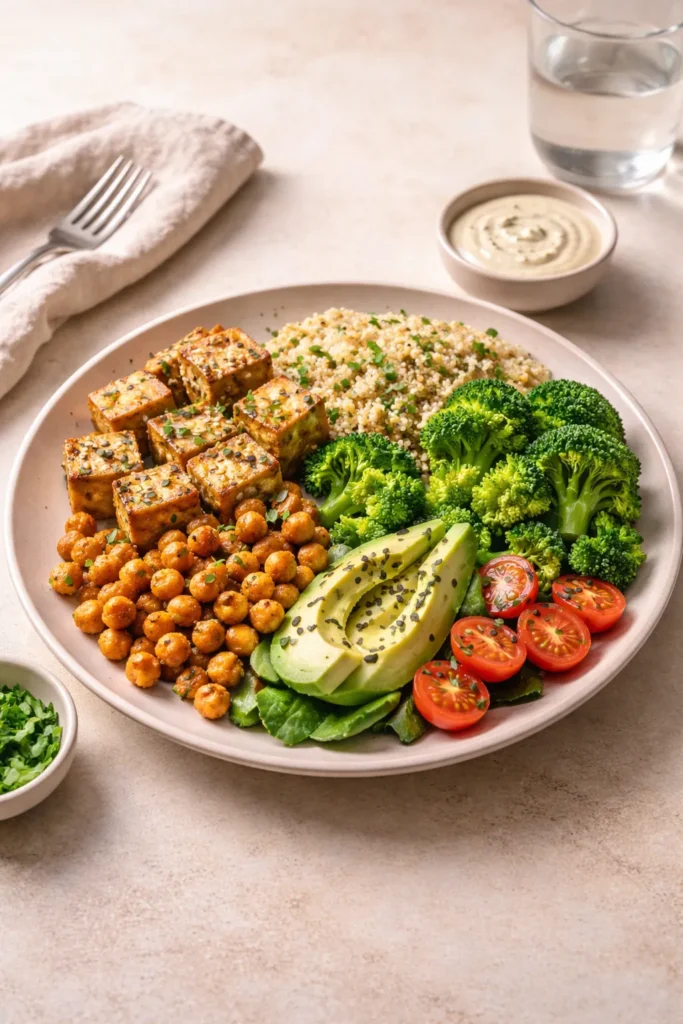
Plant-based protein isn’t a puzzle to solve — it’s a pantry to build. Once you have lentils, tofu, chickpeas, quinoa, and tempeh as regulars in your kitchen, getting 25–35 grams of protein at dinner stops being a deliberate goal and becomes a natural result of cooking the way these dishes are built.
The ten dinners here offer enough variety to rotate through without repetition — a creamy noodle bowl one night, a smoky chili the next, a falafel bowl on the weekend. No two are alike in flavor, texture, or technique, but all of them take plant protein seriously without making it the centerpiece of the cooking.
Pick one dinner this week and actually make it. The best way to internalize any of this is to experience how genuinely satisfying a 35-gram-protein plant-based bowl can feel — not just on paper, but in the kitchen, at the table, two hours later when you’re still full.