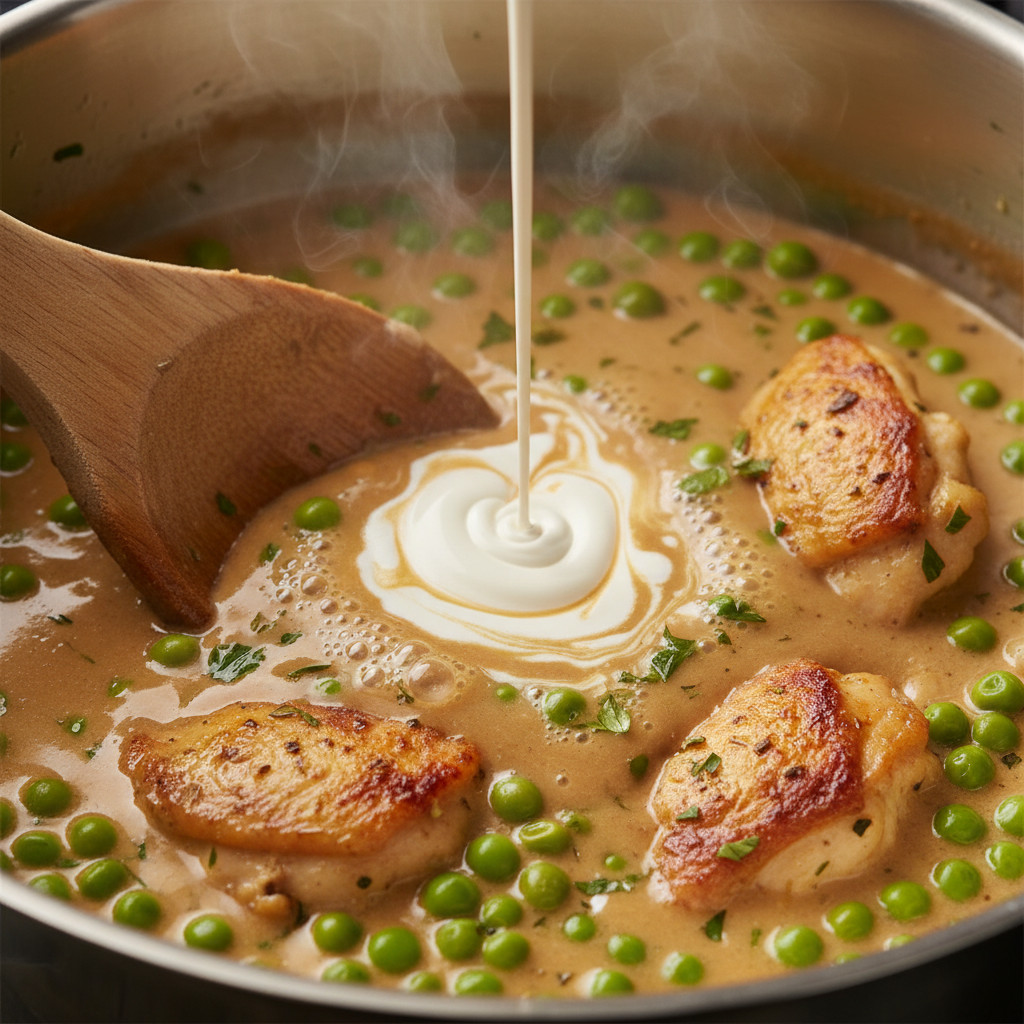
There’s a particular kind of magic that happens in an Italian grandmother’s kitchen. No measuring cups. No timers. No cookbooks propped open on the counter. Just hands that have made the same dishes a thousand times, moving from memory, seasoning by instinct, and somehow producing food that tastes like nothing you’ll ever find in a restaurant.
Nonna’s cooking isn’t about complexity — it’s about confidence. It’s about respecting the ingredient, understanding the technique, and knowing that a great Sunday ragù needs three hours on low heat, not forty-five minutes on high. These recipes carry that wisdom. They come from kitchens in Naples, Abruzzo, Emilia-Romagna, and Campania — places where food isn’t just sustenance but identity, love, and memory pressed into every bite.
Whether you grew up with these dishes on your table or you’re discovering them for the first time, what you’ll find here is the real thing. Not shortcuts. Not approximations. The kind of Italian home cooking that gets passed down because it’s too good to lose.
Table of Contents
- 1. Slow-Cooked Sunday Ragù
- What Makes It Different From Everyday Pasta Sauce
- Key Ingredients and Technique
- 2. Potato Gnocchi
- The Secret Is in the Potato
- Shaping and Cooking
- 3. Pasta e Fagioli
- The Dish That Fed Generations
- How to Build the Base
- 4. Lasagna al Forno
- The Two Sauces That Matter Most
- Layering Order and Baking
- 5. Polpette (Italian Meatballs in Tomato Sauce)
- The Mixture That Makes the Difference
- Frying vs. Braising
- 6. Risotto alla Parmigiana
- The Rice and Stock That Set the Foundation
- The Mantecatura — Nonna’s Finishing Move
- 7. Parmigiana di Melanzane (Eggplant Parmigiana)
- Salting and Frying the Eggplant
- Building the Layers
- 8. Tiramisu
- The Raw Egg Situation
- Assembly and Setting Time
- 9. Pizzelle (Nonna’s Vanilla Waffle Cookies)
- The Iron Makes All the Difference
- The Basic Batter
- 10. Pastina in Brodo (The Italian Penicillin Soup)
- Why the Broth Is Everything
- Building the Bowl
- Final Thoughts
1. Slow-Cooked Sunday Ragù
Ask any Italian what the smell of home is, and nine times out of ten they’ll describe a ragù that’s been simmering on the stove since early morning. This is the cornerstone of Nonna’s repertoire — a deeply rich tomato-based meat sauce that rewards patience above all else.
What Makes It Different From Everyday Pasta Sauce
The key distinction between a proper ragù and a quick pasta sauce comes down to time and fat. A Sunday ragù uses a combination of cuts — typically pork ribs, braised beef, and Italian sausage — simmered low and slow in San Marzano tomatoes for a minimum of three hours. During that time, the collagen from the meat breaks down into the sauce, creating a silky, complex body that no shortcut version can replicate.
The fat is not the enemy here. As the sauce cooks, the olive oil and rendered pork fat rise to the surface and get stirred back in, which is how Nonna knew it was done — “quando l’olio sale,” when the oil rises.
Key Ingredients and Technique
- Pork ribs or braciole — for body and depth
- Italian pork sausage — loose or in links, adds spice and richness
- Two 28-oz cans San Marzano tomatoes — crushed by hand, never blended
- One large white onion — finely diced and cooked until completely golden
- Good extra virgin olive oil — generous amount, not a drizzle
- Fresh basil — added only at the very end
Brown the meat in batches before anything else. That caramelization on the exterior builds the flavor foundation the whole sauce relies on. Once the tomatoes go in, reduce the heat to barely a simmer and walk away. Stir every 30 minutes. Don’t rush it.
Pro tip: The meat that slow-cooked in the sauce becomes its own second course — pulled from the pot and served separately after the pasta, just as Nonna always intended.
2. Potato Gnocchi
Gnocchi are one of those dishes that seem intimidating until you make them once, and then you can’t believe you ever bought the shelf-stable version. Nonna’s gnocchi are feather-light — little potato pillows that dissolve on your tongue rather than sitting in your stomach like a stone.
The Secret Is in the Potato
Not all potatoes make good gnocchi. You need a starchy, floury variety — Russet or King Edward work well. Waxy potatoes hold too much moisture, which forces you to add extra flour to compensate, and extra flour is what makes gnocchi dense and chewy instead of soft and delicate.
Bake the potatoes rather than boiling them. Boiling introduces water into the flesh, which creates the same problem as using a waxy variety. Bake at 400°F until completely tender, then rice them while still hot. The steam that escapes as they cool removes moisture — and less moisture means less flour, which means lighter gnocchi.
Shaping and Cooking
- 500g (about 1 lb) floury potatoes, baked and riced
- 100-130g (roughly ¾ cup) all-purpose flour, added gradually — you may not need all of it
- 1 egg yolk — optional, but adds richness and helps bind
- ½ teaspoon fine salt
Work quickly. Combine the riced potato with the flour and salt on a clean surface and knead gently — just enough to bring the dough together. Overworking develops gluten and toughens the texture. Roll into ropes about ¾ inch thick, cut into 1-inch pieces, and roll over a fork or gnocchi board if you want the ridges that trap sauce.
Drop into generously salted boiling water. The moment they float — about 2 minutes — they’re done. Transfer directly into your sauce and let them finish there for 30 seconds. Never let them sit and steam in a colander.
3. Pasta e Fagioli
Pasta e Fagioli is cucina povera at its finest — literally “poor kitchen,” the style of cooking that came from making deeply satisfying meals with almost nothing. After decades of being associated with hard times, it has earned its rightful place as one of Italy’s most beloved comfort dishes.
The Dish That Fed Generations
This hearty pasta and bean soup traces its roots to the agricultural communities of Southern and Central Italy, where dried legumes, garden vegetables, and broken pasta were staples that could stretch a single meal to feed an entire family. Nonna Igea of Abruzzo, whose recipe has been shared by food writer Vincenzo Perugini, still calls it her favorite dish — not despite its simplicity, but because of it.
The dish sits somewhere between a thick soup and a pasta dish. The beans — typically borlotti or cannellini — are partly puréed to create a creamy, starchy broth that coats the pasta without requiring any cream or cheese to achieve that satisfying richness.
How to Build the Base
- Sauté diced carrot, celery, and onion in a generous pour of extra virgin olive oil until soft and golden — at least 12 minutes, no shortcuts
- Add two cups cooked borlotti beans (canned works fine; dried and soaked overnight is better)
- Crush about one-third of the beans against the side of the pot with a wooden spoon to thicken the broth naturally
- Add tomato passata, a handful of fresh rosemary, and enough water or light vegetable broth to create a thick but pourable consistency
- Stir in small pasta shapes — ditali, ditalini, or broken tagliatelle — and cook directly in the soup until just al dente
Finish with a drizzle of your best olive oil and a twist of black pepper. This dish improves overnight as the pasta absorbs the broth, so make extra.
4. Lasagna al Forno
Lasagna is the dish that started culinary arguments across three Italian cities — Naples, Bologna, and Rome all claim some version of the origin story. What’s not debatable is that a properly made lasagna, built with handmade pasta sheets, slow-cooked ragù, and a béchamel that actually tastes of something, is one of the most spectacular things Italian cooking has ever produced.
The Two Sauces That Matter Most
Most mediocre lasagnas fail at the sauce stage. Either the meat sauce was cooked too fast and tastes flat, or the béchamel is thick and gluey rather than silky and light. Nonna’s approach solves both problems.
The ragù for lasagna is typically made the day before — rested overnight, it deepens in flavor significantly. The béchamel starts with a 2:2 ratio of butter to flour, cooked together for two minutes before the warm milk goes in slowly, whisked constantly. Season it well with salt, white pepper, and a grating of fresh nutmeg. It should pour like heavy cream, not spread like paste.
Layering Order and Baking
- Start with a thin smear of ragù on the bottom of the dish — this prevents sticking and seasons the first pasta layer
- Pasta sheet → ragù → béchamel → Parmigiano Reggiano — repeat 4 to 6 times
- The final layer gets only béchamel and Parmigiano, which browns beautifully in the oven
- Bake covered with foil at 375°F for 30 minutes, then uncovered for another 15-20 minutes until bubbling and golden at the edges
Critical step most people skip: Let the lasagna rest for at least 20 minutes before cutting. If you slice it straight from the oven, everything slides and the layers collapse.
5. Polpette (Italian Meatballs in Tomato Sauce)
Polpette hold a special place in Italian food culture that transcends the plate. Making meatballs with Nonna was a childhood ritual for millions of Italian families — standing at the counter, rolling the mixture between your palms, learning the right size by feel. The recipe varies from town to town and family to family, but the philosophy stays consistent: the meatball should be tender enough to cut with a fork.
The Mixture That Makes the Difference
The mistake most people make is using only ground beef. A blend of two-thirds ground beef and one-third ground pork creates a far more complex flavor — the pork adds fat and sweetness that beef alone can’t deliver. Add to that:
- Day-old bread soaked in milk and squeezed dry — this is what keeps the meatball soft rather than dense
- Freshly grated Parmigiano, not pre-shredded
- One egg per 500g of meat
- Fresh parsley, finely chopped
- Salt, black pepper, and a pinch of nutmeg
Mix gently with your hands until just combined. Overmixing develops protein bonds that make the texture tough. Roll into balls about the size of a golf ball — or smaller, the size of a large marble, for the version known as polpettine.
Frying vs. Braising
Nonna almost always browned the meatballs in hot olive oil before adding them to the sauce. That crisp exterior seals in moisture and adds a roasted complexity that oven-baked meatballs simply don’t have. Once browned on all sides — about 3 minutes per side — they go directly into the simmering tomato sauce and cook for at least 45 minutes. They finish in the sauce, not before it.
6. Risotto alla Parmigiana
Northern Italy’s greatest contribution to pasta-free comfort food, risotto is a dish that punishes impatience and rewards presence. You cannot walk away from a risotto. It requires your full attention for 18 to 22 minutes of constant stirring — and in exchange, it delivers something astonishingly luxurious from nothing more than rice, stock, wine, butter, and cheese.
The Rice and Stock That Set the Foundation
Carnaroli rice is the preferred variety for risotto among most Italian grandmothers from Lombardy, Piedmont, and Veneto. It has a slightly larger grain than Arborio and retains its structure better through the long cooking process, so you get that ideal contrast of firm center and creamy exterior rather than a mushy, homogenous texture.
The stock must be hot when you add it — cold stock shocks the rice and stops the starch release that creates creaminess. Keep it at a gentle simmer in a separate pan throughout the cooking process. Add it one ladle at a time, waiting for each addition to be fully absorbed before adding the next.
The Mantecatura — Nonna’s Finishing Move
The final step is what separates a good risotto from a transcendent one. Mantecatura — literally “to cream” — is the technique of pulling the pan off the heat and vigorously stirring in cold cubed butter and freshly grated Parmigiano until the risotto becomes glossy, flowing, and rich. The rice should spread slowly when you shake the pan — all’onda, like a wave.
Use at least 60g of cold butter for a four-person portion, and don’t be timid with the Parmigiano. The cheese is not a garnish here — it’s a structural component of the sauce.
7. Parmigiana di Melanzane (Eggplant Parmigiana)
One of Southern Italy’s most iconic dishes, Parmigiana di Melanzane comes from Campania and Sicily — regions where eggplant has been grown and eaten for centuries. The name almost certainly doesn’t refer to Parma, despite what the English translation suggests. It likely derives from the Sicilian word parmiciana, referring to the wooden shutters whose overlapping slats resemble the layered structure of the dish.
Salting and Frying the Eggplant
Slice the eggplant into rounds about ½ inch thick and salt them generously on both sides. Lay them in a colander for at least 45 minutes — ideally an hour. This draws out moisture and any residual bitterness, and it’s a step that genuinely matters. Pat them completely dry before frying.
Fry in neutral oil at 350°F until golden and slightly crisp on both sides. Do not use olive oil for this step — its smoke point is too low for deep frying, and the flavor becomes acrid. Drain on paper towels and season with a pinch of salt while still hot.
Building the Layers
- Fried eggplant slices — the base of every layer
- Simple tomato sauce — made with crushed San Marzano tomatoes, garlic, and fresh basil, cooked for just 20 minutes (this sauce should taste bright and fresh, not deep and slow-cooked)
- Fresh fior di latte mozzarella — sliced and patted dry, not shredded
- Freshly grated Parmigiano Reggiano — between every single layer
Bake at 375°F uncovered for 35 to 40 minutes until bubbling and lightly browned on top. The hardest part is this: it tastes better the day after it’s made, once the layers have compressed and the flavors have fully married. If you can resist eating it straight from the oven, reheat individual portions the next day in a hot skillet for the best result.
8. Tiramisu
Tiramisu is arguably Italy’s most famous dessert export, and also one of the most frequently made badly. The authentic version — born somewhere in the Veneto region, with competing claims from Treviso, Venice, and beyond — contains no heavy cream, no gelatin, and no alcohol beyond the optional splash in the espresso. It’s a remarkably simple assembly of six ingredients that, when treated with care, produces something extraordinary.
The Raw Egg Situation
Traditional tiramisu uses raw egg yolks whipped with sugar and raw egg whites beaten to stiff peaks — no cooking involved. If this concerns you, seek out pasteurized eggs, which go through a gentle heat treatment that eliminates pathogen risk without cooking the yolk. Alternatively, you can make a zabaglione by whisking the egg yolks and sugar over a double boiler until they reach 160°F, then folding in the mascarpone once cooled.
The yolk and sugar mixture should be whipped until it turns pale yellow and falls from the whisk in thick ribbons — this takes about 4 minutes with an electric mixer. Don’t skip this step. The aeration is what gives the cream its lightness.
Assembly and Setting Time
- Dip each Savoiardi ladyfinger briefly — one second per side — into cold espresso. Not soaking, not dunking. A brief dip. Soggy ladyfingers collapse the structure and make the dessert waterlogged.
- Layer the dipped biscuits in a single layer in a 9×13 dish
- Spread half the mascarpone cream over the biscuits in an even layer
- Repeat with a second layer of dipped biscuits and remaining cream
- Dust the top generously with unsweetened cocoa powder — use a fine-mesh sieve for an even coating
Refrigerate for a minimum of 6 hours. Eight hours is better. Overnight is best. The tiramisu needs that time to set fully and for the espresso to soak evenly through the biscuits.
9. Pizzelle (Nonna’s Vanilla Waffle Cookies)
Pizzelle are among the oldest cookies in Italian culinary history — thin, crisp, patterned waffle cookies made on a specially designed iron that dates back centuries in Central Italy, particularly Abruzzo. Every Italian family with roots in that region has their own version: some flavored with anise, some with vanilla, some with lemon zest, some with a drop of sambuca.
The Iron Makes All the Difference
A pizzelle iron is a non-negotiable piece of equipment for this recipe. It presses the batter into the characteristic snowflake or geometric pattern while cooking both sides simultaneously. Electric pizzelle makers are widely available and work well — the traditional cast iron versions that sit over a gas flame require a bit more practice to get the heat even.
The batter is denser than a crepe batter but thinner than a pancake batter. Just enough to spread to the edges of the mold when the iron closes — about a heaping tablespoon per cookie. Too much batter and you’ll get thick, chewy cookies that never crisp up properly.
The Basic Batter
- 3 large eggs, beaten
- ¾ cup granulated sugar
- ½ cup (1 stick) unsalted butter, melted and cooled
- 1½ cups all-purpose flour
- 1½ teaspoons baking powder
- 2 teaspoons pure vanilla extract (or 1 teaspoon anise extract for the traditional version)
Whisk wet ingredients together, then fold in the flour and baking powder until smooth. The batter will be thick but pourable. Cook each pizzelle for about 30 seconds until golden — they’ll still be slightly soft when the iron opens but will crisp as they cool. Lay them flat on a wire rack; stacking them while warm makes them steam and go chewy.
Store in an airtight container and they’ll stay crisp for up to two weeks — if they last that long.
10. Pastina in Brodo (The Italian Penicillin Soup)
Ask any Italian what their go-to food is when they’re sick, exhausted, or just deeply in need of comfort, and the answer is almost always the same: pastina. Known lovingly as “the Italian penicillin,” this tiny star-shaped pasta cooked in a rich homemade broth is the dish Nonna made when nothing else would do.
Why the Broth Is Everything
Pastina in brodo lives or dies by the quality of its broth. This is not the place for a store-bought carton of chicken stock, no matter how good the label claims it is. Nonna’s broth starts with a whole chicken, a piece of veal or beef shank, carrot, celery, onion, and a parsley stem, covered with cold water and brought slowly to a bare simmer.
The key word is slowly. If you bring the broth to a hard boil, the proteins from the meat turn the liquid cloudy and slightly bitter. A gentle, barely-there simmer over 2 to 2.5 hours extracts flavor and gelatin gradually, producing a clear, deeply golden broth with extraordinary body — the kind that sets like jelly in the refrigerator.
Building the Bowl
Once the broth is strained and the fat skimmed (or refrigerated overnight and the solidified fat layer lifted off the top), bring it back to a rolling boil. Add the pastina — about 50g per person — and cook directly in the broth for the time indicated on the package, usually 4 to 6 minutes for the tiny star shapes.
Finish each bowl with:
- A generous grating of Parmigiano Reggiano
- A small knob of unsalted butter, stirred in until melted
- A drizzle of your best extra virgin olive oil
- A crack of black pepper
Some nonnas stir in a beaten egg to create stracciatella — thin egg ribbons that float through the broth — and some add a yolk directly to the finished bowl and stir it into the hot soup for added richness. Both versions are deeply satisfying. The boiled chicken and vegetables pulled from the broth-making process become a separate meal entirely, served with salsa verde or just a drizzle of olive oil and sea salt.
Don’t underestimate this dish because of its simplicity. Pastina in brodo is proof that Italian cooking at its most elemental — good broth, tiny pasta, great cheese — needs absolutely nothing more to be extraordinary.
Final Thoughts
What connects all ten of these recipes — the slow ragù, the delicate gnocchi, the humble pasta e fagioli, the showstopping tiramisu — is a shared philosophy that Italian grandmothers have practiced for generations without ever needing to articulate it. Use good ingredients. Give it time. Don’t complicate what’s already perfect.
The techniques here are learnable, and the ingredients are accessible. What you bring to these recipes is the other essential element: attention. A ragù you check every thirty minutes tastes different from one you leave on high heat and forget. Gnocchi you handle gently hold their shape; gnocchi you overwork turn rubbery. These dishes reward the cook who pays attention.
Start with one. Make it twice. Make it until you don’t need to read the recipe anymore, and your hands just know what to do. That’s how Nonna learned. That’s how her nonna learned before her. And that’s how these recipes stay alive.