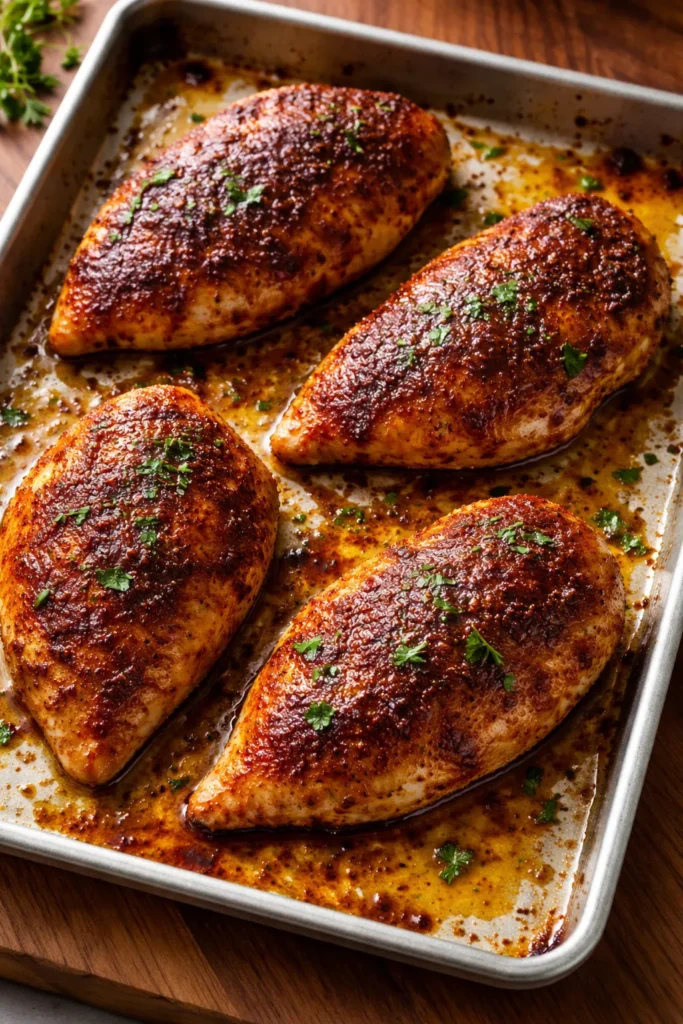
There’s a version of keto that feels like punishment — rubbery egg wraps, limp cauliflower standing in for things it was never meant to replace, and that specific sadness of eating a “pizza” made from a cheese sheet and tomato paste. If that’s been your experience, it makes sense that you’ve started side-eyeing the whole approach.
But here’s the thing: the most satisfying keto dinners aren’t pretending to be anything. They’re not trying to fake bread or simulate pasta. They’re built on real, genuinely craveable food — seared steak with herb butter, shrimp in garlic and white wine, braised short ribs so tender they fall apart on the fork. These dishes happen to be low-carb not because they’ve been manipulated into it, but because they were never built around carbs to begin with.
The 10 dinners below are the ones that convert skeptics. The kind you’d serve at a dinner party without mentioning the word “keto” once, and nobody would ever ask. Some take 20 minutes. Some take a couple of hours but require almost no hands-on effort. All of them are the kind of food that makes eating well feel less like discipline and more like something you actually want to do.
Table of Contents
- 1. Garlic Butter Steak Bites
- The Garlic Butter Finishing Move
- What to Serve Alongside
- 2. Creamy Tuscan Garlic Chicken
- Building the Sauce Without Flour
- How to Make It Work on a Weeknight
- 3. Sheet Pan Salmon and Roasted Vegetables
- Salmon Doneness and Why It Matters
- Seasoning Combinations That Elevate the Dish
- 4. Braised Short Ribs Over Mashed Cauliflower
- Searing First Is Not Optional
- Making Cauliflower Mash That Actually Tastes Good
- 5. Ground Beef and Cabbage Skillet
- Why This Dish Actually Works
- Variations That Keep It Interesting
- 6. Shrimp Scampi Without the Pasta
- Getting the Shrimp Right
- The Scampi Sauce Formula
- 7. Air Fryer Chicken Thighs with Crispy Skin
- The Seasoning Blend That Works Every Time
- Air Fryer Technique Notes
- 8. Keto Beef and Broccoli Stir Fry
- The Sauce Without Sugar
- Broccoli That Actually Has Texture
- 9. Slow Cooker Pepper Steak
- The Sauce That Sets This Apart
- Serving Options for a Complete Plate
- 10. Stuffed Flank Steak Pinwheels
- The Filling Formula
- Cooking the Pinwheels
- Final Thoughts
1. Garlic Butter Steak Bites
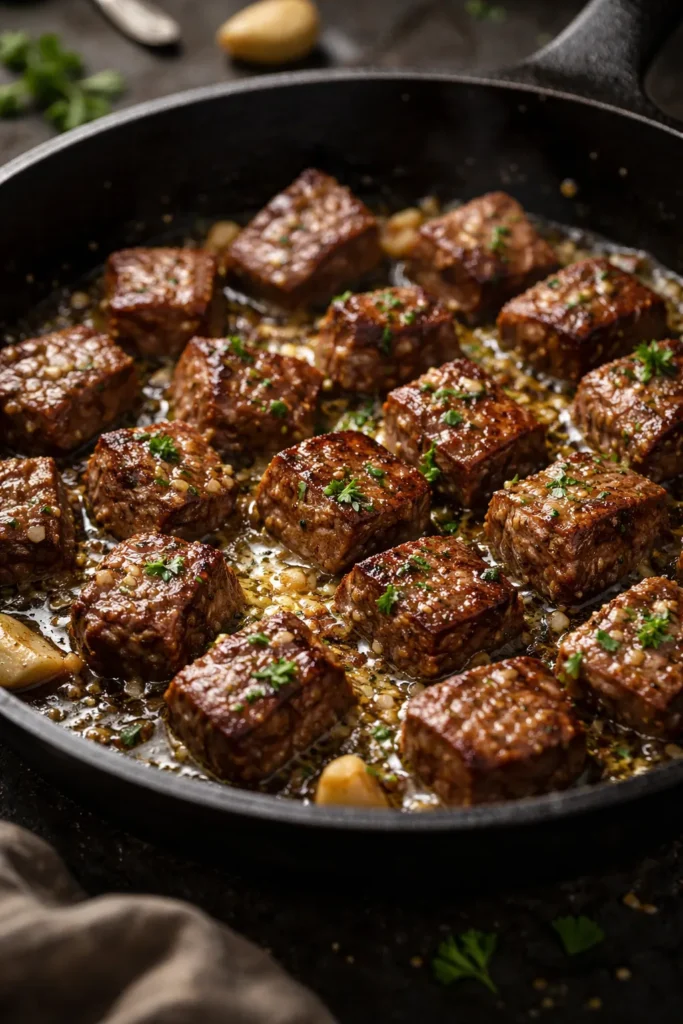
Few things hit harder after a long day than a skillet full of sizzling steak bites coated in foamy garlic butter. This dish takes about 15 minutes from fridge to plate, and it delivers the kind of deeply savory, slightly caramelized flavor you’d pay restaurant prices for. The small surface area of each bite means more crust per piece — which is, honestly, the whole point of eating steak.
The key here is heat. A cast-iron or heavy stainless skillet, screaming hot before the beef ever touches it, gives you that sear that brown sauce can’t replicate. Pat the steak pieces completely dry before they hit the pan — any surface moisture steams instead of sears, and you’ll lose that golden crust entirely.
Sirloin is the move for this dish. It has enough fat to stay tender when cut small, without the price tag of ribeye. Cut into roughly 1-inch cubes, season aggressively with salt, and work in two or three batches so you’re not crowding the pan.
The Garlic Butter Finishing Move
The butter goes in at the end, not the beginning — this is non-negotiable. Once the bites are seared and resting off the heat, drop in 2 tablespoons of unsalted butter, 4 crushed garlic cloves, and a sprig of fresh thyme. Let it foam and meld for about 60 seconds, then pour it over the steak bites like a finishing sauce.
What to Serve Alongside
- Sautéed spinach with lemon zest
- Roasted asparagus with shaved Parmesan
- Mashed cauliflower with crème fraîche
- A simple arugula salad with olive oil and sea salt
Worth knowing: A small hit of Worcestershire sauce stirred into the butter adds a subtle depth that makes people wonder what your secret ingredient is. You don’t need much — half a teaspoon is enough.
2. Creamy Tuscan Garlic Chicken
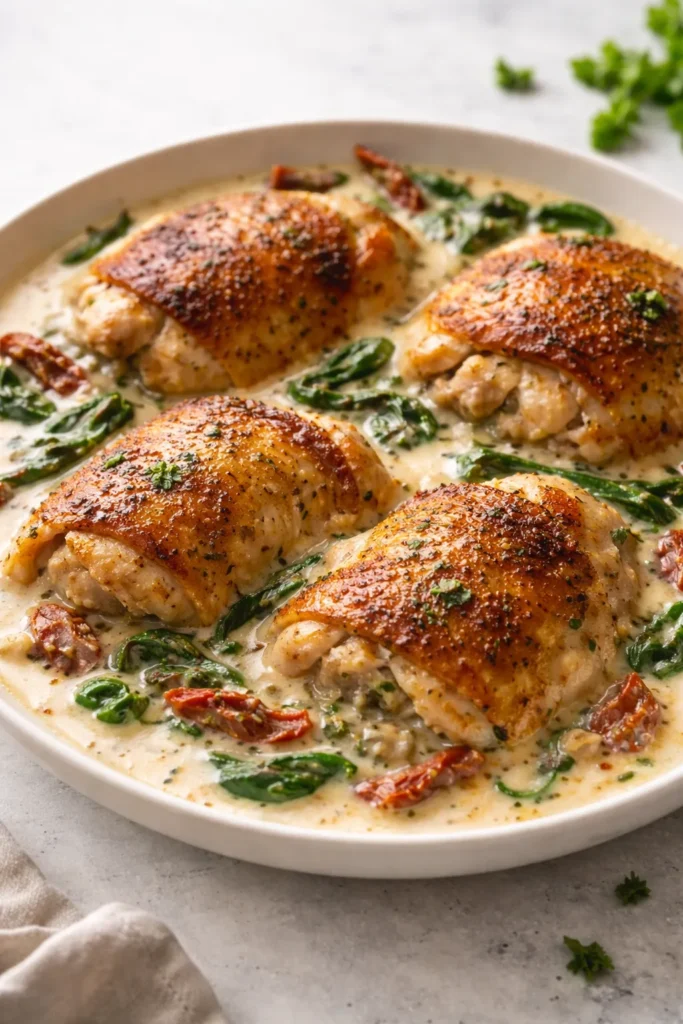
This is the dish that makes people forget they care about carbs at all. Chicken thighs seared until the skin crackles, then finished in a sauce of heavy cream, garlic, sun-dried tomatoes, and wilted spinach — it’s the kind of thing that feels indulgent in the way that good Italian food always does, not because of any particular trick but because fat and acid and heat do their job beautifully.
Thighs over breasts, always. Breasts have a narrow window between cooked and dried out; thighs are forgiving, stay juicy, and the extra fat means the fond they leave in the pan builds a better sauce. Bone-in gives you even more flavor, though boneless works when you want a faster cook.
Building the Sauce Without Flour
Traditional cream sauces often get thickened with a roux, but this one doesn’t need it. Heavy cream reduces on its own to a luscious, coating consistency when you let it simmer properly — about 4 to 5 minutes over medium heat, stirring occasionally. The fat from the chicken drippings integrates into the cream and gives it body without any starch involved.
Sun-dried tomatoes packed in oil are worth using here. They bring a concentrated, slightly jammy sweetness and a little acidity that cuts through the richness of the cream in a way that fresh tomatoes simply can’t match.
How to Make It Work on a Weeknight
- Prep takes about 10 minutes with pre-minced garlic
- The whole dish comes together in one skillet — fewer dishes matters
- It reheats beautifully the next day, making it ideal for batch cooking
- Serve over zucchini noodles or alongside roasted broccolini
One thing to watch: Don’t add the spinach until the last 2 minutes. It wilts almost instantly and will turn grey and unpleasant if it sits in hot cream for too long.
3. Sheet Pan Salmon and Roasted Vegetables
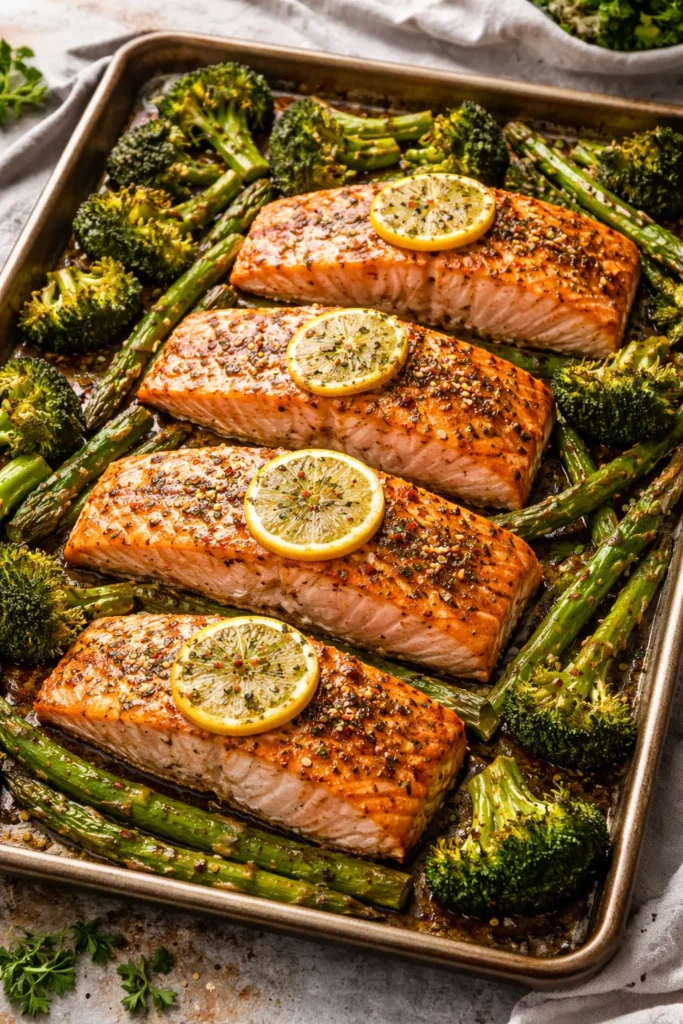
Sheet pan dinners get oversimplified sometimes — people treat them like a dump-and-bake situation and then wonder why the vegetables are soft and the protein is overcooked. But when the timing is right, a sheet pan salmon dinner is one of the most elegant, effortless meals in the keto rotation.
The principle is simple: vegetables that take longer to cook go on the pan first, the salmon goes on later. Broccoli, bell peppers, and asparagus all roast differently, so choose one or two that have similar cook times. Broccoli and asparagus both hit their sweet spot at around 400°F in 12 to 15 minutes, which is right in line with a salmon fillet.
Salmon Doneness and Why It Matters
The most common mistake with salmon is cooking it until it flakes easily throughout — which by that point, it’s actually overcooked. Salmon at its best is opaque on the outside with a slightly translucent, almost custardy center. An internal temperature of 125°F to 130°F, pulled from the oven and rested for 2 minutes, lands there perfectly.
Skin-on fillets protect the bottom of the fish from the direct heat of the pan. If you’ve always eaten salmon without the skin, try roasting it skin-side down at high heat — the skin goes crispy and almost chip-like, and it peels away cleanly if you still don’t want it.
Seasoning Combinations That Elevate the Dish
- Lemon zest, fresh dill, and garlic-infused olive oil
- Smoked paprika, cumin, and a drizzle of tahini after roasting
- Dijon mustard and chopped fresh herbs pressed onto the flesh before baking
- Miso paste thinned with a touch of sesame oil — just a thin glaze on top
Pro tip: Line the sheet pan with parchment, not foil. Fish doesn’t stick to parchment, but it absolutely will stick to foil — even greased foil — and you’ll lose half the fillet trying to free it.
4. Braised Short Ribs Over Mashed Cauliflower
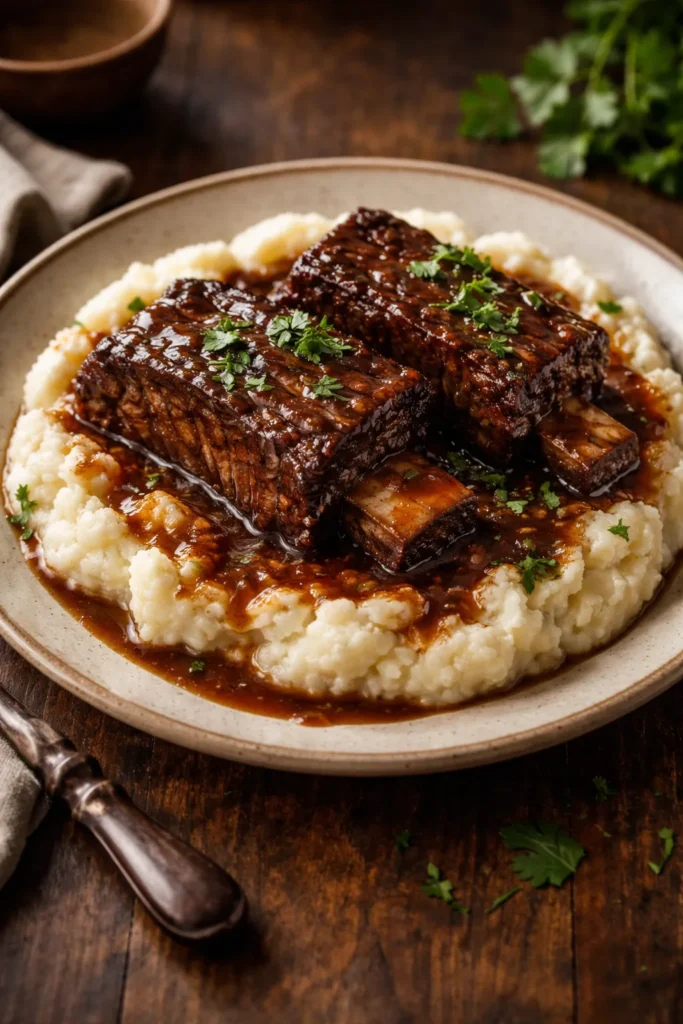
This is Sunday dinner food, the kind that fills the whole house with a smell so good it becomes a memory. Short ribs braised low and slow in beef stock and aromatics until the meat separates from the bone with the lightest nudge — served over a bowl of creamy mashed cauliflower that absorbs the braising liquid like it was made for this job, which, honestly, it was.
Short ribs are naturally keto-aligned. They’re one of the fattiest, most richly marbled cuts of beef, and that fat is what makes three hours in the oven worthwhile. There’s no shortcut here — braised meat needs time for the collagen in the connective tissue to convert to gelatin, which is what gives the final sauce its silky, lip-coating body.
Searing First Is Not Optional
Brown the short ribs on every side before they go into the braising liquid. This takes an extra 10 minutes and is 100% worth it. The Maillard reaction creates hundreds of flavor compounds on the surface of the meat that simply don’t develop in moist heat — skipping this step leaves the final dish tasting flat, no matter how good the braising liquid is.
Use a Dutch oven if you have one. It goes stovetop-to-oven seamlessly and holds heat evenly, which means more consistent cooking throughout. A tight-fitting lid is important — you want the steam to stay in the pot and keep the meat moist throughout the braise.
Making Cauliflower Mash That Actually Tastes Good
- Steam the cauliflower rather than boiling it — boiling adds water and makes the mash watery
- Process while still hot with cream cheese, butter, roasted garlic, and salt
- Pass through a fine-mesh sieve for a truly silky texture, if you want it restaurant-smooth
- Season aggressively — cauliflower needs more salt than you’d expect
Spoon the short ribs and a generous pour of reduced braising liquid over the mash. The liquid soaks into the cauliflower and transforms it entirely.
5. Ground Beef and Cabbage Skillet
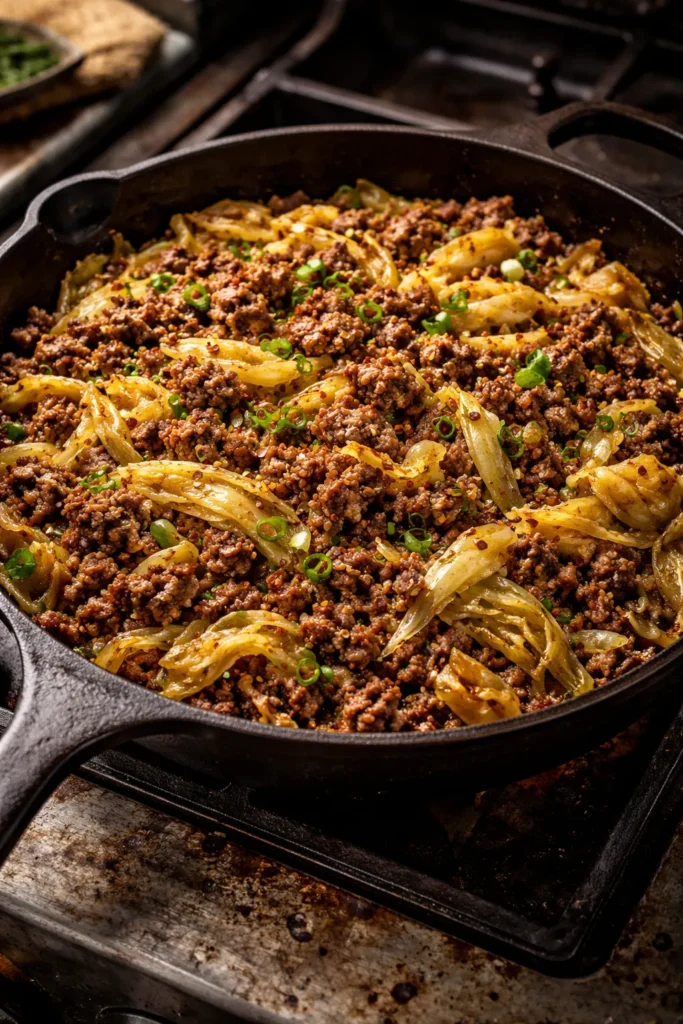
This one gets underestimated because it sounds humble. Ground beef. Cabbage. One pan. But this is the kind of meal that becomes a household staple — not because it’s merely acceptable, but because it’s genuinely, surprisingly satisfying. It’s also one of the fastest paths to a complete keto dinner that exists.
Cabbage is one of the most underrated vegetables for high-heat cooking. When it hits a hot pan with some fat and starts to caramelize at the edges, it develops a nutty, almost sweet flavor that has nothing to do with the sad boiled cabbage of childhood. Green cabbage in a cast-iron skillet over medium-high heat for 6 to 8 minutes, stirring just once or twice, transforms completely.
Why This Dish Actually Works
The fat from the ground beef renders out and seasons the cabbage as it cooks — you’re essentially building a one-pan sauce from nothing more than the natural juices and fat of the meat. Season boldly: smoked paprika, garlic powder, caraway seeds if you like them, and a generous amount of salt and black pepper.
A splash of apple cider vinegar at the end brightens everything and cuts through the richness of the beef. Just a teaspoon or two, stirred in off the heat, and it pulls the whole dish into focus.
Variations That Keep It Interesting
- Add diced kimchi in the last minute of cooking for a Korean-inspired version
- Stir in a spoonful of Dijon and a drizzle of cream for a French-style finish
- Top with a fried egg for extra richness and protein
- Add shredded cheddar off the heat and let it melt through
This dish is even better the next day, once the flavors have had time to meld. Make extra on purpose.
6. Shrimp Scampi Without the Pasta
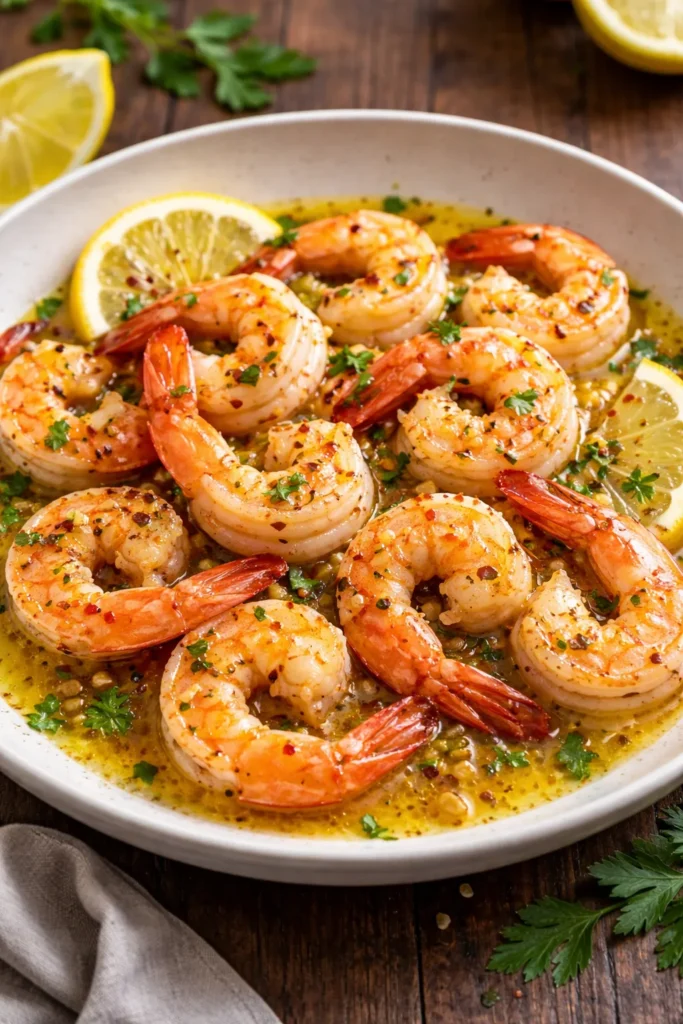
Classic shrimp scampi sits in a buttery, garlicky, white wine sauce that is, let’s be honest, the entire reason anyone orders it. The pasta it normally comes with is almost incidental — a vehicle for the sauce, nothing more. Which means removing the pasta doesn’t actually hurt anything. The sauce remains, and it’s still the best part.
What you lose in pasta, you replace with something that absorbs sauce just as effectively: zucchini noodles, or nothing at all. Shrimp scampi served in a shallow bowl with crusty (well, in this case, non-existent) bread to soak up the sauce is still a complete and satisfying dinner. If you want to serve something alongside, roasted cauliflower works, or a simple green salad dressed lightly with lemon.
Getting the Shrimp Right
Shrimp overcooks in under 2 minutes per side at medium-high heat. This is the single most important piece of information in this entire section. As soon as they curl into a C-shape and turn opaque pink, they’re done. A tight O-shape means overcooked and rubbery — there’s no fixing it at that point.
Use large or extra-large shrimp, peeled and deveined. Pat them dry before they hit the pan — the same rule as the steak bites. A dry surface means a better sear, even on shrimp.
The Scampi Sauce Formula
- 3 tablespoons unsalted butter
- 4 cloves garlic, thinly sliced (not minced — sliced pieces have a milder, sweeter bite)
- ¼ cup dry white wine (or chicken stock if avoiding alcohol)
- Juice of half a lemon
- A handful of flat-leaf parsley, roughly chopped
- Red pepper flakes to taste
The sauce comes together in the same pan the shrimp cooked in, in about 3 minutes. Add the shrimp back in, toss to coat, and serve immediately.
7. Air Fryer Chicken Thighs with Crispy Skin
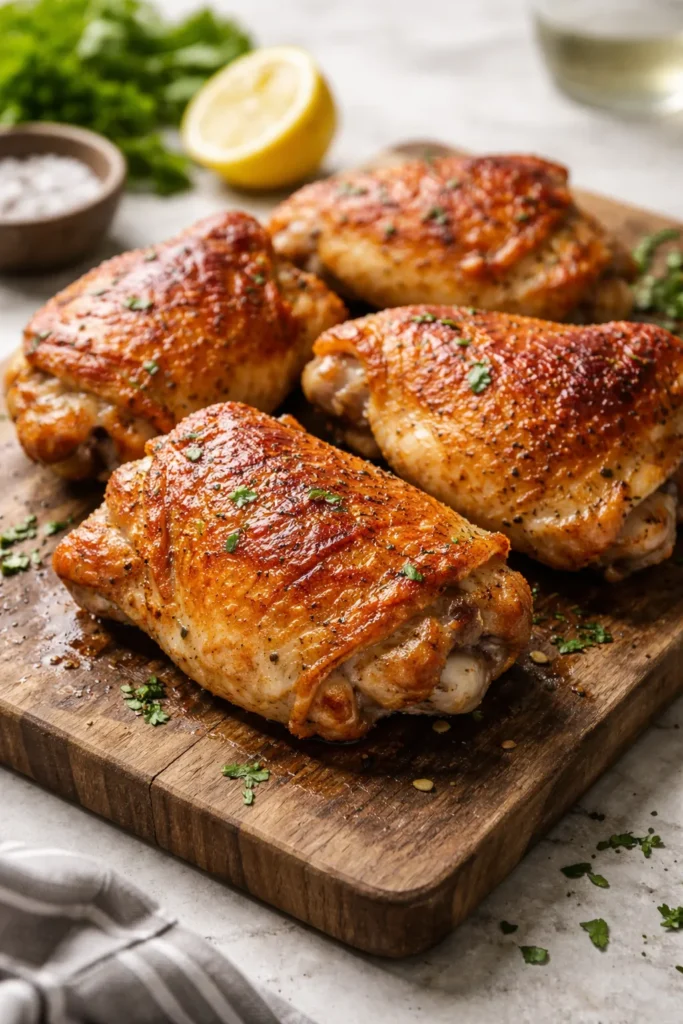
The air fryer has earned its permanent spot on the counter for exactly this kind of result: chicken thighs with skin so crackling-crispy it shatters, and meat underneath that stays unbelievably juicy. It takes 20 minutes, no hot oven required, and no fussing with oil on a stovetop.
Bone-in, skin-on thighs work best. The bone insulates the meat from the heat and slows cooking slightly in the interior, while the skin gets the full benefit of the circulating hot air from every direction. The result is closer to fried chicken than most people expect from a “healthy” cooking method — and that’s without any breading whatsoever.
The Seasoning Blend That Works Every Time
Mix equal parts smoked paprika, garlic powder, onion powder, dried thyme, salt, and black pepper. About 1 teaspoon of each for 4 thighs. Pat the chicken dry, rub it all over with a thin layer of olive oil, then coat generously with the spice blend. Let it sit at room temperature for 15 minutes before cooking — this helps the skin dry out slightly, which contributes to the final crispness.
Air Fryer Technique Notes
- Cook at 400°F for 18 to 22 minutes, skin-side up, without flipping
- Don’t overcrowd the basket — leave space between pieces for air to circulate
- Check internal temperature at 18 minutes — you’re looking for 165°F
- Let the chicken rest for 5 minutes before cutting in; the juices redistribute and the skin firms up even more
Serve with a quick sauce — tahini thinned with lemon juice, or a garlic aioli made with good mayo — and a pile of roasted broccolini.
8. Keto Beef and Broccoli Stir Fry
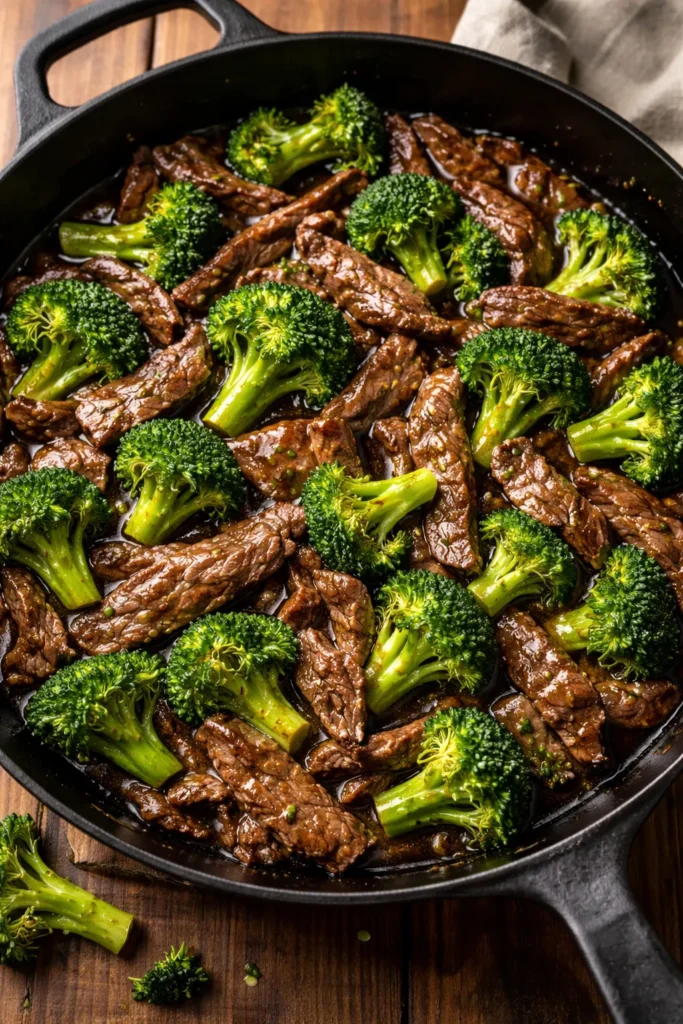
The takeout version of beef and broccoli is loaded with sugar and cornstarch — the sauce is thick and sticky-sweet in a way that masks the actual flavor of the ingredients. This version strips all of that back and arrives somewhere better: savory, deeply umami, and built around the actual beef and broccoli rather than burying them in glaze.
Flank steak, sliced thin against the grain, is the right cut for this. Slice it while it’s still slightly frozen — just 20 minutes in the freezer makes the thin slicing far easier and more consistent. Thin slices mean maximum surface area, which means more sear, which means more flavor per bite.
The Sauce Without Sugar
Traditional beef and broccoli leans on oyster sauce and sugar for its distinctive taste. This version uses:
- 3 tablespoons soy sauce (or coconut aminos for slightly lower sodium)
- 1 tablespoon sesame oil
- 1 teaspoon grated fresh ginger
- 2 cloves garlic, minced
- A pinch of red pepper flakes
- Optional: a few drops of liquid stevia if you want a hint of sweetness, but honestly, the ginger does enough
Whisk together and add at the end of cooking — the heat of the pan reduces and concentrates the sauce in about 90 seconds.
Broccoli That Actually Has Texture
The broccoli should have some char and bite, not be soft. Cook it first in the hot pan with a splash of water and a lid for 2 minutes, then remove the lid and let the water evaporate completely. Then the beef goes in. Never add both proteins and vegetables at the same time — they’ll steam each other instead of searing.
9. Slow Cooker Pepper Steak
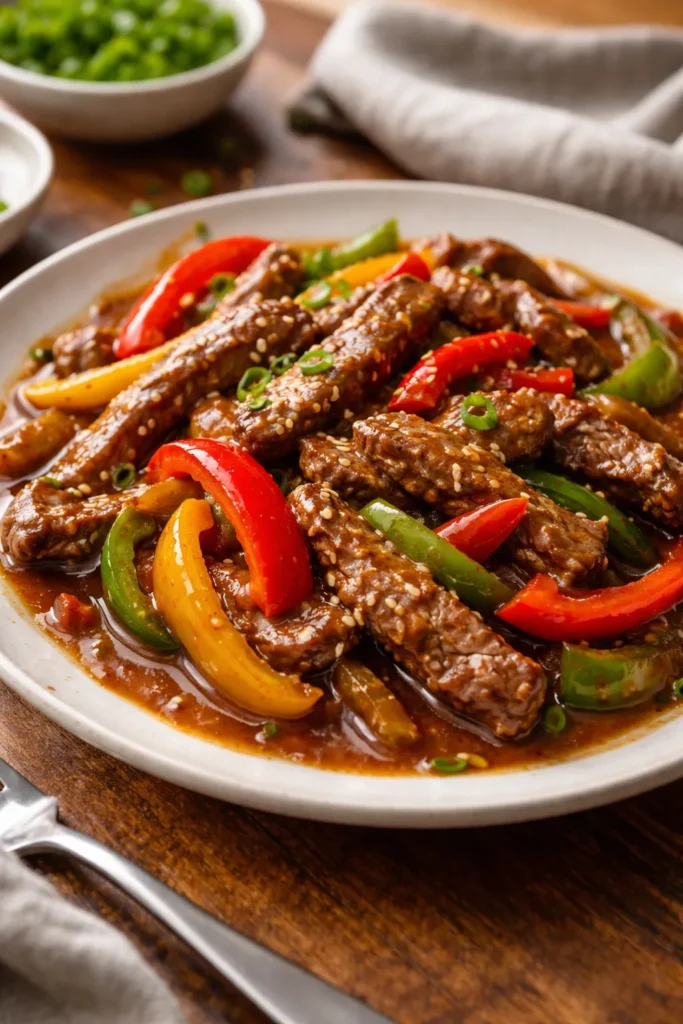
Some nights call for something that does the work without any help from you. Slow cooker pepper steak is exactly that — beef and peppers simmered all day in a rich, glossy sauce that thickens as it cooks, with almost no active prep time required. Fifteen minutes in the morning and dinner is ready when you walk back through the door.
Flank steak or skirt steak, cut into strips, is the traditional choice. The slow cooker’s gentle heat breaks down the tougher fibers in these cuts over 6 to 8 hours on low, resulting in tender, almost fork-shredding beef. Don’t rush it on high — the texture changes significantly, and you lose the melt-in-your-mouth quality that makes this dish worth making.
The Sauce That Sets This Apart
The base is beef broth and soy sauce, with garlic, ginger, and a touch of tomato paste for depth and slight acidity. The tomato paste browns slightly against the bottom of the slow cooker and adds a roasted, savory note that makes the final sauce taste like it’s been developed for hours — which, to be fair, it has.
Bell peppers go in during the last 90 minutes of cooking, not the beginning. If they go in at the start, they dissolve into nothing. Added late, they retain just enough texture to contrast with the silky beef.
Serving Options for a Complete Plate
- Over cauliflower rice — the rice absorbs every drop of sauce
- On its own in a bowl with a spoonful of the braising liquid
- Spooned over wilted bok choy for an Asian-inspired presentation
- With a side of steamed broccoli to round out the meal
Make a double batch. This reheats better than almost anything else on this list.
10. Stuffed Flank Steak Pinwheels
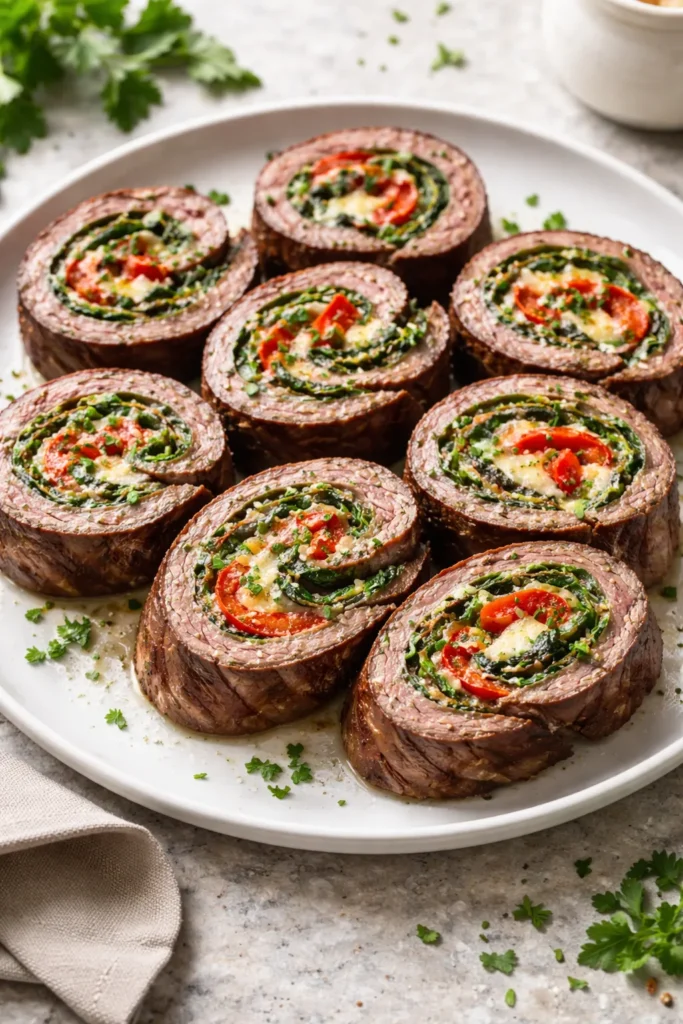
This is the dinner that looks like it required a culinary degree and actually takes about 40 minutes, including oven time. Flank steak, butterflied and pounded thin, gets filled with a savory stuffing of spinach, roasted red peppers, and Parmesan, then rolled tightly, tied with kitchen twine, and sliced into pinwheels before serving. The cross-section of each piece looks stunning on the plate.
The key to a clean pinwheel is rolling tightly and chilling before slicing. After tying off the roll, 20 minutes in the fridge firms everything up and makes cutting through clean rounds much easier. Use a sharp knife and confident, single cuts — sawing back and forth drags the filling out.
The Filling Formula
This is where you can customize based on what you have. The essentials are:
- Something green and leafy (spinach, arugula, fresh basil)
- Something with concentrated flavor (roasted red peppers, sun-dried tomatoes, olive tapenade)
- Something that binds and melts (Parmesan, provolone, fontina)
Sauté the greens with garlic first to cook off excess moisture — wet filling makes the roll slip and slide while you’re cutting. Spread in an even layer, leaving a 1-inch border at the far edge so everything doesn’t push out when you roll.
Cooking the Pinwheels
Sear the whole roll in an oven-safe pan first — 2 minutes per side over high heat to build a crust — then transfer to a 375°F oven for 18 to 22 minutes until the internal temperature reaches 135°F for medium-rare. Rest for 8 minutes before removing the twine and slicing.
- Slice into 1½-inch pinwheels for plating
- Drizzle with the pan drippings or a quick chimichurri
- Serve with roasted asparagus or a simple bitter green salad
This dish is genuinely impressive for a dinner party — and no one needs to know it’s also completely low-carb.
Final Thoughts
The pattern running through every one of these dinners is the same: none of them are trying to fill a gap left by something they’re not. Garlic butter steak bites don’t miss bread. Braised short ribs don’t need pasta. Shrimp scampi’s sauce is the point — the noodles were never really the star anyway.
That’s the shift worth making if keto has started to feel restrictive. Stop thinking in terms of what you can’t have and start choosing dishes that have always been built on exactly what the diet allows: good fat, quality protein, and vegetables cooked with real technique and seasoning.
Start with one dish from this list — whichever one made you genuinely hungry just reading it. Nail that one, make it part of your week, and add the next. The goal is a repertoire of dinners you’re actually excited about, not a roster of acceptable replacements. That’s the version of keto that actually sticks.