Table of Contents
- Unlock Your Garden’s Potential: 10 Secrets to Successful Fruit Trees For Home Garden
- Why Growing Fruit Trees at Home is Worth Every Effort
- Secret #1: Choosing the Right Fruit Tree Varieties for Your Climate
- Understanding Hardiness Zones and Chill Hours
- Recommended Varieties by Region
- Secret #2: Selecting the Perfect Planting Location
- Sunlight Requirements and Orientation
- Drainage and Air Circulation
- Secret #3: Preparing the Soil for Optimal Growth
- Soil Testing and pH Optimization
- Building Soil Structure and Fertility
- Secret #4: Mastering the Art of Proper Planting Techniques
- Timing Your Planting for Success
- Step-by-Step Planting Process
- Secret #5: Establishing an Effective Watering Schedule
- Deep Watering Techniques
- Recognizing Water Stress Signals
- Secret #6: Implementing Strategic Pruning Practices
- Understanding Pruning Timing and Purposes
- Pruning Cuts and Techniques
- Secret #7: Understanding Fertilization and Nutrition
- Timing and Application Methods
- Organic vs. Synthetic Options
- Secret #8: Protecting Your Trees from Pests and Diseases
- Integrated Pest Management Strategies
- Common Problems and Solutions
- Secret #9: Pollination Requirements and Solutions
- Self-Pollinating vs. Cross-Pollinating Varieties
- Attracting and Supporting Pollinators
- Secret #10: Patience and Long-Term Care Strategies
- Setting Realistic Expectations
- Year-Round Care Calendar
- Common Mistakes to Avoid When Growing Fruit Trees
- Planting Too Deep
- Neglecting Young Tree Training
- Ignoring Early Pest Signs
- Over-Fertilizing
- Improper Watering
- Final Thoughts: Your Journey to Fruit Tree Success Starts Now
Unlock Your Garden’s Potential: 10 Secrets to Successful Fruit Trees For Home Garden
There’s something deeply satisfying about walking into your backyard and plucking a perfectly ripe apple, peach, or cherry straight from your own tree. The taste of homegrown fruit simply cannot compare to anything you’ll find at the supermarket—it’s fresher, more flavorful, and carries the unmistakable pride of personal cultivation. Yet, many aspiring gardeners find themselves frustrated when their fruit trees fail to thrive, produce disappointing yields, or succumb to diseases and pests before ever bearing fruit.
The truth is, growing successful fruit trees isn’t about luck or having a naturally green thumb. It’s about understanding the fundamental principles that govern tree health and implementing proven strategies that professional orchardists have refined over generations. Whether you’re dreaming of homemade apple pies, fresh-squeezed citrus juice, or simply want to add beauty and productivity to your landscape, mastering these ten essential secrets will transform your home garden into a thriving fruit-producing paradise.
In this comprehensive guide, you’ll discover everything from selecting the perfect varieties for your specific climate to implementing pest management strategies that protect your investment for years to come. These aren’t just theoretical concepts—they’re actionable techniques that will set your fruit trees up for long-term success and abundant harvests.
Why Growing Fruit Trees at Home is Worth Every Effort
Before diving into the secrets of success, it’s essential to understand why fruit trees represent one of the most rewarding additions to any home garden. The benefits extend far beyond simply having fresh produce at your fingertips.
Growing fruit trees at home offers unparalleled rewards that touch on health, economics, environmental sustainability, and personal satisfaction. Unlike annual vegetable gardens that require replanting each season, fruit trees are long-term investments that continue producing for decades with proper care. A single well-maintained apple tree can produce 400-800 pounds of fruit annually, while mature peach trees commonly yield 100-150 pounds per season.

The economic benefits accumulate significantly over time. While the initial investment includes purchasing quality nursery stock and establishing proper growing conditions, mature fruit trees essentially provide free organic produce year after year. Consider that organic apples retail for $2-4 per pound, and a productive tree quickly pays for itself while continuing to deliver value indefinitely.
Beyond practical considerations, fruit trees contribute to local ecosystems by providing habitat for beneficial insects, birds, and pollinators. They improve air quality, reduce your carbon footprint by eliminating transportation emissions associated with store-bought produce, and create beautiful landscape features that increase property values. The psychological benefits of nurturing living things and connecting with natural cycles shouldn’t be underestimated either—gardening has been proven to reduce stress and improve mental well-being.
Secret #1: Choosing the Right Fruit Tree Varieties for Your Climate
This foundational decision determines everything that follows. Selecting appropriate varieties for your specific climate conditions is the single most important factor in fruit tree success. Even perfect care cannot overcome the fundamental mismatch between a tree’s requirements and your local growing conditions.
Understanding Hardiness Zones and Chill Hours
Every fruit tree variety has specific temperature requirements that must be met for proper growth and fruit production. The USDA Plant Hardiness Zone Map divides North America into 13 zones based on average annual minimum winter temperatures. Your first step is identifying your zone and selecting varieties rated for your area or colder.
Equally important is understanding “chill hours”—the cumulative time temperatures remain between 32°F and 45°F during dormancy. Many fruit trees require specific chill hour accumulations to break dormancy properly and produce fruit. Apples typically need 500-1,000 chill hours, while low-chill varieties exist for warmer climates with only 100-400 hours. Choosing varieties matched to your local chill hour averages prevents frustrating failures where trees grow vigorously but never fruit.
Research your specific microclimate as well. South-facing slopes warm earlier in spring, potentially exposing early-blooming varieties to late frost damage. Low-lying areas collect cold air, creating “frost pockets” that can damage sensitive trees. Understanding these nuances helps you make informed variety selections.
Recommended Varieties by Region
Different regions favor different fruit tree types:
- Northern climates (Zones 3-5): Cold-hardy apple varieties like Honeycrisp, Haralson, and Zestar excel, along with hardy pear varieties and tart cherries
- Temperate regions (Zones 6-7): Enjoy the widest selection including peaches, apricots, sweet cherries, and most apple varieties
- Southern regions (Zones 8-10): Focus on low-chill varieties, citrus, figs, and persimmons
- Coastal areas: Consider salt tolerance and disease resistance against fungal issues common in humid conditions
Consult your local agricultural extension office for variety recommendations specific to your area. These experts understand local conditions intimately and can suggest proven performers.
Secret #2: Selecting the Perfect Planting Location
Location fundamentally shapes your tree’s entire life. The spot you choose determines sunlight exposure, drainage quality, protection from elements, and long-term growth potential. Taking time to evaluate options carefully prevents costly mistakes.
Sunlight Requirements and Orientation
Fruit trees are sun-worshippers that require abundant direct light for optimal fruit production. Most varieties need minimum 6-8 hours of direct sunlight daily, with full sun (8+ hours) producing the best results. Insufficient light leads to weak growth, poor fruit set, reduced sweetness, and increased disease susceptibility.
Evaluate potential planting sites throughout the day, noting shadow patterns from buildings, fences, and existing trees. Remember that shadows lengthen during fall and winter—trees that seem sunny in summer may experience significant shading during critical growing periods. Southern exposure typically provides the best conditions in the Northern Hemisphere, offering maximum sun exposure and earlier spring warming.
Consider future shading from young trees nearby that will grow larger over time. Planning for mature sizes prevents problems years down the road when removing established trees becomes the only solution.
Drainage and Air Circulation
Poor drainage kills more fruit trees than almost any other factor. Fruit tree roots cannot survive prolonged waterlogging, which depletes soil oxygen and encourages root rot diseases. Before planting, test drainage by digging a hole 12 inches deep, filling with water, and observing how quickly it drains. Water should disappear within 24 hours; slower drainage indicates problems.
Avoid low-lying areas where water collects after rain. If your only options have marginal drainage, consider planting on raised berms or mounds that elevate root zones above saturated soil levels. Good air circulation is equally important for disease prevention—stagnant, humid air promotes fungal infections. Ensure adequate spacing from structures and other trees to allow airflow.
Secret #3: Preparing the Soil for Optimal Growth
Healthy soil creates healthy trees. While fruit trees adapt to various soil types, investing effort in soil preparation pays dividends through stronger growth, better fruit production, and increased disease resistance throughout the tree’s life.
Soil Testing and pH Optimization
Before planting, conduct a comprehensive soil test through your local extension service or a reputable laboratory. This analysis reveals crucial information about pH levels, nutrient content, organic matter percentage, and potential deficiencies or toxicities requiring correction.
Most fruit trees prefer slightly acidic to neutral soil (pH 6.0-7.0). Blueberries require more acidic conditions (pH 4.5-5.5), while some stone fruits tolerate slightly alkaline soils. Adjusting pH before planting is far easier than correcting problems later. Raise pH with agricultural lime; lower it with elemental sulfur or acidifying fertilizers. Allow several months for amendments to affect soil chemistry before planting.
Key soil test interpretations include:
- Nitrogen levels: Affects vegetative growth; deficiency causes pale leaves
- Phosphorus: Critical for root development and fruit production
- Potassium: Improves disease resistance and fruit quality
- Calcium and magnesium: Essential secondary nutrients often overlooked
- Micronutrients: Iron, zinc, manganese, and boron deficiencies cause specific problems
Building Soil Structure and Fertility
Organic matter is the foundation of healthy soil. It improves drainage in clay soils, increases water retention in sandy soils, provides slow-release nutrients, and supports beneficial soil microorganisms. Incorporate 3-4 inches of quality compost into the planting area, extending well beyond the immediate planting hole.
Avoid the outdated practice of filling planting holes with amended soil dramatically different from surrounding native soil. This creates “container effect” where roots circle within the amended zone rather than spreading into surrounding soil. Instead, improve the entire planting area uniformly, blending amendments with native soil to encourage healthy root exploration.
Consider cover cropping the planting area the season before installation. Plants like clover fix atmospheric nitrogen, while deep-rooted species break up compacted subsoils and add organic matter when turned under.
Secret #4: Mastering the Art of Proper Planting Techniques
How you plant matters as much as where you plant. Proper planting technique establishes the foundation for decades of healthy growth, while mistakes made during installation can haunt trees throughout their lives.
Timing Your Planting for Success
The best planting time depends on your climate and tree type. In most regions, late winter to early spring planting—while trees remain dormant but soil is workable—provides optimal conditions. Trees establish root systems before facing summer heat stress.
Fall planting works well in mild-winter areas (Zones 7+), giving trees months of cool, moist conditions for root establishment before spring growth demands. Avoid planting during extreme conditions—frozen soil, drought, or heat waves stress newly installed trees unnecessarily. Container-grown trees offer more planting flexibility than bare-root stock but still perform best when planted during mild conditions.
Bare-root trees require immediate planting upon arrival—roots must never dry out. Soak roots in water for 1-2 hours before planting, and never leave exposed to sun or wind. Container-grown trees tolerate brief delays but should be planted promptly for best results.
Step-by-Step Planting Process
Follow these critical steps for successful installation:
-
Dig an appropriate hole: Make it 2-3 times wider than the root ball but only as deep as the root system. Wide holes encourage horizontal root spread into loosened soil. Avoid creating a narrow, deep “flower pot” that constrains roots.
-
Identify the graft union: Most fruit trees are grafted onto rootstocks selected for specific characteristics. The graft union (visible bulge near the base) must remain 2-4 inches above soil level. Burying it allows scion wood to root, negating rootstock benefits and potentially creating overly vigorous or disease-susceptible trees.
-
Position and backfill: Set the tree so the root flare (where trunk meets roots) sits at or slightly above grade level. Backfill with native soil, tamping firmly to eliminate air pockets that dry roots. Create a slight basin around the tree to direct water toward roots during establishment.
-
Water thoroughly: Immediately after planting, water deeply to settle soil around roots and eliminate remaining air pockets. Apply 2-3 inches of mulch, keeping it several inches away from the trunk to prevent rot and rodent damage.
Secret #5: Establishing an Effective Watering Schedule
Water management separates thriving trees from struggling ones. Both overwatering and underwatering cause serious problems, but establishing proper irrigation practices ensures consistent growth and fruit production.
Deep Watering Techniques
Shallow, frequent watering creates shallow root systems vulnerable to drought stress and toppling. Instead, water deeply but less frequently, encouraging roots to grow downward in search of moisture. This develops extensive root systems that access water and nutrients from larger soil volumes.
For newly planted trees, provide 5-10 gallons weekly during the first growing season, adjusting based on rainfall and temperature. Established trees require approximately 1 inch of water weekly during the growing season, delivered through rain or irrigation. Sandy soils drain quickly and require more frequent applications; clay soils retain moisture longer.
The best watering method depends on your situation:
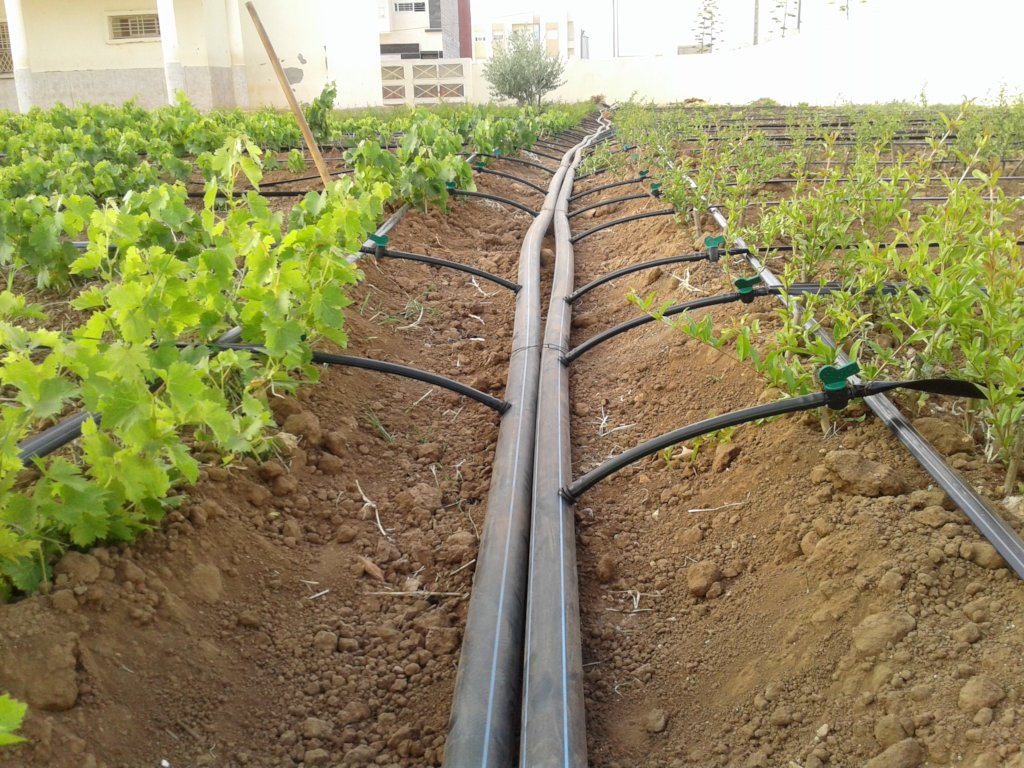
- Drip irrigation: Delivers water slowly directly to root zones, minimizing waste and keeping foliage dry
- Soaker hoses: Inexpensive alternative that waters slowly at ground level
- Deep watering stakes: Direct water to root zones, particularly useful for established trees
- Sprinklers: Less efficient but acceptable when foliage has time to dry before evening
Recognizing Water Stress Signals
Learn to read your trees’ communications. Early signs of water stress include:
- Wilting or drooping leaves, especially during afternoon heat
- Dull, grayish-green leaf color rather than vibrant green
- Premature leaf drop or browning leaf edges
- Curling leaves that fail to flatten even in cooler conditions
Overwatering symptoms often mimic underwatering initially but progress to yellowing leaves, stunted growth, and root rot. Check soil moisture before watering—insert a screwdriver or moisture meter to assess conditions at root depth. Water only when the top 2-4 inches feel dry.
Mulching conserves moisture dramatically, reducing watering needs by 25-50%. Apply 3-4 inches of organic mulch (wood chips, shredded bark, straw) in a wide circle around trees, replenishing as it decomposes.
Secret #6: Implementing Strategic Pruning Practices
Pruning shapes both structure and productivity. This essential skill intimidates many gardeners, but understanding basic principles and techniques transforms pruning from mystery to mastery.
Understanding Pruning Timing and Purposes
Different goals require different timing. Winter pruning during dormancy stimulates vigorous spring growth and allows clear visibility of branch structure. Summer pruning controls excessive growth, improves air circulation, and allows sunlight penetration without stimulating extensive regrowth.
The primary purposes of pruning include:
- Establishing structure: Young trees require training to develop strong branch architecture that supports heavy fruit loads
- Maintaining size: Keep trees at manageable heights for harvesting and care
- Improving light penetration: Opens canopy interior, improving fruit color and quality
- Removing problems: Eliminates dead, diseased, damaged, and crossing branches
- Encouraging fruit production: Balances vegetative growth with fruiting wood development
Remove the “3 Ds” first: Dead, diseased, and damaged wood should be cut out regardless of timing. Then address crossing or rubbing branches that wound bark and provide disease entry points. Finally, make structural and aesthetic improvements.
Pruning Cuts and Techniques
Master these fundamental techniques:
-
Heading cuts: Remove portion of a branch, stimulating multiple new shoots below the cut. Use sparingly—excessive heading creates dense, unproductive growth.
-
Thinning cuts: Remove entire branches at their origin point, opening the canopy without stimulating excessive regrowth. This is your primary pruning technique for maintaining healthy, productive trees.
-
Bench cuts: Remove upright-growing branches to outward-facing laterals, controlling height and spreading canopy for better light penetration.
Always cut just outside the branch collar—the slightly swollen area where branches meet larger limbs or trunks. Cutting flush damages trunk tissue; leaving stubs encourages decay. Proper cuts heal quickly with minimal disease entry.
Secret #7: Understanding Fertilization and Nutrition
Proper nutrition fuels growth and fruit production. However, more isn’t always better—balanced fertilization based on actual needs produces healthier trees than excessive feeding.
Timing and Application Methods
Most fruit trees benefit from annual fertilization in early spring as growth begins. This timing provides nutrients when trees need them most for flowering, fruit set, and vegetative growth. Avoid late-season fertilization that stimulates tender growth vulnerable to winter damage.
Calculate application rates based on trunk diameter and tree age. Young trees require less fertilizer than mature specimens. A general guideline suggests 1/10 pound actual nitrogen per inch of trunk diameter, up to maximum rates specified for specific tree types.
Application methods include:
- Broadcast application: Spread granular fertilizer evenly under the canopy, extending to the drip line
- Banding: Apply in a circle 12-18 inches from the trunk
- Foliar feeding: Spray diluted fertilizer directly on leaves for quick nutrient uptake
- Deep root feeding: Inject liquid fertilizer into root zones using specialized equipment
Water thoroughly after applying granular fertilizers to carry nutrients into the root zone and prevent root burn from concentrated salts.
Organic vs. Synthetic Options
Both organic and synthetic fertilizers effectively supply essential nutrients, each with distinct advantages:
Organic fertilizers (compost, aged manure, bone meal, blood meal, fish emulsion) release nutrients slowly as soil organisms break down organic compounds. They improve soil structure, support beneficial microorganisms, and pose minimal risk of over-application damage. The gradual release matches trees’ ongoing nutritional needs throughout the growing season.
Synthetic fertilizers offer precise nutrient ratios and immediate availability. They’re cost-effective for correcting specific deficiencies identified through soil testing. However, they don’t improve soil structure and require careful application to avoid burning roots or polluting groundwater.
Many successful gardeners combine approaches: building soil health with organic amendments while addressing specific deficiencies with targeted synthetic applications when necessary.
Secret #8: Protecting Your Trees from Pests and Diseases
Prevention always beats treatment. Establishing protective practices before problems occur saves tremendous effort compared to battling established infestations or infections.
Integrated Pest Management Strategies
Integrated Pest Management (IPM) combines multiple approaches for effective, environmentally responsible pest control. Rather than relying solely on pesticides, IPM emphasizes cultural practices, biological controls, and mechanical interventions, using chemical treatments only when necessary.
Key IPM principles include:
- Monitoring: Regularly inspect trees for pest presence and damage. Early detection enables intervention before populations explode.
- Identification: Correctly identify pests before treatment. Many insects are beneficial or harmless; killing them indiscriminately disrupts natural pest control.
- Thresholds: Tolerate minor pest presence when damage remains cosmetic. Eliminating every insect is impossible and unnecessary.
- Cultural controls: Maintain tree health through proper watering, fertilization, and pruning. Stressed trees attract pests and succumb more easily to damage.
- Biological controls: Encourage predatory insects, birds, and other natural enemies. Avoid broad-spectrum pesticides that kill beneficial organisms.
Common Problems and Solutions
Be prepared for these frequent challenges:
-
Aphids: Soft-bodied insects that cluster on new growth, causing distortion and leaving sticky honeydew. Strong water sprays dislodge them; insecticidal soaps provide control when necessary. Encourage ladybugs and lacewings, which consume aphids voraciously.
-
Codling moth: The infamous “worm in the apple.” Pheromone traps monitor populations; kaolin clay sprays create barriers; properly timed organic or conventional insecticides target emerging larvae.
-
Apple scab and brown rot: Fungal diseases causing fruit damage and defoliation. Remove fallen leaves and fruit; prune for air circulation; apply fungicides preventively during susceptible periods.
-
Fire blight: Bacterial disease affecting apples and pears, causing distinctive scorched-looking branches. Prune infected wood promptly, sterilizing tools between cuts. Select resistant varieties when possible.
-
Borers: Larvae that tunnel into trunks and branches. Maintain tree vigor; wrap young tree trunks; avoid mechanical damage that provides entry points.
Secret #9: Pollination Requirements and Solutions
Without proper pollination, fruit trees cannot produce. Understanding pollination requirements prevents the frustrating situation of healthy, blooming trees that never set fruit.
Self-Pollinating vs. Cross-Pollinating Varieties
Fruit trees fall into distinct pollination categories that determine whether they require planting partners:
Self-fertile (self-pollinating) varieties can produce fruit using their own pollen. These include most peaches, nectarines, apricots, sour cherries, and certain apple varieties. While convenient for small gardens, even self-fertile trees often produce better yields when cross-pollinated.
Self-sterile varieties require pollen from different compatible varieties to produce fruit. Most apples, pears, sweet cherries, and plums fall into this category. You must plant at least two compatible varieties that bloom simultaneously for successful pollination.
Compatibility varies by species:
- Apples: Most varieties cross-pollinate each other, with few exceptions (triploid varieties like Jonagold require two pollinators)
- Sweet cherries: Complex compatibility groups require careful variety selection
- Pears: Most European pears require cross-pollination; ‘Bartlett’ and ‘Seckel’ are incompatible with each other
Attracting and Supporting Pollinators
Bees perform the majority of fruit tree pollination. Creating pollinator-friendly environments ensures adequate bee presence during crucial bloom periods:
- Avoid pesticide applications during bloom: Even organic pesticides kill bees. Time any necessary treatments for before or after flowering.
- Plant pollinator habitat: Include diverse flowering plants that bloom before and after fruit trees, sustaining bee populations throughout the season.
- Provide nesting sites: Leave undisturbed ground areas for native ground-nesting bees; install mason bee houses for these efficient pollinators.
- Eliminate pesticide drift: Coordinate with neighbors to protect shared pollinator populations.
Consider hand pollination for small-scale production or when natural pollination fails. Use a small paintbrush to transfer pollen between flowers during morning hours when pollen is most viable.
Secret #10: Patience and Long-Term Care Strategies
Fruit tree success requires a multi-year perspective. Understanding realistic timelines and committing to consistent long-term care separates successful growers from those who give up prematurely.
Setting Realistic Expectations
New fruit trees don’t produce immediately. Most require 3-5 years from planting before significant fruit production begins, with some varieties taking longer:
- Apples: 4-8 years, depending on rootstock
- Pears: 4-6 years
- Peaches/Nectarines: 2-4 years
- Cherries: 4-7 years
- Citrus: 3-6 years
Dwarf rootstocks generally fruit earlier than standard-sized trees, making them attractive choices for impatient gardeners. However, they typically require permanent staking and more intensive management.
During the establishment period, remove flowers and young fruit to direct energy toward root and branch development. This sacrifice in the short term produces stronger, more productive trees long-term. After 2-3 years, gradually allow increasing fruit loads as trees mature.
Year-Round Care Calendar
Successful fruit tree management follows seasonal rhythms:
Late Winter (February-March):
- Prune dormant trees before bud break
- Apply dormant oil sprays for scale and overwintering pests
- Plan any new plantings
Spring (April-May):
- Complete planting of new trees
- Begin fertilization programs
- Monitor for early pest and disease problems
- Thin fruit after natural drop to improve size and quality
Summer (June-August):
- Maintain irrigation during dry periods
- Continue pest and disease monitoring
- Perform light summer pruning if needed
- Harvest early-season varieties
Fall (September-November):
- Complete harvests
- Clean up fallen fruit and leaves
- Apply trunk guards against rodent damage
- Prepare trees for winter dormancy
Winter (December-January):
- Plan next season’s activities
- Order new trees for spring planting
- Research new varieties and techniques
Common Mistakes to Avoid When Growing Fruit Trees
Learning from others’ errors accelerates your success. These frequently encountered mistakes derail many fruit tree projects:
Planting Too Deep
Burying trees too deeply is surprisingly common and causes slow decline that puzzles many gardeners. When root flares sit below grade level, bark rots, gas exchange decreases, and trees slowly weaken. Always verify proper planting depth, adjusting if necessary even after initial installation.
Neglecting Young Tree Training
The first three years establish lifetime structure. Failing to train young trees properly results in weak branch angles, competing leaders, and structural problems requiring extensive corrective pruning later. Invest time in early training—it’s far easier than fixing problems in mature trees.
Ignoring Early Pest Signs
Small problems become large problems quickly. A few aphids today become thousands tomorrow. Early-stage fire blight infections can be pruned out; advanced cases may kill entire trees. Regular monitoring and prompt intervention prevent catastrophic losses.
Over-Fertilizing
More fertilizer doesn’t equal more fruit. Excessive nitrogen produces lush vegetative growth at the expense of fruit production, creates weak, pest-susceptible tissue, and can burn roots. Base fertilization on soil tests and tree response, not arbitrary schedules.
Improper Watering
Both extremes cause problems. Establish consistent watering practices based on actual soil moisture rather than arbitrary schedules. Trees need adequate water during fruit development—stress during this period causes small, poor-quality fruit.
Final Thoughts: Your Journey to Fruit Tree Success Starts Now
Growing successful fruit trees represents one of the most rewarding investments you can make in your home garden. Unlike annual crops that provide single-season returns, well-cared-for fruit trees deliver decades of abundant harvests, stunning seasonal beauty, and the deep satisfaction that comes from nurturing living things to productive maturity.
The ten secrets outlined in this guide aren’t complicated or mysterious—they’re proven principles that professional orchardists and successful home gardeners have refined over centuries. Choose appropriate varieties for your climate. Select optimal planting locations. Prepare soil thoughtfully. Plant correctly. Water wisely. Prune strategically. Fertilize appropriately. Manage pests proactively. Ensure pollination requirements are met. And above all, commit to patient, consistent long-term care.
Remember that every expert gardener started as a beginner. Your first trees may not be perfect—you’ll learn from mistakes, adapt to your specific conditions, and develop intuition that only experience provides. Each season teaches valuable lessons that improve your skills and results.
The best time to plant a fruit tree was twenty years ago. The second-best time is today. Whether you have acres of rural property or a small suburban yard, there’s a fruit tree suited to your space that will reward your care with years of delicious harvests. Gather your materials, select your varieties, and begin your fruit-growing journey with confidence.
Your future self—enjoying that first perfect peach, sharing homegrown apples with neighbors, or watching your children pick cherries from trees you planted—will thank you for starting today.