Table of Contents
- 10 Secrets to Successful Fruit Trees In Small Spaces
- The Growing Appeal of Small-Space Fruit Gardening
- Secret #1: Choose Dwarf and Semi-Dwarf Varieties
- Understanding Rootstock Classifications
- Best Dwarf Varieties for Containers and Small Gardens
- Secret #2: Master the Art of Container Gardening
- Selecting the Right Container Size and Material
- Essential Container Care Tips
- Secret #3: Embrace Espalier and Training Techniques
- Popular Espalier Patterns for Small Spaces
- Step-by-Step Training Process
- Secret #4: Optimize Soil and Nutrition
- Creating the Perfect Soil Mix
- Fertilization Schedule for Compact Trees
- Secret #5: Understand Pollination Requirements
- Self-Pollinating vs. Cross-Pollinating Varieties
- Attracting Pollinators to Small Spaces
- Secret #6: Implement Strategic Pruning Practices
- When and How to Prune for Size Control
- Pruning Tools and Techniques
- Secret #7: Maximize Sunlight and Microclimates
- Assessing Your Space’s Light Conditions
- Creating Favorable Microclimates
- Secret #8: Practice Smart Watering Techniques
- Signs of Proper Hydration
- Irrigation Solutions for Container Trees
- Secret #9: Protect Against Pests and Diseases
- Common Issues in Small-Space Orchards
- Organic Prevention and Treatment Methods
- Secret #10: Plan for Year-Round Success
- Seasonal Care Calendar
- Winter Protection Strategies
- Bonus Tips for Maximizing Your Small-Space Orchard
- Final Thoughts
10 Secrets to Successful Fruit Trees In Small Spaces
Imagine stepping onto your balcony, reaching up, and plucking a perfectly ripe apple from your very own tree. Or perhaps you’re dreaming of homegrown peaches growing along your fence line, filling your small backyard with fragrant blossoms each spring. The idea of growing fruit trees might seem reserved for those with sprawling orchards and acres of land, but that notion couldn’t be further from the truth. Today, urban gardeners, apartment dwellers, and homeowners with modest yards are discovering the incredible joy and satisfaction of cultivating productive fruit trees in surprisingly compact spaces.
The revolution in fruit tree cultivation has made it entirely possible to harvest baskets of fresh fruit from patios, balconies, rooftops, and tiny urban gardens. With the right knowledge, techniques, and a bit of dedication, anyone can transform even the smallest outdoor area into a thriving miniature orchard. Whether you have a 4×4 foot balcony or a petite backyard, the secrets you’re about to discover will unlock a world of possibilities for growing delicious, homegrown fruit.

This comprehensive guide reveals ten proven secrets that experienced orchardists and small-space gardeners have perfected over generations. From selecting the ideal varieties to mastering specialized training techniques, you’ll learn everything needed to grow healthy, productive fruit trees regardless of your space limitations.
The Growing Appeal of Small-Space Fruit Gardening
Urban gardening has evolved dramatically, with fruit tree cultivation becoming increasingly accessible to space-constrained gardeners worldwide.
The movement toward growing food at home has accelerated significantly in recent years, with more people seeking the satisfaction of harvesting their own produce. Fruit trees represent a particularly rewarding investment because they provide returns year after year, unlike annual vegetables that require replanting each season. The initial effort of establishing a fruit tree pays dividends for decades, making it one of the most sustainable approaches to home food production.
Benefits of growing fruit trees in limited spaces include:
- Superior taste and freshness – Homegrown fruit picked at peak ripeness far surpasses store-bought alternatives in flavor and nutrition
- Cost savings over time – A single dwarf apple tree can produce 50-100 pounds of fruit annually once mature
- Environmental advantages – Zero transportation emissions and reduced packaging waste
- Therapeutic value – Tending fruit trees provides stress relief and connection to nature
- Increased property appeal – Well-maintained fruit trees enhance aesthetic value and curb appeal
The key to success lies in understanding that small-space fruit gardening requires different approaches than traditional orchard management. You’re working with limited root zones, restricted canopy space, and often challenging environmental conditions. However, these constraints can actually work in your favor, as they allow for more precise control over growing conditions and easier management of pest and disease issues.
Secret #1: Choose Dwarf and Semi-Dwarf Varieties
Selecting the right tree size from the start is the foundation of small-space fruit growing success, determining everything from container requirements to eventual yield.
The most critical decision you’ll make is choosing appropriately sized trees for your available space. Dwarf and semi-dwarf fruit trees have been specifically bred or grafted onto rootstocks that limit their ultimate size while maintaining full-sized fruit production. This isn’t about compromising on quality—it’s about optimizing growth habits for contained environments.
Understanding Rootstock Classifications
Rootstock selection determines the mature size of your fruit tree more than any other factor. When you purchase a fruit tree from a nursery, you’re typically getting a combination of two plants: the rootstock (root system) and the scion (fruiting variety) grafted together. The rootstock controls tree size, while the scion determines fruit characteristics.
Standard classifications include:
-
Dwarf rootstocks – These produce trees reaching only 6-10 feet tall, perfect for containers and the smallest gardens. They typically begin bearing fruit within 2-3 years and are easily managed without ladders. Popular dwarf apple rootstocks include M27 (extremely dwarfing) and M9 (very dwarfing), while Gisela 5 works excellently for cherries.
-
Semi-dwarf rootstocks – These create trees of 10-16 feet, suitable for small backyards where you have ground space but want manageable sizes. Semi-dwarf trees offer a balance between productivity and space efficiency, typically producing more fruit than true dwarfs while remaining accessible for harvesting and maintenance.
-
Genetic dwarf varieties – Some fruit trees are naturally compact without special rootstocks. These “patio” or “columnar” varieties grow in narrow, upright forms, making them exceptional choices for extremely tight spaces or decorative container plantings.
Best Dwarf Varieties for Containers and Small Gardens
Certain fruit varieties have proven themselves particularly well-suited to small-space cultivation. When selecting your trees, consider not just size but also chill hour requirements, disease resistance, and self-fertility.
Top recommendations by fruit type:
- Apples: ‘Honeycrisp’ on M9 rootstock, columnar varieties like ‘Scarlet Sentinel,’ and the compact ‘Pixie Crunch’ offer excellent flavor in manageable packages
- Peaches and Nectarines: ‘Bonanza’ and ‘Pix Zee’ are genetic dwarfs reaching only 4-6 feet, ideal for containers
- Citrus: ‘Improved Meyer Lemon’ and ‘Calamondin Orange’ thrive in containers and tolerate indoor overwintering
- Figs: ‘Petite Negra’ and ‘Little Miss Figgy’ remain naturally compact while producing abundant fruit
- Cherries: ‘Compact Stella’ on Gisela 5 rootstock creates a manageable, self-fertile tree
Secret #2: Master the Art of Container Gardening
Container cultivation opens fruit tree growing to anyone with a sunny spot, but success requires understanding the unique demands of containerized root systems.
Growing fruit trees in containers offers unparalleled flexibility—you can move trees to optimize sun exposure, protect them from extreme weather, and even bring them indoors during winter months. However, container growing presents distinct challenges that require specific strategies to overcome.
Selecting the Right Container Size and Material
Container selection directly impacts tree health, water management, and ultimate productivity. Undersized containers lead to root binding, nutrient deficiencies, and stunted growth, while oversized containers can cause waterlogging and root rot.
Container sizing guidelines:
Begin with a container at least 15-20 gallons (approximately 18-24 inches in diameter) for young dwarf trees. Plan to progressively upgrade container sizes as trees mature, eventually reaching 25-30 gallon containers for established trees. Half wine barrels, large terracotta pots, and fabric grow bags all work effectively, each offering distinct advantages.
Material considerations:
-
Terracotta and ceramic – Excellent breathability promotes healthy root growth, but these materials are heavy and may crack in freezing temperatures. They require more frequent watering due to moisture evaporation through porous walls.
-
Plastic containers – Lightweight and affordable, plastic retains moisture longer but may overheat in direct sun. Choose light-colored containers in hot climates to prevent root damage from excessive heat absorption.
-
Fabric grow bags – These innovative containers provide exceptional aeration and natural root pruning (air pruning), preventing circling roots that can strangle container-grown trees. They’re lightweight, portable, and increasingly popular among experienced container gardeners.
-
Wooden containers – Half barrels and wooden planters offer aesthetic appeal and good insulation. Ensure they have adequate drainage holes and consider lining with landscape fabric to extend lifespan.
Essential Container Care Tips
Container fruit trees require more attentive care than ground-planted specimens because their root systems exist in an artificial, confined environment entirely dependent on your management.
Critical container care practices:
Ensure every container has multiple drainage holes—poor drainage kills more container fruit trees than any other factor. Elevate containers on pot feet or bricks to improve drainage and air circulation beneath the pot. Use high-quality potting mix formulated for trees rather than standard garden soil, which compacts excessively in containers and impedes root growth.
Plan for root pruning every 2-3 years to maintain tree vigor in permanent containers. This involves carefully removing the tree, trimming approximately one-third of the root mass, and replanting with fresh potting mix. This practice prevents root-bound conditions and rejuvenates nutrient availability.
Secret #3: Embrace Espalier and Training Techniques
Ancient fruit-growing techniques offer modern solutions for space constraints, transforming trees into living fences, wall coverings, and architectural features.
Espalier—the art of training trees to grow flat against walls, fences, or wire frameworks—represents perhaps the most elegant solution for small-space fruit cultivation. This technique, perfected in European monastery gardens centuries ago, maximizes fruit production while minimizing space requirements. A properly espaliered tree can grow productively in just 12-18 inches of depth while spanning 8-12 feet horizontally.

Popular Espalier Patterns for Small Spaces
Different espalier patterns suit different spaces and aesthetic preferences. The pattern you choose should complement your available wall or fence space while matching your commitment level for ongoing training.
Common espalier forms include:
-
Horizontal cordon – The simplest and most popular pattern features a central trunk with horizontal branches extending at regular intervals (typically 15-18 inches apart). This form works beautifully against walls and fences, creates natural tiered growing, and is relatively easy to establish and maintain. It’s ideal for apples, pears, and stone fruits.
-
Fan training – Branches radiate outward from a low point like the ribs of an open fan. This pattern suits stone fruits (peaches, apricots, cherries) particularly well because it accommodates their natural growth habits. Fan-trained trees make stunning focal points against south-facing walls.
-
Belgian fence – Multiple trees planted in a row with branches trained in V-shapes that interconnect create a diamond lattice pattern. This living fence provides privacy, beauty, and abundant fruit production simultaneously.
-
Stepover edging – Ultra-compact horizontal cordons just 12-18 inches tall create productive garden borders. These charming miniature espaliers work perfectly along walkways or as bed edging.
Step-by-Step Training Process
Successfully training an espalier requires patience, consistency, and understanding of how fruit trees grow and respond to pruning.
Essential training steps:
-
Install your support structure first – Before planting, secure horizontal wires, a trellis, or lattice to your wall or fence. Use sturdy materials capable of supporting a mature tree’s weight. Space horizontal wires according to your chosen pattern, typically 15-18 inches apart.
-
Select appropriate trees – One-year-old “whip” trees (single stems without significant branching) are easiest to train. Alternatively, purchase pre-trained espalier trees from specialty nurseries if you prefer a head start.
-
Begin training immediately – After planting, begin directing growth according to your pattern. Use soft ties (fabric strips or specialized tree ties) to secure branches to supports without damaging bark. Never use wire directly against branches.
-
Prune strategically – Summer pruning is essential for espalier maintenance. Cut back new growth to 3-4 leaves beyond the basal cluster in late summer to encourage fruit bud formation and maintain shape. Winter pruning addresses structural issues and removes any dead or crossing branches.
-
Maintain patience – A well-formed espalier takes 3-5 years to fully establish. The investment pays tremendous dividends in both productivity and visual appeal once mature.
Secret #4: Optimize Soil and Nutrition
In confined growing spaces, soil quality and nutrition management become exponentially more important because trees cannot seek nutrients beyond their limited root zones.
Unlike ground-planted trees that can extend roots extensively in search of water and nutrients, small-space fruit trees depend entirely on what you provide within their restricted growing area. This concentrated growing situation demands premium soil preparation and consistent, balanced fertilization.
Creating the Perfect Soil Mix
Standard garden soil performs poorly in containers and raised beds intended for fruit trees. You need a specialized growing medium that provides excellent drainage, adequate water retention, proper aeration, and nutrient-holding capacity.
Ideal soil mix components:
- High-quality compost (30-40%) – Provides slow-release nutrients, beneficial microorganisms, and moisture retention
- Coarse perlite or pumice (20-25%) – Ensures drainage and prevents compaction
- Aged bark fines (20-25%) – Contributes to drainage while adding structure
- Quality potting soil base (20-25%) – Provides foundational growing medium
For in-ground planting in small spaces, amend existing soil heavily with compost and ensure excellent drainage. Raised beds offer superior control over soil conditions and are highly recommended for compact fruit gardens.
Fertilization Schedule for Compact Trees
Container and small-space fruit trees require more frequent fertilization than their ground-planted counterparts because nutrients leach from limited soil volumes with regular watering.
Recommended fertilization approach:
Apply a balanced, slow-release organic fertilizer formulated for fruit trees in early spring as growth begins. Supplement with monthly applications of diluted liquid fertilizer (fish emulsion, kelp extract, or balanced organic liquid feed) throughout the growing season, typically March through August depending on your climate.
Key nutrients to monitor:
- Nitrogen – Promotes leafy growth; excessive amounts reduce fruiting
- Phosphorus – Essential for root development and fruit formation
- Potassium – Critical for fruit quality, disease resistance, and winter hardiness
- Calcium and micronutrients – Often overlooked but essential for preventing disorders like bitter pit in apples
Conduct annual soil tests for container and raised bed plantings to identify developing deficiencies before they impact tree health and productivity.
Secret #5: Understand Pollination Requirements
Even the healthiest, most beautifully trained fruit tree produces nothing without proper pollination—understanding your trees’ needs prevents disappointing empty harvests.
Pollination represents one of the most commonly overlooked aspects of small-space fruit growing. Many gardeners invest significantly in trees, containers, and soil only to wonder why their trees bloom abundantly but never set fruit. The answer almost always lies in pollination requirements.
Self-Pollinating vs. Cross-Pollinating Varieties
Fruit trees fall into two broad categories regarding pollination needs, and understanding this distinction is essential for small-space gardeners who may only have room for one or two trees.
Self-fertile (self-pollinating) varieties:
These trees can produce fruit from their own pollen, making them ideal for small spaces where planting multiple trees isn’t feasible. However, “self-fertile” doesn’t mean pollination happens automatically—bees and other pollinators must still transfer pollen between flowers on the same tree.
Excellent self-fertile choices include:
- Most citrus varieties
- ‘Stella’ and ‘Lapins’ cherries
- Most peaches and nectarines
- European plums like ‘Italian Prune’
- ‘Bartlett’ pears (partially self-fertile)
- Most fig varieties
Cross-pollinating varieties:
Many popular fruit trees, including most apples and many pears, require pollen from a different variety that blooms simultaneously. In small spaces, this can be addressed by planting two compatible varieties, choosing multi-grafted trees (with several varieties on one rootstock), or relying on neighboring trees within bee-flying distance (approximately 100-300 feet).
Attracting Pollinators to Small Spaces
Even with self-fertile trees, you need pollinators to complete the process. Small spaces sometimes struggle to attract sufficient bee activity, particularly in urban environments.
Strategies to boost pollination:
Plant pollinator-friendly flowers near your fruit trees—lavender, borage, and native wildflowers work exceptionally well. Avoid pesticide use during bloom periods. Consider installing a small mason bee house, as these gentle native bees are incredibly efficient fruit tree pollinators and thrive in urban settings.
For container trees on balconies where bee activity is minimal, hand pollination offers a reliable alternative. Use a small paintbrush or cotton swab to transfer pollen between flowers, mimicking what bees accomplish naturally. This technique is particularly useful for citrus and other trees grown indoors or in screened areas.
Secret #6: Implement Strategic Pruning Practices
Proper pruning maintains tree size, promotes fruit production, and ensures adequate light and air penetration—essential factors in small-space cultivation.
Pruning intimidates many beginning fruit growers, but it’s absolutely essential for small-space success. Without regular, appropriate pruning, even dwarf trees will eventually outgrow their allocated space and become unproductive tangles of vegetative growth. Mastering basic pruning techniques transforms you from a gardener hoping for fruit into one consistently harvesting abundant crops.

When and How to Prune for Size Control
Timing matters tremendously in fruit tree pruning, with different objectives achieved through winter versus summer pruning.
Winter pruning (dormant season):
Conducted after leaf drop and before spring growth, winter pruning stimulates vigorous regrowth. This is the time for structural pruning—removing crossing branches, establishing framework, and making significant size-reduction cuts. Because trees respond to winter pruning with vigorous spring growth, be conservative if size control is your primary goal.
Summer pruning (active growth season):
Summer pruning reduces vigor and is essential for maintaining compact size. Conduct summer pruning in mid to late summer after the major growth flush completes. Remove water sprouts (vigorous vertical shoots), thin crowded growth, and cut back new shoots to maintain form. Summer pruning is particularly critical for espaliered trees.
Essential pruning cuts:
-
Thinning cuts – Remove entire branches back to their point of origin. These cuts open up the canopy without stimulating excessive regrowth and are preferred for maintaining tree size.
-
Heading cuts – Shorten branches by cutting to an outward-facing bud. These cuts stimulate branching and are used to encourage bushier growth or redirect branch direction.
-
Renewal pruning – Remove oldest fruiting wood to encourage fresh, productive growth. Many fruit trees produce best on younger wood, making periodic renewal essential for sustained productivity.
Pruning Tools and Techniques
Quality tools make pruning easier and promote faster healing of cuts.
Essential pruning toolkit:
- Bypass hand pruners – For cuts up to ¾ inch diameter; the scissor action creates clean cuts
- Loppers – For branches ¾ to 2 inches diameter
- Folding pruning saw – For larger cuts; essential for any branch too thick for loppers
- Disinfectant – Clean tools between trees to prevent disease spread
Always make clean cuts at proper angles (45 degrees for heading cuts, flush for thinning cuts) to promote rapid healing. Never leave stubs, which invite disease and decay.
Secret #7: Maximize Sunlight and Microclimates
Light is the engine that drives photosynthesis, flower formation, and fruit ripening—optimizing light exposure directly determines harvest success.
Fruit trees are remarkably adaptable, but insufficient sunlight remains one of the most common reasons for poor fruit production in small spaces. Most fruit trees require a minimum of 6-8 hours of direct sunlight daily during the growing season to produce satisfactory crops. Understanding and maximizing your available light is essential.
Assessing Your Space’s Light Conditions
Before selecting and placing trees, conduct a thorough light assessment of your potential growing areas.
Light evaluation process:
Track sunlight patterns throughout a full day during the growing season, noting which areas receive morning sun, afternoon sun, or full-day exposure. Remember that sun angles change seasonally—a spot receiving adequate summer sun may be deeply shaded in spring when fruit trees need light for flowering and fruit set.
Prioritizing sun exposure:
Position your most light-demanding trees (citrus, peaches, apples) in your sunniest locations. Reserve partially shaded spots (4-6 hours of sun) for more shade-tolerant species like some cherry varieties or for growing trees primarily for ornamental value. South-facing walls and fences offer premium growing conditions in northern hemisphere climates, providing extra heat units that benefit warmth-loving species.
Creating Favorable Microclimates
Small-space gardeners can manipulate microclimates to extend growing possibilities beyond what their general climate would suggest.
Microclimate enhancement strategies:
- Heat-absorbing surfaces – Position containers near south-facing brick or stone walls that absorb heat during the day and radiate it at night, protecting frost-sensitive trees
- Wind protection – Shield vulnerable trees from desiccating winds using strategic placement, windbreaks, or temporary covers during extreme weather
- Reflective surfaces – Light-colored walls and strategically placed reflective materials can bounce additional light to trees in partially shaded locations
- Thermal mass – Large containers filled with soil, water features, or stone mulches moderate temperature extremes, protecting roots from both freezing and overheating
Secret #8: Practice Smart Watering Techniques
Water management in confined spaces requires precision—both overwatering and underwatering devastate fruit production and tree health.
Container and small-space fruit trees experience water stress more readily than ground-planted trees because their root systems cannot access deep soil moisture reserves. Developing keen observation skills and consistent watering practices prevents the feast-or-famine hydration cycles that stress trees and reduce fruit quality.
Signs of Proper Hydration
Learning to read your trees’ water needs prevents both underwatering and overwatering—equally damaging conditions that produce different symptoms.
Indicators of underwatering:
Wilting leaves (especially in morning or evening when not heat-stressed), leaf curling, premature leaf drop, stunted growth, and fruit drop or shriveling indicate insufficient water. Container soil pulling away from pot edges signals severe dehydration requiring immediate attention.
Signs of overwatering:
Persistently soggy soil, yellowing leaves (starting with lower leaves), root rot symptoms (mushy, dark roots), fungal growth on soil surface, and tree decline despite apparent adequate watering all suggest excessive moisture. Overwatering kills trees by suffocating roots and promoting fungal diseases.
The ideal hydration balance:
Aim to keep soil consistently moist but never waterlogged. In containers, water thoroughly until water flows from drainage holes, then allow the top 1-2 inches of soil to dry before watering again. This approach encourages deep root growth rather than surface rooting.
Irrigation Solutions for Container Trees
Consistent watering becomes challenging during hot weather, vacations, or busy periods. Irrigation solutions ensure reliable hydration.
Effective irrigation options:
-
Drip irrigation systems – Inexpensive drip kits with timers provide automated, consistent watering. These systems deliver water directly to the root zone, reducing waste and keeping foliage dry (which prevents fungal diseases).
-
Self-watering containers – These incorporate reservoirs that provide water through capillary action. They’re excellent for maintaining consistent moisture and reducing watering frequency.
-
Moisture meters – Inexpensive probes remove guesswork from watering decisions by measuring soil moisture at root level rather than judging by surface appearance alone.
Secret #9: Protect Against Pests and Diseases
Vigilant monitoring and prompt intervention keep small-space orchards healthy without requiring extensive chemical interventions.
Small-space fruit cultivation offers a significant advantage in pest and disease management: you can closely monitor every tree and catch problems early before they spiral out of control. This intimate relationship with your trees enables effective organic management strategies that larger orchards cannot practically implement.
Common Issues in Small-Space Orchards
Certain pests and diseases commonly afflict fruit trees in compact growing situations, often exacerbated by limited air circulation and close spacing.
Frequently encountered problems:
- Aphids – These small, soft-bodied insects cluster on new growth and leaf undersides, distorting leaves and secreting sticky honeydew that promotes sooty mold growth
- Scale insects – Appear as small bumps on bark and leaves, sapping tree vigor
- Powdery mildew – White fungal coating on leaves, common in areas with poor air circulation
- Fire blight – Bacterial disease affecting apples and pears, causing blackened, “burned” appearing branch tips
- Fruit moths – Codling moth (apples) and oriental fruit moth (stone fruits) tunnel into developing fruit
Organic Prevention and Treatment Methods
Proactive prevention outperforms reactive treatment in sustainable fruit growing.
Integrated pest management strategies:
-
Sanitation – Remove fallen fruit, prune out diseased wood, and clear debris that harbors pests and diseases. This single practice eliminates many problems before they develop.
-
Monitoring – Inspect trees weekly during the growing season, checking leaf undersides, branch crotches, and developing fruit for early problem signs. Pheromone traps help monitor pest pressure.
-
Physical barriers – Organza bags over individual fruits prevent moth damage on small trees where bagging is practical. Sticky bands around trunks trap crawling pests.
-
Biological controls – Encourage beneficial insects (ladybugs, lacewings, parasitic wasps) by planting diverse companion flowers and avoiding broad-spectrum pesticides.
-
Organic sprays – Dormant oil sprays (applied before bud break) suffocate overwintering pests. Neem oil and insecticidal soaps address active infestations while remaining safe for beneficial insects when applied properly.
Secret #10: Plan for Year-Round Success
Seasonal awareness and proactive care throughout the year ensures consistent productivity and long-term tree health.
Successful small-space fruit growing isn’t just about the growing season—it’s a year-round commitment that follows natural cycles. Understanding and responding to your trees’ needs through each season prevents problems and maximizes harvests.
Seasonal Care Calendar
Organizing tasks by season creates a manageable care routine that keeps trees thriving.
Spring priorities:
- Apply balanced fertilizer as growth begins
- Monitor for emerging pest activity
- Complete any remaining dormant pruning before bud break
- Ensure irrigation systems function properly
- Thin fruit after natural drop (June drop) to prevent branch breakage and promote larger fruit
Summer focus areas:
- Maintain consistent watering, increasing frequency during heat waves
- Conduct summer pruning to control size and shape
- Monitor for pest and disease issues, treating promptly
- Protect ripening fruit from birds with netting
- Harvest fruit at peak ripeness
Autumn tasks:
- Reduce watering as trees prepare for dormancy
- Apply autumn fertilizer to support root growth and next year’s bloom
- Clean up fallen leaves and fruit to reduce disease pressure
- Apply dormant oil spray after leaf drop
Winter responsibilities:
- Conduct structural pruning during full dormancy
- Inspect for scale and other dormant-season pests
- Protect containers from freezing (discussed below)
- Plan for the coming season—order trees and supplies
Winter Protection Strategies
Container fruit trees face particular winter vulnerability because roots lack the insulation provided by surrounding ground soil.
Cold protection techniques:
Move containers against south-facing walls for warmth. Group containers together and surround with straw bales or bubble wrap insulation. For extreme cold, move containers into unheated garages or sheds where temperatures stay above the critical root-damage threshold (typically 15-20°F for most temperate fruit trees).
Mulch in-ground trees heavily (4-6 inches of wood chips) before winter to protect shallow roots from freeze-thaw cycles.
Bonus Tips for Maximizing Your Small-Space Orchard
Beyond the ten core secrets, several additional strategies elevate small-space fruit growing from successful to exceptional.
Consider multi-grafted trees:
Trees with multiple varieties grafted onto single rootstocks solve pollination challenges while providing variety in minimal space. A single multi-graft apple tree might offer 3-4 different varieties, ensuring cross-pollination and extending harvest season.
Experiment with less common fruits:
Beyond standard apples and citrus, consider compact-growing alternatives like mulberries, serviceberries (Amelanchier), or dwarf pomegranates that thrive in containers and offer unique flavors.
Keep detailed records:
Maintain a garden journal documenting planting dates, varieties, pruning activities, pest encounters, and harvest quantities. This information proves invaluable for improving practices over time.
Join community resources:
Local fruit-growing societies, extension services, and online communities offer variety recommendations suited to your specific climate and invaluable troubleshooting assistance.
Final Thoughts
Growing fruit trees in small spaces isn’t just possible—it’s an increasingly popular and rewarding approach to home food production that transforms even the tiniest outdoor areas into productive mini-orchards. The ten secrets revealed in this guide provide a comprehensive framework for success, from selecting appropriately sized varieties and mastering container culture to implementing specialized training techniques and providing year-round care.
Remember that fruit tree cultivation is a journey measured in years rather than weeks. Your first season establishes relationships with your trees that deepen over time as you learn their individual quirks and responses. Don’t be discouraged by early challenges—every experienced fruit grower has stories of initial failures that eventually led to abundant harvests.
Start with these immediate action steps:
- Assess your available space, noting sun exposure and microclimate opportunities
- Select one or two appropriate varieties based on your conditions and preferences
- Invest in quality containers, soil, and support structures
- Commit to consistent observation and care throughout the seasons
The satisfaction of harvesting your own homegrown fruit—picked at perfect ripeness, free from commercial pesticide residues, and produced sustainably mere steps from your kitchen—represents one of gardening’s greatest pleasures. With these ten secrets as your guide, that experience awaits you regardless of how limited your growing space might be.
Your small-space fruit tree adventure begins with a single tree. Start today, and within a few short years, you’ll be enjoying harvests that seemed impossible when you first contemplated growing fruit in your compact space. The trees are waiting—it’s time to plant your own mini-orchard.
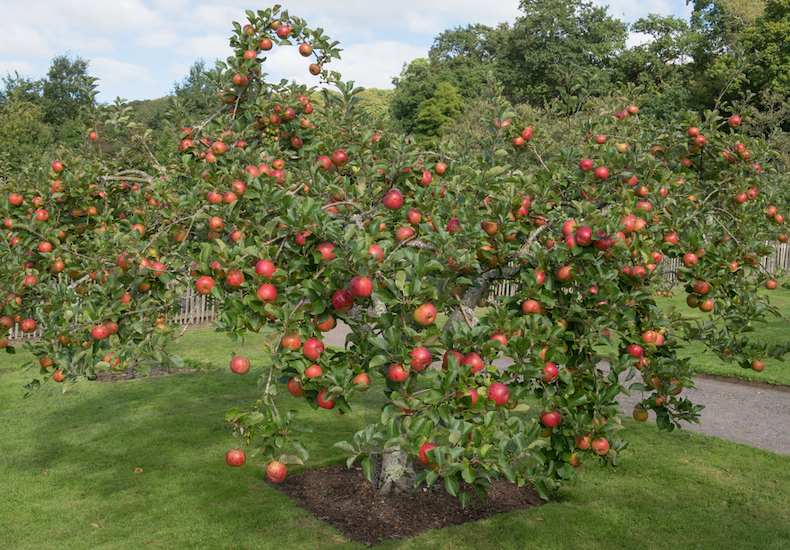
![How Long Does An Apple Tree Take To Bear Fruit? [ANSWERED]](https://fruitonix.com/wp-content/uploads/2023/06/Screenshot-2023-06-02-12.52.12-AM.png)