There’s a peculiar dilemma that strikes many home bakers: you buy buttermilk for a single recipe that calls for just a cup or two, only to find yourself staring at a half-full carton a week later. You meant to use it. You really did. But somewhere between the recipe and today, that quart of buttermilk migrated to the back of the fridge, slowly inching toward its expiration date. Sound familiar?
Here’s the good news—buttermilk is one of the most forgiving and versatile ingredients in any baker’s pantry, and it keeps far longer than you’d expect. That seemingly tragic leftover is actually a golden ticket to creating some of the most tender, flavorful baked goods you’ve ever made. The acidity in buttermilk does something genuinely magical to baked goods: it reacts with baking soda to create lift and structure, tenderizes gluten strands for a softer crumb, and adds a subtle tang that cuts through sweetness and richness in ways regular milk simply cannot.
Whether you’re drawn to the idea of fluffy pancakes for Sunday brunch or you’re looking to elevate a simple chocolate cake into something truly memorable, buttermilk is the secret weapon bakers have relied on for generations. The applications go far beyond biscuits and pancakes, though those are spectacular uses in their own right. From delicate scones to crispy fried dough, from tender cake layers to glossy glazes that dress up pound cakes, buttermilk transforms how baked goods look, taste, and feel in your mouth.
Let’s dive into ten of the most rewarding ways to put that leftover buttermilk to work, and why each one deserves a place in your regular baking rotation.
Table of Contents
- 1. Buttermilk Pancakes and Waffles
- Why Buttermilk Creates Superior Pancakes
- Making Your Pancakes and Waffles Perfect
- 2. Fluffy Buttermilk Biscuits
- The Technique Behind Flaky Layers
- Shaping and Baking for Success
- 3. Tender, Moist Cakes
- Why Buttermilk Improves Cake Structure
- Application in Popular Cake Types
- 4. Moist and Tender Quick Breads
- The Structure of Successful Quick Breads
- Popular Quick Breads That Shine With Buttermilk
- 5. Flaky Pie Crusts
- Why Buttermilk Works in Pie Dough
- Using Buttermilk in Your Pie Crusts
- 6. Buttermilk Glazes and Frostings
- Creating Perfect Glazes
- Buttermilk in Frostings
- 7. Tender Cookies with Subtle Complexity
- How Buttermilk Changes Cookie Texture
- Cookies That Shine With Buttermilk
- 8. Tender Scones and Shortcakes
- The Delicate Science of Scones
- Making Shortcakes Truly Short
- 9. Golden, Tender Cornbread and Savory Baked Goods
- The Cornbread Difference
- Adding Flavor to Savory Cornbread
- 10. Donut Cakes and Fried Dough Pastries
- Why Buttermilk Works for Donut Cakes
- Flavor Variations Worth Trying
- Final Thoughts
1. Buttermilk Pancakes and Waffles
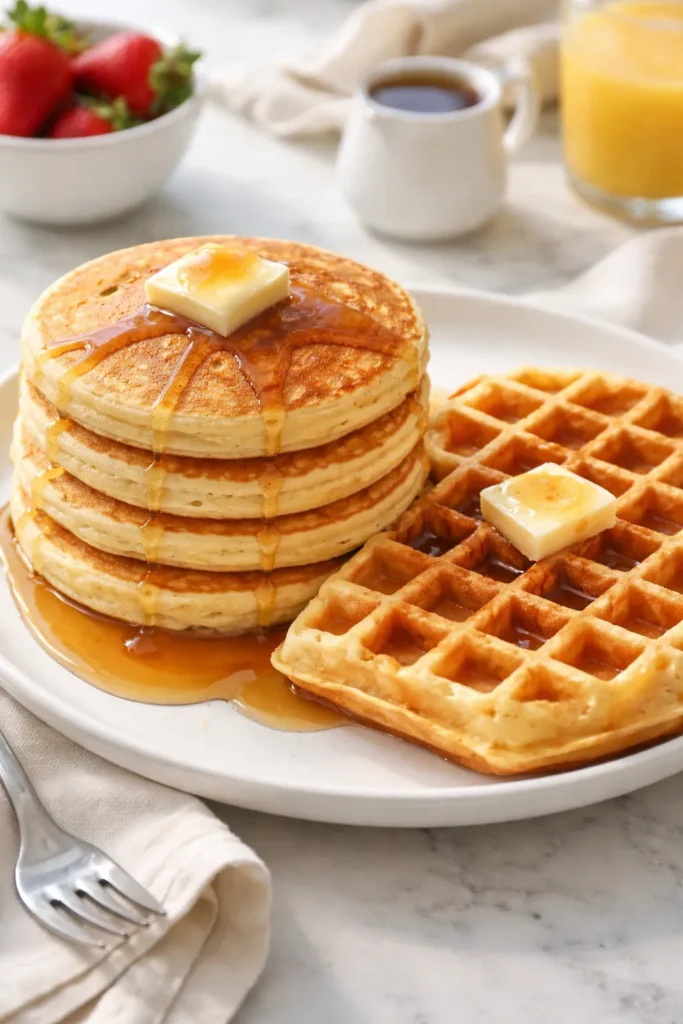
If there’s one recipe that should be synonymous with buttermilk, it’s pancakes. There’s something almost magical about what happens when buttermilk hits a hot griddle—the surface bubbles and puffs into a lacy, golden-brown pattern, while the interior stays impossibly fluffy and tender. Unlike pancakes made with regular milk, buttermilk pancakes have a subtle tang and a superior crumb structure that keeps them from becoming dense or rubbery.
Why Buttermilk Creates Superior Pancakes
The science here is actually straightforward and worth understanding. When buttermilk—which is acidic—combines with baking soda, a chemical reaction occurs that produces carbon dioxide gas. These tiny bubbles are what give pancakes their signature airy texture and golden-brown exterior that browns faster than regular milk-based versions. The acid also tenderizes gluten strands that would otherwise make pancakes tough, so even if you accidentally overmix your batter, buttermilk pancakes bounce back with a softer crumb than their milk-based counterparts.
Making Your Pancakes and Waffles Perfect
The key to fluffy buttermilk pancakes is timing and temperature. Mix your dry ingredients separately from your wet ingredients, then gently fold them together until just combined—lumpy is good here, overworked is bad. For waffles, you can even separate your egg whites, whip them to stiff peaks, and fold them in at the very end for extra lift and airiness. Let your batter rest for 5-10 minutes before cooking, which allows the leavening agents time to activate. Butter your griddle lightly and maintain a medium to medium-high heat—too hot and the outside burns while the inside stays raw; too cool and you get pancakes that are dense and pale.
A typical pancake or waffle recipe will use anywhere from 1.5 to 2.5 cups of buttermilk per batch, so this is an excellent way to make serious progress on that carton. You can even make a double or triple batch and freeze the extras—defrost them briefly and pop them in the toaster for a ready-made breakfast throughout the week.
2. Fluffy Buttermilk Biscuits
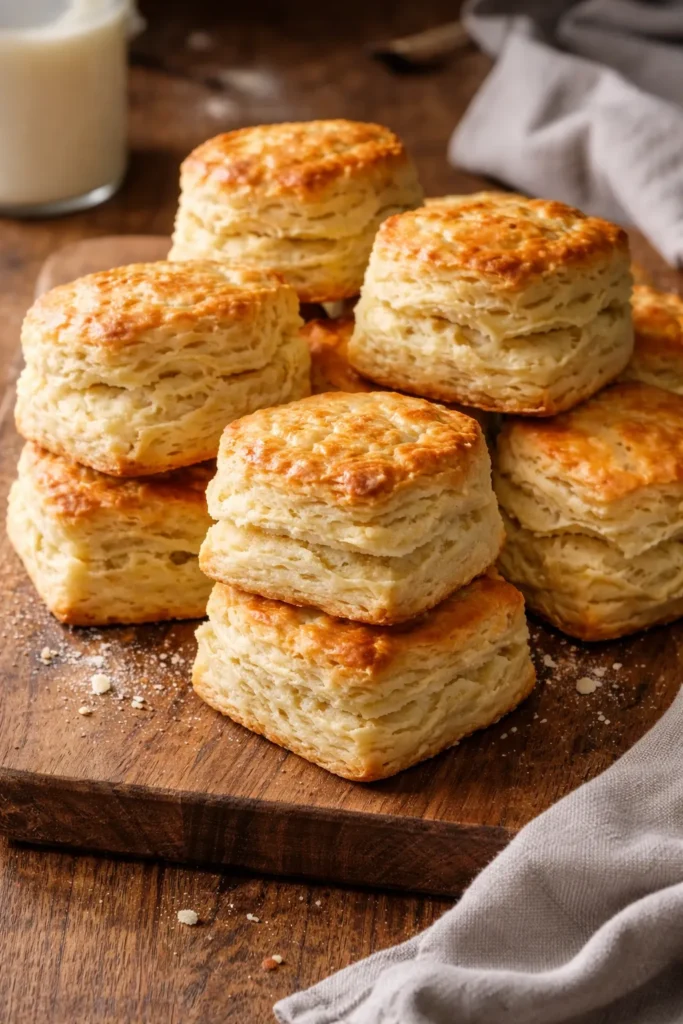
Buttermilk biscuits are a classic for a reason, and once you’ve tasted a truly excellent one—crispy-edged, flaky-layered, and tender as a pillow—it’s hard to settle for anything less. The buttermilk is non-negotiable here; it’s what creates those distinct flaky layers and gives you that slight tang that makes people take another bite without quite knowing why the biscuit tastes so good.
The Technique Behind Flaky Layers
The secret to exceptional biscuits is cold butter and minimal mixing. You’re aiming for pea-sized pieces of cold butter scattered throughout your dough—these melt in the oven and create steam pockets that separate into flaky layers. When you add cold buttermilk to this cold, buttery flour mixture and handle it as gently as possible, you’re preventing the gluten from developing too much, which would make your biscuits tough and dense. The acidity in buttermilk also helps relax the gluten strands, so even if you’re slightly less gentle than ideal, your biscuits still come out tender rather than tough.
Shaping and Baking for Success
Cut your biscuits with a sharp biscuit cutter, pushing straight down without twisting—twisting seals the edges and prevents them from rising evenly. Place biscuits close together on your baking sheet so they support each other as they rise. Bake at 425°F until the tops are golden and the edges just begin to brown. The result should be biscuits that have a crispy, bronzed exterior giving way to a soft, fluffy, almost cloud-like interior.
Buttermilk biscuits use roughly 3/4 cup to 1.5 cups of buttermilk per batch depending on the recipe size, making them a significant buttermilk consumer. Plus, you can brush them with melted butter fresh from the oven for extra richness, or serve them warm with jam, honey, or as the base for breakfast sandwiches.
3. Tender, Moist Cakes
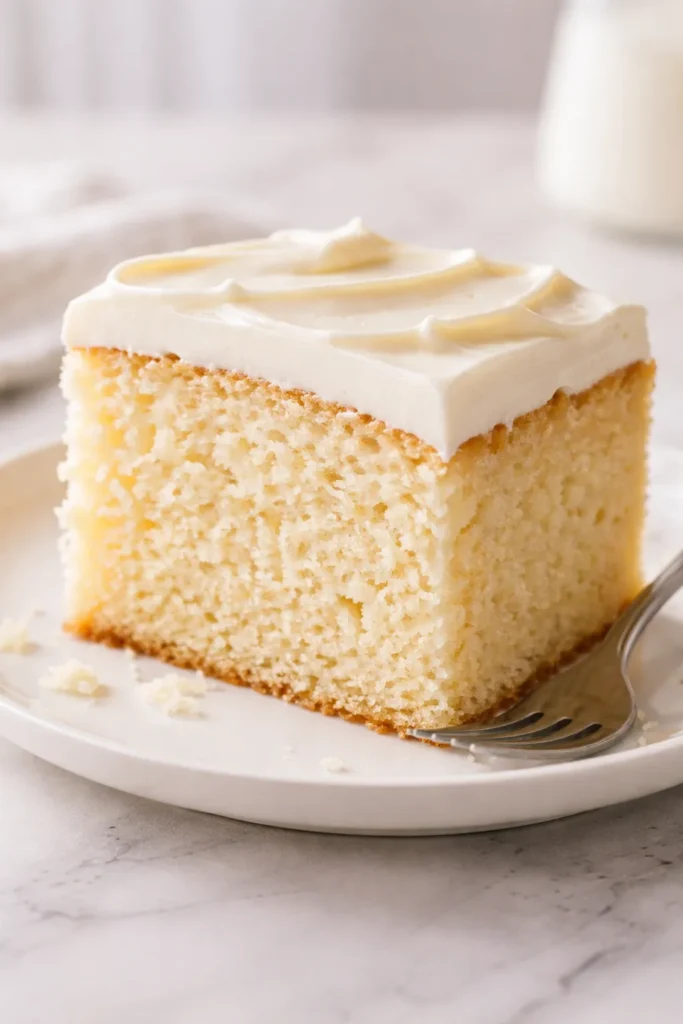
Cakes made with buttermilk stay moist longer than cakes made with regular milk, and they have a noticeably softer, more tender crumb. The buttermilk’s acidity reacts with baking soda (or amplifies the leavening power of baking powder) to create a cake that rises higher and lighter. Whether you’re baking a simple vanilla layer cake or a rich chocolate creation, buttermilk is the ingredient that separates a good cake from one that makes people actually stop and comment on the texture.
Why Buttermilk Improves Cake Structure
In cake batters, buttermilk serves multiple purposes simultaneously. First, its acidity activates baking soda, creating carbon dioxide bubbles that help the cake rise. Second, it tenderizes gluten, creating a finer, more delicate crumb. Third, its thickness adds moisture and richness to the finished cake, which keeps it from drying out even after a few days of sitting. Additionally, buttermilk’s slight tang balances the sweetness of sugar and the richness of butter, preventing cakes from tasting one-dimensional or overly sweet.
Application in Popular Cake Types
Red velvet cake is perhaps the most famous buttermilk cake—the combination of buttermilk’s tang with the cocoa, vinegar, and cream cheese frosting creates something truly special. Carrot cake, chocolate layer cakes, and coffee cakes all benefit tremendously from buttermilk substitution. When a recipe calls for regular milk, you can often swap in buttermilk for moisture and improved texture. For cakes that already call for buttermilk, you’ll typically see 1 cup to 1.5 cups in the ingredient list, so using this ingredient is an efficient way to work through your carton while improving your baked goods.
4. Moist and Tender Quick Breads
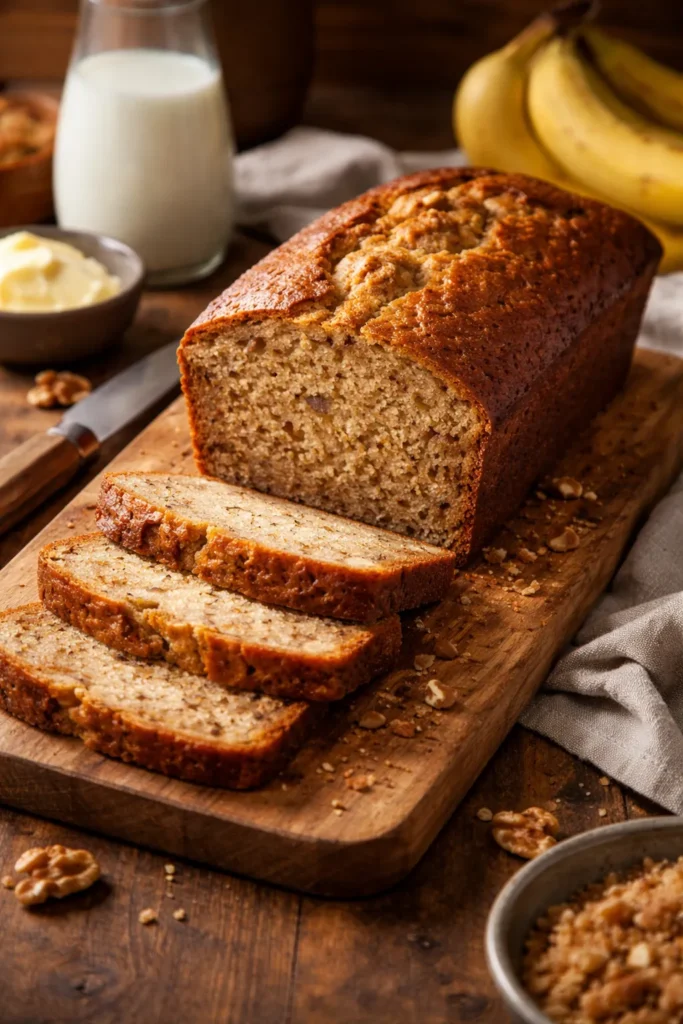
Quick breads—banana bread, zucchini bread, pumpkin bread, and cranberry-orange bread—are almost always better when made with buttermilk. These are baked goods where you actually want a slightly denser, moister crumb compared to cakes, and buttermilk delivers on both counts. The acidity in buttermilk interacts with baking soda to create rise without making the crumb dry or crumbly.
The Structure of Successful Quick Breads
Quick breads rely on chemical leavening (baking soda and/or baking powder) rather than yeast, which means they need to rise in the oven and set before they cool. Buttermilk’s acidity ensures proper activation of the baking soda, creating the rise you need. At the same time, buttermilk adds moisture and fat that keeps the bread tender and prevents it from drying out as it sits—an important consideration since quick breads are often made to eat over several days.
Popular Quick Breads That Shine With Buttermilk
Banana bread made with buttermilk comes out so moist that you barely need to wait for it to cool—it’s delicious warm with a cup of coffee. Pumpkin bread gets an extra richness from buttermilk that turns it into something almost cake-like. Zucchini bread stays tender and moist rather than becoming dense and vegetable-forward. Cranberry-orange quick bread gets a subtle tang from buttermilk that complements the citrus and tart fruit beautifully. Most quick bread recipes use between 1 to 1.5 cups of buttermilk, so making quick breads is an excellent way to make serious progress on your carton while filling your house with the smell of warm, freshly baked bread.
5. Flaky Pie Crusts
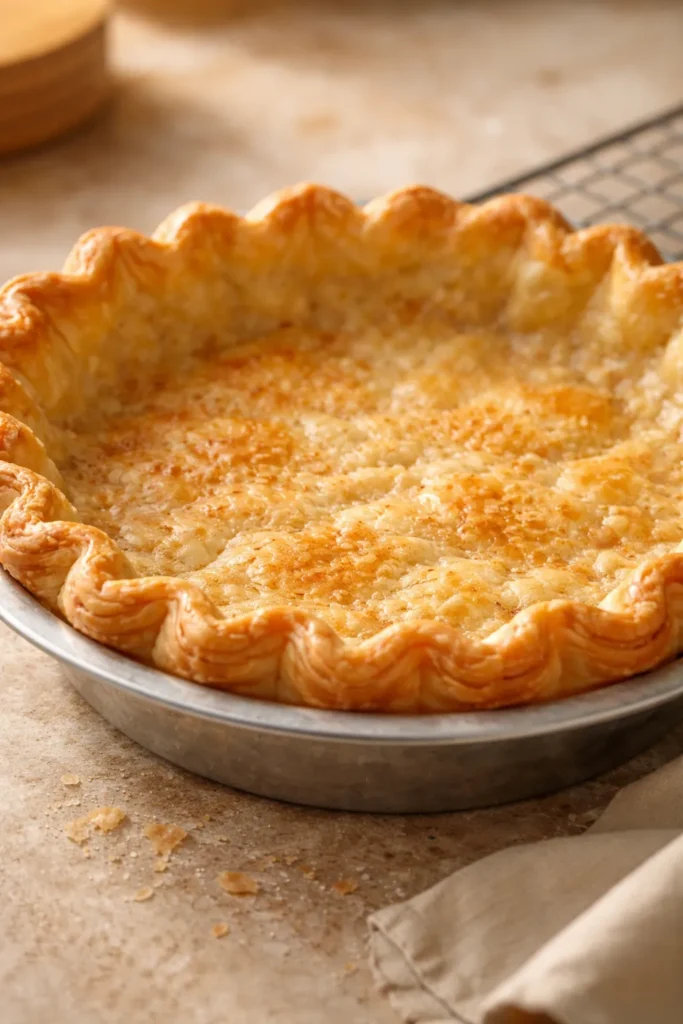
Here’s an ingredient swap that catches many bakers off guard: replacing ice water with cold buttermilk in pie dough produces a crust that’s noticeably more tender and has a richer flavor without tasting like buttermilk specifically. The acidity in buttermilk tenderizes gluten, and the slight fat content in buttermilk (even though it’s low-fat) creates a more tender final product than water alone.
Why Buttermilk Works in Pie Dough
Traditional pie crust relies on ice water to bring the flour and fat together while keeping the dough cold. Buttermilk does both of these things, with the added benefit of its acidity relaxing gluten strands. This means you can handle pie dough made with buttermilk slightly more than you could dough made with ice water and still end up with a tender crust. The buttermilk also adds a subtle savory note that balances the sweetness of fruit fillings without being noticeable as “buttermilk flavor.”
Using Buttermilk in Your Pie Crusts
When substituting buttermilk for ice water in your favorite pie crust recipe, use it cold directly from the fridge. You may find you need slightly less buttermilk than the recipe calls for in water because buttermilk is thicker and more viscous—add it gradually while mixing and stop when your dough just comes together. A pie crust typically uses about 1/2 to 3/4 cup of liquid, so you won’t use enormous quantities, but paired with other baking projects, it all adds up.
Buttermilk pie crusts work beautifully for both sweet and savory applications. Use them for fruit pies, cream pies, custard pies, and even savory quiches and meat pies. The slight tang from buttermilk is particularly lovely with tomato pies or savory vegetable fillings.
6. Buttermilk Glazes and Frostings
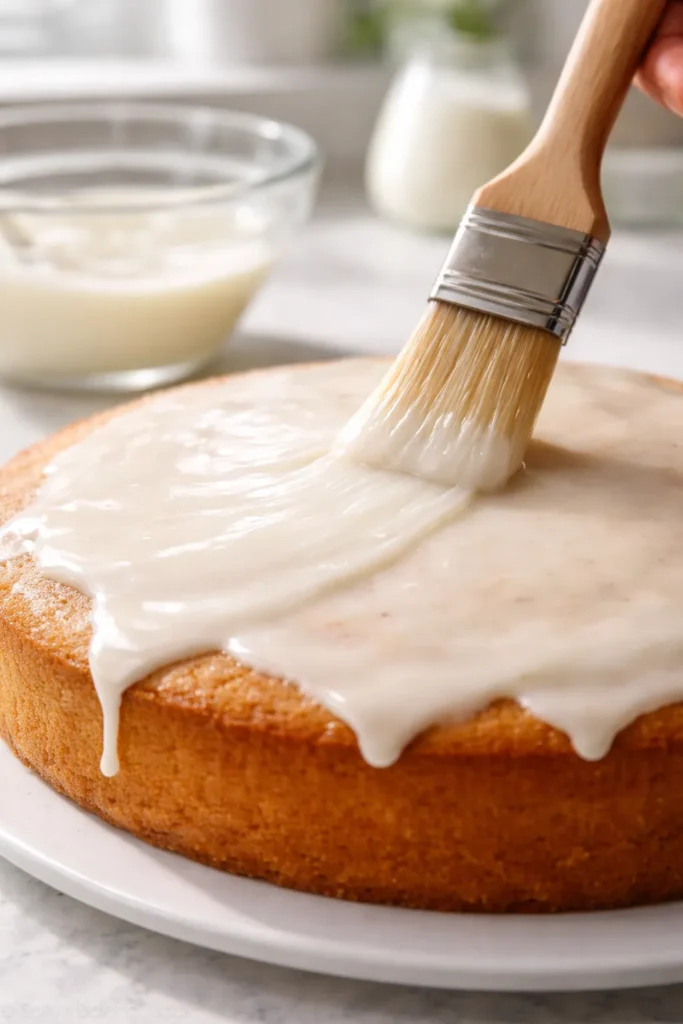
A simple buttermilk glaze is one of the easiest ways to dress up a plain pound cake, gingerbread, or bundt cake. Mixed with powdered sugar, buttermilk creates a glaze that’s slightly tangy, beautifully pourable, and has a subtle richness. For buttercream frosting, a splash of buttermilk can replace some of the milk typically called for, adding tang and improving flavor without making the frosting too thin.
Creating Perfect Glazes
A basic buttermilk glaze requires just buttermilk, powdered sugar, butter, and vanilla. Whisk these together until perfectly smooth—the glaze should pour easily from a spoon but be thick enough to cling to the cake and set as it dries. The beauty of buttermilk glaze is that it’s forgiving; if it’s too thick, add a touch more buttermilk, and if it’s too thin, add more powdered sugar. Brush or spoon the glaze over warm (not hot) cake and let it drip down the sides naturally for an elegant look.
Buttermilk in Frostings
Buttermilk works wonderfully in cream cheese frostings and traditional American-style buttercream. It adds flavor and moisture without the heaviness of additional butter or cream. A tablespoon or two of buttermilk in your frosting can make it more spreadable and improve its flavor complexity. Some bakers use buttermilk in tangy frostings specifically designed to pair with spiced cakes like gingerbread or red velvet—the tang of buttermilk frosting echoes and complements the tang of buttermilk in the cake layers themselves.
Glazes and frostings use buttermilk in small quantities—usually just 2 to 4 tablespoons—so while they’re not a major buttermilk consumer, they’re a quick and elegant way to use small amounts of leftover buttermilk.
7. Tender Cookies with Subtle Complexity
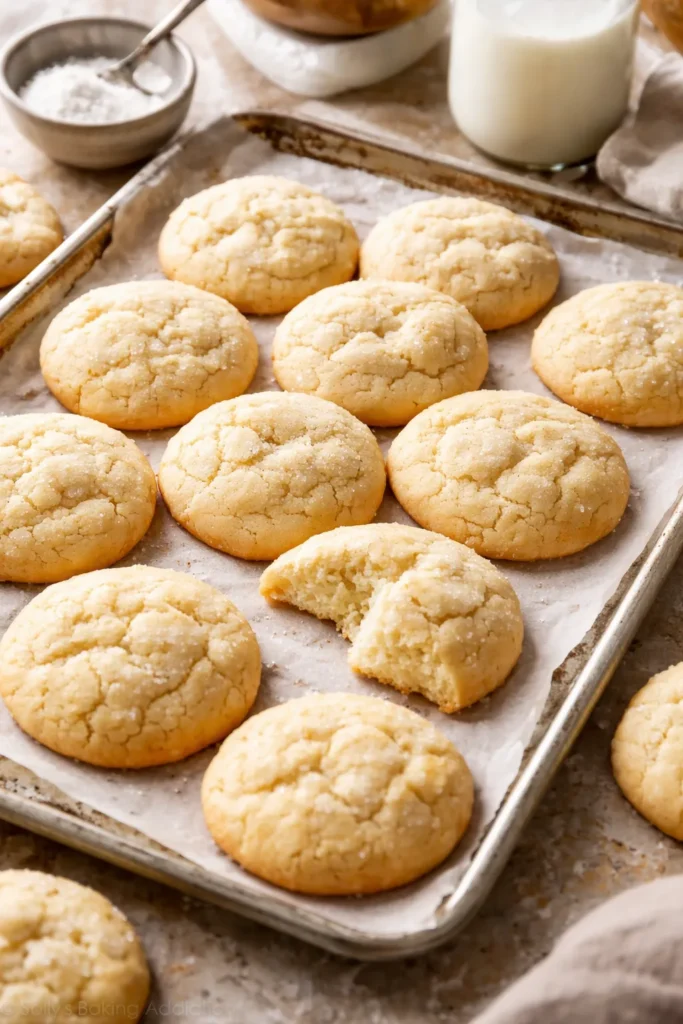
While cookies aren’t the first thing people think of when considering buttermilk uses, many cookie recipes benefit from it. Sugar cookies, shortbread, thumbprint cookies, and drop cookies all get a more tender, delicate texture and improved flavor when buttermilk replaces some or all of the liquid in the dough.
How Buttermilk Changes Cookie Texture
Buttermilk in cookie dough tends to create a slightly softer, more cake-like cookie compared to cookies made with water or no liquid at all. The acidity tenderizes gluten, and the moisture content means cookies stay soft longer. This works beautifully for cookies where you want a tender crumb—think classic American sugar cookies or butter cookies. For crispy cookies, you’d want to use less liquid or skip buttermilk, but for soft, tender cookies, buttermilk is a secret weapon.
Cookies That Shine With Buttermilk
Lemon cookies benefit from buttermilk’s tang, which echoes the citrus notes. Brown sugar cookies come out incredibly tender and almost caramel-like when made with buttermilk. Shortbread cookies made with buttermilk instead of all butter and no liquid come out more tender and are less likely to be greasy. Even chocolate cookies get improved flavor complexity from buttermilk without tasting sour—the tang simply rounds out the chocolate flavor and prevents cookies from tasting overly sweet.
Most cookie recipes use just 1/4 to 1/2 cup of buttermilk in the full batch, so this is a way to use small amounts while still producing a couple of dozen cookies.
8. Tender Scones and Shortcakes
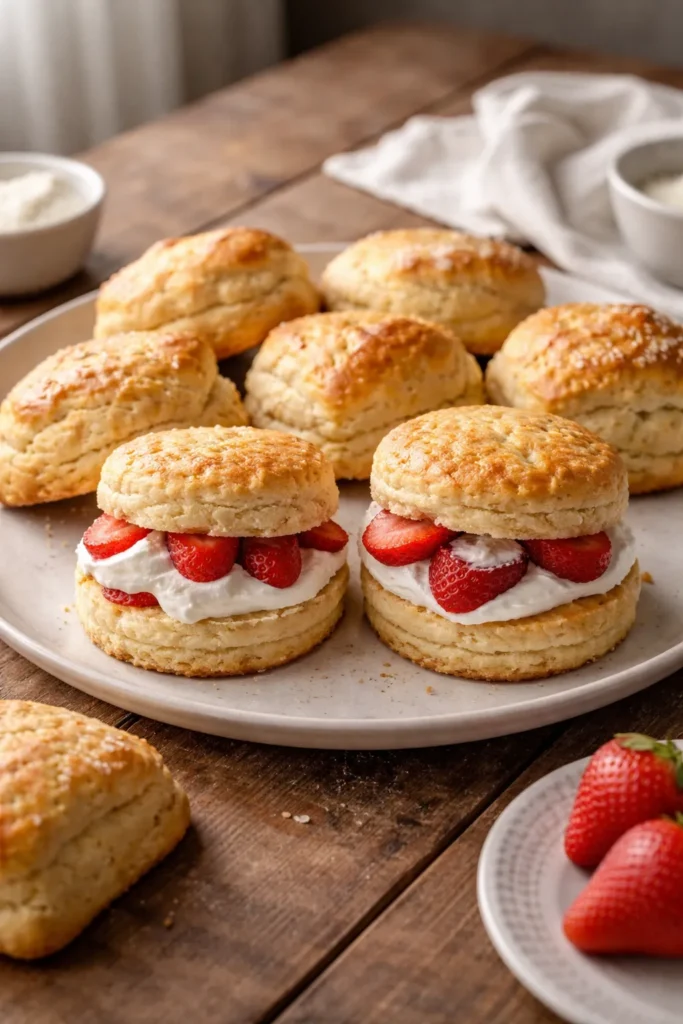
Scones and shortcakes are delicate baked goods that rely on minimal mixing and excellent technique to turn out properly. Buttermilk improves both the structure and texture of these treats. The acidity helps with leavening and tenderizing, while the moisture keeps them from drying out—a common problem with scones and shortcakes that can sometimes feel dense or crumbly.
The Delicate Science of Scones
Scones are essentially a cross between a biscuit and a cookie, and they require a light hand and cold ingredients. Buttermilk is ideal here because its acidity means you can be slightly less precious with your mixing than if you were using water or milk. The resulting scones have a tender crumb and just enough structure to hold together without being tough. Lemon scones are particularly lovely made with buttermilk—the tang of the buttermilk complements bright lemon zest and lemon glaze beautifully.
Making Shortcakes Truly Short
Shortcake refers to the biscuit component that strawberry shortcake is built on. Using buttermilk in your shortcake dough creates biscuits that are truly “short”—meaning they have a tender, crumbly texture rather than a tough, chewy one. When you layer these tender buttermilk shortcakes with whipped cream and fresh berries, the contrast between the crumbly shortcake and the smooth cream is absolutely magnificent. The shortcake stays tender and delicious even after being assembled and sitting for a few minutes.
Both scones and shortcakes typically use about 1 to 1.5 cups of buttermilk per batch, so these are good volume-users that produce elegant, impressive results.
9. Golden, Tender Cornbread and Savory Baked Goods
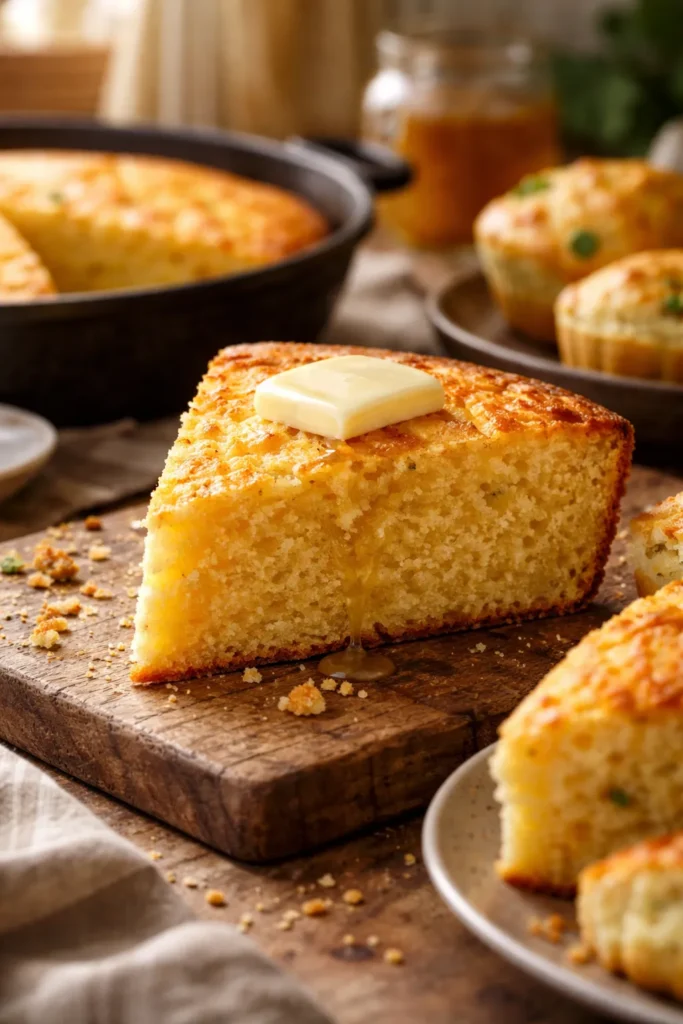
Cornbread is where buttermilk truly shines in the savory baking category. Southern cornbread—unsweetened or lightly sweetened, cooked in a cast iron skillet with a crispy, golden crust—absolutely depends on buttermilk for its characteristic texture. The buttermilk creates a cornbread that’s tender and moist rather than crumbly and dry, and it adds a subtle tang that balances any sweetness without tasting sour.
The Cornbread Difference
Traditional Southern cornbread made with buttermilk is a revelation if you’ve only ever had sweet, cake-like Northern cornbread. Buttermilk is key to achieving the tender-but-substantial texture that makes cornbread more than just corn-flavored cake. The acidity of buttermilk works with baking soda to give cornbread loft and rise, while the moisture keeps it from drying out. Cornbread made this way is perfect alongside chili, soups, and stews—places where cornbread needs to be substantial enough to support a meal rather than delicate enough to be dessert.
Adding Flavor to Savory Cornbread
Many bakers add jalapeños, fresh corn kernels, sharp cheddar, crispy bacon, or scallions to buttermilk cornbread. The tang of buttermilk complements savory mix-ins beautifully and prevents any single ingredient from becoming overwhelming. Brown butter and sage in buttermilk cornbread creates something sophisticated enough for a holiday table. Cornbread recipes typically use 1 to 1.5 cups of buttermilk, making them efficient buttermilk consumers.
Irish soda bread is another savory application where buttermilk is essential. The acidity activates the baking soda that gives soda bread its tender crumb, and buttermilk is the traditional liquid used in these recipes for good reason.
10. Donut Cakes and Fried Dough Pastries
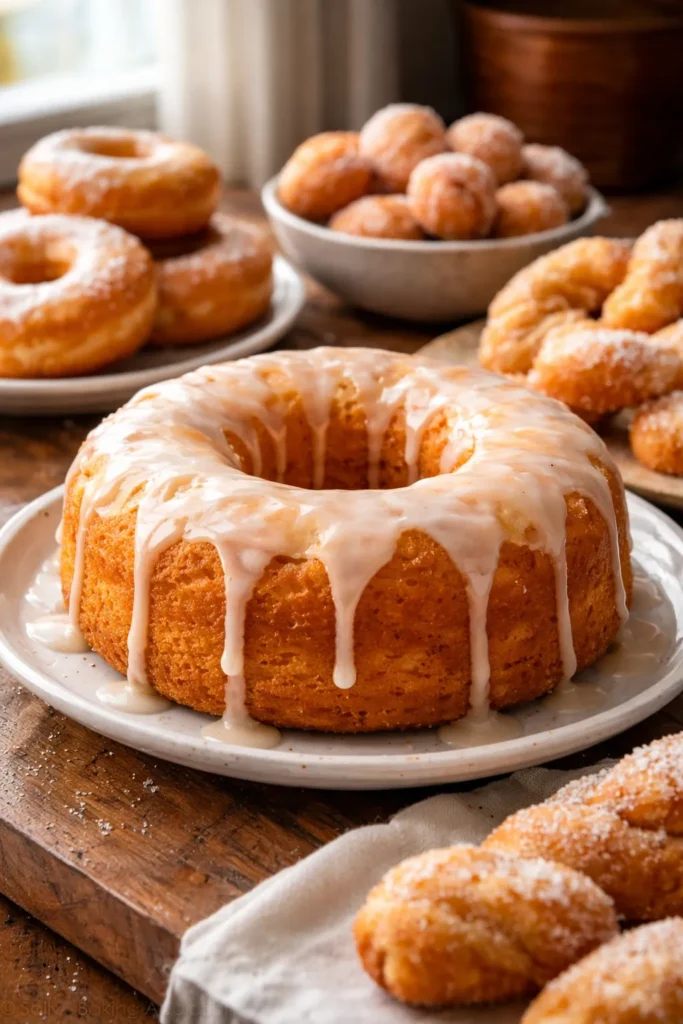
If you love the flavor of cake donuts or old-fashioned cake doughnuts but lack a deep fryer, buttermilk donut cake is the answer. These are essentially donut-shaped cakes made with buttermilk that capture the flavor, texture, and character of fried doughnuts without the oil. Baked in a donut pan or bundt pan (for a full cake that you slice), buttermilk donut cakes are dense, moist, and tender with a crumb that’s almost indistinguishable from actual fried doughnuts.
Why Buttermilk Works for Donut Cakes
Buttermilk is what gives donut cakes their characteristic dense-but-moist crumb. The acidity works with baking soda to create the subtle rise you need, while the moisture keeps the cake from being dry. A buttermilk glaze dripped over the top while still warm seals the deal—the combination of tender cake with tangy glaze tastes exactly like a cake donut, but with the convenience of a baked cake.
Flavor Variations Worth Trying
Glazed buttermilk donut cake is the classic, but you can also make chocolate buttermilk donut cake with a chocolate glaze, old-fashioned buttermilk donut cake with cinnamon-sugar coating, or even filled donut cakes with jam or custard inside. Some bakers brush the warm cake with melted butter then roll it in cinnamon-sugar to mimic the coating on old-fashioned doughnuts.
These cakes typically use 1.5 to 2 cups of buttermilk in a full recipe, making them an excellent way to use larger quantities of leftover buttermilk in a single project.
Final Thoughts
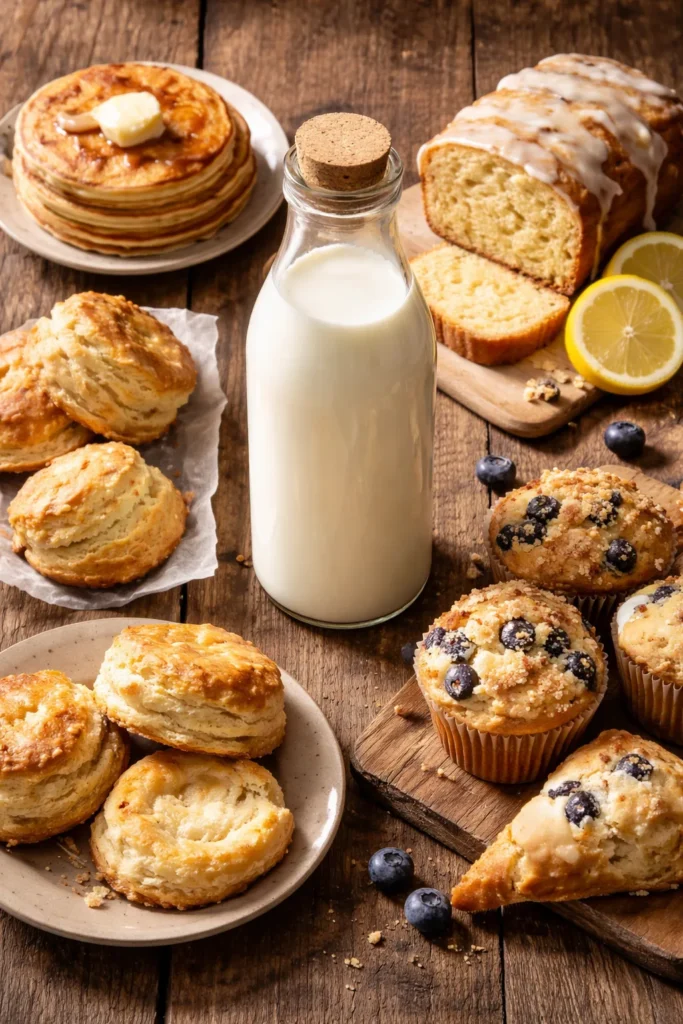
That carton of buttermilk sitting in your fridge isn’t a burden or a waste waiting to happen—it’s an ingredient with legitimate superpowers in the baking world. Buttermilk tenderizes baked goods, improves rise and structure, adds subtle flavor complexity, and keeps cakes, quick breads, and pastries moist for days after baking. Whether you make fluffy pancakes for a lazy Sunday morning, tender biscuits to serve with dinner, a show-stopping chocolate layer cake for a celebration, or a batch of cornbread to accompany chili, buttermilk transforms these baked goods from ordinary to truly memorable.
The best part? You don’t have to choose just one of these uses. With a quart of buttermilk, you could make pancakes for breakfast one weekend, then biscuits with a weeknight dinner, then tackle a layer cake project on the next day you have free time. You could make quick breads to give as gifts and still have buttermilk left over for glazes or cookie batches. Once you start using buttermilk intentionally across multiple projects, you’ll find that half-empty carton disappears before its expiration date, and you’ll start buying buttermilk specifically because you want to use it, not because a recipe demanded it.
The next time you reach for that buttermilk, remember that you’re not just adding an ingredient—you’re unlocking better texture, superior moisture, and subtle flavor in everything you bake. That’s not just efficient cooking. That’s transformation.