There’s a moment — usually somewhere between the first bite of crispy battered fish and the last spoonful of a glossy toffee sauce — when you understand why British food deserves far more credit than it typically gets. The reputation for bland, grey meals is one of food history’s great injustices. What British cuisine actually offers is something richer and more honest: deeply comforting dishes built on quality ingredients, centuries of tradition, and a no-fuss confidence in the kitchen that most other culinary cultures quietly envy.
British cooking has always been shaped by its landscape — the cold North Sea that yields exceptional fish, the rolling green fields that produce world-class lamb and beef, the damp climate that grows root vegetables of remarkable sweetness. These aren’t just ingredients; they’re the backbone of a culinary identity. Dishes like shepherd’s pie and Lancashire hotpot didn’t come from restaurant kitchens. They came from farmhouses and working families making the absolute most of what they had — and the results have stood for hundreds of years.
What makes a British recipe classic isn’t age alone. It’s the way the dish has woven itself into the fabric of everyday life. It’s fish and chips on a Friday, sticky toffee pudding at a country pub, the full English that somehow fixes everything on a slow Sunday morning. These are meals built around occasion and feeling as much as flavor — and that’s precisely why they translate so beautifully to a home kitchen anywhere in the world.
The 12 recipes below represent the genuine heart of British home cooking. Some are the kind you’ve heard of but perhaps never made yourself. Others might be new discoveries entirely. All of them are worth making — and making properly.
Table of Contents
- 1. Fish and Chips
- Choosing the Right Fish
- The Beer Batter Secret
- Chips That Actually Crisp
- 2. Shepherd’s Pie
- Building the Filling With Depth
- The Mashed Potato Topping
- 3. Yorkshire Pudding
- The Batter Formula That Works Every Time
- Hot Fat Is Non-Negotiable
- 4. Full English Breakfast
- Sequencing the Cook
- Black Pudding and the Divisive Debate
- 5. Sticky Toffee Pudding
- Why Dates Make All the Difference
- The Toffee Sauce Ratio
- 6. Victoria Sponge Cake
- The Equal-Weight Method
- Jam, Cream, and the Great British Debate
- 7. Toad in the Hole
- Getting the Sausages Right
- The Rise That Makes It Worth Making
- 8. Eton Mess
- Making the Meringue From Scratch
- Building the Mess Properly
- 9. Bangers and Mash
- Sausages That Deserve the Name
- Mash That’s Worth Making
- 10. Lancashire Hotpot
- Choosing and Preparing the Lamb
- The Potato Crust That Defines the Dish
- 11. Treacle Tart
- The Pastry That Holds Everything Together
- Balancing the Sweetness
- 12. Bread and Butter Pudding
- Bread Choice and Preparation
- The Custard Ratio That Gets It Right
- Final Thoughts
1. Fish and Chips
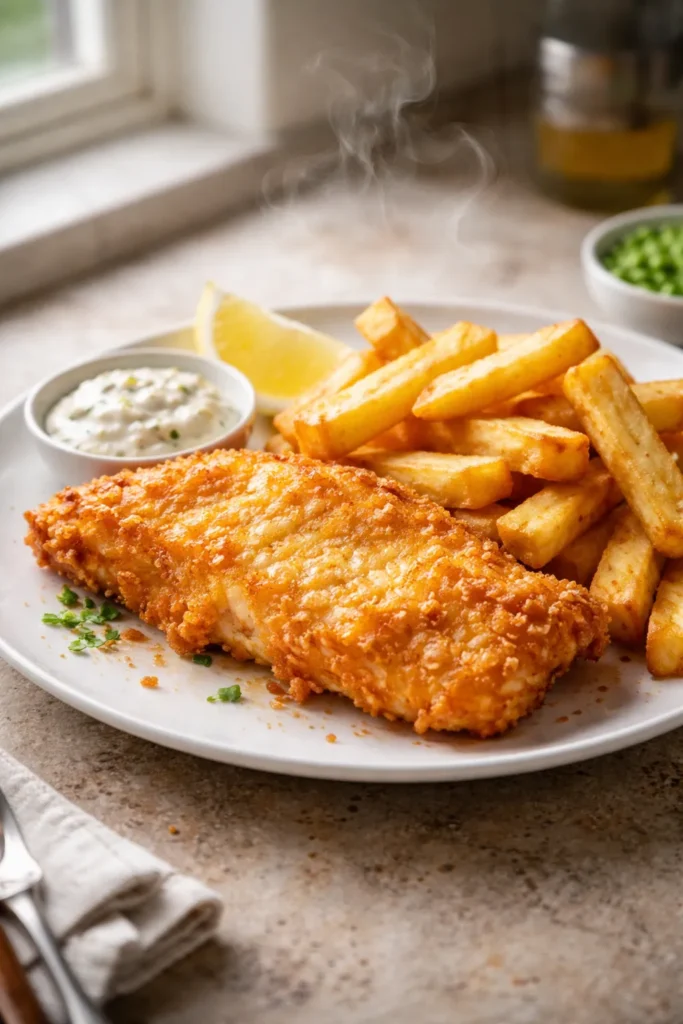
Ask anyone outside Britain to name a British dish and fish and chips will land first, every time. That’s not a cliché — it’s an earned reputation. At its best, this dish is a genuine masterpiece of texture and flavor: a shattering, golden batter giving way to tender, flaky white fish, alongside chips that are crisp at the edges and fluffy through the middle. The challenge at home isn’t the idea; it’s getting every element right simultaneously.
Choosing the Right Fish
Cod and haddock are the traditional choices, and both work brilliantly, but they behave slightly differently. Cod has a clean, mild sweetness and holds together beautifully in batter. Haddock is slightly firmer with a more pronounced flavor and is the preferred choice in northern England and Scotland. Whatever you choose, buy the freshest fish you can find — fillets should smell of the sea, not of fish, and the flesh should be firm and translucent.
Thick fillets work better than thin ones here. Anything under 2cm thick will overcook before the batter has crisped properly, leaving you with something soft and sad rather than gloriously crunchy.
The Beer Batter Secret
The batter is where most home attempts fall short. A good beer batter needs three things: ice-cold liquid, the right ratio of flour to starch, and enough carbonation to create that characteristic open, airy texture. Use a ratio of 150g plain flour to 50g cornflour, add a generous pinch of salt, then whisk in about 300ml of very cold lager or pale ale just until combined — lumps are fine and actually desirable.
The oil temperature matters enormously. Fry at 180°C (356°F) and use a thermometer rather than guessing. Too cool and the batter absorbs oil and turns greasy; too hot and it colours before the fish is cooked through.
Chips That Actually Crisp
Triple-cooking chips sounds fussy, but the method is logical: parboil the chips until just tender, freeze or chill them briefly to drive out moisture, then fry twice — once at 140°C to cook through, once at 180°C to crisp and colour. The result is a chip with serious structural integrity that holds its crunch for the full length of the meal. Serve with malt vinegar, mushy peas, and tartare sauce.
2. Shepherd’s Pie
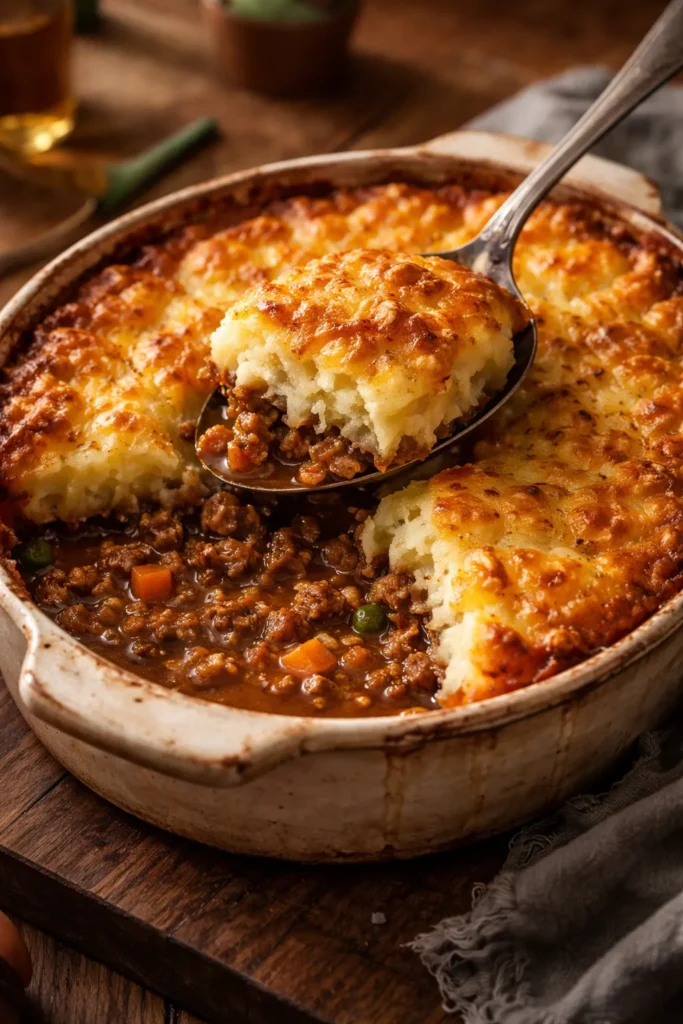
Shepherd’s pie is one of those dishes where the name actually tells you something important: it’s made with lamb, not beef. The minced beef version is correctly called cottage pie — a distinction worth maintaining because the two dishes taste genuinely different. Lamb carries a deeper, slightly gamier richness that pairs beautifully with the caramelised mash topping in a way that beef simply doesn’t replicate.
Building the Filling With Depth
The filling is everything. Start with a mirepoix of onion, carrot, and celery cooked low and slow until completely soft — at least 15 minutes. Add minced lamb and brown it properly, in batches if necessary, rather than steaming it in one crowded pan. A crowded pan drops the temperature and gives you grey, steamed meat instead of browned, flavourful meat.
Worcestershire sauce, a spoonful of tomato purée, and a small glass of red wine are the flavour-builders that separate a great shepherd’s pie from a forgettable one. Add lamb stock, a few sprigs of fresh thyme, and let the whole thing simmer uncovered for 25-30 minutes until the sauce has reduced to something thick, glossy, and deeply savoury.
The Mashed Potato Topping
The mash needs to be rich enough to hold its shape under the grill but smooth enough to pipe or spread in elegant ridges. Use floury potatoes like Maris Piper or King Edward, boil until completely tender, then rice them rather than mashing — riced potatoes produce a far smoother result. Beat in generous amounts of butter and warm whole milk, season aggressively, then spread over the cooled filling in a thick, even layer.
Drag a fork across the surface to create ridges that will crisp and colour under the grill. Those ridges aren’t decorative — they’re the parts that turn golden and slightly crunchy, creating the textural contrast that makes every bite worth taking.
3. Yorkshire Pudding
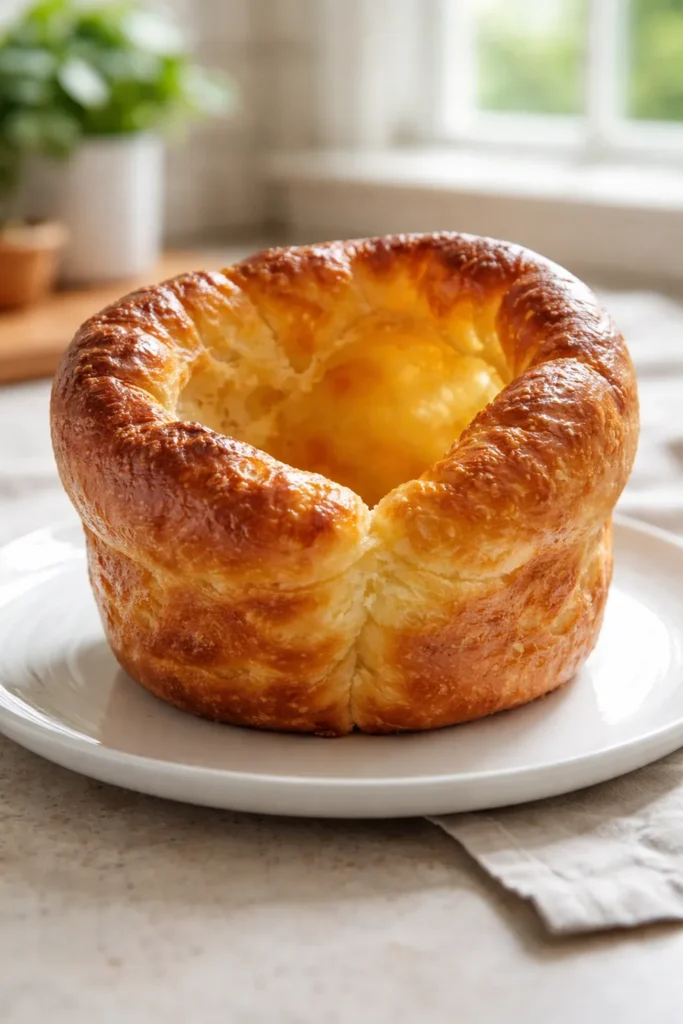
Yorkshire pudding is technically a batter, not a pudding in the dessert sense — which confuses visitors from outside Britain endlessly. Originally served with gravy before the main course to fill people up and reduce how much expensive meat they’d eat, it’s now the non-negotiable centrepiece of any proper Sunday roast. The perfect Yorkshire pudding is tall, hollow, deeply golden, and has a thin, crisp shell with a soft, yielding interior.
The Batter Formula That Works Every Time
Equal volumes of eggs, plain flour, and full-fat milk. That’s it. A classic formula of 4 large eggs, 120ml milk, and 120g plain flour, seasoned well with salt, produces a batter with the right balance of protein and starch for structure and enough liquid to generate the steam that causes the dramatic rise.
The batter must rest. A minimum of 30 minutes at room temperature, though overnight in the fridge produces noticeably better results. Resting allows the gluten to relax and the starch granules to hydrate fully, which means a more even rise and a thinner, crisper shell.
Hot Fat Is Non-Negotiable
The tin — traditionally a Yorkshire pudding tin or a muffin tin — must be preheated in a very hot oven (220°C / 425°F) with a fat that can handle high heat without smoking. Beef dripping is traditional and genuinely superior for flavour. Lard works well too. Vegetable oil is acceptable but produces a slightly less interesting result.
The fat must be smoking hot before the batter goes in. Pour the batter quickly into each well — it should immediately start to set at the edges and puff at the sides. Don’t open the oven for at least 20 minutes. That rush of cold air is what causes Yorkshire puddings to collapse, and you’ll never recover them once they’re down.
4. Full English Breakfast
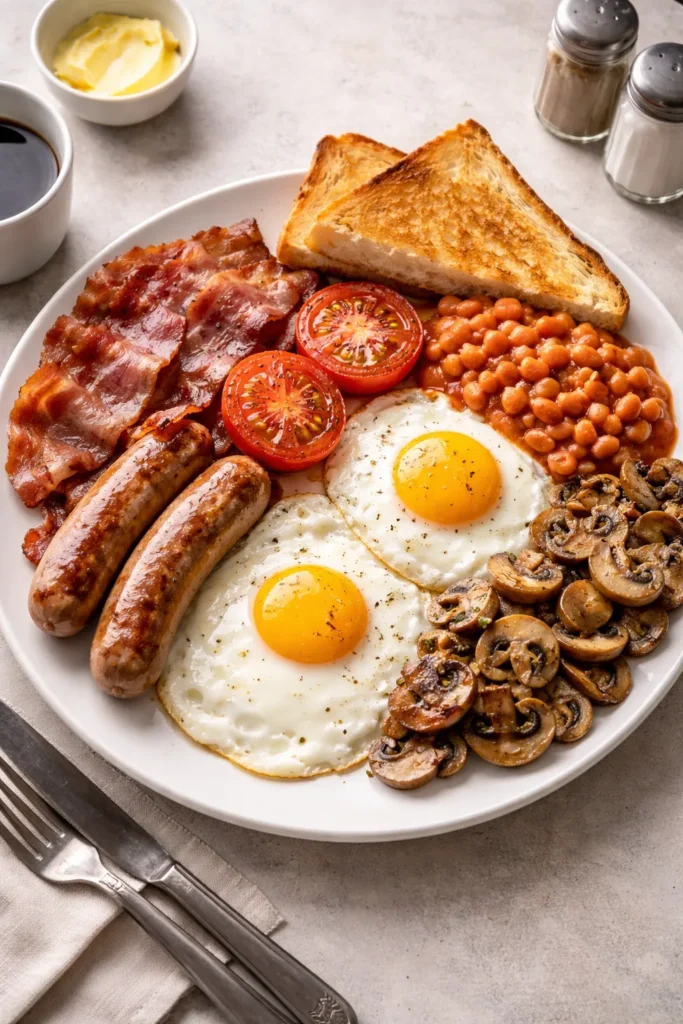
The full English is not really a recipe in the conventional sense — it’s an assembly of components, each cooked to its own standard, that arrives on the plate as a unified whole. Done carelessly it’s a greasy pile of mediocrity. Done properly it’s a meal that genuinely earns its legendary status. The components are: back bacon, pork sausages, fried or scrambled eggs, grilled tomatoes, sautéed mushrooms, baked beans, and toast or fried bread, with black pudding as the optional but welcomed addition.
Sequencing the Cook
The biggest mistake home cooks make with a full English is trying to cook everything at once in the same pan. Sequencing is the skill here. Start with the sausages — they need the most time, around 15-20 minutes over medium-low heat, turned regularly for even browning. While they cook, grill the tomatoes and mushrooms (which can share the grill tray). The bacon goes into a dry, hot pan and takes about 4-5 minutes per side for properly crisped edges without burning.
Eggs are last. Whether you fry, scramble, or poach them is genuinely personal preference — each method is correct. The eggs wait for no one, so have everything else plated and warm before the egg goes near any heat.
Black Pudding and the Divisive Debate
Black pudding — a sausage made from pork blood, fat, and oatmeal — divides opinion dramatically but rewards the open-minded. Slice it about 1cm thick and fry in a dry pan for 2-3 minutes each side until crisped at the edges. The flavour is rich, iron-forward, and slightly spiced; it adds a depth to the plate that nothing else quite replaces.
5. Sticky Toffee Pudding
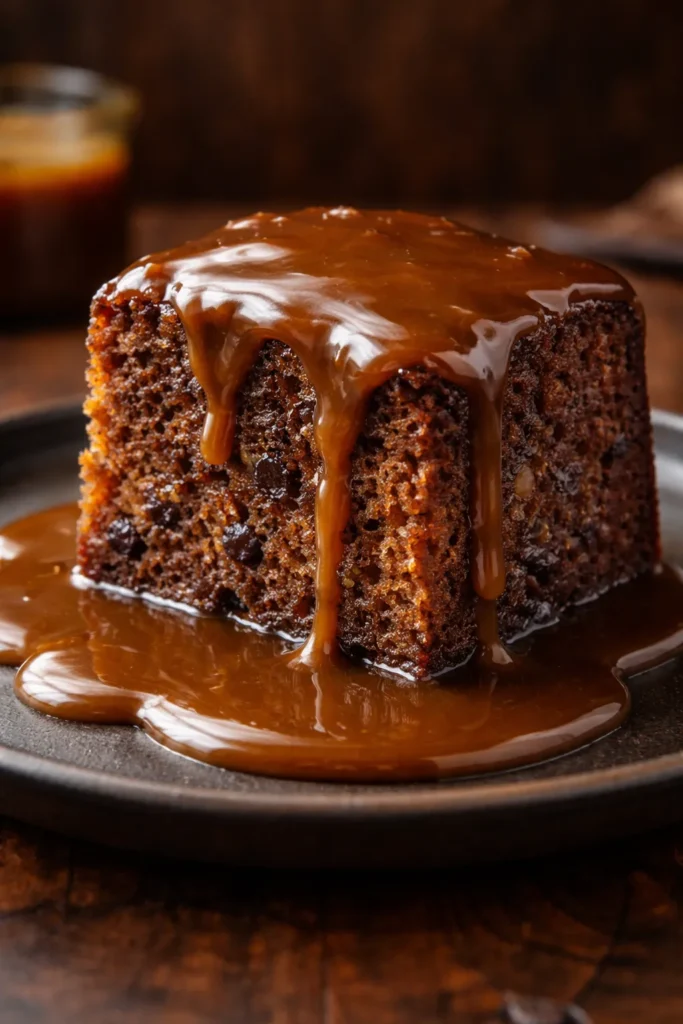
Sticky toffee pudding is, without any qualification, one of the greatest desserts Britain has ever produced. The combination of an intensely moist date sponge and a hot, butterscotch-dark toffee sauce poured over the top is the kind of thing that makes people go quiet at the table. It originated in the Lake District in the 1970s and spread across the country with astonishing speed — because once you’ve had a proper one, no other pudding seems quite adequate.
Why Dates Make All the Difference
The dates are not optional or a health-food addition — they are the structural and flavour foundation of the sponge. Medjool dates are the gold standard here: larger, softer, and more caramel-like in flavour than the dried dates sold in supermarket blocks. Soak 175g of pitted dates in 175ml of just-boiled water for 10 minutes, then blitz to a rough purée. This purée gets folded into the batter and provides the unique, almost sticky texture that gives the pudding its name.
Add 1 teaspoon of bicarbonate of soda to the date mixture before blitzing — it reacts with the natural acidity of the dates and the hot water to produce an extraordinarily tender crumb.
The Toffee Sauce Ratio
The sauce is where this dessert becomes unforgettable or merely good. A proper toffee sauce requires 100g unsalted butter, 200ml double cream, and 150g dark muscovado sugar, all melted together over medium heat and simmered for 3-4 minutes until thick enough to coat a spoon. The dark muscovado sugar provides a bitter, treacle-like depth that caster or light brown sugar simply can’t replicate.
Pour half the sauce over the puddings as soon as they come out of the oven, let it soak in for five minutes, then serve the rest alongside. The pudding should be warm enough that the sauce seeps into every corner of the sponge before the first spoon breaks through.
6. Victoria Sponge Cake
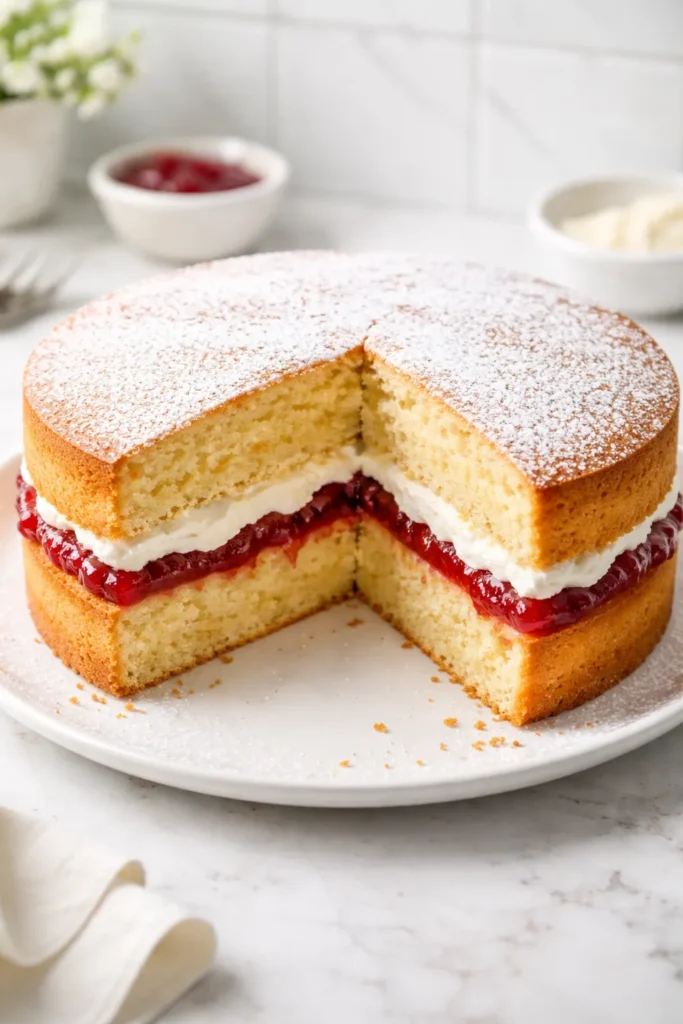
The Victoria sponge is Britain’s most beloved cake and one of the few dishes where simplicity is genuinely the point. Named after Queen Victoria, who was known to enjoy a slice with afternoon tea, it’s a study in restraint: two light, buttery sponge layers sandwiched with strawberry jam and lightly whipped double cream, dusted with icing sugar. No elaborate frosting, no intricate decoration. Just very good cake, made with very good ingredients.
The Equal-Weight Method
Traditional Victoria sponge uses the equal-weight method: weigh your eggs in their shells, then use the same weight of butter, caster sugar, and self-raising flour. Three large eggs typically weigh around 175g, giving you 175g of each other ingredient. This ratio produces a reliable, well-risen sponge with a fine, even crumb.
Beat the butter and sugar together for a full 5 minutes — far longer than most recipes suggest. This extended creaming incorporates enough air to lift the sponge without needing chemical leavening beyond what’s already in the self-raising flour. The mixture should be noticeably pale and almost moussey in texture before the eggs go in.
Jam, Cream, and the Great British Debate
The question of whether cream is appropriate in a Victoria sponge triggers surprisingly passionate responses in Britain. Purists argue that only jam should appear between the layers; modernists insist that a layer of softly whipped double cream alongside the jam is non-negotiable. The Woman’s Institute — the organisation that has been judging Victoria sponges at agricultural shows for well over a century — traditionally specifies jam only.
Make your own decision. Both are correct in different contexts. What’s not open to debate is the jam: use a good quality strawberry preserve with actual fruit pieces rather than a smooth, bright-red gel.
7. Toad in the Hole
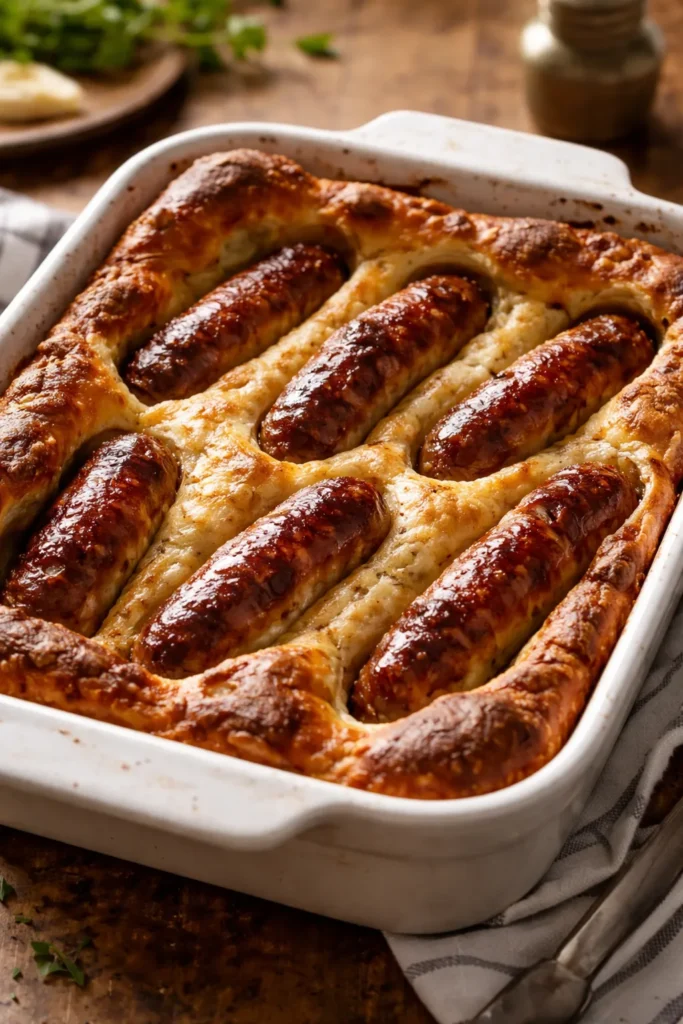
The name is deliberately absurd, the dish is entirely serious. Toad in the hole — sausages baked into a Yorkshire pudding batter until risen and golden around the edges — is the kind of British classic that sounds unpromising until you pull it from the oven and understand immediately why generations of families have made it on weekday evenings without ever questioning whether to bother.
Getting the Sausages Right
Use proper pork sausages with a decent meat content — look for anything above 70% pork on the label. Cheaper sausages contain more water and fat, which leaches out into the batter as they cook and prevents it from rising properly. Cumberland sausages work brilliantly here, as does any coarse-ground traditional variety. Chipolatas, while charming, are too thin and overcook before the batter has set.
Brown the sausages in the baking dish on the hob before adding the batter — this step is often skipped in rushed recipes, but a few minutes of browning adds flavour to both the sausages and the fat left behind in the tin, which becomes the cooking medium for the batter.
The Rise That Makes It Worth Making
Use the same batter formula as Yorkshire pudding: equal volumes of eggs, milk, and flour. Pour the batter into the smoking-hot fat around the browned sausages and return to a 220°C (425°F) oven without hesitation. The batter should immediately begin to bubble and set at the edges.
After 25-30 minutes, the toad in the hole should be dramatically risen, deeply golden, and slightly crisp at the edges. Serve it immediately — it deflates as it cools — with onion gravy, which is not optional. Simmer sliced onions in butter for 20 minutes until deeply caramelised, add beef stock and a splash of Worcestershire sauce, and reduce to a glossy, dark gravy.
8. Eton Mess
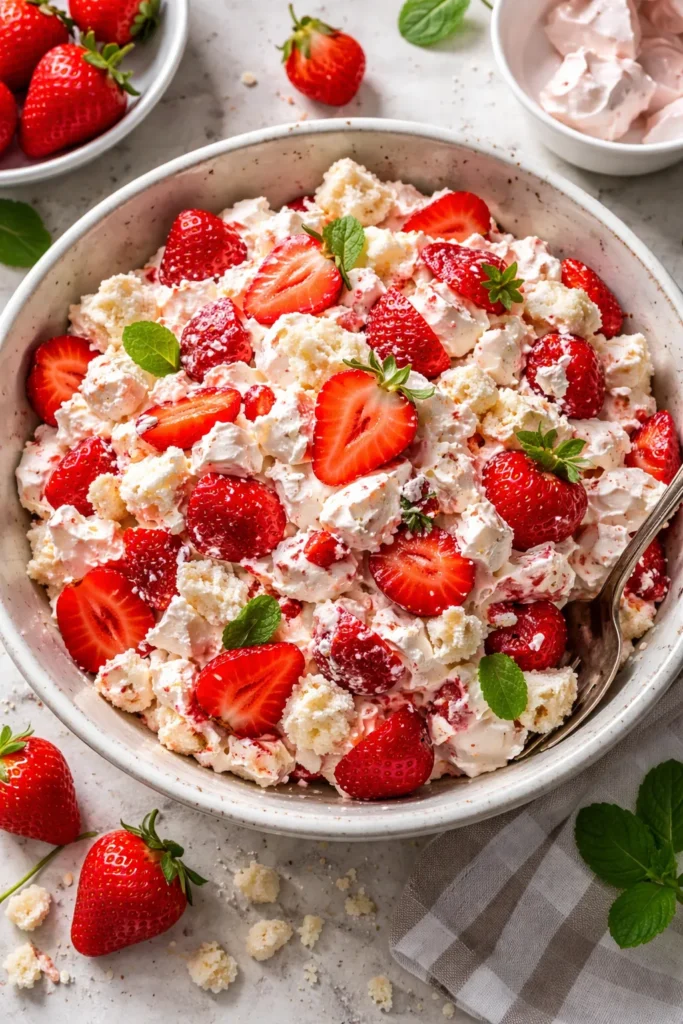
Eton mess is proof that sometimes a culinary accident produces something better than any carefully planned dish could. The story — possibly apocryphal, but plausible — is that a meringue and strawberry dessert was dropped on the way to a school cricket match at Eton College, and someone had the good sense to just mix it all together anyway. The result is one of Britain’s most refreshing summer desserts: broken meringue, softly whipped cream, and fresh strawberries folded loosely together into something glorious.
Making the Meringue From Scratch
Store-bought meringue shells work, but homemade meringue is a different experience entirely. A Swiss meringue — where egg whites and caster sugar are heated together over a bain-marie before whisking — produces a meringue that is crisp on the outside and chewy-marshmallowy within, which is the ideal texture for Eton mess. Use 4 large egg whites and 225g caster sugar, heated until the sugar has fully dissolved (test by rubbing a little between your fingers — it should feel completely smooth), then whisk on high speed until stiff, glossy, and completely cooled.
Bake at 100°C (212°F) for about 90 minutes until completely dry, then cool in the turned-off oven. The meringues can be made up to a week ahead and stored in an airtight tin.
Building the Mess Properly
The ratio matters more than most people realise. Too much cream and the mess becomes heavy and cloying; too little and it falls apart without cohesion. For every 4 portions, use 400ml double cream whipped to soft peaks — not stiff, never stiff. Fold in roughly crushed meringue (large, irregular pieces create a better texture than fine crumbs) and two-thirds of the sliced strawberries.
Spoon into glasses or bowls and finish with the remaining fresh strawberries and a small drizzle of the syrup left in the bowl from macerating the fruit. A little squeeze of lemon juice over the strawberries before assembly makes every other flavour in the bowl sharper and brighter.
9. Bangers and Mash
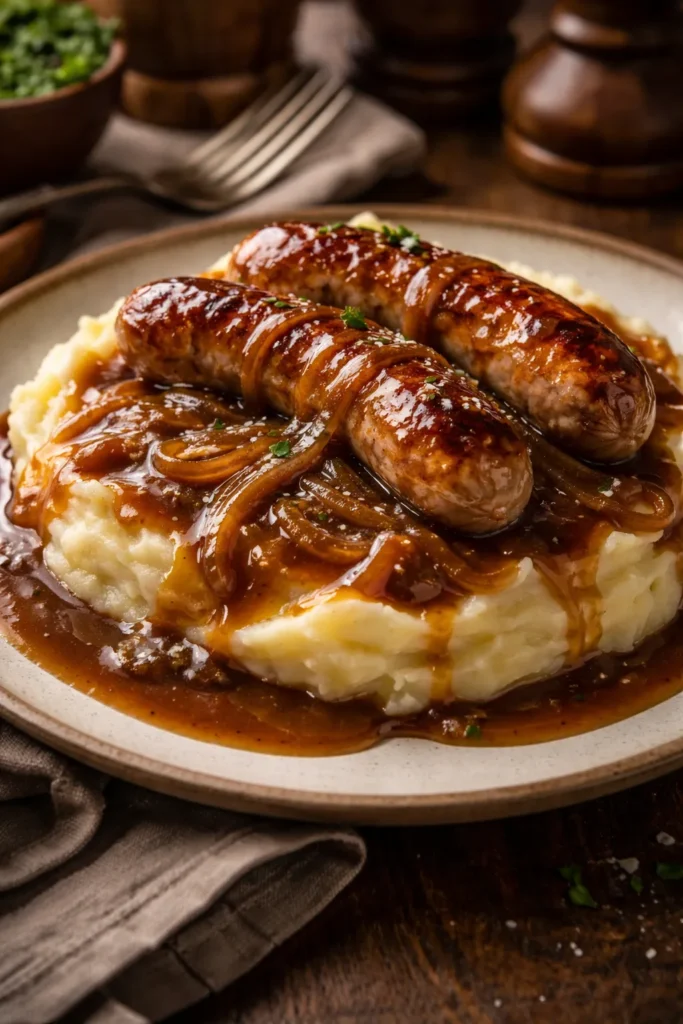
Bangers and mash is pub food elevated to an art form. The “bangers” nickname dates from times when sausages contained enough water to make them spit and pop in the pan — a quality-control problem that has largely been solved, though the name stuck. Properly made, this dish is an exercise in getting three things exactly right: caramelised sausages, impossibly smooth mash, and a rich, glossy onion gravy that ties everything together.
Sausages That Deserve the Name
Cumberland, Lincolnshire, or traditional pork and herb sausages are the natural choices here. Fry them over medium heat in a heavy pan — cast iron is ideal — turning regularly for at least 20 minutes. Patience is the single most important ingredient. Rushing the heat produces sausages that are browned on the outside and not quite cooked through, or worse, split and dried out. The casing should be deeply golden all over, slightly sticky, and the interior should reach 75°C (167°F) throughout.
Never prick them beforehand. The juices trapped inside the casing are flavour, and puncturing the casing loses them to the pan.
Mash That’s Worth Making
For the mash, use floury potatoes — Maris Piper or King Edward work best. Boil them whole, in salted water, until a knife slides through without resistance, then drain thoroughly and allow to steam-dry for 2-3 minutes in the empty pot. Ricing produces the smoothest result; a potato ricer costs very little and makes a perceptible difference. Beat in 50g unsalted butter per 500g of cooked potato, add warm cream or full-fat milk in stages until the mash reaches a consistency that drops reluctantly from a spoon, and season with salt, white pepper, and a very small grating of nutmeg.
The onion gravy follows the same low-and-slow caramelisation approach as the shepherd’s pie base: sliced onions in butter, cooked for 20-25 minutes until sweet and dark, then beef stock added and reduced to a sauce consistency. A teaspoon of Dijon mustard stirred in at the end adds the faintest edge that makes the gravy more interesting than the pub standard.
10. Lancashire Hotpot
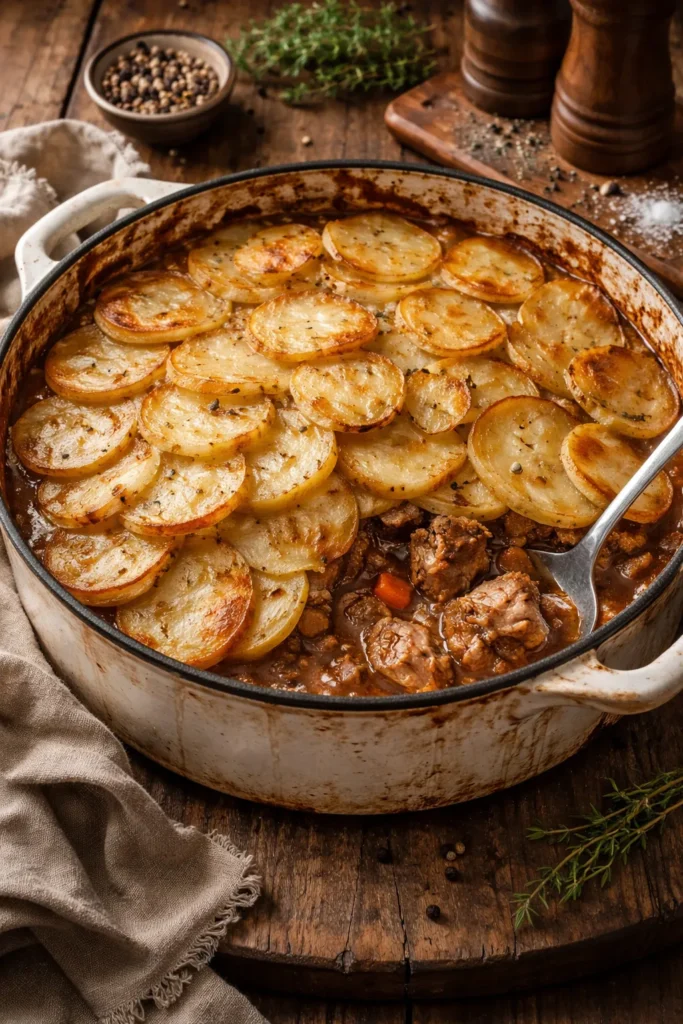
Lancashire hotpot is one of northern England’s great gifts to British cooking — a slow-braised lamb dish topped with overlapping slices of potato that bake golden and crisp while the meat below becomes tender enough to cut with a spoon. It was historically the working-class meal of Lancashire mill towns, designed to be assembled in the morning, left in a low oven all day, and eaten when the family returned from work. That hands-off, low-effort character is still its greatest practical virtue.
Choosing and Preparing the Lamb
Neck or shoulder are the correct cuts for hotpot — both have enough connective tissue and fat to braise beautifully over a long cook without drying out. Avoid leg of lamb, which is too lean and becomes tough rather than tender. Ask your butcher to cut neck into cross-sections about 2cm thick; shoulder can be diced into large chunks.
Brown the meat in batches in a wide, heavy pan — a good colour on the surface of the lamb is non-negotiable for the depth of flavour in the final braise. Set the browned meat aside and cook sliced onions in the same pan until softened, then season everything generously and layer it in a deep casserole dish with sliced carrots and a few bay leaves.
The Potato Crust That Defines the Dish
Slice Maris Piper or King Edward potatoes very thinly — about 3mm — using a mandoline if you have one. Layer them overlapping over the top of the meat in neat circles, like scales, brushing each layer with melted butter and seasoning between layers.
Pour just enough lamb stock to come three-quarters of the way up the potato topping, then cover and cook in a 160°C (320°F) oven for 2 hours. Remove the lid for the final 30-40 minutes and increase the temperature to 200°C (392°F) to crisp and colour the potatoes to a deep, burnished gold. Serve with pickled red cabbage alongside — the acidity cuts through the richness of the braised lamb in a way that makes the whole dish make complete sense.
11. Treacle Tart
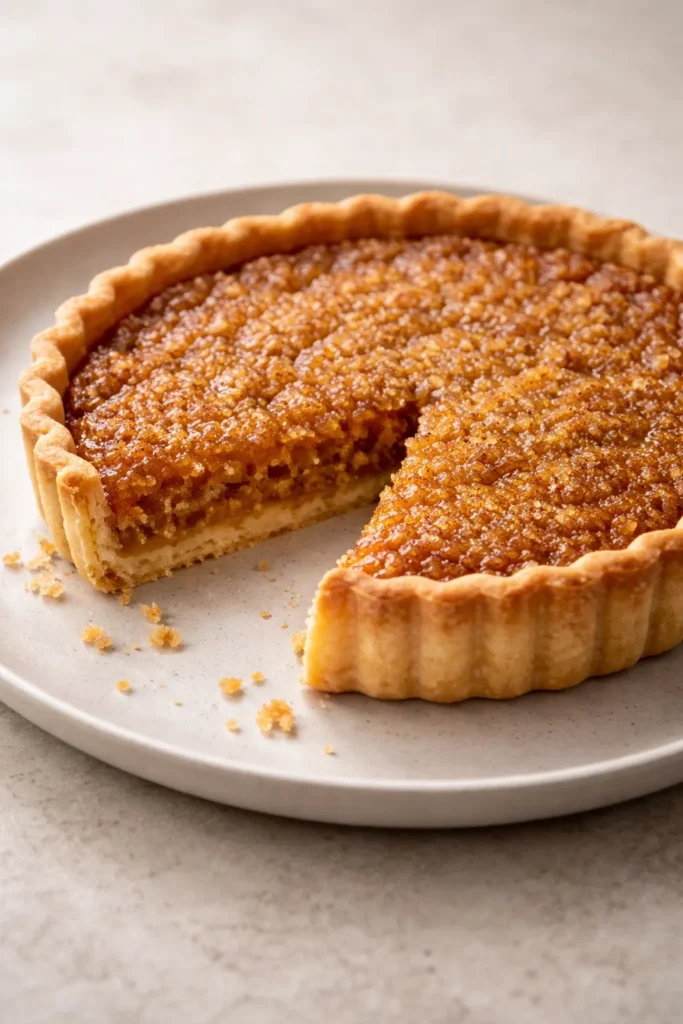
Treacle tart is old Britain in baked form — one of those recipes with roots reaching back to the 19th century, built from pantry staples that would have been available in virtually any British kitchen. Despite the name, it contains no actual treacle (the dark, bitter variety): the main sweetener is golden syrup, Lyle’s specifically, with its distinctive floral, slightly caramelised flavour that no other product replicates exactly. Combined with breadcrumbs and a little lemon juice in a short pastry shell, it’s one of the most distinctive British desserts.
The Pastry That Holds Everything Together
Shortcrust pastry for a sweet tart should be slightly richer than savoury versions — use 225g plain flour, 100g cold butter, a tablespoon of icing sugar, and a beaten egg yolk to bind it, adding ice-cold water by the teaspoon until the dough just comes together. Overworking develops gluten and toughens the result; handle the dough as briefly as possible and rest it in the fridge for at least 30 minutes before rolling.
Blind bake the pastry shell at 190°C (375°F) for 15 minutes with baking parchment and baking beans, then remove the beans and bake for a further 5 minutes until lightly golden. This prevents the base from becoming soggy under the filling.
Balancing the Sweetness
The filling is 400g of golden syrup, warmed slightly so it pours easily, mixed with 100g of fresh white breadcrumbs and the juice of half a lemon. The breadcrumbs are what transforms the syrup from a liquid into a settable filling — they absorb the syrup during baking and create a soft, chewy-but-sliceable texture. The lemon juice is essential: without it, the tart is overwhelmingly sweet; with it, there’s just enough brightness to make you want another slice.
Serve warm, never cold, with clotted cream or a proper vanilla custard poured alongside.
12. Bread and Butter Pudding
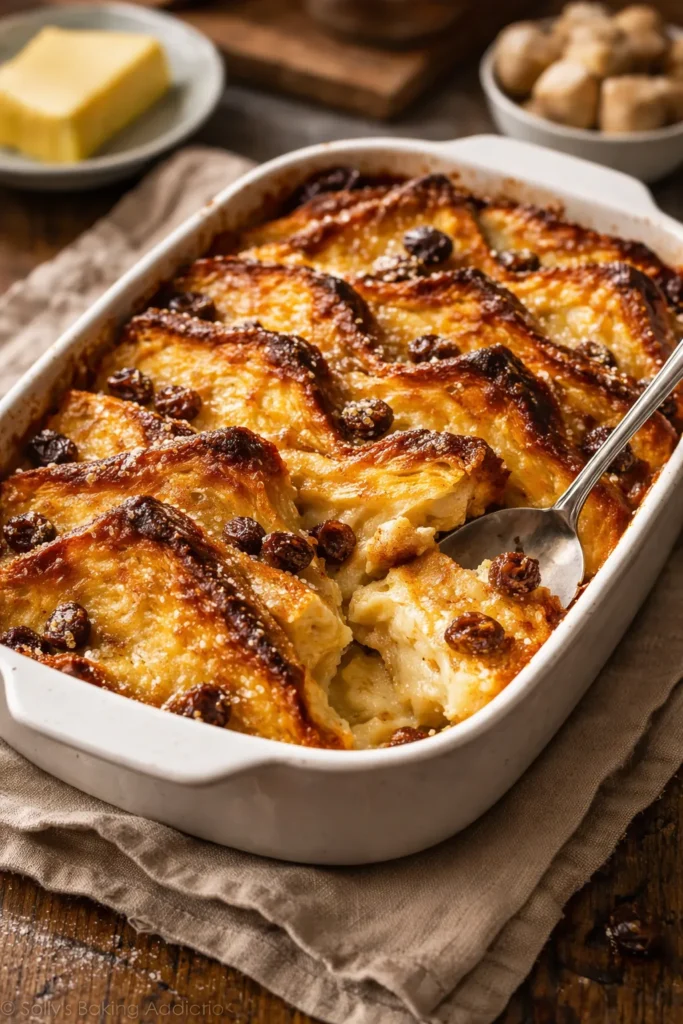
Bread and butter pudding is resourcefulness turned into something genuinely delicious — a dish born from the need to use up stale bread, now made deliberately with day-old brioche or white sandwich bread because the flavour and texture it produces is worth seeking out rather than waiting for. The principle is simple: buttered slices of bread, layered in a baking dish, soaked in a sweet vanilla custard, then baked until the top layer is burnished and slightly crisp while the interior is soft and custardy through to the centre.
Bread Choice and Preparation
Stale white bread is the traditional choice and works well. Brioche turns this into something significantly more indulgent — the enriched dough soaks up the custard beautifully and adds a buttery richness that elevates the finished dish considerably. Croissants, torn into pieces, produce a particularly good version: their flaky, laminated layers create pockets of custard surrounded by crisp, caramelised edges.
Butter the bread or brioche generously before layering it in the dish. Don’t be restrained here — the butter between the layers is part of what makes this pudding what it is. Scatter raisins or sultanas between the layers if you like; soaking them in a tablespoon of rum or brandy for 30 minutes beforehand is not essential but worth doing.
The Custard Ratio That Gets It Right
For a 1.5-litre baking dish, use 4 large eggs, 300ml whole milk, 300ml double cream, 3 tablespoons caster sugar, and 1 teaspoon vanilla extract. Whisk together and pour slowly over the layered bread, pressing the bread down gently so every piece soaks up the liquid. Let it stand for at least 20 minutes — ideally an hour — before baking.
Bake at 170°C (338°F) for 30-35 minutes until the custard is set with just the faintest wobble in the very centre and the top layer of bread is deep golden and slightly crisp. A dusting of icing sugar and 2-3 minutes under a hot grill adds a caramelised finish that takes it from comforting to special. Serve immediately, with pouring cream.
Final Thoughts
British cooking rewards patience, good ingredients, and an honest appreciation for dishes that prioritise flavour and comfort over visual drama. The 12 recipes above aren’t trying to be anything they’re not — and that’s exactly what makes them worth making.
A few things are worth carrying across all of these dishes. Fat is flavour: butter, beef dripping, and good-quality pork fat appear throughout British cooking because they genuinely make food taste better. Seasonality matters, too — lamb in spring, strawberries in summer, root vegetables through the colder months. British cooking has always been tied to what the land produces, and cooking with that in mind produces more satisfying results.
Don’t feel the need to begin with the most ambitious recipe on this list. Eton mess takes about 20 minutes to assemble; bangers and mash can be on the table in 40. Start there, build your confidence, and work toward the bread and butter pudding or the sticky toffee pudding when you want to spend a Sunday afternoon properly in the kitchen.
The real pleasure of classic British recipes isn’t just in the eating — it’s in the moment you realise that food this satisfying was never complicated to begin with.