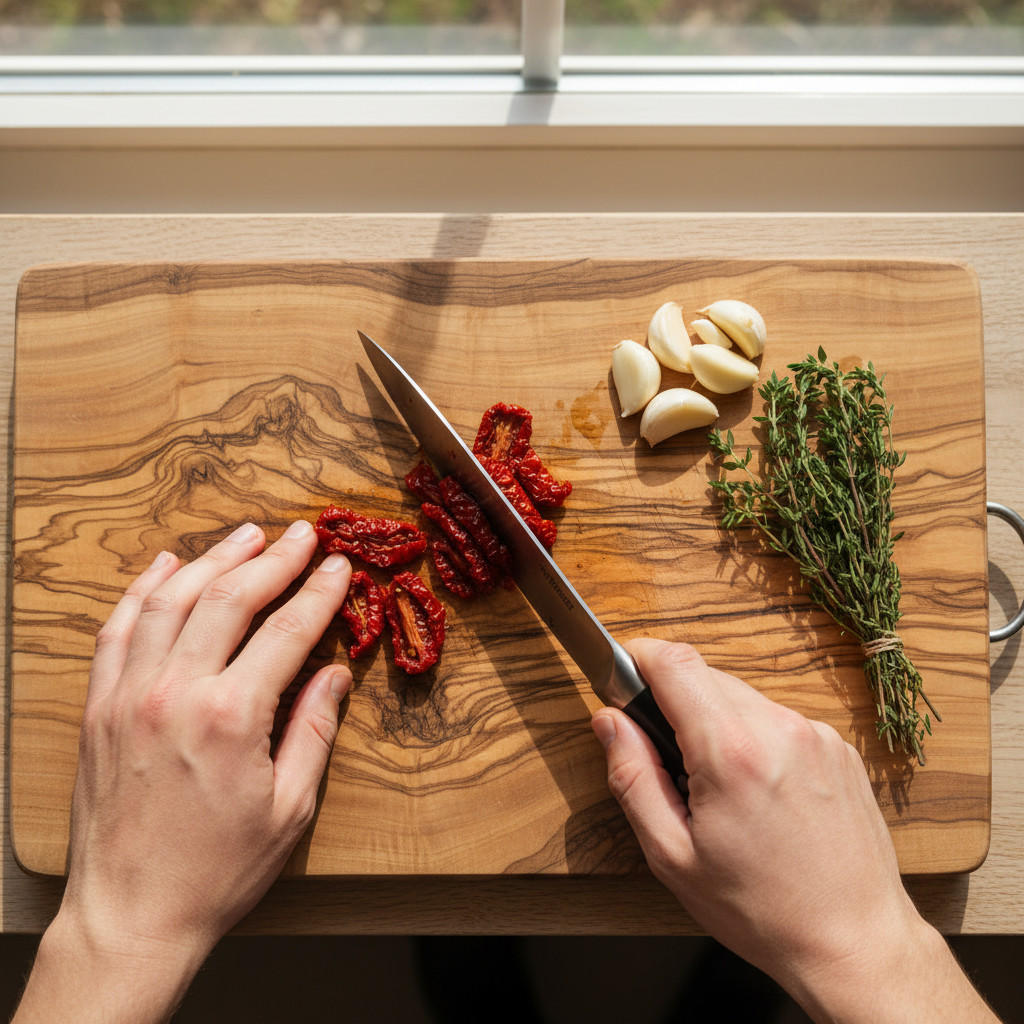
There’s something about cooking together that no restaurant can replicate. The shoulder-to-shoulder chopping, the occasional taste-test debate, the shared pride when a dish comes out exactly right — these are the moments that turn an ordinary Tuesday into something you actually remember. A well-chosen recipe doesn’t just feed two people. It gives them something to do with their hands while they talk, laugh, and reconnect.
The catch is that not every recipe is built for a two-person kitchen. Dishes that demand split-second attention from a single cook, or that require half an hour of lonely stirring while your partner watches from the couch, miss the whole point. The best date night meals have a natural division of labor built in — one person handles the sauce while the other manages the protein, or the dough gets rolled while the filling is seasoned.
What follows are 12 meals specifically chosen for their cook-together potential. Some are weeknight-friendly and ready in under 30 minutes. Others are weekend projects that reward patience with something genuinely special. All of them are the kind of food that makes people lean back in their chair after the first bite and say that was worth it.
Table of Contents
- How to Divide Kitchen Duties Without Stepping on Each Other
- Setting the Scene Before You Start
- 1. Shrimp Scampi with Linguine
- What Makes It Date Night Material
- Tips for Getting It Right
- 2. Chicken Marsala
- The Sauce Is Everything
- Quick Prep Notes
- 3. Homemade Pizza from Scratch
- Building Your Pies
- Topping Combinations That Work
- 4. Seared Scallops with Brown Butter and Capers
- Getting the Sear Right
- Serving Suggestions
- 5. Beef Tenderloin with Red Wine Pan Sauce
- Cooking the Tenderloin
- Making the Pan Sauce
- 6. Marry Me Chicken
- Why This Sauce Works
- How to Adapt It
- 7. Pasta Carbonara
- The Critical Technique
- Common Mistakes to Avoid
- 8. Mussels in White Wine and Garlic Broth
- Building the Broth
- What to Serve Alongside
- 9. Chicken Cordon Bleu
- Keeping the Roll Together
- A Simple Dijon Cream Sauce
- 10. Lobster Bisque with Crusty Bread
- Building the Bisque
- The Bread Situation
- 11. Filet Mignon with Balsamic Glaze and Roasted Asparagus
- Searing Steaks Properly
- Plating for Impact
- 12. Chocolate Lava Cakes for Two
- The Batter
- Getting the Timing Right
- Choosing Wine to Pair With Your Dinner
- The Joy of Cooking Together
- Final Thoughts
How to Divide Kitchen Duties Without Stepping on Each Other
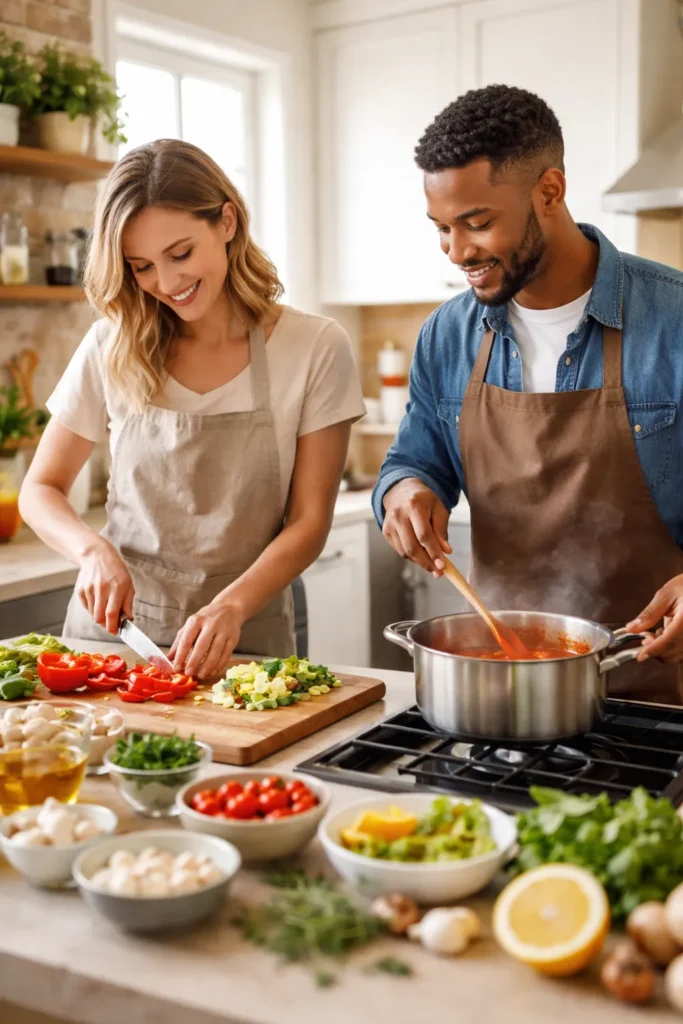
Before you fire up a single burner, spend five minutes agreeing on who’s doing what. This one conversation prevents most of the friction that makes cooking together feel more stressful than fun.
A natural split is main dish versus sides — whoever is less comfortable in the kitchen takes the side dish, something forgiving like roasted vegetables or a simple salad. The more confident cook handles the protein or the sauce, where timing and technique matter more.
Another approach is prep versus cook. One person handles all the chopping, measuring, and mise en place, while the other manages the stove. This works especially well for pasta dishes, stir-fries, and anything with a sauce that needs constant attention.
The golden rule? Don’t hover. Give each other space to make decisions, and resist the urge to correct technique unless something is actively about to go wrong. Cooking together is about the experience, not the perfection.
Setting the Scene Before You Start
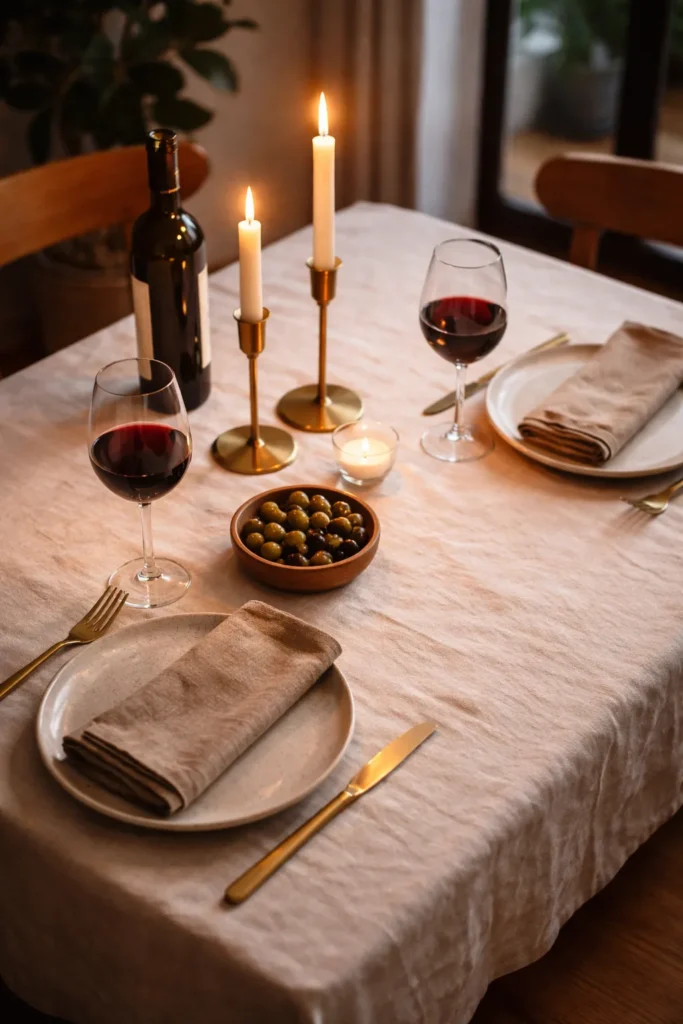
A beautifully set table waiting for you when you sit down changes the entire feel of the meal. Set it before you cook — not after — so you walk from the stove directly into an atmosphere that matches the food.
You don’t need anything fancy. A clean tablecloth or a couple of cloth napkins, two candles, your nicest glasses pulled out of the back of the cabinet, and a small plate of olives or cheese to snack on while you cook. That last detail matters more than people realize. Grazing on a simple appetizer while you cook gives you something to enjoy in the moment instead of arriving at the table famished and impatient.
If you’re choosing wine for the meal, open the bottle early and pour two glasses before the first knife touches the cutting board. Cooking with a glass of wine in reach feels effortless and unhurried — exactly the energy you want.
1. Shrimp Scampi with Linguine
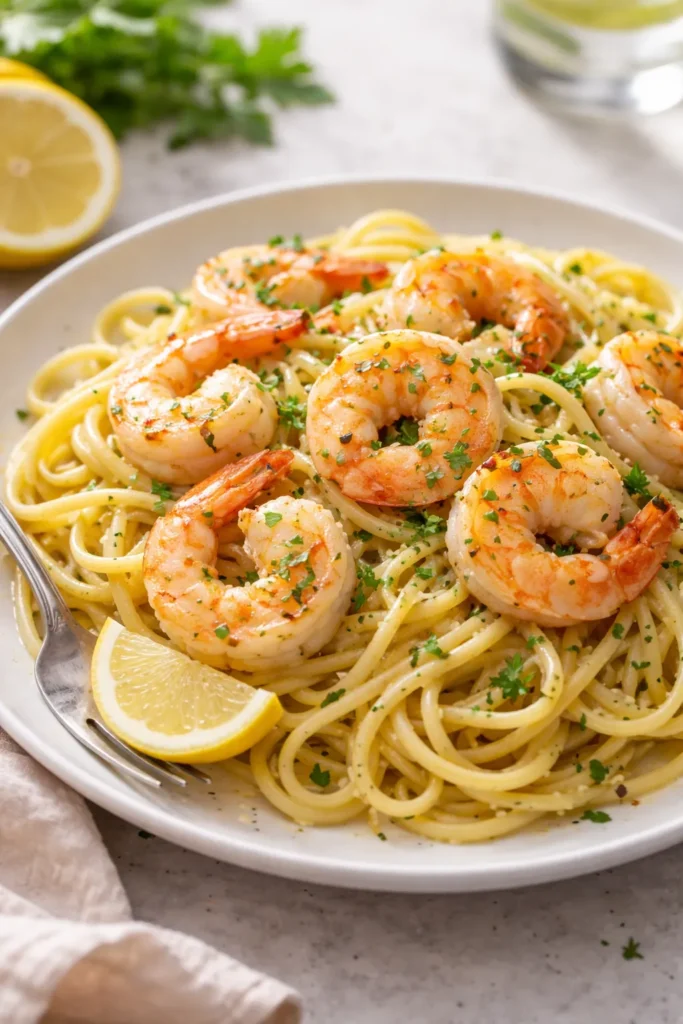
Shrimp scampi sits in a rare sweet spot: it looks and tastes like a restaurant dish, but it comes together in about 25 minutes with fewer than 10 ingredients. The sauce — built from garlic, dry white wine, butter, lemon juice, and a handful of fresh parsley — is bright, rich, and clings beautifully to linguine.
This is one of the best cook-together dishes because the tasks split cleanly. One person boils the pasta and handles the timing, while the other builds the sauce in a wide skillet, searing the shrimp just until they curl and turn pink. The two elements finish at almost exactly the same time when you coordinate properly, which feels enormously satisfying.
What Makes It Date Night Material
The key to shrimp scampi is not overcooking the shrimp. They go from perfect to rubbery in about 90 seconds, so whoever handles the skillet needs to stay focused. Large shrimp — 16/20 count — work best here because they’re harder to overcook and have more flavor than smaller sizes.
Use dry white wine you’d actually drink. A cheap, acidic cooking wine will make the sauce taste flat. Something like a Pinot Grigio or Sauvignon Blanc brings the right brightness without overpowering the shrimp.
Tips for Getting It Right
- Peel and devein the shrimp together as a prep task — it’s a good excuse to stand close
- Deglaze the pan with wine right after the garlic turns fragrant but before it browns
- Finish the sauce with cold butter, swirled in off the heat for a silky, glossy consistency
- Reserve a cup of pasta water before draining — it’s the secret to sauce that coats every strand
Worth knowing: A pinch of red pepper flakes added with the garlic gives the sauce a gentle heat that balances the richness of the butter beautifully.
2. Chicken Marsala
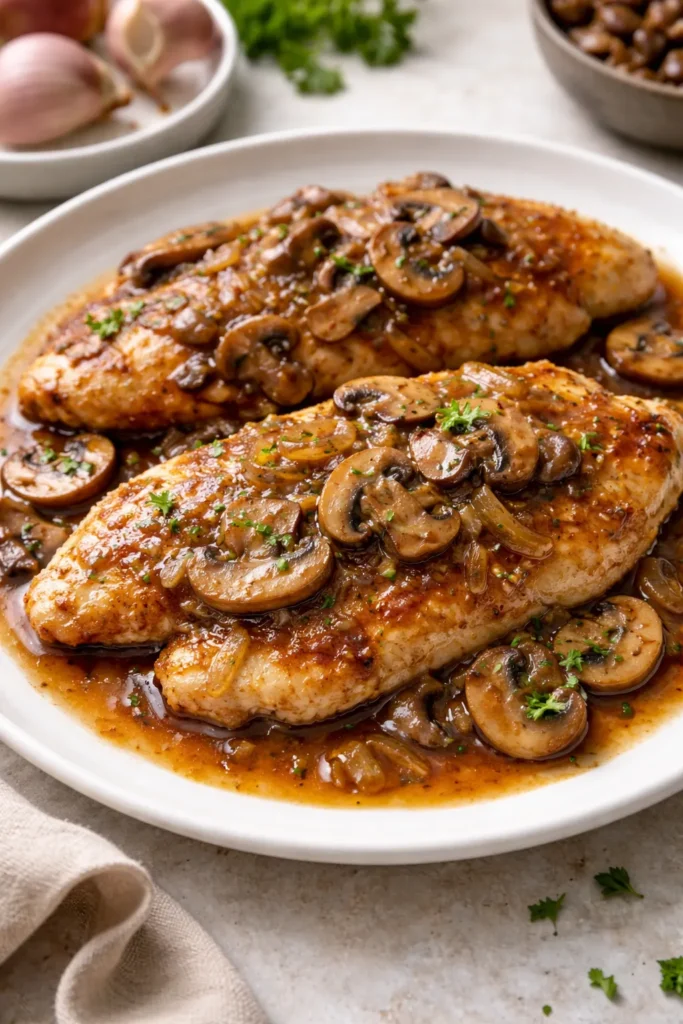
Chicken Marsala is one of those Italian-American classics that earns its reputation every single time. Pounded chicken cutlets, dredged in flour and pan-fried to a golden crust, are finished in a sauce of Marsala wine, mushrooms, shallots, and chicken broth that reduces into something deeply savory and slightly sweet.
The flour dredging and pounding is a perfect shared task — one person flattens the cutlets between plastic wrap while the other measures and preps the mushrooms and shallots. The actual cooking goes fast once the prep is done, so having everything measured and ready before you turn on the heat is non-negotiable.
The Sauce Is Everything
Dry Marsala wine — not sweet — is the foundation. Dry Marsala has a nutty, almost smoky quality that sweet Marsala can’t replicate. The mushrooms should be cremini or a mix of cremini and shiitake, sliced fairly thick so they hold their texture in the sauce rather than dissolving.
After the chicken is cooked and resting, the mushrooms and shallots go into the same pan — all those browned bits from the chicken are flavor, not waste. The wine goes in next, and the whole thing reduces by half before the broth joins it.
Quick Prep Notes
- Pound chicken to an even ½-inch thickness for consistent cooking
- Pat dry before dredging — moisture is the enemy of a good crust
- Don’t crowd the pan; cook in two batches if needed
- A tablespoon of cold butter stirred in at the end makes the sauce shine
Serve over buttered egg noodles or creamy mashed potatoes — both are spectacular with this sauce.
3. Homemade Pizza from Scratch
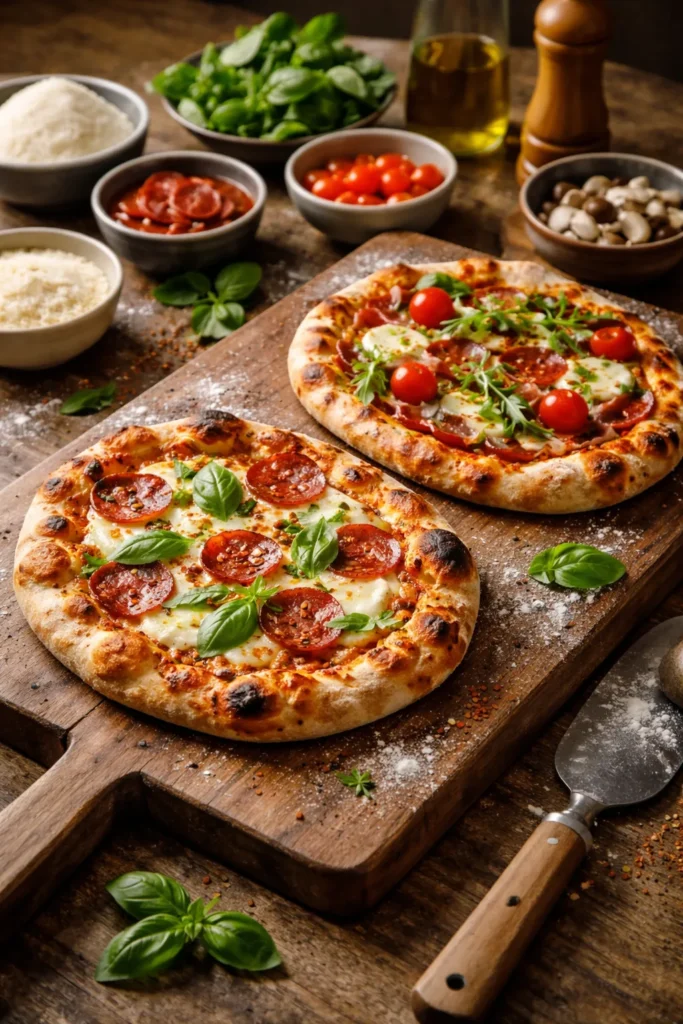
Pizza night sounds casual, but homemade pizza is one of the most genuinely fun things two people can make together. Shaping dough by hand, choosing toppings, constructing two individual pizzas according to each person’s preferences — it’s interactive in a way that few dinners are.
Make the dough the morning of (or even the night before) so it’s ready to use by dinner time. A simple dough of bread flour, instant yeast, olive oil, salt, and warm water needs about an hour to rise. If you want to skip the dough-making entirely, a ball of store-bought pizza dough from a good bakery or Italian grocery works beautifully.
Building Your Pies
Each person shapes and tops their own pizza, which removes any debate about toppings and turns the process into a genuinely creative act. Set out small bowls of sauce, cheese, and toppings before you start — this is the mise en place approach, and it makes the whole process feel organized and fun rather than chaotic.
A preheated pizza stone or cast iron pan is worth the extra 30-minute oven preheat. Baking pizza at 500°F or higher on a surface that’s already ripping hot is the difference between a crispy, charred-bottom crust and a pale, soft one.
Topping Combinations That Work
- Classic: San Marzano tomato sauce, fresh mozzarella, fresh basil, drizzle of olive oil
- White: ricotta, caramelized onions, prosciutto, fresh arugula after baking
- Vegetarian: roasted red peppers, olives, goat cheese, thinly sliced zucchini
Pro tip: Less is more with toppings. Overloading a pizza prevents the crust from crisping and makes the center soggy. Two or three well-chosen toppings beat eight competing ones every time.
4. Seared Scallops with Brown Butter and Capers
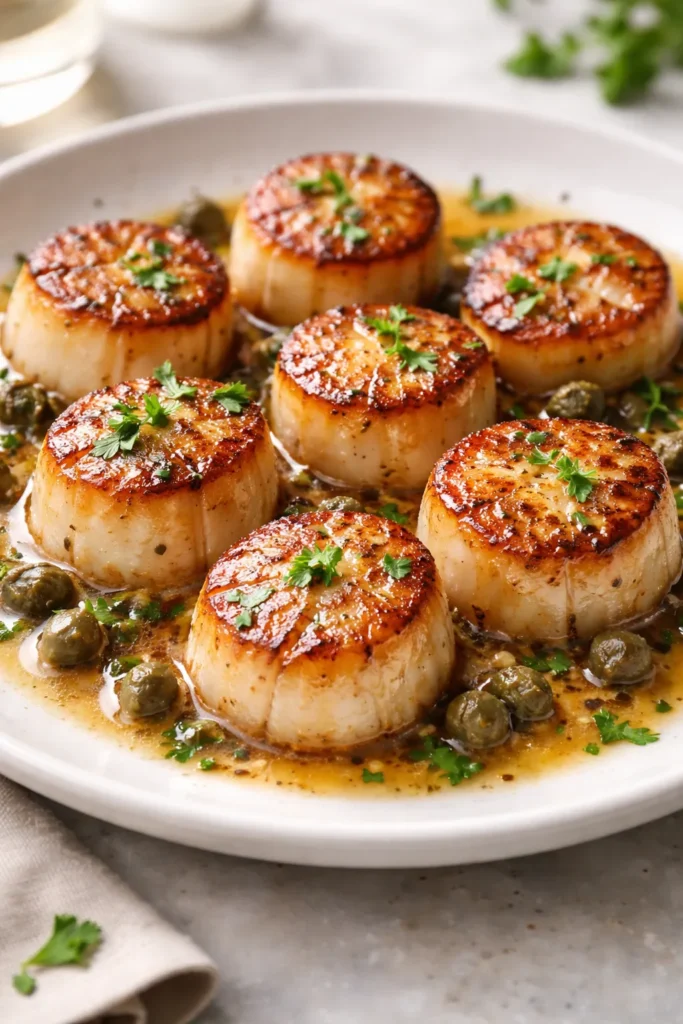
Scallops have an undeserved reputation for being difficult. The truth is, a perfectly seared scallop — golden and slightly crispy on the outside, translucent and sweet at the center — requires just two things: a very hot pan and completely dry scallops.
This dish comes together in under 20 minutes, which makes it ideal for a weeknight date when you want something impressive without a long cooking commitment. While one person handles the scallops in a cast iron or stainless steel skillet, the other preps the brown butter sauce — a simple affair of butter, lemon juice, capers, and fresh parsley that takes about four minutes to make.
Getting the Sear Right
Dry your scallops thoroughly with paper towels, then let them sit uncovered on a plate in the refrigerator for 20 minutes before cooking. This surface drying is what allows a proper crust to form. Salt them just before they hit the pan — not before, because salt draws out moisture.
The pan needs to be genuinely hot before the scallops go in — a drop of water should skitter and evaporate immediately. A neutral oil with a high smoke point, like avocado oil, handles the heat better than butter for the initial sear. Cook 2 to 3 minutes undisturbed on the first side, then flip for 1 more minute.
Serving Suggestions
- Plate over a smear of cauliflower purée or white bean mash
- A handful of wilted spinach alongside adds color and balances richness
- Crusty bread for mopping up the brown butter sauce is non-negotiable
The whole dish — prep through plating — takes about 25 minutes. That leaves plenty of time for an appetizer course.
5. Beef Tenderloin with Red Wine Pan Sauce
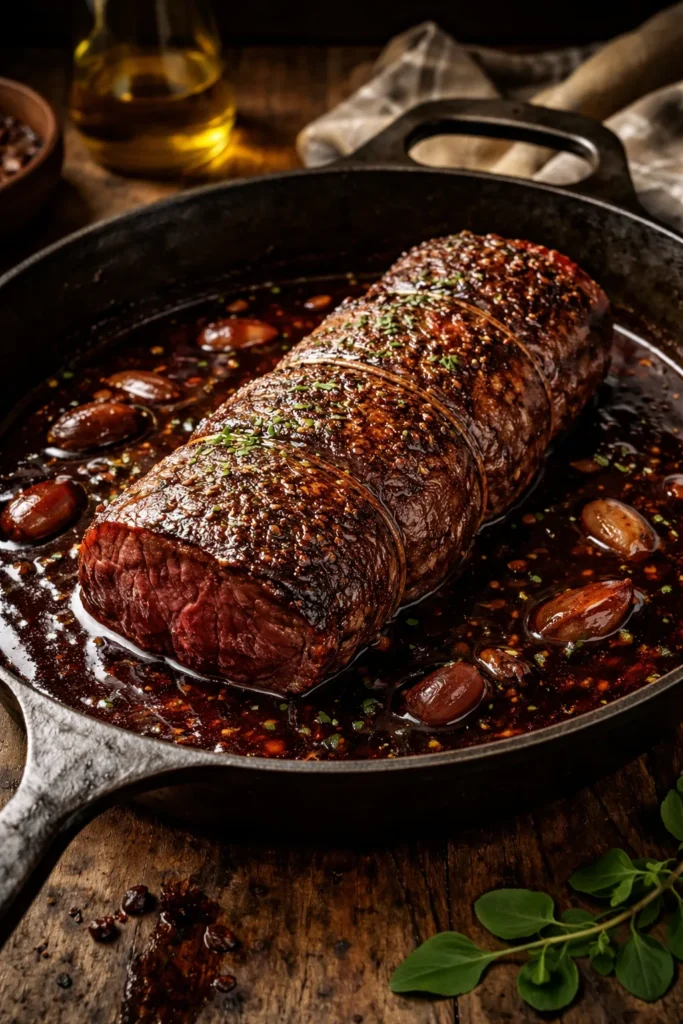
This is the anchor of a proper special-occasion dinner. A whole beef tenderloin, trimmed and tied, roasted in a hot oven and finished with a red wine pan sauce made from the drippings — it’s the kind of meal that makes the kitchen smell extraordinary and produces a centerpiece that genuinely impresses.
The division of labor is well defined: one person handles the tenderloin preparation and oven timing while the other focuses entirely on the pan sauce. The sauce is the more demanding task, involving shallots, garlic, a full cup of red wine, beef broth, and a knob of cold butter whisked in at the end to give it body and gloss.
Cooking the Tenderloin
Bring the beef to room temperature for at least 45 minutes before cooking — this is one of those steps people skip that genuinely changes the outcome. Season aggressively with kosher salt and black pepper on all sides, then sear in a hot oven-safe skillet before transferring to the oven.
Use a meat thermometer. For medium-rare, pull the tenderloin at 125°F — it will carry over to about 130°F as it rests. Rest for at least 10 minutes, loosely tented with foil, before slicing. Slicing early is the most common mistake, and it sends all the juices onto the cutting board instead of staying in the meat.
Making the Pan Sauce
- Pour off excess fat, leaving about a tablespoon in the pan
- Sauté minced shallots until soft, about 2 minutes
- Add a splash of red wine and scrape up every browned bit from the bottom
- Add broth, reduce by half, then swirl in cold butter off the heat
Serve with roasted fingerling potatoes and haricots verts for a complete plate that looks genuinely restaurant-worthy.
6. Marry Me Chicken
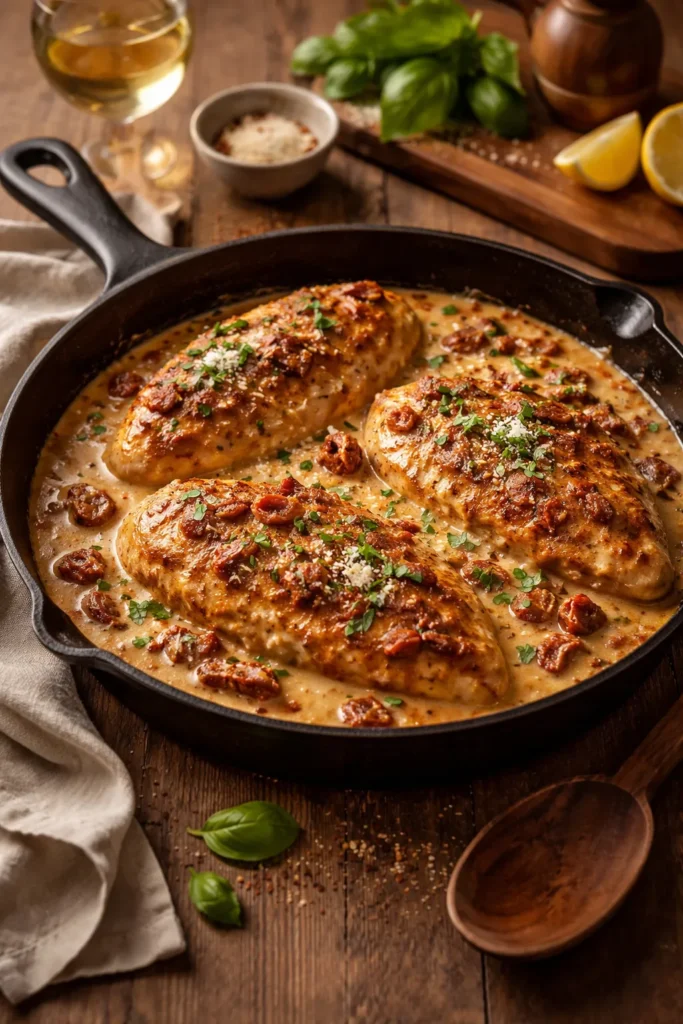
The name sounds like hyperbole, but anyone who’s made this dish understands the logic. Chicken breasts seared in a skillet, then finished in a sauce of sun-dried tomatoes, heavy cream, garlic, chicken broth, fresh thyme, and Parmesan — it’s the kind of recipe that makes people ask for it again the following week.
It’s a single-pan dish, which is a genuine advantage on date night. Fewer dishes mean less cleanup stress and more time at the table. One person handles the chicken searing while the other preps the sauce ingredients. Once the chicken is seared and set aside, the sauce builds in the same pan in about 8 minutes, picking up all the flavor left behind by the chicken.
Why This Sauce Works
Sun-dried tomatoes bring a concentrated sweetness and slight chew that fresh tomatoes can’t replicate in a quick sauce. They also add color — the sauce turns a warm, deep red-orange that photographs beautifully and looks far more complex than it actually is.
The Parmesan goes in at the end, stirred into the cream sauce off the heat so it melts smoothly rather than clumping. Fresh thyme or basil, added at the very last moment, keeps the herb flavor bright rather than muted.
How to Adapt It
- Lighter version: Replace heavy cream with full-fat coconut milk — the richness holds up surprisingly well
- Add heat: A pinch of red pepper flakes with the garlic gives the sauce a pleasant kick
- Make it a full meal: Spoon over creamy polenta, buttered gnocchi, or a bed of fresh pasta
Pro tip: Slice the chicken in half horizontally before searing to create thinner cutlets that cook evenly and have more surface area to soak up the sauce.
7. Pasta Carbonara
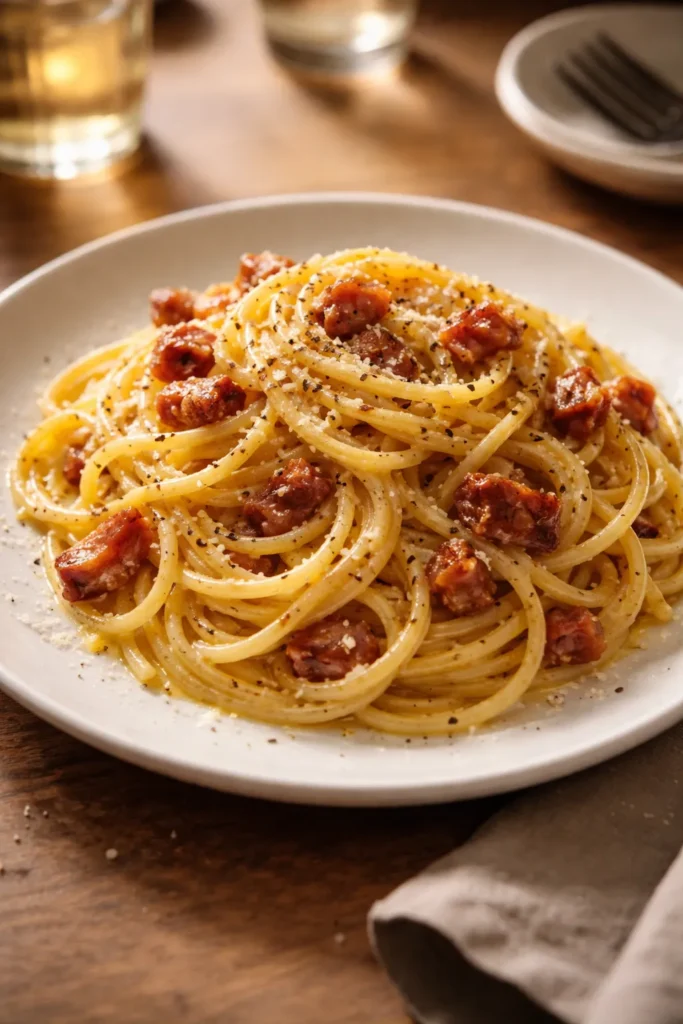
Carbonara has exactly four ingredients beyond the pasta — guanciale (or pancetta), eggs, Pecorino Romano, and black pepper — and it’s one of the most technically interesting dishes you can make together precisely because of how the sauce forms. There’s no cream involved. The silky, coating sauce comes entirely from egg yolks, pasta water, and heat, and getting it right is a small lesson in kitchen chemistry.
This is a dish where the timing and technique conversation is half the fun. One person handles the guanciale in a wide skillet while the other whisks the egg and cheese mixture and manages the pasta. The two tracks need to converge at exactly the right moment — when the pasta is cooked, drained (with pasta water reserved), and tossed quickly into the pan off the heat with the egg mixture added immediately after.
The Critical Technique
The pan must be off the heat when the egg mixture goes in. If the skillet is still on the burner, the eggs scramble instead of emulsify. The residual heat of the pasta and the pan is enough to cook the eggs to a glossy, sauce-like consistency.
Add pasta water one splash at a time, tossing constantly. The sauce should be loose enough to coat every strand but thick enough to cling. More pepper than you think is right — carbonara is supposed to be aggressively peppery.
Common Mistakes to Avoid
- Using bacon instead of guanciale changes the flavor significantly — guanciale is fattier and sweeter
- Adding cream is inauthentic and actually makes the sauce heavier and less silky
- Draining too much pasta water before adding the eggs leaves the sauce dry and clumpy
A bottle of crisp white wine or sparkling Prosecco is the natural companion to this dish.
8. Mussels in White Wine and Garlic Broth
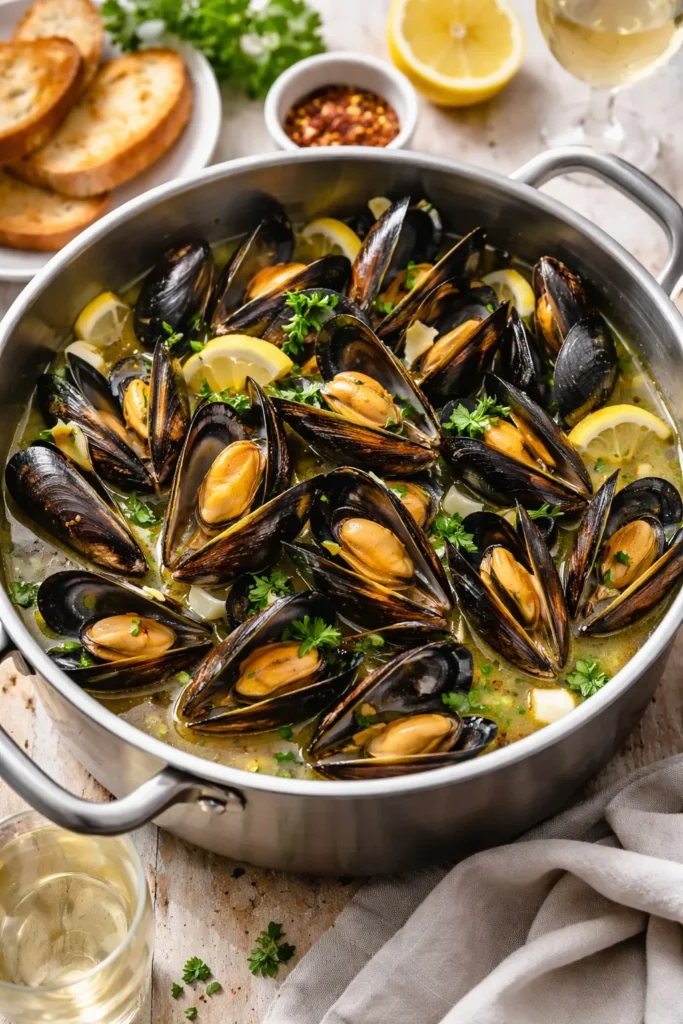
Mussels are one of the great underrated date night dishes. They’re fast — a full pound cooks in about 8 minutes — affordable, and produce an extraordinary amount of rich, aromatic broth that makes dunking crusty bread into the pot a genuine ritual.
The interactive nature of eating mussels is part of the appeal. You eat with your hands, use empty shells as spoons for slurping up broth, and the whole meal has an informal, festive quality that loosens the atmosphere in a way a plated dinner sometimes can’t.
Building the Broth
The broth is built quickly in a large pot or deep skillet: olive oil, thinly sliced shallots, crushed garlic, a generous pinch of red pepper flakes, then a full cup of dry white wine. Once the wine reduces slightly and the alcohol cooks off, the cleaned mussels go in all at once. Cover immediately and cook over high heat, shaking the pot once or twice, until all the shells open — 6 to 8 minutes.
Discard any mussels that don’t open — this is a food safety rule, not just culinary preference. Finish with cold butter swirled into the broth, a handful of chopped flat-leaf parsley, and a squeeze of fresh lemon.
What to Serve Alongside
- A whole baguette, sliced on the diagonal and lightly toasted with olive oil
- French fries (moules-frites is a Belgian tradition worth borrowing)
- A simple green salad with a sharp Dijon vinaigrette to cut the richness
The entire dish from prep to table takes about 20 minutes, which leaves room for a relaxed first course.
9. Chicken Cordon Bleu
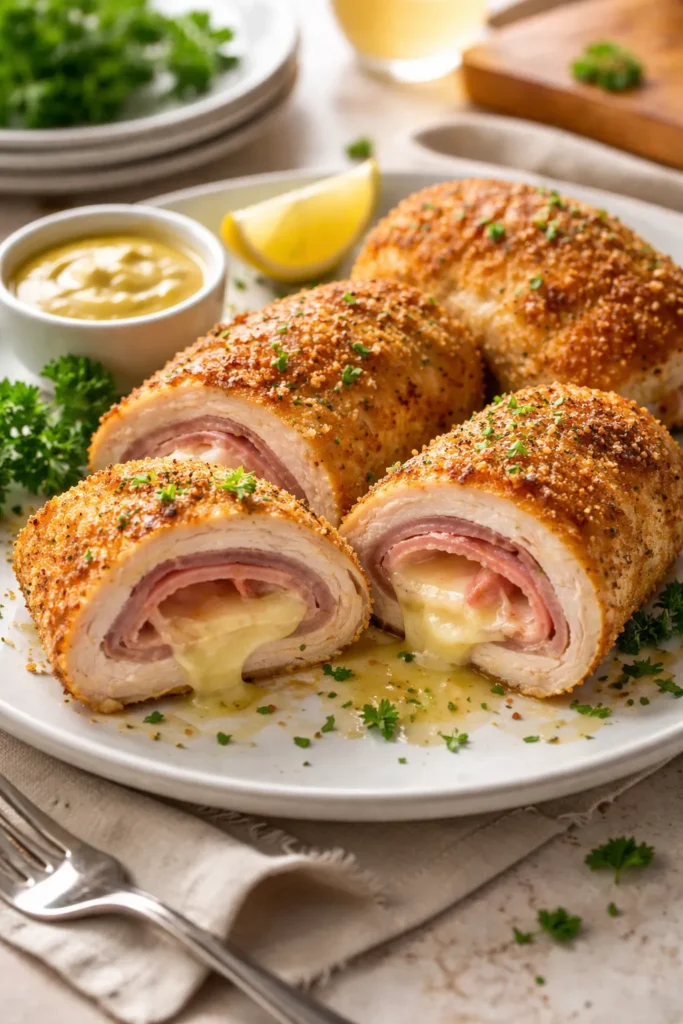
Chicken Cordon Bleu is a French restaurant classic that’s more fun to assemble than people expect. Pounded chicken breasts are layered with thinly sliced ham and Gruyère, rolled tightly, coated in breadcrumbs, and baked until the crust is golden and the cheese has melted completely into the chicken.
The rolling and breading step is one of the most naturally collaborative tasks in any of these recipes. One person lays out the ham and cheese on the flattened chicken, the other rolls each breast tightly and secures it with a toothpick, then passes it along for the egg wash and breadcrumb coating. It’s an assembly line that moves quickly and produces something that looks genuinely impressive on the plate.
Keeping the Roll Together
Chill the assembled rolls for 20 to 30 minutes in the refrigerator before baking. This firming step is what keeps them from unraveling in the oven. Secure each roll with two toothpicks — mark the number used somewhere visible so you don’t forget to remove them before serving.
For the breadcrumb coating, Panko mixed with a tablespoon of finely grated Parmesan and a pinch of paprika gives a much crispier, more flavorful crust than plain breadcrumbs alone.
A Simple Dijon Cream Sauce
The dish is complete with a simple pan sauce: butter, a minced shallot, Dijon mustard, heavy cream, and a small splash of white wine reduced until slightly thickened. It takes about 6 minutes to make while the chicken rests and elevates the finished dish significantly.
- Bake at 400°F for 25 to 30 minutes until the internal temperature reaches 165°F
- Let rest 5 minutes before slicing on the diagonal to reveal the ham and cheese spiral
- Serve with steamed asparagus or haricots verts and a scoop of creamy mashed potatoes
10. Lobster Bisque with Crusty Bread
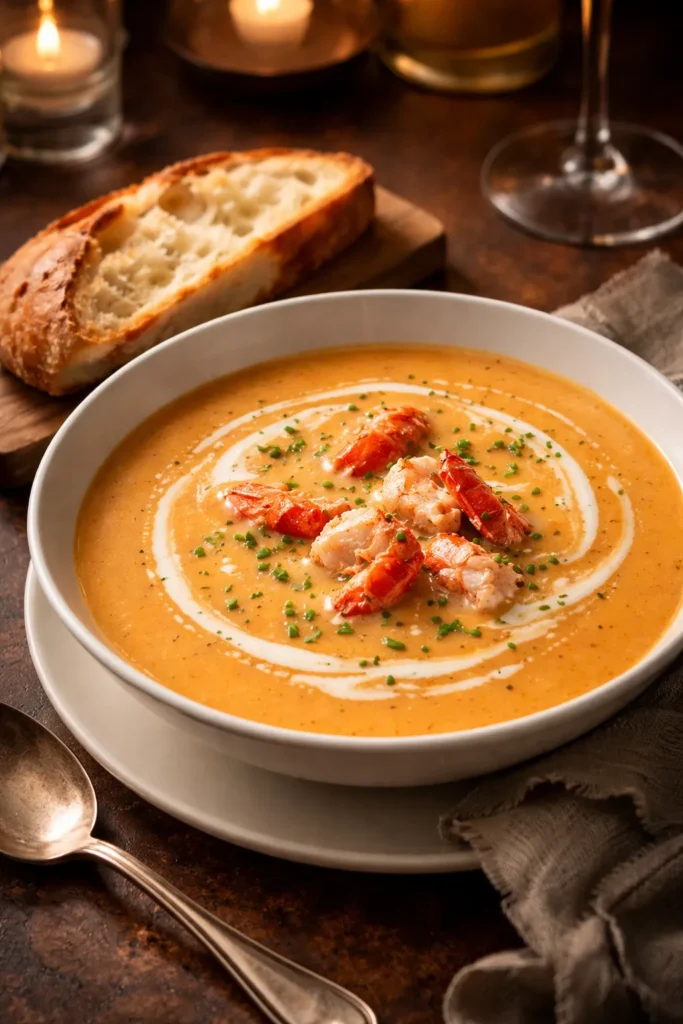
A velvety lobster bisque is one of the most luxurious dishes you can make at home, and the process — building a deeply flavored shellfish stock, creating a rich roux, sweating aromatics, and finishing with cream and sherry — is genuinely absorbing to work through together.
Use whole lobster tails rather than live lobster to keep things manageable. Poach the tails gently in simmering water, reserve the cooking liquid, and remove the meat. The shells and cooking liquid become the backbone of the bisque’s flavor, simmered with onion, celery, carrot, tomato paste, and a good splash of dry sherry for 20 minutes before straining.
Building the Bisque
The base starts with butter and flour cooked into a blond roux, which thickens the soup without making it heavy. The strained shellfish stock goes in gradually, whisked smooth. Heavy cream joins toward the end, followed by the reserved lobster meat cut into generous pieces so every bowl contains a proper amount of lobster.
Season carefully at the end — the broth reduces as it simmers, concentrating the salt level. Taste before adding any additional seasoning. A pinch of cayenne and a small splash of sherry vinegar just before serving brightens the whole bisque and keeps it from tasting one-dimensional.
The Bread Situation
Bisque without bread is a missed opportunity. A sourdough or French baguette, pulled apart by hand rather than sliced, is the right approach — the irregular, torn edges hold more bisque per dunk. Warm the bread in a 300°F oven for 8 minutes before serving so it’s soft inside and slightly crispy outside.
Set out small soup bowls and a drizzle of cream and fresh chive garnish to make the presentation feel genuinely restaurant-quality.
11. Filet Mignon with Balsamic Glaze and Roasted Asparagus
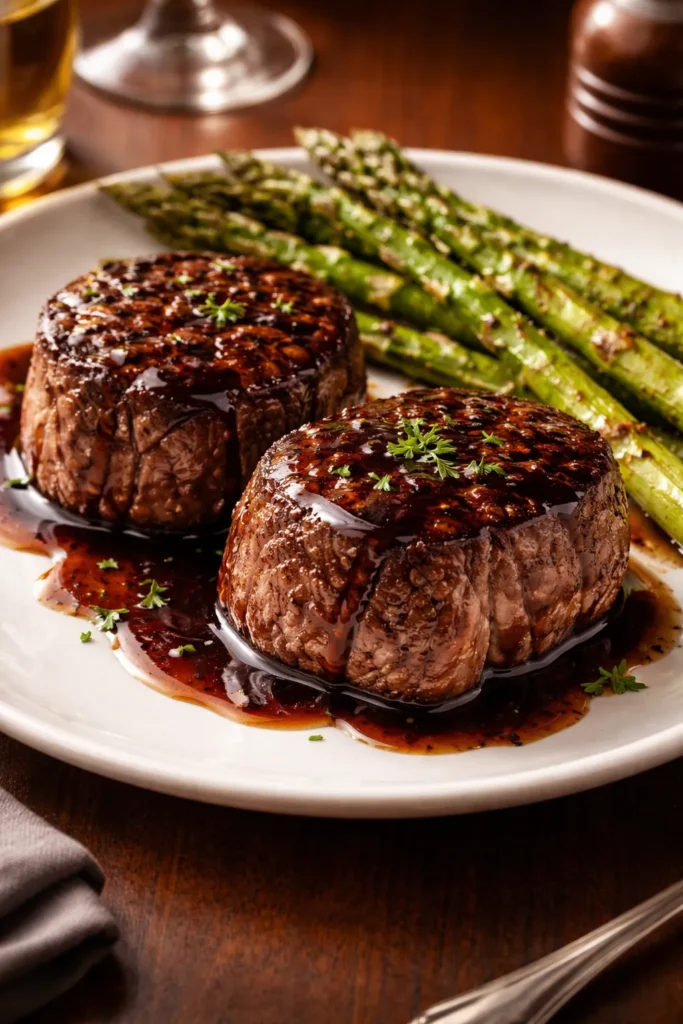
Two filet mignons, a 10-inch cast iron pan, and about 20 minutes of active cooking time — this is the dinner for when you want maximum impact with minimum complexity. Filet is the most tender cut of beef, and a simple preparation lets the quality of the meat speak without interference.
The balsamic glaze is made in the same pan after the steaks are seared and resting — shallots, garlic, beef broth, balsamic vinegar, and a small knob of butter, reduced until it coats a spoon. Meanwhile, the asparagus roasts in the oven at 425°F, tossed with olive oil, salt, and pepper, taking about 12 minutes.
Searing Steaks Properly
Room temperature is non-negotiable. Cold steaks dropped into a hot pan cook unevenly — the outside overcooks before the center reaches the right temperature. Pull the steaks from the refrigerator at least 40 minutes before cooking.
The pan should be smoking hot before the steaks go in. Sear undisturbed for 3 to 4 minutes per side for medium-rare (internal temperature of 130°F after resting). Baste with butter, smashed garlic, and fresh thyme during the last 90 seconds of cooking on each side — this is the technique that makes steaks taste like they came from a professional kitchen.
Plating for Impact
- Fan the asparagus on one side of the plate, tips facing the same direction
- Place the filet in the center, then spoon the glaze directly over the steak
- A small pile of flaky sea salt on the corner adds visual contrast and the kind of seasoning hit that makes the first bite memorable
This dinner pairs naturally with a full-bodied red wine — a Napa Cabernet Sauvignon or a French Côtes du Rhône both work beautifully.
12. Chocolate Lava Cakes for Two
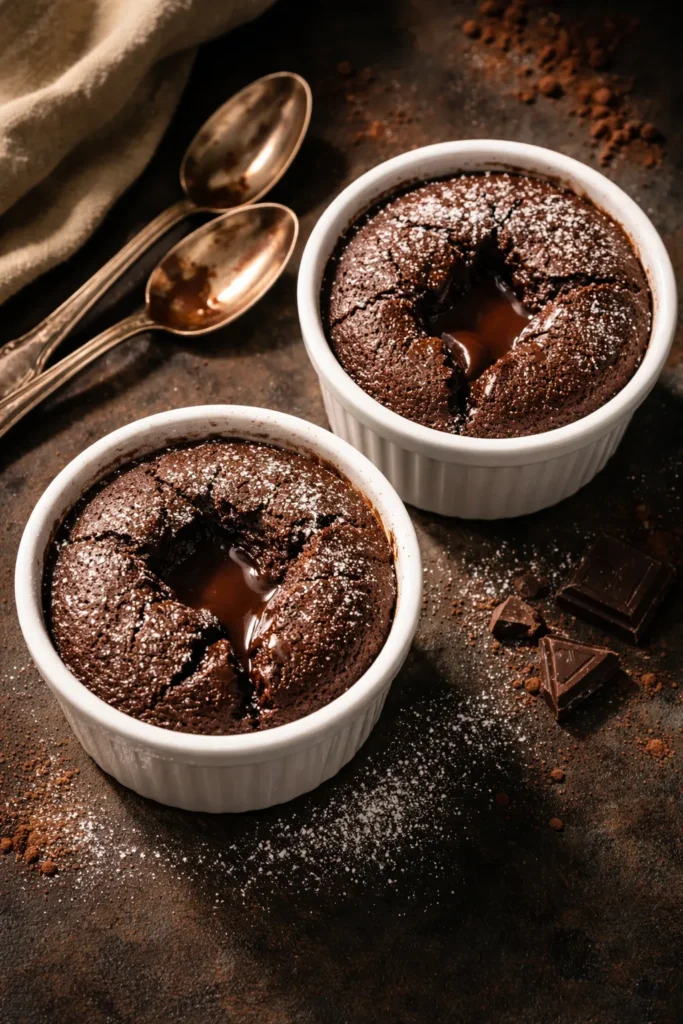
No list of date night cooking is complete without a dessert that earns its place at the table, and chocolate lava cakes do exactly that. The exterior sets into a tender cake while the center stays liquid and flowing — a genuinely impressive feat that feels magical every single time you cut into one.
The entire batter comes together in about 10 minutes and can be made up to 6 hours ahead and refrigerated, which means dessert is done before dinner even starts. Both ramekins go into a 425°F oven for exactly 12 minutes — no longer — then turned out onto plates and served immediately.
The Batter
High-quality dark chocolate (70% cocoa or above) makes a significant difference here. Chop it finely and melt it with butter in a double boiler or in 30-second microwave increments, stirring between each. Whisk in eggs and egg yolks, then fold in a small amount of sugar and a tablespoon of flour. That’s it. The simplicity is the point.
The flour measurement matters more in this recipe than almost any other. Too much flour and you get a chocolate cake with a slightly soft center — still delicious, but not the flowing lava effect. One tablespoon per two ramekins is the right ratio.
Getting the Timing Right
- Butter and flour the ramekins generously — this is what allows the cake to turn out cleanly
- Make the batter and fill the ramekins, then refrigerate
- Remove from the refrigerator 20 minutes before baking so they warm slightly
- Run a thin knife around the edge before inverting onto the plate
Serve with a scoop of good vanilla ice cream melting alongside the warm cake — the contrast of hot and cold is half the experience.
Choosing Wine to Pair With Your Dinner
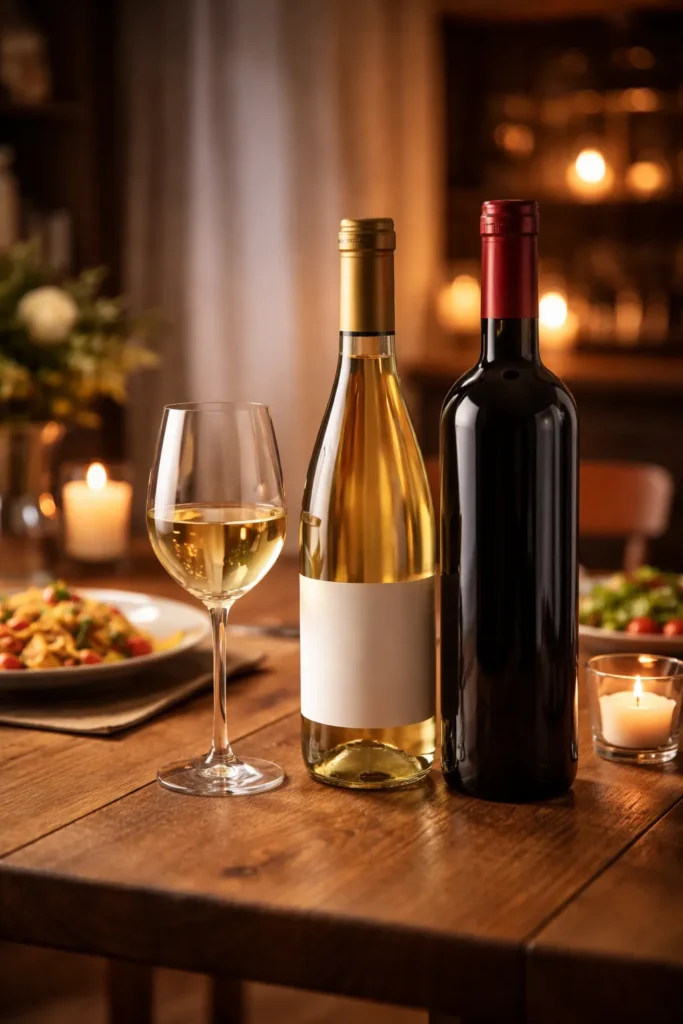
Wine pairing doesn’t need to be complicated, but a well-matched glass genuinely improves the meal. A few reliable guidelines cover most of the dishes above without requiring any specialized knowledge.
White wine works with anything seafood-based — shrimp scampi, mussels, scallops, lobster bisque. Crisp, unoaked whites like Sauvignon Blanc, Pinot Grigio, and Muscadet are the most versatile. For richer seafood dishes with cream sauces, a lightly oaked Chardonnay adds a complementary butteriness.
Red wine belongs with beef, chicken Marsala, and Carbonara. Lighter reds like Pinot Noir pair beautifully with Chicken Marsala and lighter pasta dishes. Full-bodied reds — Cabernet Sauvignon, Malbec, Côtes du Rhône — belong alongside the beef tenderloin and filet mignon.
Sparkling wine is underused as a food pairing. Prosecco and Champagne cut through richness, which makes them surprisingly good with Chicken Cordon Bleu, pasta dishes, and cheese-heavy preparations. Opening a bottle at the start of cooking also makes the whole evening feel like a celebration, which is exactly the point.
The Joy of Cooking Together

Here’s the thing about date night cooking that no recipe collection fully captures: the meal is secondary to the act of making it. Two people in a small kitchen, navigating around each other, sharing tasks, tasting each other’s work — this is genuinely intimate in a way that has nothing to do with the quality of the food that ends up on the table.
The best evenings usually aren’t the ones where everything goes perfectly. They’re the one where the scallops stuck to the pan and you both burst out laughing, or where one of you declared the sauce “definitely needs more garlic” and you turned out to be right. These moments stick because they’re yours — created in real time, unrepeatable, and made from scratch in the most literal sense.
Pick a recipe that matches your energy and your skill level for the night. Some evenings call for a 45-minute project with a wine glass nearby. Others call for a 20-minute shrimp scampi because you’re both tired but still want something worth sitting down for. Either way, the act of cooking together — more than any particular dish — is what makes the evening memorable.
Final Thoughts

The 12 dishes above span a wide range of difficulty, time commitment, and flavor profiles, which means there’s always something on this list that fits the evening you’re actually having — not the idealized version of it.
A few practical reminders worth carrying forward: prep everything before you turn on the stove, open the wine early, and set the table before you cook. These three habits alone transform the experience from a cooking session into an actual date.
Don’t overthink the dish selection. The couples who enjoy cooking together most aren’t the ones who picked the most impressive recipe — they’re the ones who picked something they were both curious about and dove in together without worrying too much about the outcome. Start there, and the food will follow.