There’s a reason Greek food has captivated people across the world for centuries — and it has nothing to do with complexity. The most beloved dishes from Greek home kitchens are built on a short list of honest ingredients: good olive oil, bright lemon, dry oregano, ripe tomatoes, and real feta. That’s it. No elaborate technique, no hard-to-find specialty items, and no hours standing over a stove.
What makes Greek cooking so well-suited to weeknight dinners is the same quality that makes it so deeply satisfying: restraint. Greek cooks have always understood that a few flavors treated with respect will consistently outperform a dish loaded with twenty competing ingredients. A chicken thigh marinated in lemon, garlic, and olive oil will taste more alive than a bird smothered in a complicated sauce. Pork grilled over heat with nothing but herbs and ladolemono will stop a table mid-conversation.
Whether you’re cooking for two on a Tuesday or feeding the whole family on a Friday, these 12 Greek dinner recipes are the ones that belong on regular rotation. They come together quickly, use pantry staples you likely already have, and deliver that unmistakable Mediterranean warmth that makes people ask, “Can we have this again?”
Table of Contents
- 1. Greek Lemon Chicken and Potatoes
- Why It Works on a Weeknight
- Tips for the Best Results
- 2. Pork Souvlaki Skewers
- The Marinade Makes All the Difference
- How to Serve It
- 3. Shrimp Saganaki
- The Flavor Profile
- Weeknight-Friendly Notes
- 4. Makaronia me Kima (Greek Spaghetti with Meat Sauce)
- What Makes It Distinctly Greek
- Make-Ahead Value
- 5. Greek Marinated Chicken Thighs
- Why Thighs Beat Breasts Here
- Serving Ideas
- 6. Easy Greek Bowl
- Building the Bowl Right
- Variations Worth Trying
- 7. Biftekia (Greek Beef Patties)
- The Technique That Sets Them Apart
- What to Serve Alongside
- 8. Chicken Gyros
- The Marinade Breakdown
- Wrapping and Serving
- 9. Spanakopita (Greek Spinach and Feta Pie)
- Working with Phyllo Dough
- The Filling
- 10. Fakes (Greek Lentil Soup)
- The Ritual Behind the Recipe
- Serving Notes
- 11. Avgolemono (Greek Chicken and Lemon Soup)
- The Tempering Technique
- Weeknight Shortcuts
- 12. Gigantes Plaki (Greek Baked Giant Beans)
- Building the Flavor Base
- Practical Tips
- Why These Recipes Deserve a Place in Your Weekly Rotation
- Final Thoughts
1. Greek Lemon Chicken and Potatoes
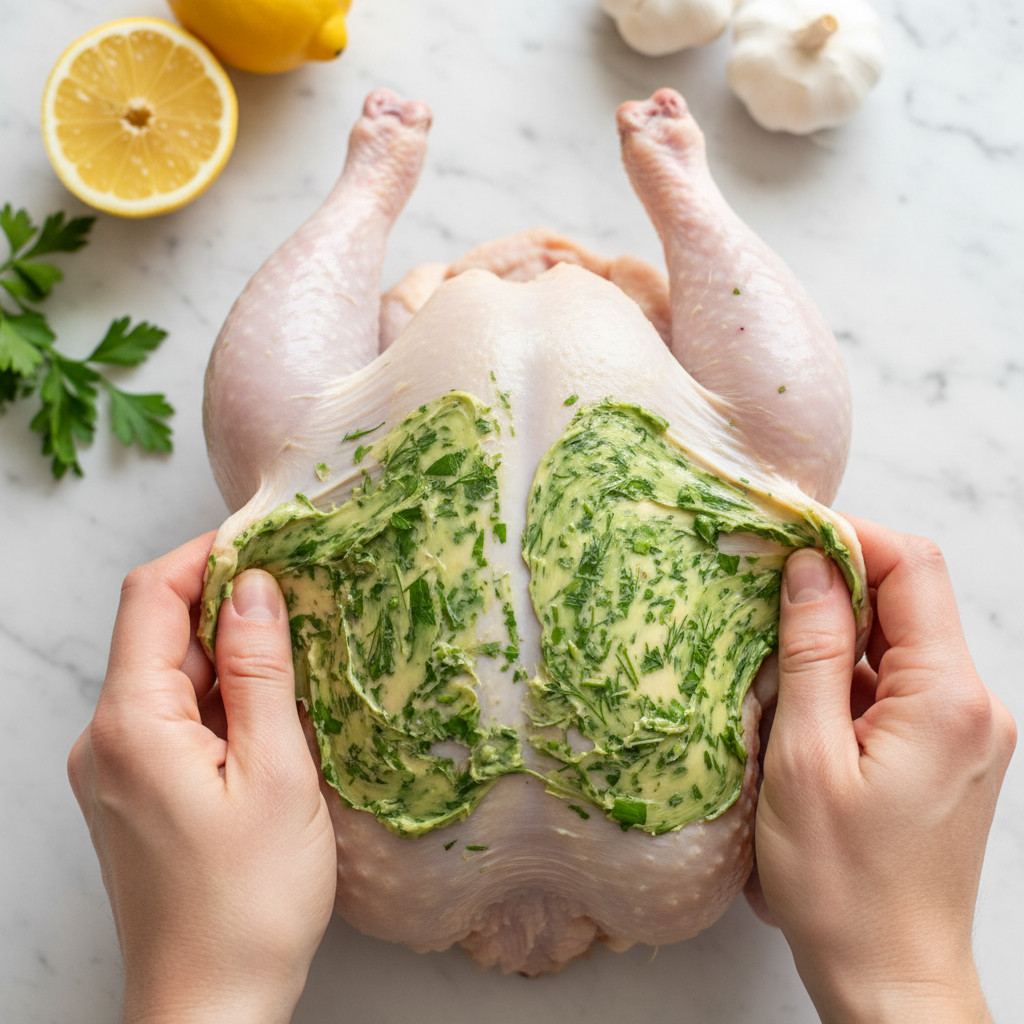
There might not be a more comforting single-pan dinner in the Greek repertoire than this one. Bone-in chicken pieces roast alongside wedges of Yukon Gold potato in a bath of fresh lemon juice, olive oil, and oregano until the chicken skin turns golden and the potatoes go soft and slightly caramelized at the edges. It’s the kind of dish that fills the kitchen with a smell that makes everyone appear in the doorway asking when dinner will be ready.
Why It Works on a Weeknight
The prep time is genuinely short — roughly 10 minutes of chopping and measuring before everything goes into the pan. After that, the oven does all the work. The chicken and potatoes cook in the same liquid, which means the potatoes absorb every bit of the lemon-herb roasting juices as they cook down. The result tastes far more involved than the effort required.
Tips for the Best Results
- Use Yukon Gold or yellow-fleshed potatoes — they hold their shape while getting creamy inside
- Don’t crowd the pan; leave space between pieces so the chicken skin can crisp properly
- Add a splash of chicken broth to the pan if the liquid reduces too quickly in the last 20 minutes
- Finish with fresh oregano and a squeeze of extra lemon before serving
The leftovers, if there are any, taste even better the next day after the potatoes have soaked overnight in the pan juices.
2. Pork Souvlaki Skewers
Souvlaki is Greece’s original fast food, and the home version is something restaurants rarely match. Cubes of pork tenderloin marinate in a mixture of olive oil, lemon juice, dried oregano, garlic, smoked paprika, and a pinch of cumin, then thread onto skewers and hit a hot grill or grill pan for about 10 minutes. The result is tender, deeply seasoned meat with slightly charred edges that practically demand to be wrapped in warm pita.
The Marinade Makes All the Difference
Pork tenderloin is a lean cut, which means it benefits hugely from a proper soak. Even 30 minutes in the marinade will improve the flavor considerably, but if you can marinate it the night before — or in the morning before you leave for the day — the difference is dramatic. The lemon juice gently tenderizes the meat while the oregano and garlic penetrate every piece.
How to Serve It
In a pita with tzatziki, sliced tomato, and thinly sliced red onion is the classic approach. But souvlaki is equally good served as a plated main alongside a horiatiki salad and a wedge of lemon. For a crowd, both options work at the same time — let people build their own wraps or eat straight from the skewer.
- Soak wooden skewers in water for 30 minutes before threading to prevent charring
- Cut the pork into even 1½-inch cubes so every piece cooks at the same rate
- Let the cooked skewers rest for 3 minutes before serving — the juices redistribute beautifully
3. Shrimp Saganaki
This taverna classic is one of those dishes that looks and tastes like it took real effort, but comes together in under 30 minutes from start to finish. Large shrimp simmer in a spiced tomato sauce with a glug of olive oil, a handful of crumbled feta, and sometimes a splash of ouzo or dry white wine. The feta melts slightly into the sauce, creating pockets of creamy saltiness throughout. Crusty bread for mopping the pan is non-negotiable.
The Flavor Profile
Saganaki sauce is built on good-quality canned or fresh tomatoes, garlic, a pinch of dried chili flakes, and fresh or dried oregano. It’s bright, slightly spicy, and rich without being heavy. The shrimp cook directly in the sauce during the last few minutes — overcooking them is the only real mistake to avoid. Pull the pan from the heat the moment the shrimp have turned pink and curled.
Weeknight-Friendly Notes
- Use large raw shrimp, peeled and deveined, to speed up prep
- The tomato sauce base can be made earlier in the day and refrigerated; just reheat and add the shrimp when you’re ready
- Broil the finished dish for 2 minutes with extra feta crumbled on top for a golden, bubbly finish
- Serve immediately — shrimp continue cooking in residual heat, so timing matters
4. Makaronia me Kima (Greek Spaghetti with Meat Sauce)
If you grew up in a Greek household, this was dinner on a weeknight with zero debate. Makaronia me kima looks like a pasta with meat sauce, but it tastes completely different from anything Italian — and that’s because of cinnamon and nutmeg. Those two warm spices go into the tomato-based meat sauce and create a flavor that’s somehow both familiar and entirely unexpected. Topped with grated mizithra or kefalotyri cheese, it’s pure comfort food.
What Makes It Distinctly Greek
The meat sauce contains no vegetables beyond onion, no wine, and no herbs beyond a bay leaf. The entire flavor depth comes from good-quality ground meat (traditionally a mix of beef and pork), a generous hit of tomato, and that signature spice combination. It’s deliberately simple — and that simplicity is exactly what makes it so addictive.
Make-Ahead Value
This sauce freezes extraordinarily well, which makes it ideal for batch cooking. Make a double batch on Sunday and freeze half in portions. On a busy weeknight, you’ve got dinner on the table in the time it takes to boil pasta.
- Simmer the sauce low and slow for at least 45 minutes to develop depth
- Use spaghetti or thick pasta like bucatini — the sauce needs something substantial to cling to
- Grate the cheese yourself; pre-grated mizithra loses its nuttiness quickly
5. Greek Marinated Chicken Thighs
Bone-in, skin-on chicken thighs marinated in Greek yogurt, lemon juice, garlic, olive oil, and a blend of smoked paprika, cumin, and oregano, then roasted or grilled until the skin crisps and the interior stays incredibly juicy. The yogurt marinade is the key — it tenderizes the meat and creates a slightly charred, craggy crust that holds onto every bit of seasoning.
Why Thighs Beat Breasts Here
Chicken thighs are forgiving in a way that breasts simply aren’t. They don’t dry out if you leave them in the oven a few extra minutes, and the higher fat content means they stay moist through high-heat cooking. For a weeknight cook who’s also dealing with homework, emails, or the chaos of daily life, thighs offer a meaningful buffer against overcooking.
Serving Ideas
- Over rice or quinoa with a dollop of tzatziki and pickled red onions
- Sliced in a pita wrap with shredded romaine and diced cucumber
- Alongside roasted lemon potatoes and a simple horiatiki salad
- Chopped and tossed through a grain bowl with olives and feta
Pro tip: Marinate these in the morning before work. Eight hours in the yogurt marinade produces noticeably more tender, more flavorful chicken than a 30-minute soak.
6. Easy Greek Bowl
The Greek bowl has become a weeknight staple for good reason — it requires almost no cooking once your components are prepped, and it checks every nutritional box simultaneously. A base of jasmine rice or quinoa, pan-seared chicken cubes, baby arugula, diced cucumber, cherry tomatoes, Kalamata olives, crumbled feta, and a generous spoonful of tzatziki. Everything comes together in about 15 minutes and delivers close to 60 grams of protein per bowl.
Building the Bowl Right
The order of assembly matters more than people realize. Start with the warm rice at the base, then add the rested chicken while it’s still warm. The greens go in next — the residual heat wilts them just slightly, which is ideal. Cold toppings like cucumber, tomatoes, and olives go on top, and the tzatziki gets dolloped on last so it doesn’t disappear into the rice.
Variations Worth Trying
- Swap chicken for grilled shrimp, sliced lamb, or marinated tofu for a vegetarian version
- Use cauliflower rice instead of jasmine rice for a lower-carb option
- Replace arugula with spinach, kale, or mixed greens if preferred
- Add roasted red peppers, hummus, or avocado slices for extra richness
The bowl is genuinely flexible — think of it as a framework rather than a fixed recipe, and it’ll serve you differently every week without feeling repetitive.
7. Biftekia (Greek Beef Patties)
Biftekia are not hamburgers, even though the description sounds similar. These oval-shaped Greek meat patties are made from a mixture of ground beef and pork (or veal), seasoned with grated onion, fresh herbs, red wine vinegar, and dried oregano, then pan-fried to get a crisp exterior before finishing in the oven with a splash of white wine. The texture is softer and more delicate than a typical burger, and the flavor is unmistakably Greek.
The Technique That Sets Them Apart
The pan-to-oven method is what makes biftekia special. Frying first gives them a golden, slightly caramelized crust. Finishing them in the oven with white wine creates a small amount of steam that keeps the interior incredibly moist while the flavors deepen. Most home cooks skip the oven step and end up with patties that taste good but not great.
What to Serve Alongside
- Homemade oven fries tossed in olive oil and dried oregano
- A bright horiatiki salad with plenty of feta
- Creamy tzatziki as a dipping sauce on the side
- Roasted lemon potatoes for a more substantial dinner
Worth knowing: Grating the onion rather than chopping it is one of the most important steps in the recipe. Grated onion releases its juices directly into the meat mixture, adding moisture and flavor that diced onion simply can’t deliver.
8. Chicken Gyros
Gyros made at home with yogurt-marinated chicken cooked on a grill pan — then stuffed into warm pita with tzatziki, thinly sliced onion, and tomato — are genuinely one of the best things you can put together in under 30 minutes. The yogurt marinade keeps the chicken tender and juicy even after high-heat cooking, and the char from the grill pan adds that essential smoky quality you’d expect from a proper street gyro.
The Marinade Breakdown
Combine full-fat Greek yogurt, fresh lemon juice, minced garlic, olive oil, dried oregano, smoked paprika, and a pinch of cinnamon. The cinnamon is subtle but makes a real difference — it adds warmth and depth that makes the chicken taste more complex. Let the chicken marinate for at least 2 hours, then cook in a very hot grill pan or on an outdoor grill.
Wrapping and Serving
Warm the pita in a dry pan for about 60 seconds per side before filling — cold pita tears and doesn’t wrap properly. Layer tzatziki first, then the sliced chicken, then tomato, onion, and a few shakes of dried oregano. Wrap tightly in foil and let it sit for 2 minutes before eating; this brief rest melts the components together in a way that makes every bite more cohesive.
- Slice the cooked chicken thin against the grain before filling the pita
- A drizzle of fresh lemon juice over the assembled gyro right before wrapping is a finishing touch worth adding
9. Spanakopita (Greek Spinach and Feta Pie)
Crisp, paper-thin layers of phyllo encasing a savory filling of spinach, herbs, and salty feta — spanakopita is one of those dishes that seems intimidating until you make it once. After that first attempt, you realize the phyllo is far more forgiving than its reputation suggests, and the filling takes about 10 minutes to put together. Cut into squares, it feeds a crowd effortlessly and reheats well the following day.
Working with Phyllo Dough
The most important thing to know about phyllo: work quickly and keep what you’re not using covered with a barely damp kitchen towel. Phyllo dries out fast, and dry sheets crack and crumble rather than layering smoothly. Brush every other sheet generously with olive oil or melted butter — you don’t need to brush every single sheet, but skipping more than one at a time will result in layers that stick together instead of separating during baking.
The Filling
Frozen spinach works perfectly here and actually has a practical advantage over fresh — the water content has already been reduced, which means less squeezing required. Press the thawed spinach firmly in a clean kitchen towel until almost no liquid remains, then combine with crumbled feta, eggs, spring onions, fresh dill, and a pinch of nutmeg. The filling should taste boldly seasoned before it goes into the pan.
- Bake at 375°F until the top is deeply golden and audibly crisp when tapped
- Let it rest for 10 minutes before cutting to allow the filling to firm up
- Do not cover with foil while cooling — trapped steam will soften the crust
10. Fakes (Greek Lentil Soup)
In Greek households, fakes is the dish that appears when the week gets long and the refrigerator gets sparse. It requires almost nothing — dried green or brown lentils, an onion, a couple of carrots, a celery stalk, canned tomatoes, bay leaves, and olive oil — but it tastes far more nourishing and complete than the ingredient list suggests. The tomato base gives it warmth and body, and a finishing drizzle of good olive oil with a splash of red wine vinegar at the table transforms a simple soup into something memorable.
The Ritual Behind the Recipe
Greek families have been making fakes on Fridays for generations — it’s associated with fasting days in the Orthodox tradition, but the recipe earns its place on any weeknight on pure merit. It’s vegan, high in plant-based protein, and genuinely filling in a way that lighter vegetable soups aren’t. Lentils don’t require soaking, which means the entire dish can go from pantry to table in about 45 minutes.
Serving Notes
- Serve with crusty bread for dipping into the broth
- A drizzle of unfiltered Greek olive oil at the bowl level is the key finishing move
- Red wine vinegar added at the table (not during cooking) brightens the flavor without making the soup acidic
- The soup thickens considerably as it cools; thin with a little water or broth when reheating
This soup freezes flawlessly. Make a double batch and freeze in individual portions for lunches or future weeknight dinners.
11. Avgolemono (Greek Chicken and Lemon Soup)
Avgolemono is a Greek hug in a bowl — a velvety, egg-thickened chicken broth with orzo or rice, brightened with fresh lemon juice until it becomes something entirely different from any other soup. The technique of tempering beaten eggs with hot broth before adding them back to the pot is what creates the silky, slightly creamy texture without a drop of cream. It’s one of those soups that feels restorative whether you’re fighting off a cold or just want something warm and deeply comforting.
The Tempering Technique
This is the only step in avgolemono that requires attention, and once you understand why it works, it becomes second nature. Beaten eggs and lemon juice go into a bowl together. You slowly pour a ladle of hot (not boiling) broth into the egg mixture while whisking constantly — this gradually raises the temperature of the eggs without scrambling them. Then the tempered egg mixture goes back into the pot, off the heat. The result is that characteristic thick, glossy, lemony broth.
Weeknight Shortcuts
- Use a good-quality store-bought chicken broth if you don’t have homemade; the lemon and egg will elevate it considerably
- Orzo cooks faster than rice and gives the soup a lovely texture
- Shredded rotisserie chicken cuts the prep time significantly
- Don’t boil the soup after adding the egg mixture — it will curdle and break the silky texture
12. Gigantes Plaki (Greek Baked Giant Beans)
Giant white beans baked slowly in a cinnamon-scented tomato sauce with olive oil, onion, garlic, and fresh herbs — gigantes plaki is one of the great underrated dinners of Greek cuisine. The beans come out of the oven completely soft and creamy inside, having absorbed the tomato and spice into every cell. Served with crusty bread and a simple salad, it’s one of the most satisfying plant-based dinners you can put on the table.
Building the Flavor Base
The cinnamon here plays the same role it does in makaronia me kima — it adds warmth and complexity that you can’t quite identify but would absolutely notice if it were missing. The tomato sauce should be built slowly: sauté the onion until soft and sweet, add garlic for a minute, then add crushed tomatoes with a cinnamon stick, dried oregano, and a generous pour of olive oil. The beans go into this sauce and bake, uncovered, for 45 to 60 minutes.
Practical Tips
- Canned giant white beans (butter beans work too) make this a true weeknight option — dried beans require overnight soaking and precooking
- Don’t rush the oven time; the sauce needs to reduce and concentrate around the beans
- The dish improves the following day as the beans absorb more sauce overnight
- A crumble of feta on top before serving adds the salty contrast that pulls everything together
Pro tip: This is one of the few Greek dishes that genuinely tastes better at room temperature than piping hot — let it sit for 15 minutes after coming out of the oven before serving.
Why These Recipes Deserve a Place in Your Weekly Rotation
Greek weeknight cooking rewards cooks at every skill level. A beginner can make a flawless avgolemono or a Greek bowl without any specialized knowledge. An experienced home cook will find real depth and technique in a properly made biftekia or a layered spanakopita that fills the whole house with the smell of herb-brushed phyllo.
The pantry investment is minimal and pays dividends across every recipe. A bottle of good Greek olive oil, dried oregano, a block of real feta (sheep’s milk, not cow’s milk imitations), a jar of Kalamata olives, and a bag of dried lentils will get you through at least half of this list before you need to restock.
What ties all 12 of these recipes together is the Mediterranean philosophy behind them: let good ingredients speak clearly, use fat generously and honestly, and finish with lemon. Those three principles produce food that nourishes, satisfies, and somehow always tastes like it was made with more effort than it required.
Final Thoughts
The best thing about Greek weeknight cooking is that it doesn’t ask much from you. It asks for decent olive oil, a lemon, and a bit of patience with a marinade. In return, it gives you dinner that tastes like it came from somewhere with a warm climate and a long tradition of eating well together.
Start with whichever recipe matches what you have on hand — a chicken gyro if the fridge holds some yogurt and a pita, fakes if the pantry has dried lentils, or a shrimp saganaki if you want something that feels a little festive without requiring much effort. Once you’ve cooked two or three of these, the flavors become intuitive and the techniques become automatic.
Greek food has endured not because it’s trendy, but because it works — for families on weeknights, for friends gathered around a table, and for anyone who believes that dinner should taste like someone put real thought into it, even when that someone only had 30 minutes.