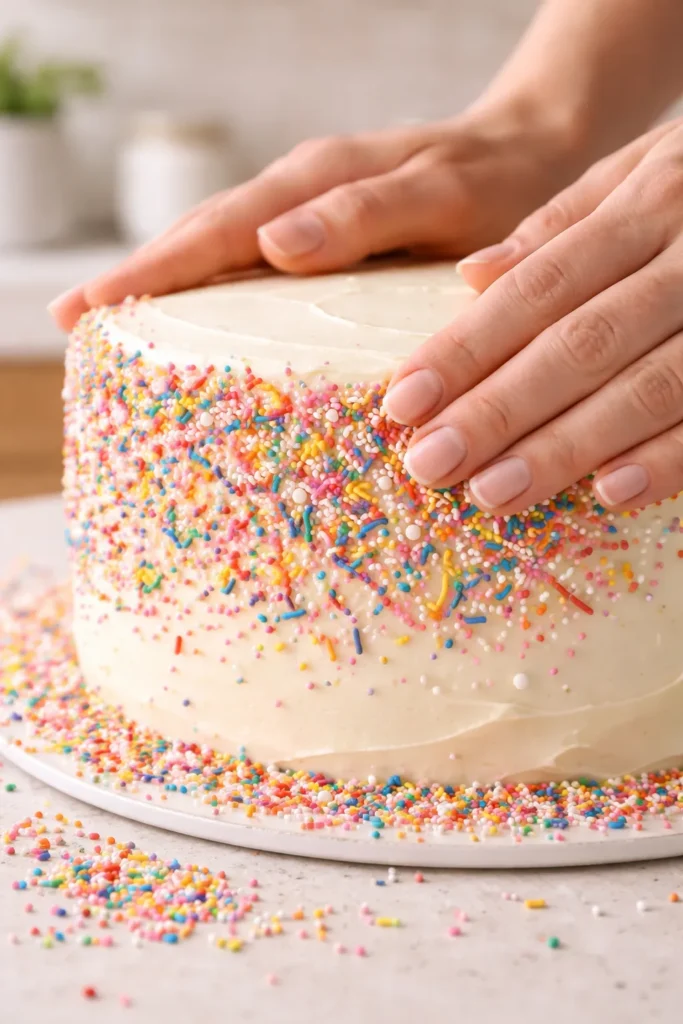
Nothing brings a family together quite like standing shoulder-to-shoulder in the kitchen, hands covered in chocolate, laughter echoing off the cabinets. Family dessert nights have a way of turning an ordinary evening into something genuinely memorable—not because the dessert is fancy or complicated, but because you’re making it together. The burnt edges, the unexpected spills, the taste-tests that somehow consume half the batter—these are the moments that stick with your kids long after the dishes are done.
The beauty of baking and cooking desserts as a family is that it doesn’t require restaurant-quality skills or restaurant-level stress. The best desserts for family night are the ones where there’s actual work for everyone to do, where a seven-year-old can genuinely contribute without supervision, where mistakes become part of the story rather than a disaster. You want desserts that give your hands something to do—stirring, rolling, decorating, dipping—so everyone stays engaged and feels ownership over what lands on the table.
This collection of twelve desserts covers everything from no-bake options perfect for a quick weeknight to slightly more involved projects that make for a richer experience on a weekend afternoon. Some rely on just a few ingredients; others build complexity that older kids can really sink their teeth into. Each one has been selected specifically because it works with the natural rhythm of family cooking—there are built-in waiting times where kids can help with cleanup, hands-on steps that keep everyone involved, and a finished product that tastes genuinely good, not like a compromise for the sake of simplicity.
Table of Contents
- 1. No-Bake Chocolate Peanut Butter Bites
- How to Set Everyone Up for Success
- Pro Tips for Perfect Results
- 2. Strawberry Shortcake Cups
- The Building Block Approach
- Make-Ahead Strategy
- 3. Dirt Cups with Crushed Cookies
- The Layering Process
- Decoration Ideas
- 4. Decorate-Your-Own Sugar Cookies
- Baking Together
- The Decorating Station
- 5. Mini Pizza Desserts
- The Base and Toppings
- Serving and Enjoyment
- 6. Waffle or Crepe Bar
- The Cooking Phase
- The Topping Bar
- The Conversation Part
- 7. Brownie Baking and Decorating
- The Baking Part
- Decoration and Cutting
- The Make-Ahead Advantage
- 8. Fruit Kabobs with Chocolate Dip
- Preparation and Assembly
- Dipping and Serving
- Storage and Flexibility
- 9. Homemade Candy
- Simple Recipes That Work
- The Hands-On Elements
- Wrapping and Gifting
- 10. Banana Split Assembly Line
- Preparation Phase
- The Assembly
- The Eating Experience
- 11. S’mores Bar with Toasted Marshmallows
- Indoor Version with a Twist
- The Toasting Phase
- The Building Process
- Timing and Temperature
- 12. Ice Cream Sundae Bar
- Gathering Supplies
- The Build Process
- Bonus: Make the Sauces Together
- Why This Works for Families
- Final Thoughts
1. No-Bake Chocolate Peanut Butter Bites
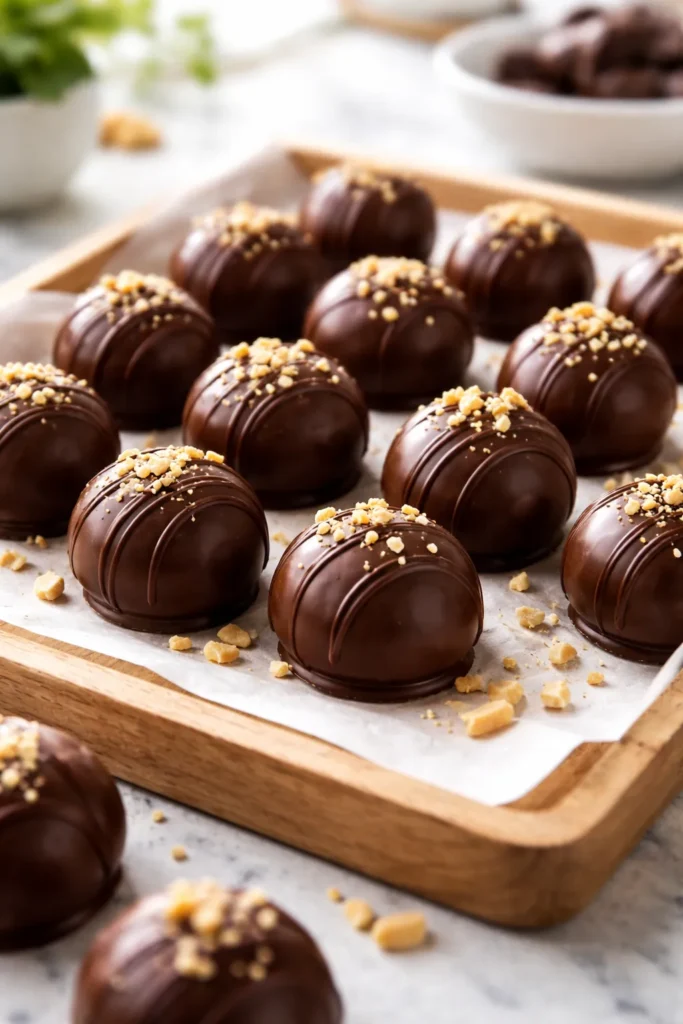
Why Kids Love Them: No oven means no long waits and no safety concerns about heat. Everyone gets to roll dough into perfect little balls, and there’s immediate gratification when the chocolate coating sets up.
How to Set Everyone Up for Success
The basic structure is simple: peanut butter, powdered sugar, and butter get mixed into a soft dough, rolled into balls, then dipped in melted chocolate. Let each family member shape their own batch of balls—there’s something deeply satisfying about having complete control over the size and shape of what you’re making. Younger kids can roll while older kids manage the chocolate melting and dipping, and everyone gets to taste-test as they go (within reason).
The chocolate-dipping phase is where the real magic happens. Set up a simple assembly line: one person dips, another places the dipped bites on parchment paper, and someone else cleans sticky fingers with a damp cloth. The repetitive motion of dipping is almost meditative, and kids often ask to make extra batches because they genuinely enjoy the process.
Pro Tips for Perfect Results
Use creamy peanut butter rather than natural varieties, which can separate and make the dough greasier. If your chocolate coating seems too thick, add just a touch of coconut oil to loosen it—this helps with the dipping process and creates a thinner, snappier shell. Let the finished bites set at room temperature or briefly in the refrigerator; they don’t need to be cold, just set enough to handle without the coating sticking to your fingers.
2. Strawberry Shortcake Cups
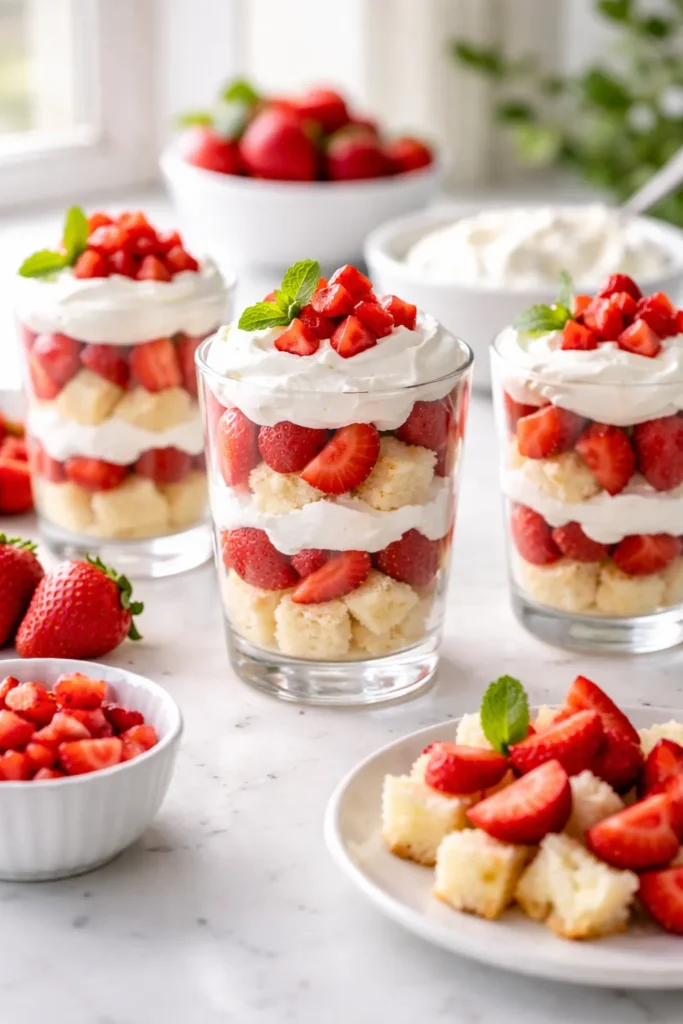
Why Kids Love Them: This dessert lets everyone build their own, which means everyone gets exactly what they want—more berries, more cream, more cake, less of something else.
The Building Block Approach
Rather than assembling one large shortcake, make individual components and let family members layer them into cups or small bowls. Bake simple vanilla or lemon cake from scratch or use quality store-bought sponge cake, whip cream with a little sugar until soft peaks form, and prepare fresh strawberries—hulled and halved or left whole depending on preference.
The assembly part is where kids shine. Give each person a clear cup or small bowl and let them layer: a piece of cake on the bottom, then strawberries, then whipped cream, then repeat. Some kids will want more cream, others will load theirs with berries. Everyone gets to eat their own creation, which somehow makes it taste better.
Make-Ahead Strategy
You can prepare all the components hours ahead—cake sliced and stored in an airtight container, strawberries hulled and stored in the fridge, whipped cream made and kept cold. Then the assembly happens right before eating, which is the most fun part anyway. This timing works perfectly because the cake stays fresh and the whipped cream doesn’t get watery.
3. Dirt Cups with Crushed Cookies
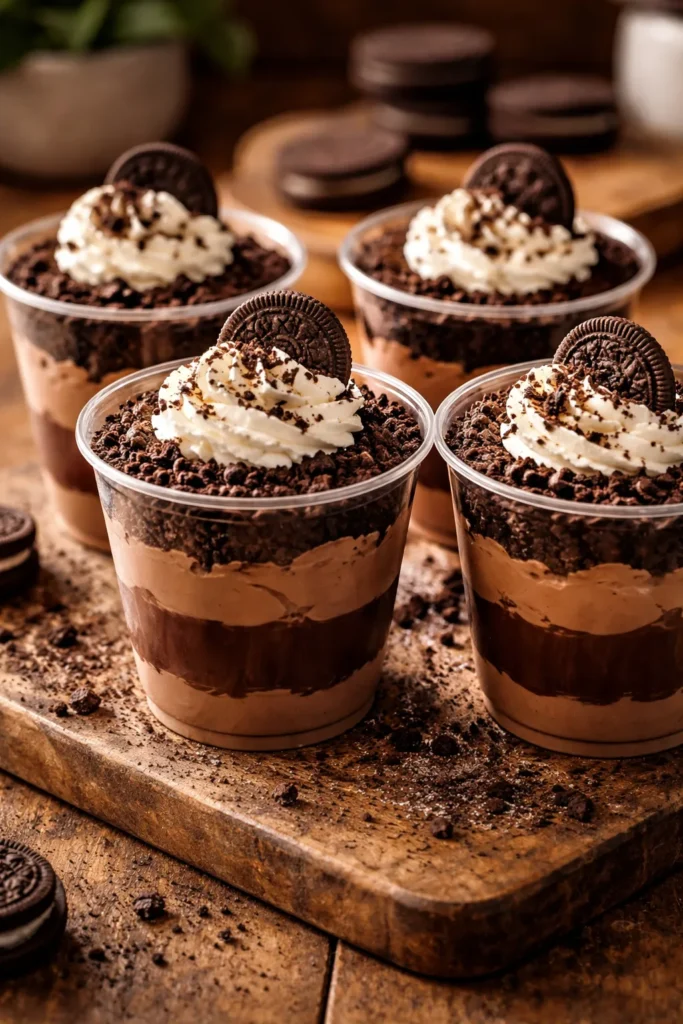
Why Kids Love Them: The name alone gets them excited. There’s also something gleefully satisfying about deliberately “making a mess” and being praised for it.
The Layering Process
These are built in individual cups with layers of chocolate pudding, crushed Oreo cookies (the “dirt”), and whipped cream. Kids can help crush the cookies by putting them in a sealed bag and using a rolling pin or wooden spoon—this is genuinely fun and builds arm strength. Some kids will crush them into fine sand; others will leave bigger chunks. Both work beautifully.
The layering becomes an art project. Someone crushes cookies, another makes or helps assemble pudding, and a third person adds whipped cream. Each layer is visible through the clear cup, creating a visual that looks more impressive than the actual effort involved.
Decoration Ideas
Add gummy worms on top for theatrical effect, or let kids use small candies to “decorate” their dirt. The beauty of this dessert is that each person’s version looks slightly different based on how they decorated, which makes it feel personalized and special.
4. Decorate-Your-Own Sugar Cookies
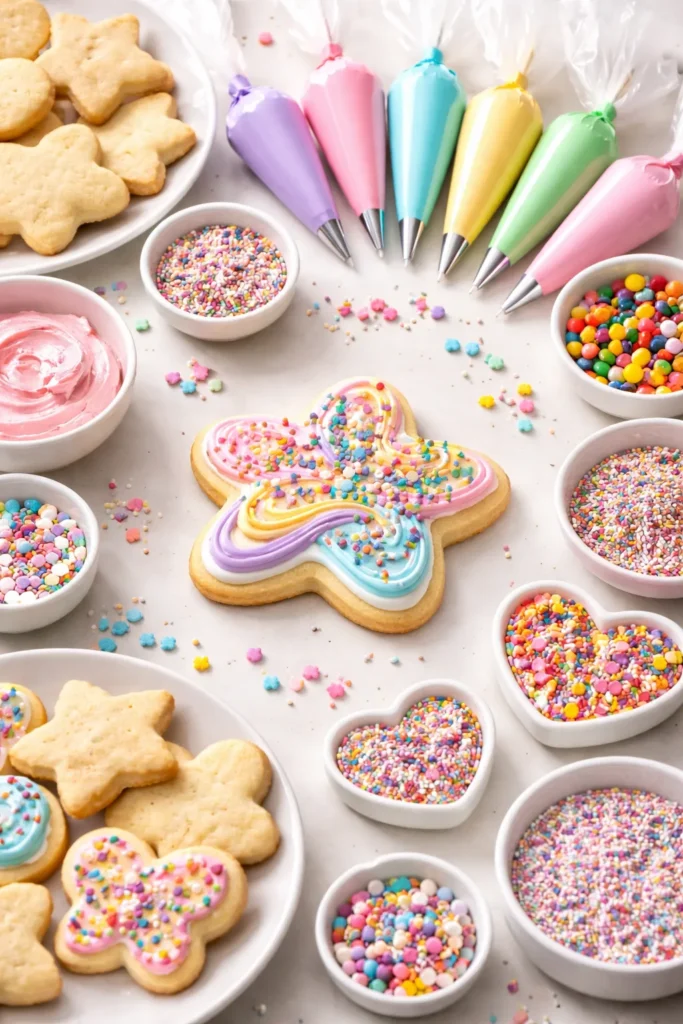
Why Kids Love Them: The baking part is wonderful, but the decorating part is where imaginations run wild. There’s no judgment, no rules, just total creative freedom.
Baking Together
Mix the dough together, let everyone shape cookies with their hands or simple cutters, and pop them in the oven. While they bake, wash hands and set up the decorating station with frosting, sprinkles, candies, and any other toppings you have on hand.
The cooling phase is important—cookies need to be completely cool before frosting, or the icing will melt. Use this time for a game, a snack, or just a break to build anticipation. Kids will be ready for decorating by the time the cookies have cooled.
The Decorating Station
Provide frosting in several colors, a small spreading knife or butter knife for each person, and an array of toppings. Some kids will frost their entire cookie thickly and cover it in sprinkles; others will create deliberate designs. The variation is part of the appeal. Let them completely do their thing—these don’t need to look store-bought or Instagram-worthy.
5. Mini Pizza Desserts
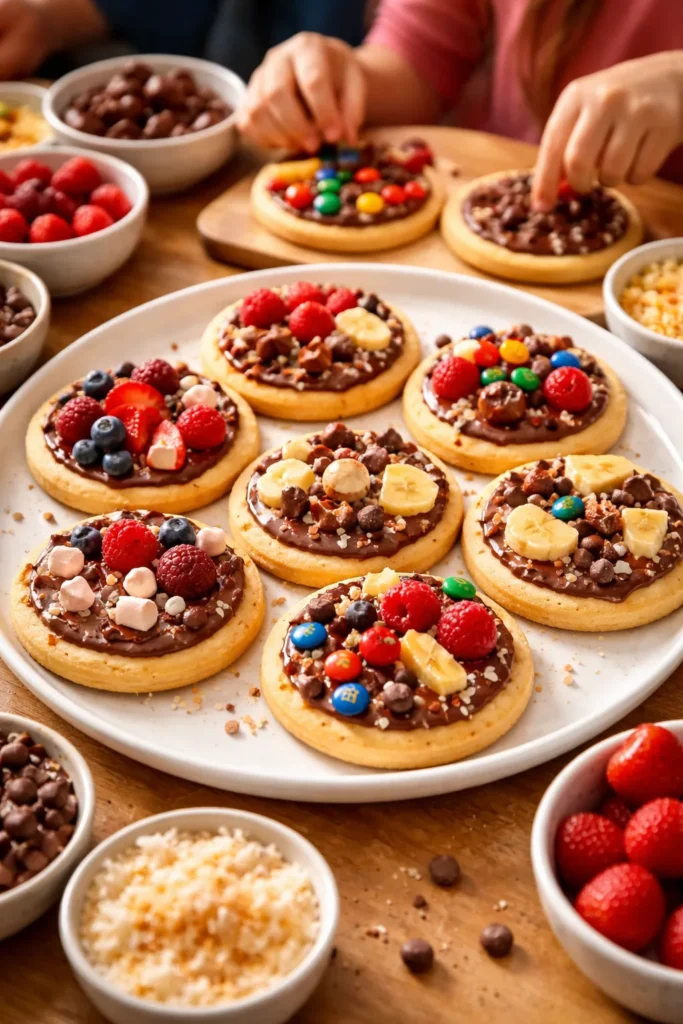
Why Kids Love Them: It feels like playing with savory pizza, but it’s actually sweet. The novelty of a “pizza” that’s acceptable to eat for dessert is delightful.
The Base and Toppings
Use a store-bought sugar cookie dough, flatten portions into round “crusts,” and bake until golden. While they’re still warm, brush with a little honey or maple syrup (this acts as the sauce). Then comes the fun: toppings.
Set out options like mini chocolate chips, crushed candy, shredded coconut, sliced strawberries, or drizzles of chocolate and caramel. Each person creates their own dessert pizza with whatever combination appeals to them. There’s no wrong answer, and the results are as creative or simple as each family member wants.
Serving and Enjoyment
These are best eaten warm, when the chocolate chips still have a slight melty quality. They also work great at room temperature, making them good for casual snacking later. The joy of this dessert is that it feels like a game while still delivering genuine sweetness and flavor.
6. Waffle or Crepe Bar
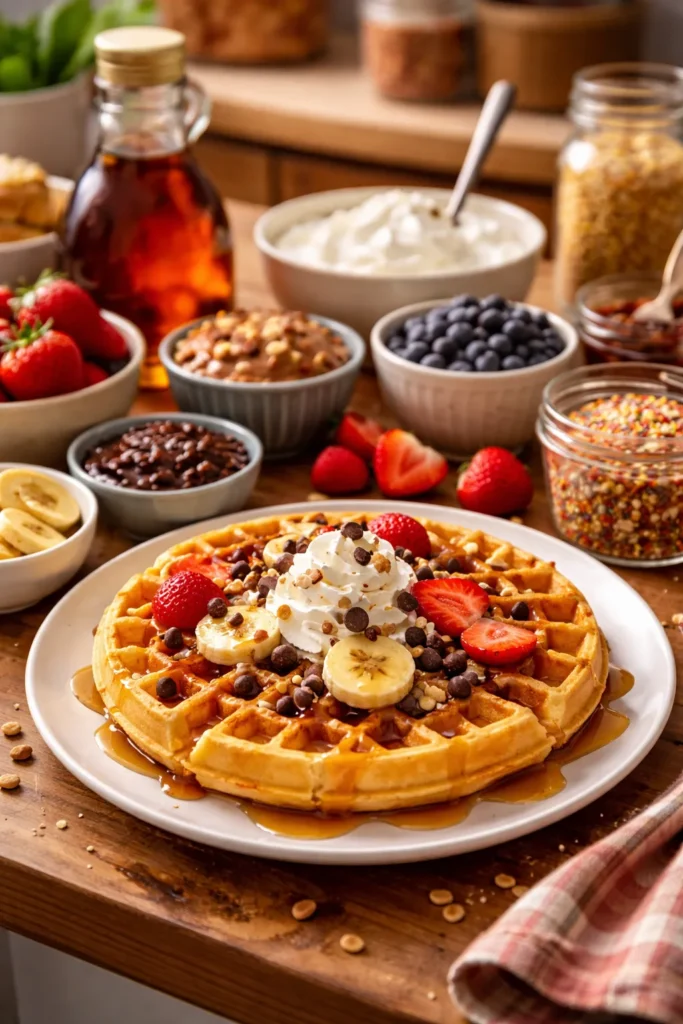
Why Kids Love Them: The base (waffles or crepes) is made together, but then everyone gets to build their own meal. It feels like you’re running a restaurant where each person is both customer and designer.
The Cooking Phase
Make a batch of waffle or crepe batter together—there’s definitely hands-on work in mixing that everyone can help with. Then take turns at the waffle maker or crepe pan. Younger kids can pour batter with help, older kids can work more independently. The wait between batches gives you natural breaks where people can set up toppings.
The Topping Bar
Whipped cream, chocolate sauce, strawberries, blueberries, granola, caramel sauce, honey, maple syrup, nuts, sprinkles—whatever you have on hand. Each person creates their own combination. Some will go sweet and decadent; others will prefer something simpler. This customization is part of what makes it feel special and personalized.
The Conversation Part
There’s something about a waffle or crepe bar that naturally slows down the meal and extends the family time. People eat more slowly, they’re excited to show off their creations, and there’s genuine engagement. This is one of those desserts that’s as much about the experience as the food.
7. Brownie Baking and Decorating
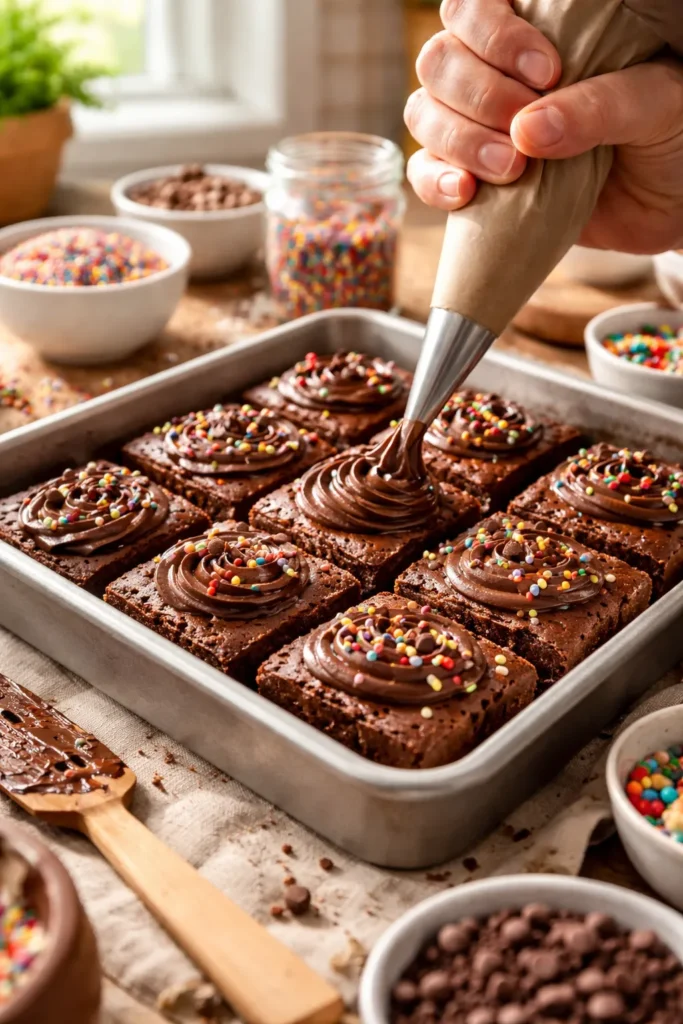
Why Kids Love Them: Brownies are universally beloved, and they’re substantial enough to feel like a “real” baking project while still being forgiving enough for beginners.
The Baking Part
Mix brownies from scratch together, pour into a prepared pan, and bake. The great thing about brownies is that they’re fairly hard to mess up—slight variations in mixing or timing rarely result in disaster. Kids can help measure ingredients, crack eggs (with practice), whisk the mixture, and pour the batter into the pan.
Decoration and Cutting
Once cooled, brownies become a canvas. Frost them with chocolate or peanut butter frosting, drizzle with white chocolate, add sprinkles, or dust with powdered sugar. Then cut into squares and let everyone claim their favorite pieces.
The Make-Ahead Advantage
Brownies actually improve after a day, becoming fudgier and more flavorful as they sit. This makes them perfect for baking one evening and eating over several days, or making on a weekend for a dessert stash throughout the week.
8. Fruit Kabobs with Chocolate Dip
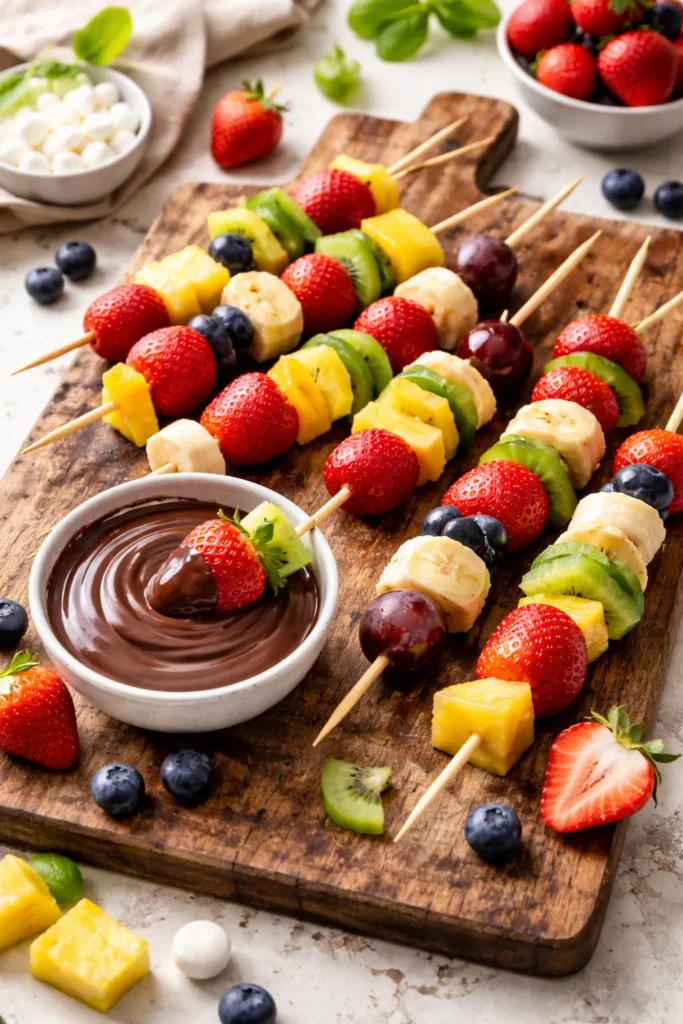
Why Kids Love Them: Threading fruit onto skewers feels more like a craft than cooking, which makes it feel less intimidating and more fun.
Preparation and Assembly
Prep a variety of fruits: strawberries, grapes, pineapple chunks, melon cubes, blueberries—whatever’s available. Melt chocolate (you can use dark, milk, or white, or a combination). Provide wooden skewers or sticks and let everyone thread their own selection of fruit.
The beauty of this option is that it’s completely customizable and accommodates different preferences and dietary needs. Some kids will load their skewers with fruit; others will prefer a smaller, more manageable version. All are equally valid.
Dipping and Serving
Once assembled, fruit kabobs can be dipped in warm chocolate and eaten immediately, or refrigerated for later snacking. The combination of fresh fruit and chocolate feels healthier than some dessert options while still delivering genuine sweetness and indulgence.
Storage and Flexibility
Kabobs can be made hours ahead and refrigerated, making them perfect for a dessert that doesn’t require last-minute assembly. They’re also naturally portion-controlled since everyone gets their own stick.
9. Homemade Candy
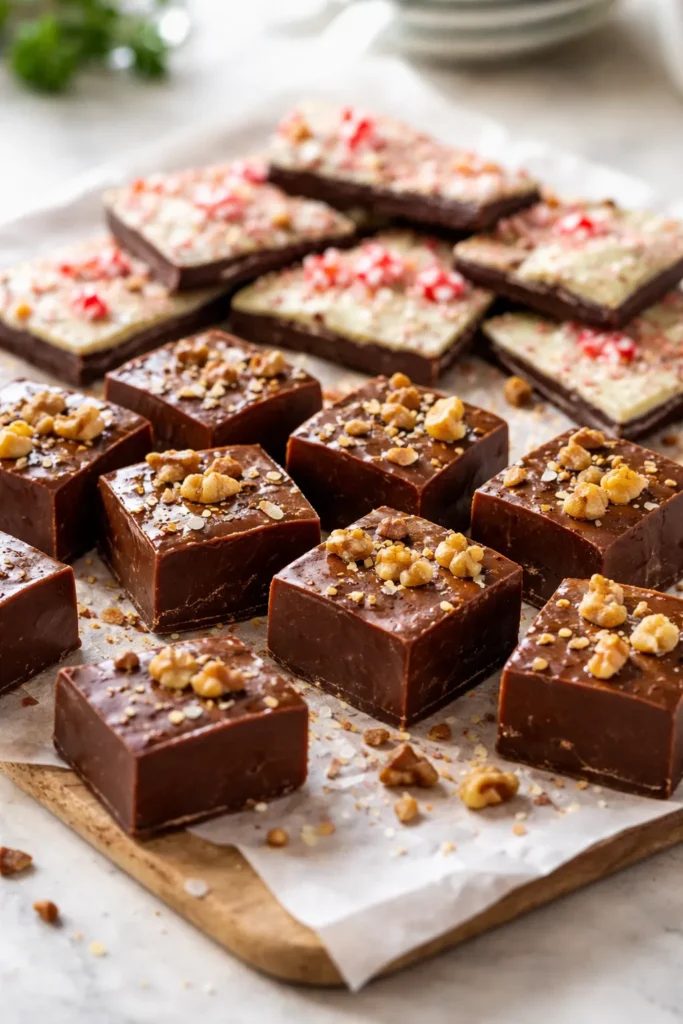
Why Kids Love Them: Making candy feels magical. The transformation of simple ingredients into something that tastes like a professional confection is genuinely surprising to kids.
Simple Recipes That Work
Peanut butter fudge, peppermint bark, or marshmallow treats are excellent options. They require minimal equipment, few ingredients, and produce results that look and taste impressive. The chemistry of how ingredients transform—like how chocolate and butter melt and harden—is genuinely interesting to watch.
The Hands-On Elements
Most simple candy recipes involve stirring, pouring, decorating, or cutting. Kids can help with all of these steps. There’s a moment when the candy “sets up” that feels like a magic trick—everyone gathers to watch this transformation happen.
Wrapping and Gifting
Once made, homemade candy begs to be wrapped and shared. This extends the pleasure of the activity beyond just eating it. Kids enjoy the process of wrapping in cellophane or parchment, tying with ribbons, and giving to neighbors, teachers, or family members.
10. Banana Split Assembly Line
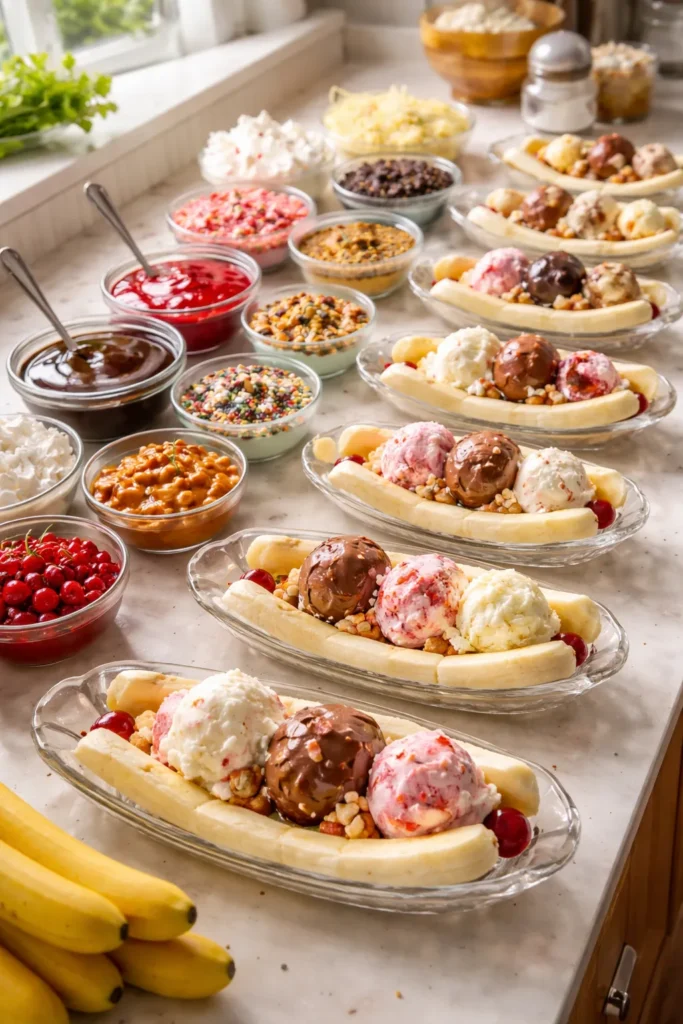
Why Kids Love Them: Everyone gets their ideal combination of flavors and toppings, and there’s something playful about the entire process.
Preparation Phase
Slice bananas, soften ice cream slightly, gather all possible toppings: chocolate sauce, caramel sauce, whipped cream, crushed cookies, nuts, sprinkles, cherries, and anything else on hand. Set everything out buffet-style where kids can see and access it easily.
The Assembly
Each person builds their own banana split with whatever combination appeals to them. Some will go minimalist; others will create an elaborate creation. The joy is in the choice and customization. This is also a dessert where portion control is built in—the banana split is inherently sized just right.
The Eating Experience
Banana splits are meant to be eaten with both a spoon and a fork, which adds a slightly fancy, diner-like quality that feels special. The different textures—cold ice cream, soft banana, crunchy toppings, smooth sauce—make each spoonful interesting.
11. S’mores Bar with Toasted Marshmallows
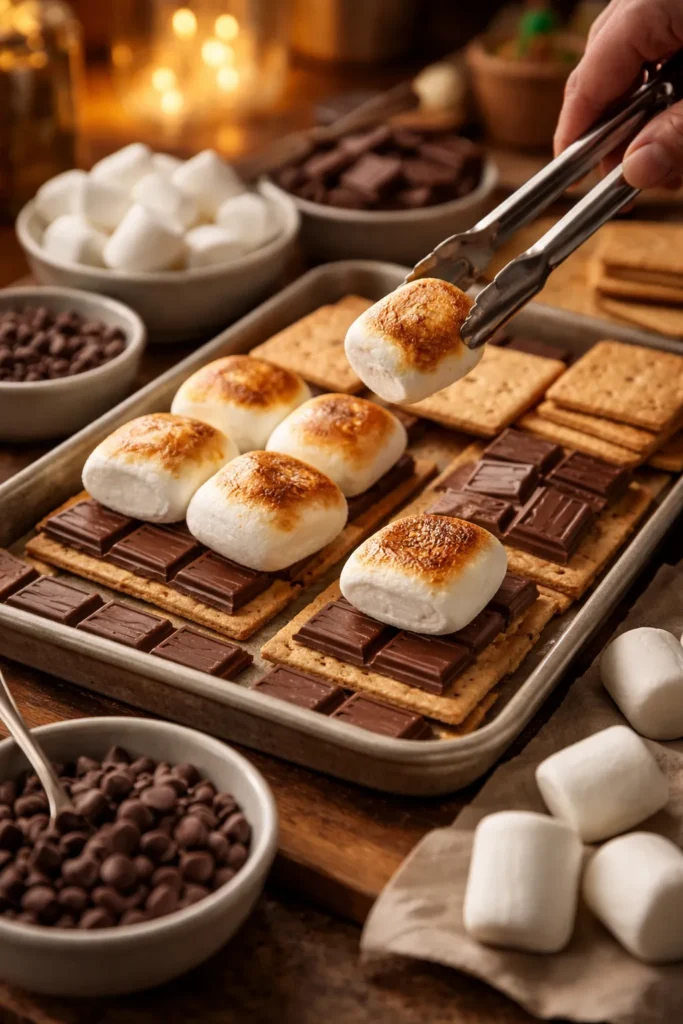
Why Kids Love Them: S’mores tap into something primal about fire and roasting, even if you’re making an indoor version.
Indoor Version with a Twist
Make these in the oven or even under a broiler: place chocolate and graham crackers in the broiler for just a moment, pull them out, add a marshmallow, broil until it’s lightly toasted, and top with another cracker. It’s the essence of s’mores without needing a campfire.
The Toasting Phase
If your family has a safe way to toast marshmallows (over a gas stove flame, in a toaster oven, under a broiler), this becomes an interactive experience. Each person gets to toast their marshmallow to their preference—slightly golden or deeply browned—which builds ownership and anticipation.
The Building Process
Provide quality chocolate and let everyone assemble their own s’mores. Some kids will prefer chocolate-heavy versions; others will want more marshmallow. The customization is part of what makes this feel less like a standard dessert and more like an event.
Timing and Temperature
The magic of s’mores is eating them while the marshmallow is still warm enough to be slightly gooey and the chocolate is just barely beginning to melt. Timing is crucial for the best experience, which adds an element of attention and care to the eating process.
12. Ice Cream Sundae Bar
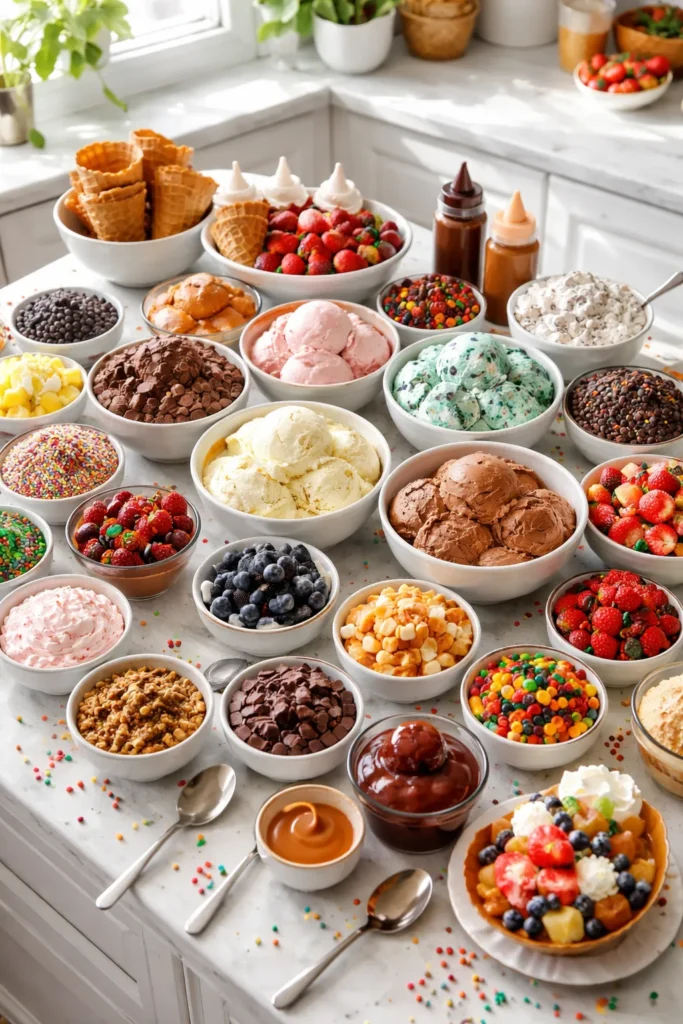
Why Kids Love Them: This is dessert’s ultimate choice-driven experience. Everyone gets to decide exactly what goes into their bowl, and there’s zero judgment about combinations.
Gathering Supplies
You’ll need ice cream (multiple flavors is ideal), and then anything you have on hand for toppings: chocolate sauce, caramel sauce, strawberry syrup, whipped cream, sprinkles, crushed candy, nuts, cookies, granola, coconut, and fresh fruit. The more options, the more creativity possible.
The Build Process
Provide bowls and spoons and let everyone create their ideal sundae. Some kids will layer ice cream and sauce; others will go wild with topppings. This is a dessert where there’s truly no wrong answer, which makes it accessible and stress-free for everyone.
Bonus: Make the Sauces Together
If you want to extend the activity, make hot fudge sauce or caramel sauce together earlier in the day. The smell of melting chocolate or caramelizing sugar fills the kitchen with anticipation, and knowing that you made the topping yourself somehow makes the sundae taste better.
Why This Works for Families
The sundae bar is flexible with timing, accommodates all preferences, and requires zero precision or skill. It’s basically impossible to fail, which makes it perfect for an evening when you just want everyone to have a good time without worrying about baking expertise.
Final Thoughts

The best family night desserts are the ones that prioritize experience over perfection. Your kids aren’t going to remember whether the cookies were perfectly shaped or whether the frosting covered every inch evenly. They’re going to remember the feeling of being part of something, of contributing to a shared meal, of standing in the kitchen laughing and tasting chocolate and enjoying each other’s company without screens or schedules competing for attention.
These twelve desserts work because they give everyone genuine tasks that matter—stirring, shaping, decorating, building, choosing. Nobody feels like they’re just watching while someone else does the real work. The desserts taste genuinely good, which means nobody’s eating something just to be polite. And perhaps most importantly, each one creates natural pauses and rhythms in the evening that give you a chance to actually connect with the people you’re cooking with, not just cook at them.
The next time you’re planning a family evening, pick one of these and commit to it. Don’t worry about keeping things clean. Don’t stress about whether the result looks professional. Expect some flour on the counter, some chocolate on a sleeve, some spirited debate about whether to add more sprinkles. These are the signs of a dessert night done right.