When you’re managing a hectic weekday schedule, the last thing you have energy for is baking a fresh loaf of bread every morning. But what if you could wake up to warm, homemade breakfast bread without the fuss—simply by spending an hour or two preparing something delicious over the weekend? Make-ahead breakfast breads are the secret weapon of busy mornings, turning an ordinary Tuesday into something special without requiring dawn-hour kitchen labor.
The beauty of breakfast breads lies in their flexibility and forgiving nature. Unlike delicate pastries or finicky yeast breads that demand precise timing, most breakfast breads—quick breads, muffins, and coffee cakes—are designed to be mixed quickly, baked ahead, and stored confidently. Some freeze beautifully for weeks, while others stay fresh and moist at room temperature for several days, wrapped tightly and waiting for you to slice and serve them alongside your coffee.
What makes these breads so valuable for weekday mornings is that they satisfy a genuine hunger for homemade comfort. A slice of warm cinnamon bread with butter, a blueberry muffin grabbed on the way out the door, a thick piece of banana bread paired with yogurt—these aren’t afterthoughts. They’re the kind of breakfast that slows down the morning rush, that tastes like someone cared enough to prepare something real. When that someone is you, preparing on your own timeline, weekends suddenly feel productive in a way that carries into the busier days ahead.
Table of Contents
- Why Prepare Breakfast Breads Ahead of Time
- The Best Storage Methods for Maximum Freshness
- 1. Cinnamon Swirl Breakfast Bread
- Why It Works as a Make-Ahead Choice
- The Essential Elements
- 2. Blueberry Breakfast Bread with Lemon Glaze
- Why This Deserves a Place in Your Rotation
- Making It Successfully
- 3. Banana Walnut Quick Bread
- Why Banana Bread Belongs in Your Make-Ahead Strategy
- The Technique That Matters
- 4. Zucchini and Spinach Savory Muffins
- Why Savory Muffins Solve the Breakfast Problem Differently
- Building Flavor and Texture
- 5. Cranberry Orange Quick Bread
- What Makes This Bread Special
- Preparation Particulars
- 6. Breakfast Sausage Bread
- Why This Bread Transforms Your Morning Routine
- Building This Loaf Successfully
- 7. Apple Cinnamon Quick Bread
- The Ingredients That Matter Most
- Technique and Timing
- 8. Chocolate Chai Mini Loaves
- Why This Flavor Combination Works
- Getting the Flavor Balance Right
- 9. Poppy Seed Breakfast Bread with Orange Glaze
- The Appeal of This Classic
- Achieving Optimal Texture
- 10. Lemon Blueberry Breakfast Bread
- Why This Specific Combination Excels
- The Approach That Works
- 11. Pistachio Quick Bread
- What Makes Pistachio Special
- Ingredient Selection and Preparation
- 12. Monkey Bread for Morning Ease
- Why Monkey Bread Works as a Make-Ahead Strategy
- Building This Foolproof Treat
- Maximizing Your Make-Ahead Baking Weekend
- Final Thoughts
Why Prepare Breakfast Breads Ahead of Time
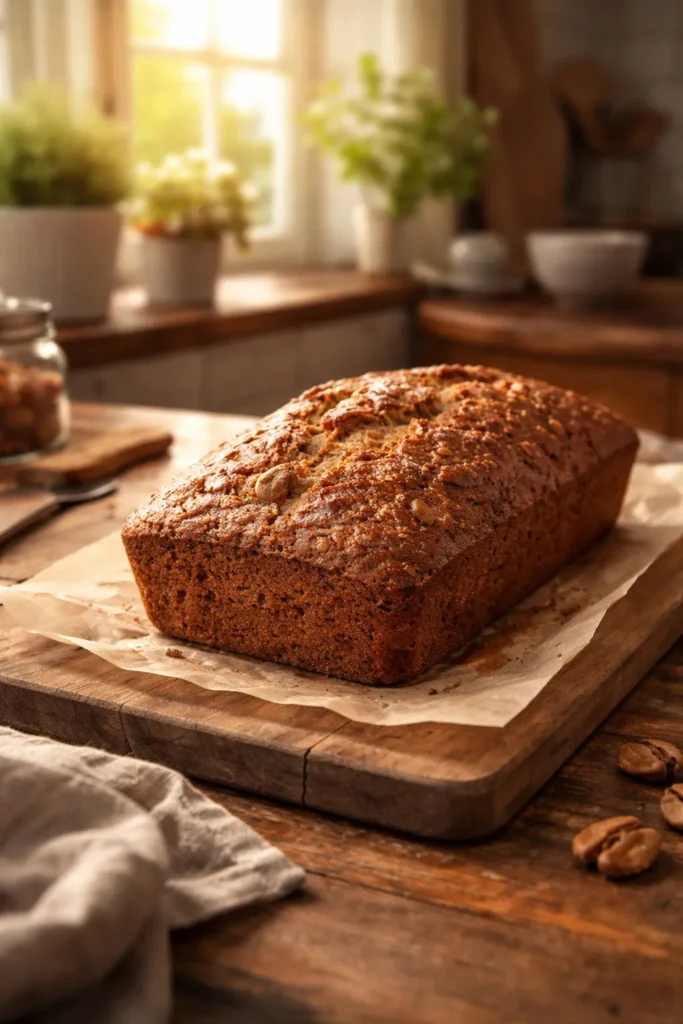
The strategic advantage of baking breakfast breads on weekends extends far beyond simple convenience. Prepared-ahead breads eliminate decision fatigue and time pressure when you’re already juggling getting out the door, packing lunches, and finding matching socks. There’s genuine power in reaching for a slice of homemade bread instead of standing in front of the pantry wondering what sounds reasonable to eat.
From a practical standpoint, quick breads and muffins improve with age. The crumb structure continues to set as the bread rests, flavors develop and deepen, and moisture distributes evenly throughout. A slice of cinnamon bread tastes noticeably better on Wednesday than it did on Saturday because the flavors have had time to meld and mature. This is the opposite of many fresh-baked goods—these are breads that genuinely benefit from a day or two of rest.
Budget-wise, baking at home costs a fraction of what you’d spend buying comparable items from a bakery or coffee shop. A loaf of quality homemade breakfast bread costs roughly three to four dollars in ingredients and produces ten to sixteen slices. That same item from a bakery might cost six to eight dollars, and a muffin purchased individually easily reaches three to four dollars for a single piece.
The Best Storage Methods for Maximum Freshness
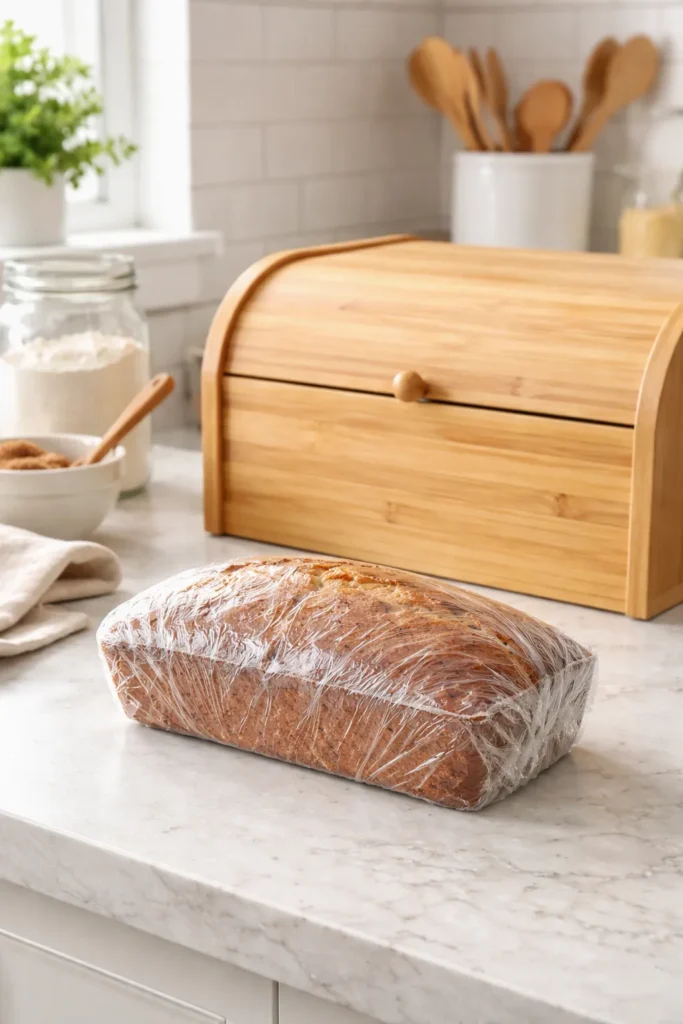
Understanding how to store your prepared breads correctly means the difference between breakfast options that stay fresh and delicious through Friday versus bread that goes stale by Wednesday. Room-temperature storage works perfectly for breads that will be consumed within three to four days—wrap them tightly in plastic wrap or store them in an airtight container, keeping them away from direct sunlight and heat. A bread box or sealed container on your counter is ideal.
For longer storage, freezing is remarkably effective. Cool the bread completely before wrapping it tightly in plastic wrap, then aluminum foil, and finally placing it in a freezer-safe bag with the air pressed out. Properly frozen breakfast breads hold their quality for up to three months, though most taste their best when consumed within six weeks. This approach lets you prepare multiple loaves and muffins on a single productive weekend, gradually working through them as the weeks progress.
When you’re ready to eat a frozen bread, thaw it at room temperature still wrapped—this takes one to two hours depending on thickness. Never unwrap it while thawing, as condensation will form and make the surface soggy. For a quicker solution, slice frozen bread before wrapping, then toast slices directly from frozen for an almost just-baked experience. Many of these breads also reheat beautifully in a low oven, bringing back warmth and softness that rivals fresh-baked quality.
1. Cinnamon Swirl Breakfast Bread
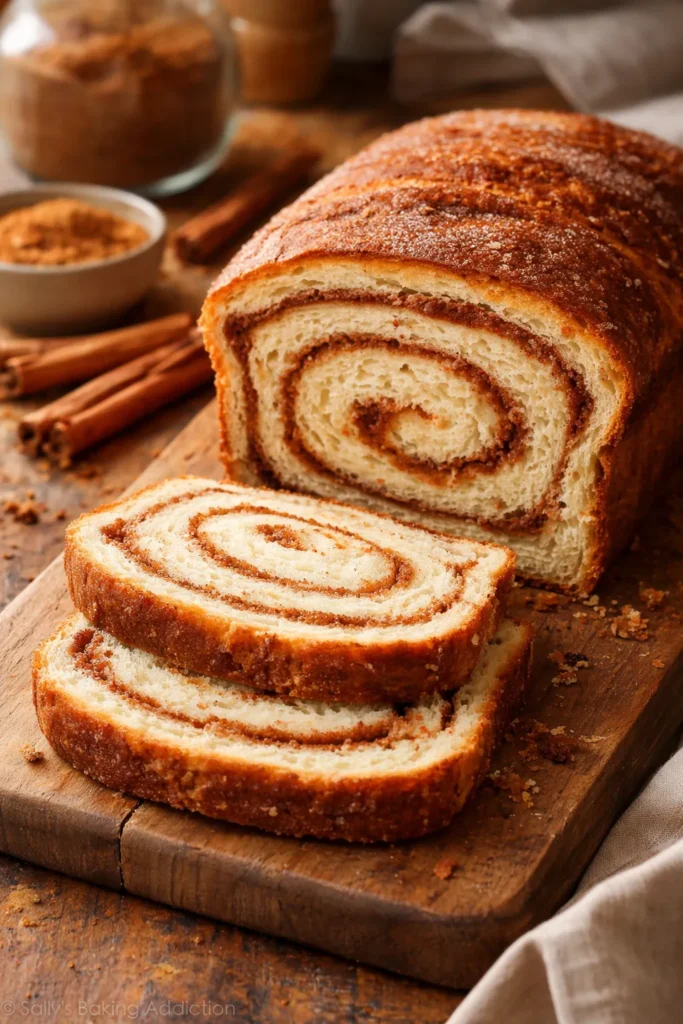
This tender, buttery loaf features dramatic swirls of cinnamon-sugar running through every slice, making it an impressive addition to any weekday morning without requiring sophisticated baking techniques. The beauty of cinnamon swirl bread is that it looks bakery-quality but comes together with straightforward mixing and minimal effort—something that takes under five minutes of active time to assemble, not counting baking.
Why It Works as a Make-Ahead Choice
Cinnamon bread stays moist and maintains excellent texture for four to five days at room temperature when wrapped properly. The butter content keeps the crumb tender, while the sugar and cinnamon swirl create little pockets of flavor that seem to intensify as the bread rests. This is one of those rare breads where leftovers actually taste better than the fresh-baked version.
The Essential Elements
- Use room-temperature butter, not softened, for the swirl mixture—softened butter will be too thin and seep into the batter rather than creating defined layers
- Mix the dry ingredients thoroughly before combining with wet ingredients to ensure even distribution of baking powder throughout the batter
- When creating the swirl, fill a loaf pan about one-third full with batter, sprinkle the cinnamon mixture, add another third of batter, more cinnamon mixture, then top with remaining batter for visible swirls throughout
- Bake at 350°F for 50 to 55 minutes until a toothpick inserted in the center comes out clean or with just a few moist crumbs
Pro tip: Create a simple glaze by whisking powdered sugar with cinnamon and a touch of milk, then drizzle it over the cooled loaf for extra visual appeal and subtle sweetness without overshadowing the natural cinnamon flavor.
2. Blueberry Breakfast Bread with Lemon Glaze
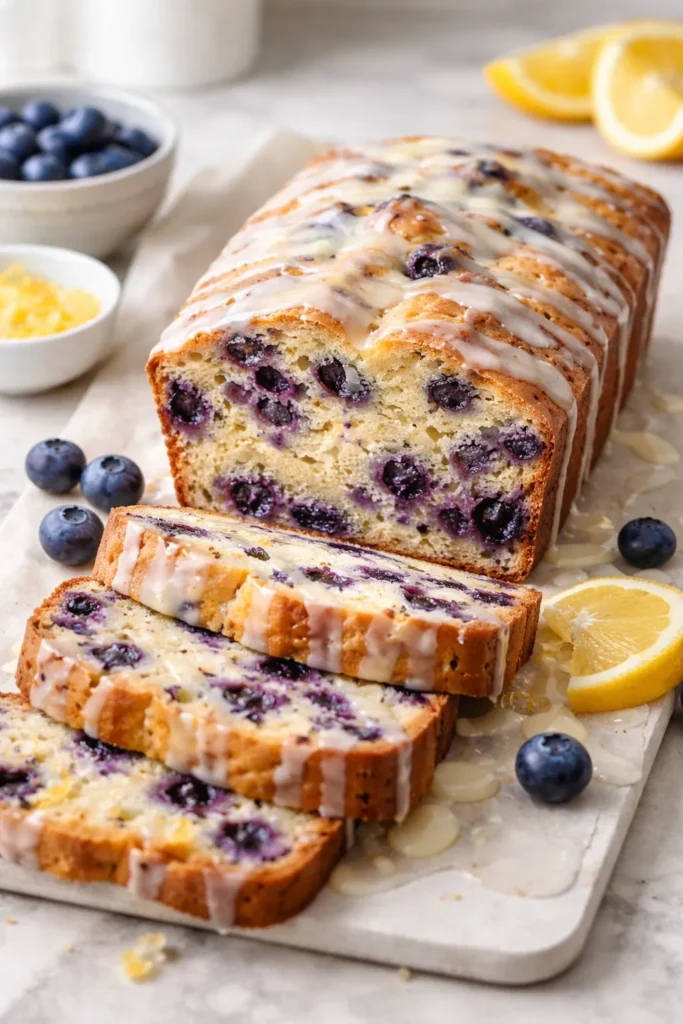
Fresh or frozen blueberries deliver bursts of tartness and subtle sweetness that pair beautifully with the brightness of lemon in this moist, elegant quick bread. Unlike blueberry muffins where berries tend to sink to the bottom, a full-size loaf distributes the fruit more evenly throughout, ensuring every slice gets a generous helping of berry flavor.
Why This Deserves a Place in Your Rotation
This bread strikes the balance between indulgent and wholesome—it satisfies a genuine desire for something sweet while delivering fruit nutrition. The lemon glaze adds professional finesse that makes it feel special enough for weekend brunch yet simple enough to prepare ahead without stress.
Making It Successfully
- Coat frozen blueberries lightly in flour before folding them into the batter—this prevents them from sinking and keeps them suspended throughout the loaf
- Fold the berries in gently at the very end, using just a few turns of the spatula so you don’t break them down and stain the batter
- If using fresh blueberries, do the same, but understand that fresh berries may release slightly more juice, which is still beautiful and delicious
- The lemon glaze requires only lemon juice, powdered sugar, and a touch of milk or water whisked together until pourable but thick enough to cling to the bread
Real talk: This bread actually tastes noticeably better on day two or three because the flavors have time to meld and the moisture distributes evenly, making the crumb even more tender.
3. Banana Walnut Quick Bread
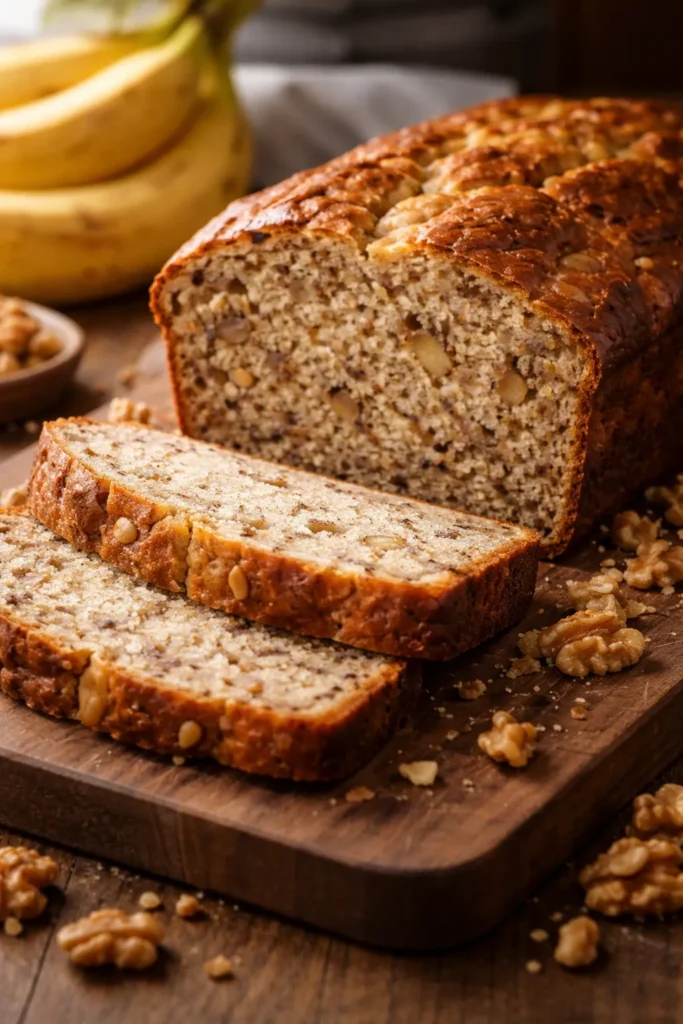
Banana bread transcends the label of quick bread—it’s genuinely one of the most versatile, forgiving, and absolutely foolproof recipes in any baker’s arsenal. The addition of walnuts adds textural contrast and a subtle toasted flavor that deepens as the bread rests, making it one of the few breakfast items that improves noticeably from one day to the next.
Why Banana Bread Belongs in Your Make-Ahead Strategy
Bananas are often at their least appealing stage—speckled with brown spots—exactly when they’re at their most flavorful for baking. Rather than tossing overripe bananas, a batch of banana bread transforms them into something that feeds your family all week. The high moisture content from the banana flesh keeps this bread tender longer than most quick breads, meaning it stays moist and pleasant even by Friday.
The Technique That Matters
- Use very ripe bananas—the spottier the better—as their natural sugars are more developed and their texture is softer for mashing
- Mash the bananas thoroughly until almost completely smooth with minimal lumps; any remaining texture will become harder as the bread bakes and cools
- Mix the wet and dry ingredients separately, then combine them with just a few turns of the spatula until barely combined—overmixing develops gluten, making the bread tough
- Add walnuts in the final fold so they don’t get pulverized during mixing, keeping them in distinct pieces rather than distributed as powder
Worth knowing: Banana bread freezes exceptionally well because the high fat and sugar content prevent ice crystal formation, meaning it thaws to nearly the same texture as when it went into the freezer.
4. Zucchini and Spinach Savory Muffins
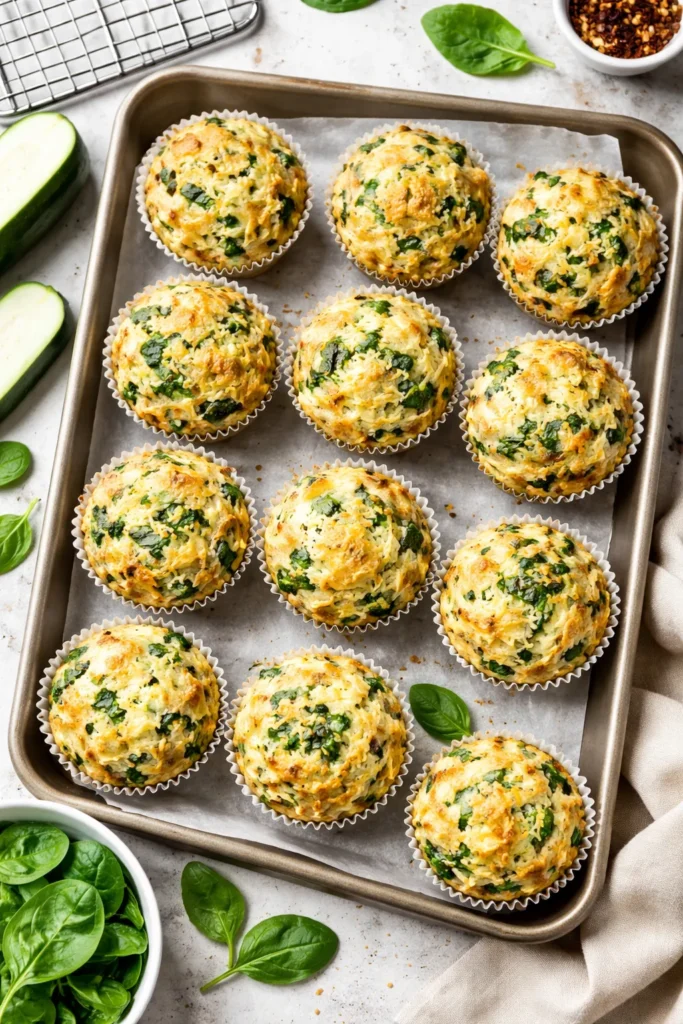
While sweet breakfast breads have obvious appeal, savory muffins offer a completely different satisfaction—they’re filling, nutrient-dense, and work equally well for breakfast, a quick lunch, or an afternoon snack. These muffins pack shredded zucchini and fresh spinach into a cheese-forward base that tastes sophisticated despite simple preparation.
Why Savory Muffins Solve the Breakfast Problem Differently
Not everyone wants something sweet first thing in the morning, and these muffins honor that preference entirely. They deliver protein through eggs and cheese, fiber through vegetables, and genuine flavor through herbs and sharp cheddar. A single muffin alongside fruit and yogurt creates a complete breakfast that feels nourishing rather than indulgent.
Building Flavor and Texture
- Squeeze shredded zucchini firmly in a clean kitchen towel to remove excess moisture—water released during baking would make the muffins soggy and dense
- Chop fresh spinach finely and measure it loosely; spinach reduces dramatically as it cooks, so what seems like a large volume becomes relatively modest in the finished muffin
- Use freshly grated cheddar from a block rather than pre-shredded, as the latter contains anti-caking agents that prevent even melting and create a slightly grainy texture
- Fold in the vegetables and cheese at the very end, distributing them evenly with just a few turns of the spatula
Insider note: These muffins are even better when prepared the night before and briefly reheated in the oven, which brings back moisture and makes the cheese slightly oozy again.
5. Cranberry Orange Quick Bread
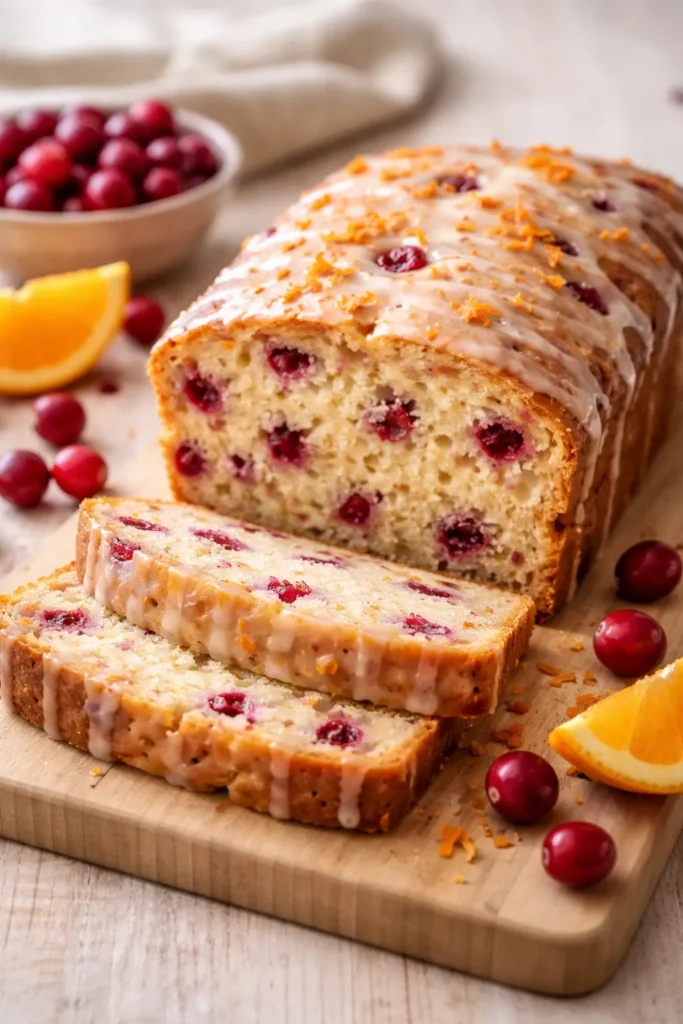
The combination of tart cranberries and bright orange brings a sophisticated flavor profile that tastes far more complicated than the straightforward preparation actually requires. This bread holds visual appeal as well—jewel-like cranberries studded throughout against a tender golden crumb, often finished with a simple glaze that catches the light.
What Makes This Bread Special
Cranberry and orange is a flavor pairing that transcends seasons and trends, remaining perpetually appealing. The citrus oil from orange zest provides aromatic brightness that makes every slice feel special, while the tartness of cranberries prevents the bread from becoming cloying despite the sugar in the batter.
Preparation Particulars
- Fresh cranberries work beautifully in quick breads because their high pectin content and firm structure mean they hold their shape during baking rather than disintegrating
- Toss cranberries lightly in a bit of flour before folding them in, preventing them from sinking to the bottom of the loaf
- Use a microplane or fine grater to zest the orange directly into the dry ingredients, ensuring the zest distributes evenly throughout the batter
- A simple orange glaze made from powdered sugar, orange juice, and a touch of orange zest takes this bread from good to memorable
Quick facts:
- This bread stays fresh and moist for five to six days when wrapped well
- It freezes beautifully for up to three months
- Day-old slices toast wonderfully, becoming slightly crisp on the outside while the inside warms through
- Pairs perfectly with cream cheese or ricotta alongside morning coffee
6. Breakfast Sausage Bread
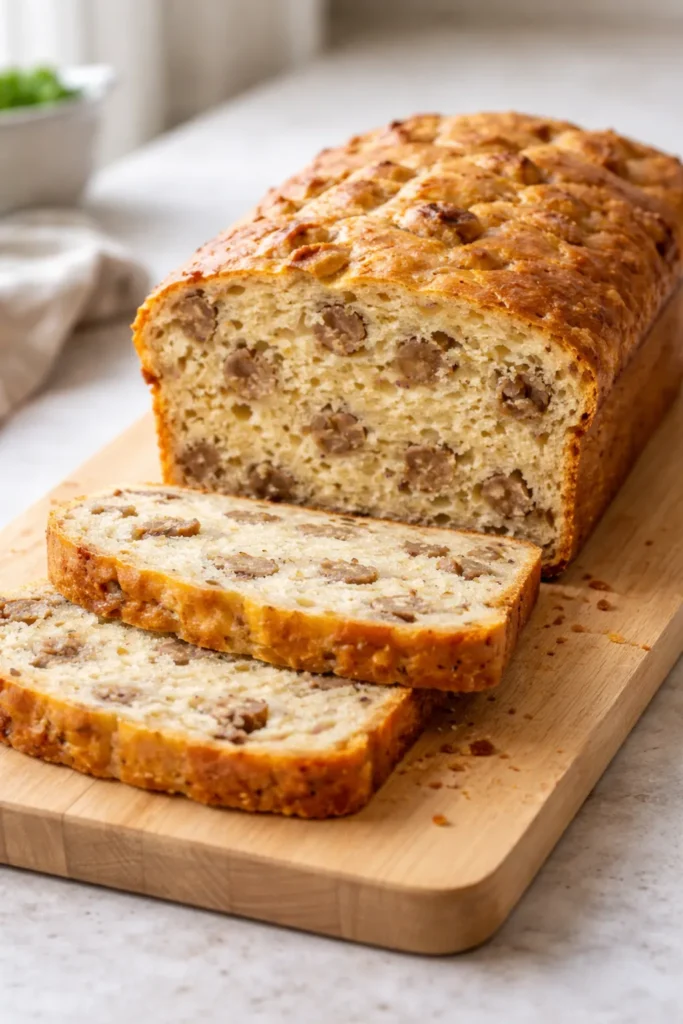
Savory bread studded with seasoned breakfast sausage creates something entirely different from sweet morning loaves—it’s hearty, protein-rich, and substantial enough to serve as the backbone of a genuinely filling breakfast. Unlike savory muffins that deliver crumbly texture, a full-size sausage loaf slices cleanly and can be plated or presented impressively.
Why This Bread Transforms Your Morning Routine
A slice of sausage bread alongside a fried egg or some fresh fruit creates a complete meal without requiring you to manage multiple components. The sausage pieces release fat during baking that keeps the crumb incredibly moist and contributes rich flavor throughout. This is not delicate, subtle bread—it’s bold, unapologetic, and deeply satisfying.
Building This Loaf Successfully
- Brown the sausage completely in a skillet before mixing it into the batter, breaking it into small pieces as it cooks so every slice contains pieces rather than chunks
- Drain excess fat from the browned sausage if it seems particularly greasy, but don’t make it lean—some fat is essential for keeping the finished bread moist
- Mix the sausage into the batter gently in a final fold, distributing it evenly without overworking the dough
- Consider adding herbs like sage or dried thyme to complement the sausage seasoning, approximately one-quarter to one-half teaspoon mixed into the dry ingredients
Pro tip: These loaves are exceptional the next day when sliced and pan-fried briefly in butter until the cut faces turn golden brown, creating a crust that contrasts with the tender interior.
7. Apple Cinnamon Quick Bread
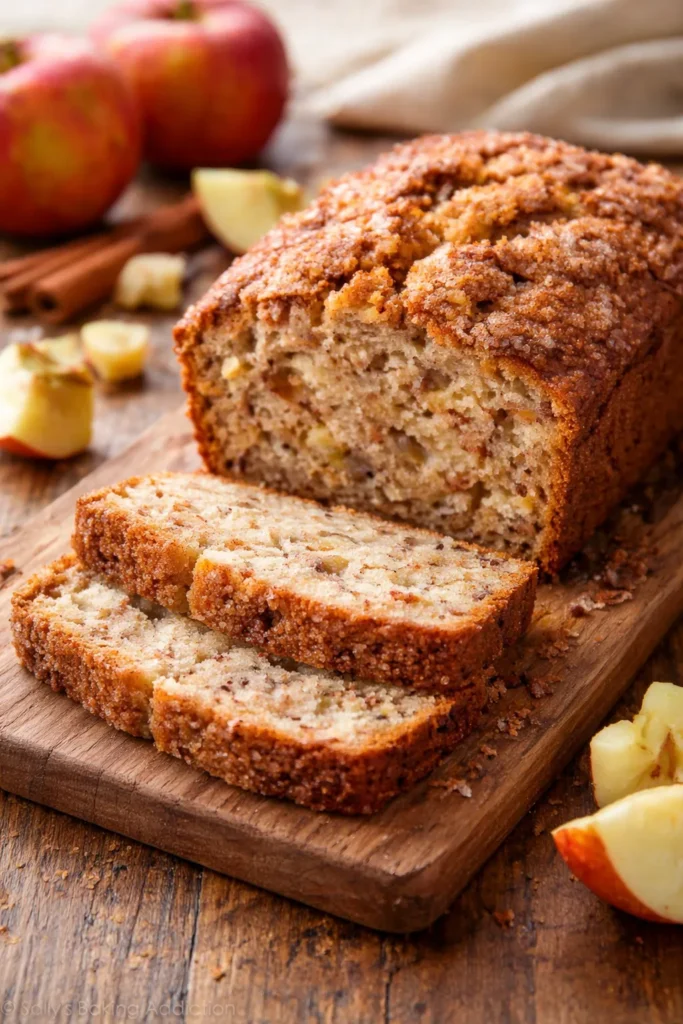
Apples contribute natural moisture and fiber while cinnamon provides warm spice that feels comforting without being heavy. This bread occupies a pleasant middle ground—not overly sweet, but clearly a breakfast treat rather than austere health food. The structure remains tender from the fruit moisture, and the crumb develops increasingly complex flavor as it rests.
The Ingredients That Matter Most
Fresh apples work far better than applesauce in quick breads because they release moisture slowly during baking rather than introducing liquid that would make the batter too thin. Granny Smith apples provide tartness that balances the sugar and cinnamon, though any firm baking apple works adequately.
Technique and Timing
- Peel, core, and dice apples into small pieces approximately one-quarter inch, allowing them to distribute evenly throughout the loaf
- Toss the apple pieces in lemon juice to prevent browning and to add subtle brightness that complements the cinnamon
- Fold the apple pieces into the batter as the final step, using just a few gentle turns to avoid breaking them down
- Bake at 350°F for 50 to 60 minutes, checking for doneness with a toothpick inserted near the center
What to know: This bread reaches optimal flavor and texture on day two or three, making it perfect for baking on Friday or Saturday and eating through Wednesday or Thursday.
8. Chocolate Chai Mini Loaves
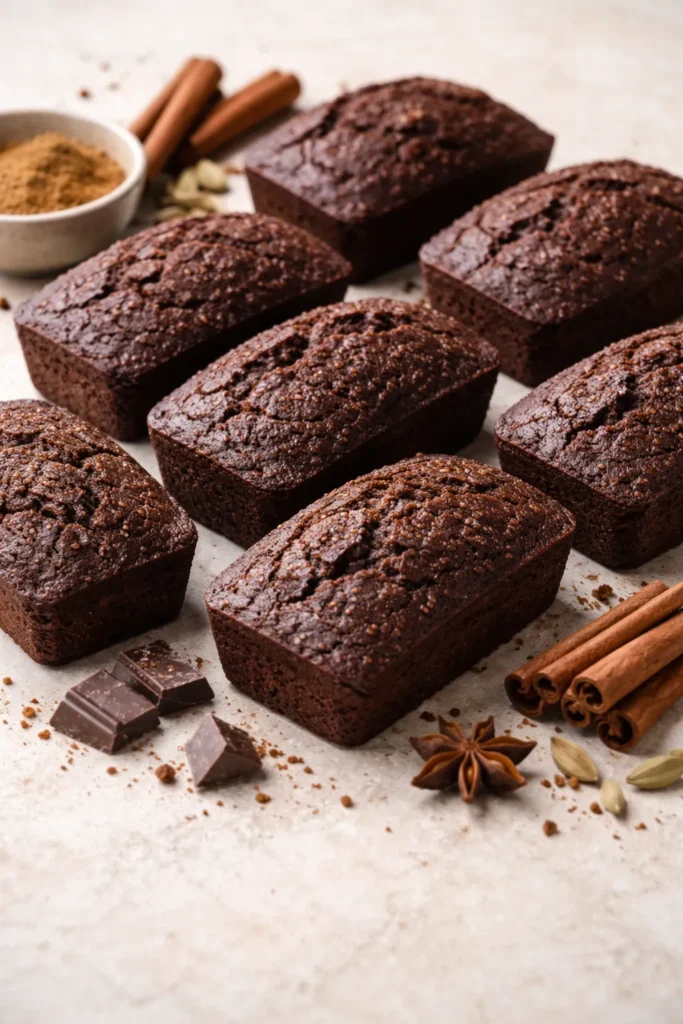
Chai spices—cardamom, cinnamon, ginger, cloves—paired with dark chocolate create sophisticated flavor notes that feel decadent without being over-the-top. Baking these in mini loaf pans rather than a standard loaf creates individual portions that are perfect for grab-and-go mornings or sharing as gifts.
Why This Flavor Combination Works
Chai spices bring complexity and warmth that many people associate with comfort and coziness. When paired with chocolate rather than competing with it, the spices enhance and deepen the chocolate flavor, making it taste less like a sugary treat and more like an intentional flavor experience. Each bite carries warmth and slight heat from the spices rather than being purely sweet.
Getting the Flavor Balance Right
- Toast whole chai spices lightly in a dry skillet for thirty seconds to a minute before grinding them, intensifying their flavor
- Grind the toasted spices finely so they distribute evenly and don’t create unpleasant grittiness
- Use good-quality cocoa powder rather than chocolate chips for richer, cleaner chocolate flavor that doesn’t overwhelm the spices
- Mix the spices thoroughly into the dry ingredients to ensure even distribution throughout the batter
Essential tip: Underbake these slightly—pull them from the oven when a toothpick inserted in the center comes out with just a few moist crumbs rather than completely clean, creating fudgy interior without being raw.
9. Poppy Seed Breakfast Bread with Orange Glaze
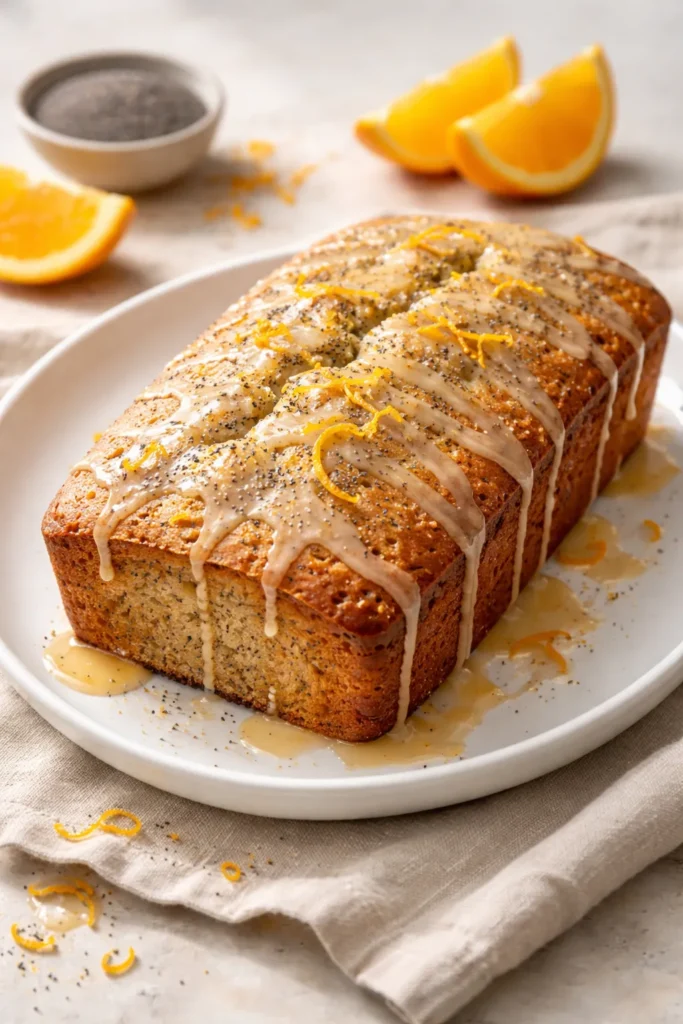
Poppy seed bread occupies a special category—it’s elegant and refined-tasting despite requiring no special technique, making it perfect for times when you want to serve something that looks more complicated than it actually is. The tiny poppy seeds create visual interest throughout the loaf while imparting subtle nuttiness.
The Appeal of This Classic
Poppy seed has remained popular in breakfast breads across decades and cultures because the flavor works universally. It’s not aggressively spiced, not heavily fruited, not overtly sweet—it’s simply pleasant and comforting. The addition of orange zest brightens the flavor without creating the assertive tang of lemon, keeping the bread approachable and versatile.
Achieving Optimal Texture
- Use poppy seeds fresh from a container you know hasn’t been sitting open in the pantry for months; older seeds develop slightly musty flavor
- Soak poppy seeds in warm milk for ten to fifteen minutes before adding them to the batter—this plumps them up and softens them slightly, improving texture in the finished bread
- Mix the soaked poppy seeds directly into the combined wet ingredients, ensuring the milk they’ve been sitting in goes into the batter rather than being drained
- The orange glaze requires only powdered sugar whisked with fresh orange juice until it reaches pourable consistency, then drizzle it over the cooled loaf
Quick fact: This bread holds fresh quality longer than many quick breads because the poppy seeds absorb and gradually release moisture, keeping the crumb tender and moist through day four or five.
10. Lemon Blueberry Breakfast Bread
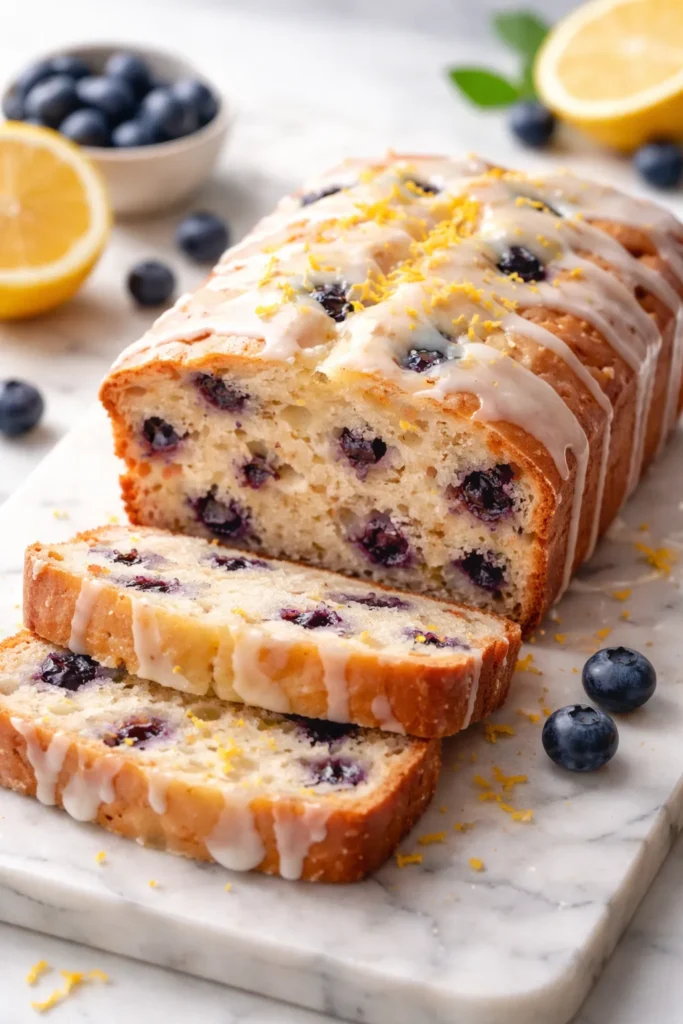
This flavor combination has earned its place in breakfast bread pantheons because lemon and blueberry simply complement each other perfectly. The tartness of lemon cuts the sweetness of berries, while the blueberries provide subtle sweetness that softens lemon’s pucker. Taken together, they create balanced flavor that tastes sophisticated despite the straightforward preparation.
Why This Specific Combination Excels
Unlike lemon-only breads that can feel one-dimensional, and blueberry-only breads that sometimes taste too sweet, this combination delivers complexity in a single bite. The lemon appears in multiple forms—zest for bright aroma, juice for subtle tang, and often a glaze for finishing—creating layers of lemon flavor that don’t overwhelm.
The Approach That Works
- Use at least one tablespoon of lemon zest for a full loaf, grating it on a microplane to avoid the bitter white pith just beneath the yellow skin
- Include fresh lemon juice in the batter itself, approximately two to three tablespoons, reducing the liquid slightly to compensate
- Fold blueberries in last, coating them lightly with flour to prevent sinking
- Top with a simple lemon glaze made from powdered sugar and fresh lemon juice for added brightness
Pro tip: Making the lemon glaze thicker or thinner is entirely up to you—a thicker glaze stays on top of the bread like frosting, while thinner glaze soaks slightly into the crumb, creating a moister finish overall.
11. Pistachio Quick Bread
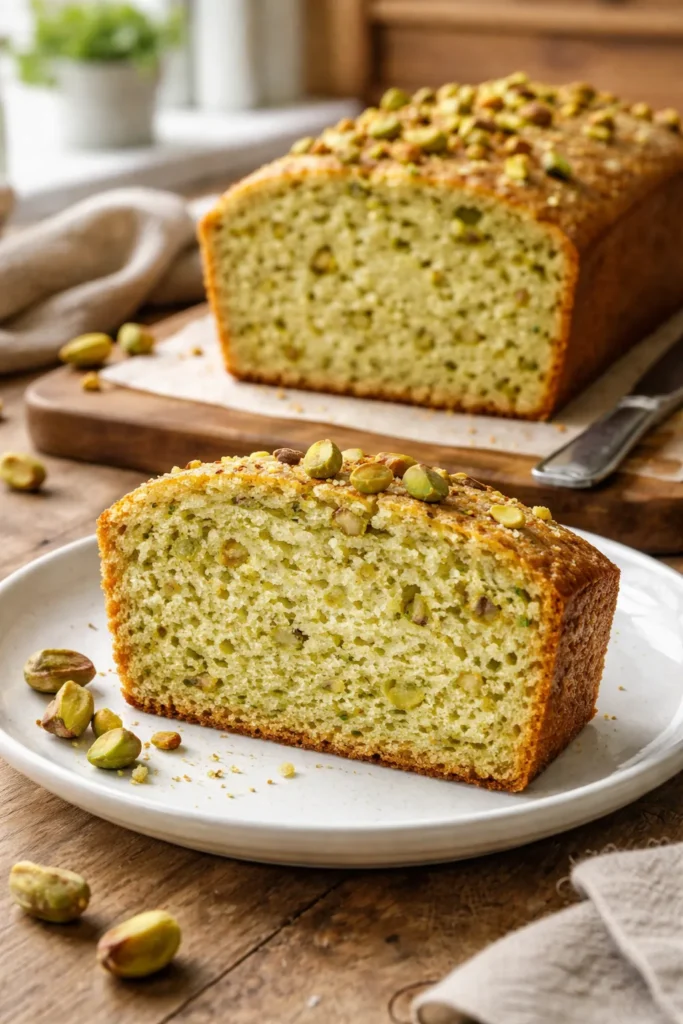
Pistachios bring delicate flavor and beautiful pale green color to quick breads, creating something visually distinctive that tastes subtly luxurious. This bread falls into the category of something you might associate with upscale bakeries, yet it requires nothing beyond standard baking techniques.
What Makes Pistachio Special
Pistachio flavor is sophisticated without being aggressive—it’s nutty but refined, slightly sweet but not sugary-tasting. The nuts create textural interest as well, providing little moments of crunch that contrast pleasantly with tender crumb. This is bread that feels like a treat despite being entirely wholesome.
Ingredient Selection and Preparation
- Use shelled, unsalted pistachios for the purest flavor without salt competing with the bread’s carefully balanced sweetness
- Pulse pistachios in a food processor until finely chopped but not ground into butter, creating texture in the finished bread
- Toast pistachios lightly in a dry skillet for five to seven minutes before pulsing, intensifying their flavor significantly
- Reserve a few whole pistachios for garnishing the top of the loaf before baking, creating visual appeal
Worth knowing:
- Pistachio bread freezes beautifully for months without developing any off-flavors
- It makes an exceptional gift, particularly when wrapped beautifully
- Toasted, sliced pistachio bread paired with cream cheese makes a sophisticated breakfast or snack
12. Monkey Bread for Morning Ease
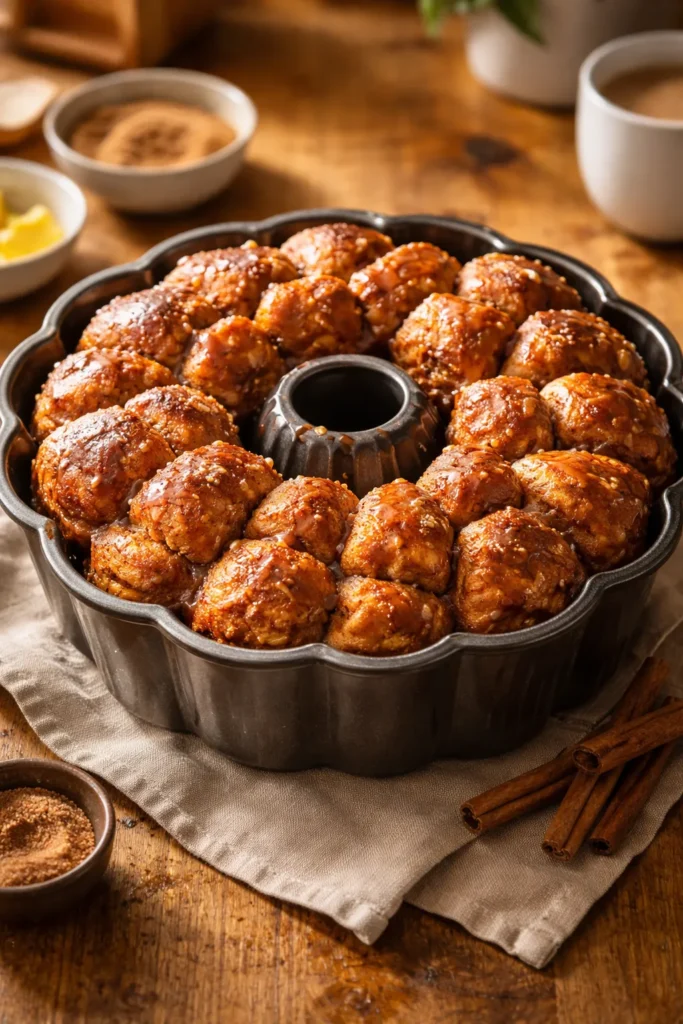
Monkey bread represents a different category entirely—it’s playful, interactive, and endlessly customizable while remaining genuinely quick to prepare. Biscuit pieces are tossed in cinnamon sugar, tumbled into a pan, and baked until golden, creating a pull-apart bread that feels special without requiring precision baking skills.
Why Monkey Bread Works as a Make-Ahead Strategy
Monkey bread stays fresh and tender for three to four days, actually improving slightly as it rests and flavors develop. It reheats beautifully, becoming warm and soft again with just a few minutes in a low oven. Unlike bread that’s sliced and potentially goes stale at the cut edges, monkey bread remains covered and protected, extending freshness.
Building This Foolproof Treat
- Use refrigerated buttermilk biscuits from the dairy case rather than making biscuit dough from scratch—this isn’t cheating, this is smart meal preparation
- Cut each biscuit into quarters or halves depending on desired bite size
- Toss the pieces in a mixture of cinnamon and sugar (approximately one-quarter cup sugar to one tablespoon cinnamon for a standard batch)
- Arrange the pieces in a bundt pan or loaf pan, pouring any remaining cinnamon sugar over the top, then pour a caramel sauce (butter, brown sugar, and vanilla mixed together) evenly over everything
- Bake at 350°F for approximately thirty-five to forty minutes until golden brown
Pro tip: Monkey bread actually benefits from being baked the night before and reheated gently the next morning, which distributes the caramel throughout and makes the whole thing feel nearly homemade despite the simple preparation.
Maximizing Your Make-Ahead Baking Weekend
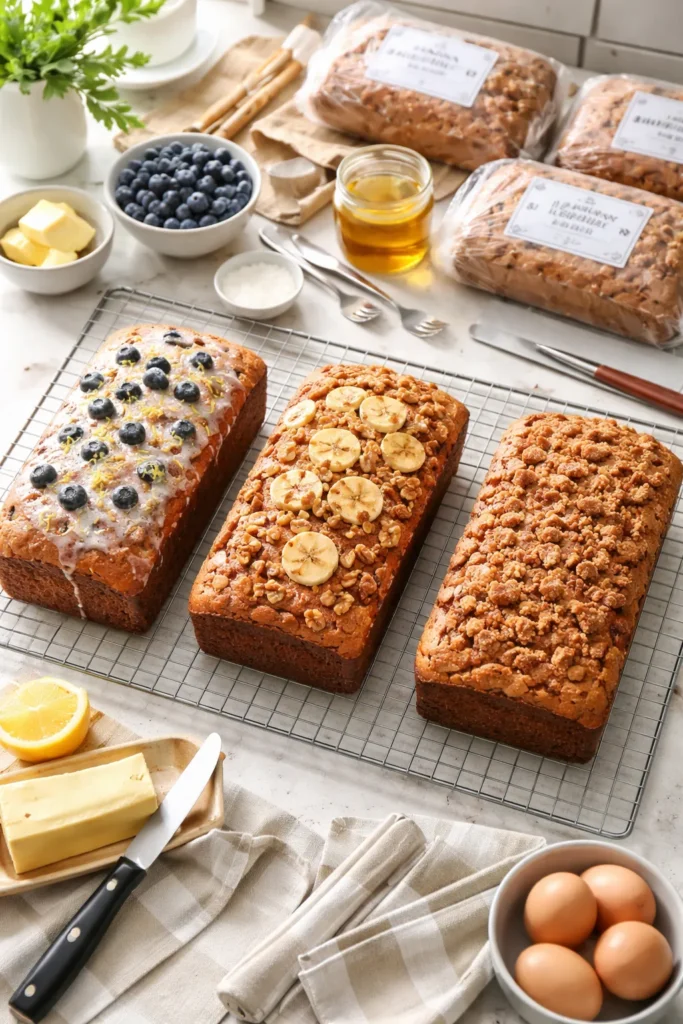
Smart weekend preparation transforms your entire week. Rather than baking a single loaf, plan to bake three to four different breads simultaneously, using them strategically through the week. While one loaf bakes at 350°F, prepare the batter for another that will bake at the same temperature, staggering start times so they finish at different intervals.
Consider your family’s preferences and rotating flavors—if you bake cinnamon bread and banana bread, you’ve covered different taste profiles. Add a savory sausage loaf or zucchini muffins, and you’ve accommodated various preferences while maximizing oven efficiency. This approach means that Monday through Friday breakfast involves actual choices rather than scrambling to figure out what to eat.
Label frozen breads clearly with the name and date, creating a visible reminder of what’s available. Many people find that clearly labeled frozen options in the freezer get eaten, while mysterious packages get forgotten and eventually discarded. A simple label with permanent marker takes seconds but dramatically increases the likelihood that your weekend preparation actually feeds your weekday mornings.
Final Thoughts
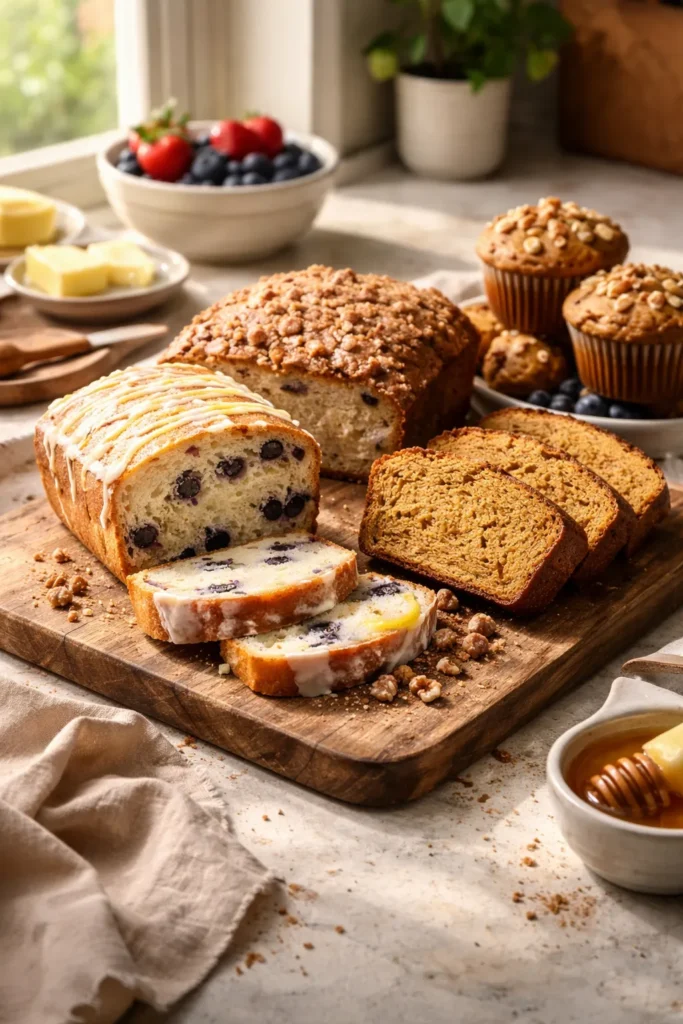
The greatest breakfast breads are the ones that actually get eaten, and that happens most reliably when you prepare them ahead so they’re convenient, ready, and genuinely appealing when you need them. Whether you choose sweet cinnamon bread or savory sausage loaves, blueberry muffins or pistachio quick bread, the principle remains the same: a few hours of weekend preparation creates days of easier mornings and genuine homemade comfort.
The breads in this collection span flavor profiles from chocolate chai to lemon blueberry, textures from tender and crumbly to dense and moist, and preparation styles from single loaves to pull-apart portions. This variety means you can honor your family’s actual preferences rather than serving the same breakfast repeatedly. One loaf might be demolished by Wednesday, while another lingers peacefully through Friday—and both are absolutely fine, because everything freezes beautifully for future weeks when you want to skip that particular flavor.
Start with whichever bread appeals most urgently to you, bake confidently knowing that quick breads are genuinely difficult to ruin, and notice how the simple act of having homemade breakfast options waiting transforms your entire week’s rhythm.