Every parent knows the nightly struggle: the clock strikes five, hungry kids start getting cranky, and you’re staring into the refrigerator wondering what on earth you can make that won’t end up being rejected at the table. Between navigating picky eating habits, managing nutritional requirements, and dealing with your own exhaustion after a long day, dinnertime can feel more like a battle than a bonding experience. The good news? Feeding kids delicious, nutritious dinners doesn’t have to be complicated or time-consuming. Whether you’re dealing with toddlers who refuse anything green or school-aged children who suddenly decided they hate everything they loved last week, having a reliable repertoire of easy, actually-delicious dinner ideas can transform your evenings from stressful to successful. This comprehensive guide will walk you through fifteen tried-and-tested dinner ideas that kids genuinely enjoy eating, while also providing you with practical strategies, nutrition tips, and time-saving hacks that will make you feel like a dinnertime champion.
Table of Contents
- Why Easy Kid-Friendly Dinners Matter
- What Makes a Dinner “Kid-Friendly”?
- 15 Easy Dinner Ideas That Kids Actually Love
- 1. Mini Pizza Bagels
- 2. Cheesy Quesadillas with Various Fillings
- 3. Crispy Chicken Tenders with Sweet Potato Fries
- 4. Classic Spaghetti and Meatballs
- 5. Build-Your-Own Taco Bar
- 6. Macaroni and Cheese with Hidden Vegetables
- 7. Homemade Chicken Nuggets
- 8. Mini Hamburger Sliders
- 9. Breakfast for Dinner (Pancakes and Scrambled Eggs)
- 10. Personal Pita Pizzas
- 11. Easy Fried Rice with Vegetables
- 12. Classic Grilled Cheese and Tomato Soup
- 13. Pasta Primavera with Colorful Vegetables
- 14. Mini Meatloaf Muffins
- 15. Baked Fish Sticks with Vegetable Dippers
- Tips for Making Dinner Time Easier with Kids
- Nutrition Hacks for Picky Eaters
- Meal Prep Strategies for Busy Parents
- Final Words
Why Easy Kid-Friendly Dinners Matter
This section explores why having simple, reliable dinner options specifically designed for children’s tastes isn’t just about convenience—it’s about creating positive mealtime experiences and establishing healthy eating patterns.
Creating a stress-free dinner environment benefits the entire family unit in ways that extend far beyond just getting food on the table. When children consistently enjoy their meals, they develop a healthier relationship with food that can last a lifetime. Research consistently shows that positive mealtime experiences during childhood correlate with better eating habits in adolescence and adulthood. When kids aren’t constantly battling with parents over what’s on their plate, everyone can actually enjoy the family time that dinner is meant to provide. Parents experience less stress and guilt, while children feel respected and heard in their preferences.
From a practical standpoint, having easy dinner ideas ready eliminates the daily decision fatigue that plagues busy parents. When you know you have fifteen reliable options that your kids will actually eat, meal planning becomes exponentially simpler. You can grocery shop more efficiently, reduce food waste from rejected meals, and save significant time during those hectic evening hours. The mental load of constantly thinking “what should I make for dinner?” diminishes considerably when you have a tested rotation of meals that work for your family.
Furthermore, easy kid-friendly dinners don’t mean sacrificing nutrition for convenience. Many simple meals can be packed with essential nutrients, especially when you know a few tricks for incorporating vegetables, proteins, and whole grains in ways that appeal to young palates. The key lies in understanding what makes food appealing to children while ensuring they’re still getting the nutritional building blocks they need for healthy growth and development.
What Makes a Dinner “Kid-Friendly”?
Before diving into specific recipes, understanding the characteristics that make meals appealing to children helps explain why certain dinners consistently succeed while others fail.
Visual Appeal and Familiar Shapes
Children eat with their eyes first, and presentation matters significantly more than many parents realize. Foods that are colorful, arranged in fun ways, or served in familiar shapes tend to be far more appealing than complicated dishes. Think about why kids love nuggets, mini versions of adult foods, and anything they can dip—these formats feel manageable and fun rather than overwhelming. Foods served in muffin tins, on skewers, or arranged to look like faces or scenes instantly become more interesting. Even the same food presented differently can receive completely different reactions. A pile of mixed vegetables might get rejected, while those same vegetables arranged in rainbow order or served with a special dipping sauce become an adventure.

Appropriate Textures and Temperatures
Many children are highly sensitive to food textures, and understanding these preferences prevents unnecessary dinner battles. Most kids prefer foods that are neither too mushy nor too chewy, avoiding extreme textures that feel unfamiliar in their mouths. This explains why many children reject foods like mushrooms (too slimy), certain meats (too chewy), or overly soft vegetables (unpleasant texture). Temperature also plays a crucial role—most kids prefer foods that are warm but not hot, and definitely not cold when they’re supposed to be warm. Paying attention to these sensory factors and adjusting accordingly can dramatically improve acceptance rates.
Flavor Profiles That Appeal to Young Palates
Children’s taste buds are actually more sensitive than adults’, containing more taste receptors that make them naturally more sensitive to bitter flavors. This biological reality explains why kids often reject vegetables like Brussels sprouts, broccoli, and leafy greens that adults enjoy. Kid-friendly dinners typically feature milder seasonings, slight sweetness, and familiar flavors. This doesn’t mean food has to be bland, but rather that strong spices, overly complex flavor combinations, and bitter notes should be introduced gradually. Many children gravitate toward foods with a slight sweetness, cheese-based sauces, and familiar seasonings they’ve encountered before.
Interactive and Customizable Elements
Kids love having control over their food choices, and meals that allow for customization consistently win at the dinner table. Build-your-own concepts like taco bars, pizza stations, or pasta bowls with various toppings give children agency over what they eat, making them more likely to actually consume the meal. This autonomy feels empowering and reduces the power struggles that often accompany forced eating. Even simple choices like asking “do you want carrots or cucumber with dinner?” provides that sense of control that makes dinnertime more pleasant for everyone involved.
15 Easy Dinner Ideas That Kids Actually Love
Now let’s explore fifteen specific dinner ideas that have been parent-tested and kid-approved, each designed to be both simple to prepare and genuinely delicious enough that children ask for seconds.
1. Mini Pizza Bagels
This section introduces a customizable, fun dinner option that lets kids become their own chefs while providing balanced nutrition in a familiar format.
Mini pizza bagels represent the perfect intersection of easy preparation, customization, and universal kid appeal. By using bagels as the base instead of traditional pizza dough, you eliminate the most time-consuming aspect of pizza-making while creating perfectly portioned individual servings. The beauty of this meal lies in its flexibility—you can set up a simple assembly station where kids choose their own toppings, transforming dinner into an interactive activity rather than a potential battle. Even the pickiest eaters will typically eat pizza they’ve made themselves, and you can sneakily ensure they’re getting nutrients by offering various vegetable toppings alongside their favorites.
Preparation couldn’t be simpler: slice bagels in half, arrange them on a baking sheet, and let kids spread pizza sauce and sprinkle shredded mozzarella cheese. From there, the topping possibilities are endless. Offer pepperoni for traditionalists, but also set out diced bell peppers, sliced olives, cherry tomato halves, pineapple chunks, cooked sausage crumbles, or even spinach leaves. Most kids enjoy having multiple small pizzas with different topping combinations, turning it into a taste-testing adventure. Bake at 375°F for about 10-12 minutes until the cheese is melted and bubbly.
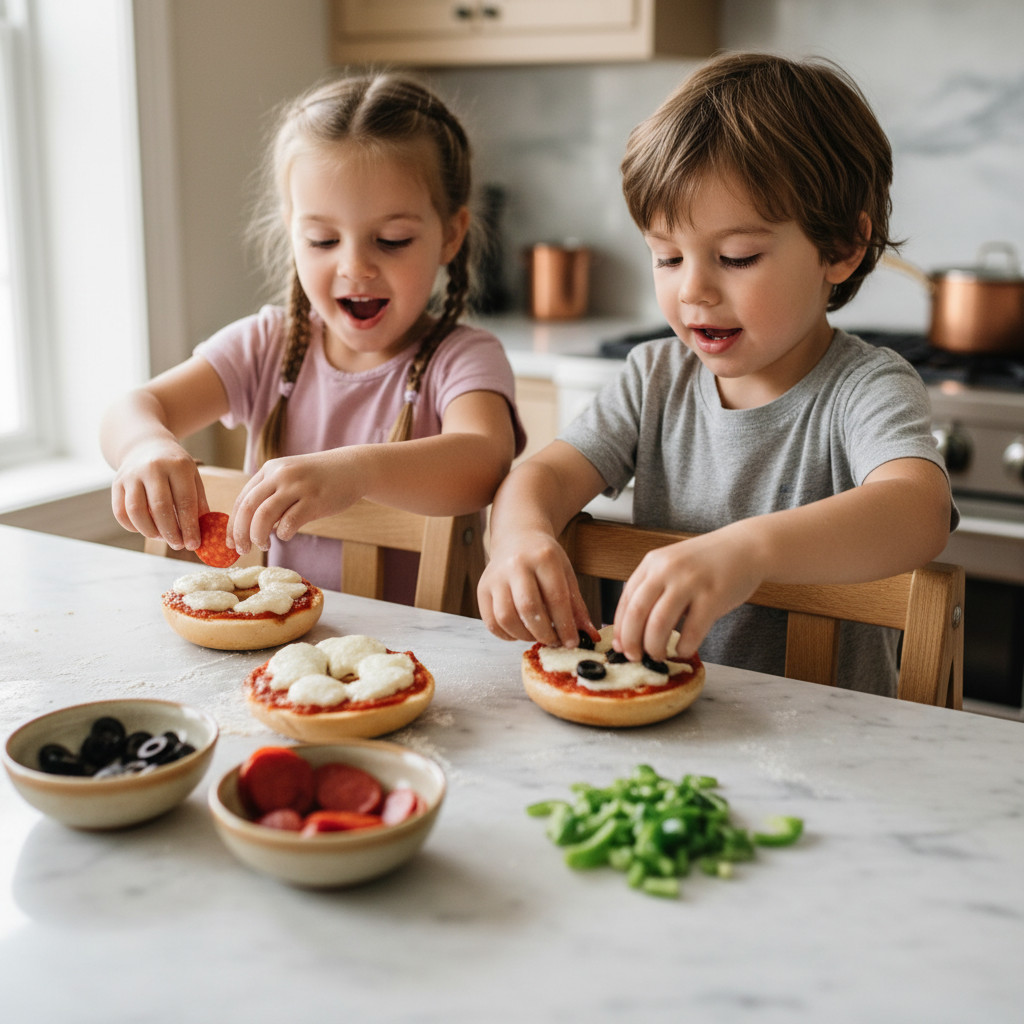
To boost the nutritional value, consider using whole wheat bagels for added fiber, or even substitute English muffins for a slightly lighter option. You can also enhance the sauce by blending in pureed vegetables like carrots or cauliflower—the pizza flavors mask these additions beautifully. Pair the pizza bagels with carrot sticks, cucumber slices, or a simple side salad (even if they don’t eat it, the exposure matters), and you’ve created a balanced meal that took minimal effort. Leftover pizza bagels can be individually wrapped and frozen, creating convenient emergency dinner options for those especially chaotic evenings.
2. Cheesy Quesadillas with Various Fillings
Quesadillas offer incredible versatility while requiring minimal cooking skills, making them ideal for rushed evenings when you need something fast that kids will actually finish.
The humble quesadilla is a dinnertime superhero that deserves recognition for its ability to satisfy even the most particular eaters while smuggling in nutrition. At its most basic level—just cheese melted between two tortillas—it already wins with most kids. But the real magic happens when you start adding various fillings that boost the nutritional profile without compromising the cheesy appeal. The key is starting with ingredients you know your child accepts, then very gradually introducing new elements in tiny amounts. If your child loves cheese quesadillas, try adding just a small sprinkle of seasoned black beans next time, or a few thin slices of bell pepper that can easily be removed if rejected.
To make basic quesadillas, heat a large skillet over medium heat, place one tortilla in the pan, sprinkle generously with shredded cheese (cheddar, Monterey Jack, or Mexican blend work beautifully), add any desired fillings, top with another tortilla, and cook for 2-3 minutes per side until golden and crispy with melted cheese inside. Cut into triangles using a pizza cutter, which makes them easier for small hands to manage. The cooking process takes less than ten minutes from start to finish, making this ideal for those evenings when dinner needs to happen immediately.
Consider these filling variations that have proven successful with kids: shredded rotisserie chicken with a drizzle of mild salsa, scrambled eggs with cheese for breakfast-dinner, refried beans with a tiny bit of taco seasoning, finely diced tomatoes and corn, or even just cheese with a thin spread of ranch dressing. For kids who tolerate it, very finely diced spinach virtually disappears into the melted cheese. Serve with sides of sour cream, guacamole, or salsa for dipping—kids love dips, and it adds creaminess and flavor they enjoy. Pair with tortilla chips and some fresh fruit, and you’ve created a complete meal in less time than ordering takeout would require.
3. Crispy Chicken Tenders with Sweet Potato Fries
This dinner idea transforms the classic chicken nugget into a slightly more sophisticated version while pairing it with a nutritious vegetable side that most kids enjoy.
Chicken tenders reign supreme in the kingdom of kid-friendly foods, and making them at home allows you to control the ingredients while achieving that crispy, golden exterior children crave. Unlike their fast-food counterparts, homemade chicken tenders can be made with real chicken breast, coated in seasonings you choose, and baked rather than deep-fried for a healthier result that still delivers on taste and texture. The satisfaction kids get from eating “finger food” that they can dip into various sauces makes this meal a consistent winner, while you get the peace of mind knowing exactly what they’re consuming.
To prepare, cut boneless, skinless chicken breasts into strips about one inch wide. Set up a breading station with three shallow bowls: one with flour seasoned with salt and pepper, one with beaten eggs (mixed with a tablespoon of milk), and one with panko breadcrumbs mixed with a bit of parmesan cheese and garlic powder. Dredge each chicken strip through flour, then egg, then breadcrumbs, coating thoroughly at each step. Place on a greased baking sheet and spray lightly with cooking oil. Bake at 400°F for about 18-20 minutes, flipping halfway through, until golden brown and cooked through. The panko creates an exceptionally crispy coating that rivals anything from a restaurant.
Sweet potato fries complement the chicken perfectly while adding significant nutritional value—they’re loaded with vitamin A, fiber, and naturally sweet flavor that appeals to kids. Simply cut sweet potatoes into fry shapes, toss with a small amount of olive oil and a pinch of salt, spread on a baking sheet, and bake alongside the chicken at 400°F for about 25-30 minutes, flipping once. The natural sweetness of sweet potatoes makes them more appealing than regular fries to many children, though you can certainly offer both varieties if preferred. Set out small bowls of ketchup, honey mustard, ranch dressing, or BBQ sauce for dipping options. This meal feels like a treat to kids while providing lean protein and nutrient-dense vegetables in a format they genuinely enjoy.
4. Classic Spaghetti and Meatballs
Few dinners are as universally beloved by children as spaghetti and meatballs, combining familiar flavors with fun-to-eat pasta that makes mealtime enjoyable.
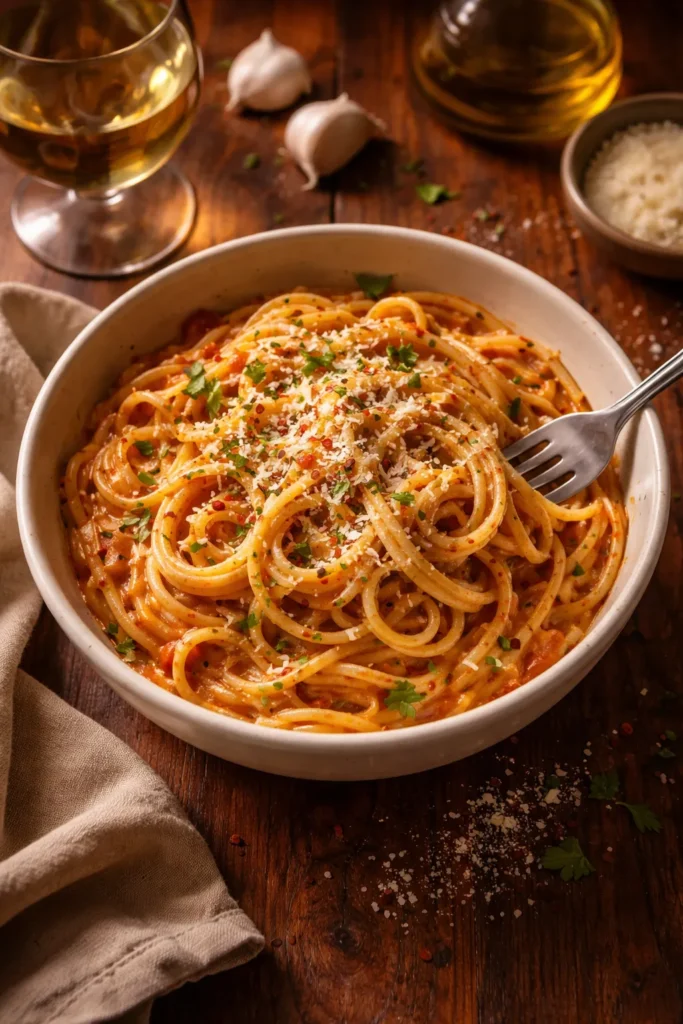
Spaghetti and meatballs holds a special place in the pantheon of kid-friendly dinners because it checks every box: familiar flavors, fun to twirl and eat, mildly seasoned, and comforting in that way that only pasta can be. The combination of savory meatballs, slightly sweet tomato sauce, and tender noodles creates a flavor profile that even extremely picky eaters typically accept. This dinner also scales beautifully—you can make a large batch and have leftovers for days, or freeze portions for future quick meals. The versatility allows for adjustments based on your child’s preferences and your available time.
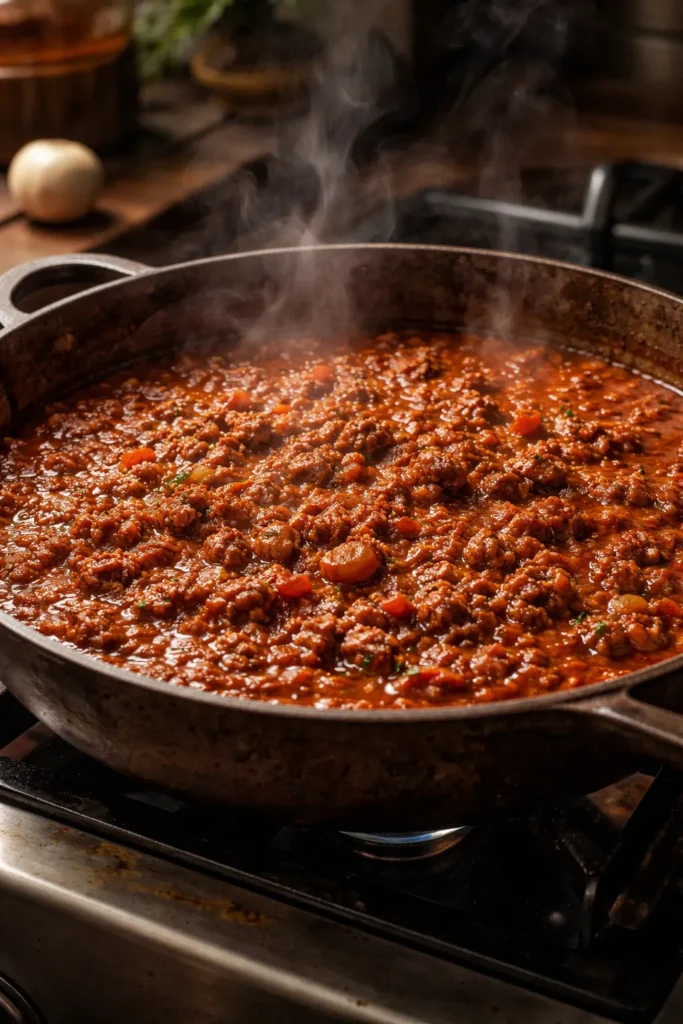
For a streamlined approach, use store-bought marinara sauce (choose varieties with simple ingredients and lower sugar) and frozen pre-made meatballs, which reduces preparation time to simply boiling pasta and heating sauce. However, if you have a bit more time, making homemade meatballs is surprisingly simple and allows you to sneak in extra nutrition. Combine ground beef (or a mixture of beef and pork, or even turkey for a leaner option) with breadcrumbs, an egg, minced garlic, Italian seasoning, and grated Parmesan cheese. Some parents successfully hide finely grated zucchini or minced mushrooms in the mixture to add vegetables without detection. Form into small, kid-friendly sized meatballs and either bake at 375°F for 20 minutes or simmer directly in your sauce.
The beauty of this meal extends beyond its taste to its presentation possibilities. Kids love twirling long spaghetti noodles around their forks (or enthusiastically slurping them), making eating an engaging activity. For younger children who struggle with long noodles, consider using rotini, penne, or other shorter pasta shapes that are easier to manage with a fork or spoon. Top with a modest amount of freshly grated Parmesan cheese and serve with garlic bread and a simple side salad. Even if the salad goes untouched, you’ve created a balanced plate, and the repeated exposure to vegetables matters for long-term acceptance. This dinner delivers comfort, nutrition, and satisfaction without requiring culinary expertise or hours in the kitchen.
5. Build-Your-Own Taco Bar
Taco bars transform dinner into an interactive experience where kids control their choices, dramatically increasing the likelihood they’ll eat what’s on their plate.
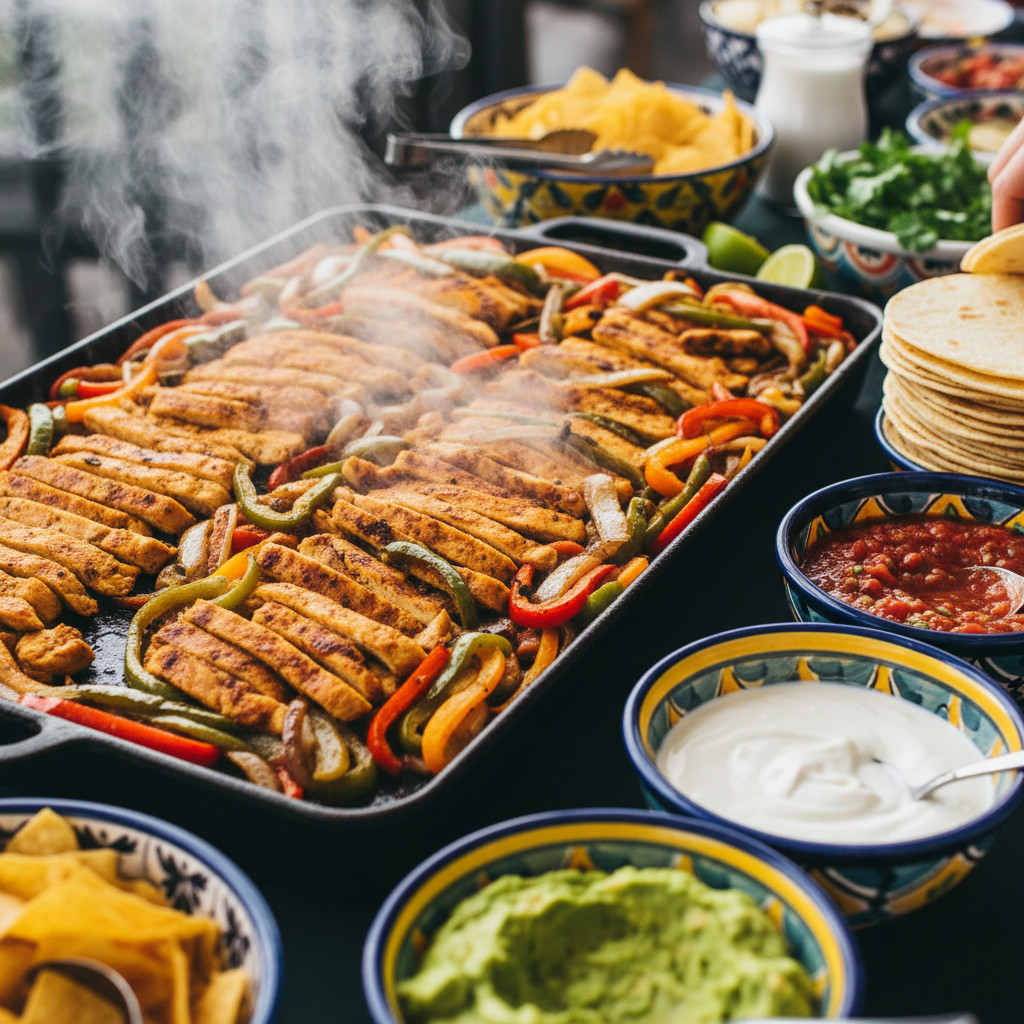
The build-your-own taco bar concept is brilliant for multiple reasons: it gives kids autonomy over their food, accommodates different preferences within the same family, and makes vegetables feel optional rather than forced. When children can choose exactly what goes into their taco, they feel empowered rather than controlled, which changes the entire dynamic of the meal. Even kids who typically refuse certain ingredients will sometimes try them when they’re the ones making the decision. This format also works beautifully for families with multiple children at different developmental stages, as everyone can customize to their current preferences and comfort levels.
Setting up a taco bar requires minimal effort. Brown ground beef or turkey in a skillet with taco seasoning (or simply use cumin, chili powder, garlic powder, and paprika if you prefer controlling sodium levels). Warm flour or corn tortillas, or offer both for maximum flexibility. Then set out small bowls with various toppings arranged buffet-style on your counter or table. Essential options include shredded cheese (cheddar or Mexican blend), shredded lettuce, diced tomatoes, sour cream, and salsa. Consider additional offerings like black beans, corn, diced avocado or guacamole, sliced olives, cilantro, lime wedges, and pickled jalapeños (for the adventurous eaters).
The interactive nature of building their own tacos engages kids in a way that being served a completed plate simply doesn’t. Many children who refuse to touch certain ingredients on a regular plate will experiment with them during taco night because it feels like a fun activity rather than a food requirement. Start by letting them make a very simple taco with just ingredients they definitely like, then gently encourage trying one new topping—with no pressure, just availability. Over time, many kids naturally expand their selections. Younger children might need smaller “street taco” sized tortillas that are easier for small hands to manage. Serve with chips and perhaps some sliced fruit for a complete meal that feels like a celebration rather than a chore.

6. Macaroni and Cheese with Hidden Vegetables
Macaroni and cheese is perhaps the ultimate kid-comfort food, and with a few strategic additions, it can become surprisingly nutritious without sacrificing appeal.
There’s something almost magical about the way children universally gravitate toward macaroni and cheese—the creamy, mild flavor combined with fun-shaped pasta creates a meal that rarely faces resistance. This beloved status makes mac and cheese the perfect vehicle for sneaking in extra nutrition without detection. The key to maintaining the comfort-food appeal while boosting nutritional value lies in additions that don’t significantly alter the taste or texture your child expects. Done correctly, you can transform a relatively simple carbohydrate dish into something offering vegetables, additional protein, and enhanced nutritional density.
For homemade mac and cheese that rivals any boxed variety while allowing nutritional customization, cook pasta according to package directions (elbow macaroni is classic, but shells, spirals, or any shape works beautifully). While pasta cooks, make a simple cheese sauce by melting butter, whisking in flour to create a roux, gradually adding milk while stirring constantly until thickened, then stirring in generous amounts of shredded cheddar cheese until smooth. This base sauce is your opportunity to incorporate hidden nutrition. Blend steamed cauliflower, butternut squash, or carrots into the milk before adding it to the roux—when pureed completely smooth and combined with cheese, these vegetables become virtually undetectable while adding vitamins, minerals, and fiber.
Another approach involves mixing in very finely chopped steamed broccoli, peas, or corn directly into the finished mac and cheese. While not “hidden,” these vegetables integrate into the creamy sauce and become more acceptable to kids when combined with their beloved cheese. For added protein, stir in some chopped ham, bacon bits, or even rotisserie chicken pieces. Some parents successfully add a spoonful of plain Greek yogurt to the sauce for tanginess and protein without changing the basic flavor profile. Serve the mac and cheese with a side of baby carrots or cucumber slices and you’ve created a more balanced meal. The beauty of this dinner lies in its efficiency—it’s quick to prepare, uses common ingredients, and consistently pleases even the most selective eaters while providing more nutrition than they realize.
7. Homemade Chicken Nuggets
Homemade chicken nuggets provide all the appeal of fast-food favorites while allowing you complete control over ingredients and preparation methods.
Chicken nuggets occupy a special place in children’s cuisine, but restaurant and frozen varieties often contain questionable ingredients, excessive sodium, and unnecessary additives. Making your own takes surprisingly little effort while producing a superior product that’s healthier and honestly tastes better than most commercial options. Kids genuinely enjoy the homemade version because they appreciate the fresh-cooked flavor and satisfying crunch, while parents can feel good about serving actual chicken breast rather than mechanically separated mystery meat. This dinner satisfies everyone’s priorities—kids get a favorite food, parents provide quality nutrition.
To prepare, cut boneless, skinless chicken breasts into nugget-sized pieces, roughly one to two inches each. Prepare your breading station with three shallow dishes: seasoned flour in the first, beaten eggs in the second, and your coating mixture in the third. For the coating, crushed cornflakes create exceptional crispiness and are often more appealing to kids than regular breadcrumbs. Mix the crushed cornflakes with a bit of garlic powder, paprika, and salt. Alternatively, use panko breadcrumbs mixed with grated Parmesan for a different but equally delicious coating. Dredge each chicken piece through flour, then egg, then coating mixture, pressing gently to ensure good adhesion.
Place coated nuggets on a greased or parchment-lined baking sheet, spray lightly with cooking oil to promote browning, and bake at 400°F for approximately 15-18 minutes, flipping halfway through, until golden brown and cooked through (internal temperature should reach 165°F). The result is impressively crispy nuggets that rival anything deep-fried but with significantly less oil. Serve with an array of dipping sauces—ketchup is the classic, but also offer honey mustard, ranch dressing, BBQ sauce, or even a yogurt-based dip. Pair with oven-roasted vegetables, a simple salad, or fruit and you’ve created a balanced plate. These nuggets also freeze beautifully after cooking, so consider doubling the batch and freezing half for a future quick dinner that just needs reheating.
8. Mini Hamburger Sliders
Sliders transform the classic hamburger into a more manageable, kid-friendly size while making dinner feel special and fun.
The appeal of sliders goes beyond their cute miniature size—they represent the perfect portion for children’s smaller appetites while being substantial enough to feel like a proper meal. Kids love the idea of having their own individual “grown-up” burgers, and the smaller size means they’re more likely to finish their dinner rather than feeling overwhelmed by a large adult-sized burger. Sliders also work wonderfully for picky eaters because you can prepare several variations, allowing different family members to enjoy different styles without making multiple complete meals.
Making sliders is straightforward and quick. Form ground beef (80/20 ratio provides good flavor without excessive grease) into small patties about two inches in diameter and slightly flatter than regular burgers since they’ll be proportional to slider buns. Season simply with salt and pepper—kids typically prefer simpler seasoning. Cook patties in a skillet over medium-high heat for about 2-3 minutes per side, or grill them if weather permits. While burgers cook, prepare your slider station with small hamburger buns or dinner rolls (lightly toasted if desired), and set out various toppings in small bowls: sliced cheese (have it ready to melt on burgers during the last minute of cooking), ketchup, mustard, pickles, sliced tomatoes, lettuce, and any other favorites.
The interactive nature of assembling their own sliders gives kids the control they crave while ensuring they’ll eat what they’ve created. Some children want just a plain burger with cheese, while others enjoy loading up toppings—both approaches are fine. For added nutrition, consider offering sliders made with ground turkey or a beef-and-mushroom blend (finely minced mushrooms mixed into ground beef add moisture and vegetables without obvious detection). Serve alongside baked sweet potato fries, regular fries, or a simple fruit salad. The meal feels indulgent and special to kids while being relatively balanced and made with quality ingredients you’ve selected. Plan for 2-3 sliders per child, though appetites vary significantly by age and individual.
9. Breakfast for Dinner (Pancakes and Scrambled Eggs)
Breakfast for dinner delights kids with its unexpected fun factor while providing a genuinely easy dinner option that comes together quickly.
There’s something inherently exciting to children about eating breakfast foods when it’s supposed to be dinnertime—it feels like breaking the rules in the most delightful way. This dinner option is brilliant for particularly hectic evenings when you’re running behind schedule, because most breakfast foods cook quickly and use ingredients you likely already have on hand. The combination of pancakes and scrambled eggs provides carbohydrates for energy and protein for satiety, creating a surprisingly balanced meal. Kids who might resist certain dinner foods often enthusiily embrace breakfast items regardless of when they’re served.
Making pancakes from scratch is simpler than many people realize and tastes significantly better than most mixes. Whisk together flour, sugar, baking powder, and salt in one bowl; in another bowl, combine milk, eggs, and melted butter; then stir wet ingredients into dry ingredients just until combined (some lumps are fine—overmixing makes tough pancakes). Heat a griddle or large skillet over medium heat, lightly grease, and pour batter in circles to form pancakes. Cook until bubbles form on the surface and edges look set, then flip and cook another minute or two. For added nutrition and fun, add blueberries, chocolate chips, or finely diced bananas to the batter. Let kids help pour and flip if they’re old enough—the engagement makes them even more excited about eating.
Scrambled eggs complement pancakes perfectly while adding essential protein. Beat eggs with a splash of milk and a pinch of salt, then cook gently over medium-low heat, stirring frequently until soft curds form. For kids who typically resist eggs, adding a bit of shredded cheese often increases acceptance. Some children prefer their eggs slightly runnier while others want them fully cooked—knowing your child’s preference prevents waste. Serve the pancakes and eggs with sides of fresh fruit (berries pair beautifully with pancakes) and perhaps some turkey sausage links or bacon if desired. Drizzle pancakes with pure maple syrup (a little goes a long way) or let kids practice their fine motor skills spreading butter. This dinner comes together in under twenty minutes, uses basic ingredients, and consistently generates happy faces around the table.
10. Personal Pita Pizzas
Pita pizzas combine the customization kids love with impressive speed and convenience, making them perfect for busy weeknights.
Personal pita pizzas represent the faster, more streamlined cousin to the mini pizza bagels, offering similar customization benefits with even quicker preparation. The pita bread base crisps beautifully in the oven, creating a satisfyingly crunchy crust that’s thin enough to feel light but substantial enough to hold toppings. Using pitas means no slicing or special preparation—just pull them from the package and start building. This makes them ideal not just for busy parents, but also for evenings when kids can be more involved in preparation, as even young children can safely spread sauce and sprinkle toppings on a flat pita.
The preparation process is remarkably simple. Place whole wheat or white pitas directly on oven racks or a baking sheet. Let kids spread a thin layer of pizza sauce, marinara, or even pesto on each pita (providing small spoons helps control portions and prevents sogginess from too much sauce). Sprinkle with shredded mozzarella cheese, then add desired toppings. Classic options include pepperoni, but also consider offering vegetables like bell peppers, mushrooms, olives, cherry tomatoes, pineapple, or even corn. Some kids enjoy creating “faces” with their toppings—olive eyes, bell pepper smile, etc.—which makes the process more engaging. Bake at 400°F for just 8-10 minutes until cheese melts and edges crisp slightly.
The speed of this meal is truly impressive—from deciding on dinner to serving it takes barely fifteen minutes, making it perfect for those evenings when time is exceptionally tight. Each family member can make their pita exactly how they like it, preventing the complaints that often arise when one pizza needs to satisfy multiple people with different preferences. For younger children who struggle with whole pitas, cut them into quarters before serving to create more manageable pieces. Pair with carrot sticks, cucumber slices, or a simple side salad. Consider making extra pita pizzas since kids often request seconds when they’ve enjoyed creating their own dinner. This meal maximizes both efficiency and satisfaction while keeping everyone happy—a rare combination in the world of kids’ dinners.
11. Easy Fried Rice with Vegetables
Fried rice transforms leftover rice into a flavorful, complete meal that sneaks in vegetables while delivering familiar, mild flavors kids enjoy.
Fried rice is an underutilized option in many households with children, yet it possesses remarkable kid-friendly qualities: it’s mildly flavored, visually interesting with various colors mixed throughout, and has a slightly sweet-savory taste profile that appeals to young palates. The beauty of fried rice lies in its flexibility—you can adjust ingredients based on what your child accepts while gradually introducing new elements. The small, diced format of ingredients makes vegetables less overwhelming than large pieces, and when everything is coated in soy sauce and mixed with rice, even reluctant eaters often consume vegetables they’d typically refuse.
To make kid-friendly fried rice, start with cooked rice (day-old rice works best because it’s less sticky, but fresh rice cooled for 10 minutes also works). Heat oil in a large skillet or wok over medium-high heat. Push rice to one side, crack eggs into the empty space, scramble them until just cooked, then mix into the rice. Add very finely diced vegetables like carrots, peas, corn, and bell peppers—frozen mixed vegetables work perfectly. Stir-fry everything together for several minutes. Add soy sauce (start with 2-3 tablespoons and adjust to taste), a tiny drizzle of sesame oil for authentic flavor, and a pinch of garlic powder. For kids who tolerate it, a very small amount of diced cooked chicken, ham, or shrimp adds protein.
The key to making fried rice appealing to kids is keeping the vegetables quite small (almost minced) so they integrate throughout rather than appearing as distinct large pieces that might be picked out. The slightly sweet sauce and the fun, colorful appearance usually overcome any vegetable resistance. If your child is particularly sensitive, start with very small amounts of vegetables and gradually increase over time as they become accustomed to the dish. This meal is also exceptionally efficient because it’s naturally a one-dish dinner—the rice, vegetables, protein, and eggs create a complete meal requiring no sides. Plus, it’s a brilliant way to use leftover rice from earlier in the week, reducing food waste while providing a nutritious dinner in under twenty minutes.
12. Classic Grilled Cheese and Tomato Soup
This timeless combination delivers comfort and nostalgia while being simple enough for even the most cooking-averse parents to execute perfectly.
Few meals evoke childhood comfort quite like grilled cheese sandwiches paired with tomato soup, a combination that has satisfied generations of children and continues to be remarkably effective. The appeal is multifaceted: the crispy, buttery bread exterior gives way to warm, melted cheese that stretches enticingly when pulled apart; the soup provides warmth and familiar flavor; and the dipping action engages kids in an interactive eating experience. This meal feels special to children even though it requires minimal effort from parents, making it a true win-win scenario. The simplicity also means less can go wrong, reducing stress for parents who might not be confident cooks.
Making excellent grilled cheese requires just a few simple techniques. Use good-quality bread (white, wheat, or sourdough all work beautifully) and real cheese rather than processed singles when possible—sharp cheddar, American, or Gruyere are all excellent choices, or combine multiple types for enhanced flavor. Butter the outside of both bread slices generously, place cheese between unbuttered sides, and cook in a skillet over medium-low heat. The crucial element many people miss is patience—cook slowly over moderate heat rather than rushing over high heat, which allows the cheese to melt thoroughly while the bread develops that perfect golden-brown crispness. Cook for 3-4 minutes per side, pressing gently with a spatula.
For the tomato soup, quality store-bought versions work perfectly well and save considerable time, though many kids actually prefer the taste of canned tomato soup they’ve grown accustomed to. Heat according to package directions, but consider enriching it by stirring in a splash of cream, a bit of butter, or even some hidden pureed vegetables like carrots or red peppers that blend seamlessly into the red soup. If your child accepts it, a sprinkle of fresh herbs or a swirl of pesto adds visual interest and flavor complexity. Serve the soup in bowls with the grilled cheese cut into strips for easier dipping (kids love dunking each strip into soup). Add a side of fruit or raw vegetables for nutritional balance. This dinner takes maybe fifteen minutes total but delivers enormous satisfaction and comfort that kids genuinely appreciate.
13. Pasta Primavera with Colorful Vegetables
Pasta primavera introduces vegetables in a format that makes them less intimidating while surrounding them with familiar, beloved pasta.
Pasta primavera—essentially pasta with various fresh vegetables and a light sauce—represents a more sophisticated approach to getting kids to accept vegetables in their dinner. The pasta provides a familiar, comforting base that kids already love, while the vegetables are cut into interesting shapes and coated in sauce that makes them more palatable. The key to success with this dish lies in vegetable selection and preparation. Choose naturally sweeter vegetables that kids tend to accept more readily, such as cherry tomatoes, bell peppers, carrots, and corn. Cut them into appealing shapes—julienned carrots, halved cherry tomatoes, matchstick zucchini—that feel more interesting than standard chunks.
To prepare, cook pasta according to package directions—rotini, penne, or bowtie shapes tend to work well because they catch sauce nicely and are easy for kids to manage. While pasta cooks, sauté your selected vegetables in olive oil over medium heat until tender-crisp. Cherry tomatoes should just begin to burst, bell peppers should be softened but still colorful, and carrots should be tender enough to pierce with a fork. Add minced garlic during the last minute of cooking for subtle flavor. When pasta is done, reserve a cup of pasta water, then drain and add pasta to the vegetable pan. Toss with butter or a light cream sauce (heavy cream with Parmesan cheese and a pinch of Italian seasoning), adding pasta water as needed to create a silky coating.
The creamy sauce is essential for kid acceptance because it coats vegetables in familiar flavor and makes everything more cohesive. Without sauce, vegetables and pasta feel like separate components that kids will often eat selectively. When everything is unified by sauce, they’re more likely to eat it all together. Start with vegetables you know your child tolerates and very gradually introduce new ones in small amounts. Some children respond well to having vegetables cut very small so they’re less prominent, while others prefer larger pieces they can easily identify. Sprinkle with Parmesan cheese before serving, and pair with garlic bread for a complete Italian-inspired meal that feels fancy but comes together in under thirty minutes.
14. Mini Meatloaf Muffins
Meatloaf muffins transform traditional meatloaf into individual portions that cook faster, look more appealing, and are perfectly sized for children.
Traditional meatloaf can be a tough sell with kids—the dense appearance and irregular slices often feel overwhelming or unappetizing to young diners. Enter mini meatloaf muffins: the genius solution that transforms the same basic recipe into something infinitely more kid-friendly. The muffin shape is familiar and non-threatening, the individual portions feel special (like a meal made just for them), and the increased surface area means more of that slightly caramelized exterior that provides flavor and texture. These muffins cook significantly faster than a traditional loaf, making them practical for weeknight dinners when time is limited. Plus, their portable nature makes them easy for small hands to manage.
To make meatloaf muffins, combine ground beef (or a mixture of beef and pork, or ground turkey for a leaner option) with breadcrumbs, an egg, finely diced onion, ketchup, Worcestershire sauce, and seasonings like garlic powder, salt, and pepper in a large bowl. Mix just until combined—overworking makes the meat tough. Some parents successfully hide finely grated vegetables like zucchini or carrots in the mixture, which adds moisture and nutrition without altering taste significantly. Grease a muffin tin well and press meat mixture into each cup, filling nearly to the top. Top each with a small dollop of ketchup mixed with a tiny bit of brown sugar for that classic meatloaf glaze. Bake at 375°F for approximately 20-25 minutes until cooked through.
The result is perfectly portioned mini meatloaves with that beloved ketchup glaze on top, crispy edges, and moist interior. Kids typically eat 2-3 muffins depending on age and appetite. These reheat beautifully, making them excellent for meal prep—make a double batch and freeze half for future quick dinners that just need reheating. Serve with mashed potatoes and green beans for a classic comfort food dinner, or pair with mac and cheese and corn for an all-American meal. The individual portion sizes prevent the waste that often occurs with foods served family-style, and the muffin shape feels more like a treat than traditional dinner, which improves acceptance rates considerably.
15. Baked Fish Sticks with Vegetable Dippers
Fish sticks introduce seafood in the most kid-friendly format possible while pairing it with vegetables presented as fun dippers rather than required sides.
Fish sticks occupy a special place in children’s dining because they make seafood approachable, manageable, and non-threatening. The breaded coating provides familiar texture while the mild white fish inside offers lean protein and important omega-3 fatty acids without the “fishy” taste that turns many kids away from seafood. Making fish sticks at home allows you to use real fish fillets rather than the questionable mystery fish products in many frozen varieties, while still achieving that crispy coating and convenient stick format kids expect. When paired with colorful vegetable dippers and appealing sauces, this becomes a complete meal that feels fun rather than forced.
To make homemade fish sticks, start with fresh or thawed white fish fillets (cod, tilapia, or haddock work beautifully due to their mild flavor and flaky texture). Cut into stick shapes roughly one inch wide and three inches long. Set up your breading station: seasoned flour in one bowl, beaten eggs in another, and panko breadcrumbs mixed with a bit of garlic powder, paprika, and salt in a third. Dredge each fish stick through flour, then egg, then breadcrumbs, coating completely. Place on a greased baking sheet, spray lightly with cooking oil to promote browning, and bake at 400°F for about 12-15 minutes, flipping halfway through, until coating is golden and crispy and fish is opaque and flakes easily.
The vegetable dippers concept transforms vegetables from a required side dish into a fun, interactive component of the meal. Cut carrots, cucumbers, bell peppers, and celery into stick shapes similar to the fish sticks, and arrange them attractively on the plate alongside the fish. Provide small bowls of dipping sauces—tartar sauce is classic for fish, but also offer ranch dressing, ketchup, honey mustard, or a yogurt-based dill sauce. When vegetables are presented as “dippers” alongside the fish sticks with attractive sauces available, kids are significantly more likely to eat them than if they were simply served as a pile of vegetables on the side. This reframing matters enormously in how children perceive and accept foods. Add some baked potato wedges or rice if desired to round out the meal, and you’ve created a balanced dinner that introduces seafood in the most accessible possible way.
Tips for Making Dinner Time Easier with Kids
Beyond just having good recipes, implementing smart strategies transforms dinner from nightly battle into a more pleasant family experience.
Involve Kids in Age-Appropriate Meal Preparation
When children participate in making dinner, they develop ownership over the meal and become significantly more likely to eat what they’ve helped create. This psychological principle works remarkably well across different ages and personalities. Toddlers can tear lettuce, stir ingredients in bowls, or sprinkle cheese. Preschoolers can help measure ingredients, arrange items on plates, or spread sauce on pizzas. School-aged children can handle more complex tasks like cutting soft ingredients with kid-safe knives, assembling sandwiches, or following simple recipes with supervision. The tasks don’t need to be complicated—even small contributions make children feel invested in the meal.
The engagement serves multiple purposes beyond just improving their willingness to eat. Kids develop important life skills, learn about nutrition and food preparation, practice following directions, and build confidence in their abilities. They also often feel proud of their contributions and excited to serve food they’ve helped make to family members. Keep tasks simple and expect some mess—the learning and bonding that occur are worth the extra cleanup time. Over time, involving kids in cooking gradually expands their comfort with different foods and cooking techniques, setting the foundation for them to be capable home cooks as they grow older.
Establish Consistent Meal Times and Routines
Children thrive on routine and predictability, and this applies to mealtimes just as much as bedtime or school schedules. When dinner happens at roughly the same time each evening, children’s bodies naturally begin to expect food at that time, often improving appetite and reducing resistance. A consistent routine also helps with household management—you can plan your afternoon activities around dinner time, ensure kids aren’t filling up on snacks too close to dinner, and create a family rhythm that everyone understands.
The routine can extend beyond just timing to include consistent expectations around dinner. This might mean everyone washes hands before eating, the family eats together at the table (rather than in front of screens), or there’s a regular pattern to how dinner is served. These rituals create security and structure that helps kids know what to expect, reducing anxiety and resistance. Even on busy evenings when a full sit-down dinner isn’t possible, maintaining elements of your routine—same time, same basic expectations—provides that beneficial consistency.
Implement the “One Bite Rule” Without Pressure
Many feeding experts recommend exposure without pressure as the most effective long-term strategy for expanding kids’ food acceptance. The “one bite rule” asks children to take a single small bite of everything served, but without forcing, bribing, or punishing around food. The goal is simply exposure—research shows it can take 10-15+ exposures to a food before a child accepts it, so the objective is getting those exposures in a low-pressure environment. If they truly dislike something after one bite, they don’t have to eat more, but you continue serving it periodically without comment or pressure.
This approach removes the power struggle from meals while still exposing kids to various foods. Over time, many children do gradually accept previously rejected foods, but only when there’s no pressure attached. Avoid bribing with dessert (“eat your vegetables and you can have cookies”) because this actually teaches kids that vegetables are so terrible they require a reward for eating them, while dessert is the truly valuable food. Instead, occasionally serve dessert with dinner as part of the meal, treating it neutrally like any other food. This removes the moral value we often unconsciously attach to different foods.
Keep One or Two “Safe Foods” Available
While you shouldn’t become a short-order cook making separate meals for each child, having one or two reliable “safe foods” available prevents complete dinner failure when a child genuinely won’t eat what’s served. Safe foods are simple, nutritious items your child consistently accepts—perhaps yogurt, cheese and crackers, a peanut butter sandwich, or fruit and nuts. If your child refuses dinner after a reasonable opportunity to eat, you can offer one of these safe foods without fanfare or judgment. This ensures they won’t go to bed hungry (which often creates bedtime issues) while not rewarding refusal with preferred alternatives.
The key is presenting the safe food neutrally, without making it seem like a better option or a punishment. It’s simply food available to ensure basic nutrition when dinner doesn’t work out. This reduces stress for everyone—parents don’t have to worry about their child going hungry, and kids know there’s a baseline option available even on nights when dinner isn’t their favorite. Over time, as you continue serving varied dinners without pressure, most kids gradually expand their accepted foods and need safe food backup less frequently.
Nutrition Hacks for Picky Eaters
Strategic approaches help ensure kids receive proper nutrition even when their eating preferences are limited.
Master the Art of Vegetable Concealment
While food experts debate whether hiding vegetables is ideal, for many parents dealing with extremely picky eaters, it’s a practical way to ensure some vegetable consumption while continuing to offer vegetables openly without pressure. The key is doing both—hide vegetables in some meals while continuing to serve them visibly in others, working toward acceptance rather than relying solely on concealment. Many vegetables puree beautifully into sauces, soups, and baked goods without altering flavor significantly. Cauliflower blends into mac and cheese sauce, butternut squash or carrots puree into tomato sauce for pasta, and zucchini or carrots shred finely into meatballs, meatloaf, or even brownies for moisture.
The technique works best when vegetables are cooked until very soft, then pureed completely smooth—any chunks or texture changes will be detected and rejected by many picky eaters. Use similar-colored vegetables in compatible dishes: white/light vegetables in cream sauces, orange/red vegetables in tomato-based sauces, green vegetables in pesto or smoothies. Start with small amounts and gradually increase as your child consistently accepts the dish. Remember that while hidden vegetables provide nutrients, they don’t help with texture acceptance or food recognition, so balance this approach with continued visible vegetable offerings.
Prioritize Nutrient Density in Accepted Foods
If your child eats a limited variety of foods, maximize the nutritional value of what they do accept. If they love yogurt, choose full-fat versions with probiotics and stir in ground flaxseed for omega-3s. If they eat pasta, use whole grain varieties at least some of the time for added fiber and nutrients. If they accept smoothies, load them with spinach, nut butter, chia seeds, and fruit for a nutrient-dense drink. When they eat bread products, offer whole grain versions with seeds for added nutrition. The goal is ensuring that every food they do eat provides maximum nutritional benefit.
This approach also extends to preparation methods. If your child eats chicken, ensure it’s baked or grilled rather than fried to maintain lean protein benefits. If they drink milk, choose whole milk (for kids under 2) or 2% rather than skim to ensure adequate fat for brain development. Small adjustments to the foods kids already accept can significantly improve their overall nutrition without requiring them to eat completely new foods. As you continue working on expanding food variety, these optimizations ensure adequate nutrition in the meantime.
Consider Multivitamins as Safety Net
For children whose diets are extremely limited, a quality children’s multivitamin can provide peace of mind that basic nutritional needs are met while you work on food acceptance. While vitamins shouldn’t replace actual food and a varied diet remains the goal, they can fill nutritional gaps during particularly challenging picky eating phases. Consult with your pediatrician about whether a multivitamin is appropriate for your child and which type they recommend. Many kids accept chewable gummy vitamins readily, though these typically don’t include iron, so an additional supplement might be necessary if iron intake is inadequate.
Remember that multivitamins work best as a temporary safety net rather than a permanent solution. Continue working on food variety and acceptance while using the vitamin to ensure baseline nutrition. Over time, as eating improves, many children eventually won’t need supplementation. However, during intense picky eating phases, knowing your child is at least getting essential vitamins and minerals even if their diet is limited can reduce parental stress considerably, allowing you to approach feeding challenges more calmly.
Meal Prep Strategies for Busy Parents
Strategic planning and preparation transform hectic weeknight dinners from stressful scrambles into manageable routines.
Batch Cook and Freeze Components
Dedicating a few hours on weekends to batch cooking pays enormous dividends throughout the week. Cook large quantities of versatile components that can be used in multiple meals, then freeze in portions for quick access. Make a big batch of meatballs that can become spaghetti and meatballs one night, meatball subs another night, and meatballs with rice and vegetables the next. Cook several pounds of ground beef or turkey with basic seasoning, then freeze in 1-pound portions that can quickly become tacos, pasta sauce, or quesadilla filling. Bake multiple chicken breasts, dice them, and freeze for adding to pasta, quesadillas, fried rice, or soup throughout the week.
The same approach works for sides and components. Wash and cut vegetables on Sunday so they’re ready to cook or serve throughout the week. Make a double batch of pizza dough or biscuits and freeze half. Cook a large pot of rice and freeze in meal-sized portions that can be quickly reheated or turned into fried rice. Prepare several batches of homemade chicken nuggets or fish sticks, freeze after cooking, then simply reheat on busy nights. This preparation doesn’t mean every meal is reheated leftovers—you’re simply preparing components that become part of freshly assembled meals throughout the week.
Plan Weekly Menus Based on Schedule
Meal planning reduces decision fatigue and ensures you have necessary ingredients on hand, dramatically reducing the stress of daily dinner questions. Look at your weekly schedule and assign meals strategically based on how much time you’ll have each evening. On busy nights with activities or appointments, plan quick meals like quesadillas, breakfast for dinner, or previously prepped freezer meals. On less hectic evenings, plan meals that require a bit more preparation or cooking time. This strategic approach ensures you’re not trying to make elaborate meals when you only have fifteen minutes, while still providing variety throughout the week.
Post your weekly menu somewhere visible so everyone knows what to expect—this reduces the “what’s for dinner?” questions and helps kids mentally prepare for meals. It also allows older children or partners to help with preparation if they know what’s planned. Keep some flexibility—have one or two backup quick meals (like pasta or grilled cheese) ready to deploy if plans change, someone gets sick, or you’re simply more exhausted than anticipated. The goal is reducing stress and decision-making, not creating a rigid system that causes more pressure.
Keep Strategic Convenience Items Stocked
While homemade meals from scratch are wonderful, strategic use of quality convenience items can save enormous time without sacrificing nutrition. Stock items like pre-shredded rotisserie chicken, pre-washed salad greens, pre-cut vegetables, frozen vegetable blends, canned beans, jarred pasta sauce, and tortillas. These items cost slightly more than their from-scratch equivalents but save considerable prep time when you’re short on energy or hours in the day. The key is reading labels carefully and choosing options with minimal additives and reasonable sodium levels.
Your freezer can house healthy convenience items like frozen meatballs, frozen grilled chicken strips, frozen fish fillets, and frozen vegetables that are just as nutritious as fresh. Having these items available means you’re never completely without dinner options, reducing the temptation to resort to drive-through meals when you’re exhausted. Create a “quick dinner” shelf in your pantry and freezer with items that can combine into a complete meal in fifteen minutes or less, ensuring you always have an emergency backup plan that’s still healthier than takeout.
Final Words
Feeding children doesn’t have to be the nightly challenge that exhausts so many parents and creates dinner table tension. The fifteen dinner ideas presented here represent reliable, tested options that genuinely appeal to kids’ taste preferences while providing the nutrition they need for healthy growth and development. From interactive build-your-own options like taco bars and pizza stations to comfort foods like mac and cheese and grilled cheese sandwiches, each meal balances simplicity with satisfaction, making dinner something both parents and kids can enjoy.
Remember that expanding your child’s food acceptance is a gradual process that requires patience, consistency, and absence of pressure. Keep offering variety without forcing consumption, involve kids in age-appropriate meal preparation, and maintain realistic expectations about what childhood eating typically looks like. Most picky eating phases eventually improve as children mature and their taste preferences evolve. In the meantime, focusing on creating positive mealtime experiences matters more than perfect nutrition at every single meal.
The strategies shared throughout this guide—from vegetable concealment techniques to batch cooking approaches—give you a practical toolkit for managing dinnertime more effectively. Implement the strategies that resonate with your family’s specific situation, preferences, and challenges. Not every tip will work for every family, and that’s perfectly normal. The goal is finding the combination of recipes, approaches, and routines that reduce your stress while ensuring your children are adequately nourished and developing healthy relationships with food.
Ultimately, the best dinner for your kids is one that gets eaten without battles, provides reasonable nutrition, and allows your family to connect rather than conflict. These fifteen dinner ideas, along with the supporting strategies provided, offer you a strong foundation for making that happen more nights than not. Give yourself grace on the imperfect days, celebrate the wins when dinner goes smoothly, and remember that you’re doing a great job navigating one of parenting’s most persistent challenges—keeping those little humans fed, healthy, and reasonably happy, one dinner at a time.