Table of Contents
- The Ultimate Guide to Tea Experiences That Capture the Spirit of Aotearoa
- Why New Zealand Has a Unique Tea Culture
- Essential Ingredients for Kiwi-Inspired Tea Creations
- 15 Easy Tea Ideas New Zealand That Are Actually Delicious
- 1. Traditional Kiwi Breakfast Tea
- 2. Manuka Honey Lemon Tea
- 3. Feijoa Infused Green Tea
- 4. Hokey Pokey Honeycomb Tea Latte
- 5. Kawakawa Native Herb Tea
- 6. Pavlova-Inspired Strawberry Tea
- 7. L&P (Lemon & Paeroa) Iced Tea
- 8. Kiwifruit and Mint Refresher Tea
- 9. Anzac Biscuit Spiced Tea
- 10. Pohutukawa Flower Tea
- 11. New Zealand Breakfast Earl Grey
- 12. Tamarillo Chai Tea
- 13. Blackcurrant Tea
- 14. Horopito Spiced Tea
- 15. Tim Tam Chocolate Tea
- Tips for Brewing the Perfect Cup
- Where to Source New Zealand Tea Ingredients
- Health Benefits of New Zealand Native Tea Ingredients
- Final Words
The Ultimate Guide to Tea Experiences That Capture the Spirit of Aotearoa
There’s something truly magical about wrapping your hands around a warm cup of tea while gazing out at New Zealand’s breathtaking landscapes—whether that’s snow-capped mountains, pristine beaches, or rolling green hills dotted with sheep. The tradition of afternoon tea has found a unique home in this island nation, where it’s been beautifully merged with native ingredients, local flavors, and the laid-back Kiwi lifestyle. While New Zealand might be better known for its exceptional coffee culture in recent years, tea remains a cherished part of daily life for countless New Zealanders, with the country boasting an impressive array of unique blends that incorporate indigenous botanicals and beloved local flavors.

What makes New Zealand’s approach to tea particularly special is the creative fusion of traditional tea-drinking customs brought by early British settlers with the incredible native plants and modern Kiwi culinary innovations. From the healing properties of kawakawa leaves used by Māori for centuries to the sweet, distinctive taste of manuka honey that’s gained worldwide recognition, New Zealand offers tea enthusiasts an exciting playground of flavors to explore. Whether you’re a visitor wanting to experience authentic Kiwi tastes or a local looking to expand your tea repertoire beyond the standard supermarket offerings, these fifteen easy-to-make tea ideas will introduce you to delicious beverages that truly capture the essence of New Zealand.
Why New Zealand Has a Unique Tea Culture
New Zealand’s tea culture represents a fascinating intersection of heritage, innovation, and natural abundance that sets it apart from other tea-drinking nations around the world. This distinctive approach to tea consumption has been shaped by multiple influences over generations, creating something truly special.
The foundation of New Zealand’s tea culture was established by British and European settlers who brought with them the afternoon tea tradition, complete with scones, sandwiches, and proper brewing techniques. This colonial influence remains strong today, with many New Zealanders still enjoying a “cuppa” as a daily ritual and gathering for elaborate high tea experiences in elegant cafes and hotels. However, what distinguishes New Zealand’s tea scene is how these imported traditions have evolved and adapted to incorporate local elements, creating a hybrid culture that’s uniquely Kiwi.
The incorporation of native Māori botanicals has added an entirely new dimension to New Zealand’s tea offerings. For centuries before European arrival, Māori utilized native plants like kawakawa, manuka, and kumarahou for medicinal teas and healing infusions. This traditional knowledge has been increasingly recognized and celebrated in recent years, with many commercial tea producers now featuring these indigenous ingredients in their blends. These native plants don’t just add authentic New Zealand character to teas—they also bring impressive health benefits and unique flavor profiles that can’t be found anywhere else in the world.
Furthermore, New Zealand’s clean environment and commitment to sustainable agriculture have made it an ideal location for producing high-quality tea ingredients. The country’s pure water sources, unpolluted air, and strict food safety standards mean that anything grown or produced here meets exceptionally high quality benchmarks. This environmental advantage, combined with Kiwi ingenuity and a willingness to experiment with unconventional flavor combinations, has resulted in a tea culture that honors tradition while enthusiastically embracing innovation and local pride.
Essential Ingredients for Kiwi-Inspired Tea Creations
Creating authentic New Zealand-style teas requires understanding the key ingredients that define this unique culinary landscape. These components form the building blocks of distinctly Kiwi tea experiences and are what transform an ordinary cup into something special.
Manuka honey stands as perhaps the most internationally recognized New Zealand ingredient, and for excellent reason. This dark, rich honey is produced by bees that pollinate the native manuka bush, resulting in a product with powerful antibacterial properties and a distinctive, slightly earthy flavor profile. When added to tea, manuka honey doesn’t just sweeten—it adds complexity and depth while boosting the beverage’s wellness credentials. A single teaspoon can transform a simple lemon tea into something truly medicinal and delicious, making it the perfect addition when you’re feeling under the weather or simply want to elevate your everyday cuppa.
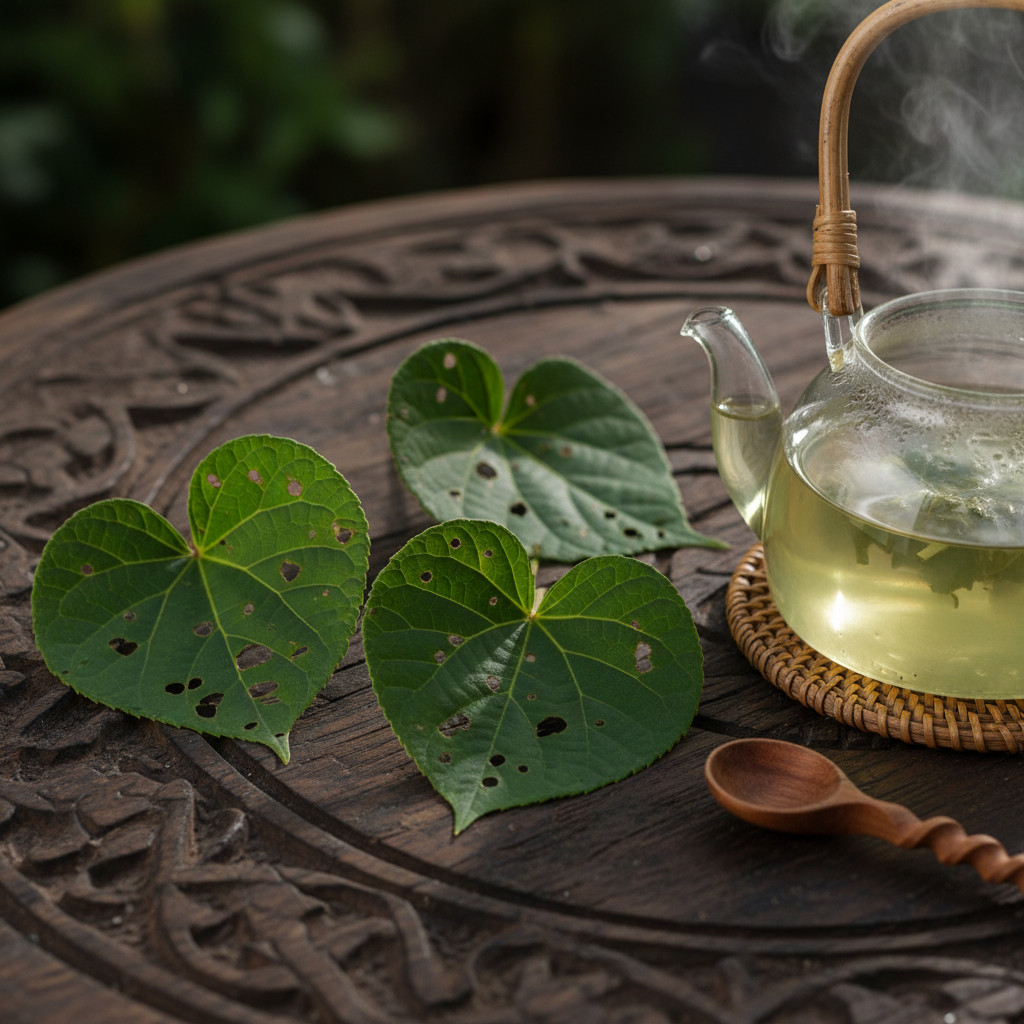
Native botanicals form another crucial category of ingredients that distinguish New Zealand teas. Kawakawa leaves, with their distinctive heart shape and peppery flavor, have been used in rongoā Māori (traditional Māori medicine) for generations and create a soothing, slightly spicy tea. Manuka leaves themselves (separate from the honey) can be brewed into a strong, aromatic tea with antimicrobial properties. Horopito, known as New Zealand’s native pepper tree, adds a unique spicy kick to tea blends. These plants connect modern tea drinkers to the ancient wisdom of New Zealand’s indigenous people while offering genuine health benefits backed by both traditional knowledge and emerging scientific research.
Local fruits provide another essential element in New Zealand tea creations. Feijoas, those green, aromatic fruits that New Zealanders eagerly await each autumn, bring a tropical, perfumed quality to teas that’s absolutely divine. Tamarillos, the tangy tree tomatoes that thrive in Kiwi gardens, add a slightly tart, complex flavor when infused or used as syrup in tea drinks. Blackcurrants, which New Zealand produces in abundance for the global juice concentrate market, create rich, vitamin-C-packed tea beverages. Even the humble kiwifruit, an adopted national symbol despite its Chinese origins, can be incorporated into refreshing iced tea concoctions that showcase the country’s horticultural excellence.
Quality tea bases shouldn’t be overlooked when creating New Zealand-inspired beverages. While New Zealand doesn’t grow traditional tea plants (Camellia sinensis) commercially, Kiwis have developed strong preferences for certain types of imported teas. Robust breakfast blends that can stand up to milk are particularly popular, reflecting the British influence. Green tea has also gained tremendous popularity, particularly as a base for innovative flavor combinations. Rooibos, though not from New Zealand, has been enthusiastically adopted by health-conscious Kiwis and serves as an excellent caffeine-free base for evening tea drinks featuring local ingredients.
15 Easy Tea Ideas New Zealand That Are Actually Delicious
These carefully curated tea recipes showcase the best of New Zealand’s flavors, from traditional favorites to innovative modern creations. Each one is simple enough for home preparation yet special enough to impress guests or elevate your daily tea ritual.
1. Traditional Kiwi Breakfast Tea
This robust morning brew represents how New Zealanders have perfected the art of the working person’s tea—strong, comforting, and capable of waking you up for a day of tramping, farming, or conquering the office. The key to achieving authentic Kiwi breakfast tea lies in selecting a full-bodied black tea blend, preferably one specifically labeled as “breakfast tea” from a New Zealand brand, and brewing it properly strong.
To create this classic, use freshly boiled water and steep a quality breakfast tea bag or one heaping teaspoon of loose leaf tea for 3-5 minutes, depending on how robust you prefer it. Most New Zealanders take their breakfast tea with milk—and not just a splash, but a generous pour that turns the tea a lovely tan color. The milk should be added after the tea has properly steeped and been poured into your cup, and it should be cold, full-fat milk for the most authentic experience. Some Kiwis add one teaspoon of sugar, though many prefer it unsweetened to let the tea’s natural malty flavors shine through.
The beauty of this seemingly simple tea lies in its ritual and consistency. It’s the cup that starts countless New Zealand mornings, accompanied by toast with Vegemite or a couple of Weet-Bix. It’s the tea that workers drink during smoko (break time), and it’s what gets offered to visitors the moment they arrive at a Kiwi home. While it might not feature exotic ingredients or complex preparation, this straightforward brew represents the heart of New Zealand’s tea culture—unpretentious, reliable, and deeply satisfying.
2. Manuka Honey Lemon Tea
This healing powerhouse combines two of New Zealand’s most prized ingredients into a soothing beverage that’s both delicious and remarkably beneficial for health. Manuka honey lemon tea has become a go-to remedy for Kiwis dealing with colds, sore throats, or simply wanting to boost their immune system during the cooler months.
Begin with freshly boiled water in your favorite mug. Squeeze the juice of half a fresh lemon into the water, then add the squeezed lemon half to the mug as well to infuse additional oils and flavor from the rind. Allow this to cool slightly for about two minutes—this step is crucial because adding manuka honey to water that’s too hot can destroy some of its beneficial enzymes and reduce its antibacterial effectiveness. Once the water has cooled to a drinkable temperature, add one generous teaspoon of genuine UMF-rated manuka honey (UMF 10+ or higher for maximum medicinal benefits) and stir until completely dissolved.
For an enhanced version, you can add a small slice of fresh ginger root before adding the hot water, which complements the lemon and adds its own throat-soothing and anti-inflammatory properties. Some people also like to add a pinch of turmeric powder for additional anti-inflammatory benefits, though this changes the flavor profile significantly. A small sprig of fresh thyme is another excellent addition that pairs beautifully with the honey and lemon while adding its own antibacterial qualities.
This tea works wonderfully as a morning wellness drink, a afternoon pick-me-up, or an evening soother before bed. The combination of vitamin C from the lemon and the unique methylglyoxal compound in manuka honey creates a beverage that’s greater than the sum of its parts. Many New Zealanders swear by this simple concoction during winter months, and visitors to the country often adopt this habit after experiencing its soothing, restorative qualities during their stay.
3. Feijoa Infused Green Tea
The feijoa, that wonderfully aromatic fruit that floods New Zealand gardens and fruit bowls every autumn, creates an absolutely divine tea when paired with delicate green tea. This combination showcases how Kiwis have taken an adopted South American fruit and made it distinctly their own through creative culinary applications.
To prepare this fragrant tea, you’ll need 2-3 ripe feijoas, a quality green tea (sencha or a New Zealand-grown green tea works beautifully), and hot water at approximately 75-80°C (not boiling, as this would scorch the green tea and make it bitter). Scoop out the feijoa flesh from the skins and lightly mash it with a fork in your teapot or large mug. Add your green tea leaves or tea bag, then pour the properly heated water over everything and allow it to steep for 3-4 minutes. Strain into a cup if using loose ingredients, or simply remove the tea bag.
The resulting beverage has a beautiful pale golden-green color and the most incredible aroma—the tropical, perfumed scent of feijoa mingles with the fresh, slightly grassy notes of green tea to create something truly special. The taste is delicate yet distinctive, with the feijoa adding a gentle sweetness that usually eliminates the need for additional sweetener. For those who prefer sweeter drinks, a small amount of honey can be added, though many tea enthusiasts prefer to let the pure feijoa flavor shine through unadulterated.
This tea works wonderfully as a hot beverage on crisp autumn afternoons, but it’s also exceptional when chilled and served over ice as a refreshing cold tea. During feijoa season (typically March through May in New Zealand), this becomes a wonderful way to use up excess fruit and capture the essence of New Zealand autumn in a cup. If feijoas aren’t in season, you can create a similar effect using feijoa paste or concentrate, though the fresh fruit version is incomparably superior when available.
4. Hokey Pokey Honeycomb Tea Latte
This indulgent creation takes inspiration from New Zealand’s favorite ice cream flavor—hokey pokey, which features vanilla ice cream studded with crunchy honeycomb toffee pieces. Translating these beloved flavors into a tea latte creates a dessert-like beverage that’s absolutely delightful for special occasions or when you want to treat yourself.
Start by making a honeycomb-infused syrup, which forms the flavor foundation of this creative drink. Crush 3-4 pieces of honeycomb candy (you can buy this or make your own from sugar, golden syrup, and baking soda) and combine with 1/4 cup of hot water in a small pot, heating gently while stirring until the honeycomb dissolves. This creates a sweet, caramelized syrup with that distinctive hokey pokey flavor. Brew a strong cup of black tea or rooibos tea as your base—rooibos works particularly well here as its naturally sweet, slightly nutty flavor complements the honeycomb without adding caffeine, making this a treat you can enjoy in the evening.
In a small pot, heat one cup of milk (dairy or your preferred alternative) until steaming but not boiling, then froth it using a whisk, milk frother, or by carefully blending it. Pour your brewed tea into your favorite mug, add 2-3 tablespoons of your honeycomb syrup (adjusting to taste), then top with the frothed milk. For an extra special presentation and authentic hokey pokey experience, sprinkle a few small crushed pieces of honeycomb candy on top of the foam—they’ll partially dissolve, creating little pockets of intense sweetness and delightful textural contrast.

This tea latte bridges the gap between beverage and dessert, making it perfect for afternoon entertaining or as an after-dinner treat that’s slightly lighter than a full dessert but still thoroughly satisfying. It captures that uniquely Kiwi combination of British tea tradition and local flavor innovation, and it’s sure to be a conversation starter when you serve it to guests. Children (and adults with a sweet tooth) particularly love this creation, and it’s become a popular item at some of New Zealand’s more innovative cafes.
5. Kawakawa Native Herb Tea
Kawakawa represents one of New Zealand’s most significant native medicinal plants, with a history of use in rongoā Māori that stretches back centuries. This heart-shaped leaf with its distinctive holes (caused by the kawakawa moth, which has a sacred relationship with the plant in Māori tradition) creates a tea that’s both culturally significant and genuinely beneficial for health.
To prepare kawakawa tea properly, you’ll need either fresh kawakawa leaves (if you have access to them) or commercially dried kawakawa tea. If using fresh leaves, take 3-4 leaves, give them a gentle rinse, and tear them slightly to release their essential oils. Place them in a teapot or cup and pour freshly boiled water over them, then steep for 5-7 minutes. If using dried kawakawa tea from a commercial supplier, follow the package directions, which typically recommend one teaspoon per cup steeped for 5 minutes. The resulting tea has a distinctive peppery, slightly spicy flavor with warming qualities that feel almost meditative to drink.
Kawakawa tea has been traditionally used for supporting digestive health, soothing inflammation, and promoting general wellbeing. Modern research is beginning to validate many of these traditional uses, finding that kawakawa contains compounds with anti-inflammatory and antimicrobial properties. Many New Zealanders have adopted kawakawa tea as a regular part of their wellness routine, drinking it when feeling run-down or dealing with minor digestive upset. It’s also become popular as an evening tea due to its caffeine-free nature and calming properties that seem to promote restful sleep.
When drinking kawakawa tea, you’re not just enjoying a beverage—you’re participating in a tradition that connects you to New Zealand’s indigenous culture and the healing wisdom of the land. Many commercial kawakawa tea producers work directly with Māori growers and incorporate traditional harvesting practices, making this a purchase that supports indigenous communities and cultural preservation. For visitors to New Zealand, kawakawa tea makes an excellent souvenir that captures something authentic about the country’s natural heritage and can’t be replicated anywhere else in the world.
6. Pavlova-Inspired Strawberry Tea
The pavlova, that iconic meringue dessert topped with whipped cream and fresh fruit (and yes, New Zealand and Australia still debate its origins), serves as inspiration for this delightfully fruity and sweet tea creation. This beverage captures the essence of a Kiwi summer celebration in liquid form.
Begin with a white tea or delicate green tea base, which provides subtle flavor without overwhelming the fruit components. While your tea steeps (follow the appropriate temperature and time for your chosen tea, typically 75-80°C for 2-3 minutes), prepare your strawberry and cream elements. Take 3-4 fresh strawberries, hull and slice them, then lightly muddle them with a teaspoon of sugar or vanilla syrup in the bottom of your serving glass. This releases the strawberry juice and creates a sweet base for your tea. Strain your brewed tea into the glass with the muddled strawberries, stirring to combine.
For the “cream” component that makes this truly pavlova-inspired, you have several options. For a hot version, add a splash of cream or vanilla-flavored coffee creamer and top with a small dollop of whipped cream, perhaps with a sprinkle of passion fruit pulp on top (passion fruit being a classic pavlova topping in New Zealand). For a cold version perfect for summer, allow the tea to cool, pour over ice, and add a splash of cream, or blend the strawberry tea mixture with vanilla ice cream for an almost dessert-like drink. Some creative Kiwis even make a meringue-flavored syrup using aquafaba (chickpea water), sugar, and vanilla to truly capture that distinctive pavlova taste.
This tea works wonderfully for special occasions like Christmas dinner (which happens in summer in New Zealand, making cold tea particularly appropriate), birthday celebrations, or any time you want to bring a taste of Kiwi culture to your tea table. It’s sweet without being cloying, fruity without being artificial, and it has that special something that makes people ask, “What is this delicious drink?” Kids and adults alike tend to love this creation, and it’s an excellent way to introduce children to the idea that tea can be fun and varied, not just the boring brown liquid that adults drink.
7. L&P (Lemon & Paeroa) Iced Tea
L&P is New Zealand’s beloved lemon-flavored soft drink with the slogan “World Famous in New Zealand”—a cheeky acknowledgment that this iconic Kiwi beverage isn’t actually known outside the country. Creating an L&P-inspired iced tea captures that distinctive sweet-tart lemon flavor in a less sugary, more sophisticated format that tea-lovers can appreciate.
Start by brewing a strong batch of black tea—you’ll want about double the concentration you’d normally use, as the ice and other additions will dilute it. Allow the tea to cool to room temperature, then refrigerate until chilled. The traditional L&P flavor profile combines lemon with mineral water (the original drink was made with water from the town of Paeroa), so you’ll want to replicate that crisp, clean taste. To your chilled tea, add fresh lemon juice (about 2 tablespoons per cup of tea), a small amount of sweetener (sugar syrup, honey, or your preferred alternative), and a pinch of mineral salt to replicate that mineral water quality. Stir well to combine all elements thoroughly.
Serve this over plenty of ice in a tall glass, and top with sparkling water to give it that fizzy, refreshing quality that makes L&P so appealing on hot days. Garnish with a slice of lemon and perhaps a sprig of mint for visual appeal and additional freshness. The resulting beverage has a wonderful balance of tea tannins, lemon tartness, subtle sweetness, and refreshing effervescence that makes it incredibly drinkable on warm summer days. It’s substantially less sweet than actual L&P soft drink but captures the essence of that flavor while providing the health benefits of tea.
This drink has become surprisingly popular at summer barbecues and beach picnics when prepared in large batches—simply multiply the recipe, mix everything in a large pitcher or drink dispenser, and let guests add their own sparkling water to maintain the fizz. It pairs wonderfully with classic Kiwi summer foods like sausages from the barbie, fish and chips, or a pavlova for dessert. For adults, this tea can even be “spiked” with a splash of vodka or gin to create a sophisticated cocktail that plays on nostalgic Kiwi flavors while offering something new and interesting.
8. Kiwifruit and Mint Refresher Tea
Despite the kiwifruit’s Chinese origins, New Zealand has built an entire industry around this fuzzy brown fruit with the bright green (or golden) interior, making it an honorary national symbol. This refreshing tea showcases the fruit’s distinctive sweet-tart flavor in a cooling, revitalizing beverage perfect for warm weather or when you need an energizing pick-me-up.
For this refresher, you’ll want to use green tea as your base, which complements the bright, fresh flavors you’re working with. Brew your green tea using water at the proper temperature (75-80°C) to avoid bitterness, and allow it to steep for the recommended time. While the tea brews, prepare your kiwifruit: peel and dice one ripe kiwifruit (green or gold—both work beautifully, though gold varieties are slightly sweeter and less tart). Take a handful of fresh mint leaves (about 8-10 leaves), tear them gently to release their aromatic oils, and add them to a glass or pitcher along with the diced kiwifruit. Pour the strained tea over the fruit and mint, and muddle very gently to release some of the kiwi juice without completely crushing everything.
For the best flavor, allow this mixture to steep together for about 10 minutes at room temperature, then refrigerate until thoroughly chilled. When ready to serve, pour over ice, making sure each glass gets some of the fruit and mint. The resulting beverage has a beautiful pale green color with flecks of darker green from the kiwi seeds, an incredibly refreshing flavor profile that balances the kiwifruit’s tartness with the mint’s cooling properties, and enough natural sweetness that additional sweetener is optional. Many people prefer it unsweetened to fully appreciate the clean, fresh flavors, but a small amount of honey or agave can be added if desired.
This tea provides excellent nutritional benefits beyond just being delicious—kiwifruit is incredibly rich in vitamin C (even more than oranges), contains beneficial fiber, and offers various antioxidants. The green tea base adds its own antioxidant compounds and a gentle caffeine boost, while the mint supports digestive health and provides a naturally refreshing quality. This makes the Kiwifruit and Mint Refresher Tea not just a treat for your taste buds but genuinely beneficial for your overall health. It’s particularly popular among health-conscious New Zealanders who want flavorful beverages without the sugar load of commercial drinks.
9. Anzac Biscuit Spiced Tea
Anzac biscuits hold a special place in New Zealand and Australian hearts—these oat-based cookies were originally made to send to soldiers during World War I, and they’ve remained a beloved treat ever since. The distinctive flavors of oats, golden syrup, and coconut can be beautifully translated into a warming, comforting spiced tea that evokes the same nostalgic feelings as the biscuit itself.
Creating this tea requires a bit of preparation but is absolutely worth the effort. Start by making an Anzac-inspired syrup: combine 1/4 cup of golden syrup (or substitute half golden syrup and half honey if you can’t source true golden syrup) with 1/4 cup of water, 2 tablespoons of rolled oats, 1 tablespoon of desiccated coconut, and warming spices including half a teaspoon of vanilla extract, a quarter teaspoon of cinnamon, and a small pinch of ginger. Simmer this mixture gently for about 10 minutes, stirring occasionally, then strain through a fine mesh sieve to remove the solids, pressing on them to extract all the flavorful liquid. This creates a sweet, distinctively-flavored syrup that captures the essence of Anzac biscuits.
To prepare the actual tea, brew a robust black tea or rooibos tea—rooibos works particularly well here as its naturally sweet, slightly nutty flavor complements the Anzac flavors beautifully and keeps the drink caffeine-free, making it suitable for evening enjoyment. Add 2-3 tablespoons of your Anzac syrup to the hot tea, stir well, and top with warm frothed milk (dairy or coconut milk work especially well). For an extra special touch, toast a small amount of desiccated coconut in a dry pan until golden and fragrant, then sprinkle it on top of the tea as a garnish along with a light dusting of cinnamon.
This tea has become particularly popular around Anzac Day (April 25th, a day of remembrance in New Zealand and Australia) as a way to honor the tradition without necessarily baking biscuits, though it’s delicious enough to enjoy any time of year. The warming spices and comforting sweetness make it an excellent choice for cool winter evenings or whenever you want something that feels like a hug in a mug. Many New Zealand cafes have started offering versions of this drink during autumn and winter months, recognizing that the nostalgic comfort food flavors translate beautifully into beverage form.
10. Pohutukawa Flower Tea
The pohutukawa tree, with its stunning crimson blooms that appear around Christmas time, is often called “New Zealand’s Christmas Tree” and holds deep cultural significance in Māori tradition. While the tree itself is taonga (treasured), the flowers can be carefully collected when they fall and used to create a beautiful, delicate tea that captures something truly unique about New Zealand summer.
To make pohutukawa flower tea, you’ll need fresh pohutukawa flowers that have recently fallen from the tree—it’s important to gather fallen flowers rather than picking them from the tree, both for conservation reasons and because the fallen flowers are easier to clean and prepare. Gently rinse the flowers in cool water to remove any dust or insects, and allow them to air dry slightly. To prepare the tea, place 3-5 flower heads in a teapot or mug, pour freshly boiled water over them, and allow to steep for 5-7 minutes. The resulting tea has a delicate, slightly sweet flavor with floral notes and a beautiful reddish-pink color.
Because fresh pohutukawa flowers are only available for a few weeks each summer (typically December and early January in most of New Zealand), some people preserve them for year-round use by gently drying them in a cool, dark place. Dried flowers can be stored in an airtight container and used throughout the year, though the flavor is subtly different—still lovely but less vibrant than fresh flower tea. This tea can be enjoyed plain to appreciate its delicate flavor, or enhanced with a small amount of honey and lemon, though many purists prefer it unsweetened to fully appreciate the flower’s natural taste.
Pohutukawa flower tea carries special cultural significance and connects drinkers to New Zealand’s native environment in a direct, intimate way. In Māori tradition, pohutukawa trees are seen as sacred, and the flowering of these trees signals the arrival of summer and the Christmas season. Drinking tea made from these flowers is a way of celebrating the season and honoring the natural world. This makes pohutukawa tea not just a beverage but a ritual that marks time and place, connecting you to the cycles of the New Zealand environment. For those unable to gather fresh flowers, some specialty tea shops in New Zealand now offer dried pohutukawa flowers or pohutukawa-inspired tea blends that capture similar flavors.
11. New Zealand Breakfast Earl Grey
While traditional Earl Grey—black tea flavored with bergamot oil—is British in origin, New Zealanders have developed their own preferences for how this classic should taste and be prepared. The Kiwi version tends to be stronger, more robust, and often enhanced with local touches that make it distinctly different from a standard Earl Grey you’d find in England.
To prepare New Zealand-style Breakfast Earl Grey, start with a quality Earl Grey tea, preferably a stronger breakfast blend that combines Earl Grey flavoring with robust breakfast tea leaves. This creates a more full-bodied base that can stand up to milk, which many New Zealanders add to their Earl Grey despite it being traditionally drunk black elsewhere. Brew the tea strong—using freshly boiled water and steeping for 4-5 minutes to extract a good robust flavor. Many Kiwis prefer loose leaf Earl Grey for this purpose, as it generally has a more complex flavor than tea bags and can be adjusted to preferred strength more easily.
The distinctly Kiwi touch comes in the additions: pour in a generous amount of milk (cold, full-fat milk is traditional), and consider adding a small amount of manuka honey instead of sugar. The manuka honey complements the bergamot beautifully, adding depth and complexity while bringing its own health benefits. For an even more distinctly New Zealand version, add a tiny drop of lemon myrtle oil or a lemon myrtle tea bag to the Earl Grey during steeping—lemon myrtle is increasingly grown in New Zealand and its intense lemony flavor amplifies the citrus notes of the bergamot while adding a unique Australian-Pacific twist.
This breakfast Earl Grey variation has become popular in many New Zealand cafes and households as a way to enjoy a familiar classic with local character. It works wonderfully as a morning tea, paired with toast and marmalade or a couple of Anzac biscuits, and it has enough caffeine and robust flavor to properly wake you up and face the day. The combination of strong tea, bergamot, milk, and manuka honey creates something that’s simultaneously familiar and distinctive—comforting like traditional Earl Grey but with that indefinable quality that makes it unmistakably Kiwi.
12. Tamarillo Chai Tea
Tamarillos, those egg-shaped fruits also known as tree tomatoes, are a beloved New Zealand garden crop that many immigrants adopted and Kiwis have enthusiastically incorporated into their cuisine. These tart, slightly sweet fruits with their distinctive flavor create an interesting fusion when combined with the warming spices of traditional chai, resulting in a tea that’s both comforting and refreshingly different.
To create tamarillo chai, you’ll first need to prepare a tamarillo reduction that will form the fruit component of your chai. Take 2-3 ripe tamarillos, cut them in half, and scoop out the flesh (you can leave some of the seeds, as they’re edible and add texture). Place the flesh in a small pot with 2 tablespoons of sugar and 1/4 cup of water, and simmer gently for about 10 minutes until the fruit breaks down and becomes jammy. Push this mixture through a sieve to remove most of the seeds and skin, creating a smooth tamarillo purée.
For the chai component, prepare your favorite chai tea base—you can use a commercial chai tea blend or make your own by simmering black tea with cinnamon, cardamom, ginger, cloves, and black pepper. The spices in traditional chai complement the tamarillo’s tartness beautifully, creating a complex, layered flavor profile. Once your chai is brewed and hot, add 1-2 tablespoons of your tamarillo purée and stir well to incorporate. Add warm milk (dairy or alternative) and additional sweetener if needed, though the tamarillo purée already adds some sweetness. The resulting beverage has a beautiful reddish-amber color, a warming spice profile punctuated by the unique tangy-sweet flavor of tamarillo.
Tamarillo chai represents the kind of creative fusion that characterizes modern New Zealand cuisine—taking inspiration from global food traditions (in this case, Indian chai) and combining them with distinctly local ingredients to create something new. This tea works wonderfully during the cooler months when tamarillos are in season (typically late summer through autumn in New Zealand), and it’s become popular in some of the country’s more adventurous cafes as a seasonal special. The tart quality of the tamarillo adds complexity to the chai that keeps it interesting rather than just sweet and spiced.
13. Blackcurrant Tea
Blackcurrants have a special place in New Zealand’s agricultural history—the country is one of the world’s largest producers of blackcurrants for juice concentrate, and the distinctive flavor is deeply nostalgic for many Kiwis who grew up drinking Ribena or eating blackcurrant jam. Creating a more sophisticated blackcurrant tea captures those childhood memories while offering a more adult, nuanced beverage.
Fresh or frozen blackcurrants work beautifully for this tea. Take a generous handful (about 1/4 cup) of blackcurrants and gently muddle them in your teapot or mug to release their juice. Add a quality black tea—something like an Assam or Ceylon works well as these robust teas can stand up to the strong fruit flavor. Pour freshly boiled water over everything and steep for 4-5 minutes, then strain into your serving cup, making sure to press on the fruit to extract all the flavorful juice. The resulting tea has a gorgeous deep purple-red color and an intensely fruity flavor that’s both tart and sweet.
Because blackcurrants are naturally quite tart, most people add some sweetener to this tea. Honey works beautifully, or you can use a simple sugar syrup. The sweetness you add should balance the tartness without overwhelming the pure blackcurrant flavor—you want the fruit to remain the star. For a more complex version, add a few fresh sage leaves during steeping, as the slightly savory, aromatic quality of sage complements blackcurrants wonderfully. This tea can be enjoyed hot or cooled and poured over ice for a refreshing summer drink.
Blackcurrant tea is not just delicious—it’s also exceptionally healthy. Blackcurrants contain more vitamin C than almost any other fruit, along with powerful antioxidants called anthocyanins that give them their deep color and have been associated with various health benefits. Many New Zealand health enthusiasts drink blackcurrant tea regularly during winter months to support immune function. If fresh or frozen blackcurrants aren’t available, you can create a similar effect using pure blackcurrant juice concentrate (the kind without added sugar), though the fresh fruit version has better flavor and more health benefits.
14. Horopito Spiced Tea
Horopito, sometimes called New Zealand’s native pepper tree, produces leaves with a distinctive hot, peppery flavor that Māori have traditionally used for medicinal purposes. These leaves contain polygodial, a compound with powerful antimicrobial and anti-inflammatory properties, making horopito tea both interesting to taste and beneficial for health.
Creating horopito spiced tea requires dried horopito leaves, which can be purchased from specialty tea shops or health food stores in New Zealand (fresh leaves are extremely potent and should be used very sparingly). The tea is typically prepared by combining a small amount of horopito—start with just half a teaspoon per cup as it’s quite strong—with other complementary ingredients to balance its intensity. A chai-style preparation works particularly well: combine the horopito with black tea, cinnamon, ginger, and cardamom, then simmer everything together for about 5 minutes to extract the flavors. Strain and serve with milk and honey to mellow the intense pepperiness.
The flavor of horopito tea is distinctive and quite unlike anything else—there’s an initial peppery heat that tingles on the tongue, followed by more complex earthy and slightly eucalyptus-like notes. It’s definitely an acquired taste for some people, but those who appreciate bold, unusual flavors find it fascinating. The peppery quality is stimulating and warming, making this an excellent tea for cold winter days or when you’re feeling under the weather. Many people who regularly drink horopito tea report that it helps with digestive issues and seems to boost their immune system during cold and flu season.
Horopito represents one of New Zealand’s most unique native botanicals, and drinking horopito tea connects you directly to the indigenous plants and traditional knowledge of Aotearoa. Like kawakawa, horopito has been used in rongoā Māori for generations, and modern scientific research is beginning to validate its medicinal properties. When purchasing horopito products, look for suppliers who work ethically with Māori growers and respect traditional harvesting practices, as this ensures both quality and cultural appropriateness. For those new to horopito, starting with a commercial tea blend that includes horopito along with other, more familiar flavors is often an easier introduction than jumping straight into pure horopito tea.
15. Tim Tam Chocolate Tea
Tim Tams, while technically Australian in origin, have been wholeheartedly adopted by New Zealanders and are a staple in Kiwi cookie jars and lunchboxes. These chocolate biscuits consisting of two chocolate malted biscuits with a chocolate cream filling, all covered in chocolate, are the ultimate chocolate indulgence. Creating a Tim Tam-inspired chocolate tea captures that beloved flavor in beverage form, perfect for chocolate lovers who want their tea to feel like dessert.
The key to authentic Tim Tam chocolate tea lies in creating a chocolate base that mimics the specific flavor profile of these iconic biscuits. Start by brewing a strong base of rooibos tea or a caffeine-free roasted chicory tea—these provide a malty, slightly sweet base that evokes the biscuit flavor without adding caffeine, making this an indulgent evening treat. While the tea steeps, prepare your chocolate mixture: combine 2 tablespoons of quality dark cocoa powder with 1 tablespoon of sugar, a pinch of malt powder (you can use Milo or Ovaltine for this—both popular in New Zealand), and a small amount of hot water to create a smooth paste. This creates a flavor profile closer to Tim Tams than just chocolate alone.
Add your chocolate-malt paste to the brewed tea and stir vigorously until completely combined and smooth. Heat about one cup of milk (dairy or alternative) until steaming and froth it well, then pour over your chocolate tea. For an authentic Tim Tam experience, actually dunk a Tim Tam into your tea—there’s even a traditional technique called the “Tim Tam Slam” where you bite off opposite corners of the biscuit and use it as a straw to drink your tea, then pop the whole melting biscuit in your mouth. Top your tea with a small dollop of whipped cream and a light dusting of cocoa powder for maximum indulgence.
This tea-slash-dessert drink has become popular among New Zealand families as a special treat, particularly enjoyed while watching movies or gathering around the fire on winter evenings. It’s sweet, rich, deeply chocolatey, and utterly comforting—everything you want when you’re craving chocolate but want something warm and soothing rather than simply eating candy. Kids especially love this creation, though the chocolate intensity and the ritual of dunking an actual Tim Tam into the tea appeals to adults just as much. It represents the playful side of New Zealand tea culture, where there’s room for both serious tea appreciation and fun, indulgent creations that simply taste good.
Tips for Brewing the Perfect Cup
Mastering the fundamentals of tea preparation ensures that each of these New Zealand-inspired creations reaches its full potential. The difference between an okay cup and an extraordinary one often comes down to these crucial details.
Water quality and temperature matter more than most people realize. New Zealand is blessed with excellent water quality in most regions, which naturally enhances tea flavor. If your tap water has a strong chlorine taste or mineral content, consider using filtered water for your tea. Temperature is equally critical—different teas require different water temperatures to extract their best flavor without bitterness. Black teas generally need fully boiled water (100°C), while green and white teas should use slightly cooled water (75-80°C). Herbal and native plant teas like kawakawa typically can handle boiling water. Investing in a variable temperature kettle makes achieving the perfect temperature effortless, but you can also simply let boiled water sit for 2-3 minutes to cool to the right temperature for delicate teas.
Steeping time dramatically affects your tea’s final taste. Under-steeping results in weak, insipid tea that doesn’t deliver full flavor, while over-steeping can extract excessive tannins that make tea bitter and astringent. Most black teas need 3-5 minutes, green teas 2-3 minutes, white teas 3-4 minutes, and herbal teas 5-7 minutes. However, these are guidelines rather than absolute rules—your personal preference matters most. If you prefer stronger tea, it’s generally better to increase the amount of tea rather than the steeping time, as this enhances flavor without increasing bitterness. Using a timer ensures consistency, so once you find your perfect timing, you can replicate it.
The ratio of tea to water creates the foundation of proper strength. The general guideline is one teaspoon of loose leaf tea or one tea bag per cup (approximately 250ml) of water. However, this varies depending on the tea type and personal preference. Breakfast teas and robust black teas often benefit from a slightly higher ratio, especially if you’re adding milk. Delicate green and white teas might need less. When using native botanicals like kawakawa, start with the recommended amount and adjust according to your taste preferences, as these can be quite potent. For iced teas, use approximately double the normal amount of tea since dilution from ice will reduce the strength.
Fresh ingredients make a noticeable difference in flavor quality. When creating the fruit-based and native botanical teas described above, fresh ingredients almost always produce superior results compared to dried, frozen, or processed versions. Fresh feijoas, kiwifruit, strawberries, and herbs like mint release more vibrant flavors and aromas. However, this doesn’t mean you should avoid these recipes when fresh ingredients aren’t available—frozen fruit works beautifully, and high-quality dried botanicals are completely appropriate for kawakawa and horopito. Just be aware that you might need to adjust quantities, as dried ingredients are typically more concentrated than fresh. Store your tea and ingredients properly: keep loose leaf tea and dried botanicals in airtight containers away from light, heat, and moisture to preserve their flavor and beneficial compounds for as long as possible.
Where to Source New Zealand Tea Ingredients
Finding authentic New Zealand ingredients is essential for creating these distinctive teas, whether you’re located in New Zealand or abroad. Knowing where to source quality ingredients ensures your tea creations are as delicious and authentic as possible.
Within New Zealand, specialty tea shops and health food stores are your best resources for native botanicals like kawakawa, horopito, and pohutukawa flowers. Stores like Commonsense Organics, Huckleberry Farms, and local health food shops typically carry dried native plant teas. For fresh ingredients like feijoas and tamarillos, visit your local farmers’ market during season or check grocery stores’ produce sections—New World, Countdown, and Pak’nSave all typically carry seasonal New Zealand fruits. Manuka honey is widely available at supermarkets, but for the highest quality therapeutic-grade honey with good UMF ratings, visit specialty honey shops or purchase directly from producers at farmers’ markets.
Online retailers have made sourcing New Zealand ingredients much easier, both for domestic and international buyers. New Zealand companies like Pure Peninsula, Artemis, and Nelson Honey ship their products both within New Zealand and internationally. These companies offer genuine manuka honey, kawakawa tea, and other native plant products with certification and quality guarantees. For those outside New Zealand wanting to create these teas, Amazon and specialty international food retailers often stock manuka honey and some New Zealand tea brands, though prices are typically higher than purchasing directly from New Zealand suppliers. Websites like Kiwi Corner Store and New Zealand Basket specialize in shipping New Zealand products internationally and carry many of the specialty ingredients mentioned in these recipes.
Growing your own ingredients is an increasingly popular option for New Zealand residents and those in similar climates. Kawakawa plants thrive in warm, humid areas and make attractive ornamental additions to gardens. Feijoa trees are popular backyard plants in many parts of New Zealand and, once established, produce abundant fruit with minimal care. Mint grows enthusiastically (sometimes too enthusiastically) in most New Zealand gardens. Even manuka can be grown as an ornamental bush, though you obviously won’t produce honey without bees. Growing these plants creates a direct connection to the land and ensures you always have fresh ingredients available. Many New Zealand garden centers carry native plants and fruit trees specifically suited to local growing conditions.
Substitution strategies help when specific ingredients aren’t available. If you can’t source genuine manuka honey, regular honey or a quality wildflower honey provides similar sweetness, though without the specific medicinal properties. When kawakawa isn’t available, a combination of peppermint tea with a tiny amount of black pepper creates a somewhat similar effect. Feijoas are truly unique and difficult to substitute, but guava mixed with a bit of pineapple approximates the flavor profile. For horopito, a combination of black pepper and oregano provides a similar peppery-herbal quality. While these substitutions won’t create identical results, they allow you to enjoy similar flavors when authentic ingredients are truly unavailable. However, when possible, seeking out the real ingredients significantly enhances the authenticity and quality of these uniquely New Zealand tea experiences.
Health Benefits of New Zealand Native Tea Ingredients
New Zealand’s native plants and quality produce offer impressive health benefits that go beyond just taste, making these teas both delicious and genuinely good for you. Understanding these benefits adds another dimension of appreciation to your tea drinking.
Manuka honey stands out as one of New Zealand’s most researched and validated natural health products. The unique antibacterial properties of manuka honey come from methylglyoxal (MGO), a compound found in much higher concentrations in manuka honey than other honey types. UMF (Unique Manuka Factor) ratings indicate the antibacterial strength, with higher ratings indicating stronger medicinal properties. Research has shown that manuka honey can help soothe sore throats, support wound healing, aid digestive health, and potentially help with oral health. When consumed in tea, it provides these benefits while adding delicious sweetness. For maximum benefit, choose manuka honey with a UMF rating of 10+ or higher, and remember to add it to tea that has cooled slightly to preserve its beneficial enzymes.
Kawakawa has been a cornerstone of rongoā Māori for centuries, used to treat everything from stomach complaints to skin conditions. Modern research is validating many of these traditional uses, finding that kawakawa contains compounds with anti-inflammatory, analgesic, and antimicrobial properties. The leaves contain myristicin, elemicin, and other active compounds that may support digestive health, reduce inflammation, and promote overall wellbeing. Traditional Māori healers have long recommended kawakawa tea for stomach upsets, and many New Zealanders report that it helps with digestive discomfort. As with any medicinal herb, those who are pregnant, nursing, or taking medications should consult with a healthcare provider before consuming kawakawa regularly, though occasional consumption in tea form is generally considered safe for most people.
Horopito contains polygodial, a compound with powerful antifungal and antibacterial properties that has attracted significant research attention. Studies have shown that polygodial is effective against various pathogens, including Candida albicans, making horopito potentially beneficial for those dealing with fungal issues. The compound also has anti-inflammatory properties that may help with digestive inflammation and other conditions. Traditional Māori medicine used horopito as a natural pain reliever and treatment for skin conditions. The distinctive peppery flavor that makes horopito tea so interesting is actually due to these beneficial compounds. While research continues, many natural health practitioners in New Zealand recommend horopito for supporting digestive health and immune function.
New Zealand fruits like feijoas, kiwifruit, and blackcurrants bring their own impressive nutritional profiles to these teas. Feijoas are rich in vitamin C, dietary fiber, and antioxidants, while also containing unique compounds that may support heart health. Kiwifruit provides exceptional amounts of vitamin C (more per gram than oranges), vitamin K, potassium, and actinidin, an enzyme that aids protein digestion. Blackcurrants contain more vitamin C than virtually any other fruit, along with powerful antioxidants called anthocyanins that give them their deep purple color and have been associated with improved immune function, heart health, and eye health. By incorporating these fruits into tea, you’re not just adding delicious flavor—you’re creating beverages that genuinely support health and wellbeing.
Final Words
New Zealand’s unique tea culture represents a beautiful fusion of tradition and innovation, where the British custom of afternoon tea meets indigenous botanical wisdom and modern Kiwi creativity. These fifteen easy tea ideas showcase the best of what this approach has to offer—from simple, comforting brews that warm you on cool mornings to elaborate creations that serve as conversation pieces at gatherings. Each recipe tells a story about New Zealand, whether it’s the story of native plants that sustained Māori for centuries, fruits that thrive in the country’s temperate climate, or beloved treats that define childhood memories for generations of Kiwis.
The beauty of these tea creations lies not just in their delicious flavors but in their accessibility. You don’t need specialized equipment or expert skills to make any of these drinks—just quality ingredients, a bit of attention to detail, and a willingness to experiment. Whether you’re starting your morning with a robust Traditional Kiwi Breakfast Tea, soothing an afternoon slump with Manuka Honey Lemon Tea, or indulging in a Tim Tam Chocolate Tea as dessert, these beverages offer something for every mood and occasion. They can be as simple or elaborate as you want to make them, adapted to your personal preferences while maintaining their essentially Kiwi character.
For visitors to New Zealand, trying these teas provides an authentic taste of the country that goes beyond typical tourist experiences. For New Zealand residents, these recipes might inspire you to look at familiar ingredients in new ways or rediscover traditional beverages with fresh appreciation. For those anywhere in the world who are curious about New Zealand’s food culture, making these teas offers an accessible entry point that requires only ingredients and a kettle rather than extensive travel. The global availability of many of these ingredients, particularly through online retailers, means that anyone can create a little piece of New Zealand in their own kitchen.
As you explore these tea ideas, remember that the recipes are guidelines rather than rigid rules. Tea making is ultimately a personal practice, and adjusting these recipes to your preferences is not just acceptable—it’s encouraged. Perhaps you prefer your Hokey Pokey Tea Latte less sweet, your Blackcurrant Tea more tart, or your Kawakawa Tea blended with another herb you enjoy. These adaptations are part of the creative process and reflect how food and drink traditions evolve and stay relevant. The most important thing is that you enjoy what you’re drinking and that it brings you comfort, pleasure, or whatever you’re seeking from your tea experience.
May these fifteen tea ideas inspire you to slow down, appreciate the simple pleasure of a well-made cup, and explore the unique flavors that make New Zealand special. Whether you’re enjoying them alone as a moment of peace in a busy day or sharing them with friends and family, these teas offer more than just refreshment—they offer connection to a place, its people, its history, and its natural treasures. So put the kettle on, choose your tea, and enjoy your own personal taste of New Zealand, one delicious sip at a time.