We’ve all been there—standing in front of the refrigerator at 6:30 PM after a grueling workday, stomach growling, energy depleted, and absolutely zero inspiration for what to cook for dinner. The temptation to order takeout or grab something from the drive-thru becomes overwhelming. But what if you could prepare restaurant-quality, genuinely delicious meals at home in 30 minutes or less without breaking a sweat? The secret isn’t having culinary school training or spending hours in the kitchen; it’s having a reliable collection of foolproof recipes that deliver maximum flavor with minimum effort.
The struggle with weeknight cooking isn’t about skill—it’s about time, energy, and mental bandwidth. After juggling work responsibilities, family obligations, and personal commitments throughout the day, most people simply don’t have the capacity to execute complicated recipes with extensive ingredient lists and multiple cooking techniques. What you need are streamlined, straightforward dinner solutions that require minimal prep work, use accessible ingredients, and most importantly, taste absolutely fantastic. These aren’t just “quick” meals that you tolerate because they’re convenient; these are dishes your family will genuinely look forward to eating, recipes you’ll return to again and again because they consistently deliver on both convenience and flavor.
This comprehensive guide presents fifteen exceptional weeknight dinner ideas that have been carefully selected for their simplicity, flavor profile, and universal appeal. Each recipe has been chosen specifically to meet the demanding criteria of busy home cooks: they use readily available ingredients, require minimal cooking skills, can be prepared in under an hour, and most importantly, taste incredible. Whether you’re cooking for picky children, health-conscious adults, or just yourself after a long day, you’ll find multiple options that fit seamlessly into your lifestyle without compromising on quality or satisfaction.
Table of Contents
- Why Weeknight Dinners Don’t Have to Be Complicated
- Essential Tips for Quick Weeknight Cooking Success
- Sheet Pan Chicken Fajitas: The Complete One-Pan Solution
- Creamy Garlic Parmesan Pasta: Comfort in Under 20 Minutes
- Teriyaki Salmon with Roasted Broccoli: Healthy Doesn’t Mean Complicated
- One-Pot Chicken Burrito Bowls: Customizable and Kid-Friendly
- Classic Spaghetti Aglio e Olio: Italian Simplicity at Its Finest
- Beef and Broccoli Stir-Fry: Better Than Takeout
- Mediterranean Chickpea Bowls: Plant-Based Satisfaction
- Honey Mustard Chicken Thighs with Roasted Vegetables
- Quick Shrimp Tacos with Cilantro Lime Slaw
- Tuscan White Bean Soup: Cozy Comfort in 30 Minutes
- BBQ Chicken Quesadillas: Familiar Flavors, Easy Execution
- Asian-Inspired Noodle Bowls: Customizable and Satisfying
- Skillet Lasagna: Comfort Without the Complexity
- Greek Chicken Pitas with Tzatziki: Fresh and Flavorful
- Time-Saving Kitchen Strategies for Busy Evenings
- Common Mistakes to Avoid When Cooking Weeknight Dinners
- Final Words
Why Weeknight Dinners Don’t Have to Be Complicated
The culinary world has perpetuated a myth that delicious food requires complicated techniques, exotic ingredients, and hours of dedicated preparation time. This misconception has discouraged countless home cooks from even attempting to prepare meals during busy weeknights, leading them to rely heavily on processed convenience foods or expensive takeout options. The reality is fundamentally different: some of the world’s most beloved dishes are built on simple foundations with just a handful of quality ingredients prepared thoughtfully.
Understanding the principles behind efficient cooking transforms your entire approach to weeknight meals. Professional chefs in busy restaurant kitchens rely on the concept of mise en place—having everything prepared and organized before cooking begins. When you apply this same principle at home, even seemingly complex dishes become manageable. Additionally, recognizing that flavor development doesn’t always require extensive time changes everything. Strategic use of aromatics like garlic and onions, proper seasoning with salt and pepper, and finishing dishes with fresh herbs or acid creates restaurant-worthy depth of flavor in minutes rather than hours. The difference between mediocre weeknight meals and exceptional ones often comes down to these small but significant details rather than elaborate cooking processes.
Modern home cooks also have significant advantages that previous generations lacked. Today’s kitchen appliances—from Instant Pots and air fryers to high-powered blenders and sheet pan techniques—have revolutionized how quickly we can prepare complete, nutritious meals. These tools don’t just save time; they often produce superior results with less active cooking involvement. Furthermore, the widespread availability of pre-prepped ingredients like pre-washed greens, pre-minced garlic, rotisserie chicken, and quality frozen vegetables means you can dramatically reduce prep time without sacrificing nutritional value or taste. Embracing these modern conveniences isn’t “cheating”—it’s cooking smart, allowing you to channel your limited time and energy toward the cooking techniques that actually matter for flavor development rather than tedious prep work.
Essential Tips for Quick Weeknight Cooking Success
This section provides foundational strategies that will transform your weeknight cooking efficiency regardless of which specific recipes you choose to prepare.
Before diving into specific recipes, establishing smart cooking habits and systems will multiply your success rate dramatically. These aren’t optional nice-to-have suggestions; they’re fundamental practices that separate home cooks who consistently get dinner on the table from those who struggle every single evening. Implementing even just a few of these strategies will create a noticeable difference in your cooking experience and the quality of your meals.
Keep Your Pantry Strategically Stocked
The difference between a stressful last-minute grocery run and a smooth cooking experience often comes down to pantry organization. Maintaining a well-curated selection of shelf-stable ingredients creates flexibility and reduces decision fatigue. Your pantry should include various pasta shapes, canned tomatoes in multiple forms (diced, crushed, and whole), several types of beans, quality olive oil, various vinegars, soy sauce, and an assortment of dried herbs and spices. These ingredients form the foundation for countless quick meals, allowing you to build complete dinners around whatever fresh ingredients you happen to have available. When you stock your pantry intentionally, you’re essentially creating a safety net that prevents those “there’s nothing to eat” moments despite a full refrigerator.
Embrace Strategic Shortcuts Without Guilt
There’s an unnecessary stigma around using convenience products, but professional chefs and home cooks alike benefit from thoughtful shortcuts. Pre-washed salad greens, jarred minced garlic, frozen chopped onions, canned beans, rotisserie chicken, and quality frozen vegetables aren’t inferior products—they’re time-saving tools that keep cooking manageable. The key distinction is choosing shortcuts that preserve nutritional value and flavor while eliminating tedious, time-consuming tasks. Buying pre-spiralized zucchini noodles, for instance, saves twenty minutes of prep work without any compromise on the final dish. Similarly, using store-bought broth instead of making your own from scratch is a completely reasonable trade-off for weeknight cooking. Reserve your time and energy for the cooking steps that genuinely impact flavor—sautéing aromatics properly, achieving good browning on proteins, or finishing dishes with fresh herbs.
Master the Art of Cooking Multiple Components Simultaneously
Efficient weeknight cooking isn’t about working faster; it’s about working smarter by overlapping tasks strategically. While your pasta water comes to a boil, you can chop vegetables. While your protein cooks in the oven, you can prepare a simple side dish on the stovetop. While rice steams, you can assemble a quick salad. This parallel processing approach can easily cut your total cooking time by fifteen to twenty minutes without requiring any additional skill or creating additional stress. The secret is reading through your entire recipe before starting and identifying natural waiting periods where you can accomplish other tasks. Developing this habit transforms cooking from a linear, plodding process into an efficient, well-orchestrated routine.
Invest in a Few Key Kitchen Tools
You don’t need an equipment-filled kitchen to cook efficiently, but several specific tools create disproportionate time savings. A large, heavy-bottomed skillet conducts heat evenly and provides ample space for cooking without crowding. A sharp chef’s knife makes prep work dramatically faster and safer. Quality sheet pans enable one-pan meals that require minimal cleanup. An Instant Pot or pressure cooker can transform tough cuts of meat into tender, flavorful dishes in a fraction of traditional cooking time. A microplane grater makes quick work of garlic, ginger, and citrus zest, adding flavor boosts with minimal effort. These aren’t expensive specialty gadgets; they’re fundamental tools that professional cooks rely on daily because they genuinely improve both the cooking process and the final results.
Sheet Pan Chicken Fajitas: The Complete One-Pan Solution
This vibrant, customizable dinner delivers restaurant-quality fajitas with minimal effort and even less cleanup, making it an ideal weeknight solution.
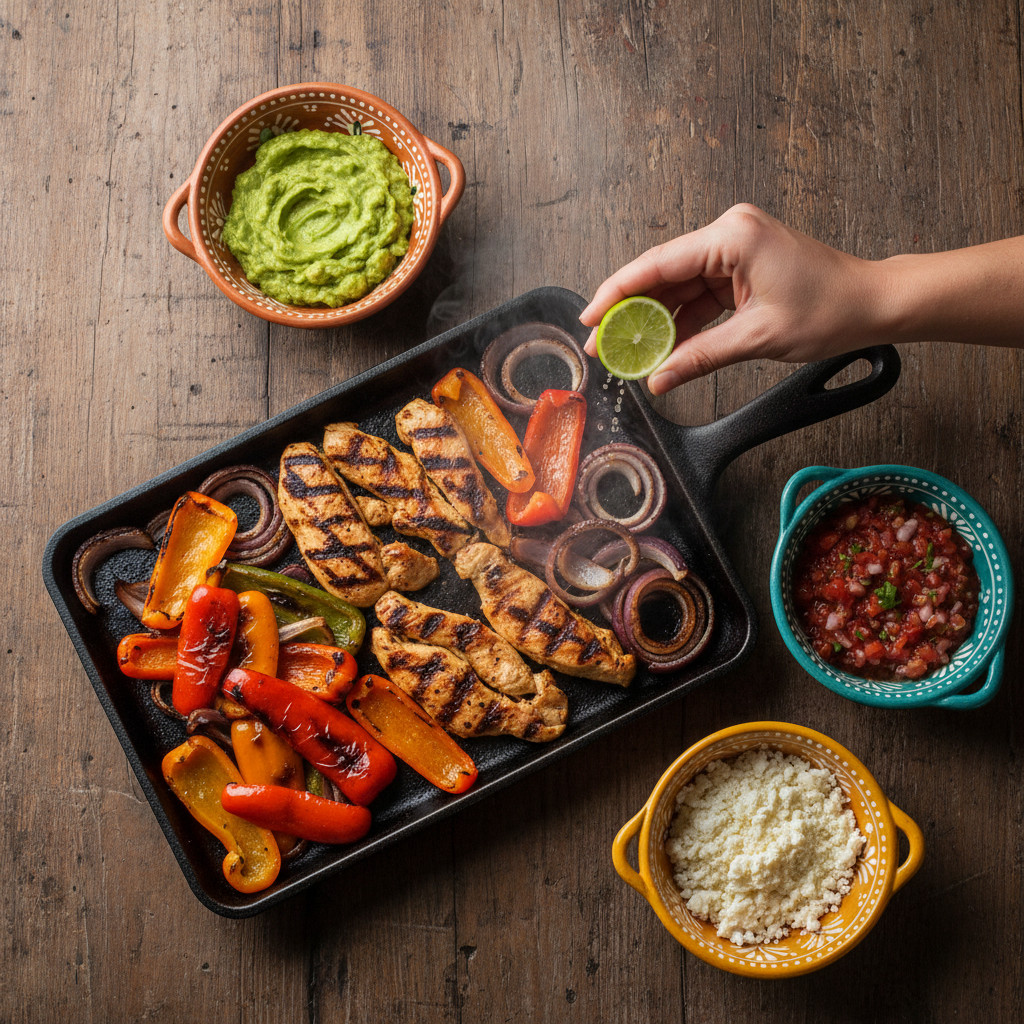
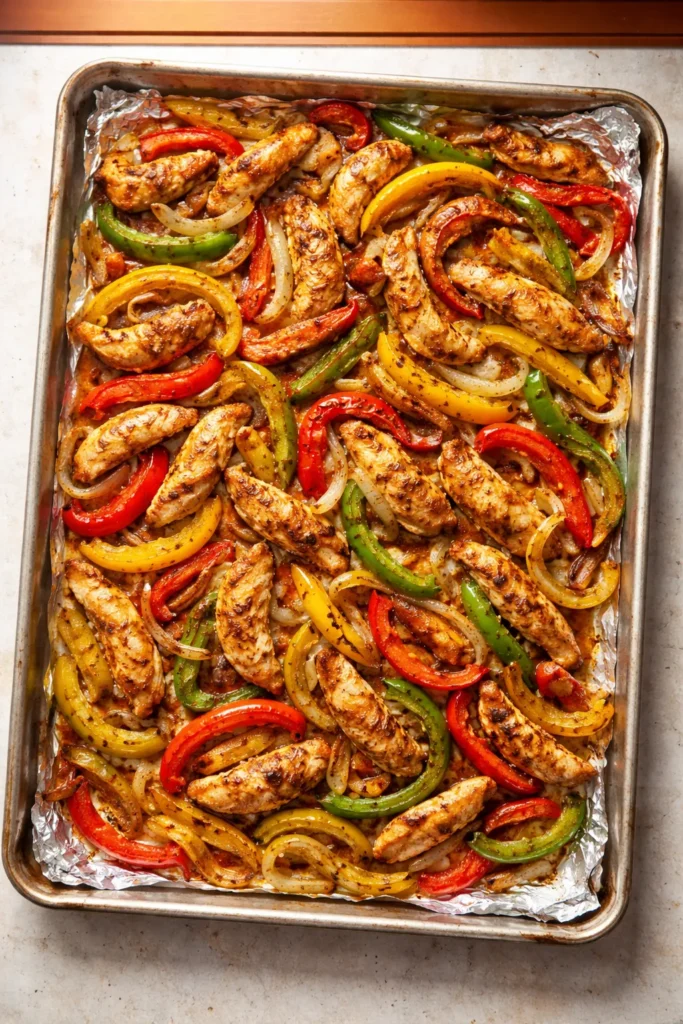
Sheet pan dinners have revolutionized weeknight cooking by concentrating an entire meal onto a single pan that goes into the oven, requiring minimal active cooking time while producing exceptional results. Chicken fajitas represent one of the most successful applications of this technique, combining seasoned chicken strips with colorful bell peppers and sliced onions that roast together until beautifully caramelized and tender. The high oven heat mimics the intense searing that fajitas traditionally receive on restaurant griddles, developing those characteristic charred edges and concentrated flavors without requiring you to stand over a smoking-hot skillet.
The beauty of sheet pan fajitas extends beyond their simplicity to their remarkable adaptability. You can easily modify the protein by substituting shrimp (which cooks even faster) or steak strips, or make them completely vegetarian with additional vegetables and black beans. The seasoning blend typically includes chili powder, cumin, paprika, garlic powder, and lime juice, creating that distinctive Tex-Mex flavor profile everyone loves. For maximum efficiency, you can prep all your ingredients the night before—slice the chicken and vegetables, mix your seasonings, and store everything in the refrigerator so it’s ready to simply toss together and roast when you get home.
Serving becomes wonderfully interactive and casual, which children particularly love. Set out warm tortillas alongside bowls of toppings like shredded cheese, sour cream, guacamole, salsa, cilantro, and lime wedges, then let everyone assemble their fajitas according to their preferences. This DIY approach not only reduces your workload but also increases the likelihood that even picky eaters will find a combination they enjoy. From oven to table, this meal takes approximately thirty minutes—twenty-five minutes of largely hands-off roasting time plus five minutes for prep. The single sheet pan cleanup means you’re not left with a sink full of dishes afterward, making this recipe as appealing for the end of the meal as it is for the beginning.
Creamy Garlic Parmesan Pasta: Comfort in Under 20 Minutes
This luxuriously creamy pasta delivers restaurant-quality richness using just a handful of ingredients and one pot, making it the ultimate weeknight comfort food.
When you need serious comfort food fast, few dishes deliver like creamy garlic parmesan pasta. This recipe epitomizes efficient cooking—the pasta cooks directly in a combination of broth and cream, meaning the starch released during cooking naturally thickens the sauce while infusing it with pasta flavor. You’re essentially building a cohesive dish rather than cooking components separately, which not only saves time but actually produces superior flavor integration. The garlic, sautéed until fragrant in butter at the beginning, creates an aromatic foundation that permeates the entire dish.
The sauce itself achieves remarkable depth considering its simplicity. Heavy cream provides luxurious body and richness, while freshly grated Parmesan cheese adds nutty, salty complexity and helps thicken the sauce to perfect coating consistency. Many home cooks make the critical mistake of using pre-grated Parmesan, but this convenience actually works against you—pre-shredded cheese contains anti-caking agents that prevent smooth melting, often resulting in grainy, separated sauces. Investing two minutes to grate fresh Parmesan from a block makes an enormous difference in both texture and flavor. A generous grinding of black pepper and a handful of fresh parsley at the end add brightness that prevents the dish from feeling heavy despite its richness.
This base recipe serves as an excellent canvas for customization based on what you have available. Stir in cooked chicken, shrimp, or Italian sausage for added protein. Add frozen peas, sun-dried tomatoes, or fresh spinach for vegetables and color. Incorporate red pepper flakes for heat, or stir in fresh basil for an herbal note. The fundamental technique remains the same regardless of additions, making this an adaptable framework rather than a rigid recipe. Total time from start to finish clocks in at just eighteen to twenty minutes, yet the results taste like something you’d happily order at an Italian restaurant. Serve with a simple side salad and crusty bread for a complete, satisfying meal that requires minimal effort but delivers maximum comfort.
Teriyaki Salmon with Roasted Broccoli: Healthy Doesn’t Mean Complicated
This nutritious, flavorful dinner proves that healthy eating and convenience aren’t mutually exclusive, delivering omega-3s and vegetables in under thirty minutes.
Salmon represents one of the most forgiving proteins for home cooks—it’s nearly impossible to ruin, cooks quickly, and pairs beautifully with countless flavor profiles. Teriyaki preparation showcases salmon particularly well, with the sweet-savory glaze complementing the fish’s natural richness while adding glossy visual appeal. The homemade teriyaki sauce comes together in minutes using pantry staples: soy sauce, honey, rice vinegar, garlic, ginger, and a small amount of cornstarch for thickening. This fresh version tastes significantly better than bottled alternatives while allowing you to control sodium levels and sweetness according to your preferences.
The cooking method couldn’t be simpler. Roast your broccoli florets on one half of a sheet pan while the salmon fillets cook on the other half, both finishing at approximately the same time. This synchronized cooking means everything emerges from the oven hot and ready simultaneously—no juggling multiple pans or trying to keep components warm while others finish. The broccoli develops those irresistible crispy, caramelized edges that make even vegetable-resistant eaters reach for seconds. A light coating of olive oil, salt, and pepper is all the seasoning it needs, though you can certainly add garlic powder, lemon zest, or red pepper flakes for additional flavor dimensions.
From a nutritional perspective, this meal checks every box. Salmon provides high-quality protein and those essential omega-3 fatty acids that support heart and brain health. Broccoli contributes fiber, vitamins C and K, and various antioxidants. The homemade teriyaki sauce, while sweet, contains far less sugar than takeout versions and no concerning additives. The entire meal contains fewer than 400 calories per serving while being genuinely filling and satisfying—proving that healthy eating doesn’t require bland, boring food or extensive preparation. Serve over quick-cooking rice, quinoa, or cauliflower rice if you want to extend the meal, or simply enjoy it as-is for a lighter dinner option. Either way, you’re looking at twenty-five to thirty minutes total, with most of that time being hands-off oven cooking.
One-Pot Chicken Burrito Bowls: Customizable and Kid-Friendly
These deconstructed burrito bowls deliver all the flavors of your favorite Mexican restaurant in a single pot, with endless customization options for picky eaters.
Burrito bowls solve one of the most challenging weeknight dinner dilemmas: accommodating different preferences and dietary needs within a single meal. By serving the components separately rather than wrapped in a tortilla, everyone can build their perfect bowl while you only cook one base recipe. The foundation starts with seasoned rice cooked in chicken broth with sautéed onions, garlic, black beans, corn, and diced tomatoes with green chilies—all simmering together in one pot until the rice absorbs the flavorful liquid and becomes perfectly tender. This cooking method infuses the rice with substantially more flavor than cooking it separately in plain water.
The chicken component can be handled multiple ways depending on your schedule and preferences. You can use leftover rotisserie chicken stirred in at the end, dice raw chicken breast and cook it with the aromatics at the beginning, or use ground chicken or turkey browned before adding the other ingredients. Each approach works equally well, providing flexibility based on what you have available. The seasoning blend—cumin, chili powder, paprika, oregano, and lime juice—creates that distinctive Mexican-inspired flavor profile that’s both familiar and craveable. Unlike many one-pot meals that become mushy or overcooked, this recipe maintains pleasant textural variety with distinct grains of rice, whole beans, and individual corn kernels.
Setting up a toppings bar transforms this simple dinner into an interactive experience that particularly appeals to children and teenagers. Arrange small bowls of shredded cheese, sour cream, guacamole, salsa, sliced jalapeños, chopped cilantro, lime wedges, crushed tortilla chips, and any other favorites you have on hand. This approach not only reduces complaints from picky eaters who can customize their bowls but also makes the meal feel special and restaurant-like rather than just another quick dinner. The base recipe cooks in approximately twenty-five minutes using standard stovetop methods, or can be adapted for Instant Pot preparation in even less time. Leftovers reheat beautifully, actually developing even more flavor overnight, making this an excellent candidate for intentional meal prep or planned leftovers for lunch the next day.
Classic Spaghetti Aglio e Olio: Italian Simplicity at Its Finest
This traditional Italian pasta uses just six ingredients to create a sophisticated dish that tastes far more complex than its simple preparation suggests.
Italian cuisine teaches us that exceptional food doesn’t require lengthy ingredient lists or complicated techniques—it requires quality ingredients treated respectfully with proper technique. Spaghetti aglio e olio (garlic and oil) represents this philosophy perfectly, using only pasta, garlic, good olive oil, red pepper flakes, parsley, and Parmesan cheese to create a dish that’s simultaneously elegant and comforting. The magic happens in the technique rather than the ingredient list, making this an ideal recipe for developing fundamental cooking skills while producing reliably delicious results.
The key technique involves creating an emulsified sauce by combining starchy pasta cooking water with olive oil and garlic. Many home cooks mistakenly drain pasta completely, discarding that valuable starchy water, but this recipe requires reserving at least a cup of it before draining. As the garlic gently sautés in olive oil until fragrant and just beginning to turn golden, you add the reserved pasta water and let it reduce slightly, creating a light, clingy sauce rather than oily, separated strands. The pasta finishes cooking directly in this sauce, absorbing flavor while its surface starch helps bind everything into a cohesive, glossy coating. Tossing in fresh parsley and red pepper flakes at the end adds brightness and subtle heat that cuts through the richness.

Despite its simplicity, this dish offers several opportunities for customization. Add anchovies to the garlic and oil for umami depth and complexity without fishiness. Toss in sautéed shrimp, crispy pancetta, or white beans for protein. Stir in fresh spinach, arugula, or sun-dried tomatoes for vegetables. The fundamental technique remains constant regardless of additions, making this a versatile framework rather than a rigid recipe. From start to finish, including boiling water time, this meal takes approximately twenty minutes—yet it tastes sophisticated enough to serve to guests. It’s also remarkably economical, using inexpensive pantry staples to create a satisfying meal, making it ideal for end-of-week cooking when grocery supplies are running low.
Beef and Broccoli Stir-Fry: Better Than Takeout
This popular Chinese-American dish comes together faster than delivery would arrive, with a homemade sauce that’s fresher and more flavorful than restaurant versions.
Stir-frying represents one of the most efficient cooking techniques ever developed, capable of producing complete meals in less than fifteen minutes of active cooking time. Beef and broccoli exemplifies this perfectly—thinly sliced beef and broccoli florets cook rapidly over high heat while a glossy, savory-sweet sauce coats everything in a flavorful glaze. The key to successful stir-frying at home is preparation; having all ingredients prepped and ready before you turn on the heat ensures smooth, stress-free cooking since the actual cooking happens very quickly.
The beef benefits enormously from a quick marinade in soy sauce, cornstarch, and a small amount of oil—this technique, called velveting, produces remarkably tender meat even when using less expensive cuts like flank steak or sirloin. The cornstarch coating creates a light protective barrier that keeps the meat juicy while promoting beautiful browning. After the beef cooks quickly in a screaming-hot pan and gets set aside, the broccoli cooks in the same pan with a small amount of water, which steams and tenderizes it while preserving its vibrant green color. The sauce—a simple combination of soy sauce, oyster sauce, brown sugar, garlic, ginger, and cornstarch—goes in last, thickening rapidly and coating everything in that characteristic glossy finish.
The results genuinely surpass typical takeout quality. Your homemade version contains fresher vegetables with better texture, the beef is more tender and flavorful, and the sauce tastes brighter because it hasn’t been sitting in a container during delivery. You can also control sodium levels, eliminate MSG if desired, and adjust sweetness and spice to match your preferences. Serve over rice or noodles to catch every drop of sauce, and consider keeping a batch of marinated beef slices in your freezer for even faster meal preparation. Total cooking time is approximately twenty-five minutes, but the actual hands-on work is minimal, making this an impressive weeknight solution that feels far more complicated than it actually is.
Mediterranean Chickpea Bowls: Plant-Based Satisfaction
These vibrant, nutrition-packed bowls prove that meatless meals can be just as satisfying and flavorful as their meat-based counterparts.
Plant-based eating has moved far beyond sad salads and boring steamed vegetables, and these Mediterranean chickpea bowls demonstrate exactly why. Built on a foundation of crispy roasted chickpeas that provide protein, fiber, and satisfying texture, these bowls incorporate fresh vegetables, whole grains, and a tangy lemon-herb dressing that ties everything together beautifully. The roasted chickpeas become the star—seasoned with cumin, paprika, garlic powder, and a touch of cayenne, they roast until crispy on the outside while remaining creamy inside, providing a texture and flavor experience that’s genuinely craveable rather than just nutritionally acceptable.
The bowl composition offers tremendous flexibility based on preferences and what you have available. Start with a base of quinoa, couscous, or rice—all of which cook quickly. Add the crispy chickpeas, then layer in fresh components like diced cucumber, cherry tomatoes, red onion, and Kalamata olives. Crumbled feta cheese adds salty, tangy richness (though you can omit it for a fully vegan meal). Fresh herbs, particularly parsley and mint, contribute brightness and aromatic complexity. The dressing is a simple but flavorful combination of olive oil, lemon juice, minced garlic, dried oregano, salt, and pepper—whisked together in just seconds but providing cohesive flavor that unifies all the separate components.
These bowls address several common weeknight challenges simultaneously. They’re naturally gluten-free if you choose quinoa or rice as your grain base. They provide complete nutrition with protein, complex carbohydrates, healthy fats, and abundant vegetables. They’re easily meal-prepped, with components storing well separately for assembly throughout the week. They’re budget-friendly, utilizing economical ingredients like dried chickpeas and seasonal vegetables. Most importantly, they’re genuinely delicious—the kind of meal you look forward to rather than eating reluctantly because it’s healthy. From start to finish, including chickpea roasting time, expect about thirty-five minutes, though your active involvement is minimal since the chickpeas roast unattended while you prepare other components.
Honey Mustard Chicken Thighs with Roasted Vegetables
This sheet pan dinner combines juicy, flavorful chicken with caramelized vegetables, all brought together by a tangy-sweet glaze that’s absolutely addictive.
Chicken thighs represent a game-changing protein for weeknight cooking, yet many home cooks default to chicken breasts out of habit. Thighs offer several compelling advantages: they’re significantly more flavorful due to higher fat content, they remain juicy and tender even if slightly overcooked (unlike breasts which dry out quickly), and they’re considerably less expensive. The honey mustard preparation showcases their qualities perfectly—the sweet-tangy glaze complements the rich meat while promoting beautiful caramelization during roasting.
The honey mustard sauce combines just four ingredients: Dijon mustard, honey, olive oil, and garlic. This simple mixture serves double duty, functioning as both a marinade that flavors the chicken and a glaze that creates a gorgeous golden-brown finish. Bone-in, skin-on thighs work best for this recipe, with the skin crisping beautifully while protecting the meat from drying out. If you prefer skinless or boneless thighs, the recipe adapts easily, though cooking time decreases slightly. Surrounding the chicken with sturdy vegetables like baby potatoes, carrots, and Brussels sprouts creates a complete meal on a single pan—the vegetables roast in the chicken drippings and honey mustard that drip during cooking, absorbing tremendous flavor.
The cooking process couldn’t be simpler. Toss your vegetables with oil, salt, and pepper, and spread them on a sheet pan. Nestle the honey mustard-coated chicken thighs among the vegetables, then let the oven do the work. Everything roasts together for approximately forty minutes, during which your kitchen fills with the most incredible aroma. The chicken skin crisps and caramelizes, the vegetables develop sweet, concentrated flavor with crispy edges, and the pan drippings create a light sauce that ties everything together. This meal requires perhaps ten minutes of hands-on prep work, making it ideal for busy evenings when you need a complete, nutritious dinner without standing over the stove.
Quick Shrimp Tacos with Cilantro Lime Slaw
These fresh, vibrant tacos showcase how quickly shrimp cooks, delivering a restaurant-quality meal in less than twenty minutes from start to finish.
Shrimp represents perhaps the ultimate weeknight protein—it cooks in literally three to four minutes, requires minimal seasoning to taste fantastic, and works beautifully with countless flavor profiles. These shrimp tacos embrace bright, fresh flavors that feel light yet completely satisfying. The shrimp get a quick toss with chili powder, cumin, garlic powder, and lime juice, then cook in a hot skillet until just pink and slightly charred around the edges. That quick sear develops flavor through the Maillard reaction while the interior remains tender and sweet—overcooking represents the only real risk with shrimp, but the visual cue is unmistakable (they curl and turn pink when done).
The cilantro lime slaw provides crucial textural contrast and brightness that prevents these tacos from feeling heavy. Shredded cabbage serves as the base—you can use pre-shredded coleslaw mix to save time without any quality compromise. A simple dressing of lime juice, a touch of honey, olive oil, and cilantro transforms plain cabbage into something vibrant and craveable. The slaw can be made ahead, actually improving as it sits and the cabbage softens slightly and absorbs the dressing. This make-ahead capability provides flexibility on busy evenings—you can prepare the slaw in the morning or even the night before, then the entire meal comes together in the time it takes to cook shrimp and warm tortillas.
Assembly becomes quick and fun. Warm corn or flour tortillas, layer in the seasoned shrimp, pile on the cilantro lime slaw, then add your favorite toppings—diced avocado, crumbled cotija cheese, hot sauce, additional cilantro, or lime wedges. The combination of warm, savory shrimp with cool, crunchy, tangy slaw creates that addictive contrast that defines great tacos. These work beautifully for casual family dinners or even casual entertaining since they feel special despite their simplicity. From pulling out ingredients to sitting down to eat, expect fifteen to twenty minutes—making this faster than picking up takeout and significantly more delicious and nutritious.
Tuscan White Bean Soup: Cozy Comfort in 30 Minutes
This hearty, rustic soup delivers the satisfying comfort of long-simmered Italian cooking in a fraction of the time using smart shortcuts and flavor-building techniques.
Soup might not immediately come to mind for quick weeknight dinners, but certain versions cook remarkably fast while tasting like they’ve simmered for hours. This Tuscan white bean soup exemplifies efficient soup-making—starting with aromatic vegetables (onion, carrots, celery) sautéed until softened, then building layers of flavor through strategic ingredient additions. Canned white beans provide the protein and creamy texture traditionally achieved through hours of cooking dried beans, while canned diced tomatoes contribute acidity and body. Good-quality chicken or vegetable broth forms the flavorful liquid base, enhanced with garlic, Italian herbs, and a parmesan rind if you have one saved in your freezer.
The technique involves building flavor progressively. Sautéing the vegetables until they begin to caramelize develops a sweet, complex foundation. Adding tomato paste and letting it cook for a minute deepens the tomato flavor and adds color. Fresh garlic and dried Italian herbs bloom in the oil, releasing their aromatic compounds. When you add the broth and beans, all these flavors meld together during a brief fifteen-minute simmer—long enough for flavors to integrate but short enough for weeknight feasibility. Stirring in fresh spinach or kale at the end adds color, nutrition, and freshness without requiring any additional cooking time since the greens wilt from the residual heat.
This soup checks multiple important boxes for weeknight meals. It’s extremely economical, using inexpensive pantry staples to create multiple servings. It’s naturally plant-based and easily made vegan by using vegetable broth and omitting the parmesan rind. It’s highly nutritious, packed with fiber, plant-based protein, and vegetables. It’s incredibly satisfying despite being relatively light, with the beans providing substantial body and staying power. Perhaps most valuably, it actually tastes better the next day, making it perfect for intentional leftovers—the flavors continue developing overnight, and the soup thickens slightly as the beans break down a bit more. Serve with crusty bread for dunking, and you have a complete, comforting meal ready in thirty minutes.
BBQ Chicken Quesadillas: Familiar Flavors, Easy Execution
These crispy, cheesy quesadillas transform simple ingredients into crowd-pleasing comfort food that both kids and adults love.
Quesadillas represent one of the most forgiving and adaptable weeknight meals—difficult to mess up, endlessly customizable, and universally appealing across age groups. This BBQ chicken version takes the familiar concept and elevates it slightly with tangy-sweet barbecue sauce that provides moisture and flavor. Using rotisserie chicken or leftover cooked chicken makes this meal come together in literally ten minutes. Simply shred the chicken, toss it with your favorite barbecue sauce until coated, then layer it with shredded cheese between tortillas.
The cooking technique makes all the difference between mediocre and exceptional quesadillas. Cooking them in a dry skillet or griddle over medium heat (not medium-high) allows the cheese to melt completely before the tortilla burns. Pressing down gently with a spatula promotes even contact with the pan for uniform browning and crispness. Flipping requires confidence—use a large spatula, support the quesadilla, and flip decisively rather than tentatively. The finished quesadilla should be golden brown and crispy on both sides with completely melted, gooey cheese binding everything together. Cutting into wedges with a sharp knife or pizza cutter makes serving easy.
The beauty of quesadillas lies in their adaptability to what you have available and your family’s preferences. Add sautéed bell peppers and onions for vegetables and additional flavor. Include black beans for extra protein and fiber. Throw in some corn for sweetness and textural variety. Use different cheese varieties—pepper jack for heat, mozzarella for extra stretch, or sharp cheddar for stronger flavor. Serve with sour cream, guacamole, and salsa for dipping, transforming this simple meal into something special. Quesadillas also work beautifully for using up small amounts of leftovers that wouldn’t constitute a complete meal on their own—turning odd bits of cooked vegetables, meats, or cheeses into a cohesive, satisfying dinner. From start to finish, expect ten to fifteen minutes, making this one of the fastest options when you need dinner immediately.
Asian-Inspired Noodle Bowls: Customizable and Satisfying
These versatile noodle bowls provide a framework for using whatever vegetables and proteins you have available, all tied together with a flavorful Asian-inspired sauce.
Noodle bowls have gained tremendous popularity because they’re essentially infinitely adaptable while following a simple, reliable formula. Start with noodles—ramen, rice noodles, soba, udon, or even spaghetti work beautifully. Add vegetables—whatever you have available, whether that’s bell peppers, snap peas, carrots, cabbage, broccoli, or mushrooms. Include protein—chicken, beef, pork, shrimp, tofu, or edamame all work well. Then tie everything together with a flavorful sauce. This framework means you can create dozens of different meals following the same basic technique, using whatever ingredients are in your refrigerator.
The sauce typically represents the most important component, providing cohesive flavor that unifies all the separate ingredients. A basic Asian-inspired sauce combines soy sauce, rice vinegar, honey or brown sugar, sesame oil, garlic, ginger, and a touch of chili sauce or sriracha for heat. Whisked together, this sauce requires no cooking and can be made in bulk and stored in the refrigerator for quick weeknight meals. When you’re ready to eat, simply cook your noodles according to package directions, quickly sauté your vegetables and protein, toss everything together with the sauce, and dinner is ready. The entire process takes approximately twenty minutes with minimal cleanup since everything cooks in the same pan.
These bowls work particularly well for meal prep strategies. You can prep all your vegetables in advance, store pre-cooked proteins in the refrigerator, and make a big batch of sauce that lasts the entire week. Then assembling dinner takes literally ten minutes. You can also customize each bowl differently, accommodating different preferences or dietary needs—make one vegetarian with tofu, another with chicken, another with shrimp. The noodle bowl framework is so flexible that you’ll rarely make it exactly the same way twice, which keeps meals interesting and prevents the dinner-boredom that comes from eating identical leftovers throughout the week.
Skillet Lasagna: Comfort Without the Complexity
This deconstructed lasagna delivers all the comforting flavors of the traditional layered version in a fraction of the time using just one skillet.
Traditional lasagna represents the epitome of comfort food but requires considerable time and effort—boiling noodles, preparing sauce, making ricotta mixture, layering everything in a baking dish, then baking for an hour. Skillet lasagna maintains the essential flavors and spirit while eliminating the tedious components. Instead of layering, you break lasagna noodles into pieces and cook them directly in the sauce, where they absorb flavor while releasing starch that naturally thickens everything. Instead of carefully layering ricotta mixture, you simply dollop ricotta and shredded mozzarella on top at the end, then cover the skillet so the cheese melts into gooey perfection.
The cooking process follows a straightforward progression. Brown ground beef or Italian sausage in a large, deep skillet, then add aromatics like onions and garlic. Stir in canned crushed tomatoes, tomato paste, Italian herbs, and broth. Break uncooked lasagna noodles into pieces and nestle them into the sauce, ensuring they’re mostly submerged. Cover and simmer for approximately fifteen minutes until the noodles are tender and have absorbed much of the liquid, stirring occasionally to prevent sticking. Remove from heat, dollop spoonfuls of ricotta over the surface, sprinkle with shredded mozzarella, then cover for a few minutes until the cheese melts. The result looks rustic rather than pristine, but the flavor is unmistakably lasagna—rich, tomatoey, cheesy, and completely satisfying.
This version offers several practical advantages beyond speed. Everything cooks in one skillet, meaning cleanup involves just that single pan rather than multiple pots, pans, and baking dishes. You can easily scale the recipe up or down depending on how many servings you need. The leftovers reheat beautifully, making this excellent for meal prep or planned leftovers. You can adapt the recipe to personal preferences—use ground turkey for a leaner version, make it vegetarian with mushrooms and spinach instead of meat, or add vegetables like diced zucchini or bell peppers directly to the sauce. From start to finish, expect about thirty-five minutes—significantly faster than traditional lasagna while delivering comparable comfort and satisfaction.
Greek Chicken Pitas with Tzatziki: Fresh and Flavorful
These Mediterranean-inspired pitas combine marinated chicken with cool, creamy tzatziki and fresh vegetables for a light yet satisfying meal.
Mediterranean cuisine excels at combining simple ingredients in ways that maximize flavor while maintaining freshness and healthfulness. These Greek chicken pitas exemplify this perfectly—marinated chicken provides savory, herb-infused protein while homemade tzatziki contributes cooling creaminess and brightness. The chicken marinates briefly (even just fifteen minutes makes a difference, though longer is better) in olive oil, lemon juice, garlic, oregano, and a touch of red wine vinegar. This marinade both flavors the chicken and tenderizes it slightly through the acid from the lemon and vinegar.
The tzatziki sauce, while traditional in Greek cuisine, comes together remarkably quickly using just Greek yogurt, grated cucumber, garlic, lemon juice, olive oil, and fresh dill or mint. The key step is removing moisture from the grated cucumber by squeezing it in a clean kitchen towel—skipping this step results in watery, thin tzatziki rather than the thick, creamy sauce you want. Once made, tzatziki stores beautifully in the refrigerator for several days, actually improving as the flavors meld, so you can prepare it in advance for even faster meal assembly during the week. Having tzatziki on hand also makes it easy to create quick meals throughout the week—it serves as an excellent dip for vegetables, a sauce for grilled meats, or a spread for sandwiches.
Assembly is wonderfully flexible and interactive. Warm pita breads slightly to make them pliable. Fill them with sliced marinated chicken (grilled, pan-seared, or even baked), generous dollops of tzatziki, diced tomatoes, sliced cucumber, thinly sliced red onion, and crumbled feta cheese. Fresh lettuce or baby spinach adds crunch and additional nutrition. The combination of warm, savory chicken with cool, tangy tzatziki and crisp vegetables creates textural and temperature contrasts that keep every bite interesting. These pitas work equally well for casual family dinners or easy entertaining since guests can customize their pitas according to preferences. Total time including marinating is approximately thirty minutes, with the marinating time being completely hands-off.
Time-Saving Kitchen Strategies for Busy Evenings
This section explores systematic approaches to reducing cooking time and mental load without compromising meal quality or nutrition.
Beyond specific recipes, implementing smart kitchen systems and strategies creates compounding time savings that make weeknight cooking significantly less stressful. These aren’t minor optimizations—they’re fundamental approaches that transform your entire cooking experience by eliminating common friction points and inefficiencies that consume time and energy.
Batch Prep Basic Components on Weekends
Dedicating just one hour on Sunday to batch-prep basic components creates enormous time savings throughout the week. Chop vegetables in bulk and store them in airtight containers—diced onions, sliced bell peppers, chopped carrots, and minced garlic ready to go eliminate tedious prep work on busy evenings. Cook a large batch of rice, quinoa, or other grains that can be quickly reheated. Brown several pounds of ground meat seasoned simply with salt and pepper, then portion it for different meals throughout the week. Wash and chop lettuce and herbs so they’re ready for immediate use. Marinate proteins for later in the week. These preparatory tasks feel much less burdensome when you tackle them all at once with good music or a podcast rather than doing them frantically before dinner when you’re already tired and hungry.
Keep a Running Meal Plan and Shopping List
Decision fatigue represents one of the biggest obstacles to weeknight cooking. Standing in front of the refrigerator trying to figure out what to make for dinner drains mental energy and often leads to defaulting to takeout. Maintaining a rotating meal plan with ten to fifteen reliable weeknight recipes eliminates this decision paralysis. You don’t need elaborate meal planning systems—simply keep a list of your go-to meals, ensure you generally keep the ingredients on hand, and refer to the list when you need inspiration. Similarly, maintaining a running shopping list throughout the week (paper on the refrigerator or a shared digital list) means you’re continuously capturing needed items rather than trying to remember everything at once.
Utilize Your Freezer Strategically
Your freezer represents an incredibly valuable tool for weeknight cooking efficiency, yet many home cooks underutilize it. Beyond frozen vegetables (which are flash-frozen at peak ripeness and often more nutritious than “fresh” produce that’s been sitting for days), consider freezing cooked grains, shredded cooked chicken, portioned ground meat, homemade sauce, soup in individual portions, and bread. Individually wrapped frozen protein portions can go straight from freezer to oven or be quickly thawed under cold running water. Many components can be prepped and frozen, creating your own “convenience foods” that are healthier and more economical than store-bought versions. Label everything clearly with contents and date to avoid mystery packages and food waste.
Clean as You Go
The difference between a manageable cleanup and an overwhelming disaster often comes down to cleaning continuously while cooking rather than leaving everything until after eating. As you wait for water to boil or food to cook, quickly wash the cutting board, rinse and load used bowls, wipe down the counter. Put ingredients away immediately after using them rather than leaving everything out until the end. This approach keeps your workspace organized and less stressful while distributing the cleanup work throughout the cooking process. When dinner is ready, you’ll have just the plates and serving dishes to wash rather than a completely destroyed kitchen—making post-dinner cleanup so manageable that it doesn’t feel like a burden.
Common Mistakes to Avoid When Cooking Weeknight Dinners
Understanding and avoiding these frequent pitfalls will dramatically improve your weeknight cooking success rate and enjoyment.
Even experienced home cooks sometimes fall into patterns that make weeknight cooking more difficult than necessary. Recognizing these common mistakes helps you avoid unnecessary frustration and disappointing results, making your cooking experience more enjoyable and your meals more consistently successful.
Not Reading the Recipe Completely Before Starting
This represents perhaps the most common mistake, leading to unpleasant surprises mid-cooking when you discover a component needs to marinate for an hour or a specific ingredient you don’t have. Always read through the entire recipe before beginning, noting the total time required, identifying any advance preparation needed, and confirming you have all necessary ingredients and equipment. This five-minute investment prevents stress and scrambling later. It also allows you to strategize your approach, identifying opportunities to multitask or prep components in a more efficient sequence than the recipe might suggest.
Overcrowding the Pan
When you add too much food to a pan, it steams rather than browns because the temperature drops and moisture can’t evaporate quickly enough. This results in gray, boiled-looking meat and soggy vegetables rather than the flavorful caramelization you want. Whether sautéing vegetables, searing meat, or roasting on a sheet pan, ensure items have space around them. Cook in batches if necessary—it takes a bit longer but produces vastly superior results. This principle applies equally to skillets and sheet pans. If items are touching and overlapping, your pan is overcrowded.
Under-Seasoning Throughout the Cooking Process
Many home cooks add all their salt at the end, resulting in one-dimensional, surface-level seasoning rather than deeply flavored food. Season at multiple points during cooking—salt the protein before cooking, season vegetables as they sauté, taste and adjust the sauce before serving. This layered seasoning approach builds complex, well-rounded flavor rather than simply making food taste salty. Don’t be afraid of salt—it’s essential for developing and enhancing flavor. Properly seasoned food shouldn’t taste salty; it should simply taste delicious with all the natural flavors highlighted.
Using Low-Quality Ingredients When They Matter
For recipes with minimal ingredients where each component plays a starring role, ingredient quality makes a noticeable difference. Use good olive oil for Italian dishes, fresh Parmesan rather than pre-grated, real butter instead of margarine, and quality spices that haven’t been sitting in your cabinet for years. This doesn’t mean spending excessively, but it does mean being thoughtful about where ingredient quality impacts the final dish. Conversely, expensive ingredients don’t necessarily improve dishes where they’re not highlighted—using premium olive oil for high-heat cooking wastes money since the heat destroys the subtle flavors you’re paying for.
Final Words
Weeknight cooking doesn’t need to be a source of stress, frustration, or endless takeout menus. With the right collection of reliable recipes, smart kitchen strategies, and a willingness to embrace efficient techniques and reasonable shortcuts, you can consistently put delicious, nutritious meals on the table without exhausting yourself in the process. The fifteen recipes presented here represent just the beginning—they’re frameworks you can adapt, modify, and personalize according to your family’s preferences and what ingredients you have available.
The common thread running through all these recipes is their focus on maximum flavor with minimum complexity. None require specialized equipment, hard-to-find ingredients, or advanced cooking techniques. They recognize the reality of modern life—you’re tired after work, time is limited, energy is depleted, yet you still want and deserve food that tastes genuinely delicious rather than merely adequate. These recipes honor that reality while refusing to compromise on flavor or satisfaction.
Beyond the specific recipes, the broader principles matter even more. Understanding how to build flavor efficiently, knowing which shortcuts save time without sacrificing quality, recognizing how to organize your kitchen and prep work for maximum efficiency—these fundamental skills make all weeknight cooking easier regardless of which specific dishes you choose to prepare. As you implement these recipes and strategies, you’ll develop confidence and rhythm that transforms cooking from a dreaded chore into a manageable, even enjoyable, part of your evening routine.
Remember that becoming proficient at weeknight cooking is a skill that develops through repetition. Your first time making any of these recipes might feel slightly awkward or take longer than expected. That’s completely normal. But by the third or fourth time, you’ll have the process memorized, you’ll move through the steps effortlessly, and you’ll complete the meal faster while producing even better results. Building a repertoire of meals you can prepare almost on autopilot creates tremendous value—reducing decision fatigue, increasing confidence, and ensuring you always have an answer to that nightly question of “what’s for dinner?”
Start with one or two recipes that appeal most to you and your family. Make them a few times until they become comfortable and familiar. Then add another couple of recipes to your rotation. Before long, you’ll have a reliable collection of weeknight dinners that you can prepare efficiently, that your family genuinely enjoys eating, and that make your evenings less stressful and more enjoyable. The goal isn’t perfection or becoming a professional chef—it’s simply getting nutritious, delicious food on the table without excessive stress, expense, or time investment. These recipes and strategies provide exactly that, creating a sustainable approach to weeknight cooking that you can maintain long-term rather than burning out after a few ambitious weeks.