Few things in the kitchen carry as much power as a pot of pasta simmering on the stove. The smell of garlic hitting hot olive oil, the gentle bubble of a tomato sauce that’s been going for an hour — it’s the kind of cooking that feels like home even when you’re far from it. Italian pasta has this remarkable ability to be simultaneously humble and extraordinary, requiring almost nothing in terms of technique but rewarding you with flavors that taste like they took all day.
The Italian approach to pasta is built on a few quiet rules: season the water generously, cook the pasta until it still has a slight bite, and finish everything together in the pan so the sauce actually clings. Beyond that, it’s about ingredients — real Parmigiano-Reggiano, good olive oil, San Marzano tomatoes when you can find them. These dishes don’t hide behind complexity. They let quality do the work.
What follows is a collection of 15 Italian pasta dinners that earn their place in the weekly rotation — not because they’re trendy or clever, but because they work. Some come together in 15 minutes from pantry staples. Others require a slow Sunday afternoon and reward you with leftovers that taste even better the next day. A few are ancient Roman dishes with three ingredients that have been perfecting themselves for centuries. All of them will have someone at your table asking when you’re making this again.
Table of Contents
- 1. Spaghetti Cacio e Pepe
- Why the Technique Is Everything
- What to Know Before You Cook
- 2. Pasta alla Carbonara
- Guanciale vs. Pancetta — Does It Actually Matter?
- Essential Carbonara Technique
- 3. Bucatini all’Amatriciana
- Building the Sauce Right
- Key Details for Amatriciana
- 4. Spaghetti Aglio e Olio
- The Critical Step Most People Skip
- Aglio e Olio Variations Worth Trying
- 5. Pasta al Pomodoro
- Why This Sauce Tastes Different From Every Other Tomato Sauce
- Tomato Selection Guide
- 6. Pasta Puttanesca
- The Pantry Staples That Make It Work
- 7. Pasta alla Norma
- Getting the Eggplant Right
- Key Components for Pasta alla Norma
- 8. Lasagne alla Bolognese
- The Bolognese That’s Worth the Time
- Assembly and Baking Notes
- 9. Cacio e Pepe Gnocchi (Gnocchi Carbonara)
- Making Gnocchi Worth the Effort
- Gnocchi Finishing Tips
- 10. Frutti di Mare
- The Order of Adding Seafood
- Frutti di Mare Ground Rules
- 11. Spaghetti alle Vongole
- Buying and Preparing Clams
- Building the Vongole Sauce
- 12. Pasta e Ceci (Pasta with Chickpeas)
- The Technique That Sets It Apart
- Pasta e Ceci Variations
- 13. Creamy Tuscan Salmon Pasta
- Searing the Salmon Properly
- Sauce Building for Tuscan Salmon Pasta
- 14. Penne all’Arrabbiata
- Getting the Heat Level Right
- Finishing Arrabbiata Like a Roman
- 15. Pasta Bolognese (Ragù alla Bolognese)
- What Makes Bolognese Different From Other Meat Sauces
- Bolognese Tips That Make a Difference
- Building the Pasta Skills That Tie Everything Together
- Final Thoughts
1. Spaghetti Cacio e Pepe
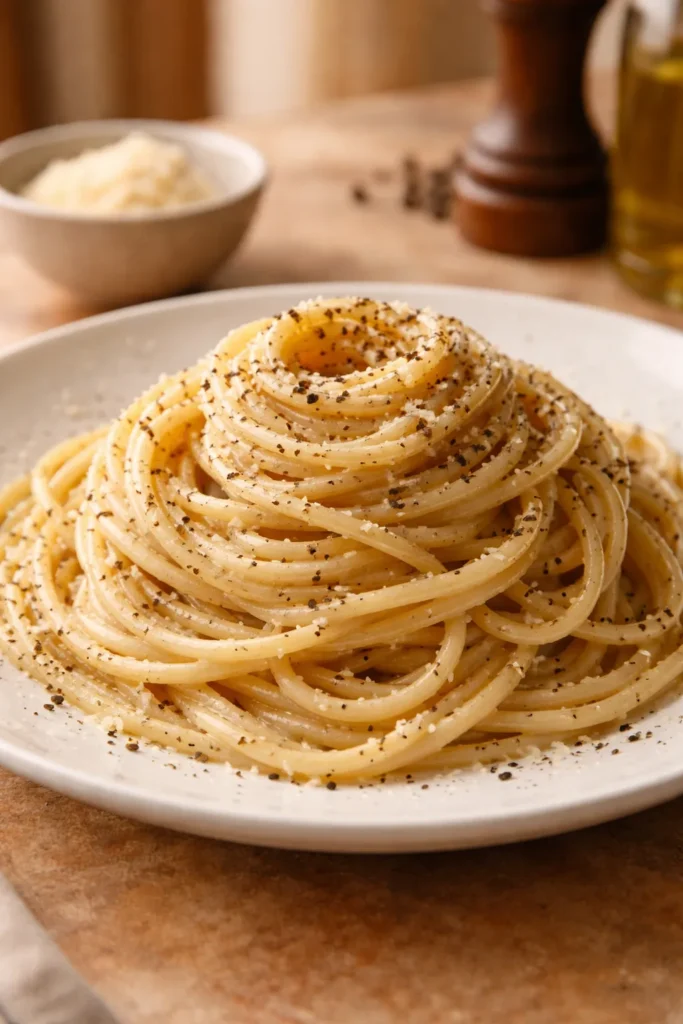
There’s a reason Romans have been eating this for hundreds of years without changing a single ingredient. Cacio e pepe — cheese and pepper — is the ultimate proof that restraint produces brilliance. Three ingredients. No cream. No butter beyond what the cheese provides. Just pecorino romano, black pepper, and pasta water pulled together into a sauce so silky it coats the spaghetti like velvet.
Why the Technique Is Everything
The challenge — and the magic — of cacio e pepe is in the emulsion. If you dump cold cheese onto hot pasta, you get clumps. The trick is to toast the pepper in a dry pan, add a ladle of starchy pasta water, then toss in the drained spaghetti before adding the finely grated pecorino off the heat. The residual warmth, the pasta water’s starch, and constant tossing create a cream-like sauce without a drop of cream. It takes about four attempts before it clicks. After that, you’ll make it once a week.
What to Know Before You Cook
- Use bucatini or spaghetti — thick strands hold the sauce better than thin ones
- Grate the pecorino on a microplane so it melts smoothly; coarse grating leads to clumping
- Reserve at least 1 full cup of pasta water — you’ll need more than you think
- Toast the black pepper until fragrant, about 60 seconds; pre-ground pepper doesn’t deliver the same heat
- Serve immediately — cacio e pepe waits for no one
Pro tip: Use a 70/30 blend of pecorino and Parmigiano-Reggiano if pure pecorino tastes too sharp for your palate. The Parm softens the edge while keeping the character intact.
2. Pasta alla Carbonara
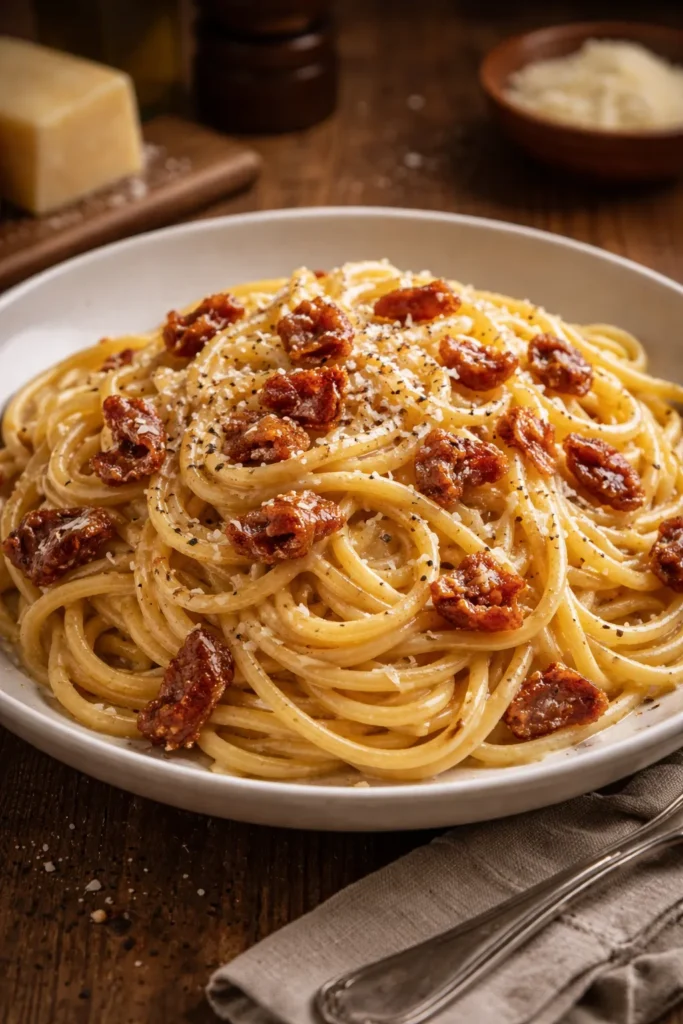
Authentic carbonara is one of those dishes people argue about with genuine passion. No cream. No peas. No onion. The real version — from Rome, using guanciale, egg yolks, pecorino, and black pepper — is richer and more satisfying than any cream-based imitation could ever be. The sauce comes from eggs that cook gently in the residual heat of the pasta, thickening into something luxurious without ever scrambling.
Guanciale vs. Pancetta — Does It Actually Matter?
Short answer: yes. Guanciale is cured pork cheek with a higher fat content and a more delicate, porky sweetness than pancetta. When you render it slowly in a pan, that fat becomes golden and aromatic in a way that bacon simply doesn’t replicate. Pancetta works as a substitute, and plenty of great carbonara has been made with it. But if you can find guanciale at an Italian deli, use it — you’ll taste the difference immediately.
Essential Carbonara Technique
- Use 3 egg yolks plus 1 whole egg per 400g of pasta for the richest sauce
- Remove the pan completely from heat before adding the egg mixture
- Add pasta water one tablespoon at a time while tossing; this controls the texture precisely
- The sauce should coat the spaghetti thickly but still flow — not sit in a solid mass
- Finish with a generous amount of freshly cracked black pepper and grated pecorino
Worth knowing: The word “carbonara” may come from carbone (charcoal), referencing the generous black pepper that speckles the dish like coal dust — or perhaps the coal workers who ate it. Either way, don’t be shy with the pepper.
3. Bucatini all’Amatriciana
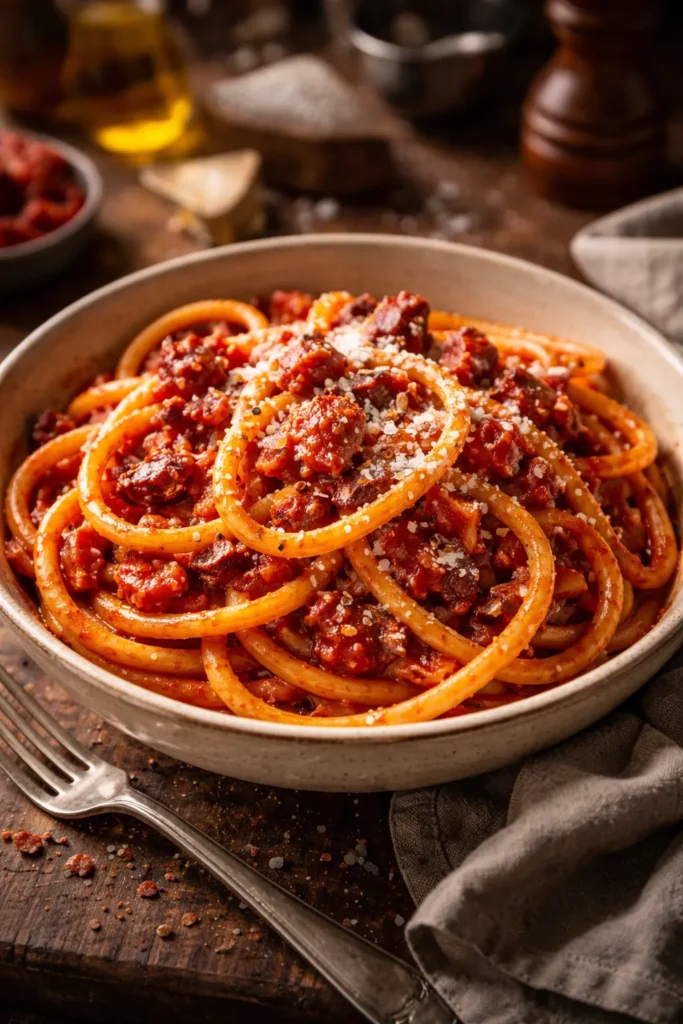
Amatriciana comes from the mountain town of Amatrice, and it is one of the four sacred pasta dishes of Roman cuisine alongside carbonara, cacio e pepe, and gricia. It’s a tomato and guanciale sauce with a kick of dried chili and a finish of pecorino — bold, deeply savory, and completely addictive. Bucatini is the traditional pasta here: thick, hollow strands that slurp up the sauce and make you feel unself-conscious about making noise at the table.
Building the Sauce Right
Start with guanciale cut into strips about 1cm thick and render it over medium heat until the fat turns translucent and the meat crisps at the edges. Deglaze with a splash of dry white wine and let it evaporate completely. Add crushed San Marzano tomatoes, a pinch of dried chili, and let the whole thing simmer for 20 to 25 minutes until the sauce thickens and turns a deep, vibrant red. That’s it. The guanciale fat flavors the entire sauce without any additional oil needed.
Key Details for Amatriciana
- Never use spaghetti — traditionalists will find you. Bucatini or rigatoni are the accepted choices
- Finish with pecorino romano, not Parmigiano-Reggiano; the saltier, sharper cheese is part of the flavor profile
- Add a tablespoon of pasta water when tossing the pasta in the sauce to help it coat evenly
- The chili should provide warmth, not heat — one small dried chili or a pinch of flakes is sufficient
4. Spaghetti Aglio e Olio
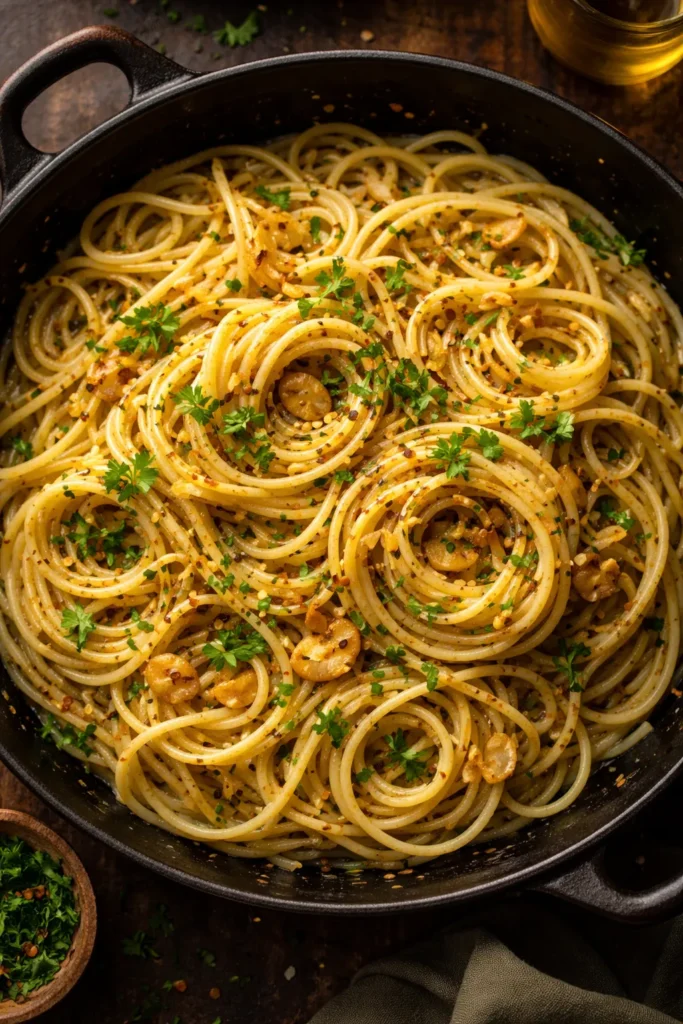
This is the pasta you make when the fridge is empty and it’s 10pm. Six ingredients — spaghetti, olive oil, garlic, dried chili flakes, fresh parsley, and pasta water — and 20 minutes. The result is a dish of surprising depth: nutty garlic, grassy olive oil, subtle heat, and that starchy pasta water binding everything into a glossy, light coating that clings to every strand.
The Critical Step Most People Skip
The garlic must be sliced thin and cooked in cold olive oil that slowly comes up to heat. This process — starting from cold — draws the flavor out of the garlic gradually, turning it golden and sweet rather than bitter and sharp. The moment the garlic turns pale golden at the edges, pull the pan off the heat. It will continue cooking from residual heat, and that’s exactly what you want. Overcooked, dark-brown garlic will make the whole dish taste acrid.
Aglio e Olio Variations Worth Trying
- Add a handful of toasted breadcrumbs (pangrattato) for texture and a nutty crunch
- Stir in a few anchovy fillets when the garlic hits the oil — they dissolve completely and add enormous savory depth without tasting fishy
- Toss in sautéed shrimp at the end for a more substantial meal that takes only 5 extra minutes
- A squeeze of lemon juice at the end brightens the entire dish
Pro tip: Use the best extra-virgin olive oil you own for this dish. It’s the primary flavor, not a cooking medium, so quality is non-negotiable here.
5. Pasta al Pomodoro
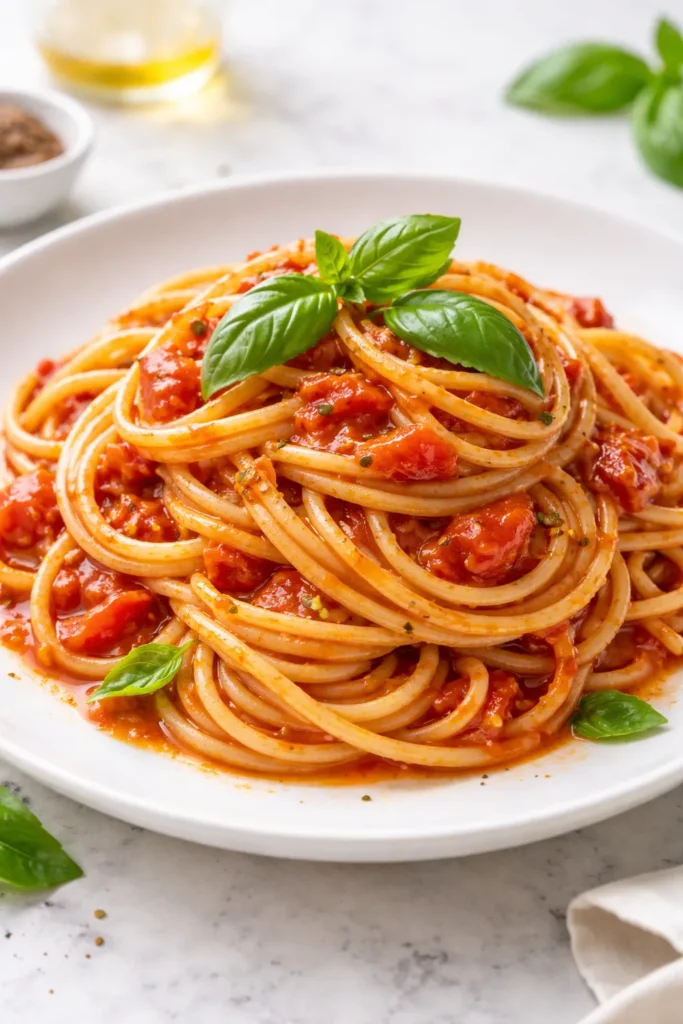
Pasta al pomodoro might be the most misunderstood Italian dish in the world. It looks simple, and it is — but making a tomato sauce that tastes genuinely sweet, bright, and deeply tomato-forward takes attention. The best versions use good canned whole tomatoes (San Marzano if possible), a generous amount of olive oil, garlic cooked gently rather than browned, and fresh basil stirred in at the very end, off the heat. Nothing else.
Why This Sauce Tastes Different From Every Other Tomato Sauce
The temptation is to add herbs, sugar, onion, or wine to a tomato sauce. Italian cooks who’ve been making pomodoro for generations know that restraint is the answer. Each addition dilutes the clean tomato flavor. The goal is a sauce that tastes intensely, purely of good tomatoes — not a sofrito, not a base, not a vehicle for other things. Cook it for only 20 to 25 minutes. Longer cooking makes it sweeter and heavier; shorter keeps it bright and almost fresh-tasting.
Tomato Selection Guide
- Canned San Marzano DOP: The gold standard — low acid, meaty flesh, minimal seeds
- Fresh ripe tomatoes in summer: Blanch, peel, and seed them; the flavor is extraordinary when tomatoes are at peak ripeness
- Regular canned whole tomatoes: Crush them by hand before adding; this gives better texture than crushed canned tomatoes, which are often over-processed
- Avoid pre-seasoned or flavored canned tomatoes — they pull the sauce in a direction you can’t correct
6. Pasta Puttanesca
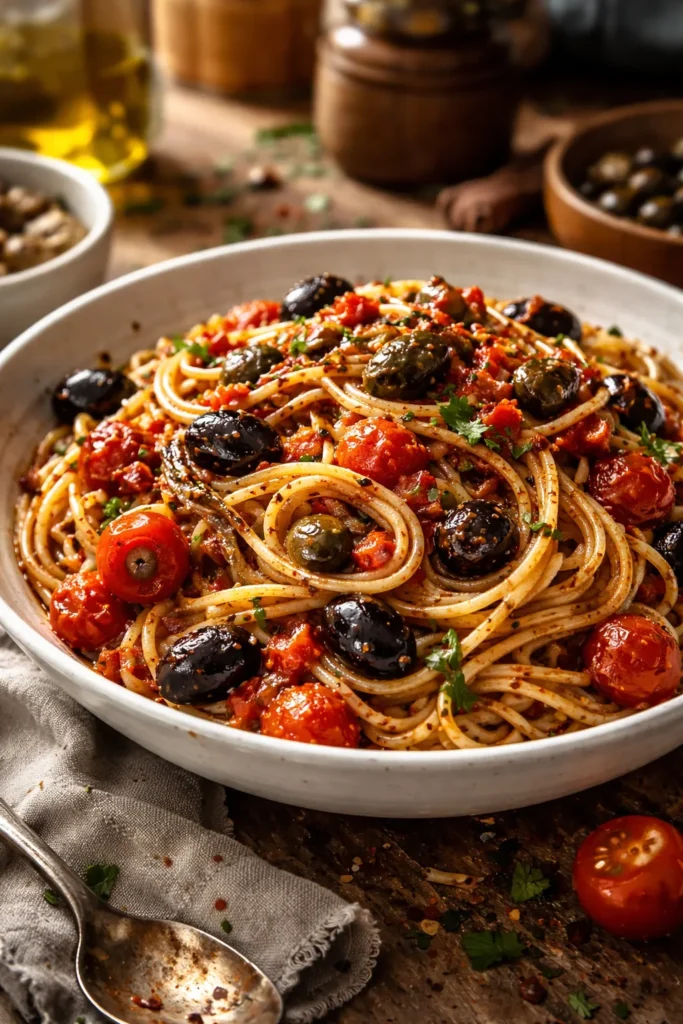
Puttanesca is the answer to “I have nothing in the house.” Anchovies, capers, black olives, garlic, tomatoes, and dried chili — all pantry staples, all coming together in 15 minutes into a sauce with more personality than dishes that take three times as long. It’s pungent, briny, spicy, and deeply savory. The anchovies dissolve completely into the olive oil, leaving no fishiness — just a low, powerful umami note that makes you keep eating without knowing exactly why.
The Pantry Staples That Make It Work
- Oil-packed anchovies: These dissolve cleanly into hot oil; avoid salt-packed unless you rinse them thoroughly
- Capers: The brine-packed ones in jars work well; give them a rough chop to distribute flavor evenly
- Kalamata or Gaeta olives: Pit your own; pre-pitted olives in brine lose their oil and taste watered-down
- Dried chili: One whole dried chili removed before serving, or half a teaspoon of flakes
Spaghetti is the classic match here, though rigatoni works beautifully if you want something more substantial. Serve with no cheese — the traditional rule for seafood-based pasta sauces in Italy, and one that actually makes sense when you taste the result.
7. Pasta alla Norma
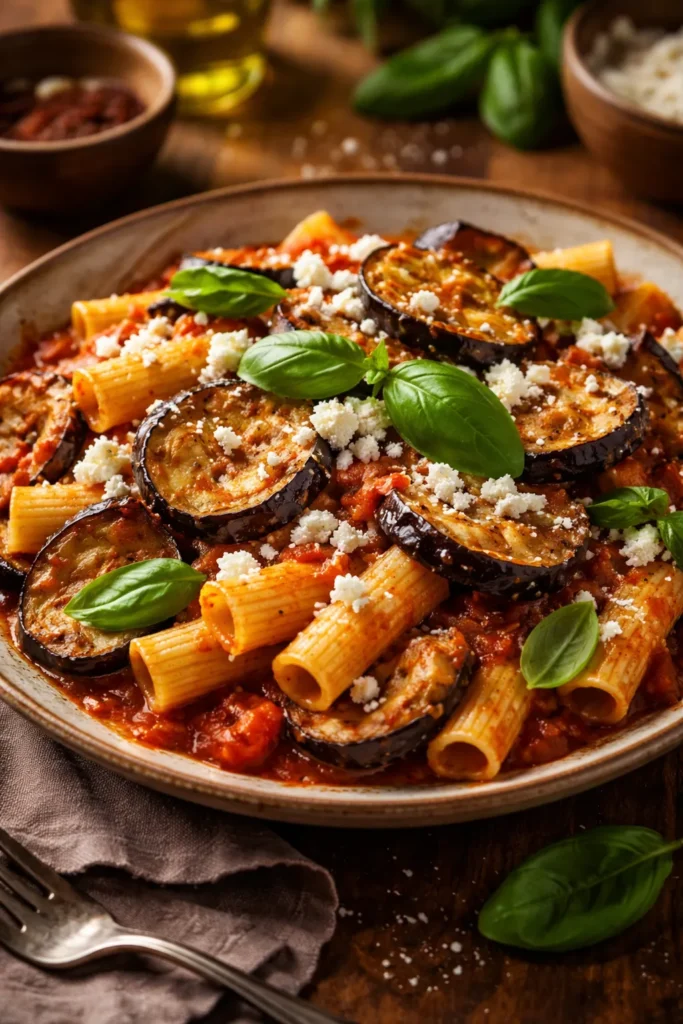
Sicily’s most celebrated pasta dish is named after a Bellini opera — the story goes that the writer Nino Martoglio tasted it and declared it “a real Norma,” meaning something magnificent. The combination of fried eggplant, tomato sauce, ricotta salata, and basil over spaghetti or rigatoni deserves that level of praise. The eggplant is the star: it should be golden and tender inside, with edges that have started to caramelize.
Getting the Eggplant Right
The single most important step is salting the eggplant slices and letting them rest for 30 minutes before cooking. This draws out excess moisture and bitterness, and the eggplant fries up golden rather than steaming. Pat the slices completely dry before they hit the oil. Fry in batches in generous olive oil over medium-high heat — crowding the pan makes them steam and turn soggy. They should take 3 to 4 minutes per side to turn properly golden.
Key Components for Pasta alla Norma
- Ricotta salata is the traditional finish — it’s a dry, salty, slightly tangy cheese that crumbles over the top; substitute with pecorino or Parmigiano if needed
- The tomato sauce should be simple: garlic, canned tomatoes, chili, basil, olive oil
- Add the fried eggplant to the sauce only in the last few minutes so it stays intact rather than breaking down
- Fresh basil stirred in at the end provides a bright, aromatic contrast to the richness of the fried eggplant
8. Lasagne alla Bolognese
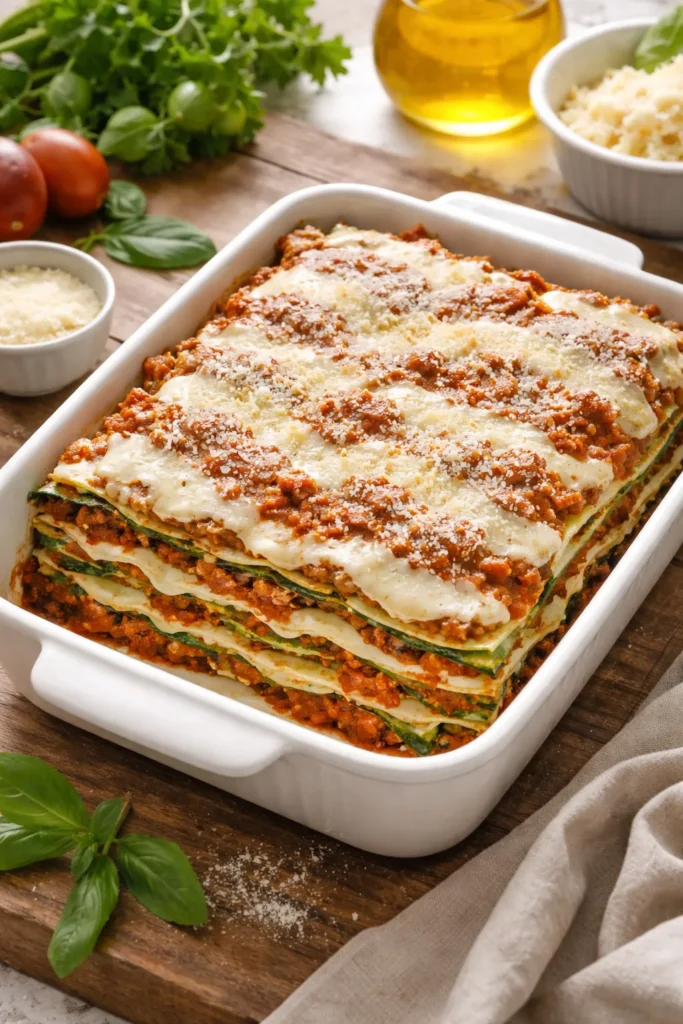
This is the Sunday project pasta — the dish you make when you want to fill the kitchen with the smell of slow-cooked meat sauce and come out the other side with something that feeds six people and improves after a night in the fridge. Authentic Bolognese lasagna uses green spinach pasta sheets, a slow-cooked meat ragù with a splash of whole milk that tames the acidity, and a proper béchamel — not ricotta. The result is more delicate, more creamy, and more complex than the American-Italian version with ricotta and mozzarella.
The Bolognese That’s Worth the Time
A real Bolognese ragù needs at least two hours of low, slow simmering. The meat — a mix of beef and pork mince — should be cooked in a soffritto of onion, carrot, and celery before the wine goes in. Then the tomatoes (just a small amount — this is a meat sauce, not a tomato sauce), then a cup of whole milk added gradually. The milk softens the acid from the wine and tomatoes and gives the ragù its signature richness. By the time it’s done, it should be thick enough to hold its shape on a spoon.
Assembly and Baking Notes
- Slightly undercook the pasta sheets before layering — they absorb moisture from the béchamel during baking
- Alternate thin layers: pasta, Bolognese, béchamel, Parmigiano; keep the layers generous but not overloaded
- The top layer should be béchamel with a heavy shower of Parmigiano to form a golden, bubbling crust
- Rest for 15 minutes before cutting — this is the most important instruction in the recipe and the one most often ignored
9. Cacio e Pepe Gnocchi (Gnocchi Carbonara)
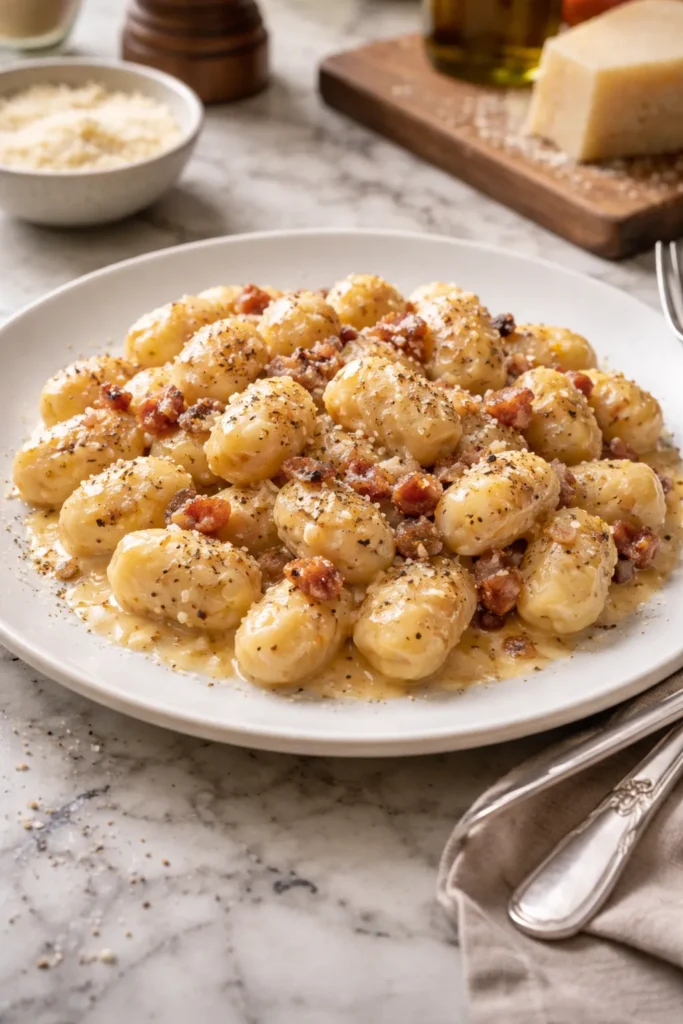
Taking the creamy, eggy logic of carbonara and applying it to pillowy potato gnocchi is one of the smarter moves in Italian cooking. The gnocchi soaks up the sauce in a way dried pasta doesn’t — each little dumpling becomes a small, dense cloud of potato and cheese. This version uses the carbonara method: egg yolks, pecorino, guanciale, and pasta water pulled together off the heat into a sauce that clings to every surface.
Making Gnocchi Worth the Effort
Store-bought gnocchi is a perfectly respectable choice for a weeknight. Homemade gnocchi — made with floury potatoes like Russets, a single egg, and flour worked in with a light hand — is in a different league entirely. The key to light gnocchi is using as little flour as possible. Add it gradually until the dough just holds together without sticking. Overworking the dough or adding too much flour produces gnocchi that tastes dense and doughy rather than airy and tender.
Gnocchi Finishing Tips
- Cook gnocchi in heavily salted water and remove them the moment they float — usually 2 to 3 minutes
- Transfer directly to the pan with the sauce using a slotted spoon rather than draining in a colander; a little cooking water comes with them and helps the sauce
- Toss gently — gnocchi breaks more easily than pasta
- Serve immediately; gnocchi tightens up as it sits
10. Frutti di Mare
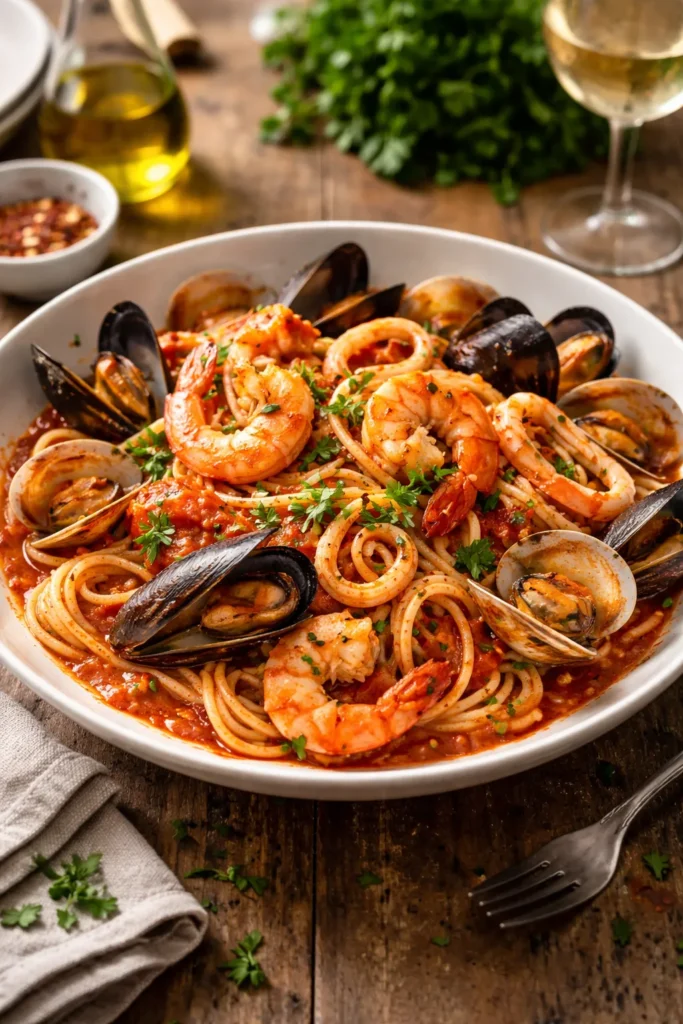
Frutti di mare — “fruit of the sea” — is the Italian coastal answer to a seafood feast. Shrimp, mussels, clams, and squid in a bright tomato sauce over spaghetti, finished with fresh parsley and a squeeze of lemon. It’s the kind of dish that arrives at the table in a wide, shallow bowl and makes everyone stop talking for a moment. It looks like a production but comes together in under 40 minutes if you prep the seafood first.
The Order of Adding Seafood
Each type of seafood has a different cooking time, and respecting that order is the difference between perfectly cooked and rubbery. Clams and mussels go in first — they need 5 to 6 minutes covered with white wine to steam open. Shrimp goes in next, cooking in about 2 minutes until just pink. Squid goes in last, cooking for only 60 to 90 seconds until it curls — overcooked squid becomes tough and rubbery within seconds.
Frutti di Mare Ground Rules
- Discard any clams or mussels that don’t open after steaming — do not try to pry them open
- Use dry white wine (not cooking wine) — something you’d drink; the flavor concentrates in the sauce
- No cheese on seafood pasta — this is a rule Italians follow with conviction, and it makes sense: cheese overpowers the delicate brine of the shellfish
- Finish with a drizzle of your best olive oil and roughly torn fresh parsley
11. Spaghetti alle Vongole
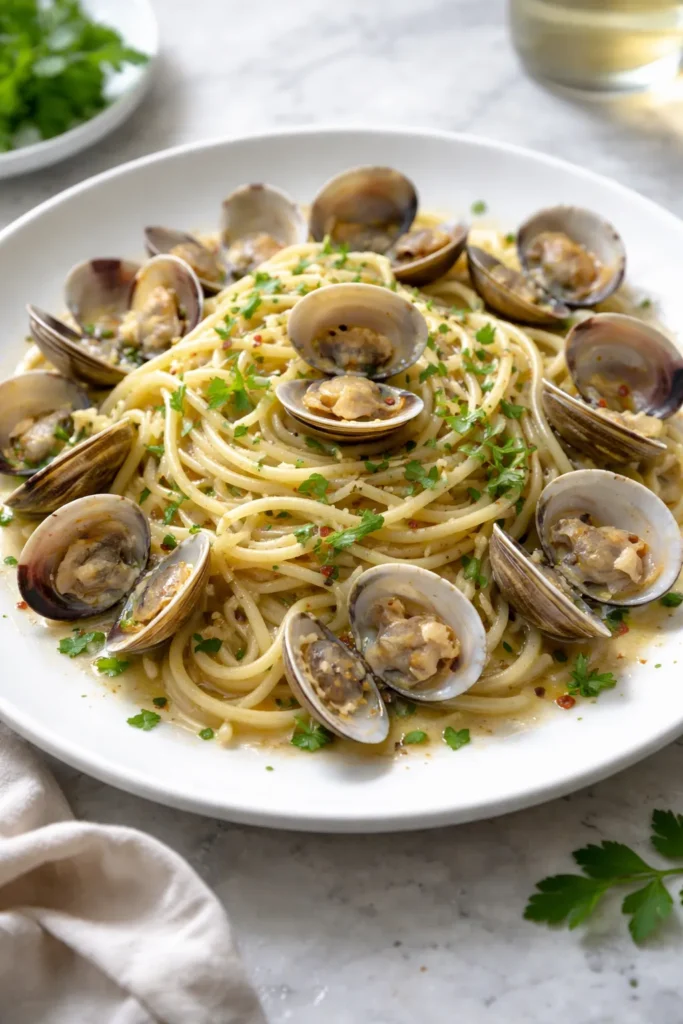
Clams and pasta, white wine and garlic — this is simplicity at its most powerful. Vongole (clams) release their own briny, oceanic liquid as they steam open, and that liquid becomes the sauce. Add garlic-infused olive oil, dry white wine, and fresh parsley, and you have a pasta that tastes like sitting at a table ten feet from the Mediterranean. It requires almost no skill and delivers an enormous amount of satisfaction.
Buying and Preparing Clams
Fresh clams need to be alive when you buy them — they should close when tapped. Soak them in cold salted water (about 30g of salt per litre of water) for one to two hours before cooking; they’ll purge any sand and grit. Rinse well before cooking. If you’re using frozen clams, thaw them completely and pat dry; the texture won’t be identical to fresh, but the flavor is still good in a sauce.
Building the Vongole Sauce
- Heat olive oil with thinly sliced garlic over medium heat until fragrant — do not brown the garlic
- Add the clams, pour in white wine, and cover immediately; steam for 5 to 6 minutes
- Remove any unopened clams and discard them
- Add al dente spaghetti directly to the pan and toss for 1 to 2 minutes, adding pasta water as needed
- Finish with a generous handful of flat-leaf parsley and a drizzle of raw olive oil
12. Pasta e Ceci (Pasta with Chickpeas)
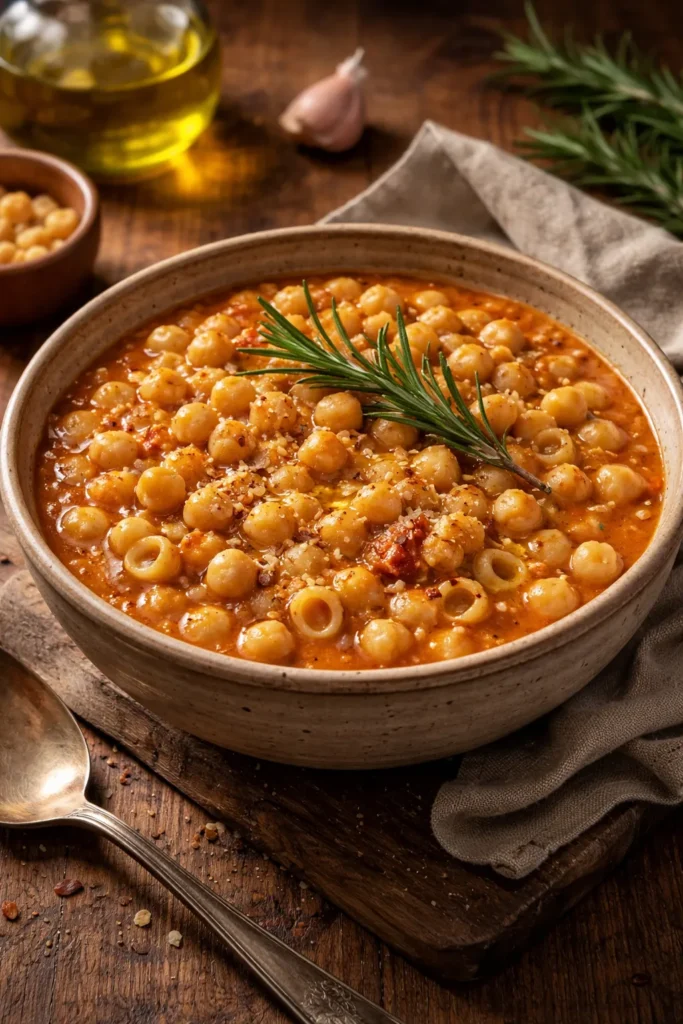
This is the cucina povera dish that Italian grandmothers have been making for generations — “poor kitchen” cooking that turns pantry staples into something nourishing and deeply satisfying. Canned or dried chickpeas, small pasta like ditalini or broken spaghetti, garlic, rosemary, tomatoes, and good olive oil. It’s somewhere between a thick soup and a pasta dish, and it’s exactly right.
The Technique That Sets It Apart
Puréeing a third of the chickpeas before adding the pasta is what makes pasta e ceci creamy and cohesive rather than brothy. Use an immersion blender directly in the pot, or transfer a ladleful to a blender and return it to the pot. That thick chickpea base gives the dish its body and makes the pasta cook directly in the stew, absorbing the garlic and rosemary as it goes.
Pasta e Ceci Variations
- Rosemary is essential — add a whole sprig while cooking and remove before serving; the resinous, piney note cuts through the earthiness of the chickpeas beautifully
- A Parmesan rind dropped into the pot while everything simmers adds a quiet richness and depth
- Finish with a generous drizzle of raw, peppery olive oil — this is not optional; it pulls the whole dish together
- Serve the next day for even better flavor after the pasta and chickpeas have had time to meld
13. Creamy Tuscan Salmon Pasta
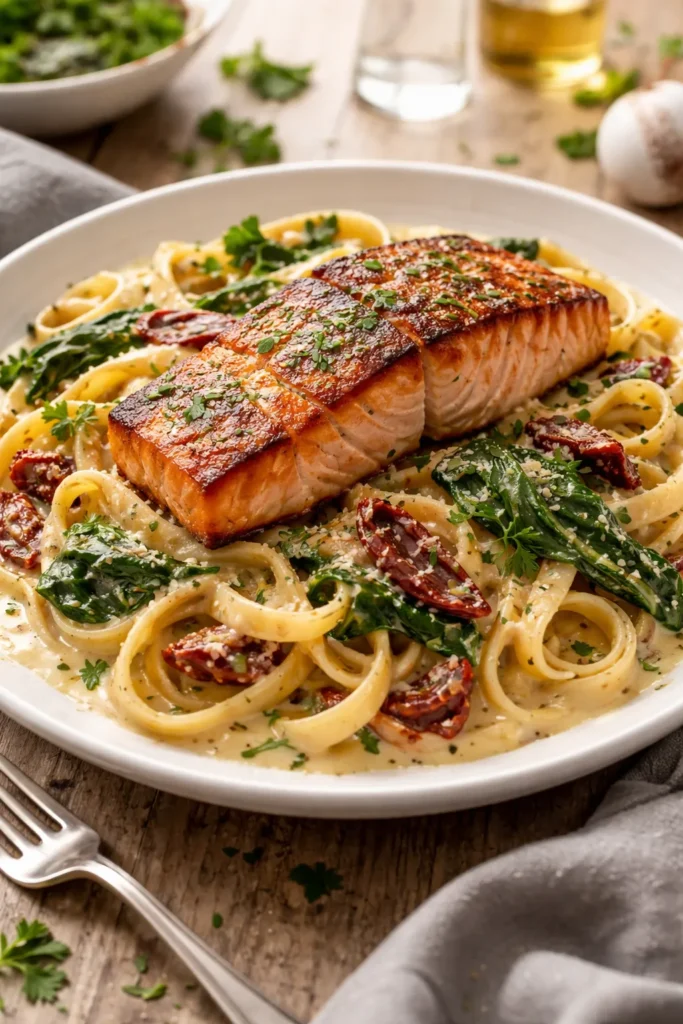
This isn’t a centuries-old Roman classic — it’s the kind of Italian-inspired pasta that has earned its place through sheer deliciousness. Pan-seared salmon, sun-dried tomatoes, wilted spinach, and a garlic cream sauce over fettuccine or pappardelle. It’s restaurant food made at home in 30 minutes, and it looks significantly more impressive than the effort involved.
Searing the Salmon Properly
The salmon needs to go into a hot, dry pan (or a pan with just a whisper of oil) skin-side down, pressed flat for the first 30 seconds to prevent it from curling. Cook it 70% of the way through on the skin side — about 4 minutes for a standard fillet — then flip and finish for 60 seconds. Remove it before adding the sauce ingredients; it will flake into the finished pasta at the end rather than breaking down during cooking.
Sauce Building for Tuscan Salmon Pasta
- Sun-dried tomatoes in oil provide both flavor and the oil they’re packed in (use that oil to sauté the garlic)
- Add cream and a splash of pasta water to create a sauce that coats the pasta without being heavy
- Wilt the spinach directly in the sauce — it takes about 60 seconds and adds color and nutrition
- Flake the rested salmon into large pieces over the finished pasta; a few larger chunks are better than a scattered crumble
14. Penne all’Arrabbiata
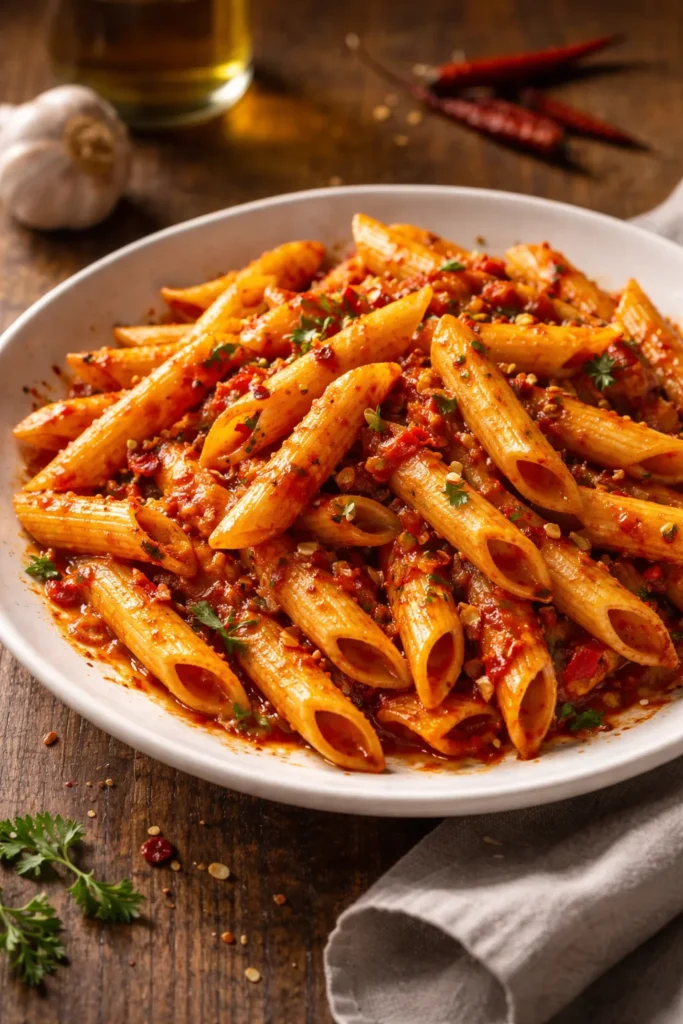
Arrabbiata means “angry” in Italian — a reference to the heat from the dried chili that gives this otherwise simple tomato sauce its personality. It’s penne arrabbiata, specifically — the ridged, tube-shaped pasta catches the chunky sauce in every groove and hollow. This is one of the fastest pasta sauces you can make: garlic, dried chili, canned tomatoes, olive oil, and 20 minutes. It’s aggressively flavored and completely honest.
Getting the Heat Level Right
The chili in arrabbiata should build slowly rather than hit you immediately. Two to three dried whole chilies (or about a teaspoon of flakes) for four servings gives you present, warming heat without overwhelm. If you prefer more fire, add a small fresh red chili alongside the dried. The garlic is cooked gently in the oil first — it should turn pale gold, not brown — before the chili and tomatoes join it. Never add the garlic and chili to a cold pan together; the timing is crucial.
Finishing Arrabbiata Like a Roman
- Add the cooked penne to the sauce with a splash of pasta water and toss vigorously for 60 seconds
- The sauce should cling to the ridges — if it slides off, add more pasta water and toss harder
- Finish with flat-leaf parsley rather than basil; basil is too delicate for the assertive sauce
- Pecorino romano goes on top — not Parmigiano; the sharpness matches the chili’s aggression
15. Pasta Bolognese (Ragù alla Bolognese)
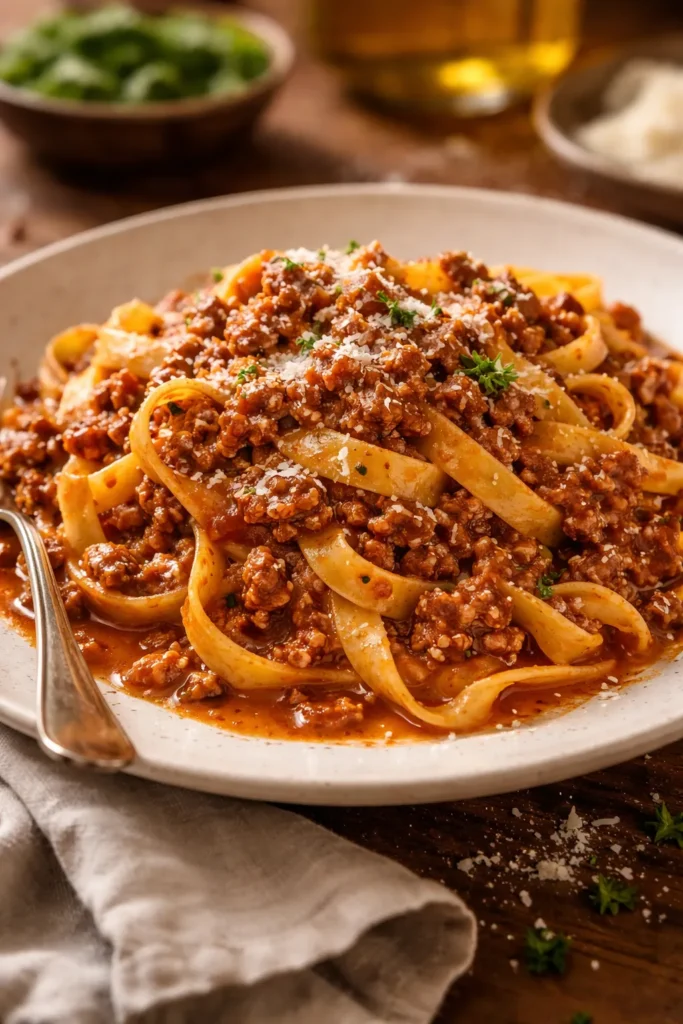
A genuine Bolognese ragù is one of the most deeply satisfying things Italian cooking produces. This is not a quick weeknight sauce — it’s a project, a Sunday ritual, a pot that sits on the stove for two to three hours filling the kitchen with a smell that makes people wander in from other rooms asking when dinner will be ready. The ragù from Bologna uses beef and pork, soffritto, wine, a small amount of tomato, and a cup of whole milk that gets added gradually over the cooking time.
What Makes Bolognese Different From Other Meat Sauces
The meat is browned completely — almost caramelized — before any liquid is added. The wine (white, not red — another Bolognese tradition that surprises people) is added next and cooked off entirely. Then the tomatoes: a small tin, maybe two tablespoons of tomato paste. The milk goes in last, added gradually over the final hour of cooking. By the time the ragù is done, it should be a deep, amber-brown, almost dry sauce that barely loosens when you stir it. Serve it with tagliatelle — the egg pasta that Bologna officially paired with this ragù by decree (the right width was deposited at the Bologna Chamber of Commerce in 1972).
Bolognese Tips That Make a Difference
- Brown the meat in batches in a wide, heavy pan — adding too much at once creates steam and the meat boils rather than browns
- The soffritto (onion, carrot, celery) should cook for a full 10 minutes over medium-low heat before the meat joins it
- Low and slow is non-negotiable — a rapid boil makes the sauce tough and grainy; barely a simmer for two hours is the goal
- Make double the quantity; Bolognese freezes for up to three months and tastes as good from frozen as it does fresh
Building the Pasta Skills That Tie Everything Together
Every dish on this list becomes noticeably better when a few foundational habits are in place. These aren’t complicated techniques — they’re the small decisions that Italian cooks make automatically, the ones that separate a good plate of pasta from an exceptional one.
Salt your pasta water aggressively. The water should taste noticeably salty before the pasta goes in — about 10 grams of salt per litre of water. This is the only moment you season the pasta itself, and under-salted pasta tastes flat no matter how good the sauce is.
Reserve more pasta water than you think you need. A full cup, minimum. The starchy, salted water is the single most useful tool for adjusting sauce consistency, helping emulsification, and making sauce cling to pasta rather than pool at the bottom of the bowl. Get into the habit of scooping it out before you drain.
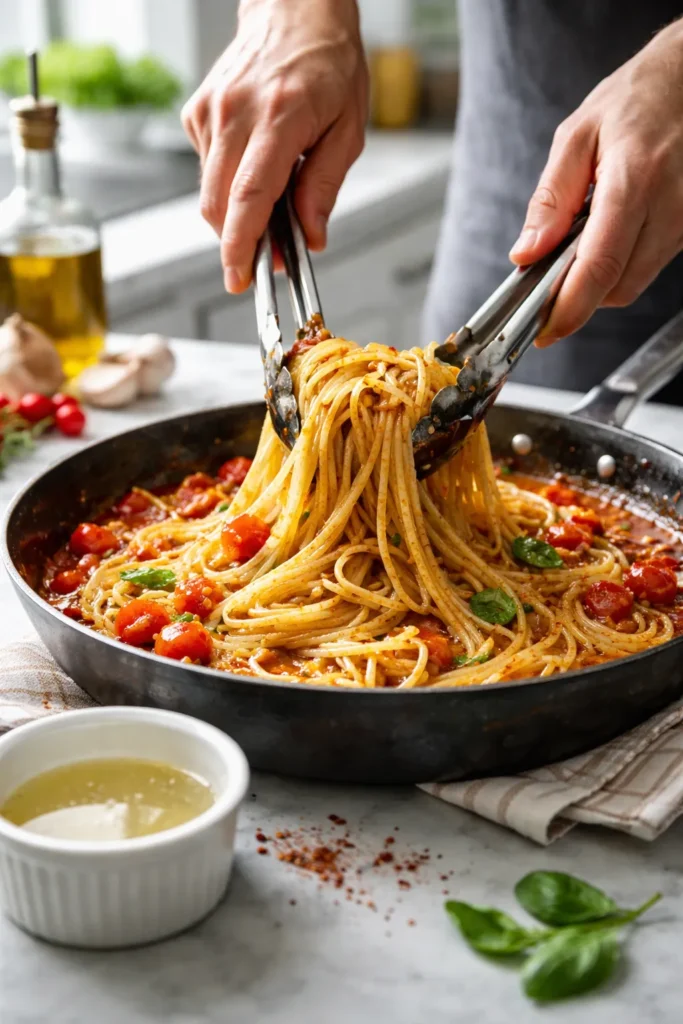
Finish the pasta in the sauce. Pull the pasta out of the water 1 to 2 minutes before it’s fully done, transfer it directly to the pan with the sauce, and finish cooking together with a splash of pasta water. The pasta absorbs the sauce and releases starch that thickens everything. The difference in texture and flavor compared to dumping sauce on pre-drained pasta is significant.
Match pasta shapes to sauce weight. Chunky, meaty sauces grip short, ridged pasta like rigatoni and penne. Long, smooth pasta — spaghetti, tagliatelle, linguine — works with silkier, oil-based, or delicate cream sauces. Thin pasta drowns in heavy ragù; thick pasta overpowers a light aglio e olio. These pairings aren’t arbitrary — they evolved from generations of cooks figuring out what actually works.
Final Thoughts
The honest truth about Italian pasta is that it doesn’t ask much from you. Good ingredients, a little attention, and a willingness to trust the process — that’s really the entire recipe. The dishes on this list represent a range from a 15-minute Roman classic requiring three pantry ingredients to a two-hour Bolognese that rewards patience. But every single one of them is achievable, repeatable, and worth making again the following week.
Start with whatever sounds most appealing right now. Make cacio e pepe if you want to understand what Italian cooking is fundamentally about. Make Bolognese on the Sunday when you have the afternoon to let something simmer. Make aglio e olio on the night when the fridge is empty and the hour is late.
The best pasta dinner is always the one that gets made, eaten, and requested again. These fifteen will do exactly that.