There’s something undeniably special about hosting morning tea in New Zealand. Whether you’re welcoming friends for a casual catch-up, celebrating a special occasion, or simply embracing the cherished Kiwi tradition of sharing good food and great conversation, the art of presenting an impressive morning tea spread remains a cornerstone of New Zealand hospitality. The gentle clinking of teacups, the aroma of freshly baked goods wafting through your home, and the warmth of gathering together over delicious treats create moments that linger in memory long after the last crumb has been enjoyed. But what exactly should you serve to truly wow your guests and create that perfect morning tea experience?
New Zealand’s morning tea culture draws from rich British traditions while incorporating unique local flavors, indigenous ingredients, and contemporary culinary innovations. From classic lamingtons that evoke childhood nostalgia to sophisticated savory tarts showcasing seasonal produce, the possibilities for creating an unforgettable morning tea are virtually endless. The key lies in understanding which dishes will delight your guests, how to balance sweet and savory offerings, and which presentation techniques will elevate your spread from ordinary to extraordinary.
Table of Contents
- Understanding New Zealand’s Unique Morning Tea Culture
- The Historical Roots of Kiwi Morning Tea
- Contemporary Morning Tea Traditions
- Classic Sweet Morning Tea Ideas That Never Disappoint
- Savory Morning Tea Options for Balance and Variety
- Contemporary Creative Options to Showcase Your Culinary Flair
- Beverage Selections to Complete Your Morning Tea
- Presentation and Styling for Maximum Impact
- Creating Visual Hierarchy and Flow
- Choosing Appropriate Serveware
- Accommodating Dietary Requirements with Grace
- Planning and Preparation for Stress-Free Hosting
- Creating a Realistic Timeline
- Determining Appropriate Quantities
- Final Words: Creating Memorable Morning Tea Experiences
Understanding New Zealand’s Unique Morning Tea Culture
Before diving into specific recipe ideas, it’s essential to understand what makes morning tea in New Zealand so distinctive and why it holds such an important place in Kiwi social life.
The Historical Roots of Kiwi Morning Tea
Morning tea in New Zealand has evolved significantly since the early colonial days when British settlers brought their tea-drinking customs to Aotearoa. Originally, morning tea was a formal affair, strictly observed around 10:30 AM as a break between breakfast and the midday meal. This tradition was particularly prevalent in workplaces, schools, and social gatherings, serving as both a practical energy boost and a valuable opportunity for community connection. The ritual typically included a pot of tea, simple biscuits, and perhaps a slice of homemade cake.
Over the decades, New Zealand has transformed this imported tradition into something uniquely its own. The formality has relaxed considerably, though the underlying spirit of hospitality and generosity remains unchanged. Modern Kiwi morning tea embraces both traditional British-inspired treats and innovative creations that reflect New Zealand’s multicultural society and abundant local produce. The emphasis has shifted from rigid etiquette to genuine warmth and the quality of food served, with hosts taking pride in presenting homemade items that showcase their culinary skills and consideration for their guests’ preferences.

Contemporary Morning Tea Traditions
Today’s New Zealand morning tea is remarkably flexible and inclusive, adapting to various occasions, dietary requirements, and personal styles. Whether hosted in elegant dining rooms, casual kitchen tables, or sunny outdoor patios, the contemporary Kiwi morning tea maintains its core purpose of bringing people together. Modern hosts often blend traditional favorites with international influences, creating diverse spreads that cater to sophisticated palates while honoring nostalgic classics.
The timing has also become more flexible, with morning tea now serving various purposes from business meetings to baby showers, from church gatherings to book club meetings. What remains constant is the expectation of quality homemade or artisanal treats, thoughtful beverage options, and an atmosphere that encourages relaxation and conversation. Understanding these cultural nuances helps you create a morning tea experience that feels authentically Kiwi while allowing room for your personal creative expression.
Classic Sweet Morning Tea Ideas That Never Disappoint
Sweet treats form the heart of any impressive New Zealand morning tea spread, and selecting the right combination ensures your guests will be talking about your hospitality for weeks to come.
1. Traditional Lamingtons with a Twist
No morning tea in New Zealand would be complete without lamingtons, those iconic sponge cake squares coated in chocolate and rolled in desiccated coconut. These beloved treats represent Kiwi baking tradition at its finest and instantly transport guests back to school fairs and grandmother’s kitchens. For an impressive presentation, prepare both traditional chocolate lamingtons and contemporary variations such as raspberry-flavored coating or filled versions with jam and cream. The key to exceptional lamingtons lies in using a day-old sponge cake that’s firm enough to handle coating without crumbling, ensuring the chocolate layer is at the perfect temperature for smooth coverage, and using fresh, quality coconut that adds pleasant texture rather than tasting stale.
To truly impress your guests, consider creating a lamington tower as your centerpiece, alternating chocolate and pink lamingtons in a pyramid formation on a decorative cake stand. You might also experiment with miniature versions that are easier to eat while standing and mingling. The beauty of lamingtons is their make-ahead convenience – they actually improve after a few hours as the flavors meld together, making them perfect for stress-free entertaining.
2. Light and Fluffy Pavlova Nests
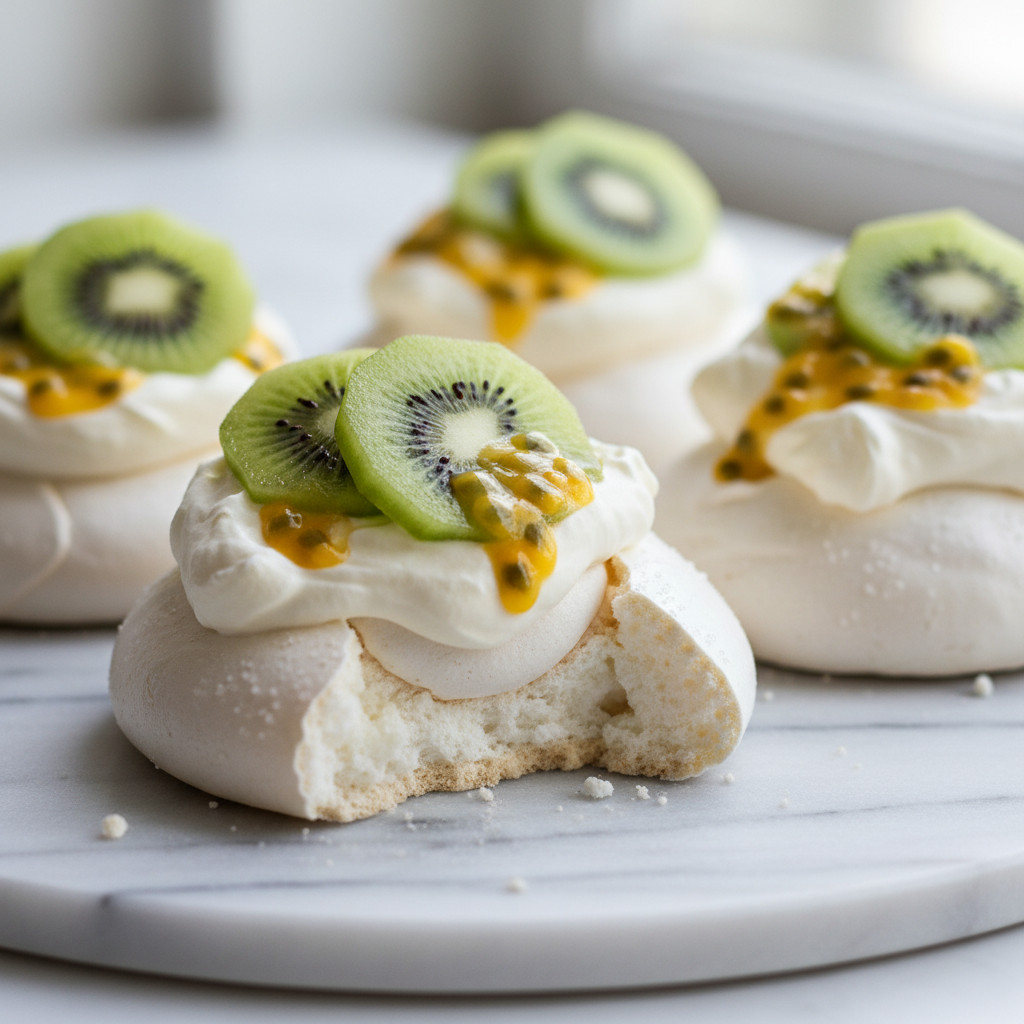
While pavlova is often reserved for dessert, individual pavlova nests make stunning morning tea treats that showcase New Zealand’s claim to this meringue masterpiece. These delicate creations combine crispy exteriors with marshmallow-soft centers, topped with whipped cream and fresh seasonal fruits. For morning tea, create smaller, bite-sized pavlova nests that guests can enjoy without needing plates and forks. Top them with passion fruit pulp, sliced kiwifruit, berries, or even a drizzle of lemon curd for bright, refreshing flavors that complement morning beverages perfectly.
The secret to perfect pavlova lies in your meringue technique. Ensure all equipment is completely grease-free, add sugar gradually to create stable peaks, and incorporate a small amount of cornflour and vinegar to achieve that characteristic chewy center. Bake at a low temperature and allow the pavlovas to cool completely in the oven to prevent cracking. These elegant treats demonstrate considerable culinary skill while celebrating iconic Kiwi flavors, making them conversation starters as well as delicious additions to your spread.
3. Homemade Afghans
These chocolate and cornflake biscuits topped with chocolate icing and a walnut represent quintessential New Zealand baking heritage. Afghans offer a wonderful textural contrast with their crunchy cornflake-studded base and smooth chocolate topping, and their rich flavor pairs beautifully with hot beverages. Despite their simple ingredient list, afghans possess a sophistication that makes them appropriate for both casual and more formal morning tea occasions. The key to authentic afghans is achieving the right balance between crumbly texture and structural integrity – they should be tender but not fall apart when picked up.
For presentation, arrange afghans on a vintage plate or cake stand, ensuring the chocolate icing has set to a glossy finish and each biscuit is topped with a perfect walnut half. These treats are deeply nostalgic for many New Zealanders, often sparking fond memories and animated conversations about family recipes and childhood favorites. They’re also remarkably straightforward to prepare, making them an excellent choice when you’re hosting a larger gathering and need reliable, crowd-pleasing options.
4. Classic Kiwi Banana Cake
Moist, flavorful banana cake holds a special place in New Zealand home baking tradition, and a perfectly executed version will have your guests requesting the recipe before they’ve finished their first slice. This humble yet beloved cake transforms overripe bananas into something extraordinary, with its tender crumb, subtle sweetness, and comforting flavor profile. For morning tea, serve your banana cake in generous squares or slices, either plain to showcase the cake itself or topped with cream cheese frosting for added indulgence. Some bakers add walnuts or chocolate chips for textural interest, while others prefer the pure, unadulterated banana flavor.
The secret to exceptional banana cake lies in using genuinely overripe bananas – the more brown spots, the better – as these provide maximum sweetness and moisture. Don’t overmix the batter, as this can result in tough, dense cake rather than the desired tender texture. Many Kiwi families have treasured banana cake recipes passed down through generations, each with slight variations that make them unique. Serving this classic demonstrates your understanding of New Zealand baking traditions while offering comfort food that appeals to guests of all ages.
5. Lemon Coconut Slice
This tangy, sweet slice represents the perfect balance of flavors and textures, with its buttery base, zesty lemon filling, and coconut-topped surface creating a harmonious combination that refreshes the palate. Lemon coconut slice is particularly popular for morning tea because its bright citrus notes complement tea and coffee beautifully, while the coconut adds a tropical touch that reminds many New Zealanders of Pacific influences in Kiwi cuisine. The three-layer construction makes it visually appealing when cut into neat squares, revealing the distinct strata of base, filling, and topping.
Creating the perfect lemon coconut slice requires attention to each layer. The base should be baked until lightly golden and firm enough to support the filling without becoming too hard. The lemon layer needs sufficient eggs and cornflour to set properly without becoming rubbery, and fresh lemon juice is non-negotiable for achieving that bright, authentic citrus flavor. The coconut topping should be golden and slightly crispy while remaining moist underneath. This slice can be prepared a day ahead, making it an excellent choice for busy hosts, and it actually benefits from some resting time as the flavors develop and meld together.
Savory Morning Tea Options for Balance and Variety
While sweet treats often steal the spotlight, savory options provide essential balance to your morning tea spread and cater to guests who prefer less sugary alternatives.
6. Classic Cheese Scones
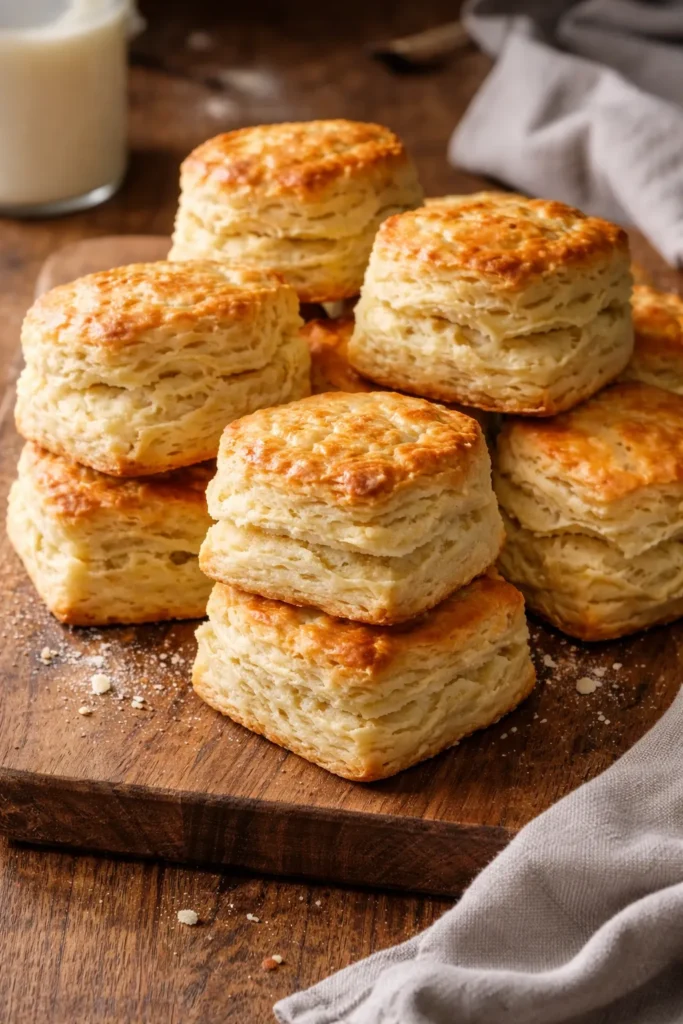
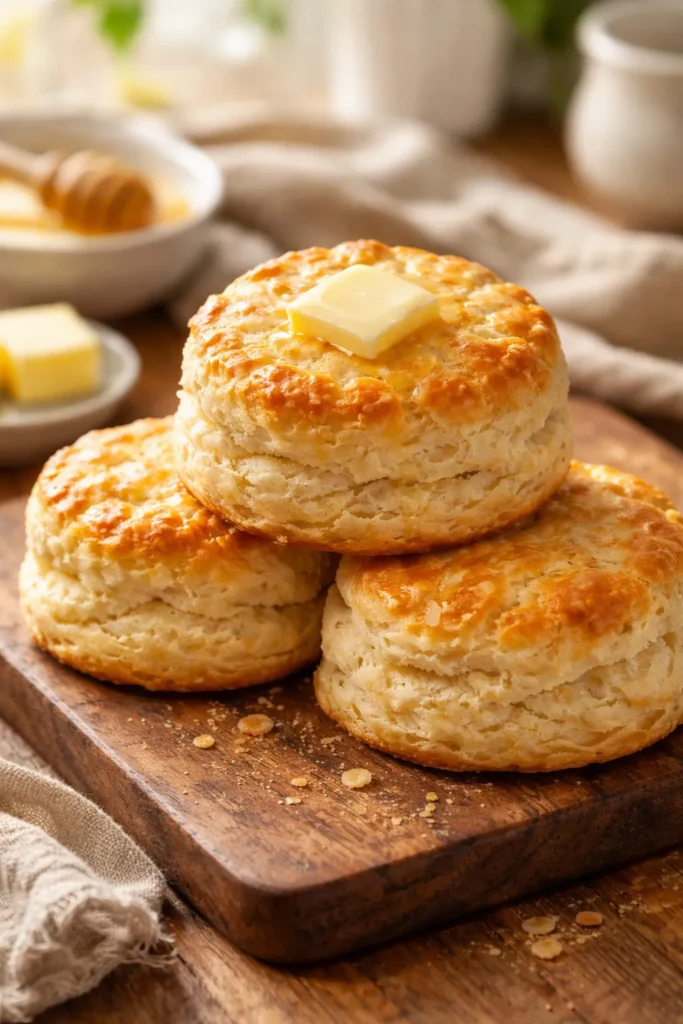
Warm, golden cheese scones fresh from the oven represent the epitome of Kiwi home baking and offer a savory anchor to your morning tea selection. These fluffy, flavorful scones require minimal ingredients – flour, butter, cheese, milk, and baking powder – yet deliver maximum impact when prepared correctly. The key lies in handling the dough minimally to maintain tenderness, using cold butter to create flaky layers, and incorporating a tasty aged cheddar that provides robust flavor. For an impressive presentation, brush the tops with beaten egg and sprinkle with additional grated cheese before baking to create an appealing golden crust.
Serve your cheese scones warm or at room temperature, either plain or split and spread with butter. They pair exceptionally well with tea and provide a satisfying, substantial option that balances lighter sweet treats. Many hosts appreciate that cheese scones can be prepared ahead and frozen unbaked, then baked fresh just before guests arrive, filling your home with irresistible aromas. Consider making both traditional cheese scones and variations incorporating fresh herbs like rosemary or chives, sun-dried tomatoes, or caramelized onions for additional complexity and visual interest.
7. Mini Quiches with Local Ingredients
Individual quiches or tartlets showcase your culinary sophistication while highlighting New Zealand’s exceptional local produce. These versatile savory treats can be customized to feature seasonal vegetables, artisanal cheeses, and premium proteins, allowing you to create flavor combinations that reflect your personal style and the preferences of your guests. Popular fillings include bacon and cheese, spinach and feta, smoked salmon and cream cheese, caramelized onion and blue cheese, or roasted vegetable medleys. The beauty of mini quiches lies in their elegant appearance, convenient single-serving size, and ability to be served warm or at room temperature.
For truly impressive results, prepare proper shortcrust pastry rather than using store-bought options, as homemade pastry demonstrates commitment to quality and provides superior flavor and texture. Blind-bake your pastry cases to ensure crisp bottoms that won’t become soggy under the custard filling. Use a custard ratio of approximately three eggs to one cup of cream for richness and proper setting, and don’t overfill the cases to prevent spillage during baking. These sophisticated morsels elevate your morning tea from casual to special occasion-worthy, and their visual appeal makes them particularly Instagram-worthy for guests who enjoy documenting their culinary experiences.
8. Savory Muffins with Kiwi Flavors
Savory muffins offer a contemporary alternative to traditional morning tea fare while remaining approachable and crowd-pleasing. These portable, individual servings can incorporate distinctly New Zealand ingredients like kumara (sweet potato), corn, bacon, cheese, and fresh herbs to create unique flavor profiles that surprise and delight guests. Unlike sweet muffins, savory versions work equally well as morning tea treats or light lunch options, making them particularly versatile for gatherings that may extend beyond the traditional morning tea timeframe. The key to exceptional savory muffins is avoiding the common pitfall of over-mixing, which creates tough, dense results rather than the desired tender crumb.
Consider preparing a variety of savory muffin flavors to provide choice and visual interest. Corn and bacon muffins offer a sweet-savory combination that appeals to many palates, while kumara and rosemary muffins showcase indigenous New Zealand ingredients with Mediterranean influences. Cheese and herb muffins provide classic comfort, and sun-dried tomato and feta versions offer sophisticated Mediterranean flavors. Present your muffins in a rustic basket lined with a clean kitchen towel, served warm or at room temperature. The aroma of freshly baked savory muffins creates an inviting atmosphere that makes guests feel genuinely welcomed.

9. Traditional Asparagus Rolls
These retro favorites have made a triumphant comeback in New Zealand morning tea culture, beloved for their nostalgic appeal and surprisingly delicious flavor combination. Asparagus rolls consist of fresh asparagus spears wrapped in crustless white bread spread with cream cheese or butter, then rolled, sliced, and sometimes lightly toasted. While they may seem old-fashioned, properly executed asparagus rolls offer an elegant, light savory option that provides textural contrast to heavier baked goods. Their finger-food format makes them perfect for stand-up gatherings, and their preparation can be completed largely in advance.
For the best results, use fresh, tender asparagus spears that have been blanched until just tender-crisp and refreshed in ice water to preserve their vibrant green color. Choose soft, fresh white bread that rolls easily without cracking, and ensure it’s at room temperature for best handling. The cream cheese mixture can be enhanced with fresh herbs, a squeeze of lemon juice, or finely grated garlic for additional complexity. Cut each roll into two or three pieces and arrange them on a platter with the asparagus tips visible for visual appeal. These vintage treats spark conversations about culinary nostalgia while proving that some classics endure for good reason.
10. Smoked Fish Pâté on Crackers
New Zealand’s coastline provides abundant seafood, and showcasing local smoked fish in a creamy pâté demonstrates both sophistication and regional pride. Smoked kahawai, mackerel, or salmon can be transformed into luxurious spreads by combining the flaked fish with cream cheese, sour cream, lemon juice, and fresh herbs. This elegant option adds refinement to your morning tea spread while celebrating New Zealand’s maritime heritage. Serve the pâté in an attractive bowl garnished with fresh dill or parsley, accompanied by quality crackers, melba toast, or thinly sliced baguette for spreading.
The beauty of smoked fish pâté lies in its make-ahead convenience and impressive presentation. Prepare it the day before to allow flavors to meld, then bring it to room temperature before serving for optimal spreadability and flavor release. Consider creating two varieties – perhaps a traditional smoked salmon version and a more adventurous smoked kahawai with horseradish – to provide choice and demonstrate culinary creativity. This option particularly appeals to guests seeking lighter, protein-rich alternatives to carbohydrate-heavy baked goods, and it pairs beautifully with crisp white wine if your morning tea extends into afternoon territory.
Contemporary Creative Options to Showcase Your Culinary Flair
Moving beyond traditional favorites allows you to demonstrate creativity while still honoring the spirit of New Zealand morning tea hospitality.
11. Hokey Pokey Biscuits
These treats celebrate New Zealand’s famous hokey pokey ice cream flavor by incorporating crunchy honeycomb pieces into buttery biscuits. The combination of caramelized sugar crunch with tender biscuit creates an addictive textural experience that keeps guests reaching for “just one more.” Hokey pokey biscuits demonstrate your connection to iconic Kiwi flavors while offering something different from standard cookie selections. The golden color and visible honeycomb chunks make them visually distinctive on your serving platter, immediately sparking curiosity and conversation.
Creating hokey pokey biscuits requires making or sourcing quality honeycomb, which involves careful sugar work to achieve the right texture and flavor. The honeycomb should be broken into small pieces and incorporated into a basic butter biscuit dough without overmixing, which would dissolve the precious crunchy bits. Bake until the edges are golden but centers remain slightly soft, as they’ll firm up during cooling. These innovative treats bridge tradition and creativity, showing respect for New Zealand culinary heritage while presenting it in a fresh, contemporary format that surprises and delights.
12. Matcha and White Chocolate Blondies
These modern squares combine the earthy sophistication of Japanese matcha with sweet white chocolate chunks, reflecting New Zealand’s position in the Asia-Pacific region and our increasingly adventurous culinary preferences. The striking green color provides visual interest among more traditional brown and golden baked goods, while the flavor combination offers something unexpected that adventurous eaters will appreciate. Matcha’s slight bitterness perfectly balances white chocolate’s sweetness, creating a harmonious flavor profile that’s neither too sweet nor too bitter.
When preparing matcha blondies, invest in quality culinary-grade matcha powder rather than lower grades intended for lattes, as this provides the best flavor and color. Sift the matcha with your dry ingredients to prevent clumping and ensure even distribution throughout the batter. Don’t overbake these squares – they should remain slightly fudgy in the center for the best texture. Cut them into small pieces as they’re quite rich, and arrange them on your serving platter to showcase their distinctive green hue. These contemporary treats demonstrate your awareness of food trends while offering familiar blondie comfort with an unexpected twist.
13. Feijoa and Almond Friands
Feijoas represent a uniquely New Zealand fruit experience, and incorporating them into elegant French-style friands creates a sophisticated fusion that celebrates local produce. Friands are moist, almond-based small cakes made with egg whites and browned butter, traditionally baked in oval molds. The combination of nutty almond meal, rich butter, and aromatic feijoa pulp creates complex flavors that appeal to refined palates. These individual cakes look professionally presented when baked in proper friand tins and dusted with icing sugar before serving.
The seasonal nature of feijoas – available fresh only from March to June in New Zealand – makes these friands particularly special and timely when served during autumn months. The fruit’s unique flavor, often described as a combination of pineapple, guava, and strawberry, provides aromatic complexity that distinguishes these treats from standard morning tea offerings. Friands are also naturally gluten-free when made with pure almond meal, providing an elegant option for guests with gluten sensitivities. Their refined appearance and sophisticated flavor profile position them as centerpiece-worthy items that demonstrate considerable culinary skill.
14. Kumara and Feta Scrolls
These savory scrolls showcase New Zealand’s beloved kumara (sweet potato) in a format that’s both visually impressive and delicious. The rolls are created by spreading mashed, seasoned kumara over yeasted dough along with crumbled feta cheese and fresh herbs, rolling the dough into a log, slicing it into rounds, and baking until golden. The resulting swirls display attractive patterns when cut, revealing orange kumara against white dough and scattered feta. These substantial savory items provide satisfying bulk to your spread while highlighting indigenous ingredients in a contemporary preparation.
Working with yeasted dough requires time and planning, making these scrolls particularly impressive as they demonstrate significant effort and skill. The contrast between the sweet kumara and salty feta creates balanced flavor complexity, while fresh herbs like rosemary or thyme add aromatic depth. Serve these scrolls warm or at room temperature, arranged to show off their spiral pattern. They’re substantial enough that each guest will likely need only one, making them excellent for feeding larger groups. These scrolls represent the kind of innovative, ingredient-focused cooking that characterizes contemporary New Zealand cuisine at its best.
15. Lemon Curd Tartlets with Toasted Meringue
These miniature lemon meringue pies deliver classic flavors in an elegant, individually portioned format perfect for morning tea. The combination of buttery shortcrust pastry, tangy lemon curd, and fluffy toasted meringue provides textural variety and balanced flavors that refresh the palate. Creating these tartlets requires multiple components and techniques, making them particularly impressive as they clearly demonstrate culinary competence and dedication to your guests’ experience. The golden-tipped meringue adds visual drama, especially when professionally torched just before serving.
For exceptional results, prepare homemade lemon curd using fresh lemon juice, quality butter, and free-range eggs for the brightest color and most vibrant flavor. The tartlet shells should be perfectly baked to golden crisp without any soggy bottoms. The meringue topping can be piped decoratively using a star tip for professional appearance, then torched with a kitchen blowtorch for those characteristic golden peaks. These tartlets must be assembled relatively close to serving time to prevent the pastry from softening, but individual components can be prepared ahead for easier execution. Their restaurant-quality appearance makes them conversation pieces that elevate your entire morning tea presentation.
Beverage Selections to Complete Your Morning Tea
No morning tea is complete without thoughtfully selected beverages that complement your food offerings and cater to various preferences.
16. Premium Tea Selection
While coffee has gained ground in New Zealand, tea remains the traditional and preferred beverage for authentic morning tea experiences. Offering a diverse selection of quality teas demonstrates attention to detail and ensures every guest finds something they enjoy. At minimum, provide a robust English Breakfast or similar black tea as the foundation, along with Earl Grey for those who appreciate bergamot’s distinctive flavor, and at least one herbal option such as peppermint or chamomile for guests avoiding caffeine. Green tea has become increasingly popular and should be included in contemporary selections.
Present your teas in a dedicated tea station where guests can see their options and serve themselves, or offer to prepare individual cups to provide a more personalized service. Ensure you have proper teapots, either one large pot for serving a group drinking the same variety or individual small pots for personalized service. Provide fresh milk, lemon slices, and both white and brown sugar or honey to accommodate different preferences. The ritual of preparing and serving tea adds ceremony to the occasion, slowing down the pace and encouraging conversation. Consider including one New Zealand-produced tea blend featuring native plants like kawakawa or manuka for a unique local touch.
17. Quality Coffee Options
New Zealand’s thriving café culture means many guests will appreciate excellent coffee alongside or instead of tea. While you don’t need to replicate professional barista equipment, offering quality coffee demonstrates contemporary hospitality. Prepare a pot of plunger coffee using freshly ground beans from a reputable New Zealand roaster, ensuring the water temperature is optimal (around 90-96°C) and the brewing time appropriate (four minutes for plunger). Alternatively, if you have an espresso machine, offer to prepare cappuccinos, flat whites, or long blacks according to preference.
The flat white, arguably New Zealand’s contribution to global coffee culture, deserves special mention. This velvety microfoam milk coffee sits between a latte and cappuccino in milk quantity and has become emblematic of Antipodean café excellence. Offering properly prepared flat whites signals your understanding of contemporary Kiwi beverage preferences and coffee culture. Provide both regular and trim milk options, along with non-dairy alternatives like oat or almond milk for guests with dietary restrictions or preferences. Quality coffee elevates your morning tea from homestyle to café-quality, particularly appreciated by serious coffee enthusiasts among your guests.
18. Fresh Fruit Juices and Alternatives
Not everyone drinks tea or coffee, so providing alternative beverages ensures inclusive hospitality. Freshly squeezed orange juice offers a classic, vibrant option that pairs beautifully with both sweet and savory morning tea foods. During summer months, consider serving homemade lemonade or iced tea as refreshing alternatives that add seasonal appropriateness. Sparkling water infused with fresh fruit slices and herbs creates an elegant, sophisticated non-alcoholic option that feels special without being overly sweet.
For truly impressive beverage service, create a signature morning tea cocktail or mocktail featuring New Zealand ingredients. A feijoa and elderflower spritzer, a manuka honey and lemon refresher, or a berry-infused sparkling drink demonstrates creativity while celebrating local flavors. Present these specialty beverages in attractive glass jugs or dispensers garnished with fresh fruit or herbs for visual appeal. Having thoughtfully prepared alternatives ensures guests with various dietary requirements, preferences, or restrictions feel fully considered and welcomed, which lies at the heart of generous Kiwi hospitality.
Presentation and Styling for Maximum Impact
Even the most delicious food falls flat without thoughtful presentation, and how you display your morning tea spread significantly impacts guests’ impressions and enjoyment.
Creating Visual Hierarchy and Flow
Arrange your morning tea spread with intentional visual hierarchy that guides guests through the offerings while creating appealing aesthetics. Position larger items like whole cakes or prominent platters as focal points, then arrange smaller items around them. Create height variation using cake stands at different levels, which adds visual interest while maximizing table space. Group similar items together – all savory items in one area, sweet treats in another – to help guests navigate choices easily while creating color blocks that enhance visual appeal.
Consider the flow of guest movement around your table or serving area, ensuring popular items aren’t bottlenecked behind less accessible pieces. Place plates, napkins, and serveware at the beginning of the serving line for logical progression. Use decorative elements like fresh flowers, candles, or seasonal foliage to fill gaps and add color without cluttering the space or competing with the food. The overall presentation should feel abundant and generous without appearing messy or chaotic, striking that balance between impressive plenty and elegant restraint.
Choosing Appropriate Serveware
The platters, plates, and stands you choose significantly impact your presentation’s overall aesthetic. Mix vintage and modern pieces for eclectic charm that feels personally curated rather than matched sets that can appear sterile. Cake stands in varying heights create dramatic displays while maximizing limited table space. Choose serving pieces that complement but don’t overshadow your food – simple white or neutral platters often work best as they allow the colorful food to shine.
Don’t underestimate the impact of doilies, which might seem old-fashioned but add traditional elegance that suits morning tea perfectly. Fresh flowers in small vases scattered among the serving pieces add natural beauty and fragrance. Ensure each serving dish has appropriate utensils – tongs for larger items, small forks for cakes, knives for slicing if needed. Individual plates should be small enough to encourage guests to return for seconds rather than overloading their first serving, which helps maintain the social, leisurely pace that characterizes quality morning tea experiences.
Accommodating Dietary Requirements with Grace
Modern morning tea hosting requires awareness of various dietary needs, and thoughtfully providing suitable options demonstrates considerate hospitality.
19. Gluten-Free Options That Don’t Compromise on Flavor
Rather than treating gluten-free items as afterthoughts, incorporate them as integral parts of your spread that all guests will enjoy. Friands made with almond meal are naturally gluten-free and indistinguishably delicious alongside wheat-based baked goods. Flourless chocolate brownies provide rich, fudgy satisfaction without any gluten. Pavlova and meringue-based treats offer naturally gluten-free sweetness. When preparing gluten-free versions of traditional items like scones or muffins, use quality gluten-free flour blends specifically designed for baking rather than single-grain substitutes, which often produce poor texture.
Clearly label gluten-free items to help guests identify them easily, but avoid segregating them entirely or presenting them less attractively than other offerings. The goal is inclusion rather than highlighting limitations. Many guests without gluten restrictions will happily choose gluten-free items if they look and taste appealing, so focus on quality and flavor rather than compensating for missing ingredients. This approach ensures guests requiring gluten-free options feel fully welcomed rather than accommodated as an obligation, which aligns with the generous spirit of Kiwi hospitality.
20. Vegan and Vegetarian Considerations
Plant-based eating has grown significantly in New Zealand, making vegan and vegetarian options essential rather than optional. Many traditional morning tea items can be easily adapted – replace butter with quality plant-based alternatives in baking, use flax or chia “eggs” as binders, and choose coconut cream or nut milks for richness. Savory options like vegetable muffins, roasted vegetable tarts, and herb scones are naturally suitable for vegetarians and easily adapted for vegans by adjusting dairy content.
Consider dedicating several items specifically to vegan guests rather than just ensuring one token option. Date and walnut loaf, oat and berry muffins, chocolate avocado mousse, and fruit crumble bars all satisfy vegan requirements while appealing to all guests. Label these items clearly, and if questioned about ingredients by guests with specific requirements, be prepared with accurate information about what each item contains. Demonstrating that you’ve thoughtfully considered various dietary needs without making anyone feel singled out or burdensome reflects the inclusive, considerate values central to New Zealand’s social culture.
Planning and Preparation for Stress-Free Hosting
Successful morning tea hosting requires strategic planning that allows you to enjoy your guests’ company rather than spending the entire time in the kitchen.
Creating a Realistic Timeline
Begin planning at least one week before your morning tea, deciding on your menu based on guest numbers, dietary requirements, and your skill level. Choose a balanced mix of items with varying preparation timelines – some that can be frozen weeks ahead, others made a day or two before, and a few prepared the morning of for maximum freshness. Create a detailed preparation schedule working backwards from your serving time, noting when each item should be started and completed.
Three to four days before, complete your shopping and prepare any items that freeze well, such as unbaked scone dough, pastry cases, or slice bases. One to two days ahead, bake cakes, slices, and items that benefit from flavor development. The morning of your event, focus on final preparations like assembling items requiring fresh components, warming anything served hot, and arranging your serving table. This staggered approach prevents last-minute panic while ensuring everything is at peak freshness and quality when served.
Determining Appropriate Quantities
Calculating how much food to prepare challenges many hosts, but some general guidelines help prevent both shortages and excessive waste. For morning tea, plan approximately 3-4 small sweet items and 2-3 savory items per guest, assuming a typical two-hour gathering. This quantity allows guests to sample variety without overindulging. If your morning tea coincides with late morning and might extend into lunch territory, increase savory proportions and add more substantial options.
Consider your specific guest list when planning – appetites vary significantly based on age, activity levels, and individual preferences. Having slightly too much is preferable to running short, as generous abundance characterizes traditional New Zealand hospitality. Leftover morning tea items can be packaged attractively for guests to take home, extending the pleasure of the gathering beyond the event itself. Alternatively, most items freeze well, providing future treats for your household or ready contributions for community gatherings.
Final Words: Creating Memorable Morning Tea Experiences
Creating an impressive morning tea spread that delights your guests and honors New Zealand’s hospitality traditions ultimately comes down to thoughtful preparation, quality ingredients, and genuine warmth. The twenty ideas explored here – from classic lamingtons and cheese scones to contemporary matcha blondies and kumara scrolls – provide a comprehensive repertoire for hosting memorable gatherings that cater to diverse tastes and dietary requirements.
Remember that the most successful morning teas balance tradition with personal creativity, showcasing your unique style while respecting the cultural significance of this cherished Kiwi ritual. Don’t feel pressured to prepare everything from scratch or create Instagram-perfect presentations if that creates stress rather than joy. Your guests will respond most positively to your genuine hospitality and the evident care you’ve invested in their comfort and enjoyment.
The beauty of morning tea lies not just in the delicious food and beverages, but in the connections strengthened and conversations enjoyed over shared tables. Whether you’re hosting an intimate gathering of close friends or a larger celebration, the principles remain consistent – offer variety that includes both sweet and savory options, accommodate dietary needs gracefully, present your spread attractively, and create an atmosphere that encourages lingering and conversation.
As you gain confidence and experience, you’ll develop your signature morning tea style, identifying which recipes become your reliable favorites and which presentation techniques work best in your space. You might start incorporating family recipes that add personal meaning, or experimenting with seasonal ingredients that connect your gatherings to New Zealand’s agricultural rhythms. Each morning tea you host builds your skills and deepens your understanding of what makes these occasions truly special.
The effort invested in preparing an impressive morning tea spread invariably rewards you with grateful guests, strengthened relationships, and the satisfaction of upholding a tradition that continues to define New Zealand’s social fabric. So gather your mixing bowls, preheat your oven, dust off your favorite serving platters, and embrace the joy of sharing generous hospitality with those you care about. Your guests will leave with full stomachs, happy hearts, and anticipation for your next invitation.