As winter loosens its grip and the first warm breezes sweep through your yard, there’s an undeniable urge to breathe new life into your garden. Spring planting represents one of the most exciting times for gardeners, offering the chance to transform bare soil and dormant beds into vibrant displays of color that attract essential pollinators while requiring minimal fuss. Whether you’re a seasoned green thumb or just discovering the joy of gardening, choosing the right flowers for spring planting can make the difference between a thriving, buzzing paradise and a garden that struggles to survive. The good news? With the right plant selections, you can achieve stunning results that look professionally designed while keeping maintenance refreshingly simple.

The secret lies in understanding which flowers deliver the best combination of visual impact, ecological value, and ease of care. From the earliest crocuses pushing through late snow to the magnificent peonies that bridge spring into summer, the options available to modern gardeners have never been more diverse or accessible. This comprehensive guide will walk you through the absolute best flowers for spring planting, ensuring your garden becomes a haven for both you and the vital pollinators that keep our ecosystem thriving.
Table of Contents
- Why Spring Planting Sets the Foundation for Garden Success
- Best Early-Blooming Flowers for Spectacular Spring Color
- Spring Bulbs That Deliver Instant Impact
- Cold-Hardy Perennials for Extended Early Interest
- Top Pollinator-Friendly Flowers Every Garden Needs
- Essential Flowers for Bees and Butterflies
- Creating Habitat for Hummingbirds and Beneficial Insects
- Low-Maintenance Flowers for Effortless Garden Beauty
- Drought-Tolerant Choices for Busy Gardeners
- Deer-Resistant Options That Thrive
- Spring Flowers for Every Garden Condition
- Full Sun Favorites That Love the Light
- Shade Garden Stars
- Essential Spring Planting Tips for Guaranteed Success
- Step-by-Step Spring Planting Guide
- Ongoing Care for Season-Long Success
- Best Flowers for Containers and Small Spaces
- Final Thoughts: Creating Your Perfect Spring Garden
Why Spring Planting Sets the Foundation for Garden Success
Understanding the critical importance of spring planting helps you maximize both beauty and ecological impact in your outdoor space.
Spring represents far more than just a pleasant time to get your hands dirty in the garden. It marks a critical window when soil temperatures, moisture levels, and daylight hours align perfectly to give plants the best possible start. When you plant during this optimal period, you’re setting the stage for robust root development before summer’s heat arrives, ensuring your flowers establish themselves strongly and perform beautifully for seasons to come.
The timing of spring planting directly influences plant health and performance. Most spring-flowering bulbs should actually be planted in fall, but many perennials, annuals, and summer-blooming bulbs thrive when planted in early spring once the threat of frost has passed and the ground becomes workable. This staggered approach allows you to create gardens with continuous bloom from late winter through fall, providing sustained food sources for pollinators throughout their active seasons.
The ecological importance of spring planting cannot be overstated. According to pollinator conservation experts, early-emerging queen bumblebees and solitary bees desperately need food sources when they wake from hibernation. When daytime temperatures edge into the 50-degree range, these essential creatures begin buzzing about with limited options before fruit trees kick into bloom. By strategically planting early nectar sources, you help pollinators start the season healthy and strong, which benefits your entire garden’s productivity.
Key benefits of thoughtful spring planting include:
- Extended bloom seasons that keep your garden colorful for months
- Stronger root systems that help plants survive summer stress
- Essential early food sources for emerging pollinators
- Better establishment before challenging weather arrives
- Increased garden biodiversity that supports local ecosystems
Best Early-Blooming Flowers for Spectacular Spring Color
Early bloomers bring the first welcome color to your garden while providing crucial resources for awakening pollinators.
Nothing lifts the spirit quite like those first brave flowers pushing through the last remnants of winter. Early-blooming flowers serve dual purposes in the garden—they reward our patience with stunning color displays while providing life-sustaining nectar and pollen to pollinators when food sources remain scarce. Choosing the right early bloomers ensures your garden comes alive just when you need it most.
Spring Bulbs That Deliver Instant Impact
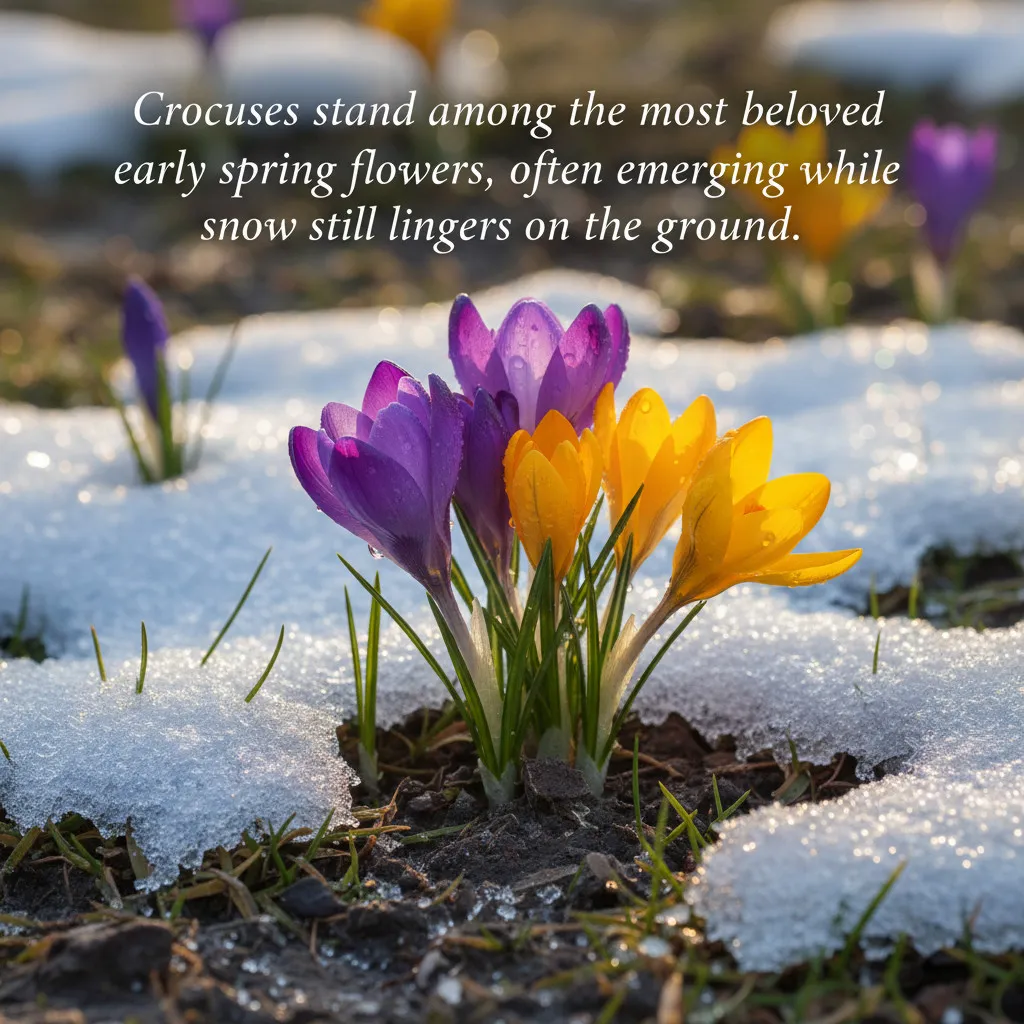
Crocuses stand among the most beloved early spring flowers, often emerging while snow still lingers on the ground. These resilient beauties come in vibrant purples, yellows, and whites that bees adore. Plant them in drifts for maximum visual impact, and you’ll watch bumblebee queens actually sleep inside the flowers overnight before finding their nest sites. The purple-flowered varieties prove especially popular with pollinators, making them an excellent choice for both beauty and ecological value.
Daffodils (Narcissus) represent the quintessential spring flower, their bright yellow and white trumpets announcing warmer days ahead. These perennial bulbs return year after year, naturalizing easily and spreading to create increasingly impressive displays. Beyond their cheerful appearance, daffodils offer the significant advantage of being completely deer and rabbit resistant—a crucial consideration for many gardeners. Plant them in fall at a depth three times their height for best results, and enjoy their reliable return each spring.
Snowdrops (Galanthus) earn their name by blooming through late winter frosts, their pure white blossoms symbolizing endurance and renewal. These petite flowers thrive in partial shade beneath shrubs and trees, making them perfect for woodland gardens. They provide vital nectar for flies and early pollinating insects when virtually nothing else is blooming, making them ecologically essential despite their diminutive size.
Grape Hyacinths (Muscari) produce compact spikes of bell-shaped flowers resembling tiny grape clusters. These charming bulbs come in shades of blue, purple, and white, naturalizing readily to create captivating carpets of color. They’re perfect for borders, rock gardens, and containers, providing delightful bursts of spring color while attracting numerous bee species.
Cold-Hardy Perennials for Extended Early Interest
Hellebores, also known as Lenten Roses, bloom from late winter through mid-spring, adding much-needed color when most gardens still sleep. Their nodding flowers in shades of white, pink, purple, and green attract just-waking bumblebees desperately seeking early nectar. Virtually problem-free, hellebores grace woodland gardens with elegant blooms that can last for months, making them exceptional value plants.
Primroses (Primula) lift spirits with their bright colors during the earliest months of the year. These cheerful perennials provide a wide range of sizes and shapes, coming in almost every color imaginable. They’re particularly valuable because they attract bees, butterflies, and other long-tongued insects, including the charming bee fly. Low-growing primroses create ribbons of yellow, pink, and purple from March until May, requiring minimal care while delivering maximum impact.
Bleeding Hearts (Dicentra) emerge as darlings of the shade garden, their heart-shaped flowers dangling from long, arching wands in shades of pink and white. These heavy pollen producers attract native bees and honeybees when spring nectar remains scarce. The variety ‘Gold Heart’ features vivid golden foliage that brightens darker shade gardens while providing essential early-season resources for pollinators.
Top Pollinator-Friendly Flowers Every Garden Needs
Supporting pollinators doesn’t mean sacrificing beauty—these flowers deliver both ecological value and stunning visual appeal.
Pollinators are looking for nectar and pollen when foraging in your garden—the carbohydrates and protein they need to thrive and produce offspring. With pollinator populations declining due to habitat loss and other factors, gardeners hold tremendous power to make a positive difference. By planting pollinator-friendly flowers, you support not just bees but also butterflies, moths, hummingbirds, and beneficial insects that keep your entire garden ecosystem healthy.
Essential Flowers for Bees and Butterflies
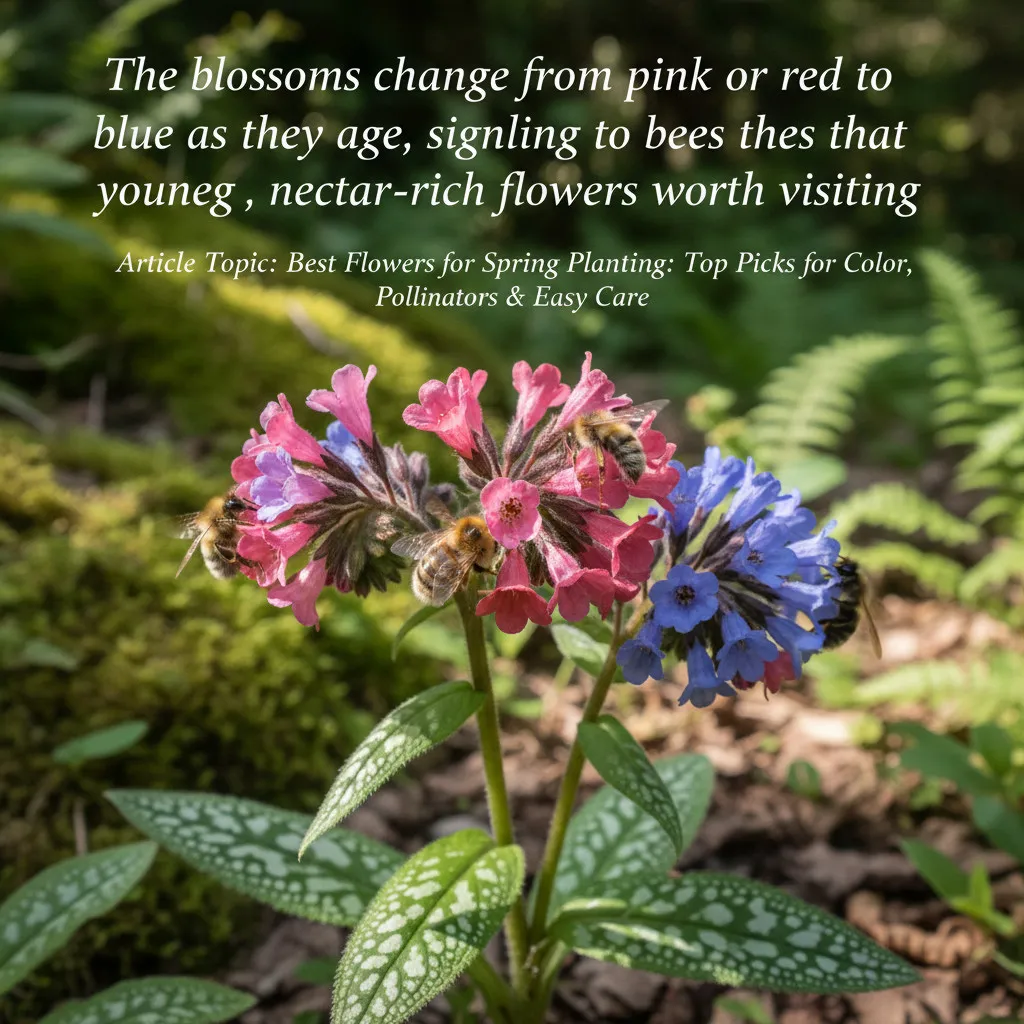
Lungwort (Pulmonaria) offers a fascinating feature that makes it especially valuable for pollinators. The blossoms change from pink or red to blue as they age, signaling to bees that younger, nectar-rich flowers are worth visiting while older blooms offer diminished rewards. Bees see very well into the ultraviolet spectrum, where this color change appears dramatic, allowing them to efficiently navigate to the most rewarding flowers. This remarkable plant thrives in partial shade, making it perfect for woodland gardens.
Lilac (Syringa) produces those sweetly fragrant flower panicles that both gardeners and pollinators find irresistible. Bees, butterflies, and hummingbirds flock to lilac’s abundant blooms, including special visitors like the Two-tailed Swallowtail and Milbert’s Tortoiseshell butterflies. Some reblooming varieties, like ‘Little Darling’, flower heavily in spring and again in fall, extending the nectar season significantly. As a host plant for the Eastern Tiger Swallowtail, lilac provides food for caterpillars as well as adult butterflies.
Coneflowers (Echinacea) have become increasingly popular, and for good reason. These summer-flowering perennials attract bees, butterflies, and hummingbirds with their distinctive petals backswept from the flower’s central cone. If you refrain from deadheading at season’s end, the dried seed heads provide food for birds during winter months—triple value from a single plant. Available in colors ranging from classic purple to white, orange, and yellow, coneflowers naturalize easily and require minimal maintenance once established.
Butterfly Weed (Asclepias tuberosa) and other milkweeds deserve special attention in any pollinator garden. These native plants serve as host plants for monarch butterfly caterpillars while providing nectar for countless other species. Swamp Milkweed (Asclepias incarnata) and Showy Milkweed (Asclepias speciosa) work equally well in appropriate garden conditions, creating essential habitat for declining monarch populations.
Creating Habitat for Hummingbirds and Beneficial Insects
Columbine (Aquilegia) produces delicate, bell-shaped flowers that hummingbirds find irresistible. The drooping blooms ooze with sweet nectar, and their unique form provides perfect access for long-beaked visitors. Native to North America, columbines come in a rainbow of colors and self-sow in favorable conditions, creating naturalized displays that return stronger each year. They bloom abundantly for four to six weeks, bridging the gap between early spring bulbs and peak summer flowering.
Bush Clematis attracts hummingbirds with pendant-shaped blooms that nod downward, helping prevent nectar from being diluted by rain. After blooming, silvery seed heads develop that last into early winter, providing food for migrating birds. This multi-season interest makes clematis varieties exceptional value plants that deliver beauty and ecological benefits throughout the year.
Salvia stands out as one of the longest-blooming perennials, with flower spires beginning in late spring and lasting through summer, even during high heat, humidity, or drought. Pollinators of all types love salvia’s nectar-rich blooms, while the fragrant foliage deters deer and rabbits. Available in colors from classic blue to red, purple, and white, salvias prove themselves invaluable additions to any pollinator-friendly garden.
Pro Tip: Plant pollinator flowers in drifts of at least 3×3 feet of each species. Large blocks of the same plant are more attractive to pollinators than scattered individual specimens, making foraging more efficient and rewarding for these essential creatures.
Low-Maintenance Flowers for Effortless Garden Beauty
These easy-care flowers deliver stunning results without demanding constant attention from busy gardeners.
Not everyone has hours to devote to garden maintenance, but that shouldn’t prevent you from enjoying beautiful blooms. Many of the best spring flowers practically grow themselves once established, requiring minimal intervention while delivering maximum impact. The key lies in selecting plants well-suited to your specific conditions and preparing the soil properly at planting time.
Drought-Tolerant Choices for Busy Gardeners
Yarrow (Achillea) epitomizes the low-maintenance flower, earning classification as a “perennial that thrives on neglect.” Its fern-like foliage and large, flat umbels of blooms attract butterflies, bees, and hoverflies while requiring almost no care. Yarrow’s flat flower heads create perfect landing platforms for pollinators, and the plant comes in colors ranging from classic white and cream to vibrant reds, oranges, and pinks. Once established, yarrow tolerates drought beautifully and spreads to fill spaces naturally.
Sedum ranks among the most diverse and useful plant groups for spring planting. From low-growing, colorful groundcovers to upright varieties like ‘Autumn Joy,’ sedums bloom when many other flowers have finished, extending your garden’s season. Their flat-topped flowers accommodate bees, butterflies, hoverflies, and moths, while dried seed heads provide winter bird food. Extremely drought-tolerant once established, sedums thrive in poor soil where fussier plants would struggle.
Potentilla offers exceptional value for pollinator gardens with its long flowering period from spring through fall. These sweet little shrubs reach only about three feet tall and wide, making them incredibly useful in various garden settings. Their flat, open petals make nectar easily accessible to honeybees, native bees, moths, and hoverflies. When bad weather keeps bees confined to their hives, they may miss short flowering periods entirely—potentilla’s extended bloom ensures food remains available whenever they can forage.
Deer-Resistant Options That Thrive
Daffodils top nearly every deer-resistant list, as their bulbs contain toxic alkaloids that deer instinctively avoid. This makes them perfect choices for gardens where deer pressure limits plant options. Combined with their cheerful appearance and reliable return each spring, daffodils deliver worry-free beauty year after year.
Alliums (Ornamental Onions) offer dramatic architectural interest while remaining completely unpalatable to deer. Their globe-shaped flower heads range from golf ball to softball size, creating stunning vertical accents in late spring gardens. After blooming, the dried seed heads maintain interest into winter, and the bulbs naturalize to create increasingly impressive displays over time.
Hardy Geraniums (Cranesbill) produce abundant flowers and lush foliage while resisting pests and diseases. These incredibly resilient plants bounce back from challenges that defeat more temperamental flowers, making them perfect choices for low-maintenance gardens. Available in shades from white and pink to purple and blue, hardy geraniums spread to form attractive groundcovers that suppress weeds naturally.
Spring Flowers for Every Garden Condition
Whether your garden bakes in full sun or rests in cool shade, perfect flower options exist for your specific situation.
One of the most common gardening mistakes involves selecting plants based solely on appearance without considering growing conditions. Matching plants to your garden’s light, soil, and moisture levels ensures healthy growth and abundant blooms while minimizing maintenance requirements. Understanding what your garden offers allows you to choose flowers that will thrive rather than merely survive.
Full Sun Favorites That Love the Light
Tulips remain the classic spring flower, bringing vibrant color and joy to sunny gardens. With an extraordinary range of colors, heights, and bloom times, tulips ensure delightful displays lasting from early to late spring. They require well-drained soil and at least six hours of direct sunlight, rewarding proper placement with spectacular shows that improve each year as bulbs multiply.
Peonies deliver magnificent late spring to early summer blooms that gardeners and pollinators alike adore. Their abundant, often fragrant flowers in shades of white, pink, and red make exceptional cut flowers while attracting bees and other pollinators. Single and semi-double varieties provide easier pollen access for bees than fully double forms. Once established, peonies require minimal care and can live for decades, making them excellent long-term investments.
Oriental Poppies (Papaver orientale) create dramatic focal points with their striking, silky-satin flowers in vibrant shades of red, orange, white, and pink. These eye-catching perennials bloom in late spring to early summer, adding theater to sunny borders. After flowering, the foliage dies back, so interplant with summer perennials that will fill the space.
Shade Garden Stars
Bleeding Hearts thrive in the dappled light beneath deciduous trees, their heart-shaped flowers adding romantic charm to woodland gardens. Available in traditional pink and elegant white, these perennials emerge early and provide weeks of beautiful blooms before going dormant as summer heat arrives.
Astilbe brings elegant, vibrant flower plumes to shady, moist environments. Rising above fern-like foliage, these colorful spires remain visually appealing throughout the season and brighten shade gardens with colors ranging from white and pale pink to deep red and purple. Astilbes attract pollinators while tolerating conditions that defeat sun-loving plants.
Foamflower (Tiarella) produces lacy white plumes above evergreen foliage, providing year-round interest in shady gardens. This native woodland perennial starts its show in early spring and maintains compact, tidy growth that works beautifully as a groundcover or border edging.
Essential Spring Planting Tips for Guaranteed Success
Follow these expert guidelines to ensure your spring flowers establish quickly and perform beautifully all season long.
Even the best plant selections can disappoint if planting techniques fall short. Proper preparation and timing make the difference between thriving gardens and struggling plants. Taking time to get the basics right rewards you with healthier plants, better blooms, and reduced maintenance throughout the growing season.
Step-by-Step Spring Planting Guide
-
Test and prepare your soil properly. Before planting anything, understand what you’re working with. Most spring flowers prefer well-drained soil enriched with organic matter. Work compost into the top several inches of soil to improve drainage, fertility, and moisture retention. For bulbs especially, ensure drainage is adequate—waterlogged bulbs rot quickly. If your soil contains heavy clay, amend with compost and grit to improve structure, or consider raised beds where you control the growing medium entirely.
-
Time your planting according to frost dates and plant requirements. Different flowers have different temperature needs. Cold-tolerant plants like pansies, primroses, and bleeding hearts can go in the ground as soon as soil becomes workable in early spring. Heat-loving bulbs like cannas, dahlias, and gladiolus should wait until soil warms and all frost danger passes. Know your USDA hardiness zone and local frost dates, adjusting planting times accordingly to give each plant its best chance of success.
-
Plant at the correct depth for each flower type. Bulbs generally require planting at a depth three times their height, with pointed ends facing up. Perennials should be planted at the same depth they grew in their containers, with the crown (where roots meet stems) at soil level. Planting too deep causes rot; planting too shallow exposes roots to temperature extremes. Take time to get depth right, and your plants will establish faster and perform better.
-
Water thoroughly at planting and maintain consistent moisture during establishment. Newly planted flowers need regular water to develop strong root systems. Water deeply at planting to settle soil around roots and eliminate air pockets. Continue providing consistent moisture—usually about one inch per week—until plants show signs of active growth. Once established, many perennials become surprisingly drought-tolerant, but the establishment period is critical.
-
Apply mulch to regulate soil temperature and retain moisture. A two-to-three-inch layer of organic mulch around (but not touching) plant stems moderates soil temperatures, conserves moisture, and suppresses weeds. Mulch also adds organic matter as it decomposes, continuously improving soil quality. Keep mulch away from crowns and stems to prevent rot, and refresh annually as needed.
Ongoing Care for Season-Long Success
Deadheading spent blooms encourages many flowers to continue blooming rather than setting seed. Remove faded flowers regularly on plants like coneflowers, salvias, and pansies to extend the flowering season significantly. However, leave some seed heads at season’s end to provide winter bird food and allow desirable plants to self-sow.
Provide support early for tall flowers like delphiniums, peonies, and gladiolus. Install stakes or grow-through supports before plants need them—trying to support flopping plants after the fact often causes more damage than it prevents. Proper support keeps flowers upright and presentable even after heavy rain or strong winds.
Best Flowers for Containers and Small Spaces
Even the smallest balcony or patio can become a pollinator haven with the right container plantings.
Not everyone enjoys expansive garden space, but container gardening opens possibilities for anyone with a sunny spot. Container-grown flowers bring color and pollinator habitat to balconies, patios, porches, and even windowsills, proving that meaningful gardens need not be large. Many of the best pollinator flowers adapt beautifully to container culture, provided you meet their basic needs.
Pansies (Viola x wittrockiana) shine as cool-season container plants, their expressive, face-like flowers brightening spaces when temperatures remain moderate. Available in virtually every color imaginable, pansies bloom for months in cool weather, attract pollinators, and even offer edible blossoms. Plant them in early spring for displays lasting into summer, or again in fall for autumn and winter interest in mild climates.
Nemesia delivers delicate flowers in wide color variety, thriving as a cold-tolerant annual in containers and hanging baskets. The blooms and foliage spill beautifully over container edges, creating cascading displays that pollinators find irresistible. Perfect for smaller spaces where every plant must work hard.
Calla Lilies add elegant sophistication to container gardens, their sculptural blooms rising above arrow-shaped foliage. These heat-loving plants thrive in large containers, allowing gardeners in any climate to enjoy their beauty by bringing pots indoors before frost. Available in colors from classic white to pink, orange, yellow, and even near-black, calla lilies make statements wherever they grow.
Bellflowers (Campanula) produce scores of bell-shaped blooms that pollinators adore. Compact varieties like ‘Genti White’ work beautifully in containers, attracting hummingbirds, bees, and butterflies throughout their extended bloom period. Plant them in masses for maximum pollinator appeal and visual impact.
Final Thoughts: Creating Your Perfect Spring Garden
Choosing the best flowers for spring planting ultimately comes down to balancing your personal preferences with practical considerations. The flowers highlighted throughout this guide deliver proven performance for color, pollinator support, and ease of care—but the perfect garden reflects your unique vision and growing conditions.
Remember these key takeaways as you plan your spring planting:
-
Start with your site conditions. Match plants to your available light, soil type, and moisture levels for the best results with the least effort.
-
Think in layers and seasons. Combine early, mid, and late-spring bloomers to create continuous color and sustained pollinator food sources. Layer heights from groundcovers to mid-border perennials to tall accent plants for visual depth and interest.
-
Support your local pollinators. Even small gardens make meaningful contributions to pollinator health. Plant in drifts, provide water sources, minimize pesticide use, and let some areas go a little wild to create habitat as well as food.
-
Choose low-maintenance winners. Flowers like yarrow, sedum, daffodils, and coneflowers deliver exceptional beauty without demanding constant attention, making gardening enjoyable rather than burdensome.
-
Don’t forget containers. If ground space is limited, container gardens bring all the benefits of spring flowers to any sunny spot, from balconies to patios to doorsteps.
The best time to plant is now. Whether you’re adding a few spring bulbs to an existing bed, creating a dedicated pollinator garden, or simply placing a container of pansies on your porch, every flower you plant contributes to a more beautiful, biodiverse world. Your garden awaits—make this spring your most colorful yet.