Few side dishes carry the same emotional weight as a pot of baked beans. The smell alone — that low, sweet, smoky bubble rising from a dish in the oven — signals that a real backyard cookout is about to happen. Pull up with a rack of ribs, a pile of burgers, or a platter of grilled chicken, and baked beans aren’t just a side dish. They’re the anchor of the whole spread.
What’s worth knowing before you pick a recipe, though, is that “baked beans” is one of those dishes where the version matters enormously. The gap between a quick weeknight shortcut and a deeply savory, slow-cooked pot of beans that practically melts on your tongue is significant. And the gap between a canned-and-seasoned version and a from-scratch version with actual pork shoulder braised right into the sauce? Even wider.
The eight recipes below cover the full range — from 40-minute semi-homemade shortcuts that taste like you spent all day on them, to full from-scratch versions that make beans the star of the cookout rather than just a supporting player. There’s a vegetarian version that doesn’t skimp on smokiness, a slow cooker option for stress-free entertaining, and a “Dad’s Famous” recipe that proves sometimes the simplest ingredients create the most unforgettable food. Whatever’s on your grill this summer, one of these is going to be exactly what the plate needs.
Table of Contents
- 1. Classic BBQ Baked Beans with Bacon and Bell Pepper
- Why This Version Works
- Key Ingredients and Tips
- 2. From-Scratch BBQ Baked Beans with Pork Shoulder
- The Low-and-Slow Approach
- From-Scratch Recipe Snapshot
- 3. Semi-Homemade BBQ Baked Beans with Ground Beef and Bacon
- Building the Flavor in Layers
- Recipe Snapshot
- Customization Options
- 4. Ultimate Easy BBQ Baked Beans with Italian Sausage
- The Sauce Balance
- Quick Tips for This Recipe
- 5. Dad’s Famous BBQ Baked Beans with Ground Mustard
- Three Ways to Cook It
- A Note on the Bacon
- 6. Smoky BBQ Vegetarian Baked Beans
- Why the Fire-Roasted Tomatoes Matter
- Bean Selection for This Recipe
- 7. Quick Stovetop BBQ Baked Beans with Smoked Paprika and Chipotle
- The Flavor Profile
- One-Pan Setup Details
- 8. Easy Oven BBQ Baked Beans with Canned Navy Beans
- The Two-Phase Bake
- Sauce Ratio Tips
- Make-Ahead Instructions
- Choosing the Right Bean for Your Recipe
- Bacon Selection and Technique for Better BBQ Beans
- Adjusting Sweetness, Heat, and Smoke to Your Taste
- Storage, Reheating, and Make-Ahead Advice
- Serving Suggestions Beyond the Standard Cookout Plate
- Final Thoughts
1. Classic BBQ Baked Beans with Bacon and Bell Pepper
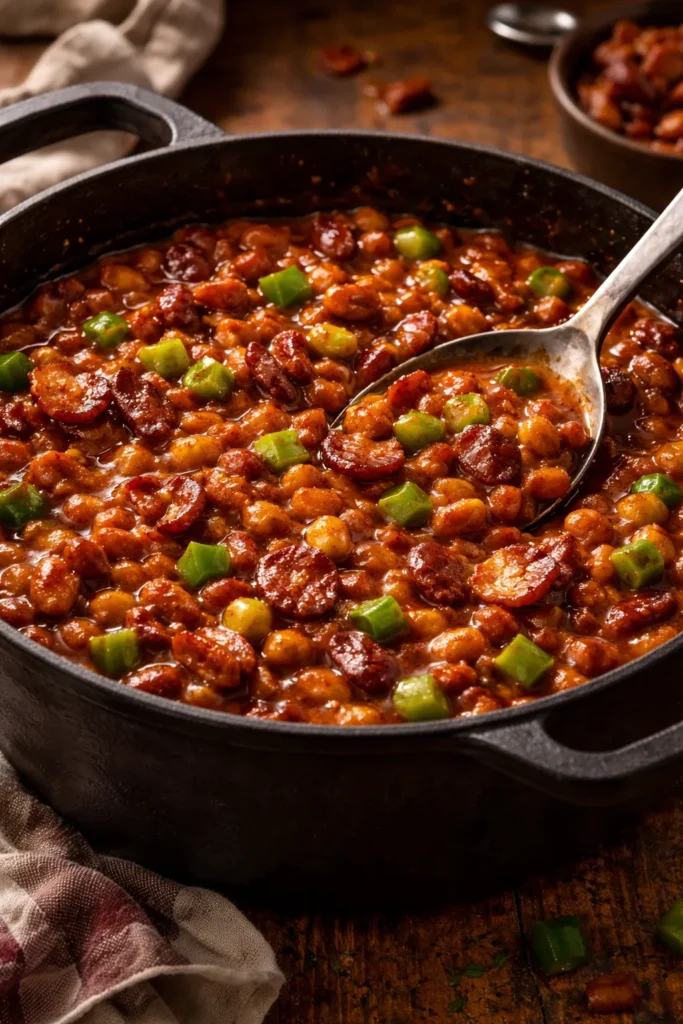
This is the crowd-pleaser — the recipe that shows up in cast iron Dutch ovens at every cookout worth remembering. It starts with a full pound of bacon, a diced yellow onion, a green bell pepper, and a big can of pork and beans. The cooking liquid from the bacon drippings is where the real flavor begins, and that’s a step most shortcuts skip entirely.
The method is simple but deliberate. You cook the bacon first until it’s crisp, drain it onto paper towels, then sauté the onion and pepper in two tablespoons of the reserved drippings. That rendered fat carries more smoky depth than any spice blend could deliver on its own. Once the vegetables soften, everything goes in together: the beans straight from the can, barbecue sauce, brown sugar, yellow mustard, and the crumbled bacon.
Why This Version Works
Yellow mustard is the ingredient that often gets left out of quick recipes, and it’s a mistake. It adds an acid-forward tang that cuts through the sweetness of the brown sugar and barbecue sauce, keeping the beans from tasting one-dimensional. The ratio here — 1 cup barbecue sauce to ⅓ cup brown sugar to 1 tablespoon mustard — hits that balance between sweet and savory without tipping either direction.
The pot goes to a simmer for a full hour, covered, with occasional stirring to prevent sticking on the bottom. Don’t rush this. The longer the beans cook down, the thicker the sauce becomes and the more the flavors knit together into something that tastes genuinely homemade.
Key Ingredients and Tips
- 1 pound thick-cut bacon, sliced — use the full pound, not half. The bacon is the flavor backbone.
- 1 green bell pepper, diced — earthier than red pepper, which helps offset the sweetness of the sauce
- 53 oz pork and beans (a large 3-pound can) — don’t drain; the canning liquid adds body
- 1 cup barbecue sauce — choose a plain, unflavored variety so it doesn’t compete with the mustard and brown sugar
- ⅓ cup brown sugar — dark brown sugar adds more molasses depth than light, but either works
Worth knowing: If the beans end up thinner than you’d like after an hour, remove the lid for the last 15 minutes and turn the heat up slightly. The sauce will tighten up fast once exposed to open heat.
This recipe easily serves 10 to 12 people and reheats beautifully the next day — the flavor genuinely improves overnight.
2. From-Scratch BBQ Baked Beans with Pork Shoulder
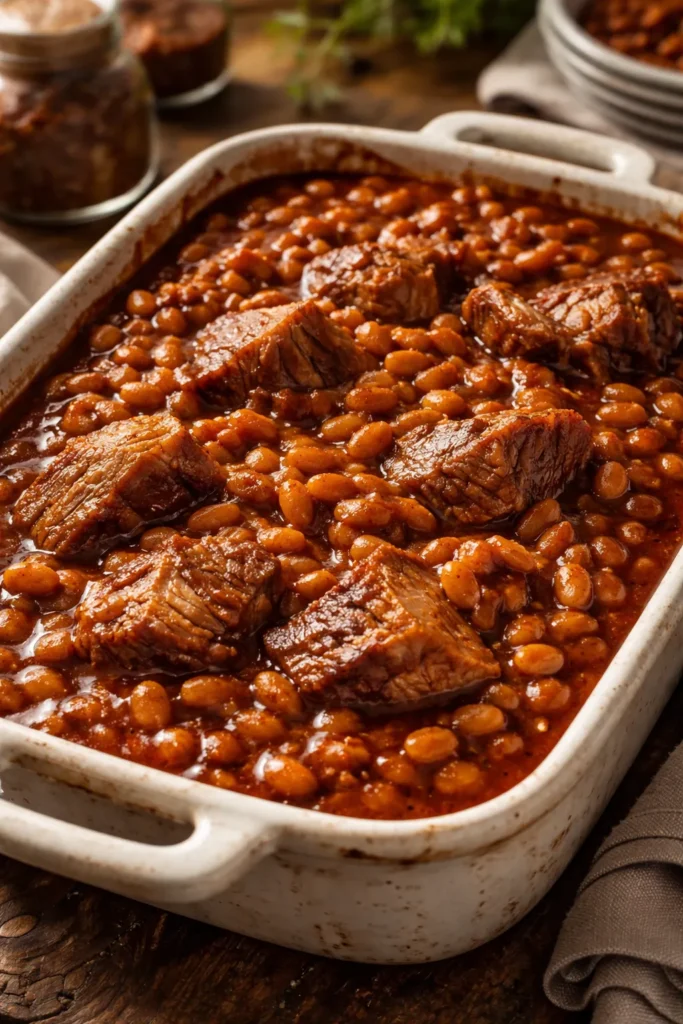
This one requires planning ahead, but the payoff is unlike anything that starts with a can. Dried red beans, soaked overnight and simmered with a full pound and a half of boneless pork shoulder cut into two-inch cubes, produce a batch of baked beans with an almost stew-like depth. The meat becomes fall-apart tender during the long oven bake, and the bean cooking liquid — reserved and added back into the dish — acts like a built-in, protein-rich stock.
The sauce is built from scratch: barbecue sauce, ketchup, apple cider vinegar, a modest quarter cup of brown sugar, molasses, yellow mustard, Worcestershire sauce, smoked paprika, cayenne, and garlic powder. What’s notable about this ratio is the restraint with sugar. Many from-scratch recipes overdo the sweetness, masking the savory depth that long-cooked pork and beans naturally develop. Here, the molasses and barbecue sauce provide sweetness, and the brown sugar plays a supporting role rather than leading the dish.
The Low-and-Slow Approach
After simmering the beans and pork together on the stovetop until the beans are just tender — about an hour — the mixture gets transferred to a deep baking dish, covered in the sauce and 2½ cups of the reserved cooking liquid, then topped with thick-cut bacon strips and baked uncovered at 350°F for 2 to 3 hours.
That baking time is where this recipe diverges from every shortcut version. The open pan allows the liquid to reduce into a glossy, thick, concentrated sauce. The bacon on top renders and crisps while basting the beans below with fat. The pork shoulder, already tender from the simmer, breaks down further into meaty shreds that distribute through every spoonful.
From-Scratch Recipe Snapshot
- Soak time: 8 hours (overnight)
- Stovetop simmer: 1 hour
- Oven bake: 2 to 3 hours at 350°F
- Total time: Plan for a full day — but hands-on time is under 30 minutes
- Serves: 12
Pro tip: Check for doneness after 90 minutes of baking. The bake time depends entirely on the size and depth of your pan. A shallow, wide dish reduces faster than a deep casserole. The beans are ready when the sauce is thick enough to coat a spoon and barely moves when you tilt the dish.
Reserve at least 3 cups of the bean cooking liquid before transferring to the baking dish. You may need to add more if the beans start drying out during the long bake.
3. Semi-Homemade BBQ Baked Beans with Ground Beef and Bacon
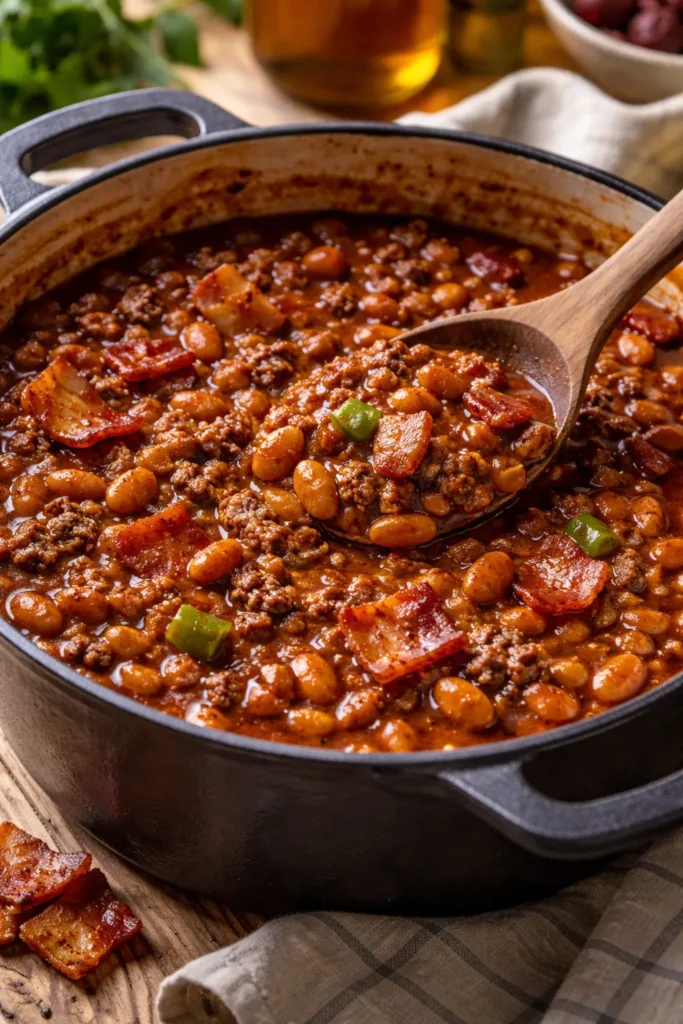
Don’t underestimate the semi-homemade approach. Using canned baked beans as the starting point isn’t a shortcut in the pejorative sense — it’s a strategic move that lets you focus time and attention on the flavor additions that actually make the dish your own. This version leans into that philosophy hard, and the result is a pot of beans so meaty and satisfying it works as a main dish.
Ground beef and bacon go into the pan together over medium heat, browning alongside each other before the fat gets drained off. Green bell pepper, sweet peppers, and yellow onion follow, softening in the residual heat. Then comes the sauce: Dijon mustard, ketchup, brown sugar, and molasses, stirred into a cohesive glaze before the beans are added.
Building the Flavor in Layers
What separates this recipe from a simple dump-and-stir version is the layering process. The onions and peppers pick up the fond from the browned meat. The sauce ingredients cook directly with the vegetables before the beans go in. Each step builds flavor in a way that a simple stir-together method doesn’t replicate.
The ratio of meat to beans here is assertive — half a pound each of ground beef and bacon against two large cans of beans. This isn’t a bean dish with a little meat in it. It’s genuinely protein-forward, which makes it ideal for cookouts where you’re feeding people with big appetites and not necessarily serving a separate meat course.
Recipe Snapshot
- Prep time: 10 minutes
- Cook time: 50 minutes
- Serves: 10
Customization Options
- Swap ground beef for ground turkey or pulled pork if you prefer
- Add a diced jalapeño with the bell peppers for heat
- Use turkey bacon to lighten the dish slightly
- Stir in a teaspoon of minced garlic when you add the vegetables — it adds a layer of savory depth the base recipe doesn’t include
- A tablespoon of soy sauce mixed into the sauce adds umami without being detectable as soy
Worth knowing: These beans taste even better the next day. The flavors meld considerably overnight, and they reheat on the stovetop in about 10 minutes over medium-low heat.
4. Ultimate Easy BBQ Baked Beans with Italian Sausage
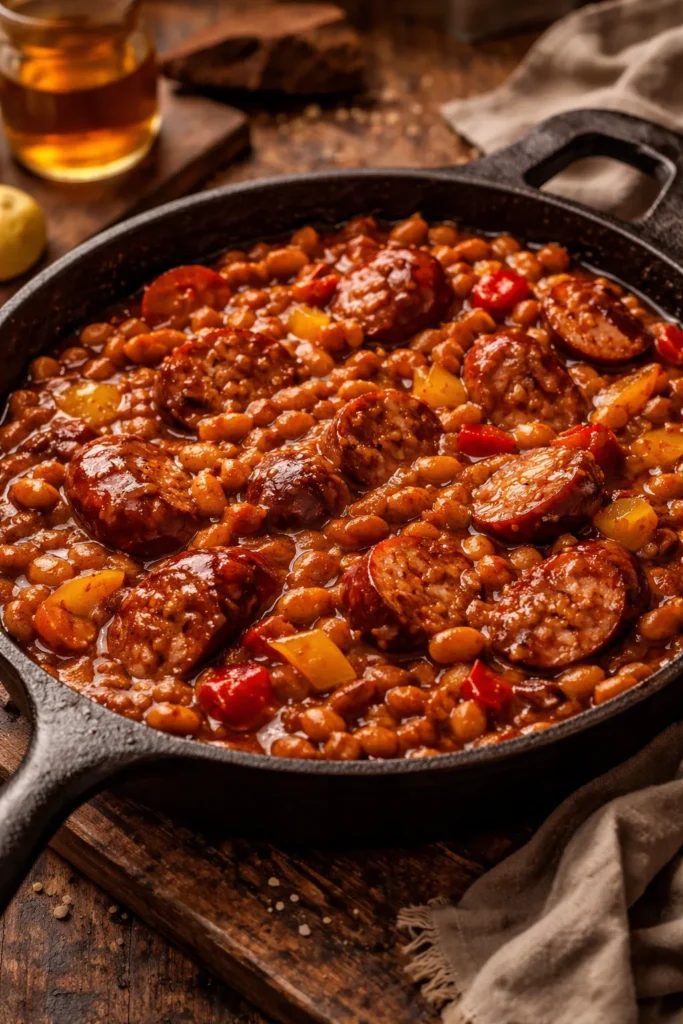
Hot Italian sausage in baked beans might sound unexpected, but it makes complete sense once you think about what sausage brings to any dish: fat, fennel, red pepper heat, and a savory depth that ground beef doesn’t quite replicate. This recipe combines that sausage with red and yellow bell peppers, layering sweetness and mild heat into a base that’s richer and more complex than a standard baked beans recipe.
The method here has a clever two-step finish: simmer everything together in a Dutch oven first to let the flavors meld, then transfer to a baking dish and finish in a 350°F oven. The simmer does the flavor work. The bake does the textural work — thickening the sauce, setting the beans, and caramelizing the edges.
The Sauce Balance
This recipe uses two different mustards — whole grain and spicy brown — along with Worcestershire sauce, soy sauce, chili powder, molasses, and brown sugar. That’s a lot going on, but it works because each component has a specific role. The two mustards together create a more complex tang than either alone. Worcestershire and soy sauce add umami. Chili powder adds warm spice. Molasses and brown sugar provide the sweetness. The barbecue sauce and ketchup tie everything together.
The result is a sauce that hits every note — sweet, savory, tangy, spicy — without feeling busy. It just tastes deeply flavorful.
Quick Tips for This Recipe
- Brown the sausage properly before adding the peppers. You want actual caramelization on the meat, not just steaming.
- Drain the sausage mixture thoroughly after cooking. Italian sausage releases a significant amount of fat, and leaving it in makes the finished dish greasy.
- Top with crispy bacon crumbled over the surface before the final oven bake — it adds a textural contrast the soft sausage and beans don’t provide on their own.
- If the finished beans are too thin, mix a tablespoon of cornstarch with two tablespoons of cold water, stir it into the cooking liquid, and simmer briefly to thicken.
Serves: 12 | Total time: About 1 hour 25 minutes
5. Dad’s Famous BBQ Baked Beans with Ground Mustard
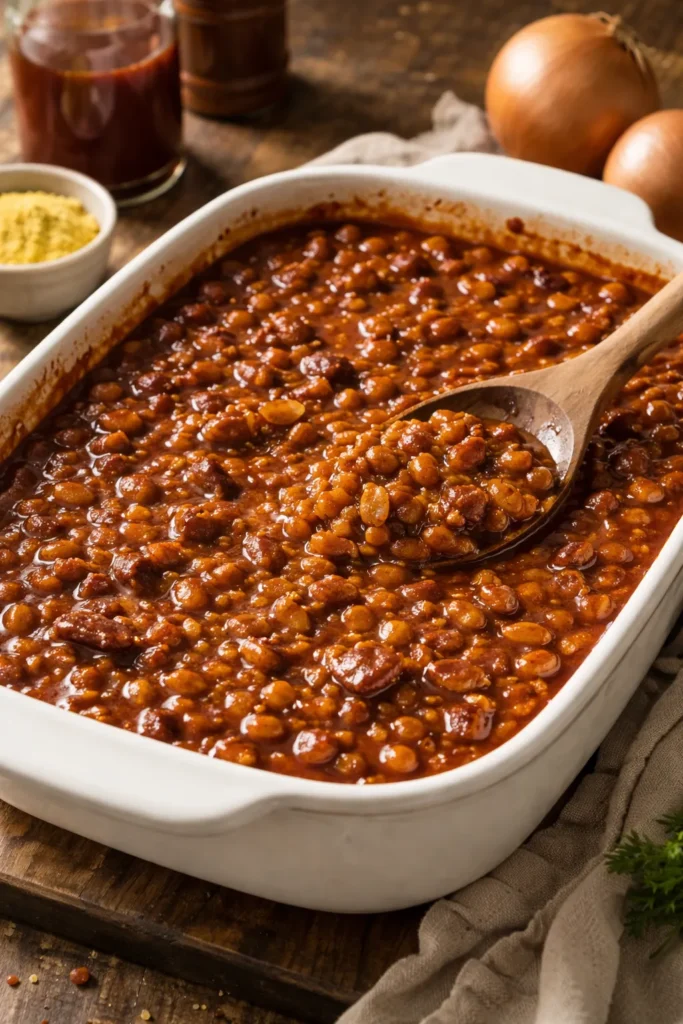
Sometimes the most unforgettable recipes are the ones with the fewest ingredients. This one — seven, to be exact — proves that restraint can be its own form of mastery. Two cans of pork and beans (the Van Camp’s style, sauce included), half a cup each of brown sugar, barbecue sauce, and diced onion, one slice of bacon, and one teaspoon each of ground mustard and black pepper. That’s the whole list.
The secret ingredient, and the reason this recipe punches far above its weight, is the ground mustard. Mustard powder behaves differently in a long-cooked dish than prepared mustard does. It blooms in the sauce, infusing a warm, slightly sharp flavor that underpins the sweetness of the brown sugar and BBQ sauce without reading as explicitly “mustard.” People will taste it and not be able to name it — they’ll just know the beans taste uncommonly good.
Three Ways to Cook It
The versatility of this recipe is part of what makes it so useful.
Oven method: Stir everything together in an oven-safe baking dish and bake at 350°F for 90 minutes. This gives you the thickest, most concentrated sauce.
Slow cooker method: Combine everything in the crock pot and cook on low for 4 to 6 hours. Switch to warm for serving, and the beans can stay there for up to 4 hours — perfect for parties where people eat at different times.
Smoker method: Use a cast iron Dutch oven or a disposable aluminum pan on a 225°F smoker for 2 to 3 hours alongside whatever meat you’re smoking. The smoke infuses the beans directly, adding a layer of flavor that no amount of smoked paprika can replicate.
A Note on the Bacon
The traditional family approach here is to lay the bacon strip whole over the top of the beans rather than dicing it in. After baking, it gets removed before serving — it’s there to flavor the sauce, not to be eaten. If you’d rather eat the bacon, dice it first and stir it in before cooking.
Serves: 4 to 6 | Total time (oven): 1 hour 35 minutes
6. Smoky BBQ Vegetarian Baked Beans
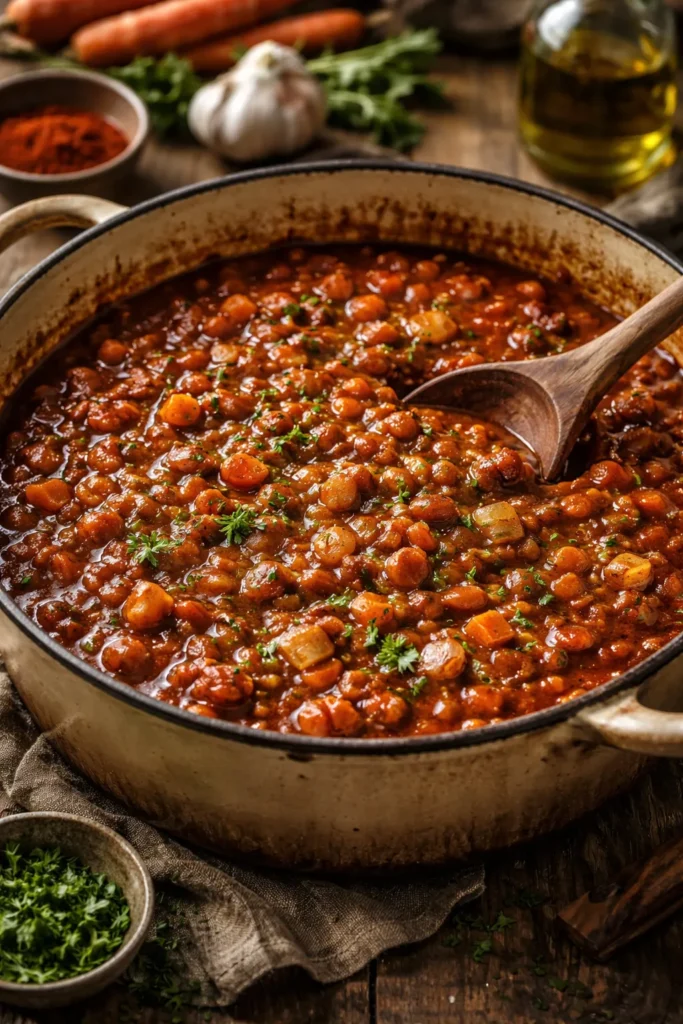
Here’s what’s worth saying upfront: these beans don’t taste like “vegetarian baked beans.” They taste like baked beans — smoky, complex, deeply savory, and satisfying in a way that has nothing to do with whether there’s bacon in the pot. The smokiness comes from two places: smoked paprika in the spice blend, and fire-roasted tomatoes in the sauce base. Both of those ingredients work differently than their non-smoked counterparts, adding a char-like depth that mimics what pork would otherwise provide.
The base of this recipe is roasted aromatics: purple onion, carrots, and garlic, cooked in a hot oven with coconut or olive oil, cumin, smoked paprika, red chili flakes, and salt for 20 to 25 minutes before the beans go in. Roasting the vegetables rather than sautéing them concentrates their natural sugars and develops a caramelized edge that a stovetop sauté doesn’t achieve.
Why the Fire-Roasted Tomatoes Matter
Fire-roasted canned tomatoes are an underused ingredient in baked beans generally, not just in the vegetarian version. They add moisture and body to the sauce while contributing a subtle charred sweetness that complements the BBQ sauce without watering it down. Crushed fire-roasted tomatoes work best here — diced would leave too much textural disruption in the finished dish.
The BBQ sauce does a lot of the heavy lifting in this recipe. A homemade smoky bourbon BBQ sauce produces the best results, but a quality store-bought version works well too. Because there’s no bacon to add fat or salt, the seasoning of the sauce matters more here than in meat-based versions — taste as you go and adjust accordingly.
Bean Selection for This Recipe
- Navy beans or pinto beans work best if you want a traditional baked bean size and texture
- Black-eyed peas (canned or dried, no soaking required if dried) add an earthy, slightly nutty character
- Dried beans from scratch produce a creamier texture than canned, but require overnight soaking and 30 to 60 minutes of stovetop simmering before baking
- Canned beans are the practical choice for most cookout situations — drain and rinse them before adding to the roasted aromatics
Serves: 5 to 6 | Total time (with canned beans): 1 hour 25 minutes
Pro tip: Make these up to three days ahead and refrigerate. The flavors develop significantly overnight and the beans reheat beautifully with a splash of additional BBQ sauce or water to loosen the sauce.
7. Quick Stovetop BBQ Baked Beans with Smoked Paprika and Chipotle
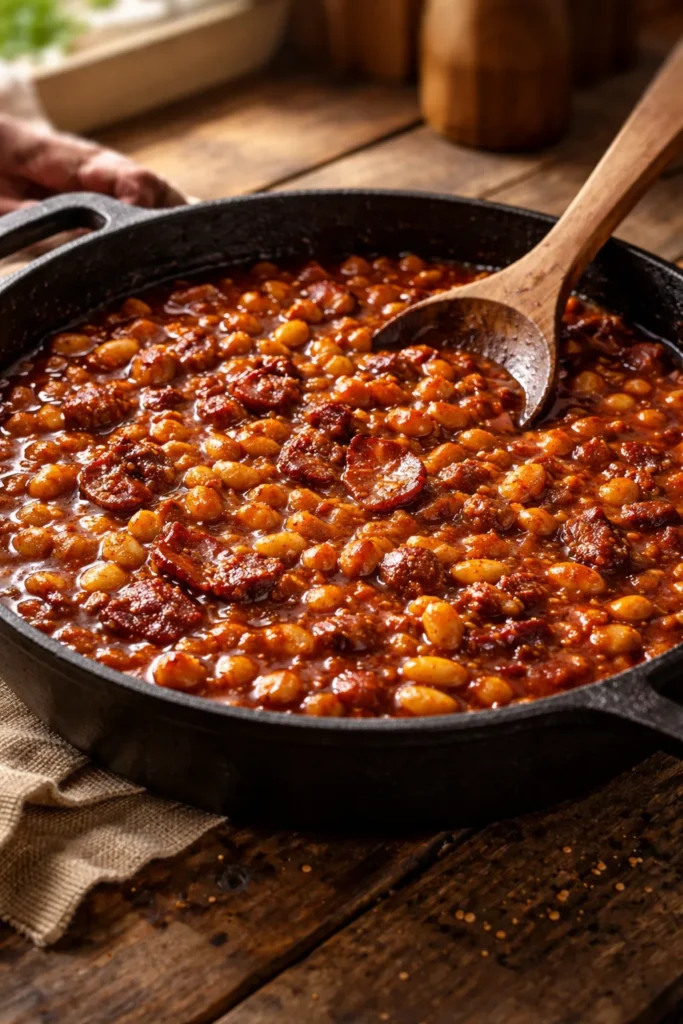
This is the recipe for when you need baked beans on the table in just over an hour and don’t have the luxury of a long oven bake. The entire thing comes together in a single oven-safe skillet — bacon first, then the vegetables cooked in the drippings, then the sauce built directly in the pan, then the beans stirred in. The skillet goes into a 400°F oven for 30 to 35 minutes and comes out bubbling, thick, and syrupy.
The higher oven temperature — 400°F versus the more common 325°F to 350°F — is intentional. It speeds up the reduction of the cooking liquid and creates more caramelization on the surface of the beans in a shorter window. The result is a thicker, more syrupy sauce that coats every bean rather than pooling at the bottom of the dish.
The Flavor Profile
Smoked paprika and chipotle chili powder together create a layered smokiness that goes beyond what a single spice achieves. Smoked paprika delivers a sweet, wood-smoke flavor. Chipotle adds earthy heat and a more assertive char. Even a quarter teaspoon of chipotle is enough to make the beans taste like they spent hours near a fire — use up to a half teaspoon if you want more pronounced heat.
Apple cider vinegar plays a supporting role here that’s easy to overlook: two tablespoons stirred into the sauce before the beans go in adds a brightness that lifts the whole dish and prevents the sweetness from turning cloying. Dijon mustard adds a more refined, less aggressive tang than yellow mustard, which suits the smoky flavor profile of this recipe particularly well.
One-Pan Setup Details
- Start in a Dutch oven or large oven-safe skillet that can transfer directly from stovetop to oven
- Reserve 2 tablespoons of bacon drippings for cooking the vegetables — this is non-negotiable for flavor
- Lay optional raw bacon strips across the top of the beans before the oven goes in for extra smokiness
- Let the beans cool for at least 5 minutes before serving — the sauce is extremely hot and continues to thicken as it sits
Serves: 6 | Total time: About 70 minutes
You can make this recipe ahead and refrigerate it before baking. Pull it from the fridge, let it come closer to room temperature while the oven preheats, then bake as directed.
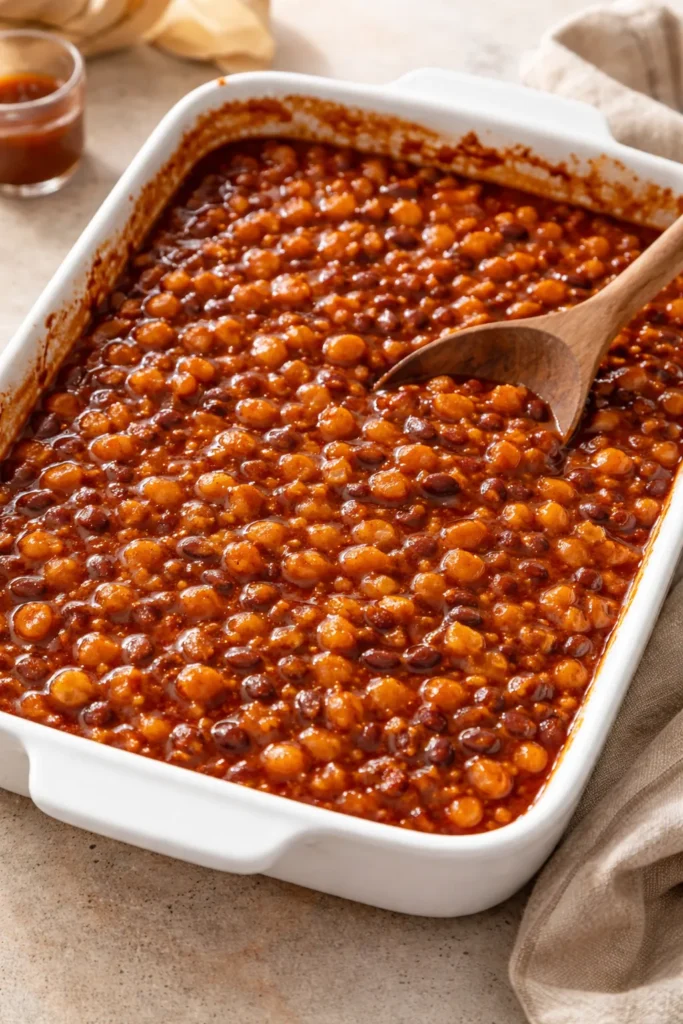
This recipe occupies a specific and underappreciated niche: it starts with canned navy beans rather than canned baked beans, which gives you more control over the sauce while keeping the convenience of not soaking dried beans overnight. Navy beans have a slightly firm exterior with a creamy interior — they hold their shape through two hours in the oven while absorbing the sauce deeply.
The sauce is classic: BBQ sauce, ketchup, molasses, dry mustard powder, and brown sugar, whisked together before being combined with the beans, diced onion, partially cooked bacon, and chicken broth. The broth is the detail that sets this recipe apart from most canned-bean versions. It provides additional liquid that allows for a longer oven time without the beans drying out, and it adds a savory undertone that water simply doesn’t deliver.
The Two-Phase Bake
The baking method here uses a covered start and an uncovered finish — a technique borrowed from braising that produces distinctly better results than baking the beans uncovered the whole time.
Covering the dish for the first hour and a half traps steam, which keeps the beans from drying out and allows the interior to cook through gently. Removing the foil for the final 30 to 40 minutes exposes the surface to direct oven heat, which caramelizes the edges, thickens the sauce, and develops the darkened, almost sticky top layer that makes baked beans look and taste the way they’re supposed to.
Sauce Ratio Tips
- Use a BBQ sauce you genuinely enjoy eating on its own — it’s the dominant flavor in the dish
- Fancy molasses (not cooking molasses and definitely not blackstrap) is the recommended choice; blackstrap is too bitter and will overwhelm the other flavors
- The ratio of BBQ sauce to ketchup can be adjusted based on your preference: a 2:1 ratio of BBQ sauce to ketchup gives more BBQ flavor forward; equal parts creates a more balanced, tomato-forward sauce
Make-Ahead Instructions
Bake the beans completely, let them cool, then cover and refrigerate. To reheat, cover the dish with foil and place in a 350°F oven for about 20 minutes until warmed through. The beans actually tighten up nicely after a night in the fridge — the sauce thickens, the flavors deepen, and they’re often better on day two than the day they were made.
Serves: 6 | Total time: 2 hours 15 minutes
Pro tip: Leftover baked beans freeze well for up to 6 months. Store in airtight, freezer-safe containers with at least an inch of headspace, as the beans expand when frozen. Thaw overnight in the fridge and reheat on the stovetop over medium-low heat, adding a splash of water or chicken broth to restore the sauce consistency.
Choosing the Right Bean for Your Recipe
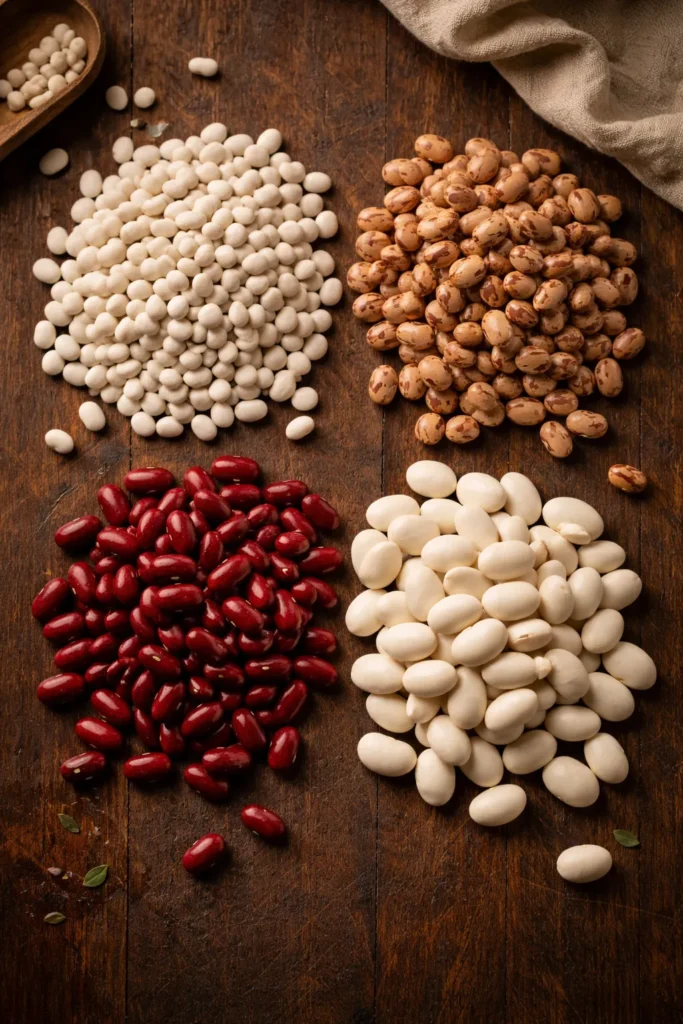
Before you land on a recipe, it’s worth spending a moment on the bean itself — because the type of bean affects texture, sauce absorption, and final appearance more than most recipes acknowledge.
Navy beans are the traditional baked bean. Small, creamy, and thin-skinned, they break down slightly during long cooking, which naturally thickens the surrounding sauce. They’re the standard in most New England and Southern-style baked bean recipes.
Pinto beans are slightly larger with a firmer texture and a more earthy flavor. They hold their shape better through long bakes, making them a good choice if you want visible, distinct beans in the finished dish.
Red beans — the kidney bean variety, not the smaller red beans — have a meaty texture and slightly nutty flavor. They pair particularly well with pork-heavy recipes, which is why Chef John’s from-scratch recipe specifically recommends them.
Great Northern beans are mild-flavored and larger than navy beans. They absorb sauce well and hold their shape reliably, making them a reliable choice for canned-bean shortcuts.
Canned beans versus dried: For most summer cookouts, canned beans are the right call. The time and planning required for dried beans — overnight soaking plus 45 to 60 minutes of stovetop cooking before the bake even begins — only makes sense when you want the very best texture and the deepest flavor, as in the from-scratch pork shoulder recipe. For every other approach, canned beans produce excellent results and save hours.
Bacon Selection and Technique for Better BBQ Beans
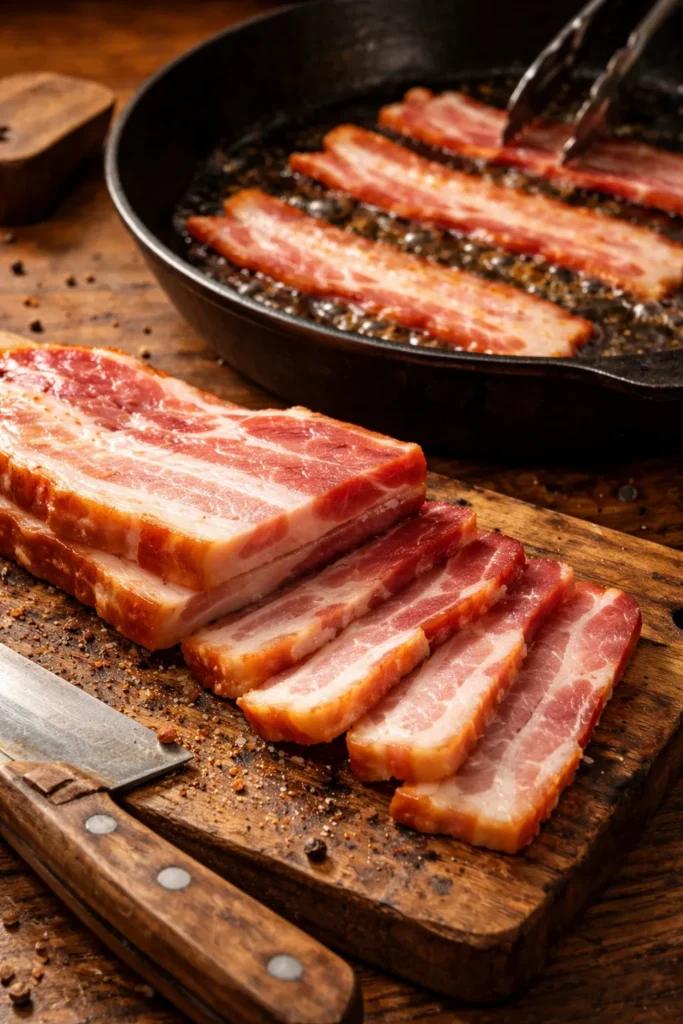
Bacon is present in six of these eight recipes, and how you handle it makes a measurable difference in the final dish. Thick-cut bacon provides more textural presence and renders more slowly, meaning it doesn’t turn to chips during a long bake. Standard-cut bacon works fine for stovetop applications where it crisps quickly, but it can become lost in a two-hour oven bake.
Pre-cooking bacon before adding it to beans is a technique worth adopting for most oven-baked versions. Partial cooking renders off some of the excess fat, preventing the finished beans from having a greasy top layer. It doesn’t need to be crispy — just cooked enough that the fat has started to render and the bacon is no longer raw. It will finish cooking in the oven.
Laying whole strips of bacon across the top of the beans rather than dicing them in is a traditional technique that serves a specific purpose: the strips self-baste the beans as the fat renders during baking. If you remove the bacon before serving, it leaves behind all that flavor without any of the textural inconsistency of chewing through a strip of bacon in a spoonful of beans.
Adjusting Sweetness, Heat, and Smoke to Your Taste
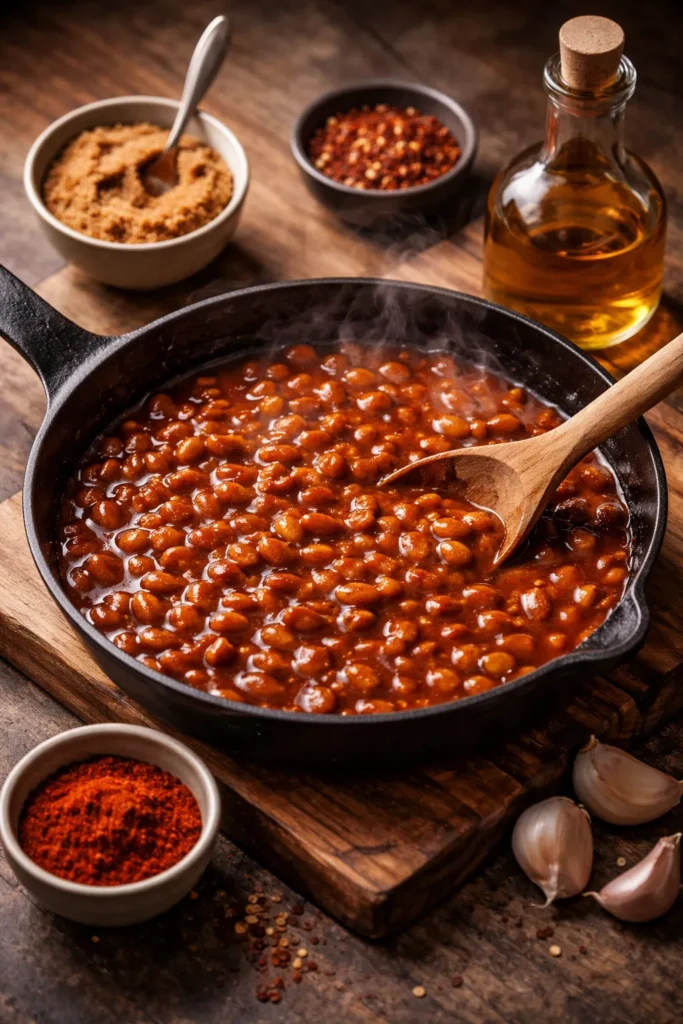
One of the appeals of baked beans as a dish is how adjustable the flavor profile is. The core structure — beans, a savory-sweet sauce, and some form of smoked or cured pork — stays consistent across all these recipes, but the balance of sweet, tangy, spicy, and smoky can shift significantly based on personal preference.
For less sweetness: Reduce brown sugar by half and increase the apple cider vinegar or mustard. This shifts the profile toward savory-tangy rather than sweet-smoky.
For more heat: Add a quarter to half teaspoon of cayenne pepper, a diced jalapeño cooked with the onions, or a tablespoon of your preferred hot sauce stirred into the sauce before baking.
For deeper smoke: Smoked paprika is the most accessible option, but liquid smoke — used sparingly, no more than a teaspoon — adds a genuine campfire quality. If you have access to a smoker, finishing the beans on the smoker itself for the last hour of cooking is by far the best option.
For more tang: Apple cider vinegar (1 to 2 tablespoons) or a tablespoon of Worcestershire sauce shifts the flavor toward a sharper, more complex sauce that balances the sweetness more aggressively.
Storage, Reheating, and Make-Ahead Advice
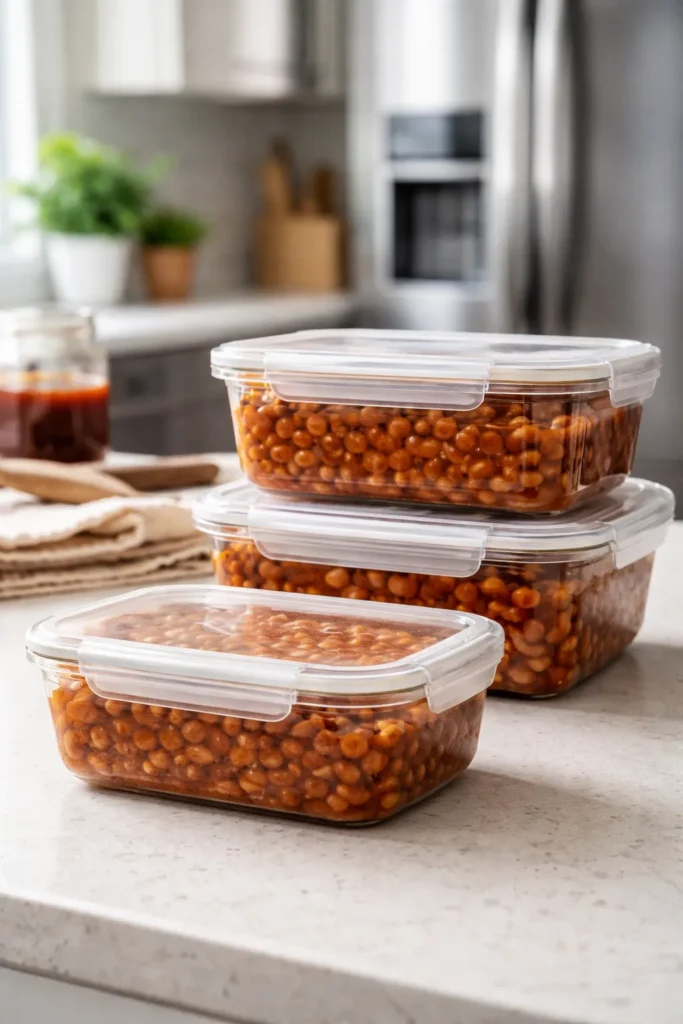
Every single one of these recipes benefits from being made ahead — baked beans are one of those dishes where the flavor genuinely improves with time. The sauce thickens, the beans absorb more of the surrounding flavor, and the sweet-savory balance settles into something more harmonious than it is right out of the oven.
Refrigerator: Store cooled beans in an airtight container for up to 5 to 6 days. Reheat on the stovetop over medium-low heat, stirring gently, for about 10 minutes. Add a splash of water, chicken broth, or additional BBQ sauce if the beans have thickened too much overnight.
Freezer: Baked beans freeze well for up to 6 months. Freeze with plenty of the sauce — beans that are frozen dry come out grainy and stiff after thawing. Leave an inch of headspace in the container. Thaw overnight in the refrigerator, then reheat as above.
Transporting to a potluck or cookout: A slow cooker set to “warm” is the ideal transport and serving vessel. Transfer hot beans from the baking dish into the slow cooker, set it to warm, and carry it to the party. Plug it back in on warm at your destination and the beans stay at a perfect serving temperature for hours without drying out or overcooking.
Serving Suggestions Beyond the Standard Cookout Plate
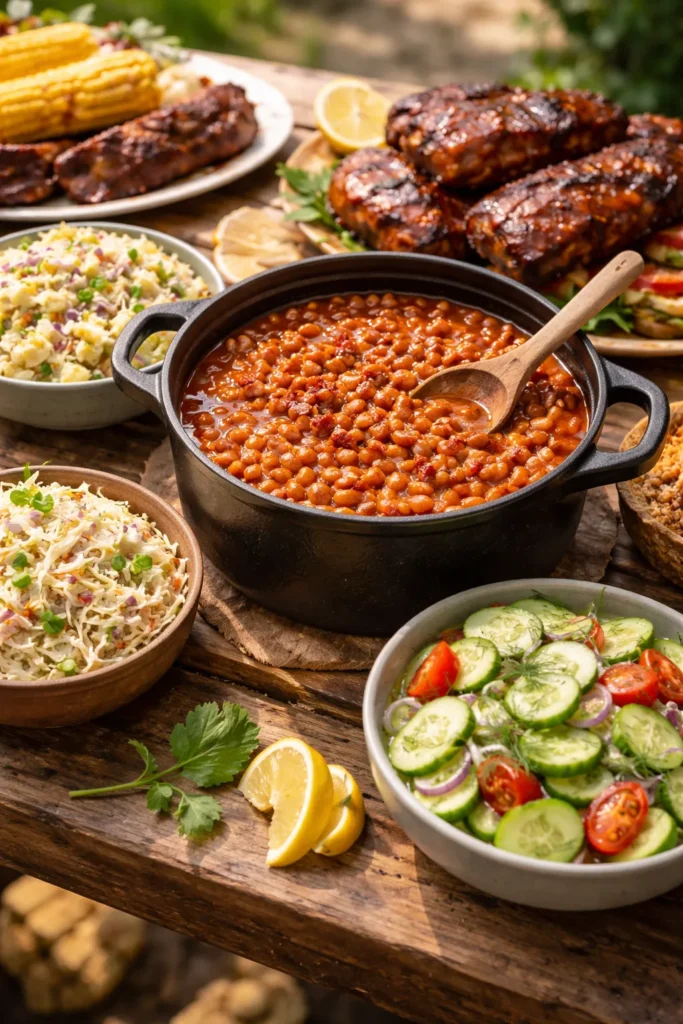
Baked beans pair with far more than just burgers and hot dogs, and it’s worth thinking beyond the obvious before you plan your cookout menu.
Classic pairings: Smoked ribs, pulled pork, grilled chicken thighs, bratwurst, and hot dogs are the natural matches. The sweetness of the beans plays against the char and smoke of grilled and smoked meats beautifully.
Cold sides to balance the richness: Creamy coleslaw, cucumber salad, or a bright vinegar-dressed potato salad all provide contrast to the richness of baked beans. The idea is to have one cold, acidic, crisp element alongside the warm, sweet, heavy beans.
Unexpected uses for leftovers: Cold baked beans on toast with a fried egg on top is genuinely one of the best quick meals that exists. Stir leftover beans into a pot of rice for an impromptu version of red beans and rice. Use them as a filling for a baked potato with sharp cheddar and green onions on top. Thin them with a bit of broth and serve them as a sauce over grilled sausages.
Garnishes worth trying: Sliced green onions add brightness and a fresh bite that cuts through the richness of the sauce. A light drizzle of hot sauce over the serving bowl lets people adjust heat at the table. A sprinkle of smoked sea salt just before serving intensifies the smoky quality of the dish.
Final Thoughts
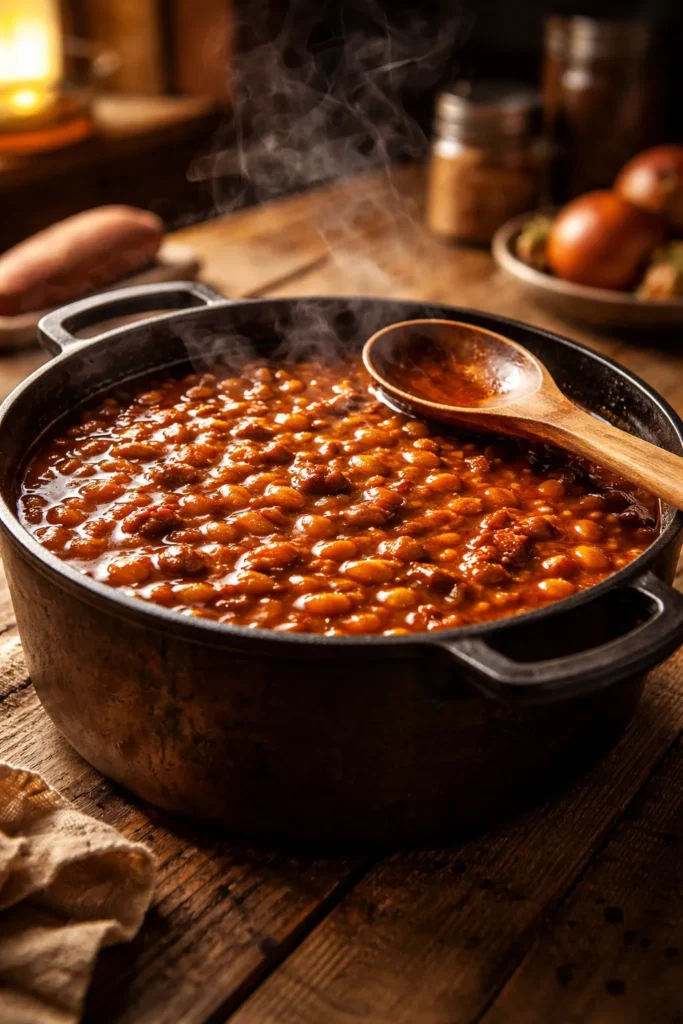
The difference between a forgettable batch of baked beans and one that has people asking for the recipe comes down to a few consistent principles across all eight of these versions. Use a sauce with real depth — not just BBQ sauce from a bottle, but a combination of vinegar, mustard, molasses, and aromatics that creates a multi-layered flavor. Give the beans time, whether that’s a long oven bake, a slow cooker session, or a patient stovetop simmer. And don’t underestimate what fat from bacon or sausage contributes — it’s not just richness, it’s flavor that binds everything in the dish together.
Whether you go with the from-scratch pork shoulder version for a weekend project or the quick stovetop chipotle version on a busy weeknight, the payoff is the same: a pot of beans that belongs at the center of the table, not just pushed to the side of the plate.
Start with any one of these, make it twice, and by the third time, you’ll have it dialed in to your own taste. That’s when a baked bean recipe stops being someone else’s recipe and becomes yours.