Picture this: it’s a Tuesday evening, you’re home later than planned, the fridge looks like a philosophical statement about bare minimalism, and the very thought of standing over a hot stove for an hour makes you want to order pizza for the fourth time this week. Sound familiar? Most of us have been there more times than we’d like to admit.
Batch cooking is the practical answer to that exact problem — not as a gimmick or a productivity flex, but as a genuinely life-improving shift in how you approach food. The idea is straightforward: spend a few focused hours cooking on a weekend or quieter evening, and you’ll have two, three, sometimes four meals ready to pull from the fridge or freezer throughout the week. As the team at Sorted Food put it, after a long day “nothing beats having a tasty and nutritious meal ready to get home to” — and that’s hard to argue with.
What makes batch cooking work isn’t just the time savings, though those are real. It’s the fact that many dishes genuinely improve after a day or two in the fridge. Stews deepen. Daals grow creamier. Chillies develop layers of flavour that simply don’t exist on the day they’re made. Cooking ahead isn’t a compromise — for certain dishes, it’s actually the better way.
The eight recipes below are chosen specifically because they batch well, reheat without losing their character, and don’t require a professional kitchen or a full Sunday of effort. Some are vegetarian, some are meaty, and all of them are designed to make your weeknights feel considerably less stressful.
Table of Contents
- Why Batch Cooking Is Worth Your Weekend Time
- 1. Veggie Three Bean Chilli
- Why It Works as a Batch Cook
- What You’ll Need and How to Make It
- 2. Tadka Daal with Spinach
- The Technique That Makes the Difference
- What You’ll Need and How to Make It
- 3. Pizza Meatball Traybake
- Building the Meatballs Properly
- What You’ll Need and How to Make It
- 4. Slow-Roast Ratatouille
- How to Serve It Through the Week
- What You’ll Need and How to Make It
- 5. Mushroom Stroganoff
- Adjustments for Freezing
- What You’ll Need and How to Make It
- 6. Moroccan Chickpea and Vegetable Stew
- How to Layer the Flavour
- What You’ll Need and How to Make It
- 7. Slow Cooker Chicken Curry
- Why Coconut Milk Works Here
- What You’ll Need and How to Make It
- 8. Classic Spaghetti Bolognese
- Batch Flexibility with Bolognese
- What You’ll Need and How to Make It
- How to Store and Freeze Your Batch Cooks Safely
- The Right Equipment Makes Batch Cooking Faster
- Making the Most of What You’ve Cooked
- Final Thoughts
Why Batch Cooking Is Worth Your Weekend Time
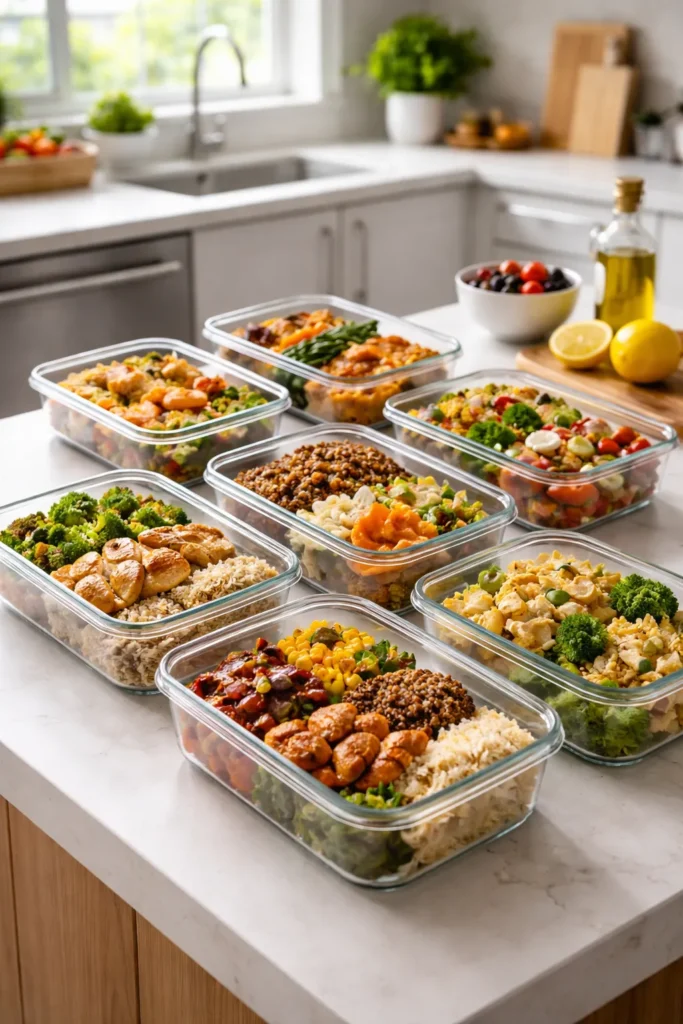
Before we get into the recipes themselves, it’s worth being clear about what makes batch cooking different from simply cooking a big dinner and hoping for leftovers. Intentional batch cooking means choosing recipes for their reheat qualities, preparing enough for multiple meals in a single session, and storing everything properly so it’s genuinely ready to eat on demand.
The efficiency gains are real. Making twice as much of something doesn’t take twice as long — you’re already prepping, already using the stovetop, already washing up. The marginal effort of doubling a recipe is small; the payoff across the rest of the week is significant. Research cited by FoodUnfolded suggests that buying ingredients in bulk can reduce food costs by as much as 27%, and when those ingredients go directly into well-portioned, frozen meals, waste drops sharply too.
The fridge-versus-freezer question matters here. Most batch-cooked meals keep well in the fridge for 3 to 4 days — long enough to cover a working week if you batch cook on Sunday. For anything beyond that, the freezer is your best friend. Portion meals into labelled containers before freezing so you’re pulling out exactly what you need rather than hacking at a frozen brick.
One overlooked benefit: having batch-cooked meals in the freezer makes it much easier to eat well on the nights when nothing goes according to plan. You skip the takeaway, you eat something genuinely nourishing, and you spend maybe six minutes reheating it. That’s a win on every level.
1. Veggie Three Bean Chilli
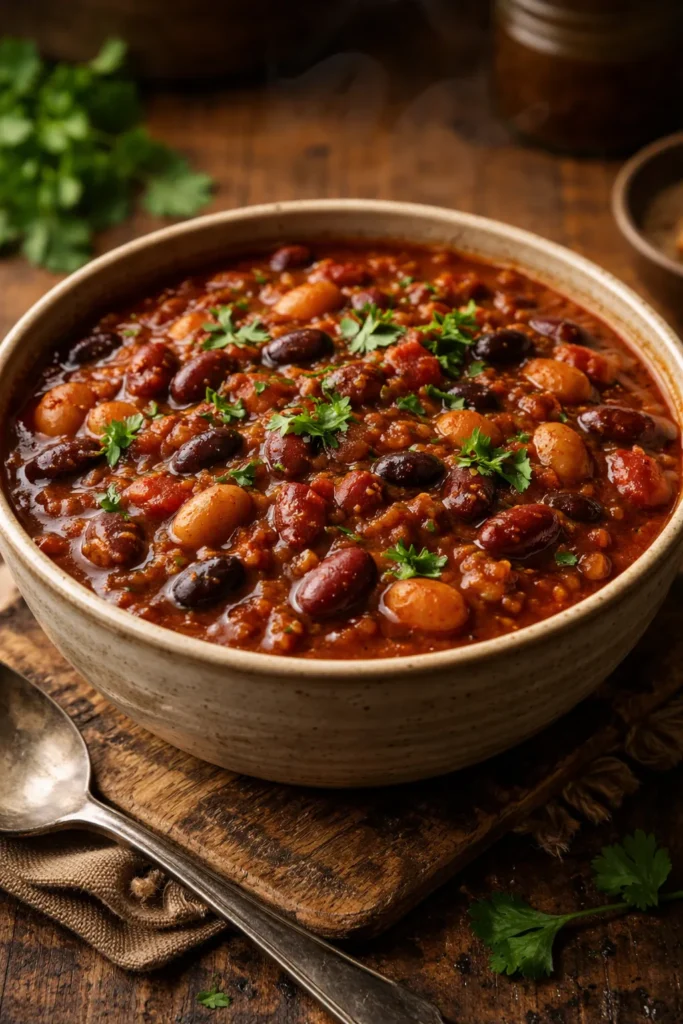
A great chilli doesn’t need meat to have depth. This three-bean version — using black beans, kidney beans, and pinto beans together — builds its richness through proper spicing and a long, slow simmer that thickens the sauce to something almost jammy. The combination of smoked paprika, ground cumin, and dried oregano creates that warm, layered warmth that makes a bowl of chilli feel like a proper meal rather than an afterthought.
What really sets this one apart is the tomato paste step. Cooking the tomato purée for 4 to 5 minutes until it darkens and becomes sticky before adding the canned tomatoes concentrates the umami and gives the finished chilli a body that many versions lack. It’s one of those small techniques that makes a noticeable difference.
Why It Works as a Batch Cook
Three types of beans means three different textures in every bowl — pinto beans tend to break down and thicken the base, while kidney beans hold their shape and give something to bite into. The chilli actually gets better after 24 hours in the fridge as the spices meld, which makes it one of the best candidates for a Sunday cook-ahead.
What You’ll Need and How to Make It
Serves: 6 | Time: 50 minutes
Ingredients:
- 2 brown onions, finely chopped
- 6 cloves garlic, finely chopped
- 450g jarred roasted red peppers, drained and finely chopped
- 4 tbsp olive oil
- 1 tbsp ground cumin
- 1 tbsp smoked paprika
- 2 tsp ground coriander
- 2 tsp mild chilli powder
- 2 tsp dried oregano
- 3 tbsp tomato purée
- 800g tinned chopped tomatoes
- 1 vegetable stock cube
- 400g tinned black beans (undrained)
- 400g tinned kidney beans (undrained)
- 400g tinned pinto beans (undrained)
- 30g fresh coriander, roughly chopped
- 1 lime, zested and juiced
- Salt, to taste
- Heat the olive oil in a large saucepan over medium heat. Add the onions, garlic, and a generous pinch of salt. Cook for 10 minutes, stirring occasionally, until soft and golden.
- Stir in all the dried spices and cook for 1 minute until fragrant. Add the roasted peppers and cook for another minute.
- Add the tomato purée and cook, stirring frequently, for 4 to 5 minutes until it darkens and turns sticky.
- Pour in the tinned tomatoes and crumble in the stock cube. Stir well and bring to a simmer.
- Add all three tins of beans without draining. Stir, reduce to a low simmer, and cook uncovered for 30 minutes, stirring occasionally, until thickened.
- Stir through the fresh coriander and the lime zest and juice. Taste and adjust seasoning.
Serve with: rice, tortilla chips, or crusty bread. Add avocado and sour cream if you want to go all out.
Batch storage: Freezes for up to 3 months. Refrigerates for 4 days.
2. Tadka Daal with Spinach
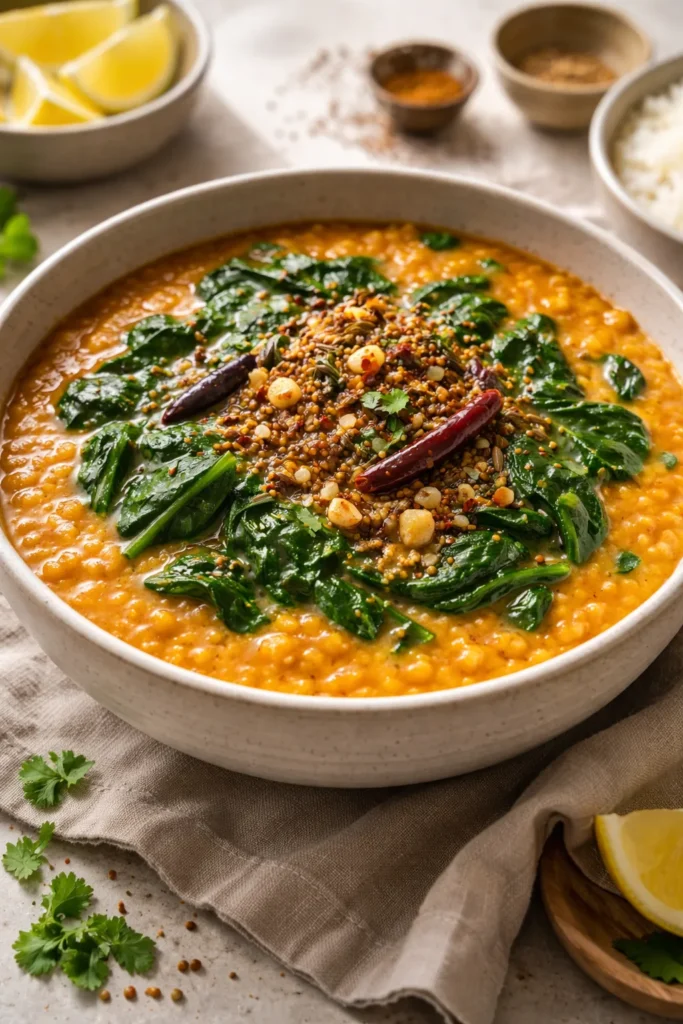
Daal is perhaps the single most underrated batch-cook dish in existence. It’s warming, deeply nourishing, costs almost nothing to make, and the tadka — the spiced, sizzling butter and seed mixture poured over the cooked lentils — gives it a complexity that makes it taste like far more work than it is.
Red lentils are the base here, and they break down into a thick, creamy consistency after about 15 minutes of simmering with turmeric. That’s before the tadka even goes in. Once you pour that sizzling cumin and mustard seed butter over the lentils and add a mountain of wilted spinach, you’ve got something that genuinely rivals any restaurant daal — at a fraction of the cost.
The Technique That Makes the Difference
The tadka is the key step that most home cooks skip or rush. Frying the cumin seeds and mustard seeds in butter over medium heat until they start to pop takes just 30 seconds, but it transforms those spices from raw and flat into something toasted, fragrant, and alive. Don’t skip this step, and don’t rush it. Undercooked seeds taste dusty; properly bloomed seeds taste like a whole different ingredient.
What You’ll Need and How to Make It
Serves: 6 | Time: 50 minutes
Ingredients:
- 500g red lentils, rinsed until water runs clear
- 1.2L water
- 1 tsp ground turmeric
- 1 red onion, finely chopped
- 6 cloves garlic, finely chopped
- 30g fresh ginger, peeled and finely chopped
- 2 green chillies, finely chopped
- 2 beef tomatoes, diced
- 40g unsalted butter
- 2 tbsp vegetable oil
- 1 tbsp cumin seeds
- 2 tsp mustard seeds
- 1 tsp ground coriander
- 1 tsp ground cumin
- 1 tsp garam masala
- 1 tsp mild chilli powder
- 600g fresh spinach
- 1 lemon, juiced
- 30g fresh coriander, roughly chopped
- Add rinsed lentils to a large saucepan with the water, turmeric, and 1 tsp salt. Bring to a boil, then reduce to a simmer and cook for 12 to 15 minutes, stirring occasionally, until soft and creamy.
- Heat the butter and oil together in a wide frying pan over medium heat. Add the cumin seeds and mustard seeds and fry for 30 seconds until they pop — this is the tadka.
- Add the onion and a pinch of salt. Cook for 2 to 3 minutes until golden. Add the garlic, ginger, and green chillies and cook for 2 minutes.
- Stir in the ground spices, cook for 1 minute, then add the tomatoes. Cook for 5 minutes until softened.
- Pour the entire tadka into the cooked lentils and stir. Simmer together for 5 minutes.
- Add spinach in two batches, covering the pan with a lid to help it wilt faster. Once fully wilted, cook for a further 6 to 8 minutes until the spinach has darkened and the daal is thick.
- Squeeze in the lemon juice and taste for seasoning. Garnish with fresh coriander.
Serve with: basmati rice or warm naan.
Batch storage: Refrigerates for 3 to 4 days; freezes in portions for up to 3 months. Defrost overnight before reheating.
3. Pizza Meatball Traybake
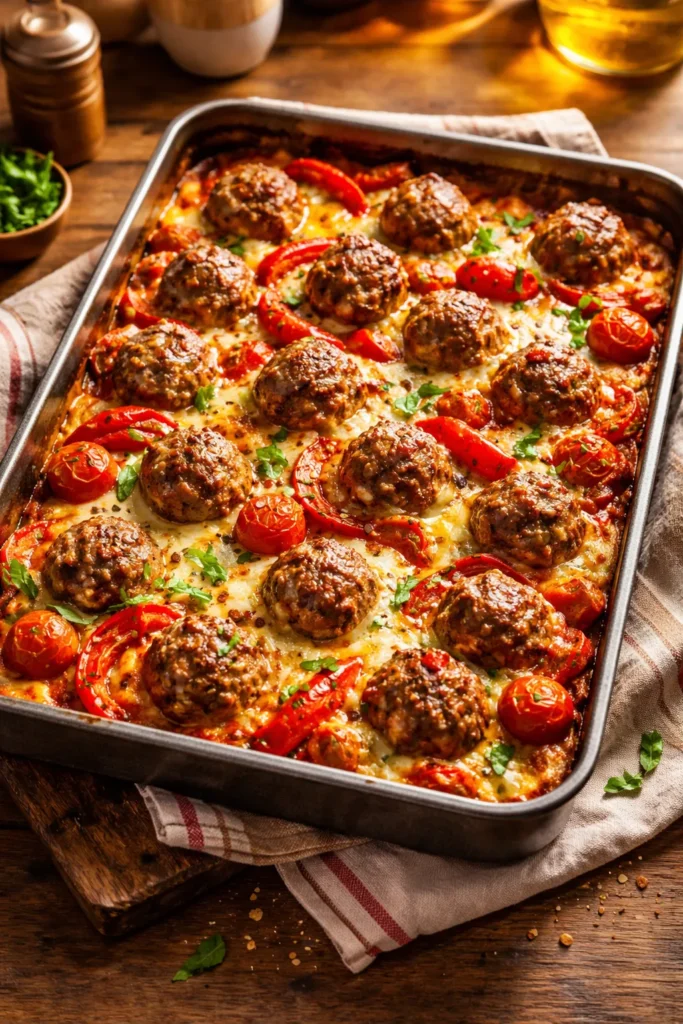
This one bridges the gap between something that feels like a treat and something that’s genuinely practical as a batch cook. Pork sausage meat and beef mince combined with panko breadcrumbs soaked in milk make meatballs that are tender all the way through — never dense, never dry. Nestled into a tray of roasted red peppers, cherry tomatoes, and garlic, then buried under bubbling mozzarella, the result is everything you love about pizza without the crust.
The real batch-cook magic here is that the meatballs can be rolled and refrigerated uncooked up to 24 hours in advance. On the day, you just pull the tray out, let it come to room temperature for 20 minutes, and bake. It’s also genuinely versatile — leftovers work in pasta, stuffed into a hoagie roll, or piled over rice.
Building the Meatballs Properly
Soaking the breadcrumbs in milk before mixing is called a panade, and it’s the technique that keeps meatballs from turning into little meatloaves. The milk-soaked crumbs keep the protein from seizing and squeezing out moisture during cooking. Don’t skip the soaking time — even 5 minutes of soaking makes a measurable difference in the final texture.
What You’ll Need and How to Make It
Serves: 6 | Time: 50 minutes
Ingredients:
- 60g dried panko breadcrumbs
- 50ml whole milk
- 1 medium egg
- 1 brown onion, finely diced
- 4 cloves garlic, finely grated (2 for the meatballs, 2 for the sauce)
- 30g fresh parsley, finely chopped
- 6 pork sausages, meat squeezed from skins
- 500g beef mince
- 140g diced pancetta
- 100g hard Italian cheese, grated (Parmesan or Grana Padano)
- 450g jarred roasted red peppers, drained and roughly chopped
- 2 tbsp tomato purée
- 1 tbsp dried oregano
- 400g cherry tomatoes
- 2 tbsp olive oil
- 300g mozzarella, torn into pieces
- 30g fresh basil, torn
- Salt and black pepper
- Preheat oven to 220°C (200°C fan). Combine breadcrumbs, milk, and egg in a large bowl. Leave to soak for 5 minutes.
- Add sausage meat, beef mince, pancetta, diced onion, 2 cloves of grated garlic, parsley, and grated cheese to the soaked breadcrumbs. Season generously and mix thoroughly with your hands.
- In a large roasting tray, combine the chopped roasted peppers, cherry tomatoes, remaining 2 cloves of garlic, tomato purée, dried oregano, and olive oil. Toss together and spread into a single layer.
- With lightly oiled hands, roll the mince mixture into 20 to 24 meatballs and nestle them into the sauce in the tray.
- Bake for 20 minutes until the meatballs are golden and nearly cooked through.
- Scatter over the torn mozzarella and return to the oven for 10 to 12 minutes until the cheese is bubbling and the meatballs are fully cooked.
- Tear over the fresh basil and serve immediately.
Serve with: garlic bread, pasta, rice, or a simple green salad.
Batch storage: Leftovers keep in the fridge for 3 days and freeze well. Roll uncooked meatballs up to 24 hours ahead.
4. Slow-Roast Ratatouille
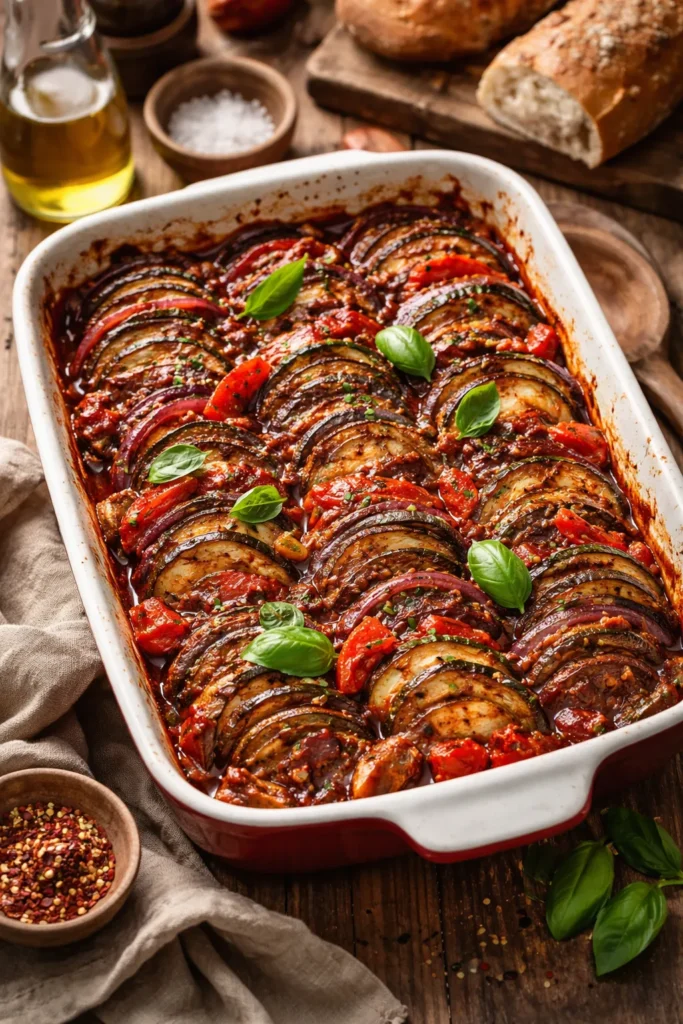
Ratatouille done properly is one of the most satisfying things you can make in a batch cooking session, and it’s also one of the most adaptable. Aubergines, courgettes, red peppers, and red onions are tossed with herbs, smoked paprika, canned tomatoes, and a small pour of red wine, then slow-roasted until everything becomes silky and caramelised at the edges.
The long roasting time — nearly two hours — is what separates this from a quick weeknight vegetable dish. The vegetables break down slowly, the tomato sauce reduces and concentrates, and the result is something with the richness of a braise and the depth of a dish that took all day. Honestly, it tastes like a French holiday.
How to Serve It Through the Week
This is where the batch flexibility really shows. On day one, serve the ratatouille as a side with grilled fish or roast chicken. On day two, stir it through pasta with plenty of Parmesan. On day three, spread it over flatbreads with goat’s cheese and grill until bubbling. On day four, pile it onto poached eggs for brunch. One batch, four completely different meals.
What You’ll Need and How to Make It
Serves: 6 | Time: 1 hour 45 minutes
Ingredients:
- 3 aubergines, cut into bite-sized chunks
- 3 courgettes (about 750g), cut into bite-sized chunks
- 3 red bell peppers, deseeded and cut into chunks
- 2 large red onions, peeled and cut into thick wedges
- 6 cloves garlic, peeled and lightly crushed
- 10g fresh thyme, leaves picked and chopped
- 5g fresh rosemary, leaves picked and chopped
- 4 tbsp olive oil, plus extra for drizzling
- 2 tsp dried oregano
- 1 tsp smoked paprika
- 800g tinned chopped tomatoes
- 2 tbsp tomato purée
- 2 tbsp red wine
- 30g fresh basil, torn (add only when serving — never freeze with basil mixed in)
- Salt and black pepper
- Preheat the oven to 170°C (150°C fan).
- In a large, deep roasting tray, toss all the vegetables and herbs with olive oil, dried oregano, smoked paprika, salt, and pepper. Mix well.
- Pour over the tinned tomatoes, tomato purée, and red wine. Stir to coat, then spread into a single layer.
- Cover tightly with foil and roast for 40 minutes.
- Remove the foil, stir everything well, and continue roasting for a further 30 to 45 minutes — stirring halfway — until the vegetables are completely soft, the sauce is thick, and the edges are starting to caramelise.
- Stir most of the torn basil through the ratatouille before serving, keeping a small handful for garnish. Drizzle with extra olive oil.
Batch storage: Keeps in the fridge for up to 3 days and freezes for up to 3 months. Always add fresh basil at the point of serving, not before freezing.
5. Mushroom Stroganoff
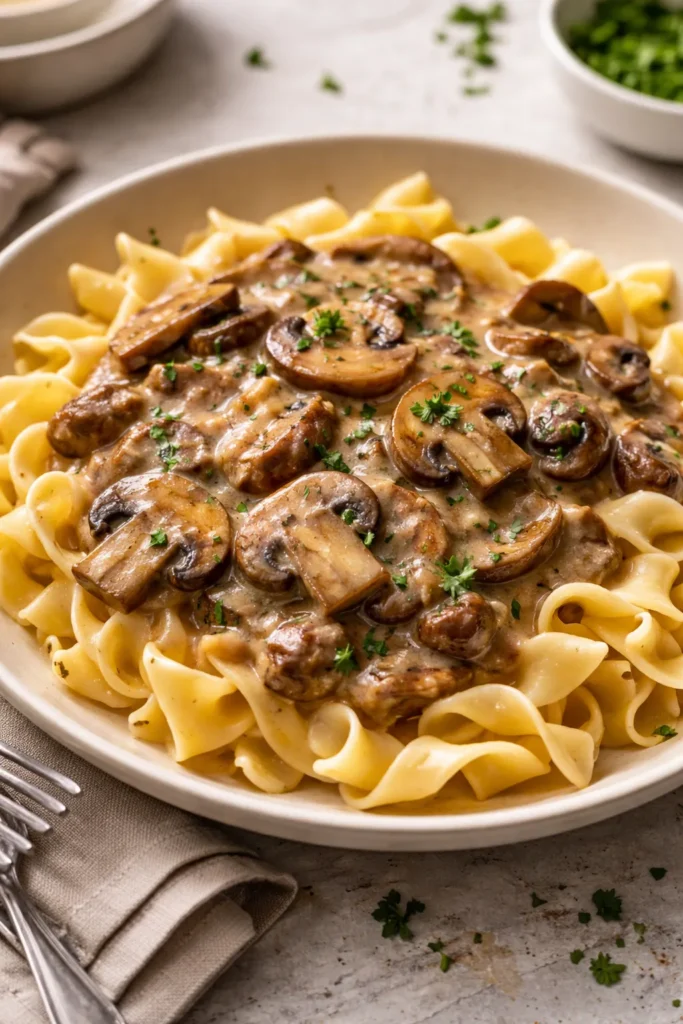
Stroganoff has an unfair reputation as a heavy, old-fashioned dish. Done right — with properly browned mushrooms, a glossy sauce built from white wine and Dijon mustard, and just enough sour cream to make everything silky — it’s one of the most satisfying dinners you can eat on a cold evening. This vegetarian version uses 1kg of chestnut mushrooms as the main event, and they’re substantial enough that you won’t miss the beef at all.
The single most important technique in this recipe is browning the mushrooms properly before anything else. Overcrowding the pan steams them instead of browning them, which means you get pale, watery mushrooms instead of deep golden ones. Use the widest pan you have, or work in two batches. The difference in flavour between properly browned and merely cooked mushrooms is enormous.
Adjustments for Freezing
Sour cream can split when frozen and reheated aggressively, which is worth knowing before you batch this one. If you’re planning to freeze it, swap the sour cream for crème fraîche — it’s more stable at high temperatures and survives the freezer much better. When reheating from frozen, do it gently over low heat and stop before it boils.
What You’ll Need and How to Make It
Serves: 6 | Time: 50 minutes
Ingredients:
- 1kg chestnut mushrooms, thinly sliced
- 4 tbsp olive oil, divided
- 2 brown onions, finely diced
- 4 cloves garlic, finely chopped
- 2 tsp smoked paprika
- 2 tbsp tomato purée
- 187ml white wine (a small bottle works perfectly)
- 300ml sour cream (or crème fraîche if freezing)
- 1 tbsp Dijon mustard
- 1 vegetable stock cube
- 200ml water
- 30g fresh parsley, finely chopped
- Salt and black pepper
- Heat 2 tbsp olive oil in a wide frying pan over high heat. Add the mushrooms with a pinch of salt and fry for 10 to 12 minutes without stirring too often, until deep golden with no liquid remaining. Work in batches if needed. Transfer to a bowl.
- Return the pan to medium heat. Add the remaining 2 tbsp oil, onions, and garlic. Cook for 8 to 10 minutes until soft and starting to caramelise.
- Stir in the smoked paprika and tomato purée. Cook for 1 to 2 minutes until darkened.
- Pour in the white wine, bring to a boil, and simmer for 2 minutes.
- Return the mushrooms to the pan. Stir in the sour cream, Dijon mustard, crumbled stock cube, and 200ml water. Simmer gently for 10 minutes until slightly thickened. If the sauce reduces too much, loosen with a splash of water.
- Stir through the fresh parsley just before serving.
Serve over: pasta, rice, or use as a filling under a sheet of puff pastry for a quick pie.
Batch storage: Keeps in the fridge for 3 days. Freezes for up to 2 months — use crème fraîche if freezing. Stir parsley through fresh when serving.
6. Moroccan Chickpea and Vegetable Stew
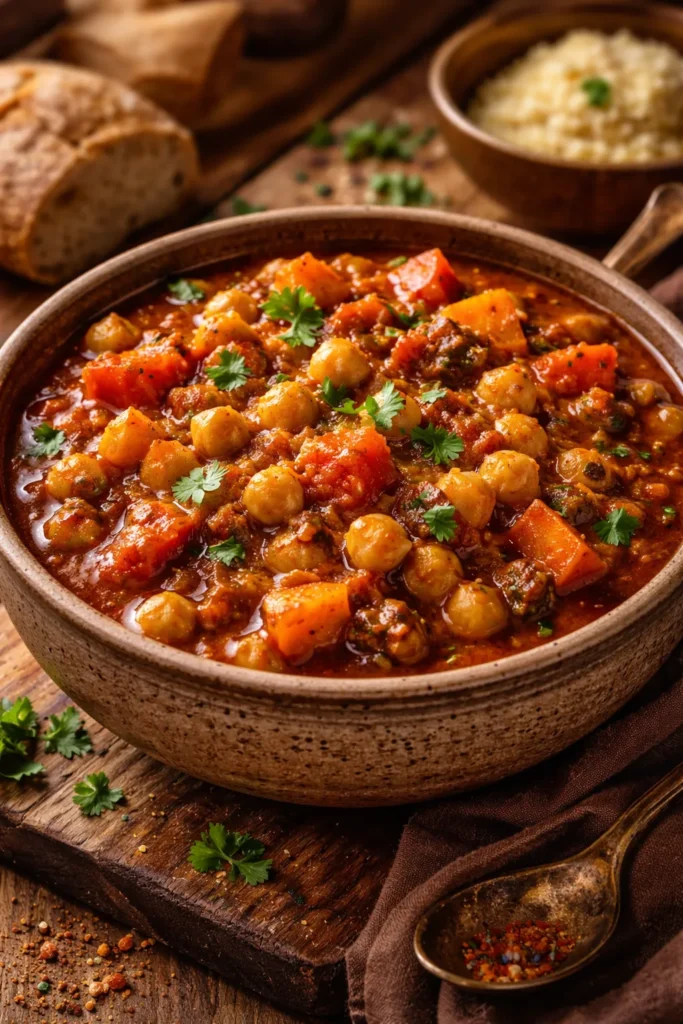
This stew is built around the kind of spicing that makes a kitchen smell incredible — cumin, coriander, cinnamon, smoked paprika, and a tablespoon of harissa paste that provides background heat without making the dish searingly hot. The addition of dried apricots might seem surprising at first, but they dissolve into the sauce during simmering and add a gentle sweetness that balances the spices in a way that’s genuinely hard to identify and easy to love.
Chickpeas are one of the best batch-cooking ingredients available. They’re filling, high in protein and fibre, extremely cheap when bought tinned, and they absorb surrounding flavours without losing their texture after reheating. This stew is at its best the day after it’s made, which makes it almost tailor-made for batch cooking.
How to Layer the Flavour
The spices go in twice: once as a dry fry with the aromatics, and again through the sauce as it simmers. Cooking the harissa paste with the tomato purée for a few minutes before adding the liquid is the step that most recipes skip, but it caramelises the paste slightly and deepens the whole flavour profile.
What You’ll Need and How to Make It
Serves: 6 | Time: 50 minutes
Ingredients:
- 2 brown onions, finely chopped
- 4 cloves garlic, finely chopped
- 20g fresh ginger, peeled and finely chopped
- 2 medium carrots, peeled and cut into bite-sized pieces
- 4 tbsp olive oil
- 2 red bell peppers, deseeded and diced
- 1 courgette, cut into half-moons
- 100g dried apricots, roughly chopped
- 1 tsp ground cumin
- 1 tsp ground coriander
- 1 tsp smoked paprika
- 1 tsp ground cinnamon
- ½ tsp chilli flakes
- 1 tbsp harissa paste
- 2 tbsp tomato purée
- 800g tinned chopped tomatoes
- 1 vegetable stock cube
- 800g tinned chickpeas, undrained
- 1 lemon, zested and juiced
- 30g fresh coriander, roughly chopped
- 30g fresh parsley, roughly chopped
- Heat olive oil in a large saucepan over medium heat. Add onions, garlic, ginger, carrots, and a pinch of salt. Cook for 8 to 10 minutes until softened.
- Stir in all the dried spices and harissa paste. Cook for 1 to 2 minutes until fragrant.
- Add tomato purée and cook for 2 minutes. Stir in the diced peppers and cook for 3 to 5 minutes.
- Pour in the tinned tomatoes and crumble in the stock cube. Bring to a simmer.
- Add the chickpeas (with their liquid) and the chopped apricots. Simmer for 25 to 30 minutes, adding the courgette halfway through.
- Stir in the lemon zest and juice. Add half the fresh herbs to the stew and reserve the rest for garnish.
Serve with: couscous, rice, or crusty bread.
Batch storage: Keeps in the fridge for 4 days and freezes for up to 3 months. Gets noticeably better overnight.
7. Slow Cooker Chicken Curry
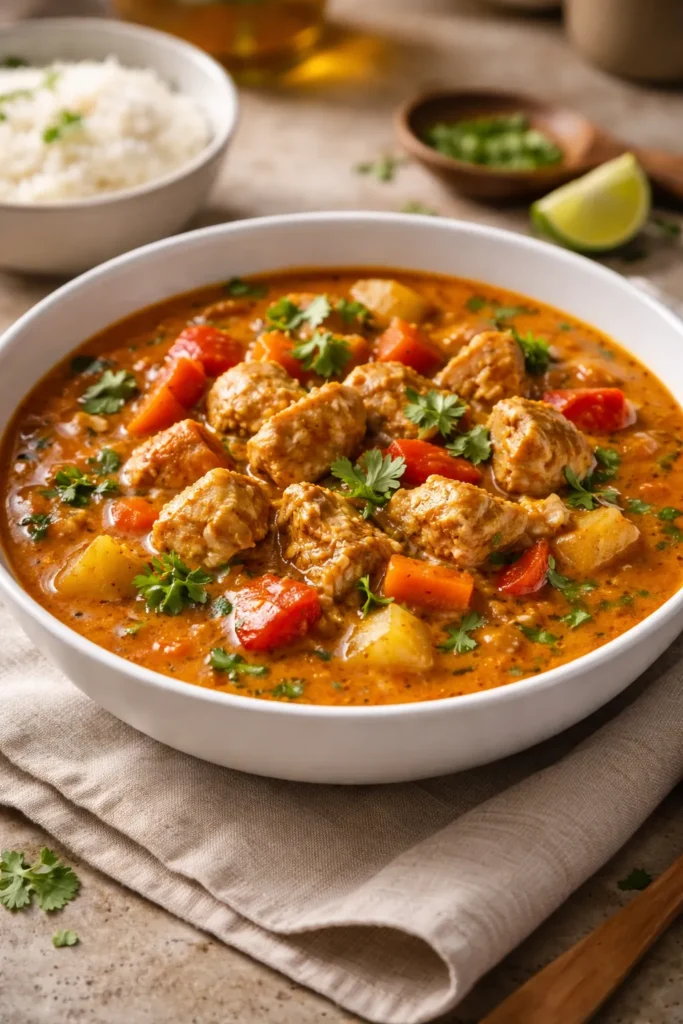
If you own a slow cooker and you’re not using it for batch cooking, you’re leaving one of your best kitchen tools on the shelf. A chicken curry that goes into the slow cooker in the morning and comes out in the evening is one of the great pleasures of meal planning — minimal prep, hands-off cooking, and a deeply flavoured result that tastes as though it simmered on the stovetop all afternoon.
The key to a good slow cooker curry is building your spice base properly before anything goes into the pot. Blooming your aromatics — onions, garlic, ginger, and spices — in a pan for 5 minutes before adding them to the slow cooker makes a noticeable difference to the depth of the finished dish. It takes five extra minutes but pays off significantly in flavour.
Why Coconut Milk Works Here
Using full-fat coconut milk gives the sauce its body and rounds out the heat from the chilli and garam masala. It also means the curry reheats beautifully — the fat from the coconut milk keeps the sauce from becoming watery or broken after refrigeration or freezing. When reheating, stir well and add a small splash of water or stock if the sauce has thickened too much in the fridge.
What You’ll Need and How to Make It
Serves: 6 | Time: 20 minutes prep + 4 to 6 hours slow cooking (or 2 to 3 hours on high)
Ingredients:
- 1kg boneless, skinless chicken thighs, cut into chunks
- 2 brown onions, finely diced
- 4 cloves garlic, finely chopped
- 25g fresh ginger, peeled and grated
- 2 tbsp vegetable oil
- 2 tsp garam masala
- 2 tsp ground cumin
- 1 tsp ground turmeric
- 1 tsp ground coriander
- 1 tsp mild chilli powder
- 2 tbsp tomato purée
- 400g tinned chopped tomatoes
- 400ml full-fat coconut milk
- 1 chicken stock cube
- Salt, to taste
- Fresh coriander to serve
- Heat oil in a frying pan over medium heat. Add onions with a pinch of salt and cook for 5 minutes until soft.
- Add garlic and ginger and cook for 2 minutes. Stir in all dried spices and cook for 1 minute.
- Add tomato purée and stir for 1 minute until it darkens slightly.
- Transfer the cooked aromatics to the slow cooker. Add the chicken, tinned tomatoes, coconut milk, and crumbled stock cube. Stir well.
- Cook on low for 4 to 6 hours or on high for 2 to 3 hours, until the chicken is tender and cooked through.
- Taste and adjust seasoning. Garnish with fresh coriander before serving.
Serve with: basmati rice, naan, or flatbreads.
Batch storage: Keeps in the fridge for 3 to 4 days and freezes for up to 3 months. Portion before freezing.
8. Classic Spaghetti Bolognese
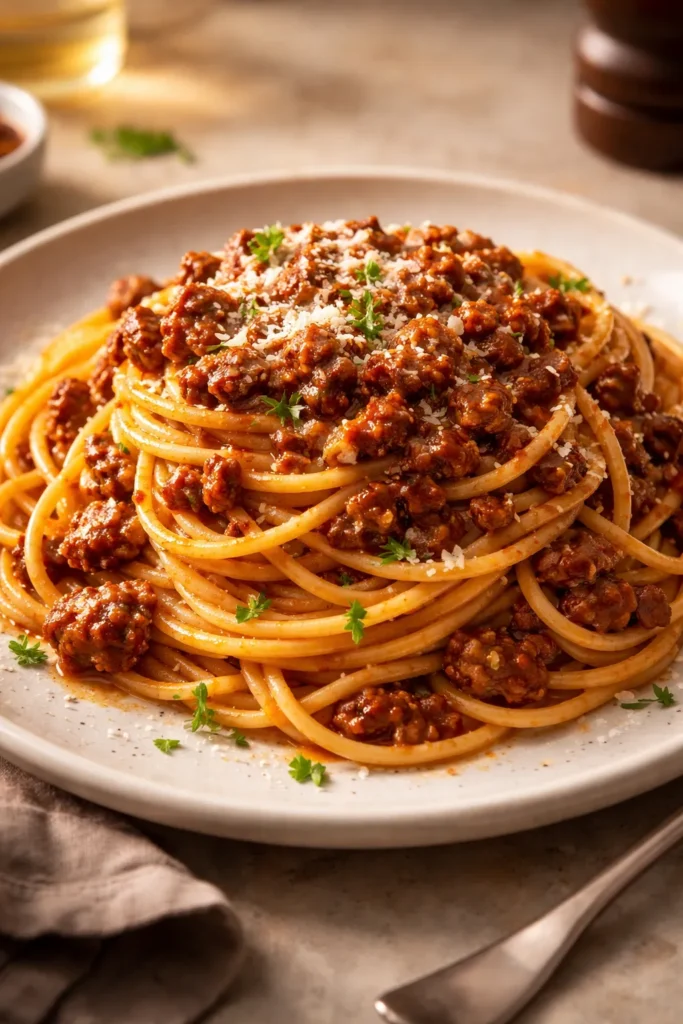
No batch cooking list is complete without a bolognese. Not because it’s the safe option, but because a properly made bolognese is one of the best uses of batch cooking time that exists. The sauce rewards long, slow cooking — the beef tenderises, the tomatoes concentrate, the wine reduces, and after 45 minutes of low simmering you end up with something rich and deeply savoury that tastes like it came from a proper Italian kitchen.
The distinction between a great bolognese and a mediocre one comes down to patience at the browning stage. The beef mince must be browned properly — not just cooked until it loses its pink colour, but browned until it picks up actual colour and the meat juices in the pan have evaporated and caramelised. That browning is flavour. Rush it, and you miss out on the best part of the dish.
Batch Flexibility with Bolognese
Plain bolognese sauce freezes far better than pasta and sauce combined, so always freeze the ragu on its own and cook fresh pasta when you’re ready to eat. From frozen, the sauce defrosts overnight in the fridge or can be reheated gently in a saucepan from cold with a splash of water. Beyond spaghetti, the same sauce works for lasagne, stuffed peppers, baked pasta, and even spread over pizza dough.
What You’ll Need and How to Make It
Serves: 6 | Time: 1 hour 15 minutes
Ingredients:
- 2 tbsp olive oil
- 2 brown onions, finely diced
- 3 medium carrots, finely diced
- 3 sticks celery, finely diced
- 5 cloves garlic, finely chopped
- 1kg beef mince (10–15% fat works best)
- 150ml red wine
- 2 tbsp tomato purée
- 800g tinned chopped tomatoes
- 1 beef stock cube
- 1 tsp dried oregano
- 1 tsp dried thyme
- Salt and black pepper
- Fresh basil and Parmesan to serve
- Heat olive oil in a large, wide saucepan over medium heat. Add the onions, carrots, and celery with a pinch of salt. Cook for 10 minutes until very soft.
- Add the garlic and cook for 2 minutes.
- Increase heat to medium-high. Add the beef mince in batches, breaking it up with a spoon. Cook without stirring for 3 to 4 minutes per batch until genuinely browned, not just grey. Drain excess fat if needed.
- Pour in the red wine and let it bubble for 2 minutes, scraping up any browned bits from the base of the pan.
- Stir in tomato purée and cook for 2 minutes. Add the tinned tomatoes, crumbled stock cube, and dried herbs.
- Bring to a simmer, then reduce heat to low. Cook uncovered for 45 minutes, stirring every 10 minutes, until the sauce is thick and rich.
- Taste and season. Serve over cooked spaghetti with Parmesan and fresh basil.
Batch storage: Refrigerates for 4 days; freezes for up to 3 months. Always freeze the sauce without pasta.
How to Store and Freeze Your Batch Cooks Safely
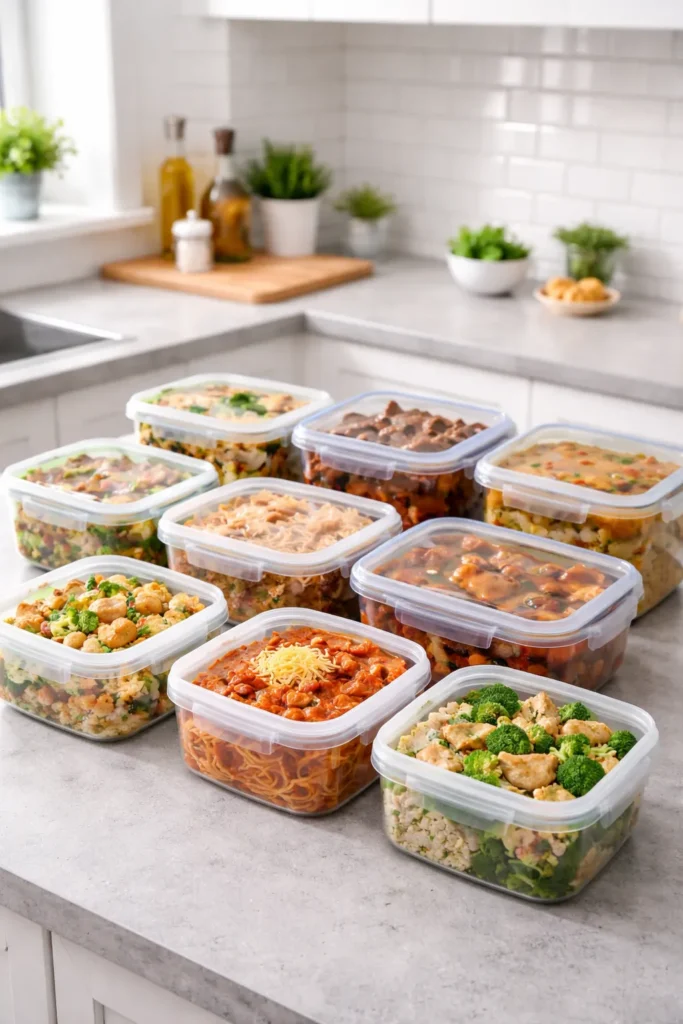
Getting the storage right is just as important as getting the cooking right. A perfectly made chilli that’s stored incorrectly or reheated improperly is both less enjoyable and potentially unsafe — so it’s worth understanding the basics before you start filling your freezer.
Cooling before storing is non-negotiable. Never put hot food directly into the fridge or freezer — it raises the internal temperature of the appliance and can compromise other foods nearby. Spread food out in a wide dish or divide it into smaller portions to speed up cooling. Most dishes should be at or near room temperature within an hour; if not, divide them further.
Label everything. This sounds obvious until you’re staring at six identical containers trying to remember if the mystery brown stew is bolognese, beef curry, or stroganoff. Use a permanent marker directly on freezer bags, or chalk pens on reusable containers. Note the dish name, the date, and the number of portions. Aim to eat frozen meals within 3 months for the best flavour and texture — they’re technically safe beyond that, but quality drops noticeably.
Reheating properly matters too. Every portion you reheat should reach steaming hot all the way through — not just warm at the edges with a cold centre. Reheat on the stovetop over medium-low heat, stirring frequently, or use the microwave with a cover and stir at least once halfway through. Never refreeze food that has already been defrosted — defrost what you plan to eat, and eat it within 48 hours of defrosting.
For dishes with dairy — like the mushroom stroganoff — reheat gently and never allow the sauce to boil. Dairy-based sauces can split under high heat, turning a silky sauce grainy and separated.
The Right Equipment Makes Batch Cooking Faster
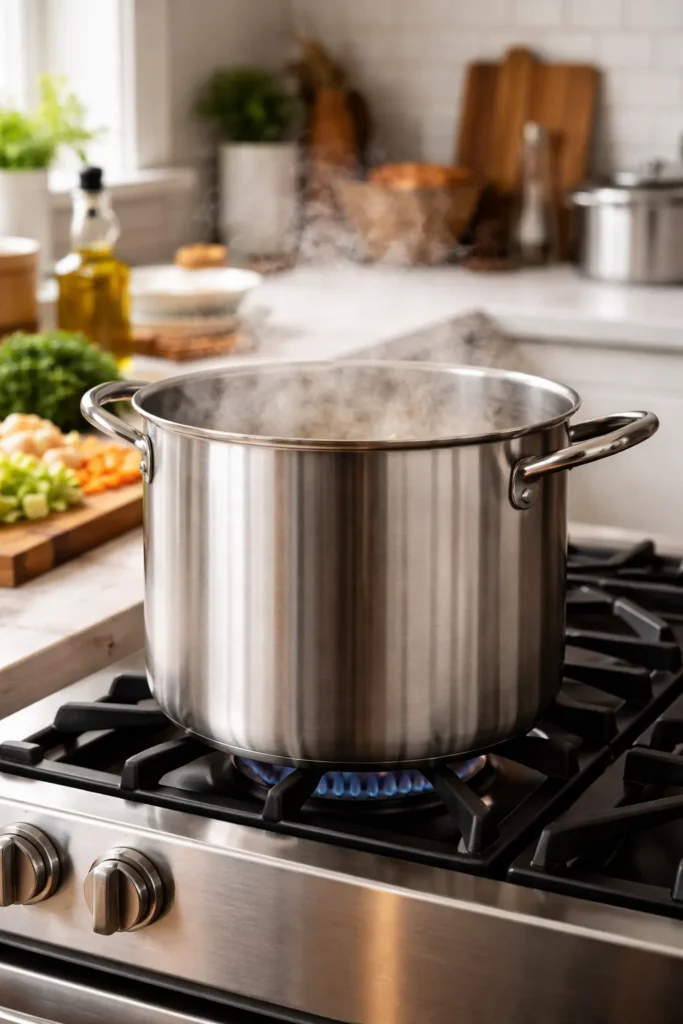
You don’t need to buy anything expensive to batch cook well. Most of what you need is already in a reasonably equipped kitchen. But a few items genuinely make the whole process more manageable.
A large, heavy-bottomed pot is the single most useful piece of equipment for batch cooking. A 7 to 10 litre stockpot gives you room to double recipes without things boiling over or cooking unevenly. If you’re regularly cooking for six or more servings, a small pot forces you to work in batches, which defeats the purpose.
A wide, high-sided frying pan or sauté pan is essential for recipes like the mushroom stroganoff, where surface area matters for browning. Crowding mushrooms (or mince) in a small pan means they steam instead of colour — which costs you flavour.
Freezer-safe containers in multiple sizes make portioning simple. A mix of 500ml and 1-litre containers covers individual portions and family-sized serves. Reusable silicone bags are worth the investment if you batch cook regularly — they freeze flat, stack neatly, and don’t take up the bulk that rigid containers do.
A slow cooker, while not essential, is genuinely transformative for batch cooking. Recipes like the chicken curry can go in before you leave for work and be ready when you return — no monitoring, no stirring, no babysitting. If you batch cook regularly and don’t own one, it’s worth considering.
Making the Most of What You’ve Cooked
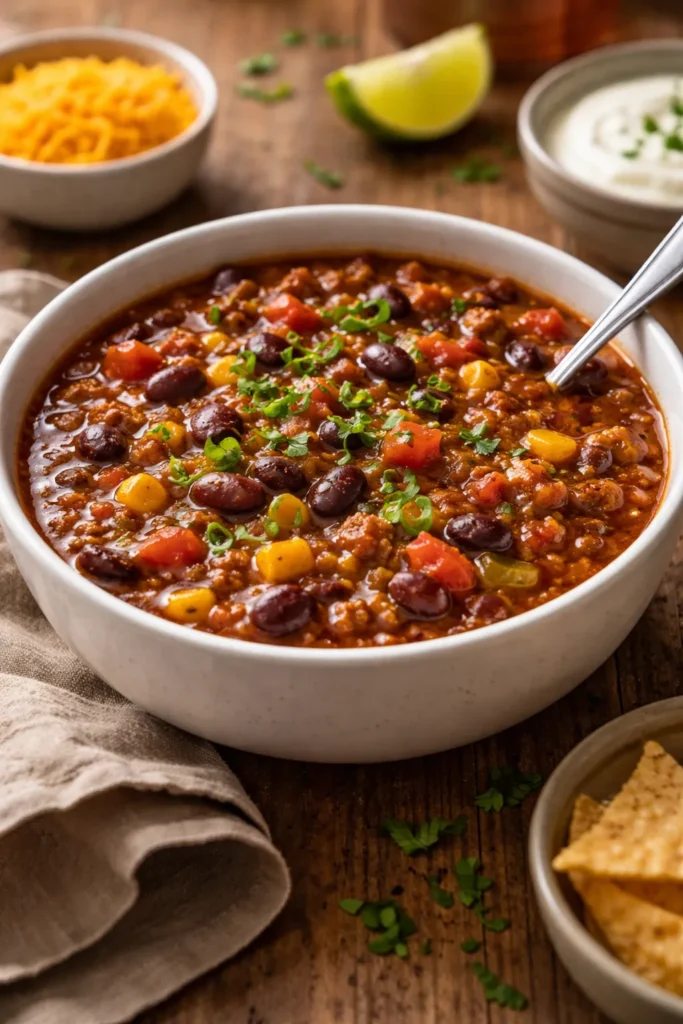
The best batch cooking sessions produce more than just the same meal repeated across the week. They produce components and foundations that can be used in multiple different ways — which keeps the week from feeling monotonous and helps you actually look forward to the food you’ve prepared.
Bolognese becomes lasagne mid-week. Ratatouille becomes a pasta sauce or a pizza topping. Chicken curry becomes a wrap filling the next day with some flatbread and yoghurt. The three-bean chilli works inside a baked potato just as well as over rice.
This is the mindset shift that makes batch cooking sustainable long-term. It’s not about eating the same meal four nights in a row — it’s about having a versatile foundation that adapts. When you think of batch-cooked meals as ingredients rather than finished dinners, the week’s meals feel varied even when the cooking happened on a single afternoon.
Start by doubling a recipe you already make regularly. Get comfortable with the storing and reheating process. Then, as the rhythm becomes natural, build toward a proper batch cook session where you’re making two or three things simultaneously. Most people find that point — cooking multiple dishes at once — comes faster than expected, and the efficiency gains feel genuinely significant.
Final Thoughts

Batch cooking is one of those habits that sounds like extra work until you’ve experienced the payoff first-hand. The first time you pull a container of homemade daal or bolognese from the freezer on a Wednesday evening and have dinner on the table in ten minutes, the investment of that Sunday afternoon clicks into place.
The eight recipes in this collection cover the range of what batch cooking does best: stews and daals that deepen with time, traybakes that reheat without losing their character, and vegetable dishes that find new purpose across different meals throughout the week. None of them require technical skill or expensive ingredients — they just require a bit of forward planning and the right pot.
Start with the one that sounds most appealing and make a double batch this week. Get comfortable with the process before scaling up to a full cooking session. The freezer will thank you, your future self will thank you, and on that inevitable Thursday when everything runs late and dinner needs to happen anyway — you’ll be genuinely glad you put in the time.