There’s something magical about a steaming bowl of chicken and dumplings that takes you straight back to childhood. The aroma alone can transport you to your grandmother’s kitchen, where a big pot simmered on the stove and love was the secret ingredient. Whether you grew up with flat, noodle-like dumplings or fluffy, pillowy clouds floating in rich broth, this comfort food classic holds a special place in hearts across the country.
The beauty of chicken and dumplings lies in its versatility. Every family seems to have their own cherished version, passed down through generations. Some grandmas swore by shortening in their dough, while others used butter or even chicken fat skimmed from the broth. The dumplings themselves spark friendly debates—should they be thick and chewy or light and airy? And don’t even get started on whether the broth should be thin and soup-like or thick and gravy-rich.
What all these recipes share is their ability to warm you from the inside out. They’re born from practicality and resourcefulness, turning a simple chicken and basic pantry staples into something that feeds both body and soul. These eight variations honor different regional traditions and family styles, each one a treasure worth adding to your own kitchen repertoire.
Table of Contents
- 1. Classic Southern-Style Flat Dumplings
- Why This Style Stands Out
- Key Preparation Tips
- 2. Fluffy Drop Dumplings with Baking Powder
- What Makes Them Special
- Success Strategies
- 3. Rolled Dumplings with Lard or Butter
- The Heritage Behind This Method
- How to Work the Dough
- 4. Slow Cooker Chicken and Dumplings
- Why It Works So Well
- Setting Up for Success
- 5. Creamy Chicken and Dumplings with Heavy Cream
- The Appeal of the Creamy Version
- Making It Right
- 6. Chicken and Dumplings with Egg Noodle-Style Dumplings
- What Eggs Bring to the Mix
- Preparing Egg-Based Dumplings
- 7. Biscuit-Style Dumplings Made with Buttermilk
- Why Buttermilk Makes a Difference
- The Mixing and Shaping Process
- 8. Quick Shortcut Dumplings with Refrigerated Biscuits
- When This Version Shines
- Making Them Work Best
- Wrapping Up
1. Classic Southern-Style Flat Dumplings
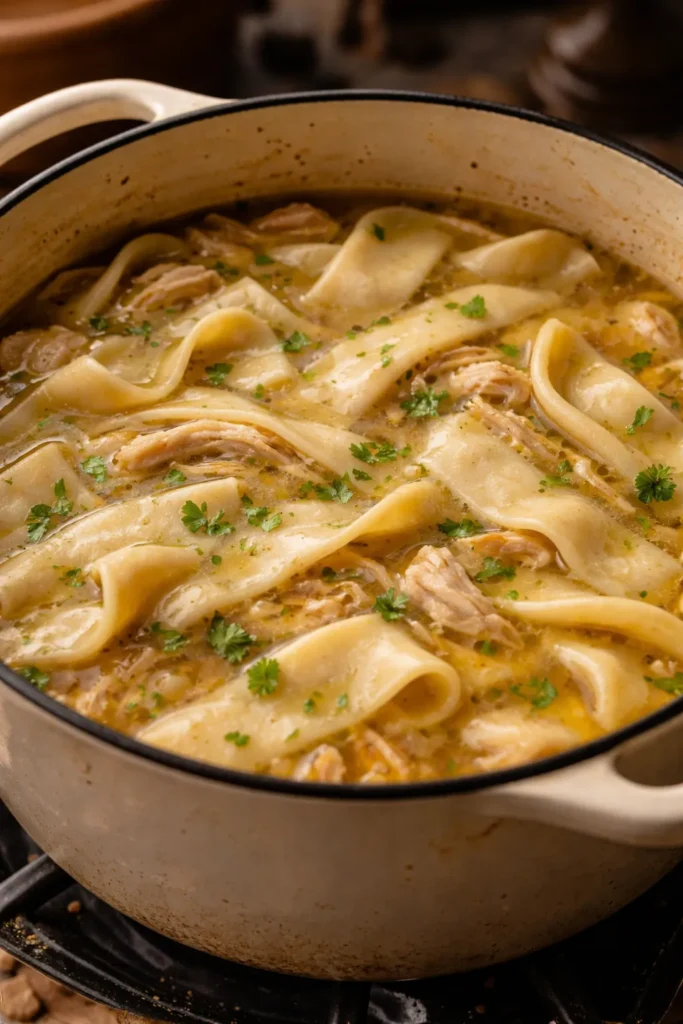
This Texas grandmother’s recipe produces flat, wide dumplings that look more like homemade noodles than biscuits. The dough comes together with flour, salt, vegetable shortening, and hot water—no leavening agents needed. These dumplings have a satisfying chew and soak up the flavorful broth beautifully.
Why This Style Stands Out
The flat dumpling tradition runs deep in Southern cooking, particularly in East Texas and throughout the region. These dumplings get rolled thin as pie crust, then cut into strips about an inch wide. When they hit the boiling broth, they firm up quickly while developing tender edges that flutter slightly. The texture falls somewhere between pasta and traditional dumplings, giving you something substantial to wrap your spoon around.
What makes this version special is its simplicity. You’re not fussing with baking powder or eggs. The shortening gets cut into the flour until it resembles small peas, then hot water brings everything together into a workable dough. After a brief rest, the dough rolls out easily and holds its shape perfectly when dropped into the pot.
Key Preparation Tips
- Let the dough rest for 10 minutes before rolling to make it easier to work with
- Roll each portion thin but not translucent—about the thickness of a nickel
- Drop dumplings into rapidly boiling broth a few at a time to prevent sticking
- Resist stirring too much; gentle lifting keeps them intact
Pro tip: Make a double batch of dumplings and freeze half for next time. Just layer them between parchment paper so they don’t stick together.
2. Fluffy Drop Dumplings with Baking Powder
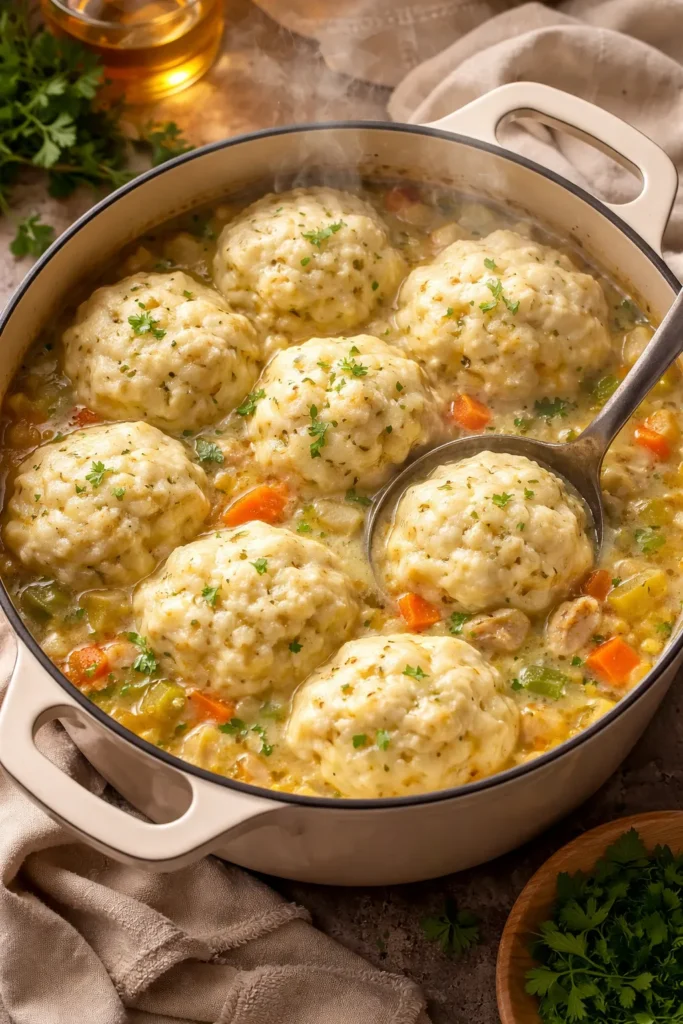
These cloud-like dumplings puff up as they steam on top of the simmering broth, creating light, airy bites that practically melt in your mouth. Made with baking powder, flour, milk, and melted butter, they’re spooned directly into the pot without any rolling or cutting required.
What Makes Them Special
Drop dumplings appeal to cooks who want maximum comfort with minimum fuss. The batter comes together in minutes—just whisk the dry ingredients, stir in the wet, and you’re done. No kneading, no rolling pin, no floury countertops to clean up. You simply scoop rounded tablespoons of dough and plop them onto the bubbling soup.
The magic happens during cooking. As the dumplings steam in the covered pot, the baking powder creates air pockets that make them incredibly tender. The bottoms that touch the broth turn slightly dense and flavorful, while the tops stay fluffy and light. It’s a textural contrast that keeps every bite interesting.
Success Strategies
The cardinal rule with drop dumplings is don’t overmix the batter. Stir just until the flour disappears—a few small lumps are perfectly fine. Overmixing develops too much gluten, which turns your dumplings tough and chewy instead of tender.
Keep that lid on while the dumplings cook. Lifting it releases the steam they need to puff properly. After dropping them in, set a timer for 15 minutes and walk away. Check for doneness with a toothpick—if it comes out clean, dinner’s ready.
Fun fact: Resting the scooped dumplings on a baking sheet for a few minutes before adding them to the pot helps them hold their shape better and puff more evenly.
3. Rolled Dumplings with Lard or Butter
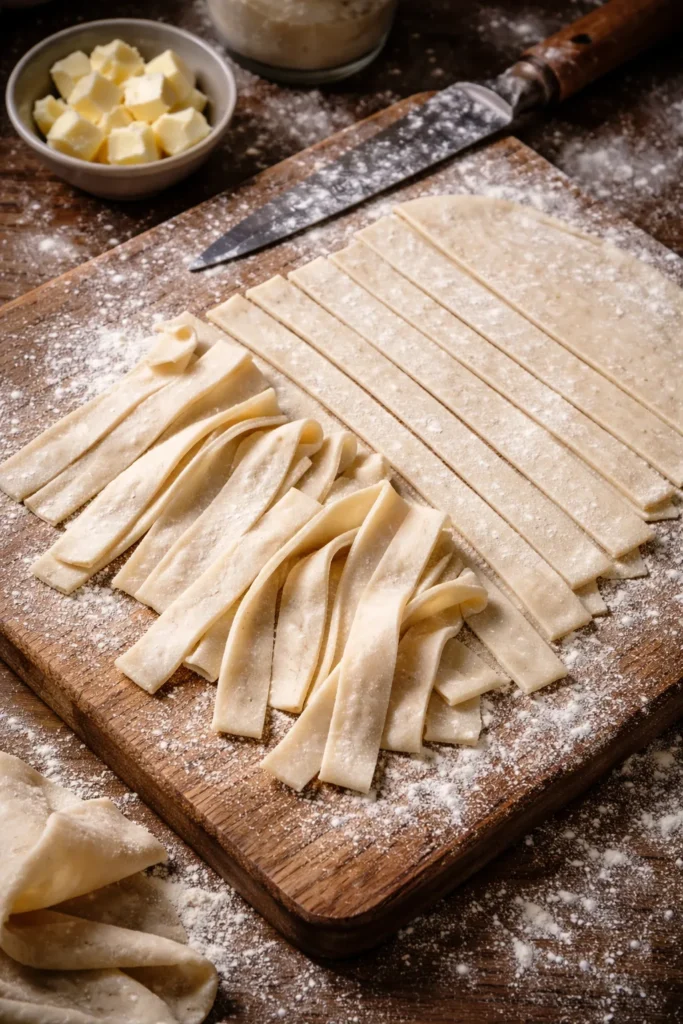
Old-fashioned rolled dumplings made with lard or butter create a richer, more tender result than those made with vegetable shortening. The fat gets worked into the flour, then the dough is rolled out and cut into strips or irregular shapes before simmering in the broth.
The Heritage Behind This Method
Many grandmothers who grew up on farms kept lard from butchering time specifically for making dumplings. The pork fat added an extra layer of flavor that vegetable shortening simply can’t match. These days, butter serves the same purpose for cooks who prefer it, creating dumplings with a slightly sweet, rich taste.
The technique mirrors pie crust making. Cold fat gets cut into flour until the mixture resembles coarse crumbs, then just enough liquid brings it together. The key is keeping everything cold so the fat doesn’t melt before the dumplings hit the hot broth. This creates steam pockets during cooking, yielding a flaky, layered texture.
How to Work the Dough
Use a pastry cutter or two knives to work the fat into the flour. Your fingertips work too, but move quickly so your body heat doesn’t warm the fat. The mixture should look like wet sand with some pea-sized chunks still visible.
Add cold water or broth a tablespoon at a time, tossing with a fork until the dough just holds together when squeezed. Roll it out on a generously floured surface, working quickly to keep it cool. Cut into whatever shape your grandmother preferred—long strips, squares, diamonds, or even hand-torn pieces for a rustic look.
4. Slow Cooker Chicken and Dumplings
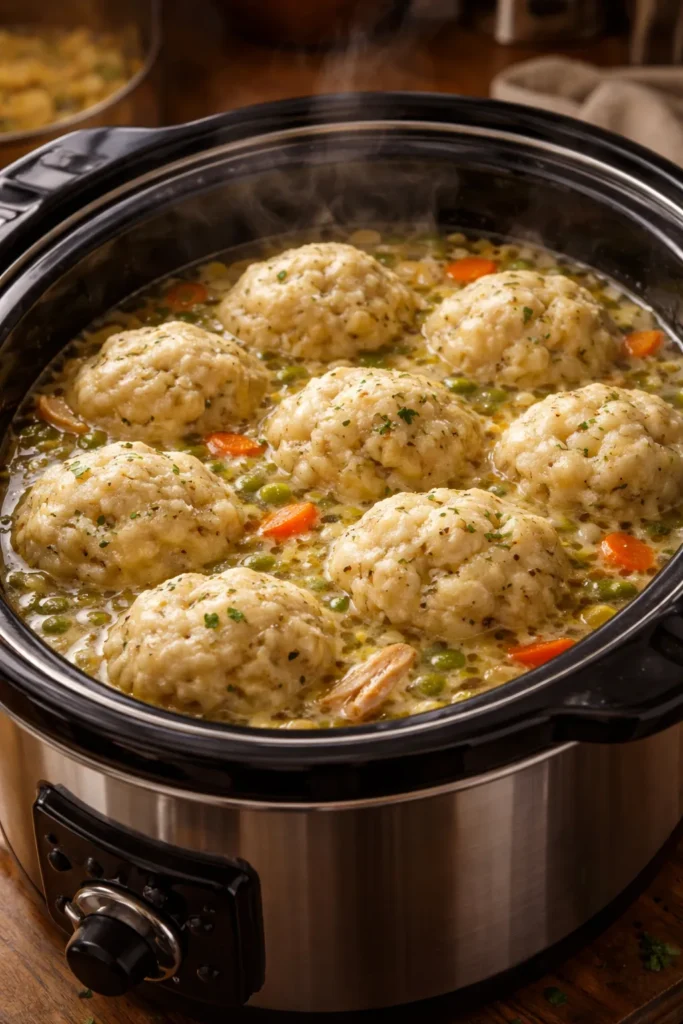
Busy schedules don’t mean you have to skip grandma’s cooking. This slow cooker adaptation lets you enjoy tender chicken and fluffy dumplings with mostly hands-off cooking. The chicken simmers all day in the broth, then dumplings get added during the last hour.
Why It Works So Well
Slow cookers excel at breaking down chicken into fall-apart tender pieces while building deeply flavorful broth. The low, steady heat mimics the gentle simmer of a stockpot without needing constant attention. You can start it before work and come home to a house that smells absolutely amazing.
The trick with dumplings in the slow cooker is timing. Add them too early and they turn mushy. Drop them in during the last 45-60 minutes on high heat, and they steam perfectly while staying intact. Make sure your slow cooker is at least two-thirds full before adding dumplings so there’s enough liquid to create steam.
Setting Up for Success
Brown your chicken pieces first if you have time—it adds color and flavor to the final dish. Saute your vegetables too for extra depth. Then everything goes into the slow cooker with broth, seasonings, and aromatics.
About an hour before serving, increase the heat to high. Mix up your dumpling dough (drop-style works best here), then place spoonfuls on top of the simmering chicken. Cover immediately and don’t peek. The trapped steam does all the work, cooking the dumplings through in about 45 minutes.
Pro tip: Line the slow cooker lid with a clean kitchen towel to catch condensation, which prevents soggy-topped dumplings.
5. Creamy Chicken and Dumplings with Heavy Cream
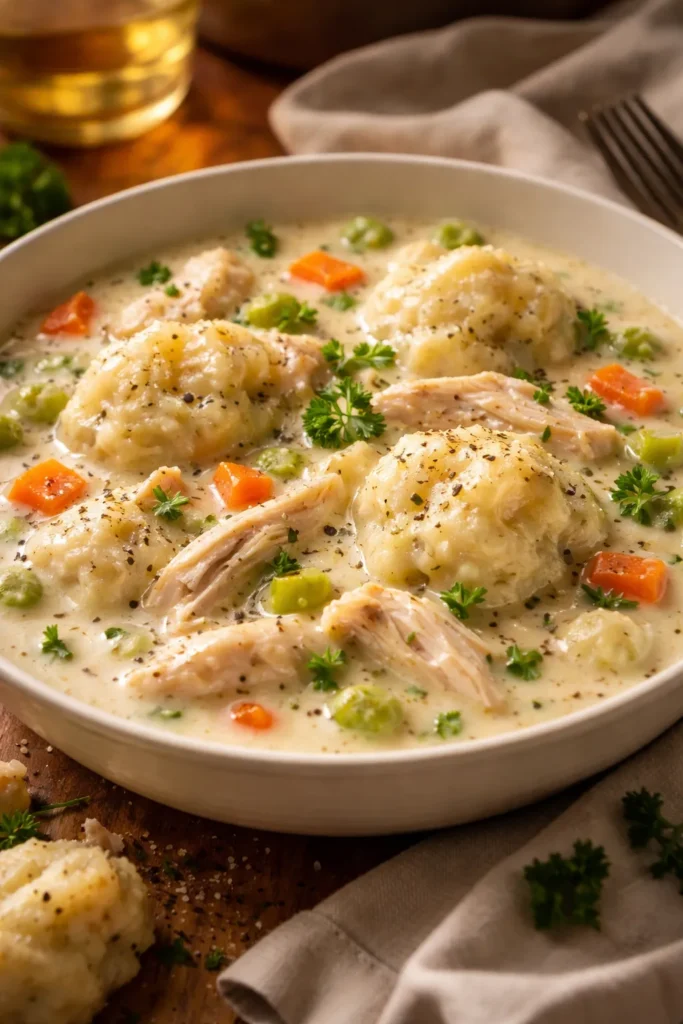
Some grandmas preferred their chicken and dumplings on the rich, creamy side—less like soup and more like a thick, comforting stew. Heavy cream stirred in at the end transforms the broth into something luxurious that coats every dumpling and piece of chicken.
The Appeal of the Creamy Version
This style satisfies those who want something truly indulgent. The cream adds silky body to the broth, turning it almost gravy-like. Each spoonful clings to your spoon, loaded with tender chicken, vegetables, and dumplings. It’s the kind of meal that sticks to your ribs and keeps you full for hours.
The cream also mellows and blends all the flavors together. Sharp notes from black pepper soften, chicken flavor becomes more pronounced, and herbs taste more rounded. You get a cohesive taste experience rather than distinct individual flavors.
Making It Right
Build your base with chicken, vegetables, and broth as usual. Get the chicken cooked and shredded, add your dumplings, and cook them through completely. Only then do you stir in the cream, and here’s the crucial part—don’t let it boil once the cream goes in.
High heat can cause dairy to separate and curdle, giving you an unappetizing grainy texture. Keep the heat low, stir the cream in gently, and let everything warm through for just a few minutes. The residual heat is plenty to incorporate the cream without breaking it.
For extra richness, some cooks add a pat of butter along with the cream. Others sprinkle in fresh herbs like parsley and thyme right at the end for a pop of color and brightness that cuts through all that richness.
6. Chicken and Dumplings with Egg Noodle-Style Dumplings
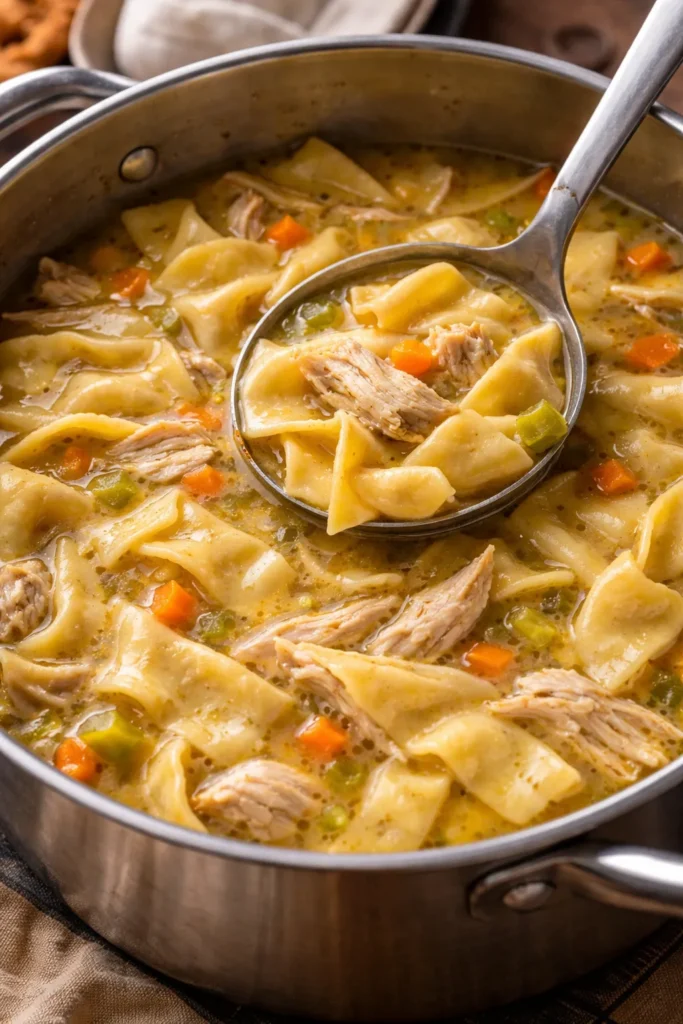
This variation uses eggs in the dumpling dough, creating a texture that’s closer to homemade egg noodles. The dumplings turn out golden, tender, and slightly chewy—a style particularly popular in Pennsylvania Dutch country and parts of the Midwest.
What Eggs Bring to the Mix
Eggs enrich the dough and give it structure, allowing you to roll it very thin without it falling apart. The resulting dumplings have a beautiful golden color and a silky texture that’s distinctly different from other styles. They’re substantial without being heavy, and they hold up beautifully to reheating.
This style often goes by different names depending on where you are—some families call it “pot pie,” others know it as “slippery chicken,” and still others simply call them “noodles.” Whatever the name, the technique stays similar: flour, eggs, salt, and sometimes a bit of butter or fat from the chicken broth itself.
Preparing Egg-Based Dumplings
Beat eggs with a bit of water or broth, then work them into flour with salt until you have a stiff dough. This dough needs a good knead—about 5 minutes—to develop enough gluten for proper texture. Let it rest covered for 20-30 minutes, which makes rolling easier.
Roll the dough as thin as you can manage, dusting with flour as needed to prevent sticking. Cut into strips, squares, or whatever shape speaks to you. Some cooks like to let the cut noodles dry for 30 minutes before cooking, which helps them stay intact, though it’s not strictly necessary.
Drop them into boiling broth and watch them transform. They’ll firm up quickly and develop a lovely slippery texture—hence one of the traditional names—that makes them incredibly satisfying to eat.
7. Biscuit-Style Dumplings Made with Buttermilk
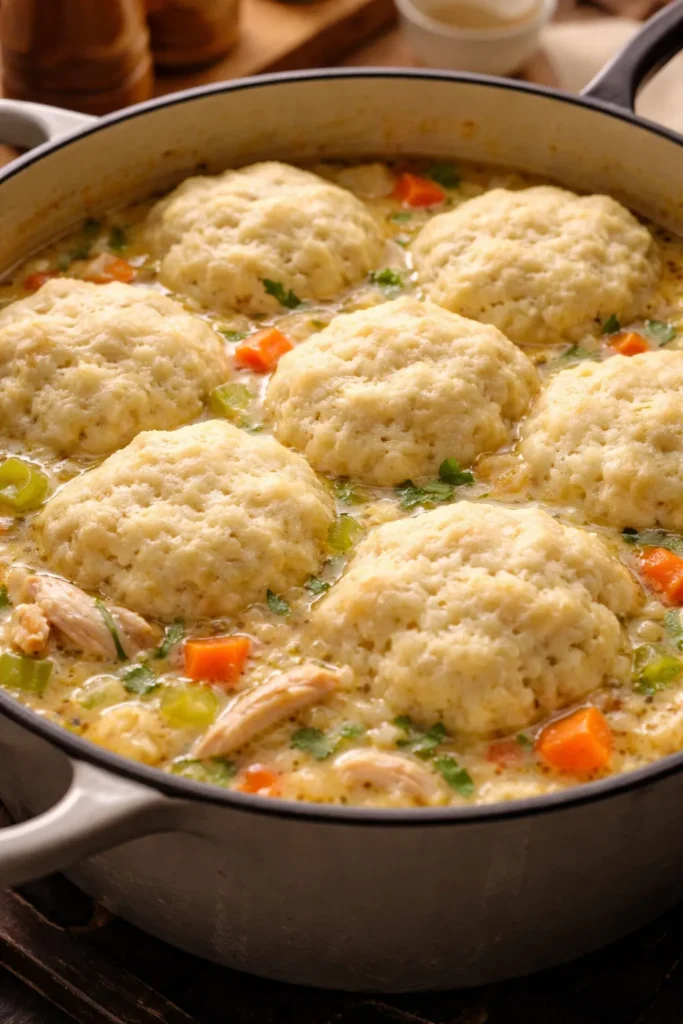
These dumplings start with a basic biscuit dough enriched with buttermilk for tang and tenderness. They steam into substantial, biscuit-like mounds that are firm enough to hold their shape but tender enough to pull apart easily with a fork.
Why Buttermilk Makes a Difference
Buttermilk does double duty in dumpling dough. Its acidity tenderizes the gluten in flour, giving you softer dumplings even if you mix the dough a bit more than you should. It also reacts with baking powder to create extra lift and lightness. The subtle tanginess balances the rich chicken broth beautifully.
These dumplings have more structure than drop-style puffs but aren’t as flat as rolled noodle types. They occupy a happy middle ground—substantial enough to be filling, but still light enough to feel comforting rather than heavy.
The Mixing and Shaping Process
Whisk together flour, baking powder, salt, and a pinch of sugar. Cut cold butter into the mixture until it looks like coarse meal. Pour in cold buttermilk and stir just until the dough comes together—it should be shaggy and slightly sticky.
Turn it out onto a floured surface and pat it gently into a rectangle about half an inch thick. Cut into rounds with a biscuit cutter, or simply cut squares with a knife for a more rustic look. Drop them onto your simmering soup, cover, and let them steam for 12-15 minutes until puffed and cooked through.
The tops will look matte when done, and a toothpick inserted in the center should come out clean. Serve immediately while they’re at their fluffiest.
8. Quick Shortcut Dumplings with Refrigerated Biscuits
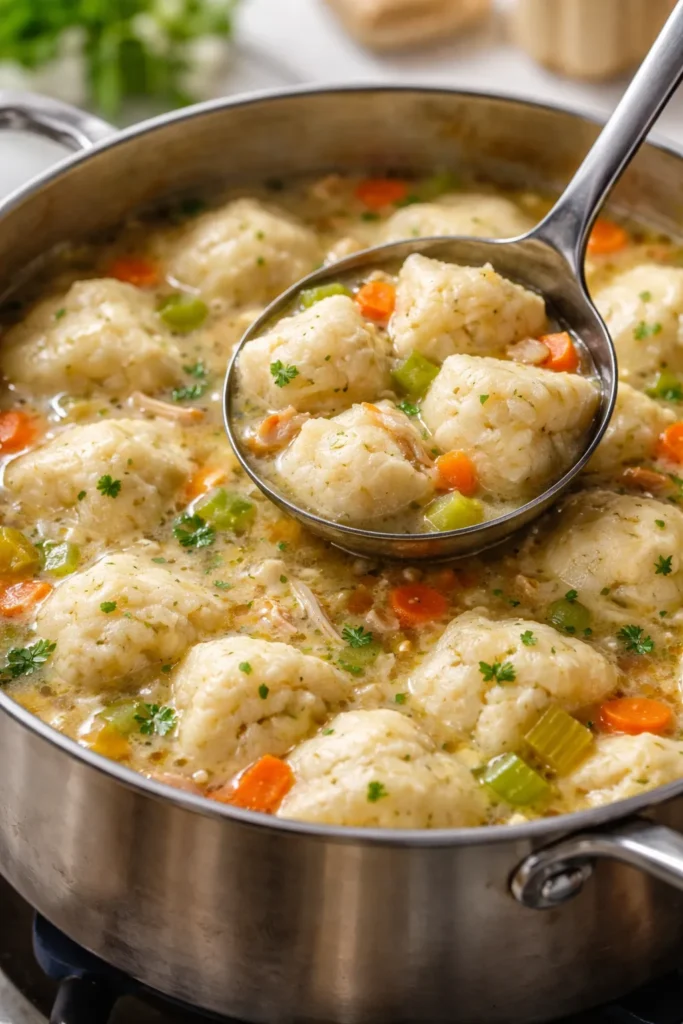
Not every dumpling recipe needs to be made from scratch. This shortcut version uses refrigerated biscuit dough—the kind that comes in a tube—for dumplings that are ready in minutes. It’s the perfect solution when you’re craving comfort food but short on time or energy.
When This Version Shines
Let’s be honest—some days you need grandma’s cooking but don’t have grandma’s time. This method delivers satisfying chicken and dumplings in a fraction of the time. The biscuits steam into tender, fluffy dumplings that soak up broth beautifully. While purists might scoff, practical cooks appreciate having this option in their back pocket.
The technique works especially well when you’re using store-bought rotisserie chicken and boxed broth. You can have dinner on the table in about 30 minutes from start to finish. That’s weeknight-friendly timing for a dish that usually requires weekend effort.
Making Them Work Best
Choose the cheapest, most basic biscuits you can find. Fancy layered or “grands” style biscuits don’t work as well—they’re too buttery and rich, and they tend to fall apart. Plain buttermilk biscuits hold together better and have a neutral flavor that doesn’t compete with the chicken broth.
Cut each biscuit into quarters—they’ll expand as they steam, so smaller pieces work better than whole biscuits. Drop them into actively simmering broth, making sure there’s enough liquid to create steam. Cover tightly and resist peeking for at least 10 minutes.
The dumplings are done when they’re no longer doughy in the center. They should look puffy and cooked through, with a slightly firm exterior and tender interior. If you want extra flavor, brush the raw biscuits with melted butter and sprinkle with garlic powder or herbs before quartering them.
Wrapping Up
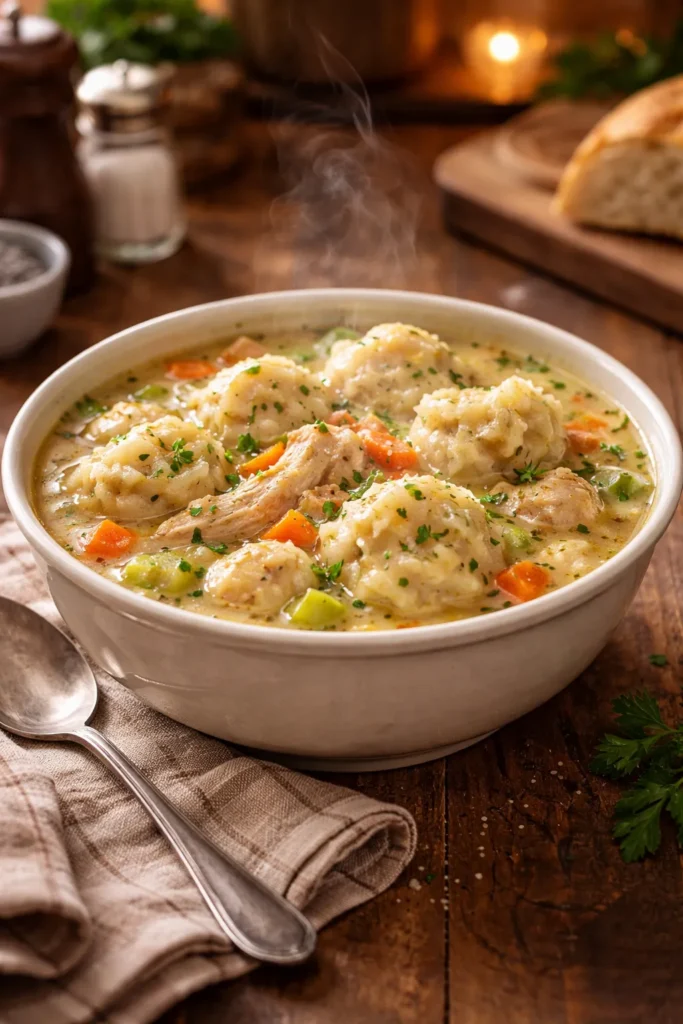
Each of these eight recipes honors a different grandmother’s approach to chicken and dumplings, proving there’s no single “right” way to make this beloved dish. Whether you prefer flat noodles that swim through thin broth or fluffy clouds floating in creamy gravy, you’ll find a version here that speaks to your own family memories.
The best part? You don’t have to choose just one. Try them all over time and see which resonates most with your own taste and cooking style. Maybe you’ll become the grandmother whose chicken and dumplings get requested for every birthday and special occasion, creating new food memories for the next generation to treasure.
Start with a whole chicken and good broth, add whatever style of dumplings calls to you, and don’t forget to cook with love. That’s the real secret ingredient that made grandma’s version so special.