Mornings have a way of eating your time before you’ve eaten your breakfast. You hit snooze once, scramble to find clean socks, and suddenly the window for anything more ambitious than a granola bar has slammed shut. That’s exactly why protein pancakes have become such a staple for people who care about what they eat but can’t spend 45 minutes in the kitchen every single day.
Here’s the thing most people don’t realize: protein pancakes aren’t one recipe. They’re a category — and within that category, there’s a version that fits almost every dietary need, flavor preference, and skill level. Some use whey protein powder as the backbone. Others lean on oats, cottage cheese, Greek yogurt, or bananas to hit those protein numbers without a single scoop of powder. And some are so stripped-down that you could genuinely prep them half-asleep with one hand on your coffee mug.
What they all share is the ability to keep you full in a way that a bowl of cereal or a slice of toast simply cannot. A well-built protein pancake breakfast lands somewhere between 25 and 35 grams of protein per serving, which is enough to support muscle repair, stabilize blood sugar, and carry you well past the 10am hunger wall. That’s not breakfast dessert — that’s a real meal.
The eight recipes below cover everything from ultra-simple flourless versions to blender-ready oat pancakes to indulgent chocolate and peanut butter stacks. Every one of them is designed specifically for busy mornings, which means short ingredient lists, minimal cleanup, and maximum payoff on your plate.
Table of Contents
- How Protein Powder Behaves in Pancake Batter
- Choosing the Right Protein Powder for Pancakes
- 1. Classic Whey Protein Pancakes with All-Purpose Flour
- What You’ll Need
- How to Make Them
- Why This Version Works
- 2. Flourless Greek Yogurt Protein Pancakes
- What You’ll Need
- How to Make Them
- Why Small Pancakes Are Non-Negotiable Here
- 3. Oat and Banana Blender Protein Pancakes
- What You’ll Need
- How to Make Them
- The Banana Factor
- 4. High-Protein Cottage Cheese Pancakes
- What You’ll Need
- How to Make Them
- Why Protein Pancakes Stick (and How to Stop It)
- 5. 3-Ingredient Vegan Protein Pancakes
- What You’ll Need
- How to Make Them
- Tweaks That Make a Real Difference
- 6. Chocolate Protein Pancakes
- What You’ll Need
- How to Make Them
- Making Chocolate Flavor Actually Come Through
- 7. Blueberry Protein Pancakes
- What You’ll Need
- How to Make Them
- Frozen vs. Fresh Blueberries
- 8. Peanut Butter Protein Pancakes
- What You’ll Need
- How to Make Them
- The Peanut Butter Rule
- Toppings That Boost Your Protein Even Further
- How to Meal Prep and Freeze Protein Pancakes
- Troubleshooting Common Protein Pancake Problems
- Final Thoughts
How Protein Powder Behaves in Pancake Batter
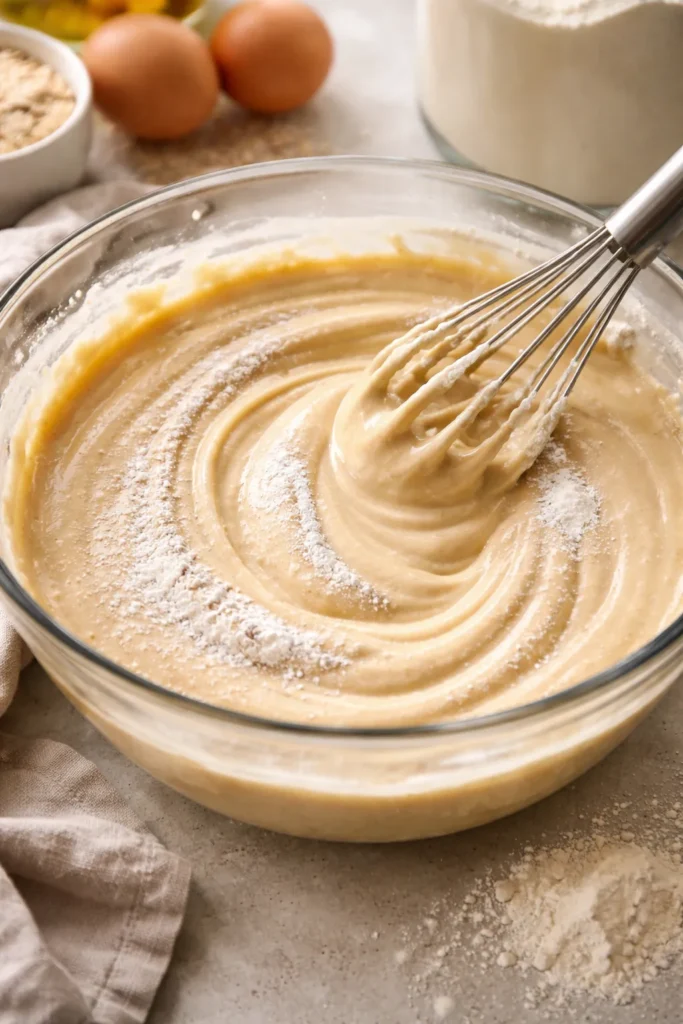
Before getting into the individual recipes, it’s worth understanding why protein pancakes can be finicky — and why they don’t always behave like the classic stack you grew up with.
Protein powder, particularly whey isolate and plant-based pea protein, is hygroscopic. It pulls moisture aggressively from the batter, which is why protein pancakes have a reputation for turning out dry or rubbery when something goes wrong. The fix isn’t complicated, but it does require paying attention to two specific variables: the amount of powder you use and how long you cook them.
Measuring protein powder by weight rather than volume makes a meaningful difference. A loosely scooped 40g portion and a packed, heaping 40g scoop can vary by 10-15 grams of actual powder, and that extra powder will absolutely dry out your batter. If you have a kitchen scale, use it. If not, fluff the powder in the container before scooping and level it off cleanly.
The cooking time issue is just as significant. Protein pancakes cook much faster than traditional flour-based ones, often needing less than a minute on the first side and just 10-20 seconds after the flip. Pull them off the heat the moment the second side sets — don’t wait for deep golden-brown color the way you would with buttermilk pancakes.
Different powders also behave differently in heat. Whey isolate blends smoothly and holds its shape well. Pea protein absorbs more liquid, which can make the batter denser. Collagen peptides are virtually flavorless and mix seamlessly. Beef-based protein powders produce a thinner, somewhat fudgier pancake that some people find even more satisfying. None of these outcomes is wrong — they’re just different, and knowing what to expect helps you adjust on the fly rather than wondering what went wrong.
Choosing the Right Protein Powder for Pancakes
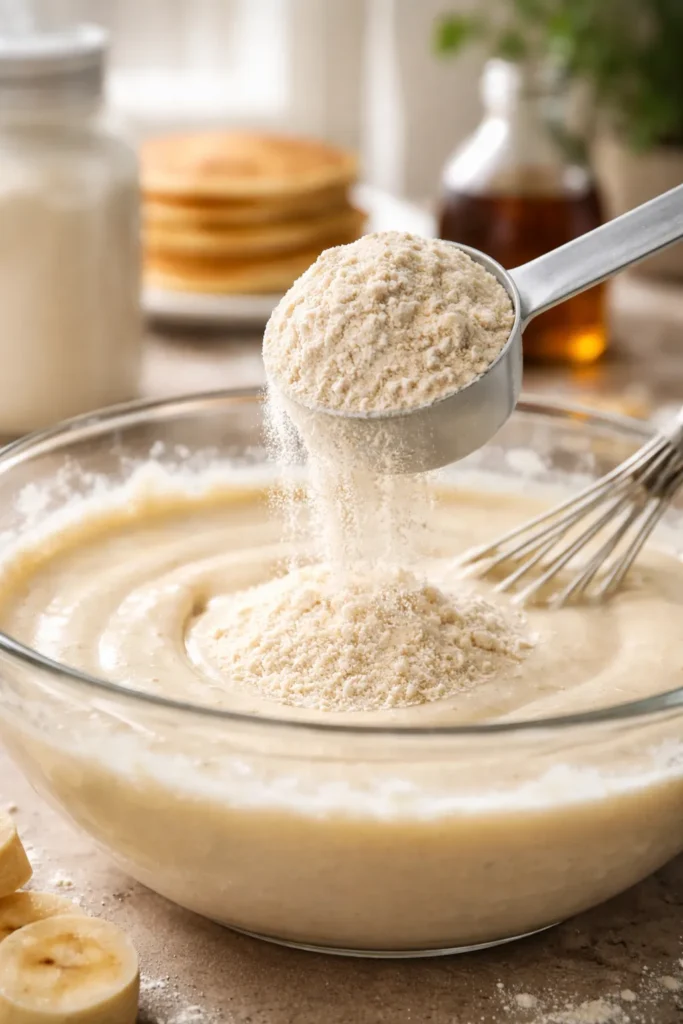
This decision shapes every recipe that follows, so it’s worth taking a minute to think through your options deliberately.
Whey protein isolate is the gold standard for protein pancakes. It blends smoothly into batter, holds its structure during cooking, and doesn’t overpower the flavor of the other ingredients. Unflavored or vanilla varieties work best in most of the recipes below because they give you control over the final taste.
Pea protein powder is the go-to for plant-based and dairy-free versions. It’s more absorbent than whey, so batter made with pea protein tends to thicken faster — especially as it sits. Add liquid in small increments if your batter gets too stiff between batches.
Collagen protein is worth mentioning because it dissolves almost completely, adds no texture variation, and is entirely flavorless. The trade-off is that collagen isn’t a complete protein (it lacks tryptophan), so it works best when combined with eggs or yogurt to fill that nutritional gap.
Flavored vs. unflavored: Vanilla protein powder produces the most universally appealing pancakes because that warm sweetness translates well to heat. Chocolate-flavored powders often taste weaker after cooking than they do raw, so you may want to add a tablespoon of cocoa powder to boost the depth. Avoid artificially sweetened powders with strong chemical aftertastes — that synthetic sweetness amplifies under heat in ways that aren’t pleasant.
1. Classic Whey Protein Pancakes with All-Purpose Flour
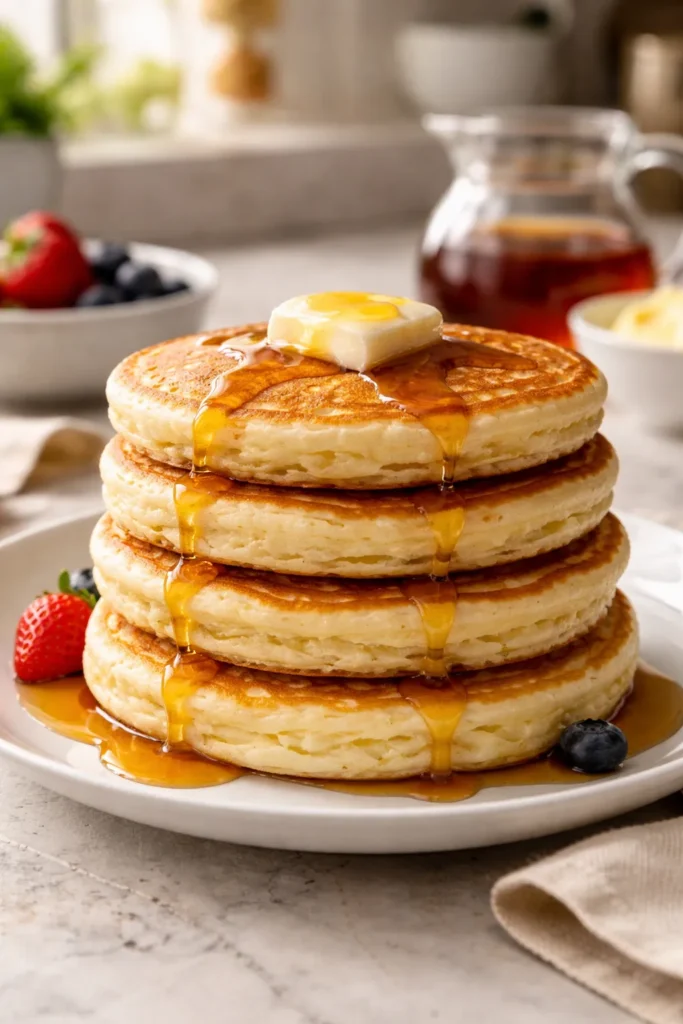
These are the protein pancakes that taste closest to what you’d get at a diner — fluffy, slightly thick, with a proper golden crust and a soft interior that doesn’t crumble when you cut into it. Adding flour to the mix gives structure that pure protein-powder batters often lack, and the result is something that genuinely satisfies a pancake craving rather than just checking a nutrition box.
Yield: Serves 4 (3 pancakes per serving) | Prep Time: 5 minutes | Cook Time: 10 minutes | Total Time: 15 minutes | Difficulty: Beginner
What You’ll Need
- 1½ cups all-purpose flour (or a 1:1 gluten-free flour blend)
- ½ cup vanilla whey protein powder
- 2½ teaspoons baking powder
- Pinch of fine salt
- 1½ cups milk (any kind)
- 2 large eggs
- 2 tablespoons melted butter
- 1 teaspoon vanilla extract (optional but worthwhile)
How to Make Them
Whisk the flour, protein powder, baking powder, and salt in a large bowl. Make a well in the center and pour in the milk, eggs, melted butter, and vanilla. Break up the eggs with a fork first, then stir everything together from the outside in until the batter is smooth with no visible dry powder. Don’t overwork it — a few thin streaks are fine.
Heat a nonstick pan or griddle over medium-high heat and grease lightly with butter or oil spray. Pour ¼ cup of batter per pancake and spread slightly with the back of a spoon. Cook for about 2 minutes, until the edges look defined and bubbles form across the surface. Flip and cook for another 90 seconds. Never press the pancake down with a spatula — that collapses the air bubbles and makes them dense.
Why This Version Works
Each 3-pancake serving delivers around 25 grams of protein. The flour gives the batter enough structure to bubble properly and hold its shape through the flip, which makes these much more beginner-friendly than flourless versions. If the batter feels too thick to pour easily (plant-based powders in particular can cause this), add milk one tablespoon at a time until it flows off a spoon in a slow, steady ribbon.
Worth knowing: Cold batter from the fridge is significantly thicker and harder to pour. If you prepped the batter the night before, let it sit on the counter for 10-15 minutes and add a splash of milk before you start cooking.
2. Flourless Greek Yogurt Protein Pancakes
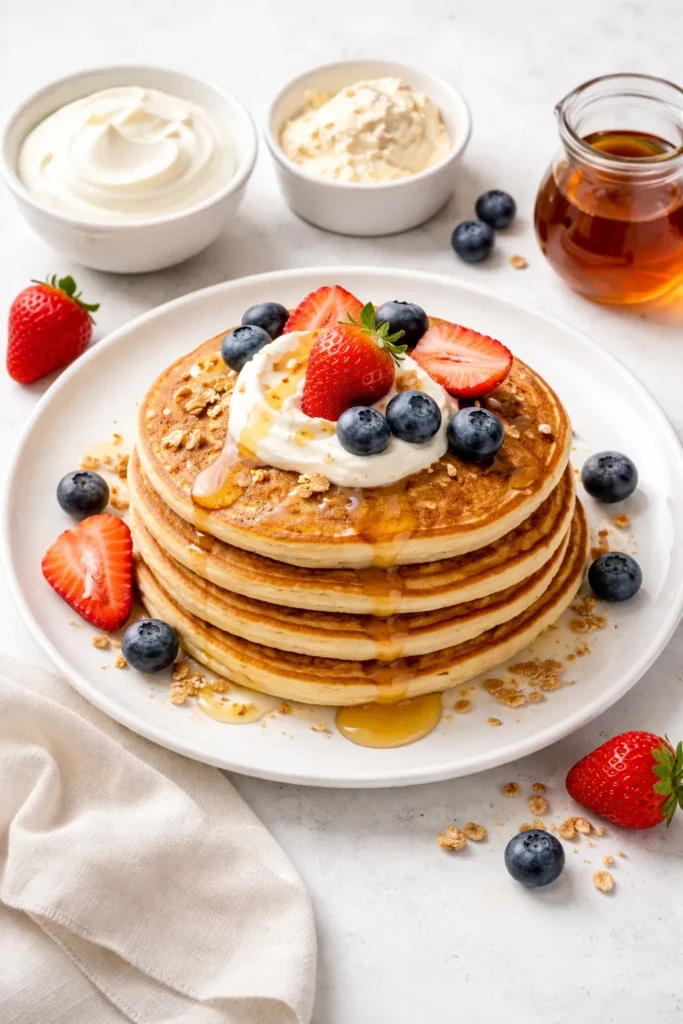
No flour, no fuss — just eggs, Greek yogurt, protein powder, and baking powder. This is the recipe to reach for when you want serious protein numbers without any grains in the picture. Each serving clocks in at about 31-32 grams of protein, and the Greek yogurt brings a richness that prevents the dryness that plagues so many flourless versions.
Yield: Serves 2 (about 9 small pancakes per serving) | Prep Time: 5 minutes | Cook Time: 10 minutes | Total Time: 20 minutes | Difficulty: Intermediate — requires careful heat control and quick flipping
What You’ll Need
- 2 large eggs
- ½ cup plain whole-milk Greek yogurt (not regular yogurt)
- 2 scoops (40g) unsweetened whey protein isolate
- 1 teaspoon baking powder
- 1 tablespoon vanilla extract
- 1 teaspoon stevia glycerite or sweetener of choice (omit if using sweetened protein powder)
- Avocado oil spray for the pan
How to Make Them
Whisk together the eggs, yogurt, vanilla, and sweetener in a medium bowl until smooth. Add the protein powder and whisk until completely incorporated, scraping the sides of the bowl with a rubber spatula. Whisk in the baking powder last and let the batter rest for 2-3 minutes — it will thicken slightly as it sits.
Heat a nonstick skillet over medium heat and spray with oil. Use a 1.5-tablespoon cookie scoop to portion small mounds onto the pan — this size is essential because the batter is thin and spreads. Cook until bubbles appear on the surface, about 45-60 seconds. Flip and cook for just 10-20 more seconds. These are done faster than you’d expect.
Why Small Pancakes Are Non-Negotiable Here
The thin, egg-forward batter doesn’t have the structural support of flour, so large pancakes break apart during the flip. Making them small also means the center cooks through before the outside overcooks and dries out. Use two spatulas — slide one underneath and use the second to support the top as you flip. It sounds fussy, but after the first batch, it becomes second nature.
Avoid the temptation to crank up the heat to speed things along. If the pan gets too hot (which happens quickly with electric stoves), lower it to medium-low after the first batch. Overcooked protein pancakes don’t just taste dry — they develop a rubbery, eggy texture that’s genuinely unpleasant.
3. Oat and Banana Blender Protein Pancakes
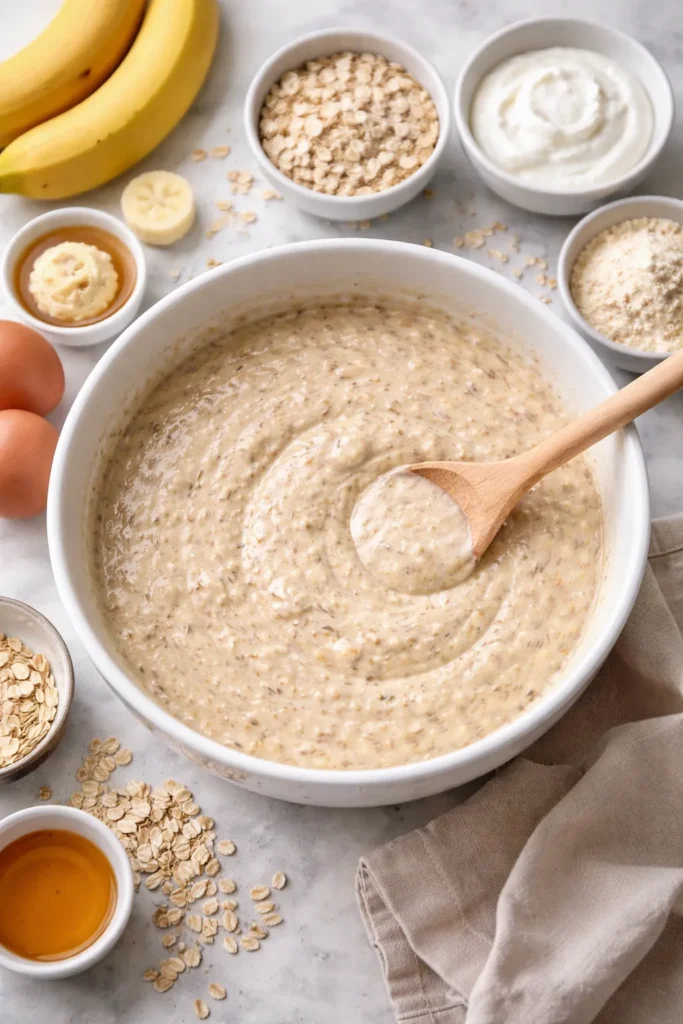
Blend everything in one container, pour it straight onto the pan, and rinse the blender with hot water when you’re done. This is the zero-stress version for mornings when even washing a mixing bowl feels like too much to ask.
Yield: Makes 10-12 pancakes, serves 3-4 | Prep Time: 5 minutes | Cook Time: 15 minutes | Total Time: 20 minutes | Difficulty: Beginner
What You’ll Need
- 1 cup whole rolled oats (certified gluten-free if needed)
- 1 very ripe banana (the spottier, the sweeter)
- 3 large eggs
- ½ cup whole-milk Greek yogurt
- 1 cup milk (any variety — regular milk adds the most protein)
- 2 scoops protein powder, about ¼ cup (unflavored or vanilla pea protein works well)
- 1 tablespoon avocado oil, plus more for the pan
- 1 tablespoon maple syrup
- 1 teaspoon vanilla extract
- 1 tablespoon baking powder
- ½ teaspoon fine sea salt
How to Make Them
Add the liquid ingredients to the blender first — milk, banana, eggs, yogurt, oil, maple syrup, and vanilla. Then add the oats, protein powder, baking powder, and salt on top. Blend on medium speed for 30-40 seconds until completely smooth. Pour the batter into a large bowl and stir once to make sure everything is evenly combined.
Heat a nonstick skillet over medium heat and brush with a little oil. Use a ⅓-cup measure to pour batter into rounds. Cook for 1½ to 2 minutes per side until golden brown and cooked through. Reduce the heat to medium-low by the second or third batch — the pan holds residual heat and will start browning the pancakes faster than they cook through.
The Banana Factor
A very ripe banana does two things here: it adds natural sweetness so you can keep the maple syrup minimal, and it contributes moisture that counteracts the drying effect of the protein powder. A barely ripe banana is starchy and won’t blend as smoothly, and the sweetness won’t carry through in the same way. If you don’t have a ripe banana on hand, one tablespoon of pure maple syrup plus an extra tablespoon of yogurt makes a reasonable swap.
The batter thickens as it sits, especially because the oats continue absorbing liquid. If the batter tightens up between batches, thin it with 1-2 tablespoons of milk and stir before continuing.
4. High-Protein Cottage Cheese Pancakes
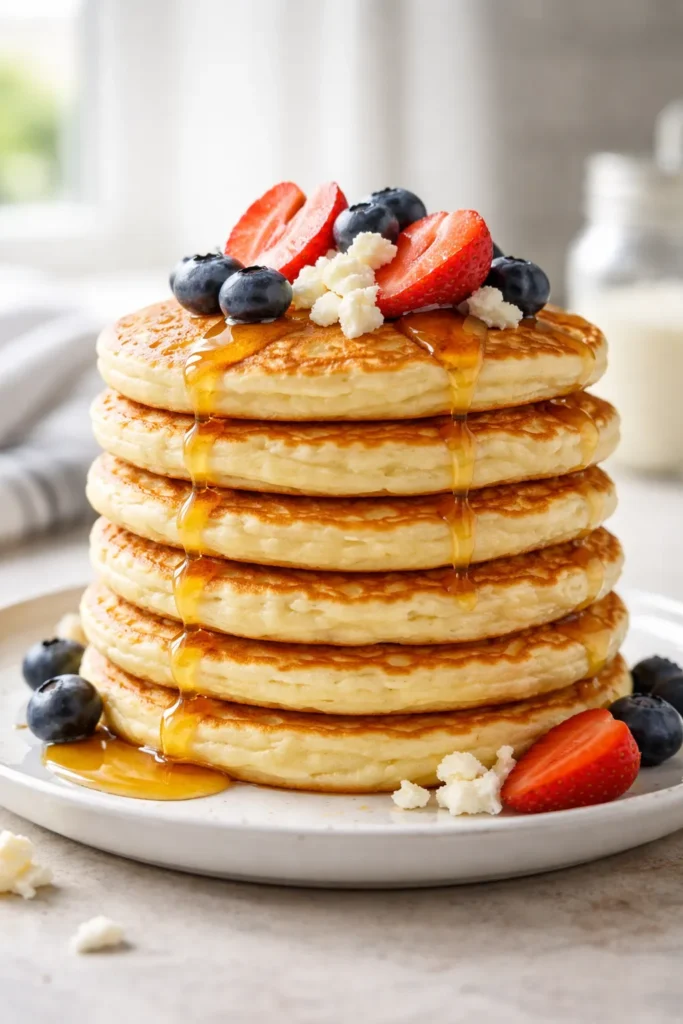
Cottage cheese in pancake batter sounds unusual until you try it — and then it’s hard to go back. The curds blend completely smooth, adding a creamy richness and a meaningful protein boost without any noticeable dairy tang in the final pancake. Combined with egg whites and a scoop of protein powder, this version hits 30 grams of protein per serving with a genuinely fluffy texture.
Yield: Serves 2 (3 pancakes per serving) | Prep Time: 5 minutes | Cook Time: 15 minutes | Total Time: 20 minutes | Difficulty: Beginner
What You’ll Need
- ½ cup low-fat small-curd cottage cheese
- ½ cup liquid egg whites (or 4 separated egg whites)
- 1 scoop (30g) unflavored whey protein powder
- 1 cup complete pancake mix (just-add-water style)
- ½ cup water
- Oil or butter spray for the pan
How to Make Them
Combine the cottage cheese, egg whites, protein powder, pancake mix, and water in a small blender. Blend for 15 seconds until completely smooth — no visible curds remaining. Spray a nonstick skillet with oil and set over medium-high heat until a drop of water flicked onto the surface sizzles immediately.
Pour about ⅓ cup of batter into the pan and spread gently to about 6 inches in diameter. Cook for 2 minutes or until bubbles form across the surface and the edges look set. Flip and cook for 20-30 seconds more. Repeat with the remaining batter.
Why Protein Pancakes Stick (and How to Stop It)
Egg whites increase the likelihood of sticking significantly, and this batter is high in egg whites. Never skip the fat in the pan. An avocado oil spray applied before each batch keeps the surface well-lubricated without adding a heavy butter flavor. If you notice the first pancake sticking, the pan isn’t hot enough before you add the batter — let it preheat a full 30 seconds longer than you think necessary.
Using a store-bought pancake mix as the base (one that just requires water) is a smart shortcut here because it already contains the leavening and salt ratios that make for a fluffy result. Avoid high-protein pancake mixes — they often make the batter too dense when combined with additional protein powder.
5. 3-Ingredient Vegan Protein Pancakes
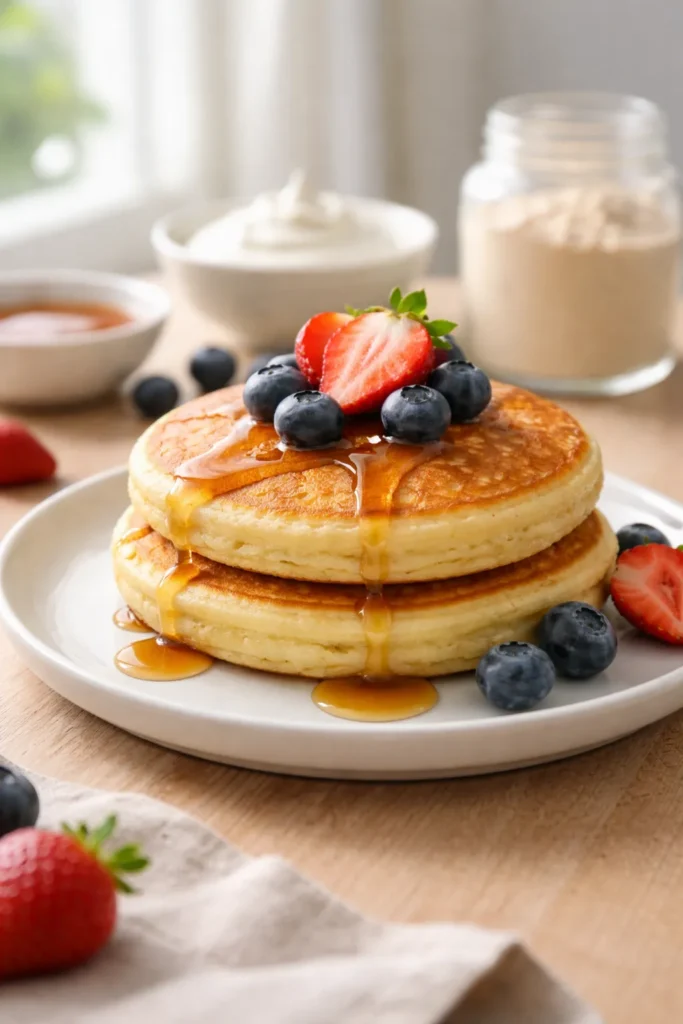
Three ingredients — that’s it. Eggs, Greek yogurt (or a vegan Greek yogurt), and protein powder. No flour, no baking powder, no sweetener unless you want to add one. This is the recipe for the morning when the pantry is nearly bare but the protein goal for the day very much isn’t.
Yield: Serves 2 (2 pancakes per serving) | Prep Time: 5 minutes | Cook Time: 15 minutes | Total Time: 20 minutes | Difficulty: Intermediate — requires patience with flipping
What You’ll Need
- 2 large eggs
- ½ cup vegan Greek yogurt (vanilla-flavored works especially well)
- ½ cup vegan protein powder (pea or brown rice blend)
- Nonstick cooking spray or coconut oil for the pan
How to Make Them
Whisk the eggs and yogurt together in a bowl until mostly smooth. Add the protein powder and mix until no clumps remain — lumps in the batter create unpleasant dry pockets in the finished pancake. Portion into 4 equal rounds on a preheated, greased nonstick pan.
Cook over medium heat for about 6 minutes, until the bottom is golden brown and the top looks set around the edges. Flip carefully with a wide silicone spatula and cook for 2 more minutes. Serve immediately.
Tweaks That Make a Real Difference
Plant-based protein powders absorb significantly more liquid than whey, which means this batter can be quite thick — thicker than it needs to be. If the batter doesn’t spread into a pancake shape on its own within 10 seconds of hitting the pan, it’s too thick. Add water or plant milk one tablespoon at a time and stir until it just barely flows.
If you want to add a little baking powder (½ teaspoon), the pancakes puff up more and get closer to a traditional fluffy texture. Chocolate-flavored protein powder plus a tablespoon of raw cacao powder in the batter produces a genuinely satisfying chocolate pancake. Peanut butter lovers: stir in one tablespoon of runny, natural peanut butter before cooking for a rich, nutty version that pairs perfectly with sliced banana on top.
6. Chocolate Protein Pancakes
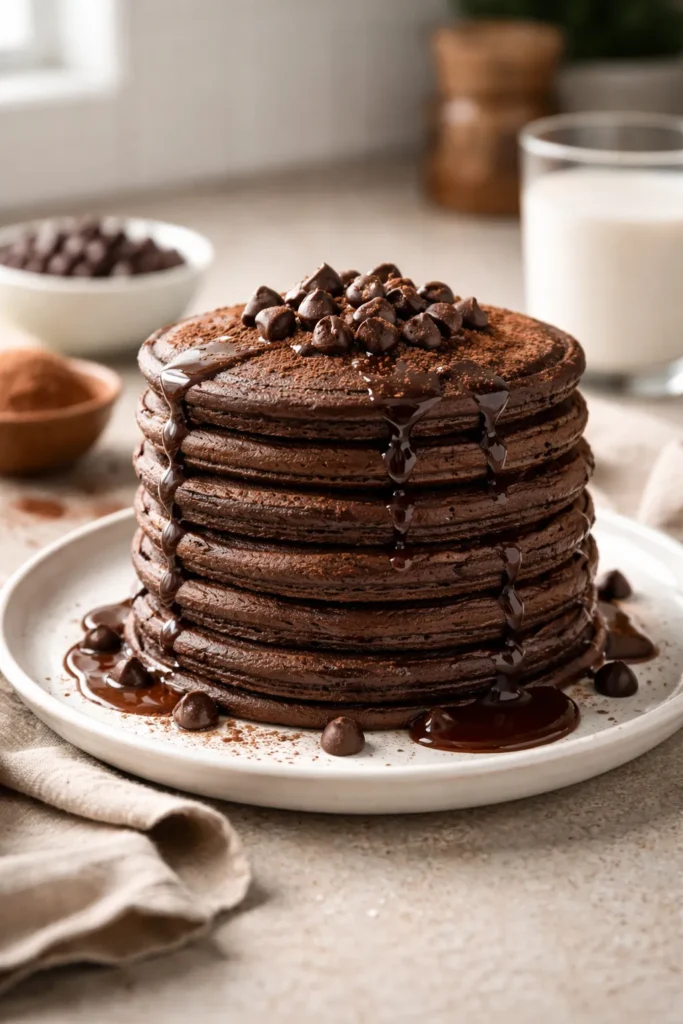
Chocolate for breakfast doesn’t have to mean cocoa-dusted cereal with a long list of unrecognizable ingredients. These chocolate protein pancakes use cocoa powder alongside chocolate protein powder to build a deep, genuine chocolate flavor — not the faint, slightly artificial taste you get when chocolate protein powder does all the heavy lifting on its own.
Yield: Serves 4 | Prep Time: 10 minutes | Cook Time: 15 minutes | Total Time: 25 minutes | Difficulty: Beginner
What You’ll Need
For the batter:
- 1 cup all-purpose flour (or oat flour)
- ½ cup chocolate whey protein powder
- 2 tablespoons unsweetened cocoa powder
- 2 teaspoons baking powder
- ¼ teaspoon fine salt
- 1½ cups milk
- 2 large eggs
- 2 tablespoons melted coconut oil or butter
- 2 tablespoons maple syrup
- 1 teaspoon vanilla extract
How to Make Them
Whisk together the flour, protein powder, cocoa powder, baking powder, and salt in a large bowl. In a separate bowl or measuring cup, whisk together the milk, eggs, oil, maple syrup, and vanilla. Pour the wet ingredients into the dry and stir until just combined — a few small lumps are fine and actually preferable to an overworked batter.
Cook on a lightly greased nonstick griddle over medium heat, using ¼ cup of batter per pancake. Cook 2 minutes per side. The dark color makes it harder to judge doneness visually, so rely on the bubble cue: when bubbles form and pop across most of the surface and the edges look matte rather than wet, it’s time to flip.
Making Chocolate Flavor Actually Come Through
The cocoa powder addition is non-negotiable if you want these to taste like chocolate rather than a vague chocolate memory. Chocolate protein powder alone loses a lot of its intensity when heated, so the cocoa amplifies and deepens it back to where it needs to be. Dutch-processed cocoa gives a smoother, more mellow chocolate flavor; natural cocoa is sharper and slightly more acidic. Either works, but Dutch-processed is particularly good here.
Top these with sliced banana, a drizzle of peanut butter, and a small pour of maple syrup for a breakfast that genuinely feels like a treat while delivering 25+ grams of protein per serving.
7. Blueberry Protein Pancakes
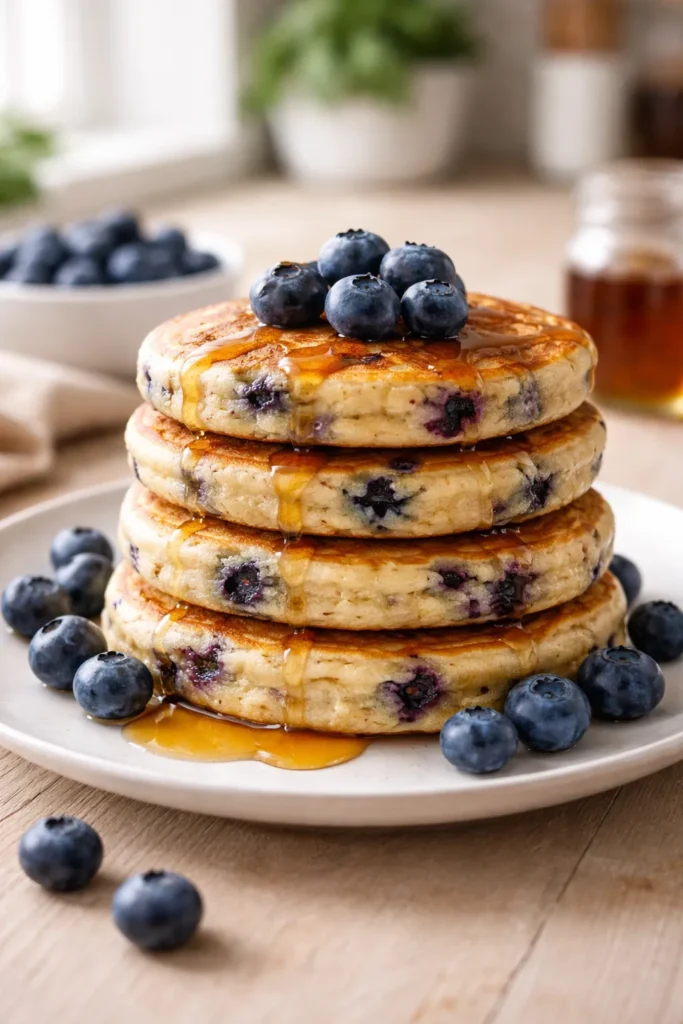
Blueberries and pancakes are one of those combinations that just works — the burst of juicy tartness against the slightly sweet, fluffy base is a textural contrast that plain pancakes can never quite replicate. Adding blueberries to a protein pancake batter takes about 30 seconds of extra effort and produces something that feels significantly more special than the base recipe.
Yield: Serves 4 | Prep Time: 10 minutes | Cook Time: 15 minutes | Total Time: 25 minutes | Difficulty: Beginner
What You’ll Need
- 1 cup oat flour (or rolled oats blended until fine)
- ½ cup vanilla whey or pea protein powder
- 1½ teaspoons baking powder
- ¼ teaspoon fine salt
- 1 cup milk
- 2 large eggs
- ½ cup plain Greek yogurt
- 1 teaspoon vanilla extract
- 1 tablespoon maple syrup
- ½ cup fresh or frozen blueberries, rinsed and dried thoroughly
How to Make Them
Mix all the dry ingredients in a large bowl. Whisk together the wet ingredients separately, then pour into the dry and stir until just smooth. Don’t fold the blueberries into the batter — instead, scatter 4-5 blueberries directly onto the surface of each pancake after you’ve poured the batter into the pan. This prevents the berries from bleeding into the batter and turning the whole thing purple, and it also means each pancake gets a more even distribution.
Cook over medium heat, 2 minutes per side, until golden and cooked through. The blueberries will soften and begin to burst — that’s exactly what you want.
Frozen vs. Fresh Blueberries
Fresh blueberries are easier to work with and less likely to make the batter watery. Frozen blueberries work too, but rinse and dry them thoroughly before using and add them straight from frozen rather than thawed — thawed berries release so much juice that they can make the immediate area of the batter too wet to set properly during cooking.
Wild blueberries (smaller than conventional) are worth seeking out. They’re more intensely flavored than their cultivated counterparts and distribute more evenly across each pancake because of their size. A dusting of powdered sweetener or a spoonful of Greek yogurt on top instead of syrup keeps this breakfast on the lighter end while still feeling indulgent.
8. Peanut Butter Protein Pancakes
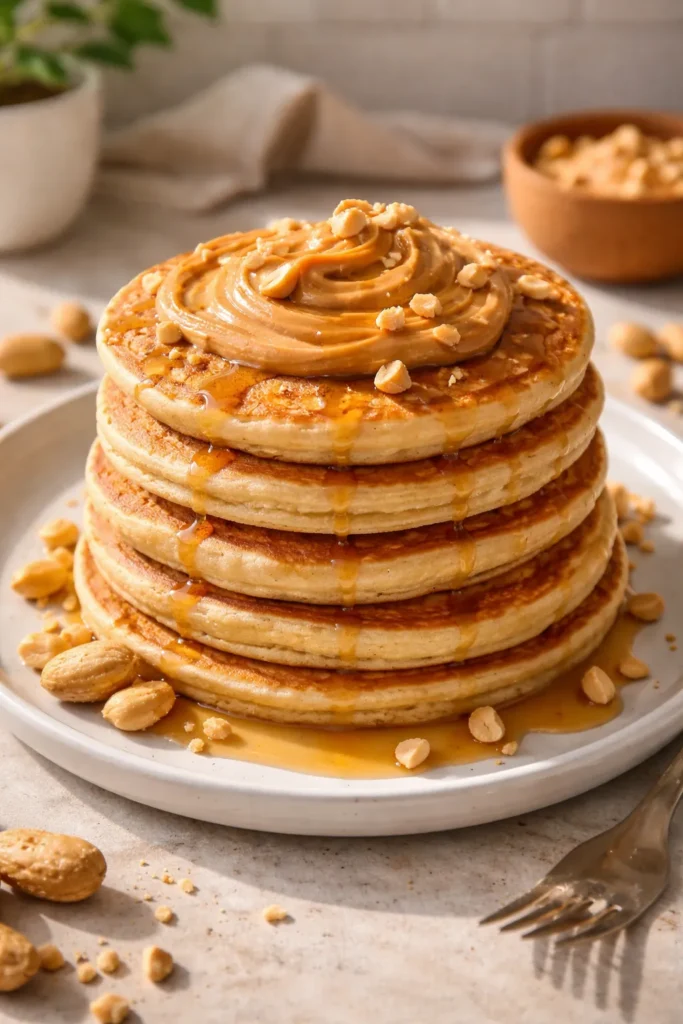
Peanut butter does something interesting in pancake batter: it adds fat, binding, and flavor all at once. The result is a pancake that’s slightly denser and richer than a standard version, with a warm, nutty undertone that makes even a plain stack feel satisfying without a single topping.
Yield: Serves 3-4 | Prep Time: 10 minutes | Cook Time: 15 minutes | Total Time: 25 minutes | Difficulty: Beginner
What You’ll Need
- 1 cup all-purpose flour
- ½ cup vanilla whey protein powder
- 2 teaspoons baking powder
- ¼ teaspoon salt
- ¼ teaspoon cinnamon
- 1¼ cups milk
- 2 large eggs
- 3 tablespoons natural peanut butter (runny, not stiff — stir well before measuring)
- 1 tablespoon maple syrup
- 1 teaspoon vanilla extract
How to Make Them
Whisk the flour, protein powder, baking powder, salt, and cinnamon together in a bowl. In a separate bowl, whisk together the milk, eggs, peanut butter, maple syrup, and vanilla until the peanut butter is fully incorporated — this takes a little more effort than a standard wet mixture. Stir the wet ingredients into the dry until smooth.
Cook ¼ cup portions on a lightly greased, medium-heat nonstick pan for about 2 minutes per side. The cinnamon in the batter means these develop a beautiful amber color quickly, so check the underside at 90 seconds to make sure they’re not getting too dark.
The Peanut Butter Rule
Only use natural peanut butter (ingredients: peanuts, salt — nothing else) that’s been stirred until the oil is fully incorporated. Conventional peanut butter with added sugar and hydrogenated oils is too stiff and sticky to distribute evenly in batter, which creates uneven pockets of density. If your natural peanut butter is very stiff, microwave it for 10-15 seconds and stir — it should flow freely.
Top these with sliced banana, a thin drizzle of honey, and a sprinkle of chopped roasted peanuts for a breakfast that covers protein, healthy fat, and natural carbohydrates in a single stack. Or keep it completely simple: these are genuinely good with nothing but a very light pour of maple syrup.
Toppings That Boost Your Protein Even Further
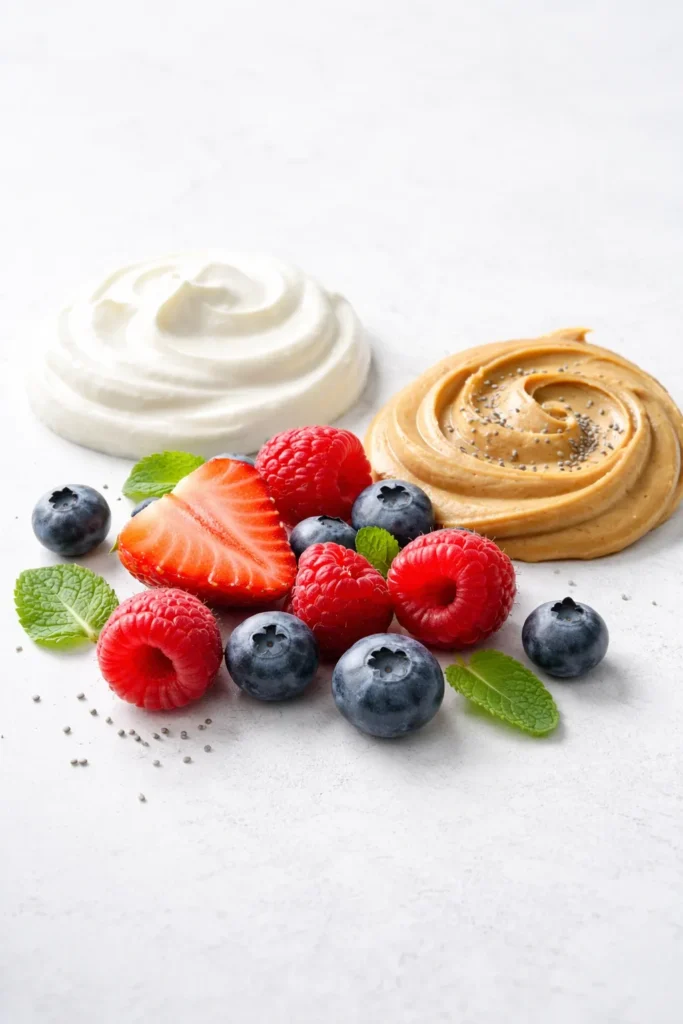
Reaching 30+ grams of protein from the pancakes alone is a solid outcome. But if you want to push the total even higher — or build a more nutritionally complete plate — what you put on top matters as much as what’s in the batter.
Greek yogurt is the smartest topping decision you can make. A ½-cup dollop of full-fat Greek yogurt adds roughly 10 grams of protein and mimics the creamy, soaked-syrup texture that you’d normally get from buttered pancakes with a river of maple syrup running through them. Use a vanilla-flavored variety and it doubles as both a topping and a light sweetener.
Nut butters — almond, peanut, cashew, or sunflower seed for nut-free options — add healthy fat and additional protein, and they pair with almost every variation in this list. The trick is to warm your nut butter until it’s just slightly pourable, then drizzle it over the top rather than spreading it cold (which can tear the pancake surface).
Fresh fruit, especially berries, adds antioxidants, natural sweetness, and fiber that rounds out the macronutrient profile. And a small drizzle of pure maple syrup — measured, not poured freely — is a completely reasonable addition. The goal isn’t to eat a joyless protein brick; it’s to build a breakfast that’s both nourishing and worth looking forward to.
How to Meal Prep and Freeze Protein Pancakes
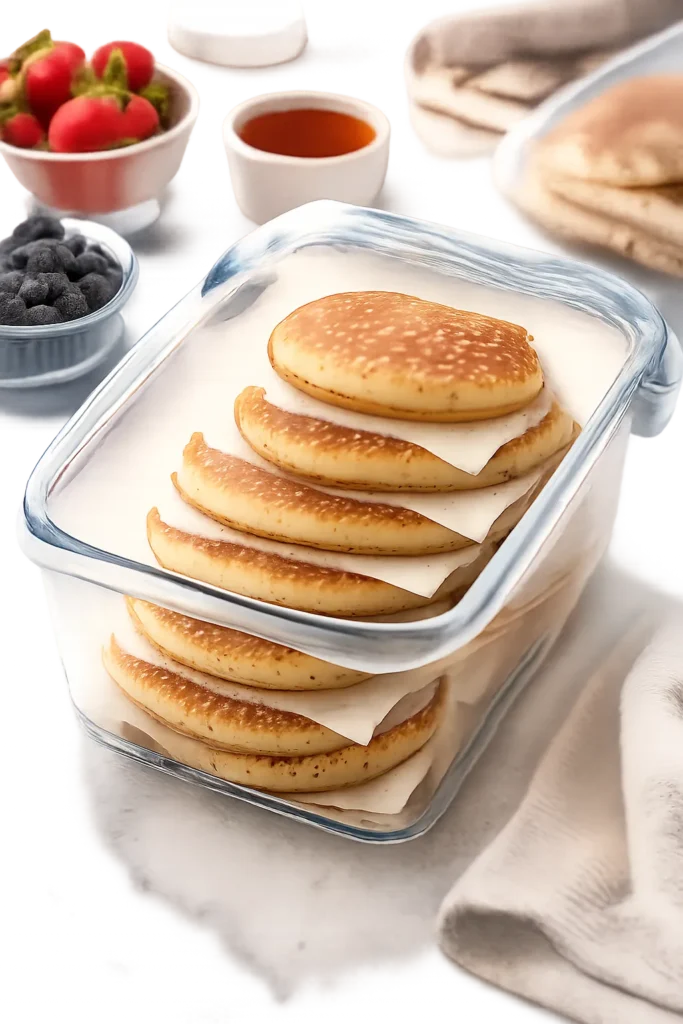
This is where protein pancakes go from a good breakfast idea to an actual system that makes your week easier. Every recipe in this article reheats well, which means making a double batch on a Sunday and having breakfast sorted for the following five mornings is a completely realistic and genuinely useful strategy.
Let cooked pancakes cool completely on a wire rack before storing — stacking warm pancakes traps steam and makes them soggy. Once cool, layer them in an airtight container with small squares of parchment paper between each pancake to prevent sticking. In the fridge, they keep well for 3-4 days. In the freezer, they hold quality for up to 3 months.
To reheat refrigerated pancakes, microwave for 20-30 seconds — no longer, or they dry out. Frozen pancakes go straight into a toaster or toaster oven (if they’re not too thick) for the best texture, or microwave in 30-second increments until just warmed through. Don’t microwave frozen protein pancakes for a full minute straight — the outside gets rubbery before the inside is warm.
You can also prep the batter itself ahead of time for fresh pancakes in the morning. Store the batter in a jar or airtight container in the fridge for up to 4 days. Give it a good stir before using, and expect it to have thickened — add milk a tablespoon at a time until it pours at the right consistency.
Troubleshooting Common Protein Pancake Problems
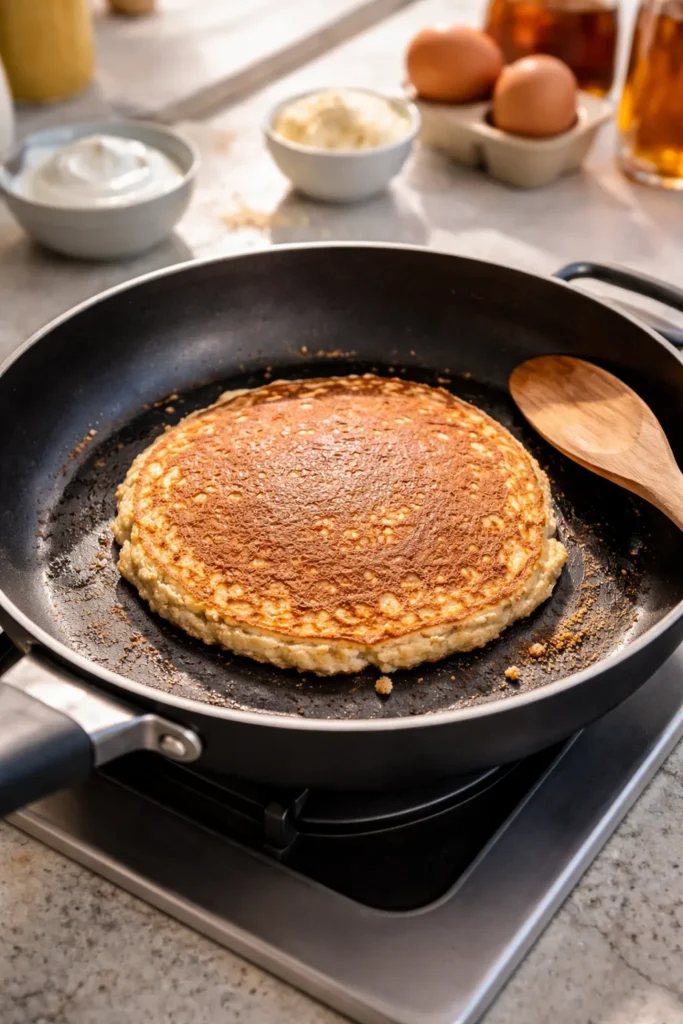
Even with a solid recipe, protein pancakes can go sideways for a few predictable reasons. Knowing what to look for makes the difference between a frustrating batch and a great one.
Dry, crumbly texture: Almost always caused by overcooking or too much protein powder. Pull the pancakes off heat earlier than you think, and if you’re not weighing your powder, start measuring more conservatively. Adding 2-4 extra tablespoons of Greek yogurt to the batter is a reliable rescue move if the first test pancake comes out dry.
Mushy, falls-apart texture: Usually a protein powder compatibility issue — some powders (particularly certain plant-based ones) don’t bind as well as whey under heat. Adding ¼ cup of almond flour or 2 tablespoons of all-purpose flour to the batter provides enough structure to hold things together through the flip.
Pancakes stick to the pan: Use a proper nonstick surface, apply fat before every batch (not just the first), and make sure the pan is genuinely hot before adding batter. A cold or barely warm pan means the batter spreads and bonds to the surface before it has a chance to set.
Batter too thick to pour: Different protein powders absorb liquid at different rates. Pea protein in particular can turn a batter stiff very quickly. Add milk one tablespoon at a time, stir, and test again. The ideal batter flows slowly off a spoon rather than plopping off in a lump.
No flavor: Plain, unsweetened protein powder with no added vanilla or sweetener makes for a bland pancake. A tablespoon of vanilla extract (not a teaspoon — a full tablespoon in a batch), a pinch of cinnamon, and a small amount of sweetener transform the same batter into something genuinely worth eating.
Final Thoughts
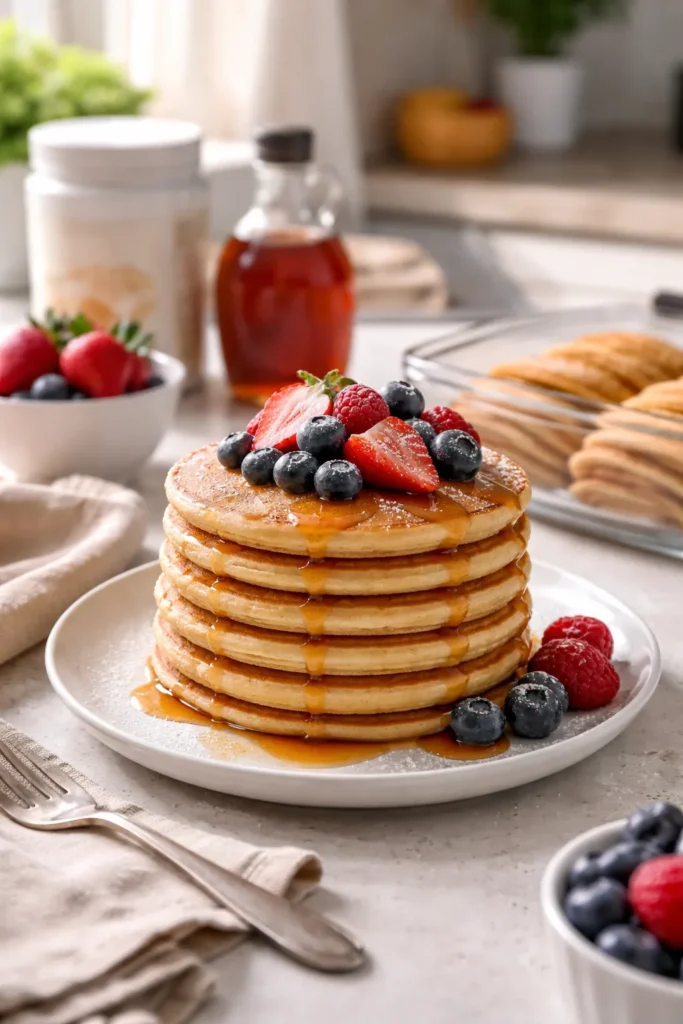
Protein pancakes are one of those rare breakfast solutions that actually deliver on the promise of being both fast and filling. Eight recipes might sound like a lot to take in at once, but the underlying logic across all of them is the same: balance the moisture, don’t overcook, and choose a protein powder you actually enjoy eating.
Start with the classic whey-and-flour version (Recipe 1) if you’re new to this — it’s the most forgiving and produces results that feel closest to traditional pancakes. Once you’re comfortable with how protein batter behaves in the pan, the flourless versions and blender recipes become simple variations rather than new challenges to figure out.
The most powerful thing you can take away from this collection is the meal prep angle. Making a double or triple batch on a free morning and stacking those pancakes in your freezer means that on your worst, busiest, most chaotic mornings, a solid 30-gram protein breakfast is exactly 30 seconds in the microwave away. That kind of preparation is what actually closes the gap between knowing what you should eat and consistently eating it.
Pick one recipe this week, make it twice, and you’ll have the process memorized. From there, the other seven are just flavor variations on a technique you already own.