There’s a particular kind of craving that hits when the temperature drops below comfortable — not just hunger, but a deep-bodied need for something hot, fragrant, and complex. Thai soups and curries answer that call better than almost anything else. The combination of lemongrass, galangal, makrut lime leaves, coconut milk, and chili doesn’t just warm you up — it wakes up every sense you have.
Tom yum and Thai curry are two of the most celebrated flavor traditions in Southeast Asian cooking, and they share a remarkable quality: both feel simultaneously exotic and deeply comforting. The broth hits you with sour, spicy, sweet, and savory notes all at once — a flavor profile that food scientists sometimes call “the Holy Grail of palatability.” Once you’ve had a bowl on a cold night, you’ll understand why Thailand’s national soup has fans on every continent.
The eight recipes here range from the clean, stunning simplicity of a classic clear Tom Yum Goong to a hearty one-pot vegan curry soup that practically cooks itself. Some are weeknight fast — on the table in under 30 minutes. Others reward a bit of extra prep with deeper, more layered flavors. All of them are worth making, and all of them will make your kitchen smell incredible.
Table of Contents
- The Key Aromatics That Make These Recipes Work
- Building Your Pantry Before You Start
- 1. Classic Clear Tom Yum Goong
- What You’ll Need
- How to Cook It
- 2. Creamy Tom Yum with Coconut Milk (Tom Kha Style)
- The Mushroom Question
- 3. Tom Yum Kung with Coconut Milk and Egg Noodles
- Ingredients and Key Notes
- 4. Vegan Tom Yum Soup with Mushrooms, Tofu, and Vegetables
- Flavor Balance Without Fish Sauce
- 5. Thai Red Curry Soup with Chicken
- Ingredients Overview
- 6. Tom Yum Chicken Soup with Lemongrass and Mushrooms
- Building the Aromatics
- 7. One-Pot Vegan Thai Curry Soup with Tomato and Coconut
- The Full Ingredient List
- Technique Notes
- 8. Tom Yum Curry Paste from Scratch (and How to Use It)
- The Paste Ingredient List
- How to Use and Store the Paste
- Building the Perfect Bowl: Finishing Touches That Matter
- How to Store and Reheat These Soups
- Getting the Spice Level Right for Everyone at the Table
- Final Thoughts
The Key Aromatics That Make These Recipes Work
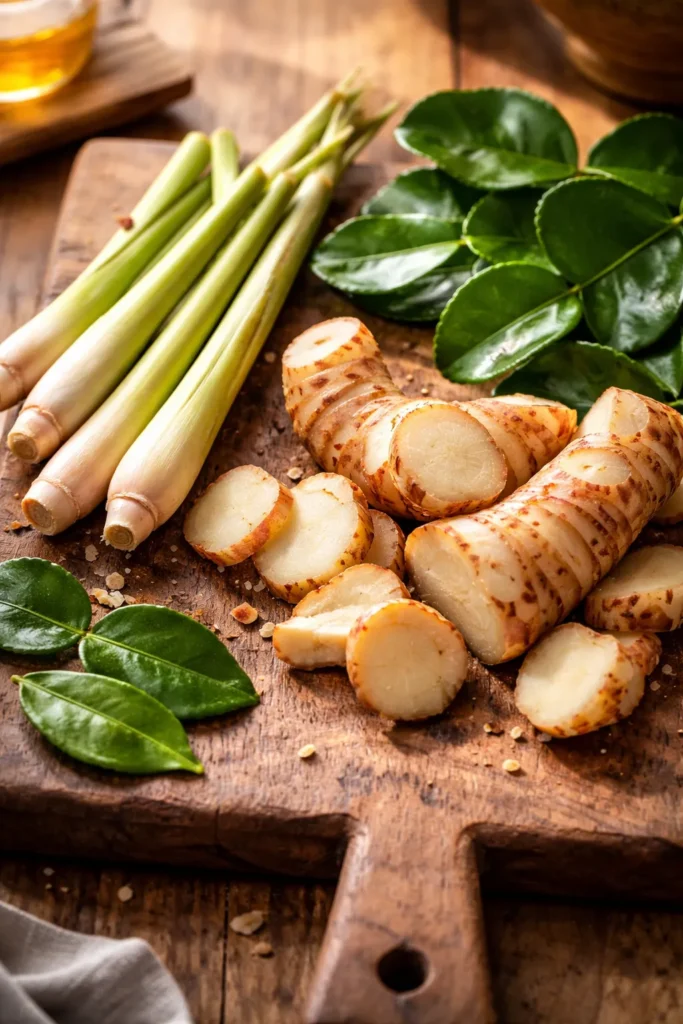
Before diving into the recipes themselves, it’s worth spending a moment on the foundational ingredients that appear across nearly all eight of these dishes. Understanding what each one does helps you shop smarter, substitute confidently, and troubleshoot when something tastes off.
Lemongrass is the backbone of tom yum broth. Its job isn’t to be eaten — it’s to release fragrant citrus-forward oils into the liquid. You get the most out of it by bashing the stalks with a heavy knife handle or meat mallet before adding them to the pot. The impact ruptures the fibers and frees the essential oils that would otherwise stay locked inside. If you can only find lemongrass paste, one tablespoon substitutes for two fresh stalks in a pinch.
Galangal looks like ginger and belongs to the same family, but don’t let that fool you into treating it as a straight swap. Galangal has a more piney, peppery, almost medicinal quality — earthier and less sharp than ginger. It’s what gives authentic tom yum that distinctive nose. Fresh or frozen galangal is your best bet; dried galangal works but delivers a noticeably milder result. If you genuinely cannot find it, use ginger with a small extra grind of black pepper.
Makrut lime leaves are what separate a restaurant-quality tom yum from something that just tastes like spicy broth with lime juice in it. Torn roughly before going into the pot, they release a unique double-citrus aroma — floral and bright in a way that actual lime juice can’t replicate. Most well-stocked grocery stores carry them fresh or frozen. Buy a bag, use what you need, and freeze the rest because they hold beautifully.
Thai fish sauce is non-negotiable for the clear soup versions. It provides the depth of umami that salt alone can’t achieve. Don’t taste it straight from the bottle — that experience will mislead you. In a finished soup, fish sauce provides a savory roundness that ties everything together. If you’re cooking vegan, coconut aminos or a splash of tamari gets you close, though you’ll want to adjust quantities since they’re less pungent.
Building Your Pantry Before You Start
Most of these recipes call for Thai red curry paste. Store-bought paste varies wildly in quality, so brand matters more than most people expect. Maesri and Maepranom are the two most consistently excellent options available at Asian grocery stores. Thai Kitchen works fine in a pinch and is widely available at mainstream supermarkets.
Keep a can of good-quality coconut milk on hand at all times. Full-fat is worth it — the light versions produce a noticeably thinner, less satisfying result, especially in the creamy versions.
1. Classic Clear Tom Yum Goong
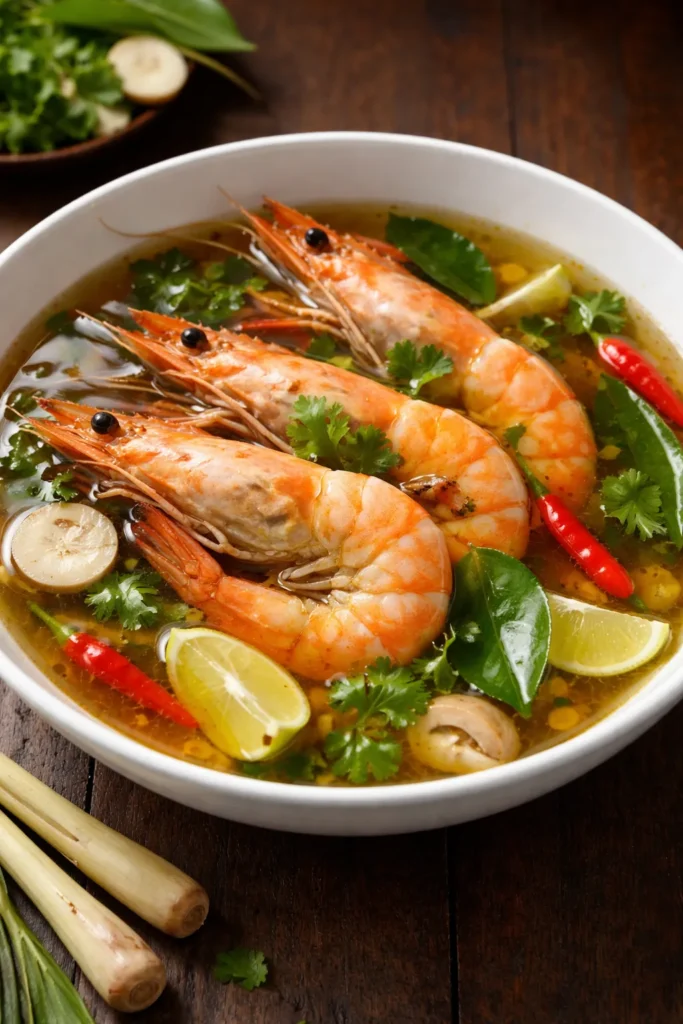
Tom Yum Goong in its clearest, most traditional form is a study in what happens when a handful of aromatics and a quality stock are treated with patience. The broth is nearly translucent — amber-tinted, beautiful, and somehow packed with more flavor than anything that looks so simple has any right to contain.
This is the version that authentic Thai cooking authority Pailin Chongchitnant describes as one of the first dishes she learned as a child, and she’s right that it’s more approachable than it looks. The hard part isn’t the cooking — it’s gathering the ingredients. Once those are in your kitchen, the soup itself is 35 minutes from start to bowl.
The secret to a deep-flavored broth here is using whole prawns with their heads and shells still on. You cook the heads and shells in the broth first, building essentially a homemade prawn stock, then strain it and add everything else. The difference between this and a broth made with peeled shrimp is enormous — the shells and head fat add a richness and seafood intensity that’s impossible to replicate otherwise. If you can only find pre-peeled frozen shrimp, stir a teaspoon of shrimp paste into the broth during the simmering stage to compensate.
What You’ll Need
- 300g (10 oz) whole prawns/shrimp with heads and shells on
- 3 cups water + ½ cup low-sodium chicken stock
- 2 stalks lemongrass, bashed
- A 1.5 cm piece of galangal, sliced into rounds
- 5 makrut lime leaves, roughly torn
- 2 Thai bird’s eye chilies, bashed
- 3 garlic cloves, bashed
- 120g oyster mushrooms
- 1 roma tomato, cut into wedges
- ½ medium white onion, in wedges
- 3 tablespoons fish sauce
- 3 tablespoons fresh lime juice
- 1 teaspoon sugar
- Fresh cilantro to serve
How to Cook It
Peel the prawns and set aside the meat. Drop the shells and heads into your pot with the water, chicken stock, bashed lemongrass, galangal, torn lime leaves, chilies, and garlic. Bring to a simmer, cover, and cook for 10 minutes — the broth will turn golden and smell extraordinary. Strain it, discard the solids, and return the clear broth to the pot.
Add the onion wedges and mushrooms and simmer for 3 minutes. Add the tomato for another minute, then drop in the prawns and cook just 2 minutes until they curl and turn opaque. Stir in the fish sauce, sugar, and lime juice. Taste it — and this is the important part — adjust it like you mean it. A touch more lime makes it sing brighter; another splash of fish sauce adds depth; another pinch of sugar rounds out the edges. Balance is everything in tom yum.
The calorie count here is shockingly modest — around 156 calories per serving — which makes this one of the lightest genuinely satisfying soups you can make.
2. Creamy Tom Yum with Coconut Milk (Tom Kha Style)
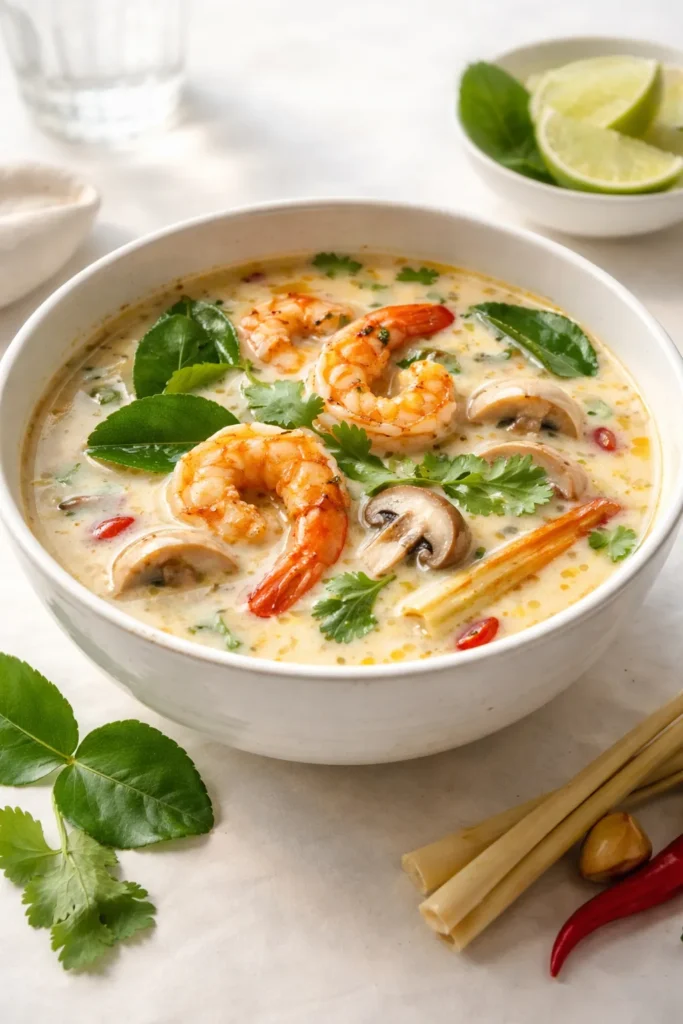
If the clear version is a clean sprint, this one is a longer, warmer run. The technique is identical to the classic tom yum goong broth above, but the addition of coconut milk transforms the soup’s texture, body, and personality entirely.
Technically, when you swap evaporated milk for coconut milk in tom yum, you’ve crossed the boundary into Tom Kha territory — kha being the Thai word for galangal. Don’t get too caught up in naming conventions; the point is that you end up with a soup that’s creamy, fragrant, and indulgently warming without being heavy. The coconut milk softens the broth’s sharper sour edges and adds a subtle sweetness that plays beautifully against the heat of the chilies.
Full-fat coconut milk is the move here. Use ⅓ cup per two servings — enough to see the color shift from amber to a pale, gorgeous gold without overwhelming the herbal aromatics you worked to build. Add it near the very end of cooking, after you’ve already added the fish sauce and lime juice. Bringing coconut milk to a hard boil can split it and turn the broth grainy, so keep the heat gentle once it’s in the pot.
For a richer version, add 1½ tablespoons of Thai roasted chili paste (Nam Prik Pao) along with the coconut milk. This paste adds a deep, smoky-sweet heat that’s the defining characteristic of the creamy tom yum version served in Bangkok restaurants.
The Mushroom Question
Oyster mushrooms are traditional and work beautifully, but don’t feel locked in. Shiitake mushrooms bring more earthiness and a slightly firmer bite. A mix of oyster and shiitake covers all the textural bases. Whatever you use, slice them to roughly 3-4mm thickness so they cook through in the 3-minute window without turning rubbery.
3. Tom Yum Kung with Coconut Milk and Egg Noodles
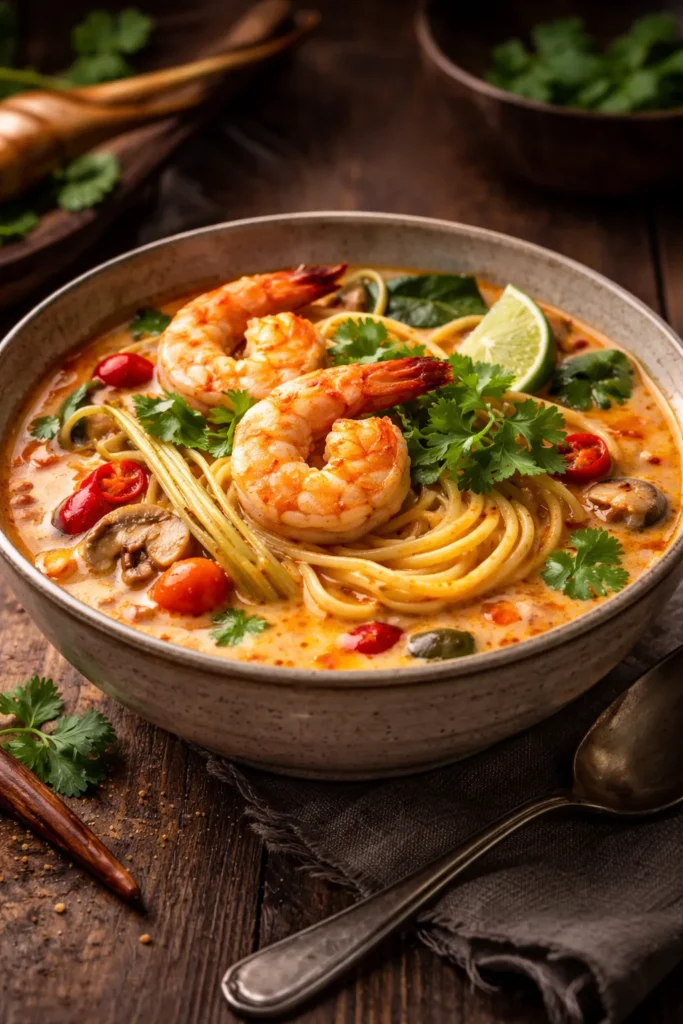
This is the version that takes the Tom Yum Goong template and turns it into a full meal. The addition of dried egg noodles transforms what would otherwise be a starter or light soup into something that can carry an entire dinner on its own.
The approach here, inspired by recipes like the one from Bake Street, layers in extra aromatics — a diced shallot sautéed in oil, fresh ginger, red curry paste, and a pinch of turmeric and cardamom that push the flavor profile slightly toward a Thai-curry direction. This isn’t a strictly traditional tom yum, and it doesn’t pretend to be. It’s a Thai-influenced coconut noodle soup that uses tom yum’s core logic — spicy, sour, aromatic — and builds it into something heartier.
The key technique is building your aromatics first in a separate small pan rather than directly in the soup pot. Sautéing the shallot, ginger, garlic, and curry paste in oil for 4-5 minutes before adding them to the broth develops a deeper, more rounded flavor than simply throwing everything into a pot of liquid at once. The fat carries the fat-soluble flavor compounds out of the spices and distributes them throughout the broth.
Ingredients and Key Notes
- 115g (4 oz) dried egg noodles
- 1 shallot, finely diced
- 25g fresh ginger, grated
- 2 large garlic cloves, minced
- 2 tablespoons Thai red curry paste
- ½ teaspoon turmeric
- Seeds from 1 cardamom pod, lightly crushed
- 230g (8 oz) coconut milk
- 235g (1 cup) vegetable or chicken broth
- 1 red Italian pepper, finely sliced
- 2 tablespoons fish sauce
- 2 tablespoons tamari or soy sauce
- 2½ tablespoons muscovado sugar
- ½ tablespoon Sriracha (or to taste)
- Juice of ½ lime
- 8 large prawns, peeled and deveined
- Fresh basil, chives, and lime to serve
Cook the noodles separately according to package directions, then divide them into your bowls before ladling the soup over them. This prevents the noodles from soaking up all the broth and turning soggy if there are leftovers. Serve immediately — this one doesn’t hold well once assembled.
Rice noodles work perfectly as an alternative to egg noodles for a gluten-friendly version.
4. Vegan Tom Yum Soup with Mushrooms, Tofu, and Vegetables
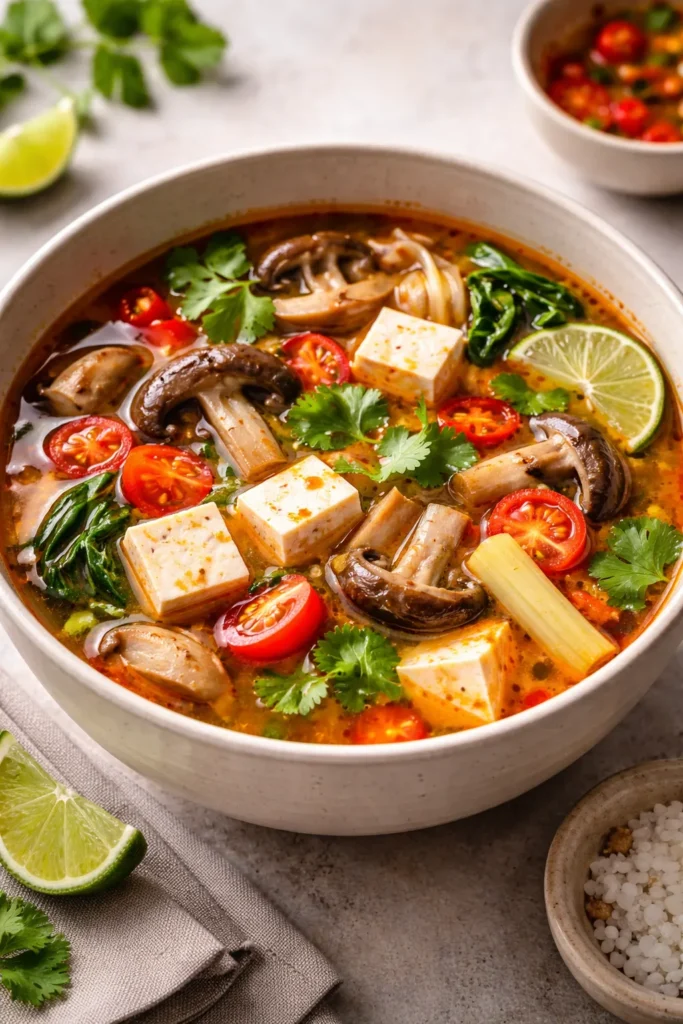
A common assumption about tom yum is that it can’t be truly satisfying without shrimp. This recipe proves otherwise, and the trick isn’t substitution — it’s amplification. Instead of trying to mimic prawn flavor, this version leans fully into the aromatics and loads the bowl with textures and vegetables that make each spoonful genuinely interesting.
Silken tofu cut into cubes is the protein anchor here. It absorbs the broth beautifully, and its delicate texture contrasts well with firmer vegetables. Button mushrooms, mangetout (snow peas), baby corn, and frozen peas round out the vegetable mix — a combination that provides bite, color, and nutrition without any one ingredient dominating.
The broth base uses coconut oil to sauté the onion, garlic, and ginger before building the soup. This small swap from neutral cooking oil adds a subtle underlying coconut richness that ties the flavors together. Add lemongrass, makrut lime leaves, galangal, and a teaspoon of red chili paste, then pour over coconut milk and simmer for 4-5 minutes before the vegetables go in.
Flavor Balance Without Fish Sauce
Fish sauce does a specific job that’s difficult to replicate exactly. For a fully plant-based version, the most effective approach is a combination of tamari (for umami depth), a squeeze of lime (for brightness), and a small amount of coconut sugar (for the faint sweetness that rounds out the sourness). Some vegan cooks add a few drops of nori-infused water or a teaspoon of seaweed flakes to add a mild oceanic quality — optional, but interesting.
Finish the bowl with a generous scatter of chopped fresh cilantro. You can also serve it over pre-cooked brown rice or with rice noodles to make it a more substantial meal.
5. Thai Red Curry Soup with Chicken
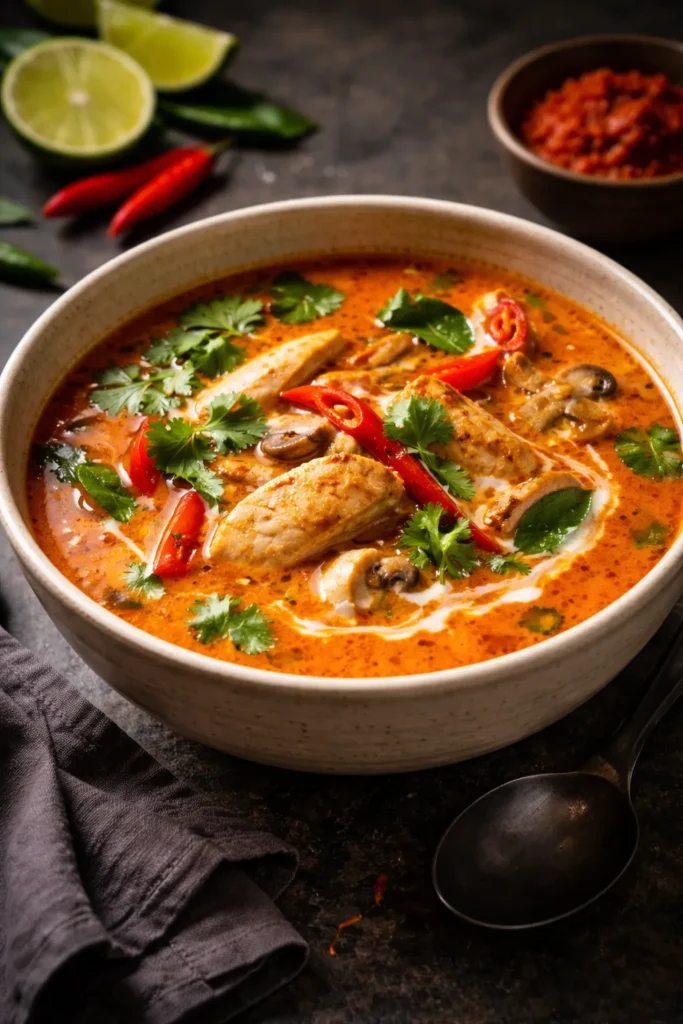
This is the recipe that converts skeptics — people who have never made Thai food at home, who assume the ingredients are too hard to find or the technique too fussy. This soup is proof that you can produce something genuinely restaurant-quality in under 45 minutes with ingredients available at most grocery stores.
Red curry paste is the engine here, and the quality of that paste determines nearly everything about the finished soup. Two to three tablespoons in 6 cups of broth delivers a medium heat that’s noticeable but not punishing. If you want more fire, add a finely sliced fresh red chili. If you want less, pull back to one tablespoon and compensate with an extra tablespoon of coconut milk.
The base technique is elegant in its simplicity: heat the curry paste and grated ginger directly in a dry pot over medium heat until the paste becomes fragrant and slightly darkened — about 2 minutes. This step toasts the spices in the paste and deepens their flavor measurably. Then add the broth and coconut milk, bring to a simmer, and build from there.
Ingredients Overview
- 1-2 tablespoons Thai red curry paste
- 1 tablespoon fresh grated ginger
- 6 cups chicken or vegetable broth
- 1 can (400ml) coconut milk
- 1 tablespoon honey or maple syrup
- 1 tablespoon soy sauce or fish sauce
- Juice of ½ lime
- Rice noodles, cooked separately
- 2-3 green onions, chopped
- 2 red chilies, sliced
- Large handful of fresh cilantro
Simmer the broth for 10-30 minutes — the longer it simmers, the more the flavors meld and deepen. You can absolutely make this soup in 20 minutes if time is short, but 30 minutes produces a noticeably more complex broth. Add pre-cooked shredded chicken in the final few minutes if you want to include protein, or keep it vegetarian and it’s still deeply satisfying.
6. Tom Yum Chicken Soup with Lemongrass and Mushrooms
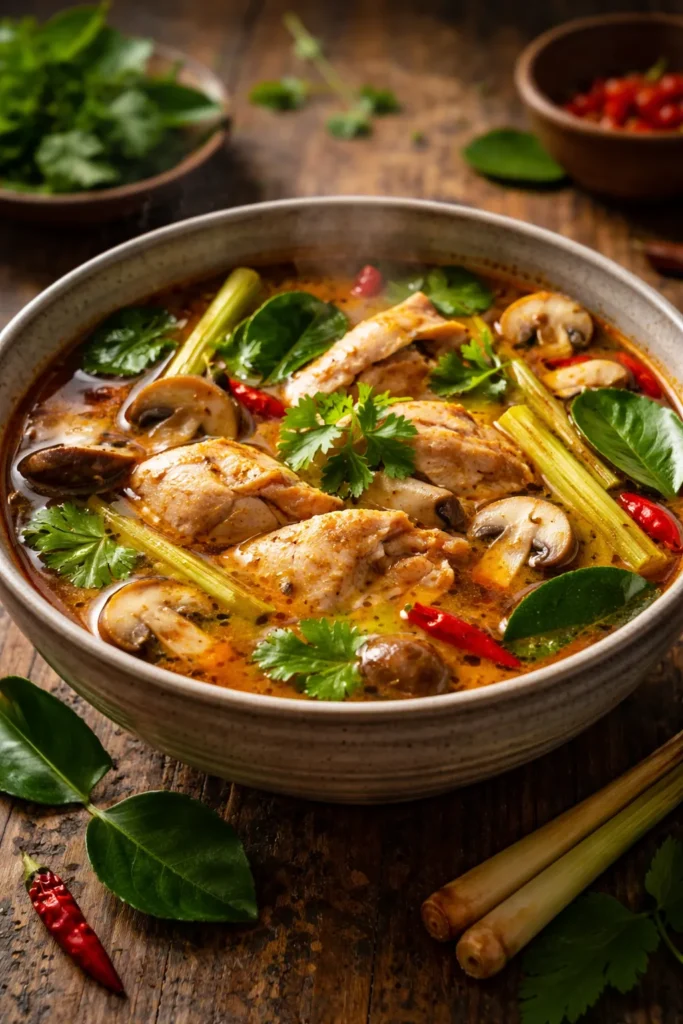
This is the chicken variation — Tom Yum Gai — and it follows the same aromatic logic as the prawn version but with a gentler, less briny broth that suits the mild sweetness of chicken thigh meat. Thighs over breast is the strong recommendation here: they stay tender through the simmering time, whereas breast meat can turn dry and stringy if cooked even a minute too long.
Thinly sliced chicken thigh (about 8 oz per 4 servings) goes in after the aromatics have simmered in the broth for 10-12 minutes and after the lemongrass stalks and lime leaves have been removed. The chicken cooks through in 10-12 additional minutes at a gentle simmer, covered. Push a piece with a spoon — it should feel firm, not squishy — or check with a thermometer for an internal temperature of 165°F (74°C).
Building the Aromatics
Crush 2-3 stalks of lemongrass (cut into 2-inch pieces) using a meat mallet or the flat side of a heavy knife. This matters more than people realize — uncrushed lemongrass releases only a fraction of its essential oils. Add it to the pot along with 2-3 makrut lime leaves, a 1-inch piece of galangal, and 3 tablespoons of Thai red chili paste. Cover with 4 cups of chicken broth and bring to a gentle simmer.
The green onions go in at the end, not the beginning. They add a fresh, sharp note that contrasts beautifully with the rich broth — but they lose that quality after more than 3 minutes of heat. Add them along with the fish sauce and fresh chilies in the final 2-3 minutes before serving.
Top each bowl with fresh cilantro and a wedge of lime for squeezing at the table.
7. One-Pot Vegan Thai Curry Soup with Tomato and Coconut
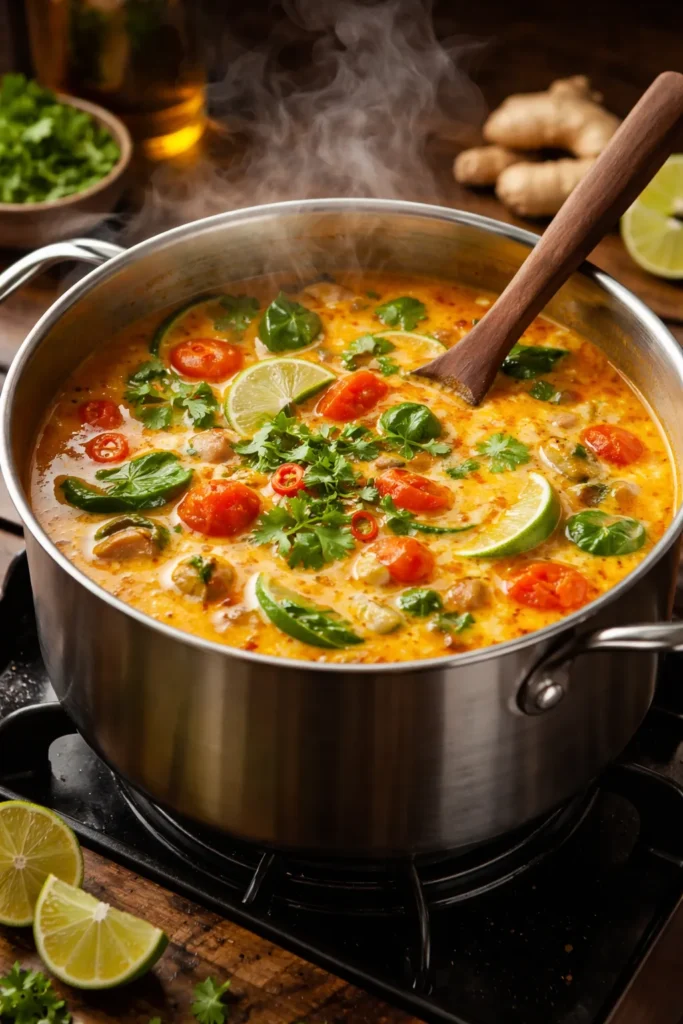
This one is the weeknight hero — the recipe you make when you’ve had a long day, your refrigerator is running low, and you need something that feels genuinely nourishing without demanding much from you in return. It comes together in one pot in about 45 minutes and produces a broth that’s complex, warming, and deeply satisfying in a way that belies how little effort went into it.
Inspired by the plant-based approach of Minimalist Baker, this soup takes some liberties with tradition and makes no apologies for it. Instead of fresh makrut lime leaves, lime peel does the aromatic work. Green curry paste substitutes for a full suite of fresh Thai aromatics. A can of diced tomatoes adds body and brightness. The result isn’t a strict tom yum — it’s closer to a Thai-inspired hot and sour soup — but it’s genuinely delicious.
The Full Ingredient List
- 1 tablespoon coconut oil
- 1 stalk lemongrass, halved and split lengthwise
- ½ medium yellow onion, thinly sliced
- 1½ tablespoons fresh minced ginger
- 2 Thai red chilies or 1 serrano pepper, minced
- 1½ cups shiitake mushrooms, thinly sliced
- 4 garlic cloves, minced
- 3 tablespoons green curry paste
- 6 cups vegetable broth
- ½ cup light coconut milk
- 2 medium limes (peel removed in strips, then juiced — about ¼ cup juice)
- 1 can (425g) diced tomatoes, drained
- 2-3 tablespoons coconut aminos
- 1-2 tablespoons coconut sugar or maple syrup
- Zucchini noodles, rice noodles, or brown rice to serve
- Fresh cilantro, Sriracha to garnish
Technique Notes
Sauté the onion and lemongrass for a full 5 minutes — you want the onion translucent, soft, and just starting to take on color at the edges before anything else goes in. This caramelization step builds the sweet underpinning of the broth. Add the mushrooms, ginger, garlic, chilies, and curry paste and sauté for another 4-5 minutes, stirring regularly, until the paste darkens slightly and smells fragrant and toasty.
Add everything liquid, bring to a boil, reduce to a simmer, and cook covered for 10-15 minutes. The lime juice goes in last — after cooking, not before — to preserve its bright, fresh character. Taste, adjust, and serve over whatever you have: zucchini noodles keep it light, rice noodles make it hearty, and brown rice turns it into a proper meal.
This soup freezes for up to one month with excellent results.
8. Tom Yum Curry Paste from Scratch (and How to Use It)
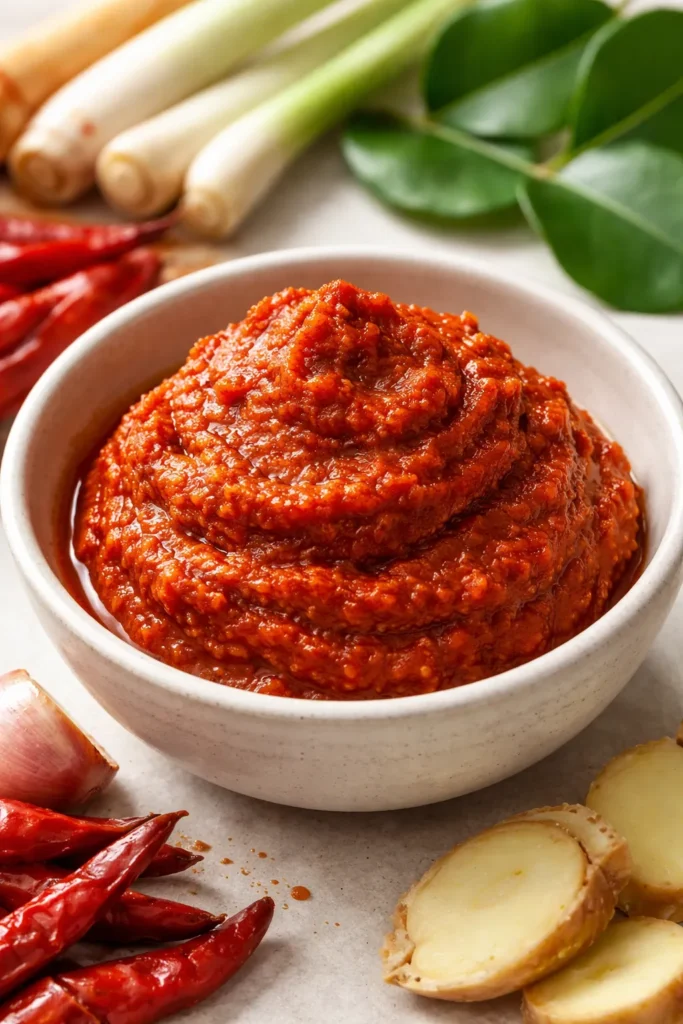
The final recipe in this collection is a bit different — it’s not a soup itself but the paste that powers some of the most flavorful versions of everything above. Making your own tom yum paste is an afternoon investment that pays dividends for weeks.
Store-bought tom yum paste ranges from decent to genuinely bad, and you can taste the difference. The homemade version — built on rehydrated dried red chilies, fresh bird’s eye chilies, lemongrass, galangal, makrut lime leaves, tamarind, and garlic — is brighter, more complex, and completely free of the preservatives and excess sodium that make some commercial pastes taste flat.
The most labor-intensive part is soaking the dried chilies. Remove their stems, shake out the seeds if you prefer a milder paste, then cover them in boiling water and leave them for 20 minutes with a plate over the bowl to keep the heat in. This step cannot be rushed — properly rehydrated chilies blend into a smooth paste. Under-soaked chilies leave fibrous chunks that no blender can fully break down.
The Paste Ingredient List
- 10 dried red chili peppers, soaked in hot water until soft, seeds removed
- 6 bird’s eye chilies (fresh red Thai chilies), stems removed
- ½ cup lemongrass, very thinly sliced (1½-2 stalks)
- 2 tablespoons fresh galangal, grated (or ginger as a substitute)
- 4 garlic cloves, minced
- 1 medium shallot, peeled and quartered
- ½ cup fresh cilantro, roughly chopped
- 8 makrut lime leaves, central stems removed
- ¼ cup tamarind concentrate
- 3 tablespoons coconut sugar (or brown sugar)
- ¼ cup fresh lime juice
- ½ teaspoon white pepper
- 2 teaspoons ground coriander
- ¾ teaspoon fine salt
- 3 tablespoons coconut oil or neutral cooking oil
Place all the ingredients (including the drained, soaked dried chilies) into a blender or food processor. Blend for 60-90 seconds until you have a smooth, reddish paste. If your blender struggles, add a tablespoon of water at a time to help it along. Thin lemongrass slicing is the best insurance against a chunky result — use a sharp knife and go as fine as you can.
How to Use and Store the Paste
Store the paste in a sealed glass jar in the refrigerator for up to one week. For longer storage, spoon it into an ice cube tray, freeze solid, then transfer the cubes to a freezer bag — they keep for up to 3 months and each cube measures out to about one tablespoon, which makes portioning for a recipe effortless.
Use 2-3 tablespoons per serving of soup, adjusting to your heat tolerance. This paste can also coat roasted cashews before they go in the oven, flavor a stir-fry sauce, or work as a marinade for tofu or chicken. It’s an exceptionally versatile pantry staple once you have it.
Building the Perfect Bowl: Finishing Touches That Matter
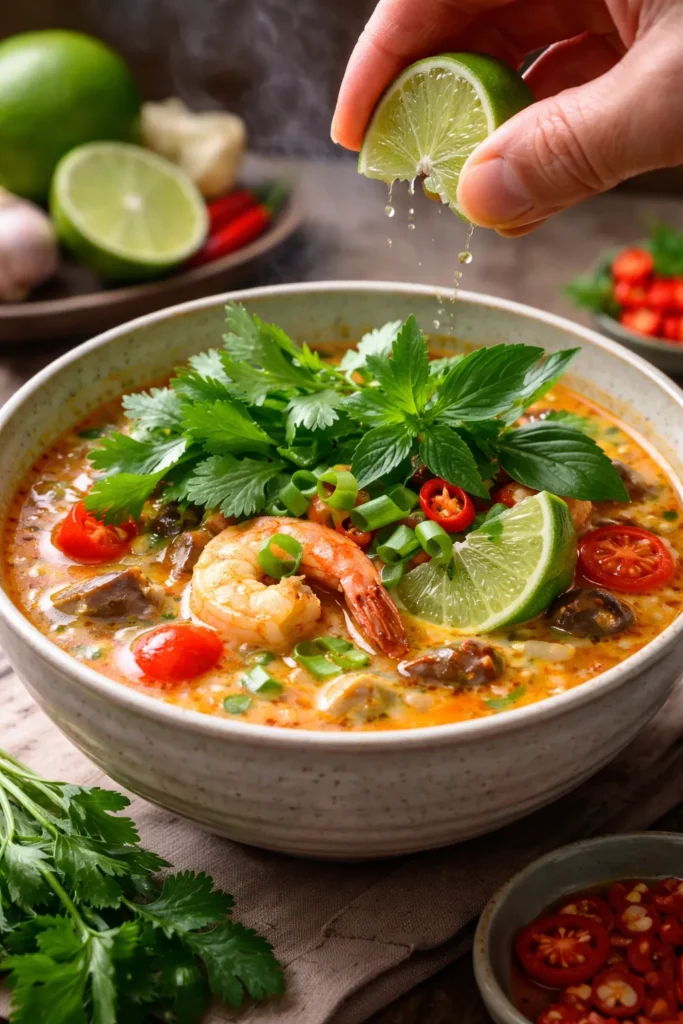
No matter which of these eight recipes you make, the finishing touches are where a good bowl becomes a great one. These details don’t add much time, but they add everything to the experience.
Lime juice goes in at the end — always. Added early, it turns bitter from the heat. Added in the final minute or squeezed straight into the bowl at the table, it stays bright, fresh, and vibrant. Start with the amount the recipe specifies, taste the broth, and add more if it needs to sing a little louder.
Fresh herbs are non-negotiable. Cilantro is traditional and provides a clean, grassy counterpoint to the richness of the broth. Fresh Thai basil is an equally beautiful option — it adds an anise-forward quality that some people find even more interesting. Finely sliced green onion tops add color and mild sharpness. Don’t skip the garnish; it’s not decoration, it’s flavor.
A final chili adjustment belongs in your hands, not the recipe. Every person’s heat tolerance is different, and the chilies vary in intensity too. Keep a sliced fresh red chili on the side — diners add what they want.
How to Store and Reheat These Soups
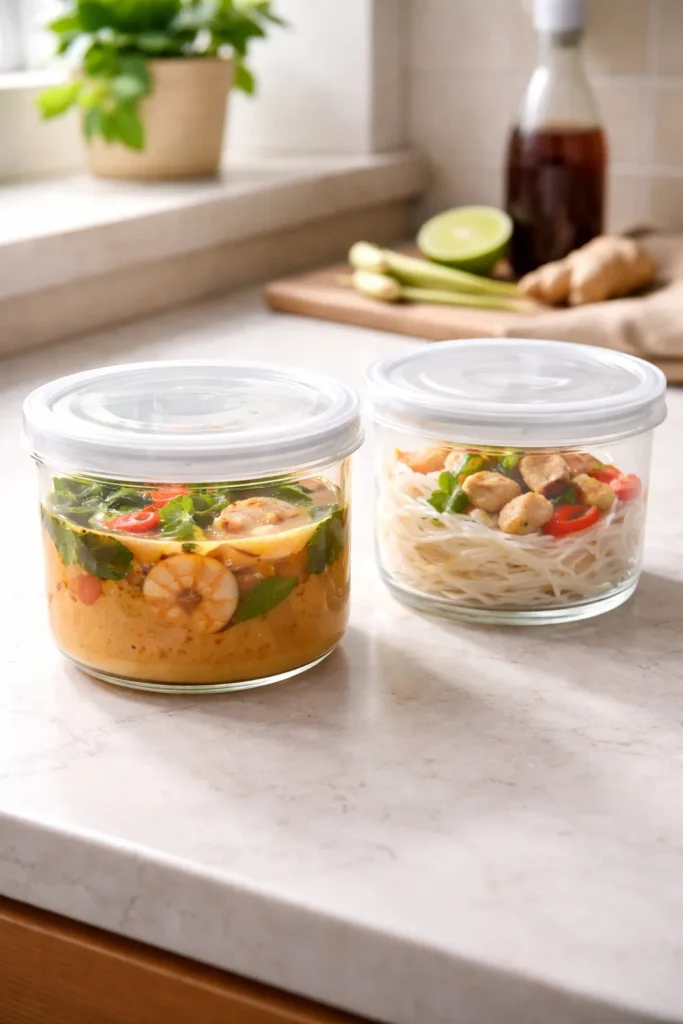
All of the broth-based recipes in this collection hold well in the refrigerator for 4-5 days, but there’s a key technique for keeping the protein in good condition: store the noodles and protein separately from the broth. Shrimp that sit in broth overnight become rubbery; noodles that sit in broth become bloated and mushy. Keep the broth in one container, the cooked protein and noodles in another, and combine them when you reheat.
Reheat the broth gently on the stovetop over medium-low heat — a hard boil is too aggressive for these delicate soups and will break any coconut milk in the broth. Add your shrimp or chicken for just the last 2-3 minutes to warm through without overcooking. Add noodles in the bowl, then ladle the hot broth over them.
For freezing, the broth alone (strained, with no protein or vegetables) freezes for up to one month with near-perfect results. Add fresh vegetables, protein, and noodles when you reheat it from frozen.
Getting the Spice Level Right for Everyone at the Table
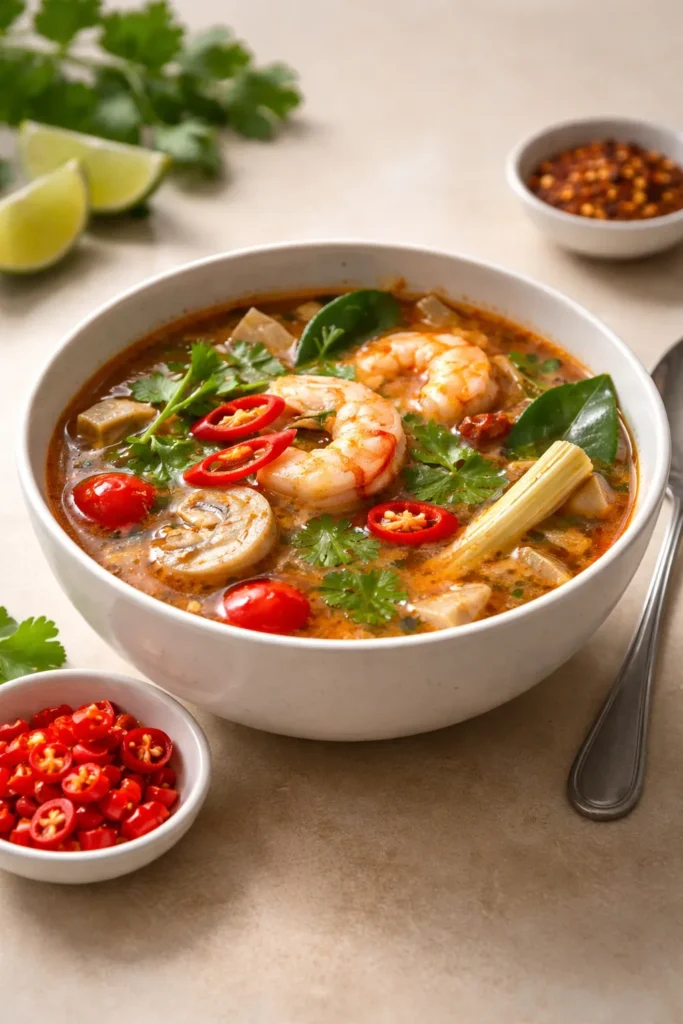
Spice is the most personal part of these recipes. What registers as pleasantly warming to one person is genuinely painful to another, and bird’s eye chilies in particular have an intensity that can sneak up on you — they’re small but they mean business.
The safest approach is to keep the chilies adjustable. Build the broth with a moderate amount of heat, then serve extra sliced fresh chilies and Sriracha on the side so each person can dial up from there. For guests who genuinely don’t tolerate heat, the tom yum flavor profile without significant chili is still wonderful — the lemongrass, galangal, and lime carry the soup beautifully even at very low heat levels.
If you accidentally over-spice the broth, a splash of additional coconut milk will mellow it without requiring you to start over. The fat in coconut milk binds to capsaicin and carries it away from the taste receptors — the same reason drinking milk works better than water when something burns.
Final Thoughts

What makes these eight recipes worth returning to is that they all operate on the same elegant logic: bold, contrasting flavors in balance. Sour from lime and tamarind, savory from fish sauce or tamari, sweet from coconut sugar, and heat from chilies — when those four elements are in proportion, the soup becomes something you think about later in the day, unprompted.
Don’t be intimidated by the ingredient lists if you’re new to Thai cooking. The aromatics become familiar fast, and once you’ve made one of these soups, the others feel immediately approachable. Your pantry will stay stocked, your technique will sharpen quickly, and within a few batches you’ll find yourself adjusting by taste rather than by tablespoon — which is exactly where you want to be.
Start with the classic Clear Tom Yum Goong if you want to understand the foundation. Start with the one-pot vegan version if you want something forgiving and fast. Either way, a cold night just became a reason to cook something outstanding.