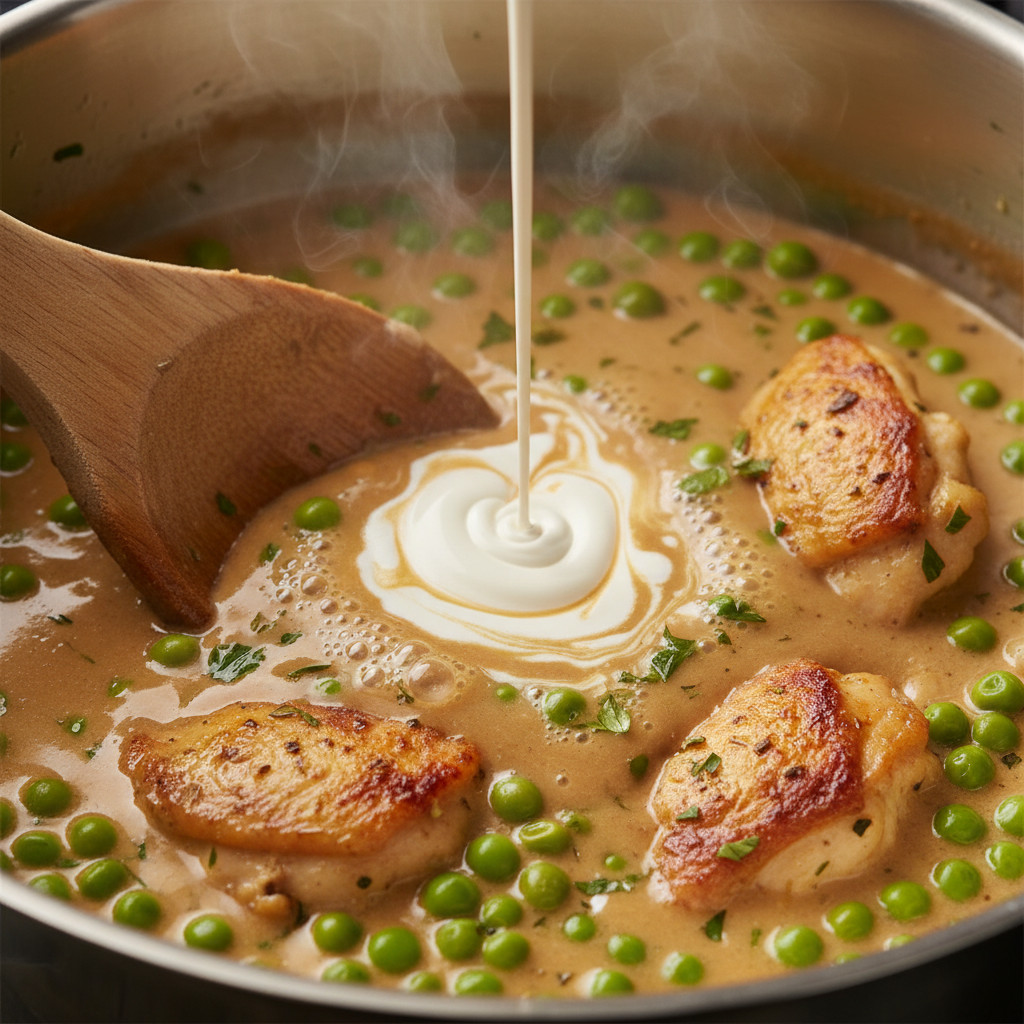
There’s a particular kind of weeknight panic that every home cook knows. It’s 5:45 PM, you haven’t started dinner, and your family is circling the kitchen like hungry sharks. Most nights, that panic leads to takeout. But if you own an Instant Pot and know the right recipes, it doesn’t have to.
The Instant Pot changed the math on home cooking in a way that slow cookers never quite managed. A slow cooker asks you to plan eight hours ahead. A pressure cooker asks you to plan one. That’s a completely different kind of dinner — one that fits into real life, on real weeknights, with real levels of exhaustion. The trapped steam dramatically raises the boiling point inside the pot, which cuts cooking times by 60 to 70 percent without sacrificing the depth of flavor that normally only comes from hours on the stove.
What you’ll find below are 12 genuinely satisfying dinners — not sad, stripped-down weeknight compromises, but full-flavored meals that taste like effort. Each one comes together in under an hour from start to finish, including prep, pressurization, and cook time. Whether you’re feeding picky kids, hosting unexpected guests, or just trying to get through Tuesday, these recipes are the ones worth keeping on repeat.
Table of Contents
- 1. Instant Pot Beef Stew
- The Right Cut of Beef Makes All the Difference
- Building the Flavor Base
- Quick Facts
- 2. Instant Pot Chicken and Dumplings
- Getting the Dumplings Right
- The Difference Between Good and Great
- Quick Facts
- 3. Instant Pot Jambalaya
- The Protein Combination That Works
- Spice Level and Seasoning
- Quick Facts
- 4. Instant Pot Butter Chicken
- Building the Makhani Sauce
- What to Serve It With
- Quick Facts
- 5. Instant Pot Honey Garlic Chicken
- Why Chicken Thighs Win Here
- Serving Suggestions
- Quick Facts
- 6. Instant Pot Chicken Tortilla Soup
- The Chipotle Element
- Making It a Full Spread
- Quick Facts
- 7. Instant Pot Swedish Meatballs
- The Meatball Mixture
- Finishing the Sauce
- Quick Facts
- 8. Instant Pot Pulled Pork
- Liquid for Braising
- Ways to Serve It
- Quick Facts
- 9. Instant Pot Shrimp and Grits
- The Shrimp Component
- Plating for Maximum Impact
- Quick Facts
- 10. Instant Pot Beef Pho
- The Spice Bundle
- The Noodles and Toppings
- Quick Facts
- 11. Instant Pot Mushroom Risotto
- All the Broth at Once
- Finishing Touches That Matter
- Quick Facts
- 12. Instant Pot Black Bean Soup
- Texture Options
- The Acid at the End
- Quick Facts
- How to Make Any of These Even Faster
- Stocking Your Pantry for Instant Pot Success
- Final Thoughts
1. Instant Pot Beef Stew
Classic beef stew used to mean a Sunday afternoon commitment — three hours minimum, a house full of steam, and a pot that needed constant attention. With a pressure cooker, you get that same fall-apart beef and silky, herb-laced broth in about 45 minutes, including prep time.
The key to a great Instant Pot beef stew is using the sauté function before you seal the lid. Don’t skip this step. Browning the beef cubes on all sides in a hot pot with a little oil creates a crust that adds a layer of depth no amount of pressure cooking can replicate. Fond — the sticky brown bits left in the bottom of the pot — gets deglazed with a splash of red wine or beef broth, and that liquid carries every bit of that caramelized flavor into the finished stew.
The Right Cut of Beef Makes All the Difference
Chuck roast, cut into 1½-inch cubes, is the best choice here. It has enough marbling and connective tissue to break down beautifully under pressure, producing tender, juicy chunks of meat rather than the dry, stringy beef you get when leaner cuts overcook. Stew meat sold pre-cut at the grocery store often works, but the cubes tend to be uneven — cutting your own from a chuck roast gives you more consistent results.
Building the Flavor Base
Aromatics matter more than most people realize in pressure cooking. Since the sealed environment doesn’t allow for evaporation, you’re concentrating every flavor you add. A tablespoon of tomato paste stirred into the onions and garlic before adding the liquid adds a savory richness without making the stew taste tomato-forward. Fresh thyme, a bay leaf, and a dash of Worcestershire sauce round out the broth.
Quick Facts
- Cook time under pressure: 35 minutes on high, with a 10-minute natural release
- Best vegetables to add: Yukon Gold potatoes, carrots, and celery hold their shape well under pressure
- Thickening trick: Toss the beef cubes in 2 tablespoons of flour before searing — it thickens the sauce from the inside out
- Pairs well with: Crusty sourdough or buttered egg noodles
Worth knowing: Add frozen peas in the last 2 minutes on sauté after releasing pressure — they stay bright green and slightly firm instead of turning army-gray.
2. Instant Pot Chicken and Dumplings
There’s something almost medicinal about a bowl of chicken and dumplings. It’s warm, thick, deeply comforting, and exactly the kind of meal that feels like someone made it just for you. Under normal conditions, getting those dumplings to cook properly without getting gummy takes patience and precise timing. The Instant Pot, surprisingly, handles this beautifully.
The chicken cooks first under pressure — bone-in, skin-on thighs for about 15 minutes — then gets shredded and returned to the pot. The broth that forms during that cook is rich, naturally gelatinous, and full of chickeny depth. From there, the sauté function brings everything to a gentle simmer, and the dumplings go in as drop biscuits.
Getting the Dumplings Right
The dumpling batter — flour, baking powder, salt, butter, and milk — should be thick but just barely pourable. Drop it by heaping spoonfuls directly onto the simmering liquid, then clamp the lid on (not under pressure, just covered) for 12 to 15 minutes. The steam trapped under the lid cooks the dumplings through without them falling apart into the broth.
The Difference Between Good and Great
A finishing splash of heavy cream stirred in at the very end pulls the broth into something closer to a velvety sauce. A handful of frozen corn and some thyme added with the vegetables give the dish warmth and sweetness. It might look simple, but the flavor is anything but.
Quick Facts
- Total time from cold start: About 50 minutes
- Yield: Serves 4 to 6 comfortably
- Vegetable add-ins: Peas, corn, diced carrots, or celery — all work
- Storage: Keeps refrigerated for up to 4 days; the dumplings absorb broth overnight and get even softer, which most people love
Pro tip: If you want the dumplings to have more structure and less mushiness, use buttermilk instead of regular milk in the batter — the acidity firms them up slightly.
3. Instant Pot Jambalaya
Jambalaya is one of those dishes where the recipe complexity and the depth of flavor seem completely mismatched — it tastes like it took half a day when done right, but under pressure, the whole thing comes together in under 40 minutes. This is a Creole-style, “red” jambalaya, meaning tomatoes go into the pot alongside the proteins and vegetables.
The Cajun “holy trinity” — onion, celery, and bell pepper — forms the flavor backbone. These get sautéed directly in the pot with the andouille sausage until the sausage has some color and the vegetables have softened. From there, chicken thighs, long-grain rice, crushed tomatoes, and chicken broth go in together, and the pressure cooker does the rest.
The Protein Combination That Works
Andouille sausage, boneless chicken thighs, and shrimp are the classic combination. The sausage and chicken cook under pressure with the rice; the shrimp goes in after the lid comes off, on the sauté setting, and only needs 3 to 4 minutes to cook through. This prevents the shrimp from turning rubbery — a common mistake when everything gets pressure-cooked simultaneously.
Spice Level and Seasoning
Cajun seasoning, smoked paprika, a touch of cayenne, thyme, and oregano give the dish its characteristic punch. Go easy on the salt at the start — andouille sausage is already well-seasoned, and the broth will reduce slightly as everything cooks. Season to taste after the lid comes off.
Quick Facts
- Cook time under pressure: 8 minutes on high (the rice determines the timing here)
- Rice ratio: 1 cup of long-grain white rice to 1¼ cups of liquid — important not to over-add liquid, or the rice turns mushy
- Heat level: Adjustable with more or less cayenne; taste before adding extra hot sauce at the table
- Serves: 6 to 8 generously
Pro tip: A quick natural release of 10 minutes before venting prevents the rice from continuing to cook too aggressively and turning to mush.
4. Instant Pot Butter Chicken
Butter chicken — murgh makhani — is one of the most ordered dishes at Indian restaurants for a reason. The sauce is rich and creamy, mildly spiced, and has that particular combination of tomato, cream, and warming spices that makes it deeply satisfying without being challenging. Making it at home in an Instant Pot is significantly easier than the restaurant preparation, and the result is genuinely impressive.
No marinating is required here, which is part of what makes this so practical for weeknights. The chicken (boneless thighs are better than breasts — they stay juicier under pressure) gets coated in garam masala, cumin, coriander, turmeric, and a pinch of cayenne, then goes straight into the pot with a base of sautéed onion, garlic, ginger, and crushed tomatoes.
Building the Makhani Sauce
After pressure cooking for 10 minutes and releasing the steam, the chicken gets shredded or left in chunks depending on preference. The sauce at this point is thick, deeply spiced, and intensely flavored. Heavy cream or coconut cream stirred in at the end transforms it — the sauce goes from dense and concentrated to silky and glossy in about 2 minutes of stirring on the sauté setting.
What to Serve It With
Basmati rice is the obvious choice, and it can be cooked in a separate pot while the butter chicken pressurizes. Warm naan — store-bought is fine — is essential for scooping up the sauce. A side of cooling cucumber raita balances the warmth of the spices nicely.
Quick Facts
- Total time: About 35 minutes including sauté prep
- Dairy-free swap: Full-fat coconut cream works brilliantly in place of heavy cream
- Spice variation: Kashmiri chili powder instead of cayenne adds vibrant red color with less heat
- Meal prep note: The sauce freezes for up to 3 months — make a double batch and freeze half
5. Instant Pot Honey Garlic Chicken
This is the recipe that wins over people who think they don’t like cooking. The ingredient list is short, the technique is forgiving, and the result is sticky, glossy chicken in a sauce that walks the line between savory and sweet with the kind of balance that makes you eat two servings without noticing.
The sauce base is a combination of soy sauce, honey, minced garlic, and a splash of rice vinegar — all pantry staples most households already have. Chicken thighs go in, the lid goes on, and 15 minutes later you have fully cooked, falling-apart chicken sitting in a pool of cooking liquid. From there, a slurry of cornstarch and water gets stirred in on the sauté setting, and the sauce thickens into something genuinely restaurant-quality.
Why Chicken Thighs Win Here
Breasts work in this recipe, but thighs are the smarter choice. They have more fat, which means they stay moist and tender even at higher internal temperatures. Under pressure, chicken breasts can easily edge past 165°F and start to dry out; thighs handle the same conditions with more grace. The fat also carries flavor — that honeyed, garlicky sauce clings to a thigh in a way it simply doesn’t to a breast.
Serving Suggestions
Steamed jasmine rice is the natural pairing. Roasted broccoli or bok choy sautéed with a little sesame oil brings some freshness to the plate. A sprinkle of sesame seeds and sliced scallions at the end gives the dish a visual lift that makes it feel much more intentional than the effort required.
Quick Facts
- Pressure cook time: 12 to 15 minutes, depending on the size of the thighs
- Sauce thickening: 1 tablespoon cornstarch dissolved in 1 tablespoon cold water; stir in and simmer 3 minutes
- Flavor variation: Add a teaspoon of chili flakes or a tablespoon of sriracha for heat
- Meal prep value: Leftovers shred beautifully for rice bowls or wraps the next day
Pro tip: A final drizzle of toasted sesame oil just before serving adds a layer of nuttiness that pulls the whole dish together.
6. Instant Pot Chicken Tortilla Soup
Chicken tortilla soup done right has layers — a smoky, slightly spicy broth with tender shredded chicken, black beans, corn, and enough body to be a meal on its own. The toppings are where the real personalization happens, and that’s part of why it’s such a crowd-pleasing choice when you’re feeding people with different preferences.
In the Instant Pot, this soup comes together in about 30 minutes, start to finish. Frozen chicken works here — you don’t even need to thaw it. Drop frozen chicken breasts or thighs directly into the pot with the broth, beans, corn, and a combination of ancho chili powder, chipotle in adobo, cumin, and garlic. The pressure cooker will do the heavy lifting.
The Chipotle Element
Canned chipotle peppers in adobo sauce are one of those ingredients that deserve a permanent spot in your pantry. One or two peppers — finely chopped — adds smokiness and a medium heat that gives the soup character without overwhelming it. The adobo sauce itself, stirred into the broth, layers in tomato, vinegar, and garlic notes that deepen everything.
Making It a Full Spread
Set out a toppings bar: crushed tortilla chips for crunch, shredded sharp cheddar or Monterey Jack, sliced avocado, sour cream, fresh cilantro, lime wedges, and sliced jalapeños. Even picky eaters can build a bowl they’re happy with, and the whole presentation feels more festive than the 30 minutes it took to make the soup would suggest.
Quick Facts
- Total time: 30 to 35 minutes
- Shredding the chicken: Use two forks directly in the pot, or pull the chicken out, shred on a cutting board, and return to the pot
- Make it heartier: Stir in a cup of cooked rice or let diners add tortilla strips to their own bowls
- Serves: 6 to 8 people easily
7. Instant Pot Swedish Meatballs
Swedish meatballs are fundamentally about the sauce — that pale, creamy, subtly nutmeg-spiced gravy that coats every meatball and makes the whole thing irresistible. The classic version requires a roux, careful whisking, and a good 45 minutes of stovetop work. The Instant Pot version skips most of that without sacrificing any of what makes the dish so beloved.
Beurre manié — equal parts softened butter and flour worked into a paste — is the trick that replaces the traditional roux. It gets dropped into the broth in small pieces after the meatballs have cooked under pressure, and as everything simmers on the sauté setting, the beurre manié melts in and thickens the sauce smoothly, without lumps.
The Meatball Mixture
A combination of ground beef and ground pork makes more flavorful meatballs than all-beef. The traditional Swedish spicing is mild — a pinch of allspice, a pinch of nutmeg, white pepper, and salt. Breadcrumbs soaked in milk (panade) add moisture and keep the meatballs tender. Brown them immediately after forming — no resting required when you’re using the Instant Pot’s sauté function.
Finishing the Sauce
After releasing pressure and removing the meatballs temporarily, the beurre manié goes in and the whole pot simmers until thickened. Then heavy cream gets stirred in — about ¼ cup — which gives the gravy its characteristic richness. The meatballs go back in, and a tablespoon of Dijon mustard and a splash of Worcestershire balance the creaminess with a gentle sharpness.
Quick Facts
- Total time: About 40 minutes
- Serving suggestion: Egg noodles or mashed potatoes are traditional; lingonberry jam on the side is non-negotiable if you can find it
- Make ahead: Meatballs can be formed and frozen raw — no need to thaw before cooking
- Serves: 4 to 6 people
Worth knowing: Don’t skip browning the meatballs in the sauté function — without that step, the outsides stay pale and the flavor profile is noticeably flatter.
8. Instant Pot Pulled Pork
Traditional pulled pork demands 8 to 12 hours of low-and-slow cooking. The Instant Pot cuts that down to under an hour and a half — still longer than some of the other recipes here, but well within the “under an hour” total active work time and completely hands-off once the lid is sealed. If you start it when you get home, dinner is ready by the time anyone’s finished with homework or showering.
The pressure environment does something remarkable to pork shoulder: it breaks down the collagen into gelatin at an accelerated rate, producing meat that shreds in long, juicy strands with almost no effort. The quality of your spice rub matters here. Smoked paprika, garlic powder, brown sugar, cumin, black pepper, salt, and a touch of cayenne — rubbed generously over the pork before it goes in — builds a crust during the brief searing step that seasons the meat all the way through.
Liquid for Braising
Apple cider vinegar and a can of cola or root beer make an unexpectedly effective braising liquid. The acidity of the vinegar helps break down the meat; the cola adds a caramel sweetness and a slight bitterness that rounds out the spice rub. After pressure cooking, reduce the liquid on the sauté setting until it thickens slightly, then toss the shredded pork back through it.
Ways to Serve It
The obvious choice is on a toasted brioche bun with coleslaw — the cool creaminess of the slaw against the warm, smoky pork is hard to beat. But pulled pork is one of the most versatile things you can have in the refrigerator. Use it over rice bowls, in tacos, on top of baked potatoes, or stirred into quesadillas.
Quick Facts
- Best cut: Bone-in or boneless pork shoulder (also sold as pork butt)
- Cook time under pressure: 60 minutes on high, with a 15-minute natural release
- Yield: 3 to 4 pounds of pork shoulder makes enough for 8 to 10 people
- Storage: Stays good refrigerated for 5 days; freezes for up to 3 months
9. Instant Pot Shrimp and Grits
Shrimp and grits is quintessential Southern comfort food — creamy, cheesy, savory, and somehow both simple and sophisticated at the same time. The challenge with making it at home is that traditional stone-ground grits can take 45 minutes of constant stirring to reach the right texture. The Instant Pot eliminates the stirring entirely while producing grits that are genuinely smooth and creamy.
Coarse or medium-ground grits work best under pressure. They go in with chicken broth and a pinch of salt, cook for 10 minutes on high, and then get finished with butter, heavy cream, and a generous amount of sharp cheddar cheese. The result is a silky porridge that holds its own against any restaurant version.
The Shrimp Component
The shrimp doesn’t cook under pressure — it cooks separately on the sauté setting after the grits are done, or in a skillet while the Instant Pot handles the grits. Large shrimp (21/25 count) get the best results. They cook in 3 to 4 minutes max in a hot pan with butter, garlic, smoked paprika, a splash of Worcestershire, and lemon juice. Bacon crumbled into the pan at the start adds a smokiness that bridges the gap between the creamy grits and the seasoned shrimp.
Plating for Maximum Impact
Spoon the grits into a wide, shallow bowl. Pile the shrimp on top. Spoon any pan drippings over everything. Finish with sliced scallions and a squeeze of fresh lemon. The contrast between the white, creamy grits and the pink, sauced shrimp looks significantly more impressive than the 30 minutes of work it actually required.
Quick Facts
- Total time: 35 to 40 minutes
- Grits ratio: 1 cup grits to 4 cups liquid (broth gives more flavor than water)
- Cheese options: Sharp cheddar is classic; Gruyère or white cheddar work beautifully too
- Vegetarian adaptation: Skip the shrimp and serve the grits topped with sautéed mushrooms and wilted spinach
10. Instant Pot Beef Pho
Pho is one of those dishes that seems impossible to make at home because the spice-laced, bone-deep broth traditionally simmers for 10 to 12 hours. That’s not happening on a Tuesday. But a pressure cooker concentrates heat and steam in a way that dramatically speeds up the extraction of collagen, marrow, and spice from bones and aromatics — and the result, while not identical to a 12-hour broth, is genuinely impressive for a fraction of the time.
Charring the ginger and onion directly in the pot on the sauté setting before adding the broth is the single most important step. That slight char — 3 to 4 minutes on each surface — adds a smoky sweetness and complexity that anchors the whole pot of soup.
The Spice Bundle
Star anise, cinnamon stick, cloves, cardamom pods, and coriander seeds toasted in the pot before liquid is added is what makes pho taste like pho rather than just beef soup. Using a small piece of cheesecloth or a fine mesh strainer keeps the whole spices contained and easy to remove. Fish sauce and a touch of rock sugar (or a pinch of brown sugar) balance the spices.
The Noodles and Toppings
Rice noodles hydrate separately in hot water — they don’t go into the pressure cooker. After ladling the hot broth into bowls with the noodles, thin-sliced raw sirloin goes in directly. The near-boiling broth cooks the beef to a silky, melt-in-your-mouth texture in about 60 seconds. Fresh bean sprouts, Thai basil, sliced jalapeños, lime wedges, hoisin sauce, and sriracha on the side let everyone build their bowl to taste.
Quick Facts
- Total time (in Instant Pot): About 3 hours, mostly hands-off; active work is about 20 minutes
- Shortcuts: Use pre-made pho broth concentrate and simply add the spices and aromatics — cuts total time to under an hour
- Serves: 4 to 6 people
- Broth storage: Freeze in quart containers for up to 6 months
11. Instant Pot Mushroom Risotto
Risotto has a reputation for being difficult, and it’s an earned one — the traditional method requires near-constant stirring for 25 to 30 minutes as you add ladleful after ladleful of warm stock. That method produces genuinely excellent risotto. But the Instant Pot version is about 95% as good with maybe 15% of the effort, which, on a weeknight, is an easy trade.
The key is still starting with the sauté function. Shallots and garlic get softened in butter; then the Arborio rice goes in and toasts for 2 minutes until the edges of the grains turn translucent. This step builds flavor and helps the rice absorb liquid evenly. A splash of dry white wine deglazed before the broth goes in adds that restaurant-quality acidity.
All the Broth at Once
This is where the Instant Pot breaks from tradition: instead of adding stock in stages, all of the liquid goes in at once before sealing the lid. Seven minutes on high pressure, then a quick release — and the rice has achieved something remarkably close to the classic creamy texture.
Finishing Touches That Matter
What happens after the pressure is released is as important as the cooking itself. A vigorous stir of butter and Parmigiano-Reggiano while the risotto is piping hot is what creates the final wave-like consistency — the Italian term is all’onda, meaning “like a wave.” It should ripple when you shake the pot. Sautéed mixed mushrooms — cremini, shiitake, oyster — stirred in at the end add both earthy flavor and textural contrast.
Quick Facts
- Total time: About 35 minutes
- The right rice: Arborio is the standard; Carnaroli produces a slightly firmer, more restaurant-style result
- Cheese alternatives: Pecorino Romano, Grana Padano, or a generous handful of nutritional yeast for a dairy-free version
- Serving window: Risotto waits for no one — serve it immediately after finishing, as it continues to absorb liquid and can thicken significantly within 10 minutes
Worth knowing: If the risotto is too thick when you open the lid, stir in a splash of warm broth or water on the sauté setting — it loosens back up immediately.
12. Instant Pot Black Bean Soup
This one earns a permanent spot in the rotation for a few reasons. It’s cheap, it’s healthy, it’s deeply satisfying, and it tastes like it simmered all day when it really only took 45 minutes. No soaking the beans required — the pressure cooker handles dried beans from scratch and produces a creamier, more flavorful result than canned beans will ever give you.
The base is built on the sauté setting: onion, garlic, jalapeño, and bell pepper cooked down with cumin, smoked paprika, and dried oregano until fragrant and softened. Then the dried black beans, broth, and a bay leaf go in. After 30 minutes on high pressure and a 10-minute natural release, the beans are completely tender and the broth has transformed into something with genuine body and warmth.
Texture Options
You’ve got choices here. Blend about a third of the soup with an immersion blender and stir it back in for a thick, creamy-textured result that still has whole beans throughout. For a chunkier, brothier soup, skip the blending entirely. For a fully smooth, black bean purée-style soup, blend the whole pot — though you lose some of the rustic quality that makes this so satisfying.
The Acid at the End
A squeeze of fresh lime juice stirred in just before serving does something remarkable — it brightens all the earthy, smoky flavors and makes the soup taste finished rather than flat. This small detail separates good black bean soup from soup that makes people ask for the recipe.
Quick Facts
- No-soak beans: 1 cup dried black beans to 3 cups broth is the working ratio
- Total time: 45 to 50 minutes
- Topping suggestions: Sour cream, avocado, pickled red onion, cotija cheese, fresh cilantro, lime, and hot sauce
- Meal prep value: Keeps refrigerated for up to 5 days and tastes noticeably better on day two; freezes for up to 3 months
Pro tip: A small piece of dried kombu (Japanese seaweed) added to the pot with the beans enhances their natural savoriness and makes them more digestible — remove it before serving.
How to Make Any of These Even Faster
A few habits separate Instant Pot cooks who are always waiting for their food from those who have dinner on the table right at the 45-minute mark.
Prep while the pot heats. The Instant Pot takes 8 to 12 minutes to come to pressure depending on how full it is. If you start the sauté function first, get your aromatics going, then chop the remaining vegetables while the onions soften — you’ve reclaimed almost 10 minutes you’d otherwise waste standing around.
Use the Keep Warm function strategically. After releasing pressure, the Instant Pot’s Keep Warm setting holds food at serving temperature for up to 10 hours. This means dinner can finish cooking at 5:30 PM and be just as good at 6:30 PM when everyone finally sits down — no reheating, no dried-out edges.
Invest in a second inner pot. The stainless steel insert is dishwasher safe, but having a backup means you can cook rice in one pot while the main dish rests, without any scheduling gymnastics. It’s a small purchase that makes the Instant Pot considerably more practical for batch cooking.
Stocking Your Pantry for Instant Pot Success
The reason some cooks can get dinner on the table in 40 minutes while others stare at their pantry for 15 minutes first comes down almost entirely to what’s already in the house. A well-stocked pantry isn’t a luxury — it’s the difference between cooking confidently on a Tuesday and ordering pizza.
These are the staples worth keeping on hand at all times if the recipes above are going to stay in regular rotation:
- Aromatics: Yellow onions, garlic, fresh ginger, jalapeños
- Proteins: Boneless chicken thighs (buy in bulk and freeze), ground beef, pork shoulder
- Pantry proteins: Dried black beans, dried lentils, canned chickpeas
- Grains: Long-grain white rice, Arborio rice, stone-ground grits
- Flavor builders: Soy sauce, fish sauce, Worcestershire, tomato paste, chipotle in adobo
- Spice drawer essentials: Smoked paprika, garam masala, cumin, coriander, ancho chili powder, thyme, oregano, bay leaves
With these on hand, every recipe above can be made with only one or two grocery items to pick up. That’s the real unlock — not the appliance, but the ingredients surrounding it.
Final Thoughts
The Instant Pot earns its counter space not by replacing good cooking technique, but by compressing the time it requires. Browning meat still matters. Building aromatics still matters. Finishing a dish with fresh acid or herbs still matters. The pressure cooker just speeds up the middle section — the long, slow extraction of flavor that used to demand hours you don’t have.
The twelve recipes here aren’t compromises. They’re complete, honest, full-flavored dinners that happen to be achievable on a weeknight without sacrifice. Start with the ones that match what’s already in your refrigerator — the honey garlic chicken if you have thighs, the black bean soup if you have dried beans, the butter chicken if your spice drawer is well-stocked.
Cook the recipe twice. By the third time, it’s yours — faster, better seasoned, maybe with a variation you figured out on the second round. That’s how these things go.