There’s a particular kind of evening that most home cooks know well — you’re hungry, the kitchen has already seen enough action, and the last thing you want is a colander full of starchy water and three dirty pots stacked in the sink. That’s the moment one-pot pasta stops being a convenience and starts feeling like a minor miracle.
What makes these recipes work isn’t laziness — it’s chemistry. When dry pasta cooks directly in its sauce instead of a separate pot of boiling water, it absorbs flavor at a molecular level. The starch released during cooking thickens the liquid into a glossy, clingy sauce that coats every strand and curve of the pasta far better than anything you’d achieve by boiling and draining separately. Martha Stewart’s food editors first introduced this technique to a mainstream audience after one of them tasted a version in Puglia, Italy, and the approach has been widely adopted ever since — because it genuinely works.
The ten recipes below cover the full range of what one-pot pasta can do: quick weeknight vegetable dinners ready in 20 minutes, hearty meat sauces that feed a crowd, creamy parmesan-spiked bowls, and even a plant-based version that’s every bit as satisfying as its dairy-heavy counterparts. Every single one uses one cooking vessel from start to finish. No draining. No transferring. No second pot for the sauce.
Whether you’re cooking for two on a Tuesday or feeding a family on a Friday, these are the recipes worth keeping on repeat.
Table of Contents
- Why Cooking Pasta in One Pot Changes Everything
- The Science Behind Getting the Liquid Ratio Right
- Choosing the Right Cookware for One-Pot Pasta
- 1. Classic Tomato and Garlic One-Pot Linguine
- What Goes Into It
- Why It Works So Well
- 2. Creamy Parmesan One-Pot Rotini with Spinach
- The Ingredient List
- The Key to That Saucy Finish
- 3. One-Pot Meat Sauce Pasta with Ground Beef
- Building Maximum Flavor With Minimal Ingredients
- The Two-Stage Water Method
- 4. One-Pot Vegetable Pasta with Cherry Tomatoes and Zucchini
- What You’ll Need
- Timing the Spinach Correctly
- 5. One-Pot Spicy Italian Sausage Pasta
- Ingredient Notes
- Managing the Fat Level
- 6. One-Pot Pasta e Ceci (Pasta and Chickpeas)
- Building the Dish
- The Blending Step That Makes It Creamy
- 7. One-Pot Mushroom and Parmesan Pasta
- The Core Ingredients
- Getting the Mushroom Sauté Right Before the Pasta Goes In
- 8. One-Pot Creamy Vegan Pasta with Burst Cherry Tomatoes
- Ingredients
- Making It Genuinely Rich Without Dairy
- 9. One-Pot White Wine Pasta with Mushrooms and Leeks
- What You’ll Need
- Cooking Leeks Properly
- 10. One-Pot Skillet Baked Ziti with Sausage and Ricotta
- The Full Ingredient List
- The Soaking Step That Solves Everything
- Tips That Apply to Every One-Pot Pasta Recipe
- Storage and Reheating for All Ten Recipes
- Final Thoughts
Why Cooking Pasta in One Pot Changes Everything
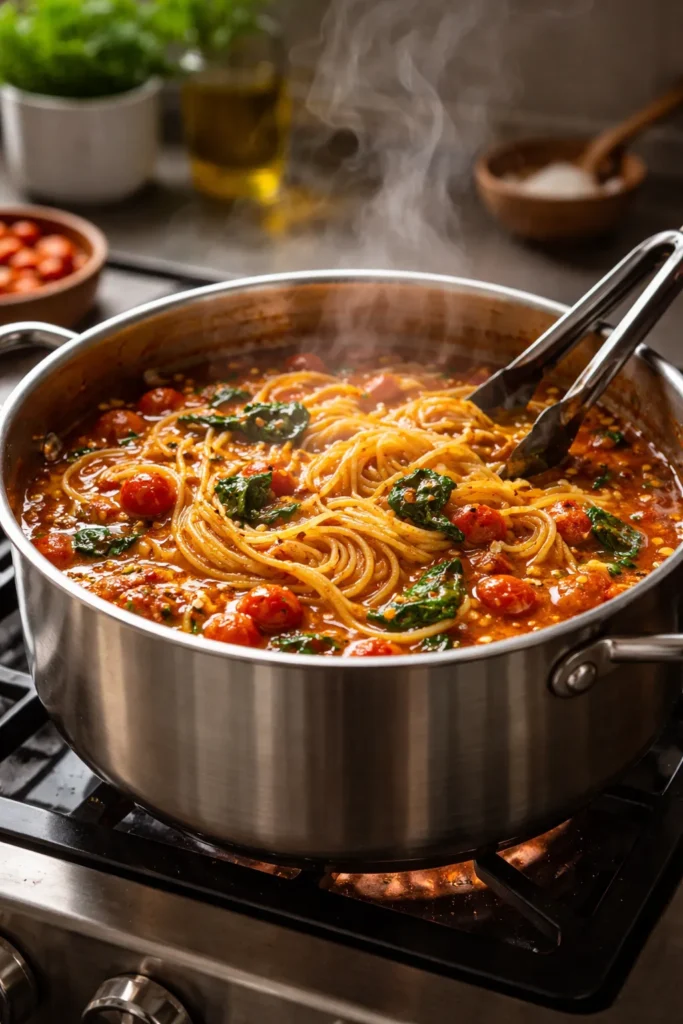
Most of us learned to cook pasta the traditional way: boil a huge pot of salted water, cook the pasta separately, drain it, and then introduce it to whatever sauce you’ve been simmering in a different pan. It’s effective, but it wastes both time and flavor.
When pasta cooks in its sauce — or in seasoned broth — it absorbs those flavors directly into the dough. The noodles aren’t just coated in sauce; they’re infused with it. The difference in depth of flavor is noticeable after the very first bite.
There’s also the starch factor. Pasta releases starch as it cooks, and in a traditional setup, that starch disappears down the drain with the pasta water. In a one-pot setup, that starch stays in the pot and quietly transforms the cooking liquid into a silky, lightly thickened sauce. No cornstarch, no roux, no reduction needed.
The practical upside is just as compelling. Fewer dishes, faster cleanup, less time spent watching two things simultaneously. It’s a fundamentally smarter way to cook pasta on any night of the week.
The Science Behind Getting the Liquid Ratio Right
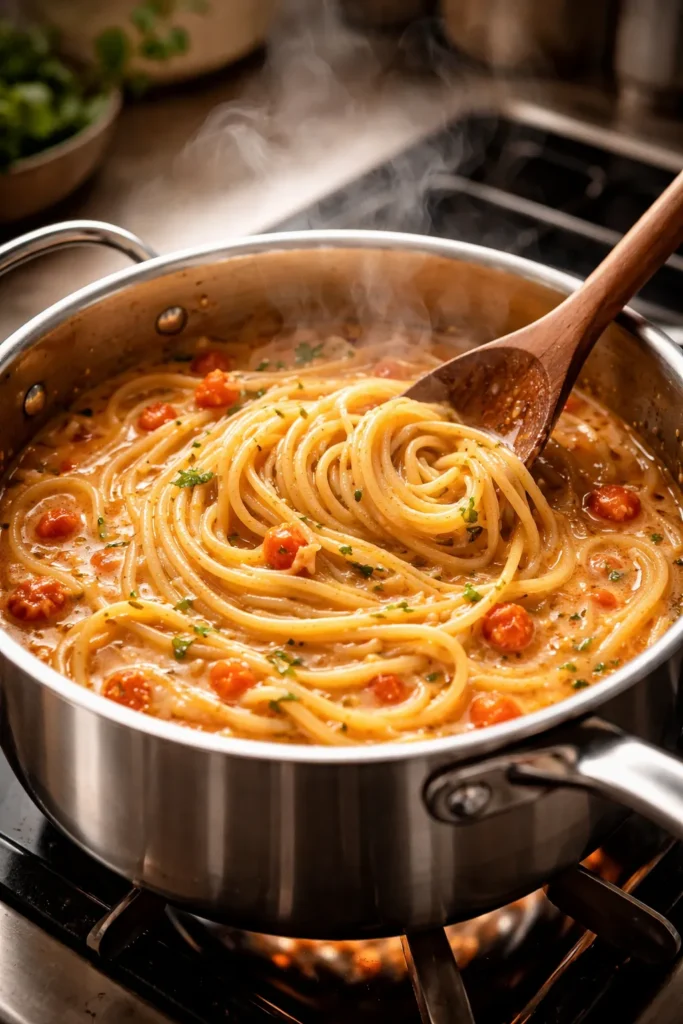
The single most important variable in one-pot pasta is the ratio of liquid to pasta. Too much and you end up with soup. Too little and the pasta scorches on the bottom before it’s cooked through. Getting this right is the difference between a great result and a frustrating one.
A reliable baseline: 1 cup of liquid per 2 ounces of dry pasta. That works for most short pasta shapes cooked in a sauce-forward base. For longer noodles like linguine or spaghetti, some recipes go slightly higher — around 4 to 4.5 cups total liquid for 12 ounces of pasta — because long noodles tend to absorb more unevenly as they soften.
The type of vegetables matters too. Mushrooms soak up liquid as they cook, so add a little extra broth if your recipe leans heavy on them. Tomatoes, zucchini, and spinach release moisture, which means they partially offset the pasta’s absorption. Once you make a few of these recipes, you’ll start reading the pot instinctively — if the liquid is disappearing too fast with 4 minutes of cook time still to go, add a splash of broth and keep stirring.
Stirring is non-negotiable. Every 2 minutes at minimum. This keeps the pasta from sticking to the bottom and ensures even cooking throughout the pot.
Choosing the Right Cookware for One-Pot Pasta
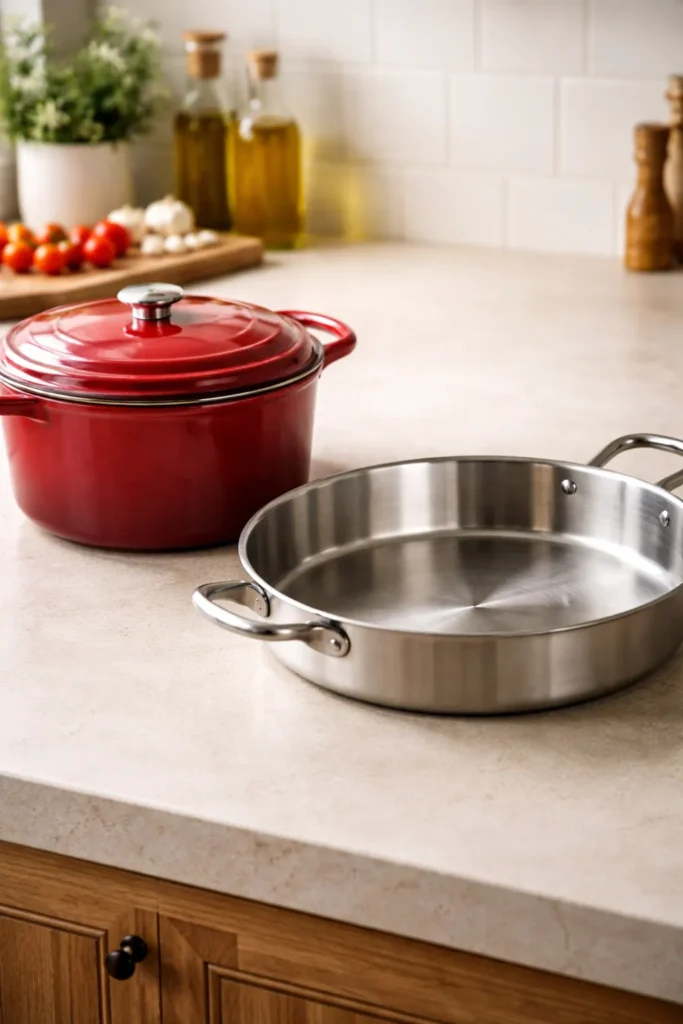
Not all pots perform equally here, and the wrong choice can make an otherwise foolproof recipe frustrating.
A Dutch oven — heavy, deep, with tight-fitting lid — is the gold standard for meat-sauce-style one-pot pastas. The weight distributes heat evenly and prevents hot spots that scorch the bottom. A 6-quart size handles recipes for 4 people comfortably.
For vegetable and broth-based recipes, a large straight-sided skillet or deep sauté pan works beautifully. Martha Stewart’s original one-pan pasta was developed specifically for a straight-sided skillet, and that shape makes stirring long pasta with tongs far easier than working in a tall pot.
Non-stick surfaces help minimize sticking during the constant stirring phase, especially useful for beginner cooks. Stainless steel works just as well but requires slightly more attentive stirring. Avoid thin-bottomed pans entirely — the liquid in one-pot pasta recipes reduces aggressively, and thin bases burn before the pasta is done.
1. Classic Tomato and Garlic One-Pot Linguine
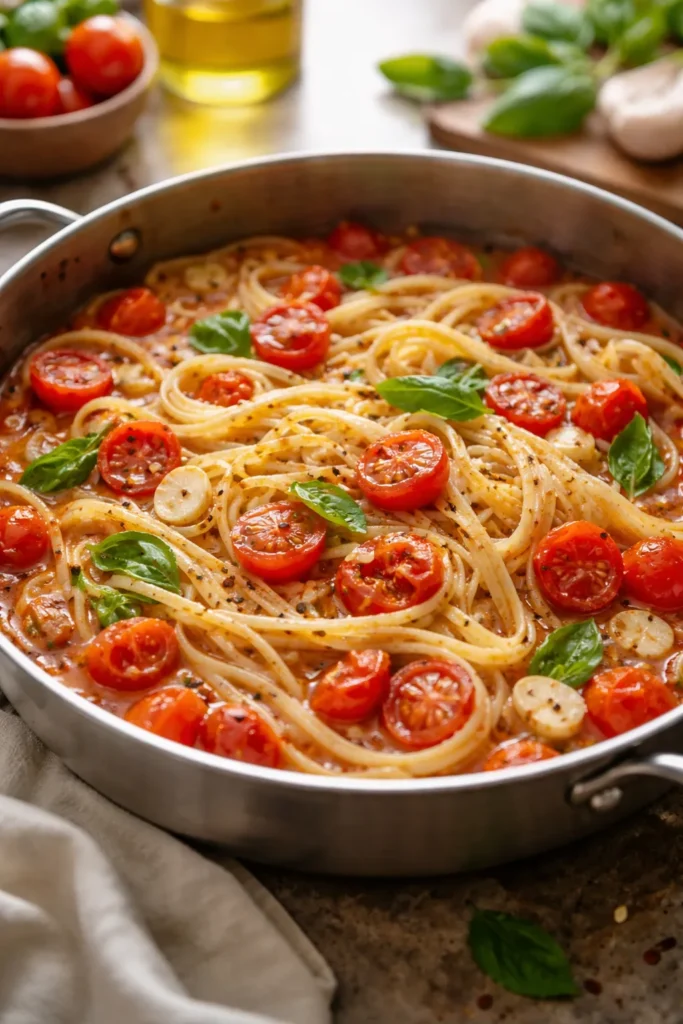
This is the recipe that started the one-pot pasta revolution for home cooks, and it earns its iconic status. Linguine, halved cherry tomatoes, thinly sliced onion, plenty of garlic, a few sprigs of fresh basil, and olive oil go into a straight-sided skillet together with water. The heat does the rest.
What you end up with after about 9 minutes of boiling and constant stirring is genuinely stunning — creamy, saucy linguine with sweet burst tomatoes and an almost velvety texture from the released pasta starch. The sauce isn’t something you make separately; it assembles itself while the pasta cooks.
What Goes Into It
- 12 oz linguine
- 12 oz cherry or grape tomatoes, halved
- 1 medium onion, thinly sliced
- 4 garlic cloves, thinly sliced
- 2 tablespoons extra-virgin olive oil
- ½ teaspoon red pepper flakes
- 2 basil sprigs + torn leaves for garnish
- 4½ cups water
- Salt, pepper, and freshly grated Parmesan to finish
Why It Works So Well
The pasta starch thickens the water into a sauce without any cream, cheese base, or added starch. Fresh basil — and this is not the moment for dried — brings a bright herby note that ties everything together. Use the best olive oil you own here. With so few components, quality matters more than it does in heavily seasoned recipes.
Pro tip: Tongs are far more effective than a spoon for tossing long pasta in this method. They let you lift, turn, and separate the strands in a way that prevents clumping and ensures every piece gets coated.
Serve with: Extra torn basil, a drizzle of olive oil, and a generous shower of Parmesan. Simple garlic bread is the only side dish this meal needs.
2. Creamy Parmesan One-Pot Rotini with Spinach
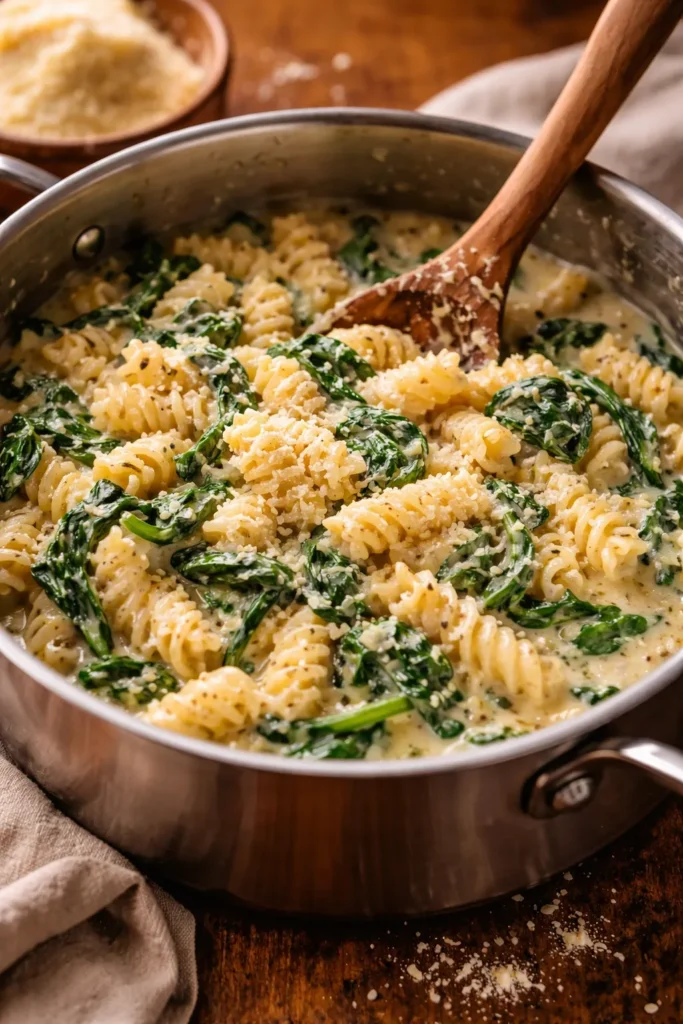
This is the one you’ll make when you want something that feels indulgent but takes about 30 minutes from pantry to table. It’s built on a base of vegetable broth, canned diced tomatoes, and marinara, all brought to a boil with uncooked rotini, garlic, onion, and spinach. Right at the end, heavy cream and freshly grated Parmesan go in off the heat, transforming the whole pot into something silky and deeply savory.
The rotini shape earns its place here. Those spiral ridges trap sauce in their grooves, so every forkful delivers a concentrated burst of flavor.
The Ingredient List
- 12 oz rotini (dry, uncooked)
- 3 cups vegetable broth
- 1 can diced tomatoes with liquid (14 oz)
- 1½ cups marinara sauce
- 3 cups fresh spinach, loosely packed and roughly chopped
- ¼ cup onion, finely chopped
- 3 to 4 garlic cloves, minced
- 2 to 3 teaspoons Italian seasoning
- ½ cup heavy cream
- ½ cup freshly grated Parmesan
- ½ teaspoon sea salt, ½ teaspoon cracked black pepper
- ⅓ cup fresh basil, chopped
The Key to That Saucy Finish
Everything except the cream and Parmesan goes into the pot first. Once the pasta reaches al dente — about 13 to 15 minutes of a steady boil — you lower the heat to the lowest setting before adding the dairy. This step matters. Adding cream to a furiously boiling pot can cause it to break or turn grainy. Off or very low heat lets it meld into the sauce without separating.
If the broth looks like it’s disappearing before the pasta is tender, pour in an extra half-cup and keep cooking. The sauce will tighten up once the cream and cheese go in, so don’t panic if it looks slightly soupy right at the al dente stage.
3. One-Pot Meat Sauce Pasta with Ground Beef
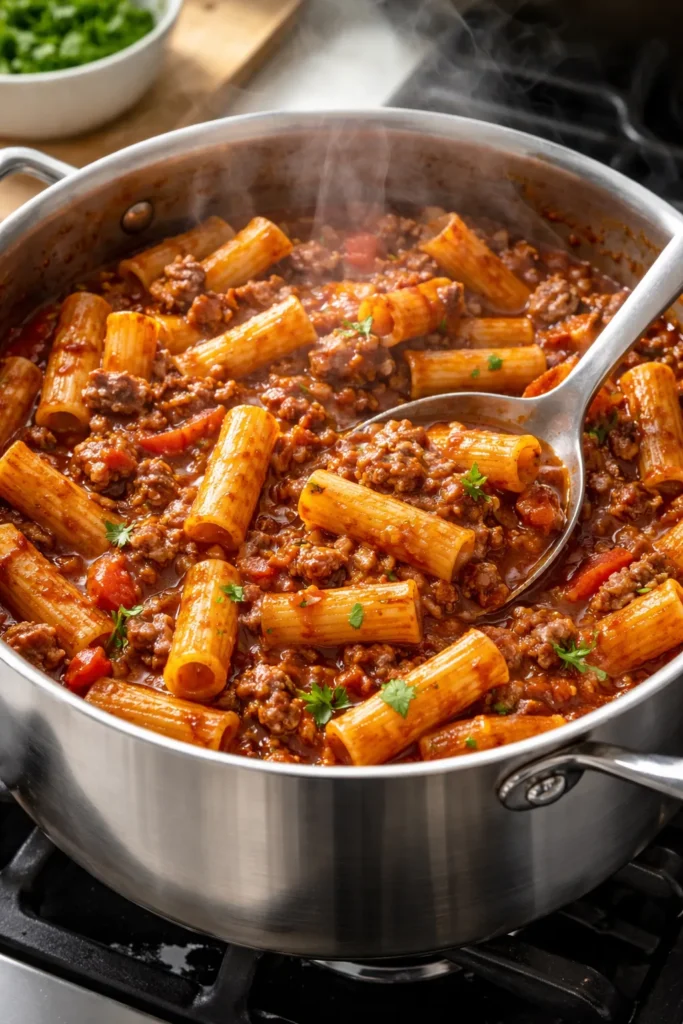
Three ingredients is all this recipe technically requires, and that alone is worth celebrating. Brown ground beef in a Dutch oven, stir in a 25-oz jar of marinara, fill that same jar with water and add it to the pot, then add uncooked pasta. The pasta cooks directly in the meat sauce over about 30 minutes of simmering, and the result is a hearty, beefy, deeply flavored bowl that tastes like it took considerably more effort.
It’s the kind of dish that disappears fast at a family dinner table — and doubles beautifully for batch cooking.
Building Maximum Flavor With Minimal Ingredients
- 1 pound 90% lean ground beef (or ground turkey)
- 1 jar (25 oz) high-quality marinara sauce
- 12 oz rotini, rigatoni, or farfalle
- 1 teaspoon salt
- About 4 cups water (added in two stages)
The Two-Stage Water Method
Water gets added in two rounds — roughly 3 cups with the sauce at the start, and another cup about halfway through cooking. This staged approach prevents the sauce from becoming watery but keeps enough liquid in the pot for the pasta to cook through properly.
Choose lean ground beef — 90% lean or higher. Fattier blends leave a film of rendered grease on top of the sauce that’s hard to incorporate. If you’re using Italian sausage instead, squeeze it out of the casing and crumble it during browning for the best texture.
The garnish isn’t optional in spirit: freshly grated Parmesan and a few torn basil leaves take this from “quick weeknight food” to a bowl worth sitting down for. Pre-shredded Parmesan from a bag contains anti-caking agents that prevent it from melting smoothly — always buy a wedge and grate it yourself.
4. One-Pot Vegetable Pasta with Cherry Tomatoes and Zucchini
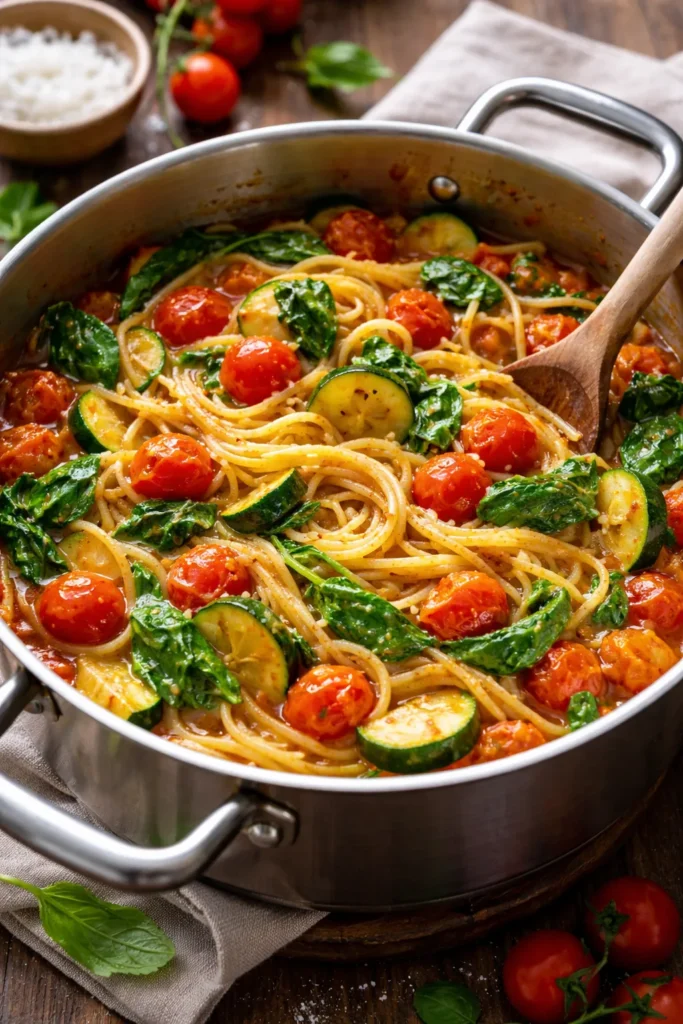
For anyone who wants to clear out the produce drawer and end up with something genuinely delicious, this is the recipe. Cherry tomatoes, zucchini, cremini mushrooms, baby spinach, garlic, and onion all cook together with the pasta in one pot — and the vegetables’ natural moisture contributes to the sauce.
The vegetables aren’t an afterthought here. They’re structural. The tomatoes burst and partially dissolve into the broth. The zucchini softens and adds body. The spinach wilts in at the very end so it stays bright green rather than turning gray and sad.
What You’ll Need
- 8 oz dry pasta (penne, rotini, or shells)
- 8 oz cherry tomatoes, halved
- 1 small zucchini, chopped and quartered
- 3 oz cremini mushrooms, sliced
- 2 oz fresh spinach
- ½ yellow onion, thinly sliced
- 2 garlic cloves, minced
- 1¼ cups pasta sauce
- 2½ cups water or vegetable broth
- ½ teaspoon red pepper flakes, ½ teaspoon kosher salt
Timing the Spinach Correctly
Every ingredient except the spinach goes into the pot at the same time. Bring it to a boil, then reduce to medium-low and cook for 10 to 14 minutes, stirring every 2 minutes. Once the pasta is al dente and the liquid has reduced to a saucy consistency, turn off the heat and fold in the spinach.
The residual heat wilts the spinach in about 60 seconds without overcooking it. This preserves both color and nutrients — spinach that cooks for 10 minutes in a bubbling pot turns khaki-green and loses its pleasant texture almost entirely.
Use short pasta shapes — penne, rotini, shells, macaroni — rather than spaghetti or linguine. Short shapes stir more easily from the first moment you add them to the pot, before they’ve softened enough to become flexible. Long noodles need to soften before you can stir them without snapping.
5. One-Pot Spicy Italian Sausage Pasta
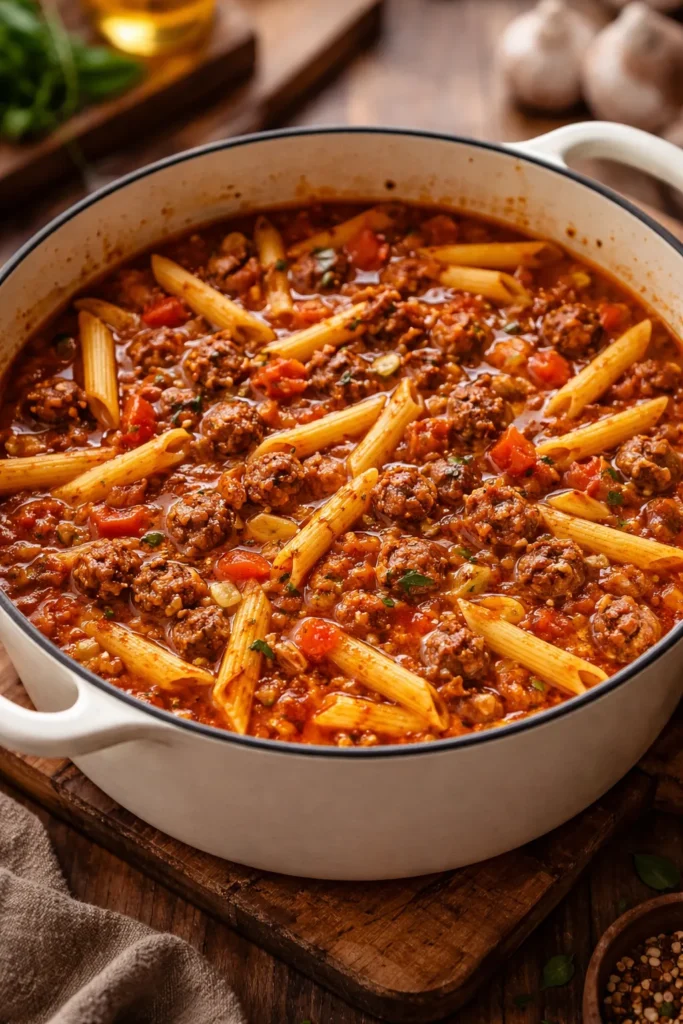
This one builds flavor in layers, starting by browning crumbled Italian sausage — the fat it renders becomes the base for everything that follows. Once the sausage is browned and slightly caramelized at the edges, garlic goes in for 30 seconds, then diced tomatoes, broth, and uncooked penne. The whole thing simmers together until the pasta is tender and the sauce has the consistency of a thick ragù.
The sausage fat does something that olive oil alone can’t: it seasons the broth from the inside out, giving the final dish a richness that takes a sauce from “pleasant” to “could eat this every week.”
Ingredient Notes
- 1 pound spicy Italian sausage, casings removed
- 12 oz penne or rigatoni
- 1 can crushed tomatoes (28 oz)
- 2 cups low-sodium chicken broth
- 4 garlic cloves, minced
- 1 teaspoon Italian seasoning
- ¼ teaspoon red pepper flakes (optional — the sausage already brings heat)
- ½ cup heavy cream (optional, for a rosé-style finish)
- Fresh Parmesan and basil to serve
Managing the Fat Level
Italian sausage varies significantly in fat content by brand. After browning, if there’s more than about 1 tablespoon of rendered fat sitting in the pot, tilt it slightly and spoon off the excess before adding the aromatics. Too much fat in the cooking liquid creates an oily sauce that doesn’t cling to the pasta the way it should.
For a milder version, sweet Italian sausage swapped for spicy gives all the flavor without the heat. Adding ½ cup of heavy cream in the last 3 minutes of cooking turns the tomato-forward sauce into a creamy tomato-sausage hybrid that’s borderline irresistible.
6. One-Pot Pasta e Ceci (Pasta and Chickpeas)
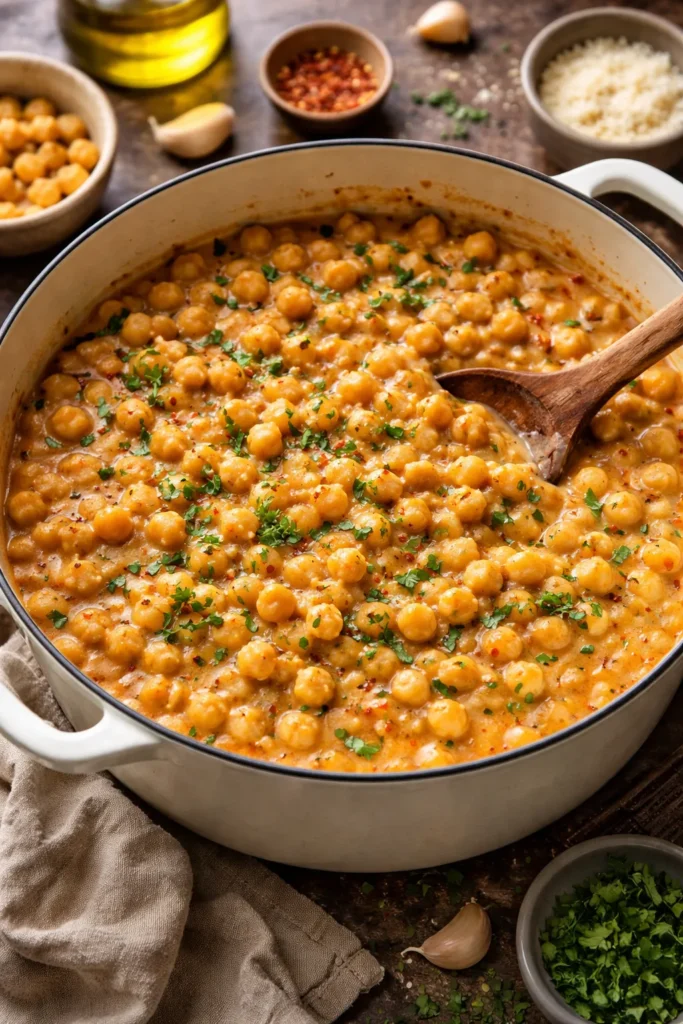
Pasta e ceci is a traditional Italian dish that sits somewhere between a thick soup, a stew, and a pasta dish — and it doesn’t need to choose. Chickpeas provide both body and protein. Blending a portion of the cooked chickpeas with some broth creates a naturally creamy sauce without any dairy. The result is earthy, savory, filling, and 100% plant-based.
This one is pantry-driven in the best way. If you keep canned chickpeas and ditalini on the shelf, you can make it any night without a grocery run.
Building the Dish
- 2 cans chickpeas (15 oz each), drained and rinsed
- 8 oz ditalini or small pasta shells
- 1 can crushed tomatoes (14 oz)
- 4 cups low-sodium vegetable broth
- 4 garlic cloves, thinly sliced
- 2 tablespoons olive oil
- 1 sprig fresh rosemary
- 1 teaspoon tomato paste
- Salt, pepper, and red pepper flakes
- Fresh parsley and Parmesan to finish (Parmesan optional for vegan)
The Blending Step That Makes It Creamy
Once the chickpeas and broth have simmered together for about 10 minutes, transfer roughly one-third of the chickpeas and a cup of the broth to a blender (or use an immersion blender directly in the pot). Blend until smooth and return to the pot. This creates a thick, creamy base that coats the pasta beautifully.
The rosemary sprig is the soul of this dish. Drop it in with the aromatics and pull it out before serving. Its flavor infuses the broth in a way that smells absolutely extraordinary while the pot is simmering. Don’t skip it, and don’t substitute dried rosemary — dried rosemary at this ratio turns the dish bitter.
7. One-Pot Mushroom and Parmesan Pasta
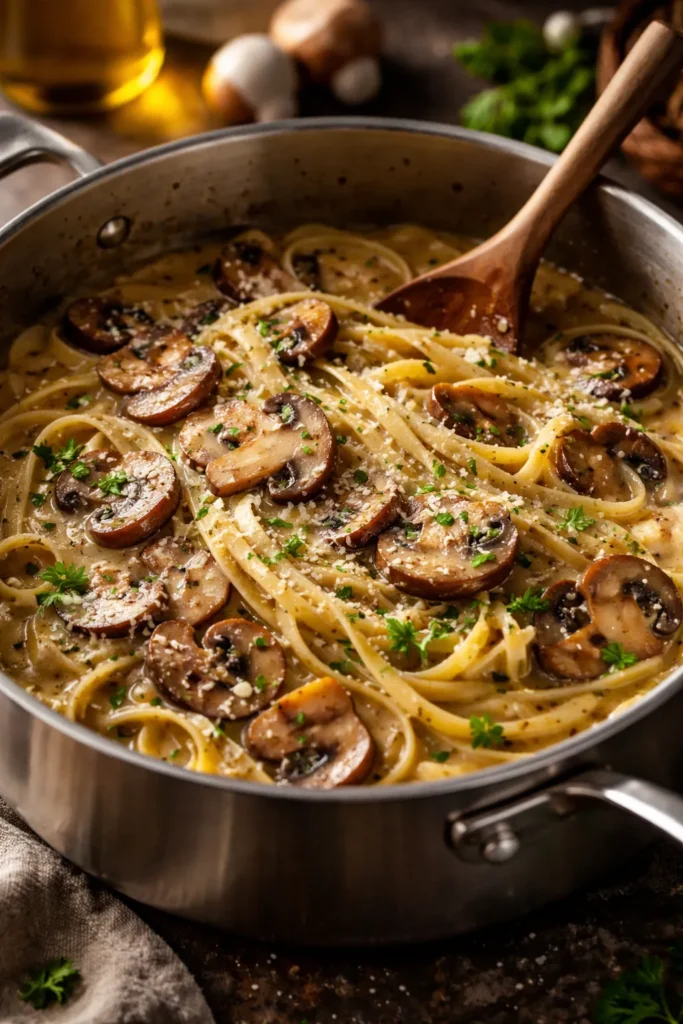
Mushrooms have a particular affinity for pasta that most other vegetables don’t. They absorb flavors deeply, release savory, umami-rich juices as they cook, and create a meaty texture that makes this dish satisfying enough for committed carnivores. Starting by sautéing the mushrooms in butter until they’re golden and slightly caramelized builds a flavor foundation that carries through every bite.
The Core Ingredients
- 8 oz cremini or mixed wild mushrooms, sliced
- 10 oz pasta (fettuccine broken into thirds, or pappardelle, or any short shape)
- 2 tablespoons unsalted butter
- 3 garlic cloves, minced
- 1 shallot, finely diced
- 3 cups low-sodium chicken or vegetable broth
- ½ cup dry white wine (optional but worth it)
- ½ cup freshly grated Parmesan
- 2 tablespoons heavy cream
- Fresh thyme, salt, cracked black pepper
Getting the Mushroom Sauté Right Before the Pasta Goes In
Don’t rush the mushroom sauté. Cook them over medium-high heat in the butter for 5 to 7 minutes, without stirring for the first 2 to 3 minutes. This lets them develop a golden crust rather than steaming in their own released moisture. They’ll release liquid, then reabsorb it, and then begin to brown — that’s the moment they’re ready.
Add garlic and shallot only after the mushrooms have colored. Garlic added too early burns in the residual butter. Once the aromatics are fragrant, pour in the wine (if using), let it reduce for 1 minute, then add broth and pasta. The mushroom fond on the bottom of the pan — those brown bits — dissolves into the broth and adds remarkable depth.
8. One-Pot Creamy Vegan Pasta with Burst Cherry Tomatoes
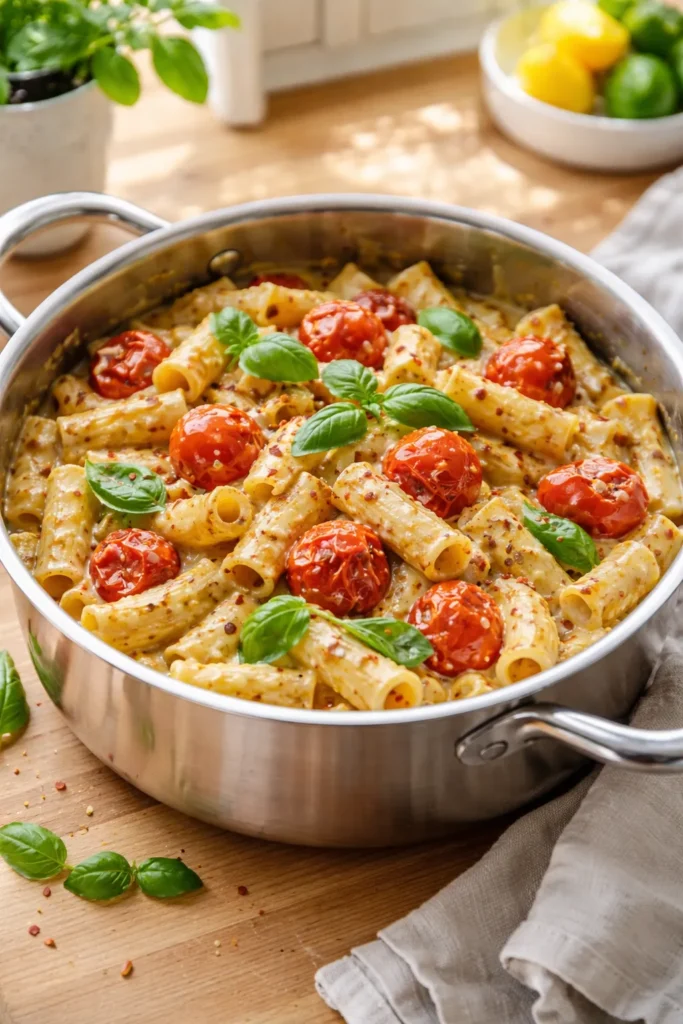
The assumption that “creamy pasta” requires dairy is worth challenging. This recipe builds its richness from nutritional yeast, a touch of cashew cream or full-fat coconut milk, and the natural starch released by the pasta as it cooks. The result is genuinely creamy — not thin and watery the way some vegan pasta attempts end up.
Cherry tomatoes that burst during cooking add both texture and a sweet-acidic pop that cuts through the richness of the sauce. This is one of those meals that surprises people.
Ingredients
- 10 oz short pasta (penne or rotini)
- 1 pint cherry tomatoes, halved
- 4 garlic cloves, minced
- 1 medium onion, diced
- 2 tablespoons olive oil
- 3 cups vegetable broth
- ¼ cup raw cashews soaked for 30 minutes and blended with ½ cup water (or ½ cup canned full-fat coconut milk)
- 3 tablespoons nutritional yeast
- 1 tablespoon lemon juice
- Fresh basil, salt, black pepper, red pepper flakes
Making It Genuinely Rich Without Dairy
The cashew cream goes in during the last 3 to 4 minutes of cooking, not at the beginning. Adding it too early can cause it to break in high heat. Stir it in gently once the pasta is nearly done, then let the whole pot simmer on low for 2 to 3 minutes so the cream can thicken and coat the pasta.
Nutritional yeast isn’t just a cheese substitute in this recipe — it adds a savory, slightly nutty depth that the dish would be noticeably flatter without. Start with 3 tablespoons and taste before adding more. It’s potent, and a little goes a long way toward that umami quality you’re chasing.
9. One-Pot White Wine Pasta with Mushrooms and Leeks
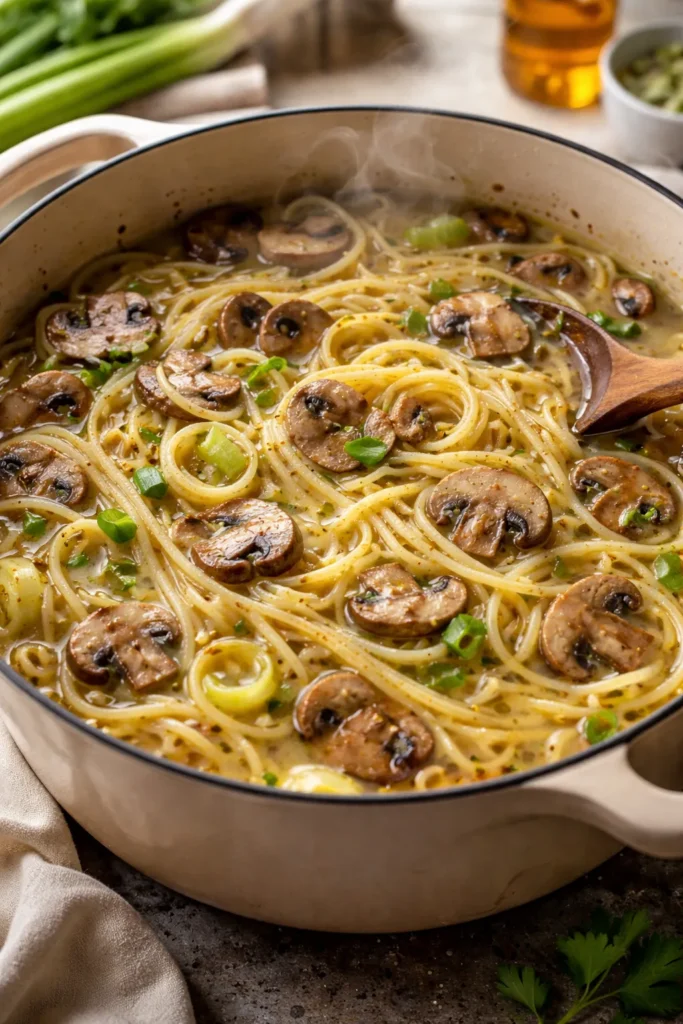
Leeks are one of those ingredients that deserve far more use in weeknight cooking. They’re milder and sweeter than onions, with a silky texture when cooked down, and they pair with white wine and mushrooms in a way that tastes entirely restaurant-worthy. This pasta takes about 30 minutes, uses one pot, and genuinely impresses without complicated technique.
What You’ll Need
- 10 oz short pasta (shells, cavatappi, or penne)
- 2 medium leeks, white and light green parts only, halved lengthwise and sliced thin
- 8 oz cremini mushrooms, sliced
- 3 garlic cloves, minced
- ½ cup dry white wine (a Pinot Grigio or Sauvignon Blanc works perfectly)
- 2½ cups low-sodium chicken or vegetable broth
- 2 tablespoons butter
- ½ cup heavy cream
- ¼ cup Parmesan, grated
- 1 tablespoon lemon juice
- Fresh thyme and parsley
Cooking Leeks Properly
Leeks need to be washed well — grit collects between the layers. After slicing, soak them in a bowl of cold water for 2 minutes, then lift them out (the grit sinks to the bottom). Sauté in butter over medium heat for about 5 minutes until they’re completely soft and beginning to turn golden at the edges.
The white wine goes in after the mushrooms, and letting it reduce for a full minute before adding the broth is worth the extra step. That reduction concentrates the wine’s flavor and removes most of the raw alcohol edge. What remains is a subtle fruity-acidic note that makes the cream sauce more complex and less one-dimensional.
10. One-Pot Skillet Baked Ziti with Sausage and Ricotta
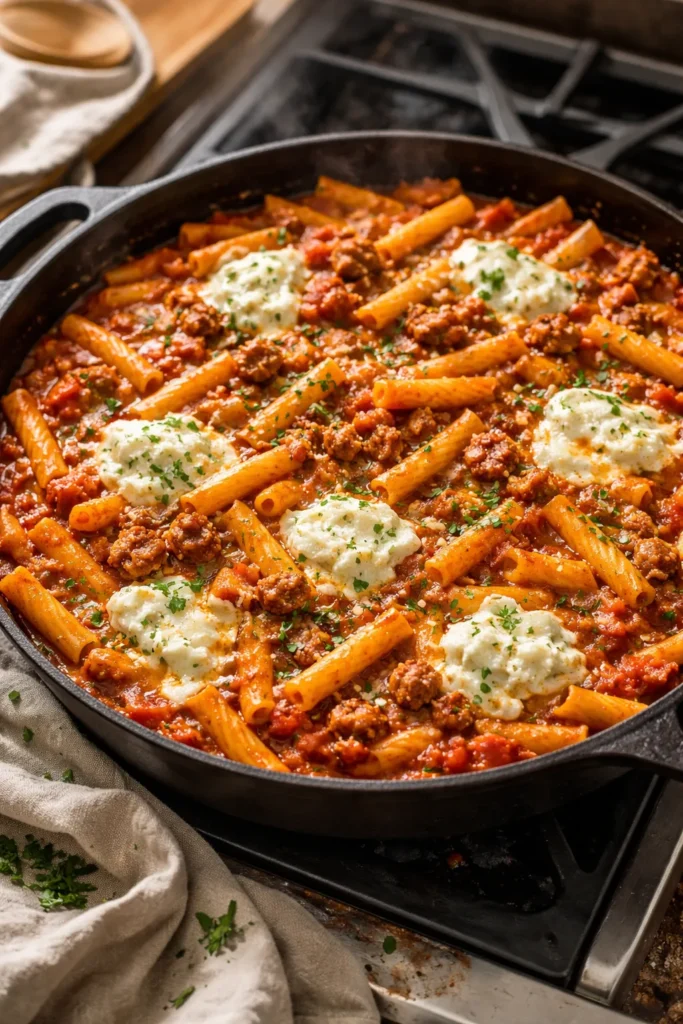
This recipe captures everything people love about baked ziti — the browned sausage, the bubbly cheese, the deeply flavored tomato sauce — in a single skillet on the stovetop. No oven required. No separately boiling pasta. No baking dish to scrub.
The technique involves soaking dry ziti in hot (not boiling) water for about 20 minutes to soften it slightly, then cooking it the rest of the way in the sausage-and-tomato sauce in the skillet. Dollops of ricotta go in toward the end, where they melt partially into the sauce without fully blending, creating those satisfying pockets of creamy cheese that define a great ziti.
The Full Ingredient List
- 12 oz ziti (soaked in very hot water for 20 minutes, then drained)
- 1 pound Italian sausage (sweet or spicy), casings removed
- 1 tablespoon unsalted butter
- 1 medium onion, diced
- 4 garlic cloves, minced
- 1 can crushed tomatoes (28 oz)
- ½ cup heavy cream
- 1 teaspoon Italian seasoning
- ½ cup whole-milk ricotta
- 1 cup shredded low-moisture mozzarella
- ¼ cup Parmesan, grated
- Salt, pepper, fresh basil
The Soaking Step That Solves Everything
Pre-soaking the ziti is what makes this stovetop method work. Dry pasta added directly to a thick tomato-sausage sauce would need too much liquid to cook through, which would dilute the sauce. The soak gives the pasta a head start — it’s already pliable and partially hydrated before going into the skillet, so it needs far less liquid to finish.
After adding the soaked ziti to the sauce, cook over medium heat for about 10 to 12 minutes, stirring gently every few minutes. Fold in the ricotta in the last 3 minutes and top with mozzarella, then cover the skillet with a lid for 2 minutes. The mozzarella melts into a stretchy, gooey layer on top without any oven time.
Tips That Apply to Every One-Pot Pasta Recipe
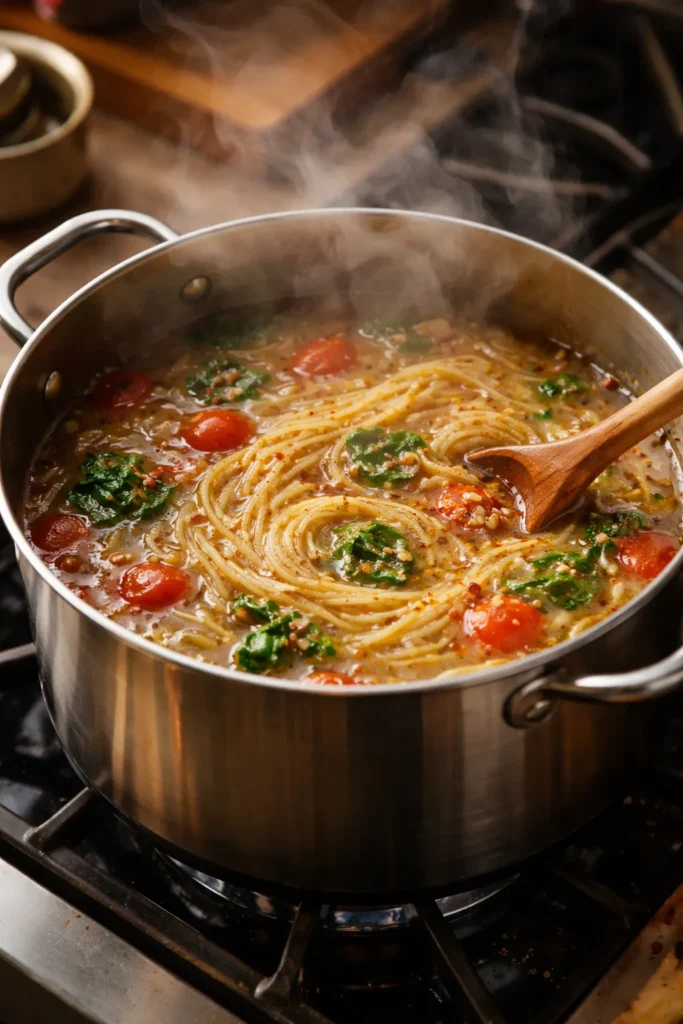
A few patterns emerge across all ten of these recipes, and they’re worth calling out explicitly.
Salt the cooking liquid before the pasta goes in. Seasoning added to the liquid penetrates the pasta as it cooks rather than sitting on the surface. You’ll end up using less salt overall and getting better flavor distribution.
Keep the heat at a steady simmer, not a rolling boil. A furious boil evaporates liquid too quickly, especially in wide pans and skillets. Medium to medium-low heat, with the occasional stir, produces more even cooking and better sauce consistency.
Taste the liquid before the pasta is done. The liquid you’re cooking in is your sauce. If it tastes flat at the 5-minute mark, add a pinch more salt, a splash more broth, or a teaspoon of tomato paste. Correcting seasoning mid-cook is far easier than trying to fix an under-seasoned finished dish.
One more thing worth knowing: one-pot pasta almost always benefits from resting for 2 to 3 minutes after you take it off the heat. That brief rest lets the sauce tighten and settle, and it drops the temperature to something your mouth will thank you for.
Storage and Reheating for All Ten Recipes
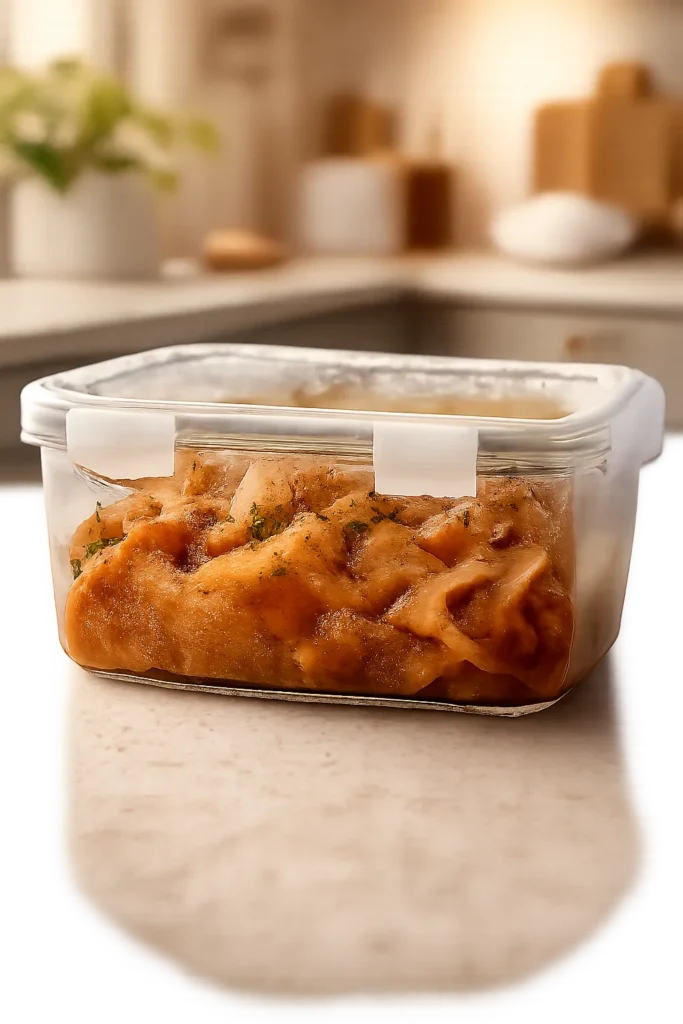
One-pot pasta stores well in the fridge, though the pasta continues to absorb the sauce as it sits. After overnight storage, what was a saucy, loose dish can turn into something much drier and denser.
The fix: Add a splash of water, broth, or (for cream-based sauces) a tablespoon of cream before reheating. Warm it gently on the stove over medium-low heat, stirring regularly, until it loosens back up and heats through — usually about 5 minutes. Microwave reheating works in a pinch, but add that extra liquid regardless, and cover the bowl with a damp paper towel to trap steam.
All ten recipes keep well in an airtight container in the fridge for 4 to 5 days. The meat-sauce version (Recipe 3) and the skillet ziti (Recipe 10) also freeze reasonably well for up to 3 months — let them cool completely, then freeze in single-serving portions. Cream-based versions like Recipes 2 and 9 don’t freeze well — the cream tends to separate on reheating, leaving a grainy, watery result. Cook those fresh.
For make-ahead purposes, the meat sauce in Recipe 3 can be prepared up to the point of adding the pasta, then refrigerated for up to 3 days. When you’re ready to serve, bring the sauce back to a simmer, add the dry pasta and enough water to rehydrate it, and cook through. Fresh pasta, saucy dinner.
Final Thoughts
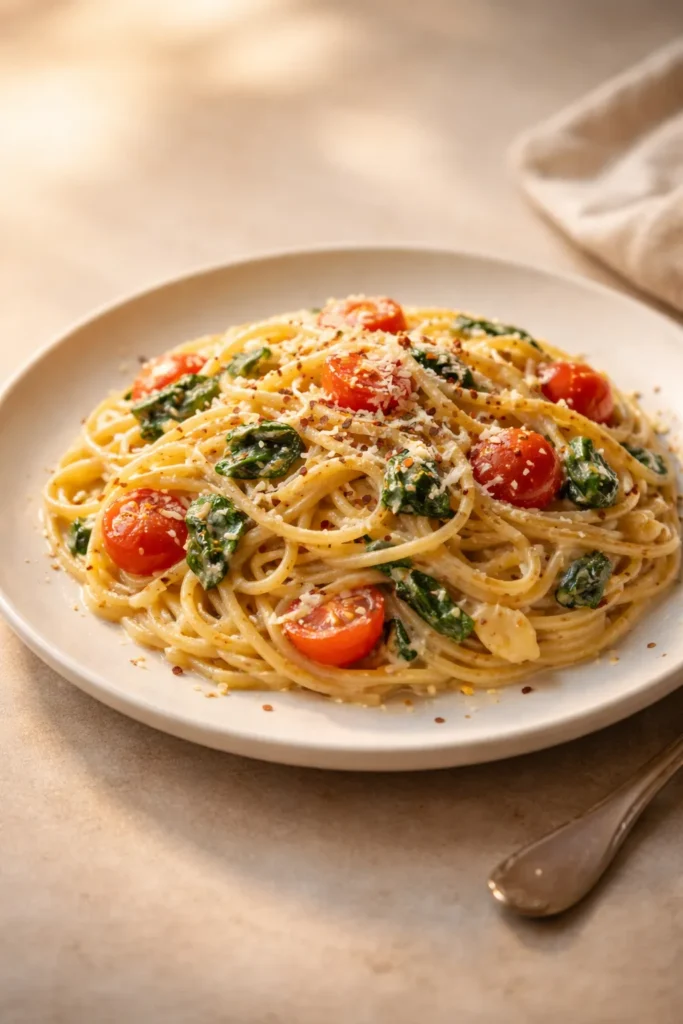
One-pot pasta isn’t a shortcut that compromises the result — it’s a different technique that, when understood and applied correctly, produces food that’s every bit as good as anything made with the traditional two-pot method. Often better, because the pasta carries the flavor of the sauce all the way through rather than just on its surface.
The ten recipes here span the full spectrum of what this method can do: weeknight-simple, vegetable-forward, meaty and hearty, creamy and indulgent, and fully plant-based. There’s no single “type” of one-pot pasta — the format adapts to nearly any flavor profile and any dietary preference.
Pick one recipe this week. Make it. Notice how little cleanup there is. Then notice how much you actually enjoyed the food. That combination — minimal effort, real satisfaction — is exactly why these recipes end up in heavy rotation on so many home cooks’ weekly menus.