There’s a reason spaghetti bolognese appears on dinner tables every single week in millions of households across the world. It hits every note you want from a meal — deeply savory, comforting without being fussy, satisfying enough to silence even the hungriest crowd, and forgiving enough to work with whatever you’ve got on hand. A pot of bolognese bubbling away on the stove is one of those kitchen smells that makes a house feel like home.
But here’s what most people don’t realize: bolognese isn’t one recipe. It’s a philosophy. The city of Bologna gave the world its name, but cooks everywhere have been riffing on it for generations — stretching cook times, swapping meats, adding cream, sneaking in vegetables, or building shortcut versions that still taste like they’ve been going for hours. The “authentic” debate is fun at dinner parties but ultimately beside the point. What matters is the bowl in front of you.
Whether you want a quick 30-minute weeknight dinner or a sauce that transforms your whole Sunday afternoon into something worth savoring, the eight versions below cover every version of this dish you’d ever want to make. Each one brings something genuinely different to the table — a different technique, a different depth of flavor, a different reason to reach for your largest pot.
Table of Contents
- 1. Classic 30-Minute Weeknight Spaghetti Bolognese
- The Three Ingredients That Do the Heavy Lifting
- Getting the Most From a Short Simmer
- 2. Slow-Simmered Traditional Bolognese for Weekend Cooking
- Why Two to Three Hours Makes a Difference
- What to Watch For During the Long Cook
- 3. Beef and Pork Mixed Bolognese
- Finding the Right Fat Ratio
- How to Cook the Dual-Meat Version
- 4. Pancetta and Red Wine Bolognese
- Choosing and Using Your Red Wine
- Making It Work on a Weeknight vs. Weekend
- 5. Milk and Cream Bolognese in the Style of Bologna
- When to Add Cream Instead of Milk
- Pairing This Version With the Right Pasta
- 6. Quick Bolognese Using Store-Bought Marinara
- Choosing the Right Jar
- Balancing the Shortcut With Proper Technique
- 7. Slow Cooker Spaghetti Bolognese for Hands-Off Cooking
- Slow Cooker Settings and Timing
- What Works Differently in the Slow Cooker
- 8. Vegetable-Packed Bolognese with Hidden Nutrition
- Which Vegetables Work Best and Why
- Reducing the Meat While Keeping the Flavor
- The Techniques Every Bolognese Shares
- Storing, Freezing, and Getting Ahead
- Final Thoughts
1. Classic 30-Minute Weeknight Spaghetti Bolognese
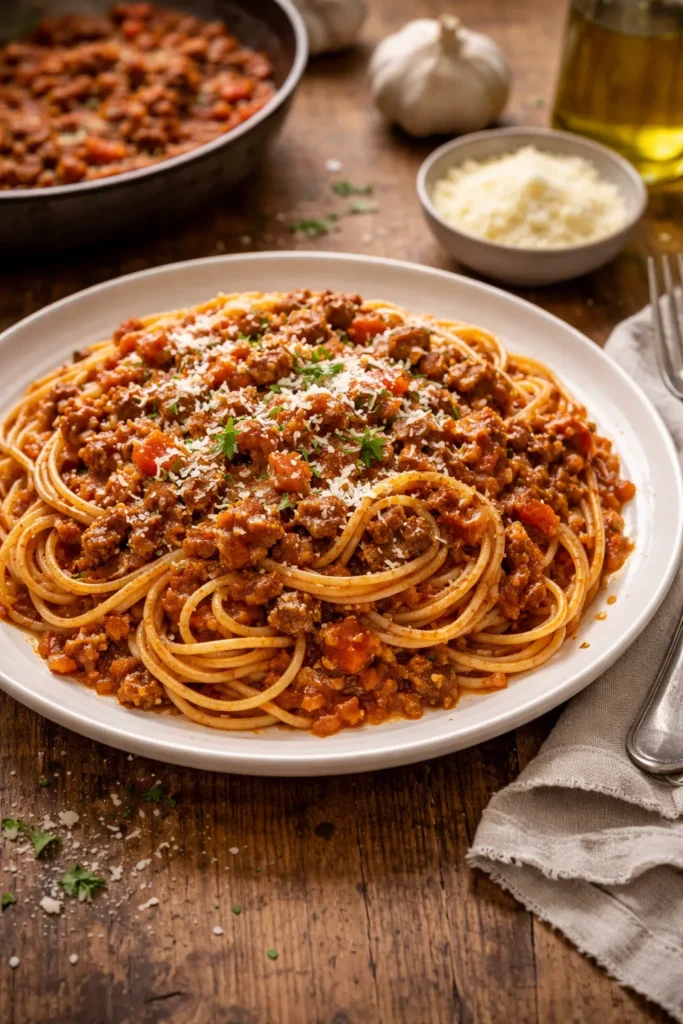
When it’s Tuesday evening and the fridge is showing you its most honest selection, this is the version that saves dinner without any drama. A 30-minute bolognese done right is not a compromise — it’s a skill. The trick is knowing which ingredients pull maximum flavor in minimum time, and building the sauce in the right sequence so nothing feels rushed even when it technically is.
The foundation is a proper soffritto: onion and garlic cooked in olive oil over medium-high heat for about three minutes until they’re golden and soft. Don’t rush this step — it’s where the flavor base comes from, and skipping it makes the finished sauce taste flat. Add your beef mince on high heat immediately after and brown it properly, breaking it up as it goes. Browning takes about two minutes on high heat; don’t crowd the pan or the meat steams instead of sears.
The Three Ingredients That Do the Heavy Lifting
The real weeknight magic comes from three supporting ingredients: a crumbled beef stock cube, a tablespoon of Worcestershire sauce, and a small squeeze of tomato paste. These aren’t shortcuts so much as flavor accelerators. Together they replicate the deep, savory complexity that a long simmer would otherwise build over hours. The beef stock cube adds body, the Worcestershire sauce adds that mysterious umami background note, and the tomato paste concentrates the tomato flavor in a way that canned tomatoes alone simply can’t.
Add your red wine after the beef is browned, scrape up the bottom of the pan, and let it reduce for one minute so the alcohol burns off. Pour in your crushed tomatoes, add the seasonings, stir well, and let the whole thing simmer uncovered for 20 to 30 minutes. Stir it every few minutes. As the liquid reduces, the sauce thickens and the flavors knit together.
Getting the Most From a Short Simmer
- Use crushed tomatoes over diced — they break down faster and produce a smoother, thicker sauce without extra work
- Add a teaspoon of sugar if your tomatoes taste sharp or acidic after the first few minutes of simmering — mid-range canned tomatoes often need it
- Cook your pasta one minute less than the packet says, then finish it in the sauce with a splash of reserved pasta water — this is how the sauce clings to every strand
- Season at the end, not the beginning — the sauce concentrates as it reduces, so salt added early can make the finished dish too sharp
Pro tip: A 20-minute simmer produces a good bolognese. A 30-minute simmer produces a noticeably better one. If you can buy yourself ten extra minutes, spend them here.
2. Slow-Simmered Traditional Bolognese for Weekend Cooking
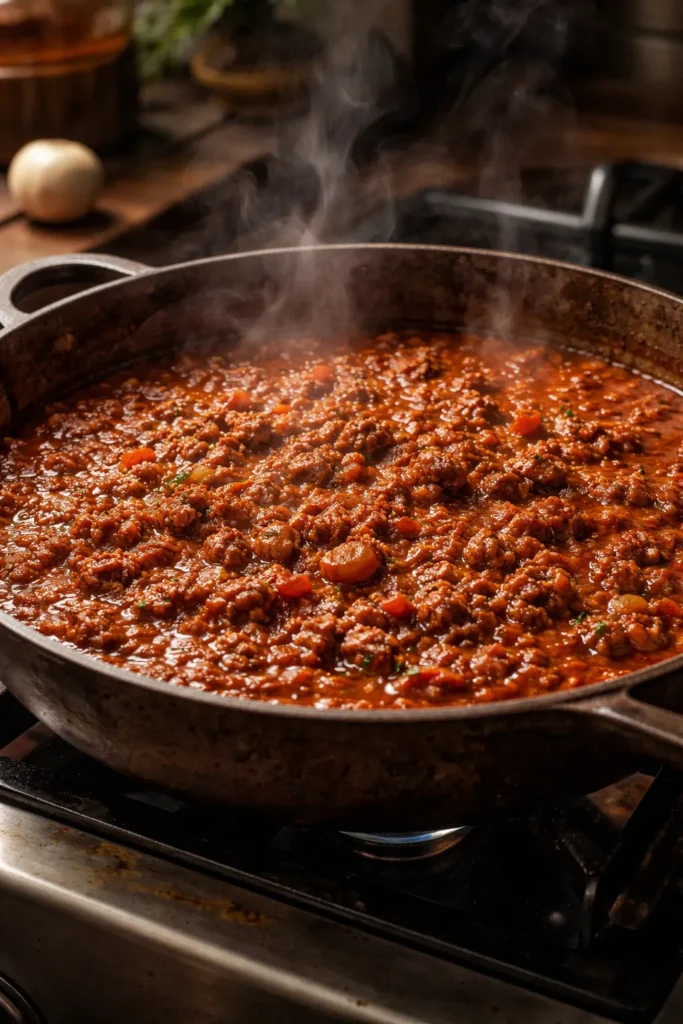
This is the version Italian home cooks make when they have nowhere to be and nothing to prove. The sauce goes on at noon, gets stirred occasionally with a glass of wine nearby, and lands on the table by dinner time as something genuinely extraordinary. No single ingredient is unusual. Everything extraordinary about this bolognese comes from time.
The process starts with a proper soffritto — diced onion, carrot, and celery cooked in olive oil over low heat for a full ten minutes, stirring occasionally, until they’re soft, translucent, and just starting to turn golden at the edges. This step alone is what separates a slow bolognese from an average one. The vegetables build a sweet, aromatic base that you can actually taste in the finished sauce.
Why Two to Three Hours Makes a Difference
After browning the beef and adding the tomatoes, the sauce needs liquid — about 250ml of water — and then it goes on the lowest heat your stove can manage with a lid left slightly ajar. Over the next two to three hours, something genuinely alchemical happens. The beef breaks down into tender, almost silky threads rather than crumbly pieces. The tomatoes lose their raw edge and develop a sweetness you can’t achieve any other way. The whole sauce deepens into something that tastes like it cost three times what it did.
Stir it every 30 minutes or so. Check the heat — it should barely ripple at the surface, not bubble actively. If you’re using a standard burner, your smallest ring on its lowest setting is about right.
What to Watch For During the Long Cook
- The sauce will look thin for the first 45 minutes — that’s completely normal; don’t be tempted to crank the heat
- After about 90 minutes, the color deepens noticeably from a bright red to a darker, more brick-like tone — this is exactly what you want
- Taste and adjust seasoning only in the final 20 minutes, once the sauce has reduced to its final consistency
- If the sauce tightens up too much before it’s done, add small splashes of water — never more than a quarter cup at a time
The finished sauce keeps beautifully in the fridge for three to four days and genuinely tastes better the following day, once the flavors have had more time to settle.
3. Beef and Pork Mixed Bolognese
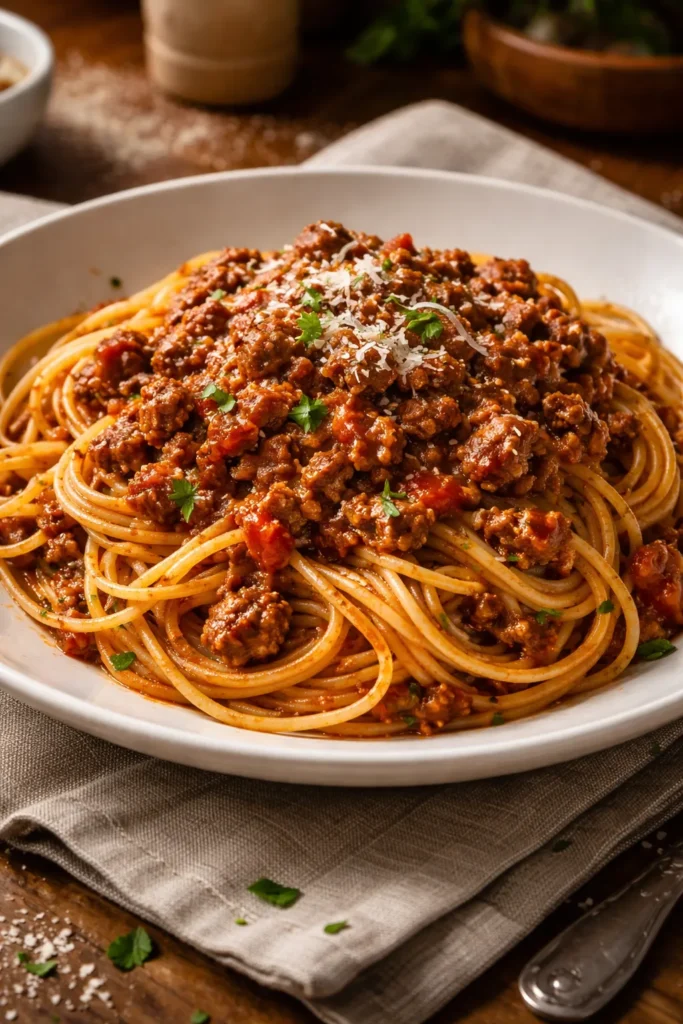
Many food writers will describe this variation as “traditional,” and in the context of Bologna, there’s real truth to that. Ground pork brings something to the table that pure beef simply can’t match — a subtle sweetness, more fat, and a softer texture that makes the finished sauce feel almost luxurious. Using a 50/50 mix of beef and pork is one of the most effective single upgrades you can make to any bolognese recipe.
The beef provides depth, iron-rich savory flavor, and that characteristic meatiness you associate with a good ragu. The pork brings fat, juiciness, and a background sweetness that rounds off the sharpness of the tomatoes. Together, they produce a sauce that’s more complex and more satisfying than either alone.
Finding the Right Fat Ratio
Fat content matters here more than most recipes let on. For the beef, aim for 80/20 ground beef (20% fat) — this is sometimes labeled as “chuck mince” at the butcher. Leaner beef produces a drier, less cohesive sauce. For the pork, standard ground pork from a supermarket works well; it usually runs around 15-20% fat, which is exactly where you want it.
If you want to go further, swap the ground pork for finely diced pancetta or Italian sausage (casings removed). Either adds a smoky, cured depth that takes the sauce in a slightly more complex direction.
How to Cook the Dual-Meat Version
- Brown each meat separately if your pan is on the smaller side — crowding produces steaming, not browning, and you lose the fond on the bottom of the pan that carries so much flavor
- The two meats can go in together if you’re working with a wide, deep skillet and browning in a thin layer
- Add wine immediately after browning and scrape aggressively — the beef and pork together leave an especially rich fond on the pan bottom
- Don’t drain the fat after browning unless there’s a visibly excessive pool of it — the fat is flavor, and the tomatoes and simmer time will absorb most of it
Worth knowing: A 60% beef / 40% pork ratio works if you prefer a slightly meatier, more assertive flavor. Pure 50/50 is the classic balance.
4. Pancetta and Red Wine Bolognese
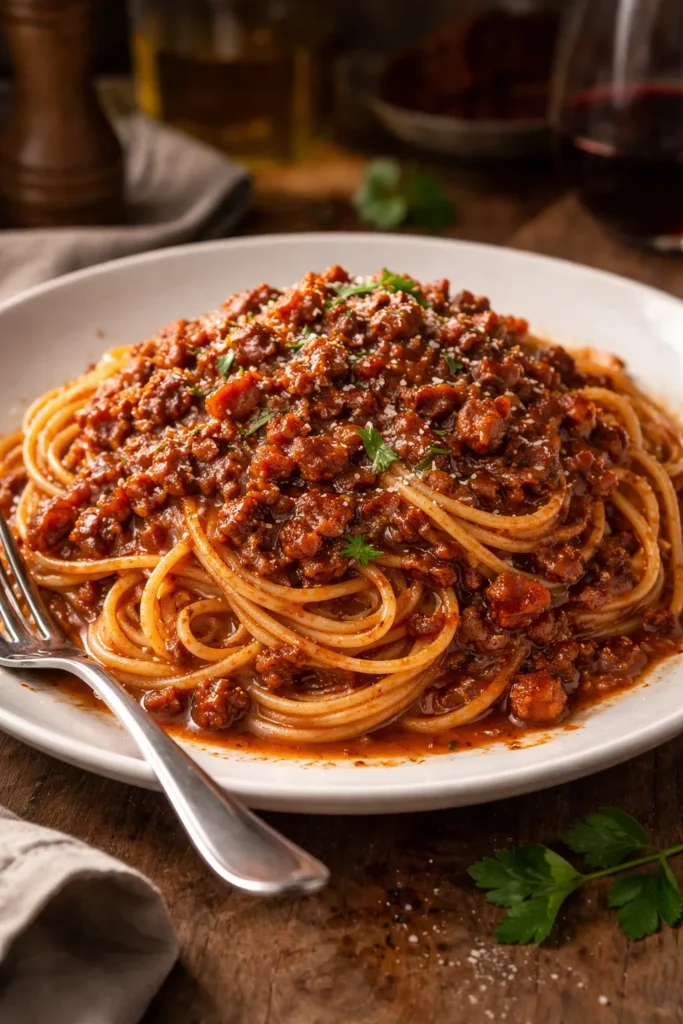
This is the version you make when someone important is coming for dinner and you want the kitchen to smell like a place people never want to leave. Pancetta is the defining move. It renders slowly at the beginning of the recipe, coating the bottom of the pan in a thin layer of savory, slightly smoky fat that flavors everything that follows.
Thinly sliced pancetta (about 100g for four servings) goes into the pan first, before the vegetables and well before the beef. Cook it over medium heat for five minutes until it’s starting to color and the fat has rendered out. What’s left in the pan after the pancetta cooks is more valuable than it looks — it’s a flavored cooking fat that turns every subsequent ingredient it touches slightly more complex and interesting.
Choosing and Using Your Red Wine
The wine matters more in this version than in a basic weeknight bolognese, because it’s given more time to integrate and its flavor becomes part of the sauce’s character. Don’t use anything you wouldn’t drink. You don’t need to open your best bottle, but a wine that tastes off on its own will taste off in your sauce. A medium-bodied red — a Sangiovese, a basic Chianti, a straightforward Côtes du Rhône — works well.
Add 150ml (about half a cup) after the beef is browned. Let it bubble for two to three minutes and reduce by about three-quarters before you add the tomatoes. This isn’t just about burning off the alcohol — it’s about concentrating the wine’s flavor into something that adds depth rather than raw sharpness.
Making It Work on a Weeknight vs. Weekend
- Weeknight version: Use the pancetta and wine, but let the sauce simmer for 30-45 minutes — still dramatically better than a no-pancetta, no-wine version
- Weekend version: Go to 90 minutes or longer; the pancetta flavor deepens considerably with a longer simmer
- Add a bay leaf and a sprig of fresh thyme at the start; fish them out before serving
- Fresh basil stirred in at the very end — after the heat is off — brightens the whole sauce and lifts the smokiness of the pancetta
5. Milk and Cream Bolognese in the Style of Bologna
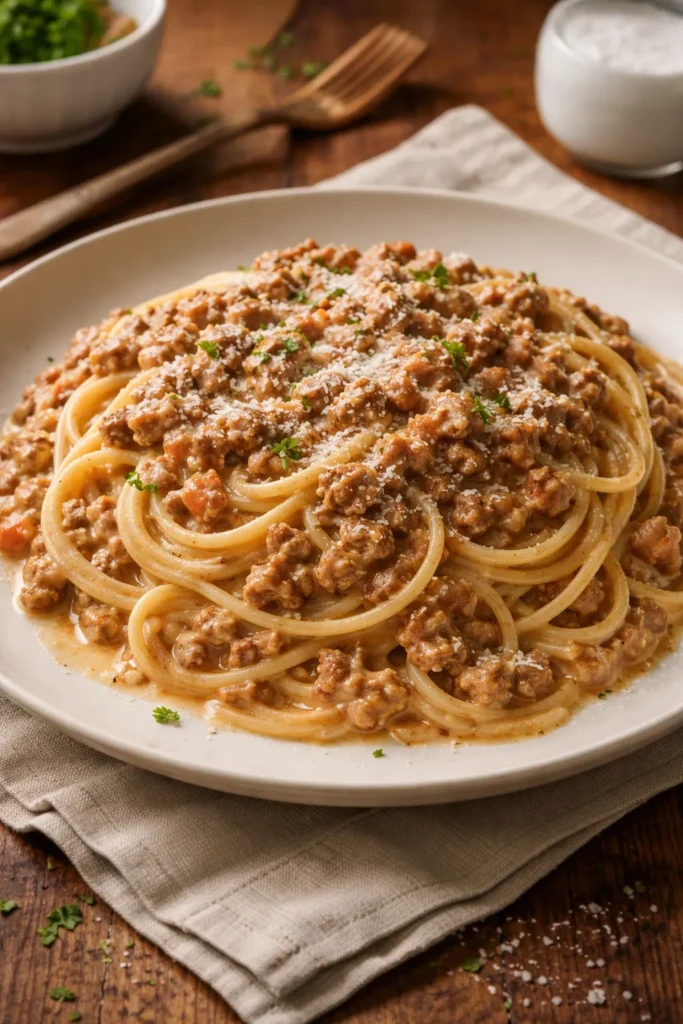
If you’ve ever made a bolognese and found the tomato flavor slightly too sharp or acidic even after a full simmer, a pour of whole milk or heavy cream is the answer. This isn’t a modern invention or a shortcut — it’s one of the most historically documented techniques in Italian bolognese cooking, appearing in recipes from Bologna going back generations. Marcella Hazan championed it, and food writers have been debating it ever since.
The mechanics are simple: after browning the beef, you add about a cup of whole milk and let it simmer over medium heat, stirring occasionally, until it has almost completely evaporated — this takes about ten minutes. What you’re left with isn’t a creamy sauce. The milk evaporates away, but it leaves behind proteins and fats that have coated and tenderized the meat, making the beef softer, rounder in flavor, and less grainy in texture.
When to Add Cream Instead of Milk
Milk goes in at the beginning of the process, before the tomatoes, as a tenderizing and flavor-rounding step. Heavy cream (about half a cup) does the opposite — it goes in at the end, after the sauce has finished simmering, and creates a visibly richer, silkier texture. The two techniques produce different results:
- Milk added early: More subtle, the dairy flavor largely disappears, meat becomes noticeably more tender
- Cream added at the end: Visibly richer and more luscious, sauce takes on a silky coat that clings to the pasta beautifully
Pairing This Version With the Right Pasta
The creamier version of bolognese is genuinely better served with wide, flat pasta — tagliatelle or pappardelle — rather than spaghetti. The wider surface area of these noodles carries the sauce more evenly. Pappardelle especially, with its broad ribbons, catches the meat in its folds and delivers a more complete bite. Cook it to al dente — one minute less than the packet recommends — then finish it in the sauce with a splash of pasta water.
Pro tip: A small grating of fresh nutmeg added with the cream at the end is the finishing touch that makes this version taste distinctly Italian. Use about a quarter teaspoon — enough to notice without tasting it directly.
6. Quick Bolognese Using Store-Bought Marinara
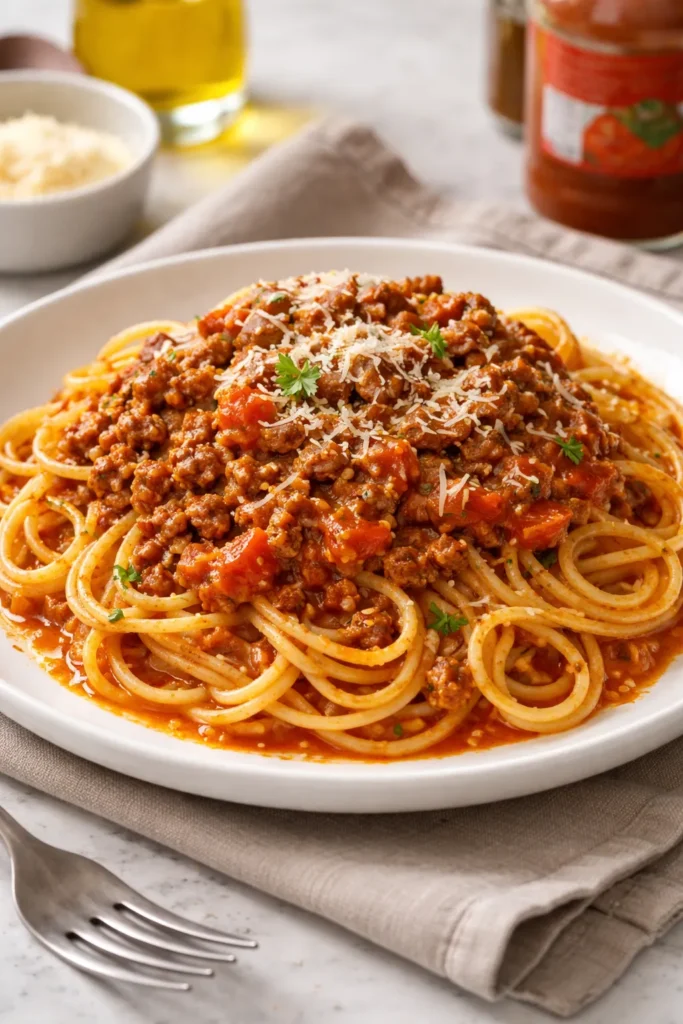
This is the honest, practical version that doesn’t apologize for itself. A high-quality jar of marinara sauce genuinely cuts the cook time from three hours to thirty minutes, and if you choose the right jar, nobody at the table will know the difference. The key is understanding what store-bought marinara already brings to the recipe — cooked tomatoes, seasoning, aromatic depth — and not undermining it by cutting corners on everything else.
The technique is the same as any other bolognese: soffritto first, then brown the meat, then add the sauce and simmer. But because the marinara already has significant seasoning and flavor, you can skip the stock cube and reduce the herbs considerably. Let the sauce do its job.
Choosing the Right Jar
Not every jar of marinara is the same. Look for:
- A short ingredient list — if the label has more than eight or nine ingredients, it’s probably over-seasoned and will overpower the meat
- Tomatoes as the first ingredient (not tomato paste concentrate)
- No added sugar listed in the first three ingredients — you can add sugar to taste yourself if needed
- An Italian brand if your grocery store carries them; San Marzano tomato-based sauces are worth the slight price premium here
Balancing the Shortcut With Proper Technique
The one thing you cannot shortcut in this version is browning the meat and vegetables. Frying the soffritto properly — eight to ten minutes over medium heat — and genuinely browning the beef are what separate a good quick bolognese from a thin, flat-tasting one. Add a glug of red wine after browning the beef and let it reduce before the marinara goes in. Stir in half a cup of heavy cream at the very end for richness that brings the whole sauce together.
- Simmer for at least 30 minutes after adding the marinara — the sauce thickens and the meat flavor integrates considerably
- Taste before serving and adjust with salt, a pinch of sugar, and an extra splash of Worcestershire sauce if the sauce needs more depth
- The pasta water trick still applies — add a ladle of starchy cooking water to the sauce when tossing the pasta; it improves the texture dramatically
7. Slow Cooker Spaghetti Bolognese for Hands-Off Cooking
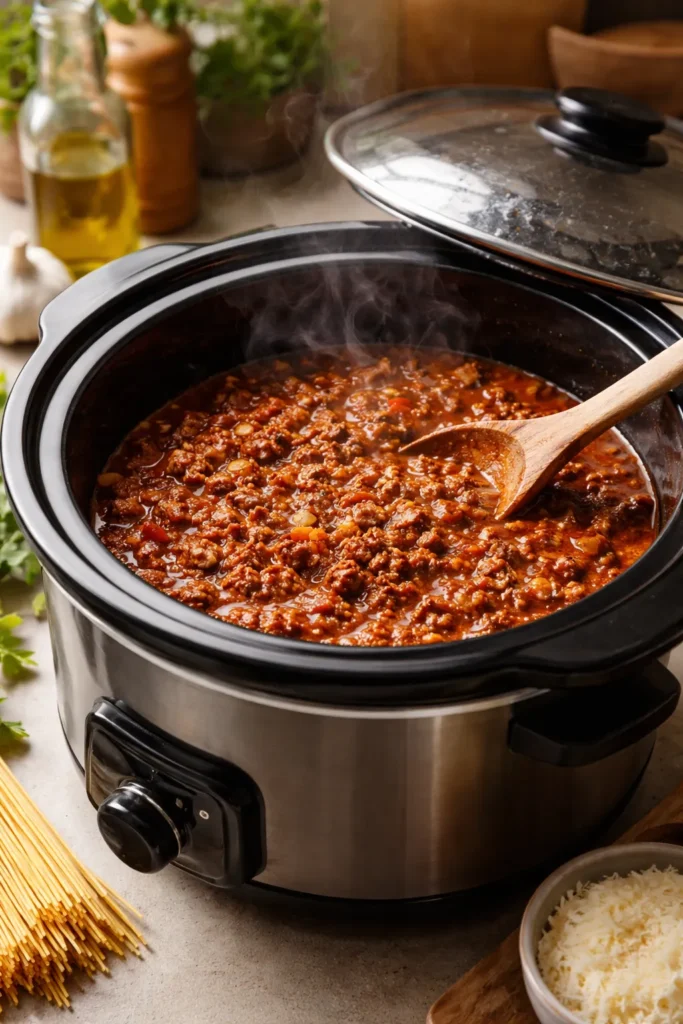
The slow cooker is arguably the ideal environment for bolognese. You get the flavor benefits of an hours-long cook without babysitting the stove, and the result — especially the texture of the meat — is noticeably different from a stove-top version. After six hours in a slow cooker, the beef becomes almost impossibly tender, breaking into fine, silky threads rather than distinct chunks. It’s the most hands-off way to produce a deeply satisfying sauce.
The one non-negotiable step before the slow cooker: you still need to brown the meat and vegetables on the stove first. Skipping this and dumping everything directly into the slow cooker produces a pale, watery, strangely grey sauce that lacks the depth and color of a proper bolognese. Take fifteen minutes on the stove to build the base, then transfer everything to the slow cooker.
Slow Cooker Settings and Timing
- Low setting for 6-8 hours produces the most tender meat and the deepest flavor — this is the gold standard
- High setting for 3-4 hours works if you’re short on time, but the texture isn’t quite as luxurious
- Add about 150ml (half a cup) less liquid than a stove-top recipe calls for — slow cookers trap steam and the sauce won’t reduce the way it does on the hob
- Leave the lid off for the final 20-30 minutes if the sauce looks thin — this lets excess moisture evaporate and concentrates the flavor
What Works Differently in the Slow Cooker
Because the sauce cooks so gently and for so long, certain ingredients behave differently than they do on the stove:
- Fresh herbs added at the start will essentially dissolve into the background — save fresh basil and parsley for the very end
- Dried herbs become more pronounced during a slow cook, so use them sparingly; half the quantity you’d add to a stove-top version is usually right
- Worcestershire sauce holds up well and continues to deepen the flavor over the long cook
- Transfer the finished sauce to a wide skillet and reduce it actively for 10-15 minutes before serving if you want a thicker consistency — slow cookers rarely produce a sauce as thick as the stove-top version
Pro tip: Make this the night before, refrigerate it overnight, and reheat it for dinner the following day. The flavor development overnight is genuinely remarkable — it’s one of those sauces that’s noticeably better on day two.
8. Vegetable-Packed Bolognese with Hidden Nutrition
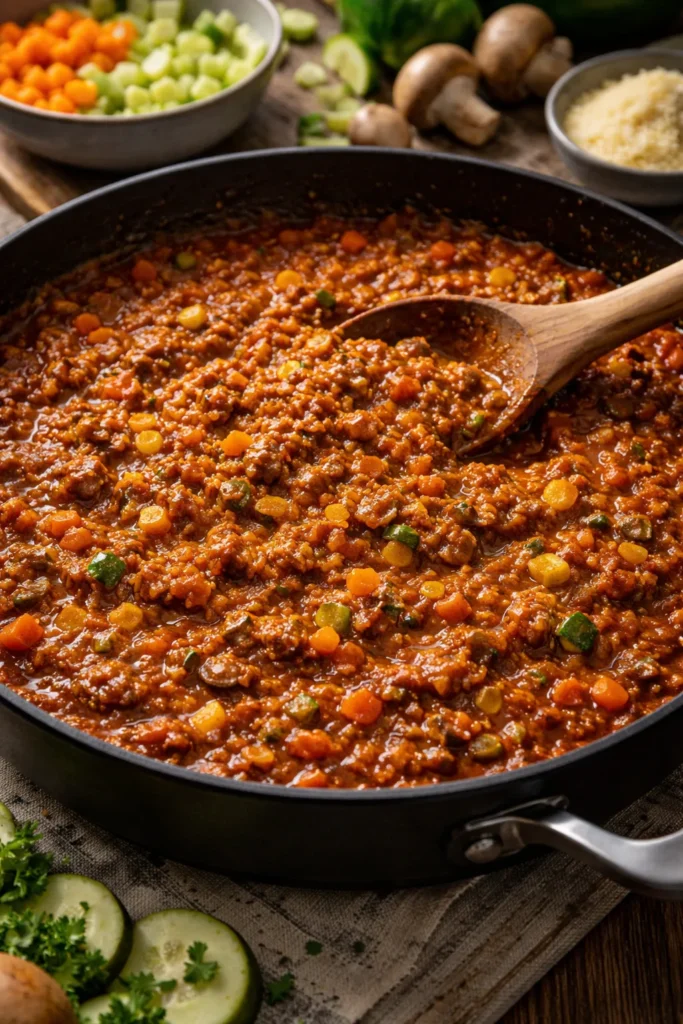
This is the version that earns its place not as a compromise but as a genuinely delicious sauce in its own right. Adding finely chopped or grated vegetables to a bolognese does three things simultaneously: it increases the nutritional value, extends the sauce further without increasing the meat, and — when done correctly — deepens the flavor rather than diluting it. The key phrase is “done correctly,” which means processing the vegetables fine enough that they melt into the sauce rather than sitting in chunks.
A food processor is your best friend here. Pulse your carrots, celery, zucchini, and mushrooms until they’re very finely chopped — not paste, but close. Mushrooms are especially valuable; they add a meaty, umami depth that supports the beef without announcing themselves in the finished sauce. Even enthusiastic vegetable skeptics at the table won’t notice them.
Which Vegetables Work Best and Why
The soffritto classics (onion, carrot, celery) are a given. Beyond those:
- Mushrooms — finely diced cremini or chestnut mushrooms add savory depth and a meaty texture that makes the sauce feel more substantial
- Zucchini — grated zucchini all but disappears into the sauce during cooking, adding moisture and mild sweetness
- Bell peppers — finely diced red pepper adds sweetness and color; green pepper adds a slightly bitter edge that works well in a long-simmered sauce
- Grated carrot — beyond the standard soffritto amount, an extra grated carrot cooked directly into the sauce sweetens and balances the tomatoes naturally
Reducing the Meat While Keeping the Flavor
One of the best uses for a vegetable-packed bolognese is reducing the meat from 500g to around 300g for a four-person sauce, replacing the difference with mushrooms and zucchini. The finished sauce is lighter, still protein-rich, and genuinely indistinguishable from a full-meat version in terms of depth and satisfaction.
- Cook all the vegetables completely before adding the beef — they should be soft and just beginning to color before the meat goes in
- Season the vegetables during cooking, not just at the end — they absorb salt and develop flavor as they cook down
- Add a splash of soy sauce or an extra teaspoon of Worcestershire at the simmering stage — both deepen the umami quality that the reduced meat would otherwise provide
Worth knowing: This version is excellent for batch cooking and freezes particularly well — the vegetables help the sauce retain a smooth, consistent texture after thawing, whereas an all-meat sauce can sometimes turn grainy when reheated from frozen.
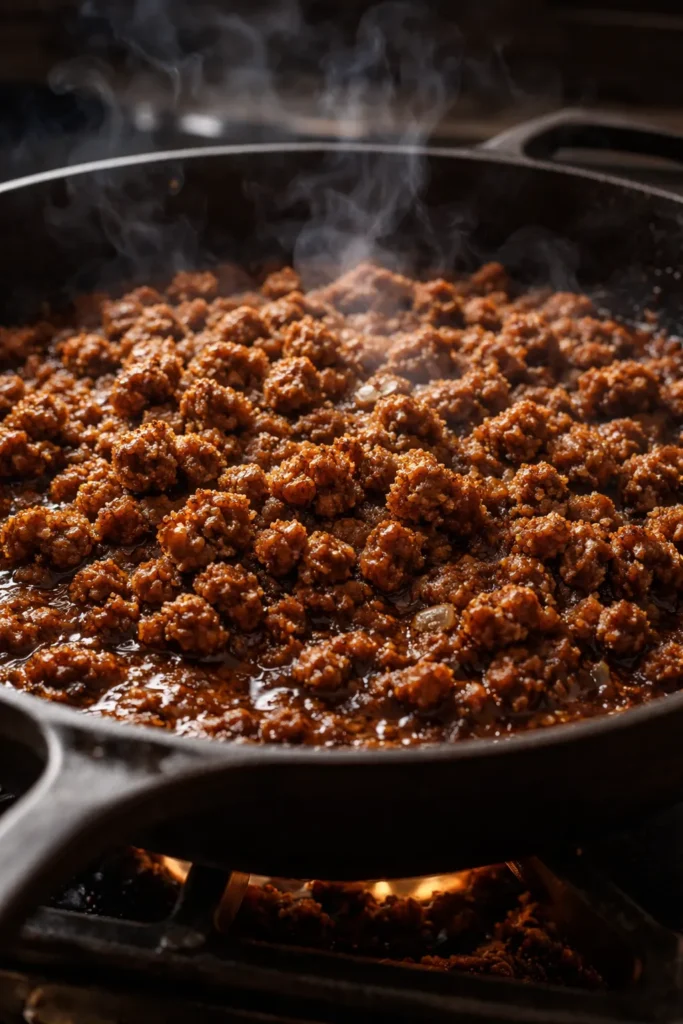
Regardless of which version you make tonight, a handful of techniques apply across all eight. Properly browning the meat is non-negotiable — it’s the single most impactful step in any bolognese recipe, and it can’t be undone or compensated for later. Use high heat, don’t crowd the pan, and let the meat color before you stir it.
The pasta water step is worth doing every single time. Save a mug of the cloudy, starchy water before you drain the pasta, then use it to finish the sauce. The starch from the cooking water helps the sauce emulsify and cling to the pasta in a way that plain water or extra sauce never quite achieves. It’s not optional in any serious Italian kitchen.
One more thing about serving: tossing the cooked pasta directly in the sauce for 60 to 90 seconds before it goes into the bowl — rather than just spooning the sauce on top — transforms the dish. The pasta absorbs some of the sauce, the sauce thickens slightly, and every strand ends up properly coated. It’s a technique that takes almost no extra time but changes the final result considerably.
Storing, Freezing, and Getting Ahead
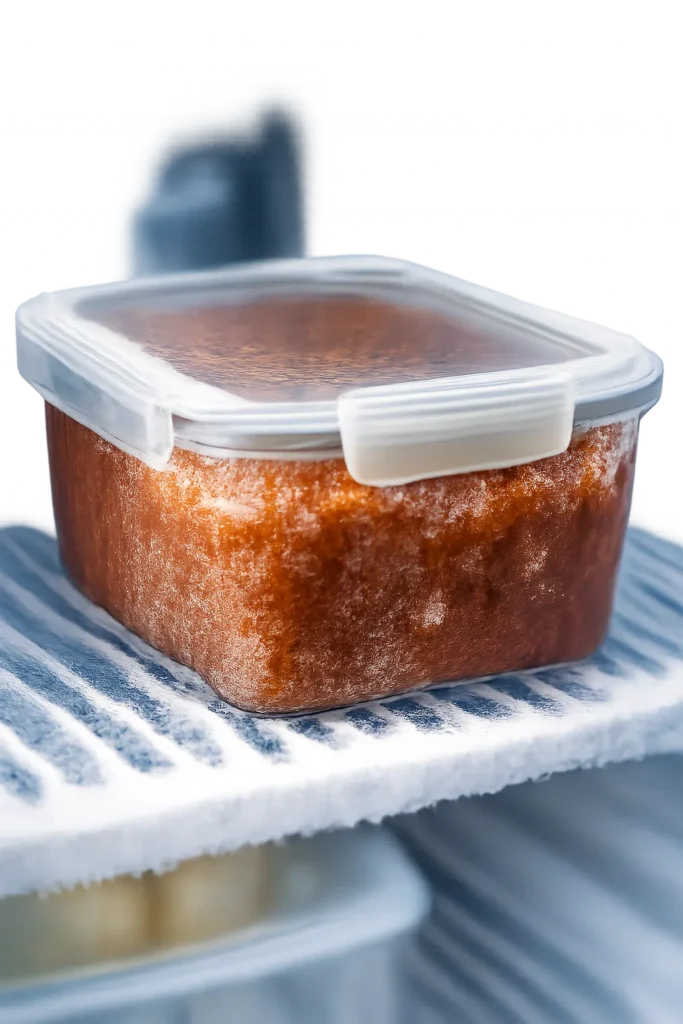
Every bolognese sauce in this list (not the pasta itself) stores beautifully in the fridge for three to four days and in the freezer for up to three months. Let the sauce cool completely before refrigerating or freezing it. Store it in portioned containers so you can thaw exactly as much as you need.
When reheating from the fridge, add a small splash of water, beef stock, or milk to loosen the sauce — it tightens considerably as it chills. Reheat over medium-low heat, stirring often, until it’s fully hot throughout. Never reheat the pasta and sauce together from cold if you can avoid it — the pasta absorbs the sauce and turns soft. Reheat the sauce separately, cook fresh pasta, and combine them.
For freezer-meal planning, the slow cooker version and the vegetable-packed version both freeze and reheat with the most consistent results. The cream-finished versions are slightly more delicate — they can sometimes look split after freezing, though a good stir over gentle heat usually brings them back together.
Final Thoughts
Eight recipes, one essential dish. The beauty of bolognese is that it bends to fit your actual life — your available time, your budget, your preference for tradition or practicality. A 30-minute version on a Tuesday and a slow-simmered Sunday version are both completely legitimate bolognese. They’re just different expressions of the same idea: ground meat, tomatoes, aromatics, and time working together.
The one thing that genuinely matters, regardless of which recipe you choose, is cooking with attention. Brown the meat properly. Taste the sauce as it cooks. Adjust the seasoning at the end. Toss the pasta in the sauce rather than pouring sauce over pasta. These small commitments separate a memorable bowl from a forgettable one, and none of them cost you anything but a little focus. Pick the version that fits tonight, and make it well.