There’s a specific kind of comfort that only a pot of homemade soup can deliver. It doesn’t matter what time of year it is — whether you’re wrapped in a blanket during a February snowstorm or just craving something warm and nourishing on a cool summer evening — a bowl of well-made soup hits differently than almost anything else you can cook. It’s honest food. It’s patient food. And when you make it from scratch, it rewards you in ways that no can or carton ever will.
The thing most people don’t realize about homemade soup is how forgiving it is. You don’t need precision. You don’t need expensive equipment. You need a good pot, a sharp knife, and a willingness to taste as you go. The rest is just building flavor — layer by layer, ingredient by ingredient, until your kitchen smells like everything is right with the world.
What follows are 10 genuinely great soup recipes that span the full spectrum of flavor, texture, and occasion. Some are creamy and rich, some are brothy and bright, and some are thick enough to stand as a complete meal on their own. Every single one can be made at home on an ordinary weeknight, and every single one will taste better than anything you’d find in a restaurant — because you made it yourself, in your own kitchen, exactly the way you like it.
Table of Contents
- What Makes a Great Homemade Soup
- The Building Blocks of Every Soup on This List
- 1. Classic Chicken Noodle Soup
- What Goes In It
- Getting the Noodles Right
- Tips and Variations
- 2. Butternut Squash Soup
- The Spice Question
- Achieving the Right Texture
- Finishing Touches That Make a Difference
- 3. French Onion Soup
- Building the Broth
- The Cheese Situation
- What to Know Before You Start
- 4. Creamy Tomato Basil Soup
- The Roasting Upgrade
- Building the Soup Base
- Serving Suggestions
- 5. Red Lentil Soup with Lemon
- The Lemon Finish That Changes Everything
- Customizing the Recipe
- 6. Potato Leek Soup
- The Potato Choice Matters
- Texture Options
- What to Add On Top
- 7. Minestrone Soup
- The Vegetable Rotation
- Pasta Timing
- Building Maximum Flavor
- 8. Black Bean Soup
- Building the Soup
- Finishing and Serving
- Toppings That Elevate the Bowl
- 9. Cream of Mushroom Soup
- The Technique That Makes It Exceptional
- The Cream Question
- Tips for the Best Results
- 10. Hearty Vegetable Soup
- The Vegetable Mix
- The Acid Finish
- Endless Variations
- Tips for Making Soup Taste Better Every Time
- Storage, Freezing, and Reheating Your Homemade Soups
- Pairing Soups with the Right Accompaniments
- Final Thoughts
What Makes a Great Homemade Soup
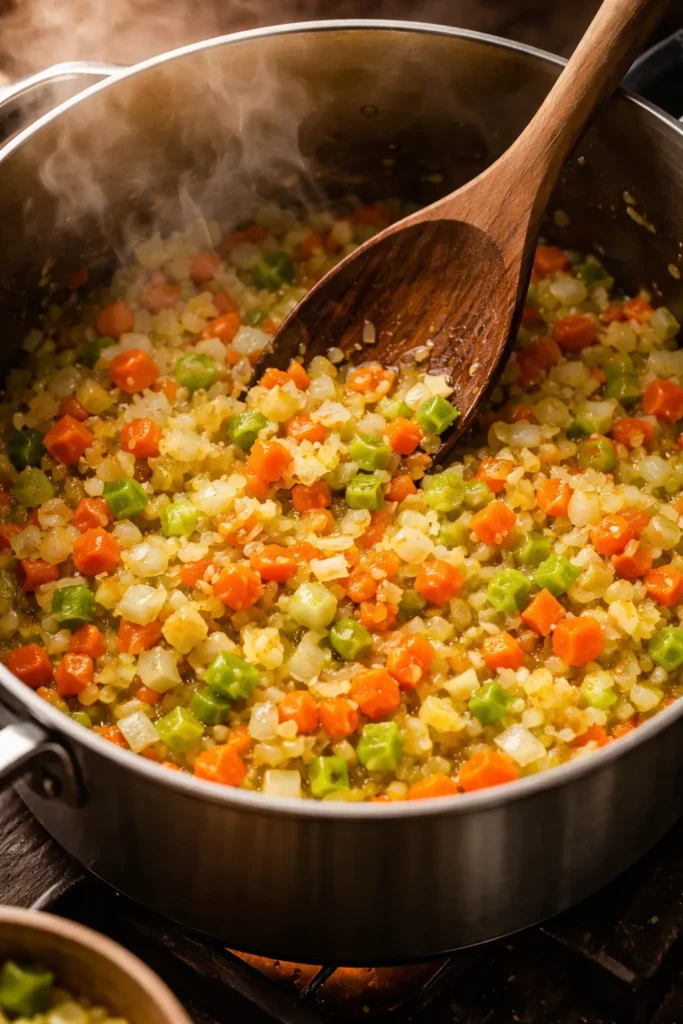
Before jumping into specific recipes, it’s worth talking about what separates a truly great soup from a mediocre one. The difference almost always comes down to layering flavor correctly, which means not rushing the early stages of cooking.
The base matters more than anything else. Most great soups begin with aromatics — onion, carrot, and celery cooked slowly in oil or butter until they’re soft and sweet. This is the classical French mirepoix, and it exists as a foundation in dozens of culinary traditions because it works. Skipping it, or rushing it by cranking the heat too high, will cost you depth that no amount of seasoning can fully recover.
Tomato paste is another underused weapon. Stirring a tablespoon or two into the softened aromatics and letting it cook for a minute before adding liquid turns it from a raw, sharp tomato flavor into something deeper, more complex, and almost meaty. It’s a 60-second step that makes a noticeable difference.
Your broth is also worth thinking about. Homemade stock is the gold standard, but a quality store-bought broth works perfectly well. The key is tasting it before you add it to the pot — if it’s already quite salty, you’ll need to be careful about adding more salt later.
Finally, always finish with acid. A squeeze of lemon juice, a splash of apple cider vinegar, or even a dash of white wine right before serving will lift all the flavors in a way that’s difficult to explain until you taste it side by side. It doesn’t make the soup taste sour — it makes every other flavor taste more like itself.
The Building Blocks of Every Soup on This List
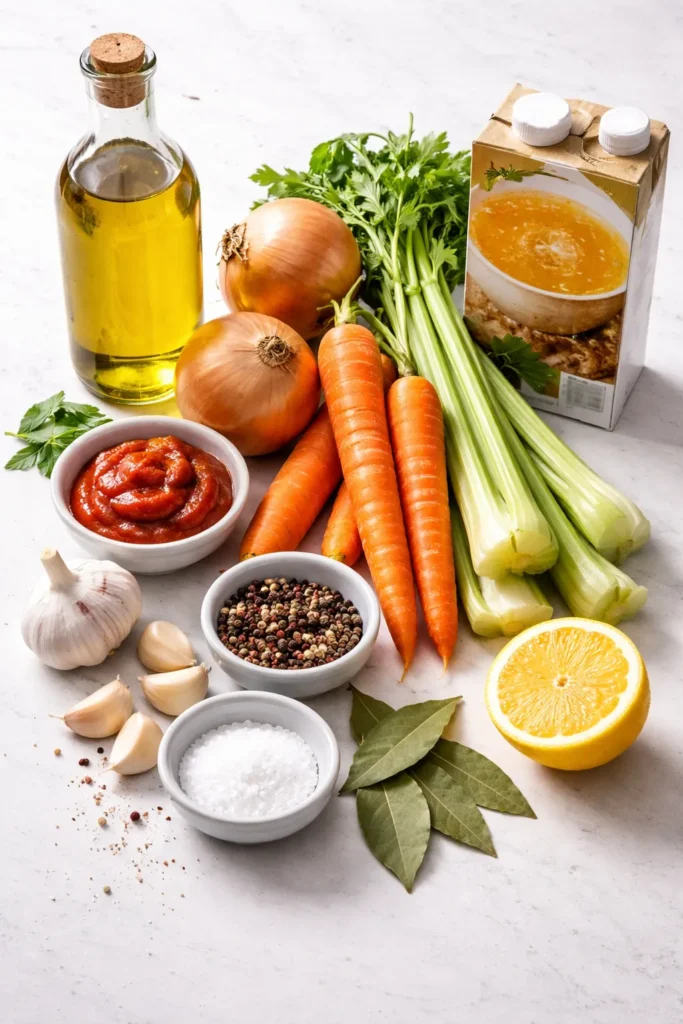
These 10 recipes are all different in character and flavor, but they share a handful of common pantry staples that you’ll want to have on hand before you start cooking.
- Good olive oil or unsalted butter for building the base
- Yellow onions, carrots, and celery — the mirepoix trio that starts nearly every great soup
- Garlic — fresh cloves, minced or sliced thin
- Tomato paste for depth and color in tomato-based soups
- Bay leaves — often underestimated, always worth including
- Kosher salt and freshly cracked black pepper
- Quality broth — chicken, vegetable, or beef depending on the recipe
- A lemon or bottle of apple cider vinegar for finishing
Stock your pantry with these, and you’re already most of the way to any of the soups below.
1. Classic Chicken Noodle Soup

Chicken noodle soup is one of those recipes that every home cook should own — not the version from a can, but the real thing, made with actual chicken, actual vegetables, and a broth that simmers long enough to develop genuine flavor. It’s the soup most people reach for when they’re under the weather, which means it carries a certain emotional weight that makes getting it right matter.
The smartest approach is to start with bone-in, skin-on chicken thighs rather than boneless breasts. Thighs have far more collagen, which means the broth will have better body and a slightly silky texture after even a short simmer. Cook the chicken directly in the broth for about 25 minutes, pull it out, shred it with two forks, and return the meat to the pot.
What Goes In It
The vegetable lineup is straightforward: diced onion, sliced carrots, and sliced celery sautéed in a little butter before the broth goes in. Add garlic, a couple of bay leaves, dried thyme (about a teaspoon), and your preferred noodles. Egg noodles are traditional and hold their texture well, but rotini, orzo, or even broken spaghetti all work fine.
Getting the Noodles Right
One important note: cook the noodles directly in the soup only if you’re serving it immediately. If you’re making a big batch to eat across several days, cook the noodles separately and add them to individual bowls at serving time. Noodles left in soup overnight absorb the broth and turn mushy, which ruins the texture entirely.
Tips and Variations
- Add a Parmesan rind to the simmering broth for extra umami depth
- A squeeze of lemon juice at the end brightens the whole bowl
- Swap egg noodles for cooked rice to make chicken rice soup
- Stir in a handful of spinach or kale in the final minute of cooking
Yield: Serves 6 | Total Time: About 55 minutes | Difficulty: Beginner
2. Butternut Squash Soup

Butternut squash soup gets its reputation as an autumn staple, but it’s worth making year-round. Roasted butternut squash has a natural sweetness and a dense, creamy texture when blended that no other vegetable quite replicates. The result is a thick, velvety soup that feels indulgent without actually being heavy.
The critical step most recipes skip is roasting the squash before it goes into the pot. Cutting the squash in half, brushing the cut sides with olive oil, and roasting at 400°F (200°C) for about 45 minutes does something that steaming or boiling can’t — it concentrates the sugars and creates caramelized edges that translate directly into deeper flavor in the finished soup.
The Spice Question
Butternut squash plays beautifully with warm spices. A combination of ginger, turmeric, and a pinch of cumin transforms the flavor profile from simple to genuinely complex. Some versions lean into nutmeg and sage for a more European feel; others go further with smoked paprika and cayenne for a little heat. None of these are wrong — the squash is forgiving enough to support all of them.
Achieving the Right Texture
Once the roasted squash flesh is scooped into a pot with sautéed onion, garlic, and broth, blend it in batches in a blender (or use an immersion blender directly in the pot). For an ultra-smooth result, pass the blended soup through a fine mesh strainer. For a more rustic texture, just blend until it looks right to you.
Finishing Touches That Make a Difference
- A swirl of coconut milk or crème fraîche adds richness without heaviness
- Toasted pepitas scattered on top add crunch and a nutty contrast
- A few drops of chili oil cut through the sweetness perfectly
- Fresh rosemary or sage fried briefly in butter makes an elegant garnish
Yield: Serves 4 to 6 | Total Time: 1 hour (including roasting) | Difficulty: Beginner
3. French Onion Soup

French onion soup is the one on this list that genuinely asks something of you. Not in terms of skill — the technique is simple — but in terms of time and patience. The caramelized onions that form the backbone of this soup take 45 minutes to an hour to develop properly, and there’s no shortcut that actually works. The good news is that once you’ve done it correctly, you’ll understand immediately why this soup has been worth making for centuries.
Use yellow onions — about 3 pounds for 4 servings — sliced thin. Cook them in a combination of butter and olive oil over medium-low heat, stirring every few minutes. At first they’ll look like far too many onions for the pot. Thirty minutes later, they’ll have reduced to a dark golden-brown, sticky, sweet mass that smells extraordinary.
Building the Broth
Deglaze the caramelized onions with a splash of dry white wine (or dry sherry), scraping up any browned bits from the bottom of the pan. Add beef broth — about 4 cups — along with a couple of sprigs of fresh thyme and a bay leaf. Simmer for another 20 minutes. The broth will be dark, savory, and rich with onion sweetness.
The Cheese Situation
The gruyère-topped crouton floating on the surface of French onion soup isn’t just a garnish — it’s structurally part of the dish. Toast slices of baguette until deeply golden, ladle the soup into oven-safe bowls, top with the toasted bread, then pile on at least 2 ounces of grated gruyère per bowl. Broil for 3 to 4 minutes until the cheese is bubbling and blistered at the edges.
What to Know Before You Start
- Use oven-safe bowls — ceramic crocks are traditional and handle the broiler well
- Gruyère is worth buying; it melts cleanly and has the right nutty, slightly sharp flavor
- The soup can be made 3 days ahead — just add the crouton and cheese before serving
- A splash of cognac or brandy added after the onions caramelize elevates everything
Yield: Serves 4 | Total Time: 1 hour 30 minutes | Difficulty: Intermediate
4. Creamy Tomato Basil Soup
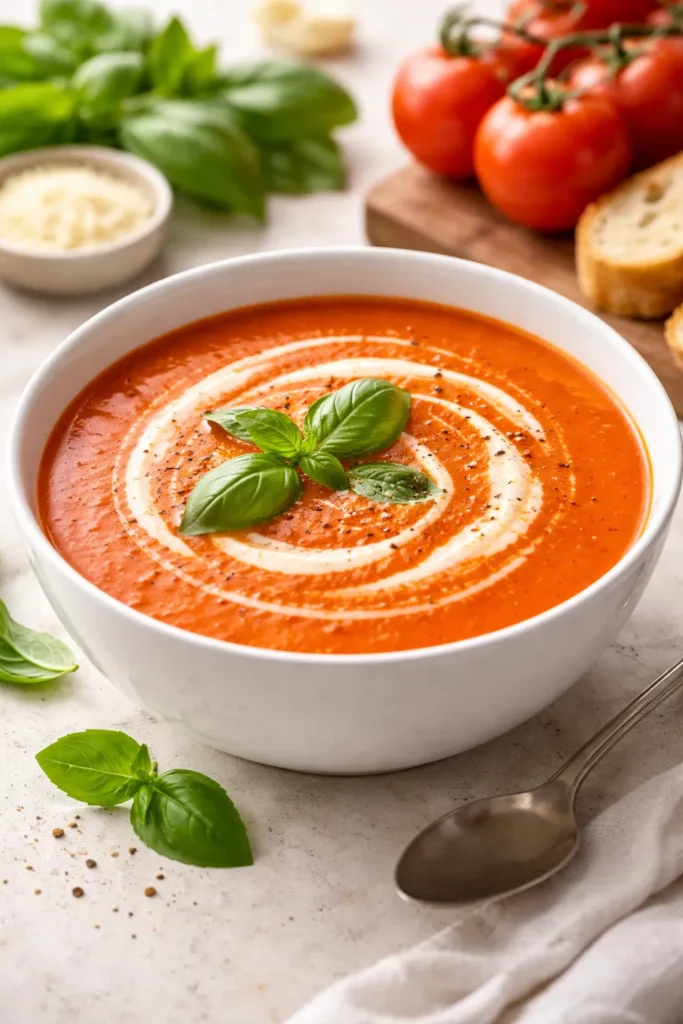
Tomato soup made with fresh or whole canned tomatoes is a genuinely different experience from the condensed stuff in a can. It’s brighter, more complex, and has an acidity that keeps it from feeling heavy even when you add a splash of cream. Paired with a gooey grilled cheese sandwich, it might be the best lunch in existence.
Use good-quality canned whole tomatoes when fresh aren’t available. San Marzano tomatoes, or any high-quality Italian whole tomatoes packed in juice, will produce a superior result. Crush them by hand directly into the pot — this takes ten seconds and prevents the watery, uneven texture you get from pre-diced canned tomatoes.
The Roasting Upgrade
If you have access to ripe, flavorful fresh tomatoes, cut them in half, toss with olive oil and salt, and roast at 425°F (220°C) for 30 to 35 minutes until deeply caramelized and concentrated. The flavor this produces is exceptional — sweet, tangy, and smoky at the edges. This is worth doing when tomatoes are at their peak.
Building the Soup Base
Sauté onion and garlic in olive oil until soft. Add tomato paste and cook for 90 seconds. Add your tomatoes (roasted or canned), vegetable or chicken broth, and a Parmesan rind if you have one. Simmer for 20 minutes, then blend until smooth. Stir in a splash of heavy cream, add a handful of fresh basil leaves, and season aggressively.
Serving Suggestions
- Drizzle with good olive oil and scatter torn basil over each bowl
- A grilled cheese on sourdough is the non-negotiable pairing
- Add a pinch of red pepper flakes to the finished soup for a gentle, welcome heat
- This soup freezes beautifully — freeze before adding the cream, then stir it in after reheating
Yield: Serves 4 | Total Time: 40 minutes | Difficulty: Beginner
5. Red Lentil Soup with Lemon

Lentil soup is one of the most underestimated dishes in home cooking. Made well, it’s warm and earthy and satisfying in a deeply filling way — the kind of soup that you genuinely don’t miss meat in. Red lentils are particularly great for soup because they break down during cooking without any pre-soaking, creating a naturally thick, creamy texture without any blending required.
Start with a generous pour of olive oil and sauté diced onion, carrot, and a few cloves of garlic until the vegetables soften. Then add the spices: a heaped teaspoon of cumin, a teaspoon of smoked paprika, half a teaspoon of turmeric, and a pinch of cayenne. Toast the spices for 60 seconds before adding any liquid — this step unlocks their essential oils and makes a significant difference in the depth of the finished soup.
The Lemon Finish That Changes Everything
Add rinsed red lentils (about 1.5 cups) and 6 cups of vegetable or chicken broth. Simmer for 20 to 25 minutes until the lentils have fully dissolved into the broth. The soup will thicken considerably. Off the heat, squeeze in the juice of one full lemon. This isn’t optional — the acid transforms the entire flavor profile and prevents the soup from tasting flat or muddy.
Customizing the Recipe
- Stir in a handful of spinach or kale in the last 2 minutes
- Top with a drizzle of chili oil or a swirl of yogurt for contrast
- Add a can of diced tomatoes with the broth for a more complex base
- A crispy fried shallot garnish makes this feel restaurant-quality
Yield: Serves 4 to 6 | Total Time: 35 minutes | Difficulty: Beginner
6. Potato Leek Soup
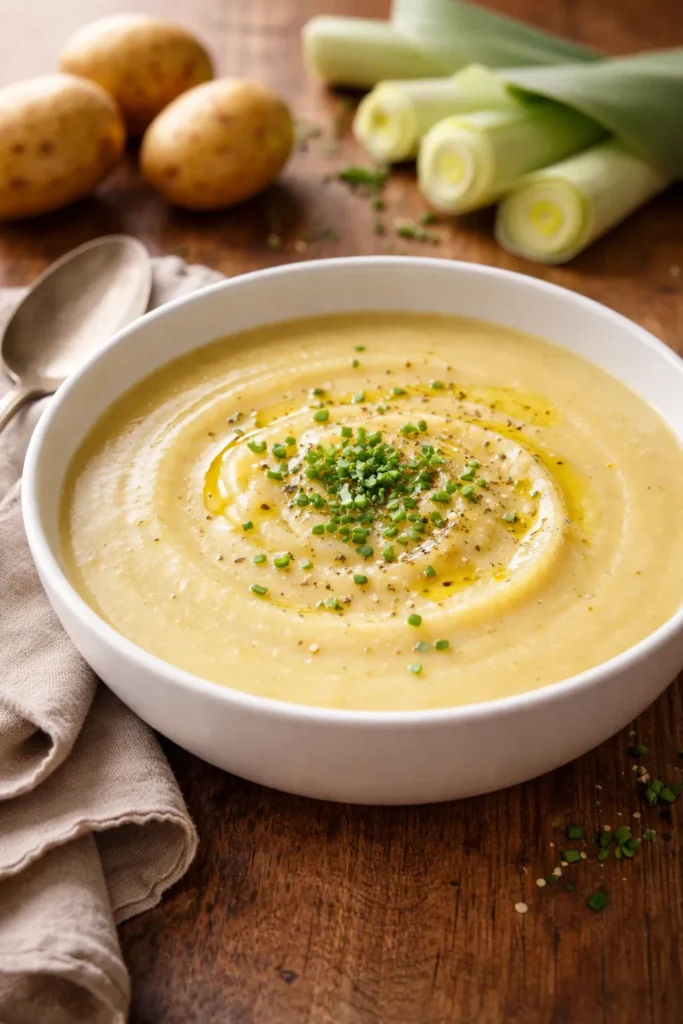
Potato leek soup sits in an elegant middle ground between rustic and refined. It’s simple enough for a Tuesday night and smooth enough to serve as a first course at a dinner party. The pairing of buttery potatoes with the gentle, onion-forward sweetness of leeks is one of those combinations that just makes sense from the first spoonful.
Leeks need proper cleaning. They trap dirt and grit between their layers, and nothing ruins a bowl of silky soup faster than biting into sand. Slice them, then rinse thoroughly in a colander under cold running water, separating the layers with your fingers to flush out any hidden grit.
The Potato Choice Matters
Yukon Gold potatoes are the best option here — they have a naturally buttery flavor and a starchy quality that creates a creamy base when blended without becoming gluey. Russet potatoes can be used, but they tend to break down faster and produce a slightly gluey texture if over-blended. Avoid waxy varieties like red potatoes, which don’t blend smoothly.
Texture Options
For a silky, restaurant-style soup: blend the entire pot until completely smooth, then pass through a fine mesh strainer. For a more rustic version: blend only half the soup and stir it back in with the chunky half. Both are delicious — the chunky version just feels more like a weeknight meal and the smooth version feels more special.
What to Add On Top
- A few tablespoons of crème fraîche or sour cream stirred in at the end adds richness
- Thinly sliced chives scattered over each bowl add color and a fresh onion note
- Crispy bacon or pancetta bits on top are a wonderful contrast to the creamy base
- A drizzle of truffle oil takes this soup somewhere unexpected and excellent
Yield: Serves 4 to 6 | Total Time: 45 minutes | Difficulty: Beginner
7. Minestrone Soup
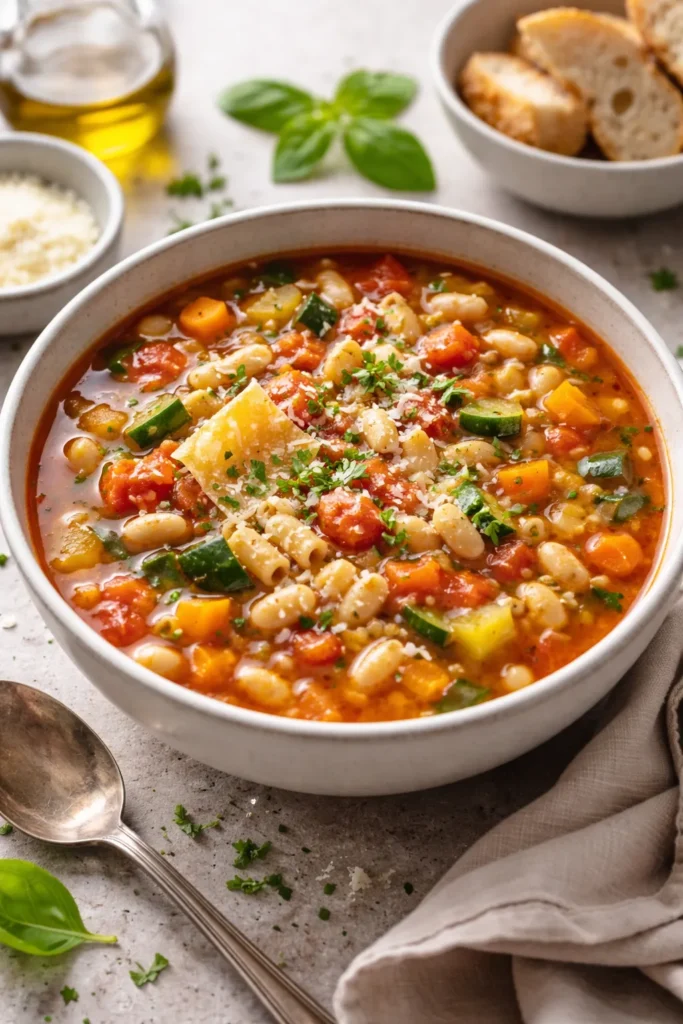
Minestrone is the soup that proves you don’t need a specific recipe to make something great. At its heart, it’s an Italian vegetable soup built around whatever vegetables are available — which makes it inherently seasonal, infinitely adaptable, and almost impossible to make badly if you follow the basic logic of layering aromatics and building the broth slowly.
The non-negotiable components are: a solid aromatic base (onion, carrot, celery), canned tomatoes for the broth, white beans for protein and body, pasta for heartiness, and a Parmesan rind dropped into the simmering pot for umami depth. The Parmesan rind is a move that experienced Italian cooks have used for generations — it melts slowly into the broth and adds a savory, slightly salty richness that’s hard to achieve any other way. Save your rinds in a zip-lock bag in the freezer specifically for this purpose.
The Vegetable Rotation
Minestrone changes with the seasons because the vegetables change. In colder months, lean into hearty root vegetables: diced butternut squash, parsnips, and turnips hold up beautifully to longer simmering. In warmer months, add zucchini, green beans, corn kernels, and fresh peas in the last 10 minutes of cooking so they stay bright and tender-crisp.
Pasta Timing
Don’t add the pasta more than 10 minutes before serving, and consider cooking it separately if you’re making a large batch. Pasta absorbs broth and turns mushy overnight, which leaves you with a thick stew rather than a brothy soup by day two. Keep the pasta separate, add it to bowls at serving time, and your leftovers will stay perfect for up to four days.
Building Maximum Flavor
- Add a tablespoon of red wine vinegar at the very end for brightness
- Finish each bowl with a generous drizzle of olive oil and fresh basil
- A spoonful of pesto stirred in at serving time adds incredible herbaceous depth
- Kale or cavolo nero adds more body and nutrition than spinach
Yield: Serves 6 to 8 | Total Time: 1 hour | Difficulty: Beginner
8. Black Bean Soup

Black bean soup is one of the most satisfying quick soups you can make. It has bold, smoky flavor; a thick, hearty texture; and enough protein and fiber to function as a genuinely complete meal. Better yet, it can be on the table in 30 minutes using pantry staples you probably already have.
The key to getting real depth of flavor from canned beans is to add aromatics that carry smokiness — chipotles in adobo sauce, smoked paprika, and a generous amount of cumin. Chipotles in adobo are sold in small cans at most grocery stores and deliver a complexity that regular chili powder simply can’t replicate. Start with one chipotle pepper (chopped fine) plus a teaspoon of the sauce from the can, and adjust from there depending on your heat tolerance.
Building the Soup
Sauté onion and garlic in olive oil until soft. Add the chopped chipotle, cumin, and smoked paprika; stir for a minute. Pour in two 15-ounce cans of drained black beans, a can of diced tomatoes, and about 3 cups of broth. Simmer for 15 minutes, then use an immersion blender to blend roughly half the soup — this thickens the base while leaving enough whole beans for texture.
Finishing and Serving
Squeeze in fresh lime juice — at least half a lime, possibly a full one — right before serving. The acid cuts through the heaviness of the beans and makes everything taste more vibrant. Finish with a pinch of salt and adjust the heat level if needed.
Toppings That Elevate the Bowl
- Sour cream or Mexican crema, thinned slightly with lime juice
- Diced avocado or a spoonful of guacamole
- Thinly sliced jalapeño and fresh cilantro
- Crumbled queso fresco or cotija cheese
- A handful of crushed tortilla chips for crunch
Yield: Serves 4 | Total Time: 30 minutes | Difficulty: Beginner
9. Cream of Mushroom Soup
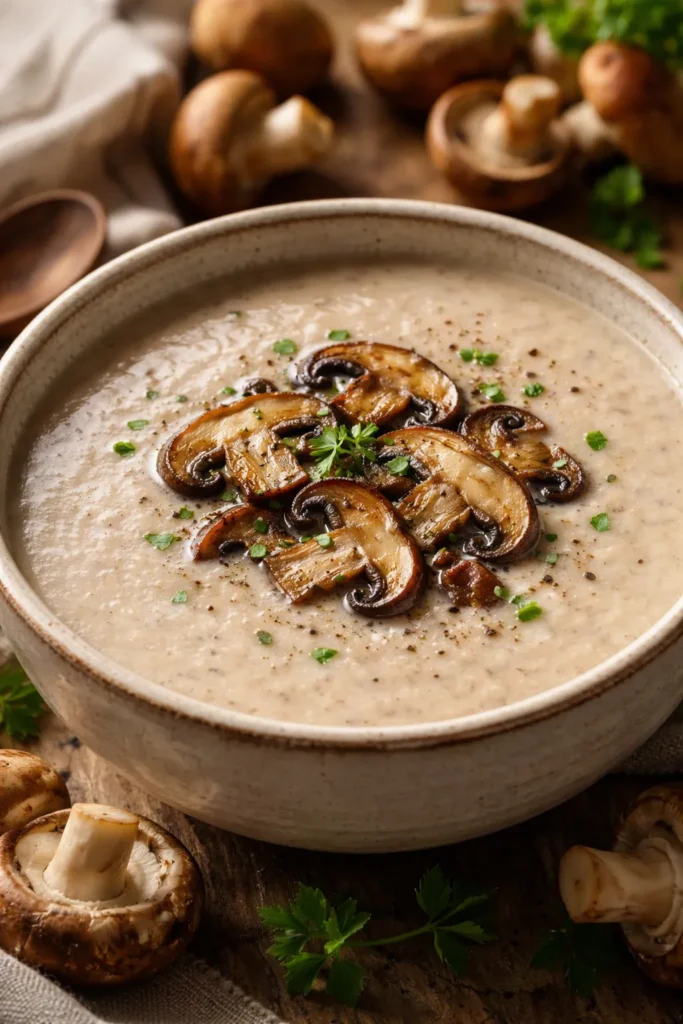
Made from scratch, cream of mushroom soup is almost unrecognizable compared to the canned version. The flavor is deeper, the texture is smoother, and the mushroom character actually comes through — earthy, slightly nutty, and genuinely savory in a way that makes one bowl never quite feel like enough.
Use a mix of mushroom varieties if you can. Cremini mushrooms form a solid base, but adding a handful of shiitake (stems removed) brings a richer, woodsier flavor, and a small amount of dried porcini mushrooms, rehydrated in warm water for 15 minutes and then chopped, adds an almost meaty intensity that makes the whole soup taste like it simmered for hours.
The Technique That Makes It Exceptional
Don’t rush the mushrooms. Add them to a hot pan with butter and a good pinch of salt, and don’t stir immediately — let them sit undisturbed for 2 to 3 minutes. This allows them to caramelize on the contact side rather than steaming in their own moisture. Mushrooms release a significant amount of water as they cook, and only once that water has evaporated and the mushrooms are golden-brown will you get the depth of flavor you’re looking for.
The Cream Question
Heavy cream makes this soup rich and indulgent, but it can overwhelm the mushroom flavor if you add too much. Start with half a cup of heavy cream for a quart of soup — you can always add more. A splash of dry sherry or dry white wine added to the pan after the mushrooms caramelize is optional but strongly recommended; it lifts all the savory flavors and adds a subtle complexity that works beautifully.
Tips for the Best Results
- Fresh thyme added with the garlic adds an herbal note that pairs perfectly with mushrooms
- Reserve a few sautéed mushroom slices to float on top of each bowl as garnish
- A pinch of white pepper adds a subtle heat that’s more refined than black pepper here
- This soup pairs brilliantly with crusty bread or a simple green salad
Yield: Serves 4 | Total Time: 35 minutes | Difficulty: Beginner to Intermediate
10. Hearty Vegetable Soup
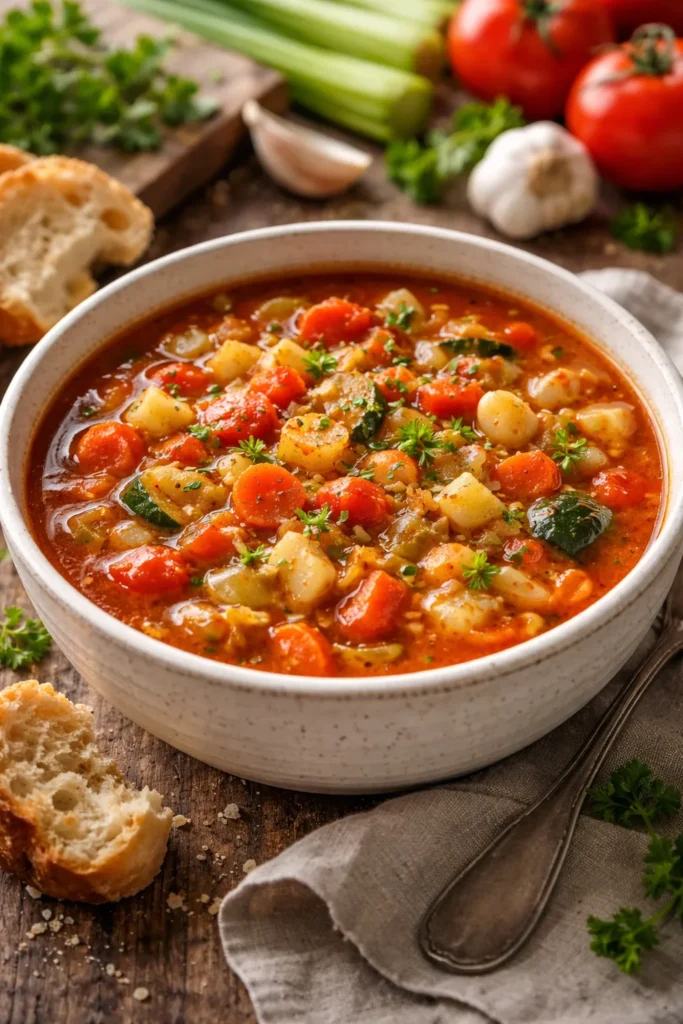
Vegetable soup done right is not a sad, pale broth with lonely floating carrots. It’s a rich, tomato-forward soup packed with enough vegetables, body, and seasoning to be genuinely satisfying as a standalone meal. The secret is building the broth with intention — treating it with as much care as you’d give a meat-based soup.
The foundation is a classic mirepoix: onion, carrot, and celery cooked in olive oil for a full 8 to 10 minutes until soft and slightly sweet. Add tomato paste and let it caramelize in the pan for about 90 seconds before adding garlic, ground fennel seed (yes — fennel seed is a revelation in vegetable soup), black pepper, and a pinch of red pepper flakes. The fennel brings a subtle aromatic quality that ties all the vegetables together.
The Vegetable Mix
A can of diced tomatoes (with their liquid), 6 cups of broth, diced potatoes or sweet potato, and shredded cabbage form the main body of the soup. Cabbage is underrated in soup — it adds a slight sweetness, absorbs the broth beautifully, and holds its texture through the simmer. Frozen peas, stirred in during the last 5 minutes, stay bright green and add a sweet pop.
The Acid Finish
Before serving, stir in half a teaspoon of apple cider vinegar or fresh lemon juice. This single step — emphasized consistently by professional soup-makers — brings all the flavors forward and prevents the soup from tasting flat. Taste, season with more salt if needed, and serve.
Endless Variations
- Add white beans or chickpeas for protein and body
- Stir in orzo or small pasta shapes in the last 10 minutes
- Swap cabbage for kale or Swiss chard
- Add zucchini and green beans during warmer months for a lighter, fresher version
- Stir in a spoonful of miso paste with the broth for an unusual depth
Yield: Serves 4 to 6 | Total Time: 40 minutes | Difficulty: Beginner
Tips for Making Soup Taste Better Every Time

Even with a solid recipe in hand, there are a handful of universal techniques that reliably separate a good soup from a great one. These aren’t complicated — they’re just the small habits that experienced cooks build over time.
Season in layers, not all at once. Add a pinch of salt when you put the onions in the pot. Add another pinch when you add the tomatoes or broth. Then taste and adjust at the end. This approach builds flavor into every component rather than trying to fix a flat soup at the last minute with a dump of salt.
Don’t walk away from the base. The first 10 minutes of cooking — when the aromatics are softening — is when the most important flavor development happens. Stir occasionally, adjust the heat if things are browning too fast, and don’t rush it by cranking up the temperature. Medium to medium-low heat is almost always the right call for building a base.
Taste constantly. A spoon should be in your hand throughout the entire process. Tasting isn’t just for checking salt levels — it tells you if the soup needs more acid, more heat, more depth, or more time. You can’t fix a soup you haven’t tasted.
Finish with fat. A drizzle of good olive oil over each bowl right before serving adds richness and helps the flavors come together in a way that’s difficult to achieve any other way. This is standard practice in professional kitchens and makes a noticeable difference at home.
A Parmesan rind in the pot is never wrong. Whether you’re making vegetable soup, minestrone, or lentil soup, a Parmesan rind dropped into the simmering pot adds a savory, slightly salty depth that’s hard to replicate any other way. Collect them in a freezer bag and use them freely.
Storage, Freezing, and Reheating Your Homemade Soups
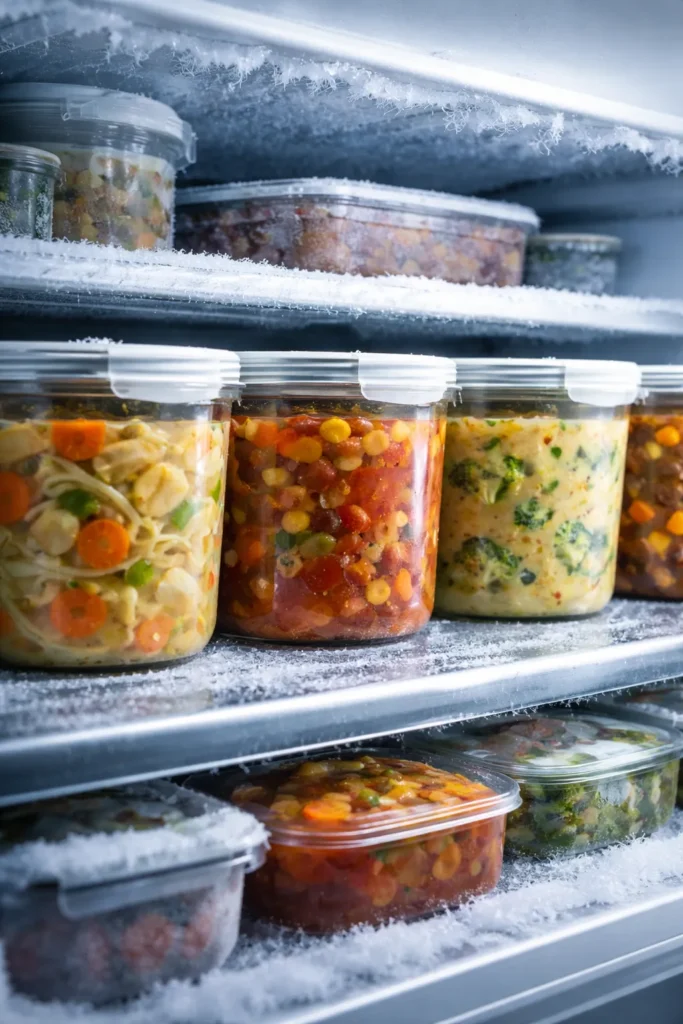
One of the most practical advantages of homemade soup is that most recipes produce more than you need for one meal — and that’s a feature, not a bug. Soup keeps well and often tastes noticeably better on the second day after the flavors have had time to meld.
In the refrigerator, most soups will keep for 3 to 4 days in an airtight container. Brothy soups without pasta or dairy tend to keep toward the longer end of that range. Creamy soups and those with pasta should be consumed within 3 days for the best texture.
For freezing, the general rule is to freeze before adding any pasta, cream, or dairy. These ingredients don’t survive the freeze-thaw cycle with their texture intact — pasta turns mushy, cream can separate, and dairy-based soups sometimes break. Freeze the soup base in individual or family-sized portions in airtight containers or heavy-duty zip-lock bags, leaving a little space for expansion. Properly stored, most soups keep in the freezer for 2 to 3 months.
To reheat, thaw overnight in the refrigerator if possible. Reheat gently on the stovetop over medium-low heat, stirring occasionally. Don’t boil cream-based soups — bring them slowly up to temperature to prevent curdling. Add the pasta, fresh herbs, or dairy elements fresh after reheating, and adjust seasoning before serving since flavors can mellow during storage.
Pairing Soups with the Right Accompaniments

A bowl of soup is a complete meal on its own, but the right accompaniment transforms it from dinner into an occasion. Bread is the obvious partner, and for good reason — a thick slice of crusty sourdough or a warm dinner roll exists almost specifically to drag through the bottom of a bowl of soup.
For creamy soups like butternut squash, potato leek, or cream of mushroom, a simple green salad with a sharp vinaigrette provides exactly the right contrast — the bitterness and acid cut through the richness and make each component taste better by comparison.
Brothy soups like minestrone or vegetable soup pair well with something more substantial alongside — a piece of focaccia, a grilled cheese sandwich, or garlic bread. The bread soaks up the broth and becomes something genuinely wonderful.
For spicier soups like black bean or lentil, a small bowl of sour cream, fresh cilantro, sliced avocado, and lime wedges set on the table gives everyone the chance to customize their bowl. This is a small thing that makes a big difference in how enjoyable the meal feels.
Final Thoughts
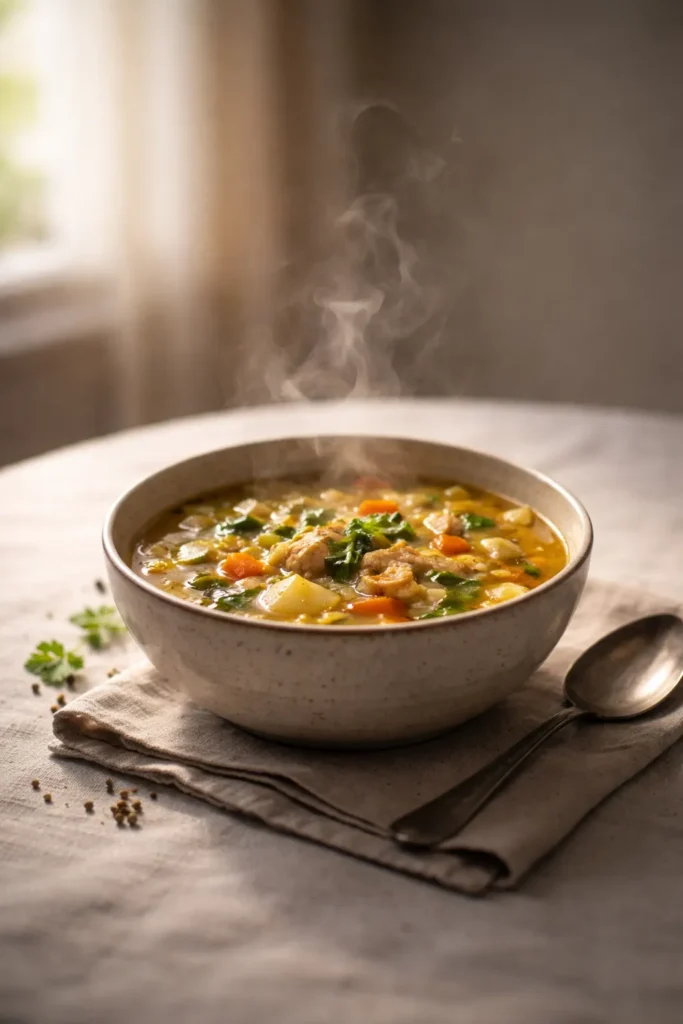
What connects all 10 of these soup recipes isn’t the specific ingredients or even the cooking techniques — it’s the approach. Start with good aromatics. Build the base slowly. Layer the seasoning. Finish with acid. Taste constantly. These habits apply to every soup you’ll ever make, regardless of what’s in the pot.
Homemade soup also has a way of making you a better cook in general, because it teaches patience and attention to flavor in a low-stakes environment. A soup that needs more salt is easy to fix. A soup that needed more time to caramelize is a lesson you’ll carry forward into everything else you cook.
Pick one recipe from this list that sounds most appealing to you right now and make it this week. Don’t wait for a specific season or occasion — that’s the whole point of soup that works year-round. Once you’ve made it once, you’ll already know how to make it better the second time.