There’s something quietly powerful about a home-cooked birthday dinner. It says, I planned this for you. I stood over a hot stove because you matter. No reservation wait, no rushed table turnover, no bill split twelve ways — just good food, the people you love, and a kitchen that smells exactly right.
The tricky part, of course, is deciding what to cook. Birthday dinners carry a certain weight. You want the meal to feel special, but you also don’t want to spend the entire party sweating over a stove while your guests make small talk in the living room. The sweet spot — impressive but achievable — is exactly what this collection aims for.
Whether you’re cooking for a partner who swoons over steak, a best friend obsessed with Italian food, or a crowd that ranges from meat-lovers to vegetarians, there’s a recipe here that fits. Some take patience; others come together in under an hour. All of them are the kind of meals that turn a birthday into a memory.
Table of Contents
- 1. Beef Wellington
- Where Most Home Cooks Go Wrong
- What to Know Before You Start
- 2. Lobster Risotto
- Building the Flavor Base
- What to Know Before You Start
- 3. Seafood Lasagna
- Layering for the Best Results
- What to Know Before You Start
- 4. Merlot Filet Mignon
- Getting the Perfect Sear
- What to Know Before You Start
- 5. Penne alla Vodka
- Building the Sauce
- What to Know Before You Start
- 6. Whole Roast Lemon and Herb Chicken
- Roasting for Even Color and Juicy Meat
- What to Know Before You Start
- 7. Pork Tenderloin with Raspberry Sauce
- Why the Raspberry Sauce Works
- What to Know Before You Start
- 8. Slow Cooker Beef Bourguignon
- The Make-Ahead Advantage
- What to Know Before You Start
- 9. Brown Butter Gnocchi with Crispy Sage and Mushrooms
- Making the Brown Butter
- What to Know Before You Start
- 10. Seafood Paella
- Getting the Socarrat Right
- What to Know Before You Start
- Sides, Drinks, and Dessert: Rounding Out the Birthday Table
- Dessert That Matches the Mood
- Final Thoughts
1. Beef Wellington
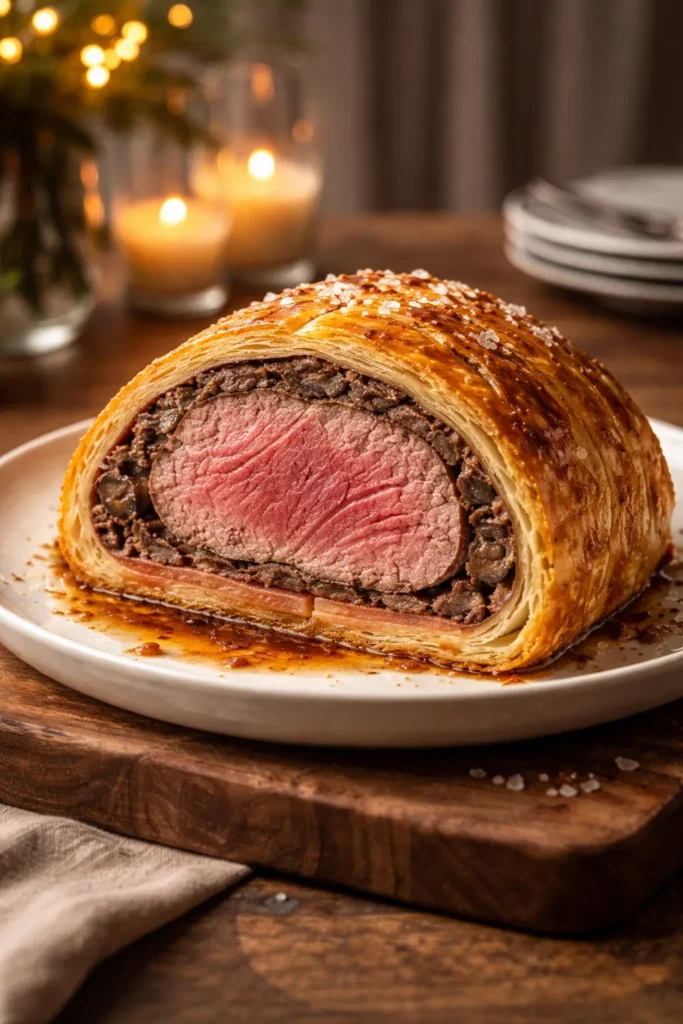
Few dishes command a table quite like a Beef Wellington. The moment it comes out of the oven — golden puff pastry, crackling crust, that theatrical cross-section of pink tenderloin when you slice into it — the room goes quiet in the best way. It’s the kind of dish people associate with high-end restaurants, which makes pulling it off at home feel like a genuine triumph.
The core components are a center-cut beef tenderloin, a layer of pâté or a thin mustard coating, and a duxelles — a finely chopped mushroom mixture cooked down until almost paste-like. These are wrapped tightly in puff pastry and roasted until the pastry turns deep golden. The mushrooms absorb any excess moisture and perfume the beef from the outside in, while the mustard layer keeps the pastry from getting soggy.
Where Most Home Cooks Go Wrong
The two biggest pitfalls are wet duxelles and overcooked beef. For the mushrooms, cook them over medium-high heat — without a lid — until every drop of moisture has evaporated. You want a dry, almost crumbly texture. For the beef, use a reliable meat thermometer and pull the Wellington from the oven at 125°F (52°C) for medium-rare; carryover heat will take it the rest of the way while it rests.
What to Know Before You Start
- Serves: 4 people comfortably, 6 with substantial sides
- Time commitment: About 1 hour 45 minutes total, including a 30-minute chill after wrapping
- Skill level: Intermediate — the steps are straightforward, but the timing matters
- The pastry must be cold going into the oven for the best puff and crunch
- Pair with roasted fingerling potatoes and a simple green salad dressed with red wine vinegar
Worth knowing: Wrap the assembled Wellington tightly in plastic wrap and refrigerate for at least 30 minutes before baking. This helps the pastry hold its shape and gives you a clean, beautiful slice.
2. Lobster Risotto
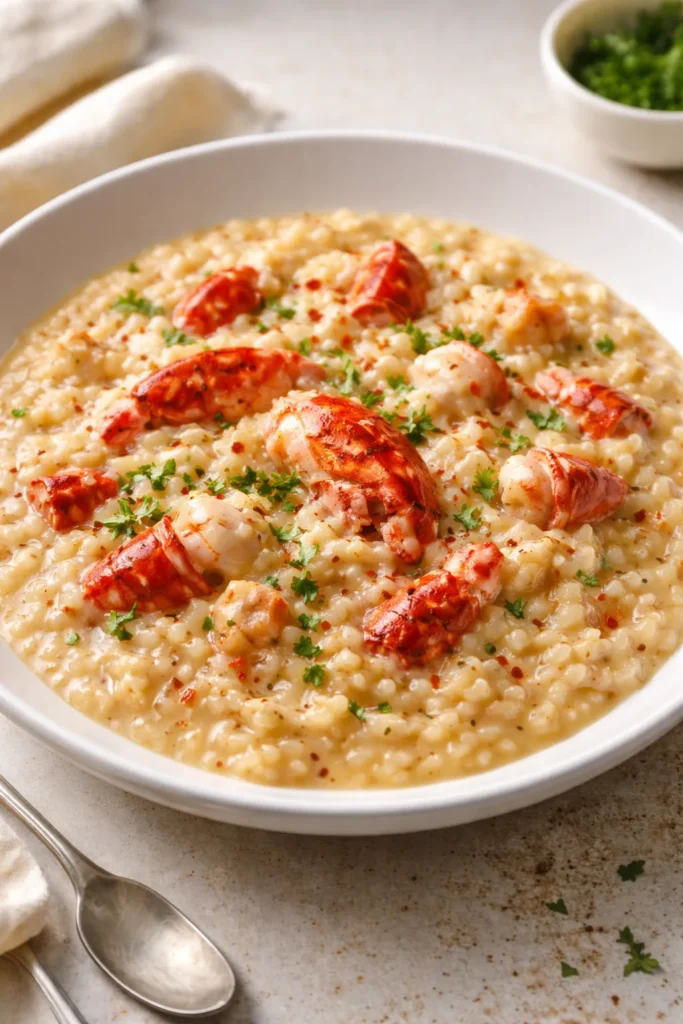
Lobster risotto has a reputation for being fussy, but the truth is it’s mostly just a patience game. You’re stirring warm broth into rice, one ladle at a time, until the grains become creamy and just tender. The lobster itself barely needs any cooking at all — sear it briefly in butter, fold it in at the end, and let the residual heat do the work. Overcooking lobster is the only real mistake here, and it’s easy to avoid.
The flavor depth comes from making a quick stock with the lobster shells. Simmer them with a bit of white wine, a shallot, and some fresh thyme for 20 minutes, then strain and use that as your risotto liquid. It adds a concentrated, briny sweetness that store-bought broth simply can’t replicate.
Building the Flavor Base
Start by sautéing finely minced shallots in butter until soft and translucent — this takes about 4 minutes over medium heat. Add Arborio rice and toast it for 1 to 2 minutes until the grains smell slightly nutty. Add a splash of dry white wine, let it absorb completely, then begin adding the warm lobster stock one ladle at a time, stirring frequently and allowing each addition to absorb before adding the next.
What to Know Before You Start
- Serves: 2 (scale up with a wider pan and more broth for larger groups)
- Time commitment: 1 hour 15 minutes, including shell stock
- Skill level: Beginner-friendly once you understand the rhythm of adding broth gradually
- Finish with cold butter and a squeeze of lemon for brightness — this step is non-negotiable
- A dry white Burgundy or Chablis alongside the finished dish is a natural pairing
Pro tip: Never walk away from risotto. The consistent stirring keeps the starch moving and creates that signature creamy texture. Put on a good playlist, pour yourself a small glass of the wine you’re cooking with, and enjoy the process.
3. Seafood Lasagna
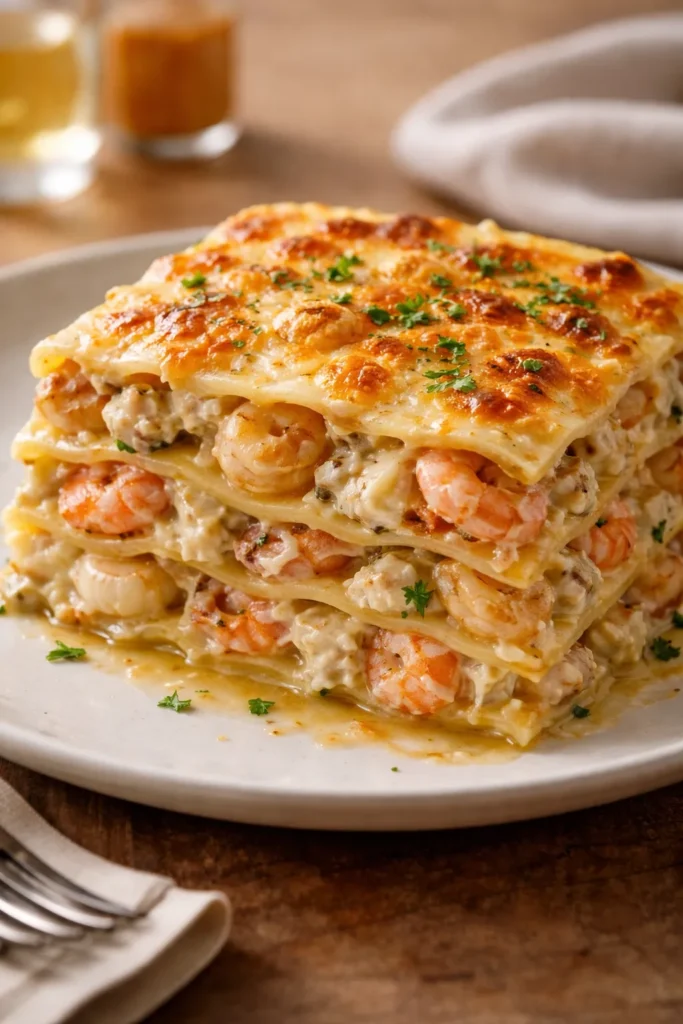
Classic meat lasagna is wonderful, but a seafood lasagna — built on a rich béchamel base and loaded with shrimp, scallops, and crab — brings a level of elegance that makes the birthday table feel genuinely special. It’s a dish that Taste of Home readers have described as “the crown jewel” of their recipe collections, and it’s easy to see why: the layers of pasta, creamy sauce, and tender seafood create something that tastes like far more effort than it actually requires.
The key difference between this and a standard lasagna is the sauce. Swap the tomato base for a béchamel made with butter, flour, and whole milk — seasoned with a little white wine, garlic, and a pinch of nutmeg. The cream-based sauce doesn’t compete with the delicate flavor of the seafood the way tomato would.
Layering for the Best Results
Pat all your seafood dry before adding it to the sauce. Excess moisture from shrimp or scallops will thin out the béchamel as it bakes, making the lasagna watery. Pre-cook the shrimp just until pink (30 seconds per side in a hot pan), leave the scallops raw — they’ll finish cooking in the oven — and fold in crab meat gently so it stays in chunks rather than shredding apart.
What to Know Before You Start
- Serves: 8 to 10
- Time commitment: About 1 hour 30 minutes
- Skill level: Intermediate — béchamel requires attention but isn’t difficult
- Use no-boil lasagna sheets to simplify the process significantly
- Let the finished lasagna rest for at least 15 minutes before slicing so the layers hold together
Worth knowing: This dish actually improves after a night in the refrigerator. Assemble it the day before the birthday, refrigerate it, and bake it fresh the day of. Less stress, better flavor.
4. Merlot Filet Mignon
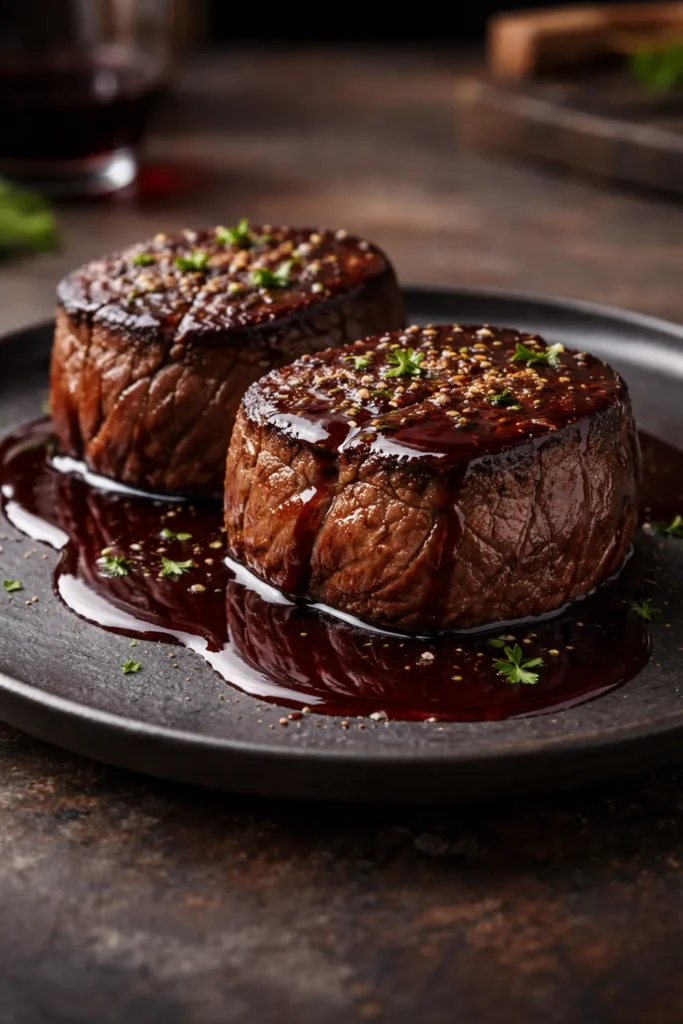
Filet mignon with a red wine pan sauce is the quintessential birthday steak. It’s lean, impossibly tender, and — paired with a glossy merlot reduction — it looks and tastes like something from an upscale restaurant menu. The beauty of filet is that it needs very little from you. Season it generously with salt and pepper, sear it in a blazing-hot cast-iron skillet, and let the meat do all the talking.
A good merlot reduction takes about 10 minutes and transforms the pan drippings into something genuinely complex. After searing the steaks, deglaze the pan with merlot, add a splash of beef broth, and reduce until the sauce coats the back of a spoon. Finish with a cold knob of butter for gloss and richness.
Getting the Perfect Sear
The pan must be screaming hot before the steak touches it. Heat cast iron over high heat for 3 to 4 full minutes before adding any oil or butter. A proper sear takes just 3 to 4 minutes per side for medium-rare on a 1.5-inch filet. Rest the steak for 5 minutes before serving — this isn’t optional; it’s what keeps the juices inside the meat rather than on your cutting board.
What to Know Before You Start
- Serves: 2 (easily doubled or quadrupled for a larger birthday dinner)
- Time commitment: 20 minutes — fast enough for a weeknight, impressive enough for any occasion
- Skill level: Beginner — the technique is simple once you trust the heat
- Center-cut, USDA Choice or Prime filet will give the most consistent results
- Serve with garlic mashed potatoes and haricots verts for a classic steakhouse feel at home
Pro tip: Pull the steaks from the refrigerator 30 to 45 minutes before cooking. A cold center cooks unevenly — bringing them closer to room temperature first gives you a consistent blush of pink all the way through.
5. Penne alla Vodka
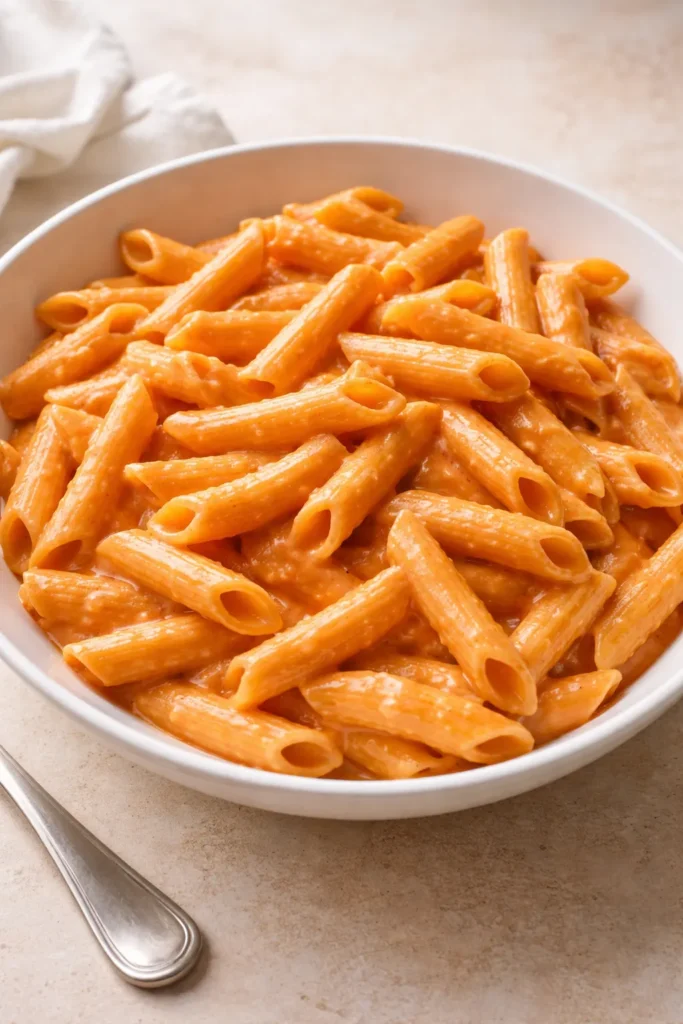
Penne alla vodka is what happens when a dish is genuinely, unapologetically delicious — no pretense, no complicated technique, just a sauce so creamy and deeply flavored that people ask for the recipe every single time. It’s a fixture on birthday dinner tables for a good reason: it feeds a crowd without requiring the cook to be tethered to the kitchen, and it scales effortlessly.
The vodka isn’t just a gimmick. It helps release flavor compounds in the tomatoes that water-based liquids can’t access, creating a more complex, rounded sauce. It cooks off almost entirely, leaving behind depth rather than alcohol. The heavy cream transforms that tomato base into something silky, rich, and almost orange in color.
Building the Sauce
Start with a base of butter, shallots, and garlic. Add crushed tomatoes (San Marzano if you can find them — the low acidity and sweet flesh make a noticeable difference) and let the sauce simmer for 10 minutes to concentrate. Add vodka, cook for another 5 minutes, then pour in the heavy cream. The sauce will turn pale orange immediately. Season with salt and a pinch of red pepper flakes, then toss with hot penne directly from the pot, using a splash of starchy pasta water to bring the sauce together.
What to Know Before You Start
- Serves: 6 generously
- Time commitment: 30 minutes
- Skill level: Beginner-friendly — if you can sauté and stir, you can make this
- Finishing the pasta in the sauce (rather than draining and plating separately) is what makes restaurant pasta taste different from home-cooked pasta
- Grate Parmesan fresh at the table; the pre-grated kind in a green canister won’t melt the same way
Worth knowing: Make the sauce up to two days ahead and refrigerate it. On the day of the birthday dinner, simply reheat, cook the pasta, and combine. It’s the ultimate low-stress showstopper.
6. Whole Roast Lemon and Herb Chicken
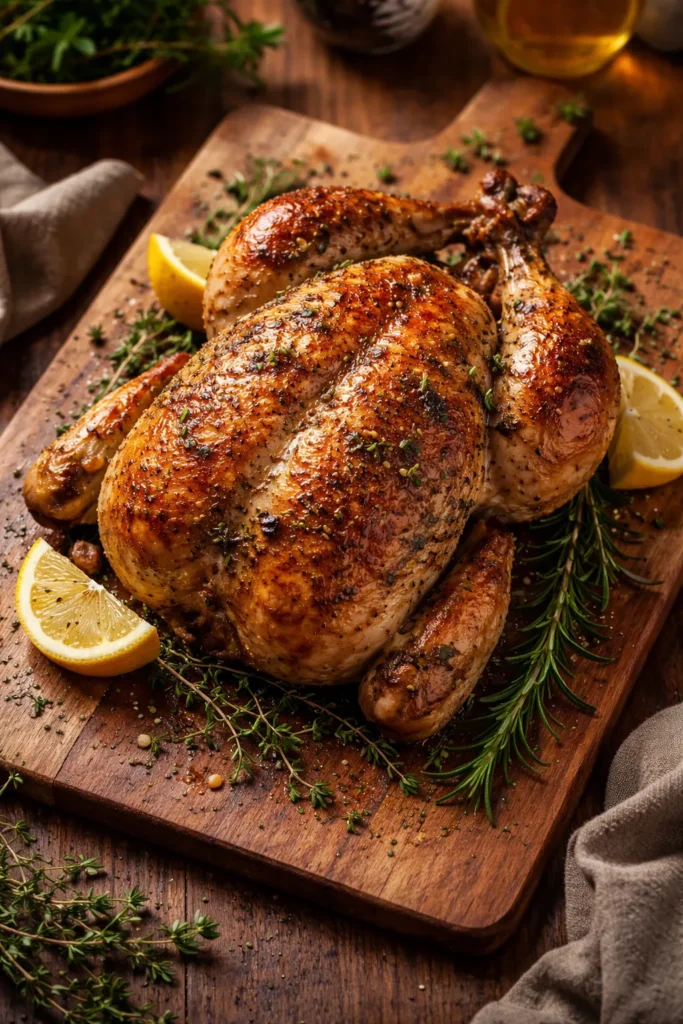
A whole roasted chicken seems simple, almost modest compared to a Wellington or a lobster risotto. But there’s an art to doing it right, and when you do, it delivers something warmly celebratory and crowd-pleasing in a way that fancier dishes sometimes can’t. The skin crisps to a deep amber. The herbs perfume the entire kitchen. And the meat, if you’ve done your job correctly, is juicy all the way through.
The secret is in how you treat the bird before it goes in the oven. Dry-brine with salt at least one hour ahead (overnight is better) to draw out surface moisture and season the meat down to the bone. Rub the outside with softened butter mixed with lemon zest, minced garlic, fresh thyme, and rosemary. Stuff the cavity with a halved lemon, a head of garlic split crosswise, and more fresh herbs.
Roasting for Even Color and Juicy Meat
Roast the chicken at 425°F (220°C) — higher than many recipes suggest, but this temperature is what drives that crackly, golden skin. A 4-pound bird takes about 1 hour to 1 hour 15 minutes. The thigh joint should register 165°F (74°C) on a thermometer, or the juices should run completely clear when you pierce the thigh with a knife. Rest it uncovered for 10 minutes before carving.
What to Know Before You Start
- Serves: 4 to 6 depending on side dishes
- Time commitment: 1 hour 20 minutes active and roasting (plus optional overnight brine)
- Skill level: Beginner — five ingredients and one roasting pan
- Roast on top of roughly chopped onions, carrots, and celery to build a pan dripping base for a quick jus
- Use the leftover carcass to make stock; it takes about 3 hours on the stovetop and yields enough for risotto or soup later in the week
Pro tip: Don’t tent the chicken with foil during roasting. Foil traps steam, and steam is the enemy of crispy skin. Trust the oven and let the heat work.
7. Pork Tenderloin with Raspberry Sauce
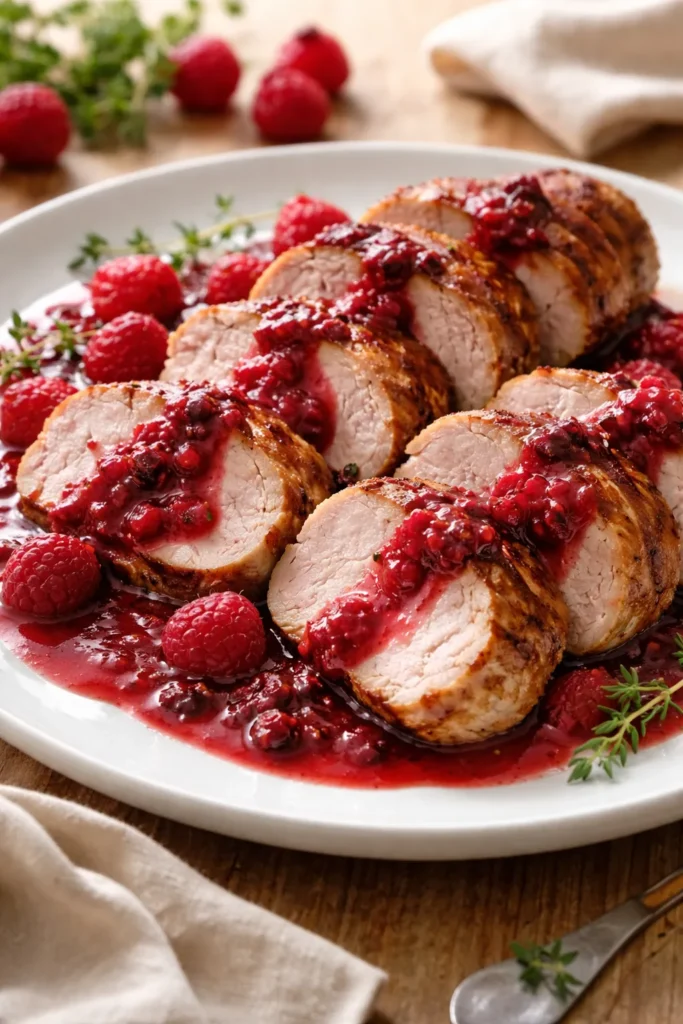
Pork tenderloin is one of the most underrated proteins in the birthday dinner playbook. It’s lean, quick-cooking, and genuinely tender when handled correctly. But the real reason to consider it for a birthday dinner is what happens when you pair it with a raspberry pan sauce — the sweet-tart fruit cuts through the richness of the pork in a way that feels both elegant and deeply satisfying.
Rub the tenderloin generously with a blend of garlic powder, smoked paprika, dried thyme, salt, and black pepper. Sear it in an oven-safe skillet over high heat on all sides until deep golden brown — about 8 minutes total — then transfer the skillet directly to a 400°F (200°C) oven for 15 to 18 minutes. While the pork rests, build the sauce in the same skillet with shallots, red wine, fresh or frozen raspberries, and a little chicken stock, reduced until syrupy.
Why the Raspberry Sauce Works
The natural acidity in raspberries does something almost magical with pork drippings. As the sauce reduces, the fruit breaks down and mingles with the caramelized fond at the bottom of the pan, creating a layered sweetness that’s fruity without being cloying. A small amount of cold butter whisked in at the very end adds a professional gloss.
What to Know Before You Start
- Serves: 4 to 6 (two tenderloins for a larger group)
- Time commitment: 1 hour 10 minutes
- Skill level: Intermediate — oven-to-stove technique requires a bit of confidence but is forgiving
- Wild rice pilaf and roasted asparagus are natural companions to this dish
- Frozen raspberries work just as well as fresh in the sauce — they actually break down more evenly
Worth knowing: Pork tenderloin is not the same as pork loin — tenderloins are much smaller and cook far faster. Getting this right means not walking away from the oven timer.
8. Slow Cooker Beef Bourguignon
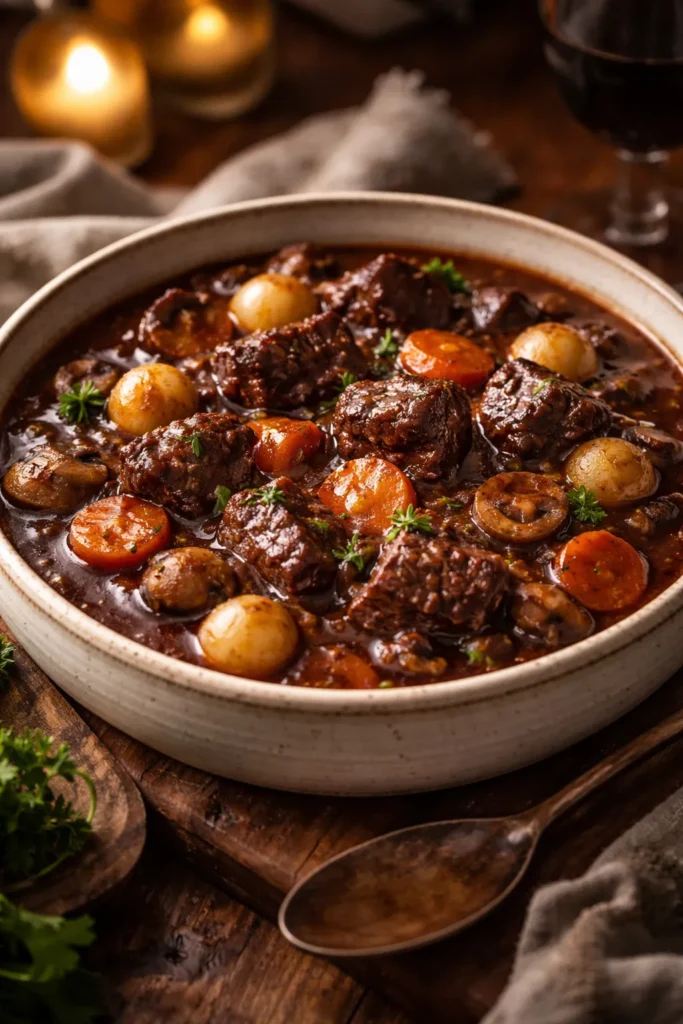
Beef bourguignon has a reputation for being a weekend-long project. The slow cooker version dismantles that reputation entirely. Ten minutes of prep — onions, carrots, beef, wine, stock — and the slow cooker handles the next eight hours. By the time guests arrive, the kitchen smells extraordinary and you haven’t broken a sweat.
The foundation is beef chuck, cut into 2-inch cubes and browned briefly in batches before going into the slow cooker. Don’t skip the browning — it develops a flavor base through the Maillard reaction that the slow cooker alone can’t replicate. Use a bold, dry red wine (Burgundy is traditional, but any Pinot Noir you’d enjoy drinking will work). Add pearl onions, sliced carrots, a few garlic cloves, a bay leaf, and fresh thyme.
The Make-Ahead Advantage
This is arguably the best make-ahead birthday dinner on this list. Beef bourguignon tastes measurably better the next day, after the flavors have had time to deepen and meld. Make it the day before, refrigerate it overnight, skim the solidified fat from the surface, and reheat gently on the stovetop for 30 minutes before serving. You’ll spend almost no time in the kitchen on the actual birthday.
What to Know Before You Start
- Serves: 6 to 8 (doubles well for larger groups)
- Time commitment: 20 minutes active + 8 hours slow cooking
- Skill level: Beginner — the slow cooker does the work
- Serve over buttered egg noodles, creamy mashed potatoes, or alongside crusty bread for soaking up the sauce
- Mushrooms should be added in the last 45 minutes of cooking time so they don’t go mushy
Pro tip: Refrigerating the finished bourguignon overnight and reheating the next day isn’t just convenient — it’s how professional chefs approach braises. Cold temperatures help the flavors bind together.
9. Brown Butter Gnocchi with Crispy Sage and Mushrooms
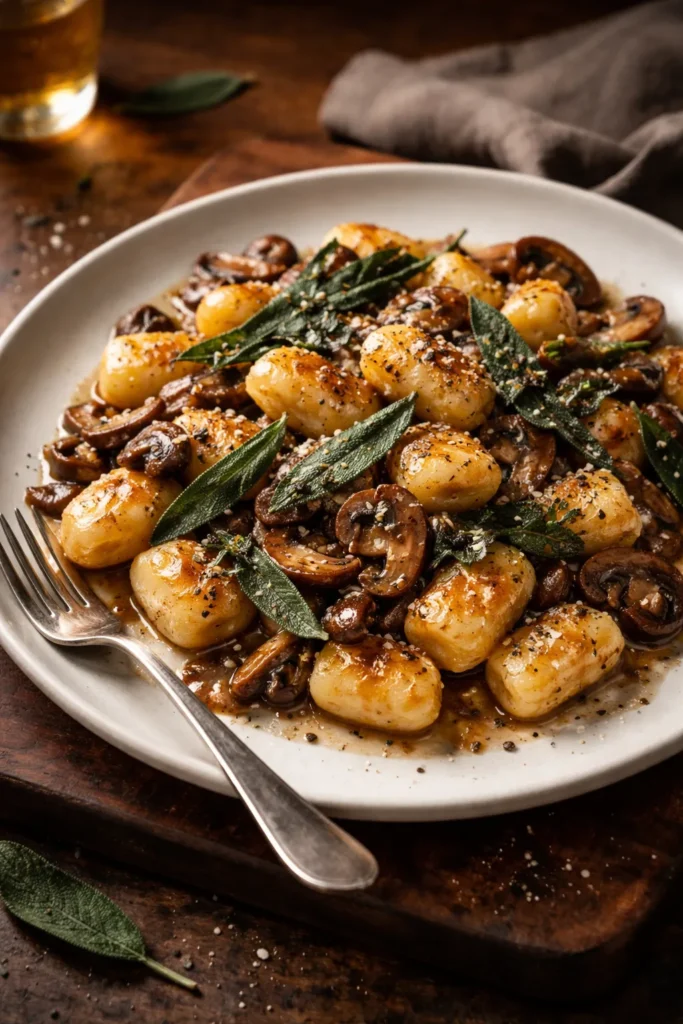
For a birthday dinner that’s vegetarian-friendly without feeling like a compromise, this is the dish. Pan-fried gnocchi cooked in browned butter until golden and slightly crisp on the outside, topped with umami-rich sautéed mushrooms and shatteringly crisp fresh sage leaves — it’s a plate that feels genuinely luxurious, and it comes together in about 25 minutes.
The technique for gnocchi is what separates good from great. Don’t boil the gnocchi first. Instead, cook them straight from the package (or from scratch) in a dry, nonstick pan over medium-high heat until they develop a golden crust on two sides. Then add the brown butter and finish from there. The crust gives you textural contrast that boiled gnocchi simply can’t offer.
Making the Brown Butter
In a light-colored pan (so you can see the color change clearly), melt 4 tablespoons of unsalted butter over medium heat. Swirl the pan occasionally. After about 3 minutes, the butter will foam, then subside, and the milk solids at the bottom will turn golden then deep amber — it should smell nutty, almost like hazelnuts. Pull the pan from the heat the moment the color turns amber. A few seconds too long and brown butter becomes burned butter.
What to Know Before You Start
- Serves: 4
- Time commitment: 25 minutes from start to finish
- Skill level: Beginner — the most technical step is watching the butter color carefully
- Use a mix of mushrooms — cremini, shiitake, and oyster mushrooms together create a more complex, layered flavor than any single variety alone
- Finish with freshly grated Parmesan and a squeeze of lemon juice to brighten the richness
Worth knowing: Fresh sage leaves fry in hot butter in about 30 seconds. They go from soft to crisp almost instantly — watch them carefully and transfer them to a paper towel the moment they darken.
10. Seafood Paella
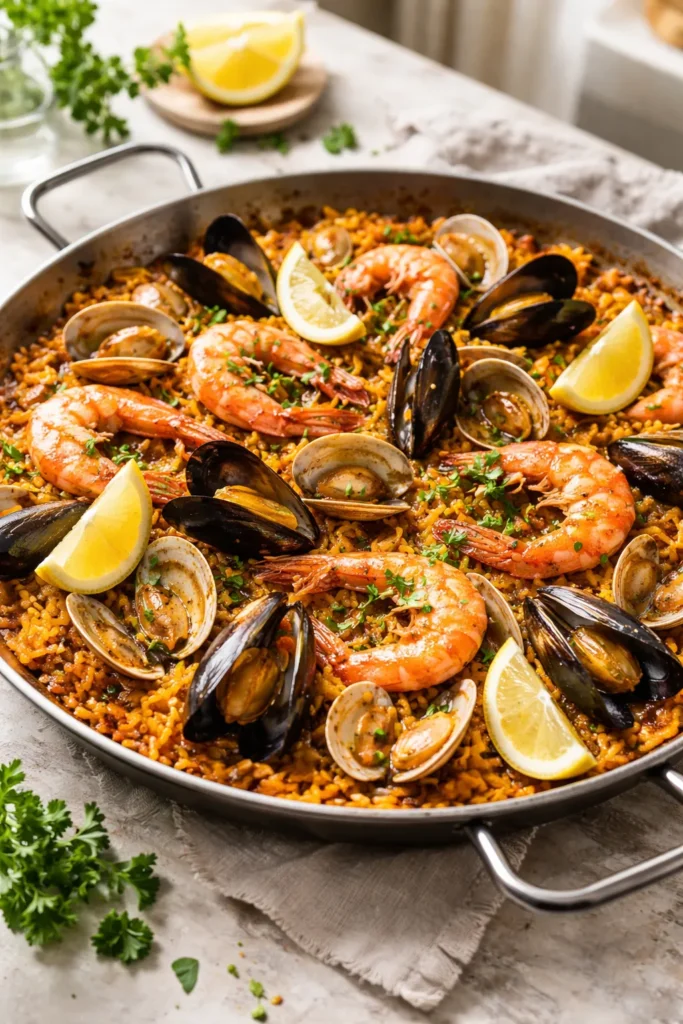
Paella is the birthday dinner for the cook who wants the meal to be an event in itself. The wide, shallow pan comes to the table directly from the stove. The saffron-stained rice, the clams and mussels open across the top, the pink curve of shrimp — it’s a visual moment before it’s even a meal. And the socarrat — the crisp, slightly caramelized crust of rice at the bottom of the pan — is something guests will talk about long after the plates are cleared.
A simplified skillet paella uses shrimp and clams, which require less sourcing and prep than a full Valencian spread. Start with a base of sautéed onion, garlic, and tomato (this is called the sofrito), then add bomba or Arborio rice, saffron-infused stock, and smoked paprika. Unlike risotto, you do not stir paella after the rice goes in — the point is to let a crust form on the bottom.
Getting the Socarrat Right
After the rice has absorbed most of the liquid (about 18 to 20 minutes), turn the heat up to medium-high for the final 90 seconds. You should hear a faint crackling sound from the bottom of the pan. This is the socarrat forming. Remove the pan from the heat, drape it with a clean kitchen towel, and let it rest for 5 minutes. The towel absorbs steam and keeps the rice from continuing to cook.
What to Know Before You Start
- Serves: 6 generously
- Time commitment: 1 hour
- Skill level: Intermediate — timing the additions of seafood requires attention
- Clams and mussels are added in the last 10 minutes; they open as they steam, signaling they’re cooked
- A cold, dry rosé or a Spanish Albariño is the natural pairing — both cut through the richness of the saffron-butter base
Pro tip: Warm the stock before adding it to the rice. Cold liquid hitting hot rice and pan can cause uneven cooking and prevent the socarrat from forming properly.
Sides, Drinks, and Dessert: Rounding Out the Birthday Table
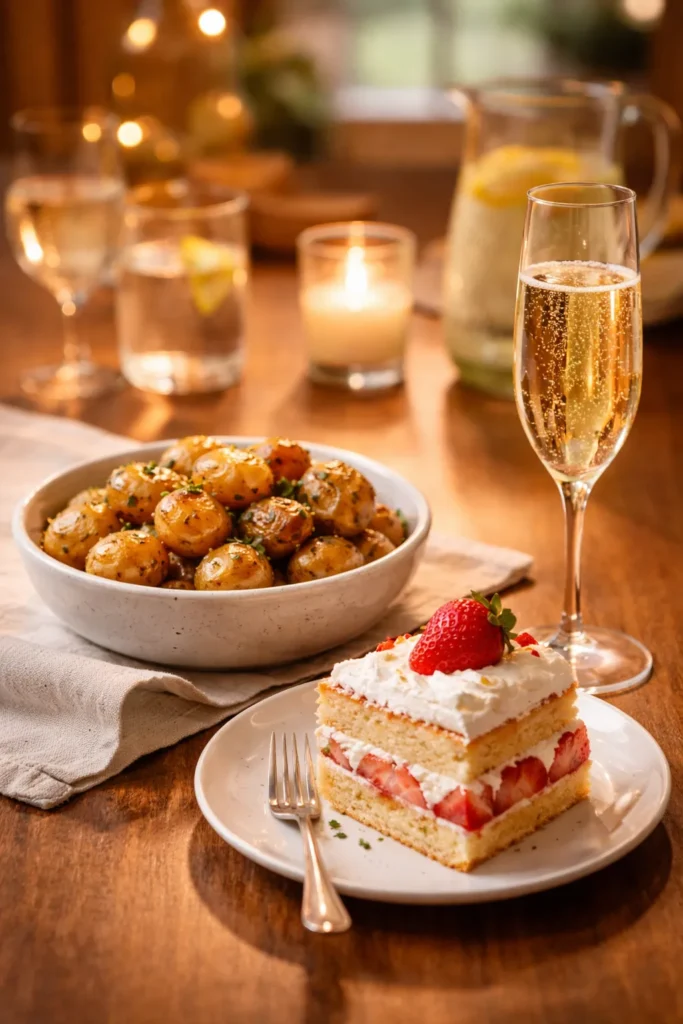
No birthday dinner lives by its main course alone. A few well-chosen sides and a celebratory dessert are what turn a good meal into a full occasion.
For side dishes, keep them proportional to the effort in the main. A rich Wellington or bourguignon needs something simple alongside — roasted potatoes, steamed broccolini with olive oil, or a crisp green salad. Lighter mains like the salmon or gnocchi can support more elaborate sides: a gratin, a grain salad, or roasted seasonal vegetables with a tahini drizzle.
Bread is almost always welcome. A crusty sourdough or a warm baguette gives guests something to do between bites, and it’s the ideal vehicle for mopping up sauces at the end.
For drinks, a sparkling wine at the start sets a celebratory tone immediately. A glass of Champagne, Prosecco, or Cava on arrival signals that this is a special evening — regardless of what’s being served for dinner. Beyond that, match the wine to the protein: bold reds for beef and lamb, crisp whites and rosé for seafood and lighter chicken dishes, Pinot Noir for the mushroom-forward dishes like the gnocchi or bourguignon.
Dessert That Matches the Mood
The birthday dessert doesn’t need to be an elaborate layer cake if that’s not your strength. A classic birthday cake works perfectly, but so does a chocolate pot de crème, a key lime tart, or simply a good-quality store-bought gelato served with warm berries and fresh mint. The most important thing is that there’s a candle, a song, and a moment to pause and celebrate the person you’re cooking for.
Final Thoughts

The best birthday dinner you can make at home isn’t necessarily the most technically demanding one — it’s the one that suits the person you’re celebrating. A merlot filet mignon takes 20 minutes. A beef bourguignon takes 10 minutes of your hands-on time. A penne alla vodka feeds six people in half an hour. The gap between “impressive” and “complicated” is wider than most people think.
What makes any of these meals memorable isn’t perfection. It’s the intentionality behind them — someone stood in a kitchen and decided that tonight’s dinner was worth doing properly. That gesture translates directly to the plate, and people feel it.
Pick the recipe that excites you, not just the one that sounds most impressive. Because the most delicious birthday dinners are always the ones cooked with genuine enthusiasm.