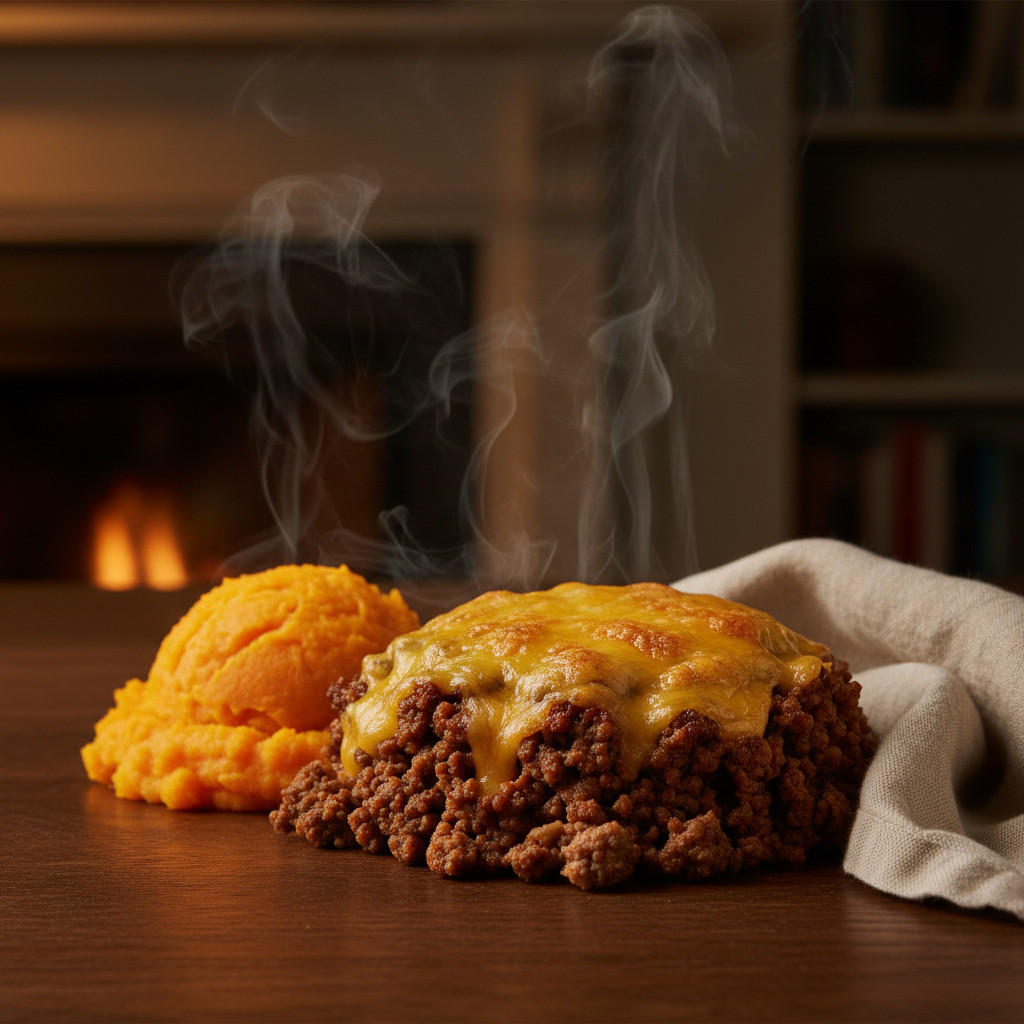
There’s something about a restaurant on Valentine’s Day — or any special occasion — that sounds romantic in theory and feels slightly exhausting in practice. You’re packed into a table two inches from strangers, the prix fixe menu has three choices you’d never normally order, and the bill arrives like a cold splash of reality. Meanwhile, the most memorable meals most couples can name happened somewhere far more personal: at home, with a glass of something good, music playing softly in the background, and no one rushing you out the door.
Cooking for someone you love is its own kind of love language. The act of choosing an ingredient carefully, getting a sear exactly right, plating something with intention — it communicates effort in a way that a credit card swipe simply can’t. And when you know what to cook, it doesn’t have to be complicated. The recipes that work best for a romantic dinner at home tend to share a few qualities: they’re rich without being fussy, they can be largely prepped before your guest arrives, and they deliver that “how did you make this?” reaction at the table.
Whether you’re planning an anniversary dinner, a birthday surprise, a Valentine’s evening in, or just a random Tuesday when you decide the two of you deserve something special, the ten dinners below are your blueprint. These aren’t generic weeknight meals dressed up with candles. Each one is genuinely restaurant-worthy — built on the same techniques and flavor profiles that make people spend $200 at a fine dining spot, but achievable in your own kitchen with equipment you already own.
Pick one, pour something you love, and let the evening unfold without a reservation.
Table of Contents
- 1. Filet Mignon with Red Wine Mushroom Sauce
- Building the Red Wine Mushroom Sauce
- What to Serve Alongside
- 2. Lobster Tails with Lemon Garlic Butter
- Broiling vs. Grilling
- Elevating the Presentation
- 3. Spaghetti Carbonara for Two
- Getting the Texture Right
- Why Carbonara Works for Date Night
- 4. Pan-Seared Scallops with Brown Butter and Lemon
- The Four-Minute Sear
- Serving Ideas
- 5. Chicken Marsala with Mushrooms
- Building the Sauce
- Why This Dish Works for Two
- 6. Shrimp Scampi with Fresh Pasta
- The Sauce
- How to Make It Feel Extra Special
- 7. Rack of Lamb with Dijon Herb Crust
- The Roasting Method
- Pairing Ideas
- 8. Wild Mushroom Pappardelle
- The Technique
- Finishing Touches That Elevate the Dish
- 9. Slow-Roasted Salmon with Citrus and Herbs
- Building a Complementary Relish
- Why This Works for a Romantic Dinner
- 10. Individual Beef Wellington
- The Assembly
- Why Individual Portions Change the Experience
- How to Set the Scene for Your Dinner at Home
- The Course Structure That Makes It Feel Like a Night Out
- The Best Sides to Pair with Your Romantic Dinner
- Desserts That Finish the Evening Right
- Final Thoughts
1. Filet Mignon with Red Wine Mushroom Sauce
Few dishes communicate “this evening matters” quite as immediately as a perfectly seared filet mignon. It’s the cut most associated with celebration for good reason — filet is cut from the tenderloin, the least-worked muscle on the animal, which makes it extraordinarily tender with a buttery texture that practically dissolves. Paired with a rich red wine mushroom sauce, it becomes the kind of dish people remember for years.
The secret to nailing filet at home comes down to two things: a screaming-hot cast iron pan and patience. Pat the steaks bone-dry before they hit the pan — any moisture on the surface creates steam instead of crust, and crust is everything. Sear for 2 to 3 minutes per side without touching them, then finish in a 400°F oven for another 4 to 5 minutes for medium-rare. Let them rest for at least 5 minutes before cutting. That resting period isn’t optional — it’s when the juices redistribute throughout the meat.
Building the Red Wine Mushroom Sauce
The pan sauce comes together in the same skillet, right after the steaks come out. Don’t wipe it clean — those dark, caramelized bits stuck to the bottom (called fond) are concentrated flavor. Sauté shallots and cremini mushrooms in butter until deeply golden, deglaze with a splash of dry red wine like Cabernet or Côtes du Rhône, then add beef stock and let it reduce by half. Finish with a cold knob of butter whisked in at the end — this emulsifies the sauce into something glossy, restaurant-smooth, and genuinely stunning.
What to Serve Alongside
- Creamy mashed potatoes or a potato gratin to soak up the sauce
- Roasted asparagus or haricots verts, simply dressed with lemon and olive oil
- A simple green salad with a sharp red wine vinaigrette to cut through the richness
Worth knowing: Filet mignon has less marbling than ribeye, so it relies heavily on your seasoning and sauce for flavor. Season generously with salt and black pepper at least 30 minutes before cooking — this draws moisture to the surface and then back into the meat, seasoning it from the inside out.
2. Lobster Tails with Lemon Garlic Butter
If there’s a more universally impressive thing to put on a dinner table than split lobster tails glistening with garlic butter, it’s hard to name it. Lobster has a reputation for being technically demanding, but grilling or broiling split lobster tails is genuinely one of the more forgiving techniques in a home cook’s arsenal. The meat is sweet and substantial, and the lemon garlic butter does most of the heavy lifting on flavor.
Buy two 6- to 8-ounce tails from a quality fishmonger or well-sourced grocery store. Split them down the center with kitchen shears, cutting through the shell but leaving the base intact, then use your fingers to gently loosen the meat and lift it up above the shell (it’ll rest right on top and look like something you’d pay $50 for at a seafood restaurant). Brush generously with melted butter mixed with minced garlic, lemon zest, a pinch of smoked paprika, and fresh thyme.
Broiling vs. Grilling
Broiling is the easiest method for most home cooks — place the tails shell-side down on a baking sheet, brush with butter, and broil 6 inches from the heat for 8 to 10 minutes until the meat is opaque and lightly golden at the edges. Grilling gives you a hint of smokiness that’s genuinely beautiful, but requires a bit more attention. Either way, you’re looking at less than 15 minutes of active cooking.
Elevating the Presentation
- Serve on warmed plates with extra lemon garlic butter in a small ramekin for dipping
- Tuck fresh chives or microgreens alongside for color
- Pair with linguine tossed in olive oil to turn this into a full coastal feast, the way Food & Wine’s pan-roasted lobster recipe suggests lining the platter with hot pasta to soak up every drop of beurre blanc
Pro tip: The single most common mistake with lobster tails is overcooking them. Pull them the moment the meat reads 140°F at the thickest point — they’ll continue cooking slightly off heat. Rubbery lobster is a texture tragedy that a little vigilance completely prevents.
3. Spaghetti Carbonara for Two
Carbonara is proof that restraint is its own form of sophistication. The ingredient list is almost embarrassingly short — spaghetti, guanciale (or pancetta), eggs, Pecorino Romano, Parmesan, and black pepper — but the result, when executed correctly, is one of the most silky, deeply savory pasta dishes in the Italian canon. The sauce is essentially a warm egg emulsion that clings to every strand of pasta, coating each bite in something that tastes like it took hours and actually takes 20 minutes.
The critical technique is temperature management. The eggs must never scramble. After tossing the hot pasta with the crisped pancetta and its rendered fat, you pull the pan completely off the heat before adding the egg and cheese mixture. The residual warmth of the pan and the pasta is exactly enough to cook the eggs gently into a glossy sauce. If the pan is too hot, you get breakfast.
Getting the Texture Right
Reserve at least a cup of starchy pasta cooking water before draining. This cloudy, salty water is your main tool for adjusting the sauce consistency — add it a splash at a time, tossing constantly, until the sauce moves like heavy cream coating each strand. The starch in the water helps the fat and egg bind together without breaking.
Why Carbonara Works for Date Night
- It’s genuinely quick — everything happens in under 30 minutes
- The flavors are rich and indulgent without feeling heavy the way cream-based pastas often do
- It pairs beautifully with a crisp Italian white like Pinot Grigio or a light, chilled red like Barbera d’Asti
- Leftovers reheat poorly, which means you’ll eat every last strand the same evening
Worth knowing: Using guanciale instead of pancetta or bacon makes a real difference. Guanciale is cured pork cheek with a higher fat content and a sweeter, more delicate flavor than pancetta. You can find it at Italian delis and specialty grocers. If you can’t, pancetta is an excellent substitute — but skip the bacon, which introduces a smokiness that overwhelms the delicate balance of the dish.
4. Pan-Seared Scallops with Brown Butter and Lemon
Scallops are the secret weapon of the home cook who wants to look like a professional. A properly seared scallop — deeply golden on both flat sides with a translucent, just-set center — takes about four minutes total and tastes like it came from the kitchen of a serious seafood restaurant. The brown butter and lemon sauce builds in the same pan in under two minutes.
The one non-negotiable: your scallops must be dry-packed, not wet-packed. Wet-packed scallops are treated with sodium tripolyphosphate, which makes them absorb water — and water is the enemy of a good sear. Dry-packed scallops have less moisture, which means the surface caramelizes instead of steaming. They’re slightly more expensive and worth every cent for this dish.
The Four-Minute Sear
Pat scallops completely dry with paper towels, then season with salt and pepper. Heat a stainless or carbon steel pan over high heat until it’s genuinely smoking. Add a thin film of neutral oil, then lay the scallops flat without touching each other. Don’t move them. After 90 to 2 minutes you’ll see a golden crust creeping up the sides — flip once, cook another 90 seconds, and they’re done. Immediately add butter, let it foam and turn nutty brown, squeeze in fresh lemon juice, and spoon the sauce over the scallops as you plate.
Serving Ideas
- Spoon them over a smooth celery root purée or creamy white bean purée
- Lay them on a bed of wilted spinach or pea shoots for color contrast
- Serve with a light drizzle of herb oil made from blending blanched parsley with olive oil
Pro tip: Scallops are one of the few proteins that you should cook cold from the fridge, not room temperature. Cold center = more time for the surface to sear before the inside overcooks.
5. Chicken Marsala with Mushrooms
Chicken Marsala earns its place on this list because it manages to feel genuinely elegant without requiring any technique more advanced than a good sear and a basic pan sauce. The combination of Marsala wine’s nutty, dried-fruit sweetness with earthy cremini mushrooms and a buttery pan sauce is one of those flavor marriages that makes sense from the very first bite.
Pound boneless chicken breasts to an even ½-inch thickness — this ensures the meat cooks evenly without drying out before the outside gets golden. Dredge lightly in seasoned flour, which gives the exterior a delicate crust that thickens the sauce slightly as it simmers. Sear in a mix of olive oil and butter until deeply golden, about 3 minutes per side, then set aside while you build the sauce.
Building the Sauce
Sauté sliced cremini or mixed wild mushrooms in the same pan until they release their moisture and turn golden-brown, about 6 to 8 minutes. This step is worth the patience — mushrooms need space and time to caramelize rather than steam. Deglaze with dry Marsala wine (not sweet — the dish can become cloying without a dry wine as the base), add chicken stock, and reduce until the sauce coats the back of a spoon. Return the chicken to the pan to warm through, finishing with a tablespoon of cold butter stirred in for gloss.
Why This Dish Works for Two
- One skillet, minimal cleanup
- Can be prepped ahead: brown the chicken and refrigerate, then build the sauce and finish everything in under 10 minutes when you’re ready
- Pairs well with egg noodles, mashed potatoes, or creamy polenta
Worth knowing: Marsala is a fortified Sicilian wine — look for it in the wine or cooking section of grocery stores. Don’t use “cooking Marsala,” which has added salt and lacks the complexity of drinking Marsala. A bottle of actual dry Marsala costs around $10 to $15 and lasts months in the pantry.
6. Shrimp Scampi with Fresh Pasta
Shrimp scampi is the weeknight dinner that moonlights convincingly as a restaurant main. The sauce is pure garlic-and-butter alchemy — emulsified with a splash of white wine and brightened with lemon, it turns simple shrimp into something that feels decadent in a way that genuinely is not proportional to the effort involved. Fresh pasta, available at good grocery stores or Italian delis, cooks in 2 to 3 minutes and transforms this from a quick weeknight into something worth lighting a candle for.
Start with large or jumbo shrimp — 16/20 or 21/25 count — and make sure they’re peeled and deveined. Season them with salt, pepper, and a pinch of red pepper flakes. Melt butter in a wide sauté pan over medium-high heat, sear the shrimp for about 90 seconds per side until just pink and curled, then remove them from the pan. Keeping them separate while you build the sauce means they won’t overcook.
The Sauce
In the same pan, sauté 4 to 5 cloves of thinly sliced garlic in more butter and olive oil until just golden — the line between golden and burnt is narrow, so watch it closely. Deglaze with a generous pour of dry white wine like Sauvignon Blanc or Pinot Grigio, let it reduce by half, then add a squeeze of fresh lemon juice and the shrimp back into the pan. Toss with drained pasta and enough starchy cooking water to loosen the sauce to a silky consistency.
How to Make It Feel Extra Special
- Add a handful of cherry tomatoes to the pan with the garlic for color and acidity
- Finish with a tablespoon of good olive oil drizzled over each plate
- Serve with crusty bread to drag through the leftover sauce — this is not optional
Pro tip: The quality of your butter matters more in scampi than in most dishes. Seek out European-style butter with higher fat content (Kerrygold, Plugrá, or any cultured butter) — the difference in flavor is immediate and noticeable.
7. Rack of Lamb with Dijon Herb Crust
A rack of lamb is perhaps the most impressive-looking dinner you can put on a home table, and it’s secretly one of the more forgiving luxury proteins to cook. A full rack typically contains 8 ribs and is the perfect portion to split between two people, making it an inherently romantic cut. Frenched racks (where the bones are exposed and cleaned) look stunning on the plate with almost no effort required beyond the technique itself.
The Dijon herb crust does double duty: it seals in moisture as the lamb roasts and creates a golden, aromatic crust of breadcrumbs, fresh rosemary, thyme, parsley, and garlic that perfumes the whole kitchen. Mix the herbs and garlic into breadcrumbs with Dijon mustard, season generously, and press the mixture firmly onto the fat cap of the rack. The mustard acts as both glue and flavor enhancer.
The Roasting Method
Sear the rack fat-side down in a very hot oven-safe skillet for 2 to 3 minutes to render some fat and develop color, then flip briefly and transfer to a 400°F oven. Roast for 20 to 25 minutes for medium-rare — an internal temperature of 130°F to 135°F. Rest for 10 minutes before slicing into individual chops between the bones. The exposed bone handles make each chop feel theatrical, which is exactly the point.
Pairing Ideas
- Roasted potatoes tossed in rosemary and olive oil alongside the lamb in the same oven
- A quick pan sauce made from the drippings, a splash of white wine, and chicken stock
- A simple fennel and citrus salad to cut through the richness
Worth knowing: Lamb has a mild, slightly mineral flavor that some people are unfamiliar with. The herb crust, garlic, and Dijon in this recipe all work to complement and mellow that character. If your partner is lamb-curious but cautious, this preparation is the gentlest, most approachable version to introduce them to it.
8. Wild Mushroom Pappardelle
Not every romantic dinner needs an animal protein at its center — and this dish makes that case more convincingly than almost any other vegetarian option. Wild mushrooms cooked low and slow develop a meaty, deeply savory quality that satisfies on an entirely different level than lighter vegetable dishes. Pappardelle, with its wide ribbons and substantial texture, is the ideal pasta for catching every drop of the buttery, wine-infused sauce.
Use a mix of whatever wild mushrooms are available — cremini for body, shiitake for umami depth, oyster for a delicate silkiness, and dried porcini rehydrated in warm water for intense, woodsy flavor. That porcini soaking liquid is liquid gold: strain it and add it to the sauce in place of some of the stock. The result is a sauce with a complexity that takes most people by surprise.
The Technique
Mushrooms need room and heat to caramelize properly. Cook them in batches if your pan is crowded — overcrowded mushrooms steam in their own moisture and turn grey and soft instead of golden and chewy. Once they’re beautifully browned and fragrant, add garlic and fresh thyme, deglaze with a splash of dry white wine or vermouth, and let it reduce almost completely before adding the porcini liquid and a final knob of butter.
Finishing Touches That Elevate the Dish
- A generous handful of freshly grated Parmigiano-Reggiano stirred into the pasta off the heat
- A drizzle of good truffle oil over each plate (a little goes a long way — start with ¼ teaspoon)
- Fresh flat-leaf parsley to brighten the dish visually and cut through the earthiness
Pro tip: Fresh pappardelle is worth buying for this dish if you can find it. Fresh pasta absorbs sauce differently than dried — it becomes almost one with the mushroom mixture rather than sitting beside it. Most grocery stores carry it in the refrigerated pasta section.
9. Slow-Roasted Salmon with Citrus and Herbs
Slow-roasting salmon at a low temperature — around 275°F to 300°F — produces a result that’s almost shockingly different from the flaked, sometimes dry fish most home cooks are used to. At low heat, the proteins in salmon denature gently and gradually, leaving the interior silky, almost custard-textured, and completely succulent from edge to center. It’s the technique that separates restaurant fish from home fish, and it’s remarkably hands-off.
Season two skin-on salmon fillets with salt, lay them on a parchment-lined sheet pan, and dress them with thinly sliced blood orange or navel orange rounds, fresh dill or tarragon, a drizzle of good olive oil, and cracked black pepper. Slide into a 275°F oven and check at 25 minutes — the fish should be opaque at the edges and still slightly translucent pink at the very center. It will finish cooking from residual heat as it rests.
Building a Complementary Relish
Serve with a quick citrus-olive relish inspired by the Food & Wine approach: segment a grapefruit and an orange, roughly chop, and toss with briny Castelvetrano olives, capers, a drizzle of olive oil, and fresh mint. The brightness cuts beautifully through the richness of the salmon and adds visual color to the plate.
Why This Works for a Romantic Dinner
- Almost entirely hands-off — prep takes 10 minutes, and the oven does the rest
- Can be portioned precisely for two without leftover worries
- Feels sophisticated and composed without any technically demanding steps
Worth knowing: Wild-caught salmon (sockeye, coho, or king) has a more complex flavor and firmer texture than farmed Atlantic salmon. For a dinner this simple and ingredient-dependent, the quality of the fish matters — it’s worth seeking out the best available.
10. Individual Beef Wellington
Beef Wellington is the culinary equivalent of a grand gesture. Individual Wellingtons — single-serving filets of beef wrapped in herbed mushroom duxelles, prosciutto, and golden puff pastry — look like the production of a Michelin-starred kitchen and can absolutely be made by a committed home cook on a weekend afternoon. The key is breaking the process into stages so nothing feels overwhelming.
Start by searing seasoned filet mignons aggressively on all sides in a screaming-hot pan for 90 seconds total — just long enough to develop exterior color, not to cook the interior. Chill completely in the refrigerator for at least an hour (this firms the beef up so it doesn’t steam the pastry from within). Meanwhile, make the duxelles: finely chop cremini mushrooms and cook them with shallots, garlic, and thyme over medium heat until every drop of moisture has evaporated and the mixture looks like a dark, fragrant paste. This step takes 15 to 20 minutes and can’t be rushed.
The Assembly
Lay a piece of plastic wrap flat, shingle slices of prosciutto across it in a rectangle, spread the cooled duxelles evenly over the prosciutto, then place the chilled beef at the edge and roll it tightly into a log using the plastic wrap. Refrigerate for 30 minutes to hold the shape. Unwrap, place on a sheet of thawed puff pastry, roll it up, crimp the ends, brush with egg wash, and score the top lightly with a knife for a decorative look.
Roast at 425°F for 22 to 25 minutes until the pastry is deep golden brown and the internal temperature reads 125°F for medium-rare.
Why Individual Portions Change the Experience
- The ratio of crispy pastry to mushroom duxelles to beef is higher in individual portions, making every bite more dramatic
- They plate with an elegance that’s hard to overstate — golden parcels that your guest cuts open at the table to reveal the perfectly pink interior
- The whole assembly can be done the day before and refrigerated until baking
Pro tip: Use a digital instant-read thermometer. With a preparation this involved, guessing on the doneness of the beef inside a pastry crust is a risk not worth taking. A $15 thermometer removes all uncertainty.
How to Set the Scene for Your Dinner at Home
The food is only one half of what makes a dinner feel romantic. Atmosphere carries equal weight, and it doesn’t require much to shift an ordinary kitchen table into something that feels deliberate and considered.
Lighting is the single most powerful lever. Overhead lighting flattens everything and makes food look less appealing than it is. A few candles — even just three or four tea lights in small glasses alongside a taller pillar candle — create the kind of warm, flickering glow that makes everything look better, including the people sitting across from each other.
A small bunch of flowers doesn’t need to be elaborate. Three stems of ranunculus or garden roses from a grocery store, loosely arranged in a simple glass, communicates care without effort. Cloth napkins, even inexpensive linen ones, transform the table in a way paper napkins simply don’t.
Put on music before your guest arrives. A curated playlist of soft jazz, acoustic covers, or whichever genre feels right for your relationship runs in the background without needing management — and silence at a dinner table feels clinical in a way that music entirely prevents.
The Course Structure That Makes It Feel Like a Night Out
One of the small upgrades that shifts a home dinner into something restaurant-like is serving in intentional courses rather than putting everything on the table at once:
- Start with something small and shareable — a baked brie with honey and walnuts, a small cheese and charcuterie board, oysters if you’re feeling ambitious, or roasted nuts with fresh herbs
- Middle is your main event from the list above
- End with something sweet — tiramisu cups, chocolate lava cakes baked in ramekins, or the most low-effort option that actually works: really good vanilla ice cream with a drizzle of salted caramel and dark chocolate shavings
The pacing between courses, with conversation in between, creates the same rhythm as a restaurant experience — without the strangers and the check.
The Best Sides to Pair with Your Romantic Dinner
A showstopping main dish deserves sides that complement without competing. The best supporting players for a romantic dinner at home are rich but not overwhelming, can be prepared mostly in advance, and don’t require last-minute acrobatics.
Mashed potatoes made with good butter and warm cream are the most versatile side in existence — they pair with seven of the ten dishes on this list and can be made an hour ahead, kept warm over a pot of hot water, with the final seasoning adjusted just before serving. Creamy polenta serves the same function with an Italian slant, and works particularly well underneath mushroom-based sauces and braised proteins.
Roasted vegetables are your lowest-effort option with the highest visual payoff. Asparagus, broccolini, and haricots verts all roast at 425°F in 10 to 12 minutes and benefit from nothing more than olive oil, salt, and a squeeze of lemon at the end. Prepare them alongside your main if oven temperatures align, or roast ahead and serve at room temperature — they’re excellent that way, and one less thing to manage in the final push.
For something with a bit more presence, a simple gratin — thinly sliced potatoes layered with cream, garlic, and Gruyère — can be assembled the day before and baked to golden perfection while your main rests. It holds well, tastes indulgent, and requires almost no attention once it’s in the oven.
Desserts That Finish the Evening Right
The dessert at a romantic dinner doesn’t need to be a technical achievement. What it needs to be is delicious and appropriately sized — two portions, not a full sheet cake. A few options that consistently deliver:
Chocolate lava cakes baked in individual ramekins are one of the most reliable crowd-pleasers in existence. The batter can be made days in advance and the ramekins refrigerated, unbaked — you pull them out and bake for exactly 12 minutes while the plates from the main are being cleared. The molten center, which depends on precise timing and chilled batter, feels theatrical every single time.
Tiramisu cups can be assembled completely the night before. Layers of espresso-soaked ladyfingers and mascarpone cream, individual portions in glasses or small mason jars, finished with a dusting of cocoa powder. They improve overnight as the flavors meld, which means zero dessert pressure on the evening itself.
Affogato — a scoop of high-quality vanilla gelato drowned in a shot of hot espresso — is the simplest thing on this list that still manages to feel elegant. Make it tableside if you have an espresso machine; it takes 30 seconds and creates a small, satisfying ritual.
If chocolate is the move, fondue with good dark chocolate, fresh strawberries, cubes of brioche, and a few marshmallows turns dessert into something interactive and playful — the kind of ending that extends a dinner into a proper evening.
Final Thoughts
Cooking a romantic dinner at home is genuinely one of the most intimate things two people can do together — or for each other. There’s vulnerability in the attempt, care in the preparation, and an unmistakable quality to food made by someone who put real thought into what the other person would love.
The ten dinners above cover almost every preference and comfort level: the weeknight elegance of carbonara and shrimp scampi, the celebratory ambition of beef Wellington and rack of lamb, the understated sophistication of slow-roasted salmon and seared scallops. None of them require professional training. All of them require attention, and attention is the whole point.
The best advice, regardless of which dish you choose, is to cook something you’re genuinely excited about. Enthusiasm translates. A dish made with real curiosity and care will always outperform a technically flawless meal made on autopilot.
Set the table, light the candles, open something you’ve been saving, and cook like it matters — because it does.