There’s a particular kind of Saturday night that hits different. The week’s finally done, you’re still in your comfortable clothes, and nobody — nobody — wants to drive anywhere. You pull up the delivery app, see the 45-minute wait time, the $6 service fee, the $4 delivery charge, and a tip prompt that starts at 20%… and suddenly cooking at home sounds wildly appealing.
The thing is, most people settle for takeout not because restaurant food is better, but because they assume home cooking can’t match that level of flavor without serious effort. That assumption is wrong. The dishes that perform best on a Saturday night — the ones that genuinely feel like a reward — aren’t complicated. They’re just well-built. The right technique, a handful of quality ingredients, and a recipe that actually delivers on its promise.
What follows is a collection of 10 Saturday night dinners that don’t just replace takeout. They beat it. These are meals with real depth of flavor, crowd-pleasing appeal, and the kind of satisfaction that no delivery bag, no matter how well-insulated, can replicate. Some come together in 30 minutes. Others are slow, hands-off projects you set up in the afternoon and enjoy all evening. All of them are worth making.
Table of Contents
- 1. Garlic Butter Shrimp Pasta
- Why It Works
- What You Need to Know Before You Cook
- 2. Sheet Pan Chicken Fajitas
- The Marinade That Makes the Difference
- How to Build the Perfect Plate
- 3. Honey Sesame Chicken
- Getting the Batter Right
- The Sauce Formula
- 4. Creamy Mushroom Risotto
- Choosing Your Mushrooms
- The One Rule Nobody Tells You
- 5. Beef Enchiladas with Homemade Sauce
- Building the Ground Beef Filling
- Assembly and Baking
- 6. Cajun Chicken Pasta with Andouille Sausage
- Building the Cajun Seasoning Blend
- Why This Dish Scales So Well
- 7. Slow Cooker Beef Short Ribs
- Searing Before Slow Cooking — Non-Negotiable
- What to Serve Alongside
- 8. Spanish Seafood Paella
- Equipment Considerations
- The Paella Sequence
- 9. Chicken Tikka Masala
- Building the Masala Sauce
- Serving and Pairing
- 10. BBQ Pulled Pork Sliders with Coleslaw
- The Pork Shoulder Prep
- The Coleslaw That Makes It
- Final Thoughts
1. Garlic Butter Shrimp Pasta
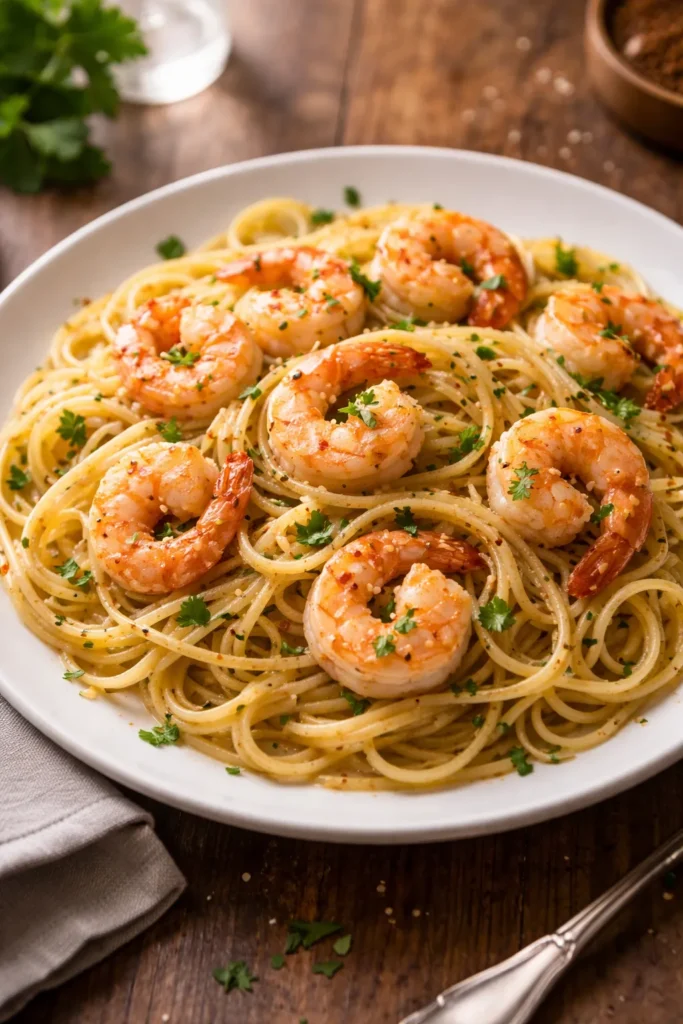
Shrimp pasta is one of those dishes that sounds like it requires a certain level of kitchen confidence, but the truth is it comes together faster than any pasta delivery you’d ever order. The key is building flavor in layers — starting with a generous amount of real butter, plenty of minced garlic cooked until fragrant (not burnt), and a splash of dry white wine that reduces into a glossy, savory pan sauce. Add plump shrimp, cook them two minutes per side until they curl and turn opaque, toss with al dente linguine, and finish with lemon juice and fresh parsley.
The reason this beats takeout shrimp pasta every single time comes down to freshness. By the time restaurant shrimp pasta reaches your door, the noodles have absorbed all the sauce and the shrimp has turned rubbery from residual heat. Made at home, you eat it the moment it’s ready — sauce still silky, shrimp still snapping.
Why It Works
The garlic butter base does the heavy lifting here. When you cook minced garlic in butter over medium heat for about 90 seconds, it releases compounds that bond with the fat and carry flavor through every component of the dish. Adding a quarter cup of white wine and letting it reduce for two minutes deepens that base considerably — more than any cream-based shortcut ever could.
A pinch of red pepper flakes and a full squeeze of fresh lemon before plating make the difference between a good shrimp pasta and a genuinely memorable one. Don’t skip either.
What You Need to Know Before You Cook
- Use large or extra-large shrimp (21-25 count per pound) — anything smaller overcooks before the garlic finishes blooming
- Season pasta water with at least a tablespoon of kosher salt; under-seasoned pasta ruins an otherwise perfect sauce
- Reserve half a cup of pasta water before draining — a tablespoon or two stirred into the finished dish emulsifies the sauce beautifully
- Linguine holds the sauce better than spaghetti due to its wider surface area; fettuccine works equally well
Pro tip: Toss the shrimp in the pasta off the heat. The residual warmth is enough to coat everything without overcooking them.
2. Sheet Pan Chicken Fajitas
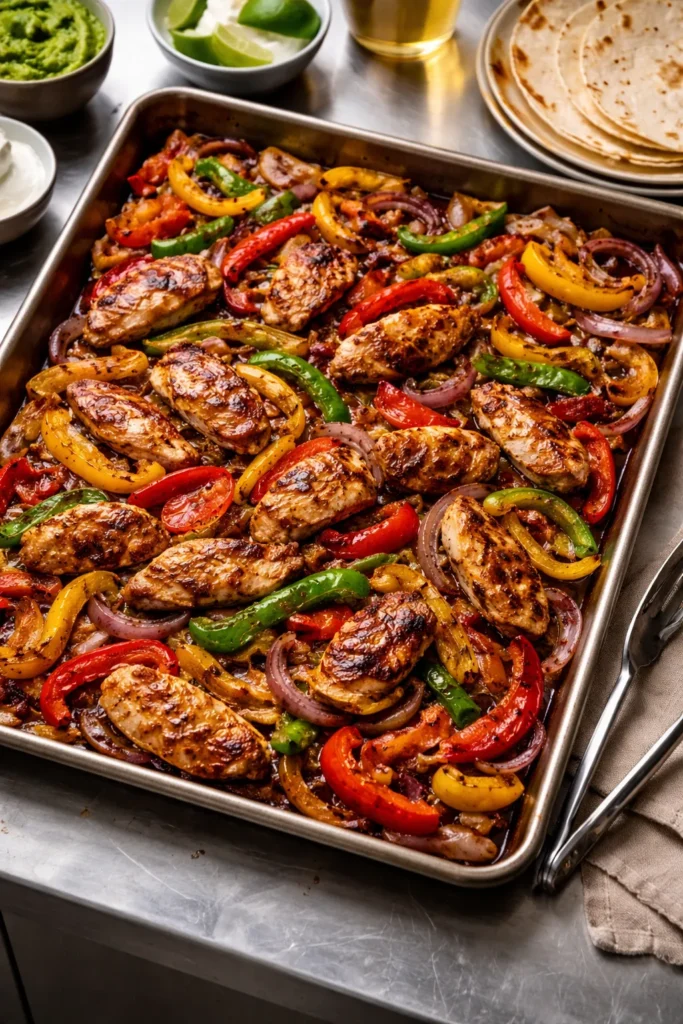
Sheet pan chicken fajitas are, without question, one of the most satisfying low-effort dinners in existence. Marinated chicken thighs or breasts, sliced bell peppers in three colors, and a sliced white onion go onto a single sheet pan at high heat (425°F / 220°C), roast for 22-25 minutes until the edges char and the chicken reaches an internal temperature of 165°F, and get served directly from the pan with warm tortillas and toppings.
What makes the home version so much better than any Tex-Mex delivery? The caramelization. Peppers and onions cooked in a restaurant sauté pan get steamed as much as seared. On a hot sheet pan in a dry oven, they actually char at the edges — that’s where the deep, sweet, slightly smoky flavor lives.
The Marinade That Makes the Difference
A good fajita marinade is three things: acidic, oily, and spiced. Combine the juice of two limes, three tablespoons of olive oil, two teaspoons of cumin, one teaspoon each of smoked paprika and chili powder, a teaspoon of garlic powder, and half a teaspoon of salt. Thirty minutes in this mixture transforms ordinary chicken into something genuinely craveable. If you have more time — say, two to three hours — the flavor deepens considerably.
How to Build the Perfect Plate
- Warm corn or flour tortillas directly over a gas burner or in a dry skillet for 30 seconds per side — this step alone elevates the whole meal
- Set out toppings in small bowls: sliced avocado, pickled jalapeños, sour cream, fresh cilantro, lime wedges, and pico de gallo
- A layer of refried beans spread inside the tortilla before the fajita filling adds substance and prevents the tortilla from tearing
3. Honey Sesame Chicken
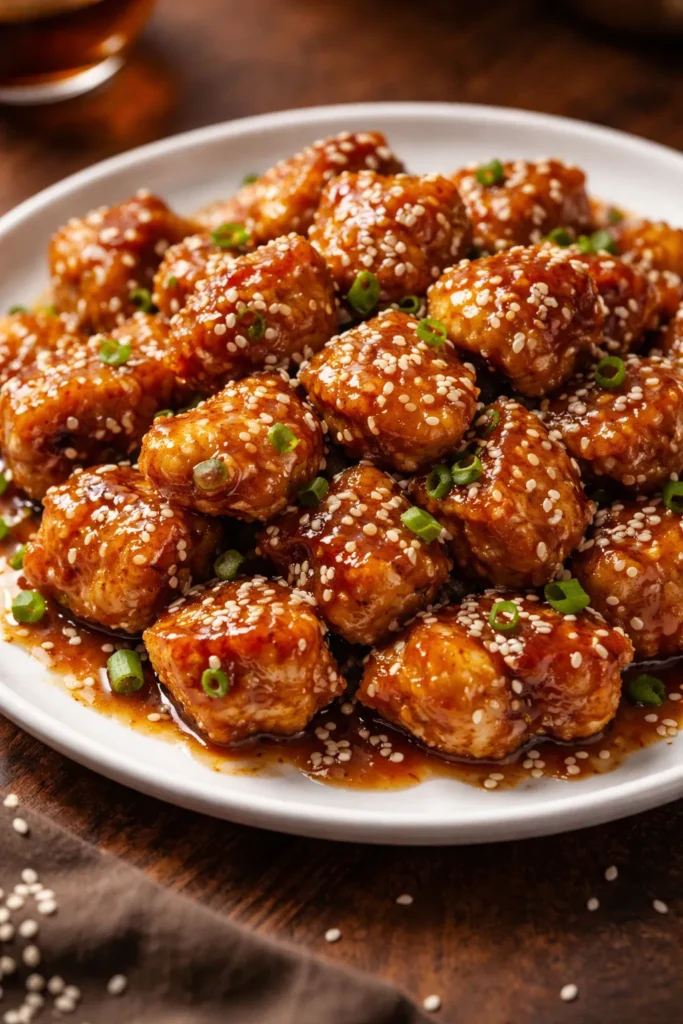
If you’ve ever ordered sesame chicken from a Chinese-American takeout spot and wondered why it’s so addictive, the answer is the sauce ratio. It’s a precise balance of sweetness, acid, umami, and heat — and it’s completely reproducible at home with pantry staples. Crispy battered chicken tossed in a glossy honey-soy-sesame sauce, finished with sesame seeds and sliced scallions, served over steamed rice. Done right, it’s better than 90% of what arrives in a plastic container.
The home advantage here is texture. Takeout sesame chicken is often soggy by the time it reaches you because the sauce continues to soften the coating during transport. At home, you toss the chicken in the sauce right before eating, and that crunch is still there.
Getting the Batter Right
A simple cornstarch-based coating (no flour needed) gives you a lighter, crispier result than a traditional batter. Toss chicken thigh pieces — cut into 1.5-inch cubes — in a mixture of two tablespoons of soy sauce and one egg white, let them sit for 10 minutes, then dredge in cornstarch until fully coated. Fry in 375°F vegetable oil for about four minutes until golden and cooked through.
The Sauce Formula
- 3 tablespoons honey — the sweetness foundation
- 2 tablespoons soy sauce — umami and salt
- 1 tablespoon rice vinegar — the brightness that cuts through the sweetness
- 1 teaspoon sesame oil — added off heat to preserve the aroma
- 1 teaspoon sriracha — optional, but the contrast it adds is worth it
- 1 teaspoon cornstarch dissolved in 2 tablespoons water — thickens the sauce to a glossy, clingy consistency
Cook the sauce in a wok over medium-high heat for about 90 seconds until it thickens. Add the chicken, toss for 30 seconds, and serve immediately.
4. Creamy Mushroom Risotto
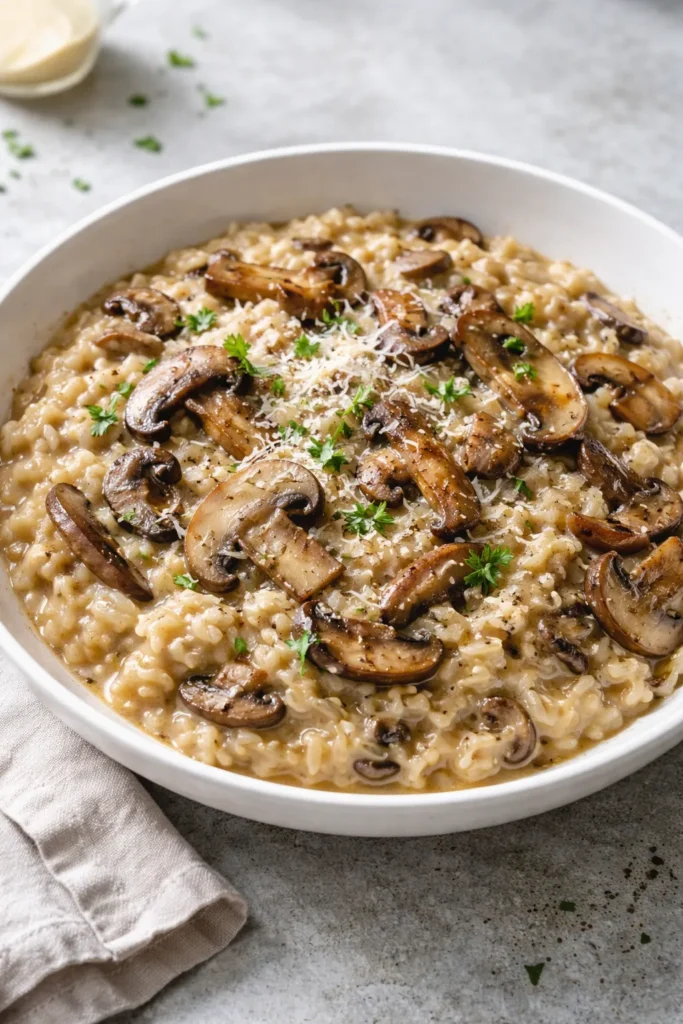
Mushroom risotto has a reputation for being fussy, and honestly, that reputation is mostly undeserved. Yes, it requires 25 minutes of fairly attentive stirring. But that’s it. There’s no technical skill required — just patience and a good ladle arm. The result is a bowl of food so rich and satisfying that it genuinely feels like restaurant cooking, because it is restaurant cooking. Mushroom risotto appears on menus at upscale Italian restaurants for a reason.
The base is simple: arborio rice toasted in butter, shallots and garlic softened until translucent, a splash of white wine, and warm stock added one ladle at a time while you stir. The starch releases gradually from the rice, creating that characteristic creamy consistency without any cream involved. Finish with cold butter stirred in at the end (a technique called mantecatura) and a generous handful of Parmesan.
Choosing Your Mushrooms
The mushroom selection matters more than most people realize. A combination of cremini and shiitake mushrooms gives you the best result: cremini provide earthiness and body, while shiitake add a deeper, slightly smoky complexity. Sauté them separately in butter over high heat before adding them to the risotto — cooking them with the rice would cause them to steam rather than brown, losing the flavor you’re after.
The One Rule Nobody Tells You
- Stock must be warm when you add it — cold stock shocks the rice and breaks the cooking rhythm, leading to uneven texture
- Never rinse arborio rice before cooking — the surface starch is what creates the creaminess
- Taste for doneness around the 20-minute mark — the rice should be tender but retain a slight bite (al dente) at the center
- Serve immediately; risotto waits for no one and will continue to absorb liquid as it sits
5. Beef Enchiladas with Homemade Sauce
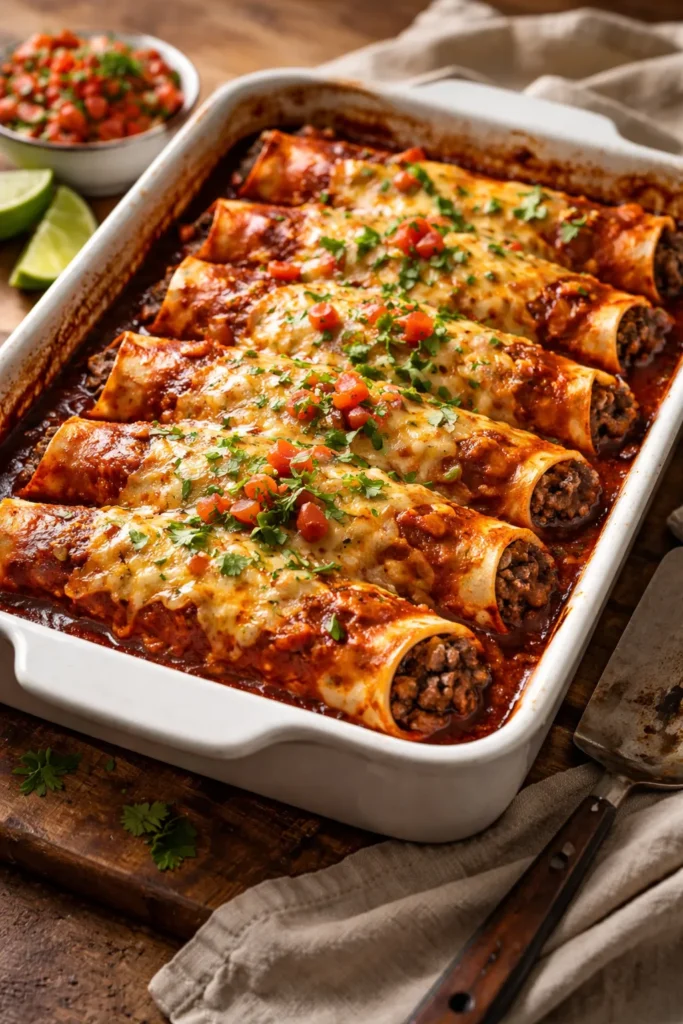
There is a wall between good enchiladas and great enchiladas, and that wall is canned enchilada sauce. The homemade version takes about 12 minutes and uses dried chiles, garlic, cumin, and chicken stock — and the flavor difference is so pronounced that you’ll struggle to go back. Warm corn tortillas, filled with seasoned ground beef and sharp cheddar, rolled tightly, nestled into a baking dish, smothered in red chile sauce, and baked until bubbling at the edges.
This is the Saturday night dinner for feeding a group without stress. The assembly takes 20 minutes, the oven does the rest, and a pan of enchiladas holds temperature well — perfect for those nights where everyone eats at slightly different times.
Building the Ground Beef Filling
Brown a pound of 80/20 ground beef in a skillet over medium-high heat, breaking it up finely. Drain any excess fat, then add a teaspoon each of cumin and chili powder, half a teaspoon of garlic powder, a pinch of smoked paprika, and a tablespoon of the enchilada sauce to hydrate the meat slightly. The filling should be well-seasoned and just barely wet — too dry and it clumps; too wet and the tortillas dissolve during baking.
Assembly and Baking
- Warm corn tortillas in a dry pan for 30 seconds per side before rolling — cold tortillas crack
- Spread a thin layer of sauce on the bottom of the baking dish before placing the enchiladas; this prevents sticking and adds a base layer of flavor
- Bake at 375°F (190°C) for 20-25 minutes until the sauce bubbles and the cheese is fully melted with lightly browned spots
- Top with sliced scallions, sour cream, sliced avocado, and pickled jalapeños straight from the oven
6. Cajun Chicken Pasta with Andouille Sausage
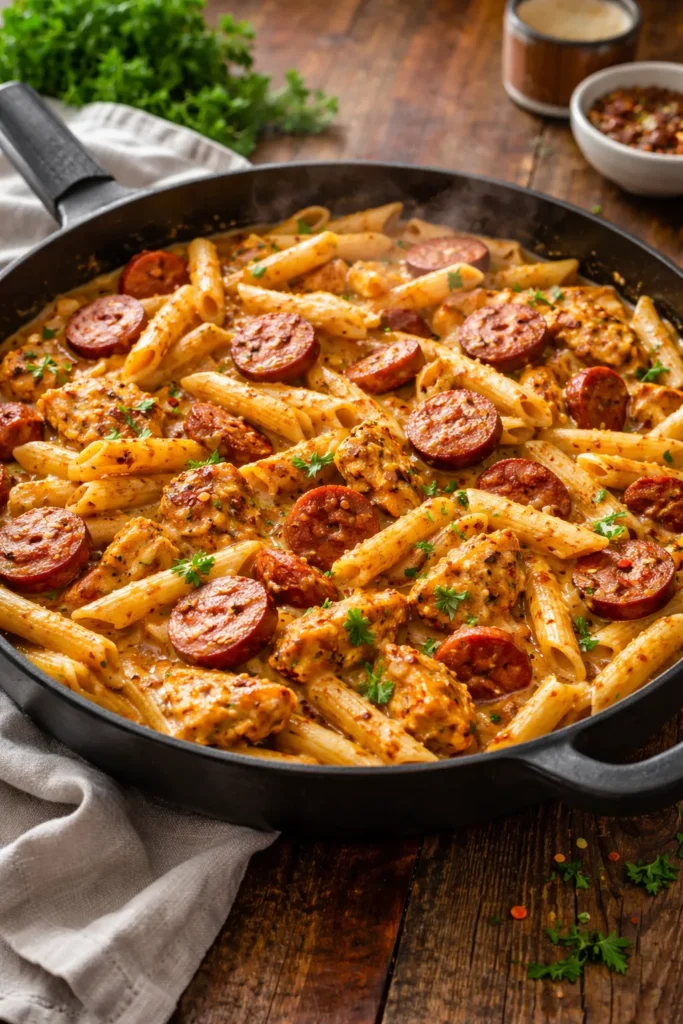
Cajun chicken pasta is the dinner that confidently sits at the intersection of comfort food and actual excitement. It’s spicy, creamy, smoky, and deeply satisfying — a combination of boneless chicken thighs dusted in Cajun seasoning, sliced andouille sausage browned until its fat renders out, and penne pasta coated in a sauce built from heavy cream, chicken stock, and Parmesan. The whole thing comes together in one pot or skillet in under 35 minutes.
What makes it genuinely better than takeout? The andouille. That smoked, spiced sausage does more flavor work per slice than almost any other protein — it perfumes the entire sauce as it browns and releases its rendered fat into the pan, which becomes the cooking base for everything else.
Building the Cajun Seasoning Blend
Store-bought Cajun seasoning works in a pinch, but making your own takes three minutes and gives you control over the salt and heat level. Combine:
- 2 teaspoons smoked paprika
- 1 teaspoon garlic powder
- 1 teaspoon onion powder
- ½ teaspoon dried thyme
- ½ teaspoon dried oregano
- ½ teaspoon cayenne pepper (adjust to preference)
- ½ teaspoon black pepper
- 1 teaspoon kosher salt
Use two teaspoons on the chicken and reserve the rest to season the sauce at the end.
Why This Dish Scales So Well
- Double the recipe easily — use a wider skillet or Dutch oven and the timing barely changes
- The sauce holds beautifully for up to three days refrigerated; reheat gently with a splash of stock to loosen it
- Swap chicken thighs for shrimp if you want a lighter version — add shrimp in the final four minutes of cooking
7. Slow Cooker Beef Short Ribs
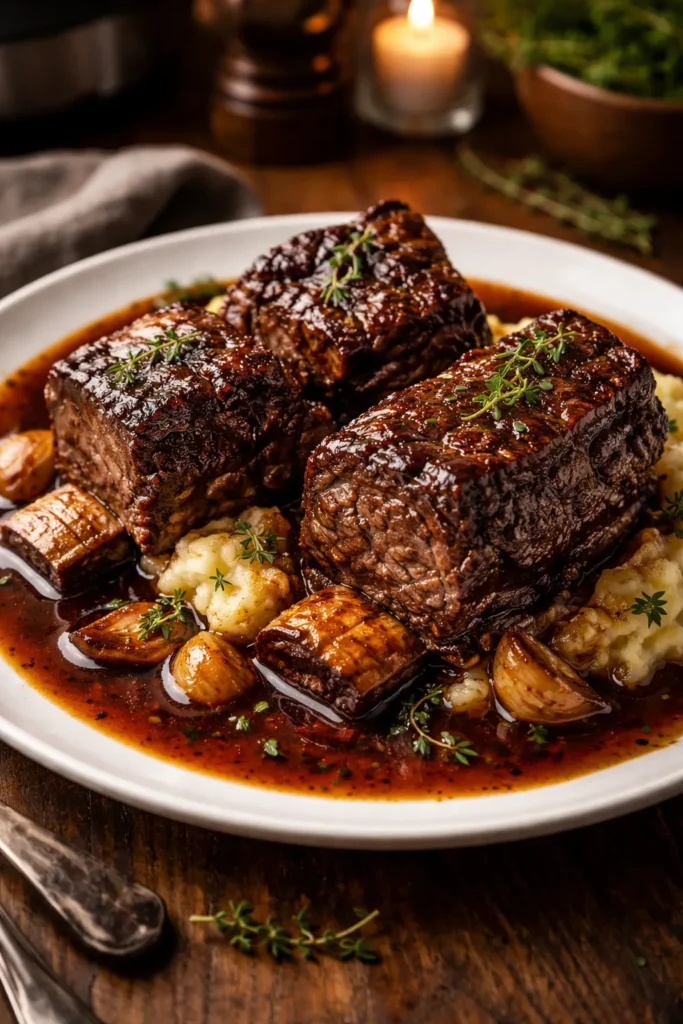
Short ribs braised low and slow are the Saturday dinner that makes everyone in the house stop what they’re doing and ask what smells so good. The answer is collagen-rich beef slowly breaking down over six to eight hours in a broth of red wine, beef stock, garlic, thyme, and tomato paste, transforming from tough bone-in ribs into something fork-tender and almost impossibly rich.
The beauty of this dish for Saturday nights specifically is the timeline. Set it up in the early afternoon, go watch a movie, take a walk, or do absolutely nothing — dinner is handling itself. By early evening, the house smells incredible and you have a genuinely impressive meal requiring almost no effort in the final hour.
Searing Before Slow Cooking — Non-Negotiable
Pat the short ribs completely dry with paper towels and season generously with salt and pepper. Sear them in a hot, heavy skillet with a tablespoon of oil for three to four minutes per side until deeply browned. This step adds Maillard reaction flavor that the slow cooker simply cannot produce on its own. Don’t skip it, don’t rush it, and don’t crowd the pan — work in batches if needed.
What to Serve Alongside
- Creamy polenta is the traditional pairing and for good reason — the richness of the braising liquid soaks into polenta in a way that pasta and potatoes can’t quite match
- Mashed Yukon Gold potatoes with butter and cream are the crowd-pleasing alternative
- A simple bitter green salad — arugula dressed with lemon and olive oil — cuts through the richness beautifully and keeps the meal from feeling overwhelming
8. Spanish Seafood Paella
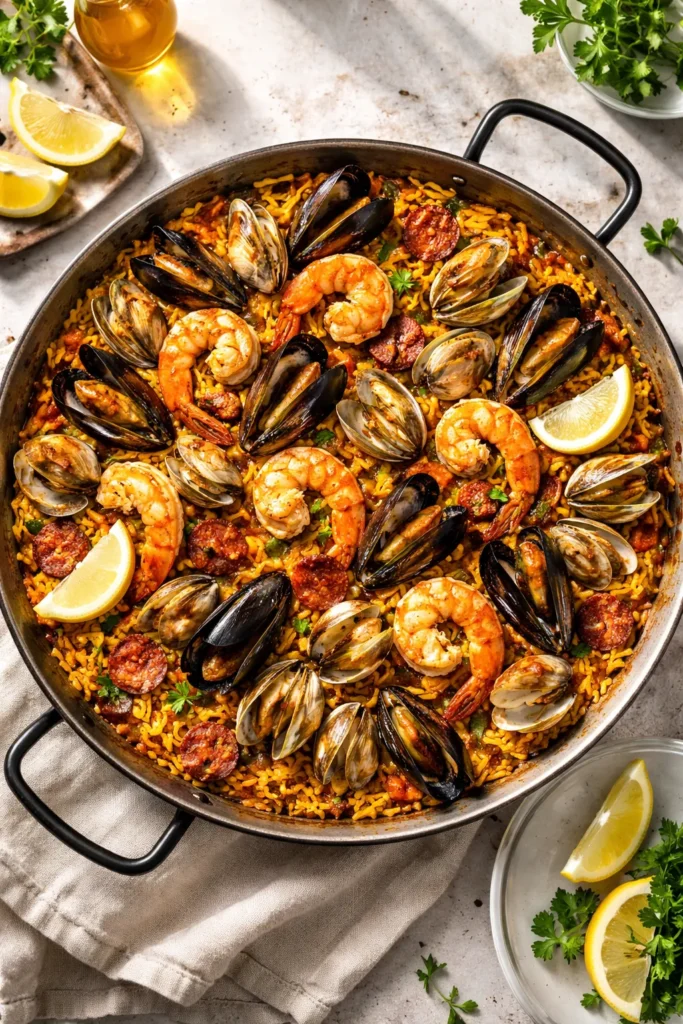
If you’ve never made paella at home because it seemed too complicated, here’s what you’re missing: it’s primarily a rice dish. The technique is unusual by Western cooking standards — you add the liquid and then don’t stir — but the process itself is straightforward. Saffron-scented bomba rice cooked in a wide, shallow pan with chorizo, shrimp, mussels, and clams in a fragrant tomato-based broth, finished under a lid for the final five minutes until the seafood opens and the rice on the bottom forms a golden, crispy crust called socarrat.
That bottom crust is the thing. It’s what separates paella from every other rice dish and what makes it genuinely thrilling to serve.
Equipment Considerations
A traditional paella pan is wide, shallow, and thin-bottomed — designed to cook over high heat and develop that crust evenly. If you don’t have one, a 12-inch stainless steel skillet works reasonably well. Cast iron retains heat too aggressively for this dish and can cause the bottom to scorch unevenly.
The Paella Sequence
- Bloom saffron in three tablespoons of warm water for 10 minutes before adding to the stock
- Brown the chorizo first, rendering its paprika-stained fat — this colors and flavors the rice before it even enters the pan
- Add rice and toast for two minutes until the grains look slightly translucent at the edges
- Pour in the saffron stock all at once and resist every urge to stir from this point forward
- Add seafood in the final eight minutes, arranged decoratively across the surface; mussels and clams go hinge-side down
9. Chicken Tikka Masala
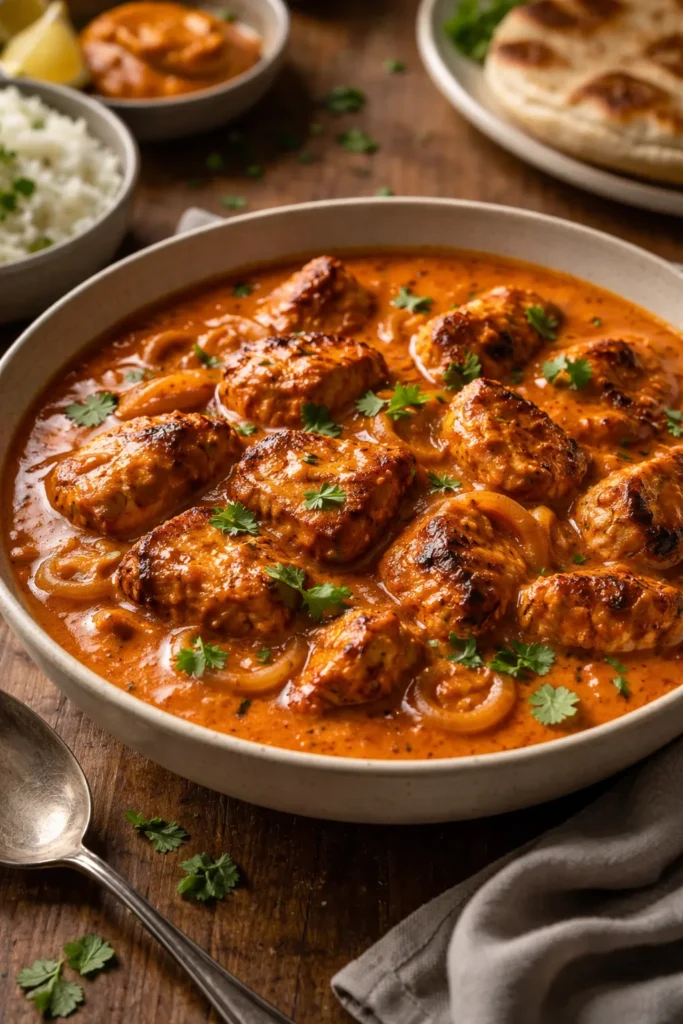
Chicken tikka masala consistently ranks as one of the most ordered dishes in Indian and British restaurants, and it’s not hard to understand why. Charred, marinated chicken pieces simmered in a sauce of tomatoes, heavy cream, butter, and warming spices like garam masala, coriander, and cumin create something so aromatic and satisfying that it genuinely fills a room. The home version, made with a proper overnight yogurt marinade and a sauce built slowly from scratch, is categorically better than most restaurant versions.
The yogurt marinade is the first critical step. Chicken thighs (boneless, skinless) marinated in full-fat yogurt, lemon juice, garam masala, turmeric, and ginger for at least four hours develop a tenderness and flavor depth that makes the finished dish taste like it took far more effort than it did.
Building the Masala Sauce
The sauce starts with butter and a neutral oil, diced onion cooked for a full 15 minutes until deeply golden, then ginger and garlic paste cooked for two additional minutes. Add canned crushed tomatoes and simmer for 20 minutes until the tomatoes lose their raw edge and the sauce thickens perceptibly. Stir in garam masala, coriander, cumin, and a teaspoon of paprika. Finish with heavy cream — half a cup is enough — and let it cook for five more minutes. The result is a sauce that’s rich but not heavy, warming but not aggressively spicy.
Serving and Pairing
- Warm naan bread is the only acceptable accompaniment — brush it with garlic butter right off the pan
- Basmati rice cooked with a cardamom pod and a bay leaf adds subtle fragrance that pairs beautifully with the sauce
- A side of cooling cucumber raita (yogurt, grated cucumber, cumin, mint) provides contrast and helps manage the heat for guests who are spice-sensitive
10. BBQ Pulled Pork Sliders with Coleslaw
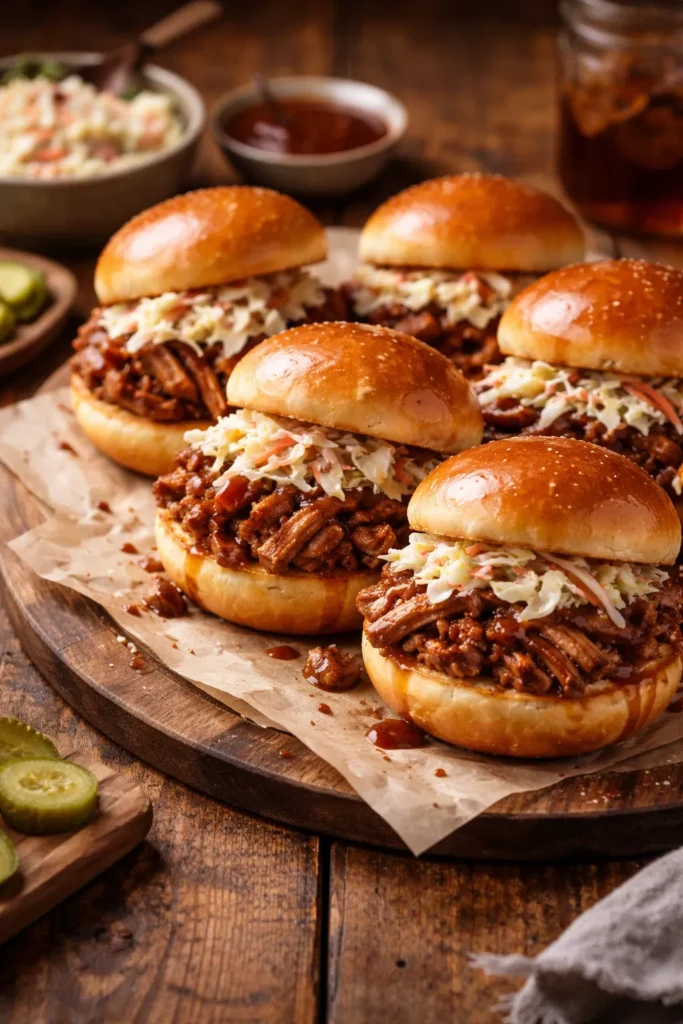
Pulled pork sliders done right are genuinely one of the great Saturday night crowd-pleasers — slow-cooked pork shoulder that falls apart at the touch of a fork, tossed in smoky-sweet barbecue sauce, piled onto soft brioche slider buns, and topped with crunchy, tangy coleslaw. They’re easy to serve to groups of any size, they scale infinitely, and the slow cooker does all the real work over six to eight hours while you enjoy your Saturday.
The reason this beats any delivery version is simple physics. Pulled pork needs time and low, steady heat to transform tough collagen into silky gelatin. That’s not something a restaurant kitchen can shortcut and still send you something worth eating. Made at home, starting in the morning, the pork is exactly what it should be — deeply flavorful, impossibly tender, rich without being greasy.
The Pork Shoulder Prep
Bone-in pork shoulder (also labeled “pork butt”) is the correct cut. The bone adds flavor and helps the meat stay moist through the long cook. Season it generously — and generously means a full tablespoon of kosher salt, a tablespoon of smoked paprika, a teaspoon each of garlic powder, onion powder, cumin, and brown sugar, plus black pepper. This dry rub gets pressed into every surface and ideally left overnight in the refrigerator uncovered so the exterior dries out slightly, promoting better bark formation.
The Coleslaw That Makes It
A good coleslaw isn’t just filler — it’s structural and functional. It adds crunch, acidity, and temperature contrast to the warm, rich pork. Toss shredded green cabbage, a little shredded purple cabbage, and grated carrot in a dressing of apple cider vinegar, a spoonful of mayonnaise, a teaspoon of Dijon mustard, a pinch of sugar, and salt. Let it sit for at least 20 minutes before serving so the acid slightly softens the cabbage without wilting it.
- Hawaiian rolls or brioche slider buns are the ideal vessel — their slight sweetness plays off the smoky pork
- Toast the cut sides of the buns in butter for 60 seconds before assembling — this prevents sogginess
- Offer extra barbecue sauce on the side for guests who want more glaze on their portion
- Pickled jalapeños or bread-and-butter pickles on top add a finishing brightness that cuts through the richness
Final Thoughts
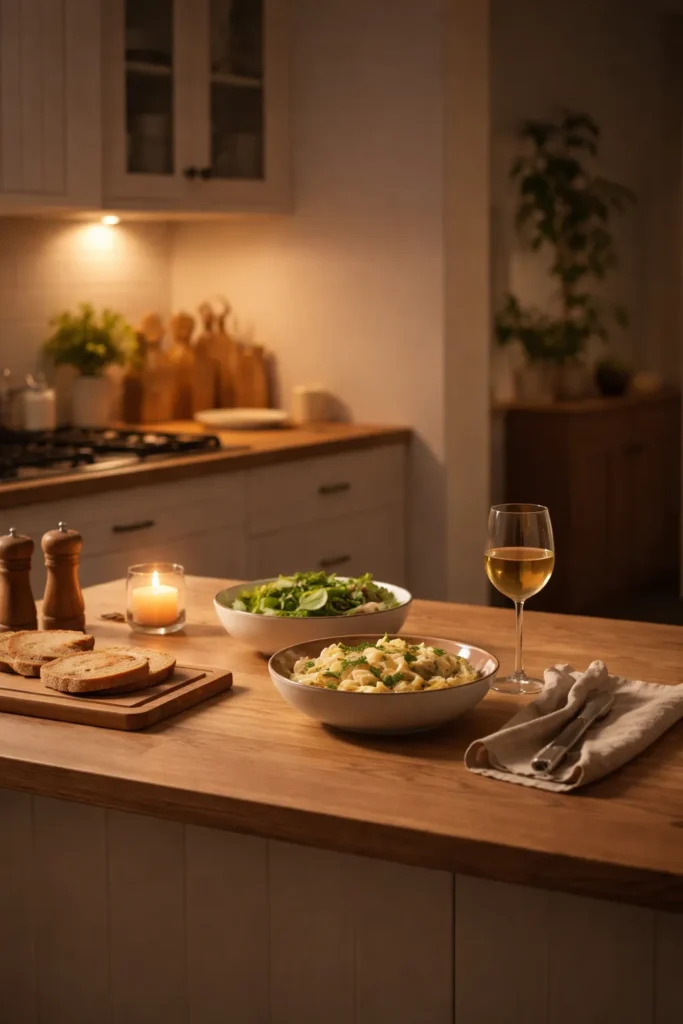
The gap between what you can cook at home on a Saturday night and what arrives in a delivery bag is smaller than most people think — and on a good night, that gap completely disappears. These ten dinners don’t just save money. They deliver something no delivery service can: food served at exactly the right moment, with the right texture, still at the temperature it was meant to be enjoyed.
A few things make the biggest difference across all of these dishes: don’t rush the browning, whether it’s searing short ribs, caramelizing onions for tikka masala, or letting mushrooms develop color before they go into risotto. That step is where flavor lives. The other consistent principle is seasoning at every stage — not just at the end. Salt added to pasta water, to the marinade, to the sauce, and at plating builds a layered depth that no last-minute correction can replicate.
Pick one of these for your next Saturday night and give it the time and attention it deserves. The week’s effort earns a dinner worth sitting down for — and these deliver exactly that.