Weekends have this funny way of making you want something that feels a little more special than Tuesday’s pasta — but not so complicated that you spend the whole evening chained to the stove. That tension between “I deserve something good tonight” and “I also deserve to relax” is real, and it’s something most home cooks navigate every single week.
The good news? You don’t have to choose. The dinners that deliver the most satisfaction on a chill night aren’t the ones that demand hours of active cooking. They’re the ones that rely on smart technique, bold flavoring, and ingredients that do most of the heavy lifting for you — whether that’s a slow braise that perfumes the whole house while you watch a movie, or a skillet dinner that comes together in 25 minutes with near-zero cleanup.
What makes a great weekend dinner different from a weeknight dinner isn’t necessarily the time it takes. It’s the intention behind it. You’re not rushing. You’ve got a glass of wine on the counter, maybe some music going. The pressure is off, which means you can focus on actually enjoying the process a little. That shift in mindset changes everything.
The 12 dinners below span a range of styles — from bubbling skillet pasta to fall-apart braised beef to crispy smashburgers off a screaming-hot griddle. Each one is built for a genuinely relaxed evening, and every single one delivers on flavor without demanding perfection.
Table of Contents
- 1. Smashburgers on the Griddle
- Why Smashburgers Win on Weekends
- Building the Sauce and Toppings
- 2. Beef Bulgogi Bowls
- Getting the Sear Right
- What to Serve With It
- 3. Creamy Cajun Chicken Pasta
- The Sauce That Makes It
- Making It Your Own
- 4. Sheet Pan Chicken Thighs with Roasted Vegetables
- The Vegetable Situation
- Flavor Combinations Worth Trying
- 5. One-Pot Beef Stroganoff
- Why the Mushrooms Matter More Than You Think
- Building the Sauce
- 6. Homemade Pizza Night
- Using Store-Bought Dough Without Shame
- Topping Combinations That Work
- 7. Slow-Braised Short Ribs
- Building the Braise
- Serving Suggestions
- 8. Cajun Sausage and Rice Skillet
- Why Andouille Is Non-Negotiable (But Kielbasa Works)
- The One-Skillet Technique
- 9. Honey-Glazed Baked Salmon with Garlic Butter
- The Glaze That Makes It
- Sides That Come Together While the Salmon Cooks
- 10. Chicken and Dumplings
- Building the Broth
- The Dumpling Details
- 11. Creamy Mushroom and White Wine Pasta
- Why a Mix of Mushrooms Is Worth the Effort
- The White Wine Trick
- 12. Build-Your-Own Taco Night
- The Protein Options Worth Making
- The Toppings That Elevate Everything
- Final Thoughts
1. Smashburgers on the Griddle
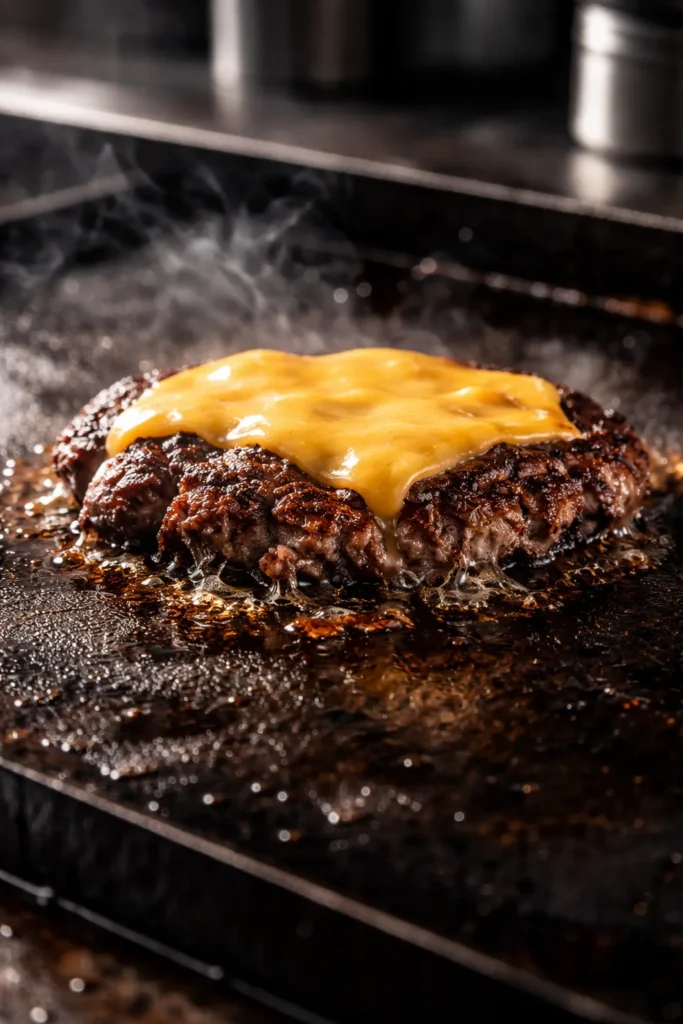
There’s something deeply satisfying about making smashburgers at home, and once you’ve done it, going out for one starts to feel unnecessary. The technique is the whole trick here: you press a loose ball of ground beef flat against a ripping-hot cast iron griddle or heavy skillet, and that contact creates a thin, lacy-edged patty with maximum crust on both sides. No thick, steamed-through pucks. Just pure, deeply caramelized beef.
The key is using 80/20 ground beef — that 20% fat isn’t optional, it’s what gives you the crispy edges and keeps the patty juicy despite being smashed thin. Go leaner and you’ll get a dry, sad burger.
Why Smashburgers Win on Weekends
The whole process is interactive in the best way. Everyone can help — one person manning the griddle, someone else toasting buns, someone assembling the toppings bar. It turns dinner into a little event without being fussy. Use American cheese, which melts faster and more evenly than anything else when you place a slice directly on the patty and cover with a dome for 20 seconds.
Building the Sauce and Toppings
- Make a quick smash sauce: 3 tablespoons mayonnaise, 1 tablespoon yellow mustard, 1 tablespoon pickle brine, a pinch of garlic powder, a pinch of smoked paprika
- Iceberg lettuce, not romaine — the crunch and water content contrasts the hot meat
- Thin-sliced white onion, finely diced for a raw bite or cooked soft on the same griddle
- Brioche buns, toasted cut-side down in the residual beef fat
What to remember: The griddle must be genuinely hot before the beef goes down — hold your hand an inch above the surface and you should feel intense heat within 2 seconds. A lukewarm pan just steams the meat instead of searing it, and you lose the whole point.
Cook in batches of two patties at a time to maintain the pan temperature. Serve immediately — these don’t sit well.
2. Beef Bulgogi Bowls
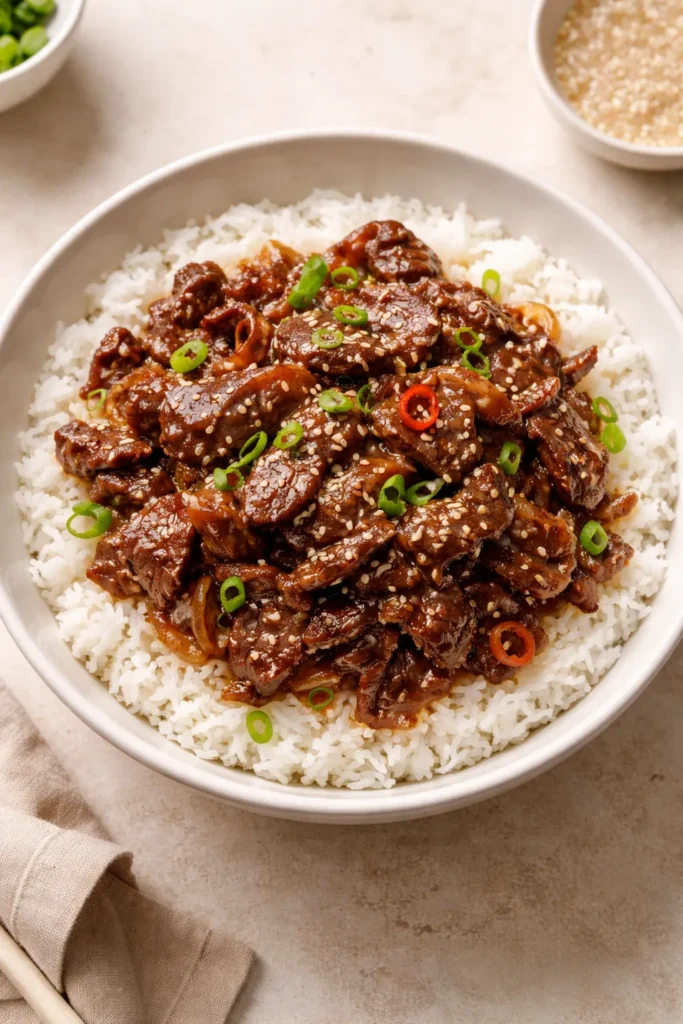
Korean bulgogi is one of those dishes that sounds like it requires special skills but actually demands almost nothing — just time for the marinade to work. Thinly sliced ribeye or sirloin gets soaked in a blend of soy sauce, Asian pear or pear juice (the enzymes tenderize the meat), sesame oil, garlic, ginger, and a touch of brown sugar. The result is salty-sweet beef with a deeply savory char that tastes like something you’d order at your favorite Korean restaurant.
The marinade needs a minimum of 30 minutes, but an hour is better. The weekend gives you that breathing room — marinate before you run errands, cook when you get back.
Getting the Sear Right
A cast iron skillet on high heat is ideal. You want some char on the edges of the meat, which means cooking in a single layer and not moving it immediately. Resist the urge to stir constantly. Let the sugars in the marinade caramelize against the hot pan before flipping. You’ll notice the beef tightens and darkens around the edges — that’s exactly what you want.
What to Serve With It
- Steamed jasmine rice, pressed into a bowl so it holds its shape when turned out
- Quick pickled cucumbers: thinly sliced cucumber, rice vinegar, a pinch of salt and sugar, 20 minutes on the counter
- Shredded carrots with a drizzle of sesame oil
- Soft-boiled eggs, halved, with a soy-sesame soak if you’ve planned ahead
- Sliced green onions and toasted sesame seeds to finish
Worth knowing: A lot of grocery stores now carry pre-sliced bulgogi beef in the meat section or Asian grocery aisle. That’s not a shortcut to be embarrassed about — it’s a practical weekend move that cuts your prep time in half.
3. Creamy Cajun Chicken Pasta
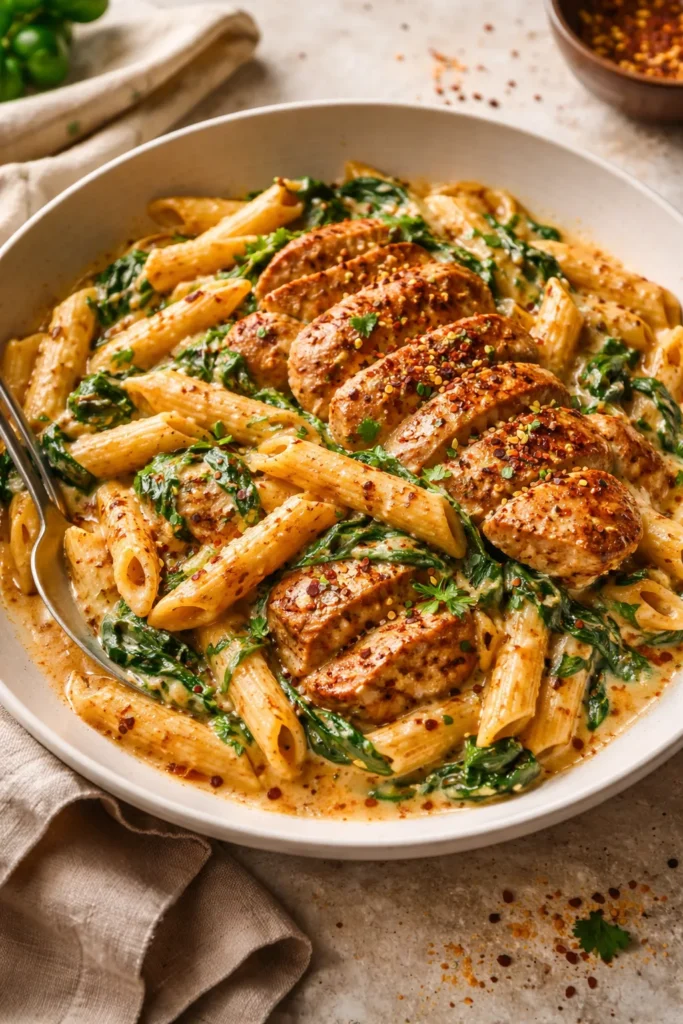
This dish earns its spot in heavy rotation because it checks every box: fast, deeply flavored, uses pantry staples, and feels indulgent without being complicated. Chicken breast or thighs get seasoned aggressively with Cajun spice — smoked paprika, cayenne, garlic powder, dried thyme, onion powder — seared hard in a hot skillet, then rested while you build a cream sauce in the same pan.
The fond left behind from the chicken (those golden bits stuck to the pan) is where the sauce gets its depth. Don’t wipe the pan.
The Sauce That Makes It
Sauté minced garlic and a diced onion in the remaining fat, deglaze with a splash of chicken stock, add heavy cream and a spoonful of Cajun seasoning, and let it reduce until it coats the back of a spoon. A handful of baby spinach stirred in at the end wilts in seconds and adds color without changing the flavor profile. Slice the rested chicken and serve it over penne or rigatoni with the sauce poured generously over the top.
Making It Your Own
- Add diced bell peppers — red and yellow — to the sauté for a sweeter, more colorful version
- Swap chicken for andouille sausage sliced into coins for a smokier, punchier take
- Use half-and-half instead of heavy cream if you want a lighter sauce (it’ll be thinner but still works)
- A squeeze of fresh lemon over the finished plate cuts through the richness and brightens everything
The real detail that matters: Season the pasta water until it tastes like mild seawater. Bland pasta drags the whole dish down, no matter how good your sauce is. And save a cup of pasta water before draining — a splash into the sauce helps it cling to the noodles.
4. Sheet Pan Chicken Thighs with Roasted Vegetables
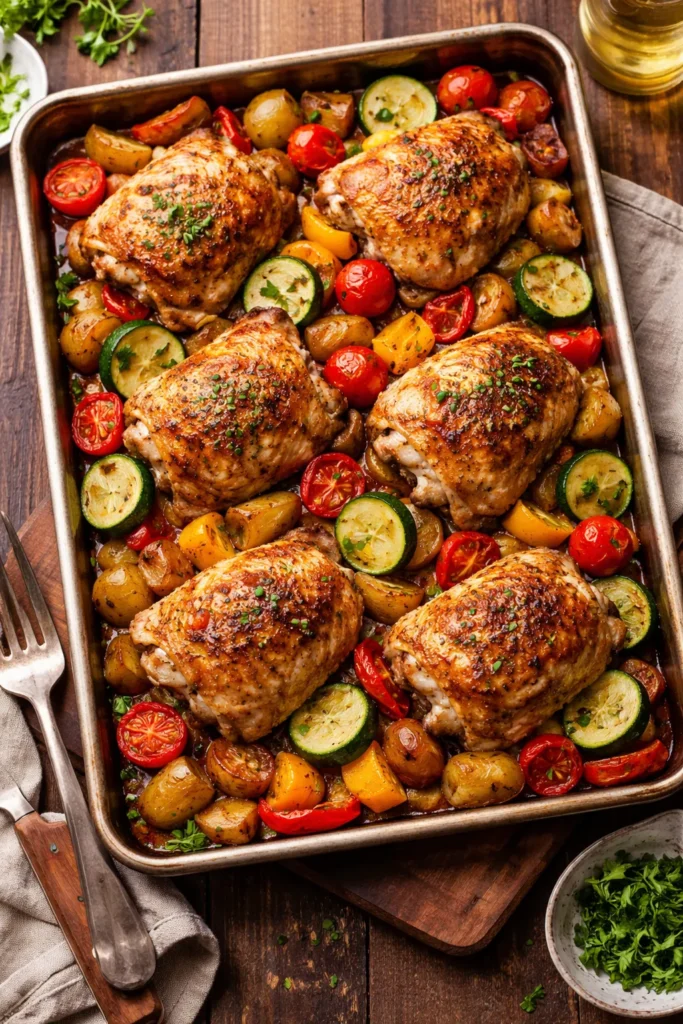
Sheet pan dinners have earned their reputation as the ultimate low-effort weeknight move, but on weekends, they become something you can actually be proud of with a bit more intentionality. Bone-in, skin-on chicken thighs are the star here — they’re more forgiving than breasts, stay juicy even if you overshoot the cook time by a few minutes, and develop genuinely crispy skin in a hot oven without any babysitting.
The trick is patting the skin completely dry with paper towels before seasoning. Any surface moisture steams the skin instead of crisping it, and you lose that shatteringly crisp finish.
The Vegetable Situation
Cut your vegetables into pieces that will finish at the same time as the chicken — roughly 25-30 minutes at 425°F. That means halved baby potatoes, thickly sliced bell peppers, chunks of zucchini, halved cherry tomatoes added in the last 10 minutes, or trimmed green beans. The vegetables roast in the rendered chicken fat, which is one of the best things that can happen to a vegetable.
Flavor Combinations Worth Trying
- Mediterranean: Lemon zest, dried oregano, garlic, olives added in the last 5 minutes, crumbled feta after baking
- Honey mustard: Equal parts Dijon and honey, smeared under the skin and over the vegetables before roasting
- Smoky paprika and garlic: Heavy on the smoked paprika, garlic powder, a touch of cumin — serve with a dollop of Greek yogurt
- Harissa: Toss everything in harissa paste thinned with olive oil for a North African warmth that’s bold without being intensely hot
Cleanup is one pan and a cutting board. That’s the whole weekend dinner dream right there.
5. One-Pot Beef Stroganoff
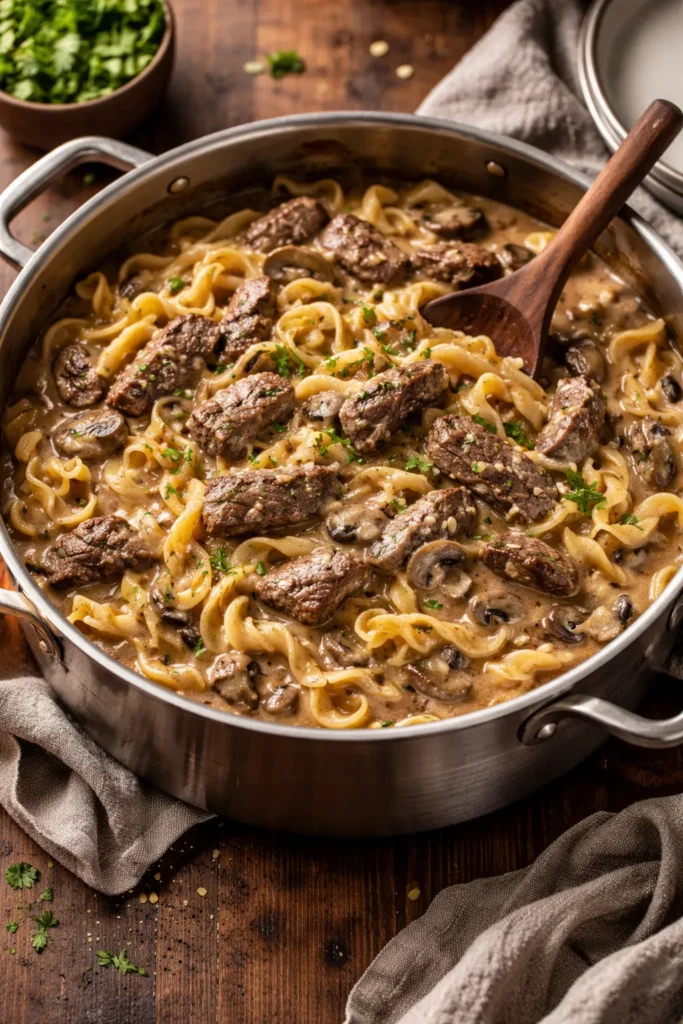
Few dishes strike that specific chord of rich, savory, deeply comforting quite the way beef stroganoff does. And the one-pot version — where you cook everything in a single wide pot or deep skillet — is the version that belongs on a relaxed weekend. Strips of sirloin or thin-cut ribeye get seared until browned, then mushrooms and onions cook down in the same pot, and egg noodles finish cooking directly in the sauce. No separate pasta pot. No colander. One pot and one cutting board.
The magic ingredient is sour cream, stirred in at the very end off the heat. Add it too early and it curdles; add it cold straight from the fridge into a screaming-hot sauce and you get a grainy, broken mess. Take the pot off the burner, let it sit for a full minute, then stir the sour cream in.
Why the Mushrooms Matter More Than You Think
Cremini mushrooms are the standard, but mixing cremini with shiitake adds a layer of earthy intensity that takes the dish somewhere more interesting. The key is not crowding the pan when you sear them — mushrooms packed in together steam and turn soggy instead of browning. Work in batches, don’t stir constantly, and let them go golden before moving on.
Building the Sauce
- Start with beef broth as the base — at least 2 cups
- A tablespoon of Worcestershire sauce adds a savory backbone
- A teaspoon of Dijon mustard adds sharpness without being identifiable
- Let the noodles cook in the broth so they absorb the flavor and thicken the sauce naturally as the starch releases
One generous pot feeds four easily and reheats well the next day with a splash of broth stirred in to loosen the sauce. Sometimes stroganoff is even better as leftovers once the flavors have had time to settle.
6. Homemade Pizza Night
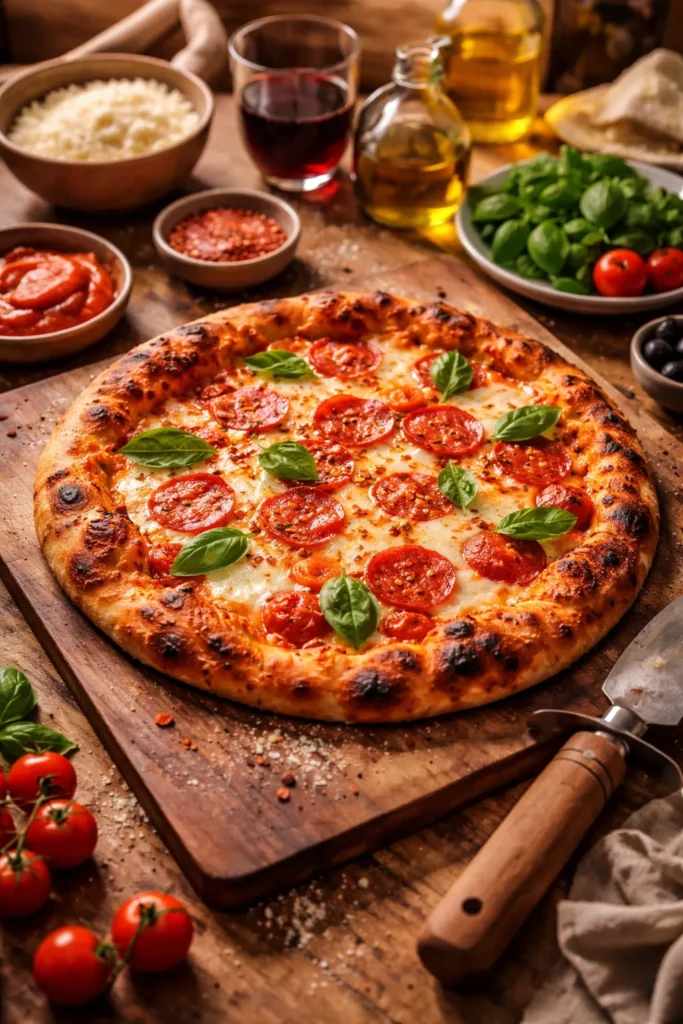
Pizza night has earned its place as one of the most beloved weekend rituals in home cooking, and for good reason — it’s interactive, infinitely customizable, and produces something that genuinely rivals a good pizzeria when you do it right. The secret most people overlook is oven temperature. Your oven needs to be as hot as it will go, and a pizza stone or steel placed on the lowest rack needs to preheat for a full 45-60 minutes before the pizza goes in. A cold stone produces a soft, pale, undercooked base. A hot one gives you that blistered, crackly bottom crust that makes homemade pizza worth making.
Using Store-Bought Dough Without Shame
There’s zero reason to make dough from scratch if you don’t want to. Most grocery stores sell fresh pizza dough balls in the deli section, and many Italian markets sell excellent versions for a couple of dollars. Let it sit at room temperature for 45 minutes before stretching — cold dough fights you, tears, and snaps back. Warm dough stretches into a thin, even round without resistance.
Topping Combinations That Work
- Classic margherita: San Marzano tomato sauce, fresh mozzarella torn by hand, basil added after baking — restraint is the whole point
- White pizza: Ricotta base with garlic, mozzarella, thinly sliced prosciutto laid on after baking so it doesn’t cook and toughen
- Mushroom and truffle: Sautéed mushrooms, fontina cheese, a drizzle of truffle oil after baking, fresh thyme
- Spicy honey and pepperoni: Classic red sauce, mozzarella, pepperoni, hot honey drizzled straight from the jar after the pizza comes out of the oven
The detail that gets overlooked: Dress the pizza minimally. Too many toppings = too much moisture = soggy center. Restraint always wins on pizza.
7. Slow-Braised Short Ribs
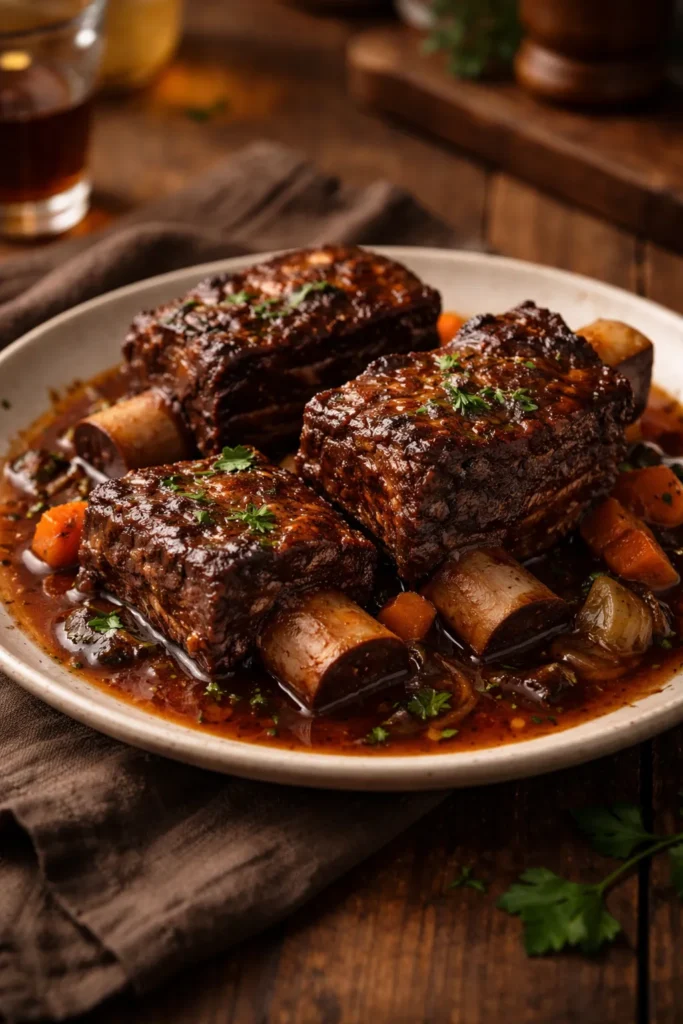
This is the weekend dinner for the nights when you want to feel like a serious cook without actually doing much work. Bone-in beef short ribs get seared hard in a Dutch oven, then braised low and slow in red wine, beef stock, aromatics, and herbs for 3 to 3.5 hours until the meat is falling off the bone in silky, gelatinous ribbons. The oven does everything after the first 20 minutes. You just wait.
The sear is important — don’t skip it or rush it. Pat the ribs completely dry, season aggressively with salt and pepper, and sear in batches in a hot, oil-coated Dutch oven until deeply browned on all sides. This is where flavor builds. The Maillard reaction happening on the surface of the meat is what gives the eventual braise its complexity.
Building the Braise
- Sauté diced onion, carrot, and celery in the rendered fat until softened
- Add tomato paste and cook until it darkens slightly and sticks to the bottom — about 2 minutes
- Pour in a full bottle of red wine (something drinkable but not expensive) and reduce by half
- Add beef stock to nearly cover the ribs, tuck in fresh thyme, a bay leaf, and a few smashed garlic cloves
- Cover and braise at 325°F — low enough that the liquid barely simmers
Serving Suggestions
Creamy mashed potatoes are the classic pairing, and the braising liquid reduced in the pot until syrupy becomes the sauce. Polenta is a fantastic alternative — soft, buttery, and just as capable of catching that rich, wine-dark sauce. A sprinkle of fresh grated horseradish or a handful of fresh herbs over the top right before serving cuts through the richness.
8. Cajun Sausage and Rice Skillet
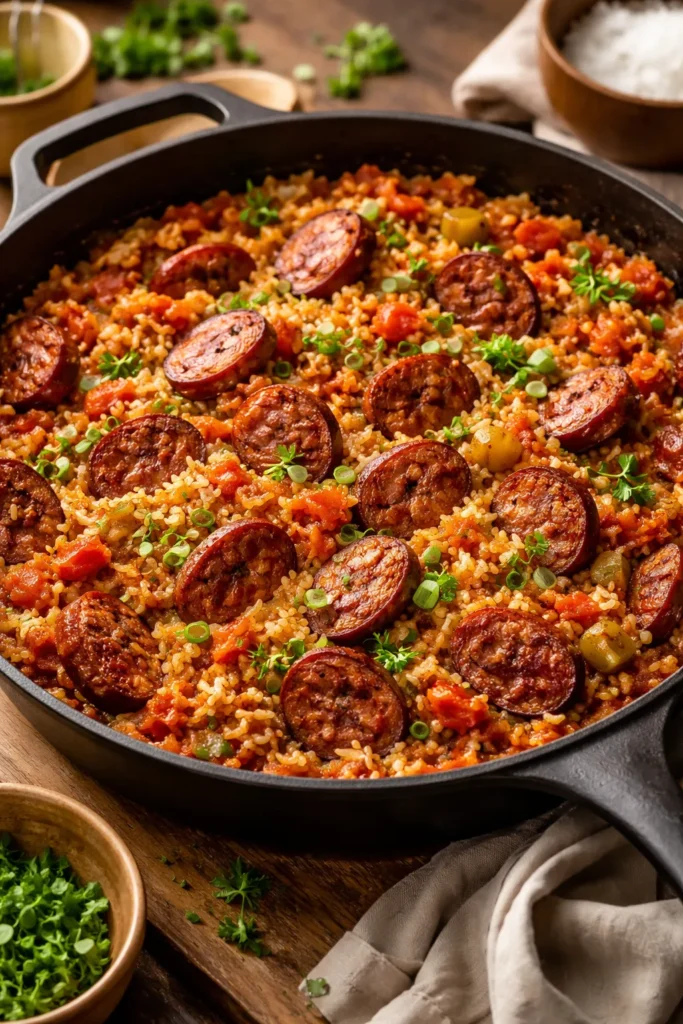
On the chill-night spectrum, this dish sits firmly at the maximum reward for minimum effort end. One skillet. 45 minutes. Four to five servings. Andouille sausage is the backbone here — its smoky, spiced flavor does most of the seasoning work before you’ve added anything else. Slice the sausage into coins and brown them in a wide skillet until caramelized, then build a simple Cajun-spiced tomato base around it and cook rice directly in the same pan so it absorbs every bit of that sausage-scented flavor.
Why Andouille Is Non-Negotiable (But Kielbasa Works)
Andouille has a smokiness and spice level that’s genuinely different from other smoked sausages. It’s what gives the dish its Cajun identity. That said, kielbasa is an excellent swap — it’s milder and more widely available, and while the final flavor profile shifts slightly, it’s still deeply satisfying. Chorizo (Spanish, not fresh Mexican) is another strong option that adds a paprika-forward richness.
The One-Skillet Technique
- Brown sausage first, set aside, and build the rest of the dish in the rendered fat
- Onion, bell pepper (green and red), and garlic go in next — cook until soft
- Add diced tomatoes, chicken stock, Cajun seasoning, and uncooked long-grain white rice
- Bring to a boil, reduce to a low simmer, cover and cook for 18-20 minutes until the rice has absorbed the liquid
- Return the sausage, fold through, and let everything rest covered for 5 minutes before serving
Garnish with sliced green onions and a drizzle of hot sauce. This reheats beautifully the next day, which means lunch is already sorted.
9. Honey-Glazed Baked Salmon with Garlic Butter
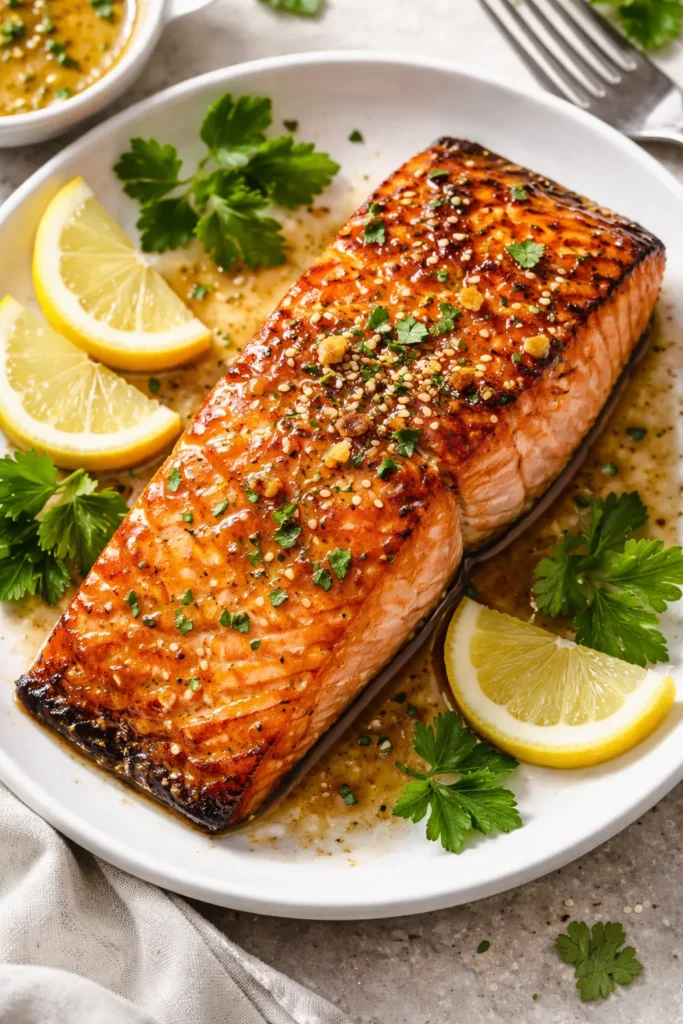
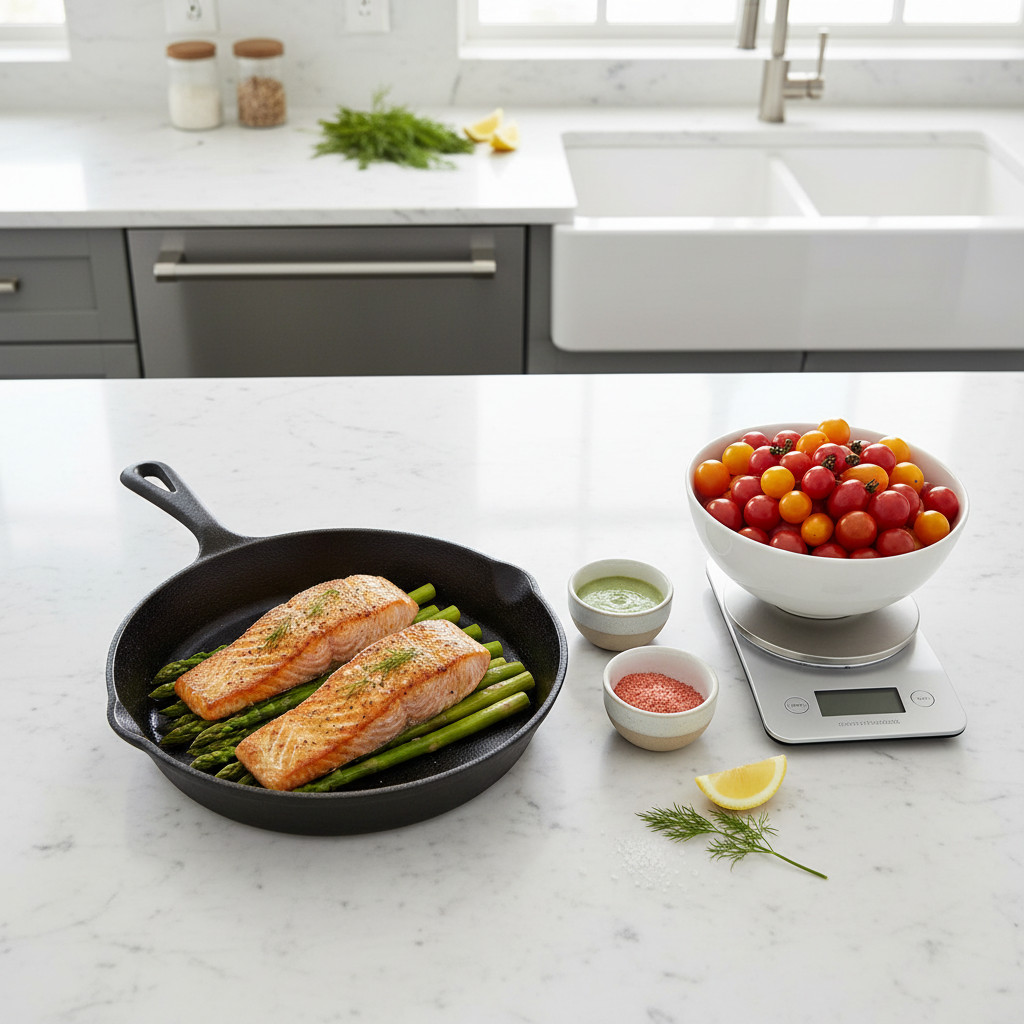
Salmon is one of the most forgiving proteins you can cook at home, which makes it perfect for relaxed weekend cooking when you want something that feels a little elevated without the technical anxiety. A thick fillet — ideally with the skin on, which protects the bottom from overcooking — gets brushed with a honey-soy-garlic glaze and roasted at high heat until just cooked through and glossy.
The internal temperature to know is 125°F to 130°F for medium, 140°F for fully cooked. Most people overcook salmon by leaving it until it flakes aggressively at the thickest part. Pull it just as it starts to flake, and it’ll carry over to perfection as it rests for a few minutes.
The Glaze That Makes It
Mix equal parts honey and soy sauce — about 2 tablespoons each — with a minced garlic clove, a teaspoon of sesame oil, and a small pinch of red pepper flakes. Spoon half over the salmon before roasting at 400°F, then spoon the remaining glaze on with 5 minutes left in the cook time. The sugars caramelize in the hot oven and create a sticky, lacquered surface that’s genuinely beautiful.
Sides That Come Together While the Salmon Cooks
- Steamed jasmine rice started before the salmon goes in — they finish at the same time
- Quick sautéed bok choy or broccolini with garlic and a drizzle of sesame oil
- Sliced cucumbers with rice vinegar, a pinch of sugar, and sesame seeds
- Roasted asparagus laid on the same sheet pan as the salmon, drizzled with olive oil and sea salt
A note on buying salmon: Wild-caught sockeye or king salmon has a deeper color and richer flavor than farmed Atlantic. Either works in this recipe, but the wild varieties have a more pronounced, almost mineral depth that pairs brilliantly with the sweet glaze.
10. Chicken and Dumplings
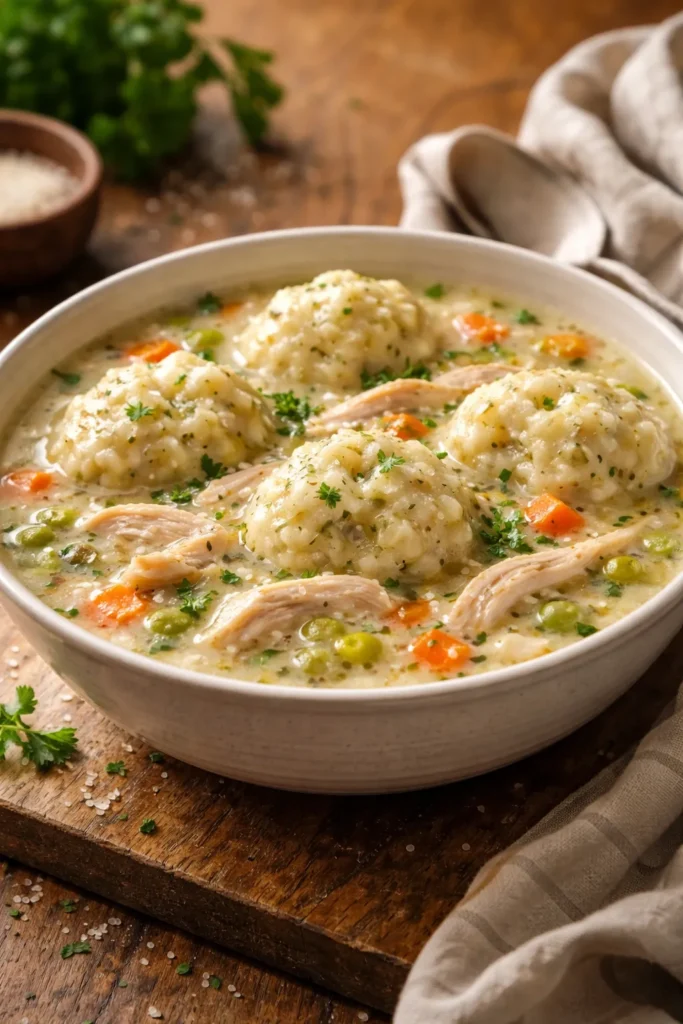
This dish is pure comfort in the most unapologetic way possible, and weekends are the right time to make it. A rich, creamy chicken broth base is loaded with shredded chicken and vegetables, and soft, pillowy drop dumplings are cooked directly in the simmering soup — no rolling, no cutting, no special equipment. Just dropping spoonfuls of a simple batter into the pot and watching them puff into tender, doughy pillows in about 15 minutes.
The dumplings are what make or break the dish. The batter is built from flour, baking powder, salt, butter, and whole milk — very close to a biscuit dough, just wetter. Don’t overmix it. Stir until just combined, even if there are a few lumps. Overmixed dumplings turn dense and chewy instead of light and tender.
Building the Broth
- Start with good chicken stock — homemade is best, a quality store-bought carton works fine
- Sauté diced onion, carrots, and celery in butter until softened
- Add flour to make a quick roux, then whisk in stock for a velvety, lightly thickened base
- Rotisserie chicken, pulled into large pieces, is perfect here — the flavor is already developed and it shreds cleanly
The Dumpling Details
Drop rounded tablespoons of batter onto the surface of the simmering soup, leaving an inch of space between each one. Cover the pot completely and don’t lift the lid for 12-15 minutes. The steam inside is what cooks the tops of the dumplings — lift the lid too early and they go flat. When the timer goes off, test one with a toothpick; it should come out clean from the center.
Serve straight from the pot into deep bowls with a crack of black pepper and a handful of fresh parsley. It feeds a crowd and warms you from the inside out.
11. Creamy Mushroom and White Wine Pasta
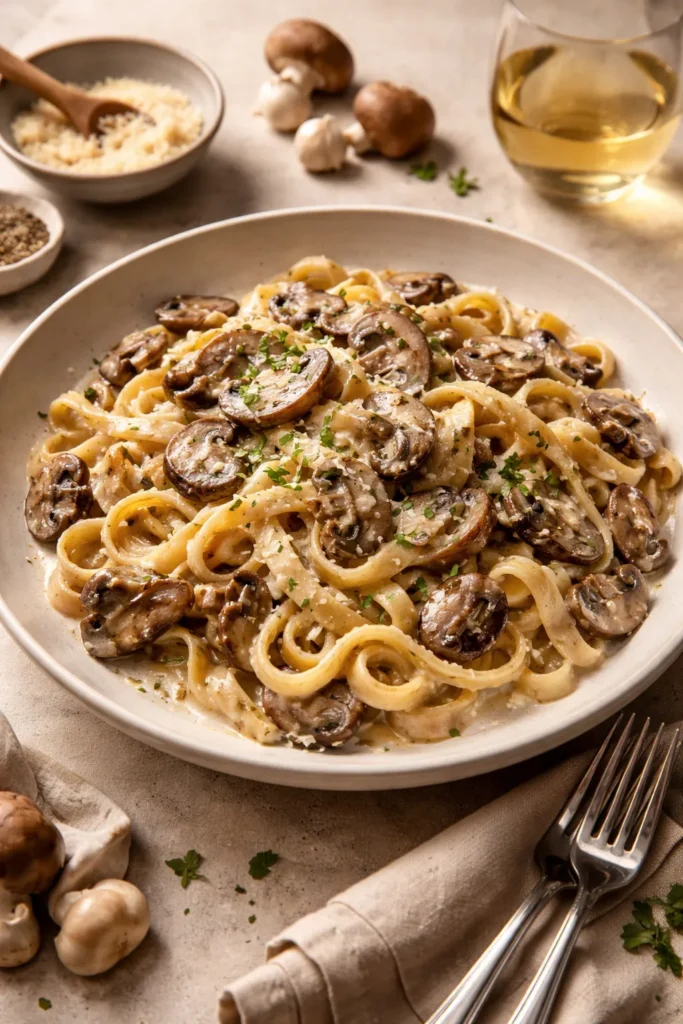
This is the dinner for when the fridge is looking sparse but you still want something that feels genuinely satisfying and put-together. A mix of mushrooms — cremini, shiitake, oyster if you can find them — gets cooked down in butter and olive oil until deeply golden and concentrated, then deglazed with white wine that sizzles up immediately and fills the kitchen with that specific, intoxicating smell. Heavy cream goes in next, pasta gets cooked in the same large pot (or separately if you prefer), and everything comes together in a glossy, rich sauce that clings to every curve of rigatoni or pappardelle.
Why a Mix of Mushrooms Is Worth the Effort
Using only one type of mushroom produces a dish that tastes flat and one-dimensional, even if it looks fine. Cremini gives earthiness and bulk. Shiitake adds an almost meaty depth and slightly smoky note. Oyster mushrooms bring a delicate, almost seafood-adjacent flavor and feathery texture. Even just cremini and shiitake is a dramatic improvement over cremini alone. Most grocery stores carry all three.
The White Wine Trick
The wine doesn’t need to be expensive, but it should be something you’d drink — the flavor concentrates as it reduces, so cheap, harsh wine makes a sharp, harsh sauce. A dry white like Pinot Grigio or unoaked Chardonnay works perfectly. Pour about half a cup in after the mushrooms have browned, let it bubble and reduce by half, then add the cream.
- Add a minced shallot with the mushrooms for a subtle, sweet depth
- Stir in a tablespoon of white miso paste with the cream for a savory, umami layer that people will ask about
- Finish with freshly grated Parmesan and a squeeze of lemon to lift the whole thing
- A handful of fresh thyme leaves or chopped parsley adds freshness
12. Build-Your-Own Taco Night
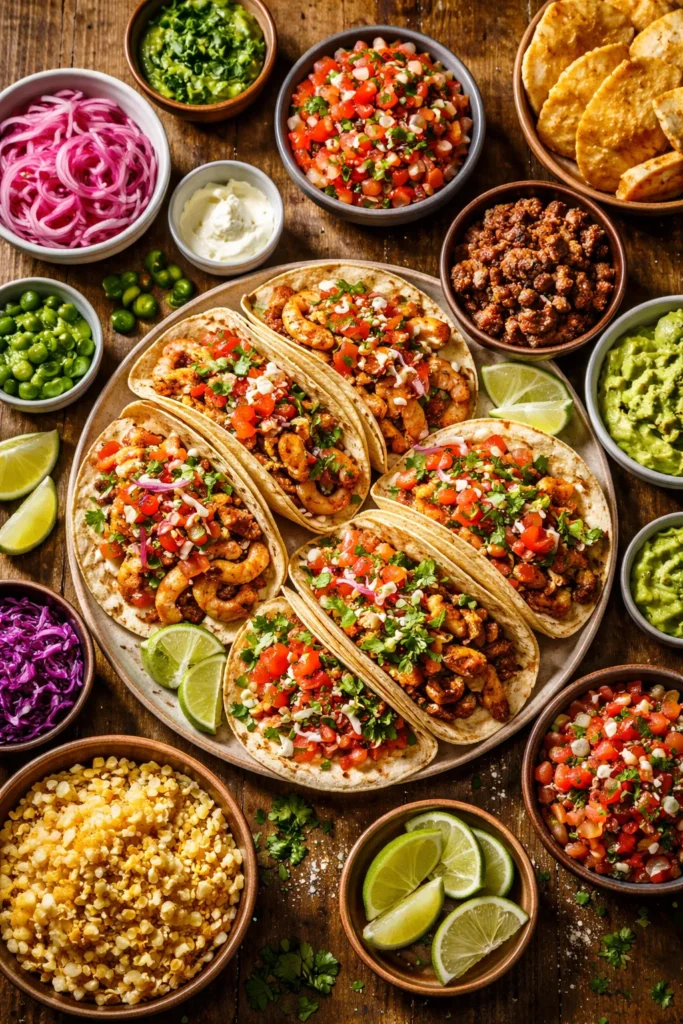
Taco night might be the closest thing to a guaranteed crowd-pleaser that exists in home cooking. It’s interactive, it scales effortlessly, and the prep can be spread out over an hour so it never feels rushed. The real secret to a taco night that actually impresses people isn’t the protein — it’s the quality and variety of the toppings. Anybody can heat up ground beef with a seasoning packet. What separates a memorable taco night is the pickled onions you made two hours earlier, the chipotle crema drizzled over the top, and the charred corn salsa that took 12 minutes to throw together.
The Protein Options Worth Making
Ground beef seasoned with cumin, ancho chili powder, garlic powder, and a splash of beef stock is the reliable classic. But weekends allow you to do better. Carne asada — thinly sliced flank steak marinated in lime juice, orange juice, garlic, and cumin, then grilled or seared hot — is next level and takes only 15 minutes of active work after marinating. Spiced chicken thighs cooked in a skillet and shredded are equally good, and if you want to go vegetarian, crispy roasted chickpeas tossed in chipotle and lime are legitimately satisfying.
The Toppings That Elevate Everything
- Quick pickled red onions: Thinly sliced red onion, submerged in equal parts lime juice and red wine vinegar with a pinch each of salt and sugar — ready in 30 minutes and shockingly good
- Chipotle crema: Sour cream blended with a chipotle pepper in adobo sauce, a squeeze of lime, a pinch of garlic powder — done in 2 minutes
- Pico de gallo: Diced tomato, white onion, jalapeño, cilantro, lime juice, salt — made fresh the same day
- Crumbled cotija or queso fresco, avocado slices or guacamole, thinly shredded cabbage for crunch
- Warm corn tortillas, charred directly over a gas burner for 15-20 seconds per side
The one thing that makes the biggest difference: Warm your tortillas. Cold tortillas crack and tear and make the whole experience worse. Wrap a stack in a damp paper towel and microwave for 30 seconds, or char them individually over a flame for a smoky, slightly crispy edge. It changes everything.
Final Thoughts

The best weekend dinner isn’t necessarily the one that took the longest or required the most skill. It’s the one that left you relaxed, fed everyone well, and maybe even made the kitchen smell incredible for a few hours. That’s the whole point.
A few of these dinners — the short ribs, the chicken and dumplings, the pizza night — lend themselves to a longer, lazier approach where the cooking becomes part of the evening’s entertainment. Others, like the Cajun sausage skillet or the salmon, are genuinely quick and exist for the nights when “chill” means getting to the couch faster. Pick based on your energy level, not some external standard.
What ties all 12 together is the understanding that good food on the weekend doesn’t need to be complicated — it just needs to be intentional. Good ingredients, the right technique for each dish, and a willingness to pay attention at the moments that actually matter. Everything else takes care of itself.