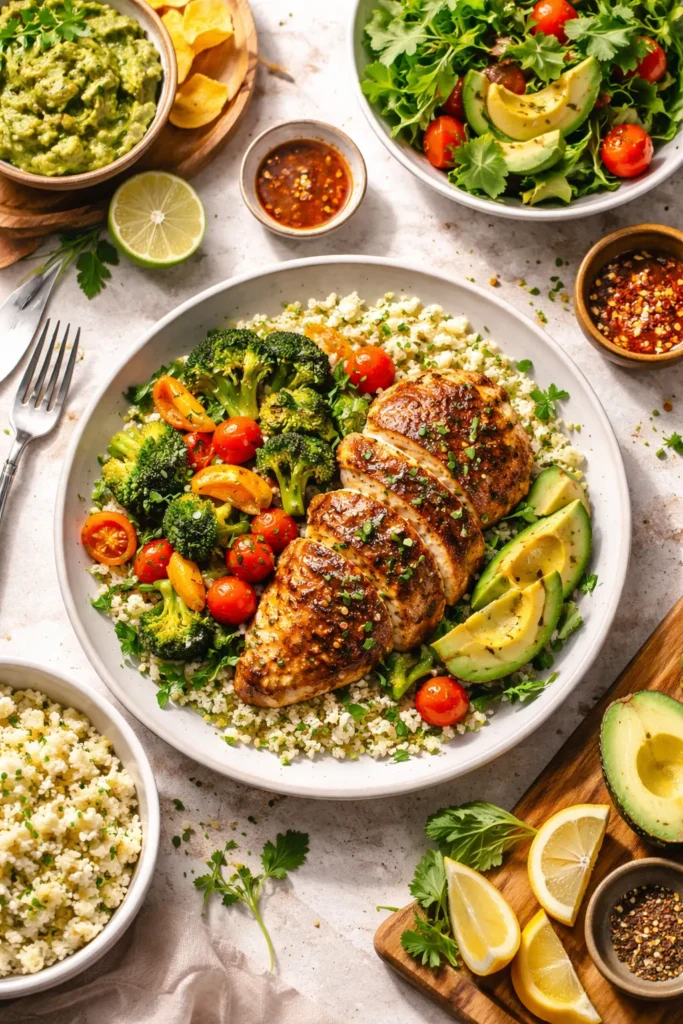
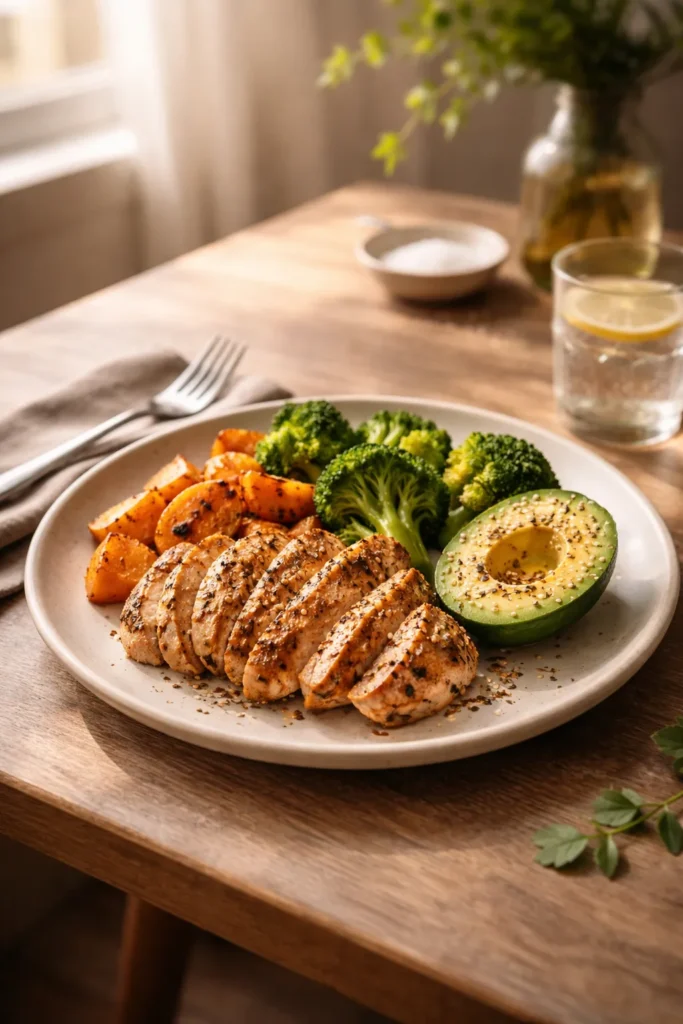
There’s a version of paleo eating that gives the whole approach a bad name. Plain baked chicken breast. A pile of steamed broccoli. Half an avocado on the side. Repeat five nights a week until you crack and order a pizza.
That’s not a paleo dinner. That’s a punishment.
The actual potential of eating paleo — no processed foods, no refined sugar, no grains or legumes — is that it forces you to get creative with whole ingredients. And whole ingredients, when you know how to cook them, produce some of the most deeply flavored, satisfying meals you’ll eat all week. The issue isn’t the diet. The issue is that most people default to the same four “safe” ingredients and wonder why they’re bored by Thursday.
What follows is a collection of eight paleo dinners that prove the approach has absolutely no business being dull. Each one draws on bold sauces, real technique, and layers of flavor that could easily hold their own against any takeout menu. A few come together in under 30 minutes. All of them are completely worth making on a weeknight.
Table of Contents
- Why Paleo Dinners Feel Boring — and How to Fix That
- The Flavor Tools That Matter Most
- The Substitution Mindset
- The Pantry Staples That Make All Eight of These Dinners Possible
- 1. Thai Basil Beef Over Cauliflower Rice
- The Sauce That Does All the Work
- Why Cauliflower Rice Works Here Specifically
- 2. Tuscan Garlic Shrimp with Zucchini Noodles
- Building the Sauce Without the Dairy
- Zucchini Noodles Done Right
- 3. Honey Garlic Salmon in a Cast Iron Skillet
- Sear First, Finish Gently
- Roasted Vegetables as the Complete Meal
- 4. Egg Roll in a Bowl
- The Sauce That Tastes Like Takeout
- Why This One Converts Skeptics
- 5. One-Skillet Sweet and Sour Meatballs
- The Sauce From Scratch
- Serving This Well
- 6. Coconut Chicken Curry
- Building the Curry Base
- Finishing Touches That Elevate the Whole Pot
- 7. Harissa Meatball Shakshuka
- Getting the Eggs Right
- Why Harissa Is the Key Ingredient
- 8. Tamarind-Glazed Salmon with Coconut Herb Salad
- The Coconut Herb Salad That Makes This Dish
- Plating This Simply
- Making Paleo Dinners a Consistent Habit
- Final Thoughts
Why Paleo Dinners Feel Boring — and How to Fix That
The boringness problem isn’t unique to paleo. It shows up in every restrictive eating pattern, and it always comes from the same place: cooking ingredients rather than cooking dishes. There’s a mental shift that needs to happen when you remove certain pantry staples.
When pasta, soy sauce, cheese, and bread are off the table, your first instinct might be to reach for plain protein and raw vegetables. But the better move is to think about what makes food exciting in the first place — and it’s never the noodle or the bun. It’s acid, heat, fat, aromatics, and texture.
The Flavor Tools That Matter Most
Coconut aminos replace soy sauce with a slightly sweeter, umami-rich depth that works in stir-fries, marinades, and dipping sauces. Fish sauce — yes, it smells aggressive straight from the bottle — adds a savory backbone to Thai and Southeast Asian dishes that no other ingredient replicates. Tamarind concentrate brings a bright, sweet-tart complexity to glazes and braises. Harissa, fresh ginger, lemongrass, sumac, za’atar: these aren’t exotic extras. They’re the difference between a meal you tolerate and one you actually want to eat again.
The Substitution Mindset
Zucchini noodles, cauliflower rice, and spiralized cucumber aren’t consolation prizes. They’re blank canvases that absorb whatever sauce or seasoning you put on them — sometimes better than the original because they don’t compete. A spicy Thai basil beef sauce over cauliflower rice tastes just as good as it does over jasmine rice. A bold coconut curry over zucchini noodles is lighter and lets the sauce actually be the star.
Once you stop comparing substitutions to what they replace and start judging them on their own merit, paleo cooking gets a lot more interesting.
The Pantry Staples That Make All Eight of These Dinners Possible
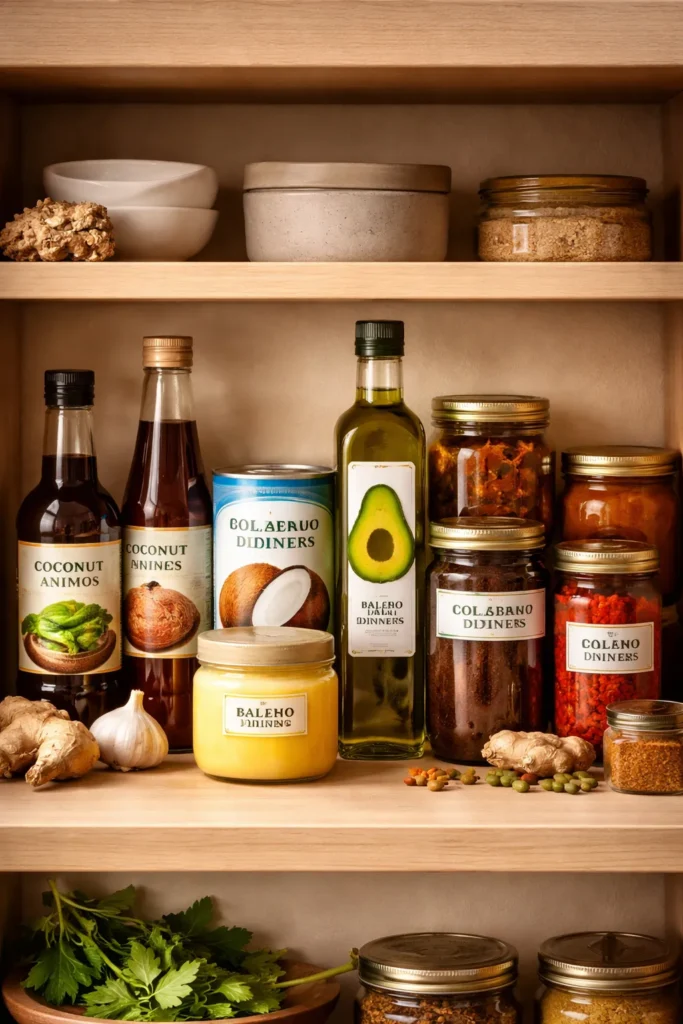
Before the recipes, a quick note on what to keep stocked. Having these on hand means you can pull off any of the following eight dinners without a special grocery run.
- Coconut aminos — non-negotiable for umami depth in everything from stir-fries to glazes
- Fish sauce — small bottle, enormous impact on Southeast Asian and fusion dishes
- Canned full-fat coconut milk — the base of curries, creamy sauces, and braising liquids
- Ghee — handles high heat without burning and adds a rich, nutty flavor butter can’t quite match
- Avocado oil — neutral, high smoke point, ideal for searing and roasting
- Tamarind paste or concentrate — for glazes and braises with sweet-sour complexity
- Harissa paste — jarred North African chile paste that does the heavy lifting in a dozen different dishes
- Ground cumin, smoked paprika, turmeric, cinnamon — the warm spice foundation for everything else
Stock these once, and the eight dinners below become pantry-friendly rather than grocery-list dependent.
1. Thai Basil Beef Over Cauliflower Rice
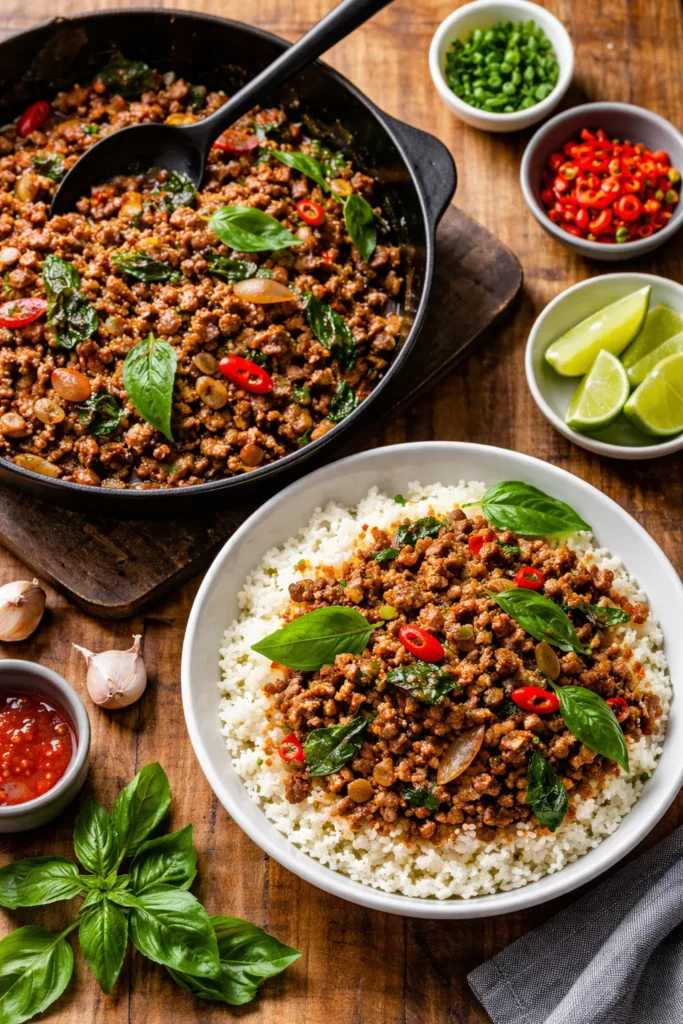
Thai basil beef — pad gra prow — is one of the most boldly flavored 25-minute meals in existence, and it’s paleo-friendly without changing a single meaningful thing about the dish.
The recipe centers on ground beef or thinly sliced flank steak cooked hot and fast in a screaming-hot wok or skillet. You need the pan to be properly hot — not warm, not medium-high, but actually hot — because that’s what creates the caramelized, slightly charred edges on the meat rather than a gray, steamed-looking pile. Add thinly sliced shallots, minced garlic, and bird’s eye chiles at the start, cook for 90 seconds until fragrant, then add the beef and let it sit for a full minute before stirring.
The Sauce That Does All the Work
The sauce is simple but specific: coconut aminos, fish sauce, and a small amount of raw honey whisked together before you add the meat. That ratio of salty-savory-sweet is what makes the dish so compulsive. Pour it over the beef in the last two minutes of cooking and let it reduce until glossy and slightly caramelized at the edges.
The finishing touch is a full cup of fresh Thai basil leaves — regular Italian basil works but is noticeably milder — thrown in right at the end, off the heat, and folded through until just wilted. The herbal fragrance that hits when the leaves hit the hot pan is genuinely one of the better things that can happen in a kitchen on a Tuesday night.
Why Cauliflower Rice Works Here Specifically
Cauliflower rice made from fresh or frozen riced cauliflower, cooked in ghee with a pinch of salt until the moisture evaporates, gives you exactly what this dish needs: a neutral, slightly textured base that soaks up the sauce without competing with the beef or the basil. A fried egg on top is optional but strongly encouraged — it’s traditional, and the runny yolk mixing into the sauce takes the whole thing to another level.
Worth knowing: The heat level is genuinely variable. One bird’s eye chile gives you a background warmth. Three will make you sweat. Start at two if you’re unsure, taste before serving, and add fresh sliced chile on top for anyone who wants more.
2. Tuscan Garlic Shrimp with Zucchini Noodles
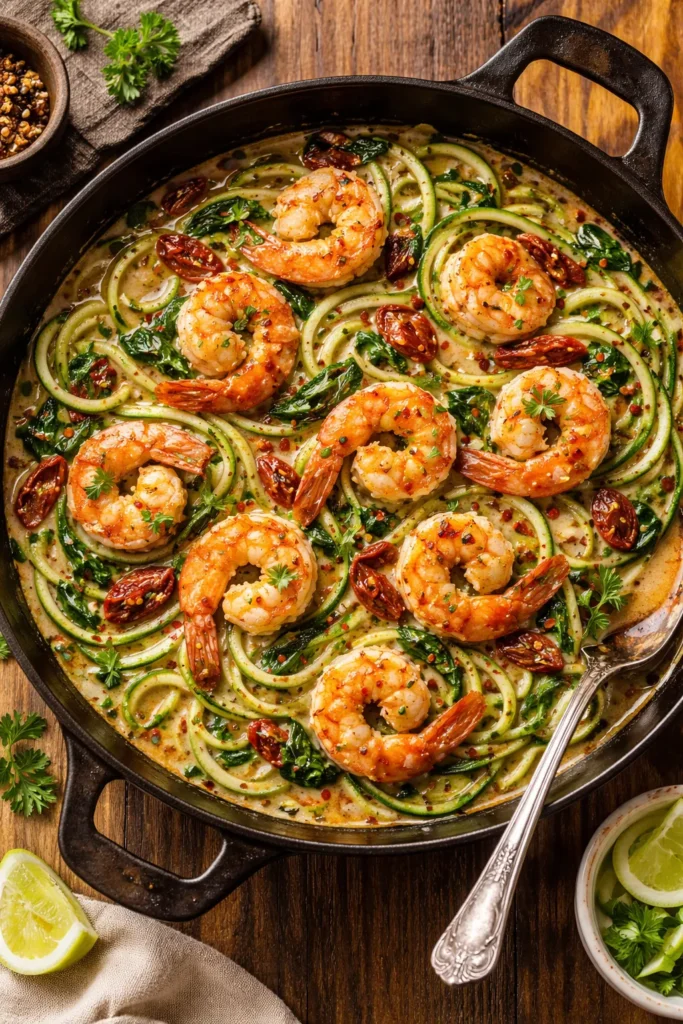
There are creamy pasta dishes, and then there’s this — a coconut milk–based garlic shrimp that replicates the richness and satisfaction of a cream sauce without any dairy in sight.
Large raw shrimp, peeled and deveined, go into a hot skillet with ghee for about 90 seconds per side until pink and just cooked through. Pull them out before they overcook — shrimp take 30 seconds to go from perfect to rubbery, so don’t walk away. The sauce builds in the same pan: sliced garlic, sun-dried tomatoes packed in olive oil (drain most of the oil), and a generous pour of full-fat coconut milk.
Building the Sauce Without the Dairy
The coconut milk reduces down by about a third over medium heat, picking up the garlic and sun-dried tomato flavor as it goes. A big handful of fresh spinach goes in at the end, wilts in about 60 seconds, and the shrimp go back in to warm through. The result is genuinely creamy — not a pale imitation of cream, but a rich, slightly sweet sauce that clings to everything it touches.
Season assertively with salt, black pepper, and a squeeze of fresh lemon juice to cut through the richness. Fresh chopped basil on top is non-negotiable if you have it.
Zucchini Noodles Done Right
The biggest mistake with zucchini noodles is cooking them in the sauce. They release a significant amount of water as they heat, which will thin your sauce and make everything watery and sad. Instead, toss the spiralized zucchini in a hot dry pan for 2-3 minutes with a pinch of salt — just enough to warm them through and cook off some moisture — then plate them separately and spoon the shrimp and sauce directly on top. That single step keeps the sauce at the right consistency and the noodles from turning to mush.
Pro tip: If you spiralize your own zucchini, salt it lightly and let it sit in a colander for 10 minutes before cooking. You’ll be surprised how much liquid drains out, and the finished dish will be significantly less watery.
3. Honey Garlic Salmon in a Cast Iron Skillet
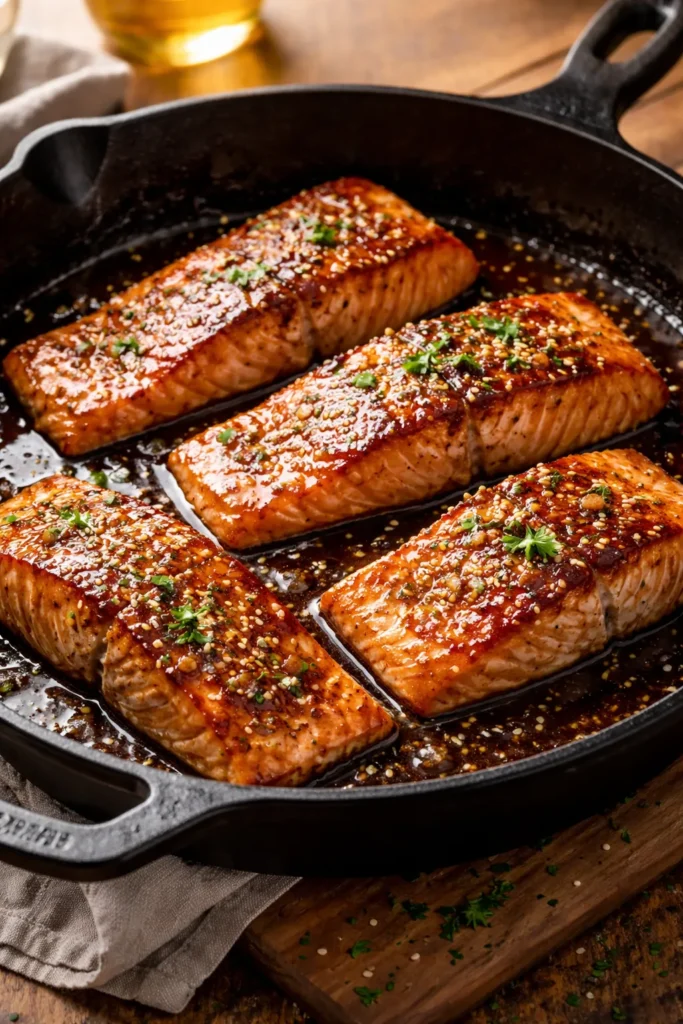
Salmon is the workhorse of paleo weeknight cooking — high in omega-3 fatty acids, done in 15 minutes, and forgiving enough for a beginner but rewarding enough to keep an experienced cook interested. The honey garlic version makes it genuinely craveable.
The glaze is four ingredients: raw honey, coconut aminos, minced garlic, and a splash of apple cider vinegar. Whisk them together, pour half over the salmon fillets and let them sit for 10 minutes while the skillet heats up. Cast iron is ideal here — it holds heat evenly, creates a better sear than a nonstick pan, and goes straight from stovetop to oven if you want to finish the salmon gently instead of wrestling with it on the stove.
Sear First, Finish Gently
Sear the salmon skin-side up in a hot cast iron with avocado oil for 3 minutes. Flip, pour the remaining glaze over the top, and either lower the heat and cover for 3-4 more minutes or slide the whole pan into a 400°F oven for 5 minutes. The glaze will caramelize and develop slightly charred, sticky edges while the center of the salmon stays just barely cooked through — the texture you want is opaque on the outside and just barely translucent at the thickest point in the center.
Roasted Vegetables as the Complete Meal
Roasted broccolini, asparagus, or a mix of root vegetables (beets, fennel, and sweet potato work together beautifully) take about 20 minutes at 425°F and can go into the oven before the salmon even hits the pan. The timing works out such that both finish within a few minutes of each other. Dress the vegetables with lemon juice and a little flaky salt right before serving — the brightness cuts through the sweetness of the glaze and ties the plate together.
4. Egg Roll in a Bowl
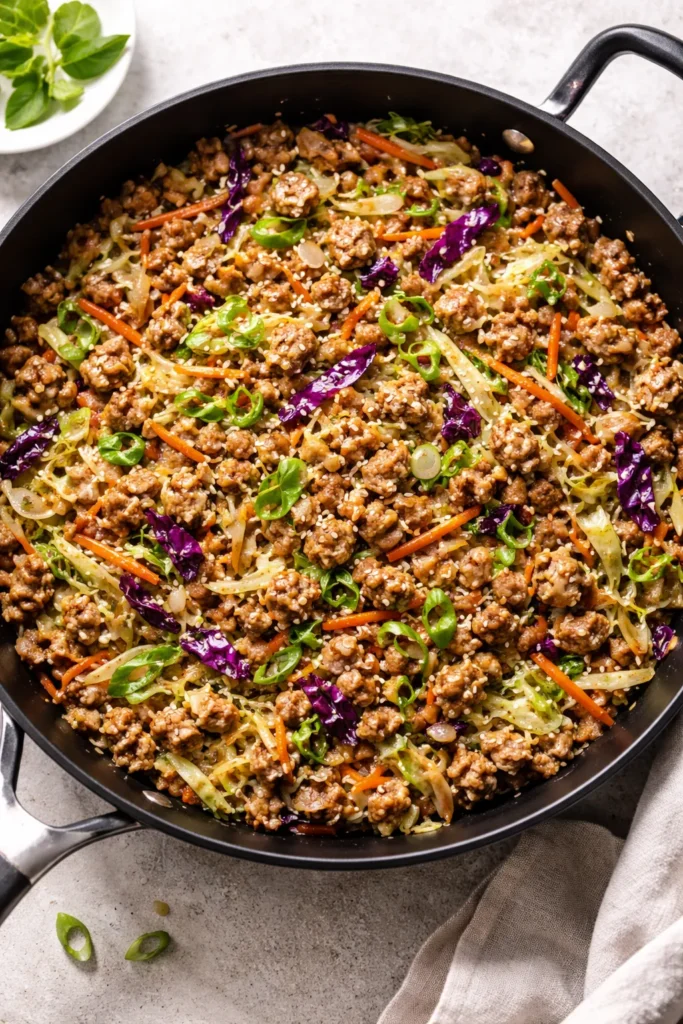
This might be the single most useful weeknight paleo dinner in existence. No spiralizing. No ricing. No special equipment. One skillet, 20 minutes, and you have something that genuinely tastes like the inside of an egg roll — which, honestly, is the best part anyway.
Ground pork is the traditional choice, but ground turkey or beef work equally well. Brown it in a hot skillet, breaking it up as it cooks, until fully cooked through and starting to crisp at the edges. Add minced garlic, fresh ginger (use a microplane if you have one — it makes a dramatic difference), shredded green cabbage, shredded red cabbage, and matchstick-cut carrots.
The Sauce That Tastes Like Takeout
The sauce: coconut aminos, fish sauce, sesame oil, and a pinch of white pepper. Pour it over everything, toss to coat, and cook for another 4-5 minutes until the cabbage is just tender but still has some bite. You want texture here — fully soft cabbage loses the whole point.
Top with sliced scallions, a drizzle of sriracha (technically not strict paleo, but many adherents allow it — if you need a strict substitute, thin some harissa with a bit of sesame oil), and a sprinkle of sesame seeds.
Why This One Converts Skeptics
This is reliably the paleo dish that people who are not eating paleo ask for the recipe for afterward. The combination of pork, ginger, cabbage, and that umami-forward sauce is genuinely satisfying in a way that doesn’t feel like you’re missing anything. It’s also one of the most budget-friendly paleo dinners you can make, which matters when you’re buying quality proteins.
Pro tip: Make a double batch and refrigerate half. It reheats in 5 minutes in the same skillet and is arguably better the next day once the flavors have had time to settle.
5. One-Skillet Sweet and Sour Meatballs
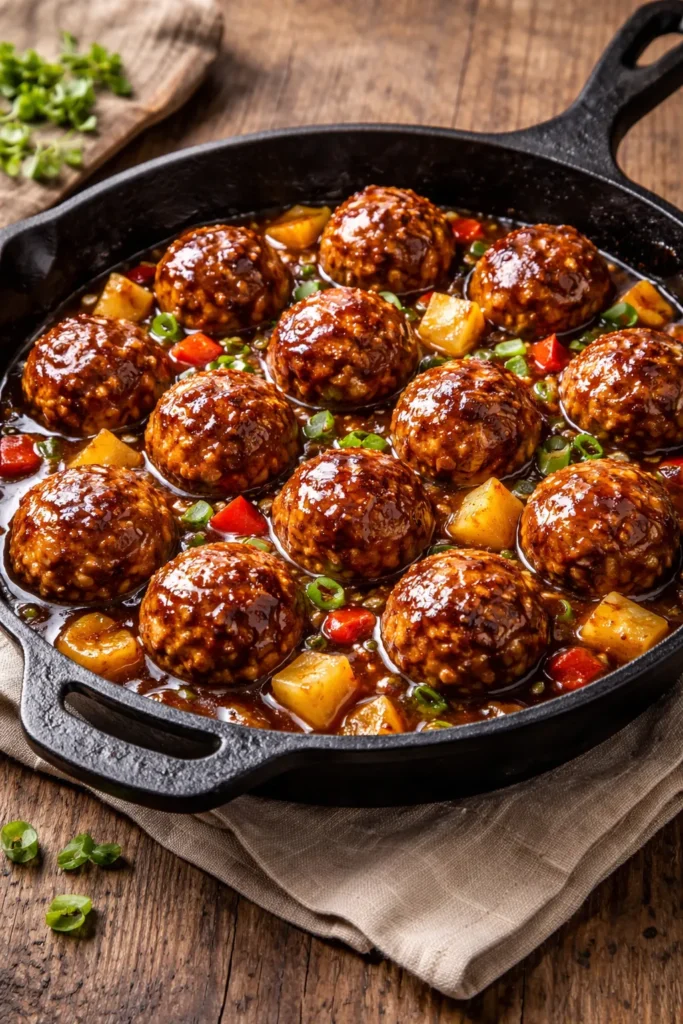
Meatballs are inherently satisfying — there’s something about a well-seasoned sphere of meat that feels like proper food in a way that a plain burger patty doesn’t. This sweet and sour version skips the grain-based binders and the canned corn syrup sauce in favor of something significantly better.
The meatball mix: ground beef or pork (or a combination), grated onion, minced garlic, an egg, a tablespoon of tapioca flour as a binder, salt, black pepper, and a pinch of ginger. Grated onion rather than diced means the onion essentially disappears into the meat while adding moisture and flavor — a technique worth borrowing for any meatball recipe. Roll into golf ball–sized rounds and brown on all sides in a hot skillet, then set aside while you build the sauce.
The Sauce From Scratch
The sweet and sour sauce is entirely paleo-friendly: coconut aminos, apple cider vinegar, raw honey, tomato paste, garlic, and fresh ginger cooked down until thickened. It takes about 8 minutes, comes together in the same skillet, and smells incredible. Add the meatballs back in, spoon the sauce over them, and let them finish cooking in the sauce for 5-6 minutes.
The result is sticky, glossy, and bold — genuinely better than any bottled sweet and sour sauce, and without the ingredient list that reads like a chemistry textbook.
Serving This Well
Cauliflower rice underneath catches all the sauce, which is really the point. Sliced scallions and toasted sesame seeds on top add freshness and texture. This is also a dish that works as a game-day spread or a party app — smaller meatballs on toothpicks with the sauce on the side for dipping.
6. Coconut Chicken Curry
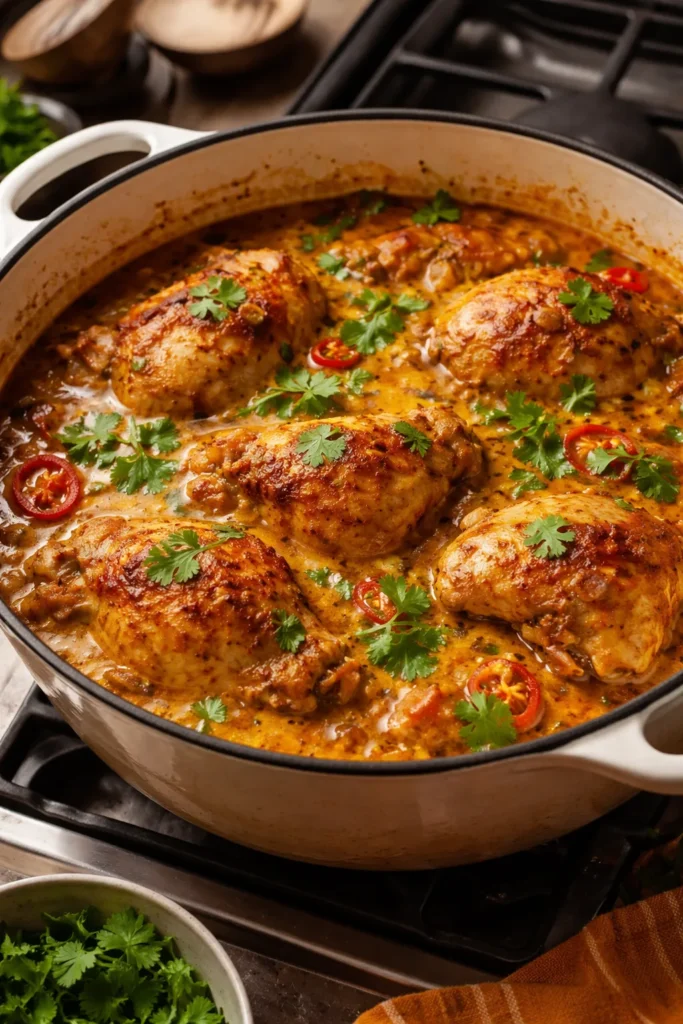
A good curry might be the most efficient delivery system for bold flavor in all of cooking. Everything goes into one pot, the spices do the heavy lifting, and the result is a dish that tastes like it took hours — even when it took 35 minutes.
Bone-in, skin-on chicken thighs produce a more flavorful curry than chicken breast because the fat renders into the sauce and keeps the meat from drying out during the simmer. But boneless thighs work if you’d rather skip the bones. Season the chicken with salt, cumin, and turmeric, then sear skin-side down in a Dutch oven or deep skillet with avocado oil until deep golden brown — about 5-6 minutes. Flip, cook 2 more minutes, and set aside.
Building the Curry Base
In the same pot, sauté diced onion until soft, then add minced garlic, fresh ginger, and a full tablespoon of good curry powder. Cook the spices for 90 seconds until they smell toasted and fragrant — this step is where most home cooks cut corners, and it’s the step that makes the difference between a flat curry and one with real depth.
Add diced tomatoes (canned is fine), a full can of coconut milk, and a teaspoon of fish sauce. Nestle the chicken back in, bring to a simmer, cover, and cook for 20 minutes. The chicken will finish cooking in the sauce, which develops the sauce flavor at the same time.
Finishing Touches That Elevate the Whole Pot
Stir in fresh spinach in the last 2 minutes until just wilted. Taste and adjust — it may need more salt, a squeeze of lime juice for brightness, or a pinch of cayenne if it needs more heat. Fresh cilantro and a wedge of lime on the plate are not optional garnishes here — they genuinely complete the dish by adding fresh herbal counterpoint to the richness of the coconut milk.
7. Harissa Meatball Shakshuka
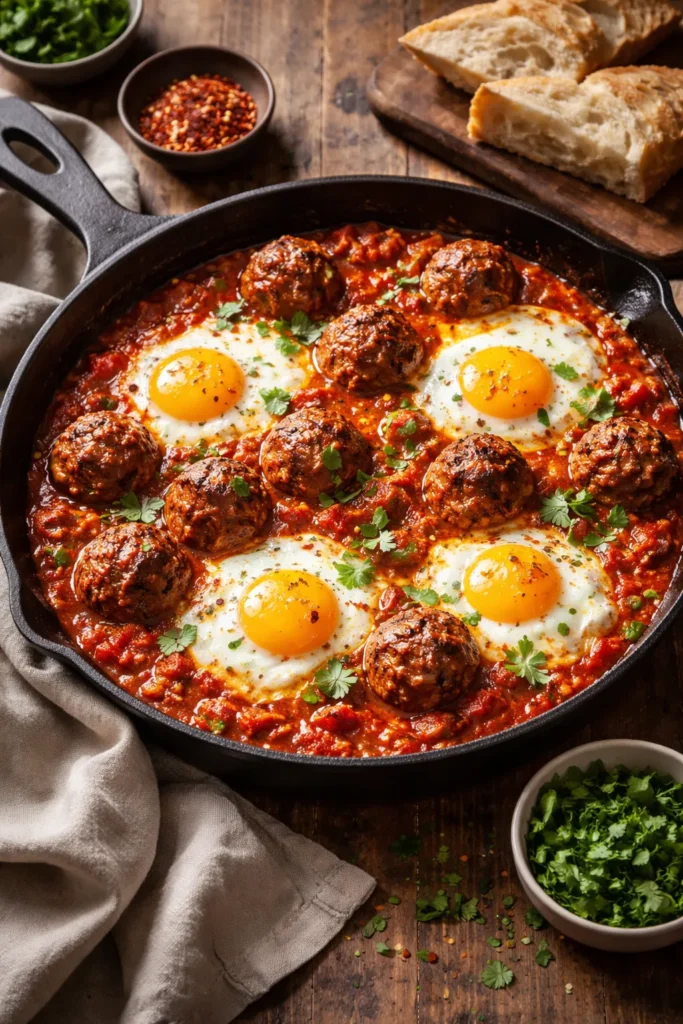
Shakshuka — eggs baked in spiced tomato sauce — is a deeply satisfying dinner that feels indulgent while being entirely paleo. Adding meatballs turns it from a side-dish impression into a full, protein-forward meal.
Make small lamb or beef meatballs (season with cumin, coriander, smoked paprika, salt, and minced garlic), brown them quickly in an oven-safe skillet, and set them aside. In the same pan, cook down diced onion and red bell pepper in olive oil until soft. Add garlic, 2 tablespoons of harissa paste, a teaspoon of cumin, and cook for a minute. Pour in a 28-ounce can of crushed tomatoes, season generously, and simmer for 10 minutes.
Getting the Eggs Right
Nestle the meatballs back into the sauce, then use a spoon to create 4-6 wells in the sauce. Crack an egg into each well, season with salt and pepper, and either cover the pan and cook over low heat for 6-8 minutes or slide the whole skillet into a 375°F oven for 8-10 minutes. The goal is set whites with yolks that are still runny — watch carefully, because the window between undercooked and overcooked is narrow.
Why Harissa Is the Key Ingredient
Harissa is a North African chile paste built on roasted red peppers, chiles, garlic, caraway, coriander, and olive oil. It brings heat, sweetness, and a smokiness that generic hot sauce simply doesn’t replicate. The brand matters somewhat — Mina and Dea both make reliably good jarred versions that are paleo-friendly. Two tablespoons gives you noticeable heat without being aggressive; three tablespoons will make the sauce legitimately spicy.
Serve directly from the skillet at the table with fresh mint and a drizzle of good olive oil on top.
8. Tamarind-Glazed Salmon with Coconut Herb Salad
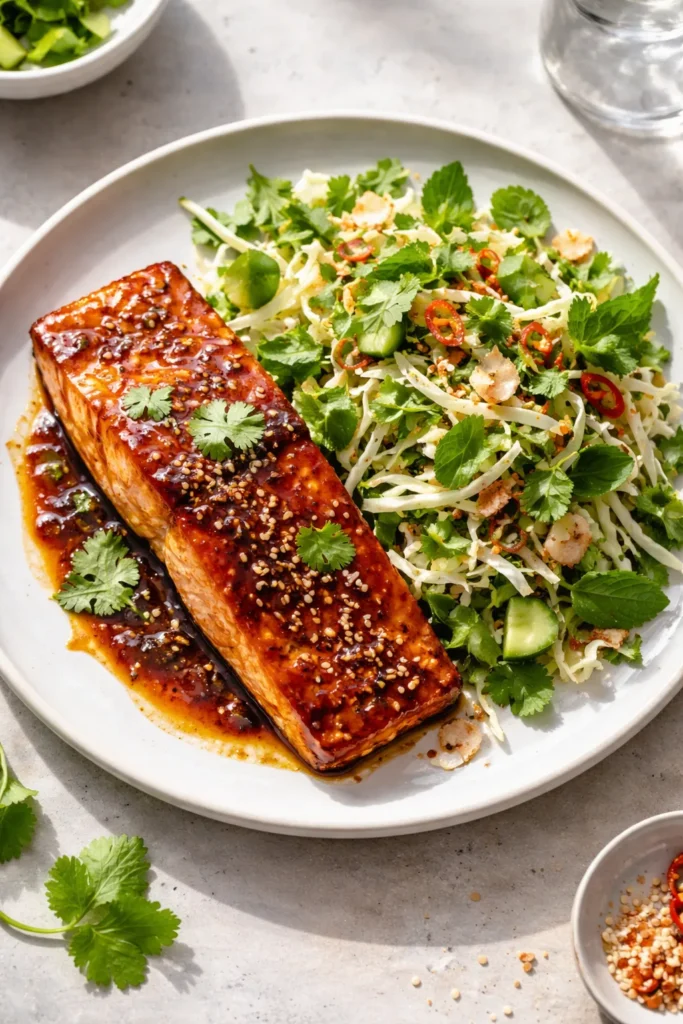
This is the dinner you make when you want something that looks and tastes restaurant-level but takes 25 minutes from fridge to table. The tamarind glaze adds a sweet-sour complexity that’s completely unlike anything else in the paleo cooking toolkit.
The glaze: tamarind concentrate, raw honey, fish sauce, and a pinch of cayenne. Whisk until smooth and use half to marinate the salmon for 10-15 minutes while you prep everything else. Sear the salmon glazed-side down in a hot oven-safe skillet for 3 minutes, flip, brush with remaining glaze, and finish in the oven at 400°F for 5-6 minutes.
The Coconut Herb Salad That Makes This Dish
While the salmon cooks, toss together: thinly sliced cucumber, fresh mint leaves, fresh cilantro, toasted unsweetened coconut flakes, thinly sliced red chili, and sliced scallions. Dress with lime juice, a tiny splash of fish sauce, and a drizzle of avocado oil. This isn’t just a garnish — it’s a full component of the dish, and its freshness, crunch, and herbal brightness is what makes the rich, sticky glaze on the salmon feel perfectly balanced rather than heavy.
Plating This Simply
Spoon the coconut herb salad alongside or directly over the salmon on the plate. The contrast of hot, caramelized fish against the cool, fresh salad is genuinely compelling. A wedge of lime on the side, a few extra toasted coconut flakes over the top, and this is the kind of dinner that looks like considerable effort went into it — even though it didn’t.
Worth knowing: Tamarind concentrate is sold in small jars at most grocery stores in the international aisle, and a single jar will last for months in the fridge. It’s worth hunting down specifically for this dish — the flavor is unique enough that no substitution quite captures it.
Making Paleo Dinners a Consistent Habit
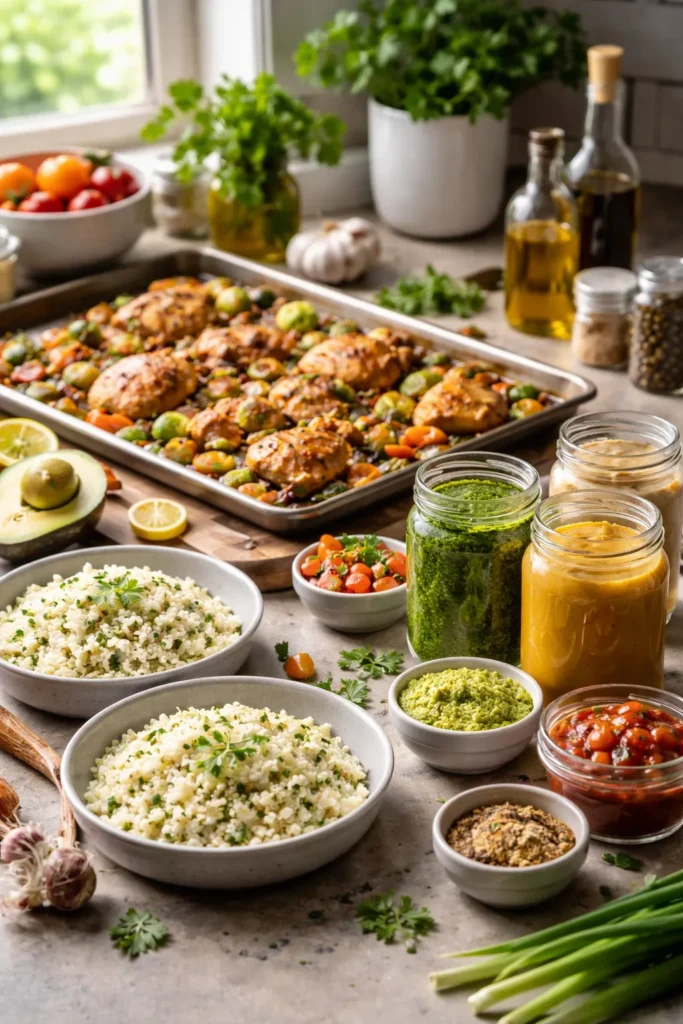
One of the underrated challenges of eating paleo consistently isn’t finding good recipes — it’s having the right things on hand when dinner needs to happen now. The eight dinners above all come together in under 40 minutes, but only if the foundational ingredients are already in your kitchen.
A basic weekly prep that supports all eight of these: roast a sheet pan of root vegetables on the weekend, rice one head of cauliflower and store it raw in the fridge (it cooks in 8 minutes), and keep a batch of the Thai basil beef sauce or harissa in a jar. When the weeknight crunch hits, you’re assembling rather than building from scratch, and the difference in effort is significant.
These dinners also scale well. Double the meatball batch and freeze half. Make the shakshuka sauce without the eggs and refrigerate for up to four days — just reheat, crack eggs in fresh, and it’s dinner again in 10 minutes. The egg roll in a bowl is genuinely better the second day, so making a bigger batch is never wasted effort.
Most importantly: don’t settle for the boring version. The only thing standing between plain chicken breast and tamarind-glazed salmon is about four pantry ingredients and the willingness to try something different.
Final Thoughts
Paleo eating earns its reputation for boredom when people treat it as a list of restrictions rather than a permission slip to cook with whole, high-quality ingredients. The eight dinners above treat the diet as a starting point for real, satisfying cooking — not a compromise.
The throughline across all of them is the same idea: build layers. A sauce that has acid, fat, savory depth, and sweetness will make any protein sing. A fresh herb salad on top of something rich will make the whole dish feel balanced. Texture contrast — crispy meatballs in a silky sauce, crunchy coconut over tender fish — keeps a plate interesting from the first bite to the last.
Start with whichever of these eight sounds most like something you’d order at a restaurant. Cook it once, and you’ll have a new go-to in your rotation. Cook all eight, and the whole “paleo dinners are boring” argument collapses completely.