Getting dinner on the table when someone in the household can’t eat gluten can feel like solving a puzzle with half the pieces missing. You’re scanning labels, second-guessing whether that soy sauce counts, and trying to keep everyone else from complaining that “gluten-free food tastes weird.” The frustration is real — and completely valid.
But here’s what experienced gluten-free cooks know that most beginners don’t: the best family dinners were never built around wheat to begin with. A smoky sheet-pan chicken, a bold Thai basil beef, a creamy tikka masala ladled over fluffy rice — none of these dishes need gluten to be extraordinary. The meals on this list aren’t “safe alternatives.” They’re genuinely crowd-pleasing dinners that happen to be free from gluten entirely, which means no separate pots, no special plates, and no one at the table feeling like they got the consolation-prize version.
Each recipe here has been chosen because it works for real families — the kind with picky seven-year-olds, teenagers who eat everything in sight, and adults who want something that actually tastes like dinner and not a dietary restriction. Whether you’re cooking gluten-free for medical reasons, following a Whole30, or just trying to eat more whole foods, these eight dinners deliver flavor, ease, and the kind of satisfaction that brings people back for seconds.
A note before you start: always check labels on packaged ingredients like broth, canned tomatoes, coconut aminos, hot sauce, and spice blends. Gluten hides in unexpected places, and the same product from two different brands can have completely different ingredients. Getting into that habit is the single most important skill in gluten-free cooking.
Table of Contents
- Why Gluten-Free Family Dinners Feel Harder Than They Are
- The Family Buy-In Problem
- One Pot, One Pan, and the Sheet-Pan Revolution
- 1. Sheet-Pan Honey Mustard Chicken with Roasted Vegetables
- Why This Works for Gluten-Free Families
- How to Make It Your Own
- 2. Ground Beef Taco Pasta with Dairy-Free Nacho Sauce
- The Taco Seasoning Details
- Getting the Pasta Right
- 3. Buffalo Chicken Spaghetti Squash with Dairy-Free Ranch
- Why the Ranch Dressing Is Non-Negotiable
- Total Time and Prep Strategy
- 4. Thai Basil Ground Beef in 15 Minutes
- The Coconut Aminos Swap
- Serving Suggestions
- 5. Instant Pot or Skillet Chicken Tikka Masala
- Instant Pot vs. Stovetop
- Making It Work for Everyone
- 6. Sausage and Sweet Potato Sheet-Pan Dinner
- Choosing the Right Sausage
- Customizing for Picky Eaters
- 7. Korean-Inspired Ground Turkey Rice Bowls
- The Topping Bar Makes Everyone Happy
- Why Ground Turkey Works So Well Here
- 8. Slow Cooker Carnitas Tacos with Corn Tortillas
- The Slow Cooker Setup
- Building the Taco Bar
- Building a Gluten-Free Pantry That Makes These Dinners Easier
- How to Read Labels So Nothing Gets Missed
- Getting Picky Eaters to Accept Gluten-Free Dinners Without Drama
- Meal Prep Shortcuts That Make the Week Smoother
- Final Thoughts
Why Gluten-Free Family Dinners Feel Harder Than They Are
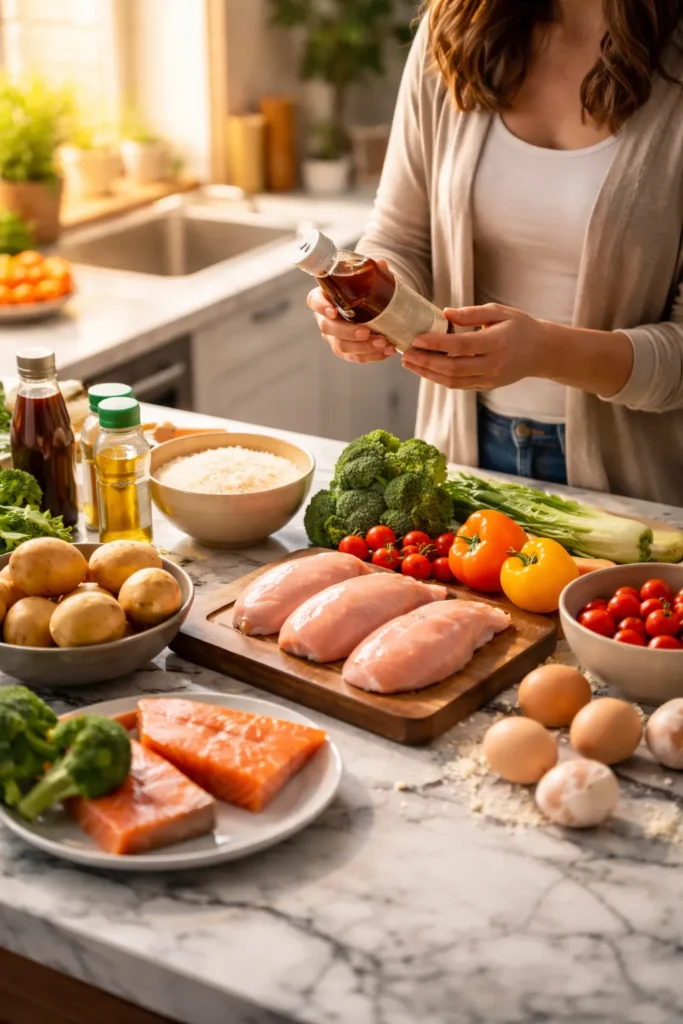
The biggest obstacle most home cooks face isn’t actually the cooking — it’s the mental shift. When you grew up thinking that a “real” dinner involves pasta, breaded protein, or a thick flour-thickened sauce, removing those anchors feels like starting from scratch.
The truth is that protein + vegetables + a flavorful sauce or seasoning is the skeleton of almost every beloved dinner on the planet. Chicken, beef, shrimp, and pork are all naturally gluten-free. So are rice, potatoes, sweet potatoes, corn tortillas, quinoa, and most whole grains. The building blocks were already there.
What trips people up are the sneaky sources: soy sauce (which contains wheat), some store-bought stocks and broths, certain spice blends with anti-caking fillers, and thickeners like all-purpose flour in gravies and sauces. Swap those out — coconut aminos for soy sauce, certified gluten-free broth, arrowroot or cornstarch for thickening — and your recipe library expands dramatically.
The Family Buy-In Problem
Getting a whole household excited about gluten-free dinners is more of a communication challenge than a cooking one. If you announce “we’re having gluten-free pasta tonight,” you’ve primed everyone to notice what’s missing. If you put a plate of smoky, caramelized sheet-pan chicken with crispy potatoes in front of them and say nothing, they’ll just eat it and ask for more.
Lead with flavor, not with labels. That’s the approach this entire list takes.
One Pot, One Pan, and the Sheet-Pan Revolution
Most of the meals here use minimal equipment on purpose. A single sheet pan, a large skillet, or a slow cooker dramatically reduces cleanup and stress — which matters enormously on a Tuesday night when everyone is hungry and tired. Gluten-free cooking doesn’t have to mean elaborate workarounds. These recipes prove it.
1. Sheet-Pan Honey Mustard Chicken with Roasted Vegetables
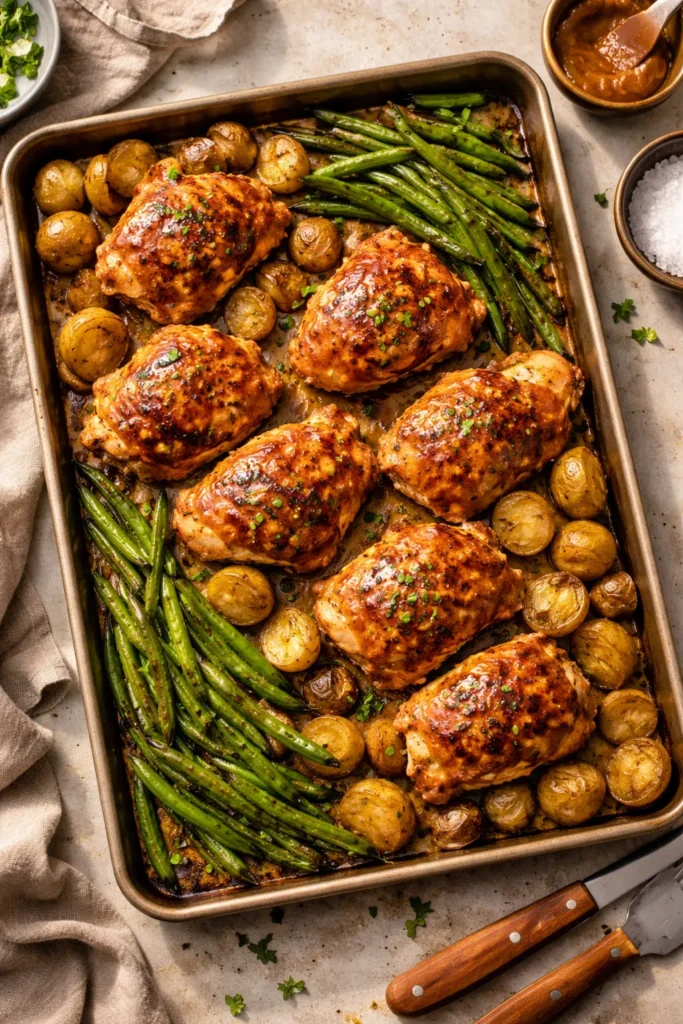
Few things require less effort than putting everything on a single pan and sliding it into the oven, and this dinner does exactly that while producing genuinely impressive results. Bone-in, skin-on chicken thighs get coated in a honey mustard mixture — made with Dijon mustard, raw honey, olive oil, garlic, and a pinch of smoked paprika — then roasted alongside green beans, halved baby potatoes, or any vegetable your family will actually eat.
The chicken turns golden and lacquered. The vegetables caramelize at the edges where they touch the pan. The honey mustard coating creates a sticky, slightly sweet crust that kids tend to love because it doesn’t taste “healthy” — it tastes like something from a restaurant.
Why This Works for Gluten-Free Families
Mustard and honey are both naturally gluten-free, but always check your Dijon label — some brands use wine vinegar that’s fine, while others add unexpected thickeners. Look for Dijon made with mustard seeds, water, vinegar, and salt. That’s it.
The entire dish cooks at 400°F (200°C) for about 45 to 50 minutes, rotating the pan once halfway through. There’s no sauce to whisk, no flour to worry about, and no separate side dish needed because the vegetables cook right alongside the chicken.
How to Make It Your Own
- Swap green beans for broccoli, asparagus, or zucchini depending on what you have
- Add a teaspoon of whole-grain mustard to the coating for texture and a sharper bite
- Use boneless thighs if you prefer — reduce cooking time to 25 to 30 minutes and watch for that golden color
- For a dairy-free version, a drizzle of fresh lemon juice at the end replaces any need for butter
Worth knowing: Bone-in thighs genuinely outperform boneless here. The bone conducts heat differently and keeps the meat from drying out, even if you leave the pan in a few minutes longer than planned.
2. Ground Beef Taco Pasta with Dairy-Free Nacho Sauce
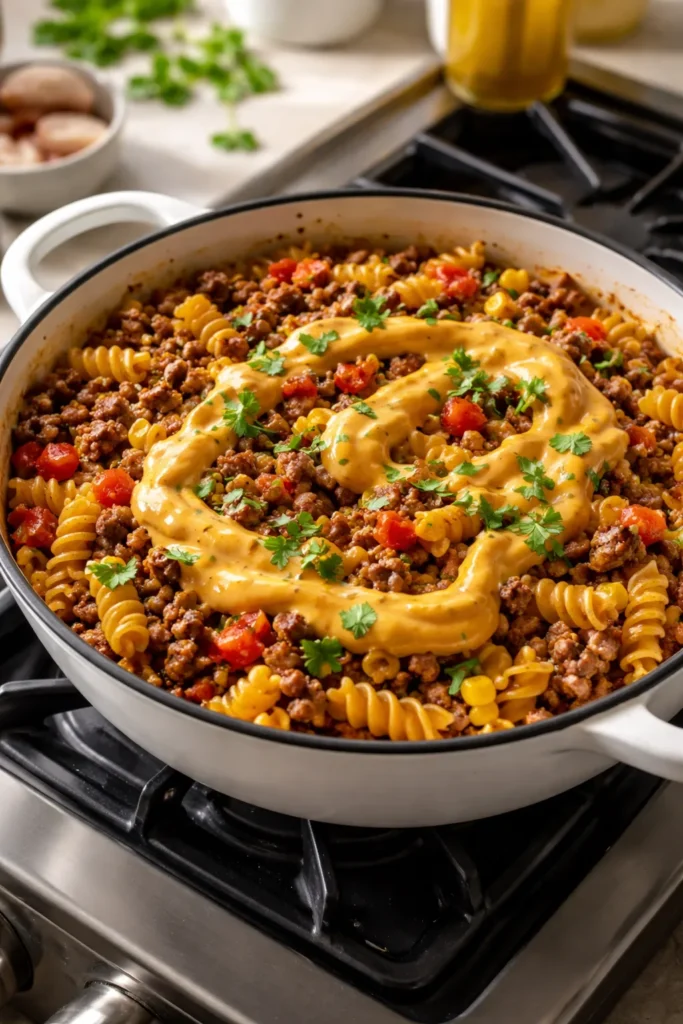
This dinner lands in that rare category of meals that’s simultaneously comfort food and weeknight-fast. Gluten-free pasta — brown rice pasta, chickpea pasta, or lentil pasta all work well — gets cooked right in the same pot as seasoned ground beef, broth, and canned tomatoes, which means the pasta absorbs all that taco-spiced flavor as it cooks instead of just getting sauce dumped on top.
The result is deeply savory, slightly smoky, and has a saucy, almost creamy texture if you add a cashew-based nacho sauce or a coconut milk drizzle at the end. This is the dish that reliably converts skeptics — people who think gluten-free pasta is always gummy or bland tend to change their minds after this one.
The Taco Seasoning Details
Store-bought taco seasoning packets are a mixed bag in terms of gluten-free status. Many brands include maltodextrin, modified food starch, or other fillers that may contain gluten. Making your own takes about 90 seconds and tastes noticeably better.
Blend together for one batch:
- 1 tablespoon chili powder
- 1½ teaspoons cumin
- 1 teaspoon garlic powder
- ½ teaspoon onion powder
- ½ teaspoon smoked paprika
- ¼ teaspoon dried oregano
- ¼ teaspoon black pepper
- ¼ teaspoon fine sea salt
This seasoning keeps in a small jar for months and works in tacos, chili, roasted vegetables, and eggs.
Getting the Pasta Right
Gluten-free pasta behaves differently from wheat pasta — it can go from perfectly cooked to mushy in 60 to 90 seconds, and it doesn’t hold up well if left in liquid too long after cooking. The key is to watch it closely in the last two minutes and pull the pot off the heat while there’s still a very slight firmness to the center. It finishes cooking in the residual heat of the sauce.
Brown rice pasta holds its shape the most reliably in dishes cooked in liquid. Chickpea pasta has a slightly firmer bite and adds protein. Both are worth keeping in your pantry.
3. Buffalo Chicken Spaghetti Squash with Dairy-Free Ranch
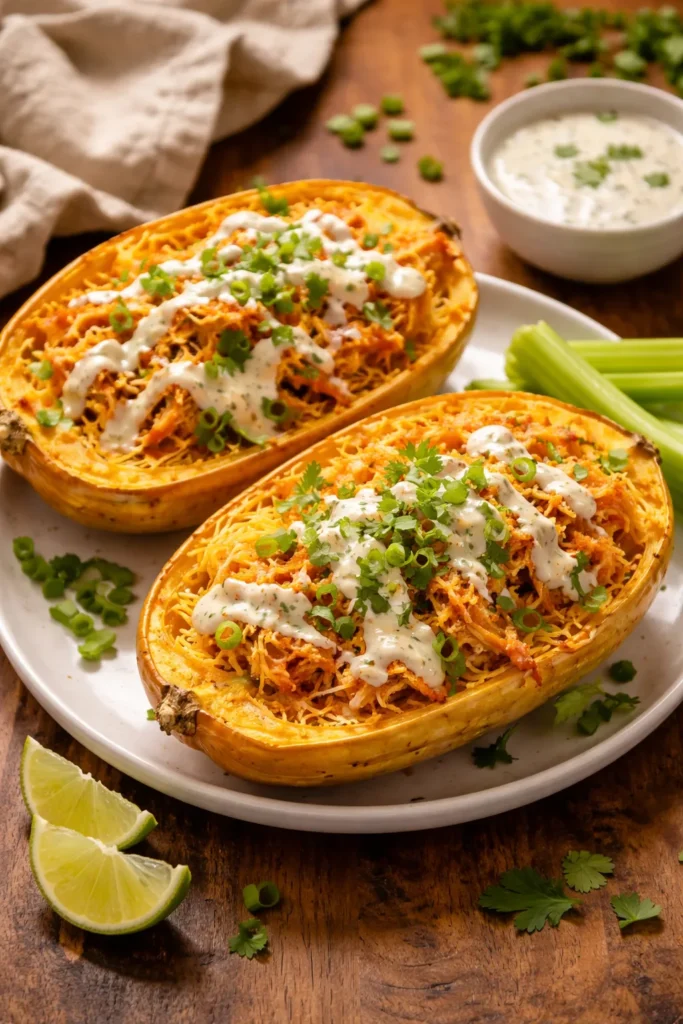
Spaghetti squash is one of those ingredients that divides people — until it’s prepared well, at which point it wins almost everyone over. The key is roasting it cut-side down at 400°F, which steams the interior and creates tender strands without the waterlogged, mushy texture that gives this vegetable a bad reputation.
Once roasted, the squash strands get topped with shredded chicken tossed in buffalo sauce (use a sauce without added wheat — Frank’s RedHot Original is widely considered gluten-free, but always verify on the label), and finished with a drizzle of herb ranch dressing made from cashew cream or coconut yogurt with garlic, dill, chives, and lemon.
Why the Ranch Dressing Is Non-Negotiable
Buffalo and ranch exist in a symbiotic relationship that you shouldn’t fight. The cool, herbaceous dressing softens the heat of the buffalo sauce and adds a creamy richness that ties everything together. If your family skews toward spice-sensitive eaters, tone the buffalo sauce down to 2 tablespoons and increase it from there — the flavor profile holds at any heat level.
For a fully dairy-free ranch, blend ½ cup soaked raw cashews with ⅓ cup water, 1 tablespoon apple cider vinegar, ½ teaspoon garlic powder, 1 teaspoon dried dill, ½ teaspoon onion powder, and a pinch of salt until smooth. Thin it with water until it pours easily. It keeps in the fridge for five days.
Total Time and Prep Strategy
The squash takes 40 to 45 minutes to roast, and that’s mostly hands-off time you can use to shred rotisserie chicken, mix the ranch, or just sit down for a few minutes. Active prep is under 10 minutes. Total table-to-dinner time is about 50 minutes, most of it passive.
For picky eaters: Offer toppings separately — sliced green onions, extra ranch, a few crumbled gluten-free crackers for crunch — so everyone can build their bowl the way they want it.
4. Thai Basil Ground Beef in 15 Minutes
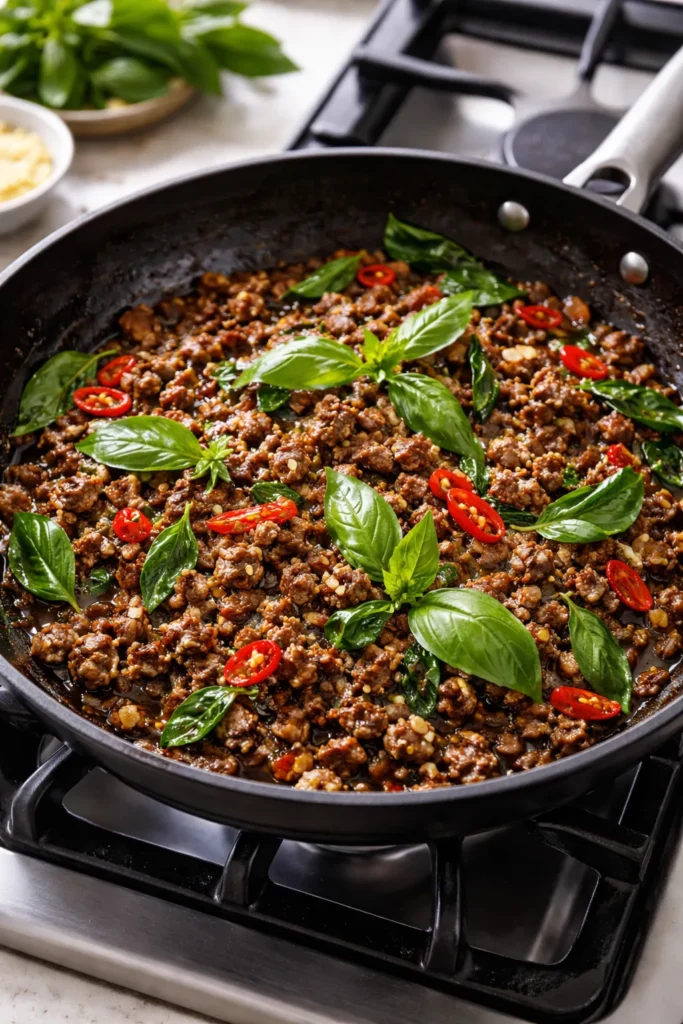
This dish comes together faster than most people can order takeout, and it has the kind of bold, layered flavor that makes you feel like you’ve done something impressive even though you’ve barely tried. Ground beef gets cooked with garlic, thinly sliced Thai chilies or a pinch of red pepper flakes, and a sauce made from coconut aminos, fish sauce, a small amount of honey, and a splash of rice vinegar.
The moment the sauce hits the hot pan, it reduces almost immediately into a dark, glossy coating that clings to the meat. A big handful of fresh Thai basil goes in right at the end — off the heat — and wilts into the dish in about 20 seconds.
The Coconut Aminos Swap
Traditional Thai basil beef relies on oyster sauce and soy sauce, both of which typically contain gluten. Coconut aminos replaces both with a single ingredient. It’s slightly sweeter and a touch less salty than soy sauce, so you may want to add a small pinch of extra salt or a few drops of additional fish sauce (which is naturally gluten-free — just check the label to confirm no wheat has been added).
Fish sauce is one of the great secret weapons in gluten-free cooking. A teaspoon or two adds depth, saltiness, and a savory quality that can’t quite be replicated any other way. It doesn’t taste “fishy” in the final dish — it just makes everything taste more intensely like itself.
Serving Suggestions
Spoon it over jasmine rice, cauliflower rice, or even inside butter lettuce cups for a lower-carb version. For feeding a family, double the recipe — it scales easily and the leftovers reheat well the next day, though you’ll want to add a small splash of water before microwaving to prevent the sauce from tightening up too much.
If Thai basil is unavailable, use regular sweet basil and add a very small pinch of anise seed or ground fennel. It’s not identical, but it gets you surprisingly close to the same flavor profile.
5. Instant Pot or Skillet Chicken Tikka Masala
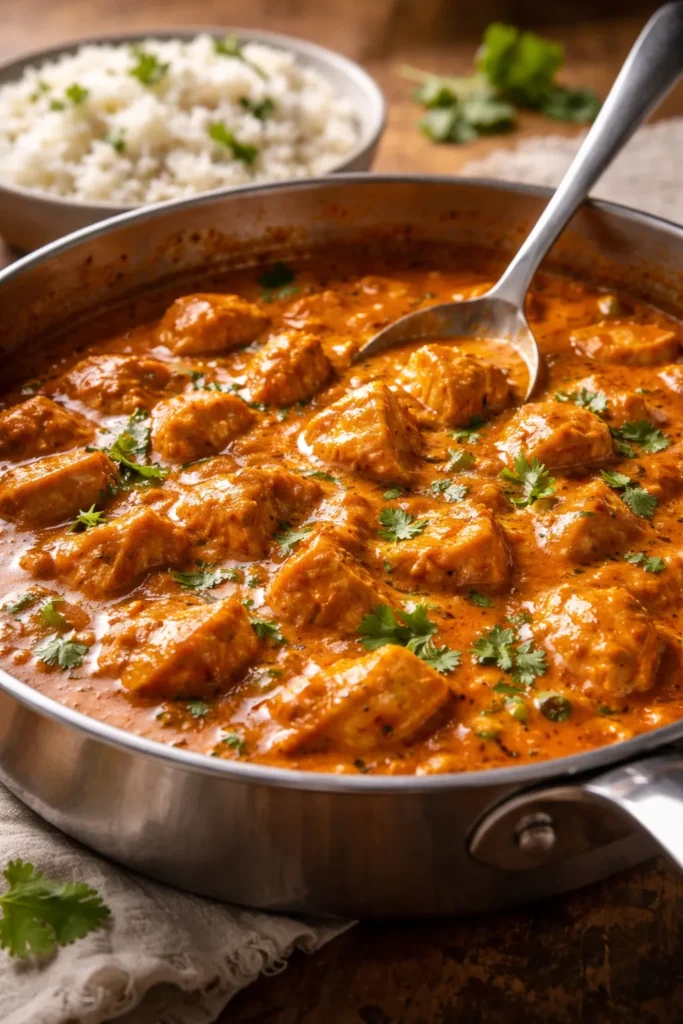
Tikka masala occupies a special place in the family dinner canon because it’s warmly spiced without being aggressively spicy, rich without being heavy, and pairs so naturally with rice that even reluctant eaters rarely push back on it. The sauce is built from canned tomatoes, coconut milk or full-fat cream, and a spice blend that includes garam masala, cumin, coriander, turmeric, and smoked paprika.
All of those spices are naturally gluten-free. The only watchpoint is pre-blended garam masala: some budget brands bulk up their blends with flour as an anti-caking agent. Buy from a reputable spice company that labels their products gluten-free, or make your own blend in small batches.
Instant Pot vs. Stovetop
The Instant Pot version is ready in about 30 minutes total (including pressure build time) and produces chicken that’s fall-apart tender. Sauté the aromatics — onion, garlic, ginger — directly in the pot, add the spices and tomatoes, then pressure cook the chicken thighs for 10 minutes with a quick release.
The stovetop version takes a bit longer — about 40 minutes — but gives you more control over the sauce thickness. Simmer uncovered for the last 10 to 15 minutes to reduce the sauce to your preferred consistency. Either way, use chicken thighs over breasts. They don’t dry out under pressure or extended heat, and their higher fat content integrates into the sauce in a way that makes everything taste richer.
Making It Work for Everyone
This is one of those recipes where the “heat level” is entirely adjustable. As written with standard garam masala and no added chili, it’s mild enough for most children. For adults who want more heat, a pinch of cayenne in individual bowls handles it without alienating younger diners.
Serve with basmati rice, which you can cook in a separate pot while the tikka masala comes together, or with warm store-bought gluten-free naan (a growing number of brands now make excellent versions).
6. Sausage and Sweet Potato Sheet-Pan Dinner
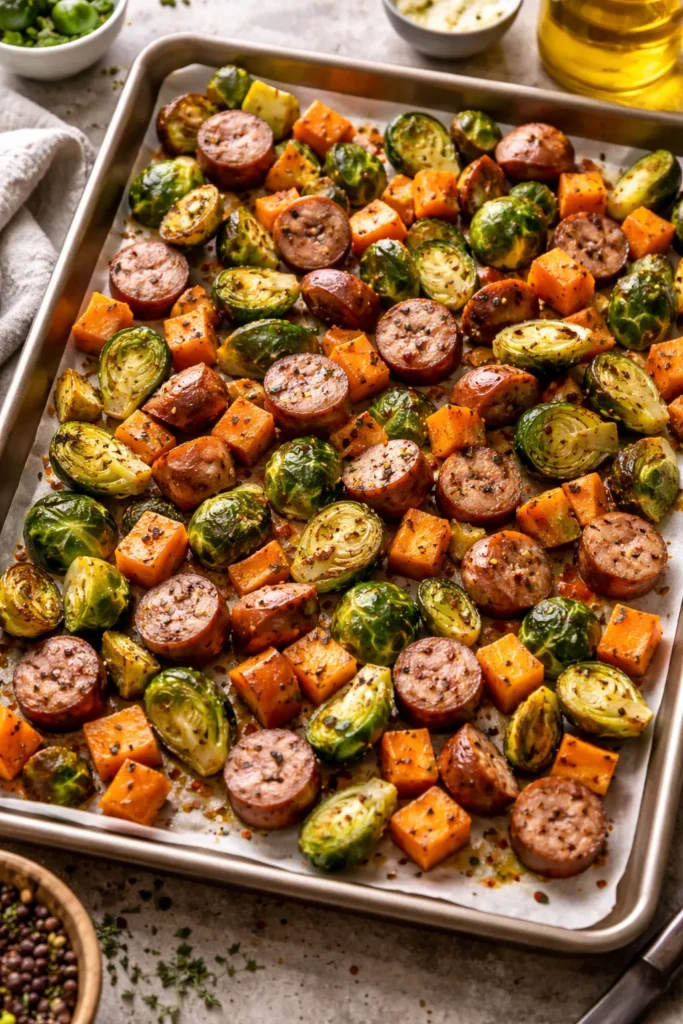
This might be the easiest dinner on the entire list. Slice gluten-free smoked sausage into rounds, cube sweet potatoes, halve a bag of Brussels sprouts or toss in broccoli florets, drizzle everything generously with olive oil, hit it with salt, pepper, garlic powder, and smoked paprika, then roast at 425°F for 35 to 40 minutes.
The sausage edges caramelize. The sweet potatoes turn soft in the center and slightly crisp on the outside. The vegetables shrink and deepen. It’s one of those meals that fills the kitchen with an aroma that makes everyone wander in asking when dinner is ready.
Choosing the Right Sausage
This is where label-reading matters most in this recipe. Sausage is one of the most common hidden sources of gluten — fillers, binders, and natural flavor additives frequently introduce wheat. Look for sausage brands that explicitly state “gluten-free” on the packaging, or choose raw ground sausage that you season yourself.
Chicken sausage, Italian-style pork sausage, and smoked andouille all work here and bring completely different flavor profiles. The andouille version with sweet potatoes and Brussels sprouts is particularly good — the smokiness and mild heat of the sausage plays beautifully against the natural sweetness of the potatoes.
Customizing for Picky Eaters
Keep the components separated on the sheet pan — a corner for plain sweet potato cubes, a corner for sausage, vegetables in the middle. Kids who object to “mixed” food are often completely satisfied when they can see the components clearly. By the time the sausage juices have run across the pan and touched everything, the flavors have mingled anyway. You just don’t need to advertise that fact.
7. Korean-Inspired Ground Turkey Rice Bowls
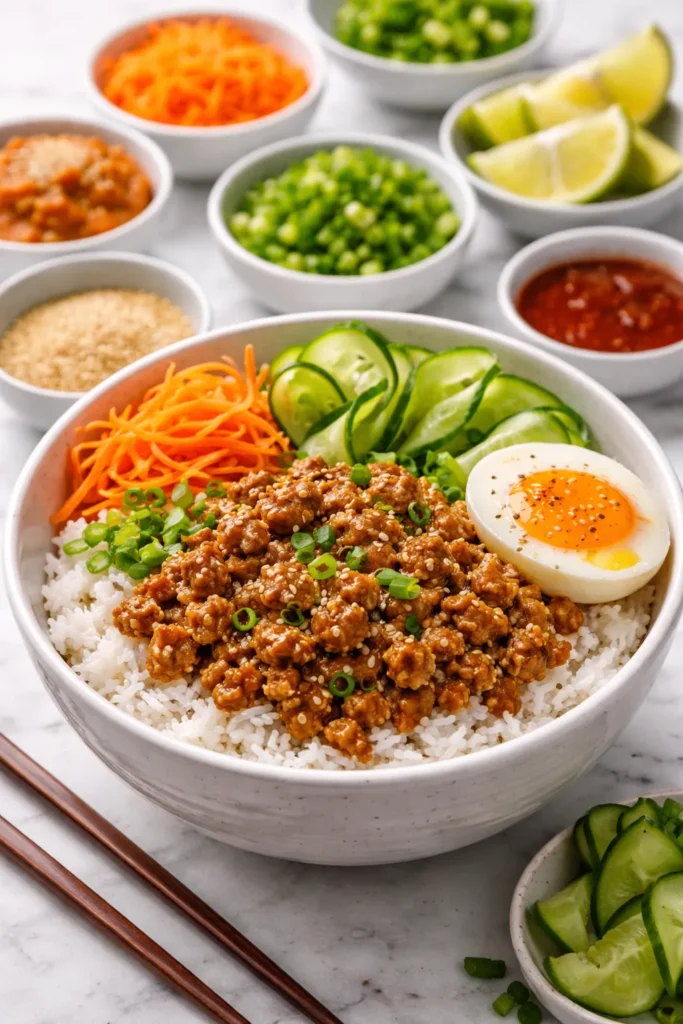
Rice bowls are one of the most family-friendly formats in existence because everyone can build their own. Ground turkey cooked with a bold Korean-style sauce — coconut aminos, sesame oil, minced garlic, fresh ginger, a teaspoon of honey, and a splash of rice vinegar — goes over steamed white or brown rice, and from there, each person adds whatever toppings appeal to them.
The sauce-to-meat ratio is intentionally generous here, because the rice needs that extra liquid to stay interesting and moist. You want puddles of sauce, not just a dry protein.
The Topping Bar Makes Everyone Happy
Set out small bowls of toppings and let people assemble:
- Thinly sliced cucumbers tossed in rice vinegar and a pinch of sugar
- Shredded carrots with a drop of sesame oil
- Sliced green onions
- A soft-boiled egg (6 to 7 minutes in boiling water)
- Sriracha for anyone who wants heat (check your brand’s gluten-free status)
- Sesame seeds
- Kimchi (naturally gluten-free if made traditionally — check store-bought labels)
The assembly ritual turns dinner into an event rather than a chore, which works especially well with younger children who like having agency over their plate. You’ll find that kids who would refuse “ground turkey with sauce” will happily pile their own bowl with exactly what they’ve chosen.
Why Ground Turkey Works So Well Here
Ground beef produces a richer result, but turkey absorbs this sauce more aggressively because it’s leaner and has a more neutral base flavor. The coconut aminos turn the turkey noticeably darker and savory as they caramelize in the pan — visually and flavor-wise, it reads as bold and satisfying rather than “diet food.”
Use 93% lean ground turkey rather than 99% fat-free. The small amount of fat in the 93% version makes a noticeable difference in both texture and how well the sauce adheres to the meat.
8. Slow Cooker Carnitas Tacos with Corn Tortillas
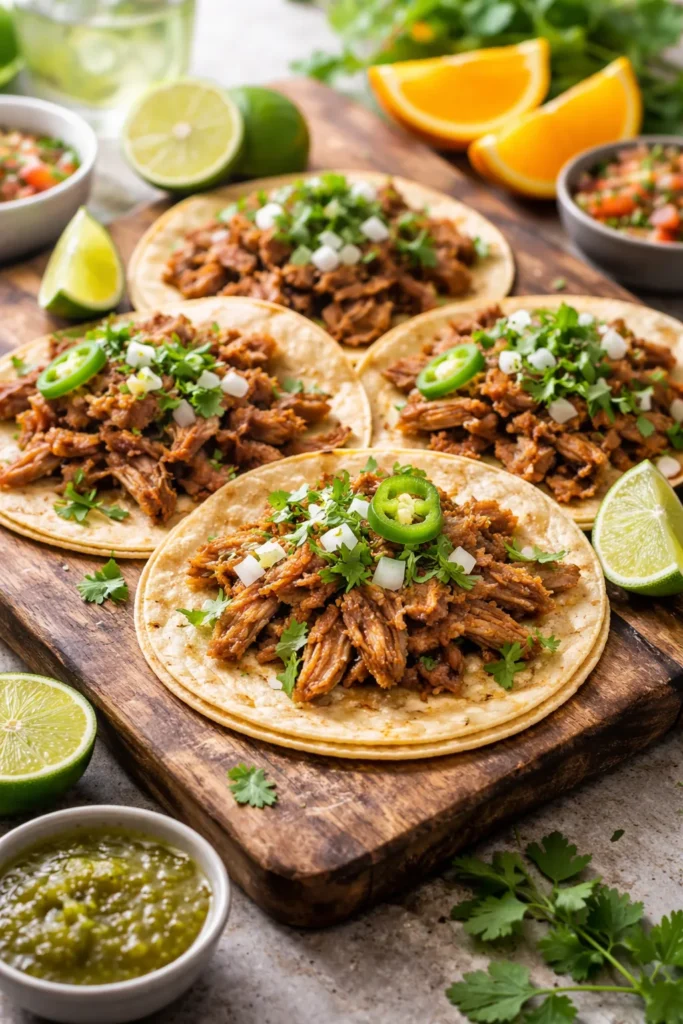
Carnitas — slowly cooked, citrus-braised pork shoulder that’s shredded and then crisped — might be the single most crowd-pleasing thing you can put on a corn tortilla. The slow cooker does almost all the work, and the final step (spreading the shredded pork on a sheet pan and hitting it under the broiler for 5 to 7 minutes) is what transforms it from good to extraordinary.
That broiler step is where the edges of the pork turn crispy and slightly charred while the interior stays pull-apart tender. Those contrasting textures — crackling outside, juicy inside — are what make carnitas so craveable. Don’t skip it.
The Slow Cooker Setup
Place a 3 to 4 pound bone-in pork shoulder (also sold as pork butt) in the slow cooker. Season all over with salt, pepper, cumin, dried oregano, garlic powder, and smoked paprika. Add the juice of 2 oranges, 2 limes, 4 garlic cloves (smashed), and about ¼ cup of chicken broth. Cook on low for 8 hours or on high for 4 to 5 hours, until the pork shreds easily with two forks.
The orange juice is not optional. The citrus does two things: it keeps the pork moist through the long cook time, and it adds a faint sweetness that balances the salt and smoke of the spice rub. You don’t taste orange in the final dish — you just taste better pork.
Building the Taco Bar
Corn tortillas are naturally gluten-free and the obvious choice here. Warm them directly on a gas burner flame for 20 to 30 seconds per side (until they have faint char spots and have puffed slightly) or in a dry skillet over medium-high heat.
Set up a taco bar and let everyone assemble their own:
- Crispy carnitas
- Diced white onion and chopped fresh cilantro (the classic pairing)
- Fresh lime wedges
- Salsa verde or pico de gallo
- Sliced jalapeños
- Sliced avocado or a spoonful of guacamole
- Crumbled cotija cheese (naturally gluten-free)
The leftover carnitas are arguably better the next day. Reheat in a skillet with a tiny bit of the cooking liquid to restore moisture, then crisp under the broiler again. Serve over rice, in a salad, or in scrambled eggs.
Building a Gluten-Free Pantry That Makes These Dinners Easier
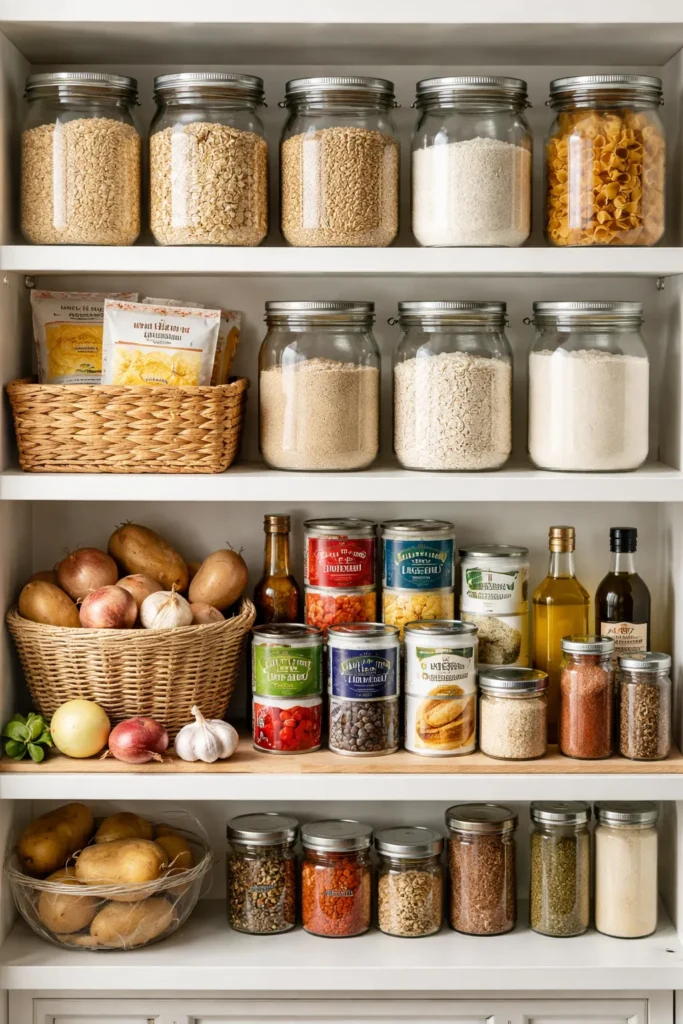
Having the right ingredients on hand is what separates a stressful gluten-free weeknight from a smooth one. The meals on this list draw from a relatively small set of pantry staples — stock these, and you’ll be able to pull a solid dinner together with minimal planning.
Proteins: Keep chicken thighs, ground beef, ground turkey, and pork shoulder in your freezer rotation. These are versatile, affordable, and gluten-free at the source.
Sauces and seasonings:
- Coconut aminos (replaces soy sauce in almost every application)
- Fish sauce (a few brands to have on hand)
- Canned full-fat coconut milk
- Canned diced tomatoes and crushed tomatoes
- Certified gluten-free chicken and beef broth
- A spice collection built from single-ingredient spices rather than pre-blended packets
Starchy bases:
- White rice and brown rice (long-grain and basmati)
- Certified gluten-free pasta (brown rice pasta and chickpea pasta are the two most reliable)
- Corn tortillas
- Sweet potatoes and regular potatoes
Thickeners: Arrowroot starch and cornstarch both work wherever flour-thickened sauces are called for. Use about 1 tablespoon mixed with 2 tablespoons cold water per cup of liquid, added in the last few minutes of cooking.
How to Read Labels So Nothing Gets Missed
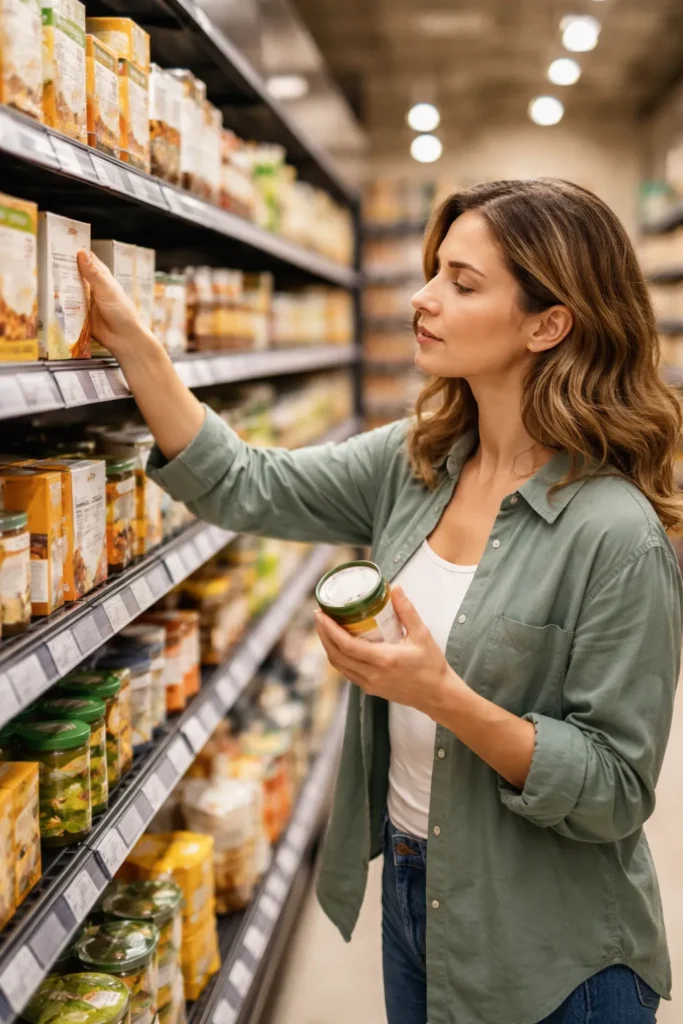
Gluten hides under names that don’t immediately look like wheat. Train yourself to scan for: wheat, barley, rye, malt, malt extract, malt vinegar, brewer’s yeast, spelt, kamut, triticale, and modified food starch (which can be wheat-based unless labeled otherwise).
The words “natural flavors” deserve a second look when you’re cooking for someone with celiac disease, as natural flavors can sometimes be derived from gluten-containing grains. When in doubt, contact the manufacturer or choose a product that carries a certified gluten-free label from an organization like GFFS or NSF.
Cross-contamination matters as much as ingredients for celiac households. Dedicated cutting boards, separate colanders for rinsing gluten-free pasta, and clean skillets that haven’t been used for flour-coated proteins are practical steps worth building into your kitchen routine.
Getting Picky Eaters to Accept Gluten-Free Dinners Without Drama
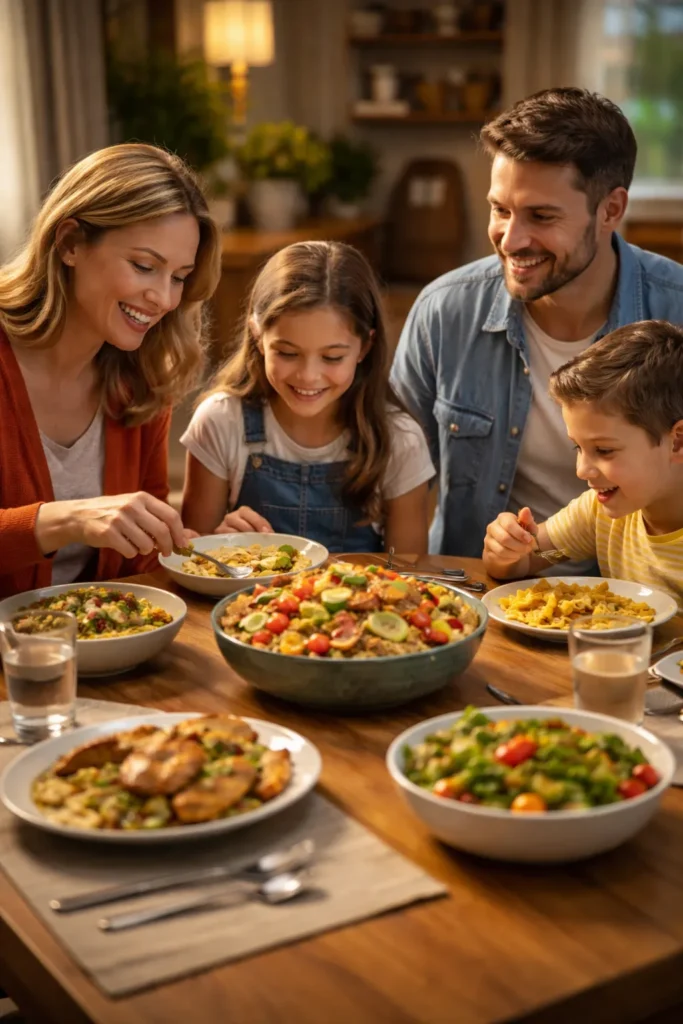
Children — and honestly, plenty of adults — resist new food primarily because of unfamiliarity, not flavor. The most effective approach is consistency without announcement. Serve the Korean rice bowl three times over three weeks and it becomes familiar. Once something is familiar, it becomes acceptable. Once it’s acceptable, it becomes requested.
A few practical techniques that work:
Deconstruct when needed. A child who won’t touch tikka masala on rice will often eat plain rice and plain chicken with sauce on the side. Same ingredients, same nutrition, zero battle at the table.
Keep textures in mind. Gluten-free pasta can be less appealing if it’s overcooked and gummy. Focus on getting the texture right — firm, with a faint bite — and the pasta objections disappear.
Involve kids in the process. Children who help choose toppings, stir the sauce, or set up the taco bar are statistically more likely to eat the meal with enthusiasm. It works, even when it feels like a parenting cliché.
Don’t separate “gluten-free food” from “family food.” If every gluten-free meal is presented as a special accommodation or a restriction, it creates a mental category of food that’s different and lesser. When these dinners are just dinner, everyone eats them without second-guessing.
Meal Prep Shortcuts That Make the Week Smoother
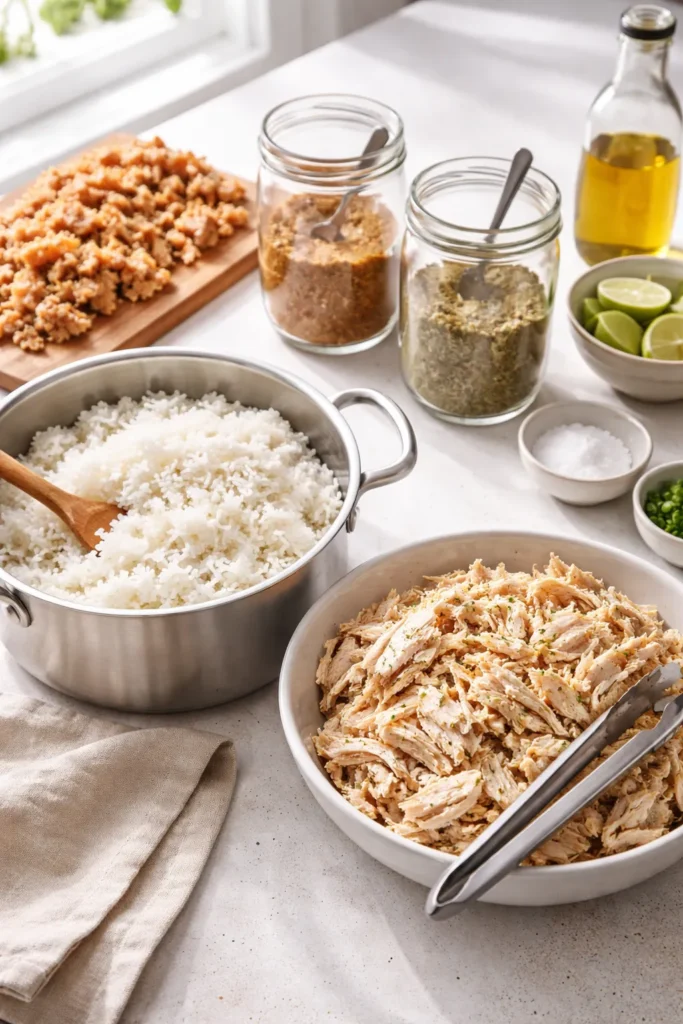
None of the eight dinners on this list require starting from zero every evening. A small amount of weekend prep dramatically changes how manageable weeknight cooking feels.
Cook a big pot of rice on Sunday. Cold rice reheats perfectly and serves as the base for the Korean bowls, tikka masala, and Thai basil beef across multiple nights.
Start the carnitas before you leave in the morning. Eight hours on low is the ideal slow cooker timing for a workday. Come home to pork that’s ready to shred, with dinner 10 minutes away.
Pre-mix your dry spice blends. Make a small jar of taco seasoning, another of tikka masala spice blend, and a third of all-purpose chicken seasoning. Having those ready cuts active prep time noticeably.
Shred a rotisserie chicken. Store-bought rotisserie chicken is one of the most useful shortcut ingredients in gluten-free cooking — check that the seasoning is gluten-free, then shred the whole bird and refrigerate it for use across the buffalo chicken squash, tikka masala, and taco variations throughout the week.
Final Thoughts
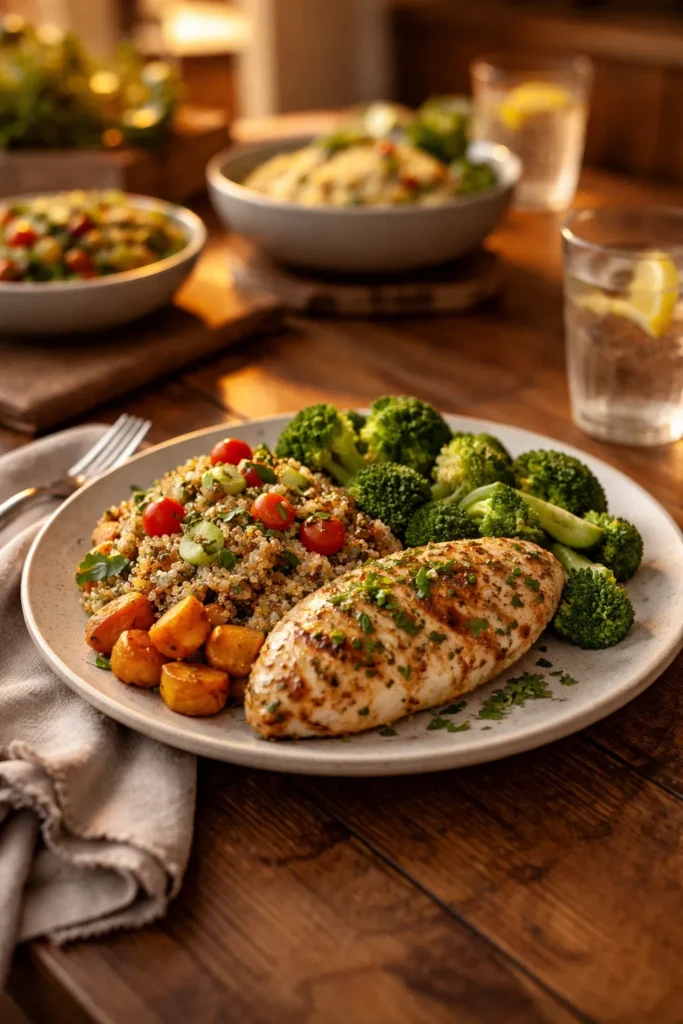
Gluten-free family cooking gets easier with repetition, and these eight dinners are a reliable starting point for building that repertoire. The sheet-pan chicken and sausage-sweet potato bake earn their place as low-effort weeknight staples. The carnitas and tikka masala are the ones you pull out when you want something that feels like a little more of an event. The Thai basil beef and rice bowls fill the “15-minute miracle” slot when time has completely evaporated.
What connects all of them is that nobody has to know they’re eating gluten-free — not because you’re hiding anything, but because the food stands on its own. Bold sauces, well-seasoned proteins, and complementary textures carry these meals, and wheat never had anything to do with that.
Start with whichever recipe matches what’s already in your fridge. Build from there. Within a few weeks, you’ll have a rotation that works for the whole table without anyone feeling like they’re missing out on anything.