If someone told you that eating for your heart meant giving up flavor, they were wrong — and probably eating steamed chicken over white rice with no seasoning. That version of “healthy eating” has done more damage to people’s relationship with food than almost anything else, because it sets up an impossible choice: taste or health. You don’t have to pick.
Managing cholesterol through diet is genuinely effective. The American Heart Association has long pointed to a diet built around lean proteins, fiber-rich vegetables, legumes, and healthy fats as one of the most powerful tools for reducing LDL — the type of cholesterol that sticks to artery walls and increases the risk of heart disease and stroke. And here’s what that advice looks like in practice: vibrant curries, seared salmon with charred vegetables, bold spiced tacos, and slow-simmered stews that fill your kitchen with the kind of smell that pulls everyone to the table.
The key isn’t eating less. It’s eating differently — replacing saturated fats from fatty cuts of meat and full-fat dairy with unsaturated fats from fish, olive oil, nuts, and avocado. Swapping out cholesterol-heavy mains for fiber-dense beans and lentils, which actively bind to LDL and carry it out of your bloodstream before it can cause trouble. These aren’t restrictions. They’re upgrades.
Each dinner below was chosen because it delivers on flavor without compromise. Expect real spice, proper seasoning, satisfying textures, and plates that look as good as they taste.
Table of Contents
- What Actually Makes a Dinner Low in Cholesterol
- The Proteins That Work in Your Favor
- Why Cooking Method Matters as Much as Ingredients
- 1. Lemon-Herb Salmon with Roasted Asparagus and Farro
- Why This Combination Works
- How to Build It
- 2. Chickpea and Sweet Potato Curry
- The Flavor Architecture of a Good Curry
- What the Body Gets from This Dish
- 3. Grilled Chicken Breast with Roasted Bell Peppers and Quinoa
- Making Chicken Breast Actually Taste Good
- Why Quinoa Over White Rice
- 4. Black Bean Tacos with Avocado and Chipotle Lime Slaw
- Building the Bean Filling with Real Depth
- The Role of Avocado in a Low-Cholesterol Diet
- 5. Baked Tilapia with Tomato Walnut Crust
- Why Walnuts Belong on This Plate
- How to Build the Crust
- 6. Mushroom and White Bean Bourguignon
- What Mushrooms Do in This Recipe
- Building the Sauce
- 7. Mediterranean Lentil Soup with Lemon and Spinach
- Why This Soup Works on Every Level
- The Technique That Makes It Exceptional
- 8. Sheet Pan Salmon with Sweet Potatoes and Broccoli
- The Flavor Profile That Makes This Dinner Memorable
- Timing the Sheet Pan Correctly
- How to Make These Dinners a Weekly Habit
- Pantry Items Worth Keeping in Stock
- The Herb and Spice Shift That Changes Everything
- Final Thoughts
What Actually Makes a Dinner Low in Cholesterol
Before jumping into the recipes, it’s worth understanding what you’re working with — because “low cholesterol” on a label doesn’t always tell the full story.
Dietary cholesterol comes exclusively from animal products. Plants contain zero cholesterol, which is why a well-built plant-based meal is automatically cholesterol-free. But the bigger lever, according to ongoing research, is saturated fat — not dietary cholesterol itself. Foods high in saturated fat (think fatty beef, butter, full-fat cheese, and processed meats) stimulate your liver to produce more LDL cholesterol. That’s the mechanism that raises your numbers over time.
Trans fats are even worse. Found in partially hydrogenated oils and many processed snacks, they simultaneously raise LDL and lower HDL — a double blow to your cardiovascular system.
On the flip side, foods rich in soluble fiber actively help. Soluble fiber binds to bile acids in your digestive tract, which forces your body to use LDL cholesterol to make more bile acids, effectively flushing it from your system. Oats, beans, lentils, and many vegetables are high in soluble fiber. The dinners below lean hard into all of this.
The Proteins That Work in Your Favor
Fish — especially fatty fish like salmon, mackerel, and trout — is a different category entirely. The omega-3 fatty acids in these fish raise HDL (the protective kind of cholesterol) while lowering triglycerides. Skinless chicken breast sits in the lean-protein sweet spot. Legumes like chickpeas, black beans, and lentils give you fiber and protein in the same package, making them the most efficient ingredient you can put in a heart-healthy dinner.
Why Cooking Method Matters as Much as Ingredients
You can start with the healthiest ingredients on earth and still undermine them with the wrong cooking method. Pan-frying in butter, battering and deep-frying fish, or braising meat in its own fat drippings add back the saturated fat you were trying to avoid. Roasting, grilling, broiling, steaming, and sautéing in olive oil or avocado oil are the techniques that protect the integrity of heart-healthy ingredients. Most of the dinners below use at least one of these methods — often more than one.
1. Lemon-Herb Salmon with Roasted Asparagus and Farro
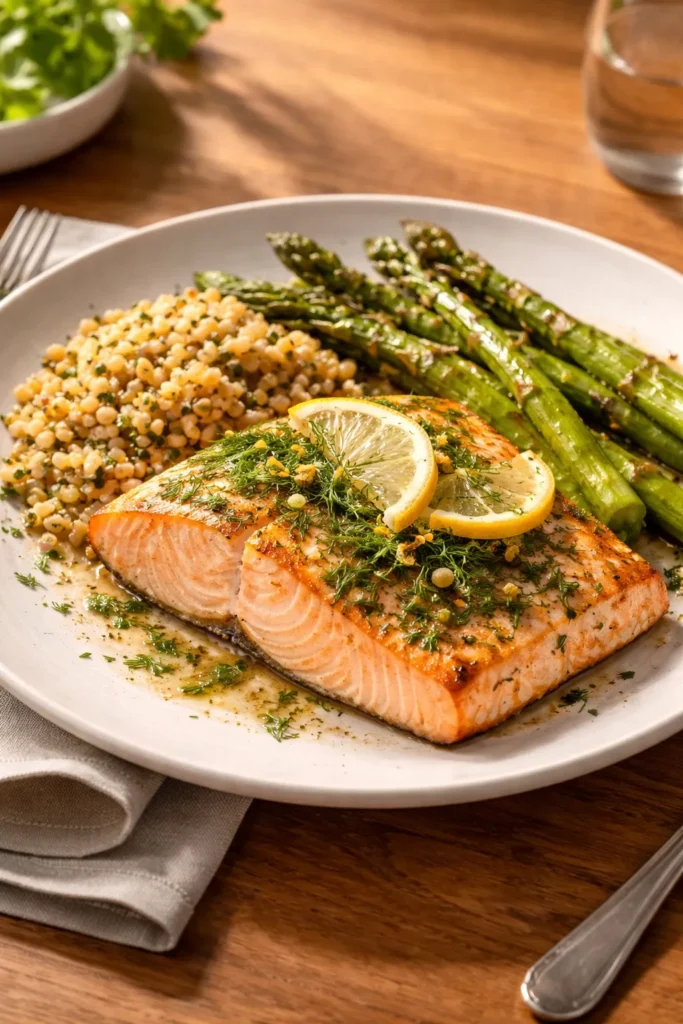
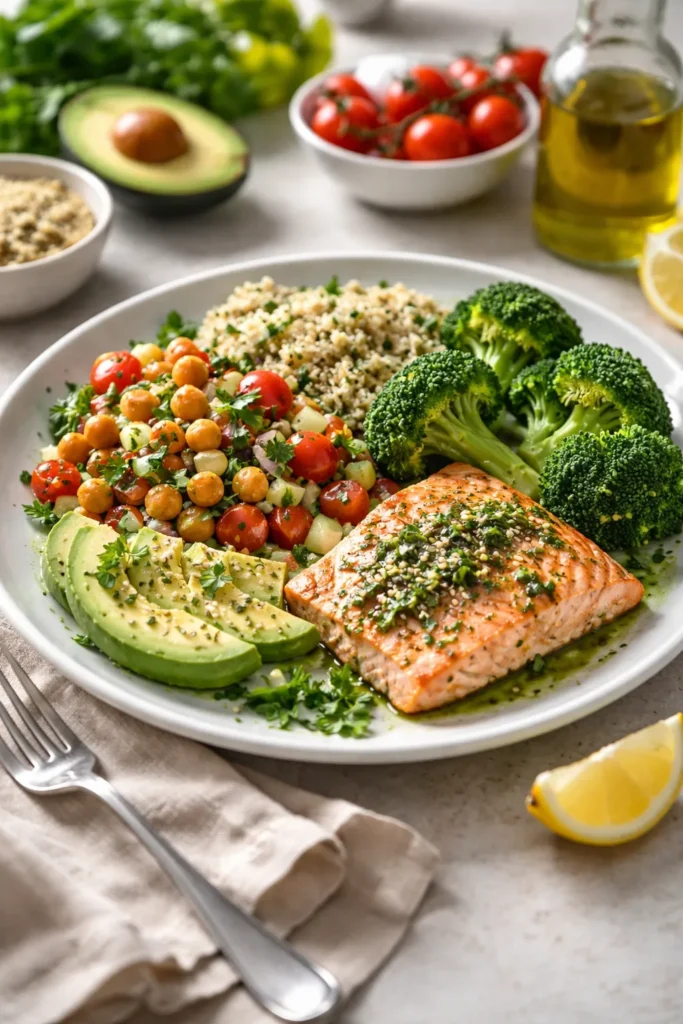
Salmon is arguably the most effective single ingredient for heart-healthy eating, and it’s not close. A 3-ounce serving of wild-caught salmon provides around 1.5 to 2 grams of EPA and DHA — the two omega-3 fatty acids that have been consistently linked to lower triglycerides, reduced inflammation, and improved HDL levels. Pair it with farro (a whole grain naturally rich in fiber) and roasted asparagus, and you have a dinner that earns its place at the top of any cholesterol-conscious meal plan.
Why This Combination Works
Farro contains around 7 grams of fiber per cooked cup, which contributes meaningfully to your daily soluble fiber intake. Asparagus brings folate and prebiotics that support gut health — and a healthy gut plays a role in how your body processes and eliminates fats. The lemon and fresh herbs (dill, parsley, and thyme work beautifully here) add enough brightness to make this feel like a restaurant plate, not a diet dinner.
How to Build It
- Season salmon fillets with olive oil, lemon zest, chopped fresh dill, salt, and a pinch of black pepper
- Roast at 400°F for 12-15 minutes, or until the flesh flakes easily with a fork and the edges are lightly golden
- Toss asparagus spears with olive oil and roast on the same pan during the last 10 minutes
- Serve over cooked farro dressed with lemon juice and a drizzle of extra-virgin olive oil
Pro tip: Add a spoonful of jarred caponata (a Sicilian eggplant relish) alongside the salmon for an instant Mediterranean flavor boost with no added saturated fat.
The entire plate lands under 500 calories with roughly 35 grams of protein, minimal saturated fat, and a fiber load that actively supports cholesterol management. It’s the kind of dinner that takes 25 minutes on a weeknight and could easily go on a dinner party table.
2. Chickpea and Sweet Potato Curry
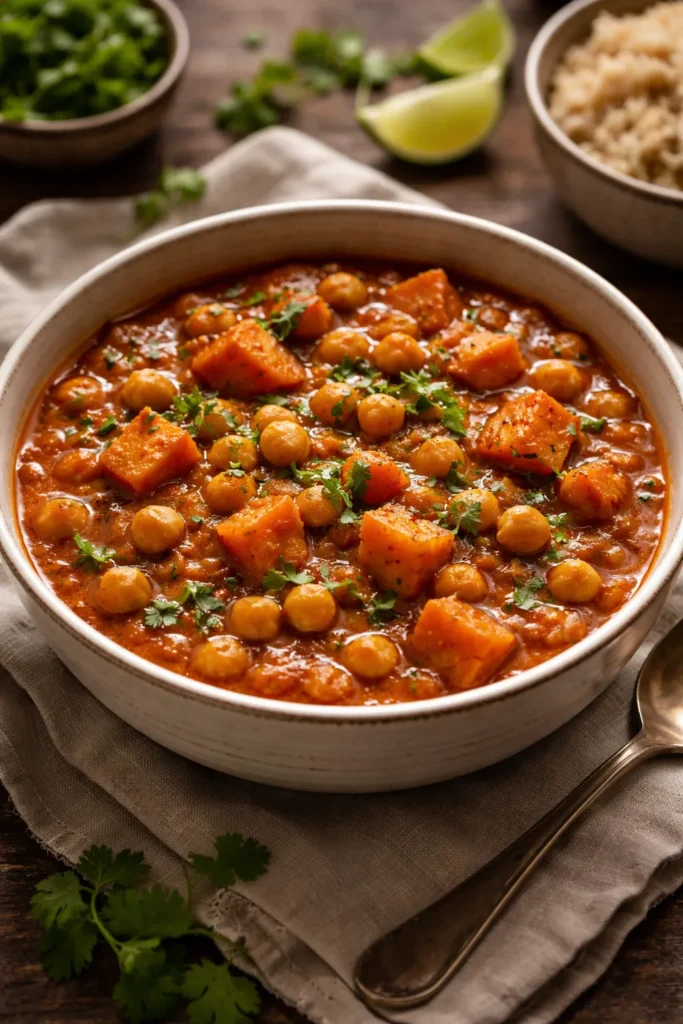
Chickpeas are one of the most underrated ingredients in a heart-healthy kitchen. A single cup of cooked chickpeas delivers about 12 grams of fiber — a substantial chunk of the 25-30 grams most adults need daily to see measurable cholesterol benefits. They’re also filling enough to make you forget there’s no meat on the plate, which is the quiet superpower of legume-based dinners.
The Flavor Architecture of a Good Curry
The reason so many “healthy” curries fall flat is that the spice base isn’t built properly. A good cholesterol-friendly curry doesn’t compromise on aromatics. Start by blooming cumin seeds, mustard seeds, and cardamom pods in a small amount of canola or avocado oil until they pop. Add chopped onion, fresh ginger, and garlic, and cook them low and slow until they’re deeply golden — this is where the sauce gets its depth. Ground turmeric, coriander, and garam masala go in next.
What the Body Gets from This Dish
Sweet potatoes bring beta-carotene, vitamin C, and around 4 grams of fiber per medium potato. Chickpeas, as mentioned, are fiber powerhouses. Cooked together in a tomato-based sauce (tomatoes contain lycopene, which research has linked to reduced LDL oxidation), this curry is essentially a cholesterol management tool disguised as comfort food.
- Use light coconut milk instead of full-fat to keep saturated fat low while maintaining creaminess
- Add a handful of fresh spinach at the end of cooking — it wilts in 60 seconds and adds iron and folate
- Serve over brown rice or with warm whole-grain naan for complete fiber coverage
- Finish with a squeeze of lime and fresh cilantro
This meal also freezes exceptionally well, so making a double batch on Sunday means you have two weeknight dinners sorted without any extra effort.
3. Grilled Chicken Breast with Roasted Bell Peppers and Quinoa
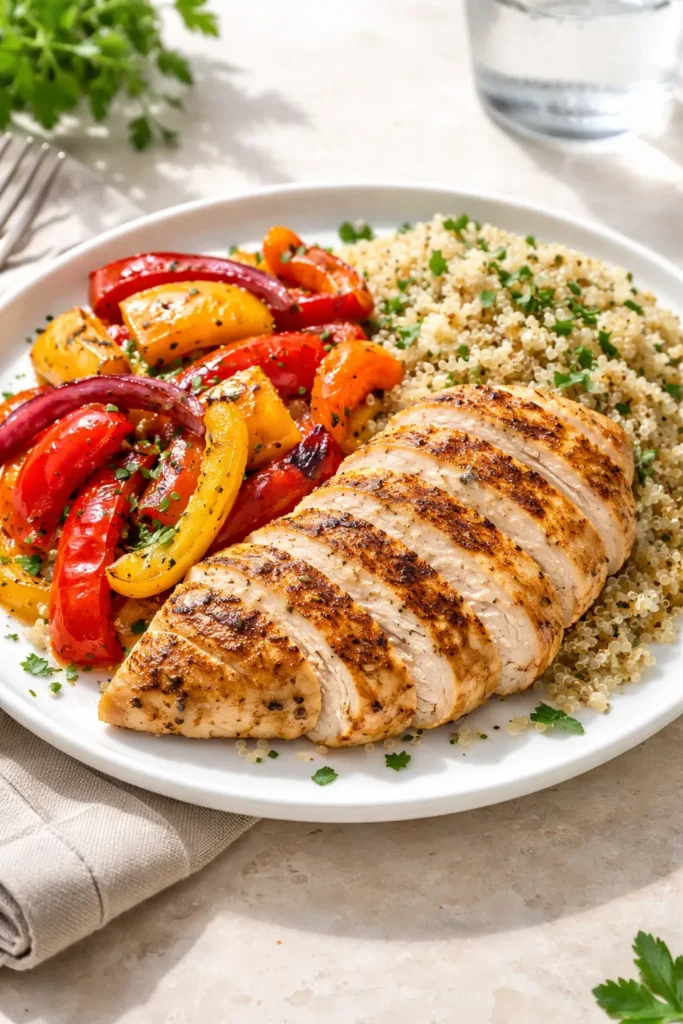
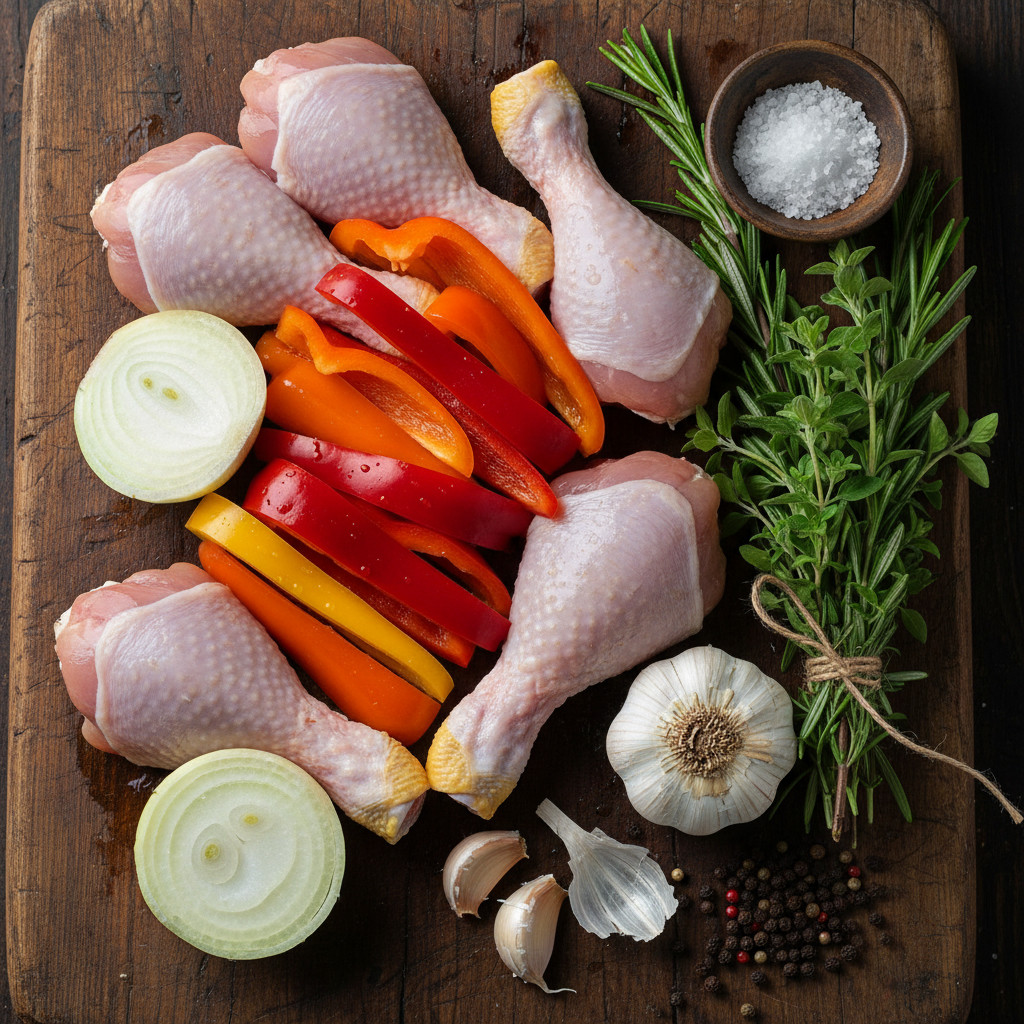
Skinless chicken breast is the most popular protein in heart-healthy cooking for a practical reason: it’s genuinely low in saturated fat. A 4-ounce portion contains roughly 1 gram of saturated fat compared to the 4-5 grams you’d get from the same amount of ground beef. It’s not the most exciting cut of meat on its own — but that’s exactly the point. Chicken breast takes on whatever flavors you give it, which makes it an endlessly adaptable base.
Making Chicken Breast Actually Taste Good
The biggest mistake people make with chicken breast is cooking it dry. Marinate for at least 30 minutes (and up to overnight) in olive oil, lemon juice, garlic, smoked paprika, and dried oregano. The acid from the lemon helps tenderize the meat while the fat carries the aromatics into it. Grill over medium-high heat for 6-7 minutes per side, and let it rest for 5 minutes before slicing — that rest is what keeps the juices in the meat instead of on the cutting board.
Why Quinoa Over White Rice
Quinoa contains all nine essential amino acids, making it a complete protein — unusual for a grain. It also delivers about 5 grams of fiber per cooked cup and has a lower glycemic index than white rice, meaning it won’t spike blood sugar the way refined grains do. Blood sugar management and cholesterol management are closely linked, so this swap does double duty.
- Roast mixed bell peppers (red, yellow, and orange for maximum color and vitamin C) with olive oil and a pinch of salt at 425°F until caramelized
- Toss cooked quinoa with fresh parsley, lemon zest, and a small drizzle of olive oil
- Layer the sliced grilled chicken over the quinoa, top with the roasted peppers and a scatter of fresh herbs
Worth knowing: Adding a tablespoon of walnuts or slivered almonds to the quinoa bowl adds heart-healthy monounsaturated fats and a satisfying crunch without meaningfully impacting the cholesterol profile of the dish.
4. Black Bean Tacos with Avocado and Chipotle Lime Slaw
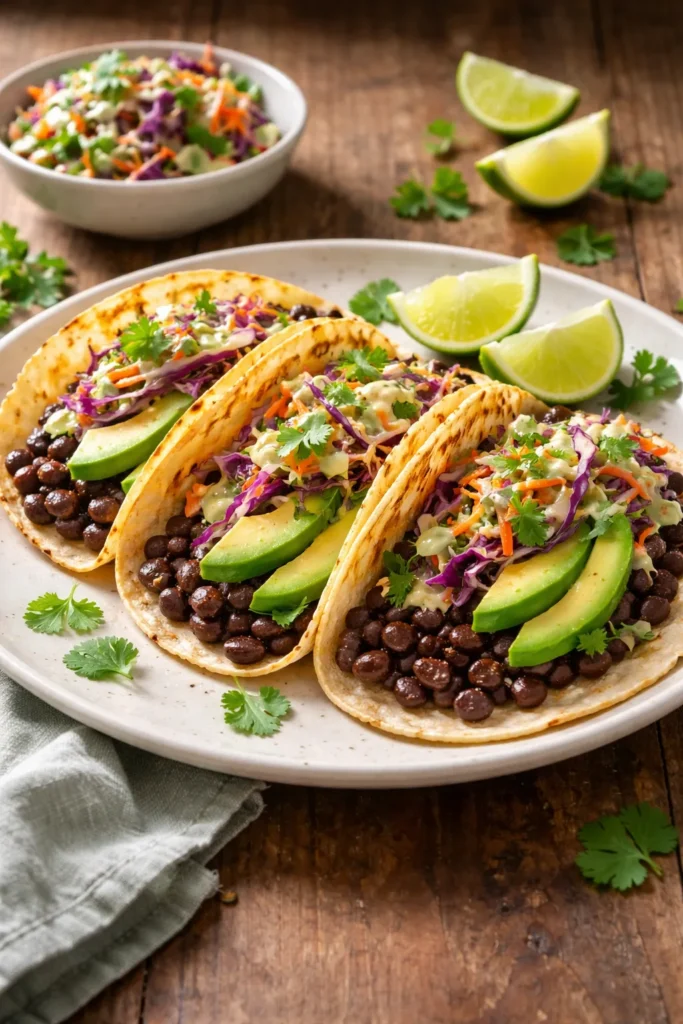
Taco night has no business being a dietary compromise. Black beans are one of the highest-fiber legumes available — around 15 grams of fiber per cooked cup — and they’re also genuinely rich in protein, iron, and magnesium. A taco built around well-seasoned black beans, creamy avocado, and crunchy slaw hits every textural note that makes tacos satisfying in the first place.
Building the Bean Filling with Real Depth
Canned black beans are fine — just rinse them well to cut the sodium. The flavor comes from the cooking. Heat a dry skillet and add the beans with chopped chipotle in adobo sauce, cumin, smoked paprika, garlic powder, and a splash of water or vegetable broth. Cook until the liquid reduces and the beans are slightly caramelized at the edges. Smash about half of them gently to create a creamier texture that holds together in a taco without falling apart on the first bite.
The Role of Avocado in a Low-Cholesterol Diet
Avocado gets avoided by some people because of its fat content, which is a misunderstanding worth clearing up. The fat in avocado is predominantly monounsaturated — specifically oleic acid, the same type found in olive oil. Monounsaturated fat has been shown in peer-reviewed studies to lower LDL while preserving or slightly raising HDL. A quarter of an avocado on a taco is a cardiovascular positive, not a negative.
- Use corn tortillas rather than flour tortillas — they’re lower in saturated fat and naturally gluten-free
- Make the slaw with shredded red cabbage, thinly sliced jalapeño, lime juice, a small amount of Greek yogurt or avocado mayo, and fresh cilantro
- Top with pickled red onions for an acidic contrast that cuts through the richness of the avocado
These come together in under 25 minutes and the bean filling keeps in the fridge for 4 days, making this an excellent meal-prep anchor for the week.
5. Baked Tilapia with Tomato Walnut Crust
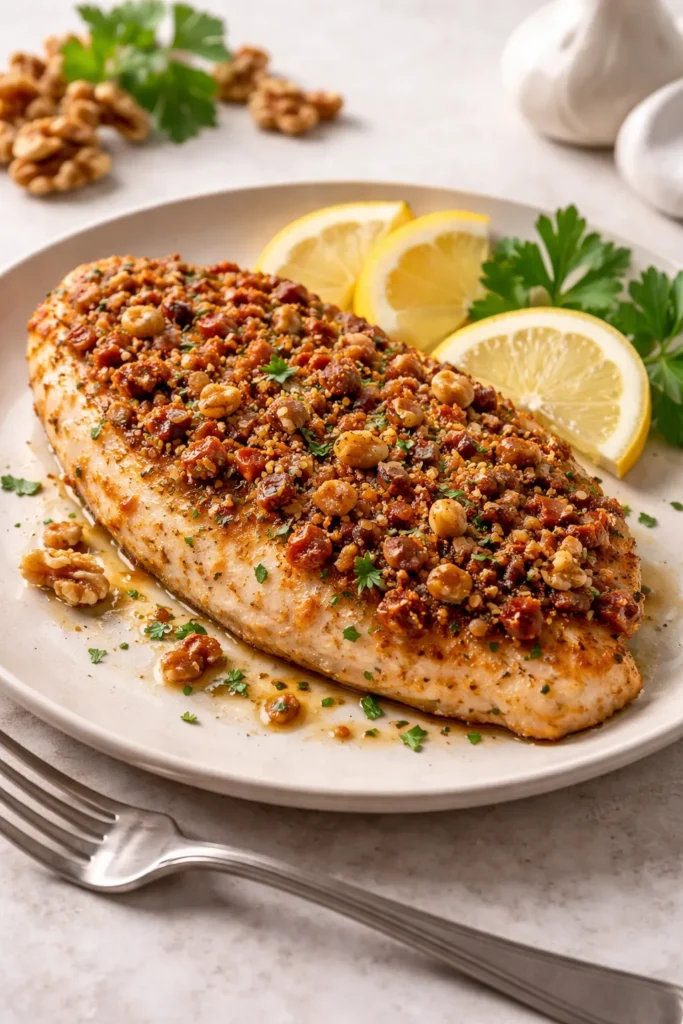
Tilapia is one of the lowest-cholesterol fish you can buy, with roughly 50 milligrams of cholesterol per 4-ounce serving and less than 1 gram of saturated fat. It’s also affordable, widely available, and cooks in under 15 minutes. The fish’s mild flavor is sometimes treated as a weakness, but it’s actually a strength — it accepts bold toppings and crusts that a more assertive fish might overpower.
Why Walnuts Belong on This Plate
Walnuts are one of the few plant foods with a significant amount of ALA — the plant-based omega-3 fatty acid. While ALA converts to EPA and DHA at a lower rate than direct fish sources, it still contributes to a pattern of eating that supports lower LDL and reduced inflammation. Walnuts also contain polyphenols that may protect LDL particles from oxidation — the process that makes LDL more likely to stick to artery walls.
How to Build the Crust
Combine roughly chopped walnuts, whole-grain breadcrumbs, diced fresh tomato, dried thyme, garlic powder, and a drizzle of olive oil in a bowl. Press this mixture over the top of each tilapia fillet and bake at 400°F for 12-14 minutes until the crust is golden and the fish flakes cleanly. That’s it.
- Serve alongside roasted zucchini and a simple arugula salad dressed with lemon and olive oil
- Add a squeeze of fresh lemon over the finished fish — the acid makes all the flavors pop
- The walnut crust also works beautifully on salmon, halibut, or cod if you want to rotate proteins
Pro tip: Dry the tilapia fillets thoroughly with paper towels before adding the topping. Moisture is the enemy of a crisp crust.
6. Mushroom and White Bean Bourguignon
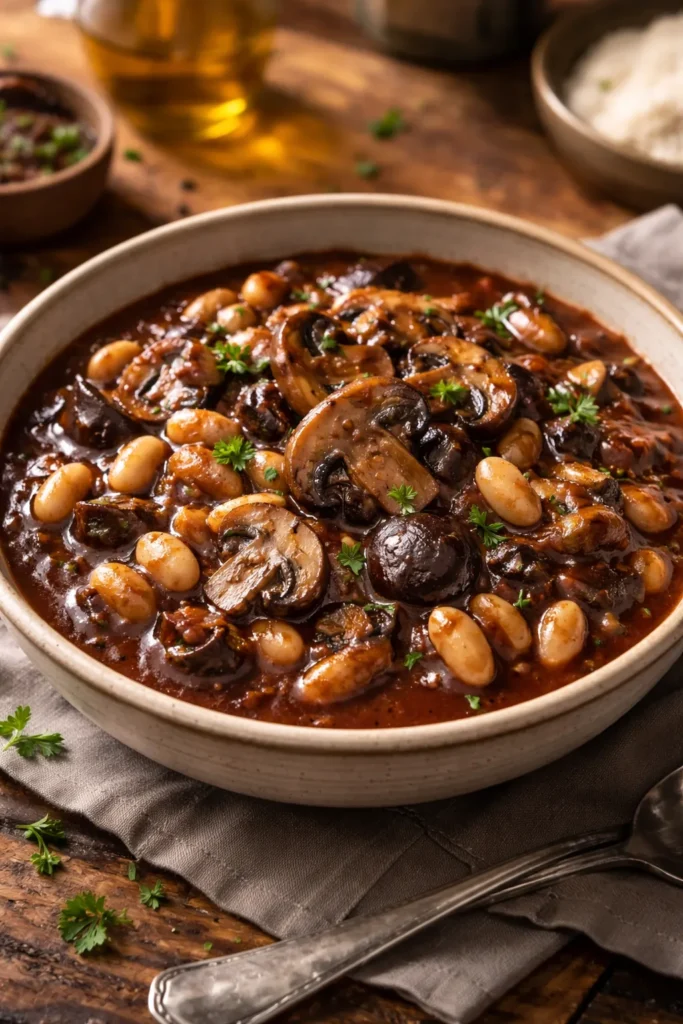
Classic beef bourguignon is one of the great French comfort dishes — braised beef, lardons, pearl onions, and mushrooms in a reduced red wine sauce. The low-cholesterol version swaps the fatty beef for hearty cremini and portobello mushrooms and adds white beans for body and protein. The result is so satisfying that anyone who tastes it without knowing the backstory will not clock the absence of meat.
What Mushrooms Do in This Recipe
Mushrooms are genuinely miraculous as a meat substitute because they contain glutamic acid — the same compound responsible for the savory, meaty depth in beef. When mushrooms are properly browned in a hot pan (don’t crowd them, or they steam instead of sear), they develop a caramelized exterior that mimics the flavor profile of browned meat. The key is patience and high heat with just enough olive oil to prevent sticking.
Building the Sauce
A proper cholesterol-friendly bourguignon sauce comes down to three things: deeply caramelized aromatics, a full bottle of decent dry red wine (which cooks down to concentrate flavor, and the alcohol evaporates entirely), and enough time for the sauce to reduce into something glossy and rich.
- Use a mix of cremini, portobello, and a handful of dried porcini (rehydrated in warm water) for maximum umami layering
- White beans — cannellini or great northern — add creaminess and plant protein without any cholesterol
- Serve over whole-grain egg-free pasta, polenta, or mashed cauliflower
- Garnish with fresh thyme and a small drizzle of high-quality olive oil
Red wine itself contains polyphenols, including resveratrol, which some research associates with modest HDL improvement. The key word is modest — and the amounts in cooking are meaningful from a flavor perspective more than a clinical one. But it’s a nice bonus.
7. Mediterranean Lentil Soup with Lemon and Spinach
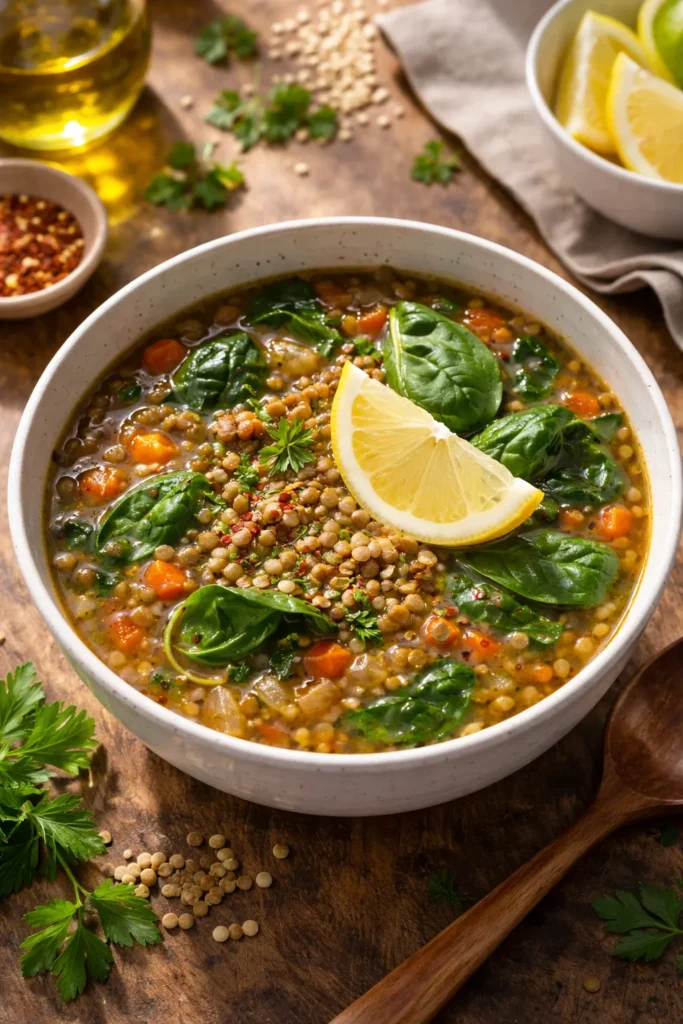
Lentils are the unsung heroes of low-cholesterol cooking. A single cup of cooked green or brown lentils delivers approximately 15 grams of fiber — more than half of most adults’ daily target from a single serving. They’re also rich in folate, iron, and magnesium, and they contain plant sterols that compete with cholesterol for absorption in the digestive tract. The evidence for lentils as a cholesterol-lowering food is among the most consistent in nutritional research.
Why This Soup Works on Every Level
Mediterranean lentil soup is one of those rare dishes that checks every box: it’s filling enough to be a complete meal, it tastes better the next day (making it perfect for meal prep), it costs almost nothing to make, and the flavor profile — cumin, coriander, smoked paprika, lemon, and fresh herbs — is genuinely bold rather than timidly “health food.”
The Technique That Makes It Exceptional
The difference between a great lentil soup and a forgettable one is the bloomed spice base and the finishing acid. Sauté finely diced onion, carrot, and celery in olive oil until soft and golden — about 10 minutes on medium heat. Add minced garlic, ground cumin, coriander, smoked paprika, and turmeric. Cook the spices in the oil for 90 seconds until fragrant before adding any liquid. This step is non-negotiable.
- Use French green lentils (they hold their shape) or red lentils (which dissolve and create a creamier texture) depending on your preference
- Add a large handful of fresh spinach in the last 2 minutes of cooking
- Squeeze a full lemon into the finished soup — this is the acid hit that transforms it from good to extraordinary
- Drizzle with olive oil and top with fresh parsley when serving
A 2-cup serving carries roughly 18 grams of fiber, 16 grams of plant protein, zero cholesterol, and a fraction of a gram of saturated fat. It’s as close to a perfect cardiovascular meal as exists.
8. Sheet Pan Salmon with Sweet Potatoes and Broccoli
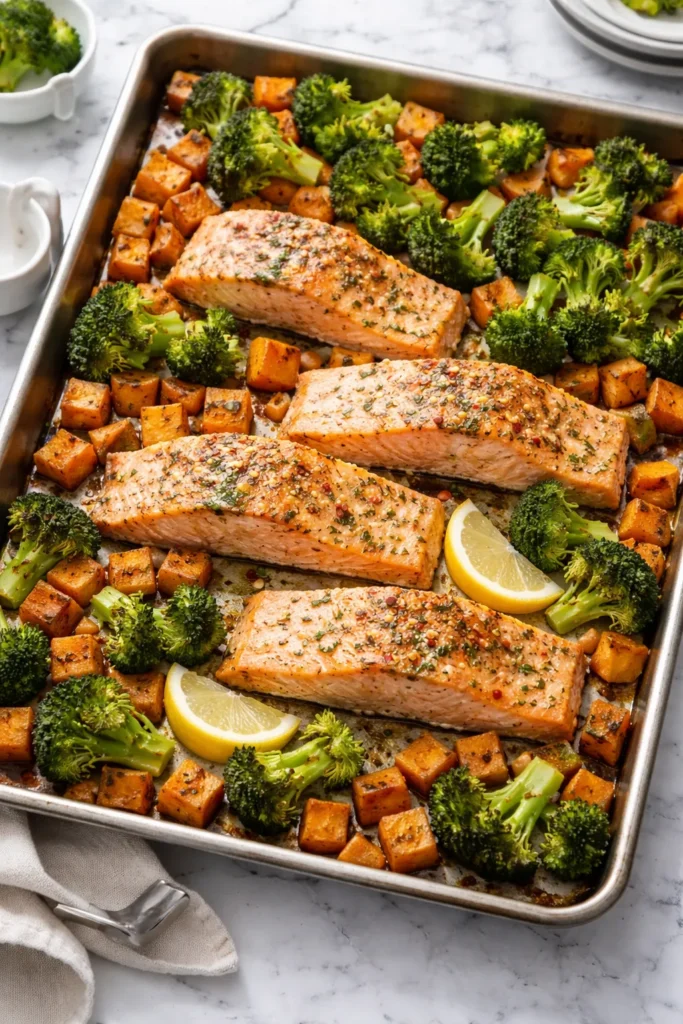
Sheet pan dinners became popular for a reason — one pan, one oven, minimal dishes, and you can build an entire balanced meal that roasts together in under 40 minutes. This version pairs salmon’s cholesterol-fighting omega-3s with sweet potato’s soluble fiber and broccoli’s glucoraphanin, a compound that a randomized controlled trial published in Molecular Nutrition & Food Research found reduced plasma LDL cholesterol in participants who ate it regularly.
The Flavor Profile That Makes This Dinner Memorable
Plain roasted salmon and vegetables can be unremarkable. What elevates this dish is a bold seasoning strategy: toss the sweet potato cubes with smoked paprika, cumin, and a drizzle of avocado oil. Season the broccoli florets with garlic powder, lemon zest, and olive oil. For the salmon, use a cilantro-lime-chili glaze — whisk together lime juice, a small amount of honey, chili powder, and minced garlic, then brush it generously over the fillets before roasting.
Timing the Sheet Pan Correctly
The most common sheet pan mistake is adding everything at once and ending up with overcooked fish and undercooked vegetables. Sweet potatoes need a 15-minute head start.
- Roast sweet potato cubes at 425°F for 15 minutes first
- Add broccoli to the pan and roast for another 10 minutes
- Nestle the glazed salmon fillets onto the pan and roast for a final 12-15 minutes until the flesh is opaque and flakes with gentle pressure
- Pull everything out together and finish with a squeeze of fresh lime
Worth knowing: The broccoli will pick up some of the caramelized glaze that drips from the salmon, which makes it the best piece of broccoli you’ve ever eaten. Intentionally position the broccoli florets close to the salmon for this reason.
This plate delivers around 40 grams of protein, close to 8 grams of fiber, and an impressive concentration of omega-3 fatty acids — all in a dish that takes about 10 minutes of active prep work.
How to Make These Dinners a Weekly Habit
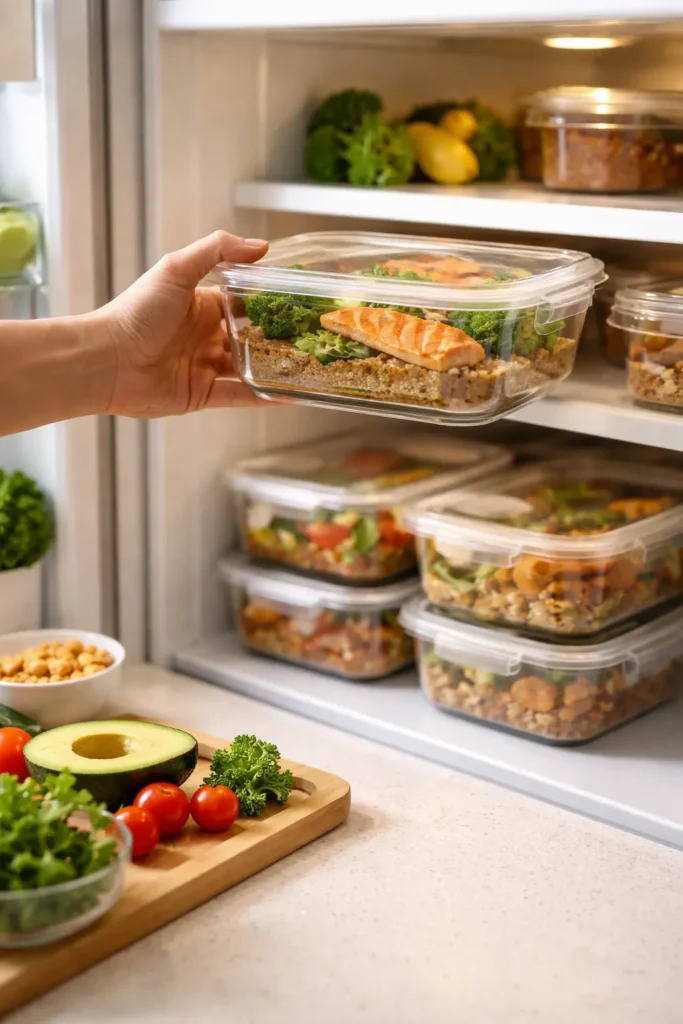
The biggest obstacle to eating heart-healthy consistently isn’t knowledge — it’s friction. Having to figure out what to cook at 6pm on a Tuesday is how people end up ordering something that undermines a week of good choices. The solution is reducing the decision-making load.
Pick two or three dinners from the eight above and rotate them each week. Most of the ingredients overlap in useful ways: olive oil, garlic, canned beans, leafy greens, and whole grains are staples that support almost every recipe on this list. Buy them in bulk and you’ll rarely need to make a special shopping trip.
Batch cook where it makes sense. The lentil soup, chickpea curry, and black bean taco filling all keep beautifully in the fridge for 4-5 days and freeze for up to 3 months. Making a large pot on Sunday afternoon means you have ready-made dinners for at least half the week with zero additional effort.
Pantry Items Worth Keeping in Stock
- Canned chickpeas, black beans, white beans, and lentils (rinse before using to reduce sodium)
- Brown rice, quinoa, and farro in airtight containers
- Canned whole tomatoes and tomato paste (high in lycopene)
- Extra-virgin olive oil and avocado oil
- A full spice arsenal: cumin, smoked paprika, turmeric, coriander, cinnamon, and garam masala
- Frozen salmon fillets and frozen edamame for quick-thaw protein options
The Herb and Spice Shift That Changes Everything
One of the most practical changes you can make is shifting your flavor strategy away from salt and butter toward fresh herbs, citrus, and spice blends. This isn’t about deprivation — it’s about discovering that lemon zest on grilled chicken or fresh cilantro over a curry actually delivers more flavor than fat ever could. The best cholesterol-friendly dinners taste bold because the seasoning does real work.
Final Thoughts

The eight dinners above share a common thread: they were built with flavor as the primary goal, and heart health as a natural byproduct of smart ingredient choices. That’s the mindset shift worth making. When you stop thinking about what to take away and start thinking about what to add — more fiber, more omega-3s, more color, more spice — the food gets better.
Salmon with a walnut crust, lentil soup finished with a whole lemon’s worth of juice, black bean tacos with chipotle heat and avocado creaminess — these are meals worth looking forward to. None of them taste like a concession.
Cholesterol management through diet works best as a long-term practice, not a short-term fix. The consistency of choosing these kinds of dinners most nights of the week is what adds up to meaningful changes in your numbers over time. Start with the one or two recipes that sound most appealing, build them into your rotation, and go from there. Small changes, made consistently, are the ones that stick.