Grabbing something nutritious on the way out the door is harder than it sounds. Most packaged snacks that claim to be “high protein” are either loaded with artificial sweeteners, cost a small fortune, or taste like chalk wrapped in a wrapper. Homemade protein muffins solve all three problems at once — they’re real food, they cost a fraction of the store-bought alternatives, and when you make them right, they taste like something you’d actually want to eat.
The secret most people miss is that protein muffins aren’t just regular muffins with a scoop of powder thrown in. Getting the texture right — moist, tender, not dense or rubbery — requires understanding how protein powder behaves in heat and how to balance it with the right moisture sources. Nail that balance, and you get a muffin that holds together in your gym bag, keeps you full for hours, and genuinely satisfies that mid-morning hunger.
Each recipe here was developed with real grab-and-go life in mind: quick prep times, minimal cleanup, ingredients that are easy to find, and muffins that freeze well so you can bake once and eat all week.
Table of Contents
- Why Protein Muffins Work So Well for Meal Prep
- What to Know Before You Start Baking
- 1. Classic Chocolate Chip Protein Muffins
- Tips for This Recipe
- 2. Banana Protein Muffins with Almond Flour
- Why Banana Puree Works Better Than Mashed Banana
- 3. Peanut Butter Chocolate Protein Muffins
- The Collagen vs. Whey Debate for This Recipe
- 4. Blueberry Greek Yogurt Protein Muffins
- Getting the Most from Greek Yogurt in Baking
- 5. Apple Cinnamon Protein Muffins
- Apple Variety Matters Here
- 6. Oatmeal Protein Muffins (No Protein Powder Needed)
- Making These Kid-Friendly
- 7. Chocolate Pumpkin Protein Muffins
- The Pumpkin-Chocolate Combination Explained
- 8. Five-Ingredient Almond Flour Protein Muffins
- Why the Protein Powder Choice Is Critical Here
- Choosing the Right Protein Powder for Baking
- Storage, Meal Prep, and Freezing Guide
- Serving Suggestions and Pairing Ideas
- Final Thoughts
Why Protein Muffins Work So Well for Meal Prep
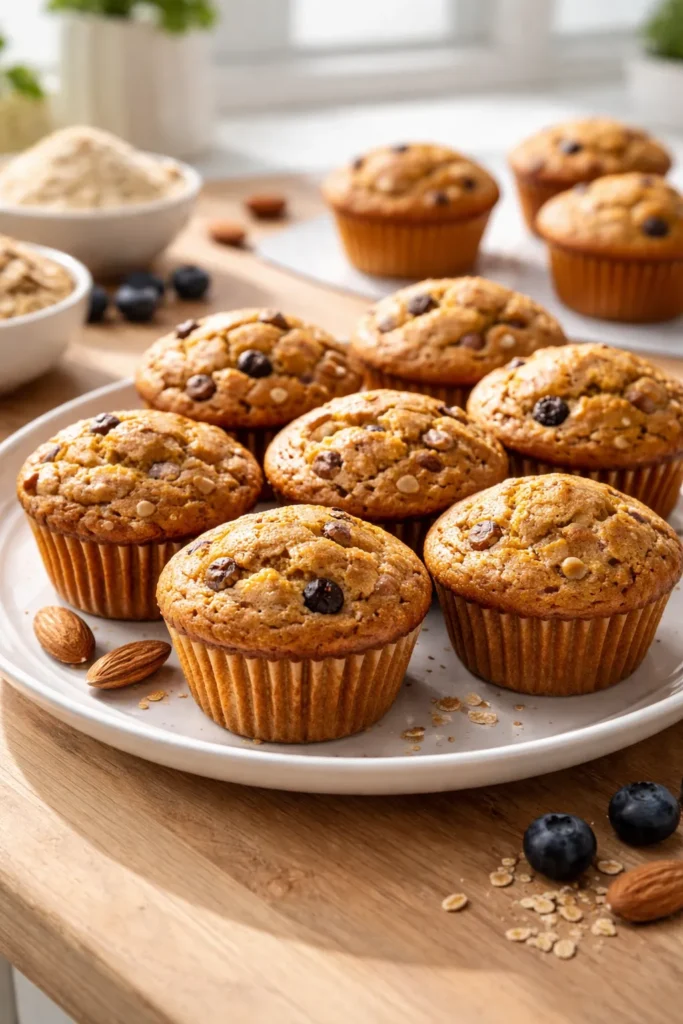
There’s a reason meal preppers keep coming back to muffins over protein bars or shakes. A muffin is a complete, self-contained portion. No measuring, no mixing, no blender to wash. You pull one from the fridge or freezer, and breakfast or a snack is handled.
Protein muffins also hold up beautifully in storage — far better than most homemade baked goods. The moisture sources used in high-protein recipes (Greek yogurt, applesauce, mashed banana, nut butter) keep the crumb soft even after a few days in the fridge. A standard batch of 10–12 muffins can cover an entire week of snacks or breakfasts without any additional cooking.
What’s worth knowing is that the protein content per muffin varies dramatically depending on the recipe. Some deliver a modest 6–8 grams of protein per muffin from whole-food sources like Greek yogurt and eggs. Others push 15–20 grams per muffin by leaning heavily on protein powder. Neither approach is wrong — it depends on your daily goals and what works best for your taste preferences.
What to Know Before You Start Baking
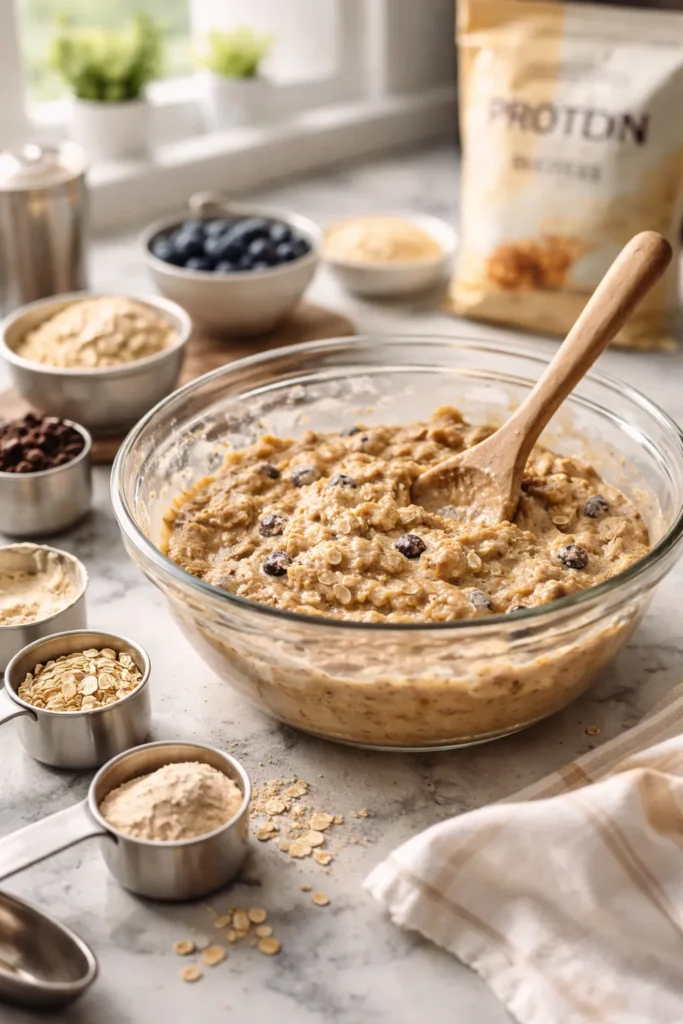
Protein powder behaves like flour in baked goods — it absorbs moisture and adds structure. This is useful, but it also means that using the wrong type can turn your muffins into dry, dense hockey pucks. The three best options for baking are vegan blends (pea protein, brown rice protein), casein protein, and whey-casein blends. These retain moisture and stay fluffy in the oven.
Whey protein isolate is the one to avoid in baking. It soaks up moisture aggressively under heat and dries out fast. If it’s all you have, bake at a slightly lower temperature (325°F instead of 350°F) and add an extra tablespoon or two of your liquid ingredient.
One more rule that applies across every recipe below: do not overbake. Protein muffins go from perfectly done to dry and crumbly in just 2–3 minutes. Pull them when the tops look just set and a toothpick comes out with a few moist crumbs — not completely clean. They’ll continue cooking on the wire rack.
1. Classic Chocolate Chip Protein Muffins
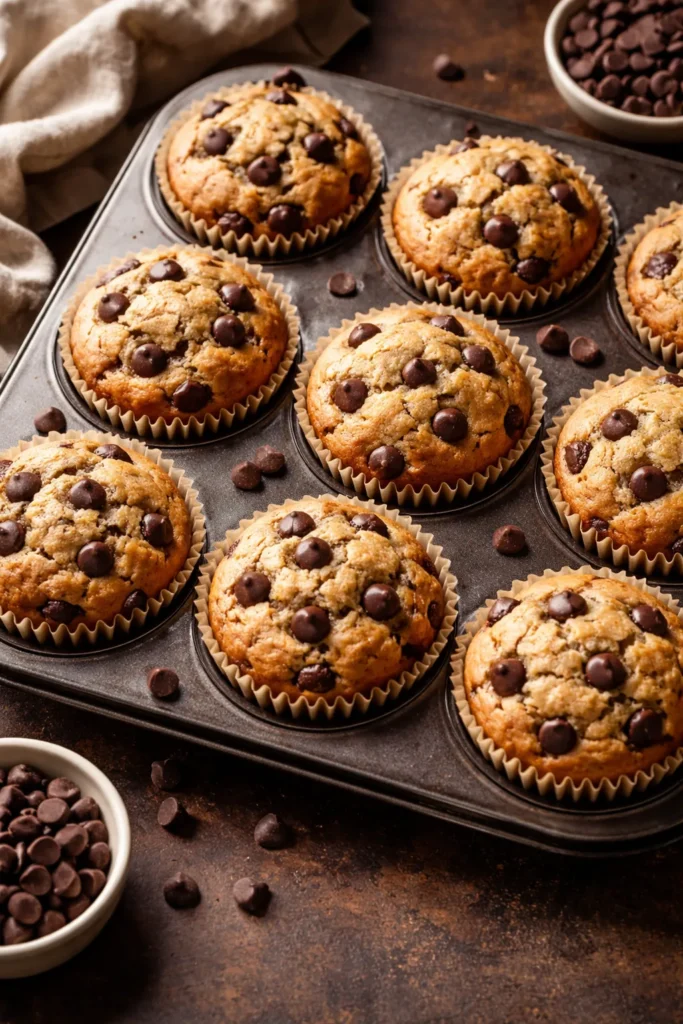
These are the workhorse of the bunch — fluffy, chocolatey, and made with whole wheat pastry flour and Greek yogurt for a tender crumb that holds together perfectly in a lunch bag or gym bag. At around 8–10 grams of protein per muffin, they hit the sweet spot between nutrition and flavor without tasting like a supplement.
Yield: Makes 12 muffins Prep Time: 15 minutes Cook Time: 13 minutes Total Time: 28 minutes Difficulty: Beginner — straightforward mixing method, no special equipment needed.
Ingredients:
- 1½ cups whole wheat pastry flour (or a 50/50 mix of all-purpose and whole wheat flour)
- ½ cup vanilla protein powder (vegan blend or whey-casein)
- 1½ teaspoons baking powder
- ½ teaspoon baking soda
- 1 teaspoon ground cinnamon
- ¼ teaspoon fine sea salt
- ½ cup coconut sugar (or light brown sugar)
- ¾ cup plain Greek yogurt, 2% or full fat, room temperature
- ⅓ cup avocado oil (or canola oil)
- 2 large eggs, room temperature
- 1½ teaspoons pure vanilla extract
- ½ cup mini chocolate chips, plus extra for topping
Directions:
Prep:
- Preheat the oven to 375°F (190°C) and line a standard 12-cup muffin tin with paper liners. Spray the liners lightly with cooking spray — protein powder batter tends to stick.
Mix the batter: 2. In a medium bowl, whisk together the flour, protein powder, baking powder, baking soda, cinnamon, and salt until evenly combined. Set aside. 3. In a large bowl, whisk together the coconut sugar, Greek yogurt, oil, eggs, and vanilla extract until smooth and no yogurt lumps remain. 4. Add the dry ingredients to the wet ingredients and stir with a spatula until almost combined — a few dry streaks remaining is fine. Do not overmix; stop the moment the flour disappears or your muffins will be tough. 5. Fold in the chocolate chips with 3–4 gentle strokes.
Bake and cool: 6. Divide the batter evenly among the 12 muffin cups — each should be about ¾ full. Scatter a few extra chocolate chips over the tops. 7. Bake for 12–14 minutes, until the tops are set and a toothpick inserted in the center comes out with just a few moist crumbs. Pull them at the earlier end — they firm up significantly as they cool. 8. Cool in the pan for 5 minutes, then transfer to a wire rack to cool completely before storing.
Tips for This Recipe
A large cookie scoop makes portioning the batter clean and fast. The cinnamon is optional, but it amplifies the sweetness without adding any sugar — worth keeping in.
2. Banana Protein Muffins with Almond Flour
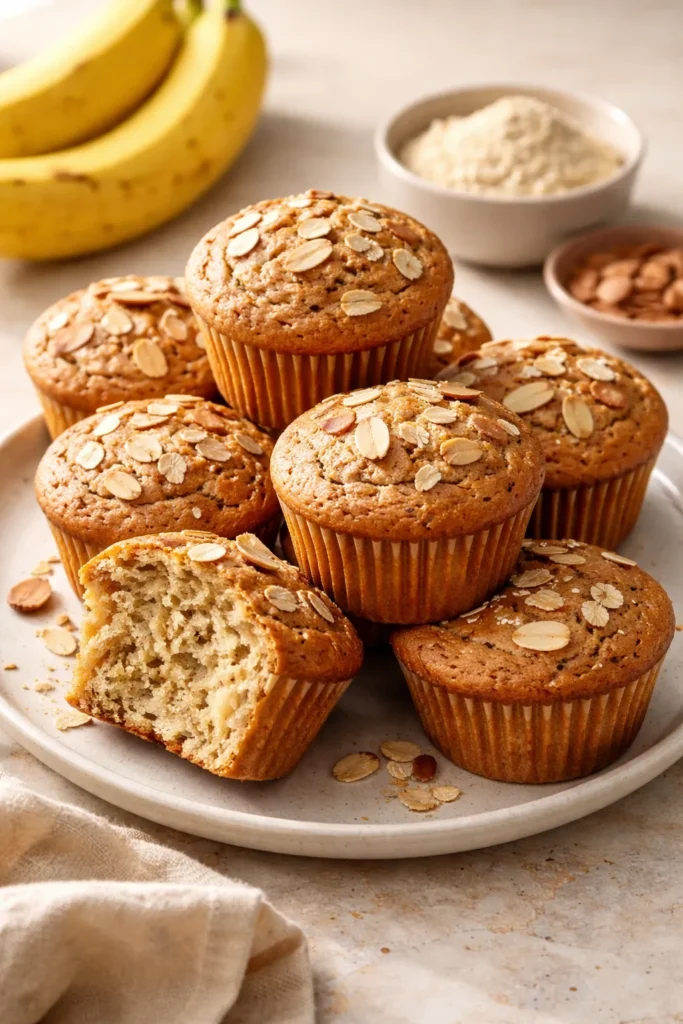
Ripe bananas do serious heavy lifting in this recipe. They add natural sweetness, deep moisture, and a binding quality that keeps these muffins soft and slightly fudgy — all without any refined sugar or added oil. The riper the bananas, the better; look for ones with heavy brown spotting for the sweetest result.
Yield: Makes 10 muffins Prep Time: 10 minutes Cook Time: 20 minutes Total Time: 30 minutes Difficulty: Beginner — one bowl, no mixer required.
Ingredients:
Wet:
- 1 cup ripe banana, pureed (roughly 2 large spotty bananas)
- 2 large eggs, room temperature
- ¼ cup honey (or maple syrup)
- 1 teaspoon pure vanilla extract
Dry:
- ½ cup blanched almond flour
- ½ cup oat flour (certified gluten-free if needed)
- ½ cup vanilla protein powder (pea protein recommended)
- 2 teaspoons baking powder
- ½ teaspoon ground cinnamon
- ¼ teaspoon fine sea salt
- ½ cup chocolate chips or chopped walnuts (optional)
Directions:
- Preheat the oven to 350°F (175°C). Line a muffin tin with 10 liners and spray with oil — the protein powder makes these prone to sticking.
- In a large mixing bowl, whisk together the banana puree, eggs, honey, and vanilla until smooth and uniform.
- Add the almond flour, oat flour, protein powder, baking powder, cinnamon, and salt. Whisk until just combined and no dry pockets remain.
- Fold in the chocolate chips or walnuts if using.
- Fill each liner about ¾ full. The batter will be slightly thicker than a standard muffin batter — that’s normal with almond flour.
- Bake for 18–24 minutes, rotating the pan at the halfway point, until a toothpick inserted in the center comes out clean.
- Cool completely before removing from liners — almond flour muffins are fragile when warm and firm up as they cool.
Why Banana Puree Works Better Than Mashed Banana
Pureeing the banana (rather than mashing it) creates a smoother batter with a more even texture throughout the muffin. A fork-mashed banana leaves small chunks that can create pockets in the crumb. A quick 20-second blitz in a blender or food processor makes a noticeable difference.
3. Peanut Butter Chocolate Protein Muffins
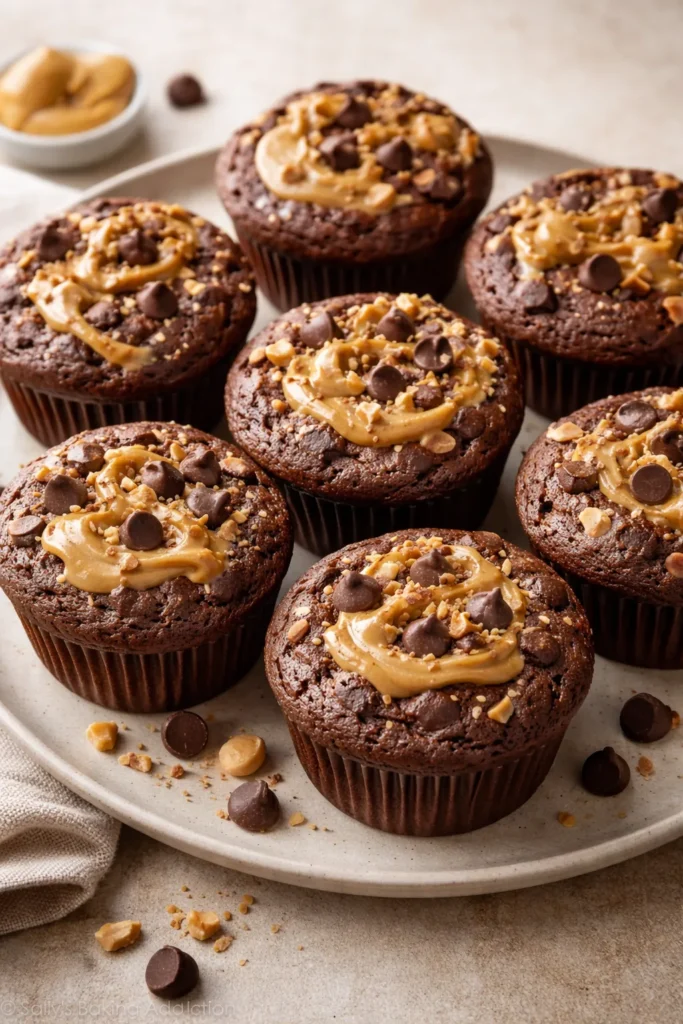
No flour, no grains, no dairy — and somehow one of the most satisfying muffins of the entire group. Nut butter forms the entire base here, giving these a dense, fudgy texture that’s closer to a brownie bite than a traditional muffin. Each one delivers around 12 grams of protein and fewer than 6 grams of carbs.
Yield: Makes 12 muffins Prep Time: 15 minutes Cook Time: 22 minutes Total Time: 37 minutes Difficulty: Beginner — all stirred by hand in a single bowl.
Ingredients:
- 1 cup smooth peanut butter (no added sugar; a runny, natural brand works best)
- ½ cup brown sugar substitute or coconut sugar
- 1 teaspoon pure vanilla extract
- 3 large eggs
- ½ cup chocolate collagen protein powder or cocoa-flavored vegan protein blend
- 3 tablespoons unsweetened cocoa powder
- 2 teaspoons baking powder
- ¼ teaspoon fine sea salt
- ⅓ cup sugar-free or dark chocolate chips (70% cacao or higher)
Directions:
- Preheat the oven to 350°F (175°C) and line a 12-cup muffin tin with parchment or silicone liners. Do not use standard paper liners without spraying — this batter sticks badly.
- If the peanut butter is stiff or separated, microwave it for 20–30 seconds and stir well until smooth and pourable.
- In a large bowl, whisk the peanut butter and sweetener together until smooth. Add the vanilla extract, then whisk in the eggs one at a time until the batter is uniform and glossy.
- Add the protein powder, cocoa powder, baking powder, and salt. Stir until fully combined — the batter will be thick.
- If the batter feels too stiff to scoop (this can happen with certain nut butters), stir in 2–4 tablespoons of warm water until the batter becomes scoopable. Do not skip this step if needed — a dry batter bakes into a dry muffin.
- Fold in the chocolate chips.
- Divide evenly among the prepared muffin cups and bake for 18–25 minutes, until the tops are just firm to the touch. They should have a slight jiggle when you shake the pan — that’s correct.
- Cool completely in the pan before removing. These are best eaten the next day when the texture has had time to set.
The Collagen vs. Whey Debate for This Recipe
Collagen protein powder blends seamlessly with nut butter — it has a neutral flavor and a silky texture that keeps the muffins moist. Whey protein can work, but the batter dries out more easily. If you only have whey, add 3 tablespoons of water and check them at 18 minutes.
4. Blueberry Greek Yogurt Protein Muffins
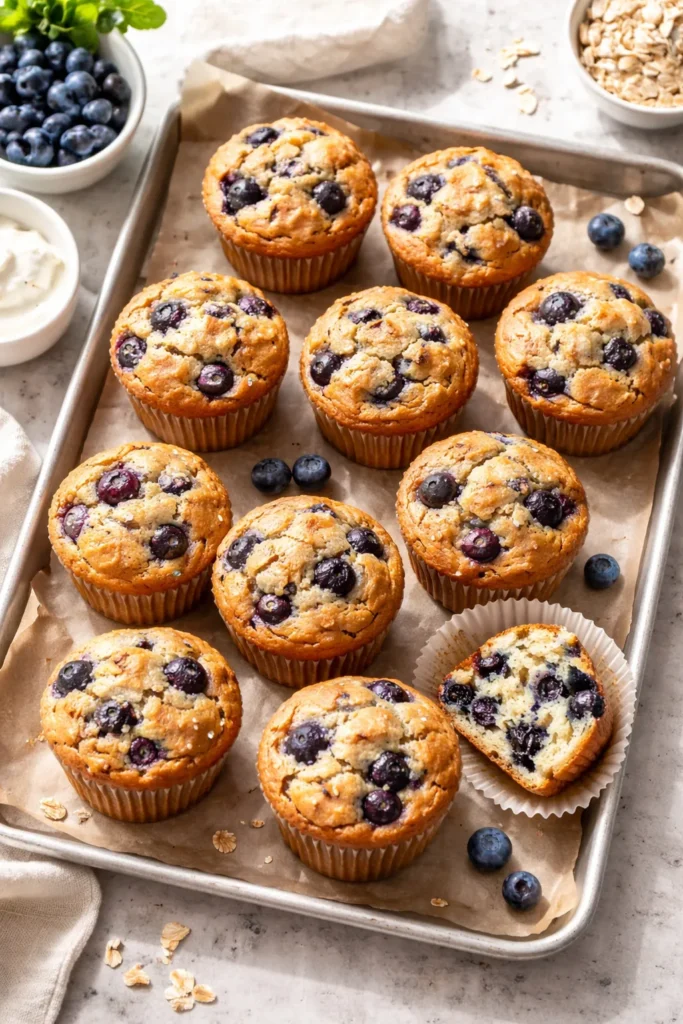
Greek yogurt is doing double duty here — it adds a significant protein boost on top of whatever protein powder you use, and it creates that bakery-style tender crumb that makes the difference between a muffin you eat out of obligation and one you actually crave. Fresh blueberries burst during baking and create little pockets of fruit throughout the muffin.
Yield: Makes 12 muffins Prep Time: 10 minutes Cook Time: 22 minutes Total Time: 32 minutes Difficulty: Beginner — standard muffin method.
Ingredients:
- 1 large egg
- ⅔ cup (180 g) plain Greek yogurt, 2% or full fat
- 4 oz (115 g) ripe banana, mashed (or ½ cup unsweetened applesauce)
- ⅓ cup maple syrup or honey
- 1 teaspoon pure vanilla extract
- ⅙ teaspoon fine sea salt
- 1½ cups (150 g) oat flour (or almond flour)
- ½ cup (50 g) vanilla protein powder (vegan or casein blend)
- 2 teaspoons baking powder
- 3–6 tablespoons milk of choice (amount depends on protein powder used)
- ¾ cup fresh or frozen blueberries
Directions:
- Preheat the oven to 350°F (180°C). Line a 12-cup muffin tin with greased liners.
- In a large bowl, mash the banana thoroughly, then whisk in the Greek yogurt, egg, maple syrup, vanilla, and salt until smooth with no lumps remaining.
- Add the oat flour, protein powder, and baking powder. Stir while pouring in the milk gradually — start with 3 tablespoons and add more as needed. The batter should be thick but pourable, not paste-like. Casein powder absorbs significantly more liquid than whey, so lean toward the higher end of the milk range if using casein.
- Gently fold in the blueberries with 3–4 strokes. If using frozen berries, do not thaw them first — add them straight from frozen to prevent the juice from bleeding through the batter.
- Fill each liner ⅔ full. Sprinkle a few extra blueberries over the tops if desired.
- Bake for 20–25 minutes, until the tops are golden and a toothpick comes out clean.
- Cool in the pan for 15 minutes before transferring to a wire rack.
Getting the Most from Greek Yogurt in Baking
Full-fat or 2% Greek yogurt is the move here — the fat content contributes directly to moisture and richness in the final muffin. Fat-free Greek yogurt produces a noticeably drier crumb. If vanilla-flavored Greek yogurt is what you have, reduce the maple syrup by about 1 tablespoon to compensate for the added sweetness.
5. Apple Cinnamon Protein Muffins
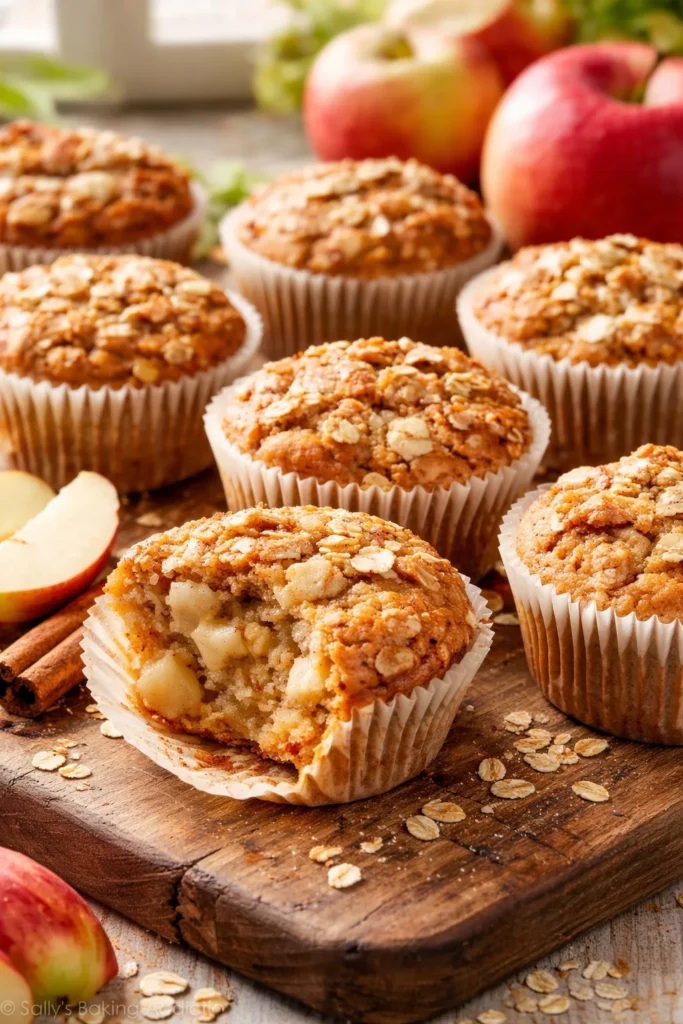
Warm cinnamon, juicy chunks of fresh apple, quick oats for texture, and Greek yogurt to keep everything tender — this is the muffin that tastes like fall baking but works just as well pulled from the freezer on a busy weekday morning. It’s naturally nut-free, making it safe for school lunchboxes.
Yield: Makes 12 muffins Prep Time: 15 minutes Cook Time: 21 minutes Total Time: 36 minutes Difficulty: Beginner — no mixer, no unusual technique.
Ingredients:
- ¼ cup unsalted butter, melted (or melted coconut oil)
- ½ cup unsweetened applesauce
- ½ cup plain or vanilla Greek yogurt, 2% or full fat
- 1 large egg
- 1 teaspoon pure vanilla extract
- 1½ cups quick-cooking oats
- ½ cup all-purpose flour (or a cup-for-cup gluten-free blend)
- ½ cup cane sugar or coconut sugar
- ⅔ cup vanilla whey or whey-casein protein powder (about 60 g)
- 1½ teaspoons ground cinnamon
- 1 teaspoon baking powder
- ½ teaspoon baking soda
- ¼ teaspoon fine sea salt
- 1 cup fresh apple, diced into ½-inch cubes (skin on; Pink Lady or Honeycrisp preferred)
Directions:
- Preheat the oven to 350°F (175°C). Mist a standard muffin pan with cooking spray or line with greased paper liners.
- In a large mixing bowl, whisk together the melted butter, applesauce, Greek yogurt, egg, and vanilla extract until smooth and uniform.
- Add the oats, flour, sugar, protein powder, cinnamon, baking powder, baking soda, and salt. Stir until just combined — stop when no dry streaks remain.
- Fold in the diced apples gently. The batter will be thicker than a standard muffin batter because of the oats — this is correct.
- Divide the batter evenly among the 12 muffin cups. Each cup should be about ¾ full.
- Bake for 20–22 minutes, until the tops are golden brown and a toothpick inserted in the center comes out clean.
- Cool in the pan for 5 minutes, then transfer to a wire rack. These are excellent warm with a thin spread of almond butter.
Apple Variety Matters Here
Honeycrisp and Pink Lady apples hold their shape during baking, staying as identifiable chunks rather than disappearing into the batter. A Granny Smith adds a pleasant tartness if you want to balance the cinnamon sweetness. Avoid Red Delicious — they go mushy and flavorless in the oven.
6. Oatmeal Protein Muffins (No Protein Powder Needed)
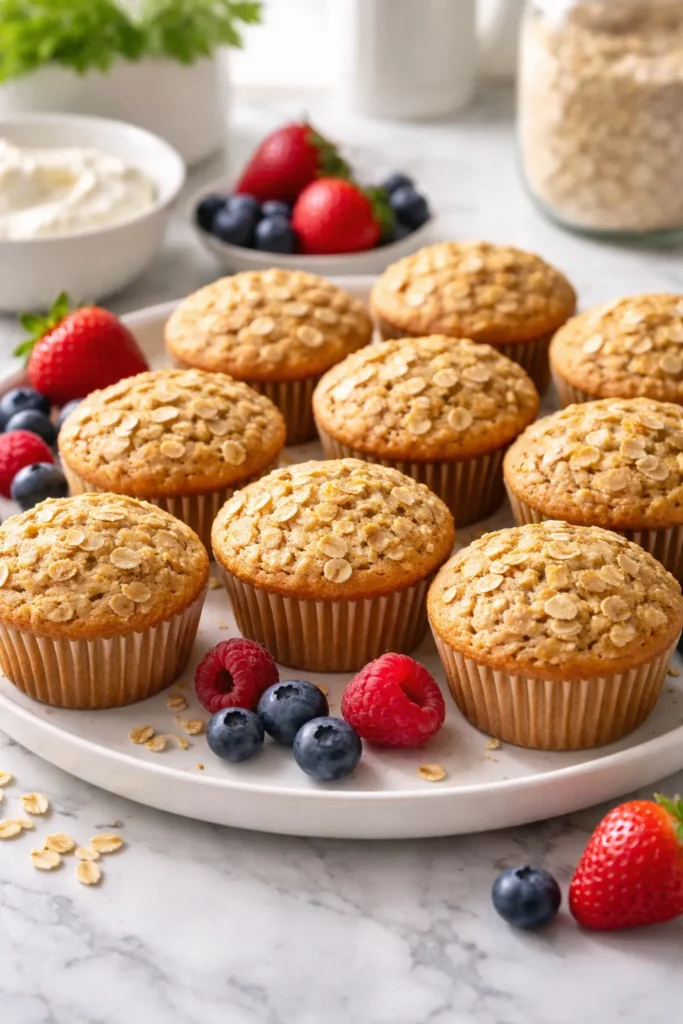
No protein powder in the pantry? Not a problem. These muffins use whole rolled oats and eggs as the base, with the option to boost protein further by swapping ¼ cup of the oats for Greek yogurt. They’re mild in flavor — think of them as a blank canvas that works beautifully with fresh fruit toppings or a drizzle of honey.
Yield: Makes 12 muffins Prep Time: 15 minutes Cook Time: 23 minutes Total Time: 38 minutes Difficulty: Beginner — minimal ingredients, pantry-staple method.
Ingredients:
- 3 cups rolled oats (old-fashioned, not steel-cut)
- 1 teaspoon baking powder
- 1 cup unsweetened almond milk or any milk of choice
- 2 large eggs
- ½ cup maple syrup or honey
- 1 scoop vanilla protein powder or ¼ cup plain Greek yogurt (protein powder version gives ~6 g protein per muffin; yogurt version gives ~4 g)
- Cooking spray for the pan
Optional toppings:
- Fresh berries (blueberries, raspberries, sliced strawberries)
- Additional maple syrup for serving
- Banana slices
Directions:
- Preheat the oven to 350°F (175°C). Coat a 12-cup muffin tin with cooking spray — these muffins are delicate and will stick without it.
- In a large bowl, combine the rolled oats, baking powder, and protein powder (if using) and stir together.
- Add the milk, eggs, maple syrup, and Greek yogurt (if using instead of protein powder). Mix well until fully combined and the oats are evenly coated.
- Let the batter sit for 3 minutes — this allows the oats to absorb the liquid slightly and creates a better-shaped muffin.
- Divide the oat mixture evenly among the 12 muffin cups. If adding fresh fruit, press a few berries or banana slices into the top of each cup.
- Bake for 20–25 minutes, until the tops are golden brown and set.
- Cool in the pan for 5 minutes. Run a thin spatula or butter knife around each muffin before lifting to prevent tearing. Transfer to a wire rack to cool completely.
Making These Kid-Friendly
These are an excellent option for kids because the oat base is mild and familiar. A few blueberries pressed into the top before baking makes them visually appealing for younger eaters. Steel-cut oats don’t work here — they stay too firm and won’t bind properly. Quick oats are a fine substitute for rolled oats and will produce a slightly softer texture.
7. Chocolate Pumpkin Protein Muffins
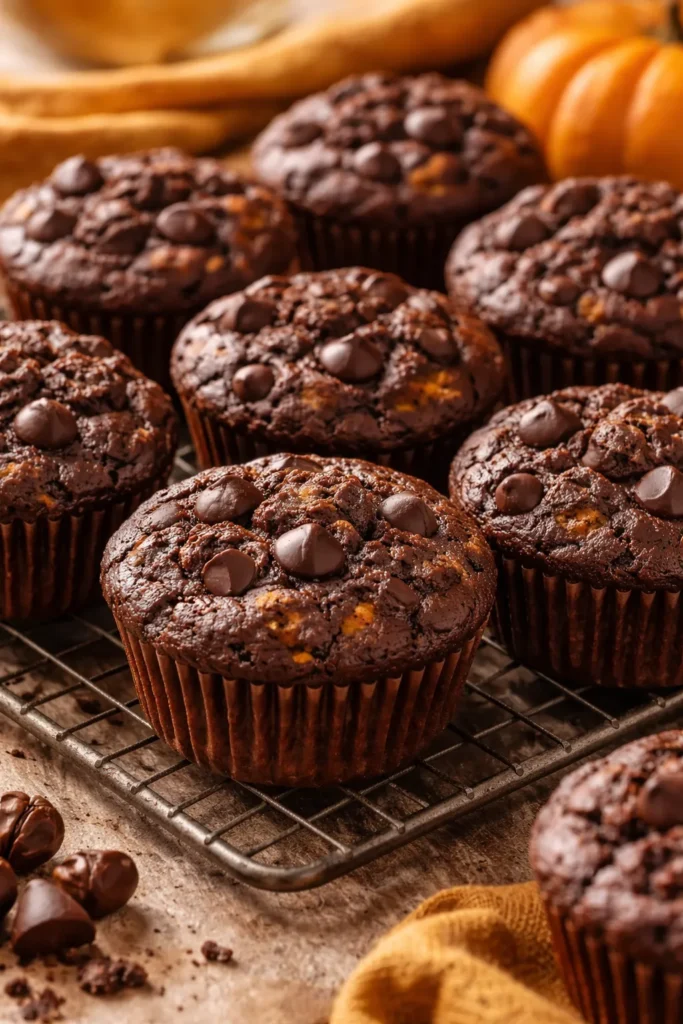
Pumpkin puree is one of the most underrated ingredients in high-protein baking. It adds moisture without any detectable “pumpkin flavor” in chocolate recipes — it simply makes the muffin fudgy, tender, and rich. Paired with cocoa powder and chocolate protein powder, these taste like a chocolate lava cake in muffin form.
Yield: Makes 12 muffins Prep Time: 12 minutes Cook Time: 20 minutes Total Time: 32 minutes Difficulty: Beginner — one bowl method.
Ingredients:
- 1 cup pumpkin puree (canned, not pumpkin pie filling)
- 2 large eggs
- ¼ cup maple syrup or coconut sugar
- ½ cup smooth almond butter or peanut butter
- 1 teaspoon pure vanilla extract
- ½ cup chocolate protein powder (vegan or whey-casein)
- 3 tablespoons unsweetened cocoa powder
- 1 teaspoon baking powder
- ½ teaspoon baking soda
- ¼ teaspoon fine sea salt
- ½ teaspoon ground cinnamon
- ⅓ cup dark chocolate chips (plus extra for topping)
Directions:
- Preheat the oven to 350°F (175°C). Line a 12-cup muffin tin with parchment liners and spray lightly.
- In a large bowl, whisk together the pumpkin puree, eggs, maple syrup, almond butter, and vanilla until smooth. If the almond butter is stiff, microwave it for 15–20 seconds first to loosen it.
- Add the protein powder, cocoa powder, baking powder, baking soda, salt, and cinnamon. Stir until no dry streaks remain.
- Fold in the chocolate chips.
- Scoop the batter into the muffin cups — it will be thicker than a standard batter. Smooth the tops with the back of a spoon and press a few extra chocolate chips on top.
- Bake for 18–22 minutes, until the tops look set and a toothpick inserted in the center comes out with just a few moist crumbs.
- Cool in the pan for 10 minutes before removing. These are best at room temperature or slightly warm.
The Pumpkin-Chocolate Combination Explained
Pumpkin puree is about 90% water, which means it acts as both a moisture source and a fat substitute in baked goods. In this recipe, it offsets the drying effect of cocoa powder and protein powder — both of which absorb liquid aggressively. The result is a muffin that stays soft for 4–5 days in the fridge without hardening at the edges.
8. Five-Ingredient Almond Flour Protein Muffins
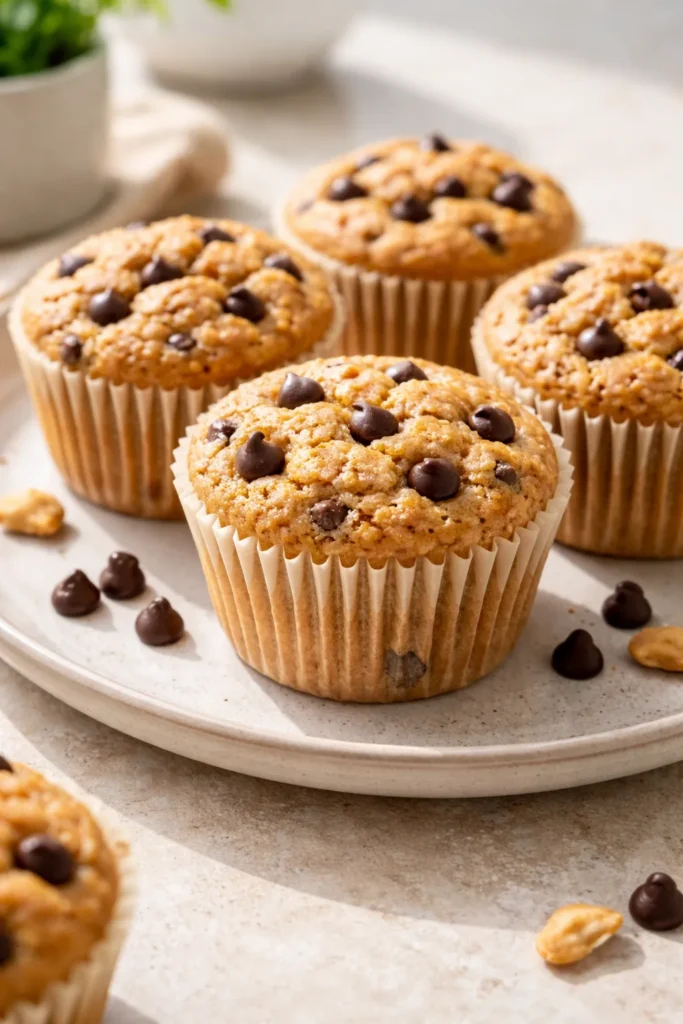
When time is short and you want maximum results with minimum effort, this is the recipe. Five ingredients, one bowl, 17 minutes total, and around 20 grams of protein per muffin from the combination of almond flour, peanut butter, and protein powder. No eggs, no refined sugar, and easily made vegan.
Yield: Makes 8 large muffins (or 12 mini muffins) Prep Time: 5 minutes Cook Time: 12 minutes Total Time: 17 minutes Difficulty: Beginner — the simplest recipe in this collection by a wide margin.
Ingredients:
- 2 scoops (64–67 g) vanilla protein powder (brown rice, casein, or whey-casein blend — do not use straight whey isolate)
- ½ cup blanched almond flour (not almond meal)
- 1 teaspoon baking powder
- ½ cup smooth peanut butter (a commercial brand like Skippy works better here than natural — the thinner consistency incorporates more smoothly)
- 1 cup unsweetened applesauce
- ½ cup chocolate chips (optional, but highly recommended)
Directions:
- Preheat the oven to 350°F (180°C). Line a muffin tin with 8 large liners. Spray the liners generously — this batter sticks.
- In a large bowl, whisk together the protein powder, almond flour, and baking powder until evenly combined.
- Add the peanut butter and unsweetened applesauce. Mix with a spatula until fully combined and no streaks of peanut butter remain. The batter will be thick.
- Fold in the chocolate chips.
- Divide the batter evenly among the 8 muffin liners — use a spoon or cookie scoop and press the tops flat.
- Bake for 10–12 minutes. Check at the 10-minute mark — the tops should look just barely set. A toothpick should come out mostly clean with a few moist crumbs.
- If the tops begin browning before the insides are done, tent the pan loosely with aluminum foil after the 8-minute mark.
- Remove from the oven and rest for 5 minutes in the pan, then transfer to a wire rack. Do not eat immediately — they firm up and develop a better texture as they cool.
Why the Protein Powder Choice Is Critical Here
With only five ingredients, every one matters significantly. Protein powder is doing structural work normally handled by flour and eggs. A straight whey isolate will make these muffins turn out dense and rubbery — genuinely inedible. Casein protein and brown rice protein both retain moisture under heat and produce a tender, slightly chewy crumb. Vanilla-flavored powder with a light sweetener (stevia or coconut sugar) gives the best flavor without any additional sweetening needed.
Choosing the Right Protein Powder for Baking
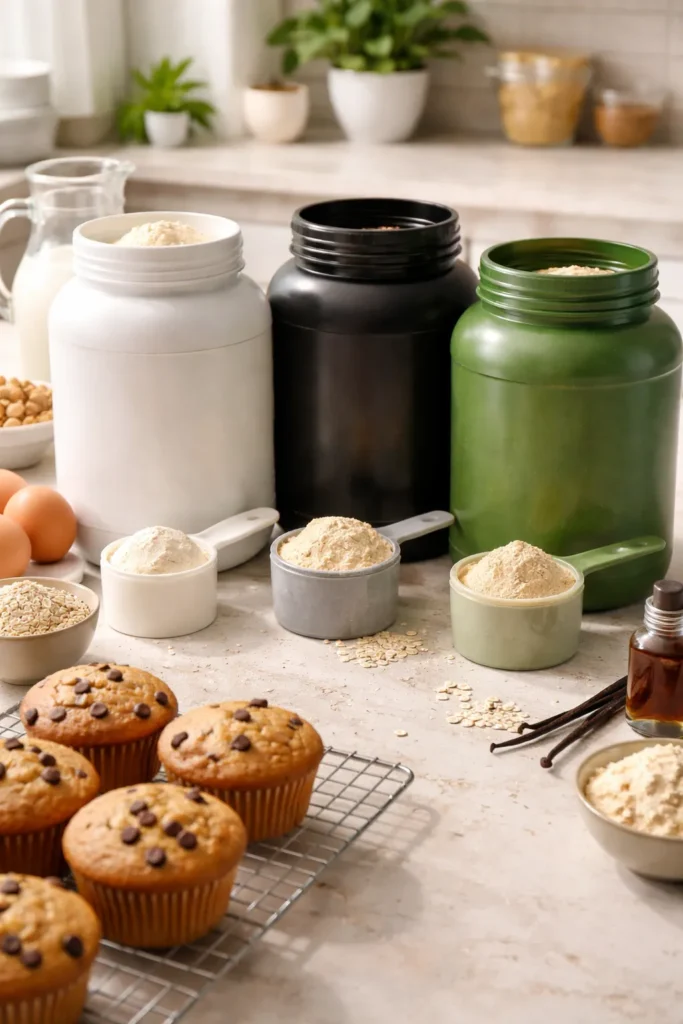
The protein powder question comes up more than any other when it comes to baking, and the answer has real consequences for your final product.
Casein protein is the gold standard for muffins. It absorbs liquid slowly and retains moisture through the baking process, producing a soft, tender crumb. The downside is that it’s not dairy-free and tends to cost more.
Vegan blends (pea protein, brown rice protein, hemp protein) are the best dairy-free option. They behave similarly to casein and keep muffins moist. Pea protein has a slightly earthy flavor that vanilla or chocolate flavoring covers well.
Whey-casein blends are a solid middle ground — they’re widely available, affordable, and behave well in heat. They need slightly less liquid than pure casein.
Whey protein isolate should be avoided in muffins unless you’re experienced with adjusting recipes. It’s hydroscopic (moisture-hungry) under heat and dries out baked goods fast.
For flavor, vanilla is the most versatile choice across all eight recipes above. It adds sweetness and warmth without pushing the muffins in a specific flavor direction. Unflavored protein works in savory or fruit-forward recipes. Chocolate or peanut butter flavors can be fun but make the recipes less flexible for variations.
Storage, Meal Prep, and Freezing Guide
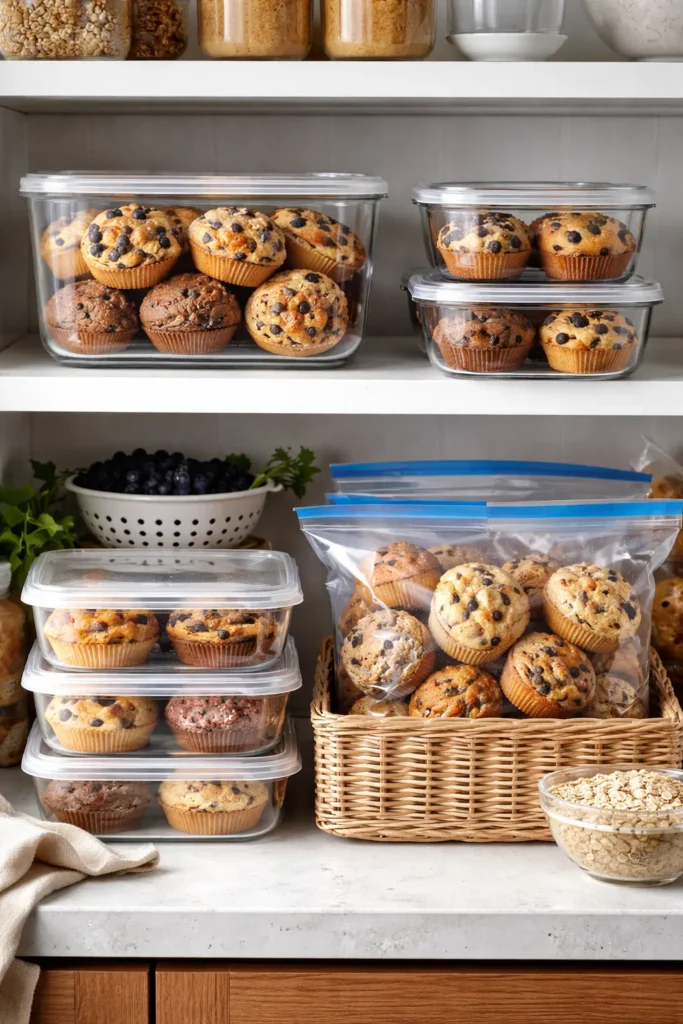
Every one of these recipes is designed to be made ahead, so the storage guidance matters.
At room temperature: Most protein muffins stay fresh for 1–2 days in an airtight container on the counter. The oatmeal-based recipes hold up best at room temperature because the oats act as a moisture buffer.
In the refrigerator: All eight recipes store well in an airtight container in the fridge for 4–7 days. The almond flour and peanut butter-based muffins hold up for the full 7 days without any noticeable change in texture. Greek yogurt-based muffins are best within 4 days.
In the freezer: This is the real power move for meal prep. All eight recipes freeze well for 2–3 months. Cool the muffins completely, then either wrap them individually in plastic wrap or freeze them in a single layer first before transferring to a zip-top freezer bag. Individual wrapping is worth the effort — it prevents freezer burn and keeps the texture from degrading.
Reheating from frozen: No need to thaw. Microwave a frozen muffin for 45–60 seconds and it comes out warm and soft, nearly indistinguishable from fresh. Alternatively, unwrap and set it on the counter 30–45 minutes before you need it.
Batch doubling: If you’re prepping for the week, doubling any of these recipes is straightforward — just use a larger bowl and make sure your muffin tins are well-greased. The baking time stays the same; just check for doneness at the lower end of the time range since oven temperature can vary.
Serving Suggestions and Pairing Ideas
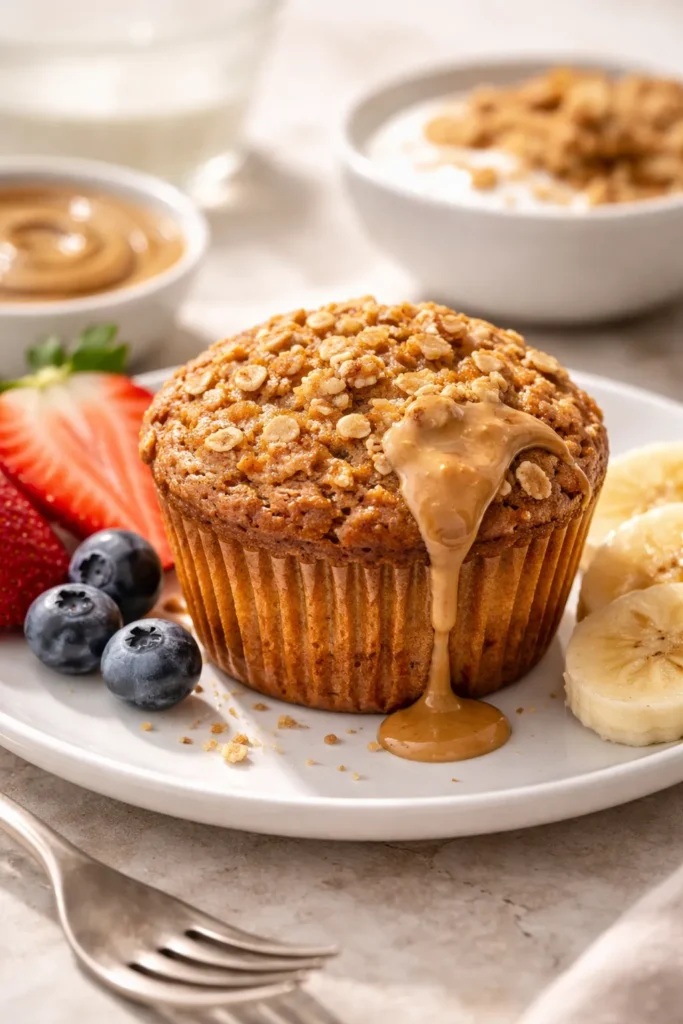
A protein muffin on its own is a snack. Pair it with a couple of supporting elements and it becomes a genuinely filling meal.
- With Greek yogurt: A muffin alongside ½ cup of plain Greek yogurt and a handful of berries creates a breakfast that hits protein, fiber, and healthy fat in one go.
- With nut butter: Slice the muffin in half and spread with almond or peanut butter for extra fat and staying power — this is especially good with the oatmeal and apple cinnamon versions.
- Post-workout: The banana and chocolate chip recipes pair well with a glass of chocolate milk or a simple protein shake — the carbohydrate-to-protein ratio works well for muscle recovery within 45 minutes of training.
- For kids: The oatmeal muffins with fresh fruit on top work well in lunchboxes. They’re not overly sweet, and the neutral flavor means they go down without protest even from picky eaters.
Final Thoughts
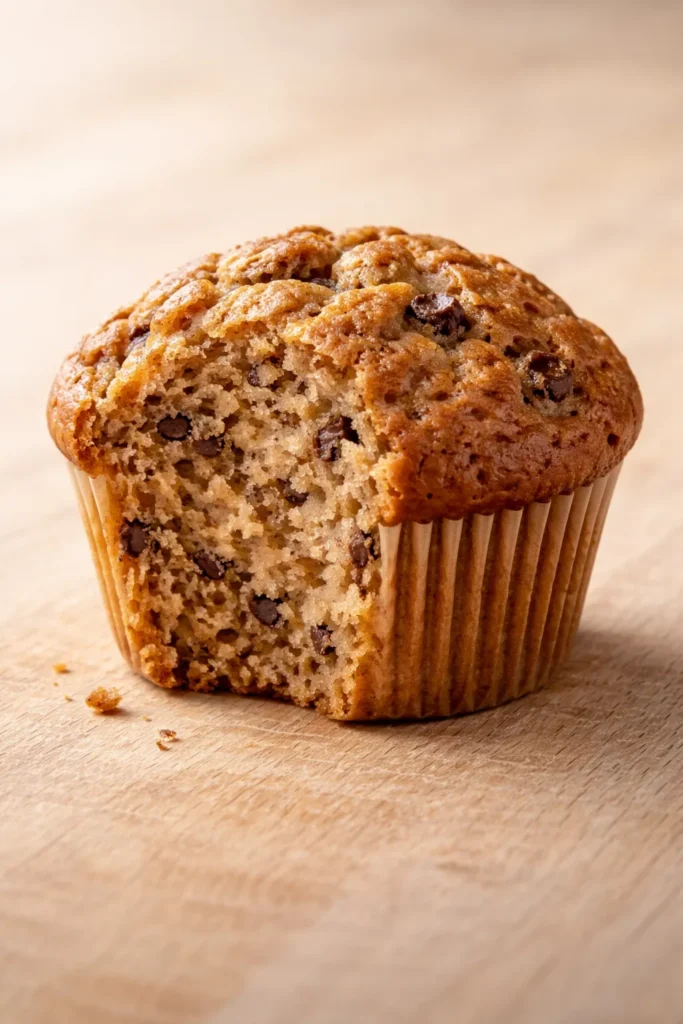
The best protein muffin recipe is the one you’ll actually make consistently. If you’re new to protein baking, start with the five-ingredient almond flour muffins or the oatmeal muffins — both are forgiving, quick, and hard to mess up. Once you’re comfortable with how protein powder behaves in heat, the Greek yogurt and whole wheat flour recipes open up for when you want something with a more classic muffin texture and flavor.
Two things make the biggest difference in every single one of these recipes: choosing the right protein powder (casein or a vegan blend, not straight whey isolate) and not overbaking. Those two factors alone separate a dry, crumbly muffin from one that stays soft and craveable all week in the fridge.
Make a double batch on Sunday, freeze half, and keep the rest in the fridge. You’ll have a real, whole-food, high-protein snack ready every time you reach for something — no wrapper to read, no ingredients you can’t pronounce.