Scroll through your feed for five minutes and you’ll see it happen — a bubbling pan of golden feta surrounded by cherry tomatoes, a cloud of impossibly fluffy whipped coffee, a tray of potatoes that somehow look crispier than anything you’ve pulled from your own oven. TikTok has a way of making food look borderline miraculous, and the skeptic in all of us immediately wonders: does this actually work when I make it at home?
The honest answer? Sometimes no. Plenty of viral food trends rely more on camera angles and clever editing than on genuinely good cooking. A trend that racks up 20 million views doesn’t automatically translate to a great Tuesday night dinner. But buried in the scroll — between the novelty snacks and the stunts — there are some recipes that hold up. Dishes that deliver on every promise the video makes, and then some.
What separates the gimmicks from the keepers usually comes down to a handful of things: sound cooking technique, flavor combinations that make sense, and an honest simplicity that doesn’t require a production kitchen to pull off. The eight recipes here earned their place through one filter above all others — they work, reliably, for real people cooking in real kitchens. No smoke and mirrors required.
Table of Contents
- What Makes a TikTok Recipe Actually Worth Trying
- The Role of the Algorithm in Food Discovery
- When Skepticism Serves You Well
- 1. Baked Feta Pasta
- Why It Earns Permanent Recipe Box Status
- What to Know Before You Make It
- 2. Marry Me Chicken
- The Technique That Makes the Difference
- How to Get It Right Every Time
- 3. Crispy Parmesan-Crusted Potatoes
- The Science Behind the Crust
- What to Know Before You Make It
- 4. Whipped Coffee (Dalgona Coffee)
- Why Instant Coffee Is Non-Negotiable Here
- Getting the Most From This Recipe
- 5. Green Goddess Salad
- Building the Dressing Properly
- Making It Your Own
- 6. Chicken Cobbler
- Why the Rest Time Matters
- Customizing the Cobbler
- 7. Crispy Rice Sushi Bites
- Getting the Rice Right
- What Elevates This Dish
- 8. TikTok Ramen
- The Egg Technique That Changes Everything
- Small Additions That Make a Big Impact
- Why These Recipes Keep Winning
- Tips for Making Viral Recipes Your Own
- Building a Weeknight Rotation
- When to Lean Into the Original
- Final Thoughts
What Makes a TikTok Recipe Actually Worth Trying
Not every viral food video deserves your grocery budget or your time. The ones that consistently disappoint tend to share a few telltale signs: they rely on a single visual trick (usually a dramatic pour or a satisfying smash), the flavor combination sounds questionable and proves to be exactly that, or they require special equipment that almost no one actually owns.
The recipes worth your attention share a different set of characteristics. They solve a real cooking problem — they make something feel faster, easier, or more impressive than you’d expect. They use accessible ingredients that don’t send you to three specialty stores. And they tend to be built on cooking fundamentals that have worked for decades, just presented in a fresh or unexpected way.
The Role of the Algorithm in Food Discovery
There’s something genuinely interesting about how social media has changed the way recipes spread. A cookbook can take years to reach a wide audience. A well-shot 60-second video of baked feta can reshape what the entire country is cooking for dinner within a week. That speed creates noise, but it also surfaces recipes that a traditional food publication might have ignored — home cook discoveries, regional specialties, and clever weeknight shortcuts that professional chefs might consider too simple to publish.
When Skepticism Serves You Well
A useful rule: if the video spends more time on the reveal than on the actual cooking process, proceed with caution. The best viral recipes show you enough technique that you understand why it works, not just what it looks like when it’s done. The eight below all pass that test — each one has a clear, replicable process with a result that tastes as good as it photographs.
1. Baked Feta Pasta
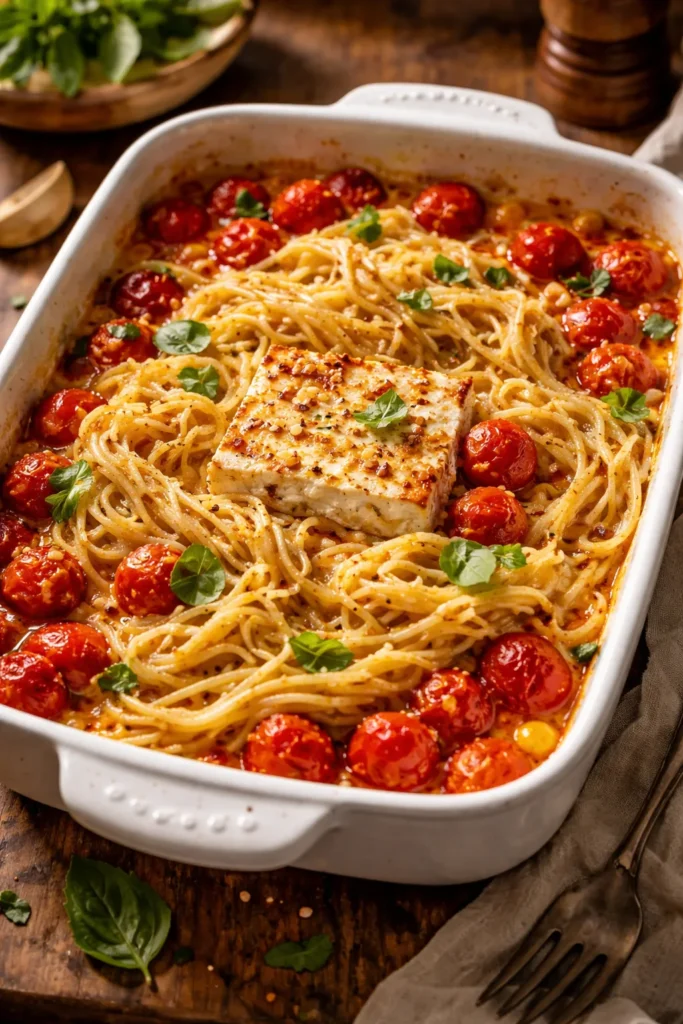
Few recipes have done what baked feta pasta did — it didn’t just go viral, it reportedly caused actual feta shortages in Finland, where the trend originated, before spreading across the rest of the world through TikTok. The premise sounds almost too simple: nestle a block of feta cheese in a baking dish surrounded by cherry tomatoes, drizzle generously with olive oil, roast until the tomatoes burst and the cheese softens into something almost custardy, then mash it all together and toss with hot pasta.
What makes it work is the alchemy between the cheese and the tomatoes. As the feta bakes, its sharp, salty edges mellow while it absorbs the sweet, jammy liquid from the collapsing tomatoes. The result is a sauce that’s simultaneously creamy, tangy, and bright — something you couldn’t achieve by simply mixing crumbled feta with tomato sauce on the stovetop.
Why It Earns Permanent Recipe Box Status
The genius of this dish is that it scales effortlessly. Cooking for two? Use a small baking dish. Feeding eight? Use a sheet pan and double everything. The ratio of hands-on time to payoff is almost unfair — you spend about four minutes on prep and the oven does the rest.
Adding a few smashed garlic cloves to the baking dish is a move most TikTok videos omit but every home cook should make. They roast alongside the tomatoes and feta, turning buttery and sweet, adding a depth that pulls the whole sauce together. A pinch of red pepper flakes doesn’t hurt either.
What to Know Before You Make It
- Use full-fat block feta, not pre-crumbled. The moisture content is different and crumbled feta won’t soften the same way.
- Cherry tomatoes work best — they burst easily and release enough liquid to create the sauce. Larger tomatoes hold too much water and can make the dish watery.
- Don’t skip the pasta water. A splash of the starchy cooking liquid helps emulsify the sauce and coat every strand of pasta evenly.
- Fresh basil added after tossing — not during roasting — keeps it bright and fragrant.
Worth knowing: The sauce also works beautifully as a dip or spread on grilled bread. Make extra and thank yourself later.
2. Marry Me Chicken
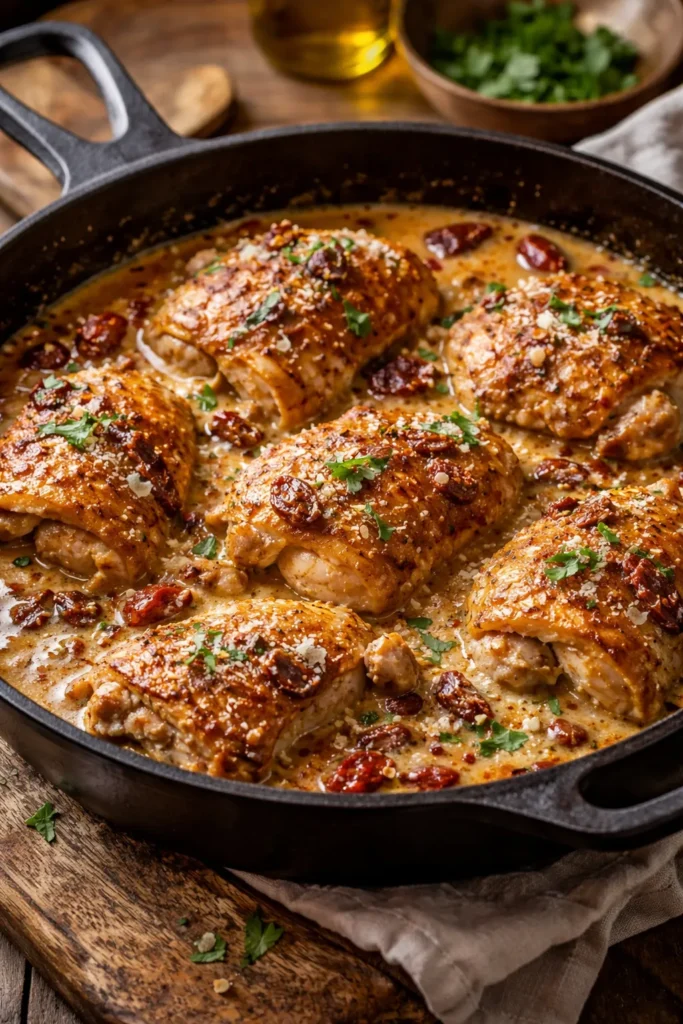
The name is dramatic, but the recipe backs it up. Marry Me Chicken is a sun-dried tomato cream sauce that gets cooked right in the same pan as seared chicken thighs or breasts, creating a dish that tastes like something you’d order at a mid-range Italian restaurant on a date night. The sauce comes together with heavy cream, chicken broth, Parmesan, garlic, and sun-dried tomatoes — ingredients that are either pantry staples or available at any grocery store.
What makes this recipe stand out from other skillet chicken dishes is the sun-dried tomato. It’s more intensely flavored than fresh or even roasted tomato, and it carries a slight chew that gives the sauce texture and personality. Combined with Parmesan and cream, it creates something that reads as genuinely luxurious without requiring any classical cooking training to pull off.
The Technique That Makes the Difference
The critical step is building fond in the pan before making the sauce. Fond is the brown bits left behind after searing chicken — it looks like it might be a problem, but it’s actually concentrated flavor. When you add garlic and then the liquids to the pan, those browned bits dissolve into the sauce and add a savory depth that you simply can’t replicate otherwise. Don’t wipe out the pan between the chicken and the sauce — that’s where most of the magic lives.
How to Get It Right Every Time
- Pat the chicken completely dry before searing. Any surface moisture will cause steaming instead of browning, and you need that crust for both flavor and texture.
- Let the cream sauce simmer for at least 3-4 minutes before adding the chicken back. It should thicken enough to coat a spoon before you return the protein.
- Italian seasoning is a shortcut that works here — don’t overthink the herb blend.
- Serve over pasta, rice, or mashed potatoes. The sauce is the star, so give it something worthy to rest on.
Pro tip: Chicken thighs are more forgiving than breasts in this recipe — they stay juicy even if the internal temperature climbs a few degrees past perfect.
3. Crispy Parmesan-Crusted Potatoes
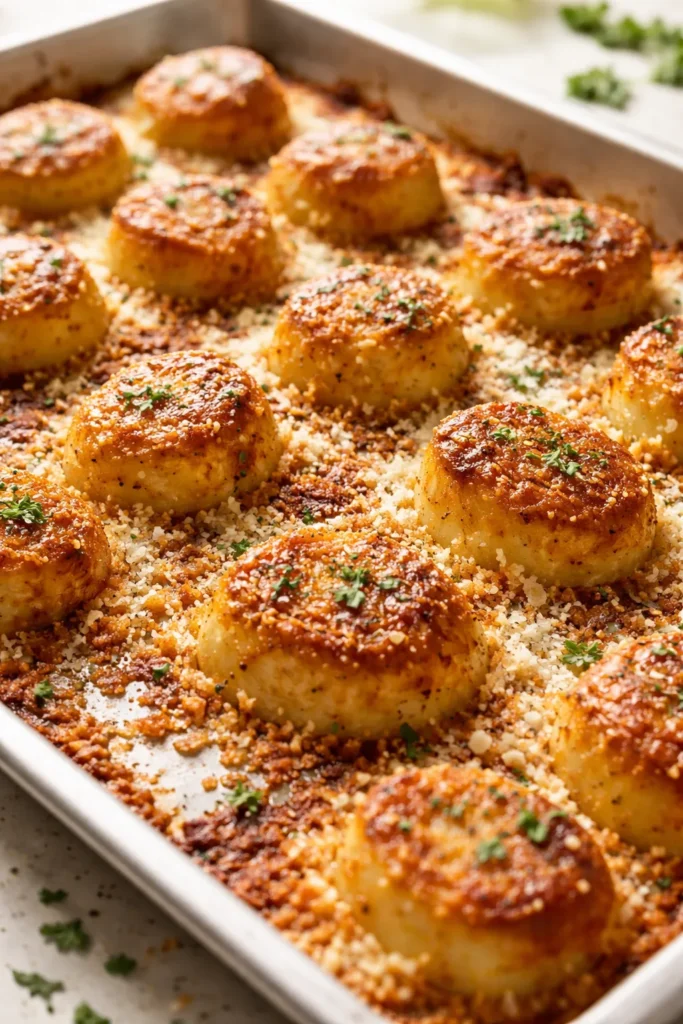
This is the one that converted people who thought they’d already found their perfect roasted potato recipe. The technique comes from TikTok but draws on a principle used in restaurant cooking: coat the pan, not the potato. Instead of tossing potatoes in cheese before roasting, you spread grated Parmesan directly onto the sheet pan or baking dish, then press the halved potatoes cut-side-down into the cheese layer.
As the potatoes roast, the cheese melts around the cut side of each potato and then crisps into a golden, lacy crust that adheres directly to the flesh. You end up with a potato that has a fluffy, tender interior and a shattering, salty Parmesan crust — a texture combination that regular roasted potatoes simply can’t match.
The Science Behind the Crust
Parmesan has one of the lowest moisture contents of any common cheese, which is exactly why it crisps rather than melts into a greasy pool. The fat content is high enough that it fries the potato surface as it melts, creating browning reactions that add both color and flavor. Cheaper, pre-shredded Parmesan contains anti-caking agents that interfere with this process — always use freshly grated Parmesan for this recipe, ideally on the fine side of a box grater.
What to Know Before You Make It
- Baby Yukon Gold potatoes give the best balance of creamy interior and thin skin. Russets work but tend to be drier.
- The Parmesan layer should be continuous and even — gaps mean some potatoes won’t develop the crust.
- Do not move the potatoes during roasting. Let the crust set completely before attempting to flip. If they resist coming off the pan, they need more time.
- A 425°F (220°C) oven is the sweet spot — hot enough to crisp without burning.
Pro tip: A thin layer of softened butter mixed into the Parmesan before spreading adds an extra richness that takes the crust from good to genuinely addictive.
4. Whipped Coffee (Dalgona Coffee)
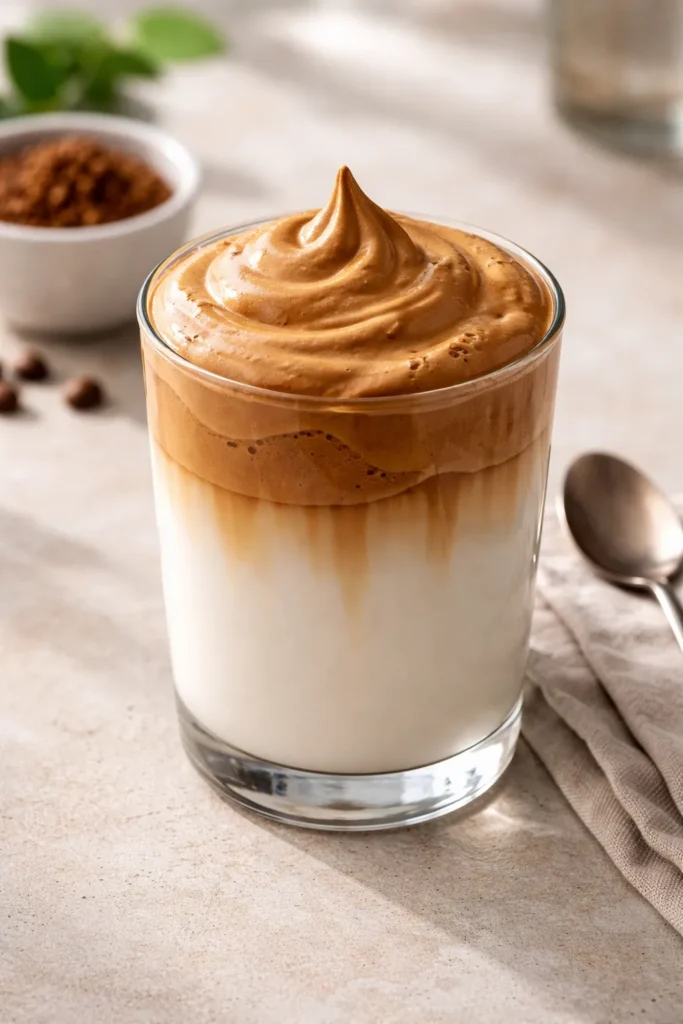
Dalgona coffee proved something important about viral food: sometimes the simplest recipes are the most satisfying. Three ingredients — instant coffee, sugar, and hot water in equal parts — whipped together until thick and cloud-like, then spooned over cold or hot milk. That’s the entire recipe. And yet the result is genuinely striking: a two-toned drink with a dense, bitter coffee foam floating on sweet, creamy milk below.
The whipping process transforms instant coffee into something surprisingly sophisticated. The foam is thick enough to hold its shape, slightly glossy, and intensely flavored. When you stir it into the milk below, it creates a drink with a layered, complex taste — the bitterness of the coffee and the sweetness of the milk combining differently in each sip depending on how much you mix.
Why Instant Coffee Is Non-Negotiable Here
This is one case where a substitution genuinely doesn’t work. Instant coffee contains dried soluble coffee solids that, when whipped with sugar and water, create a foam stable enough to hold its structure. Brewed coffee or espresso doesn’t have the same solids concentration, so it won’t whip into foam no matter how long you try. This isn’t a preference — it’s food chemistry.
The ratio matters too. Equal parts by volume of instant coffee, sugar, and hot water is the formula, and deviating from it affects both the flavor and the foam’s texture. Too much water makes it thin and runny; too little makes it bitter and grainy.
Getting the Most From This Recipe
- Whip with a hand mixer or stand mixer for best results — doing it by hand with a whisk is possible but takes 10-15 minutes of vigorous effort.
- The foam holds in the refrigerator for up to two days, making it a great prep-ahead option.
- Serve over ice for an iced version — the cold slows the foam from dissolving and keeps the layers distinct longer.
- Adjust the coffee-to-sugar ratio based on your bitter tolerance. The standard ratio produces a foam that’s intensely strong; adding slightly more sugar rounds out the edge.
Worth knowing: Instant coffee quality matters more than you’d think. A better-quality instant — like Nescafé Gold or a Korean brand — produces a noticeably more complex foam than generic instant coffee.
5. Green Goddess Salad
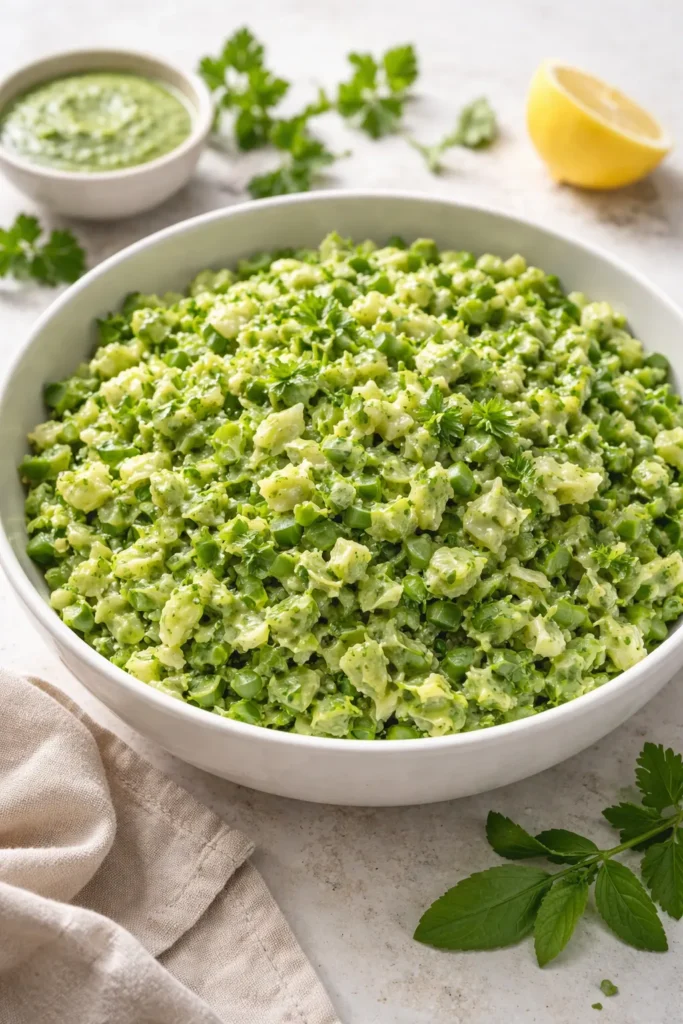
Food creator Baked by Melissa made a version of this that turned green goddess dressing from a retro condiment into a full-on meal. The TikTok version isn’t a dressed salad in the traditional sense — it’s a finely chopped combination of cabbage, cucumber, green onion, fresh herbs, and a blended green goddess dressing thick enough to eat with chips, which is exactly how most people serve it.
What makes this version so craveable is the texture. When cabbage is sliced into very thin ribbons and then chopped into smaller pieces, it becomes tender and slightly juicy — nothing like the thick, chewy strips you might associate with coleslaw. Combined with the creamy, herby dressing, the salad feels substantial and satisfying in a way that most green salads don’t.
Building the Dressing Properly
The green goddess dressing is the recipe within the recipe. At its foundation: fresh basil, chives or green onion, garlic, lemon juice, olive oil, and something creamy — tahini, mayonnaise, Greek yogurt, or a combination. The exact formula varies by creator, but the most successful versions use lemon juice generously (it keeps the dressing bright green and adds freshness) and don’t hold back on the garlic.
A food processor or blender is worth breaking out here. The goal is a smooth, pourable dressing with specks of green throughout — not a chunky herb paste. Process long enough that the herbs fully integrate and the dressing develops a creamy, almost aioli-like consistency.
Making It Your Own
- Serve with pita chips or tortilla chips for a dip-style presentation that makes it party-ready.
- Add diced avocado right before serving for creaminess and body.
- A small amount of white miso stirred into the dressing adds an umami depth that plays brilliantly against the bright herbs.
- Use this dressing on grilled fish, roasted vegetables, or grain bowls — it’s genuinely one of the most versatile sauces in the TikTok food canon.
6. Chicken Cobbler
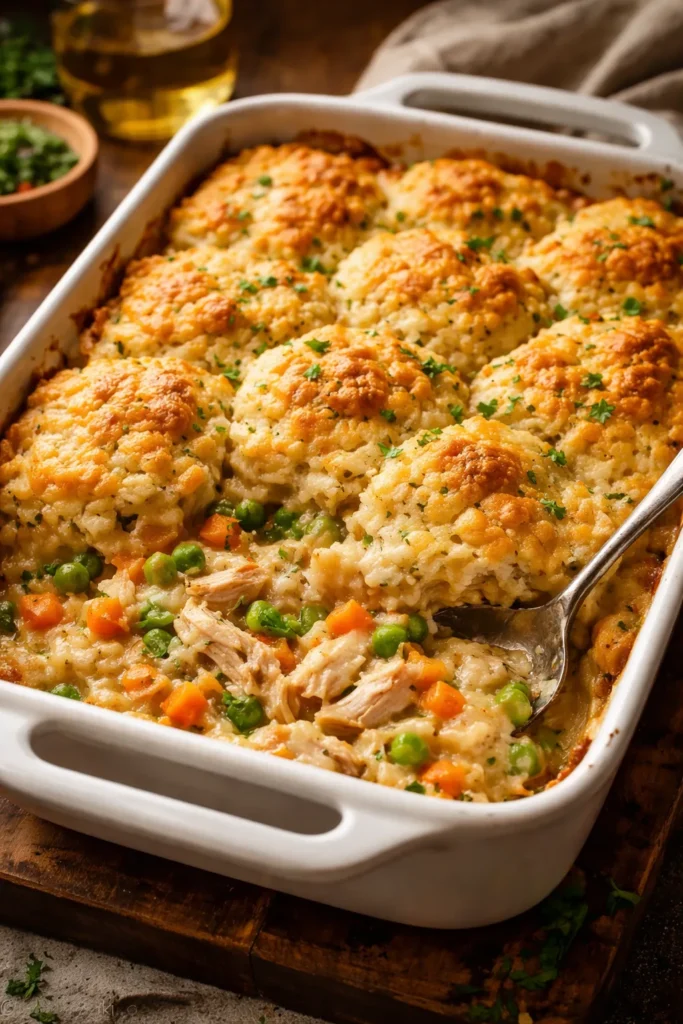
Chicken Cobbler is the kind of recipe that makes you question why you ever spent two hours making pot pie from scratch. It layers frozen peas and carrots, shredded rotisserie chicken, and butter in a baking dish, then gets topped with a biscuit batter made from Red Lobster Cheddar Bay mix (or any cheddar biscuit mix) combined with milk. Chicken broth goes on top of everything — no stirring — and then it bakes into a self-organizing, layered casserole where the biscuit rises through and creates a golden, cheddar-flecked crust over a deeply savory chicken filling below.
The “no stir” instruction is what trips people up the first time. It feels wrong. The broth sitting on top of the batter looks like a disaster waiting to happen. But the chemistry of the biscuit mix works exactly as expected — the batter rises through the liquid and the result is a biscuit topping that’s fluffy on the inside, golden on top, and has absorbed enough savory flavor from the chicken and broth below to taste like it simmered all day.
Why the Rest Time Matters
Do not skip the resting period after pulling this from the oven. The filling beneath the biscuit layer continues to thicken as it cools, and cutting into it immediately produces a flooding, soupy mess. Ten to fifteen minutes of resting allows the starches in the biscuit mix to set the filling into a cohesive, scoopable texture. This isn’t optional — it’s the difference between a casserole and a bowl of stew with a soggy lid.
Customizing the Cobbler
- Frozen mixed vegetables work well in place of just peas and carrots — corn, green beans, and potatoes all hold up in the oven.
- For a deeper flavor, use chicken stock rather than plain broth, and add a teaspoon of garlic powder and onion powder to the liquid.
- Leftovers reheat beautifully in the oven at 325°F — avoid the microwave, which makes the biscuit topping gummy.
- This recipe scales easily for a crowd: use a 9×13 dish for a standard batch and increase the biscuit mix proportionally.
7. Crispy Rice Sushi Bites
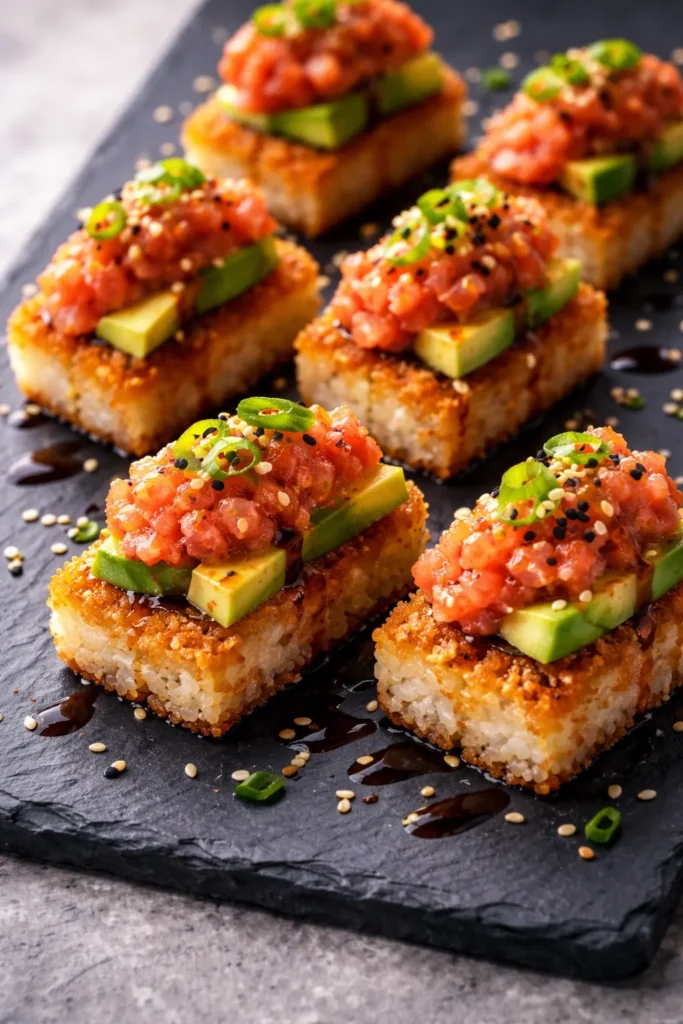
This one has the look of a restaurant dish and the technique of a home cook shortcut — and that combination is exactly why it earned such an enthusiastic following. Day-old sushi rice is packed into a loaf pan, refrigerated until firm, then sliced into rectangles and pan-fried in neutral oil until each piece develops a golden, genuinely crispy exterior while the interior stays sticky and tender. The crispy rice pieces then get topped with spicy tuna or spicy salmon, a thin slice of avocado, a drizzle of soy sauce, and sometimes a small amount of sriracha mayo.
The result looks like something from Nobu’s appetizer menu, and — this is the part that makes the recipe worth its reputation — it tastes like it too. The contrast between the crunchy rice exterior, the creamy avocado, and the fatty, spicy fish is exactly the kind of layered sensory experience that makes a dish genuinely memorable.
Getting the Rice Right
Day-old rice is non-negotiable. Fresh sushi rice is too moist and sticky to hold its shape when sliced and too wet to develop a proper crust when fried. Refrigerating the rice overnight firms it up to a consistency that slices cleanly and fries predictably. If you’re short on time, spread freshly made rice on a sheet pan and refrigerate for at least two hours — it won’t be quite as firm, but it’ll work.
When packing the rice into the loaf pan, press it very firmly and evenly — use the back of a wet spoon or a piece of plastic wrap to compress it. The rice pieces need to be dense enough not to fall apart during frying.
What Elevates This Dish
- A neutral oil with a high smoke point is essential: avocado oil, grapeseed oil, or refined coconut oil all work well. Avoid olive oil — it burns before the rice crisps properly.
- For the spicy topping: finely diced sushi-grade salmon or tuna, Kewpie mayonnaise, sriracha, and a few drops of sesame oil mixed together. The Kewpie (Japanese mayonnaise) is significantly richer and tangier than regular mayo, and it makes a noticeable difference.
- A thin slice of jalapeño on top of the avocado adds fresh heat that complements the sriracha without making the dish one-dimensionally spicy.
8. TikTok Ramen
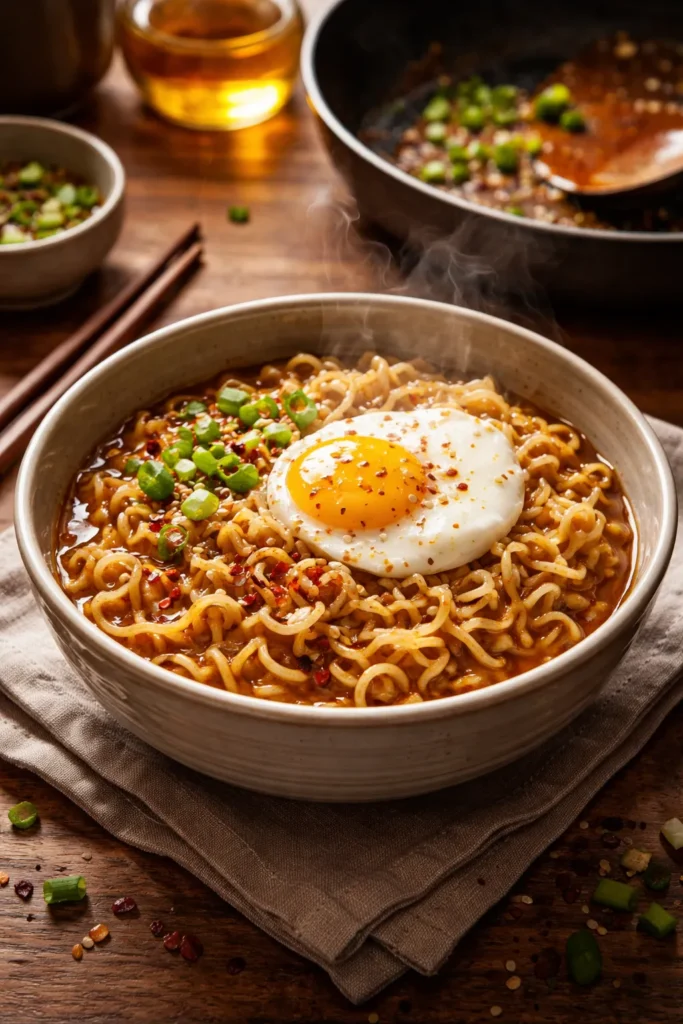
This is the recipe that turned a sad packet of instant noodles into something people actually crave. The approach varies slightly across creators, but the core technique is consistent: cook the noodles, drain most but not all of the liquid, then finish with butter, garlic, the seasoning packet, a small amount of soy sauce, and an egg that gets cooked directly in the hot pan with the noodles. Some versions add Everything Bagel seasoning; others use sesame oil and a soft-boiled egg. The result is something between a stir-fry and a noodle soup — saucy, deeply savory, and rich in a way that a standard bowl of instant ramen never manages to be.
What makes this hack work technically is the retained pasta water. By leaving a small amount of the starchy noodle water in the pan before adding the butter and seasonings, you create an emulsification that coats every strand of noodle rather than pooling at the bottom of the bowl. The butter doesn’t separate — it binds with the starch and the seasonings into a cohesive, glossy sauce.
The Egg Technique That Changes Everything
Cracking an egg directly into the pan with the cooked noodles and scrambling it loosely through the hot noodles is the move that elevates this from a snack to a meal. Don’t fully scramble the egg — you want streaks of barely-set egg woven through the noodles, which adds protein, richness, and a custardy texture that contrasts with the chew of the noodles. A few seconds off the heat is usually enough time for the egg to set without overcooking into rubbery curds.
Small Additions That Make a Big Impact
- A teaspoon of gochujang (Korean chili paste) stirred in with the butter adds a deeply complex heat that’s different from standard hot sauce.
- Green onions are worth buying specifically for this — the fresh, sharp bite at the end cuts through the richness of the butter and egg.
- A drizzle of sesame oil added off the heat rounds out the aroma without overpowering the dish.
- For a more substantial meal, top with a soft-boiled egg (6-7 minutes from boiling, then an ice bath) and a handful of wilted spinach or bok choy.
Why These Recipes Keep Winning
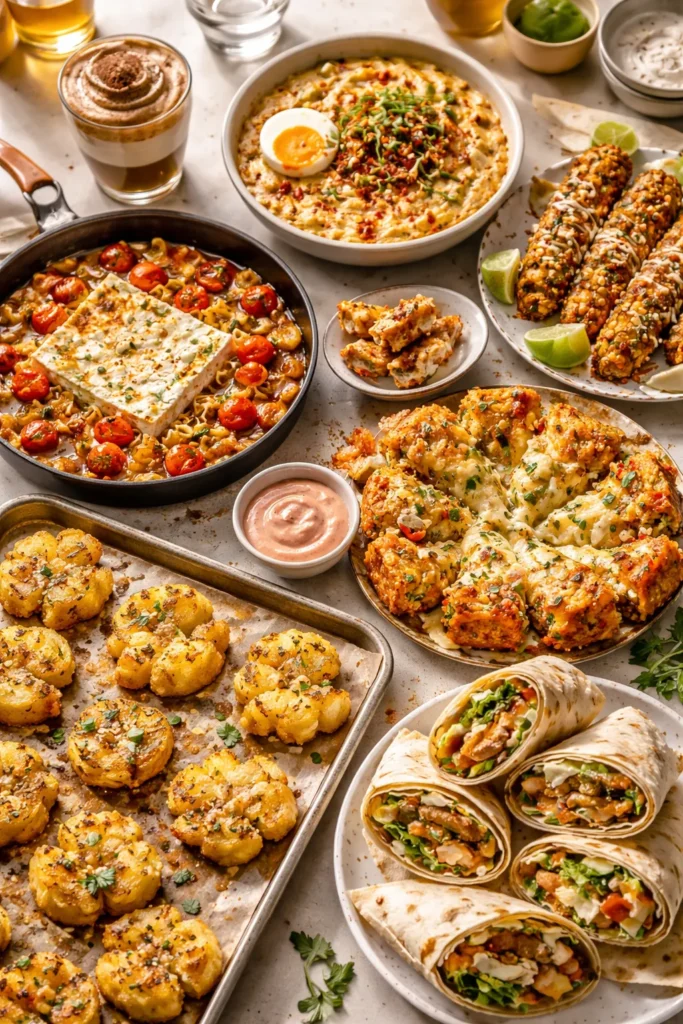
There’s a pattern across all eight of these dishes that explains why they’ve maintained staying power long after the initial viral moment faded. None of them require specialized equipment. None rely on ingredients that most people would need to order online. And all of them are built on cooking principles that have worked for generations — the browning reactions of searing protein, the emulsifying properties of starchy water, the textural contrast between a crispy exterior and a tender interior.
TikTok didn’t invent any of the underlying techniques these recipes use. What the platform did was package them accessibly, strip away the intimidating vocabulary of traditional cooking instruction, and make them feel achievable for someone who’s never attempted them before. That’s a genuinely useful contribution to home cooking culture, and these eight recipes are the best evidence of it.
The other thing worth noting: they all have real depth of flavor. It would be easy to assume that viral recipes prioritize visual drama over taste, but the best ones — the ones that endure — deliver both. Baked feta pasta tastes complex despite requiring five minutes of prep. Crispy rice bites taste like a restaurant appetizer. Marry Me Chicken tastes like you spent the afternoon in the kitchen. That gap between effort and result is the real reason people keep making these dishes long after the trend cycle has moved on.
Tips for Making Viral Recipes Your Own
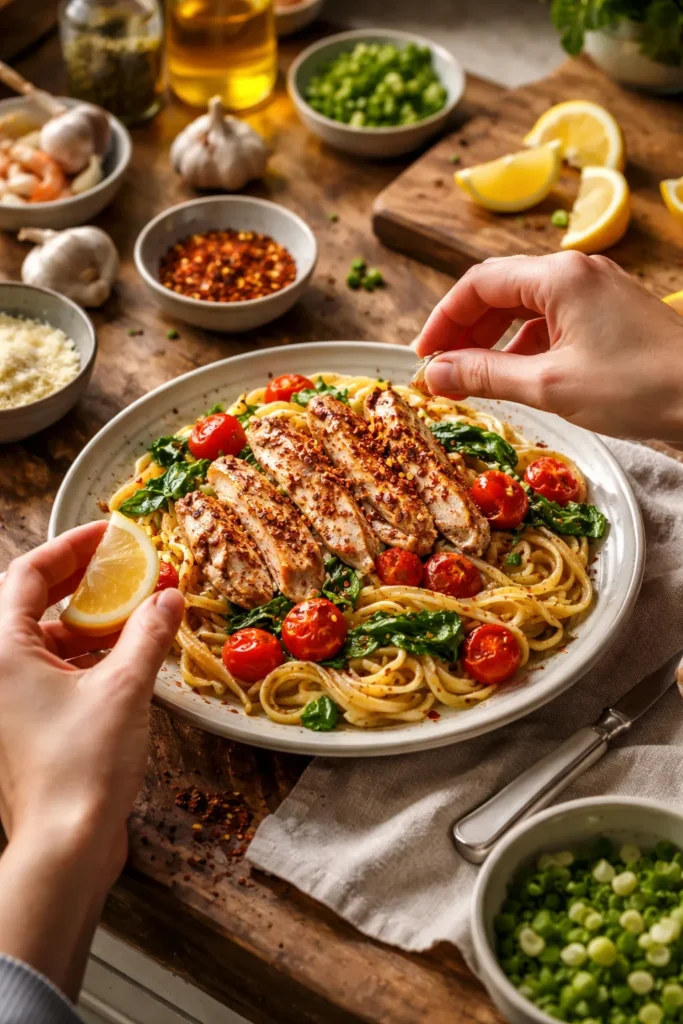
Following a recipe exactly the first time you make it is almost always the right call — it gives you a baseline for what the dish should taste and look like, so you can identify what to adjust on the next attempt. But the recipes that become genuine household staples are the ones you make your own over time.
Swap proteins based on what’s on sale or already in your refrigerator. Marry Me Chicken works with shrimp or white fish fillets cooked in the same sauce. The TikTok ramen technique translates directly to udon noodles. The crispy rice bites work with any sushi-grade fish, or even with a mixture of crab and avocado for a lighter option.
Adjust the heat level deliberately. Most of these recipes use chili flakes or hot sauce in a supporting role, but there’s no reason you can’t push that further if your household likes heat — or dial it back entirely if you’re cooking for people who don’t. The underlying recipes are solid enough to handle significant spice adjustments without losing their character.
Building a Weeknight Rotation
These eight recipes represent a genuinely useful weeknight arsenal. The TikTok ramen comes together in under 10 minutes on a tired Tuesday. Chicken Cobbler handles itself in the oven with minimal supervision. Baked feta pasta is impressive enough for a casual dinner with friends while being simple enough that you don’t need to start cooking two hours in advance.
The green goddess salad stays well in the refrigerator for several days, making it a strong meal prep option — the cabbage doesn’t wilt the way greens do, so the texture holds even after a couple of days dressed. Batch-making the dressing separately and keeping it in a jar extends this even further.
When to Lean Into the Original
Some things in these recipes shouldn’t be changed. The equal-parts ratio in whipped coffee is there for a reason — don’t try to reduce the sugar and expect the same foam stability. The day-old rice in sushi bites isn’t optional. The Parmesan layer in the potato recipe should be freshly grated, not from a can. These specific details aren’t fussiness — they’re the mechanism by which the dish actually works. Respecting those details on the first attempt and then experimenting around them afterward is the approach that produces consistent results.
Final Thoughts
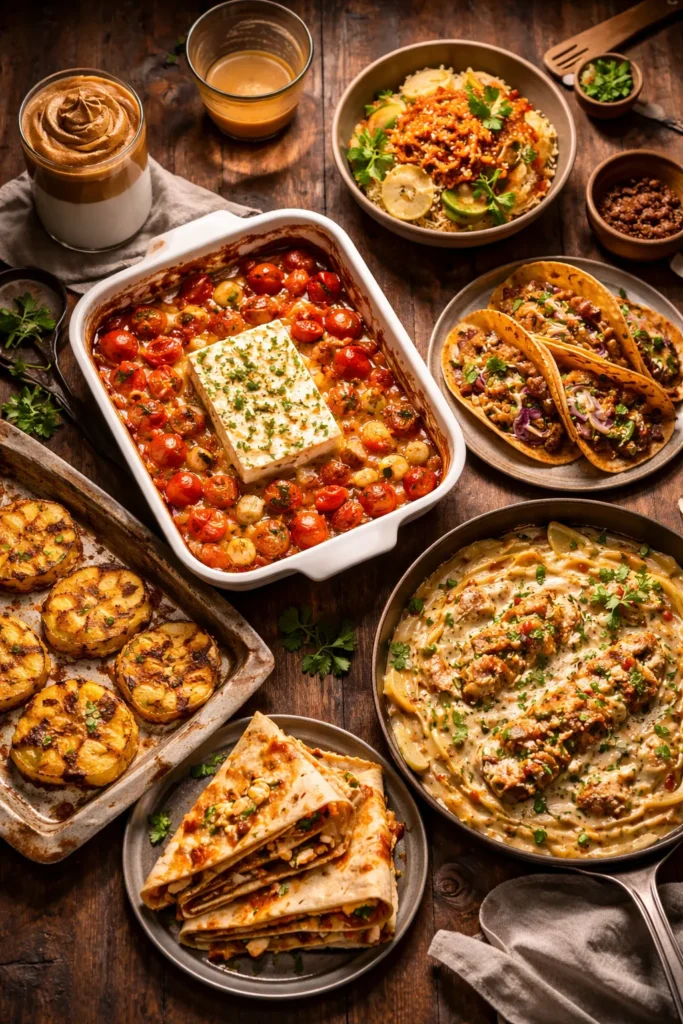
What the best viral TikTok recipes have in common isn’t hype or a satisfying reveal moment — it’s that they’re genuinely good food wrapped in accessible packaging. Baked feta pasta, Marry Me Chicken, crispy Parmesan potatoes, whipped coffee, green goddess salad, chicken cobbler, crispy rice sushi bites, and TikTok ramen all earned their followings the old-fashioned way: they taste great, they work reliably, and people keep making them.
The most useful thing about this particular group of recipes is how they expand what feels possible on a weeknight. If you’ve avoided crispy rice sushi bites because they sound technically demanding, or passed on Marry Me Chicken because the name seemed like marketing nonsense, the reality is that both are well within reach of any home cook with a pan and 30 minutes to spare.
Start with the one that excites you most. Cook it through the first time without shortcuts, and pay attention to what the food is doing at each stage — not just what it looks like, but what it smells like, how it feels when you stir it, and how the texture changes with heat. That attention is what turns a recipe you followed once into a dish you actually know how to cook. And that gap is the difference between trending and timeless.