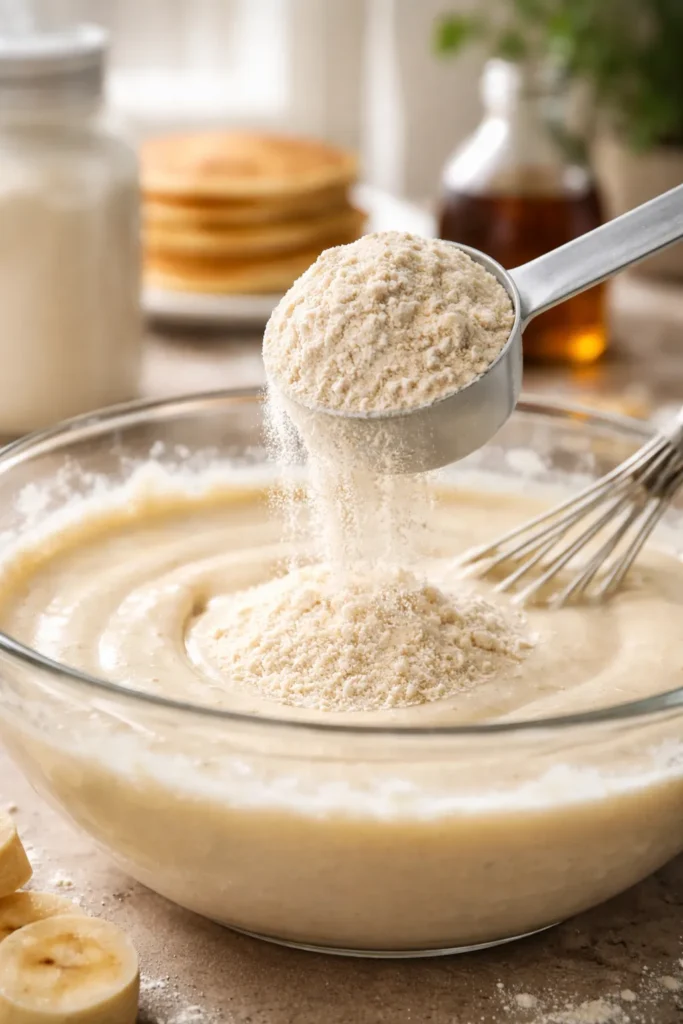
The alarm goes off before dawn, and you’re already thinking about breakfast. There are backpacks to pack, lunch boxes to fill, and maybe someone needs to get to practice early. The last thing you want to do is spend thirty minutes in the kitchen scrambling eggs or flipping pancakes. You need something warm, nourishing, and ready to grab — something that tastes homemade and special but doesn’t demand your attention while everything else is happening.
This is where soft blueberry breakfast bread becomes your secret weapon.
Unlike individual muffins that require muffin tins and careful portioning, quick bread bakes as one generous loaf. Unlike cold cereal, it actually fills you up. Unlike eggs and toast, it comes together in minutes of hands-on work and rewards you with a tender, golden loaf studded with juicy berries. Make it the night before, and breakfast is essentially solved — slice, wrap a piece in foil for the road, or sit down for two minutes with a cup of coffee while the house is still quiet. It’s the kind of recipe that actually fits into real life, not Instagram life.
What makes this particular version so special is the combination of moisture-building ingredients that create an incredibly soft crumb — the kind of bread that tastes fresh for days without drying out. No mixer required. No fancy techniques. Just straightforward mixing, a modest amount of hands-on time, and the kind of kitchen smell that makes everyone want to wake up earlier.
Table of Contents
- Why Blueberry Bread Is Perfect for Busy Mornings
- Why This Recipe Stands Out
- Serving and Timing Block
- Ingredients for Soft Blueberry Breakfast Bread
- The Step-by-Step Instructions
- Tips for Perfect Soft Blueberry Breakfast Bread
- Avoiding Common Mistakes
- How to Keep Blueberries From Sinking
- Using Fresh vs Frozen Blueberries
- Delicious Variations to Try
- Storage and Make-Ahead Guidance
- Reheating and Freezing Instructions
- Serving Suggestions and Pairings
- Final Thoughts
Why Blueberry Bread Is Perfect for Busy Mornings
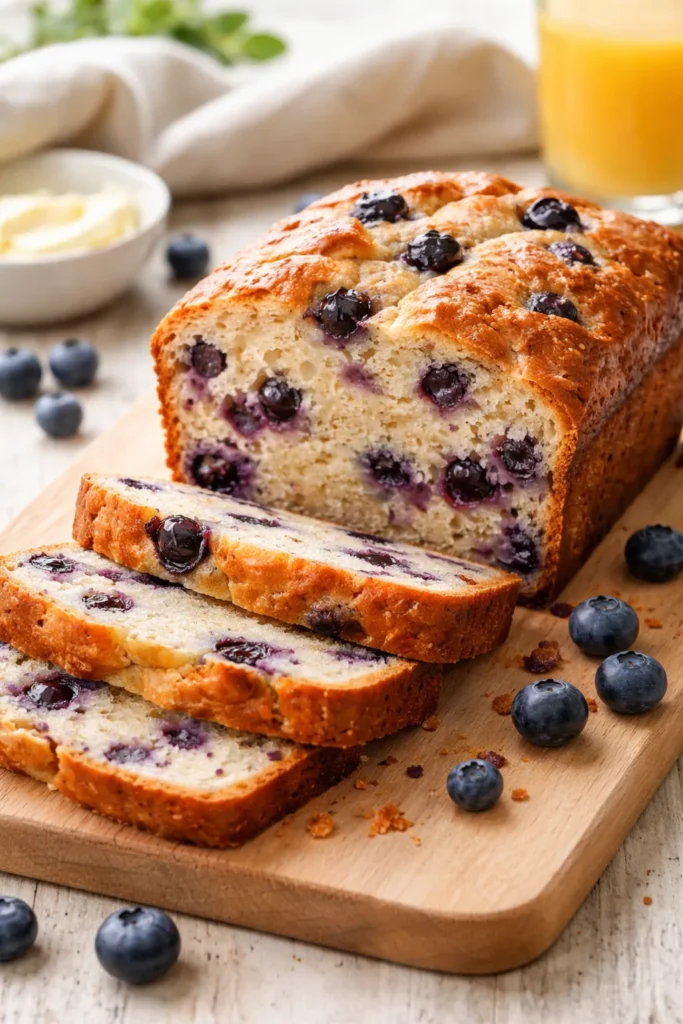
Blueberry bread checks every box for harried mornings. You can prepare it entirely the night before, wrapping it while it’s still warm, and pull out perfectly portioned slices without any additional cooking or assembly. Unlike muffins, which often turn stale or crumbly after a day or two, a well-made loaf keeps its soft texture even on the third or fourth day — and it freezes beautifully, giving you breakfast options ready to go weeks ahead.
The nutrition is solid, too. Each slice delivers protein from the eggs, fiber from the blueberries and whole grains (if you use them), and satisfying fat from the oil that keeps you full through a busy morning. You’re not just eating sugar; you’re eating an actual food that sustains you. And because it’s mildly sweetened — not overly sugary — you can pair it with yogurt, cream cheese, or almond butter without the breakfast turning into dessert.
Most importantly, it tastes like you took time and care, even when you didn’t. Your kids will eat it without complaint. Your partner will actually thank you. Guests will ask for the recipe. And you’ll have one fewer thing to stress about before the day even starts.
Why This Recipe Stands Out
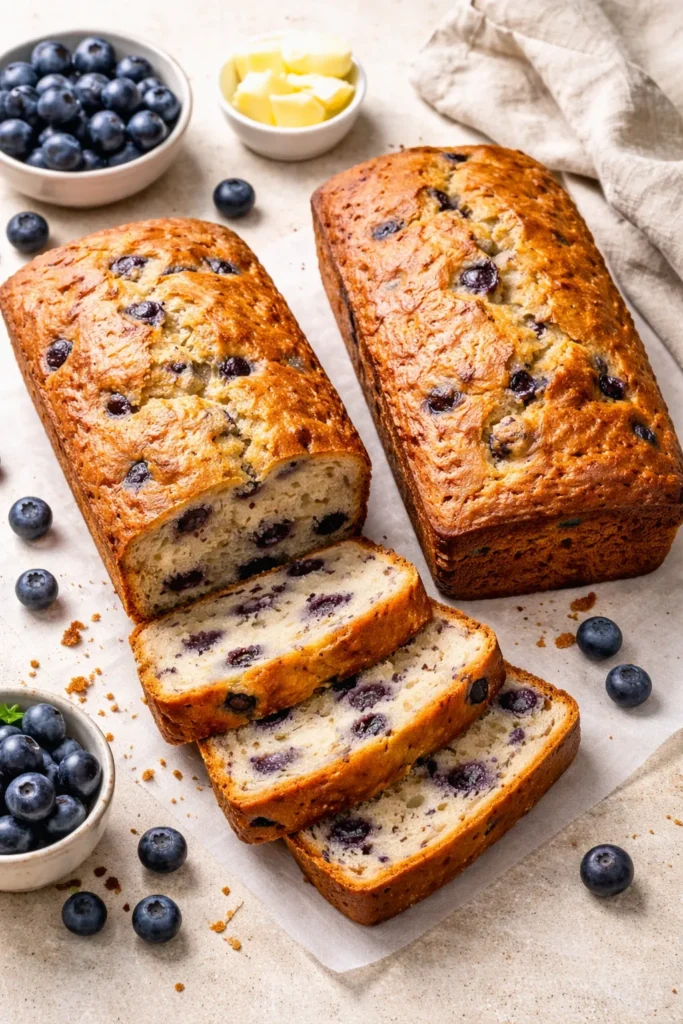
This particular blueberry bread recipe is built specifically to stay soft and moist — the kind of texture that makes people keep coming back for another slice. The secret lies in a careful balance of oil, eggs, and milk that creates a tender crumb without any dense, heavy feel. Unlike bread recipes that use mostly butter and result in something more cake-like, this version delivers the wholesome, homemade flavor of real quick bread while being surprisingly tender.
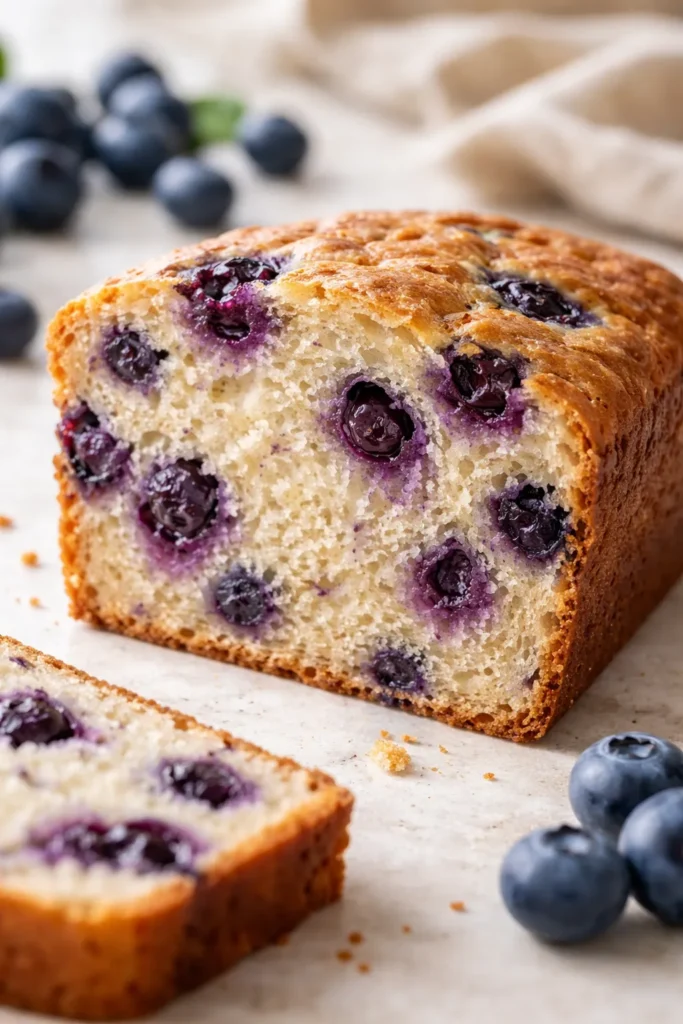
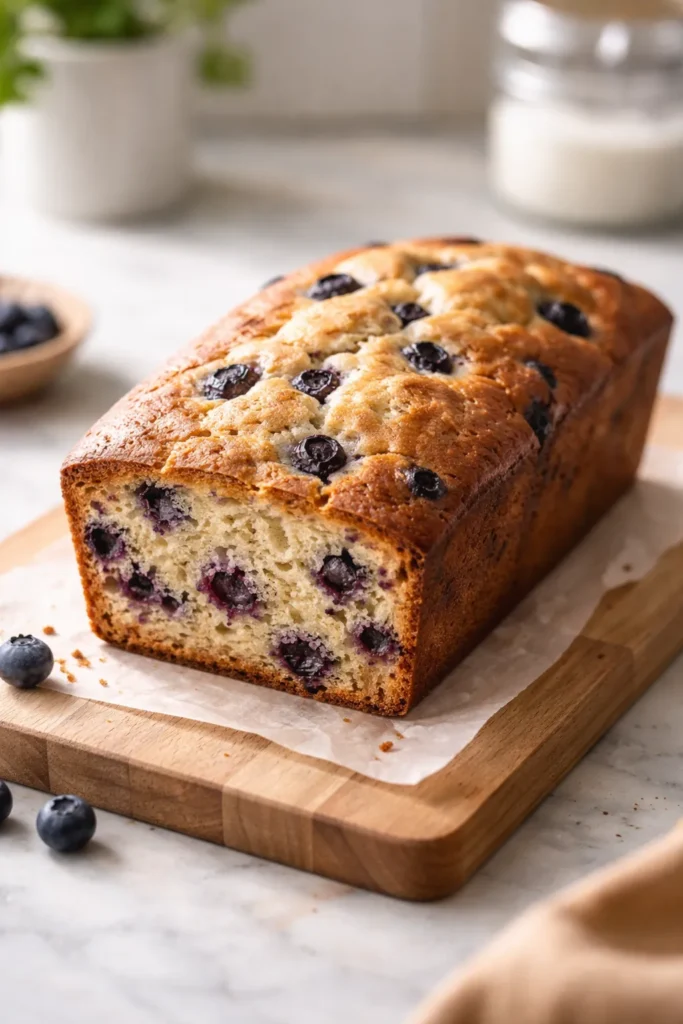
The thickness of the batter is also intentional. It’s thick enough to suspend the berries evenly throughout the loaf so you get blueberries in every single bite — not just the bottom half. And the baking time is calibrated to cook the bread through completely without drying it out or browning the top too much.
You’ll also notice the recipe makes two loaves, not just one. This is practical for busy families. Eat one fresh, freeze one for later, or give one away. Having two means you’re not constantly baking new batches, and it’s no more work than baking a single loaf.
Serving and Timing Block
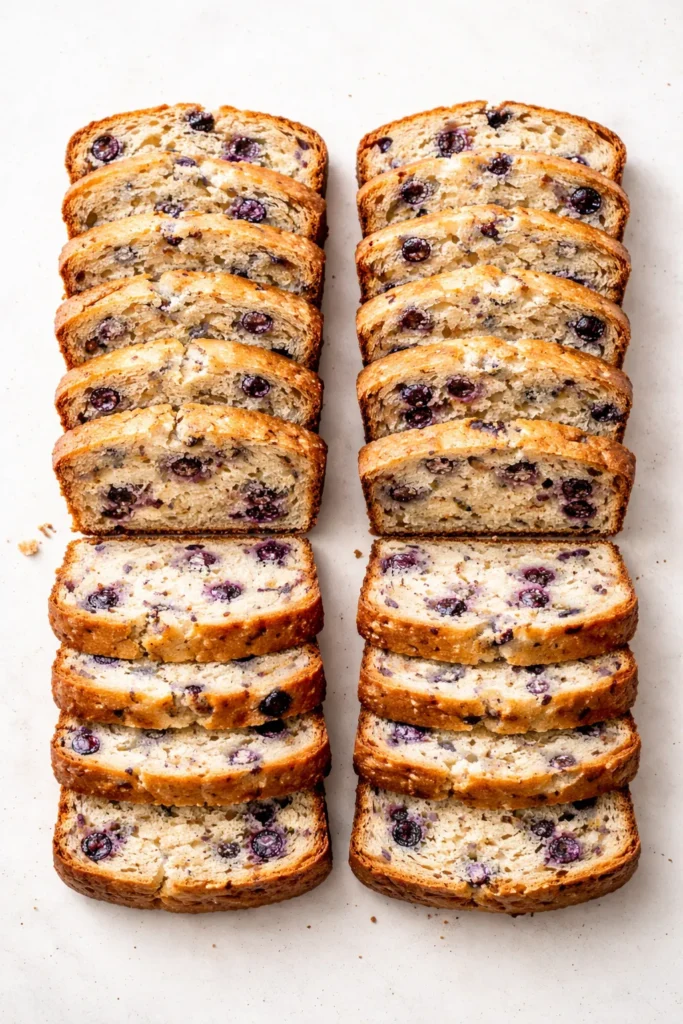
Yield: Makes 2 loaves | Serves 16 (about 8 slices per loaf)
Prep Time: 10 minutes
Cook Time: 50 minutes
Total Time: 1 hour
Difficulty: Beginner — No mixer required, no special skills needed, and straightforward mixing ensures success even for first-time bread bakers.
Ingredients for Soft Blueberry Breakfast Bread
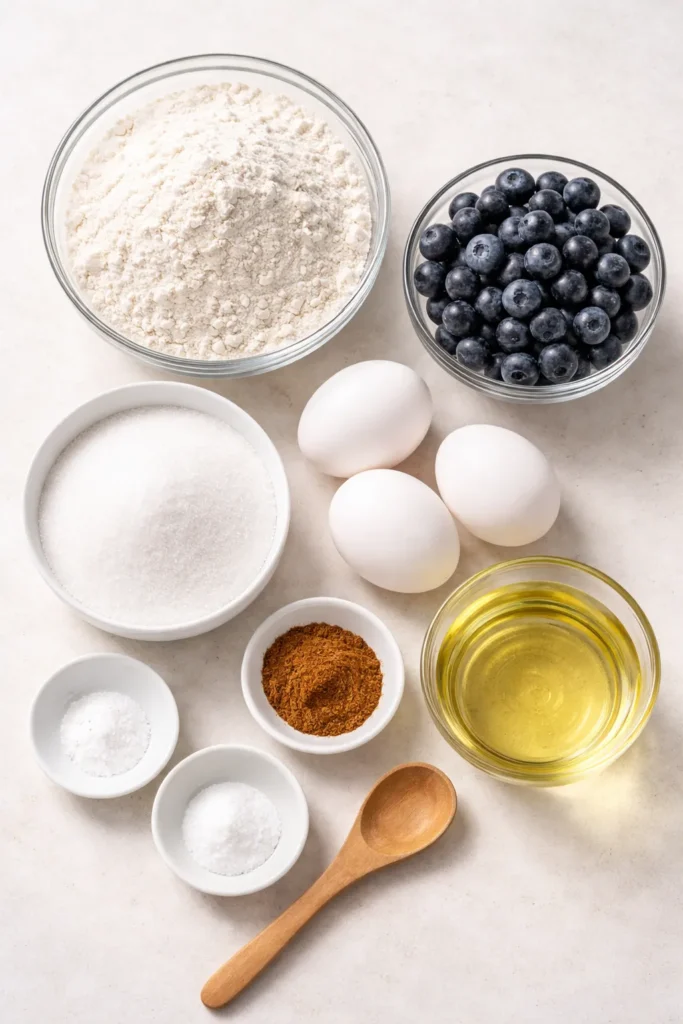
For the Bread:
- 3⅛ cups all-purpose flour (spooned and leveled, not scooped)
- 2 cups granulated white sugar
- 1 tablespoon ground cinnamon
- 1 teaspoon fine sea salt
- 1 teaspoon baking soda
- 1¼ cups vegetable oil (or any light-flavored neutral oil)
- 4 large eggs, beaten
- 2 cups fresh blueberries (or frozen blueberries added straight from the freezer, no thawing)
Optional Topping:
- 1 to 2 tablespoons coarse sugar or granulated sugar (for sprinkling on top before baking, optional)
The Step-by-Step Instructions
Prepare Your Pans:
-
Preheat the oven to 350°F (175°C) and position the rack in the center of the oven.
-
Generously grease two 9×5-inch loaf pans with cooking spray or vegetable oil, coating the bottom and all four sides. You want the spray generous enough that the bread releases easily after cooling — this prevents any sticking or tearing.
Mix the Dry Ingredients:
-
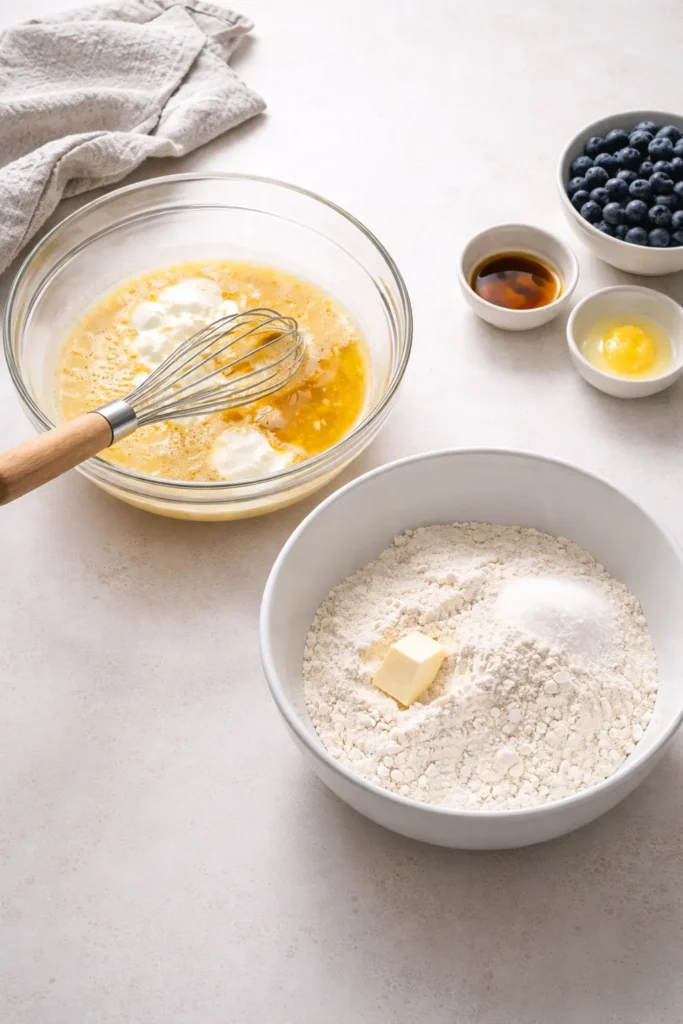
In a large mixing bowl, whisk together the flour, sugar, cinnamon, salt, and baking soda until they’re evenly combined. Make sure there are no lumps of sugar or baking soda hiding in the mixture. The cinnamon should be distributed throughout so every bite has that warm spice flavor.
-
Set this dry mixture aside while you prepare the wet ingredients.
Combine the Wet Ingredients:
-
In a separate medium bowl, blend the vegetable oil and beaten eggs together using a fork or whisk. Beat them just enough so the eggs are fully incorporated into the oil — they don’t need to be fluffy or pale, just combined.
-
Gently fold in the blueberries to this oil-egg mixture. The berries will coat lightly with oil, which helps prevent them from sinking as the bread bakes. If using frozen blueberries, add them straight from the freezer without thawing — this keeps them from bleeding too much color into the batter and helps them stay suspended.
Combine Everything:
- Pour the blueberry-oil-egg mixture into the bowl with the dry ingredients. Using a spatula or wooden spoon, stir gently until the dry ingredients are just moistened. Stop mixing as soon as you no longer see streaks of dry flour — this is crucial. Overmixing develops gluten, which makes the bread tough and dense instead of tender and soft. A few small lumps in the batter are completely fine and actually preferable to overworking it.
Fill the Pans and Add Optional Topping:
-
Divide the batter evenly between the two prepared loaf pans, filling each about two-thirds full. This allows room for the bread to rise without spilling over the sides.
-
If using the optional topping, sprinkle 1 to 2 tablespoons of coarse sugar (turbinado sugar gives the best sparkly texture) or granulated sugar evenly over the top of each loaf. This creates a subtle sweet crunch on the exterior. You can skip this step if you prefer plain bread.
Bake:
-
Bake in the preheated 350°F oven for approximately 50 minutes. Every oven runs slightly differently, so start checking at the 45-minute mark to avoid overbaking. A toothpick inserted into the very center of each loaf should come out clean or with just a few moist crumbs clinging to it — no wet batter should be visible.
-
If the tops are browning too quickly before the centers are done, loosely tent each loaf with a piece of aluminum foil around the 35-minute mark.
Cool and Store:
-
Remove the loaves from the oven and let them cool in the pans for about 10 to 15 minutes. This helps them set and firm up slightly, making them less likely to crumble when you turn them out.
-
Turn each loaf out of its pan onto a wire cooling rack and allow it to cool completely before slicing — at least 30 to 45 minutes. Cutting into warm bread causes it to tear and creates an uneven crumb. If you can wait until the loaf reaches room temperature, the texture will be noticeably better.
-
Once completely cooled, you can slice, wrap in foil or parchment, and store at room temperature, refrigerate, or freeze for later.
Tips for Perfect Soft Blueberry Breakfast Bread
Measure flour correctly. This is the most important thing. Use the spoon-and-level method: spoon the flour into your measuring cup without packing it down, then level off the top with the straight edge of a knife. Do not scoop the measuring cup directly into the flour bin — this compacts the flour and gives you way too much, resulting in dense, dry bread. If you have a kitchen scale, even better. Weighing flour (240 grams per cup) is the most accurate method.
Room temperature is your friend. Let the eggs and oil sit out for a few minutes before mixing if your kitchen is cold. Room-temperature ingredients mix together more smoothly and create a better batter than cold ingredients pulled straight from the refrigerator.
Don’t overmix the batter. Seriously. Stir until the dry ingredients just disappear into the wet mixture. Once you stop seeing streaks of flour, put the spoon down. Overmixing is the number one reason homemade quick breads turn out tough and dense. You want a soft crumb, not a tough one, and that only happens if you leave the gluten relatively underdeveloped.
Fold the berries in gently. Use a silicone spatula and fold the blueberries in with long, gentle strokes. Rough handling causes them to break open and bleed color throughout the batter, which can actually taste fine but doesn’t look as pretty. More importantly, it won’t affect the texture of your bread.
Fill the pans correctly. Two-thirds full allows the bread to rise as it bakes without overflowing onto the oven floor. If you fill them too high, the tops will spill over and bake onto the sides of the pan, making them tough and hard to remove.
Use a toothpick test strategically. Insert the toothpick into the very center of the loaf, not near the edges. The edges cook faster, so testing near them will give you a false sense that the center is done when it’s not. The center is the last place to cook through, so that’s where you want to check.
Avoiding Common Mistakes
Dense, dry bread usually means one of three things: either too much flour (which is why measuring correctly matters so much), overmixing the batter, or baking too long. If your bread comes out dense, check that you’re measuring flour by spooning and leveling, mix only until just combined, and check for doneness starting at 45 minutes.
Blueberries sinking to the bottom happens when the batter is too thin or too wet, or when the berries aren’t distributed evenly. This recipe’s thick batter naturally prevents sinking, but if you add extra milk or thin out the batter for any reason, toss the berries in a tablespoon of flour before folding them in.
Bread sticking to the pan is frustrating and can cause tearing when you try to remove it. Grease your pans generously with cooking spray or oil, making sure to coat the corners and bottom thoroughly. Line the bottom with parchment paper if you want extra insurance — it peels away cleanly and the bread slides right out.
Uneven browning or burning on top usually means your oven has a hot spot or your rack position is too high. If the tops are browning too fast before the center is done, move the rack down one position or tent loosely with foil partway through baking. Every oven is different, so don’t hesitate to adjust based on what you observe.
Bread that tastes dry the next day can usually be prevented by storing it properly in an airtight container at room temperature. The bread actually improves slightly on day two as the crumb sets and the flavors meld. If it does dry out by day three or four, wrap individual slices and freeze them — they reheat beautifully.
How to Keep Blueberries From Sinking
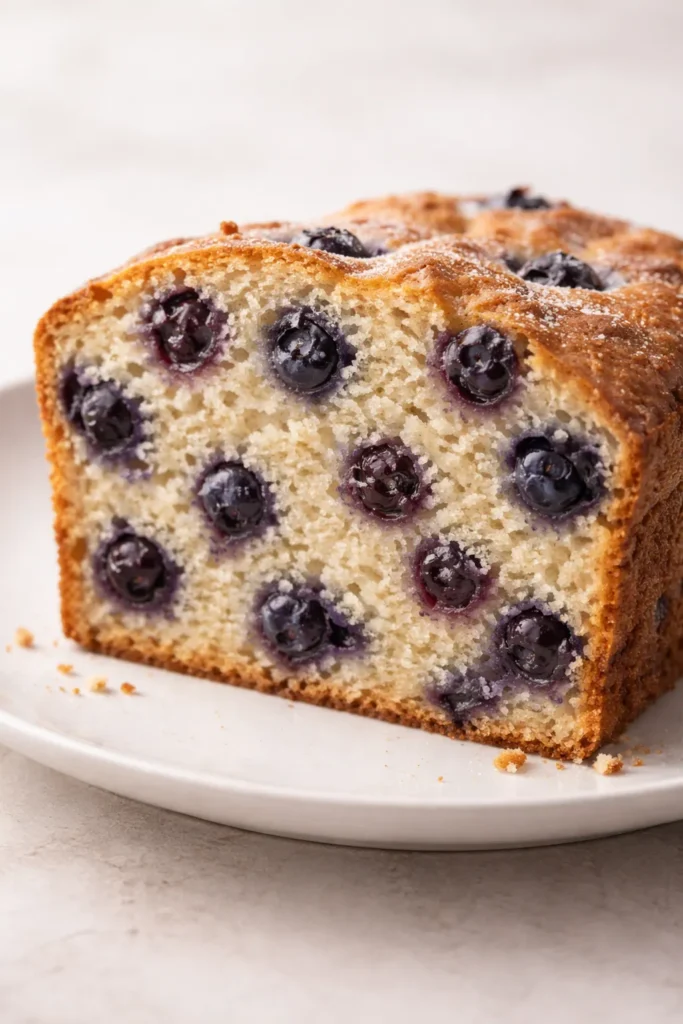
This is a question that comes up constantly with blueberry bread, and the good news is that this particular recipe’s thick batter naturally suspends the berries throughout the loaf. You don’t have to do anything special. The batter is intentionally formulated to be thick enough that the heavy berries stay distributed rather than sinking to the bottom.
That said, if you’re using a thinner batter or want extra insurance, here’s what works: toss the blueberries lightly with about 1 tablespoon of flour from your measured flour amount before folding them in. The flour coating helps them cling to the batter and stay suspended as it bakes. This is especially helpful if you’re using frozen blueberries, which are slightly heavier than fresh ones.
Another method that works is to reserve some of the thicker batter and layer it. Put half the batter in the pan, scatter some berries on top, then add the remaining batter and top with more berries. This way, berries are enclosed within layers of batter rather than trying to float through liquid.
Avoid adding extra milk or thinning out the batter — that’s what causes sinking. Keep the batter thick, handle the berries gently, and you’ll have beautiful slices with blueberries distributed from top to bottom.
Using Fresh vs Frozen Blueberries
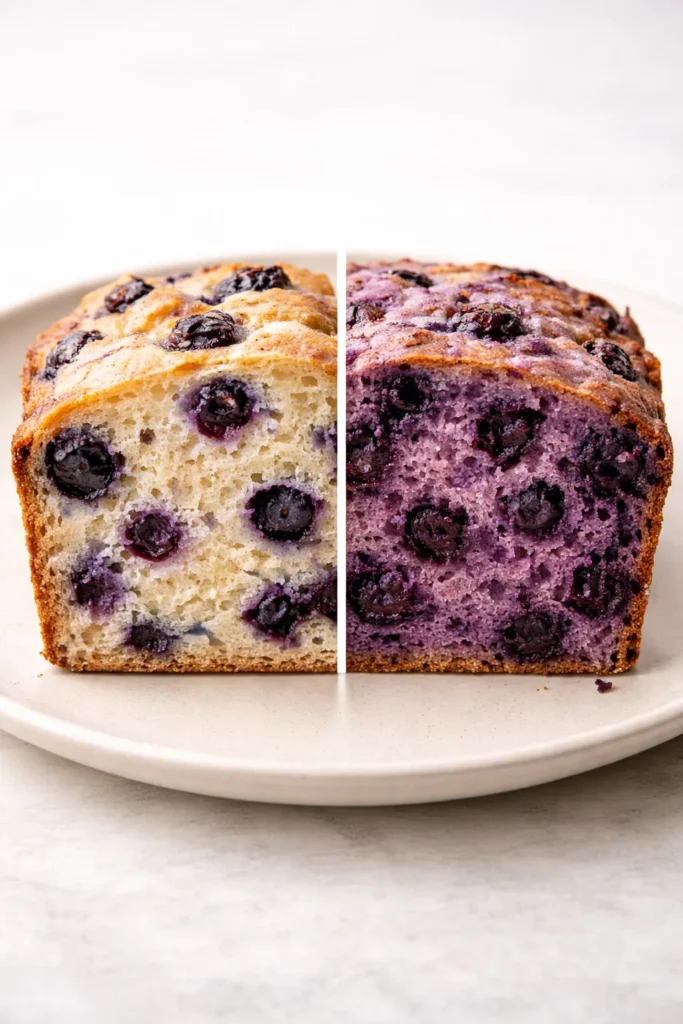
Both work beautifully in this recipe, and they have nearly identical nutritional profiles. Fresh blueberries produce a loaf that’s slightly lighter in color — the interior might be pale or lightly speckled depending on how many berries you use. Frozen blueberries create a deeper purple hue throughout the crumb, which many people find visually more appealing and also more intensely blueberry-flavored.
The texture difference is subtle. Fresh berries stay relatively intact as they bake, giving you distinct pops of fruit in each bite. Frozen berries, especially if they thaw slightly during mixing, can absorb into the batter a bit more, creating a more uniform blueberry flavor throughout the loaf. Both are delicious — it’s really about which you prefer.
If using frozen blueberries, add them straight from the freezer without thawing. Thawing them first causes them to release juice and bleed color more aggressively into the batter. Frozen berries go straight in, and the baking time remains the same. The only adjustment some bakers make is adding 1 tablespoon of extra flour to the dry ingredients if using frozen berries, since they release a bit of water as they bake. But honestly, it’s not essential with this recipe.
Keep blueberries on hand in the freezer during the colder months when fresh ones aren’t available or are expensive. Flash-freeze your own fresh berries in summer by spreading them on a baking sheet, freezing for a few hours until solid, then transferring to a freezer bag. They keep for months and work identically to store-bought frozen berries.
Delicious Variations to Try
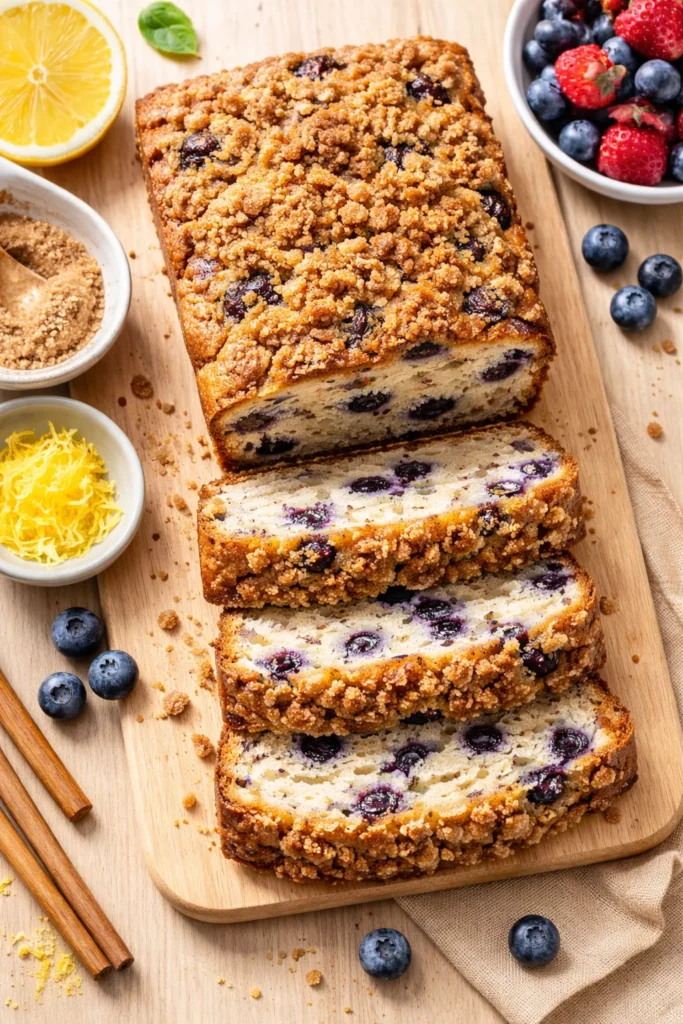
The base recipe is wonderful as-is, but it’s also incredibly adaptable. Here are some tested variations that work beautifully:
Lemon blueberry bread is a classic pairing. Add 2 tablespoons of fresh lemon zest and 3 tablespoons of fresh lemon juice to the oil-egg mixture before combining with the dry ingredients. The tartness of the lemon brightens the sweetness of the blueberries and adds sophistication. You can also drizzle the cooled loaves with a simple lemon glaze made from 1 cup powdered sugar, 3 tablespoons lemon juice, and 1 tablespoon milk.
Mixed berry bread swaps some or all of the blueberries for raspberries, blackberries, or chopped strawberries. Use the same total amount of berries (about 2 cups) and follow the recipe identically. The bread might be slightly more delicate with raspberries since they’re more fragile than blueberries, but the flavor combination is exceptional.
Cinnamon streusel top adds a baker’s-touch topping. Mix together ⅓ cup flour, ¼ cup brown sugar, 1 teaspoon cinnamon, and 3 tablespoons melted butter until it looks like coarse crumbs. Sprinkle this over the top of the batter before baking instead of the sugar topping. It bakes into a crumbly, cinnamon-sweet crust that’s irresistible.
Nutty blueberry bread incorporates ½ to ¾ cup of chopped walnuts, pecans, or almonds folded in along with the berries. The nuts add texture and a subtle richness that complements the blueberries beautifully. Toast the nuts lightly before chopping them to intensify their flavor.
Maple blueberry bread replaces ½ cup of the white sugar with ½ cup pure maple syrup (add it to the oil-egg mixture). This creates a subtle maple undertone without overpowering the blueberries. The bread will be slightly less sweet and more sophisticated in flavor.
Ginger blueberry bread adds ½ to 1 teaspoon of ground ginger to the dry ingredients, or adds ¼ cup of finely chopped crystallized ginger folded in with the berries. This warming spice pairs unexpectedly well with blueberries and creates a breakfast bread that feels more adult and complex.
Orange blueberry bread uses 1 tablespoon of fresh orange zest in place of some or all of the cinnamon. The citrus-berry combination is bright and refreshing, especially in warmer months.
Whole grain version replaces up to half of the all-purpose flour with whole wheat flour or spelt flour. The bread will be slightly denser and more hearty, but still moist and delicious. You might need to add a few extra tablespoons of milk to compensate for the extra absorbency of whole grains.
Storage and Make-Ahead Guidance
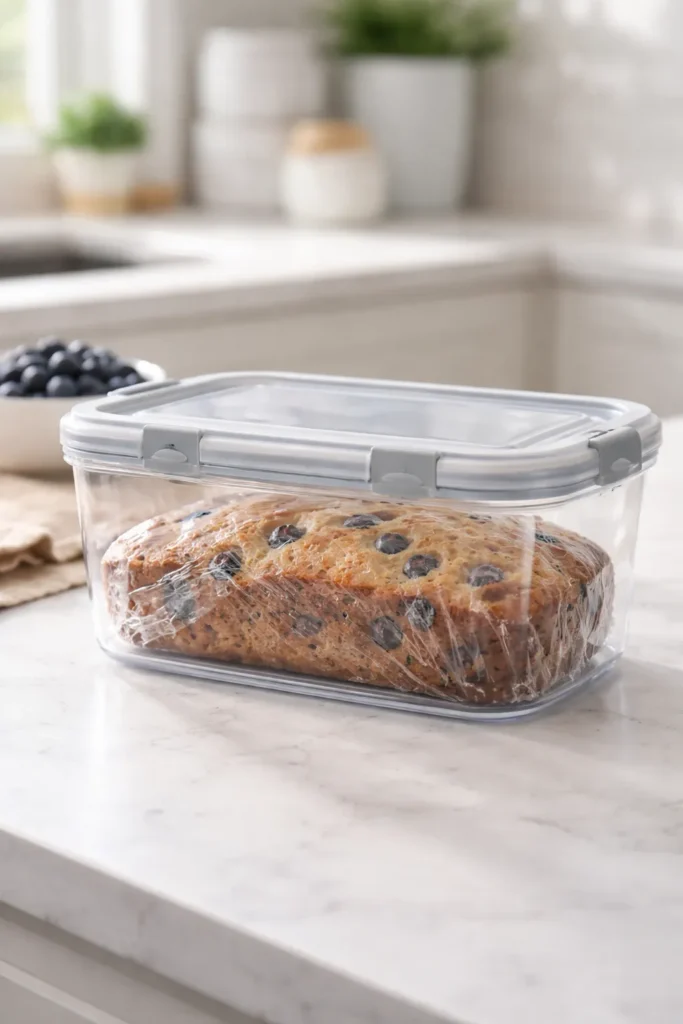
At room temperature: Wrap cooled bread loosely in a clean kitchen towel or store in an airtight container at room temperature for up to 3 days. The bread actually improves on day two as the flavors continue to develop and the crumb sets. By day four, it starts to dry out noticeably unless kept in a sealed container.
In the refrigerator: Wrap completely in plastic wrap or transfer to an airtight container and refrigerate for up to 7 days. Refrigeration keeps the bread fresh longer than the counter, but it can dry out slightly faster once you unwrap it due to the cold air. The flavor remains excellent, and you can always toast a slice to refresh the texture.
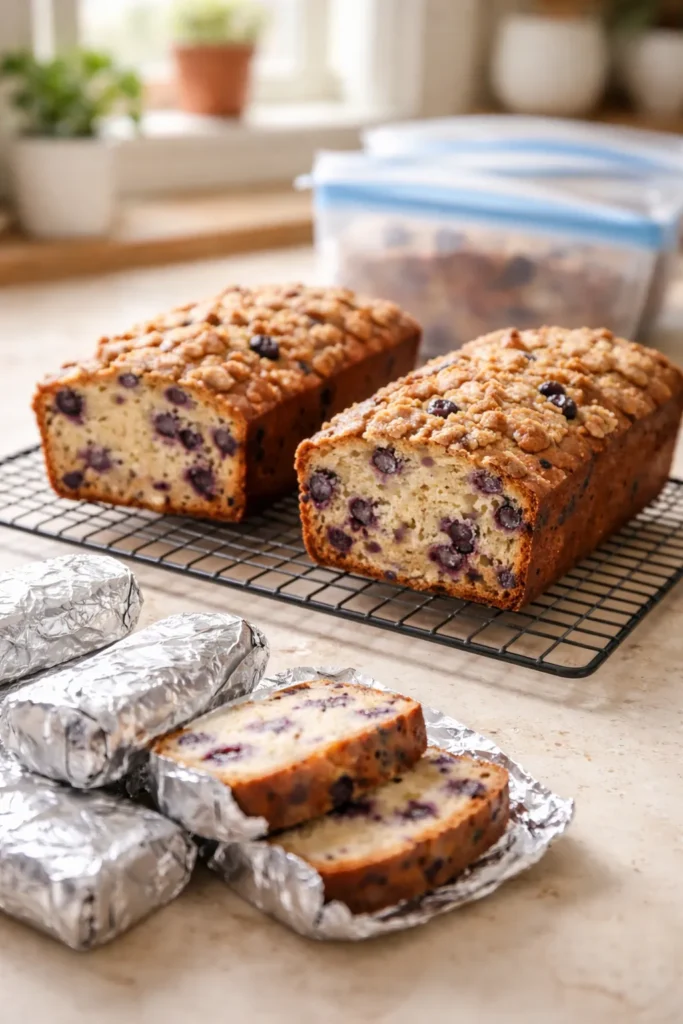
In the freezer: This is where blueberry bread truly shines. Once completely cooled, wrap each loaf tightly in plastic wrap, then wrap again in aluminum foil (the double wrapping prevents freezer burn). Label with the date. Frozen blueberry bread keeps for up to 3 months, though it’s best within 2 months for optimal texture.
You can also slice the loaves before freezing and wrap individual slices separately in parchment, then store them in a freezer bag. This allows you to pull out just one or two slices at a time without thawing the entire loaf.
Make-ahead strategy for busy mornings: Bake two loaves on a weekend. Let one cool completely, wrap it, and freeze. Eat the other fresh throughout the week. The next weekend, defrost the frozen loaf the night before, and you’ve got another full week of breakfasts ready to go. This is genuinely how busy families actually use this recipe.
Reheating and Freezing Instructions
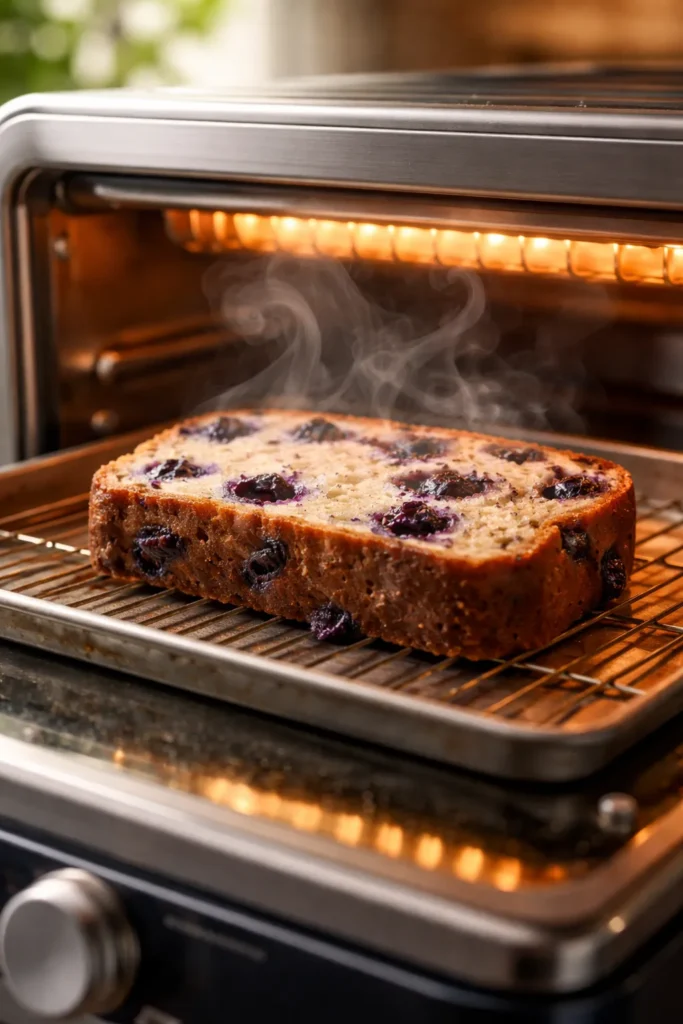
Thawing: Remove a frozen loaf from the freezer the night before and let it thaw unwrapped on the counter at room temperature for 2 to 3 hours, or overnight. This prevents condensation from forming on the bread, which would make it soggy. Once thawed, it’s ready to eat at room temperature or you can warm it if you prefer.
Warming individual slices: If you’re pulling out frozen slices one at a time, there are several options. Toast them in a toaster oven for 2 to 3 minutes at 350°F — this is the best method because it warms the bread through without drying it out and actually crisps the exterior slightly, which is lovely. You can also wrap a slice in a paper towel and microwave for 15 to 20 seconds, which is faster but doesn’t crisp the exterior. Or pop it into the toaster like you would a piece of toast if your toaster has a slot wide enough — this works beautifully for thinner slices.
Don’t refreeze. Once thawed, eat the bread within a few days rather than refreezing it. The texture degrades with repeated freeze-thaw cycles.
Freshness trick: If your bread has dried out slightly after a few days, wrap it tightly in a damp paper towel and warm it gently in a toaster oven for a minute or two. The moisture from the paper towel rehydrates the crumb while the warmth brings back the soft texture. This won’t work magic on stale bread, but it definitely refreshes bread that’s just a little past its prime.
Serving Suggestions and Pairings
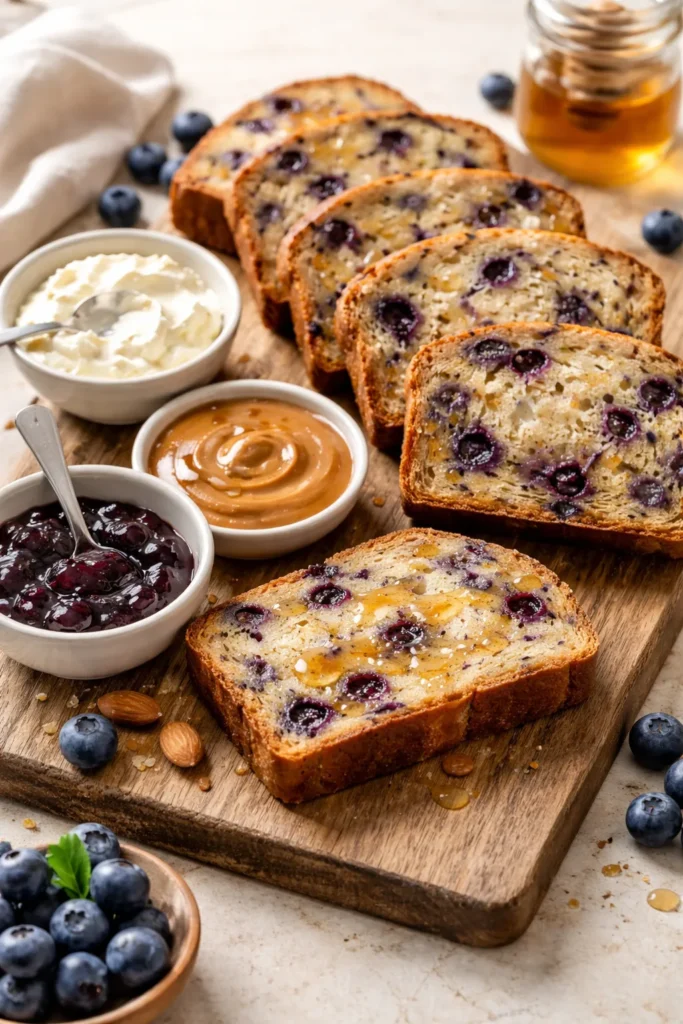
For breakfast on its own: Slice thick pieces (about 1 inch) and serve warm or at room temperature. The bread is substantial enough to be a complete breakfast, especially if you’re eating it with a glass of milk or a cup of coffee. Many families simply slice the bread, wrap individual pieces loosely in foil, and everyone grabs one on their way out the door.
With spreads: Cream cheese spread is probably the most popular pairing. Softened cream cheese on a warm slice of blueberry bread is genuinely indulgent and tastes like a bakery treat. Almond butter, peanut butter, or regular butter also work beautifully. A thin layer of honey drizzled on top after the butter adds extra sweetness if you like it that way.
With yogurt: A slice of blueberry bread pairs beautifully with a small bowl of Greek yogurt on the side. The tang of the yogurt balances the sweetness of the bread, and together they make a more balanced breakfast with more protein. This combination is especially good for keeping you satisfied through a long morning.
For brunch gatherings: Slice the loaves and arrange the slices on a wooden board with a small bowl of whipped cream cheese, a small bowl of jam (blueberry jam would be poetic), and maybe a few fresh berries scattered around. Guests can customize their slices, and it feels special without requiring any work on your part.
As an afternoon snack: Blueberry bread hits that sweet-but-not-too-sweet spot that makes it perfect for an afternoon snack around 3 or 4 PM when energy starts to dip. Pair it with a cup of tea or coffee and you’ve got a moment of calm in the middle of chaos.
For lunchboxes: Wrap individual slices in foil or parchment and tuck them into lunchboxes alongside a piece of fruit and a cheese stick. It keeps well unrefrigerated for several hours and tastes just as good eaten at room temperature hours later as it does fresh from the kitchen.
For dessert: If you’re serving this as a dessert rather than breakfast, slice it thickly and serve warm with a small dollop of whipped cream or vanilla ice cream melting slightly on top. It’s comforting and satisfying without feeling overly indulgent.
Final Thoughts
This recipe exists because real life is chaotic, and breakfast shouldn’t add to that chaos. You need food that tastes good, sustains you, and doesn’t demand your attention while ten other things are happening. Soft blueberry breakfast bread delivers exactly that.
Make it the night before so morning is just slicing and wrapping. Make two loaves so you’re set for the whole week. Freeze extras so you’re never caught without breakfast. Let it cool completely so it slices cleanly. Store it properly so it stays soft and moist for days. These small, intentional choices create a breakfast solution that actually works in the real world, not just in recipe fantasy.
Your family will eat it without complaint. You’ll feel like you’re giving them something homemade and nourishing. And you’ll have a few extra minutes each morning — minutes that feel absolutely precious when everything else is rushing forward. That’s what this bread is really about.