You don’t need a culinary degree or a pantry full of specialty ingredients to transform a box cake mix into something that tastes genuinely homemade. The secret that many professional bakers won’t tell you? A significant portion of bakery cakes and wedding cakes actually start with doctored box mixes—they’re just enhanced with strategic ingredient swaps and clever additions that elevate both flavor and texture. The difference between a flat, one-dimensional cake mix cake and one that’s moist, rich, and indistinguishable from scratch is surprisingly small. These seven proven techniques work with any flavor of cake mix, from classic vanilla and chocolate to specialty varieties, and they transform the final result so dramatically that your guests will genuinely believe you spent hours baking from scratch.
The beauty of these upgrades is that they don’t require unusual ingredients or complicated techniques. Everything you need is likely already in your kitchen—a stick of butter, some milk, an egg or two extra, and pantry staples you already have on hand. Best of all, these tweaks add minimal time to your baking process while delivering maximum flavor impact. Let’s dive into each method and understand exactly why it works.
Table of Contents
- 1. Replace Water with Milk or Other Flavorful Liquids
- Why Whole Milk Works Best
- Go Beyond Milk: Try These Flavorful Liquids
- 2. Swap Vegetable Oil for Melted Butter
- The Exact Substitution
- Unsalted vs. Salted Butter
- 3. Add Extra Eggs
- The Egg Yolk-Only Strategy
- Room Temperature Matters
- 4. Boost Flavor with Extracts and Add-Ins
- Strategic Flavor Layering
- Mix-Ins: Texture and Flavor in One Addition
- 5. Incorporate Sour Cream or Other Rich Ingredients
- Alternative Rich Ingredients
- 6. Mix in Instant Pudding for Moisture and Flavor
- Why This Works
- Important Caveat
- 7. Elevate with Homemade Frosting and Fillings
- Frosting Flavor Pairings
- The Presentation Factor
- Going Even Further: Additional Upgrades Worth Trying
- The Bottom Line
1. Replace Water with Milk or Other Flavorful Liquids
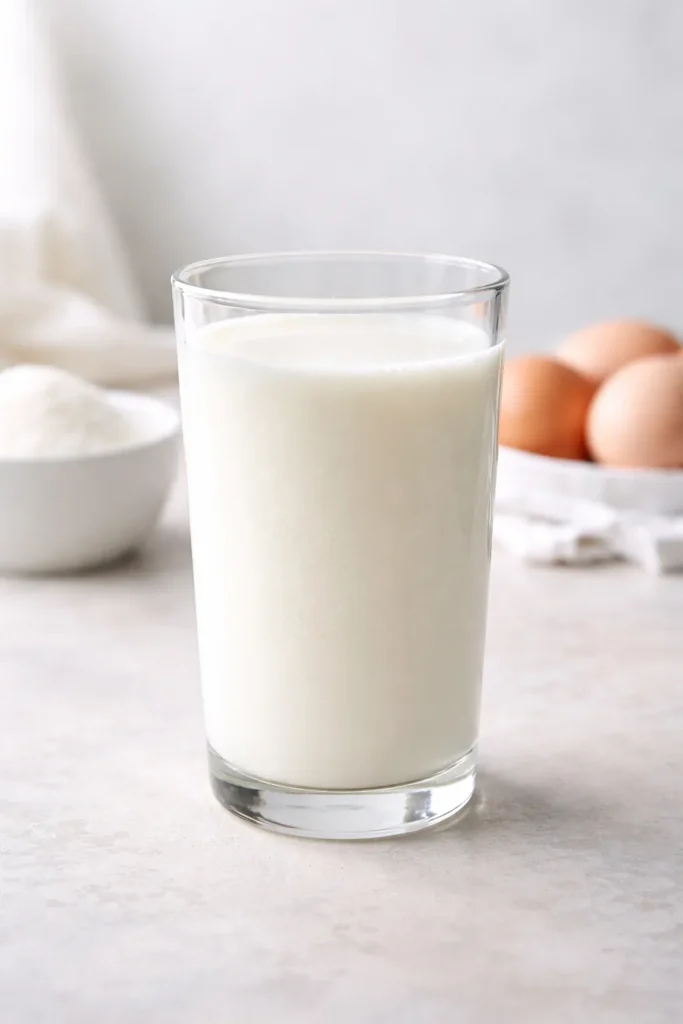
Water is the enemy of cake flavor. Most boxed cake mixes call for water because it’s the most universally available ingredient, but that’s also exactly why it does nothing to enhance your cake. Water is flavorless, fat-free, and contributes absolutely nothing beyond basic moisture—it’s the culinary equivalent of a blank canvas with no one assigned to paint it.
The moment you swap water for milk, the entire texture and taste profile of your cake shifts dramatically. Whole milk contains fat, which creates a denser, richer crumb structure that more closely mimics a from-scratch cake. The milk proteins also interact with the flour in ways that improve the overall mouthfeel, making the cake feel less artificial and more substantial. When you bite into a cake made with milk instead of water, you immediately sense the difference—it’s more tender, more flavorful, and significantly more satisfying.
Why Whole Milk Works Best
Whole milk is your safest bet because the fat content (around 3.5%) provides richness without adding any unwanted flavors. Use whole milk, not skim or low-fat versions, because those defeat the purpose of using milk in the first place. If you’re avoiding dairy, canned coconut milk delivers similar results with the bonus of adding subtle coconut flavor that pairs beautifully with vanilla and yellow cake mixes. Almond milk and oat milk are less ideal because they’re lower in fat and won’t provide the same richness.
Go Beyond Milk: Try These Flavorful Liquids
Once you master the milk swap, experiment with other liquids to layer in additional flavor complexity. Strong brewed coffee or espresso for chocolate cakes intensifies the chocolate notes and adds subtle depth that makes people pause and ask what the secret ingredient is. For lemon or yellow cake mixes, fresh orange juice, apple cider, or grapefruit juice adds a bright, sophisticated tang. Even cola works beautifully with chocolate mixes—the vanilla notes in cola complement chocolate perfectly, and the slight acidity cuts through richness.
Buttermilk deserves special mention because it’s the secret weapon for red velvet and spice cakes. The tangy acidity of buttermilk reacts with baking soda to create an incredibly tender, slightly fluffy crumb. If you don’t have buttermilk on hand, you can make it by adding 1 tablespoon of white vinegar to 1 cup of milk and letting it sit for 5 minutes. The transformation happens chemically—don’t skip this step if you specifically want that red velvet character.
2. Swap Vegetable Oil for Melted Butter
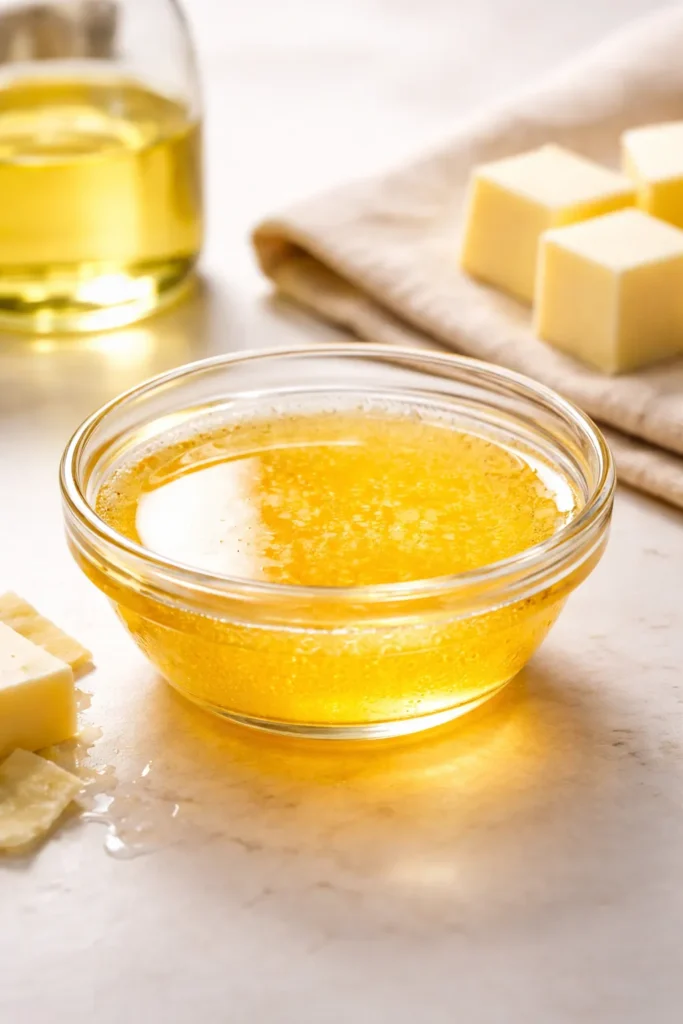
This is perhaps the single most impactful swap you can make, and yet it’s remarkably simple. Vegetable oil and canola oil are neutral, flavorless fats that exist purely to add moisture and help the structure hold together. They’re fine in a utilitarian sense, but they contribute nothing to flavor, and worse, they create a slightly greasy, slick mouthfeel that registers as “definitely from a box” to anyone paying attention.
Butter is the difference between acceptable and extraordinary. Butter contains milk solids and water, which means it adds not just fat but also flavor and a slightly different structure. A cake made with melted butter has a tender, rich crumb that tastes noticeably more luxurious. The flavor is more rounded, more satisfying, and unmistakably more like something a real baker made.
The Exact Substitution
Replace the exact amount of oil called for in the box directions with the same volume of melted butter. If the box calls for ⅓ cup oil, use ⅓ cup melted butter. This one-to-one swap works because melted butter has nearly the same moisture and fat content as vegetable oil. Let the butter cool slightly before adding it to your batter—you don’t want it scalding hot, which can cook the eggs prematurely.
Unsalted vs. Salted Butter
Use unsalted butter so you control exactly how much salt enters the cake. This might seem like a minor detail, but salt is a flavor amplifier. If you’re using salted butter, you may be adding too much salt, which will throw off the balance. If you only have salted butter available, reduce any additional salt the recipe calls for by about ¼ teaspoon.
For an extra decadent cake with almost unbelievable moisture, some bakers add 2 tablespoons of mayonnaise along with the butter. This sounds counterintuitive—maybe even wrong—but remember that mayonnaise is just eggs and oil. The emulsification that makes mayonnaise stable actually distributes moisture throughout the cake evenly, keeping it impossibly moist for days. This trick works especially well with chocolate cake mixes.
3. Add Extra Eggs
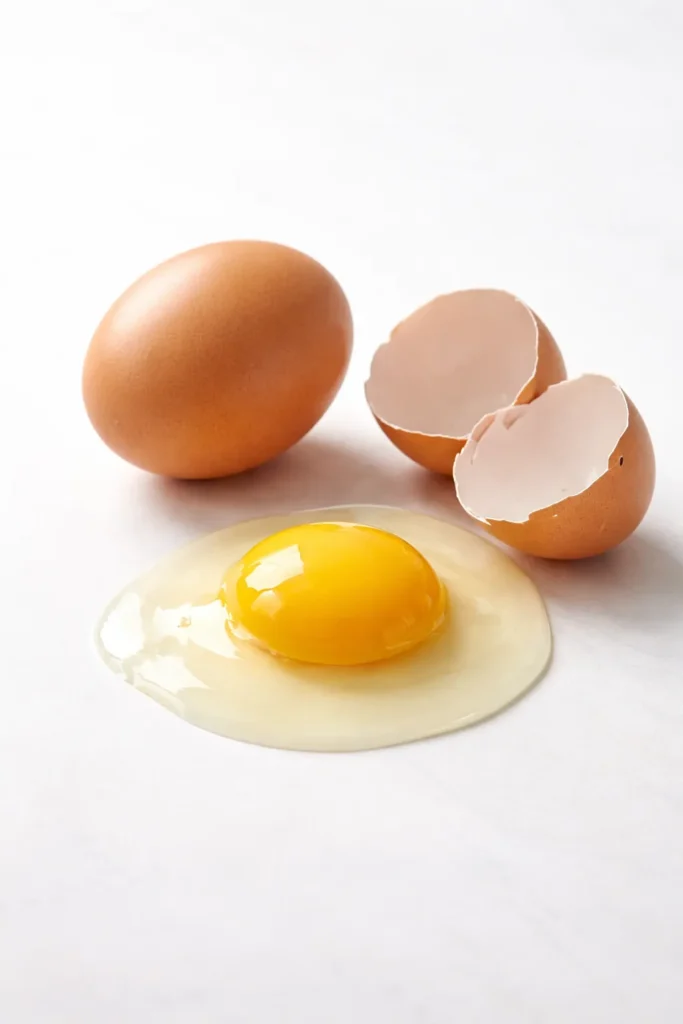
Most boxed cake mixes call for two or three eggs. Adding one extra egg yolk (or one whole egg) might seem insignificant, but it creates a noticeable shift in texture and richness. Eggs provide both fat and moisture, and they also contribute protein that helps the cake structure hold together properly. An egg-rich cake is naturally softer, more tender, and significantly less likely to overbake and turn dry.
The science here is straightforward: more eggs mean more fat and more emulsifying agents. The lecithin in egg yolks acts as an emulsifier, allowing the cake to retain moisture more effectively. This is why cakes made with extra eggs stay fresh and moist for longer—the structure is better equipped to hold onto moisture naturally.
The Egg Yolk-Only Strategy
If you want richness without adding too much bulk, separate your eggs and add two extra egg yolks along with the eggs the box calls for. The yolks contain the fat and flavor, while the whites are mostly water and protein. This gives you maximum richness with minimal texture change. Save the leftover egg whites for meringues, scrambled eggs, or other recipes.
If you go the extra-yolk route, replace that lost fat by adding 1 tablespoon of melted butter for each yolk you removed from the recipe. This balances out the missing fat and ensures your cake stays moist and tender. You can also use the extra whites in place of some whole eggs for a lighter, airier cake—again, replacing the fat accordingly with butter.
Room Temperature Matters
Make sure your eggs are at room temperature before mixing. Cold eggs don’t emulsify as effectively with the other ingredients, and they can actually create a slightly separated, curdled-looking batter (which, despite appearances, will still bake fine). Set your eggs out for 20-30 minutes before baking, or place them in warm water for 5 minutes to bring them up to temperature quickly.
4. Boost Flavor with Extracts and Add-Ins
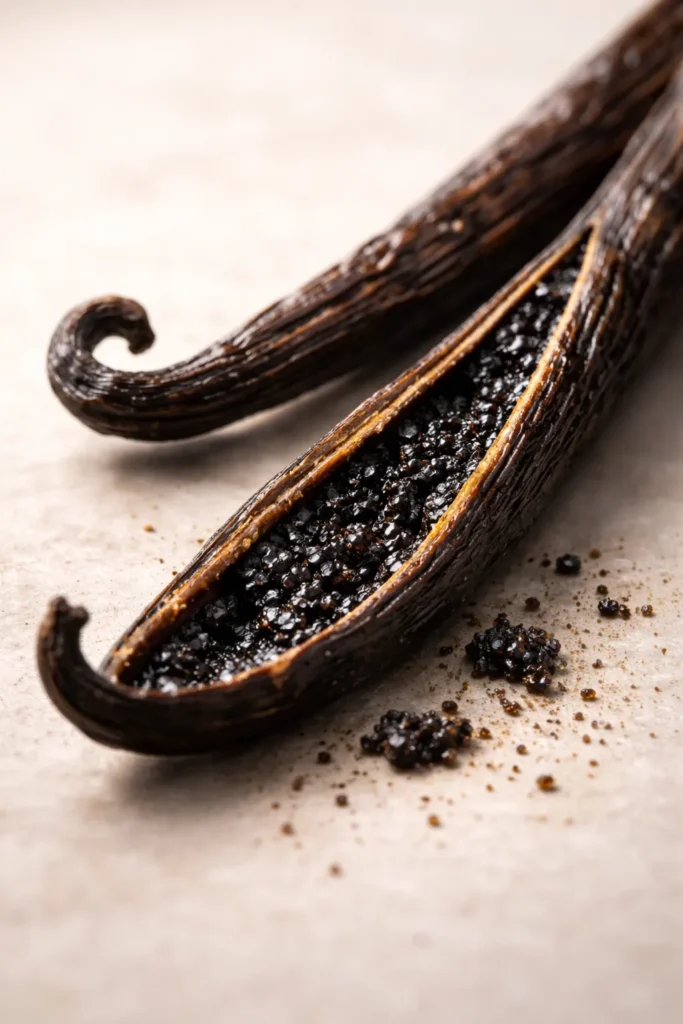
Boxed cake mixes rely on artificial flavorings that can taste slightly chemical or flat—they’re effective at conveying “this is chocolate cake” or “this is vanilla cake,” but they lack the complexity and depth of real ingredients. The simplest fix is adding pure vanilla extract, but you can be far more creative and strategic with flavor building.
Add 1 to 2 teaspoons of pure vanilla extract to any vanilla, yellow, or white cake mix. Pure vanilla, not imitation, makes a genuine difference in how “real” the cake tastes. If you’re feeling luxurious, invest in vanilla bean paste or fresh vanilla beans—the flavor is noticeably more complex and authentic, and the tiny vanilla specks visible in the cake look undeniably homemade. One pod or ½ teaspoon of vanilla bean paste equals about 1 teaspoon of extract.
Strategic Flavor Layering
For chocolate cakes, add a small spoonful of instant espresso powder or strong brewed coffee. Coffee doesn’t make the cake taste like coffee—it amplifies the chocolate flavor and adds a sophisticated depth. Add ½ to 1 teaspoon of espresso powder dissolved in the liquid you’re using, or use strong brewed coffee in place of water.
For yellow and white cakes, try almond extract (use sparingly—just ¼ to ½ teaspoon—because it’s intense), lemon or orange extract paired with fresh zest, or even a drop of peppermint extract for subtle minty undertones. For spice cakes, bump up the spice profile by adding ½ teaspoon of cinnamon, ¼ teaspoon of nutmeg, and a pinch of allspice or cloves.
Mix-Ins: Texture and Flavor in One Addition
Fold in a handful of chocolate chips, nuts, dried fruit, or shredded coconut at the very end of mixing, just before pouring the batter into pans. Be gentle—overmixing once you add these ingredients can toughen the cake. Add about ½ to 1 cup of mix-ins, depending on the size of your pan and how much texture you want. Toasted nuts add a sophisticated flavor that reads as much more refined than raw nuts. Freeze-dried berries add bright flavor without adding moisture that might throw off the batter’s balance.
5. Incorporate Sour Cream or Other Rich Ingredients
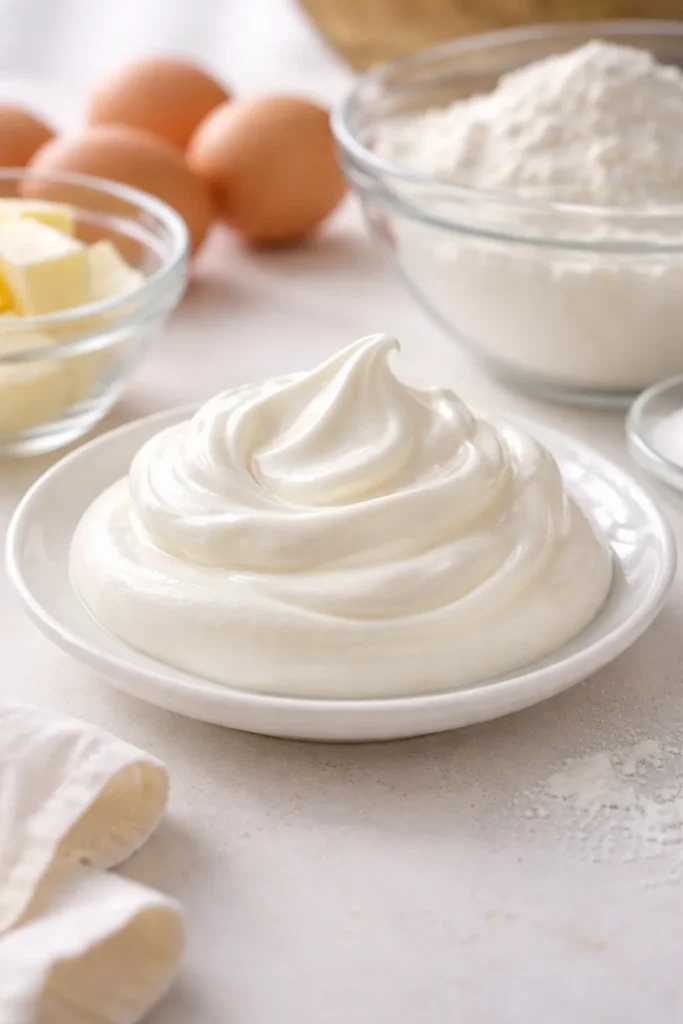
Sour cream is a secret weapon used by professional bakers specifically because it adds moisture while also adding fat, acid, and richness. The acid in sour cream (lactic acid) reacts slightly with the baking soda in the mix to improve lift and tenderness. The result is a cake that’s noticeably more moist, more dense in the best way, and tangier in a way that balances sweetness beautifully.
Add ½ to ¾ cup of full-fat sour cream to your cake batter. Full-fat is essential—low-fat sour cream won’t provide the same richness, and you’ll lose the benefit of the swap. Some bakers use plain Greek yogurt as a substitute, which works reasonably well, though the tang is slightly more pronounced. If you use yogurt, choose full-fat versions and use the same amount as you would sour cream.
Alternative Rich Ingredients
Cream cheese adds incredible richness and a subtle tang that elevates vanilla and yellow cakes. Mix 4 to 8 ounces of softened cream cheese into your batter, but do this gently to avoid overworking the batter. The cream cheese needs to be at room temperature and should be blended in thoroughly before you add the dry ingredients. This method works best when you’re using an electric mixer.
Full-fat ricotta is another option that creates a delicate, slightly fluffy texture. Add ½ cup of ricotta and reduce the liquid slightly (use about 1 tablespoon less milk) to account for the extra moisture. Ricotta has a milder flavor than sour cream or cream cheese, so it won’t change the cake’s taste profile—it will simply make the texture more tender and fine-grained.
For the ultimate richness, whisk sour cream and butter together before adding other ingredients. This creates an emulsion that distributes fat throughout the batter incredibly evenly, resulting in a cake with perfect, even crumb and superior moisture retention.
6. Mix in Instant Pudding for Moisture and Flavor
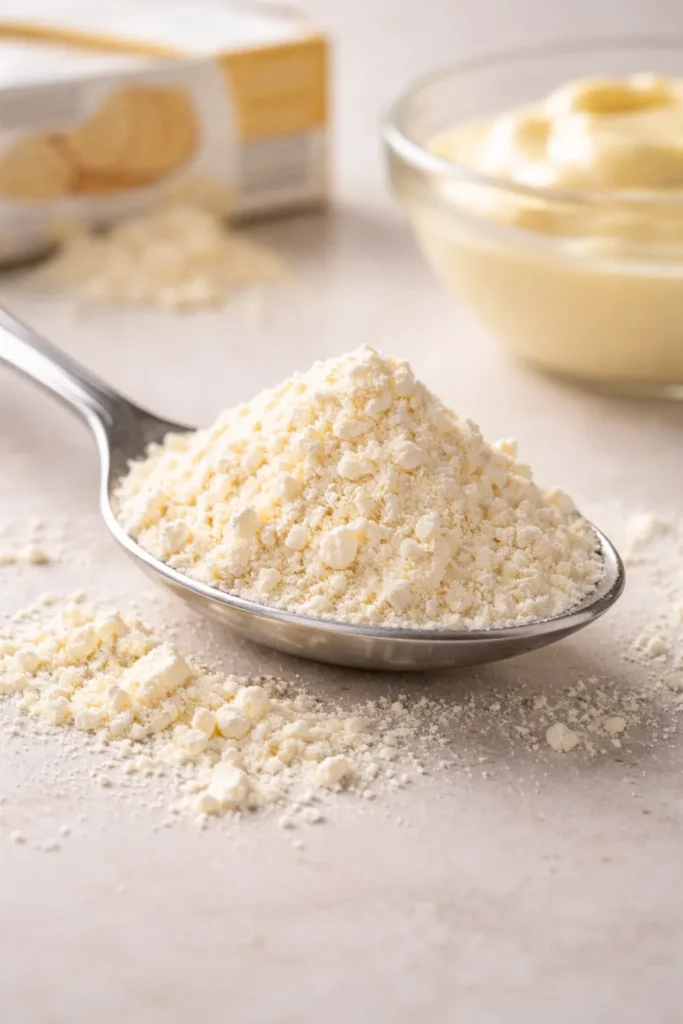
A small box of instant pudding mix—the kind you’d normally make into a pudding dessert—can be whisked directly into your dry cake mix. This accomplishes two things simultaneously: it adds thickening starches that create a denser, more substantial crumb, and it adds flavor that boosts what’s already in the mix.
Choose your pudding flavor to complement your cake mix: vanilla or butterscotch pudding for yellow or white cakes, chocolate pudding for chocolate cakes, pistachio for white cake to create something more sophisticated. Add one 3.4-ounce box of instant pudding mix to the dry cake mix ingredients and whisk together before adding wet ingredients. Proceed with the rest of your recipe as normal.
Why This Works
The pudding mix contains cornstarch and tapioca starch, which absorb and hold moisture differently than all-purpose flour. These starches create a slightly tighter crumb that feels more substantial and keeps moisture bound in the cake structure longer. A cake made with pudding in the batter will stay moist and tender even after a day or two—it resists drying out much better than a plain box mix cake.
The extra sugar in the pudding mix also contributes to moisture retention. Sugar is hygroscopic, meaning it attracts and holds water molecules. The pudding mix typically contains more sugar than the dry cake mix alone, so you’re adding extra sweetness and extra moisture-holding capacity simultaneously. The flavor boost is real but subtle—your guests will taste a more complex, more developed flavor without realizing you simply added another box of mix.
Important Caveat
Don’t double up on pudding by making pudding and adding it to the batter. Use only the dry pudding powder mixed into the dry ingredients. Pre-made pudding added to wet batter can throw off your moisture balance and create a cake that’s too dense or overly wet. The dry powder is what creates the perfect texture upgrade.
7. Elevate with Homemade Frosting and Fillings
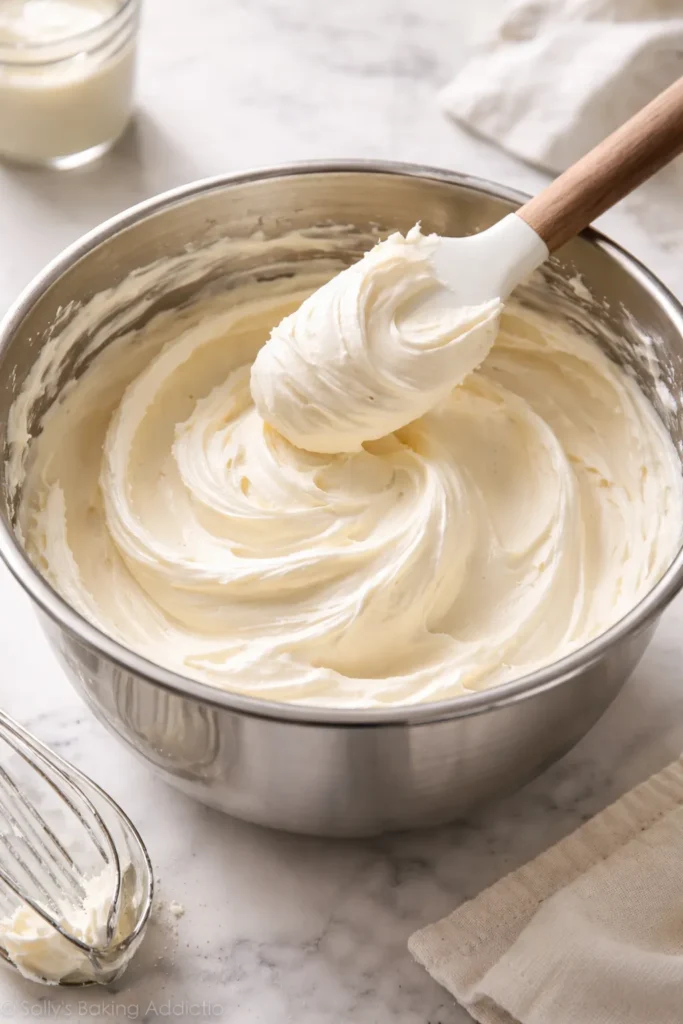
Even if you use every trick in the book to upgrade your cake mix, the frosting is where the magic really happens. A doctored box cake covered with canned frosting still tastes like a box cake with canned frosting. But that same cake covered with homemade buttercream frosting becomes something genuinely special and completely believable as a from-scratch cake.
Homemade frosting doesn’t require complicated technique or specialty ingredients. The most basic American buttercream—butter, powdered sugar, splash of milk, and vanilla—transforms everything. Beat softened butter (at room temperature) until it’s light and fluffy, gradually add sifted powdered sugar, add a tiny splash of milk or cream to reach the right consistency, and finish with a teaspoon of vanilla. That’s it. It takes maybe 10 minutes and elevates your cake from “nice box mix cake” to “I genuinely can’t tell this is from a box.”
Frosting Flavor Pairings
Match your frosting to your cake in intentional ways. A chocolate cake mix benefits from chocolate buttercream made by adding 2 to 3 ounces of melted dark chocolate to vanilla buttercream. A vanilla cake can become elegant with cream cheese frosting, which adds tang and sophistication. Yellow cake sings with fresh lemon buttercream made by adding 2 tablespoons of fresh lemon juice and 1 tablespoon of lemon zest to vanilla frosting.
For truly impressive results, make a filling in addition to your frosting. Spread a layer of homemade jam, lemon curd, fruit reduction, or chocolate ganache between your cake layers, then frost the outside with a contrasting frosting. A chocolate cake with raspberry filling and vanilla frosting looks like you’ve been baking professionally for years. A vanilla cake with fresh strawberry filling and strawberry buttercream looks like a summer garden came to life.
The Presentation Factor
The frosting also provides an opportunity to present your cake beautifully. Use an offset spatula to apply frosting in a thin, naked or semi-naked style that lets the cake show through slightly. Pipe rosettes around the top edge or base. Add fresh fruit, chocolate shavings, or sprinkles while the frosting is still soft so they adhere. The professional presentation combined with upgraded cake mix creates an illusion so convincing that people will ask for your homemade recipe.
Going Even Further: Additional Upgrades Worth Trying
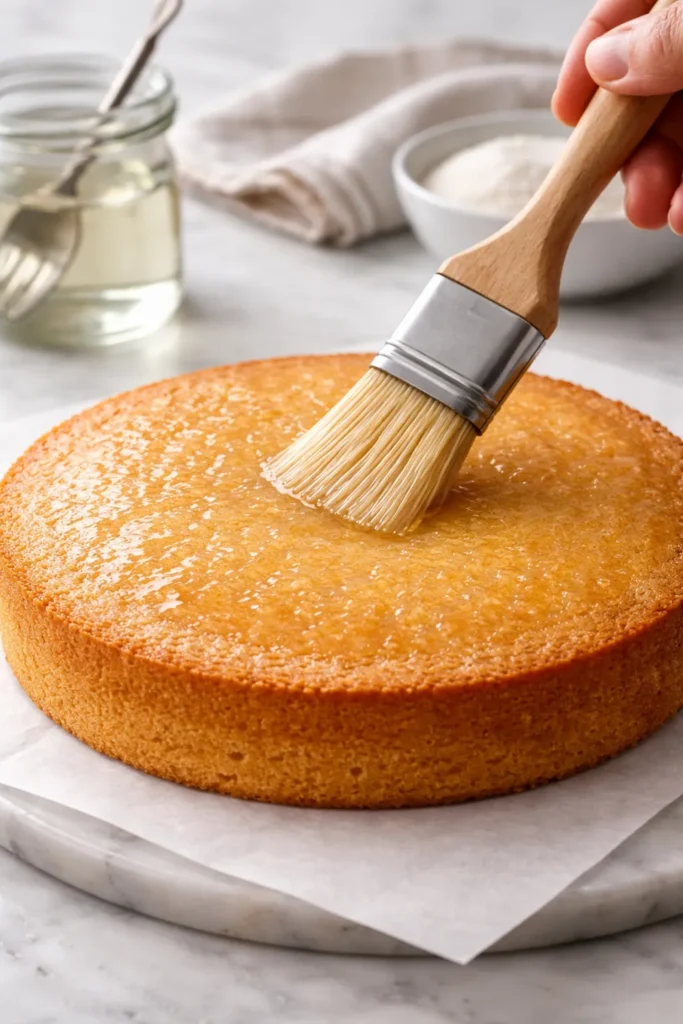
Once you’ve mastered the seven core techniques, you can layer in additional sophistication. Making a simple syrup to brush on cooled cake layers before frosting adds moisture and allows you to infuse additional flavor—try soaking cakes in rum or coffee-flavored liqueur, or a simple syrup infused with lemon juice and zest. This technique is borrowed directly from professional bakers and transforms the mouthfeel of the finished cake from dry to luxuriously moist.
Another pro move is wrapping cooled cakes in plastic wrap and freezing them overnight before frosting. This seals in moisture, makes the cake less crumbly and easier to frost, and allows flavors to develop and meld overnight. The next day, thaw the cakes at room temperature (about 1 to 2 hours) and frost them while still cool. They’ll frost more neatly, frost will adhere better, and the cake will have better structure for stacking.
The Bottom Line
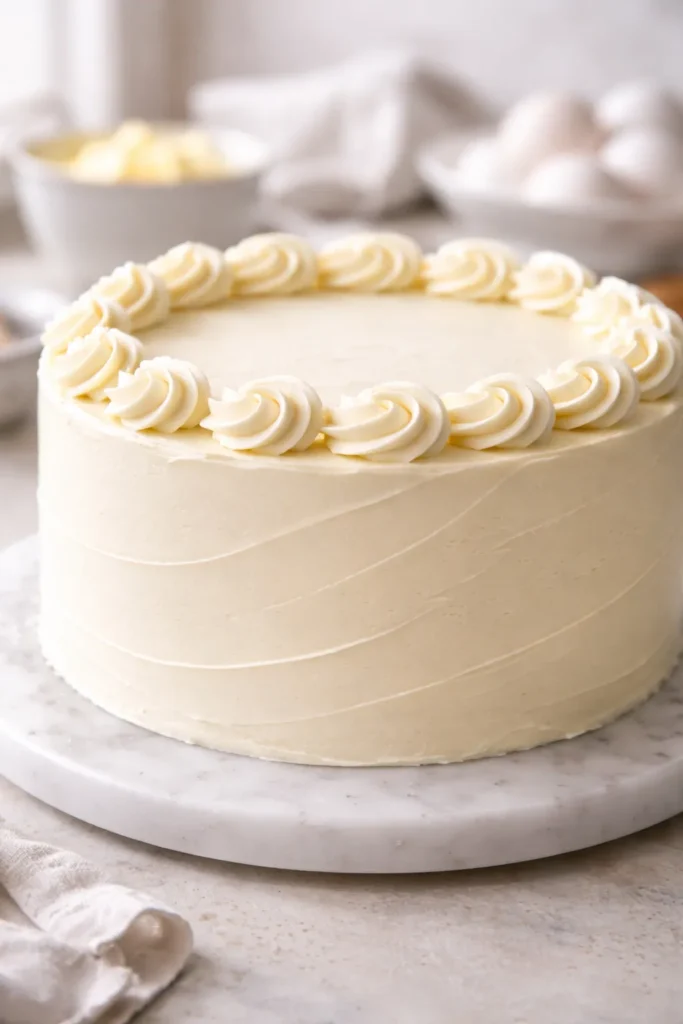
The gap between a plain box cake and a professional-quality cake is smaller than most people realize. You don’t need to be a trained baker, and you don’t need expensive ingredients. You simply need to understand that a few strategic swaps—replacing water with milk, using butter instead of oil, adding extra eggs, and covering everything with homemade frosting—create a cumulative effect that’s genuinely transformative.
Start by choosing just two or three of these techniques and combining them. Try replacing water with buttermilk and oil with butter on your next chocolate cake. Add an extra egg to a vanilla cake and top it with fresh buttercream instead of canned frosting. Notice how the texture improves, how the flavor develops, how people genuinely can’t believe it started from a box. Once you see how dramatically even small changes affect the final cake, you’ll find yourself naturally incorporating more of these upgrades until making a doctored box cake becomes as automatic as your favorite go-to recipe—the one everyone asks you to bring to every celebration.