Almonds have quietly become the secret weapon in low-carb baking and cooking. If you’re following a keto diet and wondering how to keep desserts, snacks, and breakfast dishes exciting without derailing your macros, almond flour and whole almonds offer solutions that actually taste good—not like compromise food made with strange ingredients that taste like cardboard. The beauty of almonds in keto cooking is their versatility. You can use finely ground almond flour to replace traditional wheat flour in baked goods, roast whole almonds with sweet coatings, transform them into porridge that tastes nothing like you’re dieting, and even use them as crispy coatings for savory proteins. What makes almonds so perfect for keto eating is their nutritional profile: they’re rich in healthy fats, deliver quality protein, contain meaningful fiber, and keep carbohydrates remarkably low—about 6 grams of net carbs per ounce of whole almonds.
The recipes in this collection represent the best ways to use almonds on a keto diet. You’ll find breakfast options that satisfy the craving for warm, comforting food without loading up carbs. There are desserts that taste indulgent enough to actually feel like a treat rather than a health compromise. And snacks that work whether you’re grabbing something quick at home or packing options for work. These aren’t experimental recipes that require five substitute ingredients and an apology for how they taste. These are tested, reliable recipes that have become staples for people living the keto lifestyle. Many come from experienced low-carb cooks who’ve spent years perfecting these formulas, so you get the benefit of real kitchen testing rather than theory.
What you’ll also notice is that working with almonds in keto cooking teaches you something valuable: you don’t need sugar to make food taste exceptional. Almond flour has a natural, subtle nutty flavor that shines when paired with good ingredients like real butter, quality vanilla extract, cinnamon, and proper sweeteners. These recipes rely on technique and ingredient quality rather than heavy-handed sweetness, which actually results in more sophisticated flavor profiles than standard desserts. Whether you’re new to keto and nervous about giving up baked goods, or you’re an experienced low-carb cook looking for fresh inspiration, these twelve almond-based recipes deliver both satisfaction and nutritional sense.
Table of Contents
- 1. Golden Almond Flour Scones
- Why These Scones Work
- How to Get Them Perfect
- 2. Creamy Almond Flour Porridge
- The Magic Combination
- Making It Perfect Every Time
- 3. Crunchy Candied Almonds (Keto Gebrannte Mandeln)
- How the Coating Works
- The Process
- 4. Fudgy Almond Flour Brownies
- Building Chocolate Flavor
- Why These Work Where Others Fail
- 5. Almond Cinnamon Butter Cookies
- The Simple Formula
- Texture Control
- 6. Glazed Sweet and Salty Almonds
- The Glazing Technique
- Application and Storage
- 7. Sturdy Almond Flour Bread
- Why This Works
- Baking and Serving
- 8. Tender Almond Flour Squares with Lemon
- The Base Formula
- Flavor Variations
- 9. Almond Flour Breakfast Muffins (Savory Version)
- The Base Structure
- Flavor Combinations That Work
- 10. Flourless Almond Flour Cookies (Sugar-Free Chocolate Shortbread)
- The Shortbread Approach
- The Critical Details
- 11. Almond Flour Cheese Crackers
- Texture Technique
- Flavor Variations
- 12. Almond Flour Pancakes (Fluffy Keto Version)
- The Fluffiness Secret
- Serving and Storage
- Final Thoughts
1. Golden Almond Flour Scones
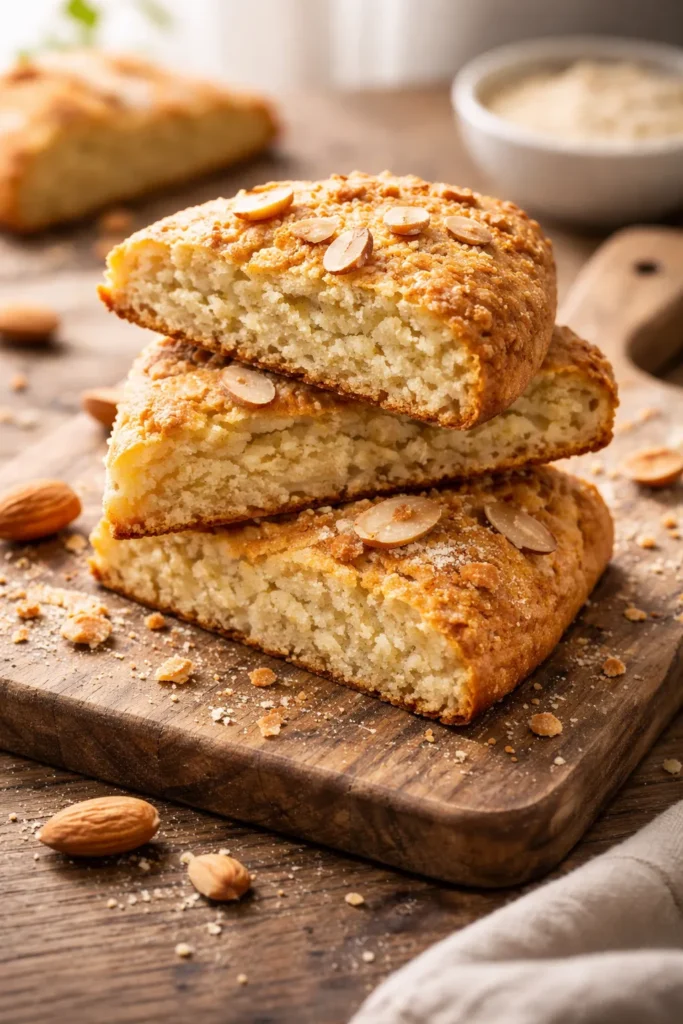
These scones capture the exact texture that scone lovers crave: a tender, buttery interior with lightly crisp edges and a delicate crumb that practically melts on your tongue. Unlike dense, grainy attempts at low-carb baking, well-made almond flour scones genuinely rival their traditional counterparts—and they contain roughly one-tenth the carbohydrates. The secret lies in using finely ground almond flour (never almond meal, which is too coarse) and respecting the dough’s unique properties. Almond flour behaves differently than wheat flour because it contains no gluten and much higher fat content, which actually works in your favor if you know how to handle it.
Why These Scones Work
The structure comes from cold butter cut into the flour mixture, which creates those lovely flaky pockets that make scones special. Heavy cream adds moisture and richness while eggs provide binding without needing extra flour. Baking powder gives lift and fluffiness, and a high-quality keto sweetener rounds out the flavor. The beauty of this recipe is that it delivers bakery-quality results in about 30 minutes total from mixing to serving, making it perfect for weekend breakfasts or brunch gatherings.
How to Get Them Perfect
Chill your butter before mixing—this is non-negotiable for flaky texture. If your dough feels too sticky, rest it for five minutes before shaping; almond flour absorbs moisture slowly, and this pause dramatically improves handling. Don’t overbake—keto baked goods dry out faster than traditional ones. Pull them when the tops are golden and centers are just set. For extra appeal, brush with a tiny bit of heavy cream before baking to achieve a beautiful golden crust, and consider sprinkling a pinch of keto sweetener on top for a subtle bakery-style finish.
Serving suggestion: These shine with unsweetened whipped cream, a few berries, or simply with butter and a sugar-free jam. They also pair beautifully with coffee or tea for an afternoon treat.
2. Creamy Almond Flour Porridge
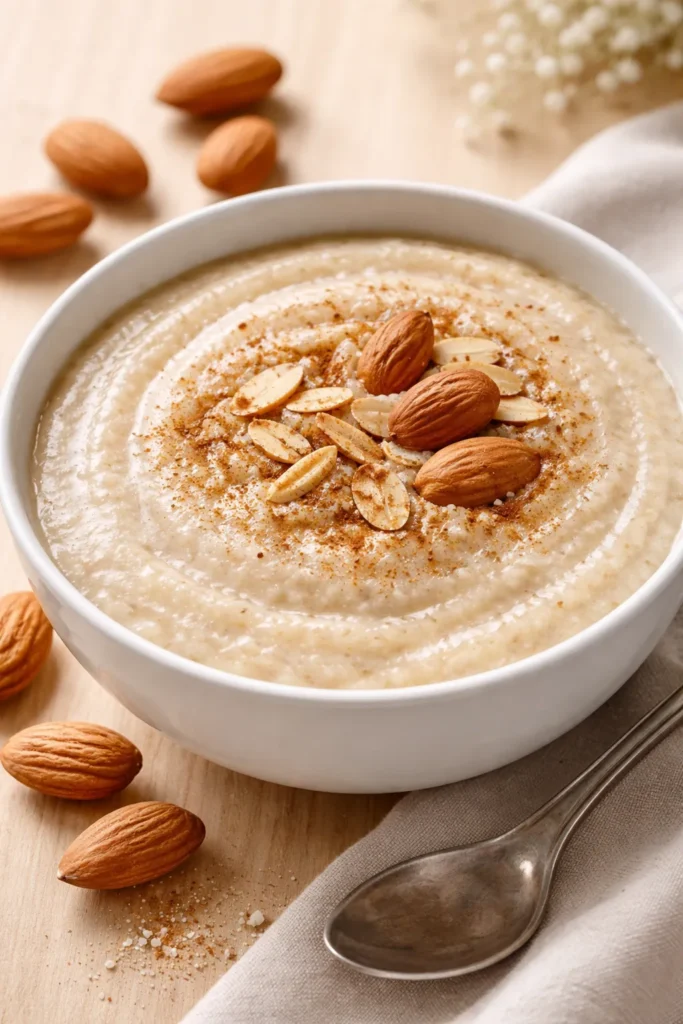
If you’ve been mourning the loss of warm, comforting breakfast cereals on a keto diet, this porridge is the answer to that craving. It takes just seven minutes to prepare and delivers exactly what you’re missing: a warm, thick, smooth bowl of something that feels like a genuine breakfast rather than a keto compromise. The texture sits between cream of wheat and thick oatmeal—creamy and satisfying without the lumps or chalkiness that plague some low-carb grain-free cereals. This works specifically with defatted almond flour, which is completely different from the blanched almond flour used in baking. Defatted almond flour is drier and more powdery, which creates the ideal porridge consistency.
The Magic Combination
Getting the right texture required years of experimentation by low-carb cooks. Early attempts were chalky and dry, lacking the smooth mouthfeel that makes porridge comforting. Adding blanched almond flour, sesame flour, oat fiber, and protein powder all produced disappointing results. The breakthrough came from combining defatted almond flour with ground golden flaxmeal and a beaten egg. The flax provides cohesion while the egg lends creaminess and thickness. Brown sugar substitute, butter, and heavy cream finish it off into something that feels genuinely luxurious.
Making It Perfect Every Time
Measure the first ingredients (defatted almond flour, flaxmeal, salt, and water) into a small pot and place over medium-high heat. When the mixture begins to simmer, reduce heat to medium and whisk until it thickens and becomes hot. Remove from heat and add the beaten egg little by little, whisking continuously. Return to medium heat and whisk quickly until the porridge gets thick. Remove from heat and whisk for another 30 seconds. Finish by whisking in butter, your preferred sweetener, and cream. The entire process is straightforward and requires attention but not skill.
Carb count: Just 2 grams of net carbs for the plain porridge, or 6 net carbs when topped with a mix of strawberries, raspberries, and blueberries, making it a practical daily breakfast option.
3. Crunchy Candied Almonds (Keto Gebrannte Mandeln)
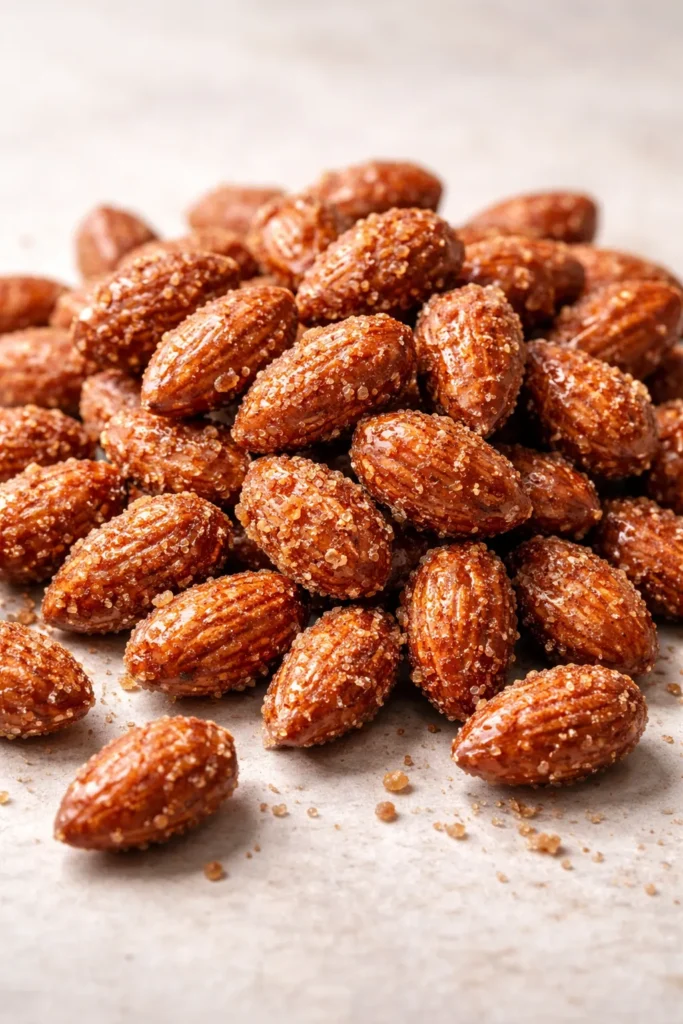
Candied almonds represent pure comfort food that happens to fit your macros. These originated as a beloved German Christmas market treat—the kind of thing that makes you close your eyes while eating because the combination of flavors and textures triggers genuine satisfaction. Traditional versions are coated in hardened caramelized sugar, which makes them delicious but completely incompatible with keto eating. The keto adaptation maintains that same crispness, sweetness, and almond-forward flavor while using egg white and erythritol instead of sugar. The result tastes shockingly close to the original while keeping net carbs minimal.
How the Coating Works
Standard candied almonds cook almonds in sugary syrup until completely coated with caramelized sugar. Low-carb sweeteners don’t caramelize the same way, so this version takes a different approach. Raw almonds are first roasted to develop that incredible roasted aroma, then coated in an egg white mixture combined with cinnamon, erythritol, vanilla, and salt. The coated almonds bake at low temperature until the egg white turns crunchy, crispy, and sweet, creating a texture virtually identical to traditional candied almonds without any added sugar.
The Process
Preheat your oven to 325°F and line a baking sheet with parchment paper. Spread raw almonds over it and roast for ten minutes, turning halfway through to prevent burning. Let them cool while preparing the egg white mixture. Whisk one egg white until frothy (about one minute by hand), then whisk in cinnamon, erythritol, vanilla extract, and a dash of salt. Add the roasted almonds and stir until completely coated. Let them sit for five minutes to absorb the mixture. Spread the coated almonds back onto the baking sheet and bake at 250°F for about fifteen minutes, turning halfway through. They’re done when the coating looks completely dry and crispy.
Storage and variations: Once cooled completely, store in a sealed jar for up to three weeks. You can easily adapt this recipe using pecans, walnuts, or macadamia nuts, or experiment with spices like ground clove, nutmeg, or allspice—just avoid going overboard so the almonds remain the star.
4. Fudgy Almond Flour Brownies
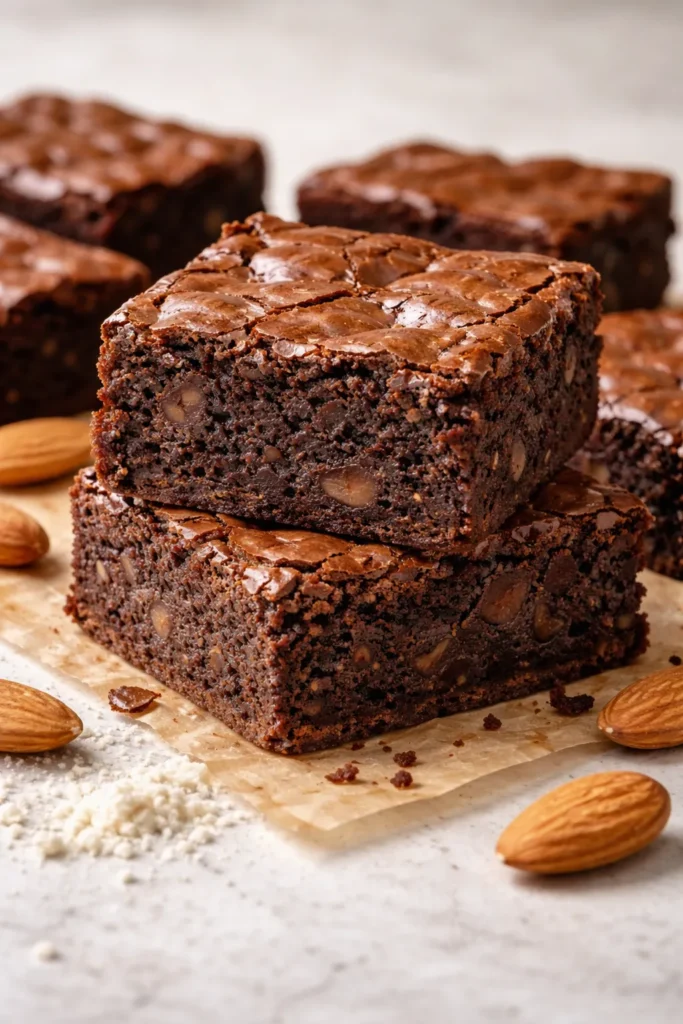
Brownies represent the gold standard of low-carb desserts because they demand real chocolate flavor and richness, which are actually easier to achieve without refined sugar than in many other desserts. These brownies deliver that dense, moist, genuinely chocolatey experience that makes people genuinely satisfied rather than feeling like they’re eating “keto” food. The secret is using quality cocoa powder, good dark chocolate when the recipe calls for it, and respecting the batter’s texture rather than trying to make it mimic wheat-based brownie batter. Almond flour works particularly well in brownies because its mild nutty undertone complements chocolate beautifully without competing with it.
Building Chocolate Flavor
Most successful almond flour brownies use a combination of cocoa powder and melted chocolate to achieve depth that single-source chocolate can’t match. The cocoa powder provides structure and bitter chocolate notes, while melted dark chocolate (or chocolate chips) adds richness and rounds out the flavor. Butter, eggs, and a quality sweetener complete the foundation. The texture relies on the careful balance of these wet and dry ingredients; too much almond flour makes them dense and gritty, while too little creates a cakey texture instead of that coveted fudgy center.
Why These Work Where Others Fail
Many almond flour brownie recipes fail because they either taste grainy, dry out within hours, or lack that actual chocolate satisfaction that makes brownies worth eating. This recipe succeeds because it prioritizes moisture (through butter and eggs), uses enough chocolate for real flavor, and respects the ratio of almond flour to wet ingredients. The brownies emerge from the oven with a set exterior and a still-slightly-underbaked center—that’s the goal. They continue setting as they cool, achieving that fudgy texture that brownie lovers crave. They keep well in an airtight container for several days, and honestly improve slightly overnight as the flavors meld.
Pro tip: Let brownies cool completely before cutting for the cleanest pieces. If you cut them while warm, they’ll crumble. A hot knife (run it under hot water and dry quickly) also helps when cutting cooled brownies.
5. Almond Cinnamon Butter Cookies

These cookies represent the perfect bridge between indulgence and practicality: they taste genuinely delicious (not like a diet food), they’re quick to make, and they work for basically any occasion—afternoon snack, packed lunch, gift-giving, or dessert after a meal. The combination of almond flour, real butter, cinnamon, and quality vanilla extract creates a sophisticated flavor that’s neither overly sweet nor aggressively “keto tasting.” These cookies have a light, slightly crumbly texture when fresh that firms up as they cool, and they keep well for several days, making them ideal for batch baking.
The Simple Formula
Mix almond flour, softened butter, keto sweetener, egg, vanilla, and cinnamon together until well combined. The dough should come together easily without requiring additional liquid. Roll into one-inch balls, flatten with a fork in a crisscross pattern (this traditional presentation also helps them bake evenly), and bake at 350°F for twelve to fifteen minutes until the edges turn golden. The entire process takes about twenty-five minutes from start to finish, and the recipe yields twelve cookies—perfect for a small household or for freezing extras.
Texture Control
The texture of these cookies depends partly on baking time and how much you compress them before baking. If you prefer crispier cookies, bake closer to fifteen minutes. For softer, chewier cookies, aim for twelve minutes and remove them when the edges are golden but the center still looks slightly underbaked. They’ll firm up as they cool. Many bakers make the mistake of overbaking almond flour cookies; remember that these bake and set faster than wheat-based cookies and will continue cooking on the hot baking sheet for several minutes after removal from the oven.
Customization: While the basic recipe is perfect as-is, you can easily enhance it by adding a quarter teaspoon of almond extract for more almond depth, incorporating chocolate chips, or using different extracts like maple or hazelnut. Some bakers sprinkle sliced almonds on top before baking.
6. Glazed Sweet and Salty Almonds
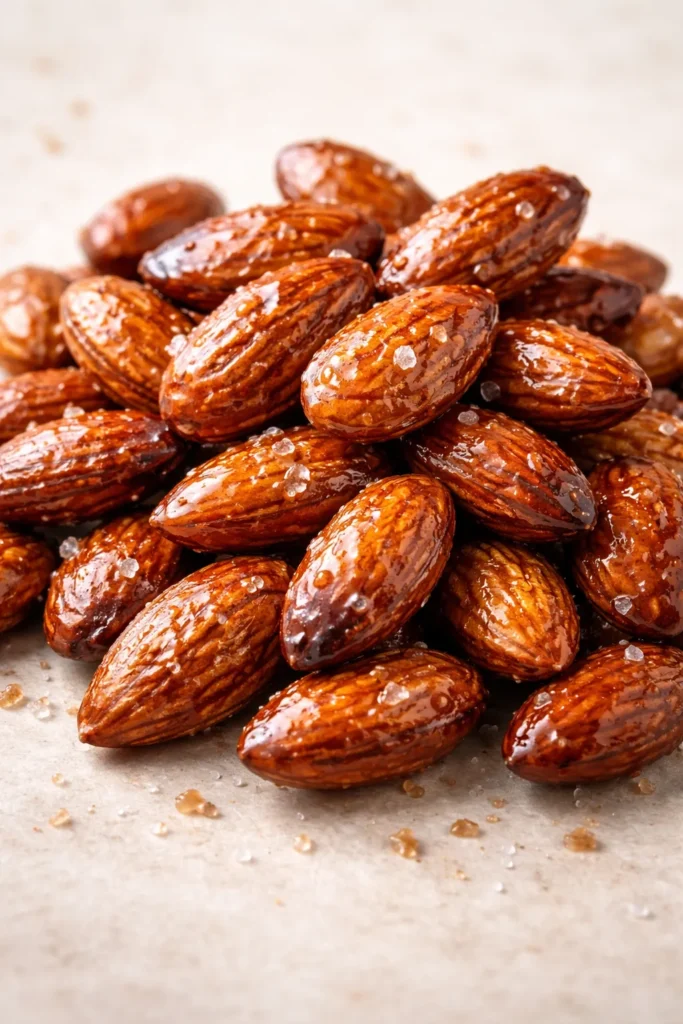
These almonds strike that perfect balance between sweet and savory that makes them impossible to stop eating—the kind of snack you intend to have a handful of but end up finishing the whole batch. The glaze caramelizes in the oven, creating a crispy coating that shatters when you bite into it, contrasting beautifully with the creamy almond interior. They’re shelf-stable, require minimal ingredients, and work equally well as an afternoon snack, a party offering, or stirred into plain yogurt for added texture. Best of all, they take about ten minutes of active work, with most of the time spent in the oven.
The Glazing Technique
Unlike traditional candied almonds that require cooking in a hot syrup (which is tricky with keto sweeteners), these work beautifully by melting the sweetener and coating the almonds, then letting them cool and harden. The key is using a sweetener that melts without additional liquid—certain blends of xylitol, erythritol, and stevia work particularly well, as do pure xylitol and pure erythritol. The sweetener melts over medium heat in a saucepan, you add flavoring (cinnamon and vanilla are classic, but endless variations work), then toss in roasted salted almonds and coat evenly.
Application and Storage
Transfer the coated almonds to parchment or waxed paper, spread into a single layer, and let cool at room temperature. Stir occasionally as they cool and the glaze hardens—this prevents them from sticking together into one large clump. Once completely cooled and hardened, transfer to an airtight container. They’ll keep at room temperature for a month (though they rarely last that long) and indefinitely in the refrigerator. This recipe adapts beautifully to any nut type—macadamias, pecans, walnuts, and peanuts all work wonderfully. You can also experiment with extracts beyond vanilla, try different spices, add unsweetened coconut flakes before the sweetener hardens, or even drizzle with melted keto-friendly chocolate once cooled.
7. Sturdy Almond Flour Bread
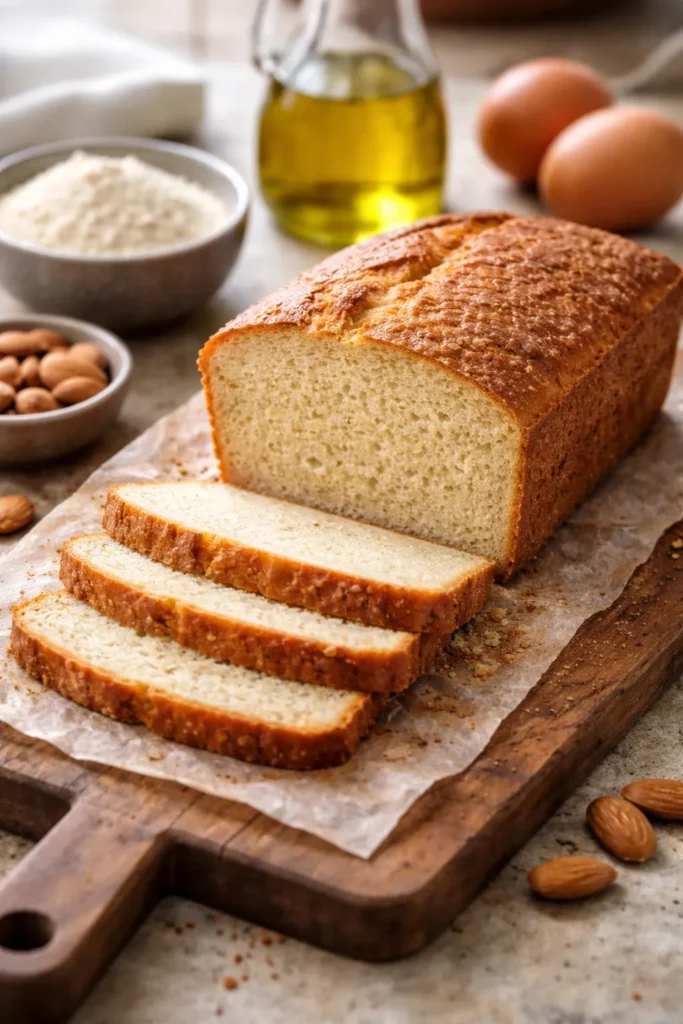
Real, honest bread is one of the things people miss most when they start a keto diet. This almond flour bread delivers something genuinely usable as sandwich bread rather than crumbly, dense, or weirdly textured. It slices cleanly, toasts beautifully without falling apart, holds fillings without soaking through, and honestly tastes good enough that you won’t feel like you’re eating “diet bread.” The formula is refreshingly simple: eggs, olive oil, almond flour, and minimal other ingredients create a loaf with great texture and decent height. The apple cider vinegar is non-negotiable—it reacts with the baking soda to create the lift that makes this bread actually rise rather than staying dense.
Why This Works
Most almond flour bread attempts fail because they underestimate how different almond flour is from wheat flour. It’s denser, doesn’t absorb liquid the same way, and benefits from the egg structure more heavily. This recipe respects those differences by using five whole eggs (which provide both structure and moisture), a reasonable amount of olive oil, and letting the apple cider vinegar work its magic for rise. The result is bread that actually has air pockets and a respectable crumb structure, not a brick. Slicing it while slightly warm works, but the texture firms up more as it cools, so patience is rewarded.
Baking and Serving
Preheat the oven to 350°F and line an 8×4 inch loaf pan with parchment paper. Beat five eggs lightly, then whisk in olive oil (or melted butter or coconut oil), maple syrup, and apple cider vinegar until smooth—don’t skip the vinegar, as it’s essential for proper rise. Mix in almond flour, baking soda, and salt until incorporated and the batter is thick and uniform. Transfer to the prepared pan and bake for thirty to thirty-five minutes until golden on top. Cool in the pan for ten minutes, then transfer to a cooling rack. The bread slices most cleanly after cooling completely. For maximum appeal, slice and toast before serving—this really brings out the best texture and flavor. It stores well in an airtight container in the refrigerator for several days and freezes beautifully for longer storage.
8. Tender Almond Flour Squares with Lemon
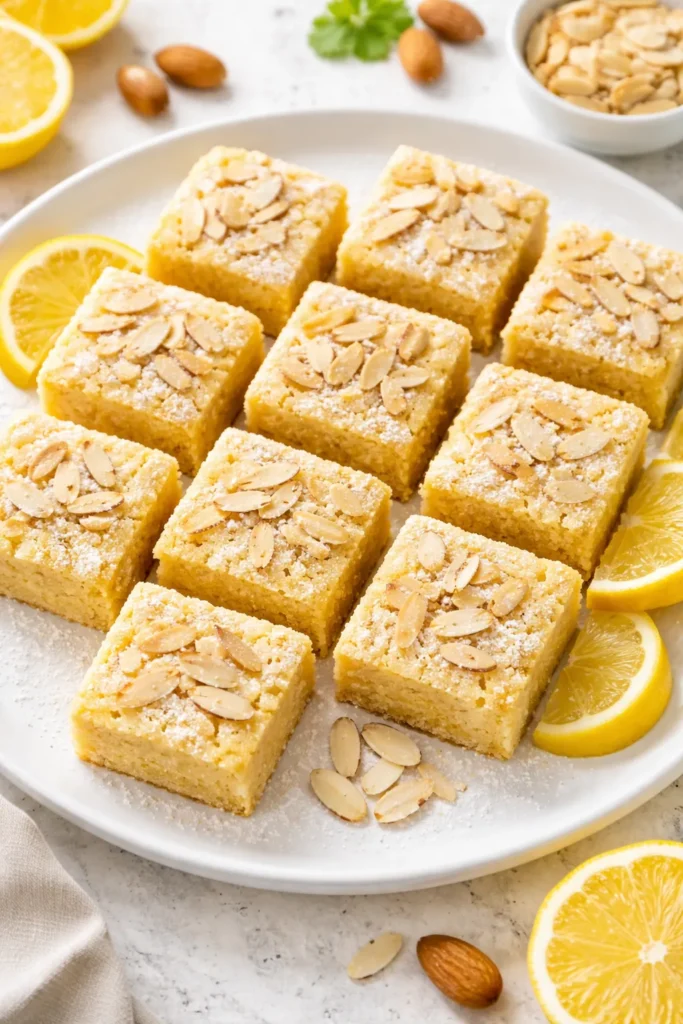
These simple squares represent the kind of easy dessert that actually tastes special enough to serve to guests, yet requires no fancy techniques or hard-to-find ingredients. The base is a light, fluffy almond flour cake infused with bright lemon flavor, topped with crunchy slivered almonds that add texture contrast. They cut into neat squares, travel well (making them perfect for packed lunches or bringing to potlucks), and keep for several days in an airtight container. The recipe balances ease with elegance—minimal active work but maximum flavor impact.
The Base Formula
Blend almond milk, butter, lemon juice, keto sweetener, eggs, and almond extract in a food processor until combined and smooth. Add ground almond flour, cinnamon, and baking soda, then blend until the mixture becomes smooth and creamy. Pour into a prepared loaf tin and bake at 340°F for thirty-five minutes. Remove from the oven and scatter slivered almonds over the surface, then return for another five to ten minutes until the cake is cooked through and golden brown all over. Once completely cooled in the tin, cut into ten squares. The lemon juice provides both flavor and structure—it’s not a cosmetic ingredient but an essential component.
Flavor Variations
While the lemon-cinnamon combination is classic, you can easily swap the profile. Almond extract can be boosted, additional extracts like vanilla or coconut work beautifully, and you could incorporate fresh lemon zest for more intensity. Some bakers add a light glaze made from cream cheese and keto sweetener once the squares are completely cooled, which adds both flavor and visual appeal.
9. Almond Flour Breakfast Muffins (Savory Version)

Not every almond flour application needs to be sweet. These savory muffins deliver the comforting “muffin experience”—warm, portable, substantial enough for breakfast—but built around ingredients like eggs, cheese, vegetables, and herbs instead of sugar and chocolate. They’re excellent for meal prep, keeping well refrigerated for several days and reheating beautifully in a toaster oven or regular oven. You can customize them endlessly based on what you have on hand: feta and olives, mushrooms and thyme, ham and cheddar, bacon and green onion. These aren’t health-food muffins that taste like guilt; they’re genuinely delicious vehicles for flavors you actually want to eat.
The Base Structure
Most savory almond flour muffins follow a similar formula: almond flour for structure, eggs as binder, fat (butter or oil), baking soda for rise, salt, and your chosen flavoring ingredients. Some versions use cottage cheese to add protein and moisture without adding many additional carbs. Others incorporate cream cheese for richness. The key is maintaining roughly the right ratio of dry to wet ingredients—too much almond flour makes them dense, too little creates a cakey texture instead of proper muffin structure. Unlike sweet muffins, savory versions benefit from generous seasoning; don’t be shy with salt, pepper, herbs, and spices.
Flavor Combinations That Work
Feta cheese, green olives, and sun-dried tomatoes make a Mediterranean combination. Cheddar cheese, ham, and chives deliver comfort food vibes. Mushrooms, thyme, and Gruyère create something elegant enough for a special breakfast. Bacon, scallions, and sharp cheddar are impossible to mess up. Each approach uses the same base formula with your chosen ingredients mixed in, so once you understand the technique, you have unlimited options. These muffins tend to get better as they sit overnight—the flavors develop and the texture sets more firmly.
10. Flourless Almond Flour Cookies (Sugar-Free Chocolate Shortbread)
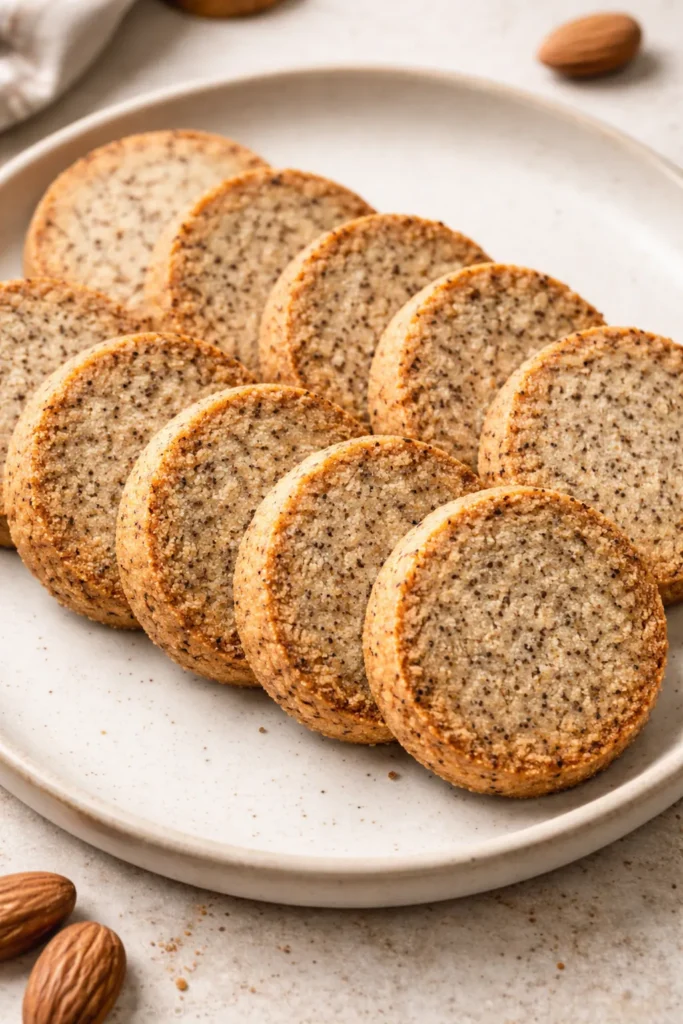
When people discover these cookies, they often can’t believe how close they come to traditional butter cookies. They have that perfect balance of crispy exterior and tender interior that defines great shortbread. The subtle chocolate depth complements the almond flour beautifully without overwhelming it. These cookies prove that almond flour baking doesn’t require complicated techniques or multiple specialty ingredients—just respect for how this flour behaves and good ingredient quality. They also demonstrate that keto desserts don’t need to be aggressively sweet; a light hand with sweetener actually results in more sophisticated, crave-worthy flavors.
The Shortbread Approach
Shortbread relies on the ratio of flour to fat, and almond flour shortbread works by respecting those proportions while adjusting for almond flour’s different moisture absorption. Cream together high-quality butter and keto sweetener thoroughly—this step is important because it incorporates air and creates the light crumb that defines great shortbread. Add egg (or in some versions, egg yolk), quality vanilla, and your flavoring (cocoa powder for chocolate), then mix in almond flour until just incorporated. The dough should be soft but manageable. Press into a shallow pan or shape into rounds, chill if needed, and bake just until the edges turn golden.
The Critical Details
Don’t overbake shortbread—remove from the oven the moment the edges turn golden and the center still looks ever-so-slightly underbaked. It continues cooking on the hot baking sheet and will firm up as it cools. Shortbread is best cut while still warm (use a sharp knife and work quickly), and it continues improving for a day or two as the flavors settle. Storage in an airtight container maintains crispness; some people add a silica packet to absorb any moisture.
11. Almond Flour Cheese Crackers

Cheese and almond flour combination creates the most crave-worthy savory snack: crackers that are actually crunchy (not just promising to be crunchy), packed with real cheese flavor, and nothing like the cardboard texture of many health-food crackers. They work beautifully as a snack with dips, alongside soup, or eaten out of hand. They’re also the perfect thing to stash in your desk or pantry for that moment when you need a quick, low-carb savory snack that actually satisfies. The recipe is simple but requires attention to detail, particularly around getting the texture right.
Texture Technique
The cheese-to-almond-flour ratio determines crispness. Mix almond flour, sharp cheddar cheese, and butter together, then add egg and mix until the mixture combines. Spread thinly on a parchment-lined baking sheet and bake until golden and crispy. The critical part is thickness—roll or spread thin enough that the crackers actually crispen rather than staying chewy. Many bakers cut or break the crackers into pieces while still warm, as they break more cleanly at this stage. Once completely cooled, they store in an airtight container and maintain crispness for several days.
Flavor Variations
The basic cheese cracker formula adapts beautifully to different cheese varieties. Gruyère creates something more elegant. Parmesan adds nuttiness. Smoked cheddar brings a barbecue-adjacent flavor. You can also incorporate herbs like thyme or rosemary, a pinch of cayenne for heat, or even everything bagel seasoning. The possibilities are endless, and experimentation is encouraged because the base formula is forgiving.
12. Almond Flour Pancakes (Fluffy Keto Version)
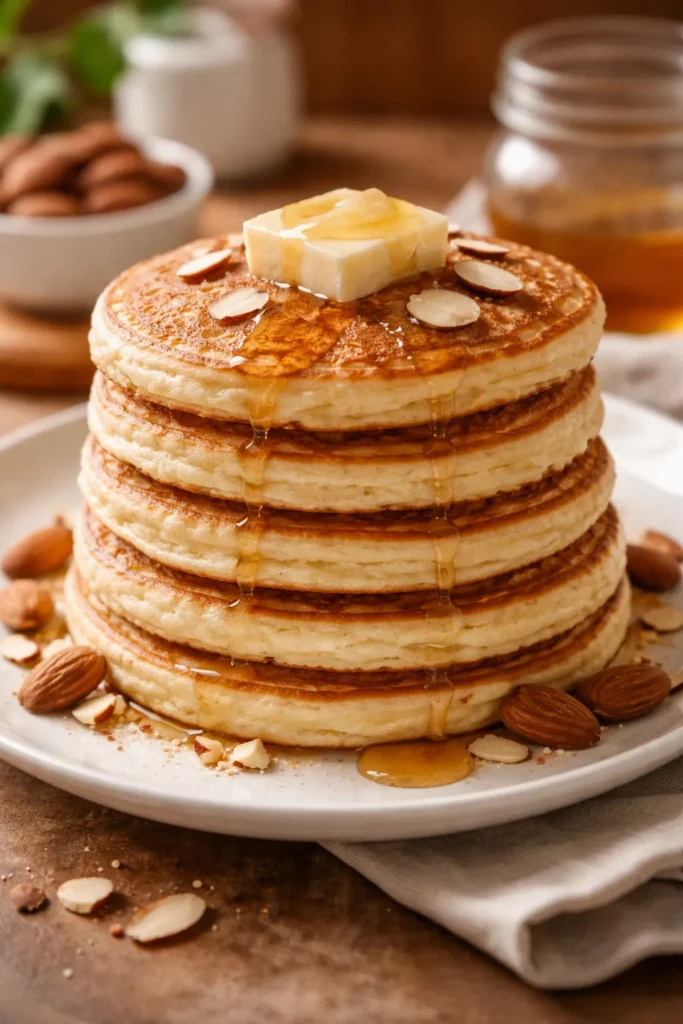
Pancakes hold a special place in the keto foods people miss most—the combination of warm, fluffy, buttery carbs with sweet toppings is genuinely hard to recreate. These almond flour pancakes come surprisingly close by combining almond flour with cream cheese (for fluffiness and moisture), eggs, and sweetener to create something that actually flips like a pancake and emerges from the griddle light and fluffy rather than dense. They’re best served immediately, topped with butter and your favorite keto-friendly syrup, berries, whipped cream, or whatever your favorite pancake topping is. They take about fifteen minutes from start to finish, making them practical for regular weekday breakfasts.
The Fluffiness Secret
Cream cheese works magic in almond flour pancakes because it adds moisture and creates lift when heated. The formula typically includes almond flour, eggs, cream cheese, a pinch of baking powder or baking soda, sweetener, and vanilla or other flavorings. Blend these until smooth (a food processor or high-powered blender works best), then cook on a buttered griddle or skillet over medium heat, about two to three minutes per side, until golden and set through. The batter is thinner than wheat-based pancake batter, which helps them cook more evenly and prevents dense centers.
Serving and Storage
These are best served immediately while still warm and fluffy. Cold, they become denser—though they reheat reasonably well in a toaster oven if you have leftovers (unlikely). Some people prefer to make the batter and refrigerate it overnight, claiming that flavors develop and the texture improves, though others prefer making them fresh. You can batch-cook and freeze extras between parchment sheets, then reheat in a toaster oven when needed. The possibilities for toppings are endless: sugar-free syrup, fresh berries, whipped cream, almond butter, or simply melted butter with a sprinkle of cinnamon.
Final Thoughts

Almond-based keto recipes have transformed low-carb eating from a restrictive endurance test into something genuinely enjoyable. These twelve recipes barely scratch the surface of what’s possible with almonds, almond flour, and keto cooking—they’re simply the ones that work reliably, taste genuinely delicious, and deliver the nutrition you need. The recipes that stick around are the ones that don’t ask you to sacrifice flavor or satisfaction for macros. They’re the ones you make over and over because they become staples, not special-occasion experiments.
What you’ll find after working with these recipes is that almond flour baking and cooking is a genuine skill you develop, not something that requires either magical ingredients or accepting inferior results. You learn how almond flour behaves differently from wheat flour, which means you can troubleshoot problems and adapt recipes confidently. You discover that quality ingredients actually matter—good butter, real vanilla, quality sweeteners, and properly stored almond flour all contribute to success. Most importantly, you realize that eating keto doesn’t mean giving up the foods you actually want to eat; it means learning to make them work within your nutritional goals.