There’s something uniquely satisfying about coming home after a long day and knowing you can whip up a delicious dinner without spending hours in the kitchen or breaking the bank. For Kiwis juggling work, family, and the endless demands of modern life, the struggle to answer “what’s for dinner?” is all too real. The good news? You don’t need fancy ingredients, complicated techniques, or a culinary degree to create meals that’ll have everyone asking for seconds. New Zealand’s diverse food culture, access to fresh ingredients, and laid-back approach to cooking make it the perfect place to embrace easy, delicious dinners that actually taste like you’ve put in effort—even when you haven’t.
Whether you’re a busy parent trying to get food on the table before the kids’ bedtime meltdown, a professional working late hours, or simply someone who values their evening relaxation time, these dinner ideas will transform your weeknight routine. Drawing inspiration from classic Kiwi favourites, international influences that have become staples in New Zealand kitchens, and smart shortcuts that don’t compromise on flavour, this guide will give you a repertoire of meals that are as practical as they are delicious.
Table of Contents
- What Makes These New Zealand Dinner Ideas Special
- Stocking Your Pantry: Essential Ingredients for Easy Kiwi Dinners
- The 15 Easy Dinner Ideas That’ll Transform Your Weeknights
- 1. Classic Kiwi Mince and Cheese Pie with Kumara Mash
- 2. One-Pan Garlic Butter Chicken with Seasonal Vegetables
- 3. Quick Thai-Inspired Coconut Curry
- 4. Sausages with Roasted Vegetables and Gravy
- 5. Easy Beef Stir-Fry with Whatever Vegetables You Have
- 6. Baked Fish with Lemon and Herb Butter
- 7. Hearty Lamb and Vegetable Soup
- 8. Chicken and Avocado Quesadillas
- 9. Easy Pasta with Creamy Tomato and Bacon Sauce
- 10. Kiwi-Style Nachos
- 11. Honey Soy Chicken Drumsticks with Rice and Salad
- 12. Quick Lamb Chops with Mint Sauce and Mashed Potatoes
- 13. Tuna Pasta Bake
- 14. Chicken and Vegetable Fried Rice
- 15. Simple Roast Chicken Traybake
- Time-Saving Tips to Make These Dinners Even Easier
- Adapting These Recipes for Different Dietary Needs
- Shopping Smart for Easy Weeknight Dinners
- Meal Prep Strategies for Smoother Weeknights
- Final Words
What Makes These New Zealand Dinner Ideas Special
When we talk about easy dinner ideas specifically tailored for New Zealand, we’re not just adapting international recipes—we’re celebrating what makes Kiwi cooking unique and accessible. New Zealand’s culinary landscape beautifully blends British traditions, Pacific Island influences, Asian flavours, and contemporary farm-to-table sensibilities. This section explores what sets these dinner ideas apart and why they work so well for Kiwi households.

The beauty of New Zealand dinner ideas lies in their practicality and respect for quality ingredients. Unlike some cuisines that rely heavily on obscure ingredients or complicated techniques, Kiwi cooking embraces simplicity while maximising flavour. Most New Zealand supermarkets stock an excellent range of fresh produce, quality meats, and international ingredients, making it easy to create diverse meals without visiting specialty stores. The emphasis on seasonal eating means you can often find locally grown vegetables and fruits at their peak, which not only tastes better but also costs less.
Another distinctive feature is the Kiwi approach to fusion cooking. New Zealanders have embraced flavours from around the world—particularly from Asia and the Pacific—and made them their own. You’ll find soy sauce sitting next to Worcestershire sauce in most pantries, and it’s perfectly normal to serve kumara alongside traditional roast lamb. This openness to culinary experimentation means you can be creative with your weeknight dinners without feeling like you’re straying too far from what feels familiar and comforting.
Key characteristics that make these recipes work for New Zealand households include:
- Ingredient accessibility: Everything can be found at your local Countdown, New World, or Pak’nSave
- Time efficiency: Most recipes take 30-45 minutes or less from start to finish
- Budget-conscious: Using affordable ingredients without sacrificing quality or taste
- Family-friendly: Adaptable to different tastes and dietary requirements
- Practical portions: Recipes that work for small families or can be scaled up for larger gatherings
Stocking Your Pantry: Essential Ingredients for Easy Kiwi Dinners
Before diving into the specific dinner ideas, it’s worth taking a moment to ensure your pantry, fridge, and freezer are stocked with the essentials. Having these ingredients on hand means you’re always just a quick shop away from a delicious dinner—or sometimes you won’t need to shop at all. This section covers the foundation ingredients that appear repeatedly in easy New Zealand dinner recipes.
A well-stocked pantry is your secret weapon against the temptation of takeaways. When you know you have the basics ready to go, creating a satisfying meal becomes significantly less daunting. For New Zealand households, this means balancing traditional staples with the diverse ingredients that reflect our multicultural food scene. Tinned tomatoes, pasta, rice, and potatoes form the carbohydrate base for countless meals, while a good selection of herbs, spices, and condiments provides the flavour foundation.
Protein options are equally important. Keeping frozen chicken breasts, mince (both beef and lamb), and perhaps some sausages in the freezer gives you flexibility when planning meals. New Zealand produces exceptional meat, and even the budget-friendly options are generally good quality. Don’t forget about plant-based proteins either—tinned beans, lentils, and chickpeas are incredibly versatile, affordable, and increasingly popular in Kiwi kitchens. For those who enjoy seafood, frozen fish fillets or prawns can be real lifesavers for quick dinners.
Your essential Kiwi pantry should include:
- Pantry staples: Pasta, rice, noodles, tinned tomatoes, coconut milk, stock cubes, flour, kumara, potatoes, onions, garlic
- Proteins: Frozen chicken, beef mince, lamb, sausages, tinned tuna, eggs, tinned beans
- Sauces and condiments: Soy sauce, sweet chilli sauce, tomato sauce, Worcestershire sauce, curry paste, olive oil, cooking oil
- Herbs and spices: Mixed herbs, paprika, cumin, curry powder, garlic powder, salt, pepper
- Fresh essentials: Carrots, frozen vegetables, cheese, milk, butter
The 15 Easy Dinner Ideas That’ll Transform Your Weeknights
Now let’s dive into the fifteen dinner ideas that will become your go-to recipes. Each one has been chosen for its simplicity, deliciousness, and suitability for New Zealand kitchens. These aren’t just recipes—they’re solutions to your weeknight dinner dilemmas, tested approaches that work in real Kiwi homes.
1. Classic Kiwi Mince and Cheese Pie with Kumara Mash
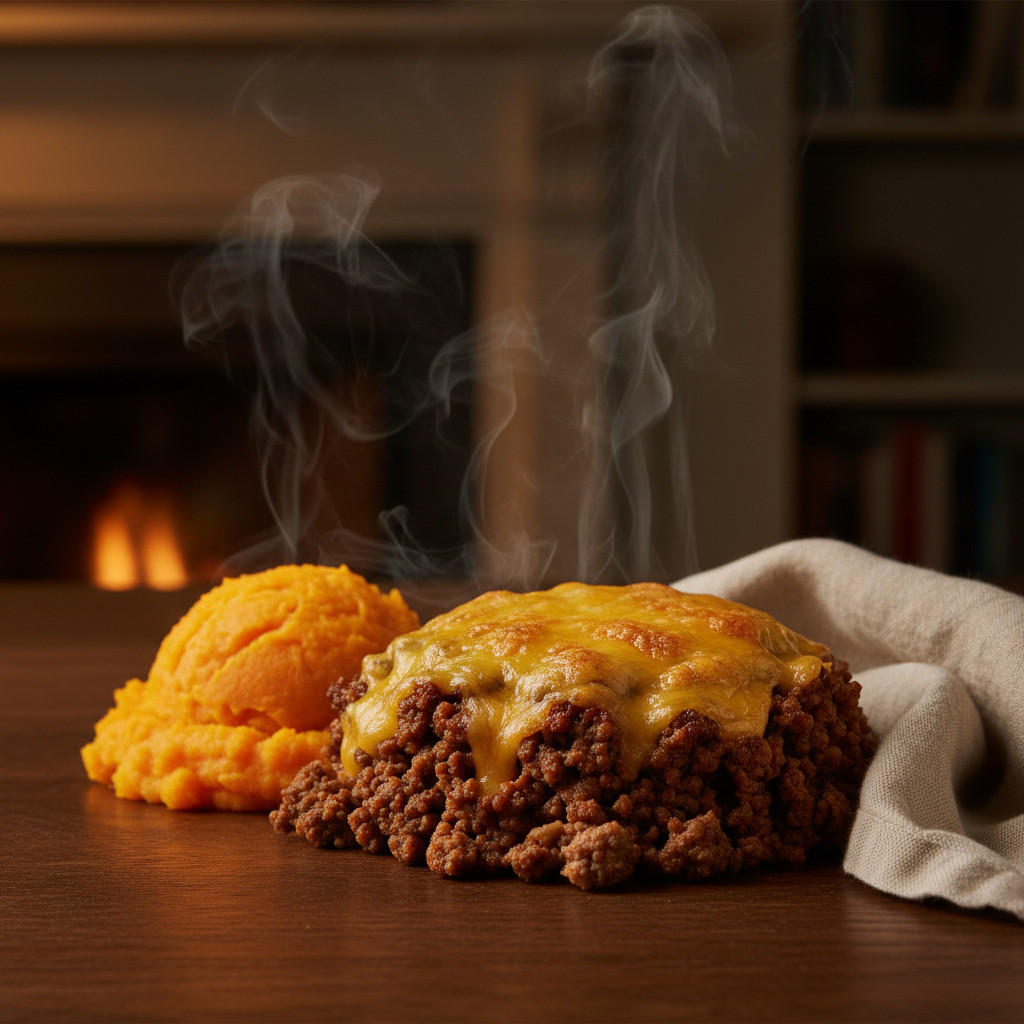
Nothing says comfort food quite like a proper mince and cheese pie, and this homemade version is surprisingly easy to pull off. Unlike the traditional pastry-heavy version, this deconstructed approach gives you all the flavour with less fuss. Start by browning beef mince with onions, adding Worcestershire sauce, tomato paste, and beef stock to create a rich, savoury filling. The secret to exceptional mince is allowing it to simmer long enough that the flavours meld together—about 15-20 minutes does the trick.
While your mince is bubbling away, prepare the kumara mash. New Zealand kumara (sweet potato) adds a beautiful sweetness and vibrant colour that elevates this dish beyond ordinary. Simply boil peeled kumara chunks until tender, mash with butter and a splash of milk, and season with salt and pepper. The natural sweetness of kumara pairs beautifully with the savoury mince. Top the mince with grated cheese—good old Tasty works perfectly—and either grill for a few minutes or bake until the cheese is melted and golden. Serve the cheesy mince over or alongside the kumara mash, and you’ve got a meal that feels indulgent but comes together in under 40 minutes.
This dish is endlessly adaptable. Add frozen peas or corn to the mince for extra vegetables. Use lamb mince instead of beef for a different flavour profile. If you’re feeling ambitious, you can even top the whole thing with puff pastry for a more traditional pie experience. It’s the kind of meal that satisfies everyone at the table, from picky kids to hungry adults, and leftovers reheat beautifully for lunch the next day.
2. One-Pan Garlic Butter Chicken with Seasonal Vegetables
When you want something that tastes impressive but requires minimal cleanup, this one-pan wonder delivers every time. The concept is beautifully simple: chicken pieces (thighs work best for flavour and forgiveness if slightly overcooked) are seared until golden, then roasted with seasonal vegetables in a garlic butter sauce. The magic happens when everything cooks together, with the chicken juices flavouring the vegetables and the vegetables adding moisture to prevent anything from drying out.
Start by heating your largest oven-safe pan or roasting dish on the stovetop. Season chicken pieces generously with salt, pepper, and a sprinkle of paprika, then sear them skin-side down until golden brown. Remove the chicken temporarily, add chunks of vegetables—kumara, pumpkin, carrots, and red onion work wonderfully—then nestle the chicken back among the vegetables. Dot everything with butter mixed with crushed garlic and fresh herbs if you have them (dried mixed herbs work fine too), then roast in a hot oven for about 35-40 minutes.
The result is perfectly cooked chicken with crispy skin and vegetables that have absorbed all those delicious pan juices. The best part? You can prep this in the morning, leave everything in the pan in the fridge, then simply pop it in the oven when you get home. Serve with crusty bread to mop up the garlicky juices, or keep it low-carb by adding extra vegetables. This recipe also works brilliantly with different vegetable combinations depending on what’s in season and on special at the supermarket.
3. Quick Thai-Inspired Coconut Curry
New Zealanders have embraced Thai flavours enthusiastically, and this quick curry brings those vibrant tastes to your weeknight table without requiring a trip to specialty stores. Using readily available curry paste (red, green, or yellow—choose based on your heat preference), coconut milk, and whatever protein and vegetables you have on hand, you can create a restaurant-quality curry in about 25 minutes. The creamy, aromatic sauce is addictively delicious and impressively forgiving—difficult to mess up even if you’re improvising.
The basic formula is straightforward: sauté curry paste in a little oil to release its aromatics, add protein (chicken, beef, pork, prawns, or tofu all work beautifully), then pour in coconut milk and let everything simmer together. Add vegetables that cook quickly like capsicums, green beans, or snap peas towards the end, or heartier vegetables like pumpkin or kumara at the beginning. A squeeze of lime juice, a sprinkle of brown sugar, and a splash of fish sauce (optional but recommended) balance the flavours perfectly. Serve over jasmine rice or rice noodles for a complete meal.
What makes this curry particularly valuable is its versatility. It’s perfect for using up odds and ends in the fridge—that half capsicum, leftover cooked chicken, or bag of frozen vegetables all have a place here. You can adjust the heat level by using more or less curry paste, and adding extra coconut milk creates a milder, creamier sauce. Many Kiwi families make a double batch because it freezes brilliantly and tastes even better the next day once the flavours have had time to develop. It’s become a weeknight staple in countless New Zealand homes for very good reason.
4. Sausages with Roasted Vegetables and Gravy
Sometimes the simplest meals are the most satisfying, and sausages with roasted vegetables epitomises this truth. Quality New Zealand sausages—whether traditional pork, beef, lamb, or chicken—deliver big flavour with minimal effort. This dinner idea takes the humble sausage to the next level by roasting everything together on one tray and serving it with proper gravy, transforming a basic meal into something genuinely delicious that the whole family will devour.
Choose your favourite sausages (thick, good-quality ones work best) and arrange them on a large roasting tray with chunks of potatoes, kumara, pumpkin, carrots, and red onion. Drizzle everything with olive oil, season generously with salt and pepper, and scatter with herbs—rosemary works particularly well with this combination. Roast in a hot oven for about 40-45 minutes, turning the sausages halfway through, until everything is golden and caramelised. The vegetables absorb the sausage juices, becoming incredibly flavourful in the process.
While everything roasts, make a quick gravy using the drippings from the pan (carefully pour off some of the fat and juices), a tablespoon of flour, and stock. If you’re short on time, packet gravy works perfectly fine too—no judgment here. The combination of juicy sausages, caramelised vegetables, and rich gravy is deeply comforting and feels much more special than the minimal effort required. This meal also scales beautifully for feeding a crowd, making it perfect for when you have friends or family over but don’t want to stress in the kitchen.
5. Easy Beef Stir-Fry with Whatever Vegetables You Have
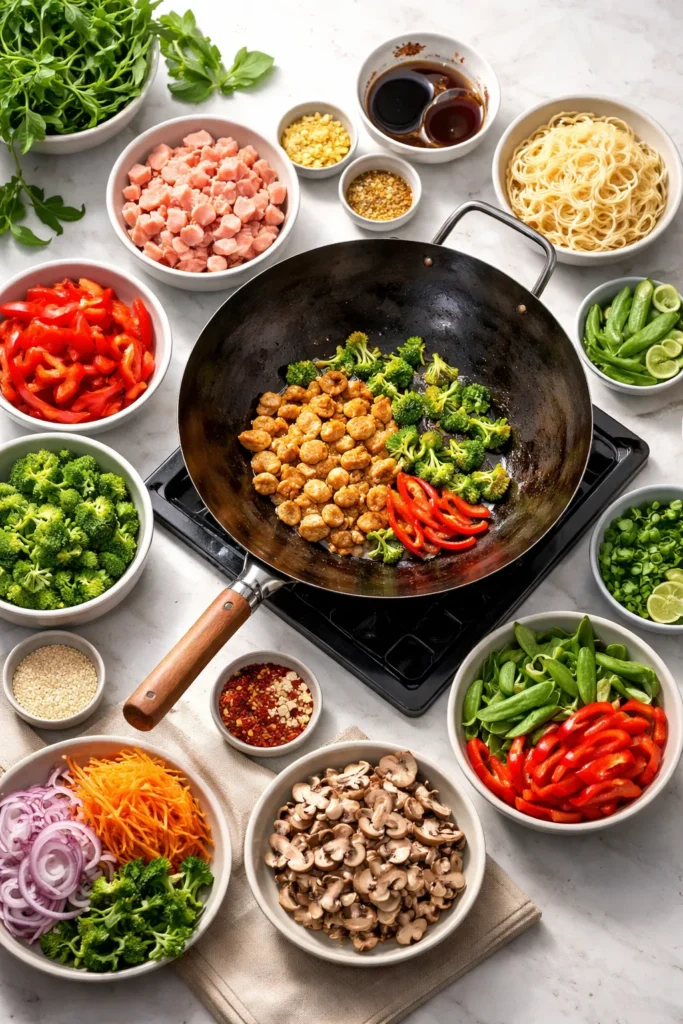
Stir-fries have become a weeknight staple in New Zealand homes because they’re fast, healthy, and incredibly adaptable. This beef stir-fry demonstrates the basic technique that you can apply to virtually any protein and vegetable combination. The key to a great stir-fry is high heat and quick cooking, which means having everything prepped and ready before you start cooking. Once the wok or large pan is hot, the actual cooking takes only about 10-15 minutes.
Start by slicing beef (rump or sirloin work well) thinly against the grain. Marinate it briefly—even just 10 minutes makes a difference—in a mixture of soy sauce, a little cornflour, and a splash of oil. This simple marinade tenderises the meat and helps create that velvety texture you get in restaurant stir-fries. Heat your wok or largest pan until it’s smoking hot, then cook the beef in batches so it sears rather than steams. Remove the beef, add more oil, then stir-fry your vegetables—capsicums, broccoli, carrots, snap peas, whatever you fancy—until just tender but still crisp.
Return the beef to the pan, add your sauce (a simple combination of soy sauce, oyster sauce, garlic, ginger, and a touch of brown sugar works brilliantly), and toss everything together for a minute. Serve over rice or noodles, and you’ve got a meal that’s far healthier and tastier than takeaways, ready in less time than delivery would take. The beauty of stir-fries is their infinite variability—use chicken, pork, prawns, or tofu instead of beef, swap vegetables based on what’s in season or on special, and adjust the sauce to your taste preferences. Once you master the basic technique, you’ll find yourself making stir-fries multiple times a week.
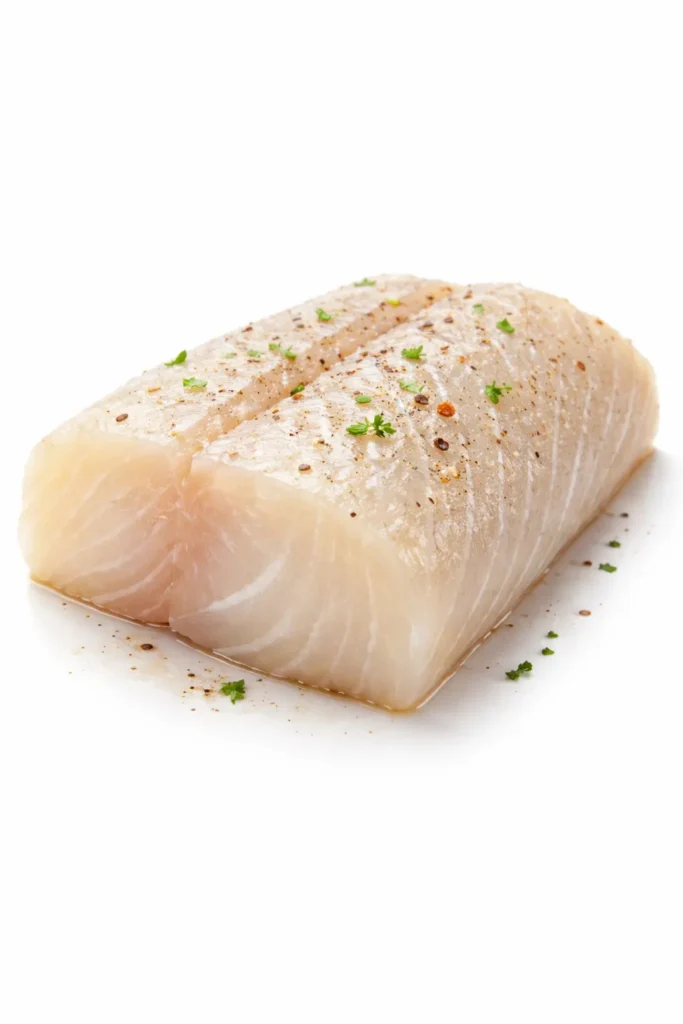
6. Baked Fish with Lemon and Herb Butter
New Zealand is surrounded by ocean and blessed with excellent seafood, so taking advantage of fresh or frozen fish is both practical and delicious. This baked fish recipe is remarkably simple yet produces elegant results that work equally well for a Tuesday night dinner or when you have guests to impress. The gentle baking method means the fish stays moist and tender, while the lemon and herb butter adds richness and bright flavour without overwhelming the delicate taste of the fish.
Choose firm white fish fillets—snapper, tarakihi, or gurnard are excellent choices, though even budget-friendly hoki works beautifully with this method. If using frozen fish, thaw it completely and pat dry with paper towels. Place the fillets in a baking dish, season with salt and pepper, then top each piece with a slice of butter mixed with lemon zest, lemon juice, and herbs (parsley, dill, or chives work wonderfully). Cover the dish with foil and bake in a moderate oven for about 15-20 minutes, depending on the thickness of your fillets.
The fish is done when it flakes easily with a fork and is opaque throughout. Serve with steamed vegetables and new potatoes, or go lighter with a fresh salad and crusty bread to soak up the buttery juices. This method is incredibly forgiving—difficult to overcook if you keep the foil on—and produces consistently delicious results. You can easily adapt the flavours by adding different herbs, a splash of white wine, or some cherry tomatoes to the dish. It’s the kind of healthy, light dinner that leaves you feeling satisfied but not overstuffed, perfect for those evenings when you want something nourishing and delicious.
7. Hearty Lamb and Vegetable Soup
When the weather turns cold—and New Zealand winters can be properly chilly—few things are more comforting than a big pot of hearty soup. This lamb and vegetable soup celebrates New Zealand’s exceptional lamb while providing a complete, nourishing meal in a bowl. The best part about soup is that it’s largely hands-off cooking; once everything is in the pot, you can leave it to simmer while you do other things, and it actually improves the longer it cooks.
Start with diced lamb shoulder or neck chops, which become incredibly tender with slow cooking. Brown the lamb pieces in a large pot to develop flavour, then remove temporarily. Sauté diced onions, carrots, and celery (the classic soup base), add minced garlic, then return the lamb to the pot with stock, tinned tomatoes, and pearl barley or small pasta. Bring everything to a boil, then reduce to a gentle simmer and let it cook for at least an hour—longer if you have time. The lamb will become meltingly tender, and the barley or pasta will thicken the soup beautifully.
Towards the end of cooking, add whatever other vegetables you fancy—kumara, potatoes, frozen peas, cabbage, or silverbeet all work wonderfully. Season generously with salt, pepper, and herbs. The result is a rich, satisfying soup that’s a complete meal on its own, needing only some crusty bread or cheese toast alongside. This soup freezes excellently, so consider making a double batch and freezing portions for those nights when you really can’t be bothered cooking. It’s also a fantastic way to use up leftover roast lamb—simply shred the cooked meat and add it to the soup in the last 15 minutes of cooking.
8. Chicken and Avocado Quesadillas
Quesadillas might have Mexican origins, but they’ve been thoroughly adopted by New Zealand families as an easy, crowd-pleasing dinner option. These chicken and avocado quesadillas showcase some favourite Kiwi ingredients and come together in about 20 minutes from start to finish. They’re particularly brilliant when you have leftover cooked chicken (from a roast or a BBQ chicken from the supermarket), though you can easily cook chicken specifically for this purpose.
The basic formula is simple: fill tortillas with a combination of shredded chicken, grated cheese, sliced avocado, and any other fillings you fancy, then cook them in a dry pan until the tortillas are golden and crispy and the cheese has melted. But the magic is in the combinations and the way the creamy avocado contrasts with the crispy tortilla and melty cheese. Add sweetcorn, capsicum, spring onions, or a spoonful of sour cream. A squeeze of lime juice brightens everything up beautifully.
To make perfect quesadillas, heat a large pan over medium heat. Place a tortilla in the pan, quickly add your fillings on one half (don’t overfill or they’ll be difficult to flip), fold the tortilla over, and cook for 2-3 minutes on each side until golden and crispy. Cut into wedges and serve with salsa, sour cream, and extra avocado. Kids love these because they can customise their own fillings, and adults appreciate how satisfying they are without being heavy. They’re also excellent for using up odds and ends in the fridge—leftover roast vegetables, different cheeses, even baked beans work surprisingly well in quesadillas.
9. Easy Pasta with Creamy Tomato and Bacon Sauce
Pasta is the ultimate quick dinner solution, and this creamy tomato and bacon sauce is a step up from basic pasta recipes while still being remarkably simple. The combination of tangy tomato and rich cream creates a perfectly balanced sauce, while bacon adds smoky, savoury depth. This recipe delivers restaurant-quality results using pantry staples and takes about the same time as boiling the pasta—making it genuinely quick enough for even the busiest weeknights.
Start by cooking your pasta according to packet directions—penne, fettuccine, or spaghetti all work beautifully here. While the pasta cooks, dice bacon and cook it in a large pan until crispy. Add minced garlic and cook for another minute, being careful not to burn it. Pour in tinned crushed tomatoes, add a good splash of cream (standard cream from the supermarket works fine, no need for anything fancy), and season with salt, pepper, and Italian herbs. Let the sauce simmer for about 10 minutes to thicken slightly and allow the flavours to meld.
When the pasta is cooked, drain it but reserve a cup of the pasta cooking water. Add the pasta directly to the sauce, tossing to coat every piece. If the sauce seems too thick, add splashes of the reserved pasta water until you achieve the perfect creamy consistency. Serve immediately with plenty of grated Parmesan cheese. This dish is comfort food at its finest—creamy, satisfying, and full of flavour. You can adapt it easily by adding vegetables like spinach or mushrooms, using different proteins, or adjusting the cream-to-tomato ratio based on your preferences. It’s the kind of reliable recipe that deserves a permanent place in your dinner rotation.
10. Kiwi-Style Nachos
Nachos might not be traditional New Zealand fare, but they’ve been enthusiastically adopted and adapted by Kiwi families as a fun, customisable dinner option. This version uses ingredients readily available in New Zealand supermarkets and can be as simple or elaborate as you want. The beauty of nachos is that they’re essentially a choose-your-own-adventure meal—everyone can top their portion with exactly what they like, making them perfect for families with varied tastes.
The foundation is good-quality corn chips spread on a large baking tray. Top them with your choice of protein—spiced mince (beef or lamb), shredded chicken, black beans, or even leftover pulled pork all work brilliantly. Sprinkle generously with grated cheese—a mix of Tasty and Mozzarella gives you both flavour and meltability. Add sliced jalapeños if you like heat, some sweetcorn, and perhaps some diced capsicum. Bake in a hot oven for about 10-15 minutes until the cheese is melted and bubbling.
The real fun happens with the toppings. Set out bowls of diced tomatoes, shredded lettuce, sliced avocado or guacamole, sour cream, salsa, and fresh coriander. Let everyone build their perfect bite. Nachos are brilliant for casual family dinners, movie nights, or when you have friends over and want something interactive and fun. They’re also excellent for using up leftovers—that half tin of black beans, the remaining cheese from last week, or leftover taco mince all find a happy home on nachos. Make them as healthy or indulgent as you like by adjusting the ratio of vegetables to cheese.
11. Honey Soy Chicken Drumsticks with Rice and Salad
Chicken drumsticks are one of the most budget-friendly cuts of chicken, and this honey soy preparation transforms them into something genuinely special. The sweet and savoury glaze caramelises beautifully in the oven, creating sticky, finger-licking-good chicken that’s a hit with both kids and adults. This is the kind of meal where everyone fights over the crispy, caramelised bits, and you find yourself making mental notes to buy extra drumsticks next time.
The marinade couldn’t be simpler: combine soy sauce, honey, minced garlic, a splash of rice vinegar or lemon juice, and a little sesame oil if you have it. Place the drumsticks in the marinade for as long as you can—anywhere from 15 minutes to overnight in the fridge. When you’re ready to cook, arrange the drumsticks on a lined baking tray and roast in a moderate oven for about 45-50 minutes, turning them halfway through and brushing with extra marinade. The chicken is done when the skin is deeply golden and caramelised, and the meat is cooked through.
Serve these drumsticks with steamed rice and a fresh salad for a balanced meal. The slightly sweet glaze pairs beautifully with the fresh crunch of salad vegetables. This dinner is particularly brilliant because you can prep everything in advance—marinate the chicken in the morning, throw together a simple salad when you get home, and the rice takes care of itself in the rice cooker or on the stove. It’s also a great option for a casual BBQ; just cook the marinated drumsticks on the grill instead of the oven. Kids especially love eating chicken drumsticks with their hands, making this a fun, interactive dinner option.
12. Quick Lamb Chops with Mint Sauce and Mashed Potatoes
Lamb chops are quintessentially Kiwi, and they’re also one of the fastest proteins to cook. This simple preparation celebrates the quality of New Zealand lamb, which is good enough that it doesn’t need complicated seasonings or techniques. From pulling the chops out of the fridge to plating up dinner can be as quick as 25 minutes, yet the meal feels special enough for a proper family dinner around the table.
Choose loin or cutlet chops from your butcher or supermarket meat counter. Remove them from the fridge 15-20 minutes before cooking to take the chill off—room temperature meat cooks more evenly. Season generously with salt and pepper, and perhaps a sprinkle of dried rosemary or mixed herbs. Heat a heavy pan or grill pan over high heat until very hot, then cook the chops for 3-4 minutes per side, depending on thickness. You want a nice brown crust on the outside and pink, juicy meat on the inside. Let them rest for a few minutes before serving, which allows the juices to redistribute through the meat.
While the chops are resting, make quick mashed potatoes by boiling peeled potato chunks until tender, draining well, then mashing with butter, milk, salt, and pepper. Serve the lamb chops with the mashed potatoes, some steamed vegetables or a green salad, and traditional mint sauce (the jar kind from the supermarket works perfectly fine). This is classic Kiwi comfort food—simple, satisfying, and showcasing quality ingredients. You can elevate it slightly by making your own mint sauce (just fresh mint, vinegar, and sugar) or serving it with a red wine jus, but honestly, the simple version is delicious enough that fancy additions are entirely optional.
13. Tuna Pasta Bake
The tuna pasta bake is a true Kiwi classic—economical, satisfying, and perfect for feeding a family. While it might not win any awards for glamour, it absolutely delivers on taste and practicality. This is the kind of dinner that you can throw together from pantry staples when you haven’t had a chance to shop, and it’s comforting enough that nobody minds eating it regularly. Plus, it’s one of those rare dinners that somehow tastes even better as leftovers the next day.
Cook pasta (usually spirals, penne, or macaroni) until just al dente—it will cook more in the oven, so slightly undercooking is important. Make a simple white sauce by melting butter in a saucepan, stirring in flour to make a roux, then gradually whisking in milk until you have a smooth, creamy sauce. Season with salt, pepper, and perhaps a little mustard powder for extra flavour. Mix the cooked pasta with the white sauce, add drained tinned tuna, frozen peas and corn, and perhaps some diced capsicum or other vegetables you want to sneak in.
Transfer everything to a baking dish, top generously with grated cheese and perhaps some breadcrumbs for extra crunch, then bake until golden and bubbling. The contrast between the creamy pasta interior and the crispy, cheesy top is deeply satisfying. This pasta bake is brilliant for batch cooking—make a large dish and either feed a crowd or refrigerate/freeze portions for later. It’s the kind of meal that proves simple comfort food done well is often better than something more complicated. Kids generally love it, and adults appreciate its nostalgic appeal and the fact that it delivers genuine satisfaction without fancy ingredients or techniques.
14. Chicken and Vegetable Fried Rice
Fried rice is the ultimate “clean out the fridge” dinner, transforming leftover rice and odds and ends of vegetables into something genuinely delicious. This chicken and vegetable version is particularly good as a complete meal that covers all your bases—protein, carbohydrates, and vegetables all in one pan. The key to great fried rice is using cold, day-old rice; freshly cooked rice is too moist and will become mushy rather than getting those lovely crispy bits that make fried rice so irresistible.
Start by dicing chicken breast or thigh into small pieces and cooking them in a large wok or pan with a little oil until cooked through and golden. Remove the chicken temporarily. Add more oil to the hot pan, crack in a couple of eggs, and scramble them roughly. Push the eggs to one side, add whatever vegetables you’re using (frozen mixed vegetables are perfect here, or fresh carrots, capsicum, peas, corn, spring onions), and stir-fry until tender. Break up the cold rice between your hands as you add it to the pan—this helps separate the grains.
Stir-fry everything together, breaking up any clumps of rice, until the rice is heated through and starting to crisp at the edges. Return the chicken to the pan, season with soy sauce and a dash of sesame oil, and toss everything together. The result is better than most takeaway fried rice—less greasy, more flavourful, and loaded with actual vegetables. This recipe is infinitely adaptable: use prawns, pork, or tofu instead of chicken; add different vegetables; adjust the seasonings to your taste. It’s quick enough for a weeknight but tasty enough that you might find yourself deliberately cooking extra rice just so you can make fried rice the next day.
15. Simple Roast Chicken Traybake
Sometimes you want a proper roast dinner but can’t face the effort of cooking multiple dishes separately. This simple roast chicken traybake solves that problem by cooking everything together on one tray, yet delivering all the satisfaction of a traditional roast. The chicken stays juicy while the vegetables roast alongside it, absorbing the chicken juices and becoming incredibly flavourful. It’s the kind of meal that makes your kitchen smell amazing and brings everyone to the table willingly.
Start with chicken pieces—thighs, drumsticks, or a combination work well; they’re more forgiving than breast meat and stay juicier during roasting. Arrange them on a large roasting tray along with chunks of potatoes, kumara, pumpkin, carrots, and red onion. Drizzle everything generously with olive oil, season well with salt, pepper, and herbs (thyme or rosemary are particularly good), and roast in a hot oven for about 45-50 minutes until the chicken is cooked through and the vegetables are golden and tender.
The beauty of this approach is its simplicity and the fact that it’s essentially foolproof. You can prep everything in the morning, refrigerate it, then just pop it in the oven when you get home. You can adapt the vegetables based on what’s in season or what needs using up. Add garlic cloves, lemon wedges, or olives for extra flavour. Serve with a simple gravy made from the pan juices if you’re feeling fancy, or just let the natural juices serve as a sauce. This is the kind of reliable, satisfying dinner that works equally well for a regular family meal or when you have guests over but don’t want to spend all evening in the kitchen.
Time-Saving Tips to Make These Dinners Even Easier
Even with simple recipes, there are always ways to make the cooking process faster and more efficient. This section shares practical strategies that will help you get these dinners on the table even more quickly, reducing stress and giving you more time to actually enjoy your evening. These aren’t complicated chef techniques—just smart, practical tips that work in real-life kitchens.
Batch preparation and smart shopping make all the difference. Spend 20 minutes on the weekend chopping onions, garlic, and frequently used vegetables, storing them in containers in the fridge. This means when you start cooking on a Tuesday night, half the prep is already done. Similarly, buy pre-cut vegetables when they’re on special—yes, they cost a bit more, but the time saving can be worth it on busy weeks. Cook double portions of rice, pasta, or other grains, as these form the foundation of multiple meals and reheat well.
Strategic use of convenience products isn’t cheating—it’s smart. Pre-shredded cheese, rotisserie chicken from the supermarket, frozen vegetables, quality curry pastes, pre-made pastry, and even packet gravies all have their place in efficient weeknight cooking. The goal isn’t to make everything from scratch every time; it’s to get delicious, nutritious food on the table without burning out. Quality convenience products used thoughtfully can elevate your cooking rather than diminish it.
Additional time-saving strategies include:
- Invest in a slow cooker or rice cooker: These appliances essentially cook dinner while you’re doing other things
- Use the freezer strategically: Batch cook when you have time, freeze portions, and you’ve got instant healthy meals
- One-pan or one-pot recipes: Less cooking equipment means less washing up, which saves significant time
- Mise en place: Get everything prepared before you start cooking—it makes the actual cooking faster and less stressful
- Clean as you go: Washing up while things are cooking rather than facing a massive pile at the end makes the whole process less daunting
Adapting These Recipes for Different Dietary Needs
One of the great things about these dinner ideas is their flexibility. Whether you’re cooking for someone with dietary restrictions, preferences, or allergies, most of these recipes can be adapted without losing their essential character or deliciousness. This section provides guidance on modifying these dinners to suit various dietary requirements common in New Zealand households.
For vegetarian adaptations, most of these recipes can work beautifully with meat substitutes or by emphasising plant-based proteins. The mince dishes work well with lentils, chickpeas, or plant-based mince alternatives now widely available in New Zealand supermarkets. The curries, stir-fries, and pasta dishes easily accommodate tofu, tempeh, or extra vegetables. The key is ensuring you’re still getting enough protein and that the meal remains satisfying—adding nuts, seeds, beans, or legumes helps achieve this.
For gluten-free requirements, swap regular pasta for gluten-free versions, use cornflour instead of wheat flour for thickening sauces, and check that your sauces and condiments are gluten-free (many are, but some soy sauces contain wheat). Rice-based meals like fried rice and curry are naturally gluten-free. For dishes involving pastry or breadcrumbs, gluten-free alternatives are widely available in New Zealand supermarkets. For dairy-free needs, use dairy-free butter and milk alternatives in mashed potatoes and sauces, swap regular cheese for dairy-free versions, and use coconut milk in place of cream in pasta sauces.
For low-carb or keto approaches, focus on the meals that center on protein and vegetables, and simply adjust or eliminate the carbohydrate component. Instead of serving dishes with rice, pasta, or potatoes, increase the vegetable portions or serve with cauliflower rice. The roast chicken, lamb chops, fish, and stir-fries all work perfectly in low-carb contexts. Many families find that making multiple small adjustments—serving some family members’ meals with rice while others have extra vegetables—works well for accommodating different preferences at the same table.
Shopping Smart for Easy Weeknight Dinners
How you shop significantly impacts how easy it is to get dinner on the table. Smart shopping isn’t just about saving money (though that’s nice too)—it’s about ensuring you have what you need when you need it and not wasting food or time. This section explores strategies specific to New Zealand shopping that will make weeknight cooking significantly easier.
Plan your meals loosely rather than rigidly. You don’t need to know exactly what you’ll eat each night, but having a rough idea and shopping accordingly prevents both the panic of “there’s nothing for dinner” and the waste of ingredients bought with good intentions but never used. Look at the supermarket specials before you plan—if chicken thighs are on special, plan a couple of chicken-based meals. If kumara is cheap, incorporate it into several dinners. This flexible approach lets you save money while still having direction.
Most New Zealand supermarkets now offer online shopping with delivery or pickup, which can be a genuine game-changer for busy households. While there’s a small fee, the time saved and the reduction in impulse purchases often makes it worthwhile. You can shop from your couch while watching TV, easily check your pantry to see what you already have, and avoid the stress of navigating crowded supermarkets after work. Many people find they actually eat better when shopping online because they make more considered choices rather than grabbing whatever is convenient when tired and hungry.
Additional shopping strategies include:
- Buy proteins on special and freeze them: New Zealand supermarkets cycle through protein specials; stock up when your favourites are reduced
- Shop seasonally for vegetables: In-season produce is cheaper and tastes better
- Keep a running shopping list: Note items as you run out so you don’t forget essentials
- Choose the right shopping day: Supermarkets often reduce items on certain days; learn your local store’s pattern
- Consider farmers’ markets for fresh produce: Often better quality and comparable prices, plus supporting local growers
Meal Prep Strategies for Smoother Weeknights
Meal prep doesn’t have to mean spending all Sunday cooking and portioning meals like a fitness competitor. For most families, smart meal prep simply means doing some tasks in advance so that weeknight cooking is faster and less stressful. Even small amounts of preparation make a significant difference to how easy it is to get dinner on the table.
The most valuable meal prep is often the simplest: washing and chopping vegetables in advance. Spending 20-30 minutes on Sunday afternoon preparing onions, garlic, carrots, capsicum, and other frequently used vegetables means that when you start cooking on Tuesday night, you’re already halfway there. Store prepped vegetables in airtight containers with paper towel to absorb excess moisture, and they’ll stay fresh for several days. Similarly, marinating proteins the night before or in the morning means they’re ready to cook when you are, and the flavours will be even better for the extra time.
Batch cooking components rather than complete meals often works better than traditional meal prep. Cook a large batch of rice or pasta, roast several trays of vegetables, or prepare a big pot of mince that can be used in different ways throughout the week. These components can then be quickly assembled into different meals, preventing the boredom of eating the same thing repeatedly while still giving you a head start. For example, that batch of roasted vegetables could become part of a pasta dish one night, served alongside lamb chops the next, and stirred through fried rice later in the week.
Effective meal prep practices include:
- Prep ingredients, not just complete meals: This maintains flexibility while saving time
- Use your freezer strategically: Freeze portions of soup, cooked mince, or marinated proteins
- Prep on different days: A little prep on Sunday and a little on Wednesday works better than one marathon session for many people
- Focus on the time-consuming parts: Chopping vegetables and marinating proteins save the most time; other steps are already quick
- Keep it sustainable: Don’t try to prep everything perfectly; even small amounts of preparation help
Final Words
Getting dinner on the table doesn’t have to be the daily struggle it often becomes. With these fifteen easy dinner ideas specifically tailored for New Zealand households, you have a solid foundation of meals that deliver genuine deliciousness without demanding hours in the kitchen or exotic ingredients. Each recipe respects your time and budget while refusing to compromise on flavour—because you deserve meals that are both practical and genuinely satisfying.
The beauty of these dinner ideas lies not just in the individual recipes but in the approach they represent. By stocking your pantry thoughtfully, shopping strategically, and embracing both traditional Kiwi favourites and the multicultural influences that enrich New Zealand’s food culture, you can transform weeknight cooking from a source of stress into something enjoyable. Whether you’re making a classic mince and cheese pie, a quick Thai curry, or a simple roast chicken traybake, you’re creating meals that bring people to the table and provide genuine nourishment for both body and soul.
Remember that these recipes are starting points, not rigid rules. Adapt them based on what’s in your fridge, what’s on special at the supermarket, and what your family enjoys eating. The more you cook these kinds of simple, flexible meals, the more confident you’ll become, and the easier the whole process gets. Before long, you’ll find yourself intuitively throwing together delicious dinners without even consulting recipes, simply because you understand the basic principles and have the right ingredients on hand.
So pick one of these dinner ideas for tonight—maybe start with something particularly easy like the one-pan garlic butter chicken or the pasta with creamy tomato sauce. Notice how achievable it is, how good it tastes, and how much better you feel about dinner. Then try another one tomorrow, and another the next day. Before you know it, the question “what’s for dinner?” will no longer fill you with dread but rather with pleasant anticipation of which delicious, easy meal you’ll create tonight.