Living paycheck to paycheck while watching grocery prices skyrocket has become an all-too-familiar reality for many Kiwi families. Whether you’re a university student surviving on a tight budget, a young professional saving for your first home, or a parent stretching every dollar to feed your whānau, the struggle to put nutritious, satisfying meals on the table is real. The good news? Eating well doesn’t require draining your bank account or sacrificing flavor and nutrition. With some clever planning, smart shopping strategies, and creative cooking techniques, you can create delicious, filling dinners for under $5 per person right here in New Zealand.
The secret lies not in compromising on quality or going hungry, but in understanding which ingredients offer the best value, where to shop for the biggest savings, and how to transform humble, affordable ingredients into restaurant-worthy meals. From hearty pasta dishes and warming curries to protein-packed rice bowls and comforting soups, budget-friendly cooking opens up a world of culinary possibilities that will surprise and delight your taste buds while keeping your wallet happy. This comprehensive guide will equip you with everything you need to master the art of budget cooking in New Zealand, proving once and for all that financial constraints don’t have to mean boring, repetitive, or unhealthy meals.
Table of Contents
- Understanding the $5 Challenge in New Zealand
- Smart Shopping Strategies for Budget Meals
- Essential Pantry Staples Under $5
- Ten Delicious Dinner Ideas Under $5
- Meal Prep Tips to Maximize Your Budget
- Where to Shop for the Best Deals in New Zealand
- Making the Most of Seasonal Produce
- Stretching Your Dollar with Protein Alternatives
- Final Words
Understanding the $5 Challenge in New Zealand
Navigating the unique landscape of New Zealand’s grocery market requires understanding the specific challenges and opportunities that come with budget cooking in Aotearoa. This section explores what $5 actually gets you in today’s market and how to approach budget meal planning realistically.
The $5 per person dinner benchmark might sound impossibly low, especially when a single capsicum can cost nearly that much at some supermarkets. However, achieving this goal becomes entirely feasible when you shift your perspective from shopping for individual meals to building a strategic pantry and planning multiple meals from bulk purchases. In New Zealand’s current economic climate, where inflation has significantly impacted grocery prices, achieving the $5 dinner goal requires moving away from convenience foods and pre-packaged meals toward whole ingredients and from-scratch cooking.
The key distinction to understand is that we’re calculating the per-serve cost of each dinner, not the upfront shopping cost. This means investing in larger quantities of staple ingredients like rice, pasta, dried beans, and flour, which have a low per-serve cost even though the initial purchase might exceed $5. A 2kg bag of rice costing $6 might seem like it breaks the budget, but it provides approximately 20 serves, bringing the per-meal cost down to just 30 cents. This mindset shift transforms how you approach grocery shopping and meal planning.
New Zealand’s position as an isolated island nation means we face higher prices for many imported goods, but we also benefit from excellent locally-produced ingredients including dairy products, eggs, seasonal vegetables, and certain proteins. Understanding which products offer the best value in the Kiwi market becomes essential for successful budget cooking. Staples like kumara, potatoes, carrots, onions, cabbage, and seasonal greens typically offer excellent value, especially when purchased from local markets or discount grocers.
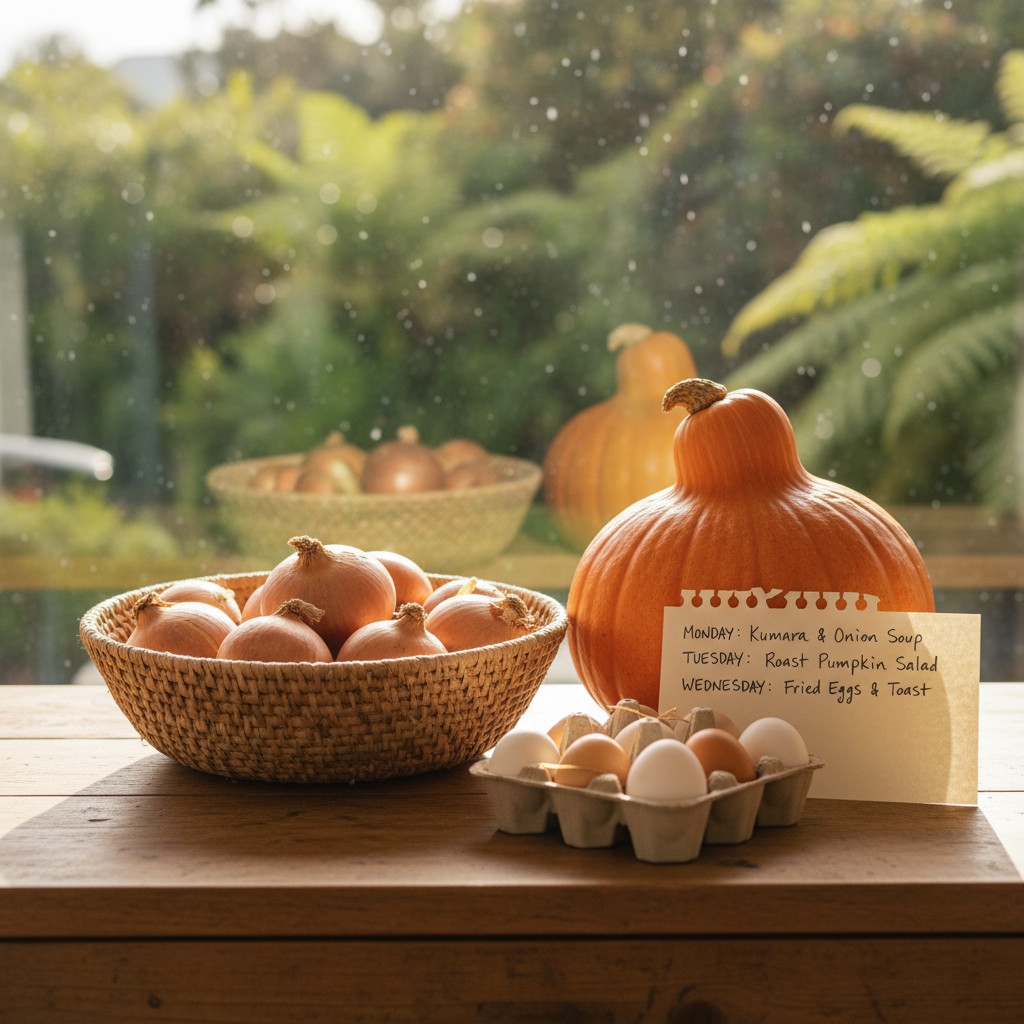
Budget-friendly cooking also means being flexible and adaptable with your meal planning. Instead of deciding you want to make a specific recipe and then shopping for those exact ingredients, successful budget cooks survey what’s on special, what’s in season, and what offers the best value, then plan their meals around those ingredients. This approach requires developing a repertoire of flexible recipes that can adapt to whatever ingredients you have available, rather than rigid recipes requiring specific items.
Smart Shopping Strategies for Budget Meals
Mastering where, when, and how you shop makes the difference between struggling to meet your $5 target and easily staying well under budget. This section reveals the strategic approaches that experienced budget shoppers use to maximize every dollar.
1. Compare Prices Across Different Retailers
New Zealand shoppers have more options than ever for finding bargains, but prices can vary dramatically between stores for the same products. Pak’nSave consistently offers lower prices than Countdown or New World for most items, sometimes by as much as 20-30% on identical products. However, the best savings come from shopping strategically across multiple retailers based on their individual strengths. Ethnic supermarkets, particularly Asian grocers, offer exceptional value on rice, noodles, spices, sauces, and vegetables that would cost significantly more at mainstream supermarkets.
The Warehouse has expanded its grocery range and often undercuts traditional supermarkets on pantry staples, while shops like Reduced to Clear specialize in products nearing their best-before dates at steep discounts. Developing a mental map of where to buy different categories of products maximizes your savings. For instance, you might buy your rice and spices from an Asian grocer, your fresh vegetables from a local farmers’ market or fruit shop, your dairy and frozen items from Pak’nSave, and your canned goods from The Warehouse. While this requires more time and potentially multiple shopping trips, the savings can be substantial enough to make a $5 dinner easily achievable.
2. Shop at Peak Discount Times
Timing your shopping trips strategically can unlock significant savings through markdown discounts on fresh items approaching their sell-by dates. Most supermarkets mark down fresh meat, fish, bread, and prepared items in the late afternoon or early evening, typically between 4 PM and 7 PM, though timing varies by store. These markdowns often reach 30-50% off the original price, allowing you to access protein sources that would normally blow your budget.
Building your meal plan around these discounted items requires flexibility but offers tremendous value. When you find marked-down chicken thighs, mince, or sausages, you can either cook them that evening or freeze them immediately for future meals. Similarly, day-old bread marked down to 50 cents can be refreshed in the oven, used for breadcrumbs, or transformed into garlic bread, croutons, or bread pudding. Many savvy budget shoppers specifically schedule their main grocery shop during these peak markdown hours to maximize their savings.
3. Embrace Store Brands and Basics Ranges
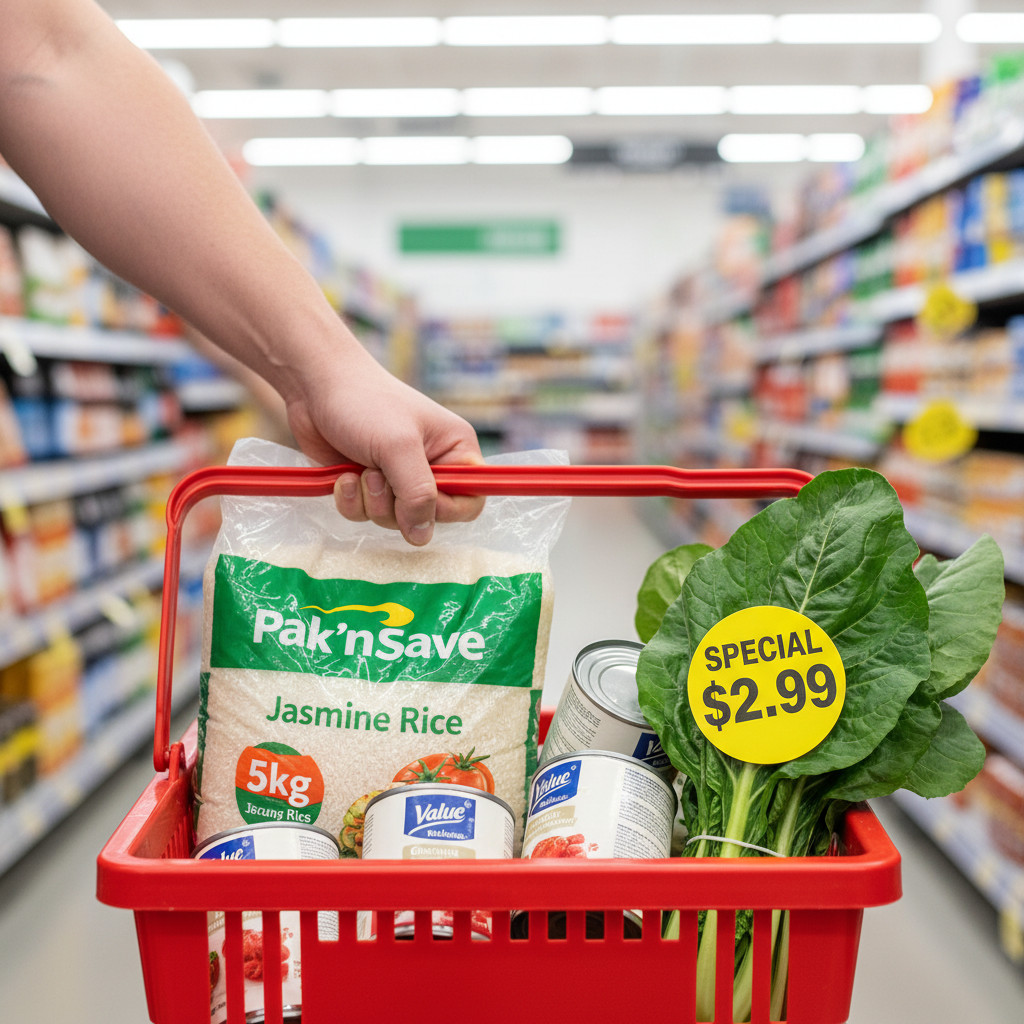
Brand loyalty costs money that budget-conscious cooks simply can’t afford to spend. Supermarket house brands and budget ranges like Pams Finest or Countdown’s Essentials typically cost 20-40% less than equivalent branded products, often with negligible or no difference in quality. For pantry staples like canned tomatoes, pasta, rice, flour, sugar, and beans, store brands deliver identical results in your cooking at a fraction of the price.
While some products justify paying more for quality differences, most basic ingredients perform identically regardless of the brand on the label. A can of house-brand crushed tomatoes at $1 works just as well in your pasta sauce as a branded version costing $2.50. Over the course of a month, choosing store brands for your staple ingredients can save $30-50 or more, making the difference between struggling to afford adequate food and having comfortable margin in your grocery budget. The psychological shift from viewing “home brand” as inferior to recognizing it as smart shopping empowers you to redirect those savings toward occasional treats or higher-quality ingredients where they truly make a difference.
4. Buy Seasonal and Local Produce
New Zealand’s seasonal produce offers both superior flavor and significantly lower prices compared to imported or out-of-season alternatives. Understanding what grows abundantly during each season and planning your meals around those ingredients substantially reduces your grocery costs while supporting local growers. During summer, tomatoes, cucumbers, zucchini, and peppers become abundant and affordable. Autumn brings pumpkins, kumara, and crisp apples. Winter offers excellent deals on brassicas like cabbage, cauliflower, and broccoli, along with root vegetables. Spring delivers asparagus, new potatoes, and leafy greens.
Shopping at local farmers’ markets, roadside stands, and greengrocers rather than supermarkets often yields better prices on seasonal produce, particularly if you shop near closing time when vendors may offer deals to avoid taking stock home. Many markets also sell “seconds” or imperfect produce at steep discounts—vegetables with cosmetic blemishes that taste identical to their picture-perfect counterparts but cost half as much. A slightly misshapen capsicum or a bumpy cucumber makes no difference to your finished dish but makes a significant difference to your budget.
5. Join Loyalty Programs and Watch for Specials
While loyalty programs should never drive you to spend more than necessary, they provide genuine value when used strategically. Pak’nSave’s Clubcard, Countdown’s Onecard, and New World’s Clubcard all offer member-exclusive discounts that can represent substantial savings. These programs frequently offer targeted deals based on your shopping history, providing additional discounts on items you regularly purchase.
Planning your meals around weekly specials advertised in online catalogs or apps allows you to stock up on staples when they hit their lowest prices. When pasta goes on special for $1 per packet instead of the usual $2, buying 5-10 packets creates a stockpile that lasts months at an average cost well below the regular price. Similarly, rotating protein specials mean you can vary your meals while staying within budget by choosing whatever meat or protein source offers the best value each week. This approach requires flexibility and a well-stocked pantry to supplement the weekly special items, but it prevents the monotony of eating the same meals repeatedly while maintaining your budget.
Essential Pantry Staples Under $5
Building a well-stocked pantry forms the foundation of successful budget cooking, enabling you to create complete, satisfying meals even when your fridge looks sparse. This section identifies the essential items that deliver maximum versatility and value.
A strategically stocked pantry allows you to transform a few fresh ingredients into countless different meals, providing the flavors, textures, and variety that prevent budget fatigue. While building this pantry requires an initial investment, purchasing these items gradually and watching for sales makes it achievable on any budget. Once established, maintaining your pantry costs very little as you replace items as they run out.
Rice and Grains: Long-grain white rice, jasmine rice, or basmati rice form the ultimate budget staple, costing as little as 25-40 cents per serve when purchased in 5kg or larger bags from Asian grocers or bulk stores. Rice provides a neutral base that absorbs flavors beautifully while adding substance and satisfaction to meals. Beyond white rice, consider adding brown rice for nutritional variety, pasta in various shapes (spaghetti, penne, spirals) which costs $1-2 per packet and provides 4-5 serves, rolled oats that work for breakfast and as a meat extender, and couscous for quick-cooking convenience.
Legumes and Pulses: Dried lentils, chickpeas, black beans, kidney beans, and split peas offer exceptional value and nutrition, providing plant-based protein for pennies per serve. A 500g bag of lentils costing $2-3 provides approximately 8-10 serves, making them among the most economical protein sources available. While dried legumes require soaking and longer cooking times, canned versions offer convenience for just $1-1.50 per can, still delivering excellent value. Legumes form the foundation of countless budget-friendly meals including curries, soups, salads, burgers, and Mexican-inspired dishes.
Canned Goods: A well-stocked selection of canned products provides instant meal-building ingredients with long shelf lives and minimal waste. Essential canned items include crushed tomatoes ($1-1.50 per 400g can) that form the base for pasta sauces, curries, and soups; canned beans for quick protein; canned fish like tuna or salmon when on special; tomato paste for concentrated flavor; and coconut milk for curries and Asian-inspired dishes. Store-brand canned goods deliver identical quality to premium brands at substantially lower prices.
Oils, Vinegars, and Condiments: Basic cooking requires certain liquids and flavor enhancers that transform simple ingredients into delicious meals. Vegetable or canola oil for general cooking, olive oil for finishing dishes and salad dressings, soy sauce for Asian-inspired flavors, vinegar (white or apple cider) for brightness and pickling, and tomato sauce (ketchup) provide versatility. While these items represent slightly higher upfront costs, they last for months and add mere cents to individual meal costs.
Spices and Seasonings: The difference between bland, institutional-feeling budget food and exciting, restaurant-quality meals often comes down to proper seasoning. Essential spices include salt and pepper, garlic powder, onion powder, paprika, cumin, curry powder, dried mixed herbs, chili flakes or powder, and ginger. Purchasing spices from Asian grocers, bulk stores, or Indian spice shops costs a fraction of supermarket spice rack prices—often $2-4 for large bags that would cost $8-12 in small supermarket jars. These flavor powerhouses transform basic ingredients into distinctive cuisines, preventing the monotony that makes budget eating feel like deprivation.
Baking Basics: Plain flour, baking powder, and sugar enable you to make bread, pancakes, dumplings, and desserts from scratch at minimal cost. A 1.5kg bag of flour costing $2-3 provides dozens of serves, whether you’re making roti, pizza dough, dumplings, or thickening sauces. Self-raising flour offers convenience for quick breads and baking.
Ten Delicious Dinner Ideas Under $5
This section provides specific, tested dinner recipes that genuinely cost under $5 per person in New Zealand, complete with approximate costs and practical cooking guidance. Each meal delivers satisfaction, nutrition, and flavor without breaking the budget.
1. Vegetable Fried Rice with Egg
Fried rice represents the ultimate budget-friendly meal, transforming leftover rice and whatever vegetables you have on hand into a satisfying, complete dinner. The key to exceptional fried rice lies in using day-old rice that has dried out slightly in the refrigerator, as fresh rice becomes mushy when stir-fried. This meal costs approximately $2-3 per generous serve, leaving ample margin under your $5 target.
For a basic vegetable fried rice, you’ll need cooked rice (about 1.5 cups per person), 2-3 eggs, mixed vegetables such as frozen mixed veg ($3 per 1kg bag providing multiple meals), carrot, peas, corn, or whatever needs using up, onion and garlic, soy sauce, and oil for cooking. The vegetables provide nutrition, color, and texture, while eggs add protein and richness. To prepare, heat oil in a large pan or wok over high heat, scramble the eggs and set aside, stir-fry your vegetables until just tender, add the cold rice and break up any clumps, return the eggs to the pan, season with soy sauce and a pinch of sugar, and toss everything together until heated through and lightly crispy in places.
The beauty of fried rice lies in its infinite adaptability—add leftover roast chicken or marked-down ham for a protein boost, include frozen peas and corn for sweetness and color, toss in wilted vegetables that need using up, add a splash of sesame oil for aromatic depth, or crack an additional egg on top and cover briefly to create a rich, runny yolk that enriches the dish. Served with a simple side of steamed bok choy or cabbage, this humble meal satisfies completely while costing less than a single takeaway coffee.
2. Spaghetti Aglio e Olio (Garlic and Oil Pasta)
This classic Italian pasta dish proves that simplicity and flavor needn’t be expensive, requiring only pasta, garlic, olive oil, and chili flakes to create a sophisticated dinner costing approximately $1.50-2 per serve. The key to this deceptively simple dish lies in proper technique rather than expensive ingredients—slowly cooking the garlic in olive oil releases its sweetness without burning, while pasta cooking water creates a silky emulsion that coats each strand.
Cook 100g of spaghetti per person in well-salted boiling water until just al dente, reserving a cup of the starchy pasta water before draining. While the pasta cooks, gently heat 3-4 tablespoons of olive oil in a large pan and add 4-5 thinly sliced garlic cloves, cooking over low heat until they turn golden and fragrant but not brown. Add a pinch of chili flakes (adjust to your heat preference), then add the drained pasta to the pan along with a splash of pasta water. Toss vigorously to emulsify the oil and water into a light sauce that clings to the pasta, adding more pasta water if needed to achieve a silky consistency. Season with salt and pepper, and finish with chopped fresh parsley if available.
This minimalist masterpiece demonstrates how technique and quality ingredients in small quantities create greater satisfaction than large quantities of mediocre components. To stretch this further and add nutrition without significantly increasing cost, wilt some roughly chopped cabbage or silverbeet in the garlic oil before adding the pasta, or toss through some breadcrumbs toasted in a little butter for textural contrast. A small tin of tuna or anchovies added with the garlic transforms this into pasta puttanesca-style for an additional $1-1.50.
3. Hearty Lentil and Vegetable Curry
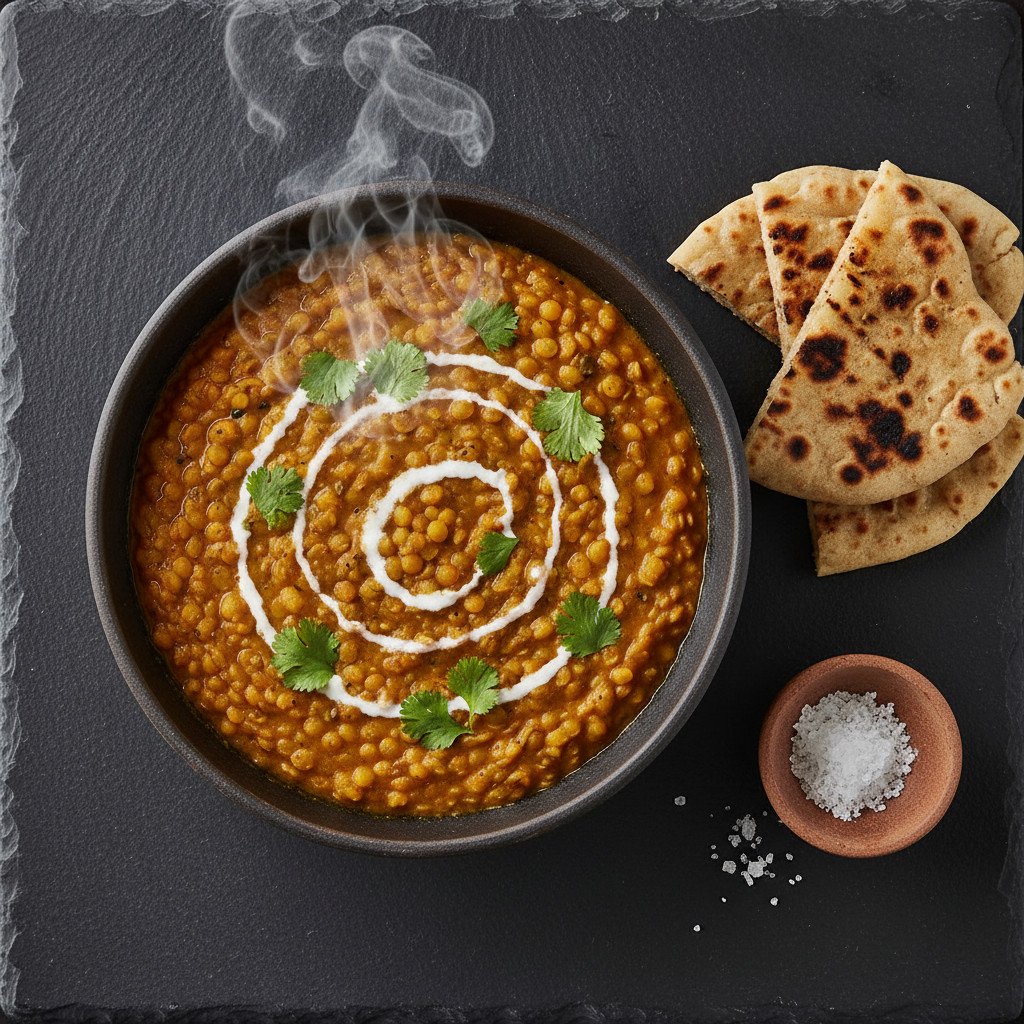
Lentil curry epitomizes budget-friendly cooking at its finest—nutritionally complete, deeply satisfying, incredibly economical at roughly $2-2.50 per large serve, and packed with flavor that makes you forget you’re eating one of the cheapest proteins available. Lentils require no soaking and cook in about 20-30 minutes, making them more convenient than other dried legumes while offering comparable nutrition and even lower cost.
For a basic lentil curry serving 4, you’ll need 1.5 cups red lentils (rinsed), 1 can crushed tomatoes or 2-3 fresh tomatoes, 1-2 onions (diced), 3-4 garlic cloves (minced), thumb-sized piece of ginger (grated), 2-3 tablespoons curry powder or a mixture of cumin, turmeric, coriander, and garam masala, 2-3 cups mixed vegetables such as diced kumara, potato, carrot, cauliflower, or whatever is affordable and in season, 1 can coconut milk or 2 tablespoons peanut butter for richness, and stock or water for cooking. The method is beautifully straightforward: sauté onion until golden, add garlic and ginger for a minute, stir in curry powder and cook until fragrant, add tomatoes and cook until they break down, add lentils and vegetables with enough liquid to cover by an inch, simmer for 20-25 minutes until lentils are tender and vegetables are cooked, stir through coconut milk or peanut butter, and adjust seasoning with salt.
This curry improves overnight as flavors meld and deepen, making it perfect for meal prep. Serve over rice (adding approximately 30 cents per serve) for a complete meal, with homemade roti if you’re feeling ambitious, or simply with crusty bread for mopping up the rich, spiced sauce. The protein and fiber from lentils create lasting satiety, while the warm spices and creamy texture satisfy both body and soul. Variations might include adding spinach or silverbeet in the final minutes of cooking, incorporating a squeeze of lemon juice for brightness, or stirring through a spoonful of yogurt before serving for cooling creaminess.
4. Bean and Cheese Quesadillas
Mexican-inspired budget cooking delivers big flavors and satisfying textures at minimal cost, with quesadillas coming in around $2-3 per person when made with flour tortillas, canned beans, and a modest amount of cheese. These crispy, golden parcels prove that budget-friendly food can feel indulgent and special rather than austere and restrictive.
To make budget quesadillas for two, you’ll need 4 flour tortillas (often $4-5 for a packet of 8-10), 1 can black beans or kidney beans (drained, rinsed, and roughly mashed), 1 cup grated cheese (a little goes a long way when melted), and optional additions like diced onion, capsicum, corn, or jalapeños depending on budget and preference. If tortillas push your budget too far, homemade flour tortillas cost pennies to make with just flour, baking powder, salt, oil, and water. Spread half the tortillas with mashed beans, leaving a border around the edge, sprinkle with cheese and any additional fillings, top with remaining tortillas, and cook in a dry pan over medium heat for 2-3 minutes per side until golden and crispy with the cheese melted inside.
Cut into wedges and serve with simple accompaniments like shredded cabbage tossed with lime juice and salt for freshness, diced tomatoes mixed with onion and coriander if available, or sour cream (a small dollop adds richness without significantly impacting cost). The combination of creamy beans, melted cheese, and crispy tortilla creates textural and flavor satisfaction that feels special and indulgent despite the minimal ingredient cost. Quesadillas also work beautifully for using up small amounts of leftovers—last night’s roast vegetables, a few tablespoons of mince, or that last serving of rice all find new life tucked inside a crispy quesadilla.
5. Tuna and Pasta Bake
This comforting casserole delivers nostalgia and satisfaction for approximately $3-3.50 per serve, transforming affordable pantry ingredients into a crowd-pleasing family meal. Pasta bakes offer the psychological comfort of “proper” dinners with minimal effort and cost, making them perfect for nights when you need something reliable and crowd-pleasing.
For a basic tuna pasta bake serving 4, you’ll need 300g pasta (any short shape like penne, spirals, or macaroni), 2 cans tuna in spring water (drained), 1 can crushed tomatoes or use a simple white sauce made with butter, flour, and milk, 1 cup frozen mixed vegetables, 1 cup grated cheese (divided), and seasonings like garlic powder, dried herbs, salt, and pepper. Cook the pasta until just underdone as it will continue cooking in the oven, mix with your sauce of choice, flaked tuna, vegetables, and half the cheese, transfer to a baking dish, top with remaining cheese, and bake at 180°C for 20-25 minutes until golden and bubbling.
The beauty of pasta bakes lies in their flexibility and their ability to stretch limited ingredients into something substantial and satisfying. You can swap tuna for a can of salmon when on special, replace canned tomatoes with a homemade cheese sauce for a richer variation, add sweetcorn for bursts of sweetness, include roughly chopped spinach or silverbeet for nutrition, or top with breadcrumbs mixed with a little melted butter for extra crunch. Served with a simple side salad of shredded cabbage dressed with vinegar and a pinch of sugar, this humble meal satisfies completely while keeping you well within budget.
6. Egg Fried Noodles
Instant noodles get an unfair reputation as unhealthy student food, but when treated as a base ingredient rather than a complete meal, they transform into a quick, satisfying dinner for approximately $2-2.50 per person. The key lies in discarding or drastically reducing the salty seasoning packets and building your own flavors with fresh additions.
For a proper egg fried noodle dinner, you’ll need 1-2 packets instant noodles per person, 2 eggs, handful of vegetables such as shredded cabbage, carrot, bok choy, frozen peas, capsicum, or bean sprouts, garlic and ginger if available, soy sauce, and a splash of sesame oil or a pinch of sugar to balance flavors. Cook the noodles according to package directions but drain them before they’re completely soft, heat oil in a large pan or wok, scramble the eggs and set aside, quickly stir-fry your vegetables until just tender-crisp, add the noodles and break them up slightly, add a tablespoon or less of the seasoning packet (or skip it entirely and use soy sauce and your own seasonings), return the eggs to the pan, and toss everything together with enough vigor to distribute ingredients evenly.
This meal comes together in under 10 minutes, making it perfect for exhausted weeknights when cooking feels overwhelming but takeaways aren’t in the budget. The vegetables add nutritional value, crunch, and freshness that elevate instant noodles from desperately cheap sustenance to actually enjoyable dinner. For protein beyond eggs, add sliced marked-down sausages or leftover roast chicken, or crack a soft-boiled egg on top of each serving for richness. The speed, simplicity, and low cost of this meal make it a reliable staple in any budget cooking repertoire.
7. Kumara and Chickpea Curry
This vibrant, warming curry showcases affordable New Zealand kumara alongside protein-rich chickpeas for a nutritionally complete meal costing approximately $2.50-3 per generous serve. Kumara (sweet potato) offers one of the best value-for-nutrition ratios available, particularly when purchased as “seconds” or in bulk bags from produce markets.
To make this curry for 4, you’ll need 2-3 large kumara (peeled and cubed), 1 can chickpeas (drained and rinsed), 1 can coconut milk, 1 onion (diced), 2-3 garlic cloves (minced), 2 tablespoons curry powder or a blend of cumin, turmeric, and coriander, 1 can crushed tomatoes or 2-3 fresh tomatoes, handful of spinach or silverbeet if available, and stock or water as needed. Sauté the onion until soft, add garlic and curry powder until fragrant, add kumara cubes and coat in spices, add tomatoes and enough liquid to just cover, simmer for 10 minutes, add chickpeas and coconut milk, continue simmering until kumara is tender, and wilt through greens in the final minutes.
The natural sweetness of kumara pairs beautifully with warming curry spices, while chickpeas add textural contrast and protein. This curry achieves the rare combination of feeling indulgent and special while being genuinely affordable and nutritious. Serve over rice or with homemade roti for a complete meal that satisfies physically and emotionally. The leftovers somehow taste even better the next day, making this curry ideal for batch cooking and meal prep strategies that maximize your time and budget efficiency.
8. Jacket Potatoes with Budget Toppings
The humble baked potato transforms into a complete, satisfying meal when topped creatively, costing anywhere from $1.50-3 per person depending on toppings chosen. Potatoes offer exceptional value—a 10kg bag of washed potatoes costs $8-12, providing 20-30 meal serves depending on potato size.
For perfect jacket potatoes, scrub large potatoes (one per person, or two smaller ones), prick all over with a fork, rub with a tiny amount of oil and salt if desired, and bake at 200°C for 60-75 minutes until the skin is crispy and the interior is fluffy. While you can microwave potatoes for speed, the oven creates that contrast between crispy skin and fluffy interior that makes jacket potatoes special. The topping options fit any budget: butter and cheese (the classic), baked beans (a can costs $1-2 and provides hearty topping for 2-3 potatoes), cottage cheese and chives, tuna mixed with a little mayonnaise and sweetcorn, leftover chili con carne or bolognese, coleslaw made from shredded cabbage with a simple dressing, or scrambled eggs with cheese.
The satisfaction of cutting open a crispy-skinned baked potato to reveal steamy, fluffy white interior feels luxurious despite the minimal cost. Jacket potatoes work beautifully for flexible family meals where different people can choose their preferred toppings, and they require virtually no cooking skill or attention beyond remembering to put them in the oven an hour before dinner. Pair with a simple side salad or steamed vegetables to round out the meal nutritionally.
9. Vegetable Frittata
Eggs represent one of the most affordable complete protein sources available in New Zealand, with a dozen often costing $6-8 or less on special—just 50-67 cents per egg. A frittata stretches 6-8 eggs to serve 4 people for dinner when bulked with vegetables, bringing the per-serve cost to approximately $2-3.
To make a basic vegetable frittata, you’ll need 6-8 eggs, splash of milk, 2-3 cups mixed vegetables such as diced potato, kumara, onion, capsicum, frozen peas, corn, tomatoes, mushrooms, or zucchini, handful of cheese (optional but adds richness), and herbs and seasonings. Sauté your vegetables in an oven-safe pan until tender (pre-cooking starchy vegetables like potato ensures they’re fully cooked in the finished frittata), whisk eggs with milk, salt, pepper, and any herbs, pour egg mixture over vegetables in the pan, sprinkle with cheese if using, cook on the stovetop over medium-low heat for 3-4 minutes until edges begin to set, then transfer to a 180°C oven for 10-15 minutes until just set in the center with a slight wobble.
Frittatas work equally well hot, warm, or cold, making them perfect for meal prep and packed lunches as well as dinner. They showcase whatever vegetables need using up, preventing food waste while creating something genuinely delicious. Serve with crusty bread, a simple salad, or roasted tomatoes for a complete meal that feels far more sophisticated than its ingredient cost suggests. The versatility and economy of frittatas make them invaluable in the budget cooking repertoire.
10. Homemade Pizza
Making pizza from scratch sounds ambitious, but it costs approximately $2-3 per person and requires only basic ingredients you likely already have in your pantry. While takeaway pizza costs $15-25, homemade pizza costs a fraction of that while offering superior flavor and the satisfaction of creating something from scratch.
For basic pizza dough serving 4, you’ll need 3 cups plain flour, 1 packet instant yeast or 2 teaspoons active dry yeast, 1 teaspoon salt, 1 teaspoon sugar, 2 tablespoons oil, and approximately 1 cup warm water. Mix dry ingredients, add oil and enough water to form a soft dough, knead for 5-10 minutes until smooth and elastic, let rise in a warm place for 30-60 minutes until doubled (or use immediately for a thinner crust), then divide and roll out. For toppings, keep it simple and budget-friendly: spread with passata or crushed tomatoes seasoned with garlic and herbs, sprinkle with cheese (mozzarella is traditional, but any cheese melts), and add whatever vegetables you have such as sliced onion, capsicum, mushrooms, tomatoes, or frozen corn. Bake at the highest temperature your oven reaches (usually 220-250°C) for 10-15 minutes until the crust is golden and cheese is bubbling.
The magic of homemade pizza lies not in authentic Italian technique or expensive ingredients, but in the alchemy of transforming humble flour, yeast, and water into something that feels celebratory and special. Children (and adults) enjoy participating in the process, choosing their own toppings and creating personalized pizzas. While takeaway pizza requires no effort, homemade pizza requires minimal skill and provides far greater satisfaction at a fraction of the cost.
Meal Prep Tips to Maximize Your Budget
Strategic meal preparation transforms sporadic budget cooking into a sustainable lifestyle, multiplying your efficiency and savings while reducing the daily stress of “what’s for dinner?” This section explores practical meal prep approaches that work within budget constraints.
Meal prep doesn’t require hours of Sunday cooking marathons or rows of identical containers lining your fridge. For budget cooking, meal prep means making strategic decisions that reduce waste, maximize your grocery investment, and ensure you always have options available so you’re never forced into expensive convenience purchases. The goal is creating a sustainable system that makes budget-friendly cooking easier rather than adding more work to your life.
Batch Cook Strategic Components: Rather than preparing complete meals in advance, consider batch cooking versatile components that can be mixed and matched throughout the week. Cook a large pot of rice (enough for 3-4 days) and store it in the refrigerator for fried rice, rice bowls, or quick sides. Similarly, cook dried beans or lentils in quantity and portion them into 1-2 cup servings to freeze for instant use in soups, curries, or salads. Chop onions, carrots, and celery in bulk and freeze in meal-sized portions so they’re ready to toss into the pan, eliminating prep work on busy nights. Make a big batch of basic tomato sauce that can become pasta sauce, pizza topping, curry base, or shakshuka depending on how you season it. These building blocks prevent food waste while providing flexibility rather than locking you into eating identical meals all week.
Strategic Portioning and Freezing: Your freezer represents one of your most powerful tools for budget cooking, allowing you to take advantage of sales, prevent waste, and always have options available. When you find marked-down meat, buy extra and freeze it immediately in meal-sized portions. When you cook mince for tacos, make double and freeze half as the base for a future spaghetti bolognese or shepherd’s pie. Leftover cooked rice, bread that’s approaching staleness, overripe bananas, vegetable scraps for making stock, and extra portions of curries or soups all freeze successfully, preventing waste and providing quick dinner solutions. Label everything clearly with contents and date to avoid mystery containers languishing in the freezer depths.
Plan Around Shared Ingredients: Structure your meal planning so that multiple meals share common ingredients, reducing waste and simplifying shopping. If you purchase cabbage, plan several meals that use it: coleslaw on Monday, cabbage in fried rice on Wednesday, cabbage soup on Friday. When you buy canned tomatoes, plan pasta sauce, curry, and soup throughout the week. This approach prevents the frustration of buying specialty ingredients for one recipe, then watching the remainder spoil in your fridge. It also reduces the number of items you need to purchase each week, simplifying shopping and reducing opportunity for impulse buys.
Cook Once, Eat Twice (Or More): Intentionally cook larger quantities than needed for a single meal, then plan how you’ll repurpose leftovers into something that feels new rather than repetitive. A roast chicken becomes chicken sandwiches, then chicken fried rice, then chicken soup made from the bones. Extra rice becomes fried rice or rice pudding. Leftover vegetables get blended into soup or tucked into frittatas. This approach maximizes the energy and time invested in cooking while preventing food waste—one of the biggest drains on grocery budgets. The key is planning these transformations in advance so leftovers feel intentional rather than like eating the same meal repeatedly.
Invest 30 Minutes in Prep: Spending just 30 minutes when you return from grocery shopping to prepare ingredients dramatically reduces weeknight cooking time and the temptation to give up and order takeaways. Wash and chop vegetables, portion proteins, mix spice blends, and organize your pantry so you can see what you have. This small time investment pays dividends throughout the week when you can start cooking immediately rather than facing a pile of prep work when you’re already hungry and tired. The lower barrier to cooking makes you more likely to follow through on your budget meal plans rather than defaulting to expensive convenience options.
Where to Shop for the Best Deals in New Zealand
Knowing where to shop creates significant savings without requiring coupons, apps, or complex strategies. This section maps the New Zealand retail landscape for budget-conscious shoppers.
Pak’nSave: These warehouse-style supermarkets consistently offer the lowest prices among major supermarket chains, sometimes 20-30% less than Countdown or New World for identical products. The no-frills environment with minimal service and bring-your-own-bags approach allows them to pass savings to customers. Pak’nSave works best for bulk staples and large shops where you can compare unit prices and stock up on specials. Their house brand Pams offers excellent value across nearly every category.
Asian Supermarkets: These specialized grocers offer exceptional value on rice (sometimes half the price of supermarkets), noodles, sauces, spices, and vegetables commonly used in Asian cooking. Stores like Tai Ping, Asian Food Centre, or local Chinese grocers sell ingredients like soy sauce, sesame oil, rice vinegar, curry powder, and ginger at a fraction of supermarket prices. Even if you primarily cook Western-style food, purchasing these pantry staples from Asian grocers creates substantial savings.
Reduced to Clear Outlets: These stores specialize in products approaching or just past their best-before dates, offering 50-80% discounts on products that remain perfectly safe to eat. Best-before dates indicate peak quality, not safety, so products past this date remain fine to consume. These outlets offer exceptional value on packaged goods like crackers, cereals, sauces, and canned goods, allowing you to build your pantry for minimal cost.
The Warehouse: While not a comprehensive grocery store, The Warehouse stocks an expanding range of pantry staples, frozen foods, and dairy products at prices that undercut traditional supermarkets. They’re particularly competitive on items like pasta, rice, canned goods, flour, sugar, and basic snacks. Combining a Warehouse shop for pantry items with targeted purchases from supermarkets or specialty stores maximizes savings.
Farmers’ Markets and Local Produce Stands: For fresh, seasonal produce, local markets and roadside stands often beat supermarket prices, particularly near closing time when vendors discount stock to avoid taking it home. The quality often exceeds supermarkets as produce is fresher and locally grown. Building relationships with regular vendors sometimes leads to deals on seconds or bulk purchases. Even if markets aren’t convenient for weekly shopping, they’re worth visiting occasionally for seasonal abundance at peak value.
Bulk Stores: Stores like Gilmours or Costco (membership required) offer institutional-sized packages at wholesale prices. While the upfront cost is higher, the per-unit price is substantially lower, making bulk stores worthwhile for staples you use regularly and have storage space for. This approach works particularly well for households with multiple people or when splitting purchases with friends or family.
Making the Most of Seasonal Produce
Aligning your cooking with New Zealand’s growing seasons delivers superior flavor and nutrition while significantly reducing costs. This section guides you through seasonal eating for budget-conscious cooks.
Seasonal produce costs less because it’s abundant, requiring less energy and resources to bring to market compared to imported or greenhouse-grown alternatives. Beyond the price advantage, seasonal produce tastes dramatically better because it’s harvested at peak ripeness rather than picked early for transportation. Learning to cook with the seasons requires some flexibility but rewards you with better-tasting food at lower prices.
Summer (December-February): New Zealand summers offer abundant tomatoes, cucumbers, zucchini, capsicum, eggplant, sweetcorn, berries, stone fruits, and salad greens. This is the time to make fresh tomato sauces, caprese salads, ratatouille, corn fritters, and light vegetable-forward meals that require minimal cooking. Tomatoes reach their peak affordability and flavor, making it perfect for making large batches of pasta sauce to freeze for winter. Stone fruits like peaches, nectarines, and plums become affordable enough for eating fresh and making into simple desserts.
Autumn (March-May): As summer fades, autumn brings pumpkin, kumara, apples, pears, grapes, and the first of the root vegetables. This transitional season calls for roasted vegetable medleys, pumpkin soups, apple-based desserts, and heartier preparations that bridge summer freshness with winter comfort. Kumara reaches peak value and works beautifully in curries, roasted as a side, or mashed. Pumpkins become incredibly affordable, often sold for just a few dollars whole, providing multiple meals worth of naturally sweet, nutritious vegetable.
Winter (June-August): Winter’s hearty vegetables include cabbage, cauliflower, broccoli, brussels sprouts, silverbeet, kale, leeks, and root vegetables like carrots, parsnips, and swedes. This is the season for warming soups, stews, braises, and roasted vegetables. Cabbage costs almost nothing and works in countless applications from coleslaw to stir-fries to soup. Winter is also the time for citrus fruits like oranges, mandarins, and grapefruit, which provide bright acidity and vitamin C during the colder months.
Spring (September-November): Spring brings renewed energy and fresh young vegetables including asparagus, spring onions, new potatoes, peas, broad beans, spinach, and spring greens. These tender vegetables require minimal cooking to showcase their delicate flavors. New potatoes are particularly delightful, with thin skins that don’t need peeling and creamy, sweet flesh. Spring is about celebrating the return of fresh, light vegetables after winter’s heartiness, with preparations that emphasize simplicity and freshness.
Using Seasonal Abundance Creatively: When a particular produce item hits peak season and minimal prices, buy more than you need for immediate use and preserve the abundance for leaner times. Make large batches of pumpkin soup and freeze it in portions, roast tray after tray of tomatoes to blend into concentrated sauce for the freezer, blanch and freeze bags of cauliflower or broccoli florets, pickle excess cucumbers or cabbage, or simply chop and freeze vegetables for future soups and stir-fries. This approach allows you to eat seasonally year-round while maximizing savings during abundance.
Stretching Your Dollar with Protein Alternatives
Protein often represents the most expensive component of meals, but numerous budget-friendly alternatives provide complete nutrition without premium prices. This section explores affordable protein sources perfect for $5 dinners.
The conventional focus on meat as the primary protein source creates unnecessary expense and limits culinary creativity. While meat certainly has a place in budget cooking (especially when purchased strategically on markdown), exploring alternative protein sources expands your options while reducing costs and potentially improving nutrition.
Eggs: At approximately 50-70 cents each, eggs provide complete protein with all essential amino acids, healthy fats, and numerous vitamins and minerals. They work for breakfast, lunch, or dinner, either as the main component (frittatas, fried rice, egg curry) or as an enriching addition. Eggs cook quickly, require minimal skill, and pair with almost any cuisine or flavor profile. A dozen eggs represents 6-12 meals worth of protein depending on how you use them, making them among the most economical protein sources available.
Legumes and Pulses: Dried lentils, chickpeas, black beans, kidney beans, and split peas cost just $2-4 per 500g bag, which provides 8-12 serves of protein-rich food. While dried legumes require soaking and cooking time (except lentils, which need no soaking), canned versions offer convenience for about $1-1.50 per can, still delivering excellent value. Legumes provide not just protein but also fiber, iron, and complex carbohydrates that create lasting satiety. They work across cuisines from Indian curries to Mexican-inspired dishes to Mediterranean salads.
Canned Fish: Canned tuna and salmon go on special regularly for $1-2 per can, providing omega-3 fatty acids along with protein. While more expensive per gram of protein than eggs or legumes, canned fish offers convenience and distinct flavors that add variety to budget meals. Use in pasta bakes, on jacket potatoes, in sandwiches, or mixed with rice and vegetables for quick, satisfying meals.
Reduced Meat: Shopping during markdown hours allows you to access meat at 30-50% off, bringing chicken, mince, and sausages into budget-friendly territory. Buy marked-down meat and freeze immediately if not cooking that day. Use meat as a flavoring or component rather than the centerpiece—adding a small amount of marked-down sausage to fried rice or a handful of chicken to vegetable curry extends expensive protein further.
Tofu: While not traditionally cheap in New Zealand supermarkets ($3-5 per block), tofu from Asian grocers costs substantially less and provides plant-based protein that absorbs flavors beautifully. Tofu works in stir-fries, curries, soups, and grilled as a meat substitute. A single block provides 3-4 serves, making it comparable in cost to meat when purchased from the right sources.
Dairy Products: Milk, yogurt, and cheese provide protein along with calcium and other nutrients. A glass of milk adds approximately 8g of protein to your meal for about 30 cents. Cottage cheese or yogurt works as a protein-rich snack or meal component. While cheese costs more, a little goes a long way when melted or grated, adding both protein and satisfying richness to budget meals.
Strategic Protein Combinations: Plant proteins often lack one or more essential amino acids individually but combine to create complete proteins when eaten together. Rice and beans, lentils and rice, peanut butter on bread, and hummus with pita all represent protein combinations that provide complete amino acid profiles at minimal cost. Understanding these combinations allows you to build satisfying, nutritionally complete meals entirely from plant sources when necessary.
Final Words
Creating satisfying, nutritious dinners for under $5 per person in New Zealand is not only possible but can genuinely be enjoyable and delicious when approached with the right strategies and mindset. The key lies in shifting your perspective from restriction and deprivation to creativity and resourcefulness, viewing budget constraints not as limitations but as opportunities to develop valuable cooking skills, reduce food waste, and discover ingredients and techniques you might otherwise overlook.
Throughout this guide, we’ve explored the multifaceted approach required for successful budget cooking: understanding which retailers offer the best value for different product categories, building a strategic pantry of versatile staples that enable countless meal variations, developing a repertoire of flexible recipes that adapt to available ingredients rather than requiring specific items, mastering the art of shopping during markdown hours and taking advantage of seasonal abundance, and exploring protein sources beyond expensive meat to include eggs, legumes, and canned fish that deliver nutrition without premium prices.
The ten dinner ideas provided demonstrate that budget-friendly cooking spans diverse cuisines and flavor profiles, from Italian pasta dishes to Indian-inspired curries, Mexican-influenced quesadillas to classic comfort foods like pasta bakes and jacket potatoes. None require advanced cooking skills or expensive equipment—just basic techniques, simple ingredients, and willingness to cook from scratch rather than relying on processed convenience foods.
Remember that building budget-cooking skills takes time and patience. You won’t immediately have a perfectly stocked pantry, and your first attempts at some recipes might not turn out exactly as planned. That’s completely normal and part of the learning process. Start with one or two simple recipes that appeal to you, gradually expanding your repertoire as your confidence grows. Focus initially on building your pantry with versatile staples, then practice the shopping strategies that offer the biggest immediate savings for your household.
The habits you develop through budget cooking extend far beyond simply saving money on groceries. You’ll reduce food waste by becoming more intentional about planning and using what you purchase. You’ll develop cooking skills that serve you throughout life, regardless of your financial situation. You’ll gain confidence in the kitchen and the satisfaction of creating something nourishing with your own hands. You’ll likely improve your nutrition by cooking whole foods from scratch rather than relying on processed alternatives. And perhaps most importantly, you’ll prove to yourself that you can eat well regardless of circumstances, that you’re resourceful and capable, and that financial constraints don’t have to control your quality of life.
The challenge of feeding yourself or your family on $5 per person might initially feel daunting or even impossible, but thousands of Kiwis successfully navigate this reality every day through the strategies outlined in this guide. You absolutely can create delicious, satisfying, nutritious dinners within this budget—it simply requires shifting some habits, learning new skills, and approaching cooking with creativity and flexibility. The investment of time and energy you make in developing these skills pays dividends not just in immediate grocery savings but in long-term food confidence, reduced stress, and improved wellbeing. Start with one meal, one shopping trip, one new technique, and build from there. Your future self—and your bank account—will thank you.