Table of Contents
- How to Master Weight Loss Meals New Zealand at Home
- Understanding the New Zealand Weight Loss Landscape
- Unique New Zealand Food Culture and Availability
- Common Weight Loss Challenges for Kiwis
- Essential Principles of Effective Weight Loss Meals
- Calorie Deficit Fundamentals
- Macronutrient Balance
- Portion Control Strategies
- Leveraging New Zealand’s Local Ingredients
- Seasonal Produce Advantages
- Lean Proteins Available in New Zealand
- Healthy Fats from Local Sources
- Building Your Weight Loss Meal Plan Framework
- Weekly Planning Strategies
- Meal Prep Techniques
- Batch Cooking for Efficiency
- Breakfast Ideas That Accelerate Weight Loss
- High-Protein Breakfast Options
- Quick and Nutritious Breakfast Recipes
- Lunch and Dinner Solutions for Sustainable Results
- Balanced Plate Method
- Practical Lunch and Dinner Recipe Examples
- Smart Snacking and Managing Cravings
- Healthy Snack Options for New Zealanders
- Strategies to Combat Emotional Eating
- Kitchen Tools and Equipment for Success
- Essential Appliances for Weight Loss Meal Prep
- Organization and Storage Solutions
- Tracking Progress and Staying Motivated
- Measurement Methods Beyond the Scale
- Building Sustainable Habits and Long-Term Success
- Final Words
How to Master Weight Loss Meals New Zealand at Home
The journey to sustainable weight loss doesn’t require expensive meal delivery services, restrictive diets, or complicated recipes that take hours to prepare. For Kiwis looking to shed unwanted kilos while enjoying delicious, satisfying meals, the solution lies right in your own kitchen. New Zealand offers an abundance of fresh, high-quality ingredients that make creating nutritious weight loss meals not only achievable but genuinely enjoyable. Whether you’re in Auckland, Wellington, Christchurch, or anywhere across the country, mastering the art of preparing weight loss meals at home gives you complete control over your nutrition, saves money, and sets you up for long-term success.
The beauty of preparing weight loss meals at home in New Zealand is that you’re perfectly positioned to take advantage of locally sourced produce, sustainably caught seafood, and grass-fed meats that provide exceptional nutritional value. Unlike many other countries, New Zealand’s food supply chain emphasizes quality and freshness, which means you have access to ingredients that naturally support your weight loss goals. This article will guide you through everything you need to know to transform your home kitchen into a weight loss meal preparation hub, complete with practical strategies, recipe ideas, and expert insights tailored specifically for the New Zealand context.
Understanding the New Zealand Weight Loss Landscape
Before diving into meal preparation techniques, it’s crucial to understand the unique factors that influence weight loss success for New Zealanders. This section explores the distinctive characteristics of the NZ food environment and the common challenges faced by Kiwis pursuing healthier lifestyles.
Unique New Zealand Food Culture and Availability
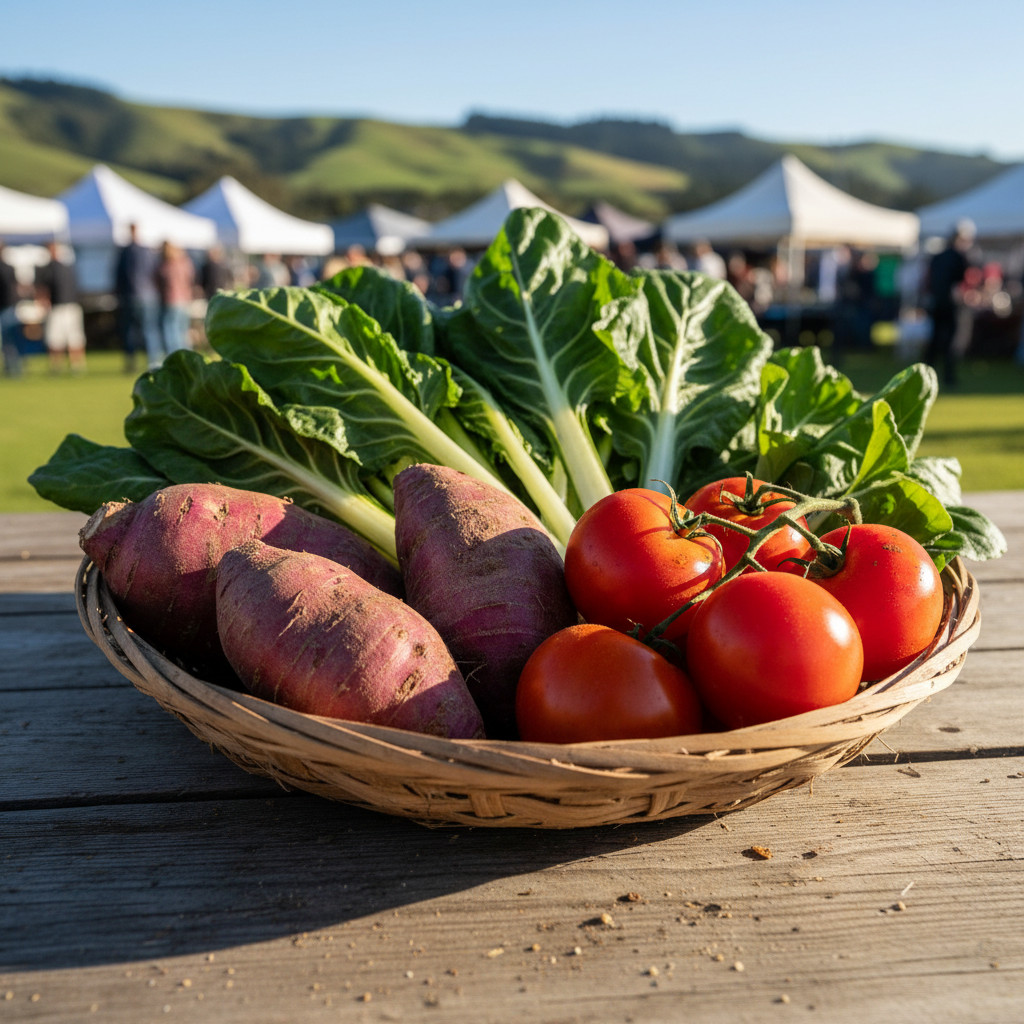
New Zealand’s food culture presents both opportunities and challenges for those pursuing weight loss goals. The country’s strong agricultural heritage means that fresh produce, dairy products, and quality meats are widely available throughout the year. Farmers’ markets have become increasingly popular across major cities and regional towns, offering direct access to seasonal fruits and vegetables at competitive prices. This accessibility to fresh, whole foods provides an excellent foundation for creating nutritious weight loss meals without relying on processed alternatives.
However, New Zealand’s food culture also includes a significant emphasis on social gatherings centered around food, from weekend barbecues to the beloved tradition of morning tea with biscuits and cakes. The Kiwi lifestyle often involves meat pies, fish and chips, and sweet treats that can derail weight loss efforts if consumed regularly. Additionally, the geographic isolation of New Zealand sometimes means that certain “superfoods” or specialty ingredients promoted in international diet trends may be expensive or difficult to source. Understanding these cultural factors helps you develop realistic strategies that work within the New Zealand context rather than against it.
The seasonal nature of New Zealand’s produce also influences meal planning strategies. Summer brings an abundance of berries, stone fruits, and salad greens, while winter offers hearty vegetables like kumara, pumpkin, and leafy greens that thrive in cooler temperatures. Learning to align your weight loss meals with these seasonal patterns not only reduces costs but also ensures you’re consuming produce at its nutritional peak. This connection to seasonal eating represents a fundamental principle of sustainable weight loss that works harmoniously with New Zealand’s agricultural calendar.
Common Weight Loss Challenges for Kiwis
New Zealanders face several specific challenges when attempting to lose weight at home. The country’s relatively small population spread across two main islands means that food prices can be higher compared to larger markets, making some healthy ingredients seem prohibitively expensive. Many Kiwis express frustration at the cost of fresh produce, lean proteins, and whole grains, which can lead to reliance on cheaper, processed foods that work against weight loss goals. This perception that healthy eating is expensive represents a significant barrier that proper meal planning and strategic shopping can overcome.
Another challenge unique to New Zealand is the influence of both British and Polynesian food traditions, which often emphasize hearty, calorie-dense meals. Traditional Kiwi comfort foods tend to be high in carbohydrates and fats, and learning to modify these beloved recipes to support weight loss requires both knowledge and creativity. Additionally, the busy lifestyle that characterizes modern New Zealand living means many people resort to convenience foods or takeaways when time is limited, which rarely aligns with weight loss objectives.
The climate variations across New Zealand also impact eating patterns and physical activity levels. The colder, wetter months in many regions can reduce outdoor activity and increase cravings for warming, comfort foods that tend to be calorie-dense. Understanding these seasonal psychological and physiological influences allows you to anticipate challenges and develop strategies to maintain your weight loss momentum throughout the entire year. Recognizing that these challenges are common among Kiwis helps normalize the weight loss journey and encourages the development of solutions specifically tailored to the New Zealand lifestyle.
Essential Principles of Effective Weight Loss Meals
This section outlines the fundamental nutritional principles that underpin successful weight loss meal preparation. Understanding these concepts allows you to make informed decisions about what to eat and how to structure your meals for optimal results.
Calorie Deficit Fundamentals
Weight loss fundamentally requires consuming fewer calories than your body expends, creating what’s known as a calorie deficit. This doesn’t mean you need to starve yourself or eat boring, tasteless food—rather, it means becoming strategic about the foods you choose and the portions you consume. For most people, a moderate calorie deficit of 500-750 calories per day leads to sustainable weight loss of approximately 0.5-1 kilogram per week, which research consistently shows is the most maintainable rate of weight reduction.
The key to creating satisfying weight loss meals within a calorie deficit is prioritizing foods with high nutrient density and satiety value. These are foods that provide substantial vitamins, minerals, protein, and fiber relative to their calorie content, keeping you feeling full and nourished despite consuming fewer calories overall. In the New Zealand context, this means building meals around vegetables, lean proteins, whole grains, and fruits while being mindful of calorie-dense additions like oils, butter, cheese, and sauces that can quickly increase the calorie content of otherwise healthy meals.
Understanding portion sizes represents another critical component of maintaining a calorie deficit. Many New Zealanders have become accustomed to restaurant-sized portions or the “fill your plate” mentality that leads to consistent overeating. Learning to recognize appropriate serving sizes for different food groups—such as a palm-sized portion of protein, a fist-sized portion of carbohydrates, and unlimited non-starchy vegetables—helps you naturally control calorie intake without the need for constant tracking. This intuitive approach to portions, once learned, becomes second nature and supports long-term weight maintenance even after you’ve reached your goal weight.
Macronutrient Balance
Beyond total calorie intake, the distribution of macronutrients—protein, carbohydrates, and fats—significantly influences weight loss success, satiety levels, and overall health. Protein deserves special attention in any weight loss plan because it provides the highest satiety value of all macronutrients, meaning it keeps you feeling full longer. Additionally, protein has the highest thermic effect of food, meaning your body burns more calories digesting protein compared to carbohydrates or fats. For weight loss, aiming for approximately 25-35% of total calories from protein sources helps preserve lean muscle mass while promoting fat loss.
Carbohydrates have received unwarranted vilification in many popular diet trends, but they remain an important energy source, particularly for active individuals. The key distinction lies in choosing complex carbohydrates that provide fiber, vitamins, and sustained energy release rather than refined carbohydrates that spike blood sugar and leave you hungry shortly after eating. In New Zealand, excellent complex carbohydrate sources include kumara, traditional potatoes, whole grain bread, brown rice, oats, and seasonal fruits. These foods provide the energy needed for daily activities and exercise while supporting digestive health through their fiber content.
Healthy fats, despite their higher calorie density, play crucial roles in hormone production, nutrient absorption, and satiety. Including moderate amounts of healthy fats from sources like avocados, nuts, seeds, olive oil, and fatty fish helps you feel satisfied after meals and supports overall health. The recommended fat intake for weight loss typically ranges from 20-30% of total calories, though individual needs vary. The important principle is balancing all three macronutrients in a way that keeps you satisfied, energized, and consistently able to maintain your calorie deficit without feeling deprived. This balanced approach prevents the metabolic adaptations and overwhelming cravings that often accompany extremely restrictive diets.
Portion Control Strategies
Mastering portion control represents one of the most valuable skills for sustainable weight loss, yet it’s an area where many people struggle, particularly when eating at home where there’s no external regulation of serving sizes. The good news is that several practical strategies can help you naturally control portions without the tedious process of weighing and measuring every food item. One highly effective method is the “plate method,” which involves visually dividing your plate into sections: half filled with non-starchy vegetables, one-quarter with lean protein, and one-quarter with complex carbohydrates. This simple visual guide ensures balanced nutrition while naturally controlling calorie intake.
Another powerful portion control strategy involves using smaller plates, bowls, and serving utensils. Research in behavioral psychology consistently demonstrates that people tend to eat what’s placed in front of them, and larger dinnerware leads to larger portions and increased calorie consumption. By switching to smaller plates (approximately 23cm diameter instead of 30cm), you can serve yourself appropriate portions that still look visually satisfying, tricking your brain into feeling content with less food. This strategy works particularly well in New Zealand households where dinner plates have gradually increased in size over the past few decades.
Mindful eating practices complement physical portion control strategies by helping you tune into your body’s actual hunger and fullness signals. This involves eating slowly, without distractions like television or smartphones, and pausing periodically during meals to assess your satisfaction level. Many people discover they’ve been eating past the point of comfortable fullness simply out of habit or because food remains on their plate. Learning to stop eating when you’re approximately 80% full—a practice known as “hara hachi bu” in Japanese culture—prevents overeating while still leaving you satisfied. These combined strategies create a sustainable approach to portion control that doesn’t require constant vigilance or mathematical calculations, making it practical for everyday life in New Zealand homes.
Leveraging New Zealand’s Local Ingredients
New Zealand’s unique geographical position and climate provide access to exceptional quality ingredients that can form the foundation of delicious, nutritious weight loss meals. This section explores how to maximize these local resources.
Seasonal Produce Advantages
New Zealand’s distinct seasons offer rotating access to different fruits and vegetables at their nutritional and flavor peak, and aligning your weight loss meals with these seasonal patterns provides multiple benefits. During summer months (December through February), the abundance of berries, stone fruits, tomatoes, cucumber, lettuce, and courgettes means you can create refreshing, low-calorie meals perfect for warmer weather. These water-rich foods provide volume and nutrients with minimal calories, making them ideal for weight loss. Summer salads featuring local tomatoes, cucumber, and mixed greens with grilled chicken or fish represent the epitome of satisfying, low-calorie eating.
Autumn (March through May) brings a different but equally valuable selection of produce including apples, pears, kumara, pumpkin, and the last of the summer vegetables. This transition period allows you to start incorporating heartier vegetables that provide comfort as temperatures cool while still maintaining reasonable calorie density. Roasted kumara and pumpkin can satisfy cravings for sweet, substantial foods while delivering fiber, vitamins, and antioxidants that support overall health and weight loss. These vegetables also lend themselves well to batch cooking and meal preparation, which we’ll explore in detail later.
Winter (June through August) challenges many people’s weight loss efforts due to reduced daylight, colder temperatures, and cravings for comfort foods, but New Zealand’s winter produce selection supports continued progress. Leafy greens like silverbeet, kale, and spinach thrive in cooler weather and provide exceptional nutrient density with minimal calories. Broccoli, cauliflower, cabbage, and Brussels sprouts offer versatility for creating satisfying winter meals. Root vegetables including carrots, parsnips, and turnips can be roasted or incorporated into soups and stews that provide warmth and satisfaction without excessive calories. Spring (September through November) brings renewed energy and fresh produce including asparagus, spring onions, new potatoes, and the first strawberries, helping you refresh your meal rotation and approach summer with momentum.
Lean Proteins Available in New Zealand
New Zealand’s reputation for high-quality protein sources provides significant advantages for anyone preparing weight loss meals at home. Grass-fed beef, while sometimes considered indulgent, actually offers an excellent nutritional profile when you choose lean cuts like eye fillet, sirloin, or extra-lean mince. The grass-fed nature of New Zealand beef means it typically contains higher levels of omega-3 fatty acids and conjugated linoleic acid compared to grain-fed alternatives, offering health benefits beyond basic protein content. When prepared using low-fat cooking methods like grilling, pan-searing with minimal oil, or slow cooking, beef can absolutely fit into a weight loss meal plan.
New Zealand lamb, another iconic protein source, similarly works well for weight loss when you select lean cuts and trim visible fat. Leg of lamb, lamb backstrap, and lean lamb mince provide high-quality protein with distinctive flavor that keeps meals interesting and satisfying. The country’s poultry industry produces excellent chicken and turkey that serve as weight loss staples due to their low fat content and versatility. Chicken breast, in particular, offers one of the highest protein-to-calorie ratios of any food, making it invaluable for weight loss meals. The key is varying your preparation methods—grilling, baking, poaching, stir-frying, or slow cooking—to prevent monotony.
New Zealand’s extensive coastline and fishing industry provide access to exceptional seafood that should feature prominently in any weight loss meal plan. Fish species like snapper, tarakihi, gurnard, and hoki offer lean protein with relatively few calories, while fatty fish like salmon, tuna, and kahawai provide omega-3 fatty acids that support overall health and may assist with weight management. Shellfish including mussels, oysters, and prawns deliver protein and nutrients with minimal calories and fat. The versatility of seafood—from quick midweek fish fillets to elaborate weekend preparations—means you can incorporate these weight-loss-friendly proteins regardless of your cooking confidence or available time. For those following plant-based diets, New Zealand also offers excellent legumes, tofu, tempeh, and plant-based protein alternatives that support weight loss when incorporated thoughtfully.
Healthy Fats from Local Sources
While weight loss requires overall calorie control, including appropriate amounts of healthy fats in your meals supports satiety, hormone production, and nutrient absorption. New Zealand produces several excellent sources of healthy fats that enhance both the nutritional value and palatability of weight loss meals. Avocados, which thrive in warmer North Island regions, provide monounsaturated fats, fiber, and numerous vitamins and minerals. While relatively calorie-dense, a quarter to half an avocado adds creaminess and satisfaction to meals, helping prevent feelings of deprivation that undermine weight loss efforts.
New Zealand’s nut industry, particularly regarding macadamias and almonds, provides access to nutrient-dense healthy fats. A small handful of nuts (approximately 30 grams) offers satisfying crunch, protein, healthy fats, and fiber that together promote fullness and stable blood sugar levels. The key is portion control—pre-portioning nuts into small containers prevents mindless overconsumption that can occur when eating directly from a large bag. Seeds including pumpkin seeds, sunflower seeds, and chia seeds similarly provide healthy fats along with protein and micronutrients, making them excellent additions to yogurt, salads, or as crunchy toppings for various dishes.
Extra virgin olive oil, while not exclusively from New Zealand, is widely available and represents one of the healthiest fat sources for cooking and dressing salads. The Mediterranean diet’s well-documented health benefits partly stem from olive oil’s anti-inflammatory properties and heart-healthy fats. When using olive oil in weight loss meals, measuring portions helps control calories—typically one to two teaspoons per person for cooking or dressing provides sufficient flavor and nutrition without excessive calories. New Zealand-produced flaxseed oil offers another healthy fat option, particularly for those seeking plant-based omega-3 fatty acids. These healthy fat sources, used in appropriate portions, transform weight loss meals from bland and unsatisfying to delicious and nourishing, supporting long-term adherence to healthy eating patterns.
Building Your Weight Loss Meal Plan Framework
Success with weight loss meals at home requires more than just knowing what to cook—it demands a structured approach to planning, preparation, and execution. This section provides the framework for organizing your weight loss meal strategy.
Weekly Planning Strategies
Developing a weekly meal plan represents one of the most impactful habits you can establish for weight loss success. Setting aside 30-60 minutes each week (many people find Sunday afternoon or evening ideal) to plan the upcoming week’s meals eliminates daily decision-making stress and reduces the likelihood of resorting to unhealthy convenience options. Start by checking what ingredients you already have at home, reviewing the weekly specials at your preferred New Zealand supermarkets (Countdown, New World, Pak’nSave), and considering your schedule for the week ahead. Days with evening commitments might require quick meals or leftovers, while more relaxed evenings allow for longer cooking projects.
A practical approach involves planning around a rotation of protein sources to ensure variety and nutritional balance. For example, you might designate Monday for chicken, Tuesday for beef or lamb, Wednesday for fish, Thursday for plant-based proteins, Friday for pork or another poultry option, with weekends offering flexibility for special preparations or eating out. Once you’ve determined your proteins, build the rest of each meal around seasonal vegetables and appropriate carbohydrate sources. This protein-first planning method ensures you’re getting adequate protein for weight loss while naturally creating varied, interesting meals throughout the week.
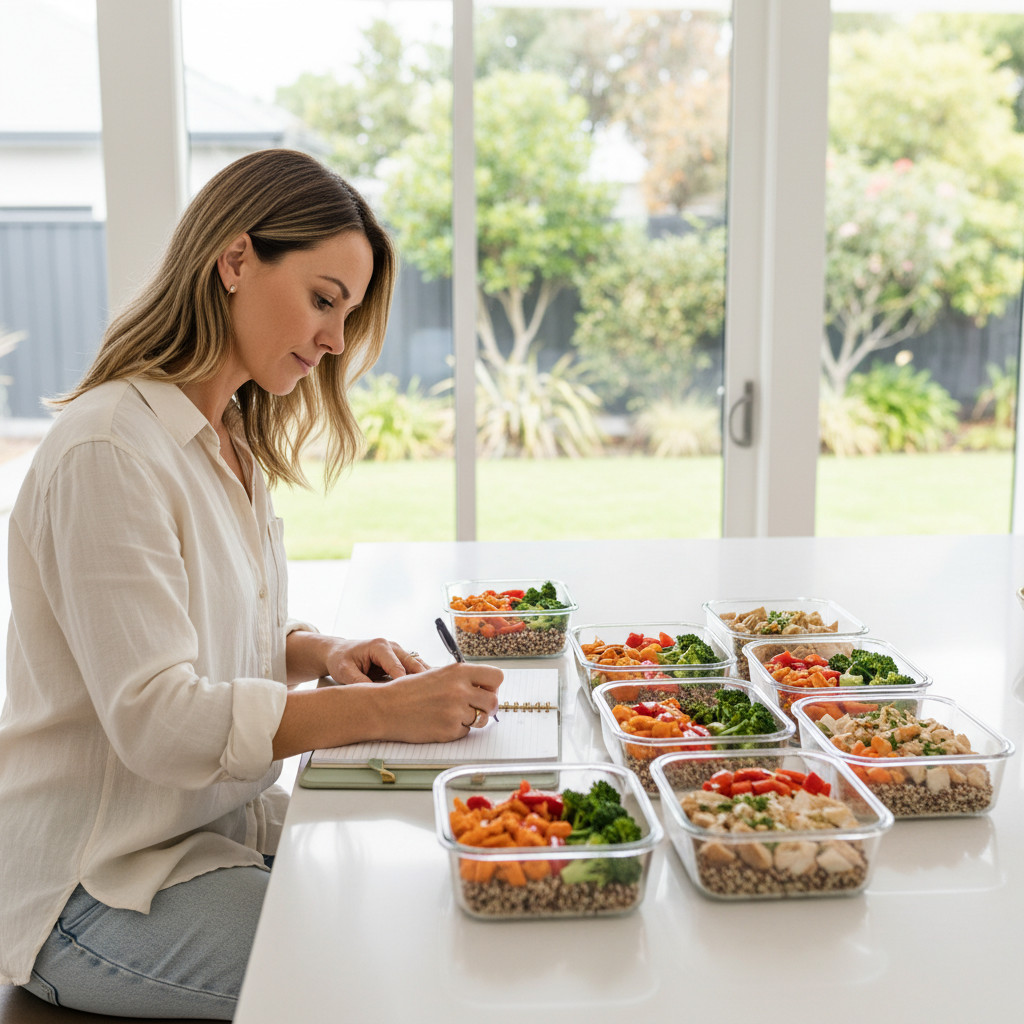
Your meal plan should include breakfast, lunch, dinner, and planned snacks, with specific recipes or meal ideas for each occasion. Writing this plan down—whether in a notebook, on a whiteboard in your kitchen, or using a digital app—creates accountability and provides an easy reference throughout the week. Include a shopping list organized by supermarket section (produce, meat, dairy, pantry) to make shopping efficient. Many New Zealanders find that shopping online through Countdown or New World’s delivery services saves time and reduces impulse purchases of foods that don’t support weight loss goals. This structured planning approach might feel time-consuming initially, but it quickly becomes routine and saves significantly more time during the week than it requires for setup.
Meal Prep Techniques
Meal preparation, often abbreviated as “meal prep,” involves dedicating a block of time to prepare multiple meals or meal components in advance, typically for the upcoming 3-5 days. This strategy has gained enormous popularity because it removes barriers to healthy eating by ensuring nutritious meals are readily available even during busy, stressful days when motivation is low. For New Zealand home cooks pursuing weight loss, effective meal prep typically occurs on weekends when more time is available for extended cooking sessions.
A comprehensive meal prep session might involve several simultaneous activities: roasting multiple trays of vegetables (kumara, pumpkin, broccoli, cauliflower) in the oven; cooking several portions of protein (baking chicken breasts, grilling fish fillets, preparing a large batch of lean mince); cooking grains like brown rice or quinoa in large quantities; and preparing fresh salad components that can be stored separately and assembled quickly. The key is leveraging your oven, stovetop, and potentially a slow cooker or instant pot simultaneously to maximize efficiency. While meal prep is happening, you can also prepare healthy snacks like vegetable sticks with hummus, portioned nuts, or homemade protein balls.
Storage represents a critical component of successful meal prep. Investing in quality containers—preferably glass containers with airtight lids in various sizes—allows you to store individual meal portions that can be refrigerated for 3-4 days or frozen for longer storage. Label containers with contents and dates to track freshness. Some people prefer preparing complete meals (protein, vegetables, and carbohydrates all in one container), while others prefer storing components separately for more variety throughout the week. Both approaches work well for weight loss; choose the method that best fits your preferences and lifestyle. The beauty of meal prep is that having healthy, portion-controlled meals ready to reheat dramatically reduces the temptation to order takeaways or eat convenience foods that undermine your weight loss progress.
Batch Cooking for Efficiency
Batch cooking takes meal prep principles further by preparing large quantities of specific dishes that can be portioned and stored for multiple meals throughout the week or frozen for future weeks. This approach works particularly well for soups, stews, casseroles, curries, and similar one-pot meals that maintain quality when refrigerated or frozen. For New Zealand home cooks managing weight loss, batch cooking offers the dual benefits of efficiency and guaranteed portion control when meals are divided into individual servings immediately after cooking.
Consider preparing a large pot of vegetable-packed soup using seasonal produce like kumara, pumpkin, or mixed vegetables with lean protein added. This single cooking session might yield 8-12 portions that can be refrigerated for the week ahead or frozen in individual containers for quick future meals. Similarly, a large batch of lean beef or turkey mince with vegetables and tomato-based sauce serves as a versatile base for multiple meals throughout the week—served over courgette noodles one night, with a small portion of pasta another night, or as a filling for stuffed capsicums later in the week. This variety from a single batch cook prevents boredom while maximizing kitchen efficiency.
Slow cookers and pressure cookers (like Instant Pots) have become invaluable tools for batch cooking, particularly for busy New Zealanders who want to return home to ready-made meals. Morning preparation taking just 10-15 minutes—combining protein, vegetables, liquid, and seasonings in the slow cooker—results in a complete meal ready by evening. These appliances also excel at preparing tougher, more economical cuts of meat that become tender through long, slow cooking, helping manage food costs while supporting weight loss goals. The psychological benefit of batch cooking shouldn’t be underestimated either—knowing you have multiple healthy, portion-controlled meals ready to eat removes decision fatigue and eliminates excuses that might otherwise lead to poor food choices. This preparation-based approach to weight loss proves far more sustainable than relying on willpower alone.
Breakfast Ideas That Accelerate Weight Loss
How you start your day nutritionally significantly influences your food choices, energy levels, and weight loss progress throughout the remaining hours. This section explores breakfast strategies optimized for New Zealand ingredients and lifestyles.
High-Protein Breakfast Options
Beginning your day with a protein-rich breakfast provides numerous advantages for weight loss, including enhanced satiety that reduces mid-morning snacking, better blood sugar control, and preservation of lean muscle mass during calorie restriction. Aim for breakfasts containing at least 20-30 grams of protein, which sounds more challenging than it actually is when you know the right combinations. Eggs represent the most accessible high-protein breakfast option for most New Zealanders, with one large egg providing approximately 6 grams of protein. A three-egg omelet or scramble with added vegetables like spinach, tomatoes, and mushrooms delivers around 18 grams of protein plus valuable micronutrients and fiber.
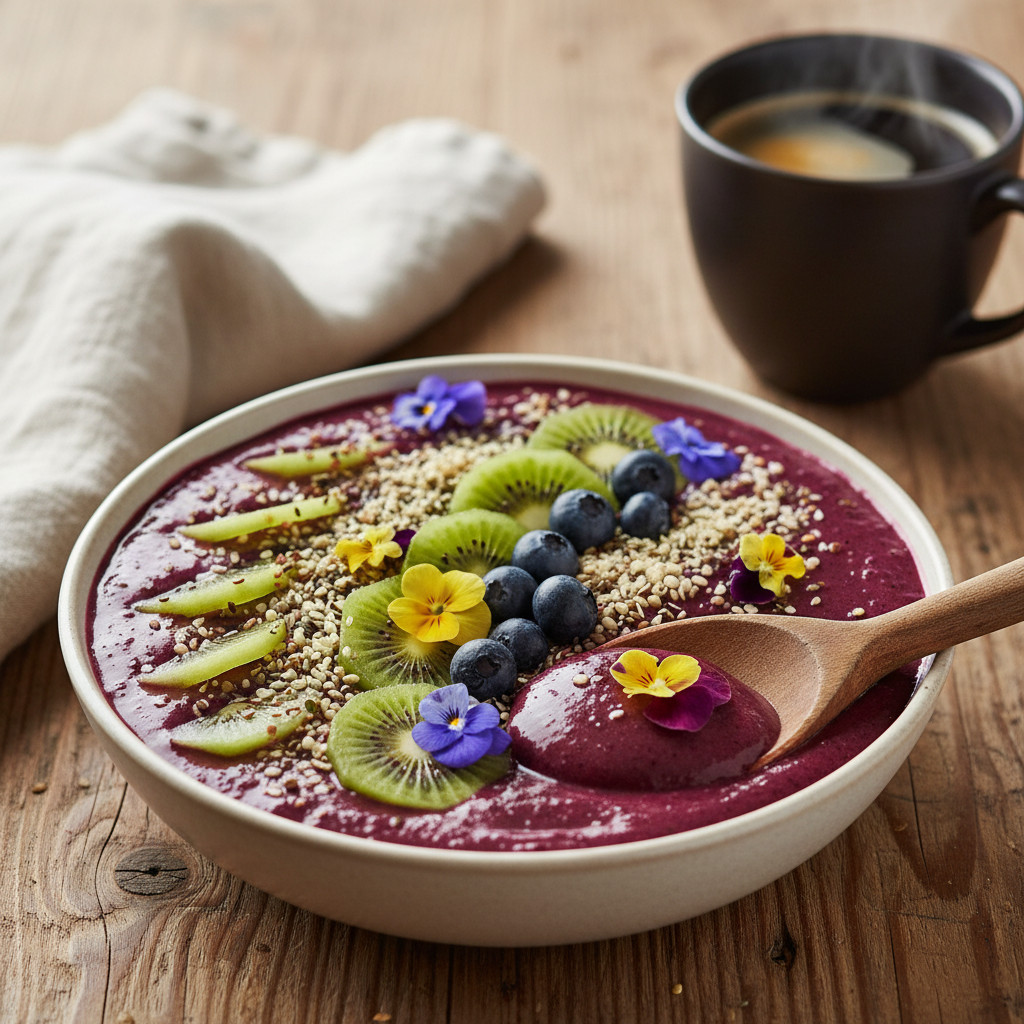
Greek yogurt, widely available throughout New Zealand supermarkets, offers another excellent breakfast protein source, typically providing 15-20 grams of protein per 200-gram serving. The key is selecting plain, unsweetened varieties to avoid added sugars, then enhancing flavor with fresh berries, a small amount of honey, and a sprinkle of nuts or seeds. This combination delivers protein, healthy fats, fiber, and antioxidants while keeping total calories reasonable for weight loss. For those preferring warmer breakfasts during cooler months, protein-enriched porridge made with oats cooked in milk (dairy or plant-based) rather than water, with added protein powder or a dollop of Greek yogurt stirred through, provides comfort and sustained energy.
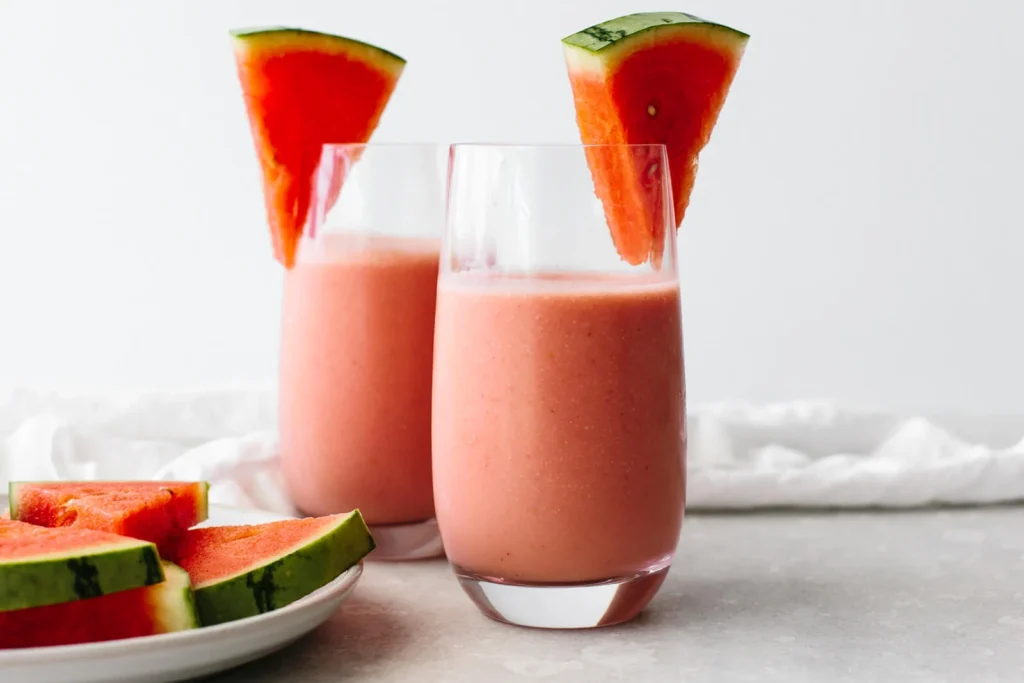
For New Zealanders with extremely busy mornings who struggle to sit down for breakfast, smoothies offer a portable high-protein option. A well-constructed weight loss smoothie includes protein powder (whey, plant-based, or collagen), frozen fruit (berries work particularly well), leafy greens like spinach that blend without impacting flavor, a small amount of healthy fat from avocado or nut butter, and liquid (water, milk, or unsweetened nut milk). This combination can be prepared in minutes, consumed on the go, and delivers 25-35 grams of protein depending on the protein powder used. The key distinction between weight loss smoothies and those that derail progress is portion control and avoiding excess fruit, fruit juice, or sweeteners that dramatically increase calorie and sugar content without improving satiety.
Quick and Nutritious Breakfast Recipes
Even with the best intentions, weekday mornings in New Zealand households often feel rushed, and having a repertoire of quick, nutritious breakfast options prevents defaulting to poor choices. One excellent option is overnight oats, which require just a few minutes of evening preparation. Combine half a cup of rolled oats with three-quarters of a cup of milk, a tablespoon of chia seeds, and a teaspoon of honey or maple syrup in a jar or container, refrigerate overnight, and top with fresh fruit in the morning. This no-cook breakfast provides complex carbohydrates, protein, fiber, and omega-3 fatty acids with minimal effort.
Egg muffins or frittata pieces represent another make-ahead breakfast solution ideal for weight loss. Whisk together 8-10 eggs with diced vegetables like capsicum, spinach, tomatoes, and onion, season appropriately, pour into a muffin tin, and bake at 180°C for approximately 20 minutes. These portable protein-packed portions can be refrigerated for up to five days or frozen for longer storage, providing grab-and-go breakfasts that require just 30 seconds of reheating. Two egg muffins with a piece of fruit create a balanced, satisfying breakfast containing approximately 300-350 calories and substantial protein.
For those who genuinely prefer quick, traditional breakfasts, whole grain toast with protein-rich toppings offers simplicity without sacrificing nutrition. Two slices of quality whole grain bread (approximately 140-160 calories total) topped with mashed avocado and poached eggs, or with cottage cheese and sliced tomato, or with natural peanut butter and sliced banana creates a balanced meal in under five minutes. The key is choosing dense, grainy bread rather than white or processed varieties, which provide more fiber and sustained energy release. These quick breakfast options prove that supporting weight loss doesn’t require elaborate cooking or significant time investment—it simply requires planning and knowing which combinations deliver appropriate nutrition within your calorie targets.
Lunch and Dinner Solutions for Sustainable Results
The main meals of your day offer the greatest opportunity to consume satisfying portions of nutritious food while maintaining the calorie deficit necessary for weight loss. This section provides practical approaches to lunch and dinner preparation.
Balanced Plate Method
The balanced plate method offers an intuitive, visual approach to constructing weight loss meals without tedious calorie counting or food weighing. This method involves mentally dividing your plate into sections and filling each section with specific food types in appropriate proportions. Half of your plate should contain non-starchy vegetables—think salad greens, broccoli, cauliflower, green beans, capsicum, courgette, mushrooms, tomatoes, cucumber, and similar produce. These vegetables provide substantial volume, fiber, vitamins, and minerals with relatively few calories, allowing you to eat satisfying portions while maintaining a calorie deficit.
One quarter of your plate should contain lean protein, which might be grilled chicken breast, fish fillet, lean beef or lamb, tofu, tempeh, or legumes. This protein portion should be approximately the size and thickness of your palm (for meat or fish) or about three-quarters to one cup for plant-based proteins. This amount typically provides 25-35 grams of protein, supporting muscle preservation, satiety, and recovery from physical activity. The final quarter of your plate contains complex carbohydrates like kumara, potato, brown rice, quinoa, whole grain pasta, or whole grain bread. This controlled carbohydrate portion provides energy while preventing the blood sugar spikes and excess calories that come from oversized carbohydrate servings.
Implementing the balanced plate method in your New Zealand home becomes second nature with practice. When serving dinner, fill half your plate with a colorful salad or roasted vegetables before adding anything else. Then add your protein portion, and finally your carbohydrate serving. This sequence ensures you’re not shortchanging vegetables in favor of more calorie-dense options. For meals like stir-fries, curries, or pasta dishes where components mix together, mentally assess whether your overall portion reflects the half-vegetables, quarter-protein, quarter-carbohydrates ratio. A practical approach for mixed dishes is using a larger proportion of vegetables than the recipe calls for while reducing the carbohydrate component—for example, using less rice but more vegetables in a curry, or replacing half the pasta with courgette noodles. This flexible yet structured approach to meal composition supports weight loss while allowing for enjoyable, varied meals that don’t feel like “diet food.”
Practical Lunch and Dinner Recipe Examples
Transforming the balanced plate method from concept to concrete meals requires practical recipe examples that fit New Zealand lifestyles and ingredient availability. For lunch, consider a hearty salad combining mixed greens and raw vegetables (capsicum, cucumber, cherry tomatoes, grated carrot) as your half-plate vegetable base, topped with grilled chicken breast or canned tuna for protein, and a small portion of quinoa or chickpeas for complex carbohydrates. Dress with a simple vinaigrette using olive oil, vinegar or lemon juice, and herbs. This complete meal provides substantial nutrition and satiety for approximately 400-450 calories, can be prepared in advance, and travels well for office lunches.
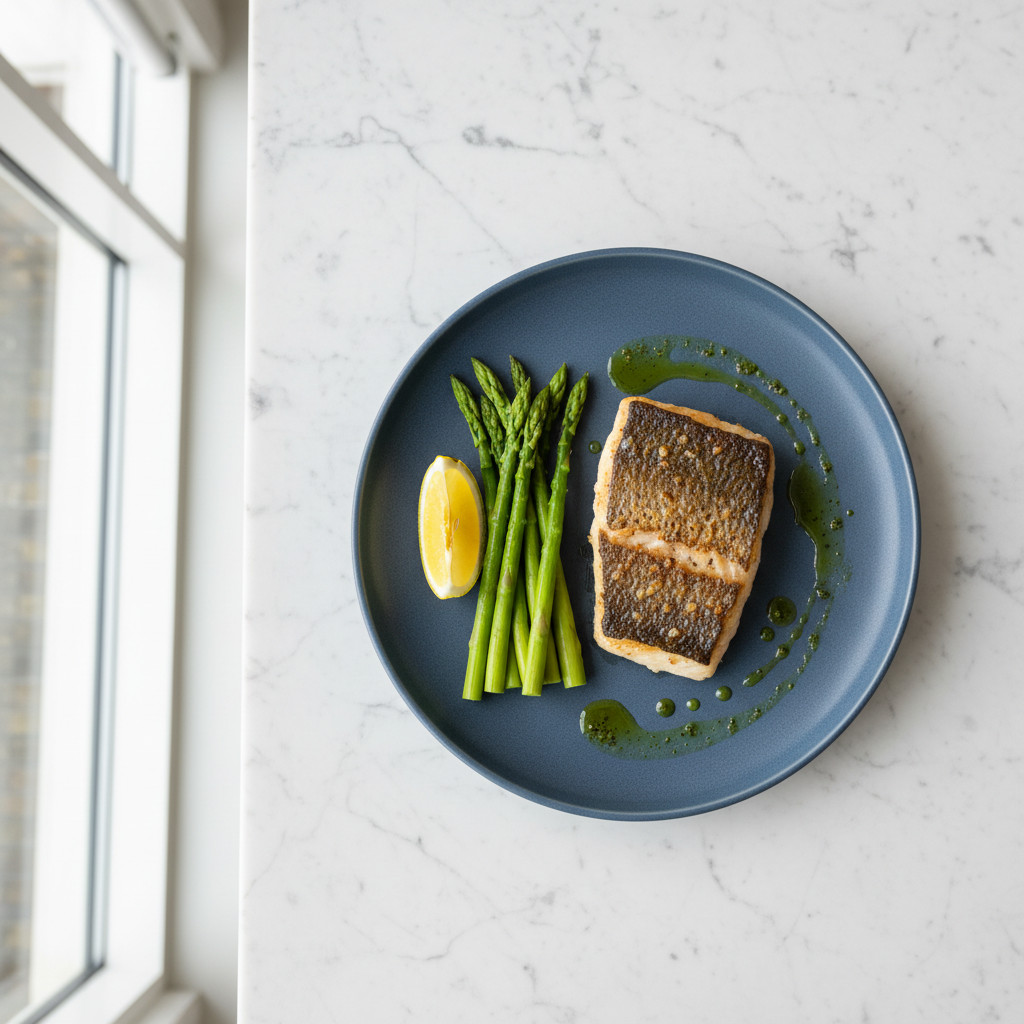
Dinner options following the balanced plate method might include grilled fish (like snapper or salmon) served alongside roasted kumara wedges and a large serving of steamed greens or a side salad. The fish provides lean protein and healthy fats, the kumara offers complex carbohydrates with excellent nutritional value, and the vegetables contribute fiber and micronutrients with minimal calories. Season the fish with lemon, herbs, and a touch of olive oil; toss the kumara in a small amount of oil and roast until tender; and season vegetables simply with herbs or a squeeze of lemon. This satisfying dinner requires minimal cooking skill, uses readily available New Zealand ingredients, and delivers approximately 450-550 calories depending on portions.
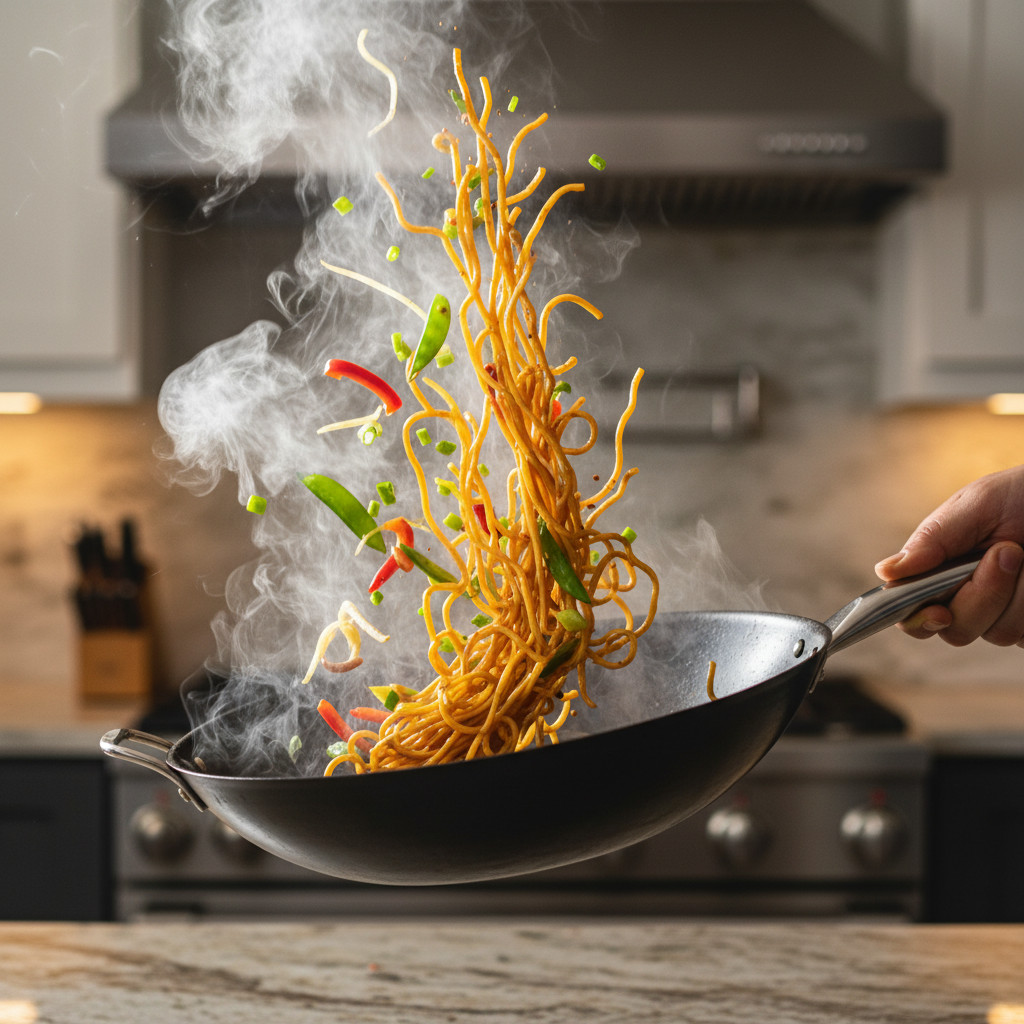
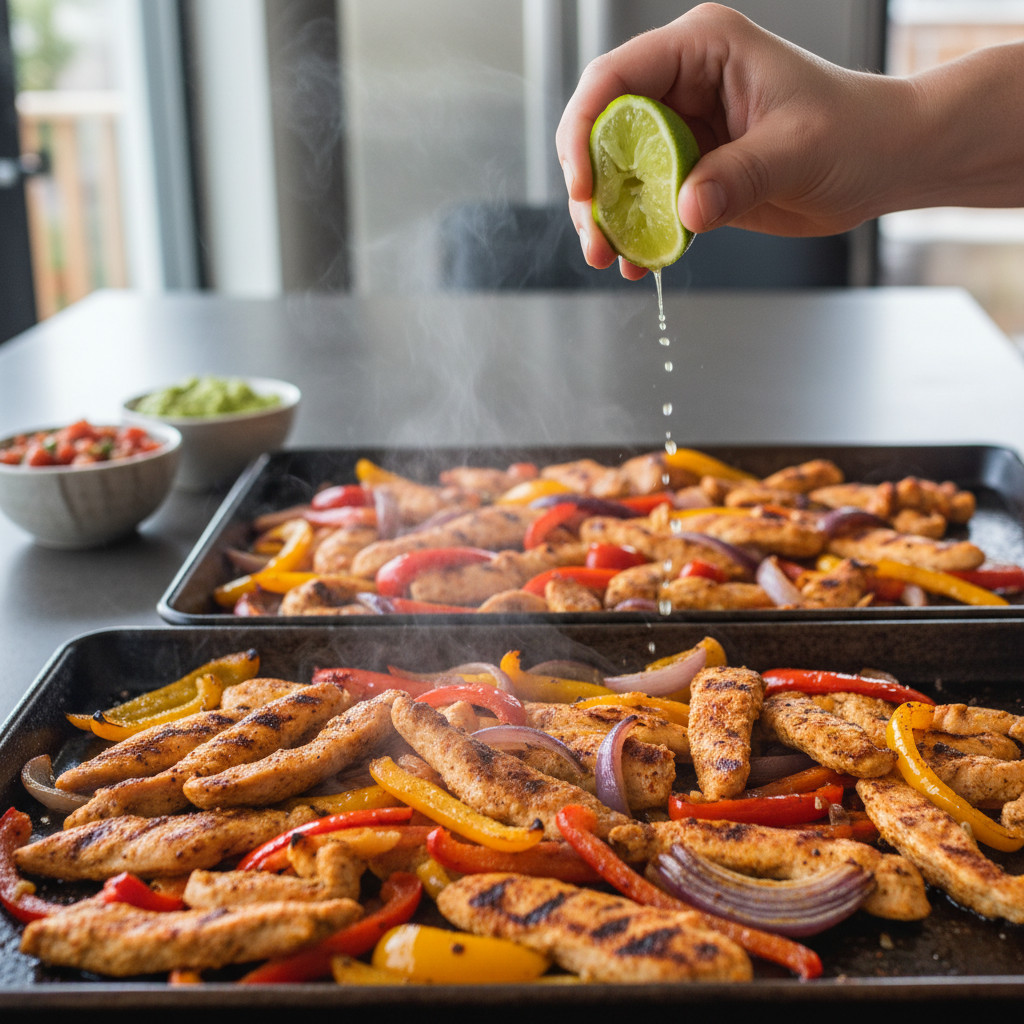
Another dinner example perfect for cooler New Zealand evenings involves lean beef or lamb stir-fried with abundant vegetables (broccoli, capsicum, snow peas, carrots, bok choy) served over a modest portion of brown rice or noodles. The key to keeping this weight-loss-friendly is using minimal oil for stir-frying, loading the dish with vegetables, and controlling the rice or noodle portion to about three-quarters of a cup cooked. Flavor with ginger, garlic, soy sauce, and chili rather than calorie-dense sauces. One-pan baked meals also work exceptionally well—arrange chicken thighs or fish fillets on a baking tray surrounded by vegetables like pumpkin, capsicum, courgette, and red onion, drizzle lightly with olive oil, season well, and roast until everything is cooked. These practical examples demonstrate that weight loss meals can be simple, satisfying, and completely achievable in home kitchens without specialized culinary skills.
Smart Snacking and Managing Cravings
Even with well-planned main meals, managing hunger between meals and navigating cravings represents a critical skill for weight loss success. This section addresses strategic snacking and psychological aspects of food cravings.
Healthy Snack Options for New Zealanders
Strategic snacking serves a valuable purpose in weight loss by preventing excessive hunger that leads to overeating at main meals and by maintaining stable blood sugar and energy levels throughout the day. The key distinction between helpful and harmful snacking lies in what you choose, how much you consume, and whether you’re eating from genuine hunger or emotional triggers. Healthy snacks for weight loss should combine protein with fiber, providing satiety and sustained energy within a reasonable calorie range of 100-200 calories per snack.
Fresh fruit paired with protein represents an ideal snack formula readily achievable in New Zealand. An apple or pear with a small handful of almonds, a banana with a tablespoon of natural peanut butter, or berries with a few tablespoons of Greek yogurt each provide the protein-fiber combination that satisfies hunger without excessive calories. During New Zealand’s stone fruit season, a peach or couple of apricots with a small piece of cheese offers a similarly balanced snack. The natural sweetness of fruit satisfies cravings for something sweet while providing vitamins, minerals, and fiber that processed sweet snacks lack.
Vegetable-based snacks offer another excellent option for weight loss because they provide substantial volume and crunch with minimal calories. Carrot sticks, celery, cucumber, cherry tomatoes, or capsicum strips with hummus or tzatziki for dipping creates a satisfying snack rich in fiber and nutrients. A small container of edamame (young soybeans) provides plant-based protein with fiber and can be enjoyed plain or lightly salted. For New Zealanders craving something more substantial, a couple of rice cakes or corn thins topped with cottage cheese, sliced tomato, and everything bagel seasoning provides satisfying crunch and protein. Having these healthy snack options prepared and readily available—pre-cut vegetables in the refrigerator, portioned nuts in small containers, individual yogurts on hand—makes choosing nutritious options as convenient as reaching for less healthy alternatives.
Strategies to Combat Emotional Eating
While physical hunger represents a legitimate need for fuel, many people struggle with emotional eating—consuming food in response to stress, boredom, sadness, anxiety, or even happiness rather than actual hunger. Recognizing the difference between physical and emotional hunger is crucial for weight loss success. Physical hunger develops gradually, can be satisfied with various foods, and disappears once you’ve eaten an appropriate amount. Emotional hunger tends to come on suddenly, craves specific foods (often sweet, salty, or high-fat comfort foods), and persists even after you’re physically full because food cannot address the underlying emotional need.
Developing alternative coping strategies for emotions that typically trigger eating represents a powerful weight loss skill. When you notice a craving or urge to eat outside your planned meals and snacks, pause and assess whether you’re physically hungry or experiencing an emotion that’s driving the desire to eat. If it’s emotional hunger, try alternative activities: going for a short walk around the block, practicing five minutes of deep breathing or meditation, calling a friend, engaging in a hobby, or drinking a large glass of water or cup of herbal tea. Often, the craving passes within 10-15 minutes if you can successfully redirect your attention. For New Zealanders, getting outdoors—whether for a beach walk, a stroll through a local park, or simply stepping into your garden—provides both distraction and mood improvement that addresses emotional needs more effectively than food.
Creating an environment that reduces temptation also supports success with emotional eating. If certain trigger foods in your home consistently derail your progress, consider not purchasing them for a period while you develop stronger coping skills. This isn’t about permanent deprivation but rather about setting yourself up for success by removing obstacles during the learning phase. Some people find it helpful to keep a brief journal noting when cravings occur, what they were feeling at the time, and how they handled the situation. This awareness helps identify patterns and triggers, allowing you to develop specific strategies for your personal challenges. Remember that occasional treats can absolutely fit into a weight loss plan when they’re planned, portioned appropriately, and enjoyed mindfully rather than consumed compulsively in response to emotions. The goal is developing a balanced relationship with food where it serves its primary purpose of nourishment while occasionally providing pleasure, rather than serving as your primary coping mechanism for life’s challenges.
Kitchen Tools and Equipment for Success
Having the right tools in your New Zealand kitchen dramatically simplifies weight loss meal preparation and increases your likelihood of consistent success. This section identifies essential equipment worth investing in.
Essential Appliances for Weight Loss Meal Prep
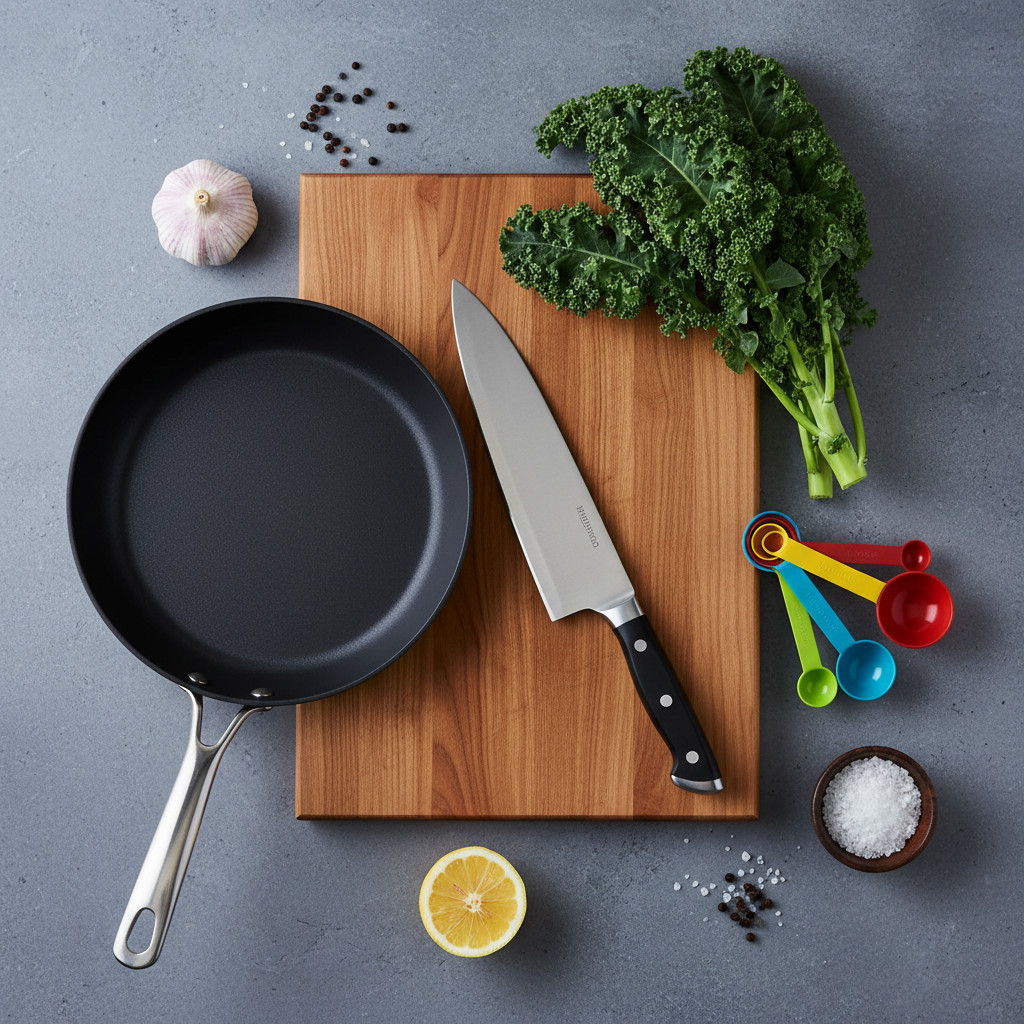
While you don’t need an extensive collection of expensive appliances to prepare healthy weight loss meals, certain tools significantly increase efficiency and expand your cooking capabilities. A quality set of food storage containers ranks among the most important investments for weight loss success. Glass containers with snap-lock lids in various sizes (single-serving, meal-sized, and larger containers for batch-cooked items) allow you to safely store prepared meals and ingredients while seeing contents at a glance. Unlike plastic alternatives, glass containers don’t absorb odors or stains, can go from refrigerator to oven or microwave safely, and last indefinitely with proper care. Budget approximately $100-150 for a comprehensive set that will serve you for years.
A digital kitchen scale enables precise portion control and helps you learn appropriate serving sizes until they become intuitive. Scales measuring in both grams and ounces with at least 2-3 kilogram capacity work well for most cooking needs and are available throughout New Zealand for $20-50. Similarly, a set of measuring cups and spoons ensures accuracy when following recipes or portioning calorie-dense ingredients like oils, nuts, or grains. For protein preparation, a reliable digital meat thermometer ($15-30) ensures chicken, fish, beef, and lamb are cooked to safe temperatures without overcooking, which often makes people avoid lean proteins they find dry or tough.
Regarding cooking appliances, a slow cooker offers tremendous value for busy New Zealanders pursuing weight loss. These appliances allow you to combine ingredients in the morning and return home to a fully cooked, healthy meal—removing the temptation to order takeaways on busy evenings. Basic slow cookers cost $40-80, while more advanced models with programmable settings and automatic warming functions cost $100-150. An air fryer represents another popular appliance for weight loss cooking, using minimal oil to create crispy textures without deep frying. While not essential, air fryers ($100-250 depending on size and features) excel at preparing foods like kumara fries, crispy chicken, or roasted vegetables with excellent results and minimal added fat. These appliances, combined with basic pots, pans, and baking sheets you likely already own, provide everything needed to execute the weight loss meal strategies outlined in this article.
Organization and Storage Solutions
Beyond cooking equipment, organizing your New Zealand kitchen to support weight loss meal preparation makes healthy eating more convenient and appealing. A well-organized refrigerator with clearly visible, accessible healthy foods increases the likelihood you’ll choose these options when hungry. Consider dedicating specific refrigerator zones to prepared foods: one shelf for pre-cut vegetables and salad components, another for prepared proteins, and a section for complete ready-to-eat meals. Clear containers allow you to see contents at a glance, and keeping these items at eye level (rather than hidden in crisper drawers) makes them more likely to be consumed.
Your pantry organization similarly influences food choices and cooking efficiency. Group similar items together—all grains in one area, canned goods in another, oils and condiments in their own section. This organization allows you to quickly assess what ingredients you have when planning meals and prevents purchasing duplicates. For weight loss specifically, store less healthy treats and snacks (if you keep them at all) in less convenient locations like high shelves or the back of cupboards, while keeping healthy snacks like portion-controlled nuts, wholefood bars, or rice cakes in easily accessible spots. This strategic placement leverages the psychological principle that people tend to eat what’s most convenient and visible.
A dedicated meal prep space in your kitchen or dining area supports weekly planning and preparation activities. This might be as simple as a cleared section of counter space where you can layout ingredients, or a small table where you work during food preparation sessions. Having your recipes, shopping lists, and meal plans readily accessible in this space—whether in a binder, on a bulletin board, or via a tablet—creates a command center for your weight loss meal strategy. Some New Zealanders find it helpful to post their weekly meal plan on the refrigerator so all family members know what to expect and you maintain accountability to your plan. These organizational strategies might seem minor, but they collectively create an environment that supports your weight loss goals rather than working against them, making healthy choices the path of least resistance in your own home.
Tracking Progress and Staying Motivated
Creating excellent weight loss meals represents just one component of success—monitoring your progress and maintaining motivation through the inevitable challenges ensures you reach your goals. This section addresses these crucial aspects.
Measurement Methods Beyond the Scale
While the bathroom scale provides one measure of progress, relying exclusively on scale weight often creates frustration and fails to capture the full picture of your body composition changes. Weight naturally fluctuates day-to-day due to water retention, hormonal cycles, digestive contents, and other factors unrelated to actual fat loss or gain. Weighing yourself daily can therefore provide misleading information that affects your mood and motivation unnecessarily. A more balanced approach involves weighing yourself once or twice weekly at the same time of day (preferably first thing in the morning after using the bathroom) and tracking the general trend over weeks rather than focusing on daily fluctuations.
Body measurements provide valuable progress information that the scale cannot capture. Using a soft measuring tape, record measurements of your waist (at narrowest point), hips (at widest point), chest, and upper arms every 2-4 weeks. Many people lose centimeters even during periods when scale weight remains stable, particularly if they’re exercising and building or maintaining muscle tissue. Taking progress photographs from multiple angles (front, side, back) every 2-4 weeks offers another powerful measurement tool. While you see yourself daily and may not notice gradual changes, comparing photographs separated by several weeks or months often reveals significant visual progress that motivates continued effort. Store these measurements and photos privately but where you can easily access them during moments when you need a motivation boost.
Beyond physical measurements, tracking non-scale victories provides meaningful motivation and acknowledges the numerous benefits of healthy eating beyond appearance. Notice improvements in energy levels, sleep quality, mood stability, clothing fit, physical capabilities (walking farther, climbing stairs more easily), and medical markers like blood pressure or blood sugar if you have these measured. Many New Zealanders pursuing weight loss report these quality-of-life improvements as ultimately more meaningful than the number on the scale. Keeping a brief journal noting these observations helps you recognize progress even during periods when weight loss temporarily plateaus, which is a normal part of the process that discourages many people if they’re focusing solely on scale weight.
Building Sustainable Habits and Long-Term Success
The weight loss meal strategies outlined throughout this article work reliably when applied consistently over time, but transforming knowledge into sustained behavior change represents the real challenge. Successful long-term weight loss requires developing habits—automated behaviors that you perform almost unconsciously—rather than relying on motivation and willpower, which naturally fluctuate. The key to habit formation is starting with manageable changes, practicing them consistently until they feel natural, then gradually adding additional positive behaviors once earlier changes have become automatic.
Rather than attempting to overhaul your entire diet overnight, consider implementing one or two new habits each week or two. Perhaps you start with the simple habit of eating protein at breakfast, getting that established over 2-3 weeks until it feels routine. Then add the habit of preparing vegetables immediately after grocery shopping so they’re ready to incorporate into meals. Next, establish the habit of planning meals every Sunday afternoon. This gradual, systematic approach proves far more sustainable than attempting dramatic changes all at once, overwhelming yourself, and abandoning the effort entirely. Each small habit, once established, compounds with others to create the overall healthy eating pattern that produces weight loss results.
Anticipating and planning for obstacles prevents them from derailing your progress. Consider common challenges you’re likely to face—busy work periods, social events, holidays, emotional stress, travel, or simply losing motivation—and develop specific strategies for each scenario before you encounter them. For instance, if you know certain social situations trigger overeating, plan ahead by eating a small, protein-rich snack before attending so you’re not ravenously hungry, and decide in advance which foods you’ll enjoy and in what portions. If emotional stress typically drives you to comfort food, develop your alternative coping strategies as discussed earlier and commit to trying them before turning to food. This proactive problem-solving approach, rather than reactive “I’ll deal with it when it happens” thinking, dramatically improves your ability to navigate challenges successfully.
Finally, recognize that perfect consistency is neither necessary nor realistic for long-term success. You will have days when you don’t follow your plan perfectly, and this is completely normal and acceptable. The difference between people who successfully lose weight and maintain that loss versus those who don’t isn’t that successful people never have off-plan days—it’s that they get back to their healthy eating pattern at the very next meal rather than letting one imperfect meal derail multiple days or weeks. This self-compassion and ability to immediately resume healthy behaviors without guilt or all-or-nothing thinking represents perhaps the most important mindset for sustainable weight loss. Your goal is progress, not perfection, and the cumulative effect of mostly healthy choices made consistently over months creates the results you’re seeking.
Final Words
Mastering weight loss meals at home in New Zealand requires no special secrets, expensive products, or restrictive approaches that leave you feeling deprived. Instead, success comes from understanding fundamental nutrition principles, leveraging New Zealand’s exceptional local ingredients, developing efficient planning and preparation systems, and building sustainable habits that fit your lifestyle. The strategies outlined in this comprehensive guide provide everything you need to transform your kitchen into a weight loss meal command center, but knowledge alone changes nothing—implementation creates results.
Start where you are, with what you have, and build gradually. Perhaps this week you focus on planning your meals in advance and shopping accordingly. Next week you might add a Sunday meal prep session. The following week you implement the balanced plate method at dinners. Small, consistent actions compound into significant results over time. Remember that New Zealand’s seasonal produce, quality proteins, and fresh ingredients position you perfectly for success—you simply need to organize these resources strategically and prepare them in ways that support your goals.
The journey to your goal weight won’t be perfectly linear, and you’ll face challenges and setbacks along the way. What distinguishes successful individuals isn’t avoiding all obstacles but rather persisting despite them, learning from difficulties, and continually refining their approach. Every meal represents a fresh opportunity to nourish your body appropriately, and the mastery you’re developing extends far beyond weight loss—you’re building food literacy, cooking skills, and healthy habits that will serve you throughout your entire life. Your future self will thank you for the investment you’re making today in learning to prepare delicious, nutritious weight loss meals in your own home. Now close this article, choose one strategy to implement immediately, and take that first practical step toward the healthier, more confident version of yourself you’re creating.