Planning a gathering with family and friends brings excitement, but the thought of feeding a large group can quickly become overwhelming. Whether you’re hosting a backyard barbecue, organizing a church potluck, planning a birthday celebration, or preparing for a holiday feast, finding recipes that satisfy everyone while remaining budget-friendly and manageable is essential. Chicken stands out as the ultimate solution—it’s versatile, affordable, widely loved, and incredibly forgiving when it comes to scaling up recipes. The challenge isn’t whether to serve chicken, but rather which of the countless delicious preparations will make your event truly memorable. This comprehensive guide walks you through everything you need to know about selecting, preparing, and serving chicken dishes that will have your guests coming back for seconds and asking for recipes long after the party ends.
Table of Contents
- Why Chicken is Perfect for Feeding Large Groups
- Essential Tips for Cooking Chicken for a Crowd
- Planning Portions and Quantities
- Preparation and Timing Strategies
- Classic Baked Chicken Recipes That Scale Beautifully
- Oven-Roasted Chicken Pieces with Herbs
- Sheet Pan Chicken Fajitas
- Slow Cooker and Instant Pot Chicken Dishes
- Creamy Chicken and Rice
- Pulled Chicken for Sandwiches
- Grilled Chicken Options for Outdoor Gatherings
- BBQ Chicken Quarters
- Marinated Chicken Skewers
- International Chicken Recipes for Crowd Appeal
- Indian-Style Butter Chicken
- Mexican Chicken Enchiladas
- Make-Ahead Chicken Casseroles
- Serving Suggestions and Side Dish Pairings
- Final Words
Why Chicken is Perfect for Feeding Large Groups
When it comes to crowd-pleasing proteins, chicken reigns supreme for several compelling reasons that make it the go-to choice for experienced hosts and entertaining novices alike. Understanding these advantages helps you appreciate why chicken should be your first consideration when menu planning for large gatherings.
Affordability and availability make chicken an economical choice that won’t break your budget. Compared to beef, seafood, or specialty meats, chicken consistently offers better value per serving, especially when purchased in bulk quantities. Most grocery stores and warehouse clubs offer significant discounts on family packs, whole chickens, and large quantities of specific cuts. This cost-effectiveness becomes particularly important when feeding fifteen, twenty, or more people, where every dollar saved per serving adds up to substantial overall savings. Additionally, chicken is readily available year-round without seasonal price fluctuations that affect other proteins.
Universal appeal represents another significant advantage of chicken-based menus. Unlike more polarizing proteins such as fish or lamb, chicken enjoys nearly universal acceptance across different age groups, cultural backgrounds, and dietary preferences. Children who might turn their noses up at unfamiliar foods typically embrace chicken dishes, while adults appreciate its lighter profile compared to red meat. This broad acceptance reduces the stress of menu planning since you can confidently prepare chicken knowing that the vast majority of your guests will enjoy it. Even picky eaters generally find at least one chicken preparation they’ll happily consume.
Versatility in preparation methods gives you countless options for customizing dishes to match your event’s style, your cooking equipment, and your skill level. Chicken adapts beautifully to virtually every cooking technique—baking, grilling, slow cooking, pressure cooking, frying, and sautéing. This flexibility means you can choose preparation methods that align with your kitchen capabilities and time constraints. Whether you prefer hands-off slow cooker recipes or impressive grilled presentations, chicken accommodates your approach while delivering delicious results.
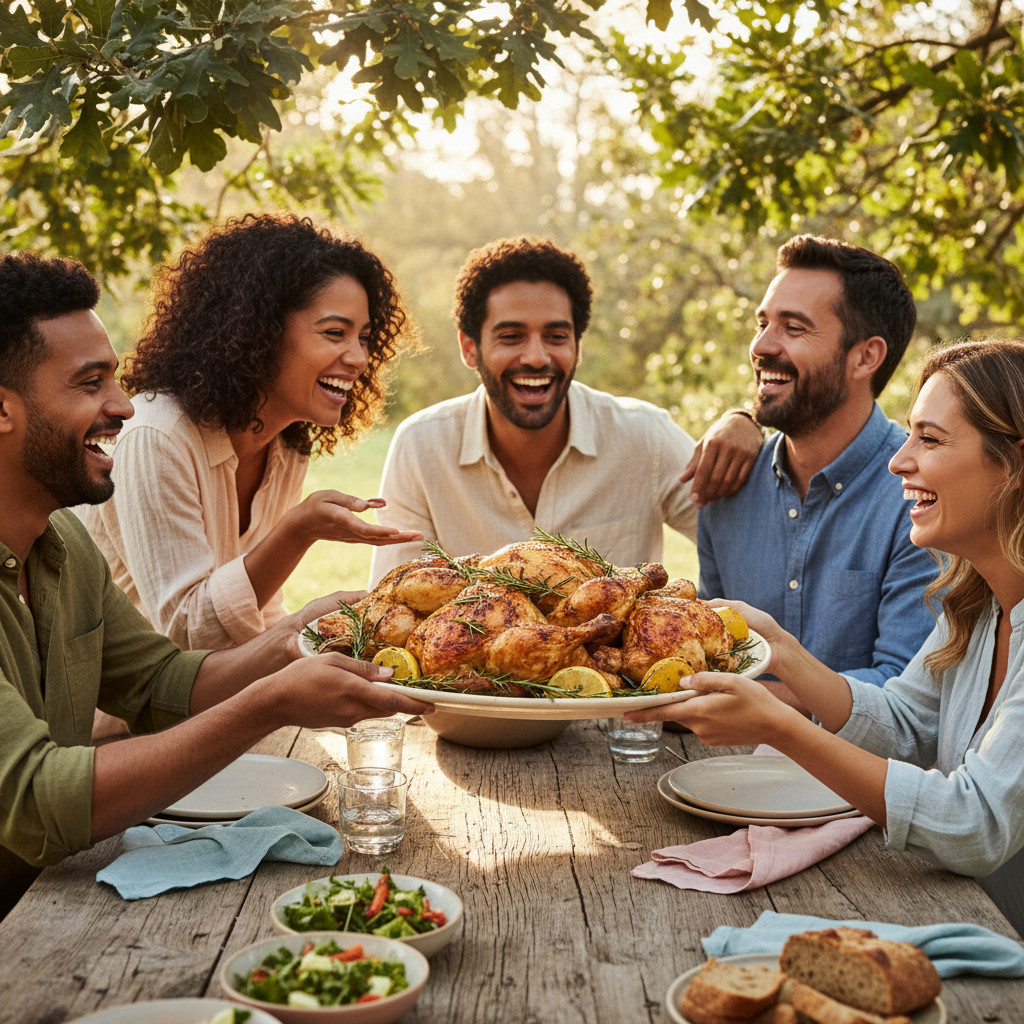
Dietary accommodation becomes significantly easier when building your menu around chicken. This lean protein naturally fits into numerous dietary frameworks including low-carb, paleo, keto, and gluten-free eating patterns. For guests watching their calorie intake or following heart-healthy diets, chicken (especially white meat) provides satisfying nutrition without excessive fat or calories. With thoughtful seasoning and side dish selections, you can create chicken-centered menus that accommodate multiple dietary needs simultaneously without preparing entirely separate meals.
Essential Tips for Cooking Chicken for a Crowd
Successfully executing chicken dishes for large groups requires more than just multiplying a recipe designed for four people. Strategic planning, proper techniques, and smart timing ensure your chicken dishes emerge perfectly cooked, properly seasoned, and ready to serve when your guests are hungry.
Planning Portions and Quantities
Determining how much chicken to prepare represents one of the most critical planning decisions, and getting it right prevents both embarrassing shortages and wasteful excess. The standard recommendation suggests planning for approximately six to eight ounces of bone-in chicken per adult, or four to six ounces of boneless chicken per person. However, several factors influence these baseline estimates and require adjustment based on your specific circumstances.
Consider the meal context when calculating quantities. If chicken serves as the sole protein with minimal side dishes, increase your estimates toward the higher end of the range. Conversely, when offering multiple protein options or particularly hearty side dishes, you can safely plan toward the lower estimates. The nature of your gathering also matters significantly—casual afternoon gatherings typically see lighter consumption than evening dinner parties, while events featuring primarily adult men often require more generous portions than those with many children or senior citizens attending.
Account for cooking method and bone content when making purchasing decisions. Bone-in chicken pieces lose approximately twenty-five to thirty percent of their weight during cooking through moisture evaporation and fat rendering, while boneless cuts lose about twenty percent. These losses mean you’ll need to purchase more raw chicken than the cooked weight you plan to serve. Additionally, remember that bones themselves contribute to pre-cooked weight but obviously don’t provide edible portions. When using whole chickens, expect roughly forty to forty-five percent of the total weight to come from bones, skin, and non-meat portions.
Create a buffer for your estimates by purchasing ten to fifteen percent more chicken than your calculations suggest you’ll need. This cushion accommodates unexpectedly hungry guests, last-minute additions to your guest list, and the reality that popular dishes often get consumed more quickly than anticipated. Leftover cooked chicken rarely goes to waste—it refrigerates beautifully for several days and freezes successfully for future meals, making slight over-purchasing a low-risk strategy that provides valuable insurance against running short.
Preparation and Timing Strategies
Managing timing becomes exponentially more complex when cooking for crowds, making advance preparation and strategic scheduling essential for stress-free execution. The most successful large-gathering cooks rely on detailed timelines and maximize make-ahead opportunities whenever possible.
Develop a reverse timeline working backward from your serving time. Start by determining when you want to serve the meal, then calculate how long the chicken needs to rest after cooking, the actual cooking time, any marinating periods, and the preparation time required. Document each step with specific times, creating a written schedule you can reference throughout the cooking process. This approach prevents the common mistake of starting too late and serving delayed or undercooked food, or starting too early and struggling to keep food at proper serving temperature.
Maximize make-ahead preparation to reduce your workload during the actual event. Many chicken dishes benefit from advance seasoning, marinating, or even partial cooking that can occur the day before your gathering. Marinades typically develop deeper flavor when allowed to work for twelve to twenty-four hours rather than just an hour or two. Casserole-style dishes can often be fully assembled the previous day, refrigerated, and then baked shortly before serving. Even simple tasks like trimming chicken pieces, preparing seasoning blends, chopping vegetables for sides, or organizing serving platters the day before significantly reduces your stress on the event day.
Consider equipment limitations that might affect your timing and recipe selection. Most home kitchens have single ovens with limited capacity, which constrains how much chicken you can cook simultaneously. If your oven can accommodate two large sheet pans, you might successfully bake chicken for twelve to fifteen people at once, but feeding twenty-five or more guests requires either cooking in batches or selecting alternative methods like grilling or slow cooking that provide greater capacity. Similarly, if you’re grilling, assess your grill’s actual cooking surface and realistic batch size. Don’t forget that side dishes also need cooking space and time, so coordinate your chicken preparation method with your complete menu requirements.
Classic Baked Chicken Recipes That Scale Beautifully
Oven-baked chicken dishes offer tremendous advantages for crowd cooking—consistent results, hands-off preparation, and the ability to cook large quantities simultaneously. These recipes deliver impressive presentations with minimal active cooking time, freeing you to focus on other hosting duties.
Oven-Roasted Chicken Pieces with Herbs
This timeless preparation showcases chicken’s natural flavors enhanced with aromatic herbs and produces beautiful golden-brown pieces with crispy skin and juicy meat. The technique scales effortlessly from feeding eight to feeding fifty, requires minimal prep work, and accommodates various seasoning preferences.
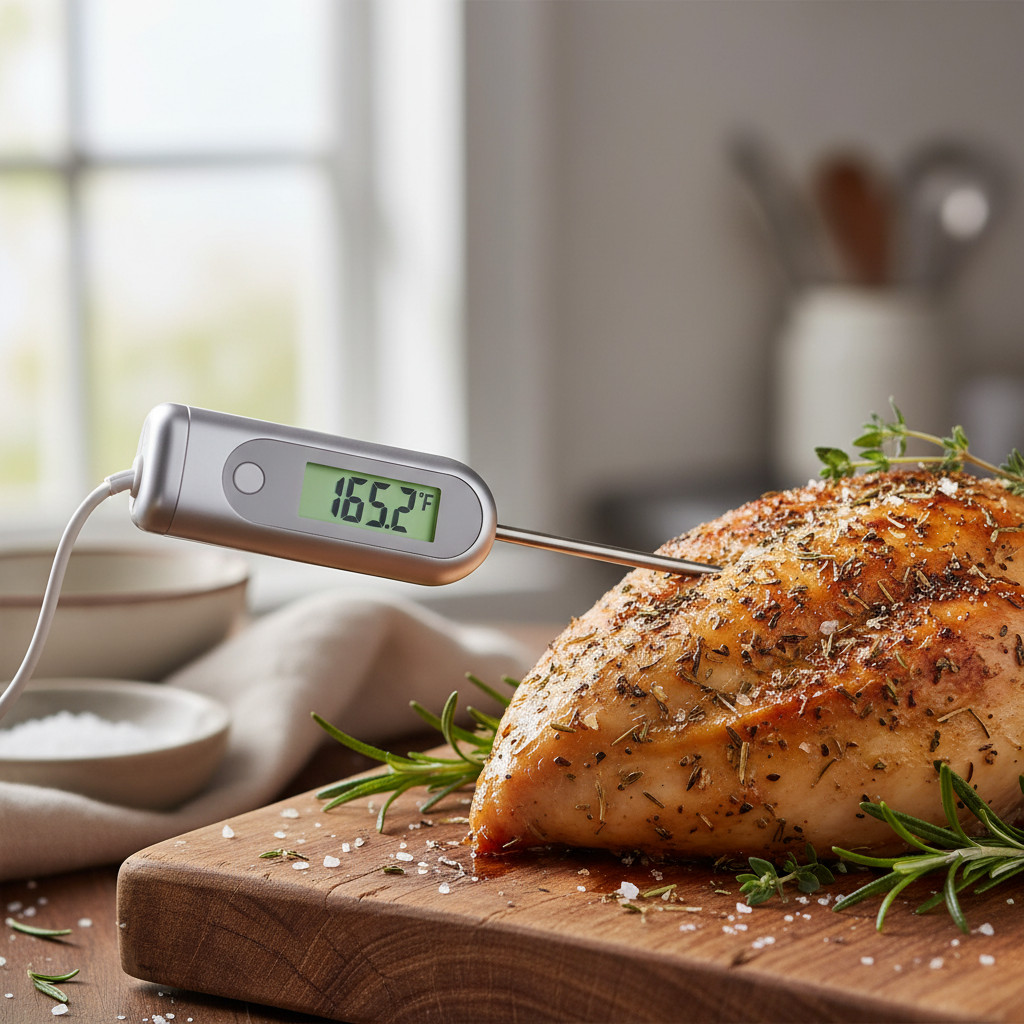
Begin by arranging chicken pieces (legs, thighs, breasts, and wings work beautifully) in a single layer on rimmed baking sheets lined with parchment paper or aluminum foil for easy cleanup. Avoid overcrowding—pieces should have slight space between them to allow proper air circulation and browning. Pat the chicken completely dry with paper towels since moisture on the surface prevents crisping. Drizzle with olive oil or melted butter, then season generously with salt, freshly ground black pepper, garlic powder, and a mixture of dried herbs such as rosemary, thyme, oregano, and sage. For added depth, incorporate smoked paprika, onion powder, or lemon zest into your seasoning blend.
Roast the chicken in a preheated oven set between 400°F and 425°F, which provides the ideal balance of thorough cooking and exterior browning. Bone-in, skin-on pieces typically require thirty-five to forty-five minutes depending on their size, while boneless, skinless breasts need only twenty-five to thirty minutes. Use an instant-read thermometer to verify doneness—chicken is safely cooked when it reaches an internal temperature of 165°F at the thickest part. Allow the chicken to rest for five to ten minutes after removing it from the oven, which allows juices to redistribute throughout the meat, ensuring moist, tender results.
Customization options make this basic technique endlessly adaptable. Create an Italian variation by using a blend of basil, oregano, sun-dried tomatoes, and Parmesan cheese. For French-inspired flavors, combine herbes de Provence with Dijon mustard and white wine. A Mediterranean version might feature oregano, lemon, garlic, and olives, while a Southwestern spin could incorporate cumin, chili powder, lime, and cilantro. The fundamental technique remains the same regardless of seasoning choices, giving you a reliable foundation that accommodates diverse flavor preferences.
Sheet Pan Chicken Fajitas
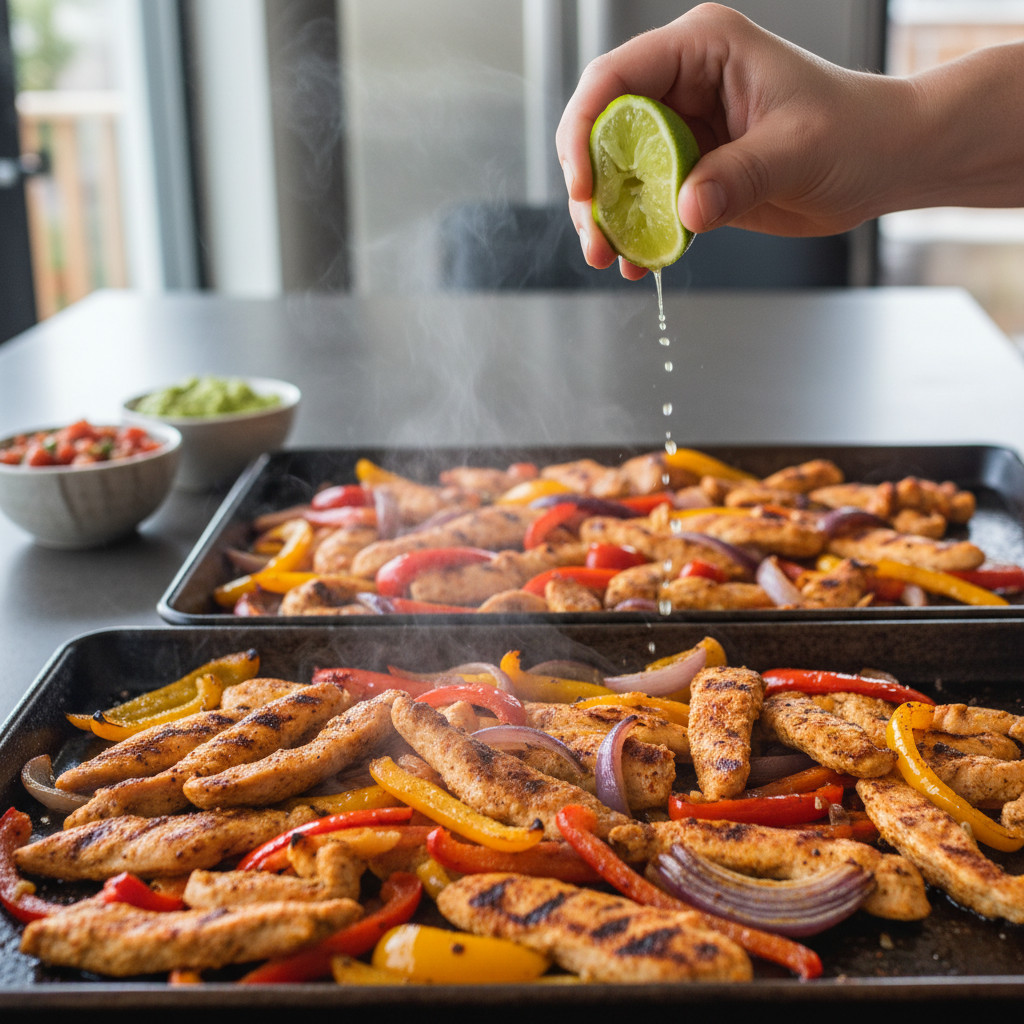
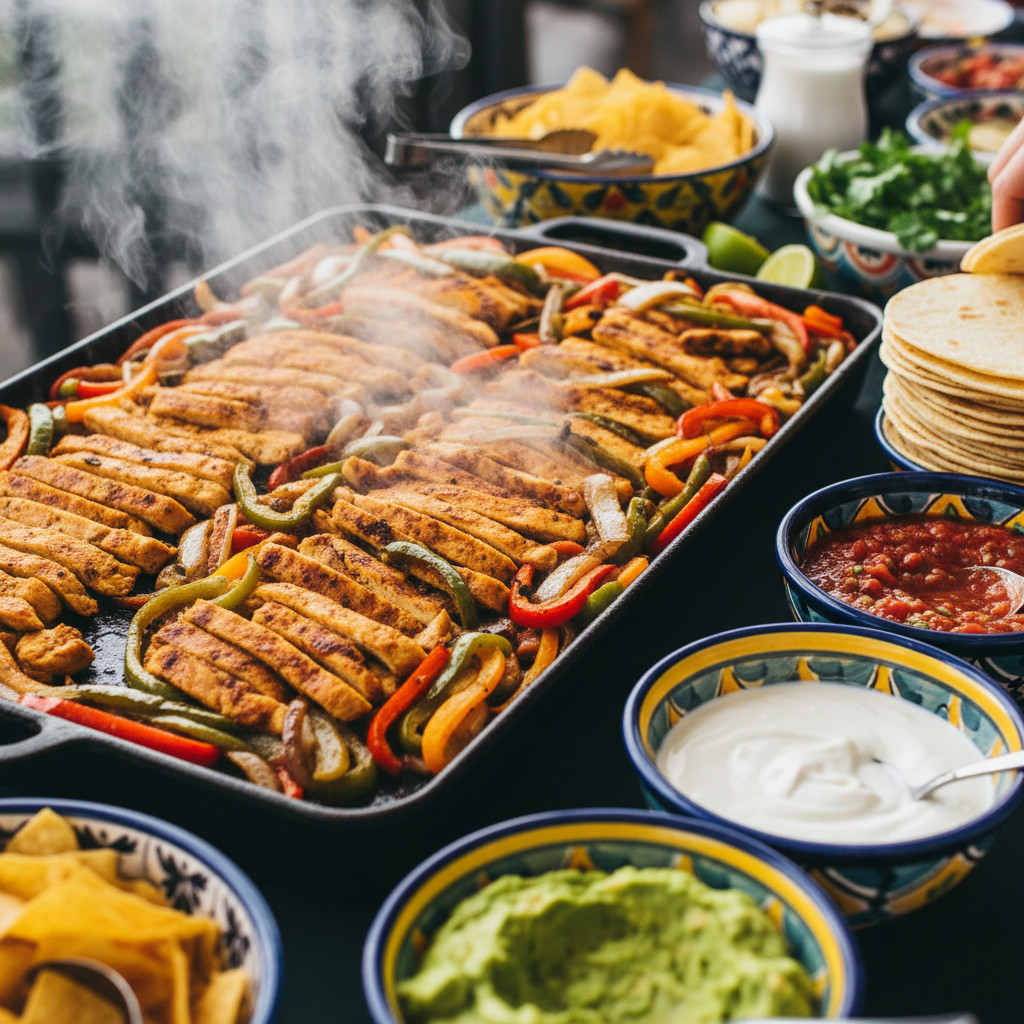
Sheet pan chicken fajitas deliver restaurant-quality Tex-Mex flavors with remarkable simplicity, making them ideal for casual gatherings, game day parties, and family-style meals. This hands-off approach cooks protein and vegetables simultaneously, reducing both prep work and cleanup while providing a interactive dining experience guests love.
Slice boneless, skinless chicken breasts or thighs into strips approximately one-half inch wide. In a large bowl, toss the chicken with olive oil, lime juice, minced garlic, chili powder, cumin, paprika, oregano, salt, and pepper, ensuring every piece is well coated. Prepare your vegetables by slicing bell peppers (use multiple colors for visual appeal) and onions into similar-sized strips. The vegetable quantities should roughly equal the chicken volume—for three pounds of chicken, use about three large bell peppers and two large onions.
Spread the seasoned chicken and vegetables in a single layer across one or more large rimmed baking sheets, avoiding overlap which would cause steaming rather than roasting. Roast in a 425°F oven for approximately twenty to twenty-five minutes, stirring everything halfway through the cooking time to ensure even browning. The chicken should be fully cooked with lightly charred edges, while the vegetables become tender with slightly caramelized surfaces that concentrate their natural sweetness.
Serving station setup transforms this dish from good to great when feeding crowds. Arrange warm flour or corn tortillas (wrapped in foil and heated in the oven during the final few minutes of chicken cooking), the hot fajita mixture, and an array of toppings buffet-style so guests can build their perfect combination. Essential accompaniments include shredded cheese, sour cream, guacamole, salsa, chopped cilantro, lime wedges, and sliced jalapeños. This self-service approach accommodates different preferences, dietary needs, and appetites while creating a fun, engaging dining experience. The fajita mixture can also be held warm in a slow cooker set to low heat if you need to maintain serving temperature over an extended period.
Slow Cooker and Instant Pot Chicken Dishes
Electric multi-cookers and slow cookers revolutionize crowd cooking by delivering tender, flavorful results with minimal attention, precious oven space, or complex technique. These appliances excel at transforming economical chicken cuts into impressive dishes that remain perfectly warm throughout your gathering.
Creamy Chicken and Rice
This comfort food classic combines protein and starch in one satisfying dish that appeals to guests of all ages. The slow cooker version requires virtually no hands-on time, while the Instant Pot variation delivers similar results in a fraction of the time, giving you flexibility based on your schedule.
For the slow cooker method, place three to four pounds of boneless, skinless chicken thighs (which remain more tender than breasts during extended cooking) in the bottom of a six-quart or larger slow cooker. Add two cups of long-grain white rice (avoid quick-cooking or instant varieties), four cups of chicken broth, one can of cream of mushroom soup (or homemade white sauce for a from-scratch approach), one diced onion, three minced garlic cloves, one teaspoon of dried thyme, and salt and pepper to taste. Stir everything together, ensuring the rice is submerged in liquid. Cook on low for six to seven hours or high for three to four hours until the chicken shreds easily and the rice has absorbed the liquid and turned creamy.
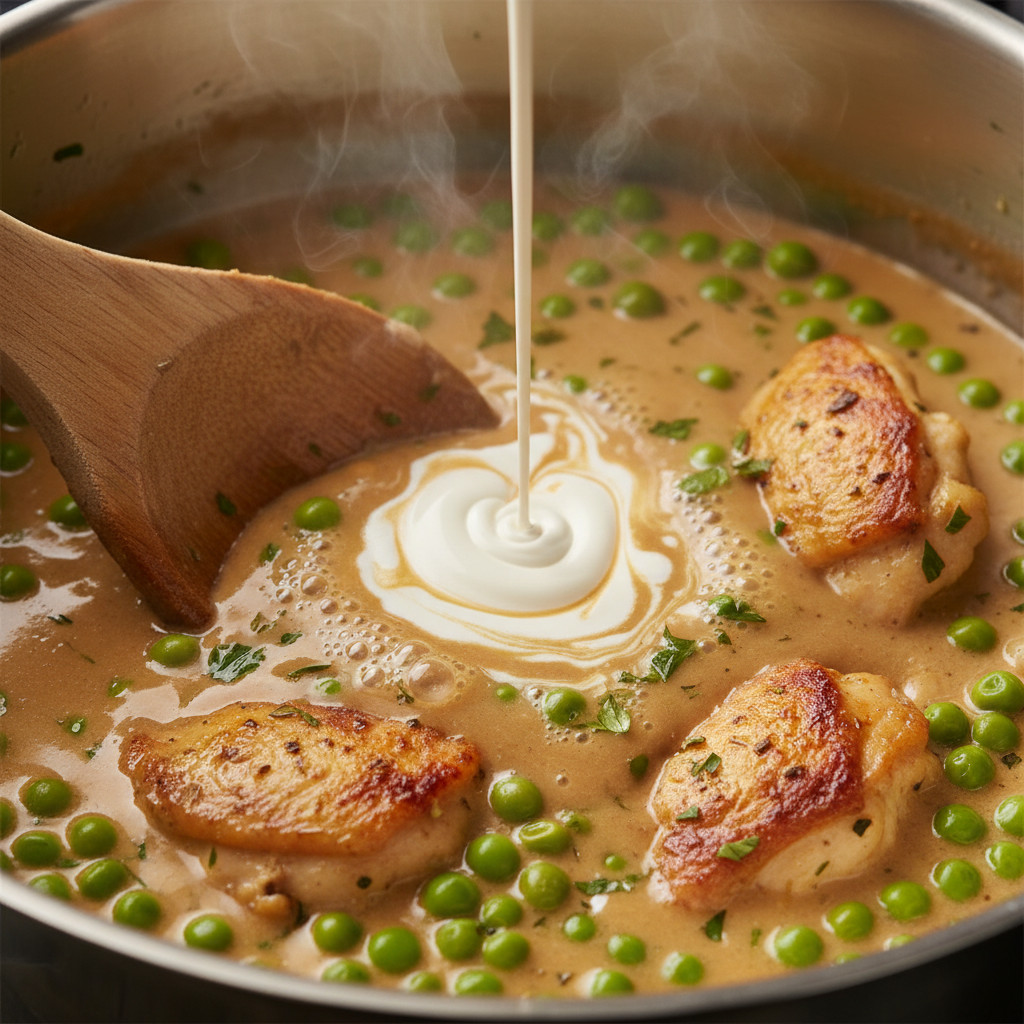
About thirty minutes before serving, remove the chicken pieces, shred them with two forks, then return the shredded meat to the pot. Stir in two cups of frozen peas or mixed vegetables and one cup of heavy cream or sour cream for added richness. Allow these final additions to heat through. The result is a creamy, cohesive dish with tender chicken, fluffy rice, and a subtle sauce that binds everything together. This dish holds beautifully on the warm setting for hours, making it perfect for gatherings where guests serve themselves over an extended period.
The Instant Pot adaptation follows similar ingredient proportions but dramatically reduces cooking time. Use the sauté function to brown the chicken pieces lightly (optional but recommended for deeper flavor), then add the rice, broth, soup, aromatics, and seasonings. Secure the lid, set the valve to sealing, and pressure cook on high for ten minutes. Allow a natural pressure release for ten minutes before quick-releasing any remaining pressure. Shred the chicken, stir in vegetables and cream, then use the sauté function for a few minutes to thicken the mixture if needed. This approach delivers dinner-ready results in under an hour, ideal when you’re working with a compressed timeline.
Pulled Chicken for Sandwiches
Versatile pulled chicken provides the foundation for countless serving options—traditional sandwiches, lettuce wraps, nachos, loaded baked potatoes, or salads—making it an excellent choice when feeding crowds with diverse preferences. Both slow cooker and Instant Pot methods produce perfectly shreddable, deeply flavored chicken.
Basic preparation begins with four to five pounds of boneless, skinless chicken breasts or thighs placed in your cooking vessel. Add one to one and a half cups of liquid—chicken broth, barbecue sauce, salsa, Buffalo wing sauce, or Italian dressing all work beautifully depending on your flavor direction. Season with salt, pepper, garlic powder, onion powder, and any additional spices that complement your chosen sauce. Slow cooker method requires six to eight hours on low or four to five hours on high, while Instant Pot preparation uses fifteen minutes of high pressure cooking followed by natural release.
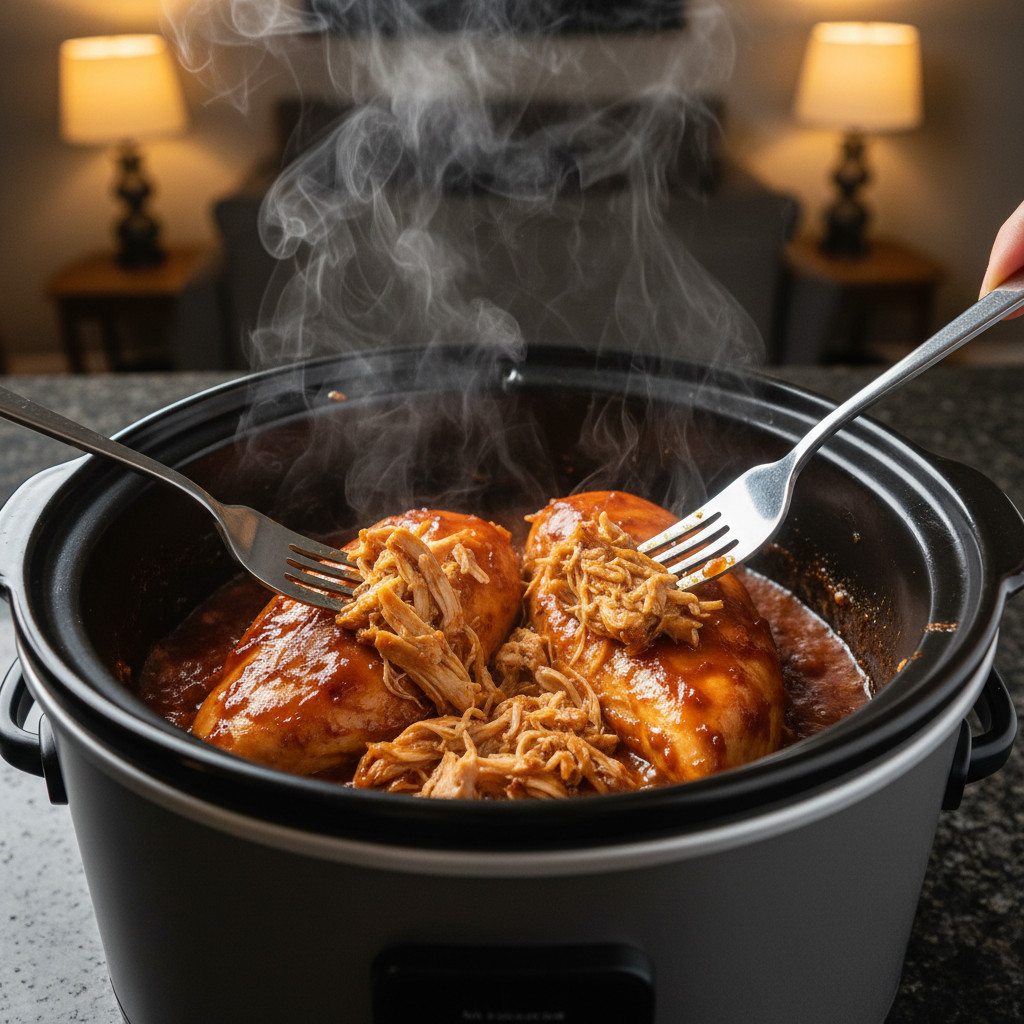
After cooking, remove the chicken and shred it thoroughly using two forks or a stand mixer with the paddle attachment (which makes quick work of large quantities). Return the shredded meat to the cooking liquid and stir well, allowing the chicken to absorb the flavorful juices. At this point, you can adjust seasoning, add more sauce if desired, or thicken the mixture by simmering it uncovered.
Flavor variations provide endless customization possibilities:
-
Classic BBQ: Use your favorite barbecue sauce combined with a splash of apple cider vinegar and a tablespoon of brown sugar. Serve on toasted buns with coleslaw and pickle chips.
-
Buffalo Style: Mix equal parts hot sauce and melted butter with a ranch dressing packet. Serve on rolls with ranch dressing, celery, and blue cheese crumbles.
-
Hawaiian: Combine teriyaki sauce, pineapple juice, and crushed pineapple. Serve with grilled pineapple rings and Asian slaw.
-
Mexican: Use salsa verde, cumin, chili powder, and lime juice. Serve in tortillas with cilantro, onions, and cotija cheese.
-
Italian: Combine Italian dressing, sun-dried tomatoes, and Italian seasoning. Serve on crusty rolls with melted mozzarella and fresh basil.
The pulled chicken stays warm and moist in the slow cooker or Instant Pot set to warm mode for hours, making it ideal for buffet-style serving or extended gatherings where guests arrive at different times.
Grilled Chicken Options for Outdoor Gatherings
When weather permits, moving the cooking outdoors offers distinct advantages—keeping heat out of your kitchen, providing entertainment value as guests watch the grilling process, and delivering the unmistakable smoky flavor that only live-fire cooking produces. These grilled chicken recipes maximize your grill space while minimizing complexity.
BBQ Chicken Quarters
Chicken quarters (leg and thigh portions still connected) offer exceptional value, remain moist during grilling, and provide generous portions that satisfy hearty appetites. This economical cut delivers rich, dark meat flavor that stands up beautifully to bold barbecue seasonings and sauces.
Preparation begins the day before for best results, though you can compress the timeline if necessary. Pat the chicken quarters dry and trim any excess skin or dangling fat. Season aggressively with a dry rub combining brown sugar, paprika, garlic powder, onion powder, black pepper, cayenne pepper, dry mustard, and salt. Apply the rub generously to all surfaces, pressing it firmly into the skin. Arrange the seasoned quarters on sheet pans, cover with plastic wrap, and refrigerate for at least four hours or up to twenty-four hours, allowing the seasonings to penetrate the meat and the surface to dry slightly, which promotes better browning.
Two-zone grilling delivers optimal results by combining indirect and direct heat zones. Prepare your grill with coals or burners lit on only one side, creating a hot direct-heat zone and a cooler indirect zone. Start the chicken quarters skin-side up over indirect heat with the lid closed, maintaining a grill temperature around 350°F to 375°F. Cook for thirty to thirty-five minutes, then flip the quarters and continue cooking for another fifteen to twenty minutes. During the final ten minutes, move the quarters to direct heat to crisp the skin, brushing them with your favorite barbecue sauce. Apply multiple thin layers of sauce rather than one thick coating, which prevents burning and builds better flavor complexity.
Managing large quantities requires strategic planning since most home grills accommodate eight to twelve quarters comfortably. For larger crowds, cook in batches, keeping finished quarters warm in a low oven (200°F) loosely tented with foil. Alternatively, fully cook the quarters earlier in the day using the grill, then finish them in a 350°F oven for ten to fifteen minutes just before serving, which reheats them thoroughly while refreshing the glaze. This approach allows you to manage the intensive grilling work at your convenience rather than during the hectic final hour before guests arrive.
Marinated Chicken Skewers
Skewered chicken pieces marinate quickly, cook rapidly, and provide excellent portion control—each guest can easily take the number of skewers matching their appetite. The dramatic presentation of colorful skewers arranged on a platter creates visual impact that elevates your table.
Marinade preparation forms the foundation of flavorful skewers. Cut boneless, skinless chicken breasts or thighs into one-and-a-half-inch cubes, ensuring relatively uniform sizes for even cooking. Prepare a marinade with acid (lemon juice, lime juice, or vinegar), oil (olive or vegetable), aromatics (minced garlic, grated ginger, or diced onion), and seasonings. Popular combinations include Greek (lemon, olive oil, oregano, garlic), Teriyaki (soy sauce, mirin, ginger, sesame oil), Tandoori (yogurt, curry spices, lemon, garlic), and Caribbean Jerk (allspice, thyme, scotch bonnet peppers, lime). Combine chicken and marinade in zip-top bags or covered containers, refrigerate for two to four hours (but no longer than eight hours, as excessive acid exposure can make the chicken mushy).
Threading skewers requires some attention to detail for optimal results. If using wooden skewers, soak them in water for at least thirty minutes to prevent burning. Thread chicken pieces onto skewers leaving slight space between each piece to ensure even heat exposure. For visual appeal and additional flavor, alternate chicken pieces with vegetables like bell peppers, onions, cherry tomatoes, or pineapple chunks. Plan for two to three skewers per person as a main course portion, or one skewer per person if serving as an appetizer alongside other dishes.
Grilling technique for skewers emphasizes direct heat and frequent turning. Preheat your grill to medium-high heat (approximately 400°F to 450°F) and oil the grates thoroughly to prevent sticking. Arrange skewers perpendicular to the grill grates and cook for three to four minutes per side, turning quarter-turns to cook all four sides evenly. Total cooking time runs twelve to fifteen minutes until the chicken reaches 165°F internal temperature. The exterior should develop attractive grill marks and slight char while the interior remains juicy. Avoid the temptation to constantly flip the skewers—allowing each side to cook undisturbed for several minutes develops better flavor through proper caramelization.
International Chicken Recipes for Crowd Appeal
Exploring global flavors adds excitement to crowd menus, introduces guests to new taste experiences, and demonstrates culinary ambition that makes your gathering memorable. These internationally-inspired recipes scale successfully while remaining accessible to typical American palates.
Indian-Style Butter Chicken
Also known as murgh makhani, this beloved North Indian dish combines tender chicken pieces in a luxuriously creamy, tomato-based sauce fragrant with warm spices. Despite its restaurant-quality results, the preparation is surprisingly straightforward and scales beautifully for feeding groups.
The marinade develops the foundation of flavor. Combine boneless, skinless chicken pieces (cut into bite-sized chunks) with plain yogurt, lemon juice, minced garlic, grated ginger, garam masala, ground cumin, ground coriander, turmeric, and cayenne pepper. The yogurt’s enzymes tenderize the meat while the spices infuse their complex flavors. Marinate for at least one hour or up to overnight in the refrigerator.
Cooking proceeds in stages for optimal depth of flavor. First, cook the marinated chicken—you can grill it, broil it, or sauté it in batches until lightly charred and mostly cooked through. Meanwhile, prepare the sauce by sautéing diced onions in butter until golden, then adding minced garlic, ginger, and whole spices like cardamom pods and cinnamon sticks. Stir in tomato puree or crushed tomatoes, additional garam masala, salt, and a touch of sugar to balance the acidity. Simmer the sauce for fifteen to twenty minutes until it thickens and the raw tomato flavor mellows.
Remove the whole spices, then blend the sauce until smooth using an immersion blender or traditional blender (working in batches if necessary). Return the sauce to the pot, stir in heavy cream and a generous amount of butter (this is where the “butter” in butter chicken comes from), then add the cooked chicken pieces. Simmer everything together for ten to fifteen minutes, allowing the flavors to marry and the chicken to finish cooking through. The resulting dish should be rich, velvety, and deeply aromatic with balanced spice that provides warmth without overwhelming heat.
Serving suggestions complete the experience. Present butter chicken with steamed basmati rice, warm naan bread, or both. Garnish with fresh cilantro, a drizzle of cream, and perhaps a sprinkle of dried fenugreek leaves if available. For crowds, keep the butter chicken warm in a slow cooker set to low, which maintains perfect serving temperature without continuing to cook the chicken. Consider preparing additional dishes like cucumber raita (yogurt sauce), mango chutney, and saag paneer (creamed spinach with cheese) to create a more complete Indian feast that offers variety and accommodates different spice tolerances.
Mexican Chicken Enchiladas
Enchiladas deliver authentic Mexican comfort food that guests love while offering exceptional make-ahead convenience—they can be fully assembled a day in advance, then baked shortly before serving. This quality makes them ideal for stress-free entertaining when feeding large groups.
Prepare the filling by combining shredded cooked chicken (use rotisserie chickens for convenience or any of the slow cooker/Instant Pot methods described earlier) with sautéed onions, diced green chiles, black beans, corn, cumin, chili powder, and a portion of shredded cheese. The filling should be well-seasoned and cohesive but not overly wet, which would make the tortillas soggy.
Assembly process works best as an efficient production line. Warm corn or flour tortillas briefly (wrapped in damp paper towels and microwaved for thirty seconds) to make them pliable and less likely to crack during rolling. Working with one tortilla at a time, spoon approximately one-third cup of filling down the center, roll it tightly, then place seam-side down in greased 9×13-inch baking dishes. Arrange enchiladas snugly against each other, which helps them maintain their shape during baking. A standard 9×13 pan holds about eight to ten enchiladas depending on their size.
Sauce options dramatically influence the final flavor profile. Red enchilada sauce (made from dried chiles, tomatoes, and spices) offers traditional, slightly smoky flavor with moderate heat. Green enchilada sauce (based on tomatillos and green chiles) provides brighter, tangier notes with varying heat levels. For a unique twist, cream-based white sauce (made with sour cream, green chiles, and chicken broth) delivers rich, mellow flavor that appeals to heat-sensitive guests. Purchase quality jarred sauces for convenience or prepare homemade versions for more control and deeper flavor.
Pour your chosen sauce generously over the assembled enchiladas, ensuring complete coverage. Top with additional shredded cheese (a Mexican blend or combination of Monterey Jack and cheddar works beautifully). At this point, the pans can be covered tightly with foil and refrigerated for up to twenty-four hours. When ready to serve, bake covered in a 350°F oven for twenty-five minutes, then remove the foil and bake an additional ten to fifteen minutes until the cheese melts and bubbles and the enchiladas are heated through. If baking directly without refrigeration, reduce the covered baking time to fifteen to twenty minutes.
Garnish the finished enchiladas with chopped fresh cilantro, sliced green onions, diced tomatoes, sliced olives, dollops of sour cream, and lime wedges. Serve with Spanish rice and refried beans for a complete Mexican feast that satisfies and impresses.
Make-Ahead Chicken Casseroles
Casseroles represent the ultimate crowd-feeding solution—they combine protein, starch, and often vegetables in one dish, they prepare entirely in advance, and they feed many people from a single pan. These comforting, satisfying recipes deliver home-style warmth that guests appreciate.
King Ranch Chicken Casserole, a Texas favorite, layers tortillas, seasoned chicken, cheese, and creamy sauce for Tex-Mex comfort food excellence. Begin with three to four cups of shredded cooked chicken. Prepare the sauce by combining one can each of cream of chicken and cream of mushroom soup with one can of Rotel tomatoes (or diced tomatoes with green chiles), one cup of chicken broth, and seasonings like cumin, chili powder, and garlic powder. Sauté diced onions and bell peppers until softened. In a greased 9×13 pan, layer torn corn tortillas, half the chicken, half the sautéed vegetables, half the sauce, and half the shredded cheese (about two cups total), then repeat the layers, finishing with cheese on top. Cover and refrigerate for up to two days, or bake immediately at 350°F for thirty-five to forty-five minutes until bubbly and golden.
Chicken and Stuffing Casserole delivers Thanksgiving-style comfort in any season. This recipe combines cubed cooked chicken, prepared stuffing (either from mix or homemade), cream of chicken soup, sour cream, chicken broth, and frozen mixed vegetables. Mix most ingredients together, spread in a baking dish, top with additional stuffing, drizzle with melted butter, and bake until golden and heated through. The result is a satisfying one-dish meal with familiar, comforting flavors that appeal broadly across age groups.
Chicken Tetrazzini, an American-Italian creation, features chicken and pasta in a rich, creamy sauce under a crispy breadcrumb topping. Cook spaghetti or linguine until just al dente, then toss with cooked chicken, sautéed mushrooms, peas, and a sauce made from butter, flour, chicken broth, cream, Parmesan cheese, and sherry (optional but traditional). Transfer to baking dishes, top with a mixture of panko breadcrumbs, melted butter, and more Parmesan, then bake until bubbly with a golden crust. This elegant casserole feels special enough for formal gatherings while remaining simple enough for casual events.
Tips for casserole success when feeding crowds include:
- Use disposable aluminum pans for easy cleanup and transport if you’re bringing food to an off-site location
- Always slightly undercook pasta destined for baked casseroles since it continues cooking in the oven
- Don’t skimp on seasoning—casseroles need bold flavoring to avoid tasting bland
- Add fresh herbs or a squeeze of citrus just before serving to brighten the flavors
- Let casseroles rest for ten minutes after baking before serving, which allows the filling to set and makes serving neater
- Keep backup casseroles warm in a low oven (200°F) if you’re serving buffet-style over an extended period
Serving Suggestions and Side Dish Pairings
Even the most delicious chicken dishes benefit from thoughtful accompaniments that complete the meal, provide variety, and accommodate different tastes and dietary needs. Strategic side dish selection transforms good meals into memorable dining experiences.
Starch-based sides provide satisfying substance and help stretch your meal further. Classic options include fluffy white rice, savory pilaf, creamy mashed potatoes, roasted fingerling potatoes, herb-seasoned roasted potatoes, buttered egg noodles, or garlic bread. For more distinctive choices, consider quinoa salad, Mediterranean couscous, Southwest-style corn bread, or loaded baked potato bar where guests customize their own potatoes with various toppings. When serving international-inspired chicken dishes, match the starch to the flavor profile—basmati rice with Indian preparations, Spanish rice with Mexican dishes, or pasta with Italian-influenced recipes.
Vegetable sides add color, nutrition, and textural contrast to chicken-focused menus. Simple preparations often work best for crowd cooking—roasted Brussels sprouts with bacon, green beans with almonds, glazed carrots, roasted broccoli, or simple garden salads with multiple dressing options. For minimal work, consider vegetable trays with ranch dip, caprese salad (tomatoes, mozzarella, and basil), or coleslaw from quality store-bought mixes enhanced with your own fresh additions. Sheet pan roasted vegetables (bell peppers, zucchini, onions, and cherry tomatoes tossed with olive oil and herbs) cook alongside chicken dishes and require virtually no hands-on time.
Sauce and condiment stations allow guests to customize their plates according to personal preferences. This approach accommodates varying heat tolerances, dietary restrictions, and flavor preferences without requiring multiple completely different dishes. For barbecue chicken, offer several sauce varieties ranging from sweet to spicy. With grilled preparations, provide chimichurri, tzatziki, pesto, or garlic aioli. Mexican-inspired menus benefit from salsa bar with options like pico de gallo, salsa verde, corn salsa, and mango salsa, plus sour cream, guacamole, and hot sauces in varying heat levels.
Bread and rolls serve multiple purposes—they complete the meal, help manage different appetites, and provide options for gluten-tolerant guests to stretch more expensive components. Offer warm dinner rolls with butter, garlic bread, cornbread muffins, or tortillas depending on your menu’s style. Bread also functions as a vehicle for sauce-heavy dishes and provides a satisfying textural component.
Beverage planning deserves attention when hosting crowds. Beyond basic water, tea, and coffee, consider preparing one or two special beverages that complement your menu. Lemonade or fruit-infused water adds refreshing appeal to summer gatherings. For adult audiences, wine selections, beer options, or signature cocktails elevate the experience. Prepare beverages in large batches—use drink dispensers for self-service convenience that reduces your workload while keeping glasses filled throughout the event.
Dessert coordination provides the sweet conclusion your guests anticipate. For large gatherings, consider desserts that scale easily—sheet cakes, bar cookies, cupcakes, or fruit-based options like cobbler or crisp. Make-ahead desserts (prepared the day before) or purchased items (from quality bakeries) reduce your stress without sacrificing the sweet finale. If your budget allows, dessert stations with multiple small-portion options (mini cheesecakes, cookies, brownies, and fruit) create impressive displays and accommodate varying preferences without massive preparation demands.
Final Words
Successfully feeding crowds with delicious chicken dishes requires planning, smart recipe selection, and strategic execution, but the results—happy, well-fed guests and a stress-free host experience—make the effort worthwhile. Chicken’s versatility, affordability, and universal appeal position it as the ideal protein for gatherings of all sizes and styles, from casual backyard barbecues to elegant dinner parties. The recipes and techniques outlined in this guide provide a comprehensive toolkit for approaching crowd cooking with confidence rather than anxiety.
Remember that the most successful crowd meals balance ambition with realism. Choose recipes that match your skill level, available equipment, and time constraints rather than stretching beyond your capabilities. Embrace make-ahead components whenever possible, which shifts the workload to less stressful timeframes and allows you to actually enjoy your own gathering rather than spending the entire event isolated in the kitchen. Don’t hesitate to supplement homemade dishes with quality purchased items—nobody needs to know that the dinner rolls came from a bakery rather than your oven, and the time you save can be invested in perfecting your signature chicken dish.
The true measure of entertaining success isn’t perfection but rather the warmth, hospitality, and care you demonstrate to your guests. Even simple chicken recipes, prepared with attention and served with generous spirit, create memorable meals that bring people together around the table. Use these recipes as starting points, adapt them to your preferences and your guests’ tastes, and approach crowd cooking as an opportunity to share good food and create lasting memories. With proper planning and these proven recipes in your repertoire, you’re fully equipped to handle any gathering size while serving chicken dishes that will have everyone asking when they can come back for seconds.