Table of Contents
- The Ultimate Guide to Fruit & Vegetable Gardening for Beginners
- Why Growing Your Own Fruits and Vegetables Matters
- Health and Nutritional Benefits
- Financial Savings and Food Security
- Understanding Your Growing Environment
- Determining Your Hardiness Zone
- Evaluating Sunlight Exposure
- Assessing and Improving Soil Quality
- Essential Tools and Supplies for Beginning Gardeners
- Must-Have Hand Tools
- Seeds vs. Transplants: Making the Right Choice
- Best Fruits and Vegetables for Beginning Gardeners
- Easy-to-Grow Vegetables
- Beginner-Friendly Fruits
- Planning and Designing Your Garden Layout
- Raised Beds: The Beginner’s Best Friend
- Container Gardening Solutions
- Creating a Seasonal Planting Schedule
- Soil Preparation and Composting Fundamentals
- Building Living Soil
- Starting Your Own Compost
- Watering, Fertilizing, and Mulching Best Practices
- Proper Watering Techniques
- Organic Fertilization Strategies
- The Magic of Mulching
- Pest Control and Disease Prevention
- Common Garden Pests and Natural Solutions
- Disease Prevention Strategies
- Harvesting and Storing Your Homegrown Bounty
- Timing Your Harvest
- Preserving Your Harvest
- Common Mistakes Beginners Should Avoid
- Final Thoughts: Your Gardening Journey Begins
The Ultimate Guide to Fruit & Vegetable Gardening for Beginners
There’s something deeply satisfying about stepping into your backyard, picking a sun-ripened tomato, and enjoying it within minutes of harvest. The flavor of homegrown produce simply cannot be replicated by anything you’ll find in a grocery store. Whether you’re motivated by the desire for fresher food, concerns about pesticides, the rising cost of organic produce, or simply the therapeutic joy of working with soil, starting your own fruit and vegetable garden is one of the most rewarding endeavors you can undertake.
The good news? You don’t need acres of farmland, years of experience, or a green thumb passed down through generations to grow your own food successfully. With the right knowledge, proper planning, and a willingness to learn from both successes and failures, anyone can cultivate a thriving edible garden. This comprehensive guide will walk you through everything you need to know—from understanding your growing environment and selecting beginner-friendly crops to mastering essential techniques that will set you up for bountiful harvests season after season.
Why Growing Your Own Fruits and Vegetables Matters
Before diving into the practical aspects of gardening, understanding the compelling reasons to grow your own food can provide lasting motivation throughout your gardening journey.
Starting a fruit and vegetable garden offers numerous benefits that extend far beyond simply having fresh produce at your fingertips. The advantages touch upon health, finances, environment, and personal well-being in ways that might surprise you.
Health and Nutritional Benefits
Homegrown produce is harvested at peak ripeness, meaning it contains maximum nutritional value. Store-bought fruits and vegetables are often picked before they’re fully ripe to survive long transportation and shelf life, resulting in diminished vitamin and mineral content. When you grow your own food, you control exactly what goes into and onto your plants—no mysterious pesticides, no wax coatings, no chemical preservatives.
Studies consistently show that gardeners consume more fruits and vegetables than non-gardeners. The physical activity involved in gardening—digging, planting, weeding, and harvesting—provides moderate exercise that improves cardiovascular health, builds strength, and enhances flexibility. Additionally, the mental health benefits are substantial; gardening reduces cortisol levels, alleviates symptoms of depression and anxiety, and provides a meditative escape from screen-dominated modern life.

Financial Savings and Food Security
While there’s an initial investment in tools, seeds, and soil amendments, a well-maintained vegetable garden can yield hundreds of dollars worth of produce each season. A single tomato plant can produce 10-15 pounds of tomatoes, and a packet of seeds costing a few dollars can generate far more food than you could purchase for the same amount. Beyond immediate savings, gardening skills contribute to long-term food security, reducing dependence on supply chains and grocery stores.
Understanding Your Growing Environment
Success in gardening begins with a thorough understanding of your unique growing conditions. Every garden is different, and working with—rather than against—your environment is the key to productive harvests.
Before purchasing a single seed or tool, take time to assess the specific conditions of your gardening space. This foundational knowledge will guide every decision you make moving forward.
Determining Your Hardiness Zone
The USDA Plant Hardiness Zone Map divides North America into 13 zones based on average annual minimum winter temperatures. Knowing your zone helps you select appropriate plants and determine optimal planting times. You can find your zone by entering your zip code on the USDA’s official website.
Key considerations for your hardiness zone include:
- First and last frost dates: These determine your growing season length
- Average temperatures: Some crops thrive in cool weather, others need heat
- Precipitation patterns: Understanding rainfall helps plan irrigation needs
- Microclimates: Areas near buildings, fences, or large trees may differ from surrounding zones
Evaluating Sunlight Exposure
Most fruiting vegetables require full sun—a minimum of 6-8 hours of direct sunlight daily. Observe your potential garden space throughout an entire day to understand sun patterns. Remember that sun exposure changes seasonally; an area receiving full summer sun might be shaded in spring or fall.
Leafy greens and some root vegetables tolerate partial shade (4-6 hours of sunlight), making them excellent choices for less sunny spots. If your only available space receives limited sunlight, don’t despair—plan your crop selection accordingly and consider reflective surfaces or strategic pruning of nearby vegetation to maximize available light.
Assessing and Improving Soil Quality
Healthy soil is the foundation of a productive garden. Before planting, conduct a soil test through your local cooperative extension service or with a home testing kit. This reveals your soil’s pH level (most vegetables prefer 6.0-7.0), nutrient content, and composition.
Soil improvement strategies include:
-
Adding organic matter: Compost, aged manure, and leaf mold improve soil structure, drainage, and nutrient content regardless of whether your soil is sandy or clay-heavy. Work 2-4 inches of organic matter into the top 6-8 inches of soil before planting.
-
Adjusting pH levels: If your soil is too acidic, add garden lime; if too alkaline, incorporate sulfur or peat moss. Make adjustments gradually over time rather than attempting dramatic changes all at once.
-
Building soil biology: Healthy soil teems with beneficial microorganisms, earthworms, and fungi that help plants access nutrients. Avoid practices that harm soil life, such as excessive tilling or synthetic chemical applications.
Essential Tools and Supplies for Beginning Gardeners
Starting with the right equipment makes gardening more efficient and enjoyable. While it’s tempting to purchase every gadget available, beginners should focus on quality basics.
Investing in durable, well-made tools from the start saves money long-term and makes gardening tasks significantly easier. Here’s what you actually need to begin.
Must-Have Hand Tools
Quality hand tools are the workhorses of any garden. Look for tools with forged steel heads and comfortable, durable handles. Stainless steel resists rust, while carbon steel holds a sharper edge but requires more maintenance.
Essential hand tools include:
-
Garden trowel: Your most-used tool for digging planting holes, transplanting, and mixing soil amendments. Choose one with a comfortable grip and sturdy construction.
-
Hand cultivator: This three-pronged tool breaks up soil surface crusts, removes small weeds, and mixes in fertilizers. It’s invaluable for working around established plants without damaging roots.
-
Pruning shears: Quality bypass pruners make clean cuts that heal quickly, essential for harvesting and removing damaged plant material. Keep them sharp and clean.
-
Garden fork: Useful for turning compost, aerating soil, and harvesting root crops. A digging fork works well in compacted soils where a spade might struggle.
-
Watering can or hose with adjustable nozzle: Consistent watering is crucial, and having the right equipment ensures plants receive water gently without soil erosion.

Seeds vs. Transplants: Making the Right Choice
Both seeds and transplants (young plants purchased from nurseries) have advantages. Understanding when to use each optimizes your success rate and budget.
Seeds offer several benefits: they’re inexpensive, provide vast variety options, and allow you to witness the complete plant lifecycle. Some vegetables—including carrots, beans, radishes, and peas—grow best from direct-sown seeds because they don’t transplant well.
Transplants are advantageous for: warm-season crops that need a head start (tomatoes, peppers, eggplants), plants with long maturation times, and gardeners with short growing seasons. While more expensive per plant, transplants reduce the learning curve associated with seed starting and provide instant gratification.
Best Fruits and Vegetables for Beginning Gardeners
Choosing appropriate crops dramatically influences your first-year success. Start with reliable, forgiving plants that produce abundantly without demanding expert-level care.
The vegetables and fruits recommended for beginners share common characteristics: they’re resilient, relatively pest-resistant, and reward even imperfect care with satisfying harvests.
Easy-to-Grow Vegetables
1. Tomatoes Arguably the most popular homegrown vegetable, tomatoes thrive with full sun, consistent watering, and basic support structures. Cherry and grape varieties are particularly forgiving, producing abundantly even when care is inconsistent. Start with transplants your first year while you learn their needs.
2. Zucchini and Summer Squash These prolific producers often overwhelm beginners with their abundance—one or two plants typically supply an entire family. They germinate quickly from direct-sown seeds, grow rapidly, and begin producing within 45-60 days. Their large leaves shade out weeds, reducing maintenance needs.
3. Lettuce and Salad Greens Quick-growing lettuce varieties can be harvested in as little as 30 days using the “cut and come again” method, where you harvest outer leaves while the plant continues producing. They tolerate partial shade and cooler temperatures, extending your growing season.
4. Green Beans Both bush and pole varieties are remarkably easy. Bush beans require no support and produce harvests over 2-3 weeks, while pole beans need trellising but produce for months. Direct-sow seeds after the last frost for near-guaranteed germination.
5. Radishes Perfect for impatient gardeners, radishes mature in just 25-30 days. They’re excellent “row markers” when planted alongside slow-germinating crops like carrots, and their quick growth cycle allows multiple plantings throughout the season.
Beginner-Friendly Fruits
1. Strawberries These perennial fruits produce within their first year and expand annually through runners. June-bearing varieties offer one large harvest, while everbearing types produce smaller amounts throughout the season. They grow well in containers, raised beds, or traditional garden plots.
2. Blueberries While requiring acidic soil (pH 4.5-5.5), blueberries are otherwise low-maintenance shrubs that produce for decades. Plant at least two different varieties for cross-pollination and better yields. They make attractive landscape plants while providing abundant nutritious fruit.
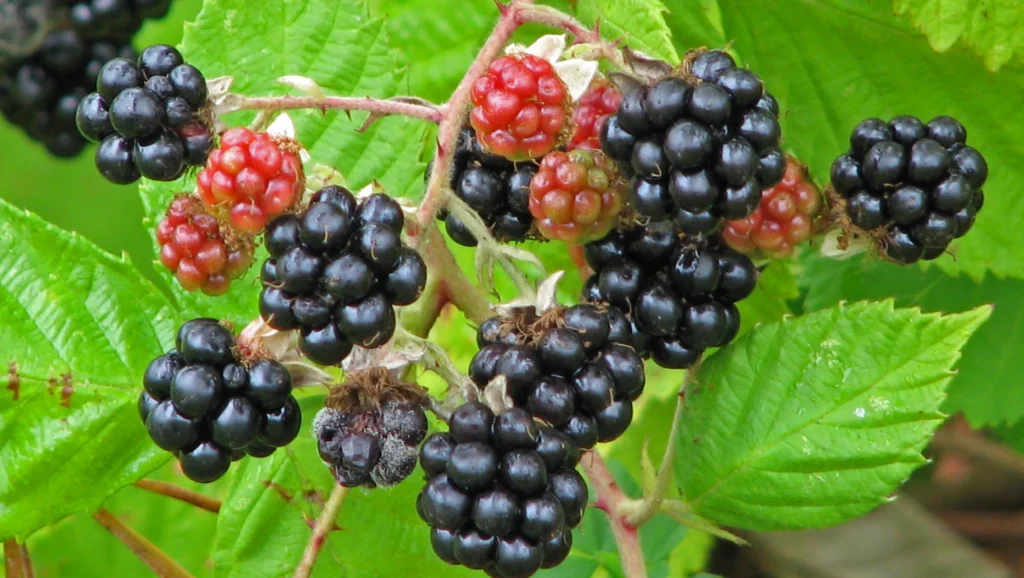
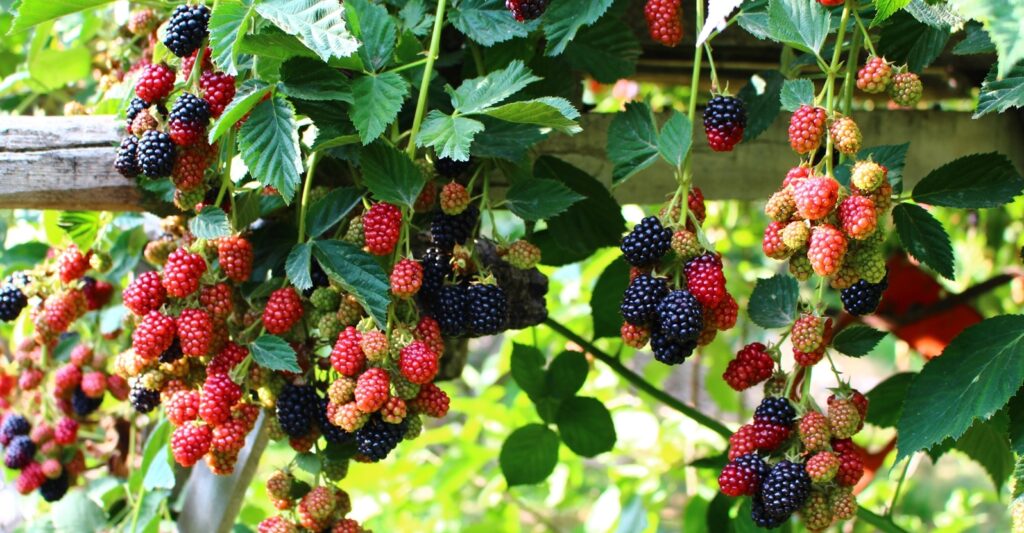
3. Raspberries and Blackberries Bramble fruits are incredibly vigorous growers that establish quickly and produce heavily with minimal intervention. They do spread aggressively, so plant where you can contain them or choose thornless varieties that are somewhat less invasive.
Planning and Designing Your Garden Layout
Thoughtful garden design maximizes productivity, minimizes problems, and makes daily maintenance more manageable. Time invested in planning pays dividends throughout the growing season.
Your garden’s layout should accommodate your plants’ needs while fitting your available space, time, and physical capabilities. Several approaches suit beginning gardeners.
Raised Beds: The Beginner’s Best Friend
Raised beds offer numerous advantages that make them ideal for newcomers. By filling beds with quality soil mix, you bypass potential problems with your native soil. The defined space makes planning easier, walking paths prevent soil compaction, and the elevated height reduces bending and kneeling.

Benefits of raised bed gardening include:
- Improved drainage: Excess water drains away, preventing root rot
- Faster soil warming: Plants get a head start in spring
- Better pest management: Physical barriers are easier to install
- Extended season potential: Row covers attach easily to bed frames
- Defined growing areas: Prevents accidental trampling of plants
Standard raised bed dimensions are 4 feet wide (allowing you to reach the center from either side), any length, and 6-12 inches deep. Deeper beds (12+ inches) accommodate root vegetables and improve accessibility for gardeners with mobility limitations.
Container Gardening Solutions
Limited space doesn’t preclude growing food. Container gardening allows apartment dwellers, renters, and anyone with a sunny balcony, patio, or doorstep to grow fresh produce.
Container gardening essentials:
- Choose appropriate container sizes: Five-gallon containers minimum for tomatoes and peppers; larger containers retain moisture better and provide more root space
- Ensure adequate drainage: All containers need drainage holes to prevent waterlogged roots
- Use quality potting mix: Never use garden soil in containers; it compacts and drains poorly
- Water frequently: Containers dry out faster than in-ground gardens, often requiring daily watering in summer
- Feed regularly: Frequent watering leaches nutrients, making consistent fertilization essential
Creating a Seasonal Planting Schedule
Successful gardening requires planting at the right time. Create a calendar based on your local frost dates, working backward from expected first fall frost and forward from last spring frost.
Your planting schedule should include:
- Indoor seed starting dates (typically 6-8 weeks before transplanting)
- Last frost date and outdoor transplanting time
- Direct sowing dates for various crops
- Succession planting intervals for continuous harvest
- Fall planting dates for cool-season crops
Many regions allow spring, summer, and fall plantings of different crops, essentially providing three growing seasons in one year. Quick-maturing crops like lettuce and radishes can be succession-planted every 2-3 weeks for continuous harvest.
Soil Preparation and Composting Fundamentals
Healthy soil grows healthy plants. Understanding soil science basics and learning to create compost transforms your garden’s productivity.
Building and maintaining fertile soil is perhaps the most important long-term investment you can make in your garden. Healthy soil supports beneficial organisms, retains appropriate moisture, and provides essential nutrients.
Building Living Soil
Soil is not merely dirt—it’s a complex living ecosystem containing billions of microorganisms, fungi, and invertebrates that interact with plant roots to facilitate nutrient uptake. Conventional approaches often treat soil as an inert growing medium, but organic gardening methods focus on nurturing soil life.
Strategies for building healthy soil include:
-
Annual organic matter additions: Each season, incorporate 2-4 inches of compost into your beds. This feeds soil organisms, improves structure, and gradually builds fertility.
-
Minimizing disturbance: While initial bed preparation may require deep digging, subsequent years should involve minimal tillage to preserve soil structure and organism habitat.
-
Keeping soil covered: Bare soil erodes, bakes in summer sun, and loses organic matter. Use mulch, cover crops, or closely spaced plantings to protect soil surfaces.
-
Rotating crops: Planting the same crops in the same location depletes specific nutrients and encourages pest and disease buildup. Move plant families to different beds each year.
Starting Your Own Compost
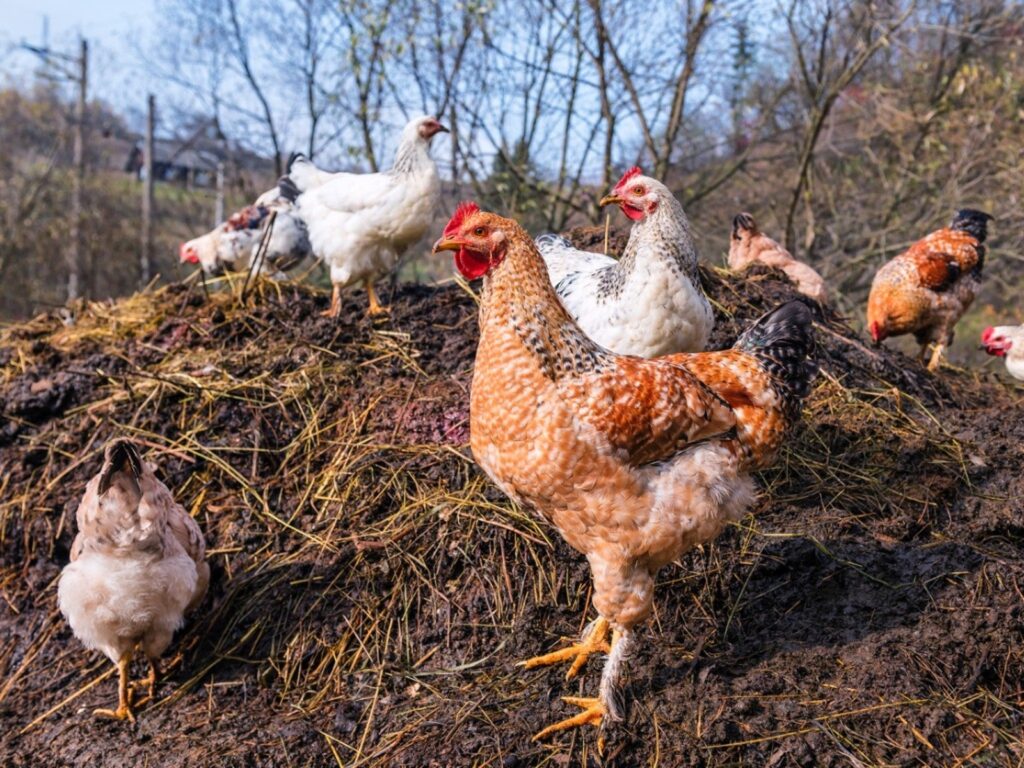
Composting transforms kitchen scraps and yard waste into “black gold”—nutrient-rich soil amendment that improves any garden. Every gardener should maintain a compost system.
Basic composting principles:
-
Balance “greens” and “browns”: Nitrogen-rich greens (kitchen scraps, fresh grass clippings) and carbon-rich browns (dried leaves, cardboard, straw) should be combined roughly 1:3 by volume.
-
Maintain moisture: Compost should feel like a wrung-out sponge—moist but not soggy.
-
Ensure airflow: Oxygen-breathing organisms drive decomposition. Turn piles periodically or use aerated bin designs.
-
Be patient: Hot composting produces finished compost in 1-3 months; cold piles may take 6-12 months but require less effort.
Never compost: meat, dairy, oils, diseased plants, or pet waste, which can attract pests or introduce pathogens.
Watering, Fertilizing, and Mulching Best Practices
Mastering these three fundamental practices ensures plants have the resources they need to thrive and produce abundantly.
Consistent attention to water, nutrients, and soil protection separates struggling gardens from flourishing ones. Developing good habits in these areas dramatically improves results.
Proper Watering Techniques
Water management challenges many beginners. Both overwatering and underwatering stress plants and reduce yields.
Essential watering guidelines:
-
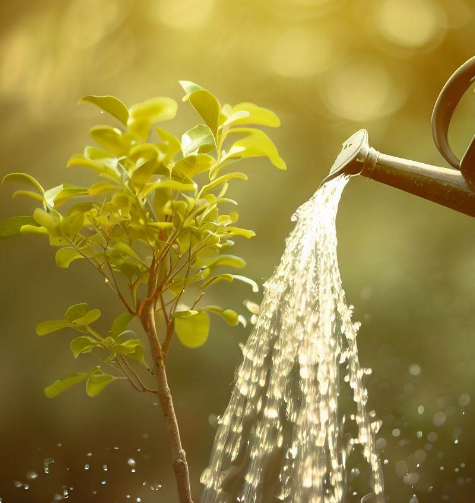
Water deeply and less frequently: Shallow, frequent watering encourages shallow root systems. Instead, water thoroughly so moisture penetrates 6-8 inches deep, then allow soil to dry somewhat before watering again. This encourages roots to grow downward, accessing deeper moisture reserves.
-
Water in the morning: Morning watering allows foliage to dry during the day, reducing disease risk. Wet leaves overnight invite fungal problems.
-
Water at the soil level: Drip irrigation or soaker hoses deliver water directly to roots while keeping foliage dry. If using overhead watering, water early so plants dry before evening.
-
Adjust for conditions: Container plants, sandy soils, and hot weather require more frequent watering. Clay soils and cool weather require less.
Signs of water stress include: wilting (though some plants wilt temporarily in afternoon heat), yellowing leaves, blossom drop, and cracked or bitter-tasting fruit.
Organic Fertilization Strategies
Even in rich soil, heavy-feeding vegetables benefit from supplemental nutrition during the growing season.
Fertilizer basics:
- N-P-K numbers indicate nitrogen (leaf growth), phosphorus (roots and flowers), and potassium (overall vigor)
- Organic options include compost, aged manure, fish emulsion, kelp meal, and bone meal
- Synthetic fertilizers work quickly but don’t build soil health long-term
- Side-dressing (applying fertilizer alongside growing plants) provides mid-season nutrition boosts
Heavy feeders like tomatoes, peppers, squash, and corn benefit from regular fertilization. Light feeders like beans and peas actually fix their own nitrogen and need minimal supplementation.
The Magic of Mulching
Mulch—organic material spread over soil surfaces—provides multiple benefits with minimal effort.
Benefits of mulching:
- Moisture retention: Mulch dramatically reduces evaporation, decreasing watering needs
- Temperature regulation: Insulates soil from extreme heat and cold
- Weed suppression: A 2-4 inch layer prevents most weed seeds from germinating
- Soil improvement: As organic mulch decomposes, it feeds soil organisms and adds nutrients
Excellent mulch materials include: straw, shredded leaves, grass clippings (untreated), wood chips (keep away from plant stems), and shredded bark.
Pest Control and Disease Prevention
Every garden encounters pest and disease challenges. Integrated approaches prevent problems and minimize intervention needs.
Prevention is always easier than cure—healthy plants in healthy soil resist most problems naturally. When issues arise, address them promptly with the least toxic effective method.
Common Garden Pests and Natural Solutions
Learning to identify common pests helps you respond appropriately. Many insects in gardens are beneficial or neutral; indiscriminate pesticide use often kills helpful predators while pest populations quickly rebound.
Common pests and organic controls:
-
Aphids: These soft-bodied sap-suckers cluster on new growth. Strong water sprays dislodge them; ladybugs and lacewings are natural predators. Neem oil or insecticidal soap handles severe infestations.
-
Tomato hornworms: Large green caterpillars that devour tomato plants. Hand-picking is effective due to their size. Parasitic wasps (indicated by white cocoons on the caterpillar’s back) naturally control populations.
-
Squash bugs: Shield-shaped insects that attack squash family plants. Check under leaves for bronze egg clusters and destroy them. Trap adults under boards overnight and dispose of them morning.
-
Cabbage worms: Green caterpillars that damage brassicas. Row covers prevent egg-laying; Bt (Bacillus thuringiensis) is an organic-approved bacterial spray that targets caterpillars.
Disease Prevention Strategies
Most plant diseases are easier to prevent than cure. Cultural practices significantly reduce disease pressure.
Key prevention practices:
- Provide adequate spacing: Air circulation prevents fungal diseases
- Water at soil level: Wet foliage promotes disease
- Remove diseased material promptly: Don’t compost diseased plants
- Practice crop rotation: Many pathogens persist in soil
- Choose resistant varieties: Seed catalogs indicate disease resistance
Harvesting and Storing Your Homegrown Bounty
The reward for your efforts arrives at harvest time. Knowing when and how to harvest maximizes both quality and quantity.
Proper harvesting techniques encourage continued production while ensuring the best possible flavor and nutrition from your crops.
Timing Your Harvest
Many vegetables taste best when harvested slightly immature. Overmature produce often becomes tough, seedy, or bitter.
Harvest timing guidelines:
- Tomatoes: Harvest when fully colored but still slightly firm; they’ll finish ripening indoors
- Zucchini: Pick at 6-8 inches; larger fruits become seedy and watery
- Beans: Harvest when pods are firm but before seeds bulge visibly
- Lettuce: Harvest outer leaves continuously or entire heads before bolting (flowering)
- Peppers: Can be harvested green or left to ripen to final color for sweeter flavor
- Root vegetables: Test one before harvesting the entire crop to assess maturity
Harvest in the morning when possible—vegetables harvested in cool temperatures have better texture and longer storage life than those picked during afternoon heat.
Preserving Your Harvest
Abundant harvests often exceed immediate consumption capacity. Learning basic preservation extends your garden’s bounty year-round.
Preservation methods include:
- Refrigeration: Short-term storage for most vegetables
- Freezing: Blanch vegetables briefly before freezing for best quality
- Canning: Water bath canning for high-acid foods; pressure canning for low-acid vegetables
- Dehydrating: Removes moisture for long-term room-temperature storage
- Fermentation: Traditional preservation method that also increases nutritional value
Common Mistakes Beginners Should Avoid
Learning from others’ mistakes accelerates your gardening success. Awareness of common pitfalls helps you sidestep frustrating setbacks.
Even experienced gardeners make mistakes, but beginners often repeat the same errors. Understanding these patterns helps you avoid them.
1. Starting too big: Enthusiasm leads many beginners to plant more than they can maintain. Start small—a few raised beds or containers—and expand as skills develop.
2. Ignoring spacing requirements: Crowded plants compete for light, water, and nutrients, resulting in poor performance. Follow seed packet spacing recommendations.
3. Inconsistent watering: Erratic moisture stresses plants and reduces yields. Establish a regular watering schedule adjusted for weather conditions.
4. Planting at the wrong time: Cool-season and warm-season crops have different requirements. Planting tomatoes too early or lettuce too late results in failure.
5. Neglecting soil health: Without attention to soil fertility and structure, productivity declines over time. Invest in your soil through regular organic matter additions.
Final Thoughts: Your Gardening Journey Begins
Starting a fruit and vegetable garden represents one of life’s most satisfying undertakings. The skills you develop will serve you for decades, producing fresh food, physical exercise, mental restoration, and connection to natural cycles often missing from modern life.
Remember that every expert gardener was once a beginner who killed plants, battled pests, and learned through trial and error. Gardening is ultimately about observation, adaptation, and continuous learning. Your first season won’t be perfect—and that’s perfectly fine. Each growing year teaches lessons that improve the next.
Start small, focus on proven beginner-friendly crops, and pay close attention to your garden’s response to your care. Keep a garden journal recording planting dates, varieties, successes, and failures. This record becomes invaluable for planning future seasons.
The investment of time, effort, and attention you put into your garden returns multiplied—in nutrition, flavor, savings, and satisfaction. There’s nothing quite like sharing a meal featuring vegetables you grew yourself, knowing exactly what went into producing them.
Your journey toward self-sufficiency and garden abundance begins with a single seed. Plant it today, nurture it with care, and watch as your garden—and your skills—flourish season after season. The harvest awaits.