Table of Contents
- How to Master Fruit Gardens at Home
- Why Growing Your Own Fruit Garden is Worth the Effort
- Health and Nutritional Benefits
- Financial Savings Over Time
- Environmental Impact and Sustainability
- Essential Planning Steps Before Starting Your Fruit Garden
- Assessing Your Climate and Hardiness Zone
- Evaluating Available Space and Sunlight
- Choosing the Right Location
- Selecting the Best Fruits for Your Home Garden
- Beginner-Friendly Fruit Options
- Fruits Based on Climate Zones
- Container-Friendly Fruits for Small Spaces
- Preparing Your Soil for Optimal Fruit Production
- Testing and Amending Your Soil
- Understanding Drainage and pH Levels
- Organic Matter and Composting
- Planting Techniques for Different Fruit Types
- Tree Fruits: Apples, Pears, and Citrus
- Berry Bushes: Blueberries, Raspberries, and Strawberries
- Vines: Grapes and Kiwi
- Watering, Feeding, and Fertilizing Your Fruit Plants
- Creating an Effective Watering Schedule
- Choosing the Right Fertilizers
- Signs of Nutrient Deficiencies
- Pruning and Training for Maximum Yield
- When and How to Prune Different Fruits
- Training Techniques: Espalier and Trellising
- Pest and Disease Management Strategies
- Common Pests and Natural Solutions
- Disease Prevention and Treatment
- Organic vs. Chemical Approaches
- Harvesting and Storing Your Homegrown Fruits
- Knowing When Fruits Are Ready
- Proper Harvesting Techniques
- Storage and Preservation Methods
- Common Mistakes to Avoid in Fruit Gardening
- Overwatering and Underwatering
- Ignoring Pollination Requirements
- Planting Too Close Together
- Final Words: Your Journey to Fruit Gardening Mastery
How to Master Fruit Gardens at Home
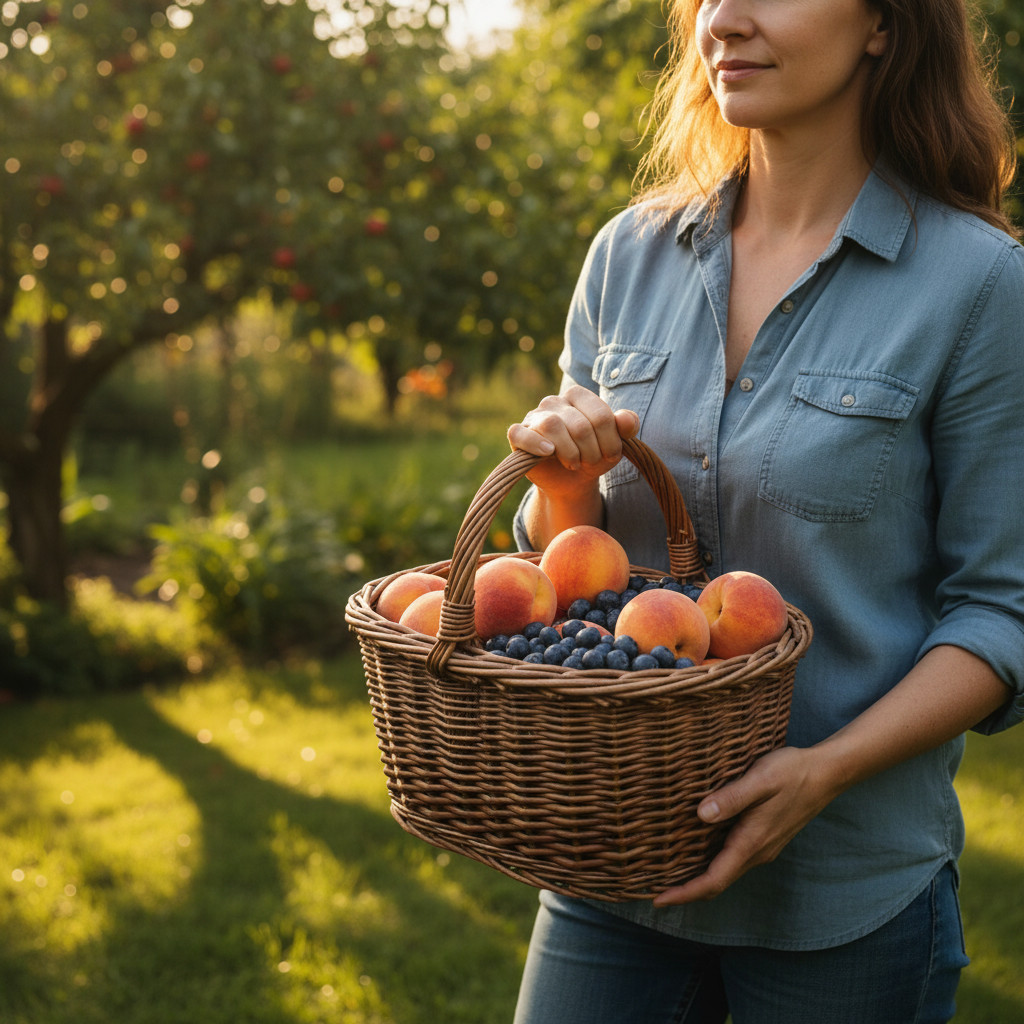
Imagine stepping into your backyard and plucking a perfectly ripe peach, still warm from the morning sun, or grabbing a handful of sweet blueberries for your breakfast smoothie. This isn’t just a dream reserved for those with sprawling farmland—it’s an achievable reality for anyone willing to invest time and effort into creating a thriving fruit garden at home. Whether you have acres of land or just a modest balcony, growing your own fruit offers unparalleled satisfaction, nutritional benefits, and significant cost savings over time.
The journey to mastering fruit gardening at home might seem daunting at first, with considerations ranging from soil composition to pest management. However, with the right knowledge, strategic planning, and consistent care, even complete beginners can transform their outdoor spaces into productive orchards. This comprehensive guide will walk you through every essential step, from selecting the perfect fruits for your climate to harvesting and preserving your bounty. By the end, you’ll possess the expertise needed to cultivate a flourishing fruit garden that provides fresh, organic produce for years to come.
Why Growing Your Own Fruit Garden is Worth the Effort
Starting a home fruit garden represents one of the most rewarding investments you can make for your health, finances, and the environment. Understanding these benefits provides the motivation needed to commit to this fulfilling endeavor and overcome initial challenges.
Health and Nutritional Benefits
Growing your own fruit ensures you have access to the freshest, most nutrient-dense produce possible. Store-bought fruits often travel thousands of miles before reaching your table, losing vital vitamins and minerals along the way. When you harvest fruit from your own garden, you capture peak nutritional value at the perfect ripeness stage.
Key health advantages include:
- Maximum nutrient retention – Homegrown fruits contain higher levels of vitamins C, A, and antioxidants because they’re consumed within hours of harvesting rather than days or weeks after picking
- Chemical-free produce – You control exactly what goes on your plants, eliminating exposure to harmful pesticides, herbicides, and synthetic fertilizers commonly used in commercial agriculture
- Encourages healthier eating habits – Having fresh fruit readily available naturally increases your daily fruit consumption, supporting better overall health and weight management
- Mental health benefits – Gardening itself reduces stress, provides gentle exercise, and creates a meaningful connection with nature that improves psychological well-being
The physical activity involved in maintaining a fruit garden also contributes to cardiovascular health, improved flexibility, and increased vitamin D absorption from sunlight exposure. Research consistently shows that gardeners experience lower rates of depression and anxiety compared to non-gardeners.
Financial Savings Over Time
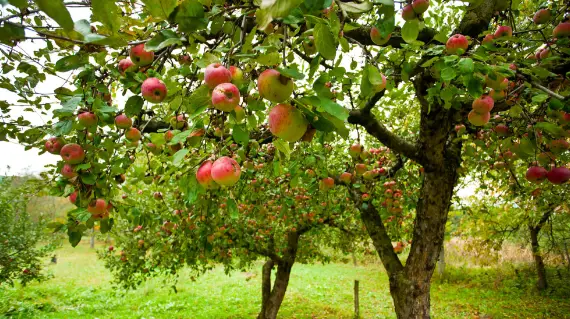
While establishing a fruit garden requires initial investment, the long-term financial returns are substantial. A single mature apple tree can produce 200-400 pounds of fruit annually, representing hundreds of dollars in savings at current grocery store prices. Berry bushes and strawberry plants multiply rapidly, creating an ever-expanding harvest without additional costs.
Consider that organic fruits at supermarkets often cost two to three times more than conventional options. By growing your own organic produce, you access premium-quality fruit at a fraction of the retail price. Additionally, fruit trees and perennial plants continue producing for decades with minimal ongoing expenses, making them excellent long-term investments for budget-conscious families.
Environmental Impact and Sustainability
Home fruit gardening significantly reduces your carbon footprint by eliminating transportation emissions associated with commercial fruit distribution. You also contribute to local biodiversity by creating habitat for beneficial insects, birds, and pollinators essential for healthy ecosystems.
Using organic methods in your fruit garden supports soil health and prevents chemical runoff that contaminates waterways. Composting fruit waste creates a closed-loop system that returns nutrients to the earth, reducing landfill contributions while enriching your garden naturally.
Essential Planning Steps Before Starting Your Fruit Garden
Successful fruit gardening begins long before you plant your first tree or bush. Proper planning ensures you select appropriate varieties, prepare suitable locations, and set realistic expectations for your growing conditions.
Assessing Your Climate and Hardiness Zone
Understanding your USDA Plant Hardiness Zone is fundamental to selecting fruits that will thrive in your specific climate. These zones, determined by average annual minimum winter temperatures, indicate which plants can survive your coldest months. Choosing varieties suited to your zone prevents heartbreaking losses and wasted investment.
To determine your hardiness zone:
- Visit the USDA Plant Hardiness Zone Map – Enter your zip code to identify your specific zone designation, which ranges from 1a (coldest) to 13b (warmest), and note both your zone number and the corresponding temperature range for accurate variety selection
- Consider microclimates on your property – Areas near south-facing walls, bodies of water, or protected by windbreaks may be warmer than surrounding zones, potentially allowing you to grow slightly less hardy varieties successfully
- Account for chill hours – Many fruit trees require specific periods of cold temperatures (chill hours below 45°F) to produce fruit, so research your area’s average chill hours and match them to variety requirements
- Monitor local weather patterns – Track frost dates, rainfall patterns, and temperature fluctuations throughout the year to understand your unique growing conditions beyond basic zone information
Beyond hardiness zones, consider your region’s humidity levels, summer heat intensity, and rainfall patterns. Mediterranean climates support different fruits than humid subtropical regions, even when winter temperatures are similar.
Evaluating Available Space and Sunlight
Fruit plants have varying space requirements, from compact strawberry patches to sprawling apple trees. Honestly assess your available square footage and vertical space before selecting varieties. Dwarf and semi-dwarf fruit trees offer excellent alternatives for smaller properties, producing substantial harvests in limited footprints.
Sunlight requirements typically demand at least six to eight hours of direct sun daily for optimal fruit production. Observe your potential planting areas throughout an entire day, noting shadows cast by buildings, fences, and existing trees. South-facing locations generally provide the most consistent sunlight in the Northern Hemisphere.
Choosing the Right Location
Beyond sunlight, consider air circulation, frost pockets, and proximity to water sources when selecting your fruit garden location. Good air movement reduces fungal disease pressure, while avoiding low-lying areas prevents cold air accumulation that damages frost-sensitive plants during spring blooms.
Important location factors include:
- Accessibility for maintenance – Position plants where you can easily reach them for watering, pruning, and harvesting without trampling other garden areas
- Distance from structures – Allow adequate space for mature plant size, keeping trees away from foundations, power lines, and septic systems
- Water drainage – Ensure the area doesn’t collect standing water, which causes root rot in most fruit plants
- Proximity to pollinator plants – Locate your fruit garden near flowering plants that attract bees and other beneficial insects
Selecting the Best Fruits for Your Home Garden
Choosing appropriate fruit varieties dramatically impacts your gardening success and satisfaction. Match selections to your experience level, climate conditions, and available space for optimal results.
Beginner-Friendly Fruit Options
New fruit gardeners should start with forgiving, low-maintenance varieties that produce reliably with minimal intervention. These confidence-building choices provide early harvests while you develop advanced skills.
Top recommendations for beginners include:
- Strawberries – These resilient plants produce fruit in their first year, tolerate various soil conditions, and spread readily to create abundant patches with minimal effort; June-bearing and everbearing varieties offer different harvest schedules
- Blueberries – Requiring acidic soil but otherwise easy to maintain, blueberry bushes provide decades of production, beautiful fall foliage, and resistance to most pests and diseases common in home gardens
- Raspberries and blackberries – These vigorous cane fruits establish quickly, produce heavily within two years, and spread naturally to fill designated areas without constant attention
- Fig trees – Particularly suited to warmer climates, figs require minimal pruning, resist most pests, tolerate drought conditions, and produce abundant harvests with limited care
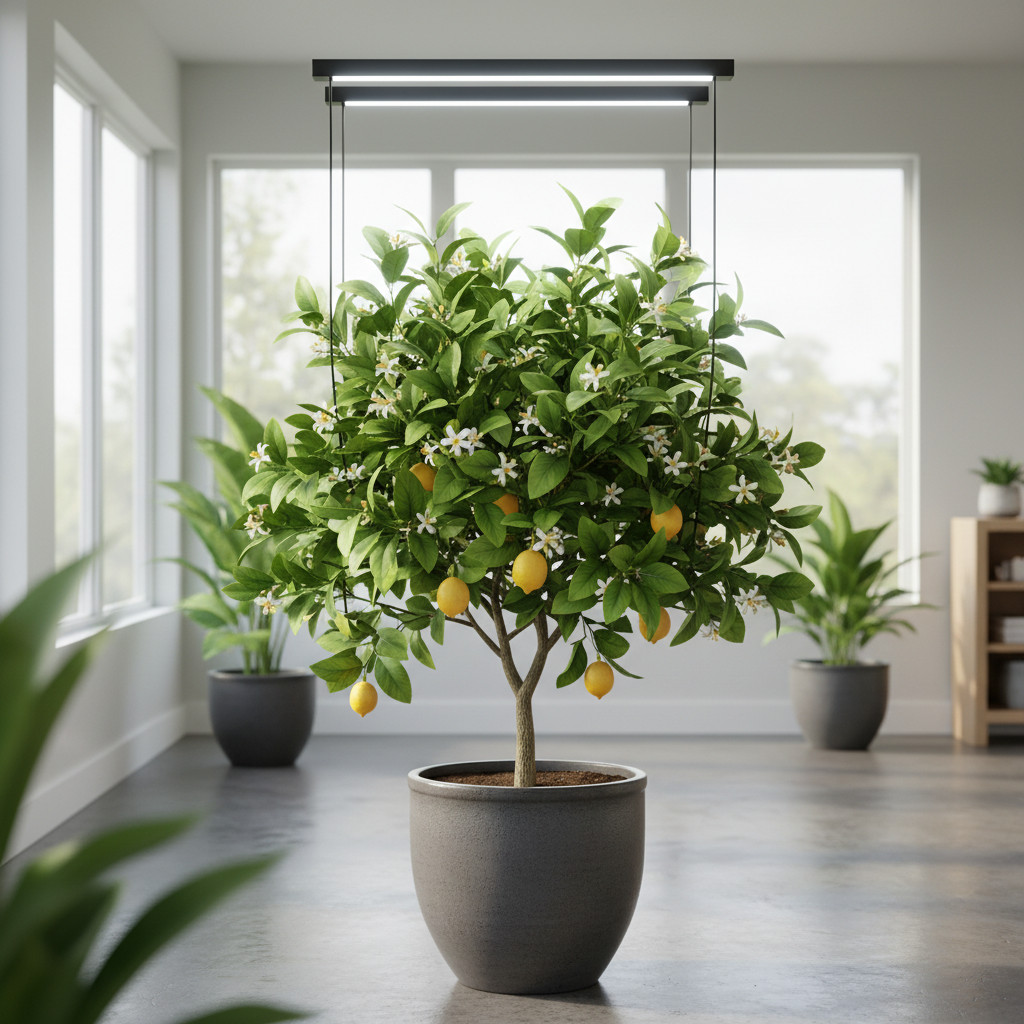
- Dwarf citrus – Lemon, lime, and mandarin varieties adapted for containers or small spaces thrive with basic care, offering both ornamental beauty and practical fruit production
Beginning with two or three of these reliable options allows you to learn fundamental skills before tackling more demanding fruits like peaches, cherries, or grapes.
Fruits Based on Climate Zones
Different regions support different fruit varieties, making climate-appropriate selection essential for success. Research varieties specifically bred or suited for your area’s conditions rather than relying solely on generic recommendations.
Cold climate zones (3-5) support hardy options including apples, pears, sour cherries, cold-hardy grapes, and most berries. Look for varieties with high chill-hour requirements and proven winter survival in your specific zone. Temperate zones (6-8) offer the widest variety selection, accommodating everything from stone fruits to figs and even some citrus in protected locations. Warm climate zones (9-11) excel with tropical and subtropical fruits including citrus, avocados, mangoes, and papayas, though many traditional temperate fruits struggle without adequate chill hours.
Container-Friendly Fruits for Small Spaces
Limited outdoor space shouldn’t prevent you from growing fruit. Numerous varieties thrive in containers on patios, balconies, and even sunny windowsills, providing fresh harvests for apartment dwellers and urban gardeners.
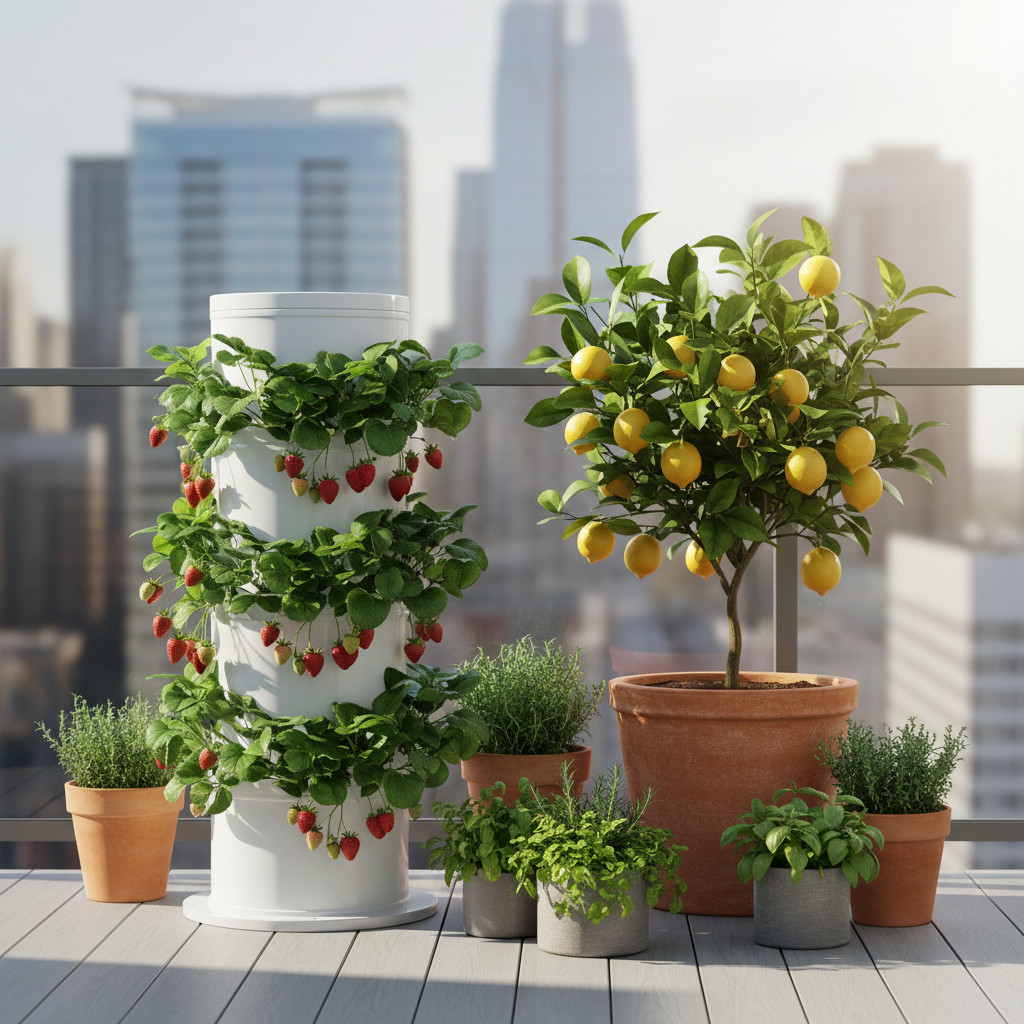
Dwarf fruit trees bred specifically for container growing include compact apple, pear, peach, and citrus varieties reaching only six to eight feet at maturity. Strawberries flourish in hanging baskets, vertical towers, and window boxes. Compact blueberry cultivars produce abundantly in large pots, while fig trees adapt remarkably well to container culture, even tolerating being moved indoors during winter in cold climates.
Preparing Your Soil for Optimal Fruit Production
Healthy soil forms the foundation of every successful fruit garden. Investing time in soil preparation before planting pays dividends through stronger plants, better harvests, and reduced maintenance requirements.
Testing and Amending Your Soil
Before planting anything, conduct a comprehensive soil test through your local agricultural extension office or using home testing kits. Understanding your soil’s current nutrient levels, pH, and composition guides targeted amendments rather than guesswork.
Soil testing reveals:
- Macronutrient levels – Nitrogen, phosphorus, and potassium content determines what fertilizers your soil needs and in what quantities for optimal fruit production
- Micronutrient availability – Essential elements like iron, zinc, manganese, and boron often require supplementation in deficient soils
- Organic matter percentage – This indicates soil biological activity and water retention capacity, both critical for fruit plant health
- pH level – Different fruits require specific pH ranges, with most preferring slightly acidic conditions between 6.0 and 7.0
Based on test results, amend your soil with appropriate materials. Add lime to raise pH or sulfur to lower it. Incorporate balanced organic fertilizers to address nutrient deficiencies. Work amendments into the top twelve inches of soil several months before planting when possible, allowing time for materials to integrate fully.
Understanding Drainage and pH Levels
Proper drainage prevents waterlogged roots, which causes more fruit plant deaths than almost any other factor. Test drainage by digging a hole twelve inches deep, filling it with water, and observing how quickly it drains. Ideal soil should drain completely within a few hours; if water remains after twenty-four hours, you’ll need to improve drainage through raised beds, amendment with coarse organic matter, or installing drainage systems.
pH levels directly affect nutrient availability to plants. Even nutrient-rich soil fails to nourish plants if pH prevents uptake. Blueberries famously require acidic soil between 4.5 and 5.5, while most other fruits prefer neutral to slightly acidic conditions. Regular pH monitoring and adjustment ensures ongoing nutrient accessibility throughout your plants’ lives.
Organic Matter and Composting
Incorporating organic matter transforms mediocre soil into productive growing medium. Compost, aged manure, leaf mold, and cover crops improve soil structure, increase water retention in sandy soils, improve drainage in clay soils, and support beneficial soil organisms.
Building soil organic matter involves:
- Adding compost generously – Apply two to four inches of quality compost annually, working it into the top several inches of soil around established plants or throughout beds before planting new ones
- Mulching consistently – Maintain three to four inches of organic mulch around fruit plants, which decomposes gradually to feed soil life while suppressing weeds and retaining moisture
- Growing cover crops – Plant nitrogen-fixing legumes or soil-building grasses in unused areas, then incorporate them into soil before planting fruit to boost fertility naturally
- Creating your own compost – Establish a composting system using kitchen scraps, yard waste, and fallen fruit to generate free, high-quality soil amendment continuously
Planting Techniques for Different Fruit Types
Proper planting techniques vary significantly between fruit categories and directly impact plant establishment and long-term productivity. Mastering these methods ensures your plants develop strong root systems and healthy growth habits from the start.
Tree Fruits: Apples, Pears, and Citrus
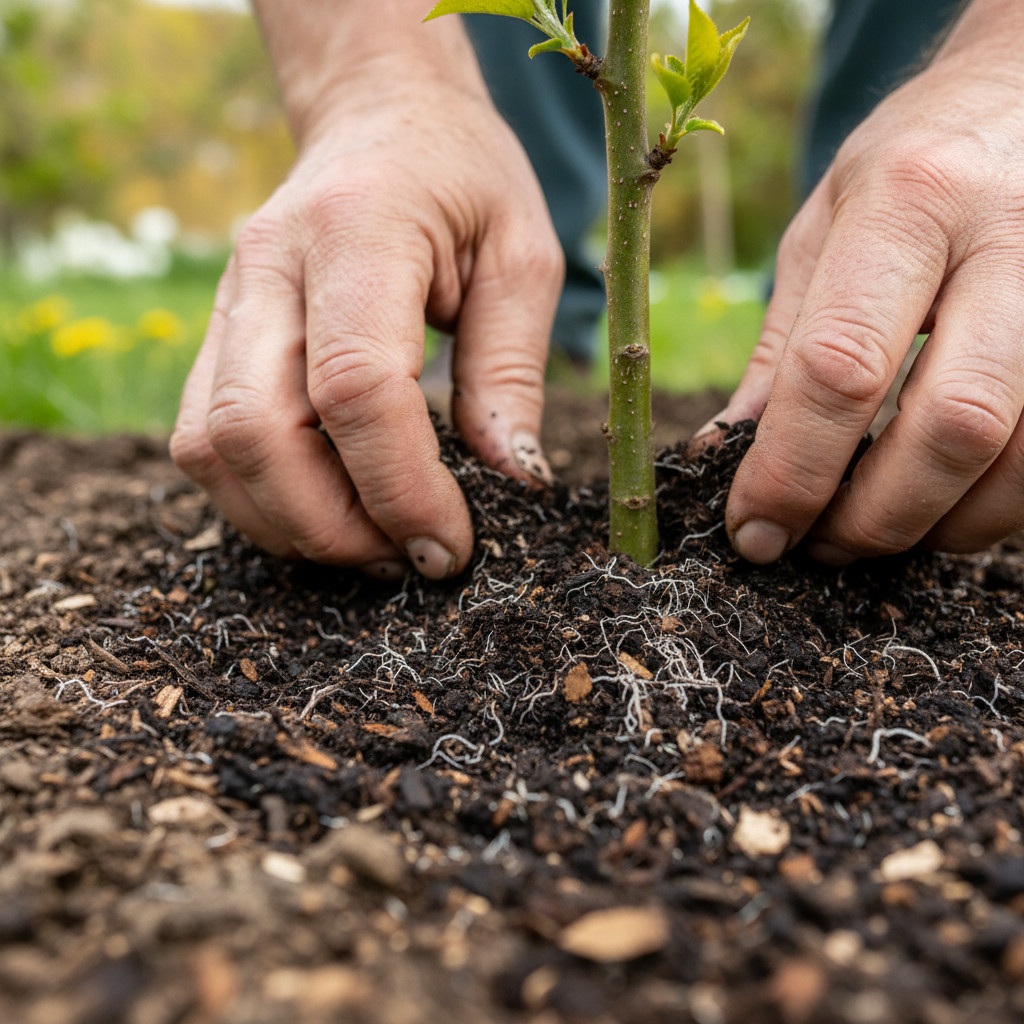
Fruit trees represent significant investments deserving careful planting attention. Whether planting bare-root trees in dormant season or container-grown specimens anytime during the growing season, proper technique determines success.
Essential steps for planting fruit trees:
- Dig an appropriately sized hole – Create a hole two to three times wider than the root ball but only as deep as the root system, ensuring the graft union remains several inches above soil level to prevent rootstock suckering and disease transmission
- Prepare the root system – For bare-root trees, soak roots in water for several hours before planting and prune any damaged or circling roots; for container trees, gently loosen root-bound sections without excessive disturbance
- Position and backfill carefully – Place the tree at proper depth, backfill with native soil amended with compost, and water thoroughly to eliminate air pockets while settling soil around roots
- Stake only when necessary – Young trees in windy locations may need temporary staking for one growing season, but remove stakes promptly to encourage trunk strength development
After planting, create a shallow basin around the tree to direct water toward roots. Apply mulch in a ring extending to the drip line, keeping material several inches away from the trunk to prevent rot and pest issues.
Berry Bushes: Blueberries, Raspberries, and Strawberries
Berry plants establish quickly but require specific planting conditions for optimal performance. Each type presents unique requirements deserving attention during installation.
Blueberries demand acidic soil prepared well in advance of planting. Space bushes four to six feet apart in rows, planting at the same depth they grew in nursery containers. Mulch heavily with pine needles or acidic organic matter to maintain soil conditions and suppress weeds.
Raspberries and blackberries prefer planting in rows along trellis systems that support their tall, fruit-laden canes. Install posts and wires before planting, spacing plants two to three feet apart within rows. Cut canes back to twelve inches after planting to encourage strong root development rather than immediate fruit production.
Strawberries thrive when planted with crowns at soil level—too deep causes rot, too shallow leads to drying. Space plants twelve to eighteen inches apart in rows or beds, removing runners initially to strengthen mother plants before allowing expansion.
Vines: Grapes and Kiwi
Fruiting vines require robust support structures installed before planting. Grape vines need substantial trellising capable of supporting heavy fruit loads and surviving decades of use. Kiwi vines, particularly vigorous, demand even stronger structures and considerable space.
Plant vine roots in well-amended soil at the base of support structures, immediately beginning training toward the trellis. Initial pruning focuses on developing a strong trunk and main branches before allowing fruit production, typically during the third growing season.
Watering, Feeding, and Fertilizing Your Fruit Plants
Consistent nutrition and hydration directly correlate with fruit quality and quantity. Understanding your plants’ needs throughout their growth cycles optimizes production while preventing common problems.
Creating an Effective Watering Schedule
Fruit plants require different watering approaches at various growth stages. Young plants need frequent, shallow watering to establish roots, while mature plants prefer deep, less frequent irrigation that encourages extensive root development.
Watering best practices include:
- Water deeply and infrequently – Provide one to two inches of water weekly for established plants, applying it slowly to allow soil penetration rather than surface runoff; this encourages deep root growth improving drought tolerance
- Increase water during fruit development – Actively fruiting plants require additional moisture to support fruit enlargement and sugar development; reduce water slightly as harvest approaches to concentrate flavors
- Mulch to retain moisture – Organic mulch dramatically reduces watering frequency by slowing evaporation and moderating soil temperatures
- Use drip irrigation when possible – Drip systems deliver water directly to root zones efficiently, minimizing waste and keeping foliage dry to reduce disease pressure
- Monitor soil moisture regularly – Check soil moisture four to six inches deep before watering; if soil feels moist, delay irrigation to prevent overwatering
Morning watering allows foliage to dry quickly, reducing fungal disease risk. Avoid evening irrigation that leaves plants wet overnight, creating ideal conditions for pathogen development.
Choosing the Right Fertilizers
Fruit plants benefit from balanced nutrition applied at appropriate times throughout the growing season. Organic fertilizers release nutrients slowly, feeding plants consistently while building long-term soil health.
Fertilization timing matters significantly:
- Early spring application – Apply balanced fertilizer as plants emerge from dormancy to fuel new growth and flower development
- Post-bloom feeding – Light fertilization after fruit set supports developing fruits without encouraging excessive vegetative growth
- Late summer caution – Avoid nitrogen-heavy fertilizers after midsummer, which stimulates tender new growth vulnerable to winter damage
Organic options including composted manure, fish emulsion, bone meal, and balanced organic blends provide comprehensive nutrition without chemical buildup. Blood meal supplies nitrogen, bone meal provides phosphorus, and kelp meal adds potassium and trace minerals.
Signs of Nutrient Deficiencies
Learning to recognize nutrient deficiency symptoms enables prompt correction before plant health suffers significantly. Common signs include yellowing leaves (nitrogen deficiency), purple-tinged foliage (phosphorus deficiency), and brown leaf edges (potassium deficiency).
Iron deficiency appears as yellowing between leaf veins while veins remain green, particularly common in blueberries growing in insufficiently acidic soil. Calcium deficiency causes blossom end rot in some fruits and stunted, distorted new growth. Address deficiencies with targeted amendments based on visual diagnosis and confirmatory soil testing.
Pruning and Training for Maximum Yield
Strategic pruning transforms ordinary plants into exceptional producers. Understanding when and how to prune different fruit types maximizes sunlight exposure, air circulation, and fruit quality.
When and How to Prune Different Fruits
Timing pruning correctly prevents disease transmission and minimizes plant stress. Most deciduous fruit trees benefit from dormant-season pruning in late winter before buds swell but after the coldest weather passes.
General pruning principles apply across fruit types:
- Remove dead, damaged, and diseased wood first – Eliminate these problem areas regardless of season to prevent spread and improve overall plant health
- Thin crossing or rubbing branches – Branches that contact each other create wounds inviting infection and restrict airflow through the canopy
- Open the center for light and air – Most fruit trees benefit from vase or open-center shaping that allows sunlight to reach interior branches and fruit
- Maintain appropriate size – Regular pruning keeps trees at manageable heights for easier harvesting, pest monitoring, and maintenance
- Understand fruiting habits – Some fruits bear on new wood (peaches, grapes), while others produce on older wood (apples, pears), requiring different pruning approaches
Berry bushes and canes require specific pruning systems. Raspberries produce fruit on second-year canes, so remove only canes that have already fruited while preserving new growth for next year’s harvest. Blueberries benefit from removing oldest canes entirely to encourage vigorous new growth.
Training Techniques: Espalier and Trellising
Creative training methods maximize fruit production in limited spaces while creating beautiful garden features. Espalier, the art of training trees flat against walls or fences, produces abundant fruit in narrow areas while providing stunning visual appeal.
Trellising benefits for vining and cane fruits include:
- Improved air circulation – Lifted foliage dries quickly, dramatically reducing fungal disease pressure that plagues ground-level plants growing in humid conditions
- Easier harvesting – Fruit at convenient heights makes picking faster and more comfortable, reducing missed ripe fruits that attract pests
- Better light exposure – All plant parts receive adequate sunlight when properly trellised, improving fruit ripening and sugar development
- Space efficiency – Vertical growing maximizes production per square foot, essential for small-space gardeners seeking substantial harvests
Pest and Disease Management Strategies
Proactive pest and disease management protects your investment and ensures bountiful harvests. Integrated approaches combining prevention, monitoring, and targeted intervention provide effective control while minimizing environmental impact.
Common Pests and Natural Solutions
Home fruit gardeners encounter numerous pest species, but most can be managed effectively through organic methods. Identifying problems early and responding appropriately prevents small issues from becoming devastating infestations.
Frequently encountered pests include:
- Aphids – These small, soft-bodied insects cluster on new growth, sucking sap and spreading viruses; control with strong water sprays, insecticidal soap, or by encouraging beneficial insects like ladybugs and lacewings
- Codling moths – Major apple and pear pests whose larvae tunnel into fruits; manage with pheromone traps, timing sprays, and removing infested fruit immediately upon discovery
- Japanese beetles – These destructive insects skeletonize leaves and damage fruit; handpick into soapy water, apply milky spore to lawns for grub control, or use row covers during peak beetle activity
- Spotted wing drosophila – A relatively new threat to soft fruits, these small flies lay eggs in ripening berries and stone fruits; harvest promptly, refrigerate immediately, and use fine netting during ripening periods
Encouraging beneficial insects through diverse plantings creates natural pest control. Avoid broad-spectrum pesticides that kill helpful predators along with pests, disrupting the ecological balance that keeps problems in check.
Disease Prevention and Treatment
Prevention proves far more effective than treatment for most fruit diseases. Creating conditions unfavorable for pathogens while selecting disease-resistant varieties dramatically reduces problems.
Key disease prevention strategies:
- Choose resistant varieties – Modern cultivars bred for disease resistance shrug off problems that devastate susceptible varieties, representing your first and best line of defense
- Maintain excellent sanitation – Remove fallen leaves and fruit promptly, prune out infected wood, and clean tools between plants to prevent disease spread
- Ensure proper spacing and pruning – Adequate air circulation allows foliage to dry quickly, creating inhospitable conditions for fungal pathogens requiring moisture
- Water appropriately – Avoid wetting foliage when possible, and water early enough for leaves to dry before nightfall
When diseases appear despite prevention efforts, identify problems accurately before treating. Many fungal diseases respond to copper-based or sulfur sprays applied preventatively or at early infection stages. Bacterial infections prove more challenging, often requiring removal and destruction of affected plant parts.
Organic vs. Chemical Approaches
Home fruit gardeners increasingly prefer organic pest and disease management for food safety, environmental protection, and sustainability. Organic methods require more attention and planning but avoid chemical residues on produce and harm to beneficial organisms.
Effective organic programs combine cultural practices (sanitation, resistant varieties, proper spacing), biological controls (beneficial insects, microbial pesticides), and organic-approved sprays (neem oil, spinosad, copper fungicides) applied only when necessary and according to label directions. Chemical pesticides remain available for severe infestations but should be considered last resorts rather than first responses.
Harvesting and Storing Your Homegrown Fruits
Proper harvesting and storage techniques preserve the quality you’ve worked hard to achieve. Timing harvest correctly and handling fruit carefully maximizes flavor, nutrition, and storage life.
Knowing When Fruits Are Ready
Each fruit type signals ripeness through specific visual, tactile, and aromatic cues. Learning these indicators ensures you harvest at peak quality rather than too early or too late.
Ripeness indicators vary by fruit:
- Apples and pears – Lift fruit gently and twist; ripe fruit separates easily from the branch while unripe fruit requires force to detach
- Stone fruits – Color change, slight softening, and aromatic fragrance indicate ripeness; peaches and nectarines should yield slightly to gentle pressure
- Berries – Full color development and easy release from plants signal ripeness; taste testing provides the most reliable assessment
- Citrus – Color isn’t always reliable; use calendar timing based on variety and taste testing to determine ripeness
- Grapes – Flavor and sugar content matter more than appearance; taste berries from different cluster areas to assess overall ripeness
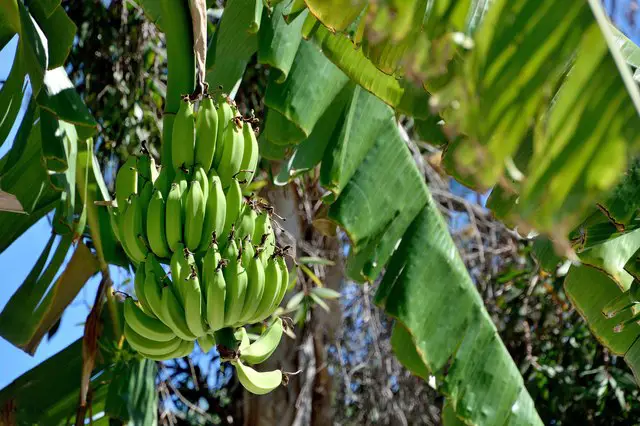
Remember that some fruits (bananas, avocados, pears) continue ripening after harvest, while others (berries, citrus) do not improve once picked. Understanding these differences guides harvesting decisions and storage approaches.
Proper Harvesting Techniques
Gentle handling during harvest prevents bruising that shortens storage life and creates entry points for decay organisms. Use appropriate tools and containers for each fruit type, avoiding rough treatment that damages delicate produce.
Handle fruits as little as possible, placing them carefully into shallow containers rather than dropping into deep buckets. Harvest during cool morning hours when fruit temperatures are lowest, reducing field heat that accelerates deterioration. Separate damaged fruits immediately; one bruised apple can accelerate spoilage of an entire storage container.
Storage and Preservation Methods
Different fruits require different storage conditions for maximum longevity. Understanding these requirements prevents unnecessary waste while extending your harvest enjoyment throughout the year.
Storage approaches include:
- Refrigeration – Most fruits store best at temperatures between 32-40°F with high humidity; store unwashed and consume within one to two weeks
- Root cellar storage – Apples and pears in proper conditions store for months; wrap individually in newspaper and check regularly for spoilage
- Freezing – Most fruits freeze well for later use in smoothies, baking, and preserves; freeze berries in single layers before bagging to prevent clumping
- Canning and preserving – Transform abundance into shelf-stable jams, jellies, sauces, and canned fruits using proper food safety procedures
- Drying – Dehydrated fruits store indefinitely and make excellent snacks; use food dehydrators or low oven temperatures for consistent results
Common Mistakes to Avoid in Fruit Gardening
Even experienced gardeners make preventable errors that compromise their fruit harvests. Recognizing and avoiding these common pitfalls accelerates your journey toward fruit gardening mastery.
Overwatering and Underwatering
Water management challenges cause more fruit plant problems than almost any other factor. Both extremes damage plants, but overwatering proves particularly insidious because symptoms often mimic underwatering.
Overwatered plants develop root rot, displaying wilting despite moist soil, yellowing leaves, and eventual decline. Underwatered plants also wilt but recover quickly when watered, unlike root rot victims. Check soil moisture before watering rather than following rigid schedules that ignore actual plant needs.
Ignoring Pollination Requirements
Many fruit plants require cross-pollination from compatible varieties to produce fruit. Planting a single apple tree without appropriate pollinators results in beautiful blooms but no apples. Research pollination requirements for each variety and ensure adequate pollinator plants are within bee-flight distance.
Some fruits are self-fertile but produce better with cross-pollination. Others absolutely require compatible varieties nearby. Planning for pollination during the variety selection stage prevents disappointing harvest failures years after planting.
Planting Too Close Together
Enthusiasm leads many new fruit gardeners to overcrowd their plantings, underestimating mature plant sizes. Overcrowded plants compete for water, nutrients, and sunlight while creating humid conditions perfect for disease development.
Follow recommended spacing guidelines even when young plants seem lost in large spaces. Trees that appear adequately spaced as saplings may become impenetrably crowded within just a few years. Proper spacing improves air circulation, simplifies maintenance, and ultimately produces larger, healthier harvests.
Final Words: Your Journey to Fruit Gardening Mastery
Mastering fruit gardens at home represents a deeply rewarding journey that combines patience, knowledge, and hands-on experience. The information presented throughout this guide provides the foundation you need to begin or improve your fruit gardening efforts, but true mastery develops through seasons of practice, observation, and continuous learning.
Remember these essential principles as you move forward:
- Start small and expand gradually – Build confidence with forgiving varieties before tackling more challenging fruits
- Invest in soil preparation – Healthy soil creates healthy plants that resist pests and diseases naturally
- Match varieties to your conditions – Climate-appropriate selections dramatically improve success rates
- Maintain consistency – Regular attention to watering, feeding, and monitoring prevents small problems from becoming major setbacks
- Learn from setbacks – Every failure teaches valuable lessons that improve future results
Your fruit garden will evolve over time, becoming more productive and beautiful with each passing season. The satisfaction of harvesting your own perfectly ripe fruit, knowing exactly how it was grown and handled, creates connections to food and nature that no grocery store purchase can replicate. Begin your journey today, embrace the learning process, and look forward to years of abundant, delicious harvests from your very own fruit garden at home.