Table of Contents
- The Complete Guide to Dragon Fruit Gardening
- Understanding Dragon Fruit: Origins and Varieties
- What Makes Dragon Fruit Unique
- Popular Dragon Fruit Varieties for Home Gardens
- Ideal Growing Conditions for Dragon Fruit
- Climate Requirements
- Soil Preferences and pH Levels
- Sunlight and Temperature Needs
- Choosing the Right Planting Method
- Growing from Seeds
- Propagating from Cuttings
- Purchasing Established Plants
- Setting Up Your Dragon Fruit Garden
- Container Gardening vs. Ground Planting
- Building Support Structures and Trellises
- Essential Care and Maintenance
- Watering Requirements
- Fertilization Schedule
- Pruning and Training
- Pollination and Fruit Production
- Understanding Dragon Fruit Pollination
- Hand Pollination Techniques
- Harvesting and Storing Dragon Fruit
- Signs of Ripeness
- Harvesting Techniques
- Storage Tips
- Common Challenges and Troubleshooting
- Addressing Poor Fruit Production
- Dealing with Environmental Stress
- Final Words
The Complete Guide to Dragon Fruit Gardening
Imagine stepping into your backyard and plucking a vibrant, pink-skinned fruit straight from the vine—one that tastes like a delicate blend of kiwi and pear with a refreshing, mildly sweet flavor. Dragon fruit, also known as pitaya, has captivated gardeners and food enthusiasts worldwide with its stunning appearance, exotic taste, and remarkable health benefits. Once considered a rare tropical delicacy found only in specialty stores, this magnificent cactus fruit has become increasingly popular among home gardeners eager to cultivate their own supply.
Whether you’re a seasoned horticulturist or a curious beginner looking to expand your gardening repertoire, growing dragon fruit offers a rewarding experience that combines aesthetic beauty with practical fruit production. These climbing cacti produce some of the most spectacular flowers in the plant kingdom—large, fragrant blooms that open only at night, earning them the nickname “moonflowers” or “queen of the night.” Beyond their ornamental appeal, dragon fruit plants are surprisingly resilient and adaptable, thriving in various climates when given proper care.
This comprehensive guide will walk you through every aspect of dragon fruit gardening, from understanding the plant’s unique characteristics and selecting the right varieties to mastering cultivation techniques and troubleshooting common problems. By the time you finish reading, you’ll possess the knowledge and confidence to establish a thriving dragon fruit garden that produces bountiful harvests for years to come.
Understanding Dragon Fruit: Origins and Varieties
Before diving into cultivation techniques, it’s essential to understand what makes dragon fruit unique and which varieties best suit your gardening goals.
Dragon fruit belongs to the genus Hylocereus, a group of climbing cacti native to Central America, Mexico, and South America. The plant has spread throughout tropical and subtropical regions worldwide, particularly thriving in Southeast Asian countries like Vietnam, Thailand, and the Philippines, where commercial cultivation has flourished. Unlike typical desert cacti, dragon fruit is an epiphytic cactus that naturally grows on trees or rocks in humid forest environments, using aerial roots to anchor itself while reaching toward sunlight.
What Makes Dragon Fruit Unique
Dragon fruit plants possess several distinctive characteristics that set them apart from other fruit-bearing plants. Their triangular, segmented stems serve as the primary organs for photosynthesis, storing water and nutrients that allow the plant to survive periods of drought. These fleshy stems can grow up to 20 feet long, climbing and sprawling over any available support structure with the help of aerial roots.
The flowers of dragon fruit are truly remarkable natural wonders. Measuring up to 12 inches in diameter, these large, white or pale yellow blooms emit a sweet, jasmine-like fragrance that attracts nocturnal pollinators such as moths and bats. Each flower opens for only one night, beginning at sunset and wilting by morning—a fleeting but magnificent display that makes witnessing the bloom a memorable gardening experience.
Key characteristics of dragon fruit plants include:
- Rapid growth rate – Under optimal conditions, cuttings can produce fruit within 12-18 months
- Long lifespan – Well-maintained plants can produce fruit for 20-30 years
- Multiple harvests – Plants typically produce 4-6 fruiting cycles annually in favorable climates
- Drought tolerance – Their succulent nature allows survival during dry periods
- Attractive ornamental value – The plants add tropical aesthetics to any garden setting
Popular Dragon Fruit Varieties for Home Gardens
Selecting the right variety significantly impacts your gardening success and the flavors you’ll enjoy. Each variety offers distinct characteristics in terms of fruit color, sweetness, size, and growing requirements, making it important to choose based on your preferences and local climate conditions.
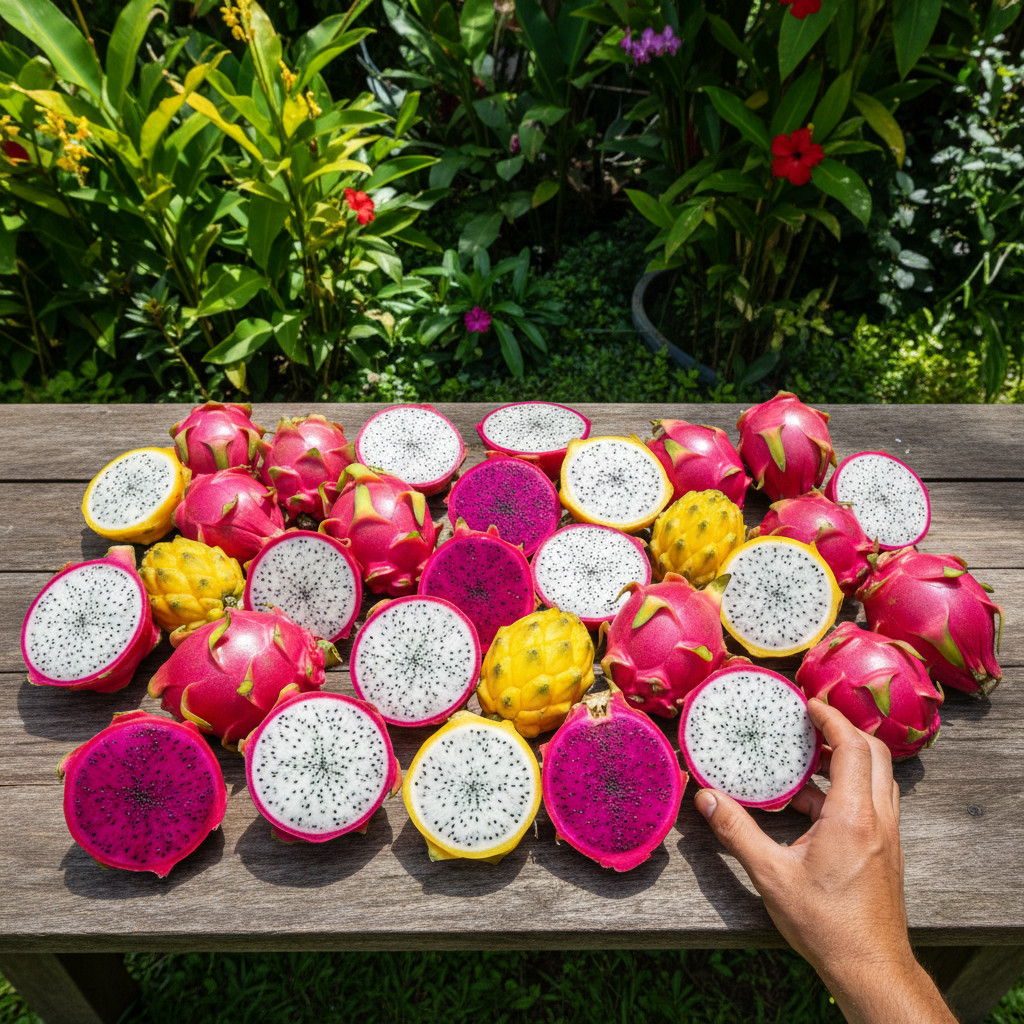
1. Hylocereus undatus (White-fleshed Dragon Fruit)
This is the most widely cultivated variety worldwide, recognizable by its bright pink skin and white flesh speckled with tiny black seeds. The flavor is mild and subtly sweet, often compared to a blend of kiwi and pear. White-fleshed varieties are self-pollinating in many cases, making them excellent choices for beginners who may not have access to multiple plants for cross-pollination. They’re also highly adaptable to various growing conditions and demonstrate impressive disease resistance.
2. Hylocereus costaricensis (Red-fleshed Dragon Fruit)
Known for its stunning magenta interior, this variety offers a sweeter, more intense flavor than its white-fleshed counterpart. The deep red color comes from betacyanins, powerful antioxidants that provide additional health benefits. Red-fleshed varieties typically require cross-pollination with another variety to produce fruit, so plan to grow multiple plants or hand-pollinate for successful harvests.
3. Hylocereus megalanthus (Yellow Dragon Fruit)
Distinguished by its yellow skin and white flesh, this variety is often considered the sweetest and most flavorful of all dragon fruit types. The fruit is smaller than pink varieties but commands premium prices at markets due to its exceptional taste. Yellow dragon fruit plants feature more prominent spines and may require slightly different care, but the superior flavor rewards the extra effort.
Ideal Growing Conditions for Dragon Fruit
Creating the perfect environment is fundamental to successful dragon fruit cultivation, as these plants have specific requirements for climate, soil, and sunlight.
Understanding and replicating the natural habitat of dragon fruit dramatically increases your chances of growing healthy, productive plants. While these cacti demonstrate remarkable adaptability, providing optimal conditions accelerates growth, enhances fruit production, and reduces susceptibility to pests and diseases.
Climate Requirements
Dragon fruit thrives in tropical and subtropical climates, preferring temperatures between 65°F and 85°F (18°C to 29°C). However, with proper protection and care, gardeners in temperate regions can successfully grow these plants using containers that can be moved indoors during cold months or by implementing protective measures during brief cold snaps.
Temperature considerations:
- Optimal range: 70-85°F (21-29°C) promotes the fastest growth and best fruit production
- Minimum tolerance: Most varieties suffer damage below 32°F (0°C)
- Heat tolerance: Plants can withstand temperatures up to 100°F (38°C) with adequate hydration
- Frost protection: Young plants are particularly vulnerable and require immediate protection when temperatures drop unexpectedly
The plants require a period of cooler temperatures (around 60-65°F) combined with shorter days to trigger flowering, which is why even indoor growers in climate-controlled environments may experience seasonal fruiting patterns.
Soil Preferences and pH Levels
Despite being cacti, dragon fruit plants prefer slightly different soil conditions than their desert-dwelling relatives. The ideal growing medium should be well-draining yet retain enough moisture to support the plant’s substantial water needs during active growth phases. Waterlogged soil is the primary enemy of dragon fruit roots, leading to rot and eventual plant death.
Creating the perfect soil mix:
- Combine equal parts sandy loam, organic compost, and perlite or pumice
- Target a slightly acidic to neutral pH between 6.0 and 7.0
- Add coconite or orchid bark to improve drainage and aeration
- Avoid heavy clay soils unless amended extensively with organic matter
- Incorporate slow-release fertilizer into the initial planting mix
Testing your soil pH before planting allows you to make necessary adjustments. Adding sulfur lowers pH levels, while limestone raises them. Regular soil testing throughout the growing season helps maintain optimal conditions for nutrient absorption and root health.
Sunlight and Temperature Needs
Dragon fruit requires abundant sunlight to fuel its growth and fruit production, though protection from intense afternoon sun in extremely hot climates prevents stem scorching. Aim for at least six hours of direct sunlight daily, with morning sun being preferable in regions with harsh summer temperatures.
Lighting guidelines for success:
- Full sun exposure works best in moderate climates with temperatures below 95°F
- Partial afternoon shade benefits plants in desert regions or during heat waves
- South-facing positions maximize sun exposure in the Northern Hemisphere
- Reflective mulches can increase light availability for container-grown plants
- Supplemental lighting may be necessary for indoor plants during winter months
Plants receiving insufficient light become etiolated, producing thin, weak stems that struggle to support fruit. Conversely, excessive sun combined with high temperatures can cause yellowing or brown patches on the stems, indicating sunburn damage.
Choosing the Right Planting Method
Gardeners can establish dragon fruit plants through seeds, cuttings, or purchased plants—each method offers distinct advantages depending on your timeline and resources.
Your choice of planting method significantly influences how quickly you’ll enjoy your first harvest and the overall cost of establishing your garden. While each approach has merit, understanding the pros and cons helps you make an informed decision aligned with your gardening goals.
Growing from Seeds
Starting dragon fruit from seeds offers an economical and educational approach, allowing you to observe the complete life cycle of these fascinating plants. However, patience is essential, as seed-grown plants typically require 3-7 years before producing their first fruit.
Step-by-step seed starting process:
-
Extract seeds from ripe fruit by scooping out the flesh and separating the tiny black seeds from the pulp using a fine mesh strainer. Rinse thoroughly and spread on a paper towel to dry for 24-48 hours. This cleaning process prevents mold growth during germination and ensures viable seeds are properly dried before planting.
-
Prepare a seed-starting mix using a combination of sterile potting soil and perlite in equal parts. Fill shallow trays or small pots with this mixture, moistening it thoroughly before sowing. The growing medium should be damp but not waterlogged, providing the ideal moisture level for germination without promoting fungal issues.
-
Sow seeds on the surface and press gently into the soil without covering them, as dragon fruit seeds require light to germinate. Mist lightly with water and cover the container with clear plastic wrap or a humidity dome. Place in a warm location (75-85°F) with bright, indirect light, checking daily to ensure the soil remains consistently moist.
-
Monitor for germination over 2-4 weeks, removing the covering once seedlings emerge to prevent damping-off disease. Provide gentle air circulation and maintain consistent moisture as the delicate seedlings develop their first true stems. Transplant to individual pots once seedlings reach 2-3 inches tall.
Propagating from Cuttings
Taking cuttings from established plants represents the most popular method among home gardeners, offering faster results and guaranteed genetic consistency with the parent plant. Cutting-grown plants typically produce fruit within 1-2 years, dramatically shortening the wait time compared to seed propagation.
Best practices for successful cutting propagation:
- Select healthy stem segments 12-18 inches long from mature, productive plants
- Allow cut ends to callus over for 5-7 days in a shaded, dry location before planting
- Plant cuttings 2-4 inches deep in well-draining soil, keeping upright orientation consistent with the original growth direction
- Avoid watering for the first week to prevent rot, then gradually introduce moisture
- Support cuttings with stakes until root systems establish
The optimal time for taking cuttings is during warm spring or early summer months when plants are actively growing. Cuttings taken during dormant periods show reduced rooting success and may rot before establishing.
Purchasing Established Plants
Buying nursery-grown plants provides instant gratification for gardeners eager to skip the propagation phase. Established plants may already be approaching fruiting age, potentially producing your first harvest within months of planting.
Tips for selecting quality nursery plants:
- Examine stem health – Look for firm, green stems without soft spots, discoloration, or signs of pest damage
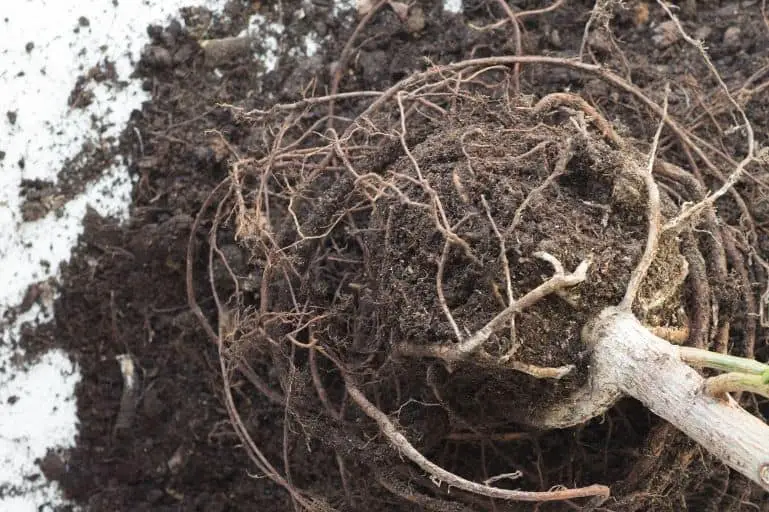
- Check root development – Gently inspect the root ball for white, healthy roots rather than brown, mushy ones
- Verify variety labeling – Ensure you’re purchasing the specific variety you want, as mislabeling occasionally occurs
- Ask about age and history – Understanding the plant’s background helps predict when fruiting might begin
- Inspect for pests – Examine closely for mealybugs, scale insects, or other common hitchhikers
Setting Up Your Dragon Fruit Garden
Proper setup lays the foundation for long-term success, whether you’re growing in containers or establishing an in-ground garden.
The infrastructure you create for your dragon fruit plants directly impacts their growth potential, ease of maintenance, and ultimate productivity. Taking time to properly plan and construct your growing setup prevents problems down the road and ensures your plants have everything they need to thrive.
Container Gardening vs. Ground Planting
Both container and ground planting offer viable paths to successful dragon fruit cultivation, with the best choice depending on your climate, available space, and gardening preferences. Each method presents unique advantages and challenges worth considering before committing to your setup.
Container gardening advantages:
Container growing provides unmatched flexibility, allowing gardeners in cooler climates to move plants indoors during winter or relocate them to capture optimal sunlight throughout the seasons. Choose containers at least 15-25 gallons in size with excellent drainage holes, as dragon fruit develops extensive root systems that require adequate space. Fabric pots or terracotta containers offer superior aeration compared to plastic, reducing the risk of root rot while allowing excess moisture to evaporate.
Ground planting benefits:
Planting directly in the ground enables dragon fruit to develop larger root systems, potentially supporting more vigorous growth and higher fruit production over time. In-ground plants also require less frequent watering since they can access deeper soil moisture. However, this method commits you to a permanent location, requiring careful site selection considering mature plant size, sunlight patterns, and protection from extreme weather.
Building Support Structures and Trellises
Dragon fruit’s climbing nature necessitates sturdy support structures capable of bearing significant weight as plants mature. A fully grown dragon fruit plant can weigh several hundred pounds when laden with fruit, making proper support construction crucial for long-term success.
Recommended support options:
-
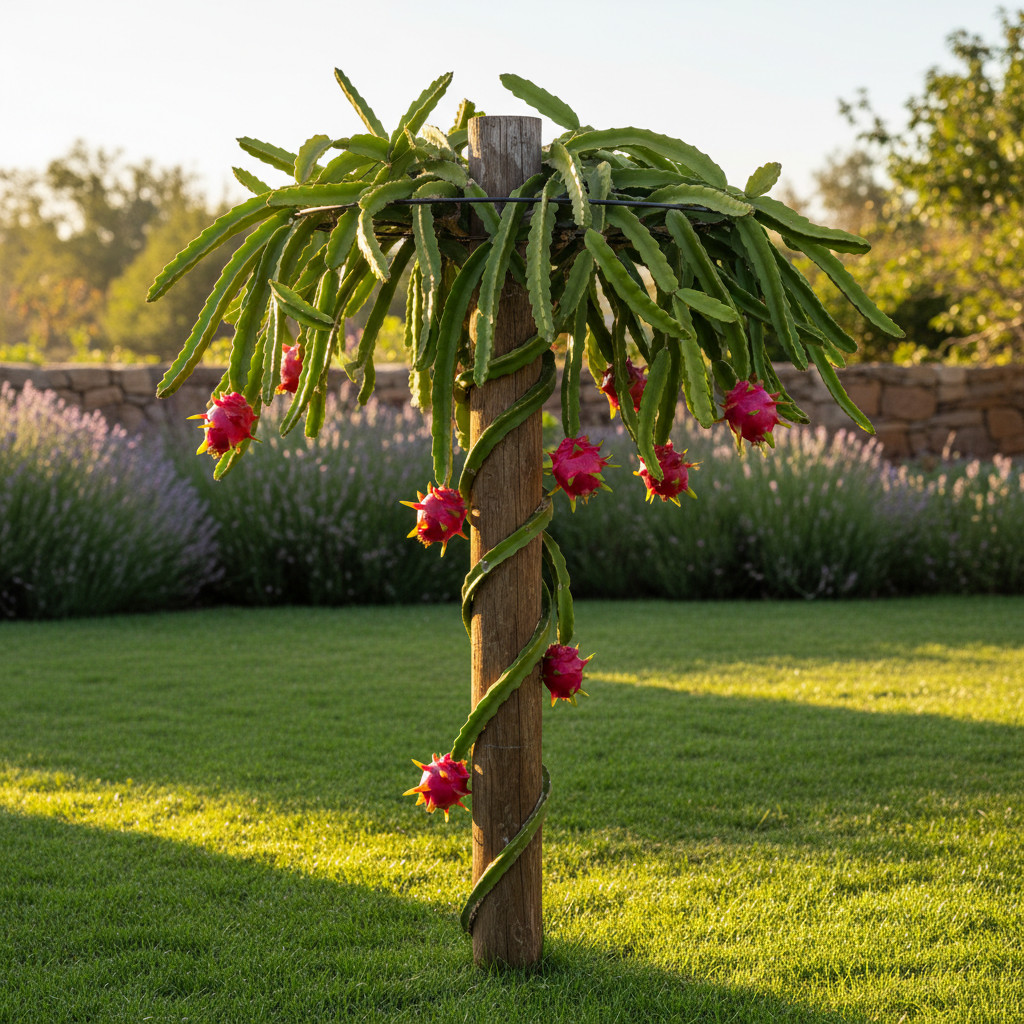
Single post system – A 4×4 wooden post or metal pipe set 2-3 feet into concrete, standing 5-6 feet above ground, topped with a horizontal crosspiece or circular ring. This classic design allows stems to cascade over the top, creating an umbrella-like canopy that facilitates harvesting and light exposure.
-
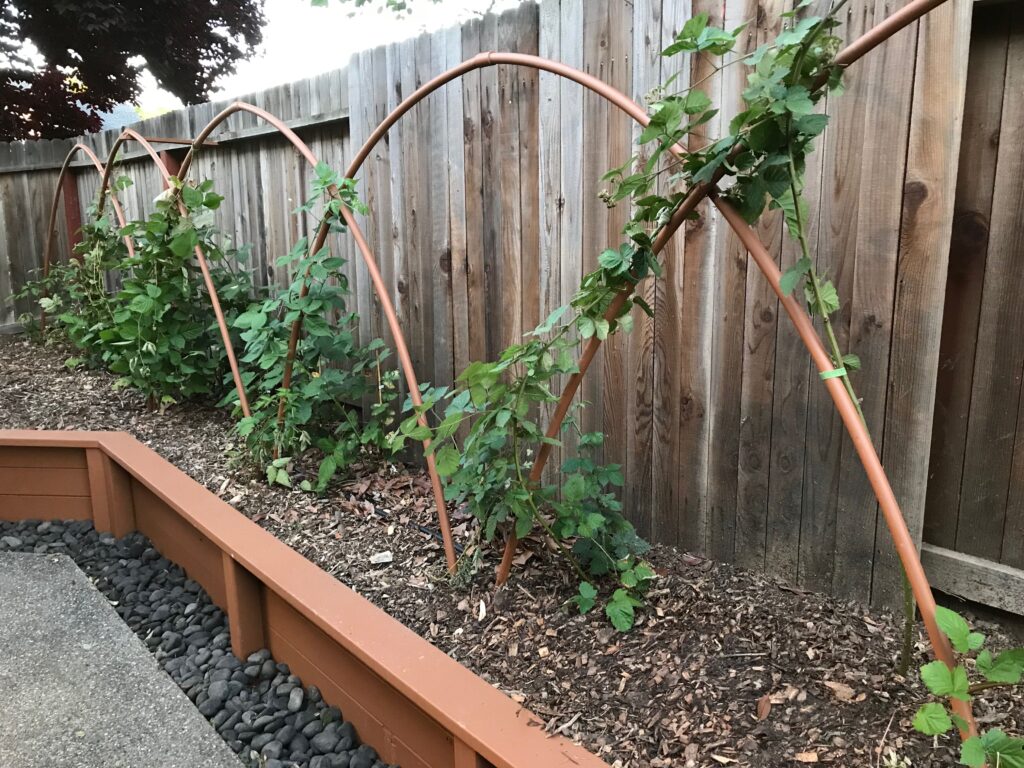
Trellis wall system – A fence-like structure using wire or wooden slats stretched between sturdy posts, ideal for gardeners wanting to maximize space along property boundaries. This system spreads plants horizontally, improving air circulation and making pest inspection easier.
-
Arbor or pergola integration – Dragon fruit can beautify existing garden structures while producing fruit, creating shaded seating areas adorned with exotic foliage and occasional spectacular blooms.
Construction considerations:
Ensure all support systems are anchored deeply enough to resist wind forces and the substantial weight of mature plants. Use rot-resistant materials like cedar, redwood, or galvanized metal for longevity. Install supports before planting to avoid root disturbance later.
Essential Care and Maintenance
Consistent, appropriate care transforms healthy plants into prolific fruit producers, requiring attention to watering, feeding, and pruning throughout the growing season.
While dragon fruit demonstrates impressive resilience once established, providing optimal care maximizes growth rates, fruit production, and overall plant health. Understanding the specific needs during different growth phases allows you to adjust your maintenance routine for best results.
Watering Requirements
Despite their cactus classification, dragon fruit plants require more regular watering than typical desert succulents, particularly during active growth and fruiting periods. The key lies in balancing adequate hydration with proper drainage to prevent root problems.
Seasonal watering guidelines:
-
Spring and Summer (active growth): Water deeply once or twice weekly, allowing soil to dry slightly between waterings. Increase frequency during heat waves or when plants are flowering and fruiting. Morning watering is preferable, allowing foliage to dry before evening.
-
Fall and Winter (dormant period): Reduce watering significantly, perhaps to once every two weeks or less, depending on local conditions. Plants in dormancy require minimal moisture, and excess water during this period invites root rot.
Signs of watering problems:
| Symptom | Likely Cause | Solution |
|---|---|---|
| Yellowing stems | Overwatering | Reduce frequency, improve drainage |
| Shriveled, wrinkled stems | Underwatering | Increase watering, check soil moisture |
| Soft, mushy stem base | Root rot | Remove affected portions, repot in fresh soil |
| Brown stem tips | Inconsistent watering | Establish regular watering schedule |
Fertilization Schedule
Dragon fruit benefits significantly from regular feeding, particularly during growth and fruiting phases. A balanced approach using both organic and synthetic fertilizers provides comprehensive nutrition while maintaining soil health.
Recommended fertilization program:
-
Early spring: Apply balanced slow-release granular fertilizer (10-10-10 or similar) as growth resumes. This provides foundational nutrition throughout the growing season without requiring frequent reapplication.
-
Monthly during growing season: Supplement with liquid fertilizer applications, alternating between balanced formulas and bloom-boosting formulas (higher phosphorus) as flowering approaches. Dilute to half-strength to avoid fertilizer burn.
-
Organic options: Incorporate well-composted manure, fish emulsion, or seaweed extract for gentle, sustained nutrition that improves soil structure over time. Top-dress with compost annually to replenish organic matter.
Nutrient deficiency indicators:
- Nitrogen deficiency: Pale green or yellow stems, stunted growth
- Phosphorus deficiency: Purple discoloration, poor flowering
- Potassium deficiency: Brown leaf margins, weak stems
- Calcium deficiency: Distorted new growth, blossom end rot on fruit
Pruning and Training
Strategic pruning shapes your dragon fruit plant for optimal production while preventing overcrowding that reduces air circulation and encourages disease. Regular training guides stems onto support structures, creating manageable plants that are easier to maintain and harvest.
Essential pruning practices:
-
Remove damaged or diseased stems promptly to prevent problems from spreading. Cut back to healthy tissue using clean, sharp tools sterilized between cuts.
-
Thin overcrowded growth by removing excess stems that shade productive portions of the plant. Aim to maintain open canopy structure allowing light penetration and air movement throughout the plant.
-
Trim aerial roots that aren’t serving structural purposes, as excessive aerial root production diverts energy from fruiting. Leave roots that help anchor the plant to support structures.
-
Cut back post-harvest by removing spent fruiting branches that have produced multiple times, encouraging fresh growth that will bear fruit in subsequent seasons.
Pollination and Fruit Production
Understanding dragon fruit pollination is crucial for ensuring successful fruit set, as many varieties require assistance to achieve their full productive potential.
Dragon fruit flowers are marvels of nature, but their nocturnal blooming habit and specific pollination requirements mean that many home gardeners must intervene to ensure fruit development. Learning pollination techniques significantly increases your harvest success.
Understanding Dragon Fruit Pollination
Dragon fruit flowers open for only one night, typically from sunset until mid-morning, creating a narrow window for pollination. In their native habitats, nocturnal pollinators like bats and sphinx moths transfer pollen between flowers. However, these natural pollinators may be absent in home garden settings, particularly in urban environments or regions outside the plant’s natural range.
Pollination categories:
-
Self-fertile varieties – Some cultivars, particularly certain white-fleshed types, can pollinate themselves, producing fruit without cross-pollination. However, even self-fertile varieties often yield larger, better-formed fruit when cross-pollinated with different varieties.
-
Self-sterile varieties – Many red-fleshed and yellow varieties require pollen from a genetically different plant to set fruit. Growing multiple varieties or arranging with neighbors who grow different types facilitates cross-pollination.
Hand Pollination Techniques
Hand pollination is simple, effective, and dramatically increases fruit set rates. The process takes only minutes per flower and can transform disappointing harvests into abundant production.
Step-by-step hand pollination guide:
-
Identify open flowers during the evening hours (typically 8-10 PM) when blooms have fully opened and pollen is available. Flowers are ready when anthers appear fuzzy with visible yellow pollen.
-
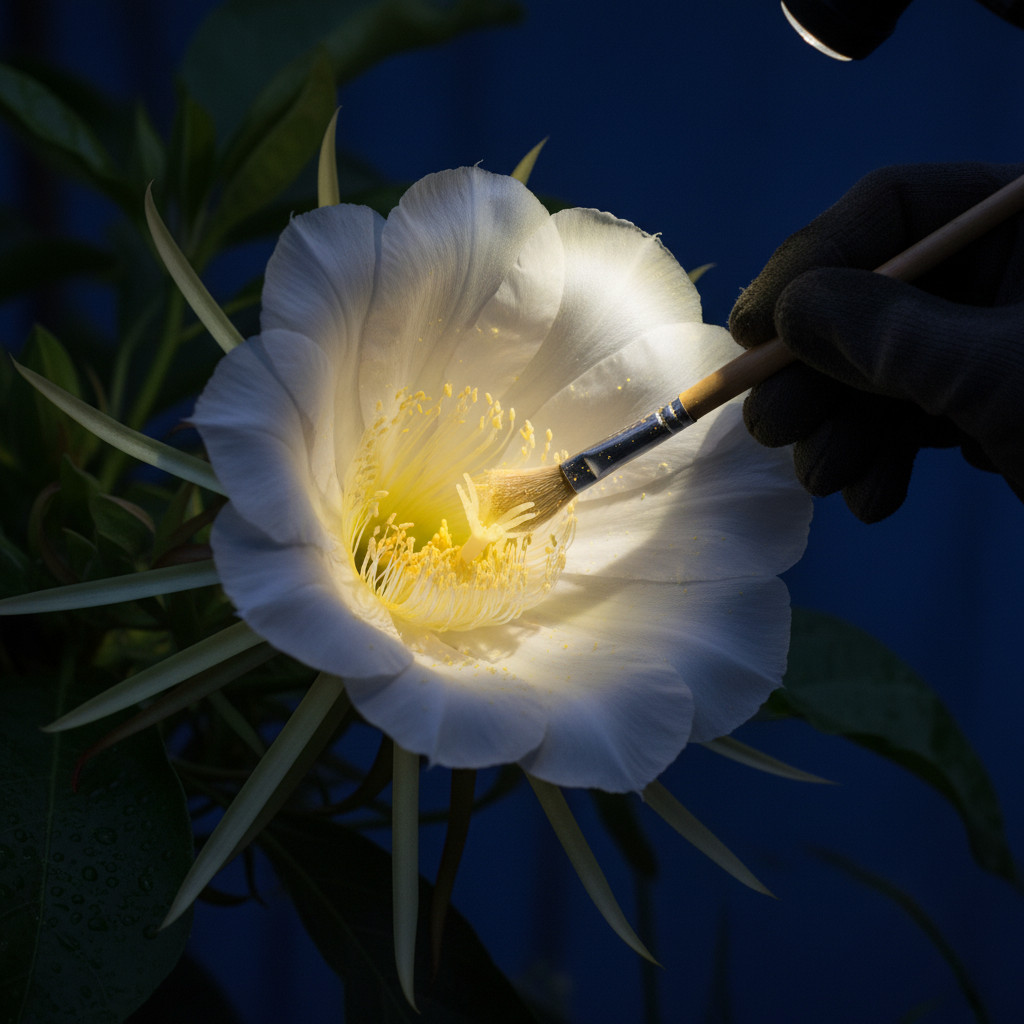
Collect pollen using a small, soft brush or cotton swab, gently dabbing the anthers to gather the dusty yellow pollen. Alternatively, remove an entire anther cluster from a donor flower for more comprehensive pollen transfer.
-
Transfer pollen to stigma by brushing the collected pollen onto the central stigma (the sticky, finger-like structure in the flower’s center). Ensure thorough coating by rotating the brush while applying gentle pressure.
-
Repeat with multiple flowers to increase success rates. Cross-pollinating between different varieties, if available, often produces superior fruit size and quality.
-
Document your efforts by marking pollinated flowers with colored tape or string. This helps track success rates and identify which varieties produce best together.
Harvesting and Storing Dragon Fruit
Knowing when and how to harvest ensures you enjoy dragon fruit at peak ripeness, while proper storage extends the enjoyment of your homegrown bounty.
The anticipation of harvesting your own dragon fruit makes all the cultivation effort worthwhile. Timing your harvest correctly maximizes flavor and nutritional content, while careful handling preserves fruit quality for storage and consumption.
Signs of Ripeness
Dragon fruit doesn’t continue ripening after harvest, making it essential to pick at the perfect moment. Fortunately, several reliable indicators help determine optimal harvest timing.
Ripeness indicators to monitor:
- Color development – Skin transitions from green to vibrant pink, red, or yellow (depending on variety), with uniform coloration indicating full ripeness
- Wing appearance – The small, leaf-like protrusions (wings) on the fruit’s exterior begin drying and turning brown at the tips
- Slight give – Gently pressing the fruit reveals slight softness similar to a ripe avocado, rather than rock-hard firmness
- Easy detachment – Ripe fruit separates from the stem with minimal pressure or a slight twist
- Days from flowering – Most varieties ripen 30-50 days after successful pollination
Harvesting Techniques
Proper harvesting technique protects both the fruit and the plant, ensuring continued production throughout the season. Dragon fruit stems are prone to damage, and careless harvesting can introduce disease entry points.
Harvesting best practices:
Use clean, sharp pruning shears or a knife to cut the fruit stem about one inch from the fruit’s base, leaving a short stub attached. Avoid pulling or twisting fruit off, as this can tear the plant stem and damage future fruiting sites. Handle harvested fruit gently, as the skin bruises easily despite its tough appearance. Place fruit in padded containers to prevent damage during transport from garden to kitchen.
Storage Tips
Fresh dragon fruit maintains quality for 5-7 days at room temperature, or up to two weeks when refrigerated in the crisper drawer. For longer storage, consider these preservation methods:
- Refrigeration – Place unwashed fruit in a plastic bag with air holes, storing in the refrigerator’s high-humidity drawer
- Freezing – Cube the flesh and freeze on a baking sheet before transferring to freezer bags; frozen dragon fruit works excellently in smoothies
- Drying – Slice thinly and dehydrate for shelf-stable snacks with concentrated flavor
- Preserving – Make jam, jelly, or syrup to capture the harvest for year-round enjoyment
Common Challenges and Troubleshooting
Even experienced gardeners encounter obstacles when growing dragon fruit; knowing how to identify and address problems quickly minimizes damage and maintains plant health.
Understanding common issues before they arise prepares you to respond effectively, potentially saving plants from serious damage. Most dragon fruit problems stem from environmental stress, improper care, or pest and disease pressure.
Addressing Poor Fruit Production
Disappointing harvests frustrate gardeners who’ve invested time and effort in their plants. Several factors commonly contribute to poor fruit production, most of which are correctable.
Common causes and solutions:
-
Insufficient pollination – Implement hand pollination techniques or plant multiple varieties to ensure adequate pollen transfer. Consider the timing of your pollination efforts, ensuring you work during the flower’s brief opening window.
-
Inadequate nutrition – Plants lacking phosphorus often flower poorly or drop developing fruit. Adjust fertilization to include bloom-boosting formulas and ensure overall nutrient balance through soil testing.
-
Light deficiency – Plants receiving less than six hours of direct sunlight may focus energy on stem growth rather than reproduction. Relocate containers or remove shading obstacles to increase light exposure.
-
Age and maturity – Young plants may flower without setting fruit as they develop. Patience often resolves this issue as plants mature and strengthen.
Dealing with Environmental Stress
Dragon fruit responds visibly to environmental challenges, with stems showing clear signs of distress that help diagnose problems.
Stress symptoms and remedies:
| Problem | Symptoms | Solution |
|---|---|---|
| Sun scorch | Yellow or bleached patches on stems | Provide afternoon shade, especially during heat waves |
| Cold damage | Soft, water-soaked areas that turn brown | Move containers indoors, use frost cloth for ground plants |
| Drought stress | Shriveled, wrinkled stems | Deep watering, mulching to retain moisture |
| Overwatering | Yellow stems, soft base, mold growth | Improve drainage, reduce watering frequency |
| Nutrient burn | Brown, crispy stem edges | Flush soil with plain water, reduce fertilizer strength |
Final Words
Growing dragon fruit transforms your garden into a tropical paradise while providing delicious, nutritious fruit that’s rarely available fresh in most markets. The journey from planting to harvest teaches patience, observation, and the rewarding art of working with nature to produce something beautiful and sustaining.
Success with dragon fruit comes from understanding the plant’s unique needs and providing consistent, thoughtful care. Start with quality plants or cuttings, establish proper support structures, and maintain regular attention to watering, feeding, and pest management. Don’t be discouraged by initial challenges—every experienced grower has faced setbacks that ultimately taught valuable lessons.
Key takeaways to remember:
- Choose varieties suited to your climate and consider growing multiple types for cross-pollination and variety
- Invest in sturdy support structures that will accommodate years of growth and heavy fruit loads
- Master hand pollination to ensure consistent fruit production regardless of local pollinator populations
- Maintain balanced care with appropriate watering, feeding, and pruning throughout the growing season
- Harvest at peak ripeness and store properly to enjoy the full flavor of your homegrown fruit
Whether you’re growing a single container plant on your patio or establishing an extensive backyard orchard, dragon fruit gardening offers endless fascination and tangible rewards. The spectacular nighttime blooms alone make the effort worthwhile, while the exotic fruit represents the ultimate expression of your gardening skill. Start your dragon fruit journey today, and within a few seasons, you’ll be harvesting baskets of this extraordinary fruit while sharing cuttings and advice with fellow enthusiasts.