Table of Contents
- 10 Secrets to Successful Citrus Fruit Gardening
- Why Citrus Fruit Gardening Has Captured Hearts Worldwide
- Secret #1 – Selecting the Right Citrus Variety for Your Climate
- Understanding USDA Hardiness Zones for Citrus
- Best Varieties for Different Growing Situations
- Secret #2 – Mastering Soil Preparation and pH Balance
- Creating the Ideal Soil Composition
- Testing and Adjusting Soil pH
- Secret #3 – Perfecting Your Watering Technique
- Understanding Citrus Water Needs
- Recognizing Watering Problems
- Secret #4 – Providing Optimal Sunlight Exposure
- Outdoor Light Requirements
- Indoor and Container Light Solutions
- Secret #5 – Implementing a Strategic Fertilization Program
- Understanding NPK Ratios and Micronutrients
- Creating a Year-Round Fertilization Schedule
- Secret #6 – Pruning for Health and Maximum Fruit Production
- When and How to Prune Citrus Trees
- Common Pruning Mistakes to Avoid
- Secret #7 – Protecting Your Citrus from Pests and Diseases
- Common Citrus Pests and Natural Control Methods
- Preventing Fungal and Bacterial Infections
- Secret #8 – Temperature Management and Frost Protection
- Understanding Cold Damage Thresholds
- Effective Frost Protection Strategies
- Secret #9 – Container Gardening for Citrus Success
- Choosing the Right Container and Growing Medium
- Managing Root Health and Transplanting
- Secret #10 – Harvesting at the Perfect Time for Maximum Flavor
- Recognizing Citrus Fruit Maturity
- Proper Harvesting and Storage Techniques
- Bonus Tips for Year-Round Citrus Excellence
- Final Thoughts: Your Citrus Growing Journey Begins Now
10 Secrets to Successful Citrus Fruit Gardening
There’s something incredibly satisfying about walking into your garden and plucking a sun-ripened orange, lemon, or grapefruit straight from your own tree. The burst of fresh, tangy flavor that fills your mouth is incomparable to anything you’d find in a grocery store. Citrus fruit gardening has captivated home gardeners worldwide, transforming backyards, patios, and even indoor spaces into fragrant, productive orchards. Yet, despite the romantic allure of homegrown citrus, many gardeners struggle to achieve the bountiful harvests they dream about.
The truth is that citrus trees are remarkably rewarding but require specific knowledge and techniques to thrive. Unlike many fruit trees that can tolerate neglect, citrus demands attention to detail—from soil composition to watering schedules, from pest management to temperature protection. Without understanding these nuances, even the most enthusiastic gardener can end up with yellowing leaves, sparse fruit production, or trees that simply fail to flourish.
This comprehensive guide unveils the carefully guarded secrets that professional citrus growers have perfected over generations. Whether you’re cultivating Meyer lemons in containers on your apartment balcony or establishing a full citrus grove in your subtropical backyard, these ten transformative strategies will revolutionize your approach to citrus gardening. Prepare to discover actionable insights, expert techniques, and proven methods that will help you grow the healthiest, most productive citrus trees imaginable.
Why Citrus Fruit Gardening Has Captured Hearts Worldwide
Understanding the appeal and unique characteristics of citrus cultivation sets the foundation for gardening success.
Citrus fruit gardening represents one of the most rewarding horticultural pursuits available to home gardeners. These magnificent trees offer year-round beauty with their glossy evergreen foliage, intoxicatingly fragrant blossoms, and colorful fruits that can adorn branches for months. Beyond aesthetics, homegrown citrus provides exceptional nutritional value, delivering fresh vitamin C, antioxidants, and flavonoids that diminish rapidly after commercial harvesting and shipping.
The economic benefits of growing your own citrus cannot be overlooked either. A single mature lemon tree can produce between 200 to 350 pounds of fruit annually, potentially saving hundreds of dollars on grocery bills while providing surplus for preserving, gifting, or selling at local farmers’ markets. Additionally, citrus trees are remarkably long-lived—with proper care, they can remain productive for 50 years or more, making them a true generational investment.

Key benefits of home citrus cultivation include:
- Superior flavor and freshness compared to commercially grown fruit
- Complete control over pesticides and growing methods
- Year-round harvesting with strategic variety selection
- Ornamental value that enhances landscape aesthetics
- Therapeutic benefits from the calming activity of tree care
Understanding what makes citrus unique—their subtropical origins, specific nutritional needs, and growth patterns—establishes the foundation for implementing the secrets that follow. These trees evolved in Southeast Asia’s warm, humid climates, which explains their preferences for specific growing conditions that successful gardeners must replicate.
Secret #1 – Selecting the Right Citrus Variety for Your Climate
Your variety selection determines 80% of your success before you even plant a single tree.
Choosing the appropriate citrus variety for your specific climate zone represents the most critical decision you’ll make as a citrus gardener. Many enthusiastic beginners make the costly mistake of selecting varieties based solely on fruit preference rather than climate compatibility, leading to disappointing results or complete tree loss.
Understanding USDA Hardiness Zones for Citrus
Citrus trees generally thrive in USDA hardiness zones 9 through 11, where winter temperatures rarely drop below 20°F (-6°C). However, significant variation exists among citrus species regarding cold tolerance. Understanding your zone and its microclimates allows you to make informed variety selections that dramatically increase your success probability.
Cold tolerance rankings from most to least hardy:
- Satsuma mandarins and kumquats – Tolerate temperatures down to 15°F (-9°C)
- Meyer lemons and calamondins – Survive brief exposure to 20°F (-6°C)
- Grapefruits and sweet oranges – Require minimum temperatures above 25°F (-4°C)
- True lemons and limes – Most cold-sensitive, preferring temperatures above 32°F (0°C)
Best Varieties for Different Growing Situations
For gardeners in marginal climates (zones 8-9), cold-hardy varieties like Satsuma mandarin ‘Owari’, Changsha tangerine, or Thomasville citrangequat offer the best chances of outdoor success. These varieties have proven their resilience through generations of cultivation in borderline regions.
Container gardeners and those in cooler climates should consider dwarf varieties specifically bred for indoor cultivation. Improved Meyer Lemon remains the gold standard for container growing, offering compact growth habits, nearly continuous blooming, and exceptionally flavorful fruit. Calamondin oranges and Bearss limes also adapt excellently to container culture and can be moved indoors during cold weather.
Research your local agricultural extension office resources for region-specific variety recommendations, as microclimates within your property can also influence success. A south-facing wall or protected courtyard might allow you to grow varieties one zone warmer than your official designation.
Secret #2 – Mastering Soil Preparation and pH Balance
Citrus trees are extraordinarily particular about their soil conditions, making proper preparation non-negotiable.
The foundation of citrus health lies literally in the ground beneath them. Citrus trees demand well-draining soil with specific pH requirements that many gardeners overlook. Getting soil preparation right from the beginning prevents countless problems throughout your tree’s lifetime and dramatically influences fruit production quality and quantity.
Creating the Ideal Soil Composition
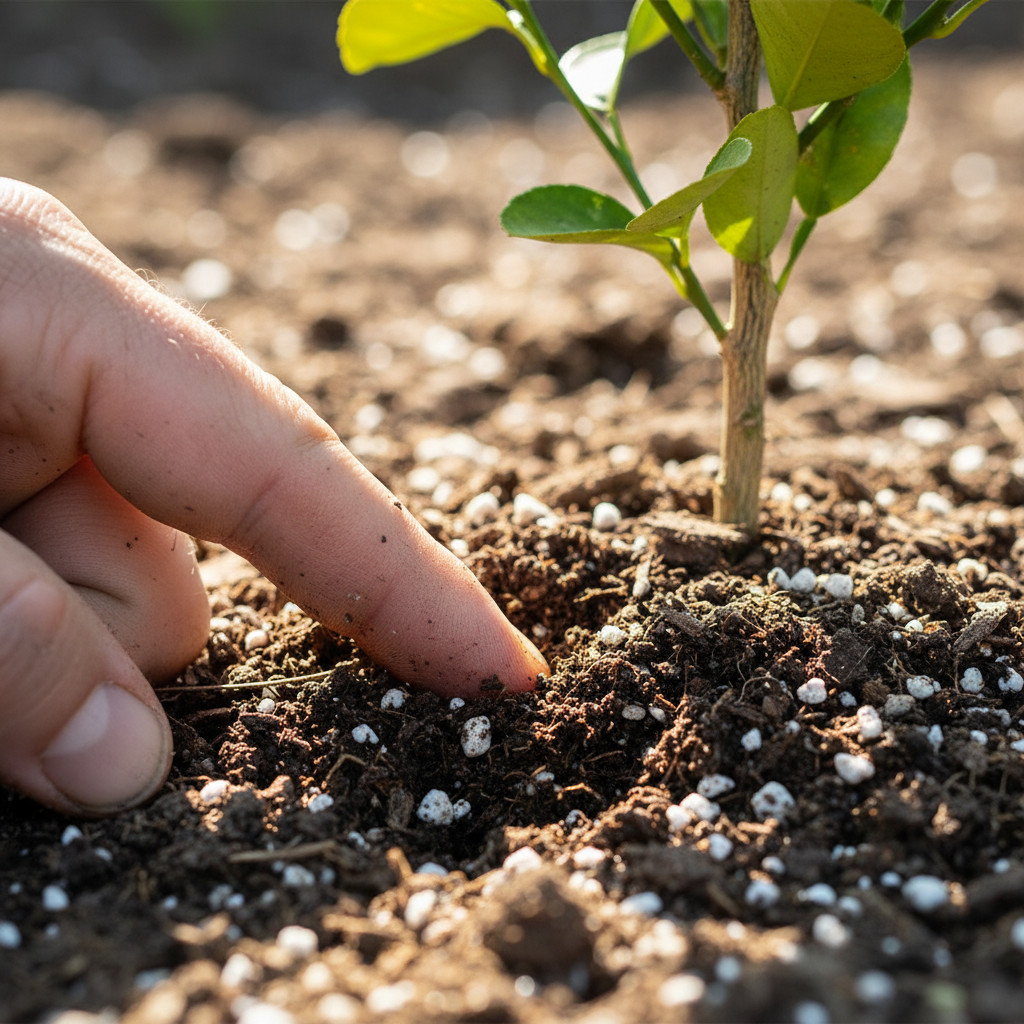
Citrus roots require constant access to oxygen, making drainage the paramount concern in soil preparation. Heavy clay soils that retain water create anaerobic conditions leading to root rot—the leading cause of citrus tree death. Conversely, extremely sandy soils drain too quickly, leaving trees perpetually thirsty and nutrient-deficient.
The ideal citrus soil recipe includes:
- 40% native soil (unless extremely clay-heavy)
- 30% coarse organic matter (aged bark, compost)
- 20% perlite or pumice for drainage
- 10% sand for additional drainage improvement
When planting, create a raised mound or berm 4-6 inches above the surrounding grade. This elevation encourages water to drain away from the trunk while allowing roots to access moisture below. Never plant citrus in low-lying areas where water collects after rainfall.
Testing and Adjusting Soil pH
Citrus trees perform optimally in slightly acidic soil with pH levels between 6.0 and 7.0. Outside this range, essential nutrients become chemically unavailable regardless of their presence in the soil. This phenomenon, called nutrient lockout, produces deficiency symptoms even in heavily fertilized trees.
Conduct a soil pH test before planting using either a home testing kit or professional laboratory analysis. To lower pH in alkaline soils, incorporate eleite sulfur or aluminum sulfate according to package directions. Raising pH in overly acidic soils requires adding agricultural lime. Important: Make pH adjustments gradually over several months, as dramatic changes can shock plant systems.
Regular pH monitoring—at least twice annually—ensures conditions remain optimal as natural processes and irrigation water gradually alter soil chemistry. Many municipal water supplies are alkaline, slowly raising soil pH over time without intervention.
Secret #3 – Perfecting Your Watering Technique
Improper watering kills more citrus trees than any disease or pest combined.
Water management represents perhaps the most challenging aspect of citrus cultivation for home gardeners. These trees have specific moisture requirements that change seasonally, and both overwatering and underwatering produce devastating consequences. Mastering the art of citrus irrigation separates successful growers from frustrated ones.
Understanding Citrus Water Needs
Citrus trees require consistently moist—but never waterlogged—soil conditions. Their fibrous root systems spread widely but remain relatively shallow, making them sensitive to both drought stress and standing water. During active growth periods (spring through fall), established trees typically need deep watering every 7-14 days, depending on temperature, humidity, and soil type.
Factors influencing watering frequency:
- Temperature: Hot weather increases water requirements significantly
- Humidity: Dry climates demand more frequent irrigation
- Tree age: Young trees need more frequent, lighter watering
- Soil type: Sandy soils require more frequent irrigation
- Container vs. ground: Containers dry faster and need more attention
Recognizing Watering Problems
Learning to read your citrus tree’s signals prevents many watering-related issues. Overwatering symptoms include yellowing leaves (especially older ones), leaf drop, soft or mushy trunk base, and fungal growth on soil surface. Underwatering symptoms manifest as wilting leaves, curling leaf edges, premature fruit drop, and dry, cracked soil.
The finger test remains the most reliable watering indicator: insert your finger 2-3 inches into the soil near the drip line. If soil feels dry at this depth, water thoroughly. If still moist, wait another day or two before checking again.
When watering, apply moisture slowly and deeply to encourage root growth downward rather than remaining shallow. Drip irrigation systems or soaker hoses work excellently for citrus, delivering water directly to the root zone while keeping foliage dry. Wet leaves, especially overnight, encourage fungal diseases that can devastate citrus trees.
Secret #4 – Providing Optimal Sunlight Exposure
Light quantity and quality directly determine fruit production potential and overall tree vigor.
Citrus trees are sun-worshippers that evolved under intense tropical and subtropical sunlight. Inadequate light exposure represents one of the most common limiting factors for home citrus growers, particularly those cultivating trees indoors or in partially shaded locations. Understanding and optimizing light conditions unlocks your tree’s full productive potential.
Outdoor Light Requirements
For outdoor cultivation, citrus trees require a minimum of 6-8 hours of direct sunlight daily, with 10-12 hours being optimal for maximum fruit production. South-facing locations in the Northern Hemisphere (north-facing in the Southern Hemisphere) provide the most consistent, intense sunlight throughout the growing season.
Strategic placement considerations:
- Morning sun is gentler and helps dry dew, reducing disease pressure
- Afternoon sun is more intense and can scorch young trees
- Reflected light from walls or fences increases available light
- Deciduous tree placement can provide beneficial summer shade
Young trees and newly planted citrus benefit from partial afternoon shade during their first summer, as their developing root systems cannot yet support the water demands of full sun exposure. Gradually increase sun exposure over 2-3 seasons as trees establish.
Indoor and Container Light Solutions
Indoor citrus gardeners face significant light challenges, as even bright windows provide only a fraction of outdoor light intensity. Position container citrus in your brightest south-facing window, and consider supplemental lighting during winter months when natural daylight hours decrease.
Full-spectrum LED grow lights have revolutionized indoor citrus cultivation, providing the specific light wavelengths these trees require for photosynthesis and fruit production. Position lights 6-12 inches above foliage and provide 12-16 hours of illumination daily during the growing season. Quality grow lights represent an investment that pays dividends in healthier trees and better fruit production.
Rotate container citrus quarterly to ensure even light exposure on all sides, preventing lopsided growth that stresses trees and reduces productivity. Watch for signs of light deficiency, including elongated, leggy growth, pale green leaves, and failure to bloom or set fruit.
Secret #5 – Implementing a Strategic Fertilization Program
Citrus trees are heavy feeders that require consistent, balanced nutrition throughout the growing season.
Unlike many fruit trees that can survive on minimal fertilization, citrus demands regular nutritional support to produce abundant, quality fruit. These evergreen trees never fully enter dormancy, continuing to photosynthesize and utilize nutrients year-round, albeit at reduced rates during winter months.
Understanding NPK Ratios and Micronutrients
Citrus trees require specific nutrient ratios that differ from general-purpose fertilizers. The ideal citrus fertilizer contains an NPK ratio of approximately 2-1-1 or 3-1-1 (nitrogen-phosphorus-potassium), reflecting their heavy nitrogen requirements for foliage production and fruit development.
Essential nutrients for citrus health:
- Nitrogen (N): Drives leaf growth and overall vigor; deficiency causes yellowing
- Phosphorus (P): Supports root development and fruit maturation
- Potassium (K): Enhances fruit quality, size, and disease resistance
- Iron: Critical for chlorophyll production; deficiency common in alkaline soils
- Zinc: Supports new growth and fruit development
- Manganese: Essential for photosynthesis and enzyme activation
Creating a Year-Round Fertilization Schedule
Successful citrus growers follow strategic fertilization calendars rather than sporadic applications. For established outdoor trees, apply citrus-specific fertilizer three times annually: early spring (February-March), early summer (May-June), and late summer (August-September). Avoid fertilizing within two months of expected frost dates, as nitrogen stimulates tender new growth susceptible to cold damage.
Application rates vary by tree size:
- First year: 1 tablespoon monthly during growing season
- Second year: 2 tablespoons monthly during growing season
- Third year and beyond: 1 pound per year of tree age, divided into three applications, maximum 6 pounds annually
Organic options include fish emulsion, blood meal, and composted manure, which release nutrients slowly and improve soil biology. Commercial citrus fertilizers provide more precise nutrient ratios and faster availability. Many successful growers combine both approaches, using organic amendments for soil health and targeted synthetic fertilizers for specific nutrient needs.
Container citrus requires more frequent fertilization due to limited soil volume and nutrient leaching from regular watering. Apply diluted liquid fertilizer every 2-4 weeks during active growth, reducing to monthly during winter months.
Secret #6 – Pruning for Health and Maximum Fruit Production
Strategic pruning shapes trees for optimal production while removing problem growth before it impacts overall health.
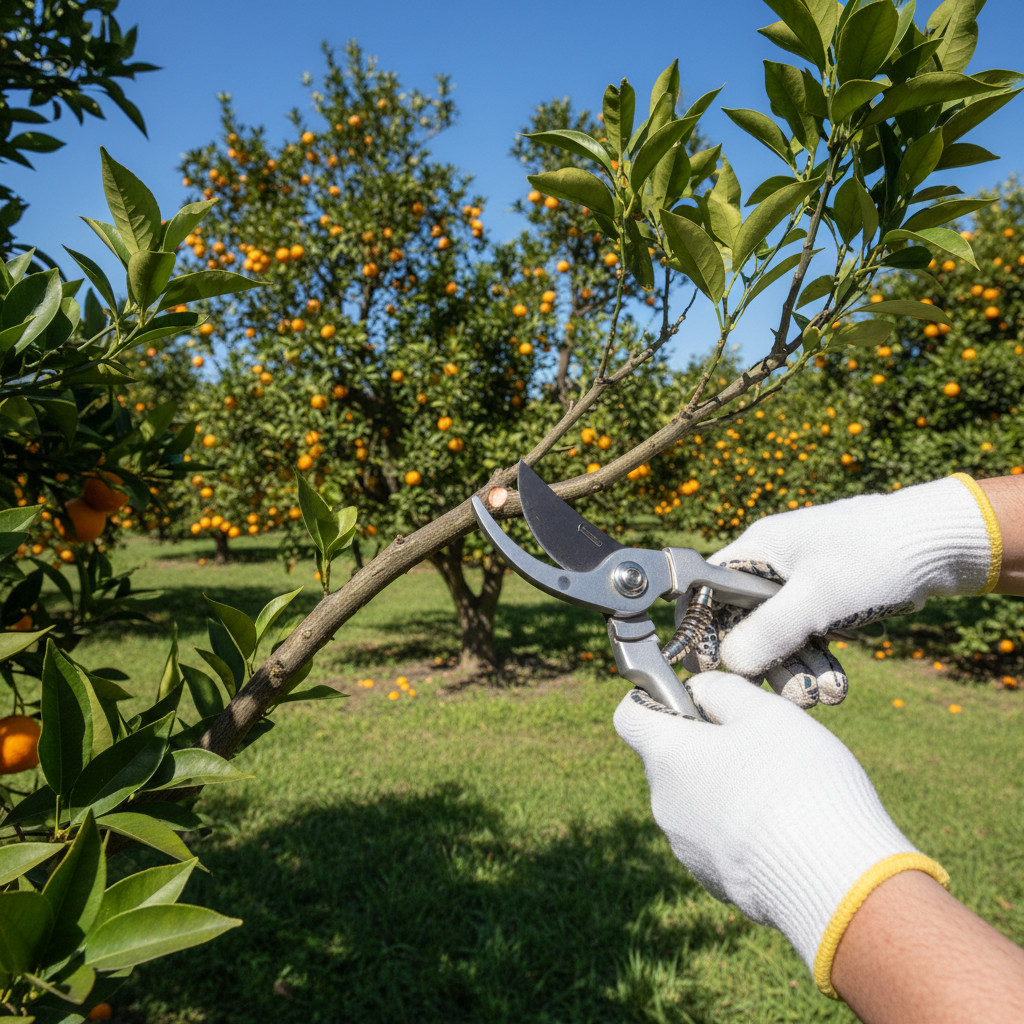
Many citrus gardeners either neglect pruning entirely or prune incorrectly, both approaches compromising tree health and fruit production. Unlike deciduous fruit trees requiring annual heavy pruning, citrus trees need lighter, more strategic intervention focused on specific goals.
When and How to Prune Citrus Trees
The optimal pruning window for citrus occurs in late winter to early spring, after the last frost danger but before new spring growth begins. This timing allows trees to heal pruning wounds quickly with the surge of spring energy while avoiding exposure of tender new growth to cold damage.
Essential pruning targets include:
-
Dead, diseased, or damaged wood: Remove promptly regardless of season to prevent disease spread and eliminate pest harboring sites. Cut back to healthy tissue, making clean cuts at 45-degree angles.
-
Suckers and water sprouts: These vigorous vertical shoots drain energy from productive branches without contributing to fruit production. Remove them completely at their point of origin.
-
Crossing or rubbing branches: When branches contact each other, friction creates wounds inviting disease entry. Remove the less productive or less ideally positioned branch.
-
Interior congestion: Citrus trees benefit from air circulation throughout their canopy, reducing disease pressure. Remove select interior branches to improve airflow.
-
Rootstock suckers: Growth emerging below the graft union comes from the rootstock rather than the fruit-producing variety. Remove these immediately as they divert energy and can eventually overtake the desired variety.
Common Pruning Mistakes to Avoid
Over-pruning represents the most damaging mistake citrus gardeners make. Never remove more than 20-25% of the canopy in a single year, as excessive pruning shocks trees, delays fruit production, and stimulates excessive vegetative growth at the expense of fruiting.
Avoid “topping” citrus trees—the practice of cutting back the entire canopy to a specific height. This brutal approach destroys the tree’s natural form, eliminates years of productive wood, and creates entry points for disease. Instead, make selective heading cuts to individual branches when height reduction is necessary.
Never prune citrus during active fruiting unless addressing emergency situations like storm damage. Pruning during fruit development can cause fruit drop and reduce current-season harvest.
Secret #7 – Protecting Your Citrus from Pests and Diseases
Proactive pest and disease management prevents small problems from becoming tree-threatening catastrophes.
Citrus trees face numerous pest and disease pressures that can quickly devastate unprotected trees. Successful growers implement integrated pest management (IPM) strategies combining prevention, monitoring, and targeted intervention to maintain tree health without excessive chemical applications.
Common Citrus Pests and Natural Control Methods
Citrus leafminer affects new growth, creating serpentine trails within leaves. While unsightly, light infestations rarely harm mature trees. Spray emerging flush with neem oil or spinosad for control, or apply systemic insecticides for severe infestations.
Scale insects appear as small bumps on stems and leaf undersides, sucking plant sap and excreting sticky honeydew that attracts sooty mold. Treat with horticultural oil sprays during crawler stages, or introduce parasitic wasps for biological control.
Aphids cluster on new growth, distorting leaves and spreading viral diseases. Strong water sprays dislodge light infestations; insecticidal soap controls heavier populations. Encourage ladybugs and lacewings, natural predators that provide excellent long-term control.
Spider mites thrive in hot, dry conditions, causing stippled, bronzed foliage. Maintain adequate humidity around trees and spray with miticides or horticultural oils when populations explode.
Preventing Fungal and Bacterial Infections
Citrus canker presents as raised, corky lesions on fruit, leaves, and stems. This bacterial disease spreads through wind-driven rain and contaminated tools. Prevention includes avoiding overhead irrigation, sterilizing pruning tools between cuts, and removing infected tissue immediately.
Root rot (caused by Phytophthora species) remains the most devastating citrus disease, killing trees by destroying their root systems. Prevention through proper drainage and avoiding overwatering is far more effective than treatment. Affected trees show declining vigor, yellowing leaves, and gumming at the soil line.
Citrus greening (HLB) represents an existential threat to citrus worldwide. This incurable bacterial disease spreads through Asian citrus psyllid insects, causing misshapen, bitter fruit and eventual tree death. Report suspected infections to agricultural authorities immediately and maintain psyllid control through regular insecticide applications in affected regions.
Secret #8 – Temperature Management and Frost Protection
Understanding and managing temperature extremes determines survival in marginal citrus-growing regions.
Temperature represents the ultimate limiting factor for citrus cultivation. While these trees tolerate brief cold exposure, extended freezing temperatures or hard frosts can damage or kill even established trees. Successful growers in marginal climates implement comprehensive cold protection strategies.
Understanding Cold Damage Thresholds
Different citrus tissues sustain damage at varying temperatures. Leaves typically suffer damage around 28°F (-2°C), while wood damage occurs near 24°F (-4°C). Fruit can be damaged at temperatures higher than these, particularly if exposed for extended periods.
Factors influencing cold damage severity:
- Duration: Brief cold snaps cause less damage than prolonged freezes
- Tree health: Vigorous, well-nourished trees tolerate cold better
- Dormancy status: Trees stressed by drought or disease are more vulnerable
- Wind: Wind increases cold damage by preventing protective microclimates
Effective Frost Protection Strategies
When frost threatens, take immediate protective action using multiple strategies for maximum effectiveness:
-
Watering: Irrigate thoroughly before cold weather arrives. Moist soil holds and releases heat more effectively than dry soil, moderating temperatures in the root zone.
-
Covering: Drape trees with frost cloth, burlap, or blankets, ensuring material reaches the ground to trap rising soil heat. Never use plastic directly against foliage, as it conducts cold and damages tissue.
-
Heat sources: String incandescent Christmas lights (not LED) through the canopy for mild warming, or position outdoor-rated heaters beneath covered trees during severe cold.
-
Microclimate selection: Plant against south-facing walls that absorb daytime heat and radiate it overnight. Avoid planting in low areas where cold air pools.
Container citrus should be moved indoors when temperatures threaten to drop below 35°F (2°C), providing a significant advantage over in-ground trees in marginal climates.
Secret #9 – Container Gardening for Citrus Success
Container cultivation extends citrus growing possibilities to virtually any climate when done correctly.
Container gardening has democratized citrus cultivation, allowing gardeners in cold climates to enjoy homegrown citrus by moving trees indoors during winter. However, container culture presents unique challenges requiring specific techniques for success.
Choosing the Right Container and Growing Medium
Container selection significantly impacts citrus health. Choose containers with abundant drainage holes—citrus cannot tolerate waterlogging under any circumstances. Material matters less than drainage, though terra cotta and fabric grow bags provide superior aeration compared to plastic containers.
Size progression for container citrus:
- Start: 5-gallon container for young nursery trees
- Year 2-3: Move to 10-gallon container
- Year 4-5: Progress to 15-20 gallon container
- Mature tree: 25-gallon or larger as final home
Avoid jumping to oversized containers immediately, as excess soil retains moisture promoting root rot. Progress gradually as roots fill existing containers.
Potting mix requirements differ from garden soil. Use a fast-draining mix specifically formulated for citrus or create your own combining:
- 50% high-quality potting soil
- 25% perlite or pumice
- 25% pine bark fines
Never use garden soil in containers—it compacts, drains poorly, and may harbor diseases.
Managing Root Health and Transplanting
Container citrus requires root inspection and maintenance every 2-3 years. Gently remove trees from containers, trim circling roots, and refresh potting mix before repotting. This root pruning prevents root-bound conditions that limit growth and fruit production.
Signs indicating transplanting needs:
- Roots emerging from drainage holes
- Water running straight through without absorbing
- Declining vigor despite proper care
- Soil pulling away from container sides
Secret #10 – Harvesting at the Perfect Time for Maximum Flavor
Patience during the final stage rewards growers with fruit quality impossible to achieve commercially.
After months or years of careful cultivation, harvesting represents the ultimate reward. Unlike some fruits that ripen after picking, citrus reaches peak flavor only while attached to the tree, making harvest timing critical for experiencing the full potential of your homegrown fruit.
Recognizing Citrus Fruit Maturity
Color alone unreliably indicates citrus ripeness—many ripe citrus varieties remain green, while others develop full color long before reaching peak flavor. Taste testing remains the most reliable ripeness indicator. Begin sampling fruit once they reach expected mature size and color, harvesting when sweetness and acidity balance perfectly.
General ripeness indicators by variety:
- Oranges: Typically ripen 9-15 months after flowering; flavor develops fully when fruit pulls easily from the stem
- Lemons: Harvest when fully yellow and slightly soft; fruit can remain on tree for months without overripening
- Grapefruits: Require longest maturation (12-18 months); sweetness increases with extended tree time
- Mandarins: Ready when fragrant and segments separate easily; do not leave on tree after peak ripeness
Proper Harvesting and Storage Techniques
Harvest citrus carefully to avoid damaging fruit and trees. Use sharp pruning shears to cut stems cleanly, leaving a small stub attached to the fruit. Pulling or twisting can tear bark and create disease entry points.
Freshly harvested citrus stores excellently at room temperature for 1-2 weeks or refrigerated for 4-8 weeks depending on variety. Avoid washing fruit until ready to use, as moisture promotes mold growth. For long-term preservation, juice and freeze excess fruit, make marmalade, or preserve peels for culinary uses.
Bonus Tips for Year-Round Citrus Excellence
These additional insights elevate good citrus gardens to exceptional ones.
Beyond the ten secrets above, experienced citrus growers employ additional techniques worth implementing:
-
Mulching: Apply 3-4 inches of organic mulch around trees, keeping it 6 inches away from trunks. Mulch moderates soil temperature, retains moisture, and suppresses weeds.
-
Companion planting: Interplant citrus with nitrogen-fixing legumes, pest-repelling herbs like basil and marigolds, or pollinator-attracting flowers to create thriving garden ecosystems.
-
Record keeping: Maintain garden journals documenting planting dates, fertilizer applications, pest observations, and harvest quantities. This data proves invaluable for refining techniques over seasons.
-
Patience: Young citrus trees should have flowers and developing fruit removed during their first 2-3 years, directing energy toward root and canopy establishment rather than premature fruit production.
Final Thoughts: Your Citrus Growing Journey Begins Now
Growing citrus fruit successfully requires knowledge, attention, and dedication—but the rewards far exceed the effort invested. By implementing these ten secrets, you position yourself among the informed minority of gardeners who achieve consistent, abundant citrus harvests year after year.
Remember that citrus gardening is a marathon, not a sprint. Your first tree may take several years to reach full production, but each season brings learning opportunities that make you a better grower. Embrace the process, celebrate small victories like your first bloom or fruit set, and don’t be discouraged by setbacks—even experienced growers face challenges.
Start today by:
- Assessing your climate zone and selecting appropriate varieties
- Testing your soil and making necessary amendments
- Establishing proper watering and fertilization schedules
- Implementing preventive pest management strategies
The journey to citrus gardening mastery begins with a single planted tree. Whether you’re dreaming of fresh-squeezed orange juice from your backyard grove or Meyer lemon zest from your kitchen window container garden, the secrets revealed here provide your roadmap to success. Your homegrown citrus future awaits—it’s time to start growing.